
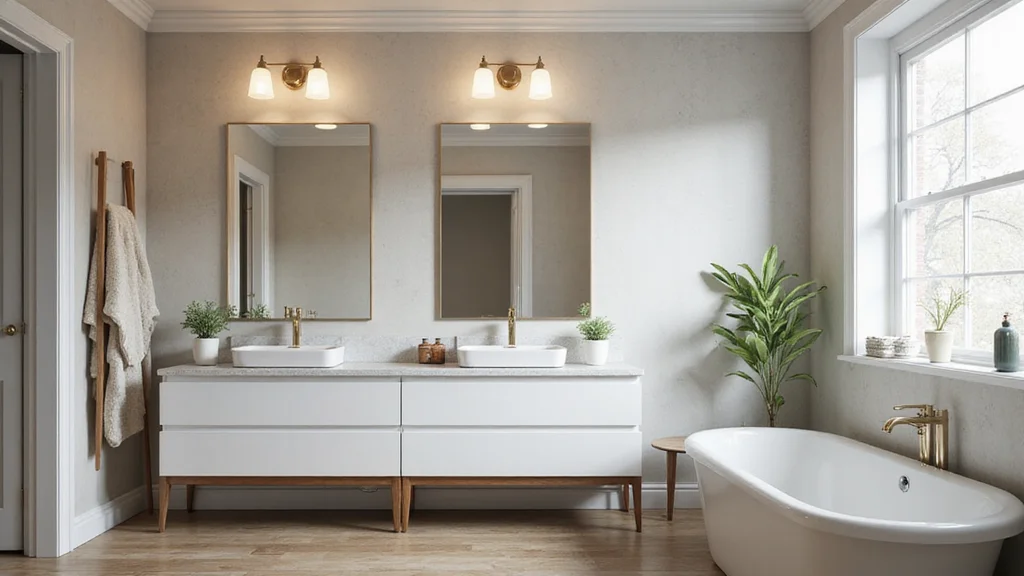

Choosing the right bathroom vanity mirror can feel overwhelming, especially when you’re working with a small space. You want something that not only fits the area perfectly but also enhances your overall bathroom decor. That’s why I created this 14 Bathroom Vanity Mirror Size Guide—to make the process easier for you.
If you’re a homeowner or someone looking to spruce up your small bathroom, this guide is for you. You probably care about finding the perfect balance between style and functionality. You want a mirror that reflects your taste while also making your space feel larger and more inviting.
In this guide, you’ll discover everything you need to know about bathroom mirror dimensions, vanity mirror styles, and even some smart bathroom decor tips. I’ve broken it down into simple steps so you can easily find the right size mirror that complements your unique space. From measuring your area accurately to exploring different shapes and lighting considerations, you’ll leave with practical tips to guide your decision-making process.
Let’s dive into the world of mirrors, and transform your bathroom into a stylish oasis that makes getting ready a joy, not a chore!
Key Takeaways
– Start by measuring your wall space to determine the best mirror dimensions for your bathroom.
– Consider mirror height based on the average eye level for optimal functionality.
– Explore a variety of shapes, such as round or rectangular, to find what fits your style.
– Keep lighting in mind; the right mirror can enhance natural light and brighten your space.
– Don’t overlook the importance of frame materials and colors to tie your bathroom decor together.
1. Measure Your Space
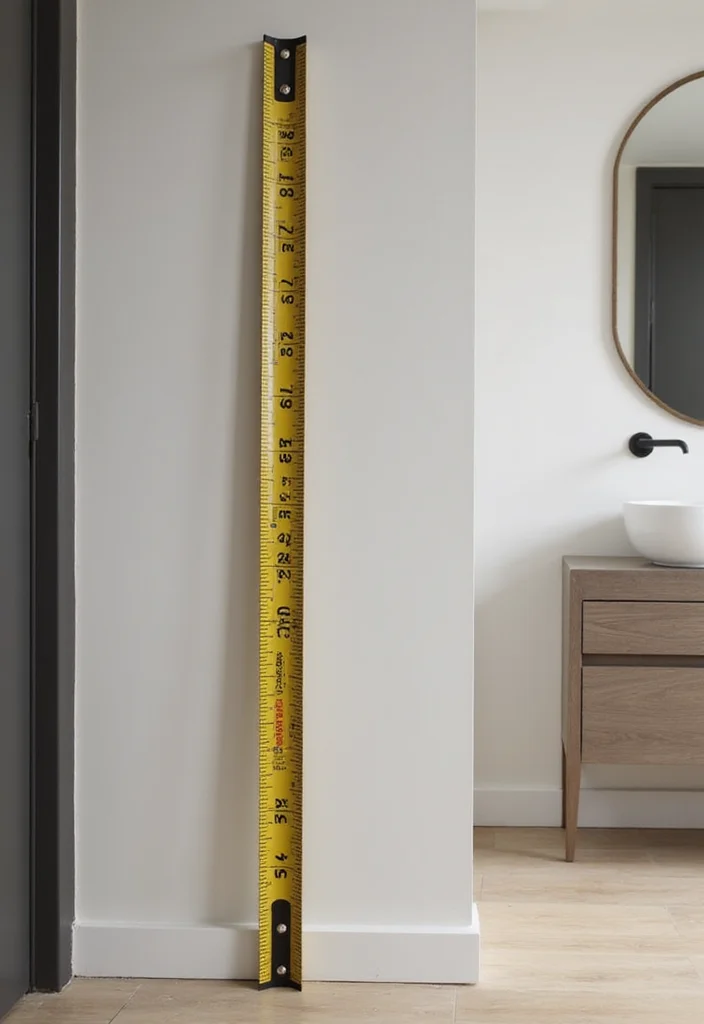
Measuring your space sets the stage for a balanced bathroom look. Start by noting the wall width above the sink, then the height to the ceiling or light fixtures. This helps you see what size mirrors will feel right. Pinterest loves roomy, well-proportioned mirrors that echo the vanity.
Use a tape measure and painter’s tape to map the area. Keep the mirror between 75-100% of vanity width for a cohesive feel. Leave space between the mirror and fixtures to avoid crowding. Taking measurements now saves you from mismatches later and makes choosing style easier.
• Use a tape measure to map the space for accuracy
• Choose a height at eye level for comfort and usability
• Pick a width 75-100% of vanity for balance
• Add space between mirror and lights to prevent crowding
Getting the right size sets a smooth path to a stylish bathroom.
2. Consider Mirror Height
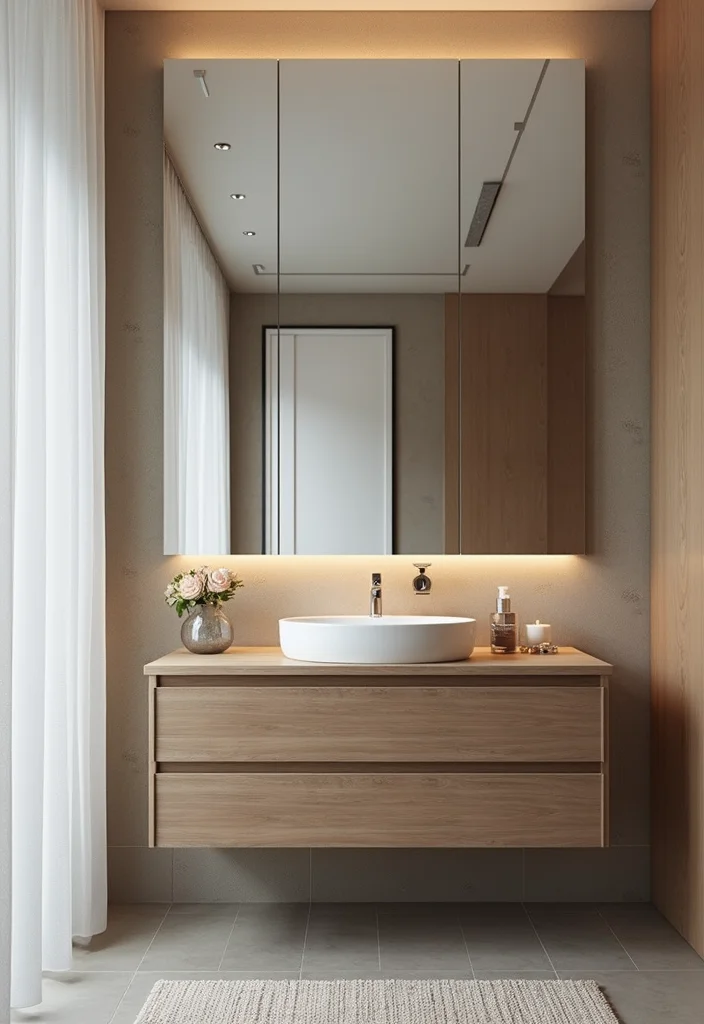
Height shapes how the mirror serves daily routines and the room’s look. Most people hang mirrors around 30-36 inches from the floor, but you can adjust for taller households. If multiple users share the bath, plan for a height that works for everyone. A well-placed height can soften angles and bring the ceiling closer to eye level, as seen in popular designs.
Measure from floor to the center of the mirror or to the top edge if you prefer. For framed mirrors, include the frame thickness in your math. If you have two users, consider a taller mirror to cover both sightlines. A balanced height makes tasks easier and keeps the space feeling open.
• Measure from floor to mirror center for accuracy
• Account for frame thickness if you choose framed
• Consider taller heights for a shared bathroom and comfort
• Place the mirror to improve light and space
Done right, height enhances daily use and room balance.
3. Width Guidelines
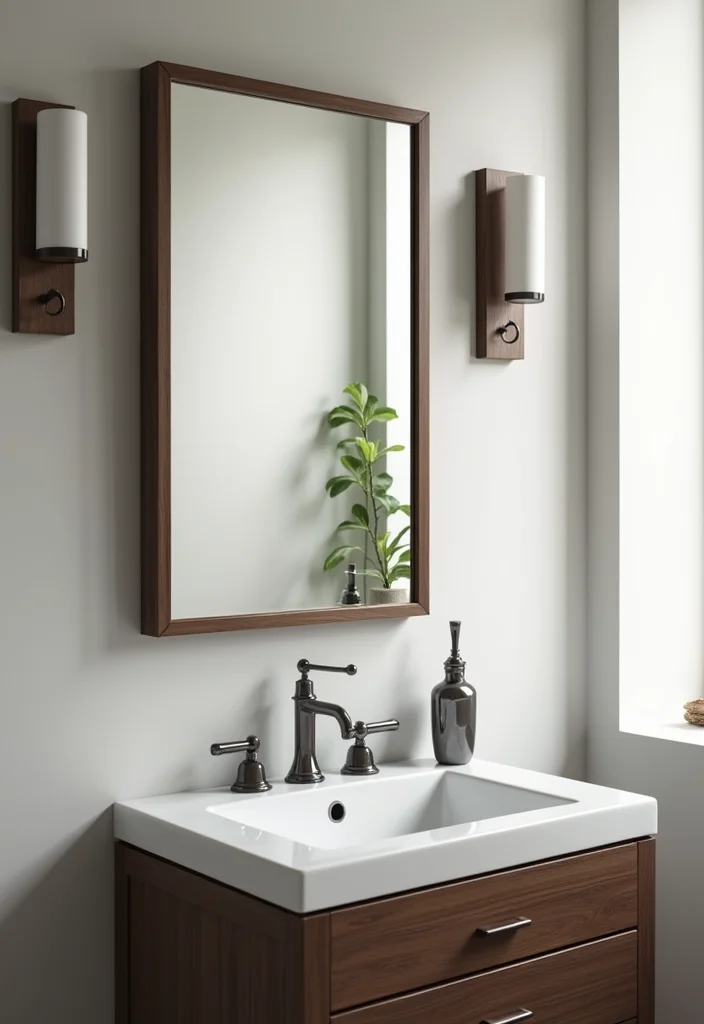
Width shapes how the mirror reads with the vanity. A simple rule helps: the mirror should be about one to two inches narrower than the vanity. In tight baths, a slimmer mirror stops the space from feeling crowded. Pinterest shows a soft, coordinated line between vanity and mirror for a calm look.
Width is the next crucial dimension to consider. The general rule of thumb is that your mirror should be between 1 and 2 inches narrower than your vanity. For width selection: Small Spaces: In tighter areas, a narrower mirror can prevent a cramped feeling, while still providing ample functionality. Symmetrical Appeal: Mirrors that are too wide can overwhelm a small vanity; aim for a balanced look. Double Sinks: If you have a double vanity, consider a larger mirror that allows both users to see themselves comfortably. Exploring these width guidelines makes narrowing down your options much easier.
• Use a mirror width slightly narrower than vanity
• Choose a narrower width for small baths
• Pick a larger mirror for double vanities if balanced
• Add a frame when you want extra character
Width choices keep the bath balanced and easy to use.
In a small bath, the bathroom vanity mirror size guide says keep the mirror 1–2 inches narrower than the vanity. A slimmer edge prevents crowding and keeps lines calm, like a soft Pinterest-perfect balance.
4. Choosing the Right Shape
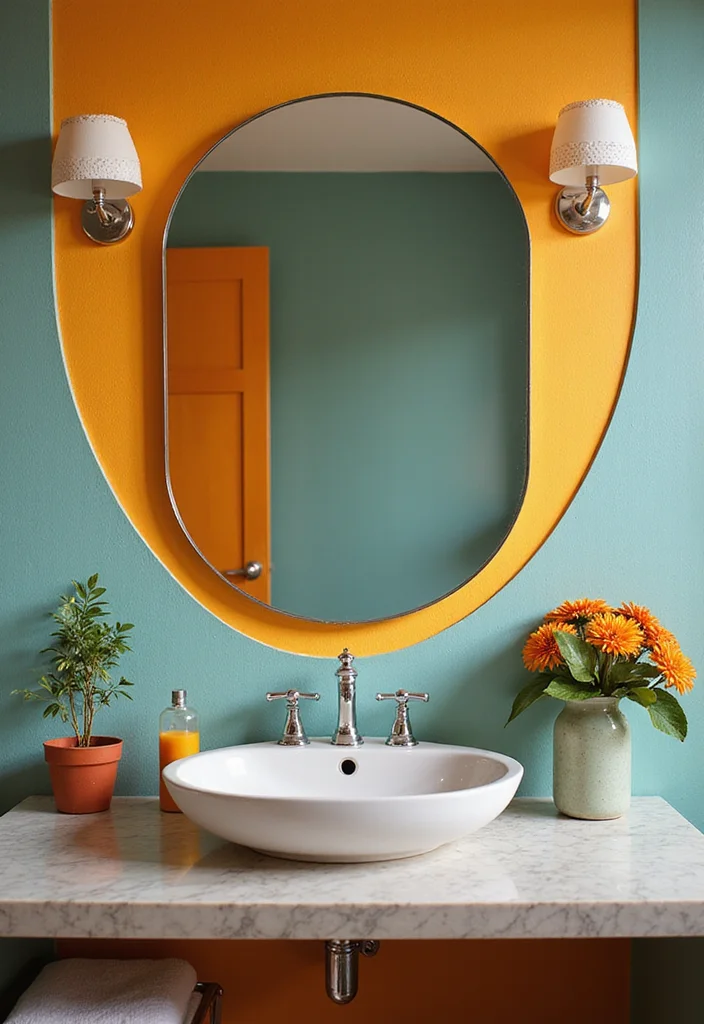
Shapes shape mood in a bathroom. Square and rectangular mirrors feel classic, while round or oval shapes soften edges and add warmth. Consider how the mirror’s silhouette relates to the vanity lines and lighting. A round mirror can brighten small spaces, while a tall, narrow form can stretch the room upward. Shape choice mainly boosts how the space looks and flows.
Mirrors come in various shapes, each bringing its unique charm to your bathroom. Square and rectangular mirrors are classic, but round or oval mirrors can soften a space and add warmth. Traditional vs. Modern: Square mirrors often work best in contemporary settings, while round ones can evoke a softer, vintage feel. Visual Flow: Consider how the mirror’s shape interacts with the lines of the vanity and sink. A round mirror can complement angular vanities well. Space Availability: In a small bathroom, round mirrors can create an illusion of more space, while tall, narrow mirrors can elongate the room. Choosing the right mirror shape is all about enhancing your space and style.
• Use a round mirror to soften angular vanities
• Choose a square or rectangular shape for modern spaces
• Pick a tall, narrow mirror to elongate the room
• Add shape that mirrors the vanity lines
Shapes shape how your bath reads and feels.
5. Mirror Styles Defined
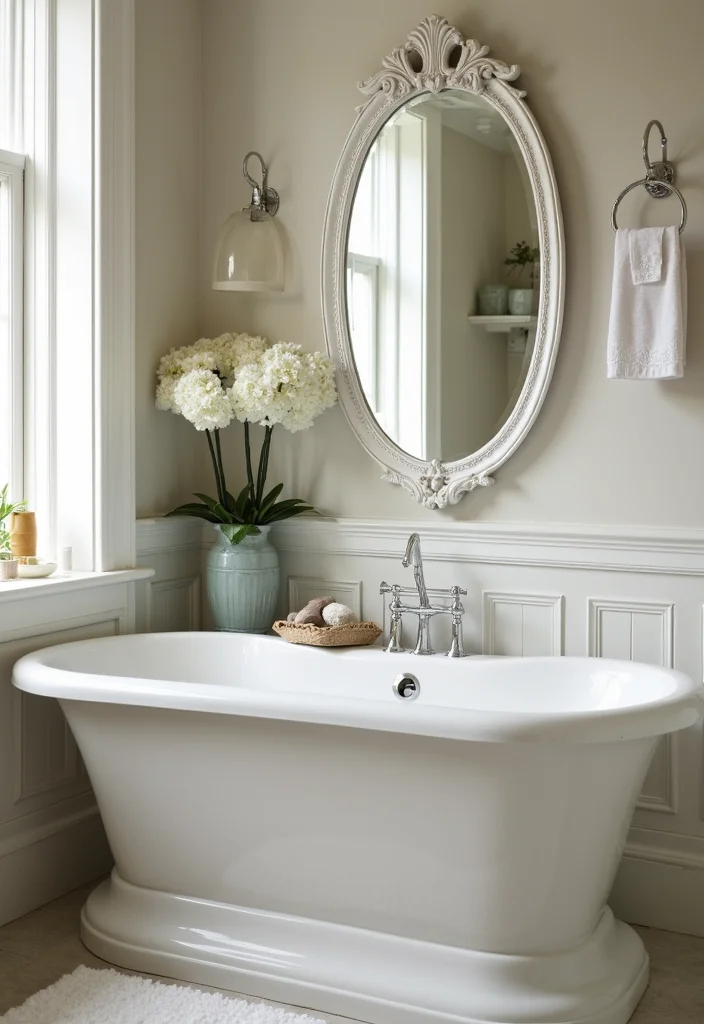
Style sets the tone. Frameless mirrors offer a clean, contemporary vibe, while framed designs add character and warmth. Vintage or distressed finishes can bring rustic charm. By picking a style that matches your bath decor, the mirror becomes a striking feature rather than just a utility piece.
The style of your bathroom mirror can make or break the overall decor. From minimalist to ornate, selecting a style that matches your bathroom’s aesthetic is essential. Frameless Mirrors: Perfect for a clean, modern look, frameless mirrors add a touch of elegance without overwhelming the space. Framed Mirrors: Adding a frame can enhance traditional decor and add a pop of character. Choose a style that complements your bathroom theme. Vintage Mirrors: Antique or distressed finishes can add a warm, rustic charm. By choosing a style that aligns with your decor, your mirror becomes a striking focal point.
• Use frameless for a clean, minimalist look
• Choose framed mirrors to add character and warmth
• Pick vintage or distressed finishes for rustic charm
• Add a statement frame in brass or matte black
Let your mirror tell part of your bathroom story.
6. Lighting Considerations
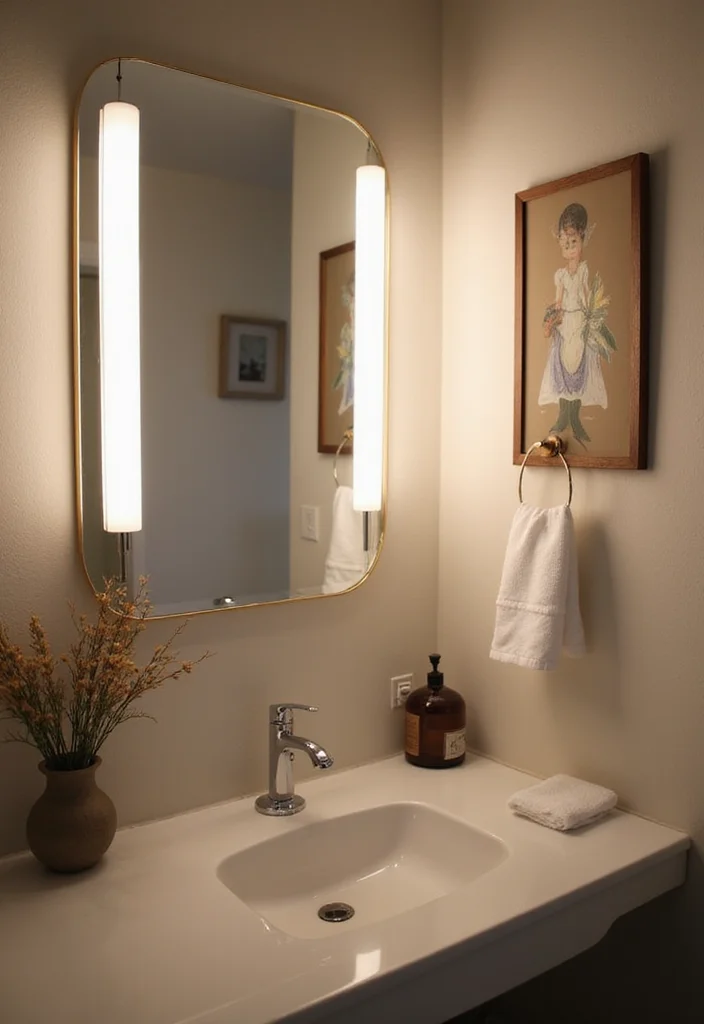
Lighting changes how the mirror looks and works. Good light helps you see clearly and sets the bath mood. Avoid glare by keeping mirrors away from direct window reflections. Layered lighting adds depth: ambient, task, and accent lights all play a role. Fixture height should balance with the mirror so faces are easy to see.
Lighting plays an essential role in how your mirror looks and functions. Proper illumination ensures that your reflection is clear and enhances the overall ambiance. Key lighting tips: Placement Matters: Avoid placing mirrors directly across from windows to reduce glare. Layered Lighting: Combine ambient, task, and accent lighting to create a warm atmosphere. Light Fixtures: Ensure that wall sconces or overhead lights are installed at a height that complements the mirror’s position. Considering these lighting aspects will ensure your bathroom mirror not only looks great but functions effectively.
• Use layered lighting for depth and warmth
• Choose sconces at eye level for comfort
• Pick fixtures that avoid glare from windows
• Add dimmers for flexible mood and task lighting
Light sets the stage for a mirror you love to use.
7. Reflective Quality
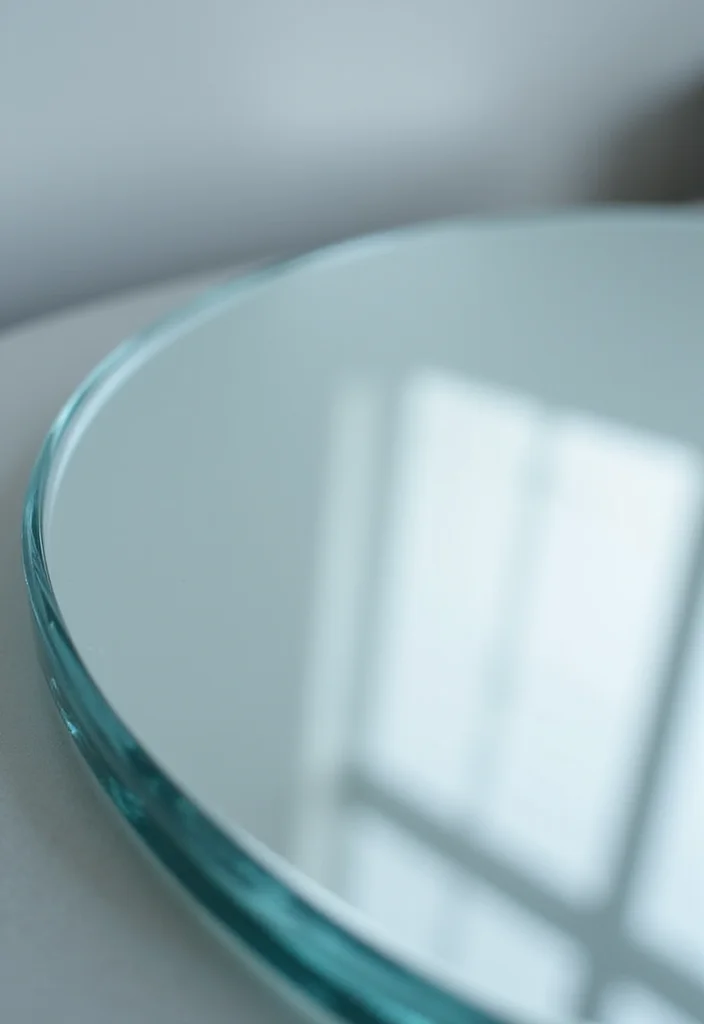
The mirror’s glass quality changes how you see the room. Thick glass gives sharper reflections and better durability. Fog resistance helps in humid baths. Polished edges feel refined and are safer for bathrooms. Knowing these details helps you pick a mirror that lasts and looks crisp.
The reflective quality of a mirror affects not just visibility but also how it interacts with the surrounding decor. Glass Thickness: Thicker glass offers a clearer reflection and is often more durable. Anti-Fogging Features: In humid bathroom environments, consider mirrors with anti-fogging technology to maintain clarity after showers. Edge Treatment: Mirrors with polished edges look more refined and are safer for installation in bathrooms. Understanding reflective qualities can enhance functionality and aesthetics.
• Use thicker glass for clearer reflections and durability
• Choose anti fog features for humid bathrooms
• Pick polished edges for safety and refined look
• Add proper backing to guard against moisture damage
Knowing glass quality helps you pick a mirror that lasts.
8. Frame Styles and Materials
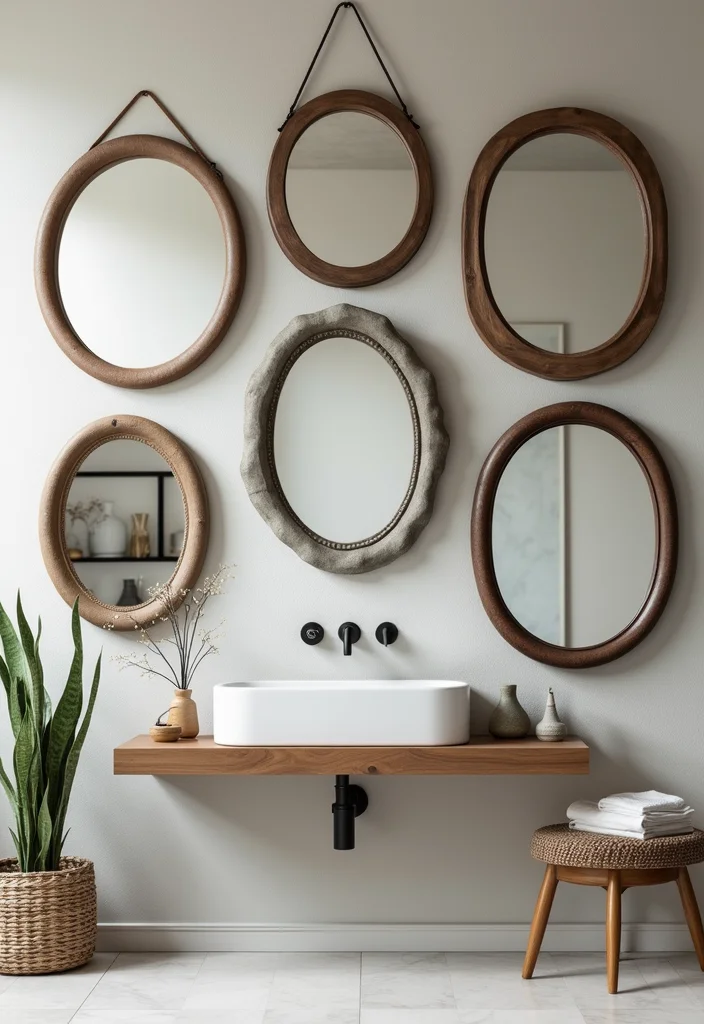
The frame around the mirror sets the style. Wood brings warmth and can be painted or stained to fit the scheme. Metal frames give a sleek, durable look that lasts in moisture. Plastic frames are budget friendly and come in many colors. The right frame ties your mirror to the rest of the bath.
The frame surrounding your mirror can dramatically influence its style and overall impact in the bathroom. Explore common materials: Wooden Frames: These add warmth and can be painted or stained to match your decor. Metal Frames: For a sleek, industrial look, consider metals like brass or iron that can withstand moisture. Plastic Frames: Cost-effective and available in various colors and designs, these can be a fun, vibrant addition. Choosing the right frame style and material can align your mirror with your bathroom’s theme beautifully.
• Use wooden frames for warmth and cohesion in bath
• Choose metal frames for a modern, lasting finish
• Pick plastic frames for budget friendly color options
• Add moisture-safe finishes to extend life
Frame choice ties the look together.
9. Functionality Meets Style
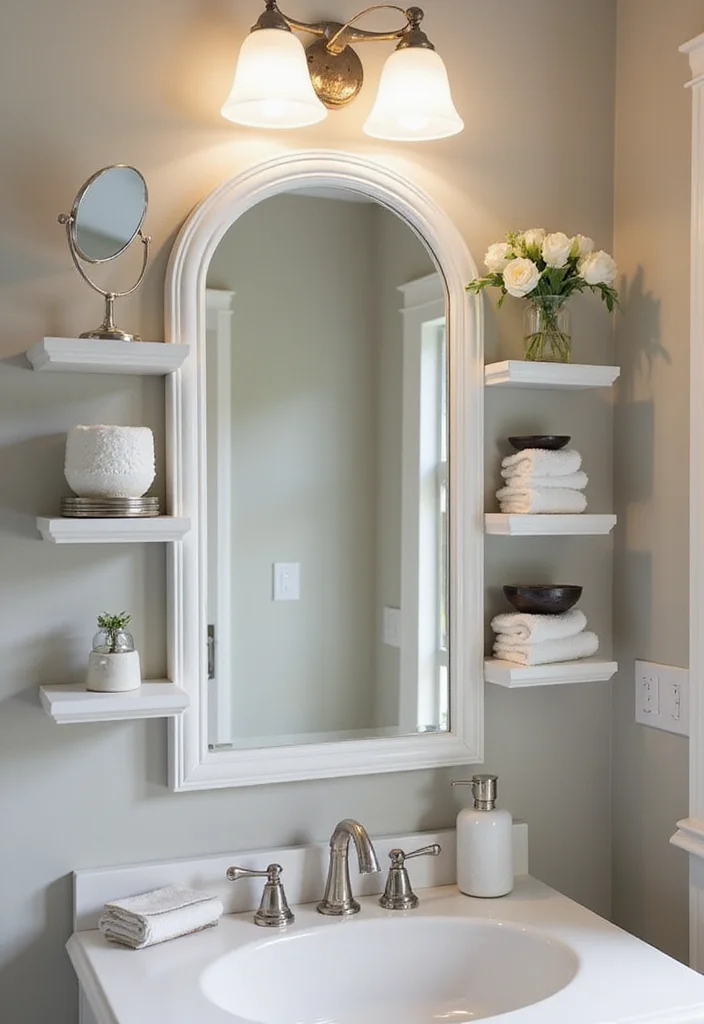
A mirror should work as part of your daily routine, not just look good. Think about magnification for makeup or shaving, built-in storage shelves, or a tilt feature for different viewing angles. These details make the mirror practical and pleasing. Balance style with use to keep mornings smooth.
A mirror should work as hard as it looks pretty. A mirror should work as hard as it looks pretty. Think about how you’ll use it daily. Magnifying Features: For detailed makeup application or shaving, consider mirrors with magnifying options or built-in lighting. Storage Solutions: Some mirrors come with shelves or cabinet space, maximising usability in small spaces. Adjustability: Mirrors that can tilt or swivel offer flexible viewing angles, enhancing practicality. Finding the balance between style and functionality makes your mirror a practical piece of decor.
• Use magnifying options for close work at the vanity
• Choose mirrors with storage shelves if space is tight
• Pick tilting designs for flexible viewing
• Add built-in lighting for clear reflections
Style plus function makes mornings easier.
10. Color Coordination
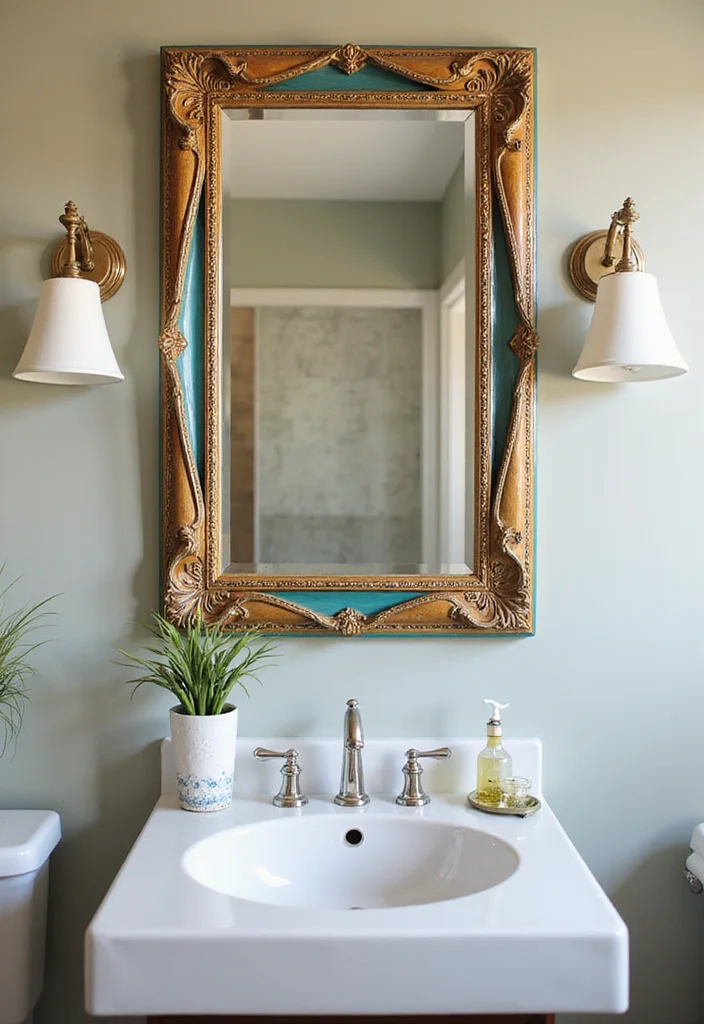
Mirrors should blend with your bathroom colors, whether you want a bold feature or a quiet compliment. Neutral frames work well in many schemes. A colored frame can be a fun focal point. Coordinate mirror hues with faucet and cabinet hardware for a cohesive look. Thoughtful color choices pull the whole design together.
Mirrors should harmonize with your bathroom’s color palette, whether you choose a bold statement piece or a neutral complement. To achieve color coordination: Neutral Tones: Silver, gold, or black frames work well in almost any setting. Pop of Color: Choose a mirror with a vibrant frame to inject personality into your space. Match Fixtures: Coordinate mirror colors with your faucet and cabinet hardware for a cohesive appearance. Thoughtful color coordination will enhance your overall design aesthetic.
• Use neutral frames to blend with most schemes
• Choose color framed mirrors for a bold accent
• Pick metal finishes that match hardware for cohesion
• Add a pop of color as a focal point
Color ties the room together.
11. Small Space Solutions
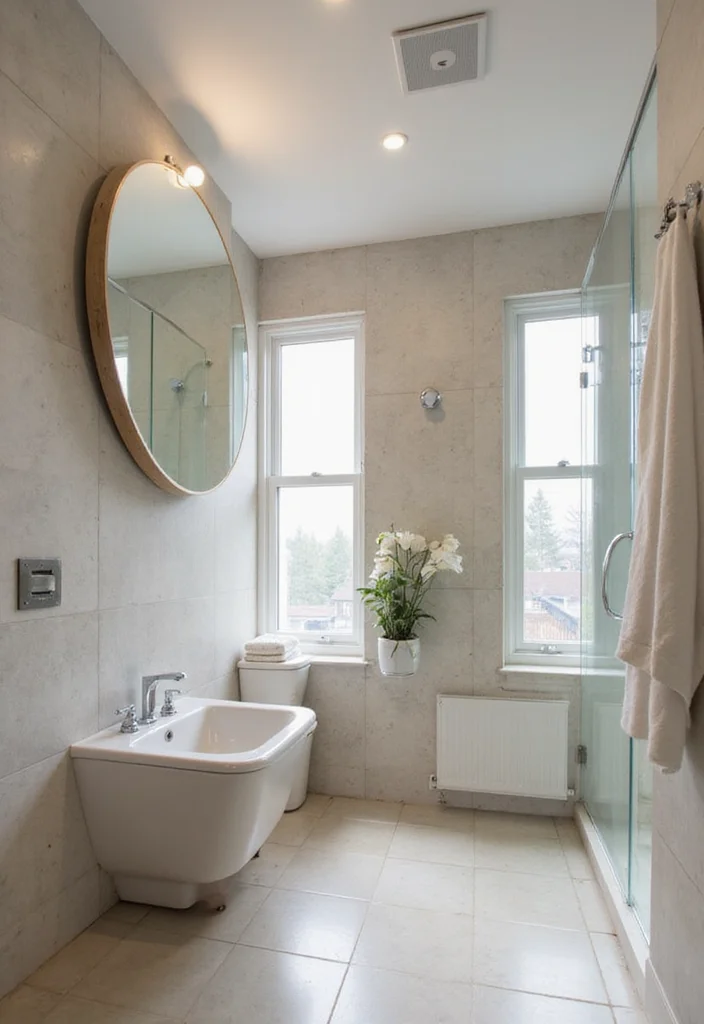
In small baths, every inch counts. Space-saving mirrors can make a big difference. Corner mirrors spread light, over-the-door mirrors save wall space, and sliding mirrors double as cabinet doors. Choose options that fit your layout to boost light and storage without crowding the room.
In small bathrooms, every inch counts. Selecting space-saving mirror options can make a big difference. Consider these solutions: Corner Mirrors: These maximize space and reflect light beautifully. Over-the-Door Mirrors: Great for tight areas, they save wall space and are easy to install. Sliding Mirrors: Mirrors that double as cabinet doors can provide both function and style. Choosing mirrors that fit your limited space will enhance functionality without overwhelming your room.
• Use corner mirrors to maximize light and space
• Choose over-the-door mirrors for tight areas
• Pick sliding mirrors to gain cabinet space
• Add light colors to brighten the room
Small spaces feel bigger with smart choices.
Fun fact: in small baths, corner mirrors can boost light by up to 40% and feel like extra width. Over-the-door and sliding mirrors save wall space and add storage. This bathroom vanity mirror size guide helps you pick options that fit your layout.
12. Maintenance Tips
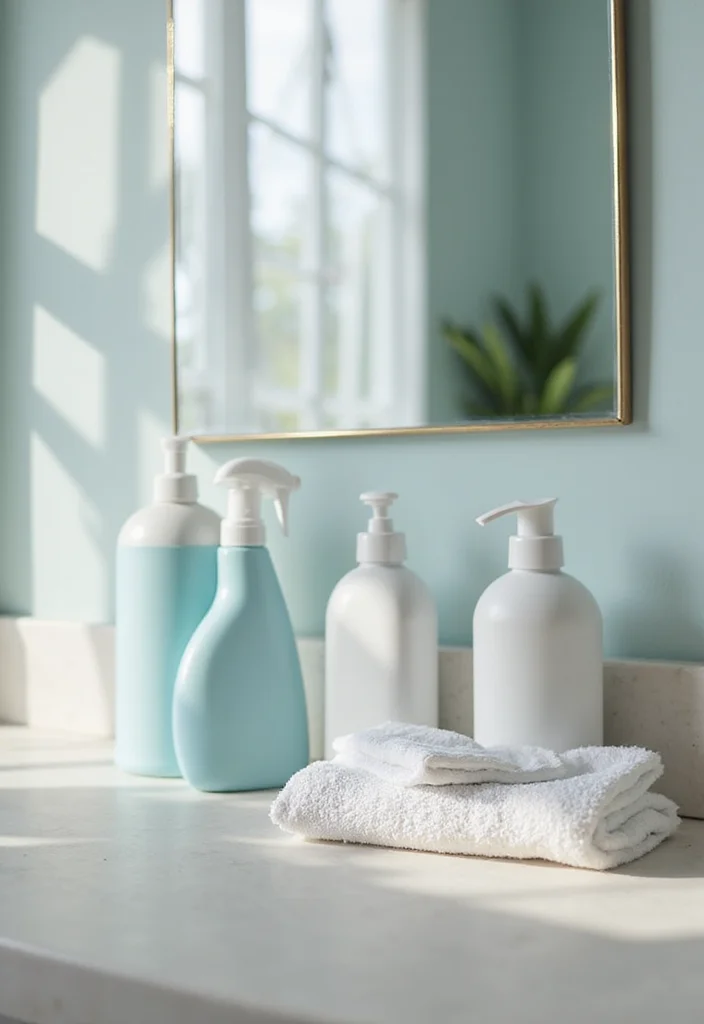
Keep your bathroom mirror clean and clear. Regular care prevents fog and streaks. Use gentle cleaners and soft cloths. Manage moisture with a dehumidifier or anti-fog sprays. Inspect edges for any moisture damage, especially on framed mirrors. A little care keeps the look fresh and lasting.
Maintaining your bathroom mirror is essential for durability and appearance. Regular care keeps it looking pristine. Essential maintenance tips: Regular Cleaning: Use a soft cloth and a mild cleaner to avoid streaks. Avoid abrasive materials. Moisture Management: To prevent fogging, consider anti-fog sprays or installing a dehumidifier. Check Edges: Inspect edges for moisture damage regularly, especially on framed mirrors. Keeping your mirror well-maintained prolongs its life and maintains its beauty.
• Use soft cloth and mild cleaner for cleaning
• Wipe dry to prevent spots and streaks
• Apply anti fog sprays after showers
• Inspect edges for moisture damage regularly
Regular care keeps shine for years.
13. Trending Designs
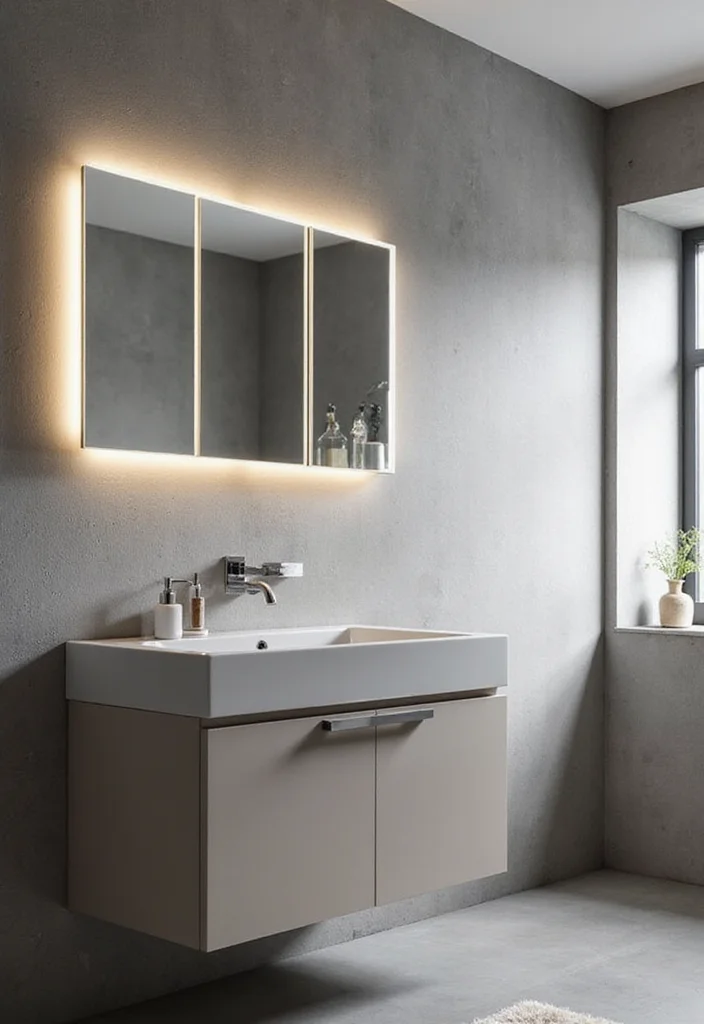
Keep your space fresh by trying current mirror trends. LED lights built into the edge add glow for tasks. Asymmetrical shapes bring artful drama. Smart mirrors with Bluetooth and touch controls offer tech perks. Mixing trends with your space can feel modern and exciting.
Stay up to date with the latest trends in bathroom mirror designs to keep your space fresh and stylish. Current popular trends include: LED Lights: Mirrors with integrated LED lights are both functional and aesthetically pleasing. Asymmetrical Shapes: Unique, artistic shapes are becoming popular, adding flair to traditional designs. Smart Mirrors: These come equipped with technology, like Bluetooth speakers and touch controls. Incorporating trending designs into your bathroom can make your space feel more modern and exciting.
• Use LED lights for bright, task-ready edges
• Choose asymmetrical shapes for visual interest
• Pick smart mirrors with Bluetooth and touch controls
• Add a bold edge frame for character
Trendy designs keep your bath fresh.
14. Expert Sizing Tips
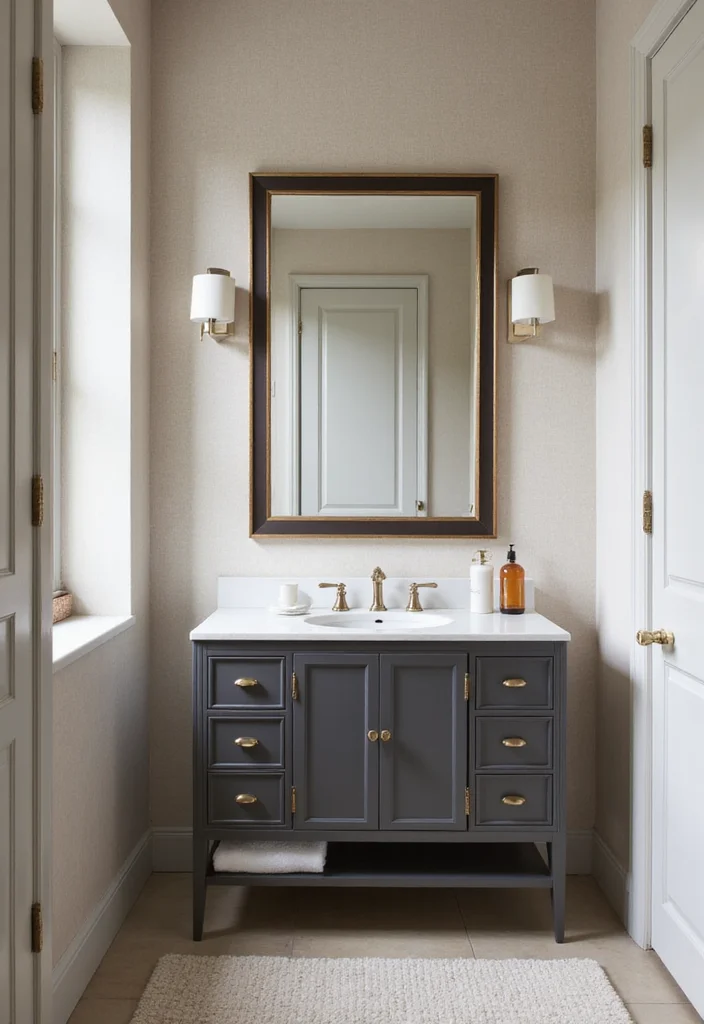
Wrap up with tips from the pros. Aim for proportional size that fits the vanity and the room. Let the mirror be a focal point without taking over. Think about how the height and width feel to you during daily use. With these checks, you can pick a mirror that fits beautifully.
Finally, let’s wrap up with some expert tips on sizing your bathroom vanity mirror to perfection. Key takeaways include: Proportions: The mirror should fit proportionally to the vanity and surrounding decor, enhancing the overall look. Focal Point: Consider how the mirror will act as a focal point in the room; it should draw attention without dominating. Functional Height and Width: Keep the user’s perspective in mind to ensure comfort and practicality in daily use. With these expert tips in mind, you’ll be well-equipped to choose the perfect mirror for your bathroom.
• Use proportional sizing to balance space
• Choose a focal point without overpowering
• Pick comfortable height and width for daily use
• Add final checks for feel and light
Expert tips help you finish strong.
Fun fact: In the bathroom vanity mirror size guide, aim for a mirror about 2/3 the vanity width and eye‑level height. Proportions matter—larger isn’t always better in small spaces, but the right size makes the room feel balanced and brighter.
Conclusion
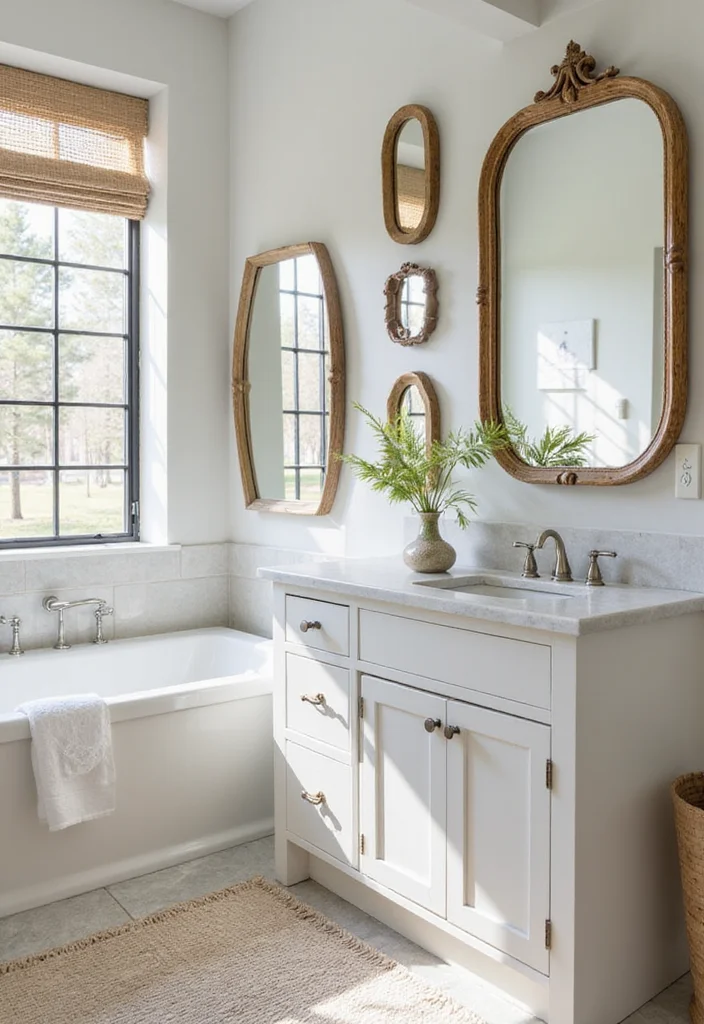
Choosing the right bathroom vanity mirror is a blend of art and practicality. By considering size, style, and functionality, you can elevate your small space and make it uniquely yours. Don’t hesitate to experiment with different designs and placements to find what works best for you. Your bathroom deserves to shine!
Note: We aim to provide accurate product links, but some may occasionally expire or become unavailable. If this happens, please search directly on Amazon for the product or a suitable alternative.
This post contains Amazon affiliate links, meaning we may earn a small commission if you purchase through our links, at no extra cost to you.
Frequently Asked Questions
What size vanity mirror should I choose for a small bathroom vanity?
Follow the bathroom vanity mirror size guide: use a mirror that is about 60–80% of your vanity width.
For a typical 30-inch vanity, aim for an ~18–24 inch wide mirror; for a 36-inch vanity, about 22–30 inches works well. Height should be around 28–34 inches total, with the bottom edge roughly 4–8 inches above the countertop.
This keeps proportion right in small spaces and reduces crowding. Remember to account for lighting and outlets so the mirror doesn’t block these features. This practical approach makes choosing the right mirror easy in a compact bathroom.
How do I determine bathroom mirror dimensions for different vanity widths and heights?
To nail bathroom mirror dimensions, measure the vanity width, countertop depth, and available wall space. A solid rule of thumb is 60–80% of the vanity width.
For doubles, you can place one long mirror above both sinks or two mirrors that match each sink. Leave at least 6–12 inches of clearance from walls or cabinetry to avoid crowding. If you’re tall or short, adjust so the mirror’s center sits near your eye level when standing. This approach keeps the scale balanced and visually spacious.
What vanity mirror styles work best in small spaces and how do they affect the room’s look?
In tight bathrooms, vanity mirror styles that feel light and sleek win. Choose frameless or slim-framed rectangles or tall vertical mirrors to visually lengthen the room. Round mirrors can soften angles and brighten corners, while large frameless panels reflect more light and reduce visual bulk. Pair your choice with smart bathroom decor tips like light colors and layered lighting to amplify space. The goal is a cohesive look that makes the room feel bigger without sacrificing function while helping you master choosing the right mirror.
Where should I hang the mirror vertically and how high above the sink should it sit for optimal viewing?
Placement really matters. Position the bottom edge about 4–8 inches above the countertop, and aim to have the mirror’s center roughly at your eye level when standing (typically around 60–66 inches from the floor). If you have tall ceilings or a double vanity, you can shift the height a bit higher or lower to suit your height and preference. For best lighting, mount sconces at about eye level beside the mirror to minimize shadows. These guidelines are part of the mirror size recommendations for a comfortable, practical setup.
Framed, frameless, or mirrored cabinet — which vanity mirror option should I pick for a tight bathroom and how do I choose the right one?
Each option has its perks. In small spaces, frameless or minimal-frame mirrors feel less bulky and reflect more light, while vanity mirror styles with a slim frame can add a touch of character. A mirrored cabinet provides storage without stealing wall space, perfect for cluttered areas. Use the mirror size recommendations and your storage needs together with bathroom decor tips to decide. The right choice should enhance brightness, fit the vanity width, and align with your room’s style.
Related Topics
bathroom decor
vanity mirror styles
small space solutions
mirror size recommendations
easy home improvements
bathroom mirror dimensions
interior design tips
choosing the right mirror
minimalist design
modern bathrooms
budget friendly
quick tips