
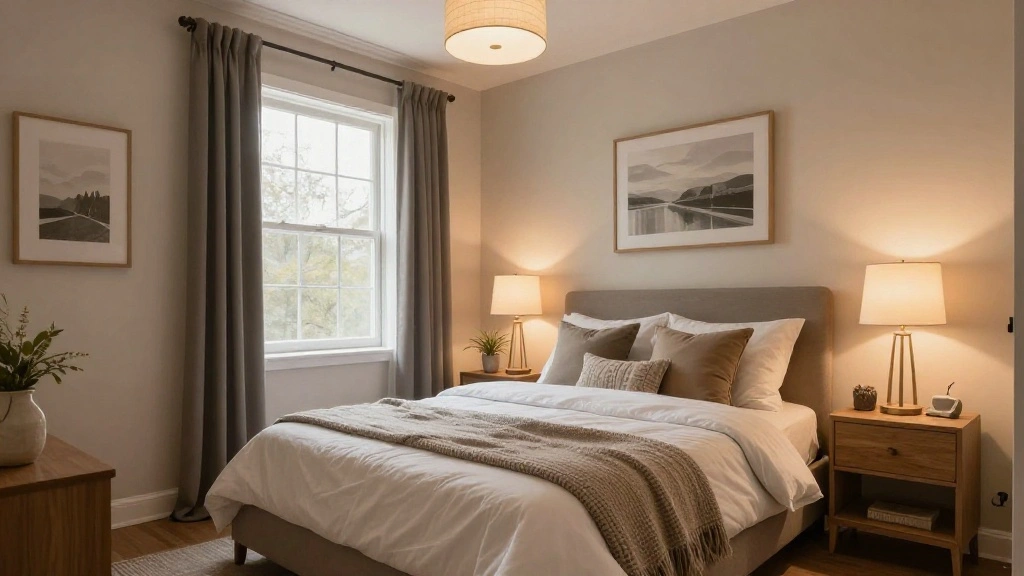

Hosting friends can be a delightful experience, but if your guest bedroom lacks coziness, it can turn their stay into a less-than-ideal experience. A cold, uninviting space may leave your guests feeling uncomfortable and unwelcome. That’s where you come in! This guide will help you create a warm, inviting guest bedroom that your friends will love.
By following this article, you will learn how to set up a cozy guest bedroom in just a few steps, ensuring your friends feel right at home. From choosing the right color palette to adding personal touches, you will transform an ordinary room into a cozy haven.
This guide is designed for beginners and will take approximately 2-3 hours to complete. Whether you’re preparing for a holiday visit or just want to make your home more welcoming, the principles you will learn here can be applied anytime. So, let’s get started and create a guest bedroom your friends will love!
TL;DR Summary
- Create a welcoming atmosphere with warm colors and comfortable furnishings.
- Incorporate personal touches and thoughtful amenities for a homely feel.
- Ensure ample storage and space for guests to feel comfortable and at ease.
- Complete the project in 2-3 hours with easy steps tailored for beginners.

Certified Safe Fabric: This queen size comforter set is certified by OEKO-TEX Standard 100, ensuring it meets high safety standards and is free from harmful substances; made from soft 100% microfiber, the interior is filled with premium 240 GSM 100% Polyester, providing a cloud-like sleeping experience suitable for all seasons
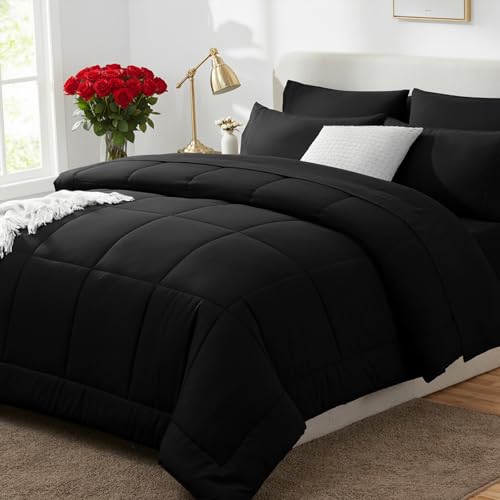
ALL-SEASON WARMTH, JUST-RIGHT LOFT: Filled with lightweight down-alternative microfiber (240 GSM), the comforter gives cozy warmth without the bulk—reviewers call the thickness "just right," warm on cool nights yet not stifling in mild rooms. Best for cool-to-mild bedrooms and cold or average sleepers; if you run very hot in summer, pair with breathable cotton sheets.

Hotel-like Comfort – Bring the luxurious, soft, and plush hotel sleep experience into your everyday life. These queen pillows set of 2 instantly upgrade your bedroom, guest room, or dorm into a cozy retreat that feels like a 5-star stay.
Prerequisites/Materials Needed
- Paint or wallpaper (1-2 gallons, depending on room size)
- Comfortable bedding set (1 full set including sheets, pillowcases, and a duvet)
- Cozy pillows (at least 4 decorative pillows)
- Blankets or throw (1-2 soft throws)
- Nightstand (1)
- Table lamp (1)
- Wall art or decorations (varies)
- Storage solutions (baskets or boxes, optional)
- Air freshener or scented candle (1)

Exquisite Minimalist Style: Designed with a clean, solid-color look and modern colorways, the WRENSONGE comforter set effortlessly matches any bedroom décor. Perfect for creating a cozy, relaxed, and inviting atmosphere

【Package Including】3PCS 100% Pure Linen Duvet Cover Set - King size: 1 duvet cover (104" x 92"), 2 pillow shams (20"x 36"). ▲Note: Duvet insert and pillows are not included.

SOFT COTTON QUILT SET: Crafted from 100% cotton with breathable fibers and filled with an 80% cotton and 20% polyester blend for lightweight warmth, softness, and durability
Skill Level & Time Estimate
Skill Level: beginner
Total time estimate: 2-3 hours
Breakdown of time by major steps:
- Choosing a color scheme: 30 minutes
- Selecting furniture: 1 hour
- Decorating: 1 hour
- Final touches: 30 minutes

Unique Style: Stand out with our classic quilted design. It locks in filling for even support and helps regulate temperature—stylish and practical

SAFEGUARD YOUR INVESTMENT: Keep your expensive mattress in pristine condition with our Premium Queen Bamboo Mattress Protector. Our ultra-soft mattress cover protects from dirt, water and normal wear & tear, so it stays clean and comfortable.

Mattress Protector - Fits Twin size mattress perfectly with dimensions 39 inches by 75 inches by 15 inches, featuring professionally turned hems and deep fitted pockets
Step 1: Choose a Color Scheme
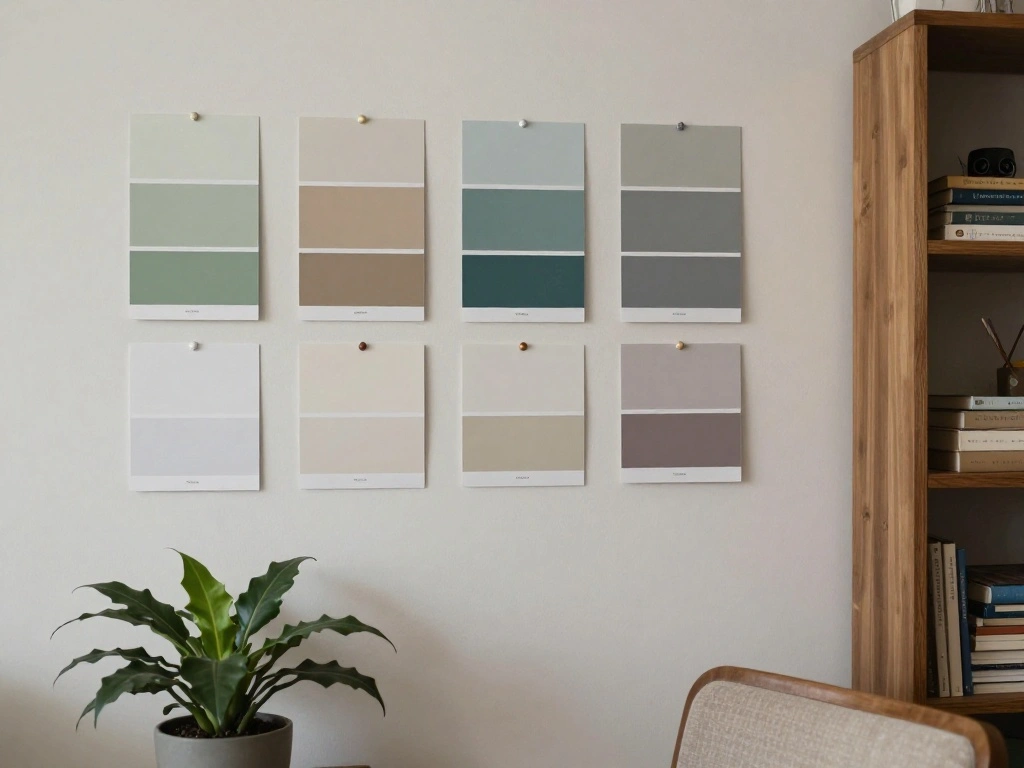
Selecting the right color scheme sets the tone for your guest bedroom. A warm palette can create a cozy and inviting atmosphere. Follow these sub-steps:
- Consider soft, neutral colors like beige, light gray, or pastel tones.
- Choose an accent color (like navy or deep green) for decor items.
- Test paint samples on the wall to see how they look in different lighting.
Pro Tip: Use colors that complement each other to avoid a clash. Warning: Avoid overly bright or dark colors that can make the room feel smaller or too stark.
Why this matters: A harmonious color scheme enhances the overall comfort and appeal of the space. Time estimate: 30 minutes.

【Stepless Dimmer Metal Table Lamp】With a smooth-turning dimmer switch, you can easily adjust the brightness from 0% to 100%. Make the lighting of the desk lamp fit your needs. For example, easily switch from night light to reading lamp. This Beside Lamp is the perfect replacement for the touch lamp. You will have more brightness settings and avoid the hassle of touch sensors

2700K Warm White Illumination: This small bedside lamp offers a cozy and comfortable light with a 2700K warm white temperature, making it perfect as a bedroom lamp. It creates a romantic and inviting atmosphere that enhances any home setting

1. 3000K Warm Light - Enjoy soft warm light from the included A15 LED bulb (3000K), creating a cozy ambiance for reading or relaxation. Energy-efficient and flicker-free, this small lamp for bedroom ensures comfortable illumination day or night.
Step 2: Select Comfortable Bedding
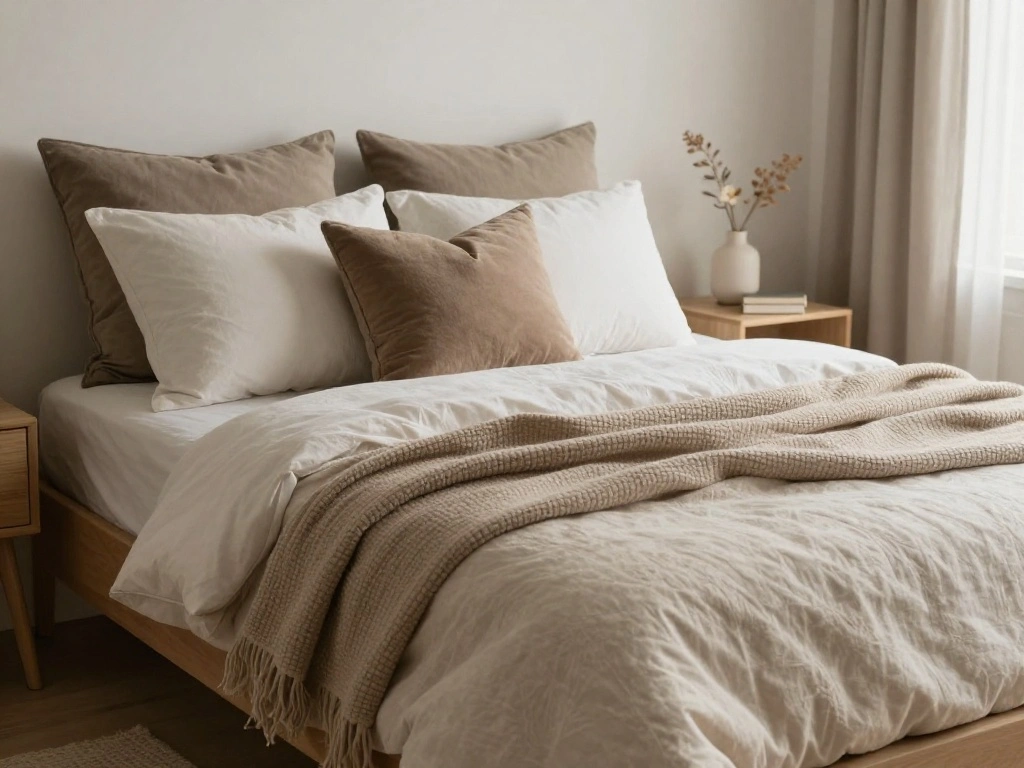
Comfortable bedding is essential for a cozy guest bedroom. It ensures your friends have a restful sleep during their stay. Follow these sub-steps:
- Choose a soft, high-quality mattress protector.
- Invest in a cozy duvet or comforter that matches your color scheme.
- Add a few decorative pillows for a touch of style.
Pro Tip: Use hypoallergenic materials for bedding to accommodate guests with allergies. Warning: Avoid using old or worn-out bedding that may not provide comfort.
Why this matters: A well-made bed invites relaxation and makes guests feel cared for. Time estimate: 1 hour.

100% NATURAL COTTON COMFORT: Crafted from 100% premium cotton, this blanket delivers a soft, natural feel with breathable comfort. Enjoy a cozy layer that feels gentle against skin while creating a relaxed, inviting sleep environment.

Nice home decor:The Linecooo Flannel Fleece Throw Blanket is an ideal addition to any living space, offering softness and lightweight convenience for all your needs. Its plush microfiber material provides a cozy, comfortable feel, making it perfect for relaxation on the couch, sofa, or bed

Bulk Package: this package comes with 12 throw blankets, making it a proper option for large families or people needing extra blankets around the house; It's an ideal choice for those looking to bulk order, and the sufficient quantity is enough for replacement and sharing
Step 3: Add Personal Touches
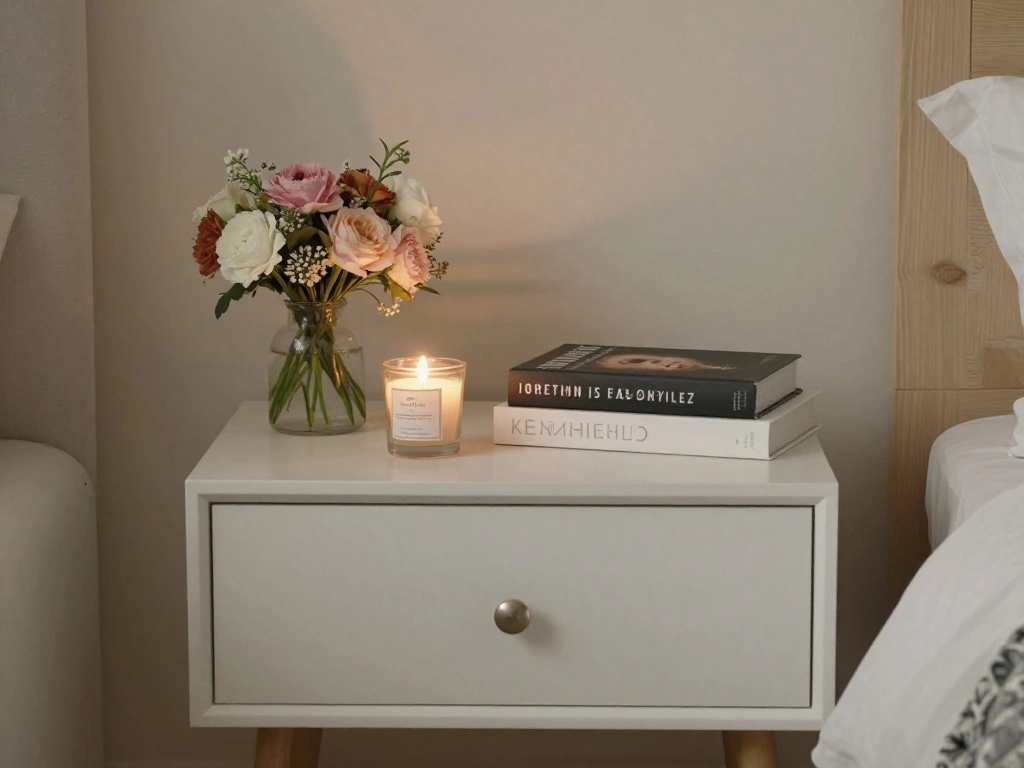
Personal touches can make a guest bedroom feel unique and welcoming. Customize the space to reflect your style and enhance comfort. Follow these sub-steps:
- Add framed photos or artwork that resonates with you and your guests.
- Include a few books or magazines for leisure reading.
- Place a small vase of fresh flowers or a houseplant on the nightstand.
Pro Tip: Consider your guests’ interests when choosing decor items. Warning: Avoid overcrowding the space with too many decorations.
Why this matters: Personal touches create a homey feel that guests will appreciate. Time estimate: 1 hour.

★【Retro Classic Americana Striped Design&A Perfect Holiday Gift】--Elevate your space with vintage-inspired blue and red stripes - a timeless geometric pattern perfect for coastal, modern, or dorm decor. Perfect for daughter, son, husband, wife, kid, friend, guest, family, also a GREAT GIFT for weddings, birthdays, Mother’s Day, Valentine’s Day, homecoming, Christmas, holidays and more.
ALL-SEASON WARMTH, JUST-RIGHT LOFT: Filled with lightweight down-alternative microfiber (240 GSM), the comforter gives cozy warmth without the bulk—reviewers call the thickness "just right," warm on cool nights yet not stifling in mild rooms. Best for cool-to-mild bedrooms and cold or average sleepers; if you run very hot in summer, pair with breathable cotton sheets.
LAURA ASHLEY HOME: Elegantly designed bedding collections inspired by classic British heritage. Our products seamlessly blend beauty and comfort to bring a touch of sophistication to your home every day.
Step 4: Ensure Adequate Storage
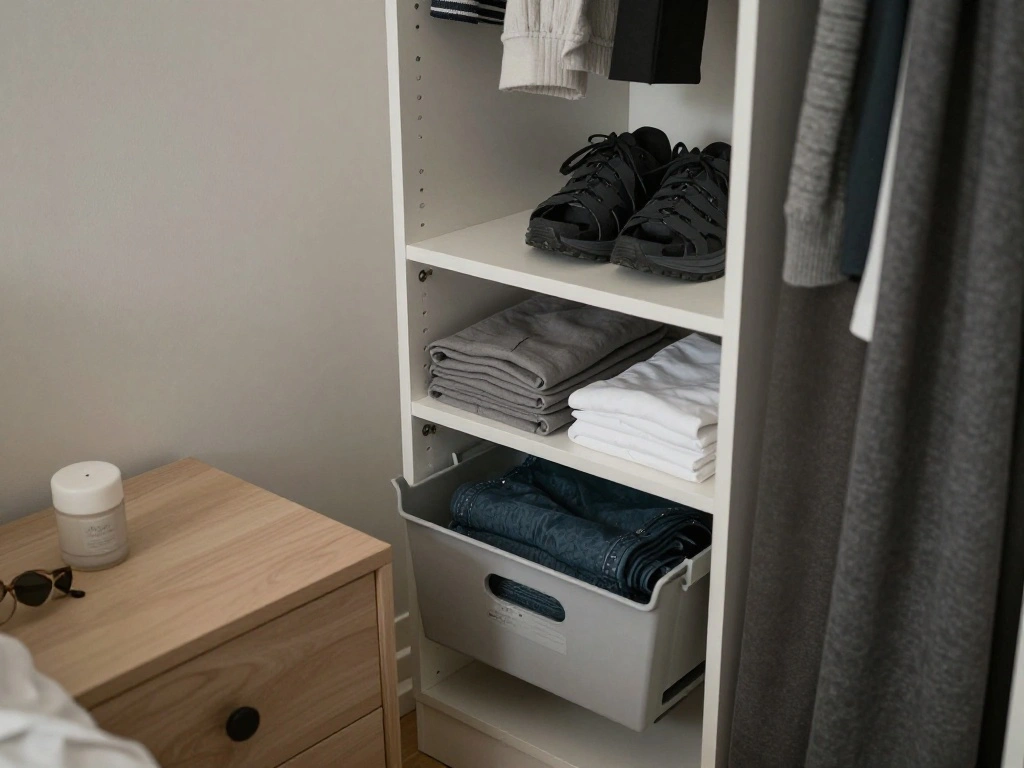
Providing adequate storage ensures your guests have space for their belongings, making them feel more at home. Follow these sub-steps:
- Add a nightstand with drawers or shelves for easy access to essentials.
- Incorporate storage solutions like baskets or boxes under the bed.
- Ensure the closet is empty for your guests to hang their clothes.
Pro Tip: Use decorative storage solutions to maintain an aesthetic appeal. Warning: Avoid cluttering the space with unnecessary items.
Why this matters: Organized spaces help your guests feel comfortable and settled. Time estimate: 30 minutes.

High material: 100% microfiber polyester, more durable, soft and cozy, skin friendly quilt sets, lightweight quilt queen size bedspread coverlet set.

🌿 【Premium Washed Cotton Material】--Crafted from high-quality washed cotton, this duvet cover set is ultra-soft, breathable, and perfect for all seasons. Its natural texture provides a cozy, lived-in feel while being durable and resistant to fading, pilling, and wrinkles.

Natural Luxury Comfort: SE SOFTEXLY Stone Washed Cotton Duvet Cover Sets (NO COMFORTER) offer 100% cotton fiber for skin-friendly, fade-resistant luxury. Enjoy exceptional breathability, ensuring year-round comfort without feeling sweaty. Experience indulgent softness and durability with our yarn weave, giving your skin ample space to breathe and preventing night sweats.
Step 5: Create a Relaxing Ambiance
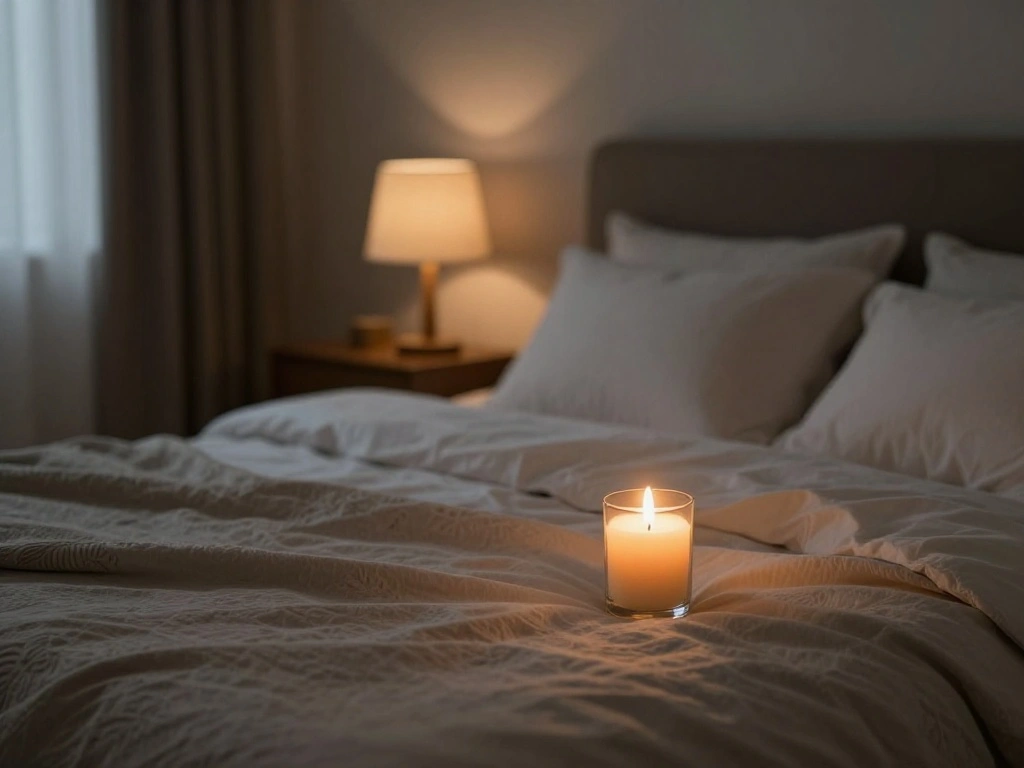
A relaxing ambiance is key to a cozy guest bedroom. This involves lighting and scents. Follow these sub-steps:
- Install a soft light dimmer switch to control brightness.
- Use a table lamp with a warm-colored bulb for evening reading.
- Consider a scented candle or air freshener to create a pleasant aroma.
Pro Tip: Use essential oils for a natural scent that promotes relaxation. Warning: Avoid strong or overwhelming scents that may irritate guests.
Why this matters: The right lighting and scents create a soothing atmosphere that enhances comfort. Time estimate: 30 minutes.

Super Fabric-Are you tired of the same geometry design in the market?Please look at our unique classic coin quilt pattern! Our waterproof bed cover is made of premium materials tested and certified as STANDARD 100 by OEKO-TEX, bring you and your family a healthy sleep.

Upgraded Waterproof & Breathable Protection: The BEDLORE queen mattress pad features a softly upgraded TPU waterproof layer that effectively blocks liquids, sweat, and other spills while maintaining excellent airflow. You'll stay dry and comfortable all night long, breathing easy without worry.
Unique Style: Stand out with our classic quilted design. It locks in filling for even support and helps regulate temperature—stylish and practical
Step 6: Add Final Touches
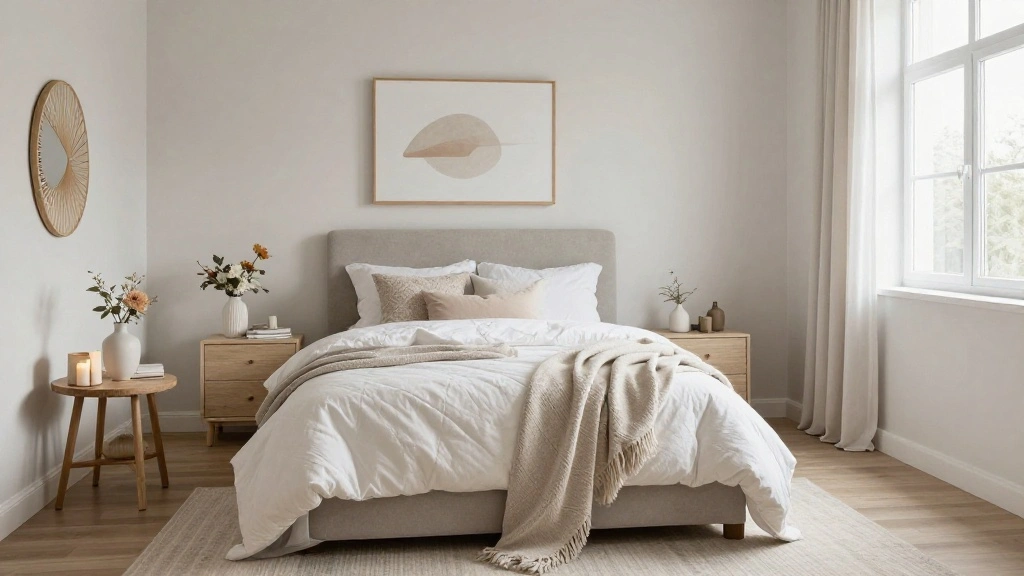
Final touches can elevate the comfort of your guest bedroom. This includes small details that make a big difference. Follow these sub-steps:
- Place a soft throw blanket at the foot of the bed.
- Ensure the room is clean and clutter-free.
- Consider a welcome note or small gift for your guests.
Pro Tip: A small welcome gift can make your guests feel appreciated. Warning: Avoid overcrowding the room with unnecessary items.
Why this matters: Final touches enhance the overall guest experience, showing you care. Time estimate: 30 minutes.
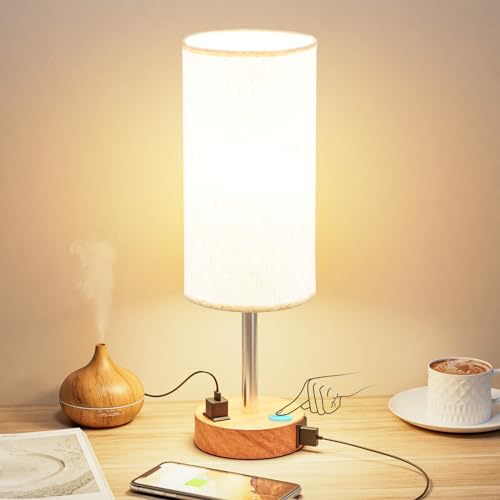
Touch Control Bedside Lamp - This smooth dimmable touch control table lamp featured with touch-sensitive sensor, to make quick changes to 3 different level brightness (Low, Medium, High), and soften the atmosphere quickly. Simply a touch or a pat on the bedside lamps' base or lamps' supporting pole when you want the nightstand lamp On/Off, brighter/dimmer. (used as a night lamp at low brightness, medium/high is enough to meet your needs for reading/working)

3000K warm light: This small bedside lamp creates a cozy and pleasant atmosphere; it features an internal LED light source and is equipped with a USB power supply design, making it convenient to connect with a power bank, computer or adapter.
![Touch Bedside Table LED Lamp, [Sleek Design & RGB Mode] Multi-Color Dimmable with Warm White Lights, Birthday Gifts for Women Mom, Smart Nightstand Small Lamp for Bedroom Living Room Home Decor](https://m.media-amazon.com/images/I/31HBCOIqHyL._SL500_.jpg)
Versatile RGB Touch Lamp: The table lamp create a cozy and inviting atmosphere with the gentle, flicker-free light. Adjust the small table lamp color to match your mood with the cycle RGB mod, dimmable and perfect for illuminating any space for every occasion.
Pro Tips
- Layer Textures: Use a mix of fabrics like linen, velvet, and cotton to make the room feel more inviting.
- Incorporate Technology: Provide charging stations or bedside plugs for convenience.
- Consider Window Treatments: Use blackout curtains for better sleep quality.
- Temperature Control: Keep extra blankets available and ensure the room is well-ventilated.
- Personal Welcome: Take a moment to greet your guests and show them around the space.

Premium Fabric: Made from high-quality fleece fabric with refined weaving craftsmanship, this blanket offers an exceptionally soft, smooth, and cozy touch for everyday comfort. The skin-friendly and environmentally materials provide a gentle experience for all ages, sensitive skin users, and even pets
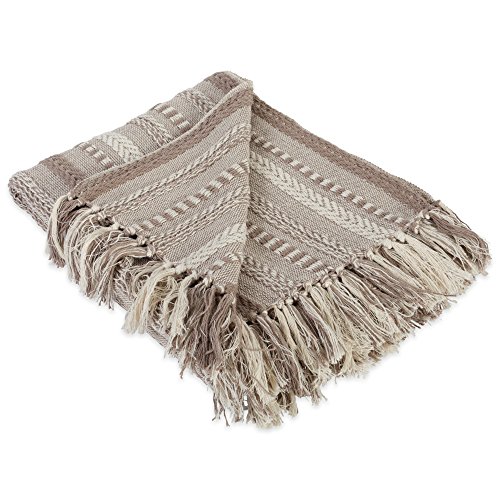
Material & Construction: 100% woven cotton, 50"x60" with 2.5" decorative fringe; weighs 1.9 lbs for a balanced, medium-weight feel

100% NATURAL COTTON COMFORT: Crafted from 100% premium cotton, this blanket delivers a soft, natural feel with breathable comfort. Enjoy a cozy layer that feels gentle against skin while creating a relaxed, inviting sleep environment.
Common Mistakes to Avoid
Warning: Overlooking cleanliness can make the room feel uninviting. Ensure the space is clean and tidy before guests arrive.
Warning: Using furniture that is too large can make the room feel cramped. Measure furniture against room size.
Warning: Forgetting about personal amenities, like water bottles or snacks, can leave guests feeling overlooked. Always add thoughtful extras.
Warning: Ignoring guest preferences in decor can create an unwelcoming atmosphere. Consider your guests’ tastes when decorating.
Troubleshooting Section
Problem: The room feels too cold.
Solution: Add more blankets or adjust the thermostat to a warmer temperature.
Problem: Guests complain about uncomfortable bedding.
Solution: Invest in higher-quality bedding or a mattress topper for added comfort.
Problem: The room is cluttered.
Solution: Remove unnecessary items and ensure adequate storage for guests’ belongings.
Problem: The lighting is too harsh.
Solution: Install dimmer switches or use lamps with warm bulbs to create a softer ambiance.
Variations/Alternative Methods
Consider these variations based on your space and guest needs:
- Minimalist Approach: Use fewer decorations and focus on essential comforts for a clean look.
- Eclectic Style: Mix different patterns and textures for a more vibrant and personalized space.
- Theme-based Design: Choose a specific theme (like beach or rustic) to guide your decor choices.
FAQs
What if I don’t have enough space for a full bed?
You can opt for a comfortable futon or a pull-out sofa that saves space while still providing comfort.
How long should I leave the guest bedroom ready before guests arrive?
Prepare the room at least a day in advance to ensure everything is clean and organized.
Is it safe to use candles in the guest bedroom?
Always supervise burning candles and consider using battery-operated candles for added safety.
What if my guests have allergies?
Use hypoallergenic bedding and avoid strong scents to create a comfortable atmosphere for allergy sufferers.
How can I make my guests feel more at home?
Provide personal touches like a welcome note or their favorite snacks to create a warm atmosphere.
Conclusion
Congratulations! You’ve successfully designed a cozy guest bedroom that your friends will love. By following these steps, you’ve created a welcoming space that enhances their comfort and makes their stay enjoyable.
As you continue to host, consider updating decor or adding new personal touches to keep the space fresh. Share your experiences with friends and family, and encourage them to create their own cozy guest spaces!