

Potting mix wins for every container, every time, because garden soil compacts to near-brick density in a confined space and suffocates roots. The exception is raised beds, where mixing garden soil with lighter material can work if drainage stays fast enough. I have seen the same tomato variety thrive in potting mix and wilt in garden soil moved to a container, and the difference was almost always how wet the roots stayed after watering.
What Garden Soil Actually Is
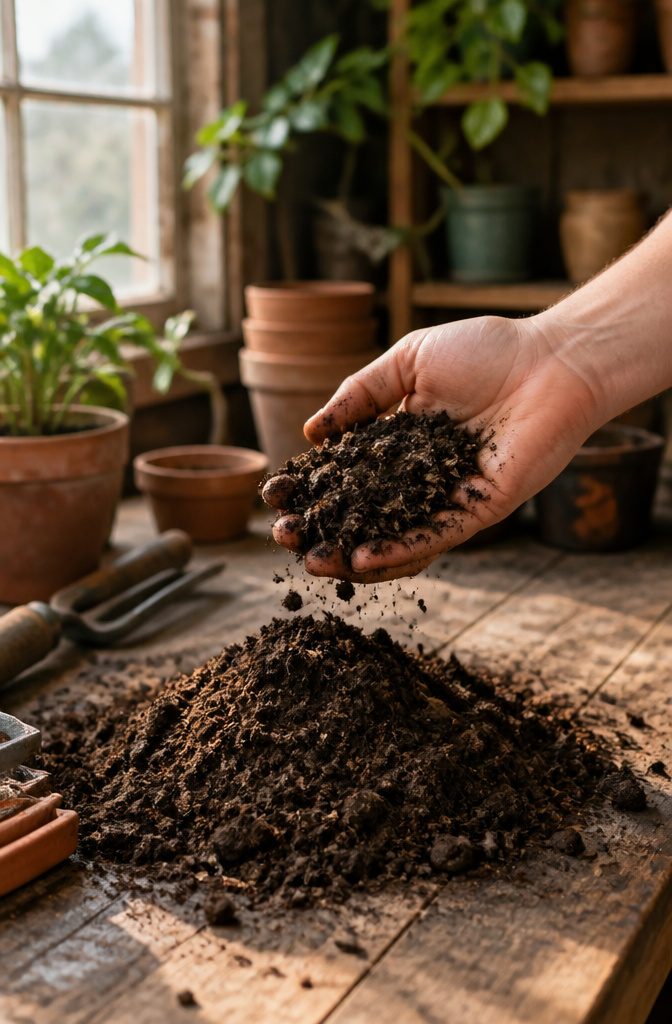
Garden soil starts with what is already in your yard: the mineral stuff, the clay or sand or silt that makes up actual dirt. Manufacturers blend that with compost, manure, or other organic matter to feed whatever you plant. Some bags also contain peat moss, though not all bother.
The result is dense and heavy compared to what goes into containers. Grab a handful and squeeze, and it will clump together. That weight works in your favor when roots have room to spread deep into the ground, but it is exactly why garden soil feels wrong in a pot. The same density that anchors a tomato in the earth will suffocate roots trapped in a container with nowhere to go.
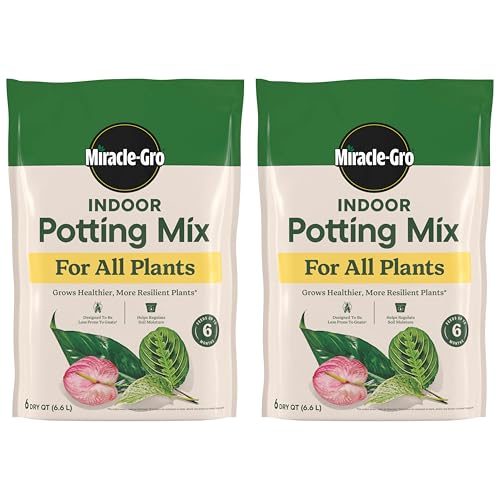
Miracle-Gro Indoor Potting Mix for All Plants feeds houseplants for up to 6 months and grows healthier, more resilient plants (vs unfed when used as directed)

HELPS REGULATE SOIL MOISTURE: Miracle-Gro Organic Indoor Potting Soil Mix is an organic potting soil that protects indoor plants against over and under watering

FEEDS UP TO 6 MONTHS: Miracle-Gro Potting Mix is a gardening soil for outdoor containers that feeds all types of potted plants, including flowers, vegetables, shrubs, annuals, and perennials for up to 6 months
What Potting Mix Actually Is
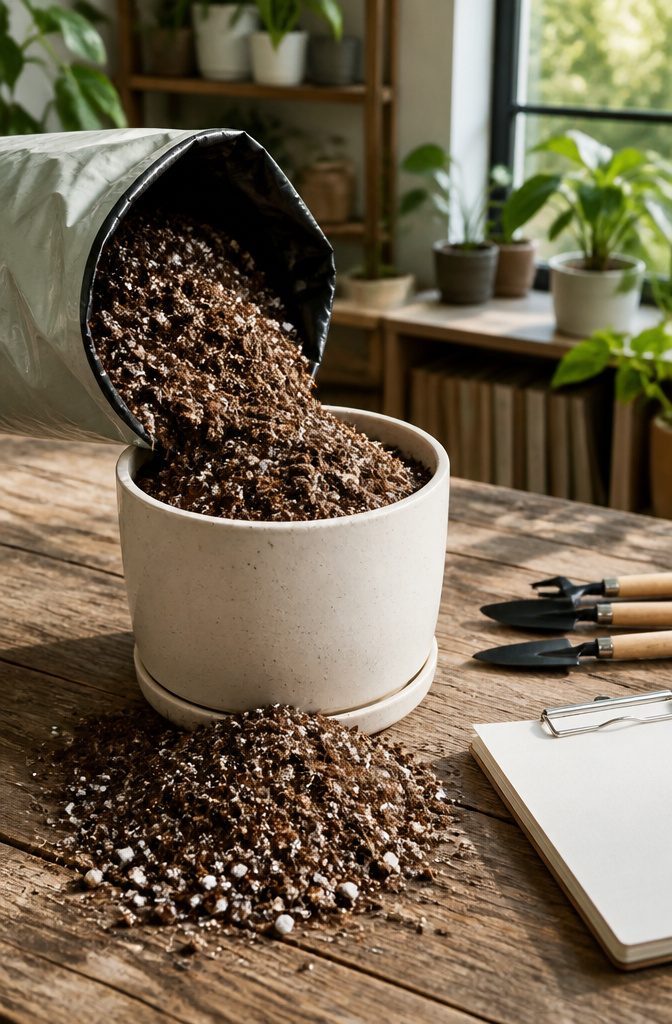
Potting mix is not soil at all. It is a soilless blend built from peat moss or coconut coir, perlite, vermiculite, and sometimes bark. These ingredients keep the mix lightweight and fluffy, which matters a lot when you are lugging a container across a patio or up stairs.
The mix is also typically sterile, so you are starting clean. No weed seeds, no fungal pathogens already lurking. Some blends come with slow-release fertilizer mixed in, others with wetting agents to help water spread evenly through the root zone rather than running straight down the sides.
What you are buying is structure, not dirt. The perlite and vermiculite create air pockets so roots can breathe in a confined space. The coir or peat holds moisture without staying soggy. It is engineered for exactly one job: keeping a plant alive in a pot.

READY TO USE MIXTURE - The same formulation as used by professional growers

Improves Root Development: Promotes faster root growth and strong anchorage in seedlings when mixed with soil, peat, composted bark, or nutrient-rich potting media blends

8qt bag of Premium Horticultural Grade Perlite to promote root growth, soil aeration & drainage
Texture and Weight
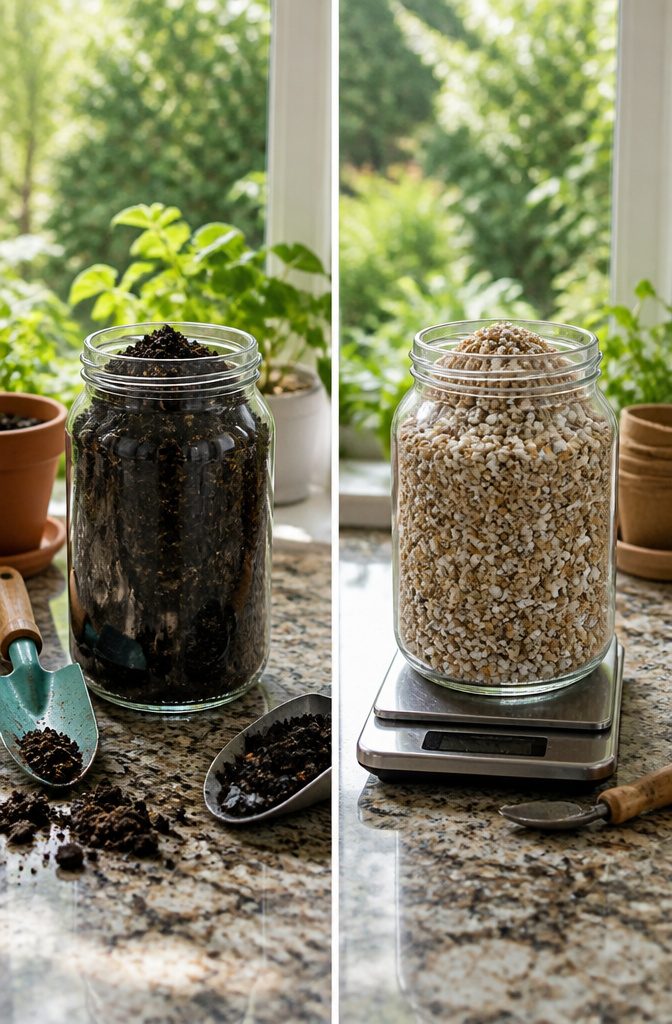
Garden soil is heavy and dense, packed with minerals, organic matter, and microorganisms that give it real heft. A bag of it feels like a bag of it. Potting mix is the opposite: light, fluffy, built from peat moss or coir, perlite, and vermiculite. The difference is immediate when you lift them.
That weight matters more than people expect. I have moved enough large planters around a patio to know that a pot filled with garden soil becomes something you drag, not something you lift. Potting mix keeps container gardening manageable, especially in confined spaces where you might shift things for sun or shelter.
The texture difference is not just about your back. Garden soil retains moisture longer because of its density. Potting mix drains fast and stays airy, which roots need in the limited space of a container. In a pot, garden soil compacts and hardens over time. Potting mix keeps its structure.

【Coco Coir Brick】: Made of 100% natural organic coconut coir, which extracted from the husk on the outer shell of a coconut, low EC and suitable pH can provide a healthy growing environment for most flowers and plants, so it can cultivate flowers and economical plant products without soil, and can also cultivate seedlings

🌱 Premium Super Washed Coco Coir – Triple-washed, low-EC, pH-balanced coco coir with reduced salts. Ready to hydrate and use for seed starting, container gardening, and soil amendment applications.
![MODELLOR (10 lb) Premium Super Washed Coco Coir Brick, High Yield 18 to 20 gallons [72 to 80 quarts], Seed Starter, Organic, pH Balanced, Gardening, Indoor, Outdoor use](https://m.media-amazon.com/images/I/51YfT2RlVzL._SL500_.jpg)
✨ Ultra-Pure & Ready to Use – Triple-washed, low-salt, pH-balanced coco coir that’s clean and nutrient-friendly—no rinsing required, unlike many other brands.
Drainage in Containers
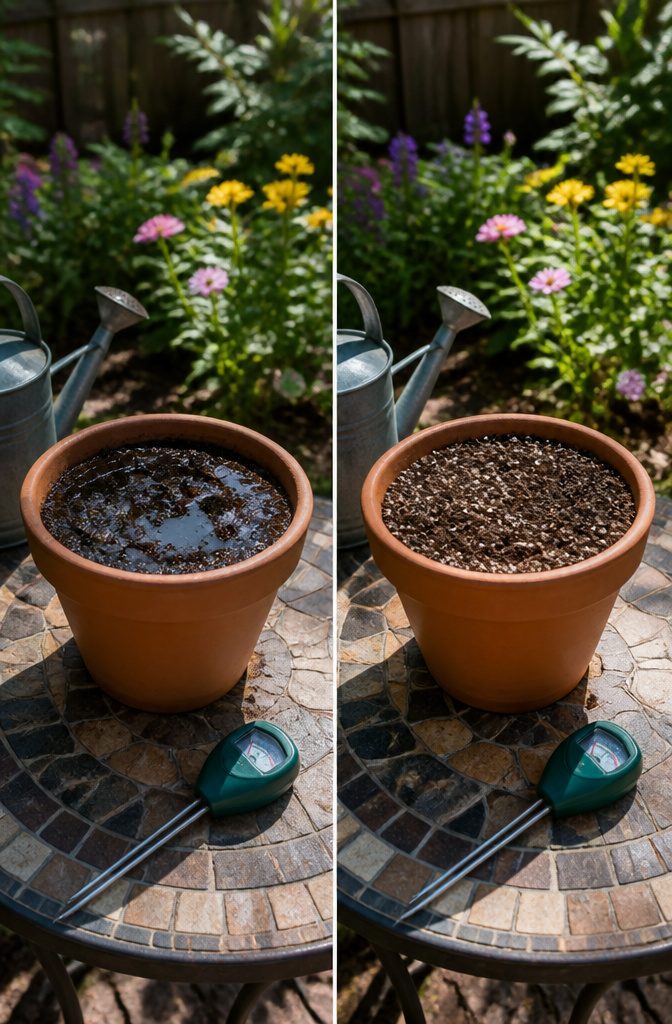
Garden soil is built to spread out. In the ground, rain and gravity pull water down through layers of earth, and roots have room to stretch around any soggy patches. In a container, that same soil turns into a sponge with nowhere to drain.
Potting mix is designed for the opposite problem. It is typically a soilless blend of peat moss or coir, plus perlite or vermiculite, and that structure keeps it light and full of air pockets. Water moves through fast enough that roots get a drink without sitting in it.
The compaction is what gets you. Garden soil in a pot settles hard over a season, squeezing out those air spaces. Roots suffocate, water lingers, and root rot follows. I have seen the same tomato variety thrive in potting mix and wilt in garden soil moved to a container, and the difference was almost always how wet the roots stayed after watering.
For containers 8 to 10 inches and larger, a soilless mix is the practical rule. The weight matters too on a patio you rearrange, but the drainage is why the plant survives.

Ready-to-Use Formula: No mixing or extra steps required. Simply pour and plant - perfect for gardeners of all experience levels.


High-Quality PE Material with Drainage Hole: Crafted from durable and flexible PE material, these grow bags are built to withstand outdoor conditions without cracking. The bottom drainage hole provides essential airflow to roots and prevent overwatering and root rot, ensuring your plants thrive in a well-aerated environment.
Nutrients and Feeding
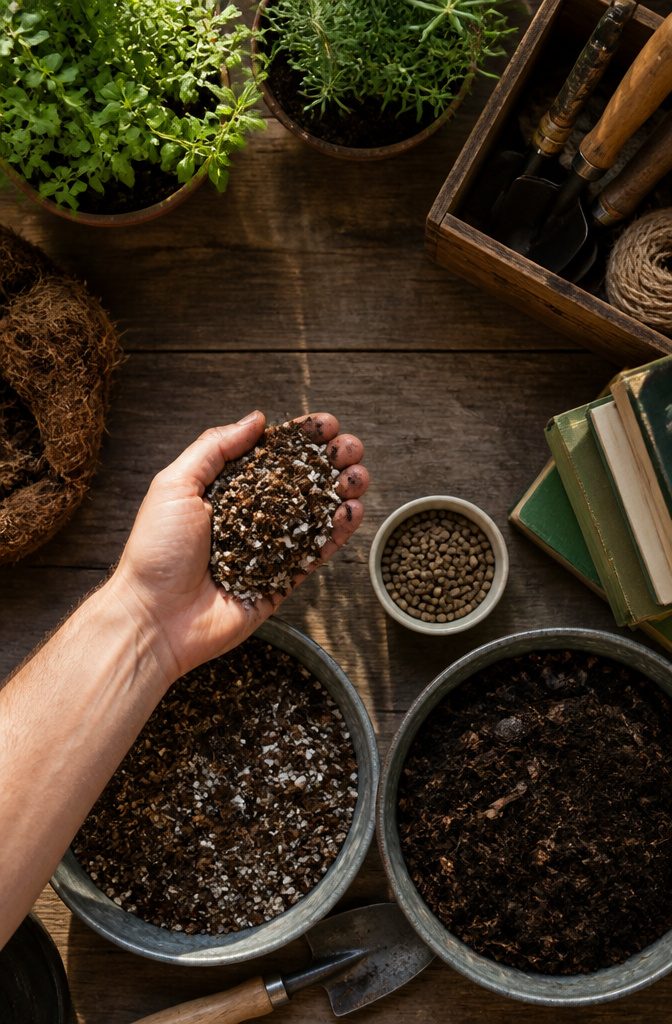
Garden soil arrives with nutrients already in the mix. Decades of leaf litter, worm castings, and broken-down organic matter build a pantry that plants can draw from for seasons. It is not bottomless, though. Crop after crop pulls nitrogen and phosphorus out of the ground, and without fresh compost or manure worked in, the pantry goes bare.
Potting mix starts sterile and light, which is exactly what roots in a container need, but that same lightness means nutrients wash straight through with every watering. Plan to fertilize containers two to six weeks after planting, because the mix will be nearly spent by then. A slow-release granular stirred in at planting buys you time; a liquid soluble tops things off once growth kicks in. Either way, you are feeding regularly or watching leaves yellow.
Both setups need replenishment. Garden soil asks for compost once or twice a year. Potting mix asks for fertilizer every few weeks through the season. The difference is who does the work and how often: the ground feeds slowly, the pot drains fast.

THE RIGHT MOISTURE AND AIRFLOW AT THE CASING: This coco coir mushroom substrate holds moisture at the surface where pins form while its porous structure keeps gas exchange...
Where Each One Belongs
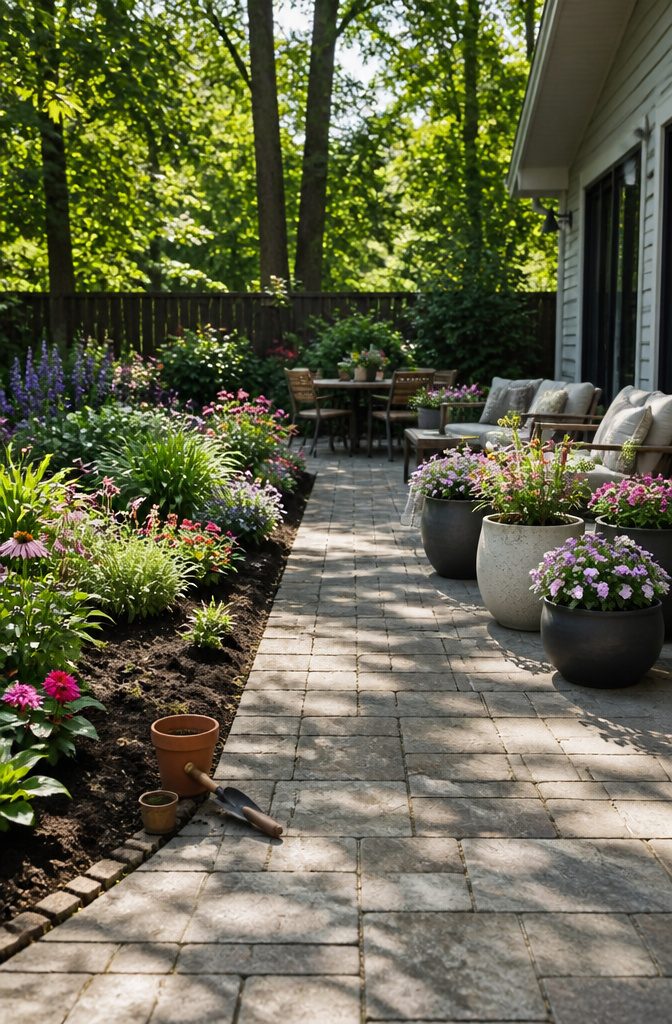
Garden soil belongs in the ground, full stop. It is meant for in-ground garden beds and lawn use, where the earth’s natural drainage and microbial life can support it. Potting mix, on the other hand, is built for containers, hanging baskets, window boxes, and indoor plants. Its lightweight structure and excellent drainage keep roots from drowning in confined spaces.
Starting seeds indoors is where potting mix really proves its worth. The fine texture and sterility give tender seedlings a clean, disease-free environment to germinate without competition from pathogens or weeds. Garden soil would compact too hard in a small tray and could introduce problems that young plants cannot overcome.

FEEDS UP TO 6 MONTHS: Miracle-Gro Moisture Control Potting Soil Mix feeds plants for up to 6 months and Grows Plants Twice As Big (vs unfed plants)

FEEDS UP TO 6 MONTHS: Miracle-Gro Moisture Control Potting Soil Mix feeds plants for up to 6 months and Grows Plants Twice As Big (vs unfed plants)

Includes 10lb block of Back to the Roots compressed Coconut Coir that expands to 51qt of potting soil. A balanced pH, which means it’s truly all-purpose. Use alone or as an amendment for anything in a pot or in the ground — vegetables, flowers, herbs, and even starting seeds.
Potting Soil vs. Potting Mix
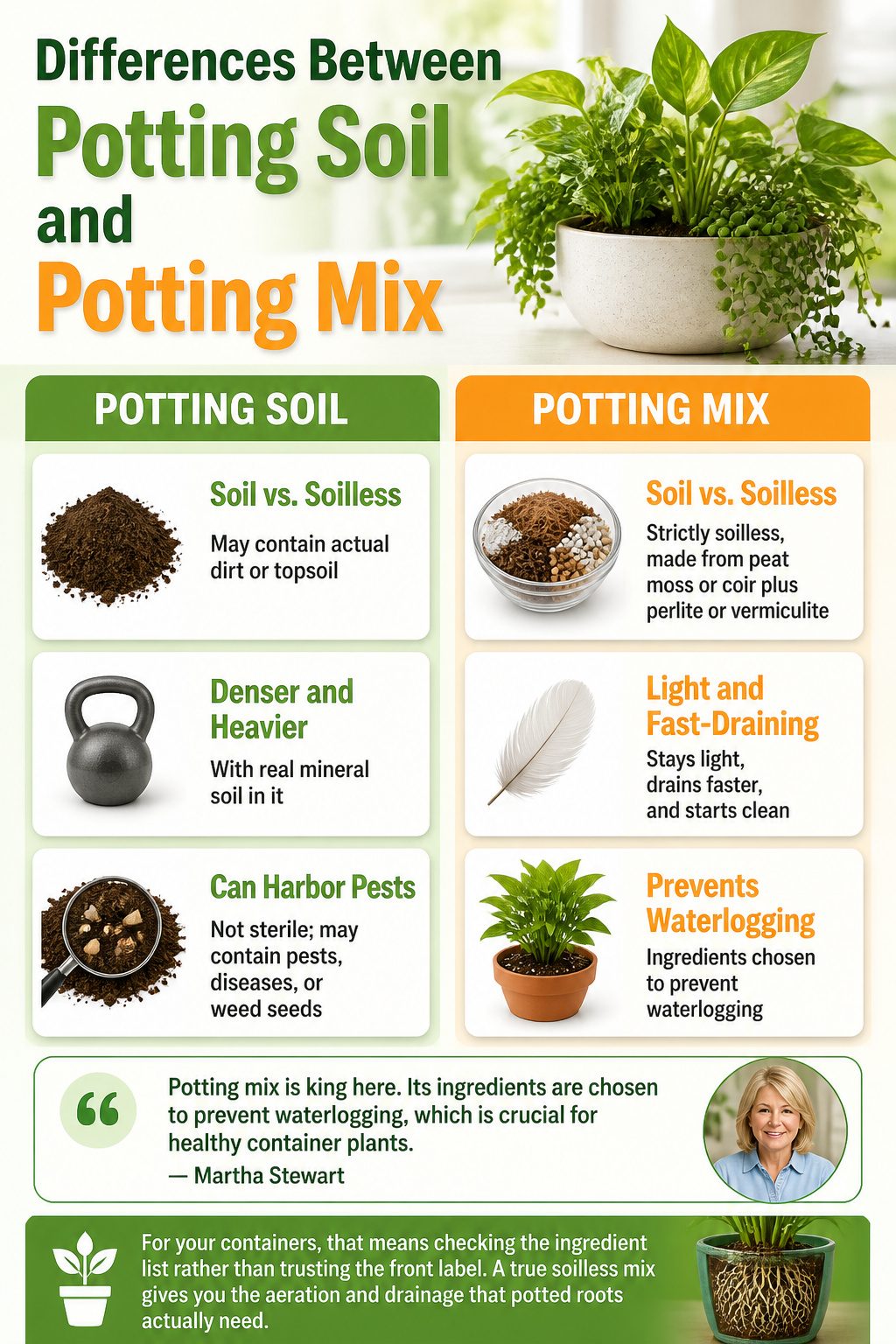
Manufacturers often use "potting soil" and "potting mix" like they’re the same thing, but potting mix is strictly soilless, while potting soil may contain actual dirt or topsoil. That difference matters more than the name on the bag.
Potting soil with real mineral soil in it is denser and heavier. It can also harbor soil-borne pests, diseases, or weed seeds because it is not sterile. Potting mix, on the other hand, is made from ingredients like peat moss or coir plus perlite or vermiculite. It stays light, drains faster, and starts clean.
"Potting mix is king here. Its ingredients are chosen to prevent waterlogging, which is crucial for healthy container plants."
For your containers, that means checking the ingredient list rather than trusting the front label. A true soilless mix gives you the aeration and drainage that potted roots actually need.

Organic Perlite Soil Conditioner: 120-quart organic perlite provides a clean, sterile, pH-neutral mineral medium for soil conditioning, supporting improved drainage and aeration

Fine 1–3mm For Seed Starting: Fine vermiculite blends easily into seed starting mix and seed starting soil, helping maintain consistent moisture around seeds and delicate roots for germination, seedlings, propagation, and early plant growth

🌳 SPECIFIC BLEND of peat, vermiculite and perlite for growing African Violets, Columnea, Aeschynanthus, Episcia, Alsobia, Condonanthe, or Streptocarpus in your home.
Common Ingredients
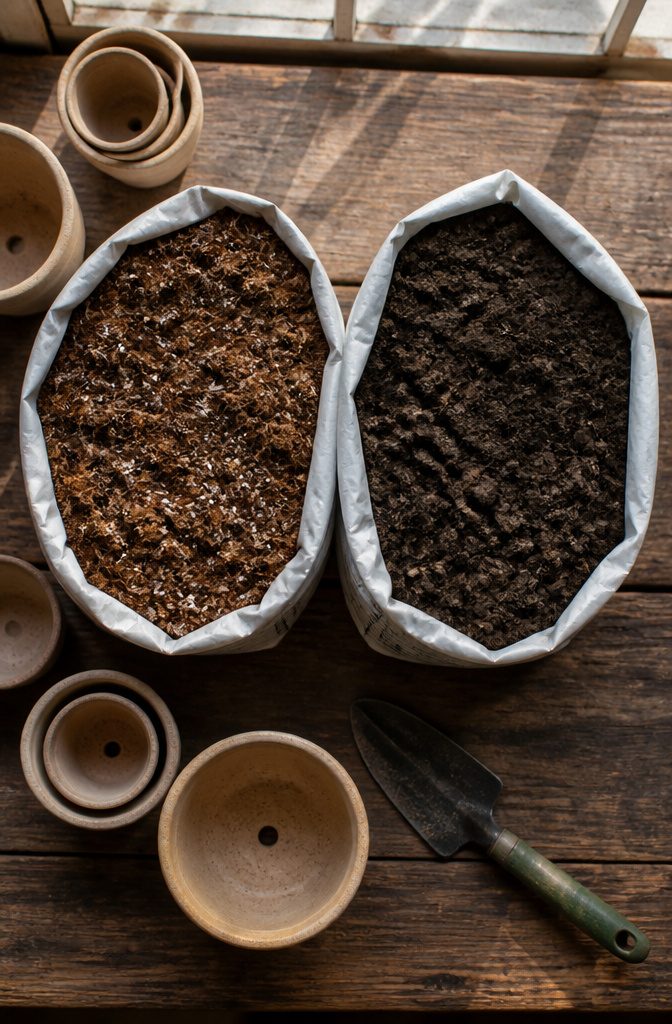
Potting mix is engineered from lightweight, sterile materials that keep roots breathing in a closed container. Peat moss or coconut coir handles moisture retention, while perlite and vermiculite, those puffed volcanic minerals, create air pockets and prevent compaction. Bark chips in the mix break down slowly for nutrients, and most blends add compost plus a starter dose of fertilizer.
Garden soil is heavier and more elemental. It starts with topsoil, the upper layer of native earth, then gets amended with compost, aged manure, or other organic matter to feed in-ground plantings. Some bagged versions throw in peat moss too, though it is not the main event.
The difference matters once you lift the bag. Potting mix feels almost fluffy; garden soil packs like, well, dirt. That weight is fine for raised beds and open ground, but fill a container with it and the roots suffocate.

6-Pack High-Capacity Coco Coir Bricks: Each coconut coir brick weighs 1.4 lbs and uses advanced compression. When fully expanded, all 6 bricks yield 12.6 gallons of fluffy coir. Compact bricks store easily and beat bulky potting mixes on space, ideal for urban gardening, family gardens, indoor pots, seed starting, and greenhouses
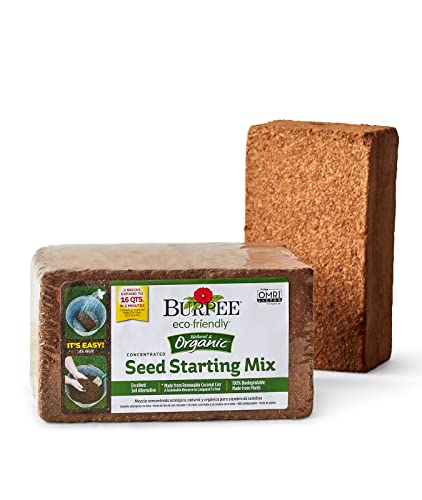
ORGANIC COCONUT COIR: Made from recycled coconut husks, coir is a light, sustainable growing medium that holds the perfect amount of moisture for starting seeds. 100% biodegradable soil alternative. Environmentally-friendly and a renewable alternative to peat moss. OMRI listed and certified organic.

Concentrated Potting Mix Replaces Heavy Peat Moss Bags: One 11 lb. (5 kg) compressed coconut coir block expands to approximately 79 quarts or 2.65 cubic feet of high-yield growing medium—delivering a compact, lightweight alternative to bulky soil and peat moss bales
Can You Use Garden Soil in Pots
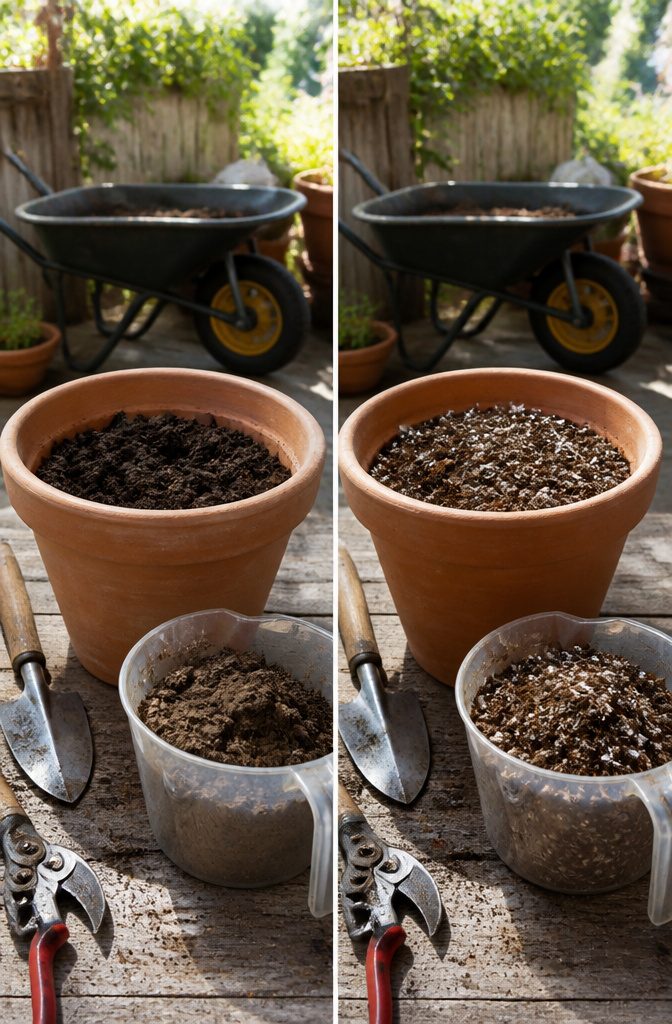
Garden soil in a pot is not recommended. The weight and density that make it useful in the ground become a problem once it is confined. Over a few waterings, it compacts into something closer to brick than soil, squeezing out the air pockets roots need to breathe. The roots hit that dense wall and stall, or they sit wet too long and rot.
Raised beds are the middle ground where this gets workable. A raised bed is not a pot; it has more volume and better natural drainage, so mixing garden soil in with a lighter material can loosen the structure enough. I would not get hung up on exact ratios. Start with less garden soil than you think, see how it drains after a rain, and adjust from there.
For anything with a true bottom and sides, a bag labeled potting mix is the simpler call. It is built to stay fluffy and drain fast in exactly the conditions a container creates.


Premium Durable & Functional Non-Woven Fabric: Crafted from heavy-duty, ultra-durable non-woven fabric, this landscape liner provides the perfect balance for your raised garden bed. It is porous enough to allow excess water to drain freely, preventing root rot, yet tough enough to effectively contain soil and prevent erosion. This breathable barrier also blocks weeds from growing up into your precious soil.
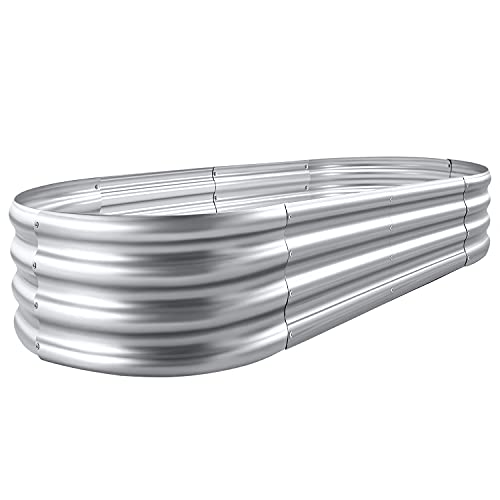
Each raised metal garden bed size: 4×2×1ft ,7.14Cu
Quick Comparison
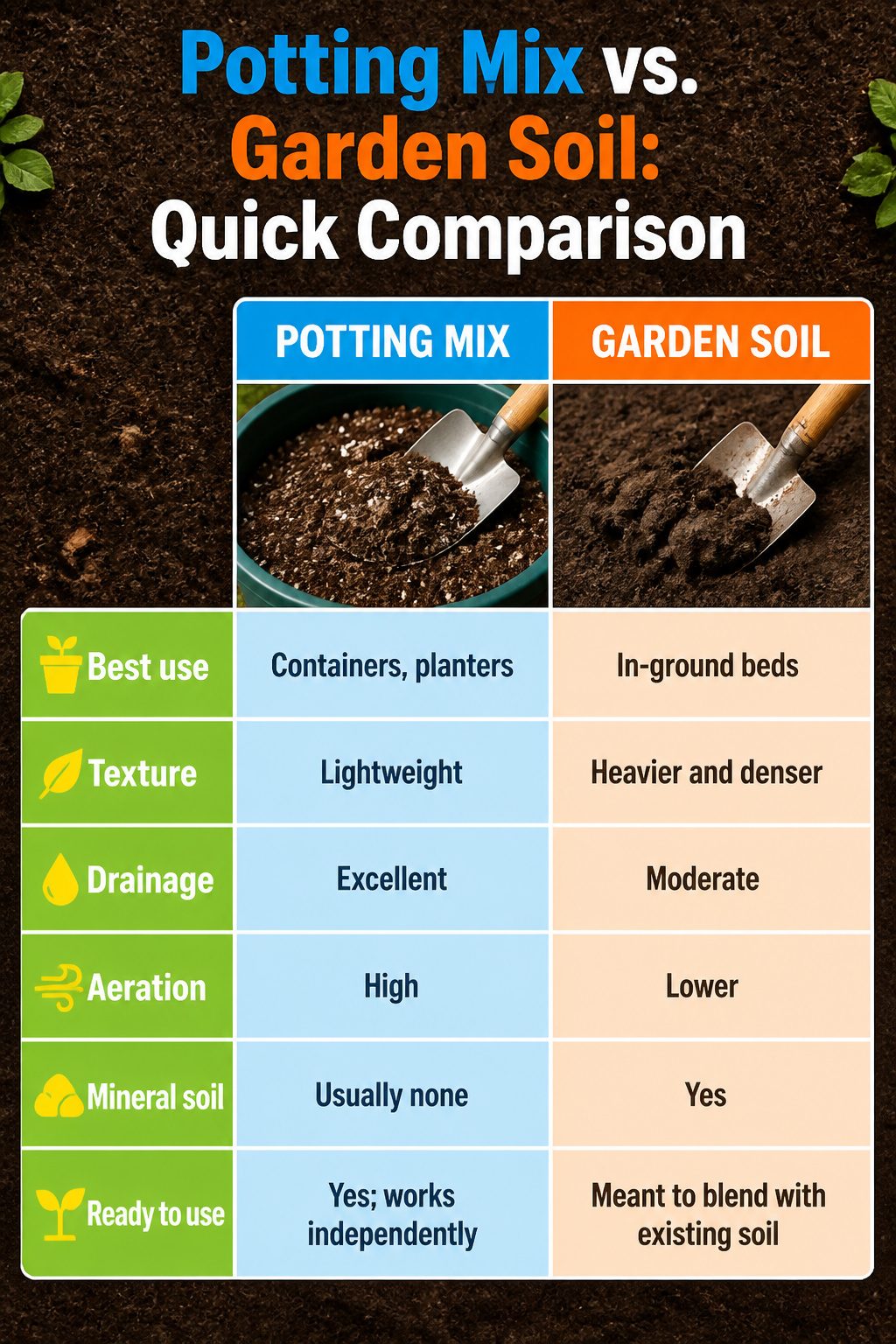
Garden soil and potting mix are built for completely different jobs, and swapping them is the fastest way to stall a project before you even plant.
| Potting Mix | Garden Soil | |
|---|---|---|
| Best use | Containers, planters, hanging baskets | In-ground beds, outdoor gardens |
| Texture | Lightweight and fluffy | Heavier and denser |
| Drainage | Excellent; prevents soggy roots | Moderate |
| Aeration | High | Lower |
| Mineral soil | Usually none | Yes |
| Ready to use | Yes; works independently | Meant to blend with existing soil |
The core split is structural. Potting mix stands on its own in a container because its perlite, bark, and peat keep roots breathing and water moving through. Garden soil is an amendment, not a solo act: it is designed to enrich the ground already in your yard, not to drain in the confined space of a pot. Pick the one that matches where you are actually planting, and you have solved the problem before it starts.
Frequently Asked Questions
What is the difference between potting soil and potting mix?
Potting mix is strictly soilless, while potting soil may contain actual dirt or topsoil. That makes potting mix lighter, faster-draining, and sterile, whereas potting soil runs heavier and can carry weed seeds or pathogens. Check the ingredient list rather than the front label to know which you are buying.
Can you use garden soil in pots?
Garden soil in a pot is not recommended. Its density causes it to compact over a few waterings, squeezing out air pockets and suffocating roots. The same weight that anchors plants in open ground becomes a trap in a container with nowhere for water to go.
When should I use potting soil vs garden soil?
Use garden soil for in-ground beds and lawn use, where natural drainage and microbial life support it. Use potting mix for containers, hanging baskets, window boxes, indoor plants, and starting seeds indoors. The two are built for completely different environments.