

A mosquito-free backyard takes about an hour a week and roughly thirty dollars in supplies, but only if you hit the one step most people skip. Dumping water is not enough; you have to scrub the container too, or eggs stick to the walls and survive. The CDC is explicit about it, and their weekly rule is the single most effective thing you can do.
1. Eliminate Standing Water
Mosquitoes need standing water to breed, and it does not take much. A bottle cap’s worth left in a flower pot saucer or clogged gutter is enough. In as little as five days, eggs become adults.
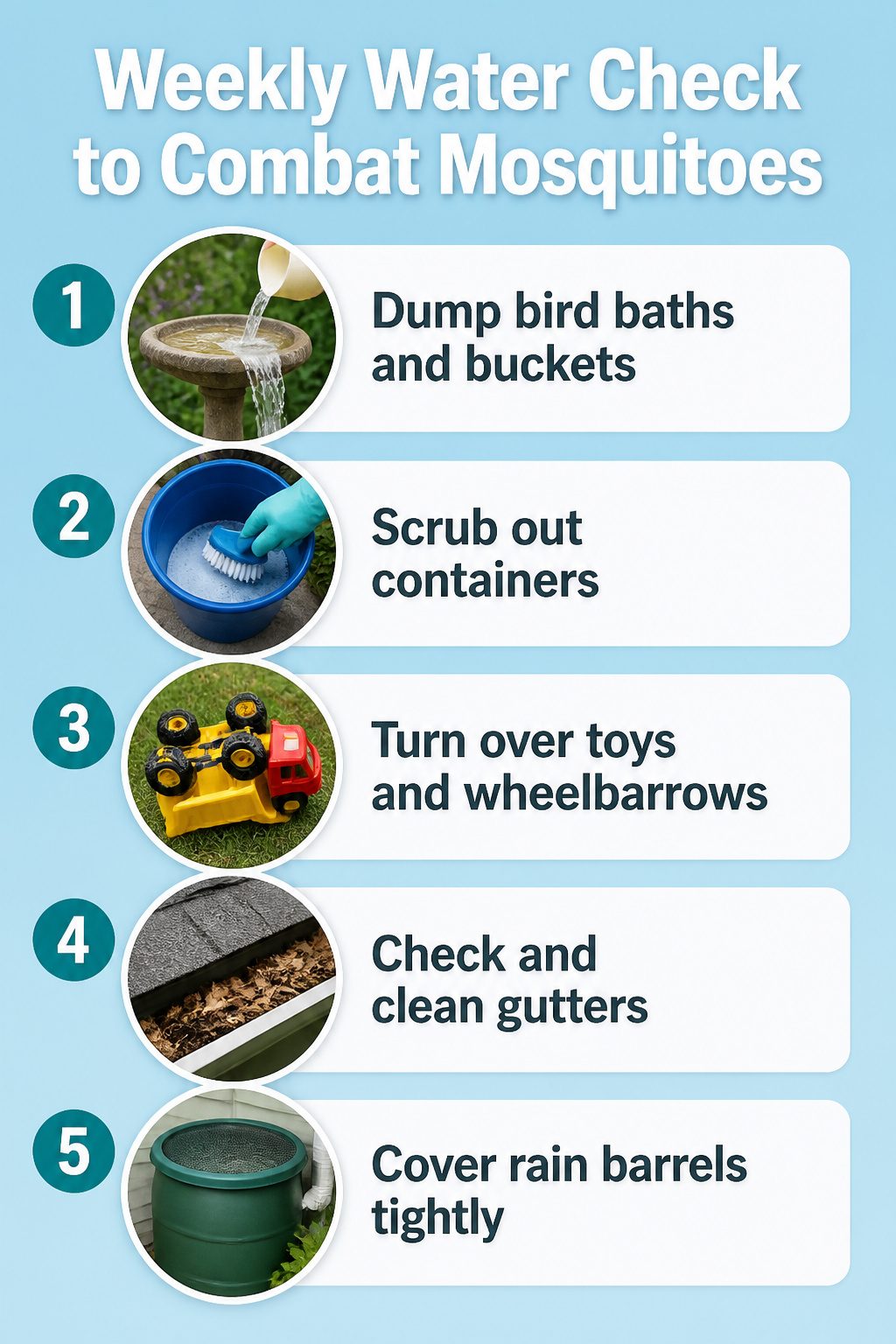
The fix is a weekly walkthrough. Dump bird baths, buckets, and any container that collected rain. Scrub them out while you are at it, not just tip them. Turn over toys and wheelbarrows so they cannot refill. Check gutters for clogs that trap water, and look for low spots in the lawn where puddles linger after storms.
For anything that must hold water, like rain barrels, cover it tight. If the container has no lid, wire mesh with holes smaller than an adult mosquito works.
Once a week, empty and scrub, turn over, cover, or throw out any items that hold water.
That weekly habit is the single most effective thing you can do. Skip it, and everything else in this guide fights an uphill battle.


MOSQUITO LARVAE KILLER - Mosquito Beater is a highly selective microbial larvicide, effective against mosquito larvae in standing water. It kills developing mosquitos upon ingesting before they become breeding, biting adults.
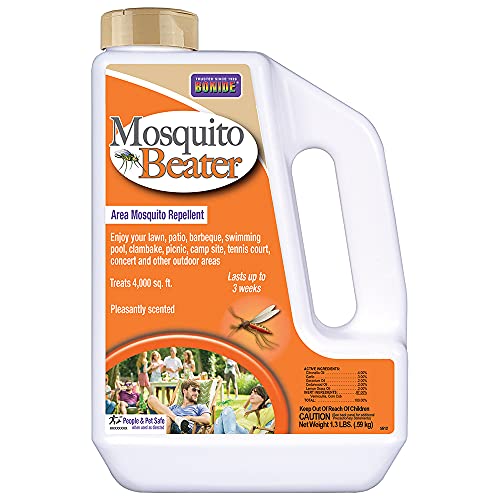
Mosquito Beater Ready-to-Use Granules from Bonide effectively control mosquitoes; with Mosquito Beater Granular Repellent you can enjoy your surroundings
2. Maintain Your Lawn
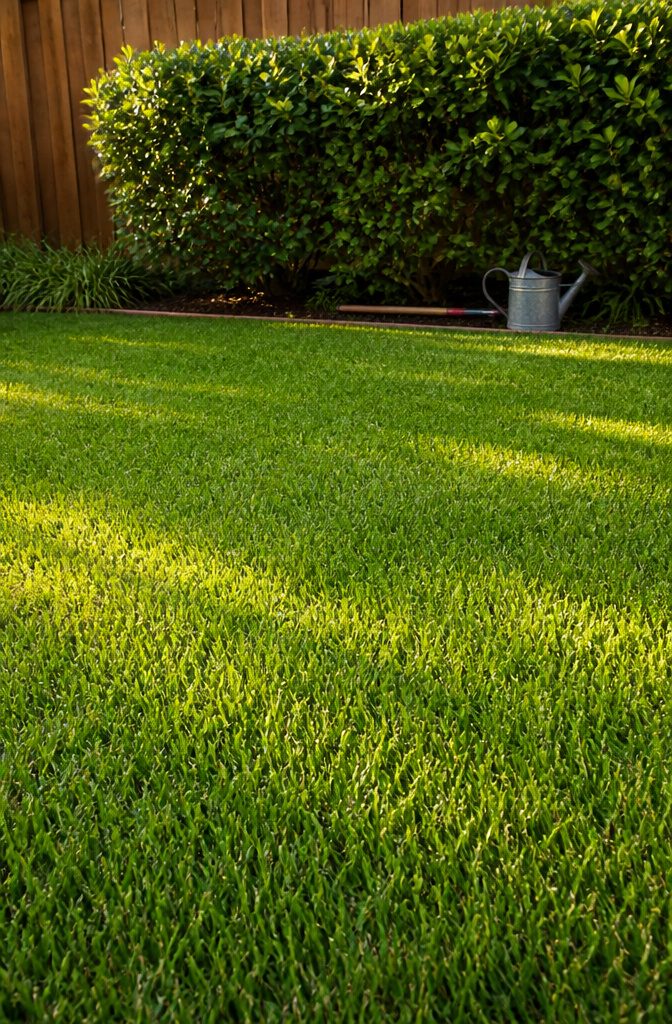
Mosquitoes spend daylight hours resting, not flying, and they pick the coolest, dampest spots they can find. Tall grass and thick shrubs are basically a free hotel. The shade holds moisture longer than open lawn, the humidity stays up, and the bugs barely need to move between sunrise and sunset. Keeping your grass under two inches takes away that cover.
I used to think mowing was just about looks, but it is structural pest control. The same goes for trimming back hedges and any vegetation that touches your house or fences. Dense growth against a wall traps even more moisture and creates a microclimate mosquitoes will choose over an exposed yard every time.
A regular schedule matters more than a perfect cut. Skipping two weeks in July undoes June’s work because the shade returns before the grass even looks that bad. I run the string trimmer along fence lines and under bushes where the mower won’t reach, since those tucked-away spots are easy to ignore and mosquitoes do not.
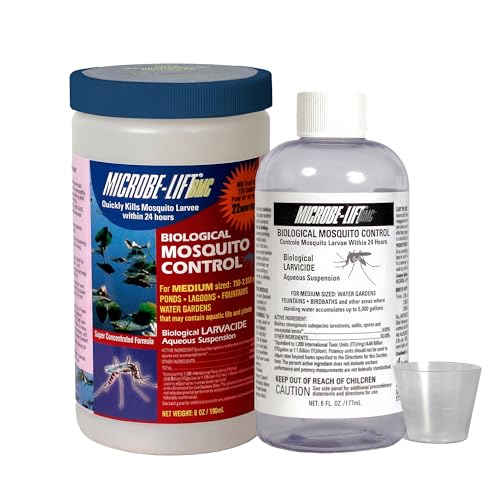
THOROUGH MOSQUITO CONTROL: EPA registered product that kills developing mosquitoes including those which may transmit equine encephalitis & heartworm disease to dogs & cats; Limit the spread of West Nile Disease with effective mosquito control using BMC

Each Chunk kills mosquito larvae for 30 days or more.

Kills Mosquito Larvae Before They're Old Enough To Bite
3. Apply Larvicides
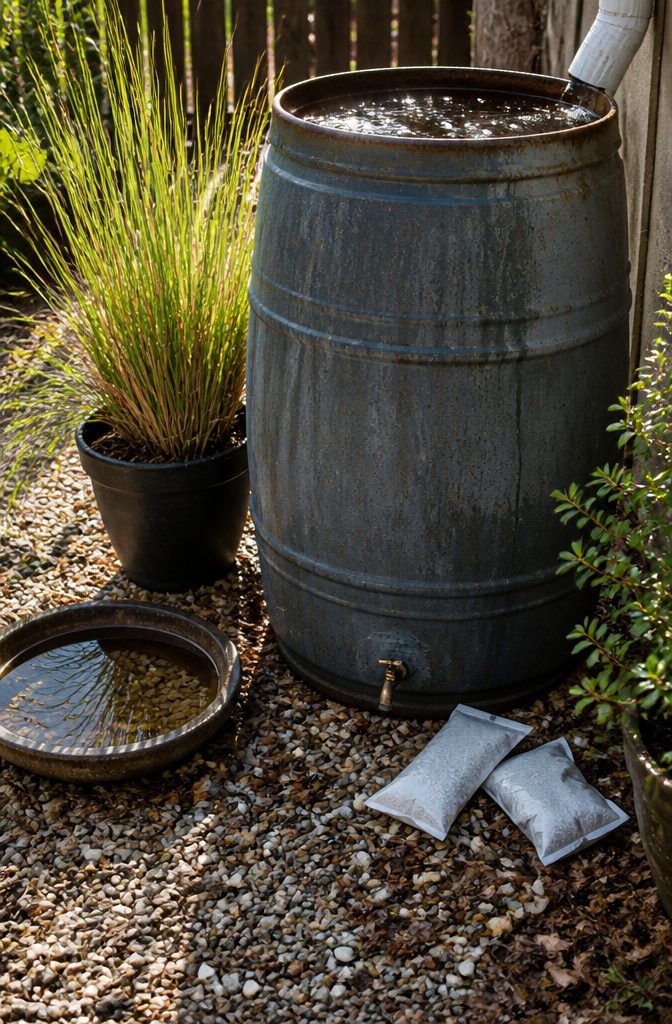
Some standing water simply can’t be dumped. Rain barrels, ornamental ponds, and low spots in the yard that drain slowly all stay put, which means mosquitoes still have a place to breed.
Bacillus thuringiensis israelensis, usually just called Bti, is a soil bacterium that targets mosquito larvae specifically. The larvae eat it, can’t digest the proteins, and starve. One application lasts about 30 days, after which you’ll need to re-up if the water’s still there. It comes as donut-shaped dunks or as granules you can sprinkle into smaller containers. Pets, birds, beneficial insects, and even fish stay unbothered.
For water that sits longer or that you check less often, methoprene is the longer-lasting alternative. It’s an insect growth regulator rather than a bacterium, and it disrupts the mosquito life cycle instead of killing larvae outright. Methoprene usually ships as pellets or briquettes, and its effective period outruns Bti’s month-long window. Artificial ponds and uncovered rain barrels are where it shines, since mosquitoes can drop eggs there anytime and you might not catch the calendar.
Both need reapplication to keep working through the season, so pick your product based on how often you want to think about it.

Function: Rain Barrel cover for outside use helps prevent the accumulation of debris ,keeps the mosquitoes out and doesn’t allow them to lay their eggs in the water.

Practical Mesh Cover: Our mesh covers for rain barrel are designed with fine mesh and drawstring, which is practical and flexible. The rain barrel screen can prevent leaves, debris and other small objects from falling into the rain barrel

2-Pack Value Set & Perfect 23.6in Size – 2 premium rain barrel mesh covers, 23.6 inches in diameter, perfectly fits most standard rain barrels, water collection buckets, and tanks; ideal for US outdoor gardens, eaves, and backyard water collection setups.
4. Plant Mosquito-Repelling Plants

Some plants give off scents that mosquitoes simply don’t like. I keep a few near my patio and they do cut down on the swarming, though they’re not a magic fix.
- Citronella is the one most people know. It works best in a pot right where you sit, since the oils need to be disturbed to release.
- Lavender looks nice in a border and doubles as something you can dry for inside. Dry soil suits it, so it fits spots where other plants struggle.
- Marigolds are cheap annuals. I tuck them into vegetable beds because they also help with other pests.
- Basil belongs in a container by the grill. You brush against it cooking anyway, and that releases the scent.
- Catnip is oddly effective, though it will draw every cat in the neighborhood. Plant it in a raised bed or pot to keep it from spreading.
The trick is placing them where you actually linger. A row of lavender across the yard does less than a potted basil where your arm rests.

Formulated to release effective levels of BTI for a period of 30 days Or More

Mosquito Dunks 6's - Biological Mosquito Control
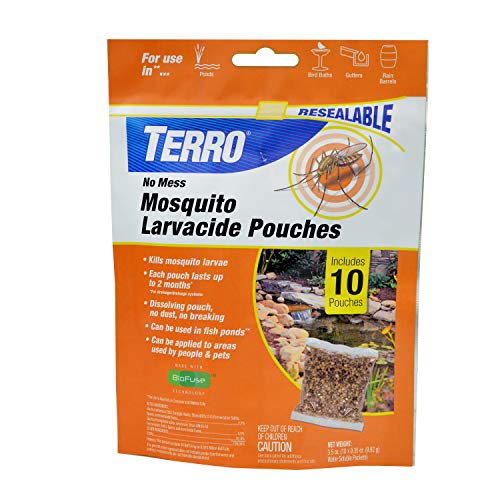
KILLS MOSQUITO LARVAE: TERRO T1210 kills mosquito larvae when added to stagnant water
5. Use Mosquito Traps
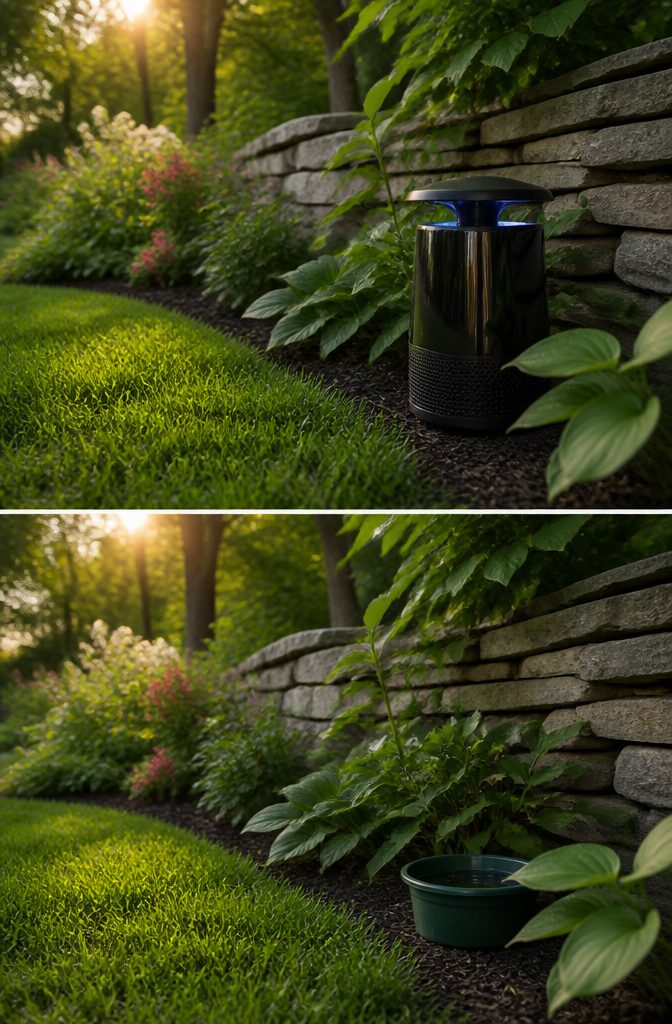
CO2 traps release carbon dioxide to mimic human breath, drawing mosquitoes away from where you actually sit. A fan pulls them into a net or onto a sticky surface where they dehydrate. UV light traps work differently, using ultraviolet light to attract mosquitoes to an grid or adhesive. Neither type discriminates between species, so beneficial insects stay safe.
Placement matters more than most people realize. Set traps in shaded, wind-protected spots around the perimeter of your yard, well away from your patio or deck. The goal is to intercept mosquitoes before they reach you, not to entertain them beside your dinner plate.
Here’s the honest truth: standalone traps rarely solve the problem on their own. They work best as one layer in a broader approach, especially alongside eliminating standing water and keeping grass trimmed. Hard comparative data on which trap performs best in which conditions is surprisingly thin, so budget-friendly experimentation with placement and timing tends to teach you more than any product description will.

KILLS FAST: Kills mosquitoes, listed ant types, fleas and other listed insects.
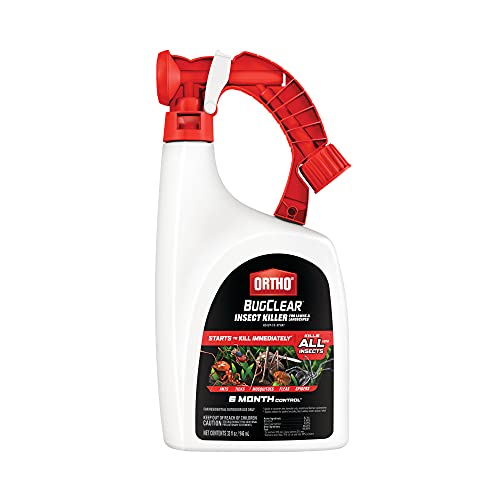
OUTDOOR BUG KILLER: Use Ortho BugClear Insect Killer for Lawns & Landscapes Ready-To-Spray mosquito spray for yards to kill 235 listed bugs, including ants, ticks, armyworms, mosquitoes, fleas, spiders and periodical cicadas

Covers up to 16,000 sq. ft. for worry-free protection
6. Use Personal Protection
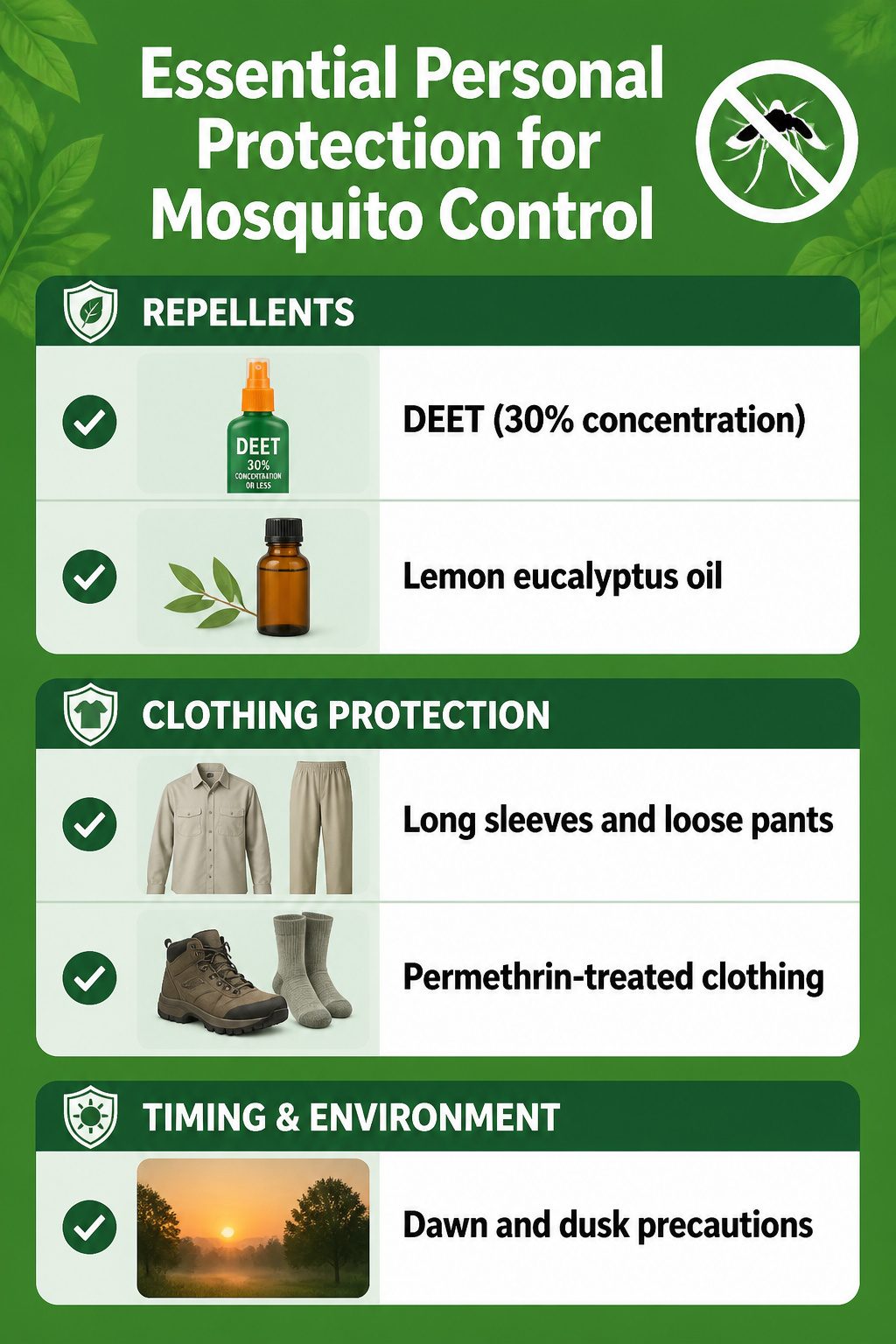
Even the best backyard treatments won’t catch every mosquito. DEET at 30% concentration or less is the standard I’d reach for first; it’s EPA-registered and safe across ages when used as directed. Put it on last, after sunscreen or lotion.
- Long sleeves and loose pants create a physical barrier most mosquitoes won’t bite through. Light colors work better than dark; mosquitoes are drawn to those.
- Lemon eucalyptus oil is the natural option that actually holds up, giving over 95% protection for about three hours. The CDC recognizes it, which matters more to me than "natural" on a label.
- Dawn and dusk are the hours to avoid, or at least to add that extra layer of spray and stay near screened areas.
The permethrin clothing sprays work too, especially on shoes and socks where mosquitoes and ticks both like to land. I treat my hiking gear before the season starts and let it dry fully.


A fantastic option for minimizing mosquito activity around your garden and yard
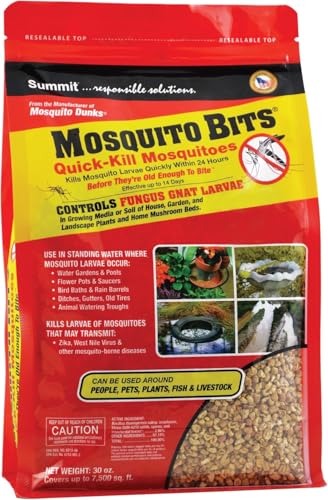
Environmentally Sound Biological Mosquito Control
When Mosquitoes Are Most Active
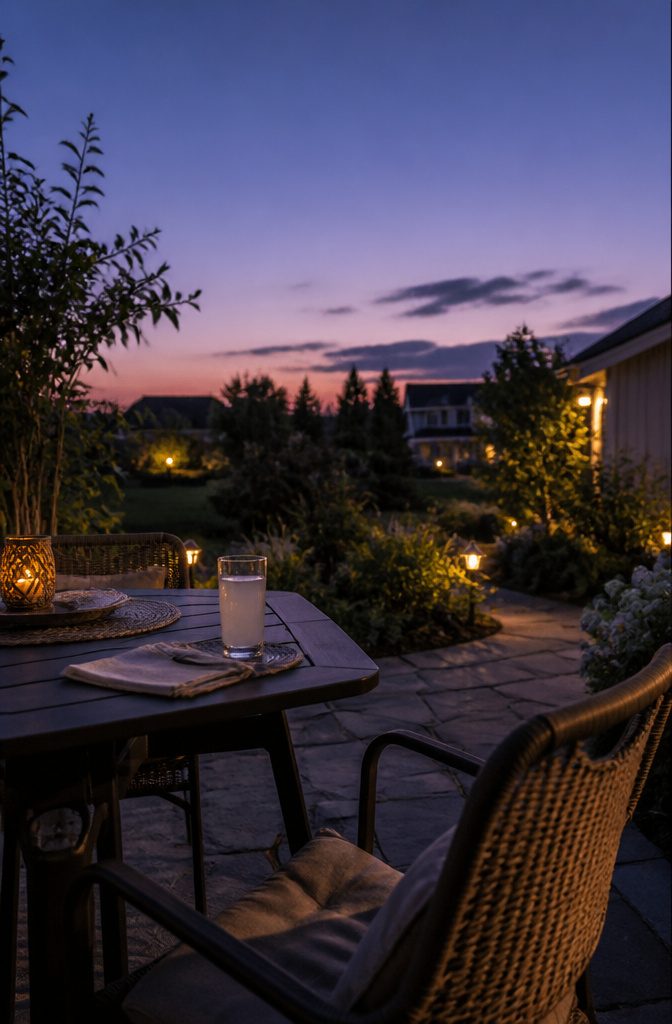
Mosquitoes do most of their biting at dawn and dusk, when the air cools down and humidity climbs. Scientists call this pattern crepuscular, which is just a fancy way of saying they prefer the in-between hours when the sun is low or gone.
That timing matters because it shapes when you bother protecting yourself at all. I used to treat my backyard like one continuous risk zone, dousing myself in repellent at noon for an afternoon of weeding. The spray wore off by evening, right when the mosquitoes were actually waking up. Now I save the heavy application for those two windows, sunrise and sunset, and I skip the midday paranoia.
Warm, sticky evenings after a hot day are the worst. The humidity lets them fly farther and hunt longer, so a casual sunset drink can turn into a feast for them. If you are going to be out then, that is when the bug spray needs to be fresh and your sleeves are worth rolling back down.


Convenient Mosquito Larvae Pouches Set: Includes 142g mosquito larvae pouches plus 1 g, 2.5 g, 5 g, 7.5 g, and 15 g measuring spoons; treats about 132-18744 gallons and works up to 150 days to help stop larvae from becoming biting adults (Contains 4.25% S-methoxyfenozide. Pet-safe when used as directed. Avoid ingestion — toxic if large amounts eaten.)
Why Mosquito Control Matters
A mosquito bite is an annoyance most of us brush off, but the reality is starker than an itchy welt. These insects carry diseases like West Nile virus, Zika, and yellow fever, some of which can turn serious or worse. Controlling them is not about comfort alone; it is a health priority.
I have watched neighbors abandon their decks by July, not because they would not rather be outside, but because the risk of bites felt like too much. That tradeoff is unnecessary. A backyard that is safe to use is a backyard you actually live in, and the steps to get there are neither expensive nor complicated.

【Anti-tear Polyester Material】The rainwater barrel mesh cover is made of high-quality polyester material, which is durable, tear-resistant, and has a fine mesh. It can effectively prevent small items from falling into the barrel

【Versatile 2-Pack for Whole Property】With two 39-inch covers in each pack, you have the flexibility to protect multiple barrels. The generous size is suitable for most standard rain barrels (up to 33.5 inches in diameter), making it a versatile solution for your garden, yard, or shed.

Package Include:2 pcs rain barrel mesh cover keeps leaves and debris out
Natural Predators
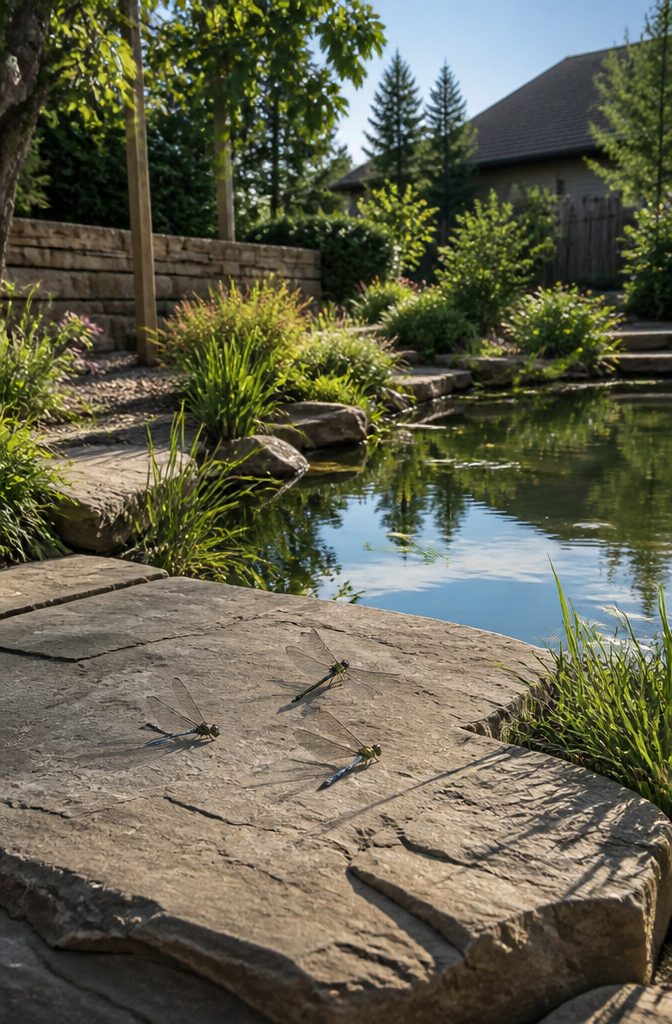
Dragonflies earn their nickname "mosquito hawks" for good reason: a single one can eat thousands of mosquitoes across its lifetime. They like to sun themselves on warm, flat surfaces like rocks or leaves near still water, so a pond you do not want to drain can actually work in your favor here.
Bats are another solid option, and a bat box is the straightforward way to invite them in. Purple martins help too, but they need houses built specifically for them. Spiders pull their weight as well, so leave a few webs alone.
The catch is that almost none of these animals eat mosquitoes exclusively. Dragonflies, bats, birds, frogs, tadpoles, turtles, and fish all feed on plenty of other insects too. That means the best approach is a tag-team effort, not banking on one predator to solve the whole problem. Check which species are actually native to your area before you start building or installing anything.

Bundle includes 2 Summit Mosquito Dunks


THOROUGH MOSQUITO CONTROL: EPA registered product that kills developing mosquitoes including those which may transmit equine encephalitis & heartworm disease to dogs & cats; Limit the spread of West Nile Disease with effective mosquito control using BMC
Professional Treatments
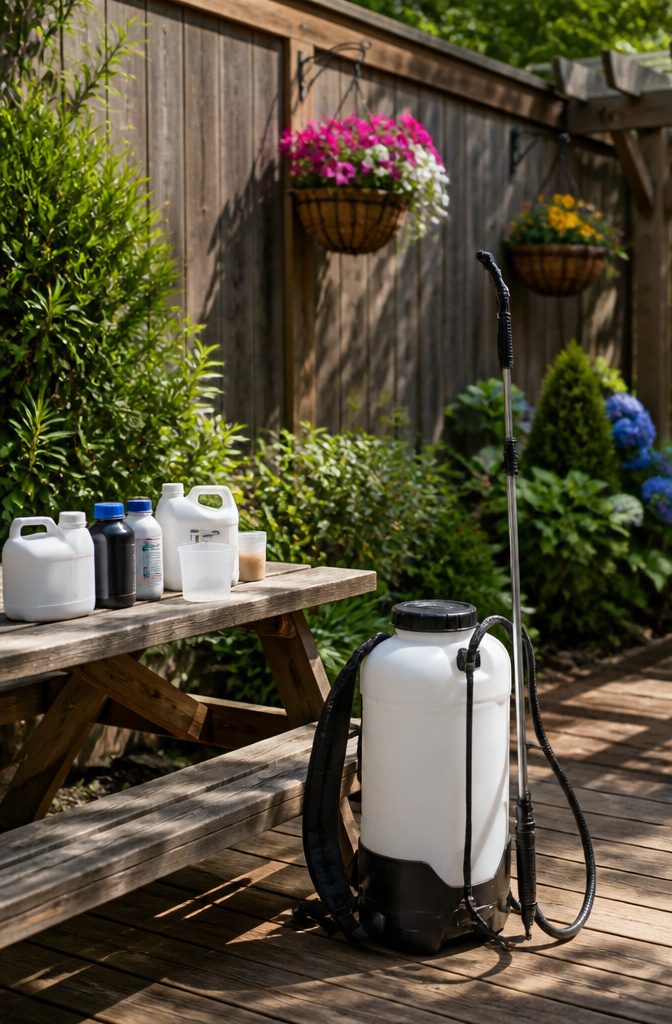
Sometimes the mosquitoes win. I spent one July convinced I could outlast them with citronella candles and a borrowed backpack sprayer, and by August I was calling a pest control company after all. Hiring a pro makes sense when you’ve emptied every planter saucer and still can’t step outside without getting swarmed.
A good technician does more than spray. They know where to look for standing water you’d never think of, like clogged gutters or the crease in a tarp, and they time treatments to the species active in your area. The EPA-registered products they use are targeted to hit larvae before they hatch, not just adults in flight. That matters because spraying the wrong insecticide yourself can wipe out bees and butterflies that your garden actually needs.
Most services will also walk your property with you and point out the drainage fixes or vegetation trims that keep the problem from returning. If you’ve tried the weekend projects and the mosquitoes keep coming back, this is the bridge between DIY and giving up on your yard entirely.

COMPLETE PEST CONTROL: Complete Brand Insect Killer for Soil and Turf controls both listed surface and soil insects with a two-way formula; The 10-pound bag treats up to 10,000 square feet

NATURAL, PET-SAFE YARD PROTECTION: Our DEET-Free formula uses a potent blend of essential oils—including Geraniol, Lemongrass, Citronella, and Cedarwood—to create a powerful natural mosquito repellent for yard and home. Safe for use around your family, pets, livestock, and gardens when used as directed.

Controls Mosquito Populations: Prevents larvae from maturing so no biting mosquitoes emerge, keeping your backyard, patio, and garden mosquito free
Chemical vs Natural Repellents
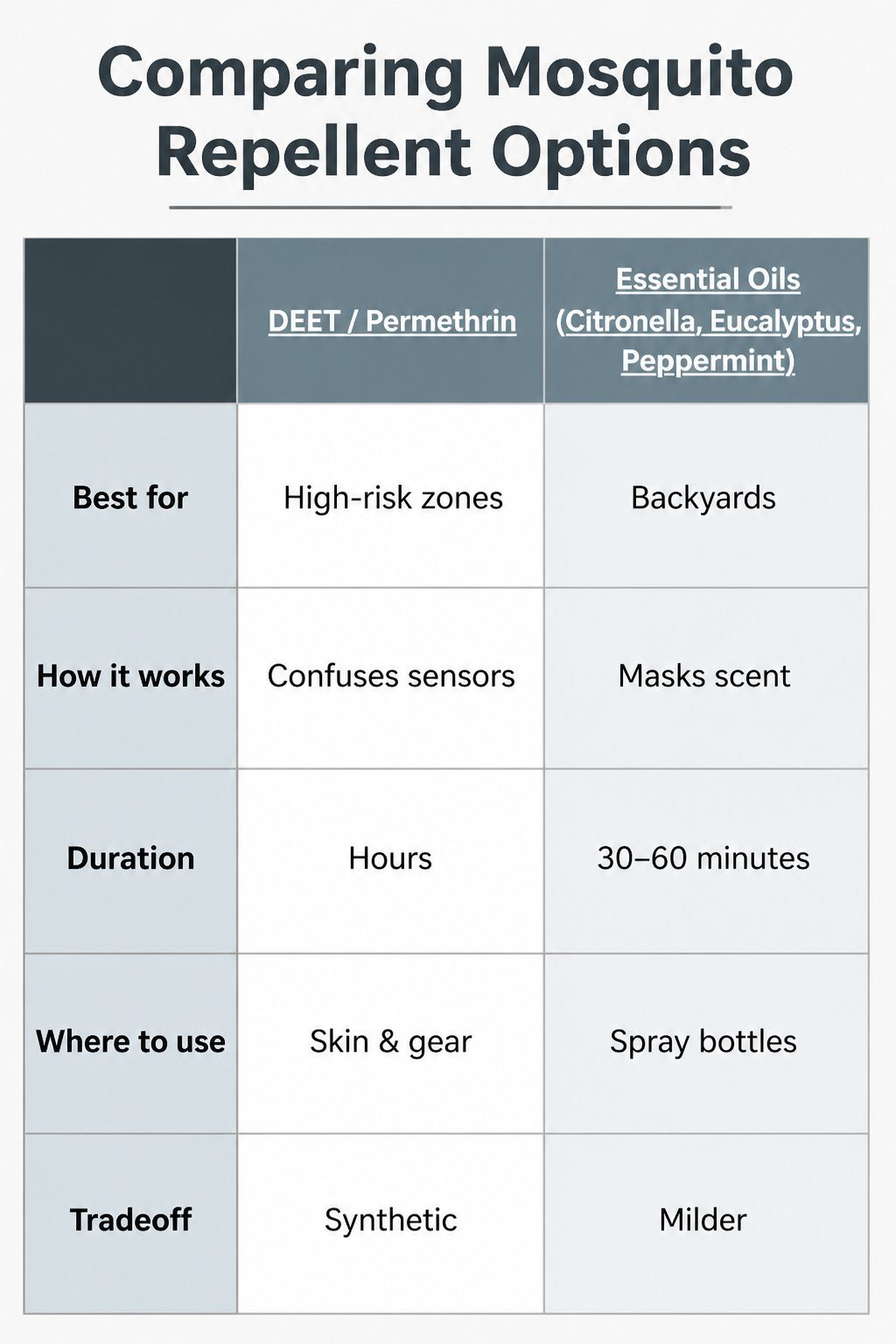
DEET and permethrin sit at one end of the spectrum, essential oils at the other, and the gap in reliability is wider than most product labels admit. DEET is the only option backed for disease-heavy areas, while oil of lemon eucalyptus and citronella work fine for an hour on the patio before you need another pass.
| DEET / Permethrin | Essential Oils (Citronella, Eucalyptus, Peppermint) | |
|---|---|---|
| Best for | High-risk zones, dense mosquito pressure | Backyards, short gatherings, kids and pets nearby |
| How it works | Confuses mosquito sensors or kills on contact | Masks human scent; needs reapplication |
| Duration | Hours per application | 30–60 minutes; candles even less with any breeze |
| Where to use | Skin (DEET); clothing and gear (permethrin) | Spray bottles, diffusers, planted borders |
| Tradeoff | Synthetic; wash off before bed | Milder; large quantities needed for real effect |
I keep a small DEET bottle for the thick of summer and mix a peppermint spray for quick evenings outside. The natural route saves money and worry, but only if you are willing to reapply like clockwork.
Frequently Asked Questions
Why is ridding mosquitoes from your yard important?
Mosquitoes carry diseases like West Nile virus, Zika, and yellow fever, some of which can turn serious or worse. A bite is not just an itchy welt; it is a genuine health risk. Controlling them protects your family and lets you actually use your backyard instead of abandoning it by July.
When are mosquitoes most active?
Mosquitoes are most active at dawn and dusk, a pattern scientists call crepuscular. Warm, sticky evenings after a hot day are the worst because humidity lets them fly farther and hunt longer. Save your heaviest repellent application for those two windows and you will catch most of the risk.
What plants repel mosquitoes?
Citronella, lavender, marigolds, basil, and catnip all release scents mosquitoes avoid. The trick is placing them where you actually sit, not across the yard; a potted basil by your arm does more than a distant row of lavender. They cut down on swarming but are not a replacement for repellent on your skin.
How can I protect myself from mosquito bites?
Use DEET at 30% concentration or less on skin, wear long sleeves and loose light-colored pants, and avoid being out at dawn and dusk without fresh repellent. Lemon eucalyptus oil works for about three hours if you prefer a natural option recognized by the CDC. Treat shoes and socks with permethrin for extra coverage against both mosquitoes and ticks.