

Most experts recommend against drinking bathroom sink water, but the risk depends on what happens after the water leaves your main supply. Bathroom plumbing gets used less often, so water sits in those pipes longer, giving metals and bacteria time to accumulate. In older homes with lead pipes, that stagnation can leach tasteless, colorless lead into water that is otherwise fine for washing your hands.
Can You Drink Bathroom Sink Water
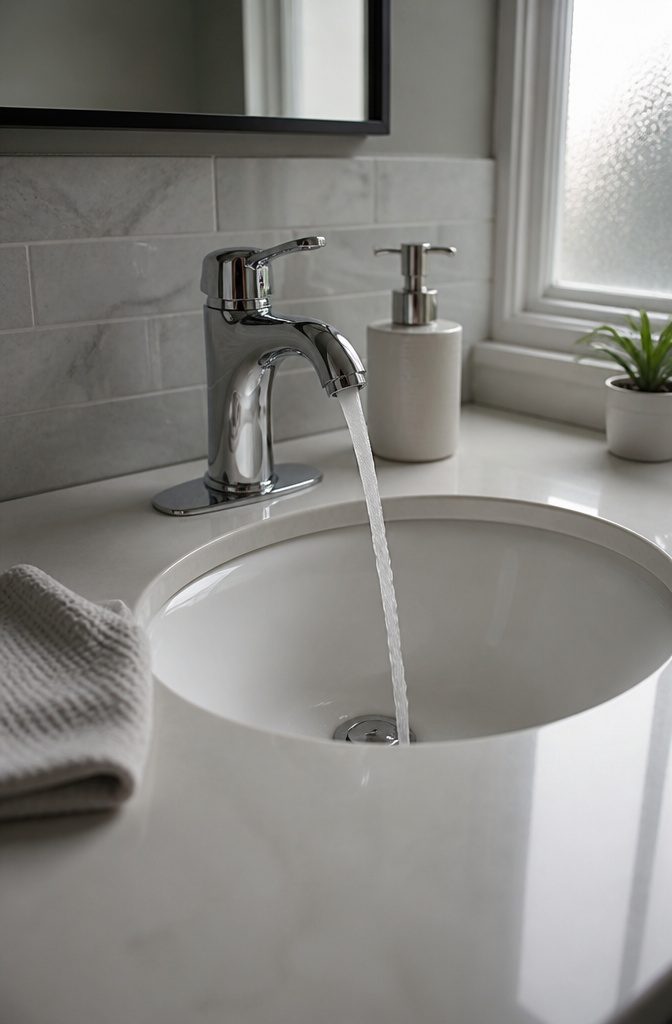
Most experts recommend against drinking water from bathroom sinks. The risk comes from what happens to the water after it leaves your main supply, not from the source itself.
Bathroom and kitchen taps typically draw from the same municipal line. The difference is the path the water takes to reach you. Bathroom plumbing gets used less often, so water sits in those pipes longer. That stagnation gives metals and bacteria time to accumulate, especially in older systems where copper, iron, or even lead can leach into the supply.
If your home has aging pipes, the bathroom line is usually the last place you want to drink from unfiltered. The same water that is fine for washing your hands or brushing your teeth becomes riskier when you are swallowing it regularly. That stagnation factor, plus whatever your specific pipes are made of, is what makes bathroom water a gamble compared to the kitchen tap you run every day.

𝐈𝐦𝐩𝐨𝐫𝐭𝐚𝐧𝐭 𝐍𝐨𝐭𝐞: 𝐂𝐨𝐥𝐝 𝐰𝐚𝐭𝐞𝐫 𝐨𝐧𝐥𝐲. 𝐃𝐨 𝐧𝐨𝐭 𝐫𝐞𝐝𝐮𝐜𝐞 𝐓𝐃𝐒! 𝐖𝐨𝐫𝐤𝐬 𝐰𝐢𝐭𝐡 𝐬𝐭𝐚𝐧𝐝𝐚𝐫𝐝 𝐟𝐚𝐮𝐜𝐞𝐭𝐬! Does 𝐧𝐨𝐭 𝐟𝐢𝐭 pull-out, hand-held, spray style faucets or faucets with sensor. Please verify if our product suits your faucet before purchase per the detailed instructions in product pictures.

INSTANT FILTRATION: Get healthier, great tasting filtered water on tap with the Brita Elite Advanced faucet mount water filter system, no waiting and no refills required

[ATOJET AJ8310 – A beauty essential crafted with Korea's Beauty Culture] Cleanest sink water experience crafted with Korea’s luxurious beauty culture. Before skincare, before makeup, the beauty routine begins with fresh, filtered water. Inspired by K-Beauty culture. The Atojet AJ8310, a trusted sink filter for clear, revitalizing water. Loved by skincare enthusiasts worldwide, inspired by K-Beauty trends.
What Contaminants Hide in Bathroom Sink Water
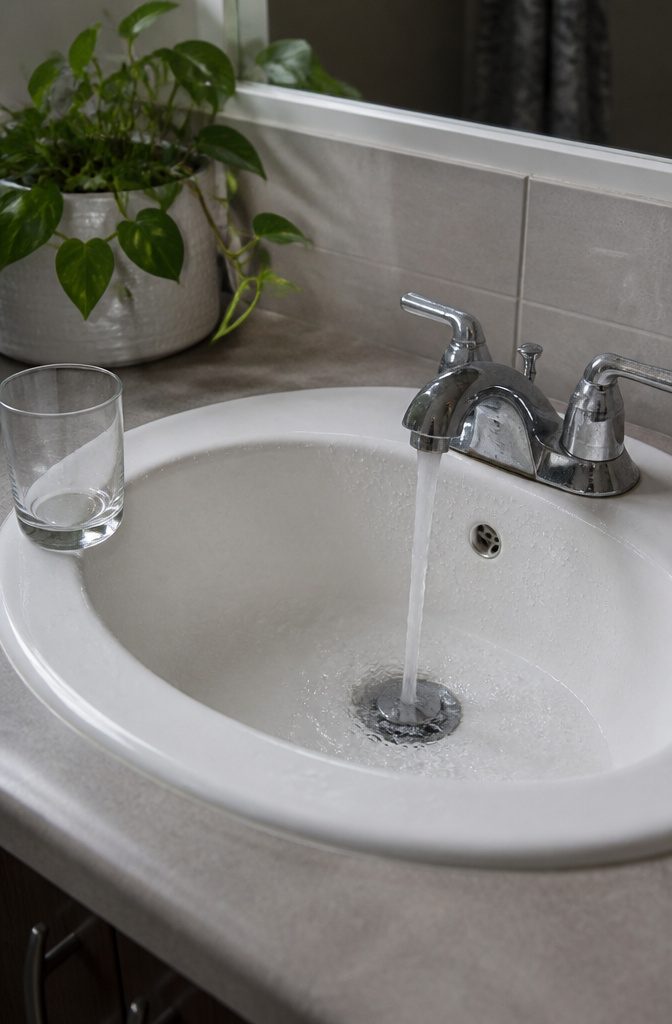
Bathroom sinks that sit unused for days become a quiet problem. Water stagnates in the pipes, and stagnant water gives bacteria time to multiply beyond what your municipal treatment handled. The faucet at your hallway bath might see two minutes of flow a week; that is enough sitting time for Legionella and other organisms to establish themselves.
Older homes carry a separate risk that is harder to see. Properties built before 1970 were often plumbed with lead pipes, and that lead does not stay in the pipe. It leaches into the water, tasteless and colorless, with higher concentrations where water has been idle. Children face the gravest danger from this, developmental harm from even low-level exposure, though adults are not immune. Joint pain, blood pressure spikes, and kidney damage all track back to chronic lead intake.
You will not detect lead by flavor or sight. The metallic tang you might notice usually signals other metals, copper or iron, which are unwelcome but less dangerous. Lead offers no such warning.

17 IMPORTANT PARAMETERS: The Varify Premium Drinking Water Test Kit offers an unrivaled, complete analysis of your drinking water by testing for 17 essential parameters. This includes crucial tests for chlorine, fluoride, lead, iron, bacteria, and more, ensuring that you're fully informed about the quality of your water. With this extensive range of testing capabilities, you can detect contaminants and imbalances that could affect your health, providing a holistic view of your water's safety.

Clear Range: This house water testing kit offers clear, easy to read results and acceptable ranges for all substances. The water contaminant tester delivers clear results on any type of water
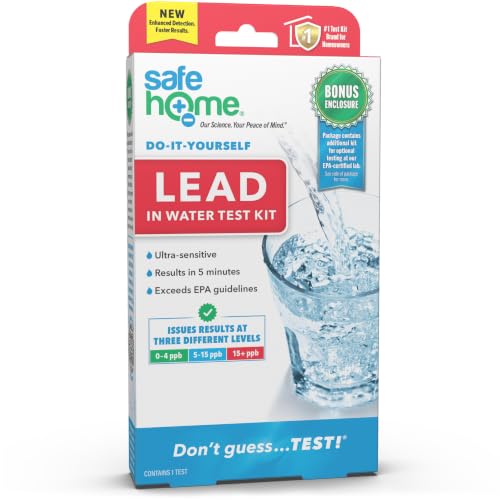
#1 SELLING LEAD TEST KIT IN THE WORLD! Why? Safe Home’s kits are certified by independent laboratories such as Good Housekeeping, which supports the reliability and precision of testing. Plus, no messy test strips that can yield false positive or false negative results.
Bathroom Water Versus Kitchen Water
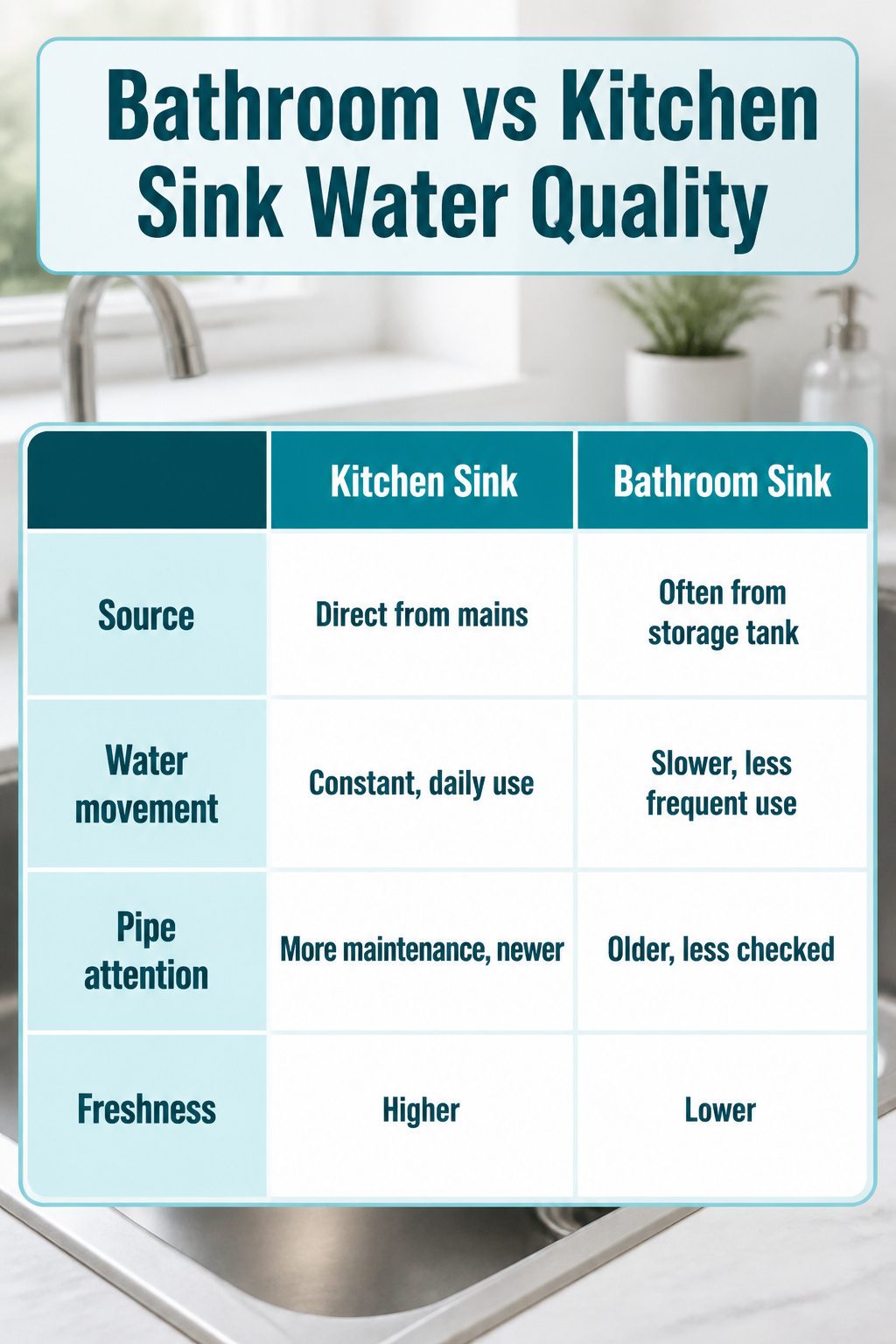
Both taps draw from the same municipal supply, but the path to your mouth is what changes the risk.
Kitchen sinks usually pull straight from the mains. The water keeps moving, the pipes stay flushed, and you are more likely to notice a drip or a stain and fix it. Bathroom plumbing, by contrast, often routes through a storage tank in the loft or cellar. Water sits there, sometimes for days, giving limescale and bacteria time to settle in. Older pipes compound the problem: stagnant water leaches more lead, copper, and iron.
| Kitchen Sink | Bathroom Sink | |
|---|---|---|
| Source | Direct from mains | Often from storage tank |
| Water movement | Constant, daily use | Slower, less frequent use |
| Pipe attention | More maintenance, newer | Older, less checked |
| Freshness | Higher | Lower |
I would not drink from a bathroom sink unless I knew for certain it was mains-fed and the plumbing was recent.

【In-Sink Water Filters】The water hose filter has one end with a 9/16" male thread and the other end with a 9/16" female thread. It is suitable for water pipes in kitchen 、bathroom, washing machines, water heater hose, water filter hose, shower head hose, RV, for example, faucets, washing machines, toilets, etc, connecting angle valve and faucet hose for sink faucet, it can be installed in many places as long as it's the right size, being lightweight and easy to disassemble for convenience.

Easy Installation - Easy to install with clear instructions and video. ICEPURE Under Sink Water Filter with super simple plug-and-play install design. It takes less than 3 minutes for the installation and a 2-second filter change. No professional is required. High flow rate, The tested full flow rate is 2.5GPM at 60PSI.
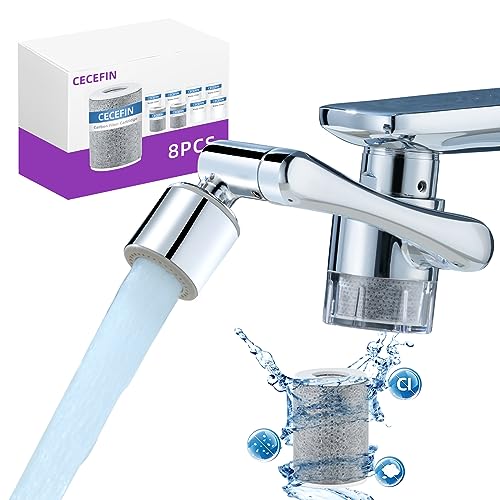
【Notice: CHECK COMPATIBILITY FIRST】WILL NOT fit faucets with non-removable aerators.Please confirm your faucet's and original aerator thread before purchasing. CECEFIN sink water filter extender provides 2 sizes for connection: female 55/64" -27T(22mm), male 15/16" (24mm). Other faucet threads require an adapter to connect to your bathroom/ kitchen/ laundry sink faucets. We have been specializing in faucet products for more than 10 years, and solved countless cases in installation and use of related products. If you have any concern about the size, feel free to contact us.
Why Stagnant Water Grows Bacteria
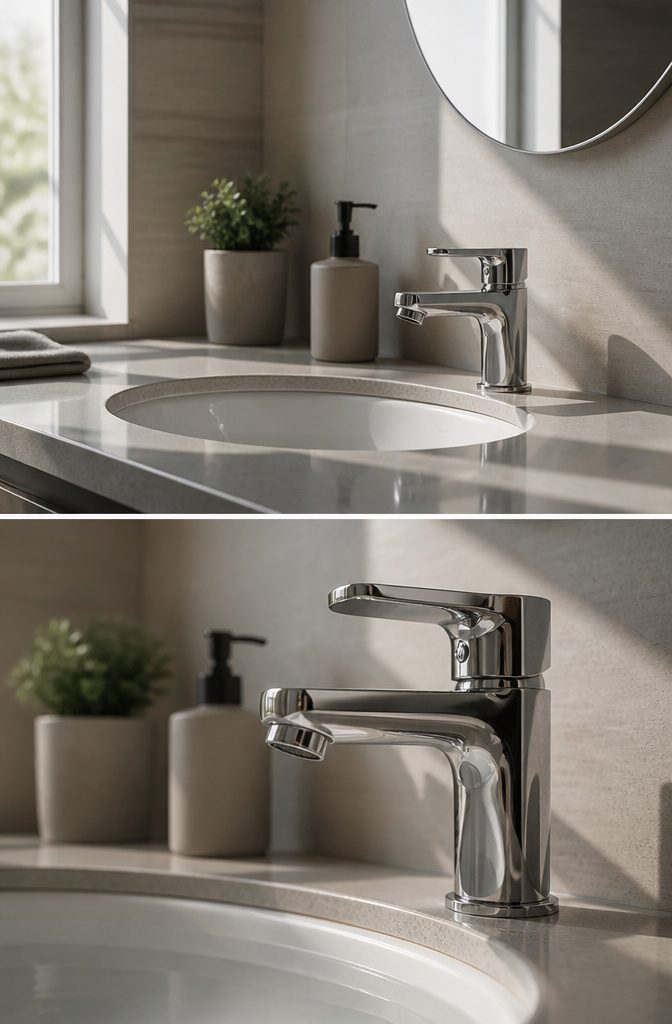
Water in your bathroom sink doesn’t stay fresh the way kitchen tap water does. In many homes, bathroom water sits in a storage tank, often in a loft or cellar, before it even reaches your faucet. That sitting time matters. The longer water stays still, the more opportunity bacteria, limescale, and debris from the tank itself have to accumulate.
Your bathroom habits make this worse. Water that sits unused for days cycles through slowly, if at all. Stagnant conditions let microorganisms multiply, and older pipes can leach lead or other metals into water that isn’t moving.
Flushing the tap for a few seconds before use helps clear stagnant water from the faucet, but it does not eliminate all risks. Water already in the tank or deeper in the plumbing has still been sitting.
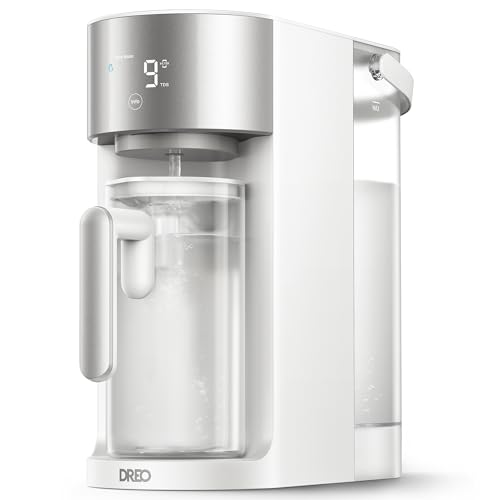
𝙀𝙛𝙛𝙞𝙘𝙞𝙚𝙣𝙩 𝙋𝙪𝙧𝙞𝙛𝙞𝙘𝙖𝙩𝙞𝙤𝙣, 𝙋𝙚𝙖𝙘𝙚 𝙤𝙛 𝙈𝙞𝙣𝙙: The DREO 7-in-1 RO water filter uses a 0.0001 μm RO membrane to reduce a wide range of contaminants; it reduces 99% of lead, chromium (hexavalent), chlorine, PFOS, and PFOA plus 97% of fluoride under laboratory conditions. It was tested by SGS meeting NSF/ANSI 58 Standards.
![Waterdrop C2SL Countertop Reverse Osmosis Water Filter, [ Mineral Added ] | 40oz Autofill Glass Pitcher, 7-Stage RO Filtration, 3:1 Pure to Drain, Reduce PFAS/TDS, Compact Design, Installation-Free](https://m.media-amazon.com/images/I/41jX6e2COpL._SL500_.jpg)
[𝐏𝐨𝐰𝐞𝐫𝐟𝐮𝐥 𝟕-𝐬𝐭𝐚𝐠𝐞 𝐑𝐎 𝐟𝐢𝐥𝐭𝐫𝐚𝐭𝐢𝐨𝐧] The Waterdrop C2SL countertop reverse osmosis system uses a 0.0001 μm RO membrane to reduce TDS and a wide range of contaminants. Tested by SGS to reduce 99.8% of PFOA, 99.7% of PFOS, 99.96% of microplastics, 99.83% of lead, 99.51% of chlorine, and 98.45% of fluoride under laboratory conditions

𝗘𝗳𝗳𝗶𝗰𝗶𝗲𝗻𝘁 𝗣𝘂𝗿𝗶𝗳𝗶𝗰𝗮𝘁𝗶𝗼𝗻, 𝗣𝗲𝗮𝗰𝗲 𝗼𝗳 𝗠𝗶𝗻𝗱: The DREO 7‑in‑1 RO water filter filters out 99.9% of possible contaminants in water including PFOA, PFOS, chlorine, fluoride and more. It was tested by SGS meeting NSF/ANSI 58 Standards.
The Hot Water Problem
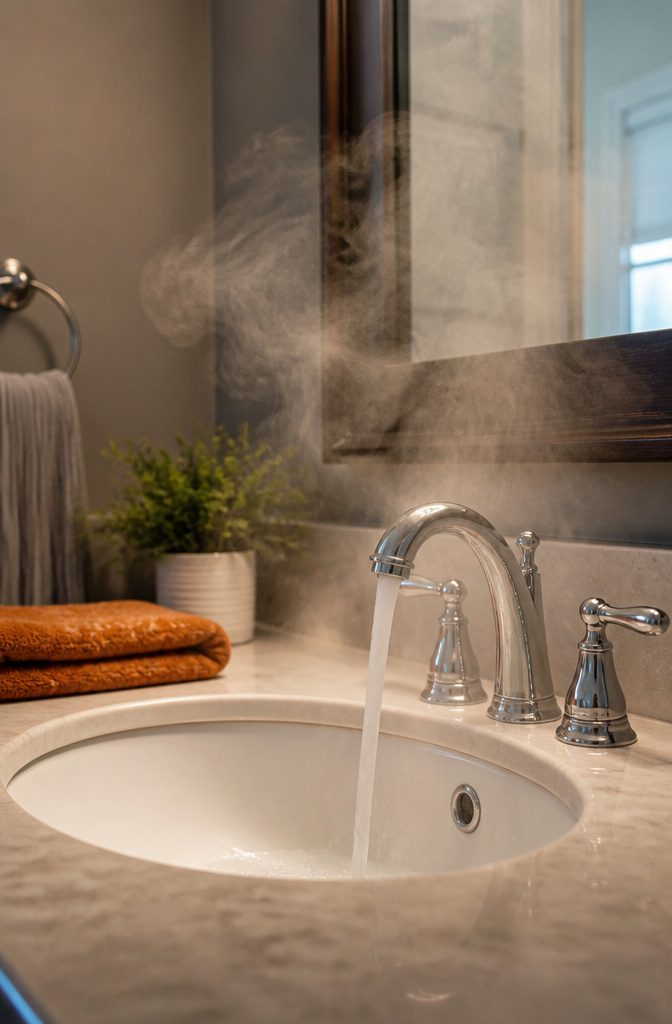
Hot water from the bathroom tap carries a separate risk that cold water does not. The water in your heater sits warm for long stretches, and standing warm water is where Legionella and other bacteria grow. That tank gets heated and cooled repeatedly, never quite hitting a temperature that sterilizes it, so anything that lands there has time to multiply.
This applies to every tap in the house, kitchen included. Cold water moves more directly from the main supply without that storage step, which is why the distinction matters. I always run the cold tap if I need a drink, even when I want the water room temperature or slightly warm. It takes an extra minute, but heating cold water on the stove or in a kettle bypasses the tank entirely.

INSTANT FILTRATION: Get healthier, great tasting filtered water on tap with the Brita Elite faucet mount water filter system, no waiting and no refills required

Warm Advice: Please check if the size and type of your faucet connection match our faucet filter connection before purchasing. To avoid inappropriate faucet connection issues, choose according to your faucet interface size. If you find any damage to our filter after receiving it, please contact us promptly so that we can replace or refund it for you.

LifeStraw Go Series is the ULTIMATE SIDEKICK. The stainless steel BPA-Free bottle filters out nasties so you can fill up from airport bathrooms, a tap in Mexico, or a gas station while road-tripping
What About Public Restroom Water
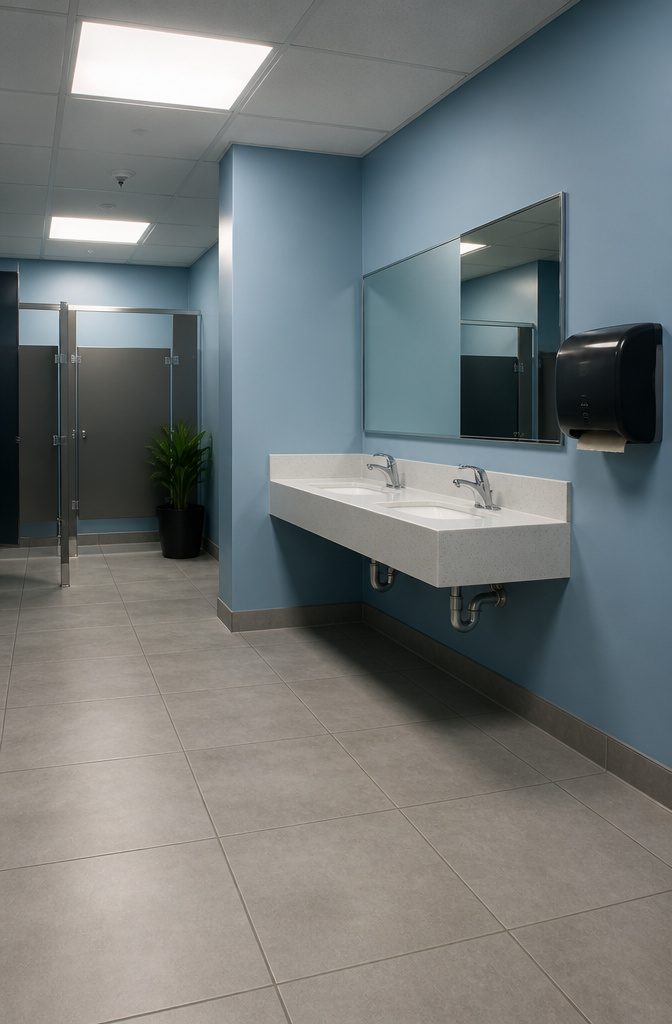
Public restroom water usually comes from the same municipal supply as your kitchen faucet, which means it starts out meeting EPA safety standards. But what happens between that supply line and your mouth is where things get less certain. The plumbing in a public restroom sees heavier use and less consistent maintenance than what runs through your home, and bathroom fixtures in these settings are sometimes built with lower-grade alloys that can leach metals over time.
I tend to trust the water in a well-kept library or airport more than a gas station off the highway where the sink hasn’t been cleaned in a week. If the fixture is corroded, the water runs warm, or there’s any visible sediment, skip it. The same rules apply for filling your bottle at a restaurant bathroom or a park facility: the source is probably fine, but the last few feet of pipe and the condition of the faucet are question marks you can’t answer.

All for health: with global water quality issues constantly threatening, it's important to protect your health by ensuring that your drinking water is free of harmful substances. Our water quality testing kits can quickly identify these problems, making it easier to protect your health and that of your family. The 16 in1 drinking water test strips also screens pool, hot tub and spa water for chlorine, bromine, pH and alkalinity—one kit for softener well tap home drinking water and backyard care.

【22-Parameter Water Testing】We provide a complete testing range of 22 essential water quality indicators including Nickel, Zinc, Tin, Copper, Fluoride, Aluminum, Total Chlorine, Nitrite, Nitrate, Iron, Total Hardness, Free Chlorine, Sodium Chloride, Carbonate, Total Alkalinity, pH, Cobalt, Sulfite, Chromium, Cadmium, Lead, and Bacteria. It offers a thorough and professional overview of your water condition

Upgraded Formulation for Optimal Lead Testing: NewPos lab specializes in researching the best lead test kit, starting with chemical formulations, we have global formulations of lead testing kits, and after 1,000 experiments, NewPos have upgraded our chemical formulations to make the test results more accurate
Aerosolized Contaminants From Flushing
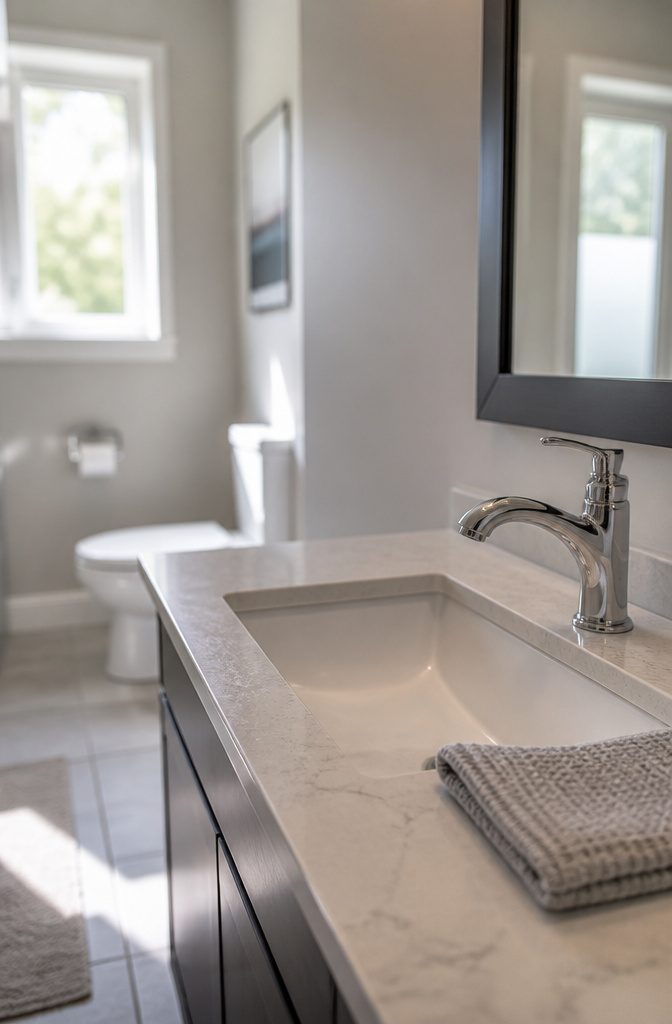
Every flush sends a fine spray of particles into the air. In a small bathroom, those particles do not travel far before they settle on nearby surfaces, including the faucet you might later cup your hand under.
The risk is real but easy to overstate. Most bathroom faucets do not sit close enough to the toilet bowl for this to be the deciding factor on whether the water is drinkable. In a typical layout with a few feet of separation, the spray settles on the counter or floor before it reaches the tap. Tight quarters change the math: a powder room where the sink practically touches the toilet is a different situation than a full bath with standard spacing.
I treat this as one more reason to wipe down the faucet regularly, not as a reason to avoid the water entirely. A quick clean with whatever you already use on the counter handles the surface layer. The water inside the pipe was never near the toilet bowl; the question is only what landed on the outside of the fixture after someone flushed.

Less than $25.99 per replacement filter WD-RF10(Search " B085G66JTZ "on Amazon), save over 50% of cost on subsequent use.

𝐀𝐭𝐭𝐞𝐧𝐭𝐢𝐨𝐧: Connect only to your home's cold water supply to ensure safe, high-quality filtration. Installing with hot water may cause carbon residue, reduced filtration performance, steam release during filter changes, or even filter damage that could result in burns.

Developed by healthcare professionals, Filterbaby is the #1 skincare-focused water filter. Clinically shown to improve hydration, help reduce visible skin discomfort (such as acne, clogged pores, and irritation), and diminish blemishes in just 2 weeks for men and women. Effectively filters out chlorine, chloramine, and other common tap water elements. Perfect for daily face cleansing, sensitive skin, and wellness-focused routines for both men and women.
How to Make Bathroom Water Safer
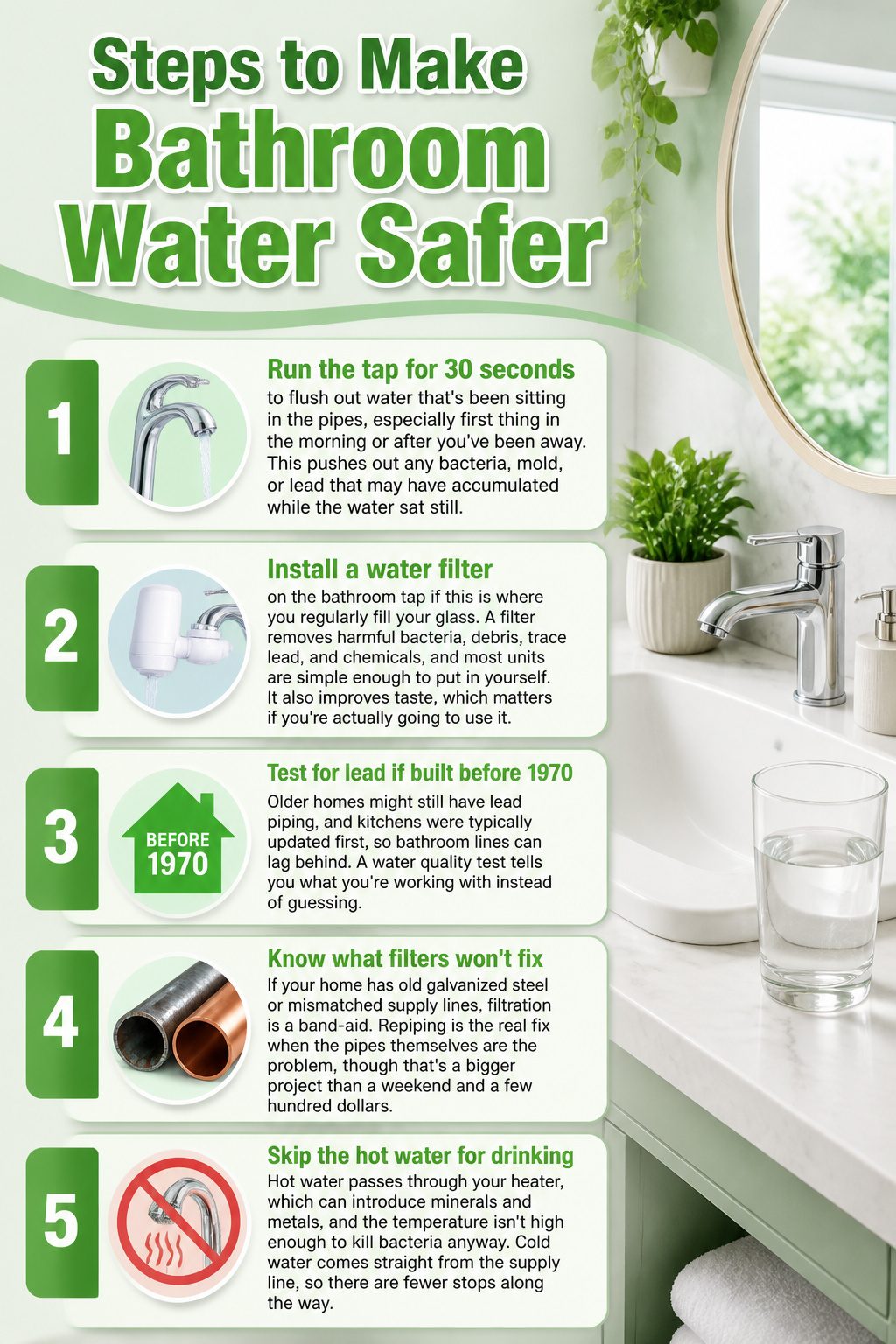
- Run the tap for 30 seconds to flush out water that’s been sitting in the pipes, especially first thing in the morning or after you’ve been away. This pushes out any bacteria, mold, or lead that may have accumulated while the water sat still.
- Install a water filter on the bathroom tap if this is where you regularly fill your glass. A filter removes harmful bacteria, debris, trace lead, and chemicals, and most units are simple enough to put in yourself. It also improves taste, which matters if you’re actually going to use it.
- Test for lead if your home was built before 1970. Older homes might still have lead piping, and kitchens were typically updated first, so bathroom lines can lag behind. A water quality test tells you what you’re working with instead of guessing.
- Know what filters won’t fix. If your home has old galvanized steel or mismatched supply lines, filtration is a band-aid. Repiping is the real fix when the pipes themselves are the problem, though that’s a bigger project than a weekend and a few hundred dollars.
- Skip the hot water for drinking. Hot water passes through your heater, which can introduce minerals and metals, and the temperature isn’t high enough to kill bacteria anyway. Cold water comes straight from the supply line, so there are fewer stops along the way.

𝗘𝗳𝗳𝗶𝗰𝗶𝗲𝗻𝘁 𝗣𝘂𝗿𝗶𝗳𝗶𝗰𝗮𝘁𝗶𝗼𝗻, 𝗣𝗲𝗮𝗰𝗲 𝗼𝗳 𝗠𝗶𝗻𝗱: The DREO 7‑in‑1 RO water filter filters out 99.9% of possible contaminants in water including PFOA, PFOS, chlorine, fluoride and more. It was tested by SGS meeting NSF/ANSI 58 Standards.

COUNTERTOP FILTRATION + PREMIUM-QUALITY CARAFE: No plumbing or installation is required for this RO system. Simply plug this portable piece of tech into any power source, and you're ready to fill it up and go! Better yet, the water container is constructed of a high borosilicate glass carafe instead of the traditional plastic, reducing the risk of secondary pollution and making this one of the best countertop water filter systems.

[Trusted certifications]: Waterdrop G3P600 reverse osmosis system is certified against NSF/ANSI 58 for TDS reduction and NSF/ANSI 372 certified for lead-free material. Also it has been tested and certified against NSF 42 to reduce chlorine, bad taste and odor. The tankless reverse osmosis system is also certified by the Federal Communications Commission. Besides, it meets the EU Standards and UKCA Standards for safety
When I Would and Would Not Drink It
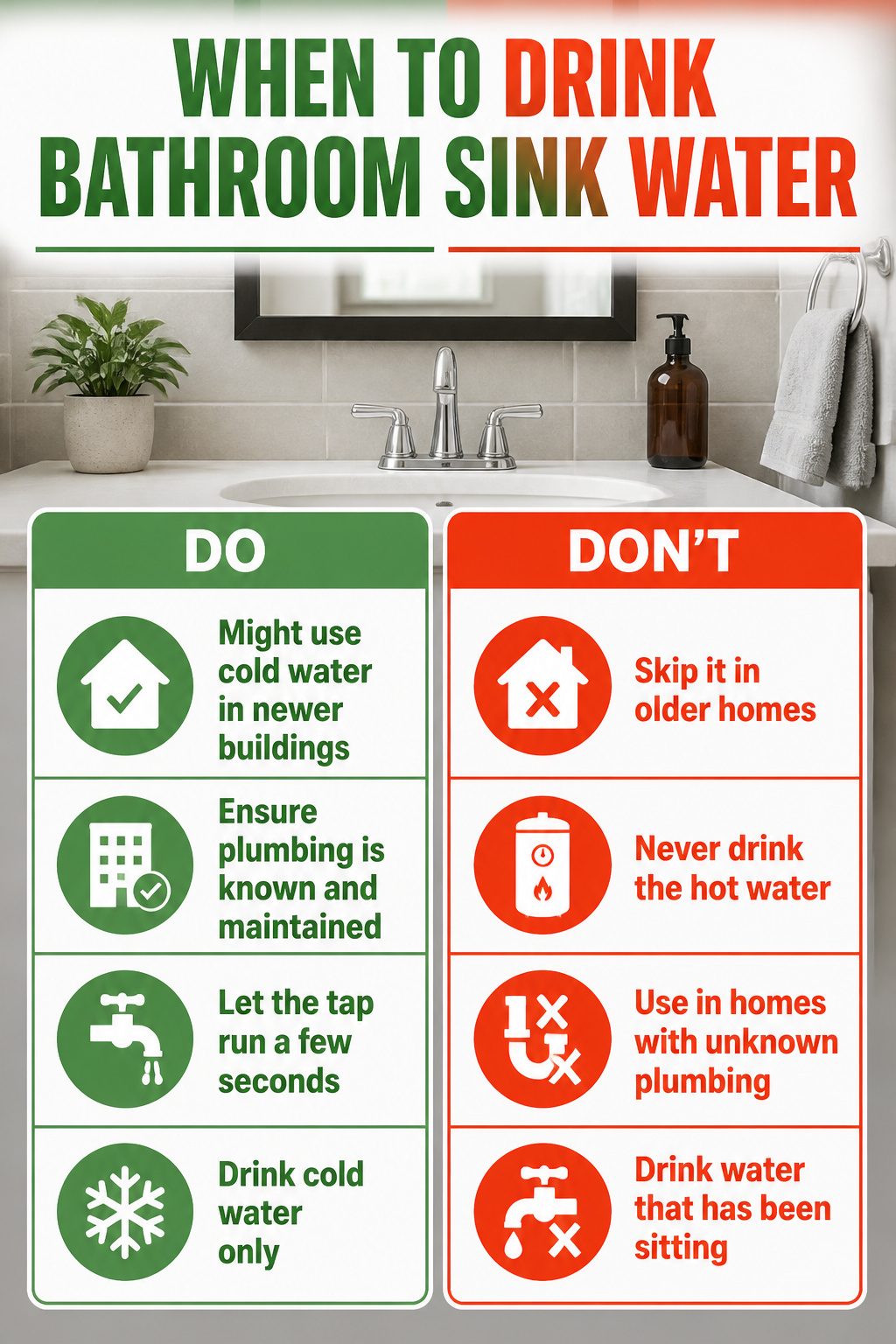
I have a simple rule for bathroom sink water. It depends on what I know about the building and what I can control.
Here is how I break it down:
- I skip it entirely in older homes with unknown plumbing. Homes built before 1986 may still have lead pipes, and bathrooms are often the last to see updates. If I do not know what my supply lines are made of, I treat the water as suspect until tested.
- I never drink the hot water. Hot water sits in a tank where bacteria like legionella can grow, and it picks up metals and minerals from the heating system. Cold water flows more directly from the main supply.
- I might use cold water in a newer building with good maintenance, but only if there is no other option. Even then, I let the tap run a few seconds first to clear any water that has been sitting in the fixture.
The real difference between kitchen and bathroom water is not the source. It is the plumbing in between, and how well I know it.
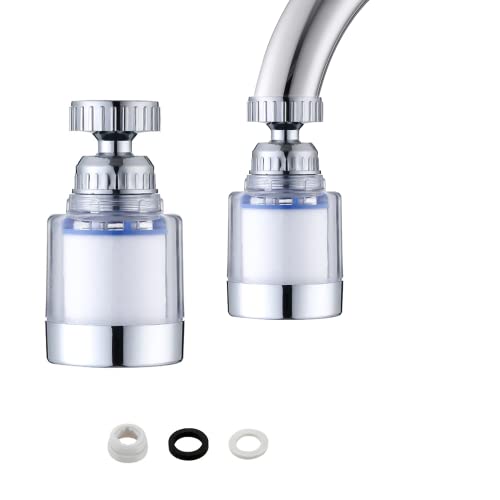
Package contains: 1 X 360° rotating water filter. Color : Blue.

Visible Filtration Effect: Tylola bathroom sink faucet tap water filtration system with carbon fiber, 100% coconut shell activated carbon, KDF 55, calcium sulfite, and PP cotton helps reduce residual chlorine, heavy metals, odors, rust, sediment, and impurities for cleaner and softer everyday tap water. NSF-tested filter materials support healthier skin-friendly water for washing and skincare
What Shower Water Shares With Bathroom Sink Water
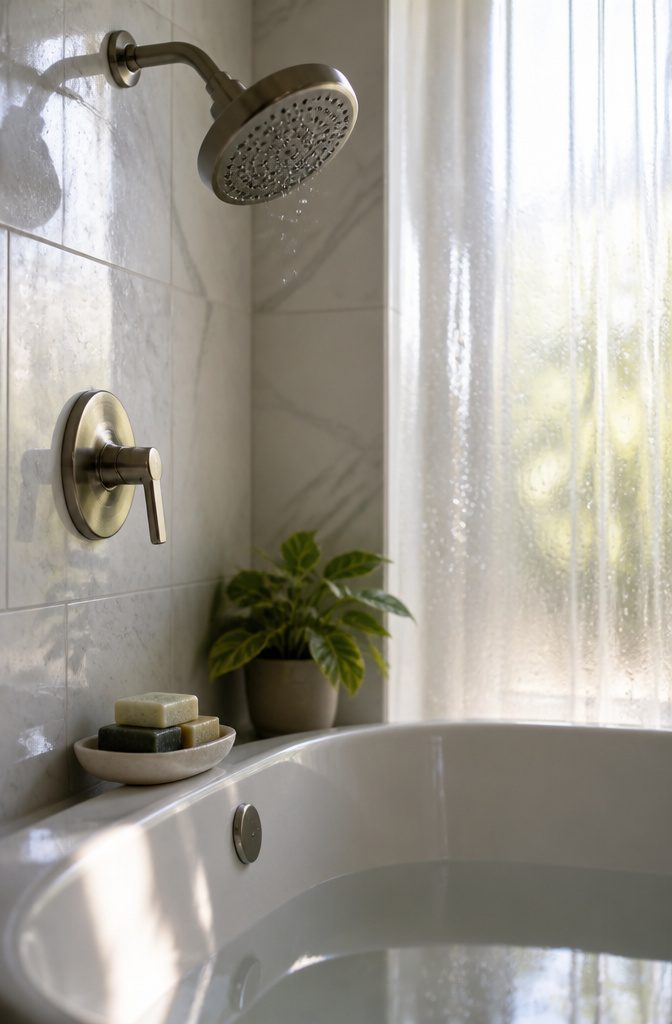
Shower water runs through the exact same plumbing as your bathroom sink, so it carries the same risks and the same answer: it is not recommended for drinking. The pipes feeding your shower head are the same ones that sit stagnant for hours or days between uses, letting any biofilm or sediment settle in. That stagnation is not a separate problem for shower water; it is the same problem.
Hot water adds another layer. Most showers draw from a tank that heats and cools repeatedly, creating conditions where bacteria like legionella can grow. The heating process also changes chlorine and other disinfectants into chemical byproducts you do not want to ingest. Your shower head itself can collect invisible residues inside, even when the outside looks clean.
I have stood under a shower and thought about filling a glass from it in a pinch, but the tank storage and hot water circulation make it a worse bet than the cold tap you already decided against.

【Comprehensive Analysis of Water Quality】AAwipes Premium Drinking Water Test Kit offers a thorough analysis by testing 16 essential parameters, including chlorine, fluoride, lead, and iron. This extensive range of tests ensures you are fully informed about your water's quality, allowing you to detect any imbalances.

【8 IN 1 WATER TEST KIT】Water testing kits for drinking water can detects 8 parameters of water, including Alkalinity, Lead, pH, Hardness, Copper, Nitrate, Nitrite & Chlorin. Our drinking water test kit, ensuring that you're fully informed about the quality of your water, and allowing you to detect any imbalances.
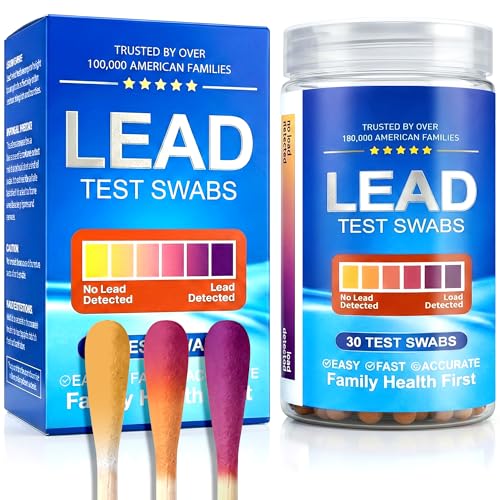
WATER ACTIVATED TECHNOLOGY: Use this water-activated lead paint test kit to eliminate messy vinegar. Simply dampen the swab with water to start your check, providing a mess-free experience with no liquid content for your home safety
Testing Your Water Without Overcomplicating It
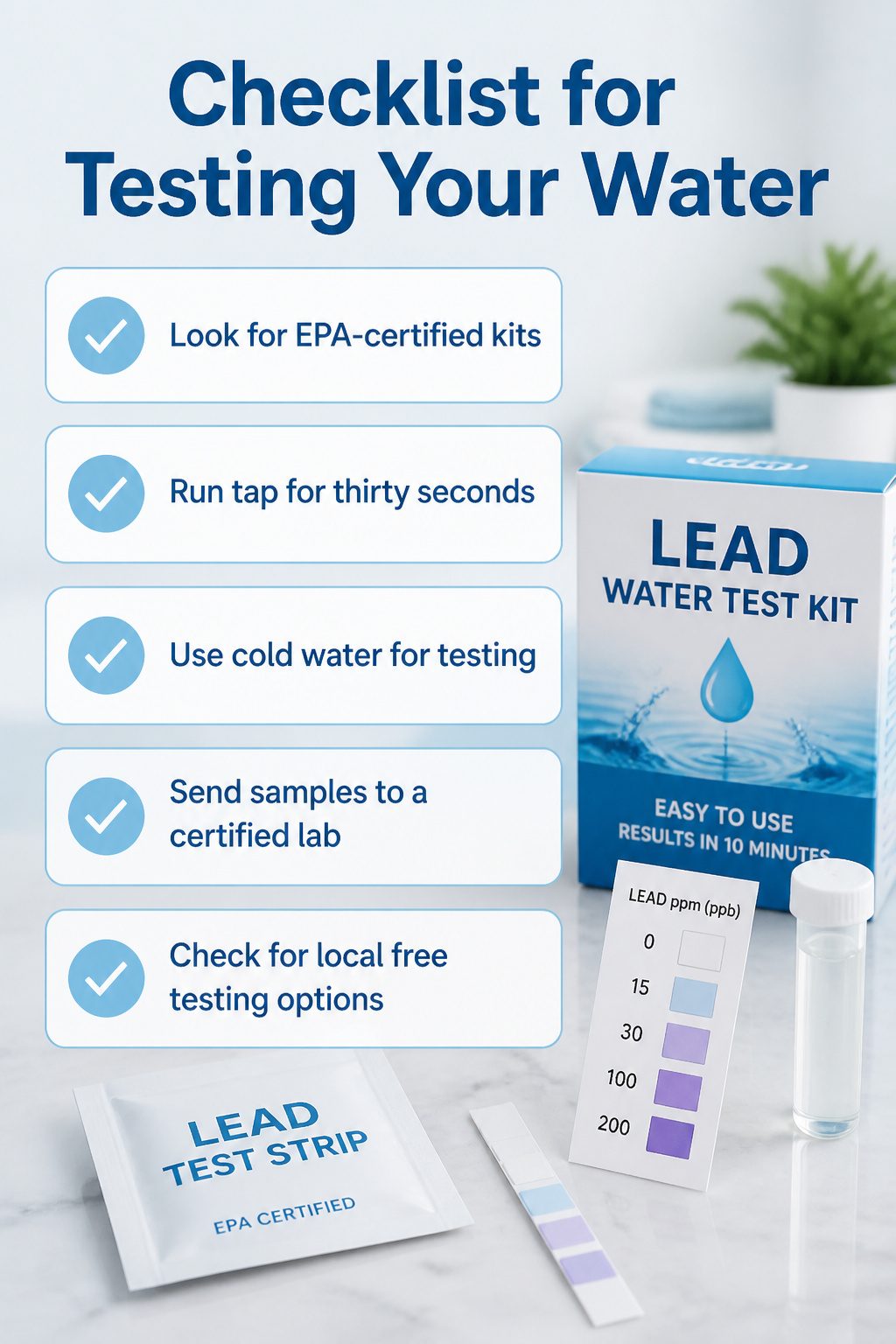
Lead testing is simpler than most people think. A home test kit from a hardware store checks for lead in about ten minutes, and that is usually enough to tell you whether your pipes are the problem. If you want more detail, request your local water supplier’s annual quality report. Those reports list what they have already tested for, though they will not match your specific bathroom plumbing if your building is old.
- Look for EPA-certified lead test kits; they cost a few dollars and use strips that change color.
- Run your tap for thirty seconds before testing, since stagnant water collects more lead.
- Cold water carries fewer contaminants from your water heater and pipes than hot water does.
- Send samples to a certified lab if the strip shows any presence at all; the kit is a screen, not a diagnosis.
- Check whether your city or county offers free testing, especially if you live in pre-1986 housing.
I have never found a source that says how often to repeat this. My own take: test once if you are unsure, then again only after plumbing work or if your water ever tastes metallic.
Frequently Asked Questions
Is it safe to drink water from the bathroom sink?
Most experts recommend against drinking bathroom sink water. The risk comes from what happens after water leaves your main supply: bathroom pipes see less use, so water sits stagnant longer, letting metals and bacteria accumulate. Older systems with copper, iron, or lead pipes pose the greatest concern.
What is the difference between bathroom tap water and kitchen tap water?
Both draw from the same municipal line, but kitchen water typically flows straight from the mains while bathroom water often routes through a storage tank and sits in older, less-maintained pipes. Kitchen sinks run daily, keeping pipes flushed; bathroom stagnation lets limescale, bacteria, and lead concentrate.
Can you drink shower water?
Shower water is not recommended for drinking. It runs through the same stagnant plumbing as your bathroom sink and draws from the same hot water tank where bacteria like Legionella can grow. The shower head itself can also harbor invisible residues inside.
How can I make bathroom sink water safer to drink?
Run the cold tap for 30 seconds to flush stagnant water, install a point-of-use filter, and test for lead if your home was built before 1970. Never use hot water for drinking, and consider repiping if your supply lines are old galvanized steel rather than relying on filtration alone.