


A standard bathtub in the United States is 60 inches long, but that five-foot length only tells half the story.
What actually determines your tub size is the plumbing already in your walls: a left-drain rough-in paired with a right-drain model means opening the floor, not just swapping the basin.
Cast iron can push the loaded weight past 1,000 pounds, which is why so many older homes stay locked at that standard footprint even when a longer tub would physically fit the room.
1. Standard Bathtub Size
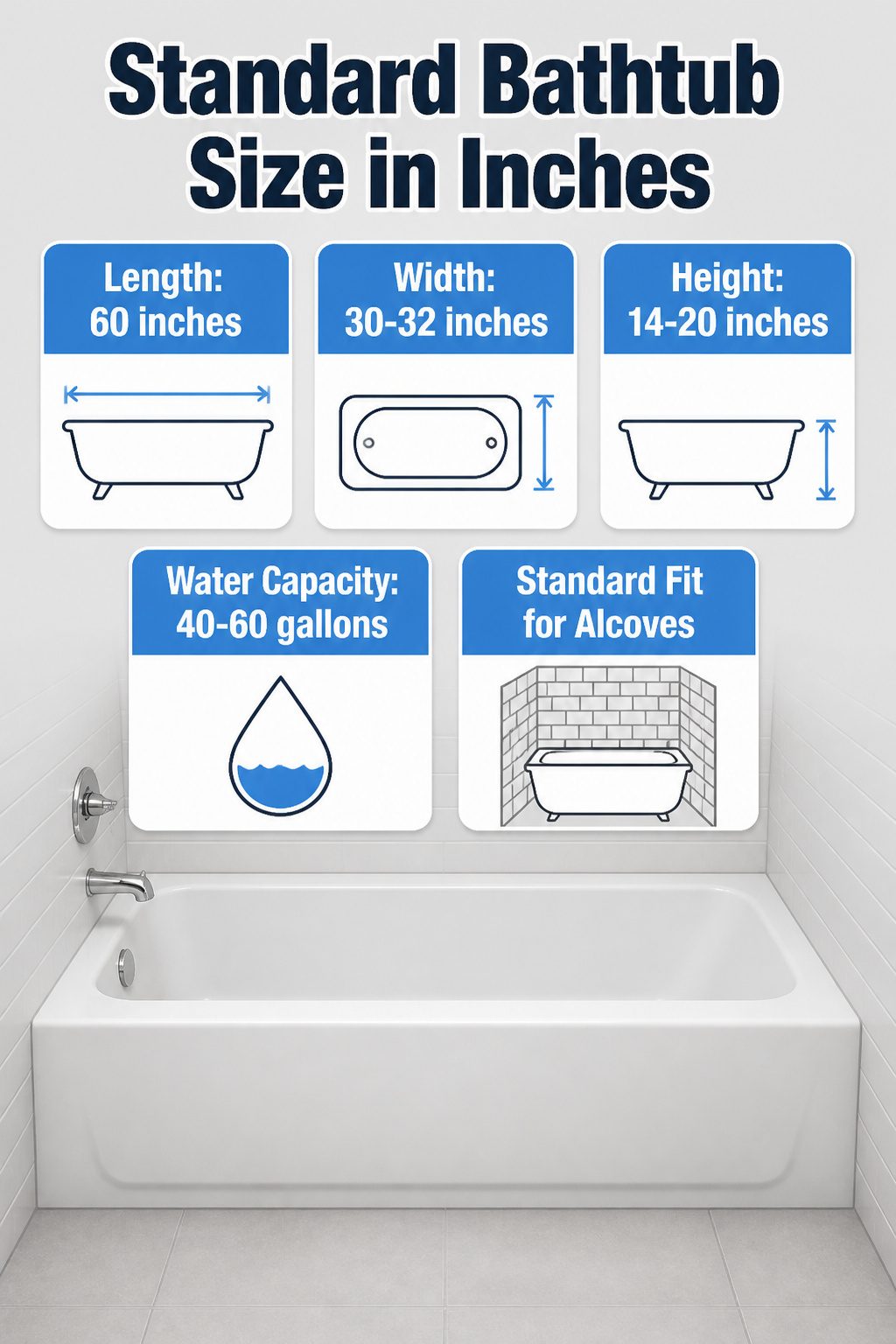
A standard bathtub in the United States is 60 inches long, 30 to 32 inches wide, and 14 to 20 inches high. That five-foot length became the default because it lines up with standard alcove framing, where studs sit 16 inches apart on center.
Three wall bays gets you 48 inches, and the tub plus finished wall assemblies fill the rest neatly. Plumbers know the rough-in by heart, and builders can order the same tub for house after house without thinking about it.
"Standard" here really just means "what fits most bathrooms already built."
It is not the same as comfortable for every body. The tub holds roughly 40 to 60 gallons of water, which matters for your water heater’s capacity and your floor joists’ load.
If you are replacing an existing tub and not moving plumbing, this is almost certainly the size you are working with.

Integral apron creates a clean, finished look

Acrylic construction with fiberglass and resin reinforcement, three wall alcove installation with tile flange and integral tub apron | Drain kit is not included

✅ [DIMENSIONS AND SPECIFICATIONS]: External Dimension:(L) 60" x (W) 30" x (H) 21-5/8",Internal Dimension:(L) 54-1/2" x (W) 24" x (D1)16-1/8" x (D2)16-7/8", Seating Area:(L) 41-3/4" x (W)17-3/4".Integral front skirt and tiling flange for easy installation.
2. Bathtub Types and Their Sizes
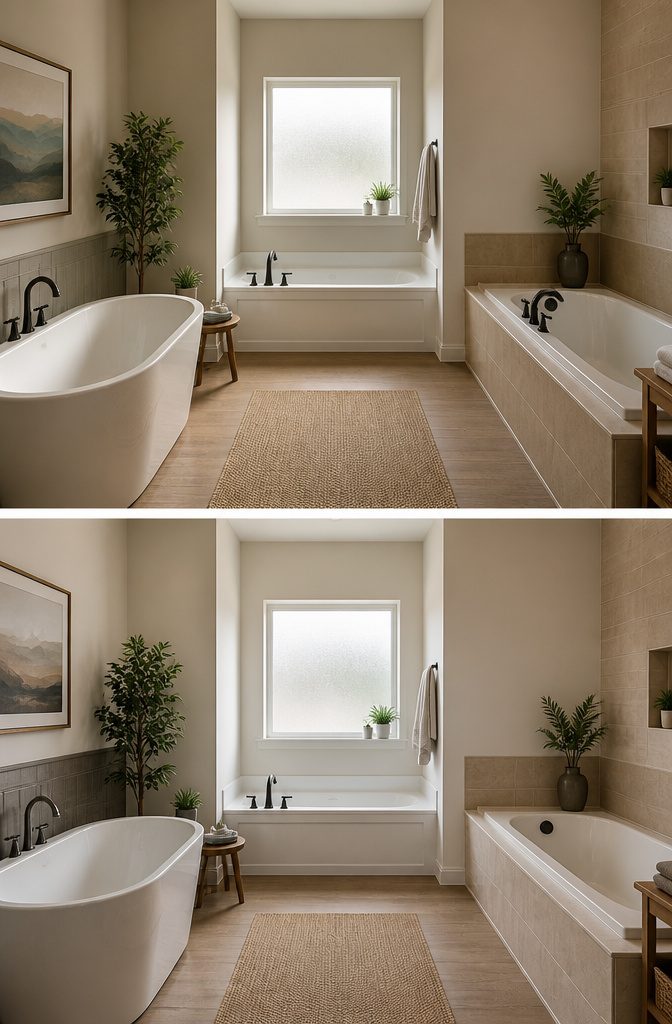
Alcove tubs are the ones most of us grew up with: three sides tucked against walls, the fourth finished with a skirt.
They almost always run 60 inches long and 30 to 32 inches wide, a footprint that fits standard framing from the 1960s onward. If you are swapping an old tub without touching plumbing, this is probably your box.
Freestanding tubs stretch wider in range, anywhere from 55 to 72 inches long and 27 to 32 inches wide.
That extra length often goes to silhouette rather than water depth, a sculptural statement that eats floor space on all sides. You will need access panels or open plumbing, and the room itself has to breathe around it.
Soaking tubs flip the script entirely. They may not be longer at all, sometimes sitting inside that same 60-inch alcove footprint, but they trade floor area for depth, enough to submerge your shoulders without drawing your knees to your chin.
Walk-in tubs measure 48 to 60 inches long and 28 to 32 inches wide, comparable to an alcove on paper, but the architecture is completely different.
A low threshold step-in height and built-in seating replace the climb over a side, and the door seal demands a different plumbing rough-in.
Many fit an alcove opening, which helps if you are retrofitting, but the tub itself assumes a bathroom layout built around accessibility first.
No matter the type, most tubs are 55 to 72 inches long, 27 to 32 inches wide, and 15 to 20 inches high.
That spread is wide enough to swallow most bathrooms, but the type you choose still dictates the plumbing, the framing, and whether you need a plumber at all.

[DIMENSIONS AND SPECIFICATIONS]:Exterior Dimension: 72" L x 35-3/8" W x 33-3/8" H – Effective Tub Capacity: 74 Gallons; Seating Dimension: 47-1/4" L x 23-5/8" W, Water Depth to Overflow: 13-3/4" D. Power Requirements: 1 Dedicated 110-120V 30AMP Breakers
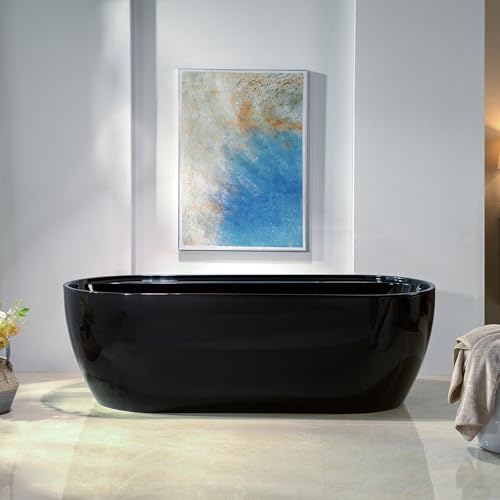
✅ [DIMENSIONS AND SPECIFICATIONS]: Exterior dimensions: 72" Length x 35-3/8" Width x 22-7/8" Height;Internal dimensions: 51-5/8"Length x 21-1/4" Width; Water Depth to Overflow: 14-1/2 " Deep. – Effective Tub Capacity: 69 Gallons.

✅ [DIMENSIONS AND SPECIFICATIONS]: Exterior Dimension: 72" Long x 35-3/8" Wide x 29-1/8" High – Effective Tub Capacity: 65 Gallons; Seating Dimension: 41-3/4" Length x 22-7/8" Width, Water Depth to Overflow: 14-1/2"
How to Measure Your Bathroom for a Tub
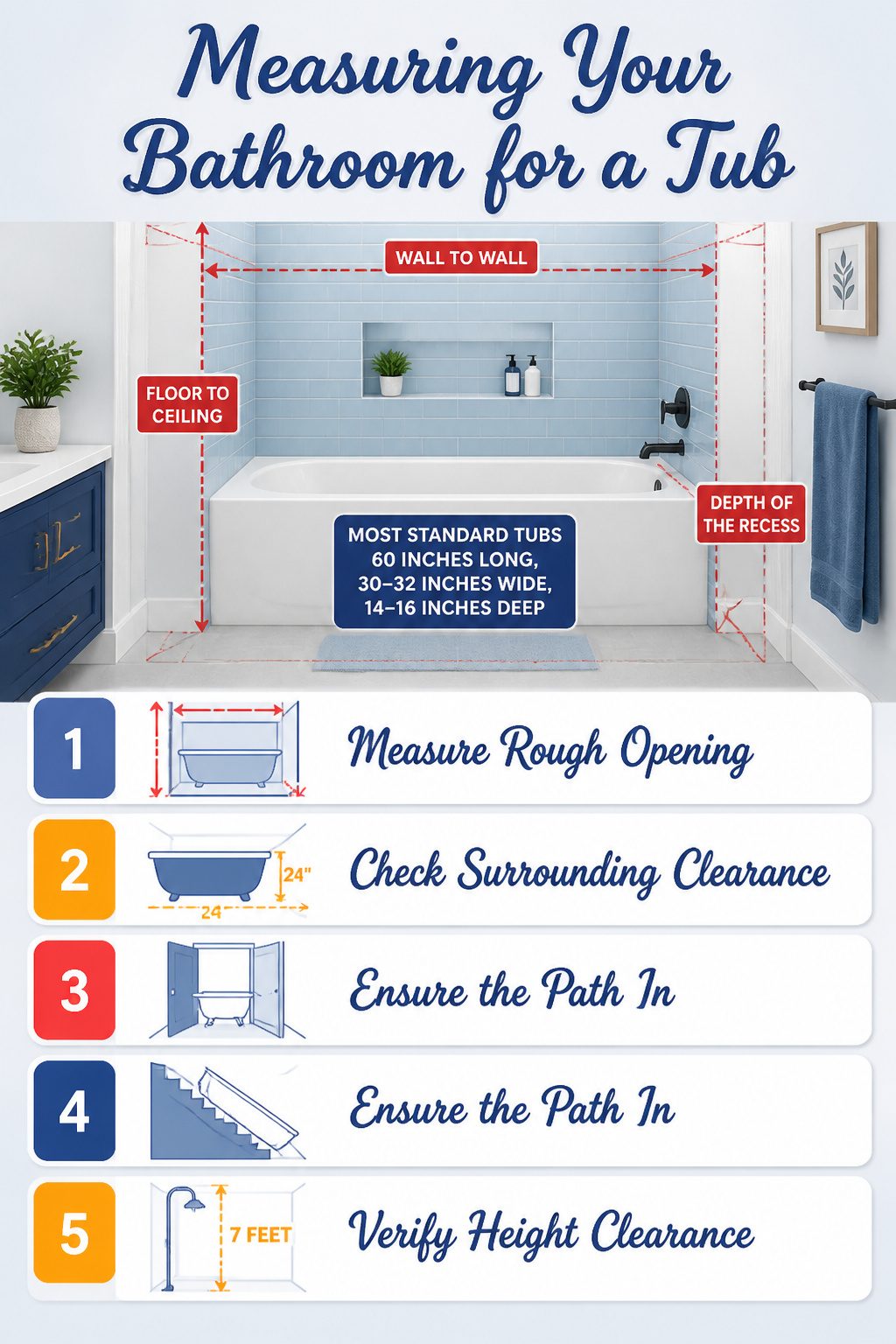
The tub’s own length is only half the story. Before you settle on any size, you need three numbers that have nothing to do with the catalog specs.
- Rough opening. Measure the alcove or platform where the tub actually sits: wall to wall, floor to ceiling, and the depth of the recess. Most standard tubs are 60 inches long, 30–32 inches wide, and 14–16 inches deep, but your opening needs a little wiggle room. Leave 1–2 inches of buffer around the perimeter for installation and for your hand when you’re wiping grime from the caulk line later.
- Surrounding clearance. The National Kitchen and Bath Association recommends at least 21 inches of clear floor space along the side of the tub. I think 24 inches in front is the real minimum; anything less and you’re stepping out onto your own toes, or catching a hip on the vanity. For a freestanding tub, add 12–18 inches all around so you can actually clean behind it.
- The path in. A tub can fit the bathroom perfectly and still fail to fit through the house. Measure every doorway, hallway corner, and stairwell between the curb and the final spot. I have watched a beautiful 66-inch slipper tub sit in a living room for three days because nobody checked the basement stairwell turn. The ceiling height matters too; you need at least 7 feet for proper ventilation and to stand a shower riser upright during install.
Get all three before you order. The first is free to know; the other two are expensive to learn the hard way.
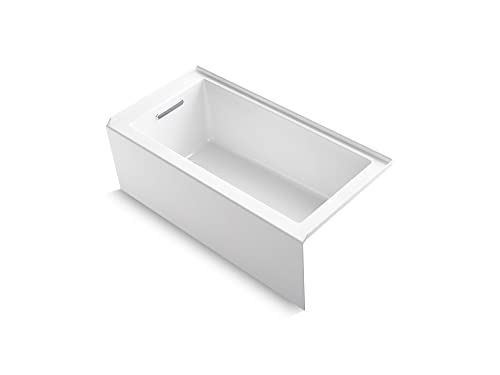
Convenient 19-inch step-over height retains the same depth as a standard 21-inch bath

Acrylic construction for strong durability

Acrylic construction with fiberglass and resin reinforcement
3. What Tub Size Means for Comfort
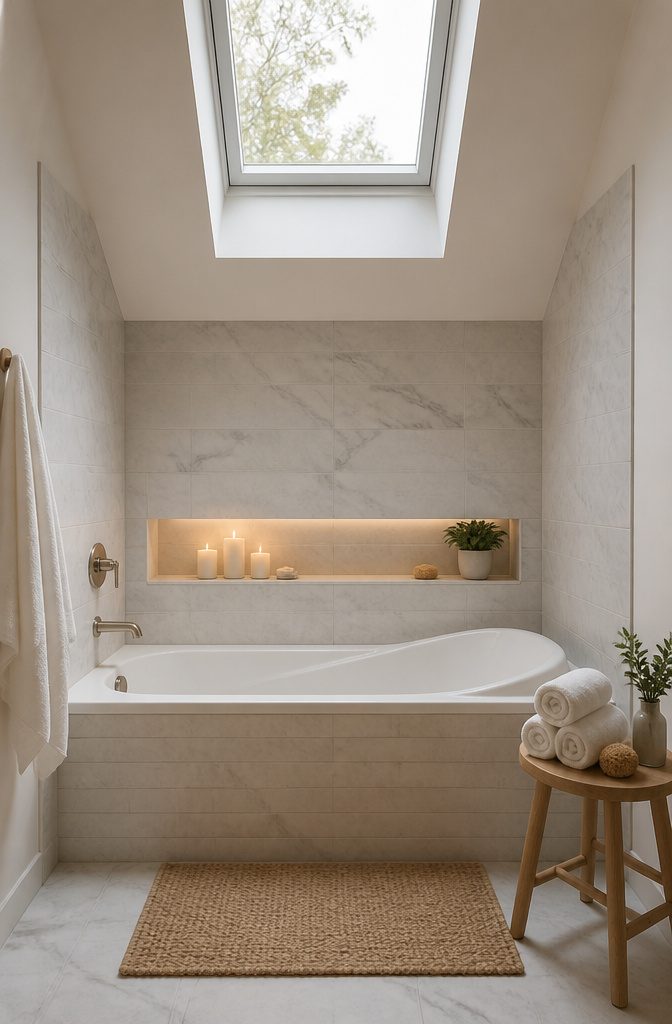
The tallest person in your household should steer your tub length.
A good rule of thumb is 6 inches longer than their height, which for anyone over 6 feet pushes you toward 66 inches or more if you want full submersion without knees poking out.
I have sat in a 60-inch tub that felt shorter than another identical 60-inch tub because the backrest sloped differently and shoved my hips forward.
The spec sheet only gets you so far; the interior shape decides whether you ever relax.
Shorter bathers and families with small children usually do fine with a standard 60-inch length.
If your bathroom is under 50 square feet, you might need to drop below that, but anything under 54 inches is harder to find and often a special order. Your bathing habits matter too.
Someone who showers daily and takes a monthly bath can live with a shorter basin. A nightly soaker who wants shoulder-deep water needs those extra inches, and probably more depth too.

EASY ENTRY SECURITY: A low threshold and wide-opening door with a watertight pressure seal make step in tubs for seniors easy to enter. A grab bar, ADA seat, and slip-resistant floor add support to these walk-in soaking tubs with safety features.

【Adjustable Width for Flexible Installation】- This frameless shower door fits openings from 56" to 60" wide, making it ideal for most standard bathroom layouts. The reversible design allows the door to open from the left or right side, offering flexibility during setup and daily use. This feature is perfect for renters or homeowners who want a custom fit without complex measurements.

Safe Entry Design | Wide opening door, low-entry threshold, built-in Safe Reach grab bar, slip-resistant textured flooring, and ADA-compliant contoured seating work together to reduce the effort required to get in and out of the tub, helping users.
4. Installation Weight and Material Tradeoffs
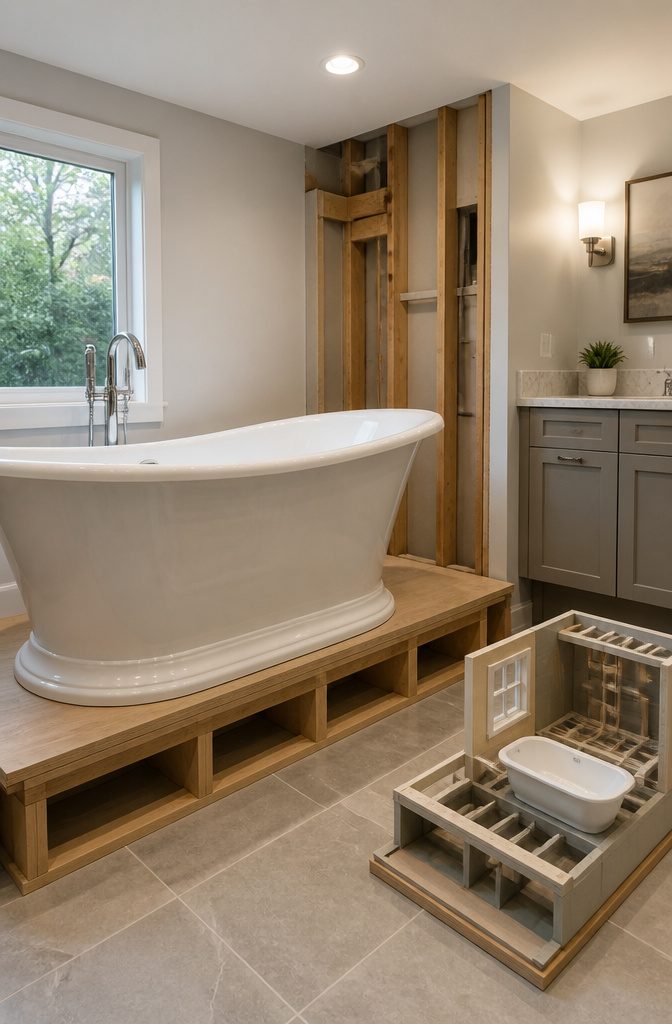
Material decides what you can actually get up the stairs. Acrylic and fiberglass tubs are light enough for two people to wrestle into a second-floor bathroom, which means you can consider longer or deeper sizes without calling in reinforcements.
I’ve moved a 72-inch acrylic soaking tub into a remodel with just a friend and a furniture dolly, and the weight never felt like the limiting factor.
Cast iron and stone resin are a different story.
A cast iron tub starts at roughly 250 pounds empty, and once you add 80 gallons of water at about 8.34 pounds each plus a bather, you’re looking at over 1,000 pounds concentrated on a small footprint.
That kind of load often requires floor reinforcement, especially in older homes or upstairs bathrooms, and the installation cost jumps fast enough that most buyers simply settle for a standard 60-inch model rather than fight a custom size into place.
The material also changes how long your bath feels. Cast iron holds heat well, so the water stays warm long enough for a real soak even in a shorter tub.
Acrylic loses heat faster, which means a long bath in an acrylic tub can turn tepid before you’re ready to get out.
If you want that extended soak without constantly topping off hot water, the heavier material actually buys you comfort that the tape measure alone won’t show.

Durable Construction: Made from high-quality PVC plastic and rubber for long-lasting use in bath drain replacements

【Compatible With】 : Freestanding Tub Drain Rough-in Kit is suitable for all freestanding bathtubs, floor bathtubs and island bathtubs, stable installation on wood, cement, tile and concrete.
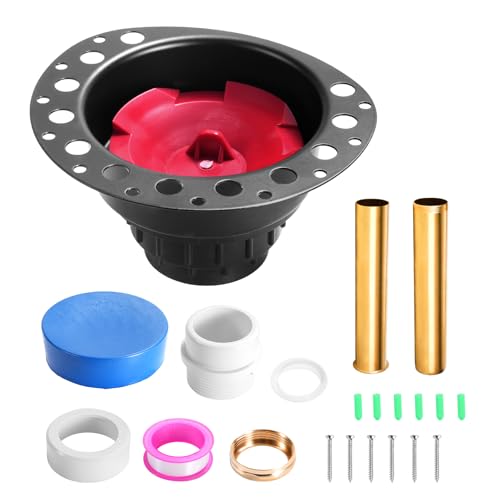
【Compatible With】 : Our Freestanding Tub Drain Kit is suitable for all freestanding bathtubs, floor bathtubs and island bathtubs, stable installation on wood, cement, tile and concrete.
Plumbing and Configuration Limits
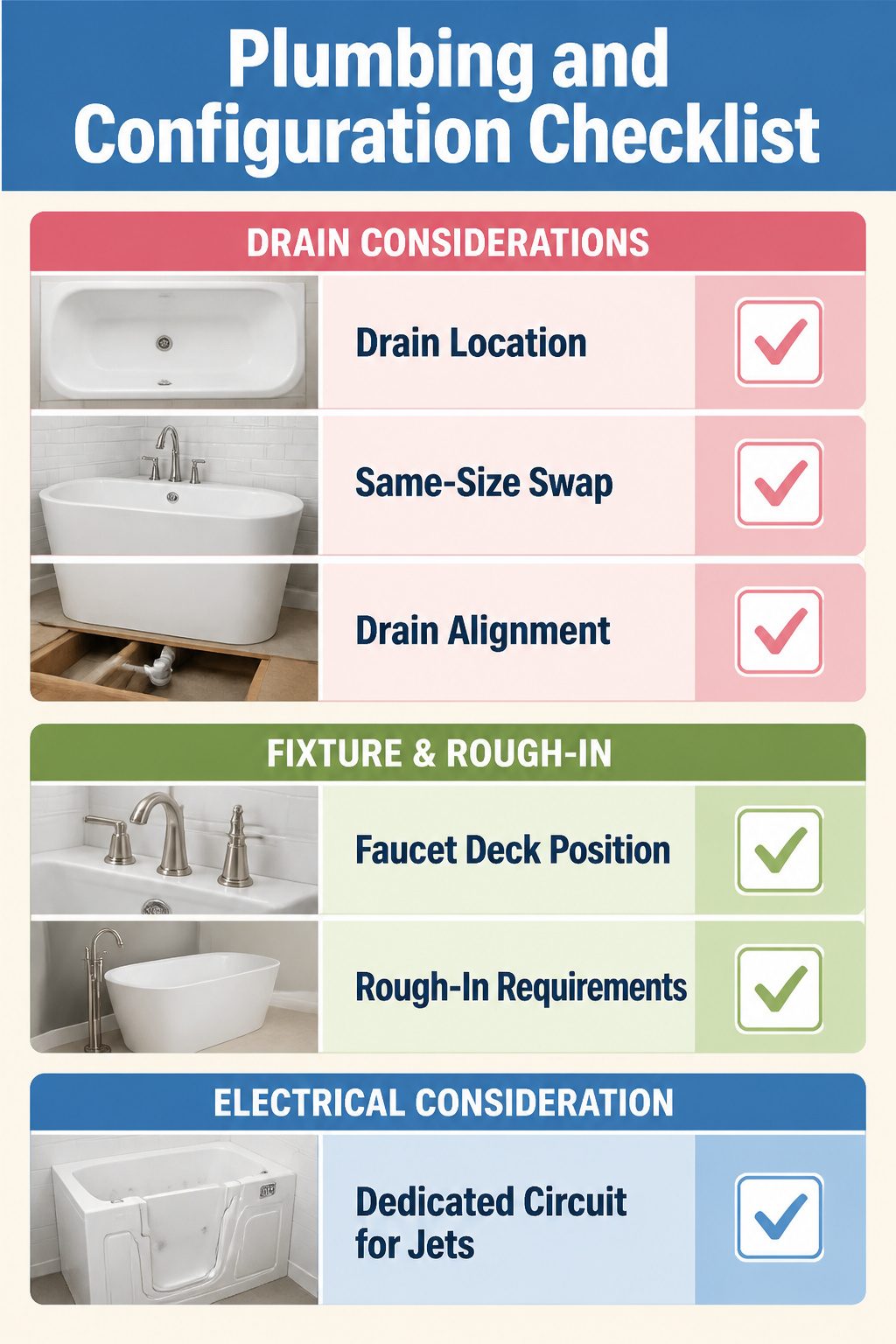
The room dimensions are only half the battle. What actually locks most people into their current tub size is the plumbing already in the walls and floor.
- Drain location is the big one. Most tubs come left, right, or center-drain. If your existing rough-in is on the left and you bring home a right-drain model, you’re opening the wall or the floor to move the pipe. That is why a same-size swap usually beats a longer tub that would physically fit the room.
- Alcove tubs have a built-in faucet deck. The fixtures sit on that ledge, so the valve and spout locations are fixed. A deckless freestanding tub needs a floor-mounted or wall-mounted filler instead, which means different rough-in heights and sometimes blocking in the wall.
- Freestanding drains rarely line up with old alcove plumbing. Moving a drain across a floor joist bay can mean cutting the ceiling below, or the subfloor above.
- Walk-in tubs with jets need a dedicated GFCI circuit for the pump. If your bathroom shares a 15-amp circuit with the hallway lights, that is another trade to coordinate.
These are the hidden costs that keep so many weekend renovations at the original footprint. The five extra inches of soaking depth you want might cost you a plumber, a permit, and a patched ceiling.

Built-in apron: Bathtubs with built-in aprons streamline installation with a preinstalled front avoiding the need for tile.

Hydro Massage, Tuned to You: Eleven water jets target the back, legs and feet, while adjustable flow lets you personalize the intensity for a more relaxing soak
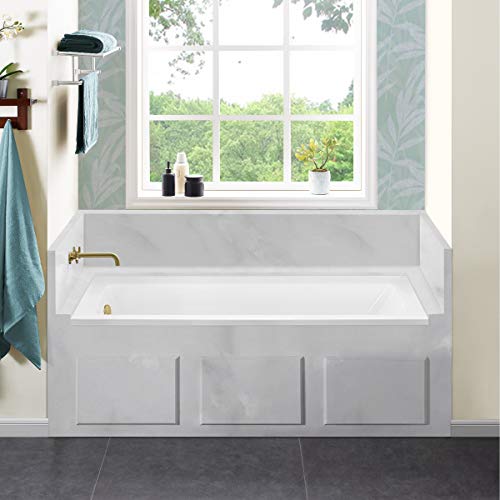
Integrated Tile Flange: Preventing water leakage.
When to Call a Pro
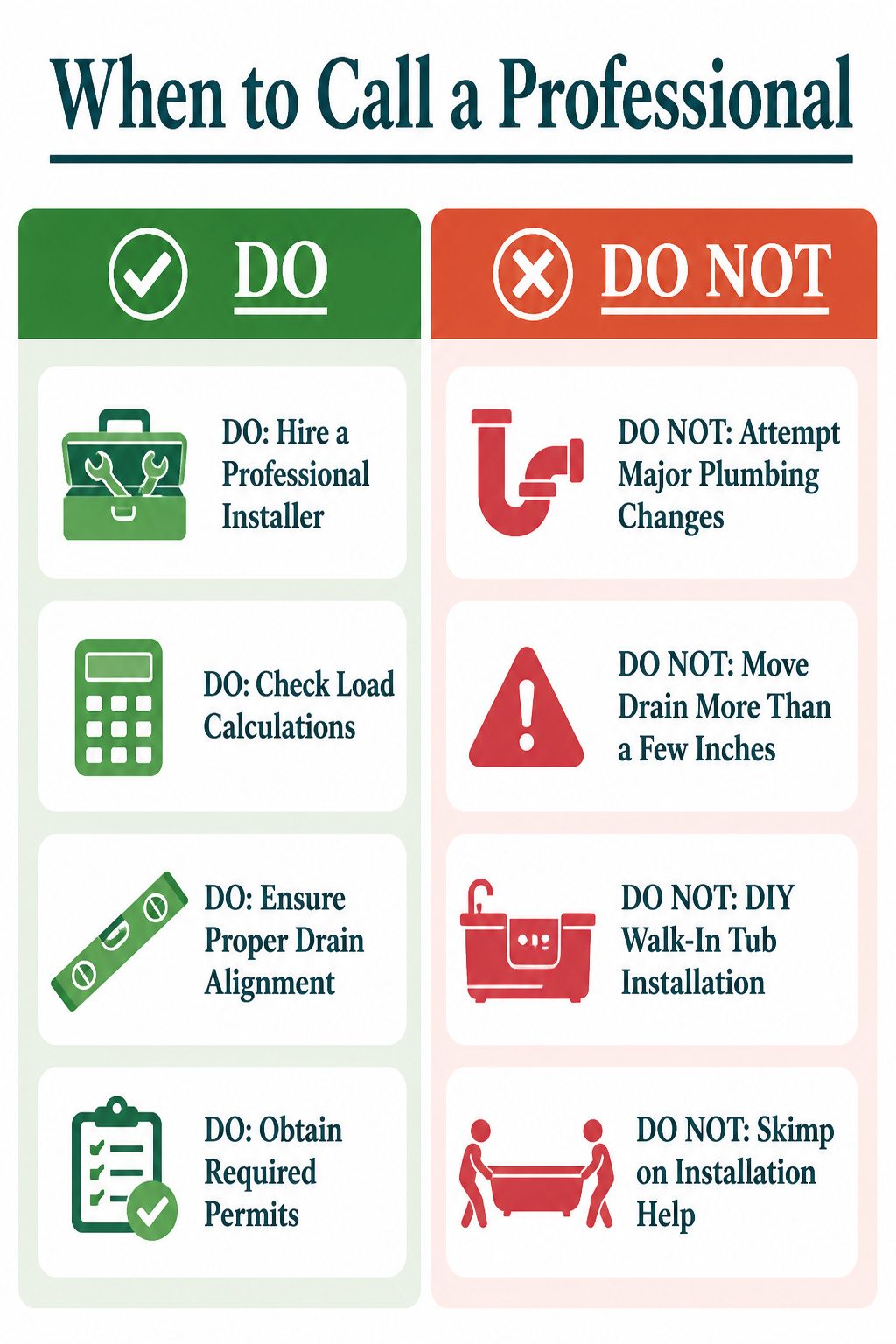
Most tubs over 200 pounds empty need more than extra hands; they need a crew that knows how to move that weight without cracking tile or your back.
I have helped wrestle a cast iron tub up a staircase, and the math only starts with the tub itself.
Water adds about 8.34 pounds per gallon, and an 80-gallon fill plus a 180-pound bather puts well over a thousand pounds on that floor.
If your joist span or load calculation is off, you are looking at structural failure, not a wobble.
Moving the drain more than a few inches opens walls and often violates code, which means permits and inspections you probably did not budget for.
Walk-in tubs carry another layer: their door seals and pump systems usually void the warranty unless a pro does the install.
The real cost is not the few hundred in labor; it is the thousands in water damage or structural repair if you guess wrong. Budget for the help, or budget for the risk.

【Transform Your Bathroom into a Personal Spa】 Imagine sinking into a deep, restorative soak at the end of a long day. Our freestanding bathtub is engineered to be your personal wellness retreat. Its ergonomic design cradles your body, offering full-body immersion that melts away stress. The clean, modern lines and brilliant white finish create a stunning focal point, instantly elevating your bathroom's style from functional to luxurious.

Certified Safety & Durability: This cUPC certified bathtub meets rigorous safety standards, ensuring a high-quality soaking tub built to last with stain-resistant acrylic reinforced by fiberglass

Much deeper than standard tubs for full immersion. Warmer to the touch and more comfortable than traditional enamel/steel tubs.
Frequently Asked Questions
How long is a standard bathtub?
A standard bathtub in the United States is 60 inches long, 30 to 32 inches wide, and 14 to 20 inches high.
That five-foot length matches standard alcove framing, where studs sit 16 inches apart on center. It became the default because builders can repeat the same order house after house without rethinking the layout.
What is the longest bathtub available?
Production freestanding tubs typically top out around 72 inches long, but custom bathtubs can exceed 80 inches. Those oversized sizes usually require custom plumbing, longer manufacturing lead times, and a bathroom layout built around the tub rather than the other way around.
Is a 60-inch bathtub big enough?
For most adults and standard bathrooms, yes. A 60-inch tub fits the rough-in of millions of homes built since the 1960s and holds enough water for a comfortable soak.
Anyone over about 5 feet 6 inches tall may find their knees sticking up, since the interior basin is slightly smaller than the exterior rim and backrest slope eats some of that length.
What is the ideal bathtub size for tall users?
Tall users should look for a tub at least 6 inches longer than their height, which pushes most people over 6 feet toward 66 inches or more.
A 72-inch freestanding or alcove tub gives enough room for full submersion without drawn-up knees, though the interior shape matters as much as the spec sheet number.
How do I choose between bathtub materials?
Balance weight against heat retention and your floor’s load capacity. Acrylic and fiberglass are light enough for two people to carry upstairs, so you can consider longer or deeper sizes without structural reinforcement.
Cast iron holds heat longer for extended soaks but starts around 250 pounds empty and can push a filled tub past 1,000 pounds, often requiring floor joist analysis and pro installation.