

A standard raised garden bed is a contained growing space lifted above ground level, typically built from wood or metal and filled with imported soil. The dimensions that actually matter depend on what you are growing and how you need to work. Four feet is the practical width ceiling for most adults, since that puts the center within comfortable reach from either side without stepping on the soil.
Bed Width
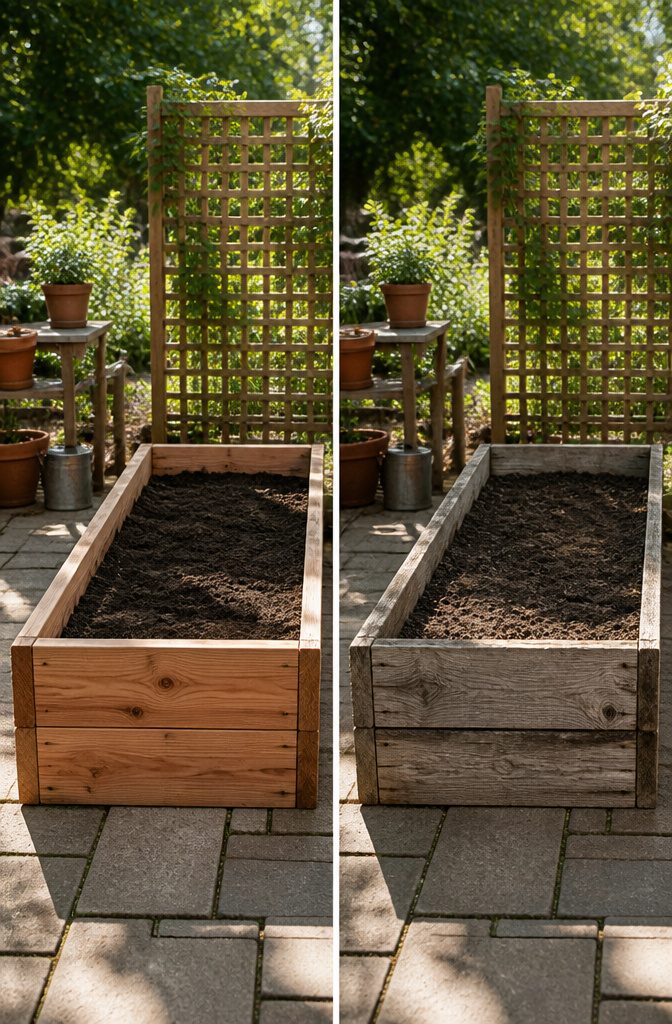
The width of a raised bed matters more than most people expect when they are first sketching out a garden plan. Keep it between 3 and 4 feet and you can reach the center from either side without stepping on the soil. That matters because every footstep collapses the air pockets you have worked to create, undoing the loose, aerated structure that makes raised beds worth building in the first place.
Four feet is the practical ceiling for most adults. The average comfortable reach is about two feet from a standing position, so a 4-foot span puts the middle just within fingertip range. Go wider and you will find yourself leaning, stretching, or giving up and climbing in. Beds against a wall or fence should narrow to 2 or 3 feet since you can only work from one side.
Plan raised beds that are 3 feet wide for children and 4 feet wide for adults.
That 4-foot width also happens to split an 8-foot board cleanly in half, which is why the 4-by-8-foot bed has become such a common starting point for DIY builds.

SIZE: Thanaddo raised garden bed measure is 8x4x2 ft and provide ample growing space to increase your garden diversity. This large planter box give your garden more beauty with the advanced black.

SPACIOUS GROWING SPACE WITH EXTRA PLANTING DEPTH:Measuring 91.5" L × 47.3" W × 22.06" H, this galvanized raised garden bed holds approximately 412 gallons of soil, providing generous planting space and extra depth for vegetables, herbs, flowers and fruits. The spacious design allows roots to grow naturally while supporting tomatoes, peppers, cucumbers, broccoli, beans, lettuce, carrots, potatoes and other popular garden plants. Ideal for backyard gardening, raised vegetable gardens and outdoor planter box projects.
Bed Length
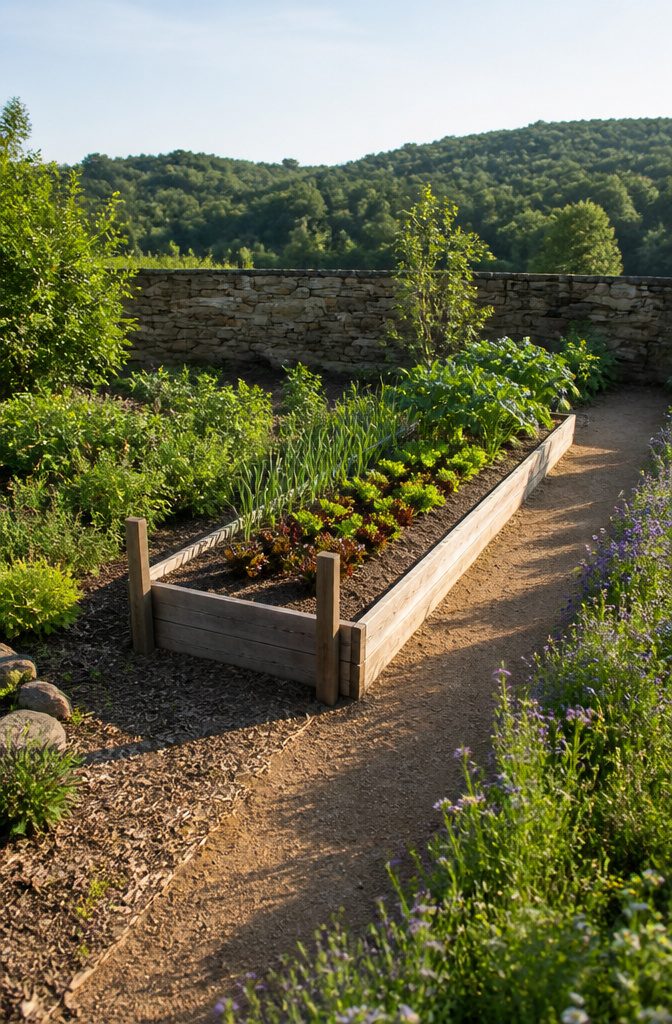
4, 6, 8, and 12 feet are the lengths you’ll see most often, and which one fits depends almost entirely on how much room you’ve got. A 4-foot bed tucks onto a patio or balcony without hogging space, while a 12-footer makes sense when you’ve got a generous lawn and want serious growing capacity.
I tend to think of length as the most forgiving dimension. You can always build shorter if lumber or space runs tight. The real catch with going long is bowing: anything past about 8 feet needs cross-supports or the soil pressure will slowly warp your boards outward. That extra bracing adds both work and material cost, especially once you push past 12 feet and lumber prices jump noticeably.
Longer beds also change how you move through the garden. One 12-foot run means more walking and reaching than two 6-foot beds with a path between them. If you’re out there harvesting daily, multiple shorter beds usually win on workflow even if the total footprint stays the same.

【NO MORE BOWING OR SOIL LEAKS Holds Heavy Wet Soil Without Warping】: Tired of thin metal beds that bow out and leak mud after a heavy rain? Engineered with thick galvanized steel plates and a stable oval shape, our raised beds maintain their sleek structure even when packed full of damp organic soil. Your backyard stays clean, organized, and beautifully structured all year.

Humanized Design: Our raised garden beds with their large volume design provide ample room for your plants to grow, allowing plants to spread freely. The 3ft raised design reduces bending and makes it easier to plant and tend to your plants, turning gardening into a pleasure rather than a chore.
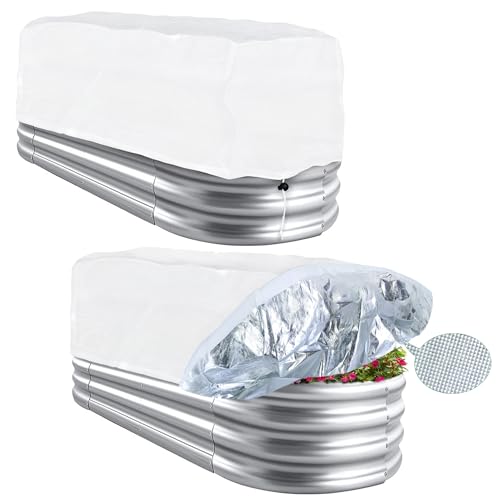
Plant Covers for Raised Garden Beds: You can receive 2 rectangular plant covers for winter outdoors, size of 74.8x35.4x17.7 inches, for covering 6x3x1 FT garden beds, planter boxes. Ideal for winter plant frost protection of vegetables, flowers, seedlings and crops. Please measure the size of your garden bed before purchasing.
Bed Height
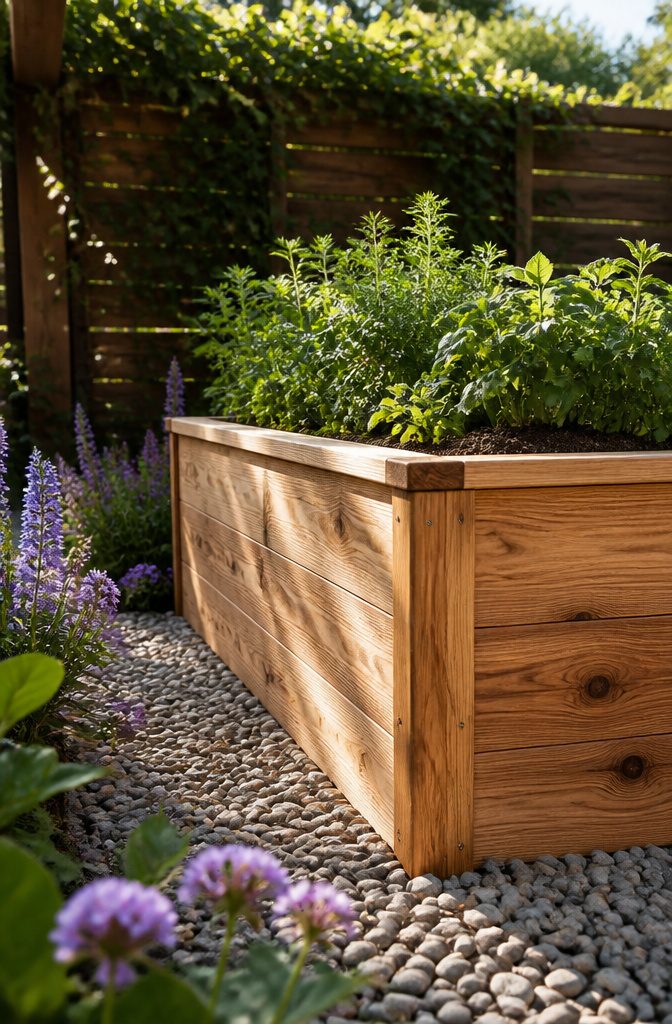
Most vegetables do fine with 10 to 18 inches of bed height, which gives roots room to spread without turning your weekend build into a construction project. Shallow-rooted plants like lettuce and herbs get by on 6 to 12 inches, while tomatoes and peppers need that deeper 12 to 18 inches to develop the root systems that actually feed the fruit. I have seen people try to squeeze tomatoes into a 6-inch bed, and the result is always the same: roots hit compacted soil underneath, water stress sets in, and you get a sad plant with fewer tomatoes than leaves.
Wheelchair-accessible beds are a different calculation. Twenty-four inches is the minimum that works, and that height also happens to spare most people’s backs during planting and weeding. If you are building for accessibility or just for a body that protests after ten minutes of bending, the extra lumber is worth it.

A Defined Growing Space for Home Gardening: The 4x4 ft raised garden bed creates a dedicated above ground area for growing vegetables, herbs, strawberries, flowers, and other plants. With 12 inches of soil depth, it provides ample soil space for roots to establish and plants to grow.

4x4x1 FT Round Raised Garden Bed: Round galvanized steel raised garden bed with a 12-inch internal growing depth, designed as an outdoor raised garden bed for vegetables and herbs in backyards, patios, and home gardens

PERFECT FOR YOUR GARDEN: The raised garden beds outdoor is 4x4x1ft, with a round design that provides ample growth space for vegetables, herbs, flowers, fruits, and other plants in the backyard. The planters for outdoor plants not only decorates your garden but also allows you to enjoy the joy of harvest
Soil Depth
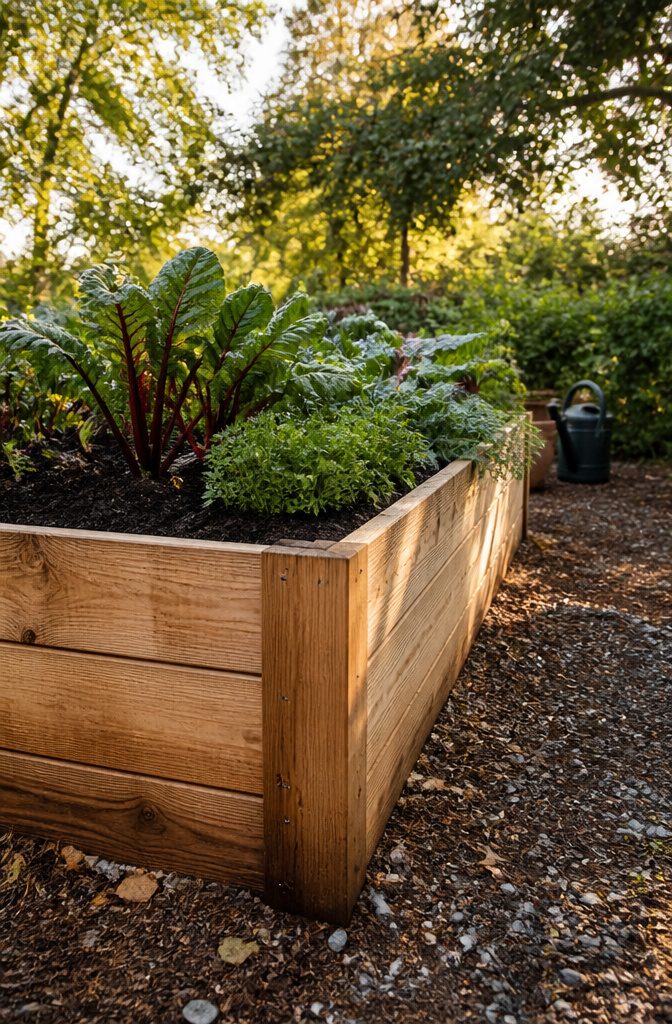
Most vegetables need 10 to 12 inches of soil depth at minimum. That depth gives roots room to spread and access nutrients without hitting compacted native soil below.
If you are growing carrots, parsnips, or potatoes, plan for 18 to 24 inches instead. Shallow soil forces those roots to fork and twist, and you end up with stubby, misshapen harvests. Tomatoes and peppers fall somewhere in between, generally doing well with 15 to 18 inches.
Taller beds hold more soil, which sounds like a win until you price out the fill. A bed that is 24 inches high costs roughly twice as much to fill as one that is 12 inches, and that difference adds up fast when you are buying bagged soil by the truckload. My own approach is to build at the minimum depth my crops need, then add a board or two later if I switch to deeper-rooted plants. It saves money now and keeps options open.
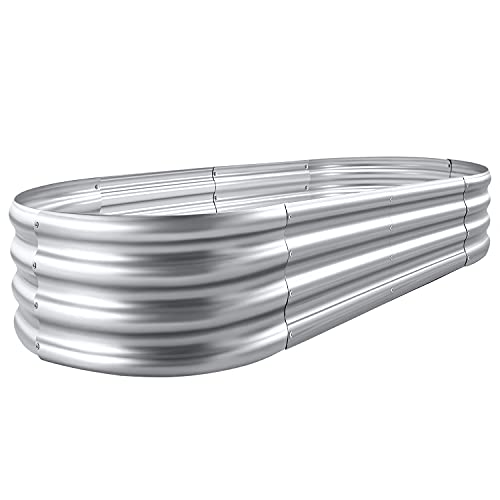
Each raised metal garden bed size: 4×2×1ft ,7.14Cu

OUTDOOR PLANTER BED: Raised garden bed planter for growing plants in outdoor areas where healthy ground soil is not viable or available

Size: 2 pack set in one box! 144"(L) x 24"(W) x 12"(H), growing area of this garden bed perfect for an array of vegetables, herbs, and flowers in your yard
Path Spacing
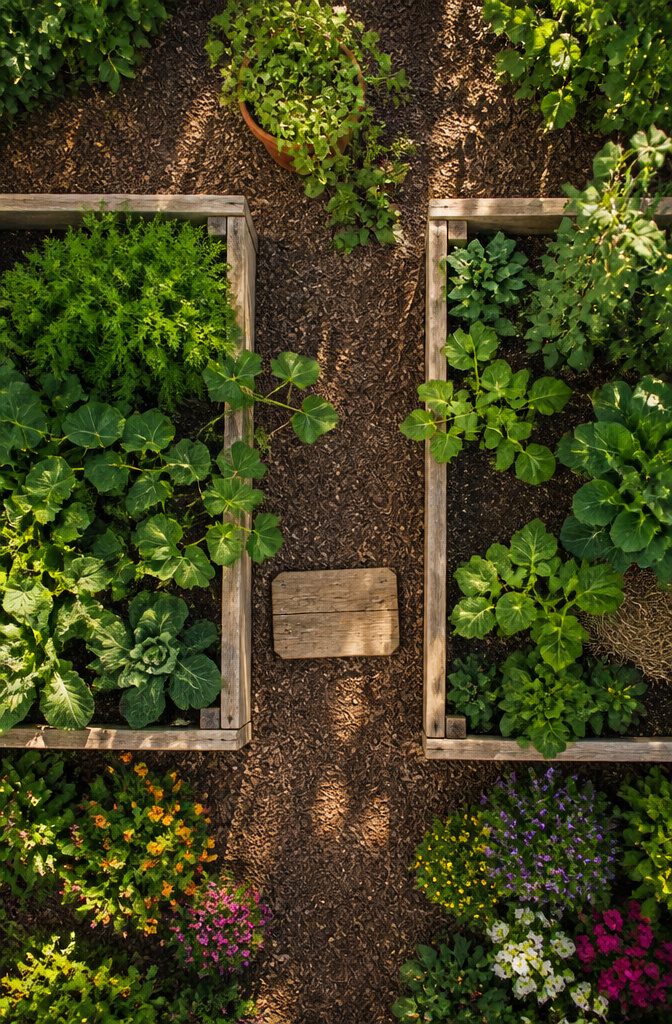
Two feet between raised beds is the minimum for comfortable movement, though three to four feet makes wheelbarrow access actually pleasant. I learned this the hard way after squeezing beds too close and spending a season climbing over edges to dump compost.
Narrow paths tempt you to step inside the bed to reach the middle. That compacts the soil exactly where roots need loose, aerated ground. Proper spacing keeps your feet on the path and your soil structure intact.
Wider aisles also mean room for a cart, a kneeling pad, or a second person with a rake without anyone doing an awkward shuffle. Mark your layout with stakes and string before you build. Walking the space takes five minutes and saves you from rebuilding later.

ULTIMATE PRACTICALITY: The planter box measures 96"(L) x 24"(W) x 12"(H), has a huge capacity, any plants and flowers you want to grow can be planted, happiness is overflowing.

Easy to Assemble: Comes with wing nuts—no extra tools needed. Simple to put together. The tested installation by hand takes about 30 minutes, or around 20 minutes with a power screwdriver.

2FT DEPTH: 24 inches of depth holds up to 215 gallons of soil-ideal for medium to deep root plants and vegetables like broccoli, beans, and more. Note: This product does not include a bottom panel
Drainage and Bottom Design
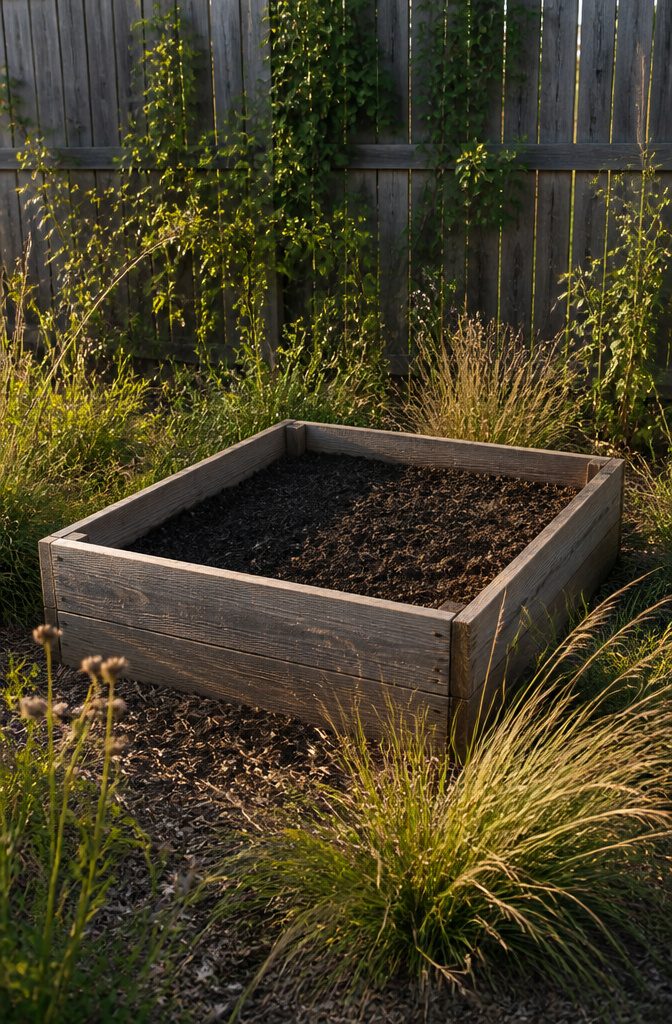
Raised beds work best when they’re open at the bottom, letting roots push past your imported soil into the native ground below. That connection matters more than most first-timers expect.
Water needs somewhere to go. A solid base traps rainfall and irrigation against your plant roots, and even "well-draining" potting mix can’t overcome a pool of standing water. Open-bottom construction lets excess drain naturally while still giving you control over the growing medium your plants start in.
The real payoff comes deeper down. Tomatoes and other heavy feeders send roots 18 to 24 inches below the surface when conditions allow, and double-digging the native soil before you set the bed in place removes rocks and compaction that would block that growth. You’re essentially extending your usable depth without hauling in another foot of expensive fill.
I used to think the point of raised beds was escaping my terrible yard soil entirely. What I missed was that even average subsoil holds moisture and minerals your plants will seek out once the surface layers start to dry. Blocking that access turns a raised bed into a giant container, with all the watering and feeding demands that come with it.

2.3 FT TALLER COVER – MORE ROOM FOR PLANTS TO GROW:Say goodbye to cramped growing spaces. This raised bed cover measures 8.5×4.2×2.3FT, with a tall 2.3 ft height that allows plants to grow upward freely without touching the net. The result? Reduced crowding, better air flow around the plants, and a more spacious environment for healthy development. It fits most standard rectangular and square raised beds (suitable for 8 x 4 x 1 ft raised beds). This garden netting for raised beds is designed to help your plants thrive.(Please note that our product does not include a support structure hoop)

Versatile Use: Ohuhu 3 in 1 raised garden bed with greenhouse set combines a sturdy galvanized garden bed with a detachable greenhouse. Use them separately or together to meet different planting requirements

Humanized Design: Our raised garden beds with their large volume design provide ample room for your plants to grow, allowing plants to spread freely. The 3ft raised design reduces bending and makes it easier to plant and tend to your plants, turning gardening into a pleasure rather than a chore.
Materials That Last
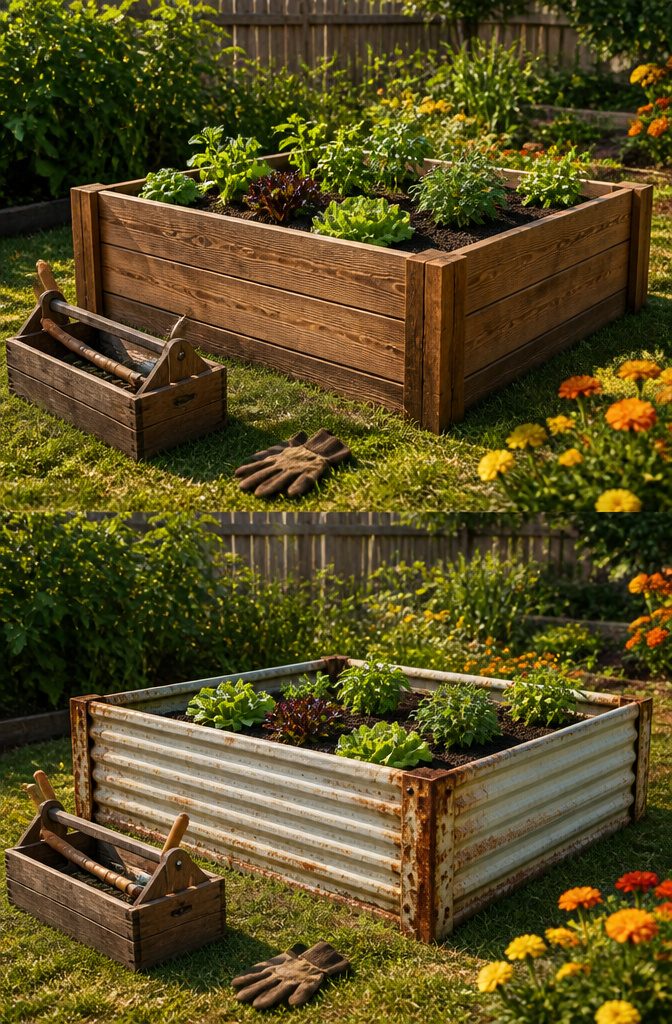
Untreated wood is the starting point for most raised beds, and cedar or redwood are the ones worth your money because they resist rot without any chemical help. The natural oils in these woods repel moisture and insects, which means a cedar bed can outlast cheaper pine by years. I have watched neighbors replace their pine beds twice while my cedar boxes still hold soil straight and true.
Metal beds bring a different math. Galvanized steel rated for a 20-year lifespan costs more upfront but asks nothing of you after assembly. Against that, untreated wood typically needs replacement every 5 to 7 years in wet climates, so the steel pays for itself if you are gardening for the long haul.
Stone and recycled materials sit at opposite ends of the effort scale. Stone lasts forever but demands skill and time to stack properly. Recycled materials, think old lumber or salvaged brick, let you build cheap and keep waste from the landfill. Just avoid pressure-treated lumber or any reclaimed wood you cannot verify; chemicals meant to preserve deck boards do not belong in soil where you will grow food.

【Spacious and Versatile Design】The CATMANOR raised garden beds outdoor provide ample growing space for a variety of vegetables, herbs, and flowers. The raised bed design maximizes planting capacity, making it an ideal solution for gardening enthusiasts who want to grow medium to deep-rooted plants such as broccoli, beans, and more.
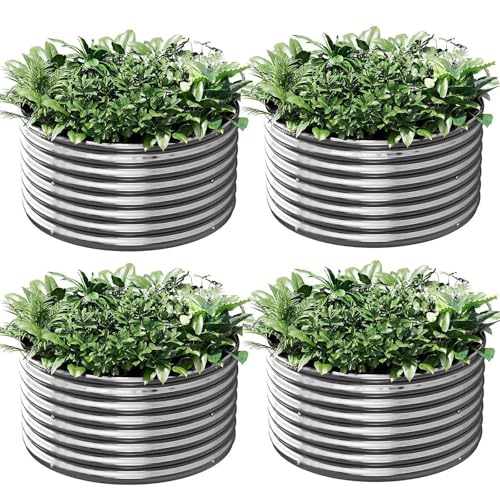
Durable planter box: The round galvanized raised garden bed allow to expose to sun, rain, snow and so on for a long time.

Humanized Design: Our raised garden beds with their large volume design provide ample room for your plants to grow, allowing plants to spread freely. The 3ft raised design reduces bending and makes it easier to plant and tend to your plants, turning gardening into a pleasure rather than a chore.
What to Plant Where
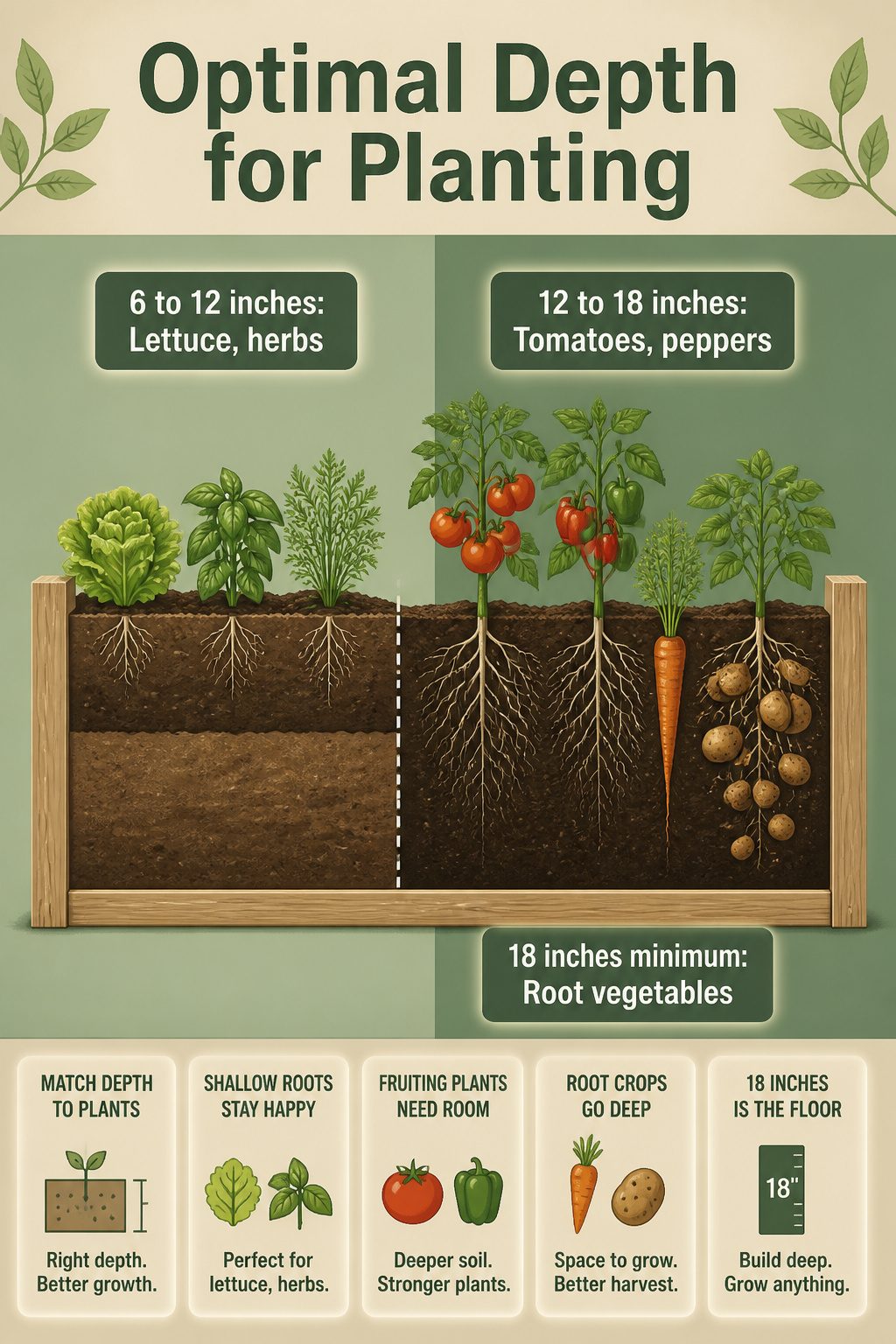
A 6 to 12 inch bed handles lettuce, herbs, and other shallow-rooted crops without issue. I have grown basil and arugula in beds barely deeper than a boot box, and they never complained.
Tomatoes and peppers need more room. Their roots spread 12 to 18 inches, and fruiting plants pull hard on nutrients. Give them the deeper soil or they will spend the season stressed and spindly.
Root vegetables sit at the far end. Carrots send a taproot straight down, and potatoes need stacking room you do not get in a shallow box. If you are building one bed to do it all, 18 inches is the floor. Anything less and you are choosing which crop to sacrifice before you plant a single seed.

PERFECT FOR YOUR GARDEN: 2-Pack raised garden beds outdoor is 4x4x1ft, with a round design that provides ample growth space for vegetables, herbs, flowers, fruits, and other plants in the backyard. The planters for outdoor plants not only decorates your garden but also allows you to enjoy the joy of harvest

Fabric Raised Garden Bed: Made of superior breathable felt fabric, built thick and sturdy, UV resistant, that provides exceptional air flow throughout the soil and root systems and allows excess moisture to easily drain away

This 4 ft by 4 ft garden bed is constructed of high density polyethylene; will not rot, chip, crack, or peel
Keeping Beds Healthy
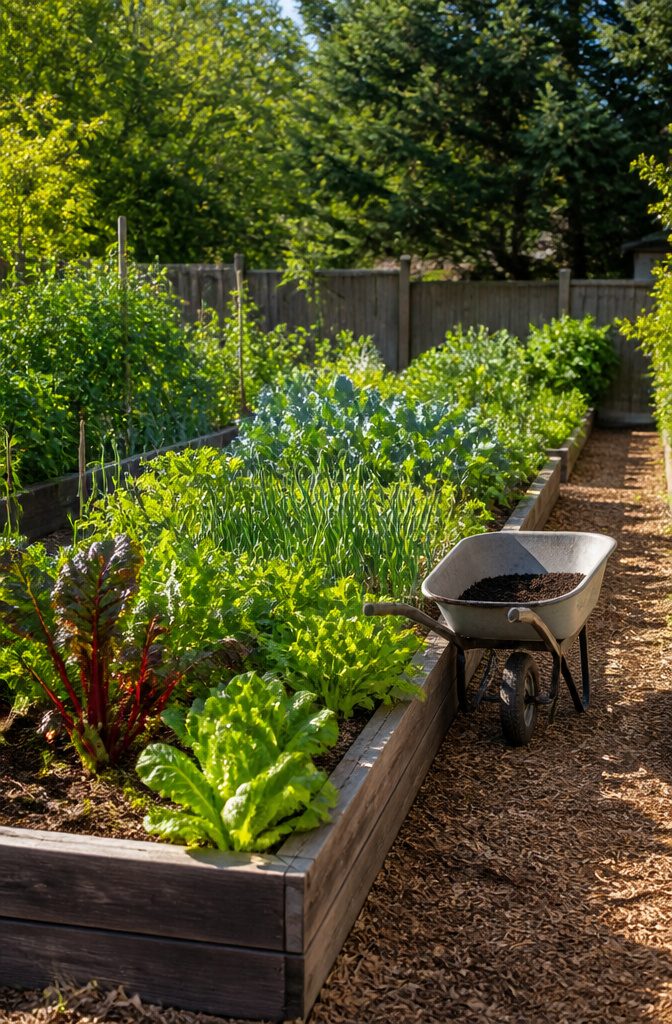
Raised beds dry out faster than in-ground gardens, so watering at the base of plants becomes the habit that saves them. I check mine more often than I check the lawn, especially in summer heat when a shallow six-inch bed can turn crispy while a deeper eighteen-inch one still holds moisture below the surface.
Drip tubing or soaker hoses run along the soil line and do the work without wetting leaves, which keeps disease pressure down. I lay mulch two or three inches deep once seedlings are up; it buys me a day or two between waterings and keeps weeds from colonizing the edges.
Soil amendments matter as much as the water you add. I mix compost or aged manure into new fill each spring, and top-dress again mid-season if plants start looking pale. A soil test every couple years tells me whether I am guessing right on lime or other additions, rather than piling on what the bed does not need.
For pests, the raised edge is your early warning system. I walk the perimeter most mornings, looking for chewed leaves or the tiny eggs clustered underneath. Catching them before they move inward means hand-picking still works, and you are not spraying what you are about to eat.

【Solid Fir Wood】Crafted from premium natural fir wood with outstanding sturdiness and weather resistance. The solid wooden structure withstands outdoor humidity and daily wear, ensuring long-lasting stability for your outdoor raised garden bed planting. Our planter is made from FSC-Certified wood

Durable Construction: The 6X3X1FT silver oval galvanized garden raised bed is made with strong galvanized steel material and painted by plastic in black , ensuring its long-lasting durability and resistance to rust

5x2x1 FT Oval Raised Garden Bed: Oval galvanized steel raised garden bed with a 12-inch internal growing depth, designed as an outdoor raised garden bed for vegetables and herbs in home gardens
Why Raised Beds Work
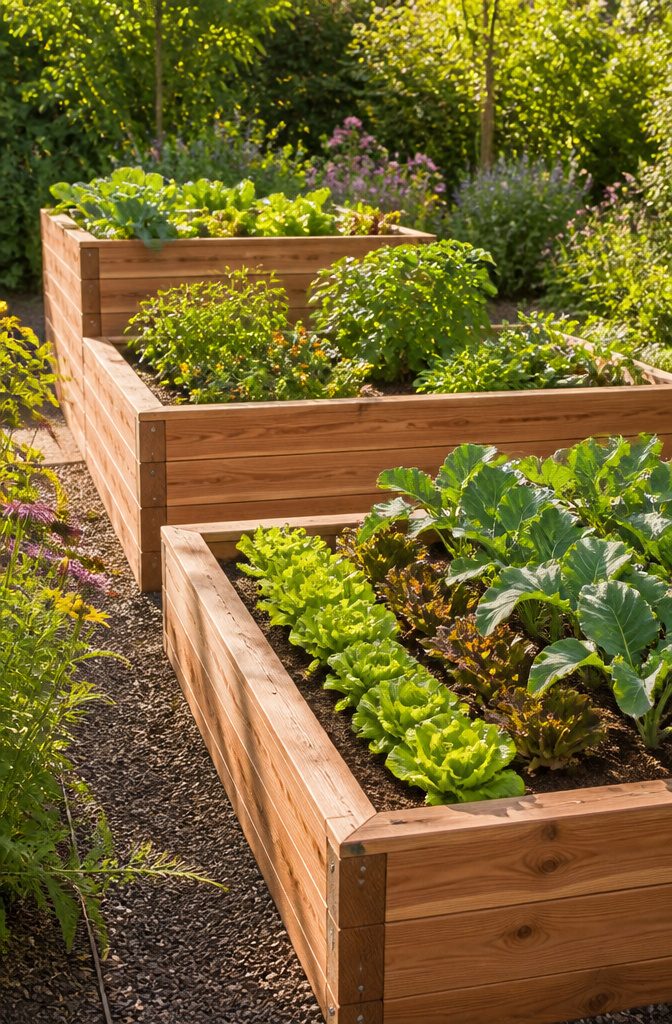
Raised beds earn their keep in four ways that all trace back to the dimensions you choose. The soil inside is whatever you mix, not whatever your yard came with, so a bed that is 8 to 12 inches deep gives you real control over quality and drainage from day one. Go taller and the payoff shifts: at 24 inches or more, you are gardening from a chair or standing straight, which matters more than I expected when my knees started complaining after a long Saturday. Weeds show up less because you are not walking the planting surface, and the soil does not compact underfoot. The width decision lands here too. A 4-foot span is the usual advice, though 3 feet makes more sense if you are working seated or using a stool. Narrower means reaching every plant without stepping in, which protects the soil structure you just built. Length is where you flex for space and crop count, but the standard widths exist so your back and your roots both win.

60 PCS Garden hoops for Raised Beds Netting: Greenhouse Hoops frame widely used indoors and outdoors, great for the yard, vegetable garden, and garden raised beds. DIY Garden Hoops Grow Tunnel Kit works well to protect your plants, seedlings, herbs flowers,strawberry in any season gardening plant.Plant support for climbing plants,plant stakes for outdoor plants,Tomato support garden stakes
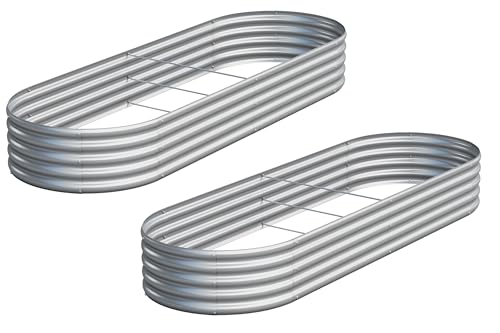
Professional Size & Versatile Planting Space:8x2x1ft (96"L x 24"W x 12"H) round raised bed offers of planting space,ideal for vegetables,herbs,flowers,fruits

Garden Hoops for Raised Beds: Note: There is NO netting included. You are no strangers to voracious critters, disease-ridden bugs and winter harsh weather conditions. FuBegi garden tunnel hoops helped to provide the protection your veggies needed, improving the quality of your harvests big time! You will have a lot fewer problems with insects eating your crop as well as the sun scorching the tender leaves.
Frequently Asked Questions
What is the best height for raised garden beds?
Most vegetables do well with 10 to 18 inches of bed height. Shallow-rooted plants like lettuce and herbs get by on 6 to 12 inches, while tomatoes and peppers need 12 to 18 inches to develop strong root systems. For wheelchair accessibility or to spare your back, 24 inches is the minimum that works well.
How deep should a raised garden bed be?
Most vegetables need 10 to 12 inches of soil depth at minimum. Carrots, parsnips, or potatoes need 18 to 24 inches to prevent stubby, misshapen roots. Taller beds hold more soil but cost roughly twice as much to fill, so build at the minimum your crops need and add height later if you switch to deeper-rooted plants.
What is the ideal width for a raised garden bed?
Keep raised beds between 3 and 4 feet wide so you can reach the center from either side without stepping on the soil. Four feet is the practical ceiling for most adults, matching the average comfortable reach of about two feet from each side. Beds against a wall or fence should narrow to 2 or 3 feet since you can only work from one side.