
I put this together because small bedrooms can feel tight. I want spaces that breathe, even in a tight footprint. This post grew from my own daily battles with clutter and cramped corners. When a room feels open, mornings start easier and nights feel calmer. So I lined up a plan that works in real rooms, not just in photos.
If you sleep in a tiny room, share a bedroom, rent a small apartment, or a dorm, this is for you. You care about calm, tidy spaces, easy storage, and a bit of style that lasts. You want a space that helps you relax at night and stay organized all day. This guide speaks to you.
Inside you’ll find 26 bedroom small space ideas that cover color, furniture, storage, and how you move through the space. They are simple, practical, and doable in most rooms. They focus on airiness and organization that stay steady over time. The tips are designed to be easy to try on weekends.
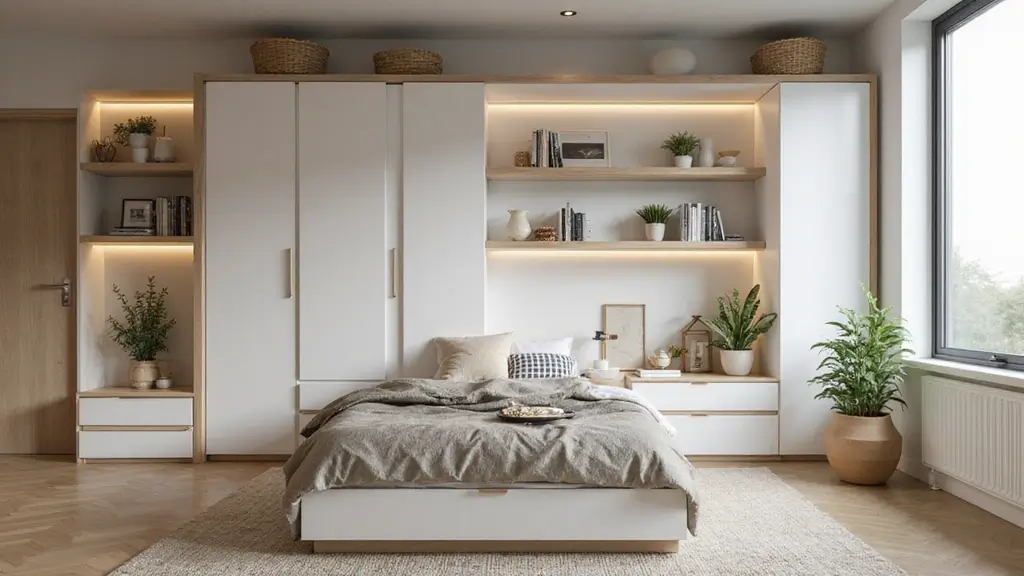
Picture pale walls that bounce light, mirrors that double the view, and sheer curtains that soften glare. A bed with a slim frame and drawers under it keeps the floor clear. Floating shelves hold books and plants without crowding. A wall-mounted desk can fold away when you sleep. Textures like linen, cotton, and soft wood add warmth while staying calm.
Next steps are simple. Start with two ideas, not all at once. Measure your space, pick the best fit, and test it for a week. If a plan creates clutter, tweak it. Over time you will feel a bigger sense of air and order in your space.
This guide is honest about limits. A truly tiny room can still feel small if the layout blocks the door or you fill every shelf. The trick is to use vertical lines, light colors, and smart storage. If you try these ideas, you can create a bedroom that feels airy and organized, even with a tight footprint. Ready to begin? Let’s dive in and pick two ideas to try tonight.
1. Maximize Vertical Storage
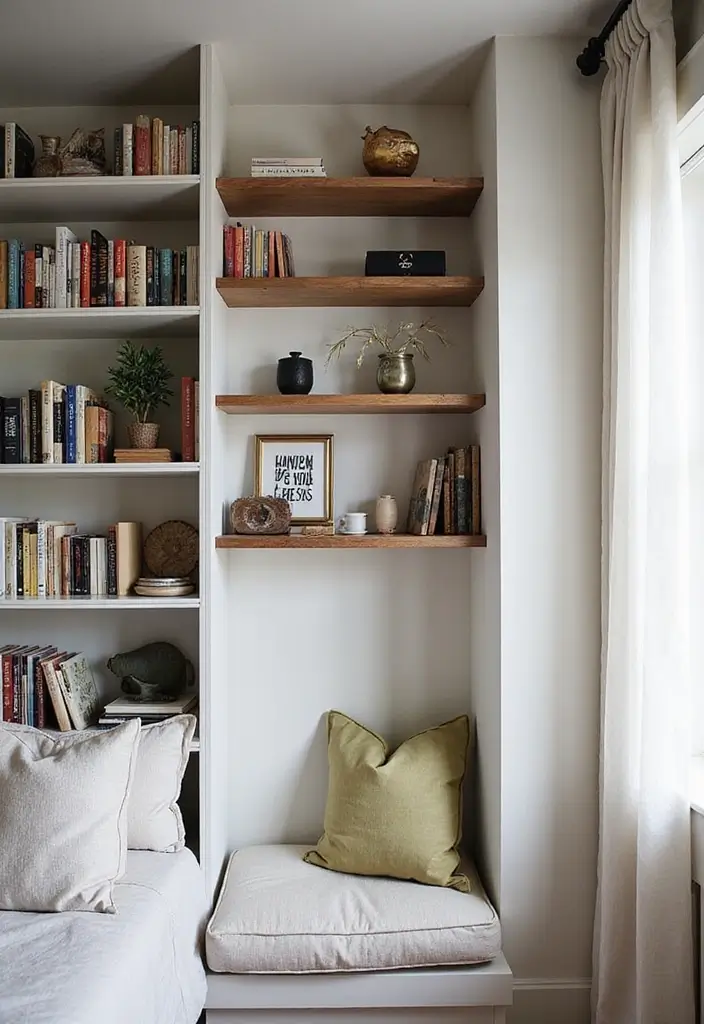
Small bedrooms can feel tight. You can still move freely with vertical storage. Height is your best ally in a tiny room. Here is why and here is how to use it.
– Go tall with shelves Tall units give space for books, clothes, and more. They keep the floor clear. If you pick shallow shelves, you still gain depth without crowding the room.
– Add wall shelves Install floating shelves above the bed or desk. They hold books, lamps, and decor without crowding work surfaces. Use small items so you can see everything at a glance.
– Use hooks and pegboards Mount a pegboard or wall hooks on a free wall. Hang bags, hats, and small plants. Place the board where you pass by often to grab items fast.
– Hide clutter with baskets Put baskets on shelves for small items. Choose a neutral or matching color. Baskets hide cords, chargers, and tiny treasures.
– Blend with the wall Match shelf colors to the wall or pick a soft tone that blends in. A seamless line makes the room look bigger. Consider a white or light wood for a bright feel.
– Stay organized Group items by size and color. A neat grid feels peaceful. Keep a few decorative pieces to avoid clutter.
– Safety first Anchor heavy shelves to studs. Don’t overload high shelves. Check weight limits and use anchors when needed.
Elevate your space! By utilizing vertical storage, you can turn a cramped bedroom into an organized oasis. Think tall shelves and floating units to keep your essentials handy without sacrificing floor space!
2. Under-Bed Storage
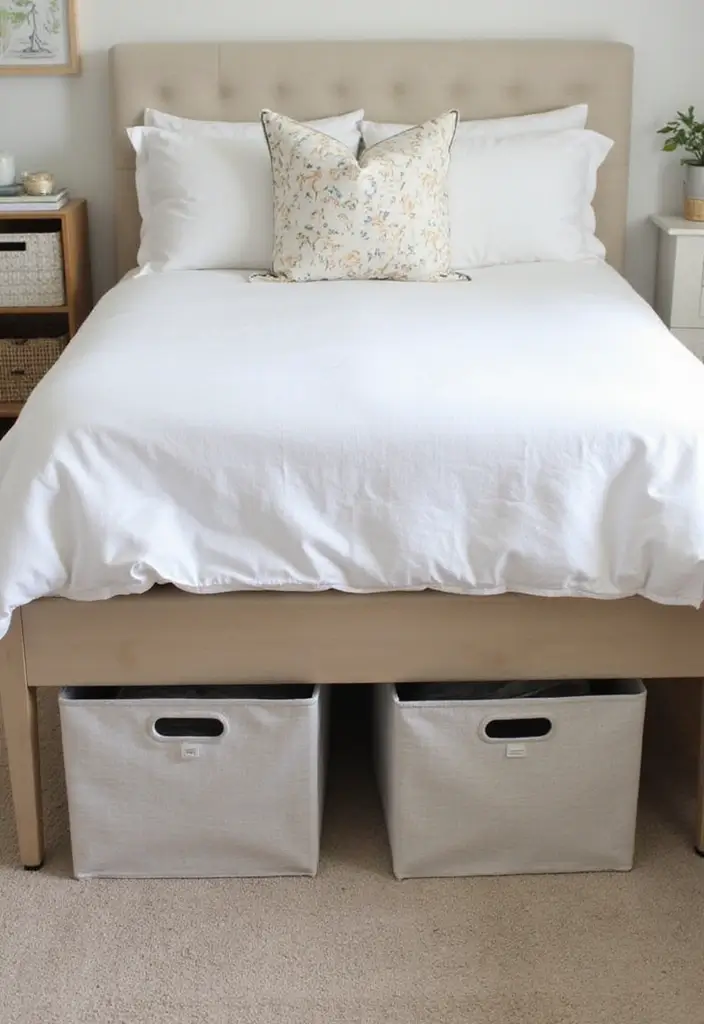
Struggling with clothes and clutter in a small bedroom? Under-bed storage is a simple way to reclaim floor space. It hides items you don’t need daily while keeping them within reach. This trick also helps you split the year by season and style, so you only pull out what you need. Below are practical steps you can start today.
Here is why it works. It keeps the floor clear and makes the room feel bigger. It also brings a quiet, tidy look that helps you relax at night.
– Rolling bins or fabric boxes that slide under the bed frame. They store seasonal clothes, extra linens, or shoes.
– See-through containers or clear labels for quick checks. Knowing what’s inside saves time in the morning.
– Stack and nest smaller bins inside larger ones to use height without crowding.
– Bed risers lift the bed a few inches. You gain space for slim, flat bins.
– Built-in drawers beds provide a clean, all-in-one look that hides clutter.
Next steps: measure the clearance under your bed, pick bins that fit, and label them so you can find things fast. Keep the system simple and rotate items by season to stay organized. Small changes make a big impact.
3. Use Space-Saving Furniture
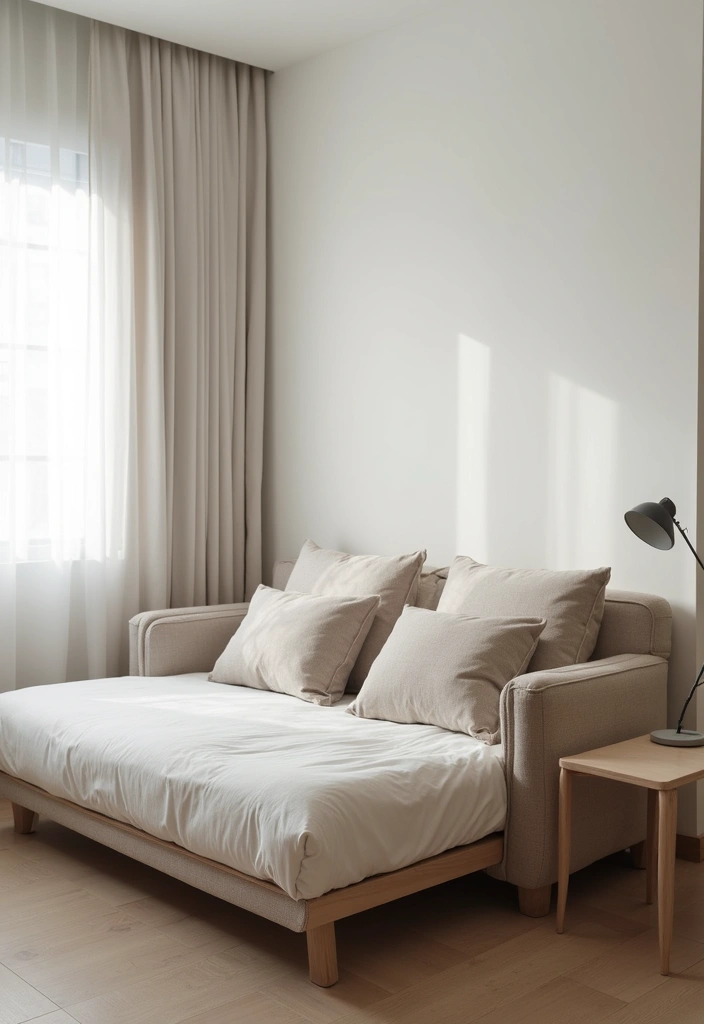
Your small bedroom needs space to breathe. The right space-saving furniture keeps sleep, work, and daily tasks close at hand without clutter. You can mix a few smart pieces to stay calm and practical. Here is how to choose and place them for best results.
– Murphy bed tucks into the wall when you wake. It frees floor space for a couch, a desk, or morning stretches, and leaves room for a small rug.
– Fold-down desk or vanity swings down from the wall. It gives you a solid work surface without a big footprint and often includes a small shelf for charging your phone.
– Storage ottomans pull double duty. They seat you and hide blankets, books, or chargers inside, and stay tidy when you close the lid.
– Wall-mounted nightstands keep essentials within reach. They stay off the floor and cut clutter, plus a slim lamp makes night tasks simple.
– Ladder shelves stack upward, not outward. They add storage and display without stealing floor space, and a plant on the top shelf adds life.
– Slim, multi-use beds with built-in drawers add storage. Look for smooth edges to keep daily use safe, especially around kids.
Next steps: measure your space, choose light tones, and keep only what you truly need. With the right pieces, your room stays airy and easy to live in.
4. Color Palette Matters
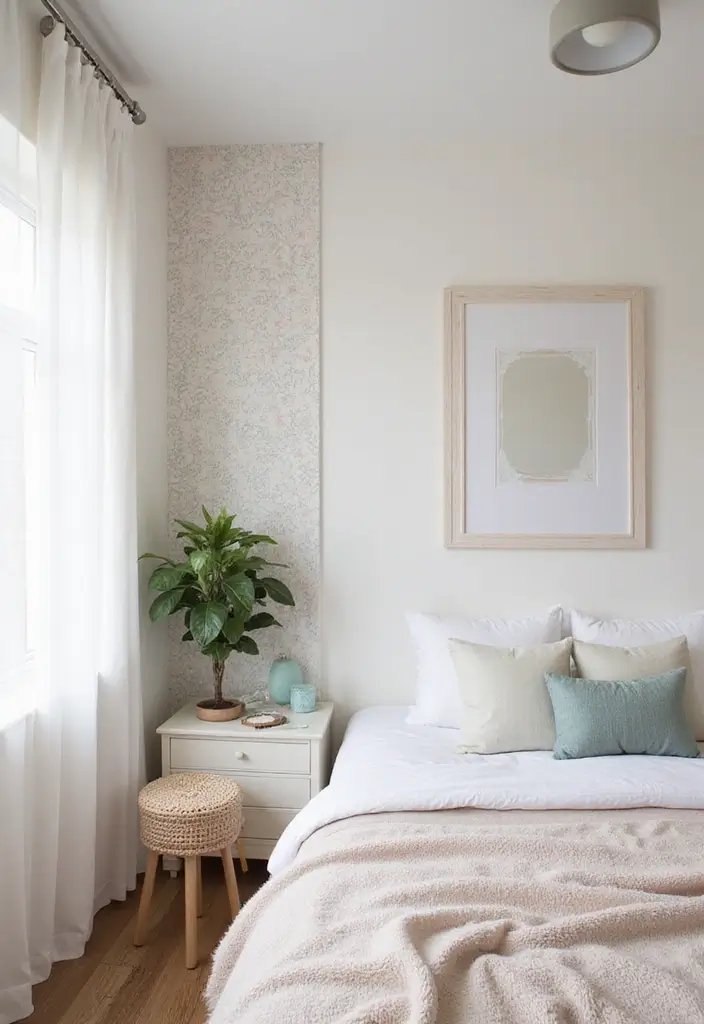
If your bedroom feels cramped, color is your quick fix. A light palette opens space and creates calm.
Here is why light colors work. They bounce daylight around the room and keep shadows soft.
– Base colors Start with a light base like white, ivory, or soft gray. Use two or three shades only, so the eye moves easily.
– Walls and trim Paint the walls in a single pale shade. Keep the trim white to frame the room cleanly.
– Texture and depth Add texture with linen sheets, cotton bedding, wood furniture, and woven baskets. These surfaces catch light differently and prevent flatness.
– Accent with restraint Bring in color with small pops in pillows, throws, or artwork. Think blush pink, sage, or powder blue in small doses.
– Reflect light Put a mirror where it can catch morning sun. A wall mirror or a tall dresser mirror helps the room feel bigger.
– Lighting matters Use soft white bulbs. Layer lamps on nightstands and a ceiling light for warmth.
– Subtle patterns Choose very light stripes or gentle prints. Keep patterns quiet so they don’t crowd the space.
– Keep it tied together Let all pieces come from the same color family. This prevents chaos and makes the room feel put together.
Next steps: pick a base shade, decide on one accent color, and place a mirror to reflect light.
5. Go for Multi-Functional Pieces
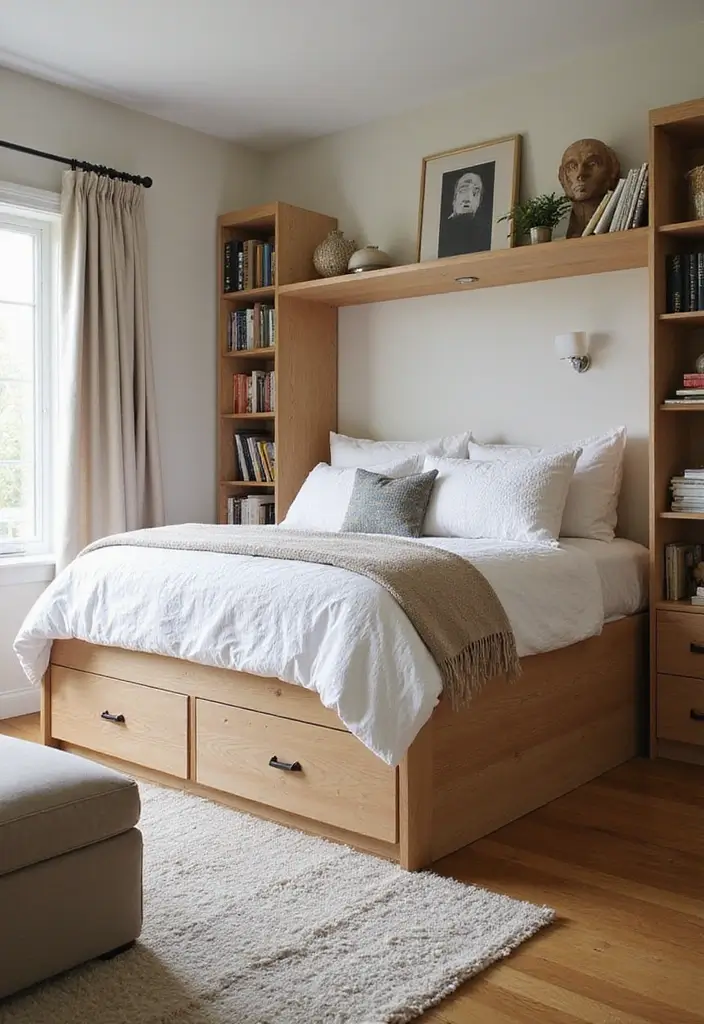
Small bedrooms demand smart choices. Multi-functional pieces free floor space and keep daily life simple. Here is how to use them. Pick items that feel sturdy, fit your style, and are easy to reach.
– Bed with built-in drawers adds space for sheets, clothes, bulky blankets, and extra duvets.
– Nightstand with a shelf keeps a book or tablet at hand and a charging cord ready, so you never fish for cables.
– Fold-down desk provides a work spot that disappears when you finish and folds flat to the wall.
– Storage bench hides blankets and still offers seating in a tight space.
– Coffee table with hidden compartments keeps remotes and magazines out of sight while leaving space for a coaster or phone and a small plant.
– Lift-up bed reveals a roomy space for off-season clothes and keeps daily items tucked away, including shoes.
Next steps. Measure your room, pick one piece to start, and test how it fits your daily life. Choose solid builds in materials you like, such as wood, metal, or a mix, and make sure it matches your style. This helps your space stay calm and practical. With the right pieces, you get room to breathe and space to grow.
6. Light it Right
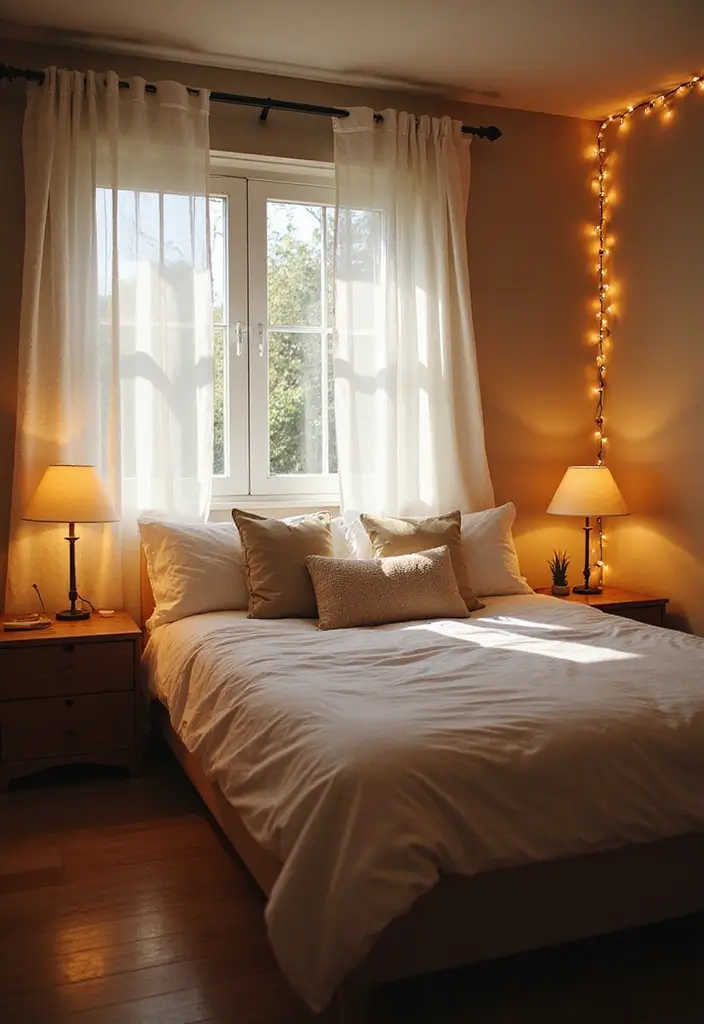
Here is why your small bedroom can feel airy with good lighting. Start with daylight and layer in artificial light for depth and mood.
– Maximize natural light Keep windows clear and use sheer curtains that let sun in while preserving your view and your privacy.
– Layer artificial light Use bedside lamps on both sides and a slim wall sconce to lift the ceiling line and create soft shadows that feel cozy.
– Add warm accents A string of lights along the headboard adds charm without bulk and helps you wind down.
– Control brightness Install dimmers and choose warm bulbs around 2700K to keep tones inviting at night.
– Reflect light Place a mirror opposite a window to bounce daylight around and open up dark corners.
– Smart layout Keep cords tidy and pick compact fixtures so the floor stays clear and you can move around easily.
– Next steps Pick one lighting change today and test it for a week.
Small lighting tweaks can transform a small room. It costs little and pays off daily. Give it time to adjust.
7. Create Zones
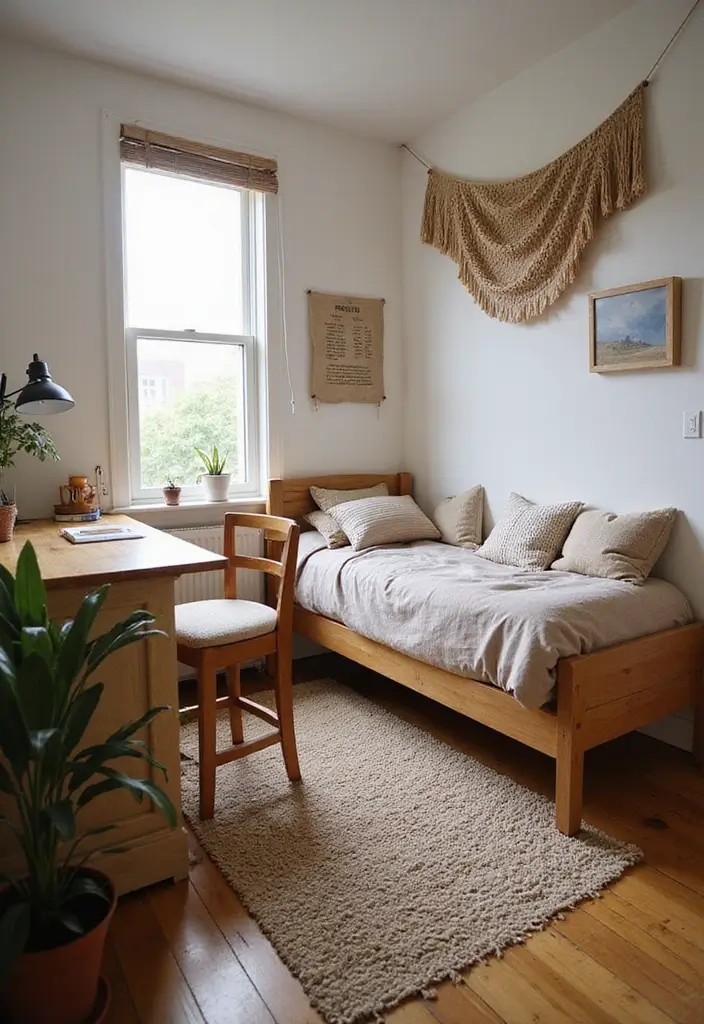
Zones in a small bedroom make the space feel bigger and more usable. You gain room for sleep, study, and rest without clutter. When you set up zones, the room stays calm and organized.
1) Mark zones with rugs. A soft rug under the bed defines a sleeping area. A small mat by a desk shows where you study.
2) Use light to separate. Curtains or a slim bookshelf carve out a zone without closing off the room. They keep air flow and sight lines.
3) Smart lighting helps. Place a desk lamp on the study area. Add a warm bedside light for the sleeping zone. A shared ceiling light ties the space together.
4) Keep decor simple. Pick a cohesive color and a few pieces per zone. Too many decorations make the room feel busy.
5) Give each zone a focal point. A bold headboard, a striking desk lamp, or a single plant draws the eye.
6) Easy steps to start. Measure the floor. Pick one rug per zone. Arrange furniture to form clear, usable pockets.
You can mix styles such as minimal, Scandinavian, or Japandi to keep the zones calm and attractive.
With these steps, your bedroom feels more open and easier to use every day.
Creating zones in your small bedroom can turn clutter into calm! Define your space with rugs and light to make every corner feel intentional and airy.
8. Incorporate Mirrors
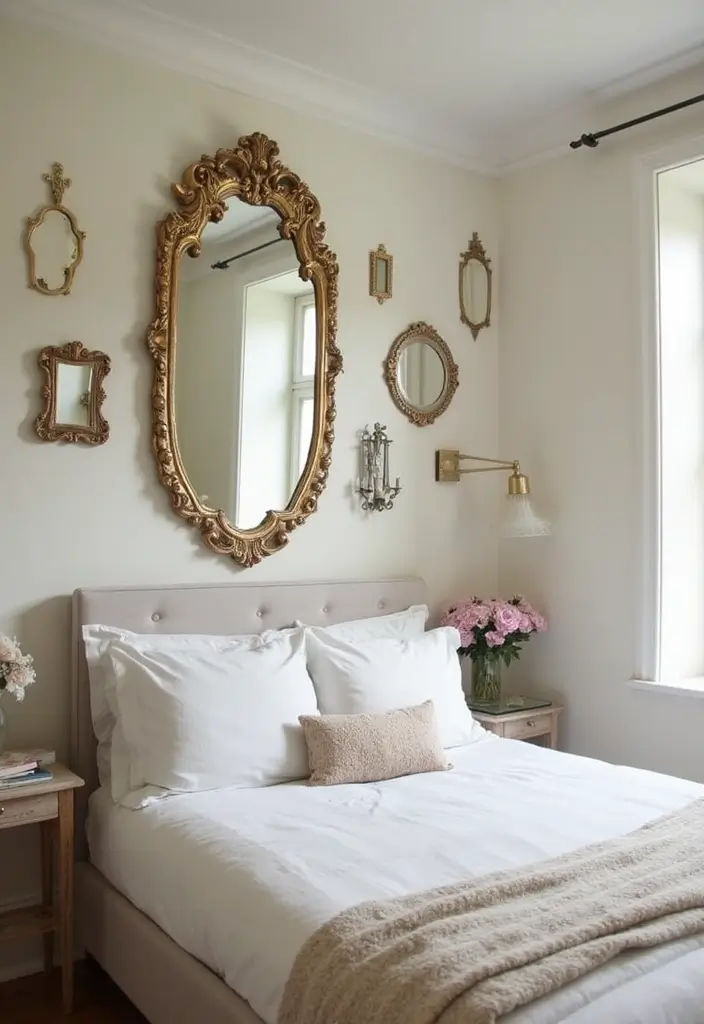
In a small bedroom, you want light and calm. Mirrors can give you that. They bounce light around and add depth, so the space feels bigger without clutter.
Why mirrors help
– They reflect daylight from windows and lamps, brightening the room.
– They create depth, so corners don’t feel tight.
Ways to use mirrors
– Install a large wall mirror on one side to double the view.
– Build a gallery of mirrors in different shapes for a playful focal point.
– Lean a tall freestanding mirror against a wall for flexible placement.
– Add mirrored doors or a dresser with a reflective top for shine.
– Mix mirrors with a simple frame that fits your decor.
Placement tips you can use today
– Put mirrors opposite windows to catch natural light.
– Place mirrors where you see them as you enter the room for instant space.
– Choose frames and shapes that echo your style, from metal to warm wood.
Care and balance
– Don’t overdo it. Too many mirrors can feel busy.
– Keep mirrors clean so the light stays crisp.
– Pair reflective pieces with soft textures to avoid glare.
Next steps
– Start with one or two ideas and test them this week. Watch how the light shifts today.
9. Declutter Regularly
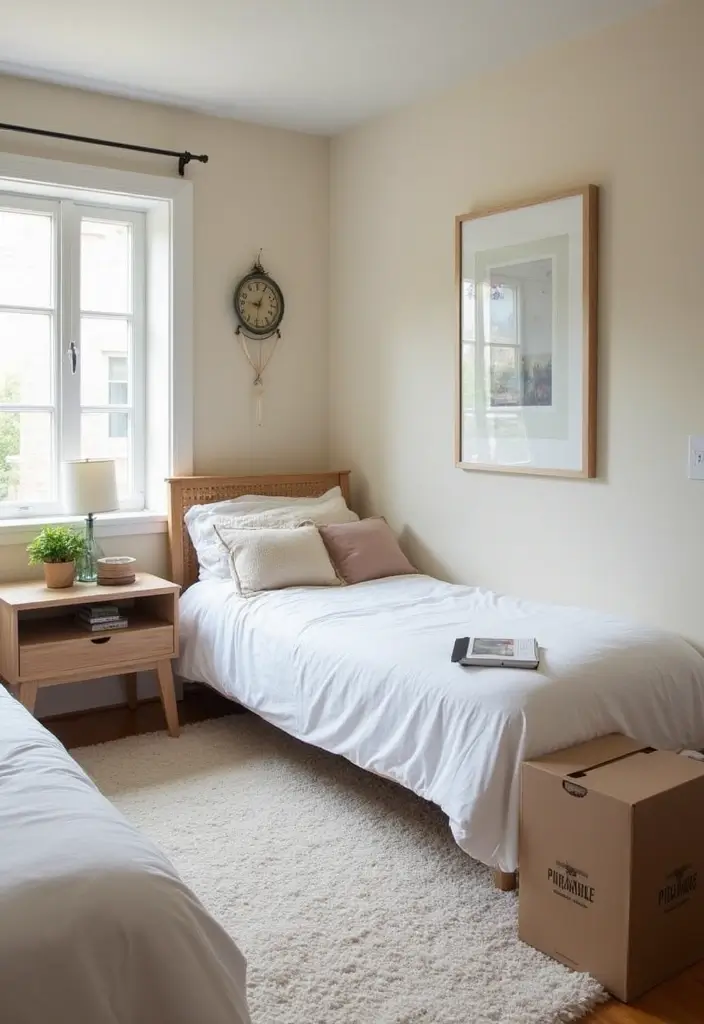
If your small bedroom feels crowded, decluttering is the fastest fix. You gain space and a calmer mind. Plan a quick seasonal check. Look through what you own and decide what to keep, donate, or toss. A minimalist habit helps your room stay open and easy to use. You will feel the room breathe when you clear the clutter.
Here is why this works and how to start.
– Designated spot for items that don’t belong in the bedroom. A bin by the door catches them before they spread.
– Clear storage options like baskets and containers. Sort small items—chargers, makeup, keys—so you can see what you have and keep surfaces clear.
– Donation bin in your room. When you think I might need this, drop it in. Set a calendar reminder for quarterly drop-offs so you actually move items out.
– Weekly tidy quick hits. Ten minutes helps you return items, wipe a surface, and recheck drawers. Small habits add up to a calmer space.
Keep the plan visible with a quick checklist on your mirror. Next steps: try these ideas this weekend. You’ll notice more air in the room and a lighter mood.
10. Use Light Fabrics
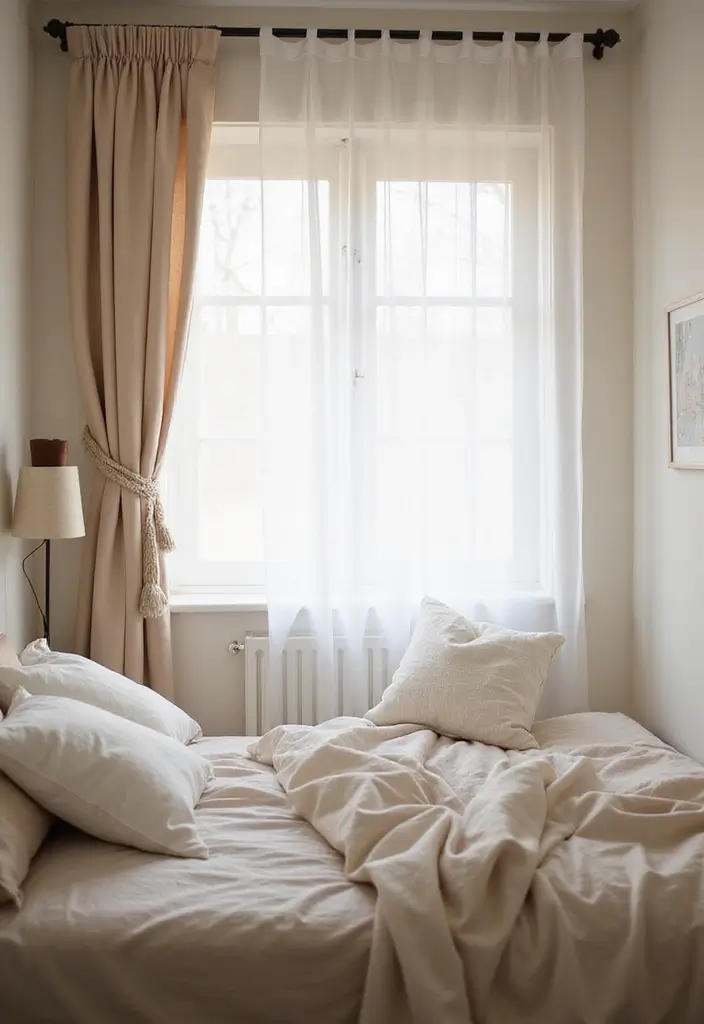
If your bedroom is small, heavy fabrics can make the space feel crowded. Light fabrics keep it airy and inviting. They help air move, reflect light, and stay comfortable all year.
– Curtains that breathe Choose curtains made from cotton or linen to keep air moving and the room bright, even on hot days.
– Sheer curtains for light Let sunlight filter in with sheer curtains so you enjoy natural light without losing privacy.
– Layer soft textures Layer throws and cushions in light fabrics to add warmth and texture without making the room feel crowded.
– Avoid heavy drapes Skip heavy drapes and dark colors that weigh down the space and trap heat, especially in small rooms.
– Bedspreads in light colors Pick a pale bedspread to create a calm, cohesive look from headboard to floor.
– Textures add depth Add crochet, soft knits, or light weaves to bring visual interest while staying breathable.
– Pillows with color Choose accent pillows in varying shades of your palette to keep things playful and coordinated.
Next steps: start with one change, such as cotton curtains, and see how the space opens. Keep notes on what works, and repeat in other rooms.
11. Personalized Wall Art
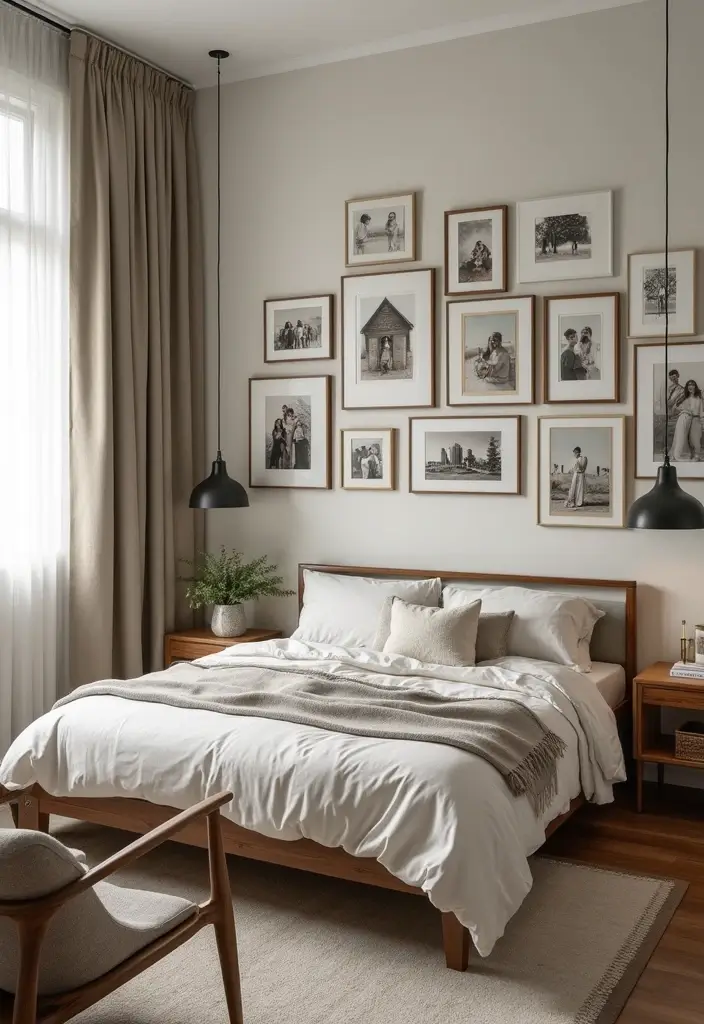
Your small bedroom should feel calm and personal, not crowded. Wall art can help. It adds you to the space without taking up space.
Here is how to make it work.
– Compact gallery wall: Pick a simple frame color, like white or light wood, to keep lines clean.
– Balanced layout: Build a gallery with 6 to 8 small frames in a neat grid or a loose salon style.
– Color-cohesive mix: Combine photos and art in a single palette to avoid a busy look.
– Vary heights: Hang pieces at different heights to create interest while staying balanced.
– Lightweight accents: Add fabric wall hangings or thin prints that feel airy.
– Easy changes: Use removable strips or washi tape to swap art without hurting walls.
– Seasonal rotations: Swap pieces each season to keep the room feeling fresh.
– Little notes: Label each piece with a tiny note about why you love it.
– Finish with a touch: Pair art with a small plant or a low lamp to pull colors together.
Next steps: measure the wall, lay out the plan on the floor, and hang one piece at a time.
This approach keeps your room open and truly yours.
If you need ideas, swap one frame at a time until you love the look.
Even small rooms glow with this calm, personal touch. Take a moment to enjoy the view.
12. Consider Open Shelving
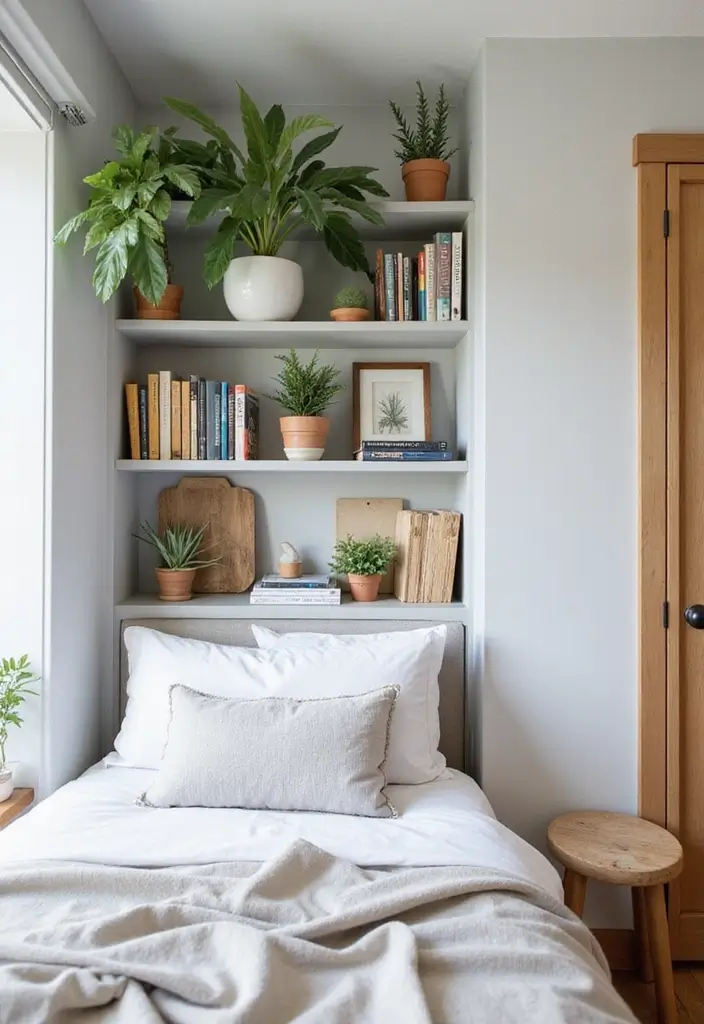
If a small bedroom feels crowded, open shelving can free up space without taking away style. You get easy storage and a brighter, airier look.
Key steps for open shelving
– Choose the right shelves. Floating units or slim bookcases in a light finish work best in tight rooms.
– Plan your display. Mix books with plants and a few meaningful decor items. Keep taller objects next to shorter ones to create a neat rhythm.
– Hide clutter with boxes. Decorative boxes or baskets tuck away cords, chargers, and receipts while still showing your best pieces.
– Match a simple color plan. Limit the shelf color to two or three tones that repeat across items.
– Add life with plants. A small fern, a succulent, or a trailing vine makes the shelf feel fresh.
– Keep shelves clean. Wipe dust regularly and rotate items every few weeks so the display stays interesting.
– Practical tips. Check weight limits on brackets and mount them securely to the wall for safety.
– Real-life setup. A single shelf could hold a few novels, a photo, and a tiny plant for instant charm.
Next steps: try one wall of open shelves, then tweak placement until it feels right.
13. Get Creative with Bed Placement
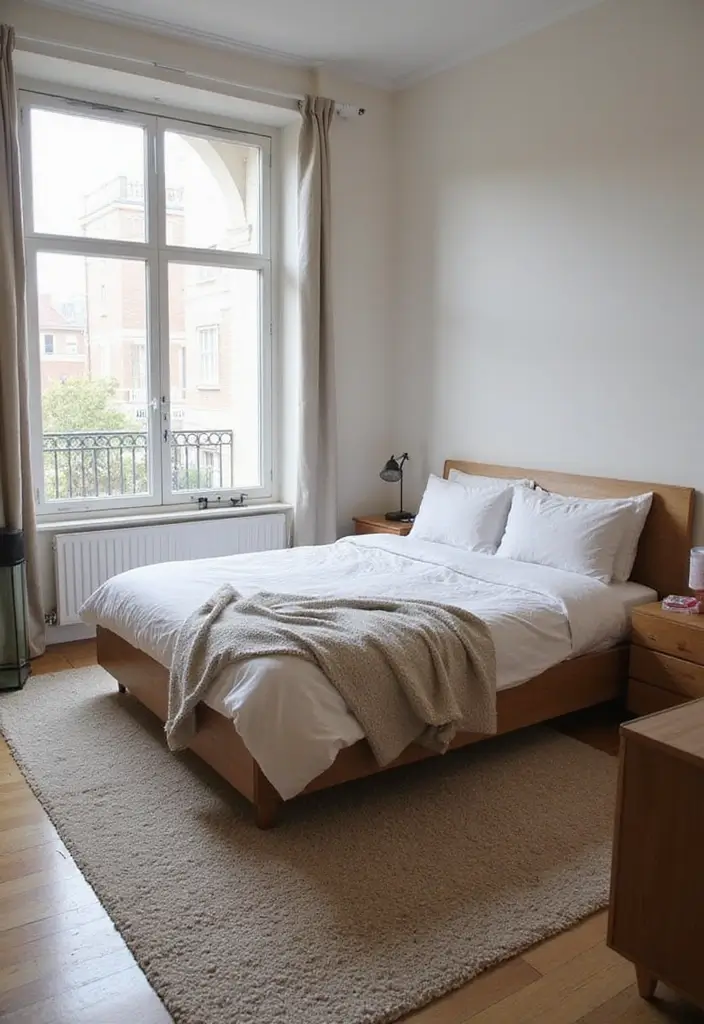
Get Creative with Bed Placement
In a small bedroom, bed placement can either trap you in or free the space. The way you position the bed changes traffic flow and how airy the room feels. Let’s explore practical placements that keep paths clear and walls visible. Here is why these ideas help you move easily and feel calmer.
– Center your bed when the room allows, so you can walk around on all sides and add matching nightstands, keeping walking paths clear for morning routines.
– Angle or float your bed to open doorways and widen the feel of the space.
– Try a corner bed if your room shape creates a natural nook for a playful, space-saving twist.
– Add bed curtains for a cozy, tent-like vibe that softens lines and adds warmth.
– Keep your bed away from directly facing the door to cultivate a calmer, more restful mood.
– Test layouts on the floor with tape before moving heavy furniture, so you know what works and avoid costly moves.
– Choose a low, light frame and slim nightstands to keep sightlines open.
– If space is tight, use a simple room divider to create a sense of depth without cutting the flow, so zones feel separate yet connected.
With the right bed placement, your small room can feel airy and easy to move in.
14. Use Rugs Wisely
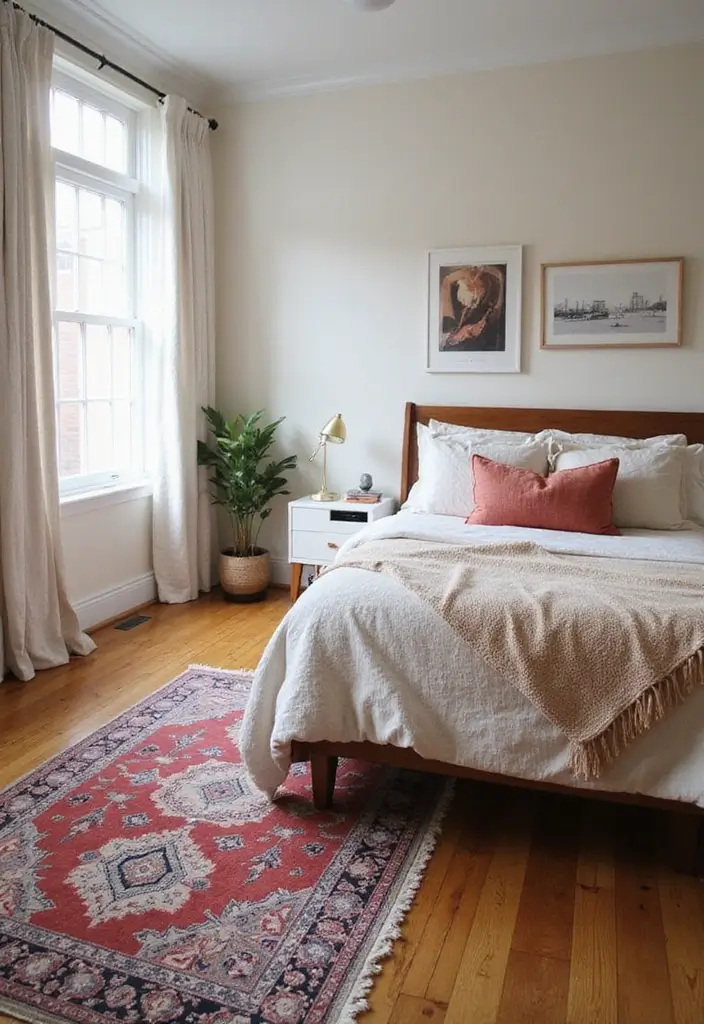
If your bedroom feels tight, a rug can fix the feel in a snap. You want one that fits your color plan and keeps your feet comfy. A good rug ties the bed, walls, and furniture together without crowding the floor.
Size matters when you pick a rug for a small space. A larger rug under the bed can make the room feel more open. A smaller rug can mark a cozy zone like a reading corner. Here is why: the right scale changes how much floor you see and how spacious the room feels.
Keep patterns calm and simple. Busy prints can overpower a small space. Go for soft patterns or solid colors. Texture also helps a lot—natural fibers like jute or a smooth wool add depth without noise.
Next steps you can use now:
– Layer rugs: place a small patterned rug over a larger solid one to add depth without crowding the floor.
– Anchor under furniture: push the rug under the bed and under the front legs of nightstands for a unified look.
– Choose easy-clean options: pick materials that wipe clean or are machine washable when spills happen.
– Mind the pile: thin piles stay neat in tight rooms; thicker piles feel warm but can feel busy if the rug is too small for the space.
With the right rug, your small bedroom feels airy, organized, and inviting.
15. Build a Cozy Nook
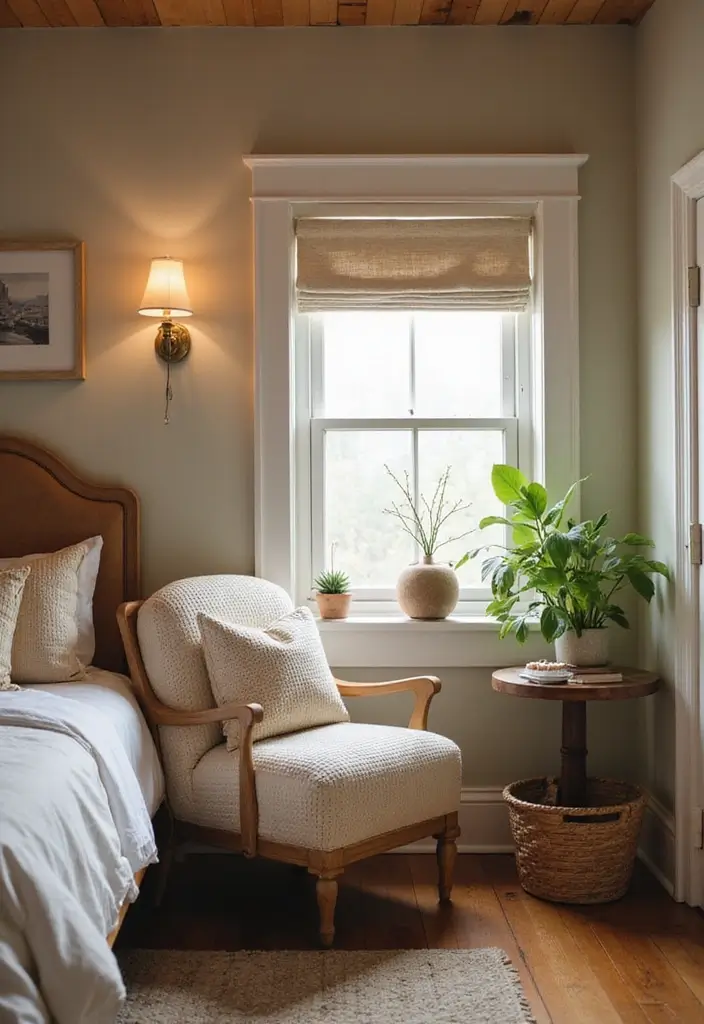
A small bedroom can still hold a cozy nook that feels calm and roomy. To make it work, pick a corner you like and place a compact reading chair or a tiny bistro table there. The goal is a serene spot you can use for reading, coffee, or quiet moments. This small space bedroom idea keeps you grounded while you unwind.
Choose light, movable furniture
– Pick pieces that are easy to move, so you can open up floor space when you need it.
– A slim chair or compact desk lets you switch uses in seconds.
– Add a soft throw blanket and a few pillows for warmth and comfort.
Set the mood with soft lighting
– Use a small table lamp or a low floor lamp to cast warm, gentle light.
– For extra charm, add a string of small bulbs that don’t take up a lot of room.
Keep it organized
– Place a tiny side table to hold a book, drink, or phone within reach.
– A small shelf or wall hook nearby keeps essentials off the floor.
– Choose one plant or a simple artwork to bring life without crowding.
Color and decor
– Use a light wall color or a neutral backdrop to make the nook feel airy.
– Limit decor to two or three pieces so the corner stays calm.
Next steps: test the setup, move pieces around, and keep the space clutter-free.
16. Embrace Minimalist Decor
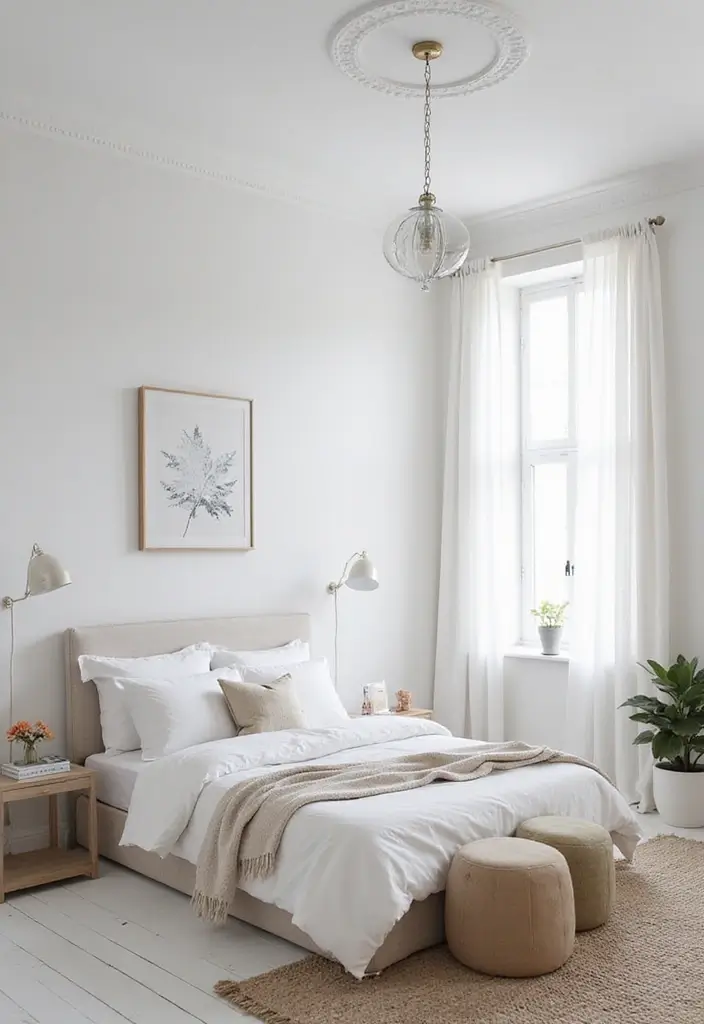
If your small bedroom feels crowded, minimalist decor can bring calm. It makes the space breathe and keeps clutter in check. You get a cozy retreat that still feels like you.
– Keep only what you truly need. Start with essentials: a bed, a small nightstand, and a simple lamp. If something doesn’t serve a clear purpose or lift your mood, it goes.
– Choose quality over quantity. Invest in a sturdy mattress, a reliable light, and furniture with lasting finishes. Fewer pieces mean less dusting and easier maintenance.
– Use natural materials and clean shapes. Pick wood, cotton, linen, and stone. Choose straight lines and smooth edges; avoid chaos in pattern.
– Aim for a neutral color palette. Whites, creams, and soft browns keep the room feeling open. Add texture with fabrics instead of many colors.
– Limit decor to a few statement pieces. Choose one piece of art and one plant you truly love. Let a simple rug or textile tie the room together.
– Keep surfaces clear. Clear nightstands and shelves reduce glare. Use trays and hidden storage to hide small items.
– Smart storage matters. Use under-bed bins, slim vertical shelves, and baskets that slide away. Everything should have a home.
– Make it personal without overdoing it. Pick one photo or heirloom to enjoy daily. Let the rest stay tucked away.
Start small, test what feels right, and tweak as you go.
Embrace minimalism: Less clutter means more calm! Create a cozy retreat by keeping only what you truly need and investing in quality pieces that uplift your spirit. Your small bedroom can breathe and feel organized!
17. Utilize Door Space
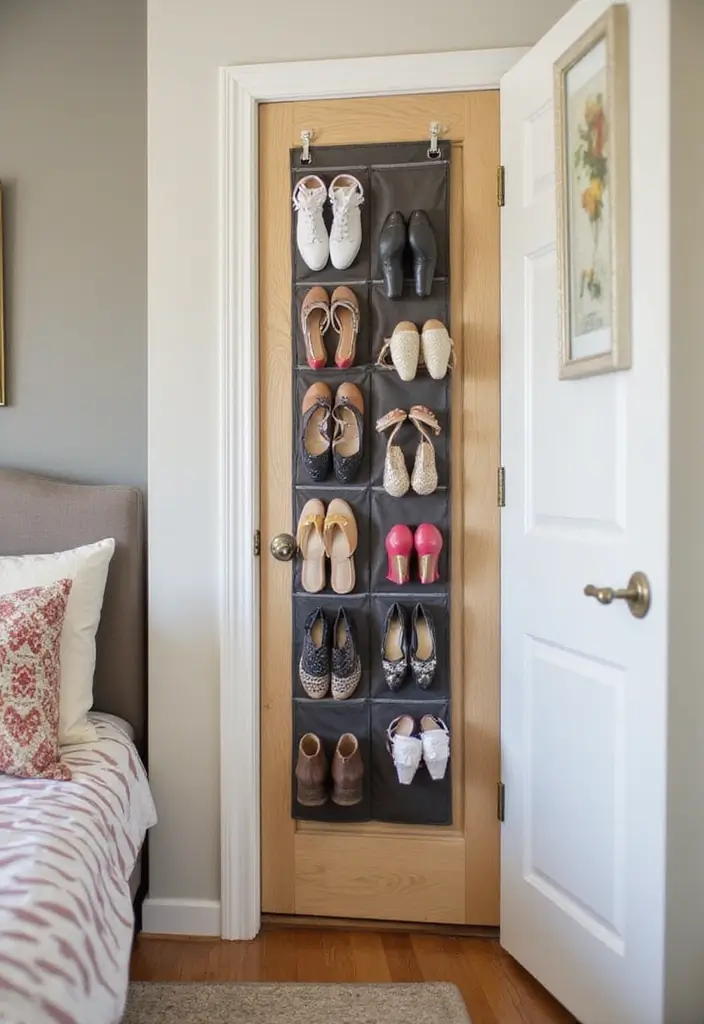
Small bedrooms shine when you add storage that doesn’t crowd the floor. The door can be your best friend here. A simple over-the-door setup helps you grab what you need fast, without trips over shoes or bags. It takes a tiny corner and turns it into a calm, organized zone. You can choose the right organizer in minutes and set it up this weekend.
Door storage picks that fit your space
– Choose a door organizer that blends with your decor and door color.
– Use clear pockets so you can see shoes, socks, or accessories at a glance.
– Keep items lightweight and evenly distributed to avoid stressing the hinge pins daily.
– Install over-the-door hooks for bags, hats, belts, and scarves to keep them visible.
– Use fabric organizers for a soft look and quiet use on the door everyday.
– Consider clear vinyl pockets for shoes to spot the pair quickly in the row.
– Regularly rotate items so the space stays tidy and easy to navigate daily too.
– Remember to measure your door and pick a size that fits without rubbing carefully.
– Finally, keep the scene tidy with a weekly quick sweep to wipe dust off.
Next steps
Take a minute to set up one door this week. You will feel more space, less clutter, and mornings that start smoother.
18. Display Personal Collections
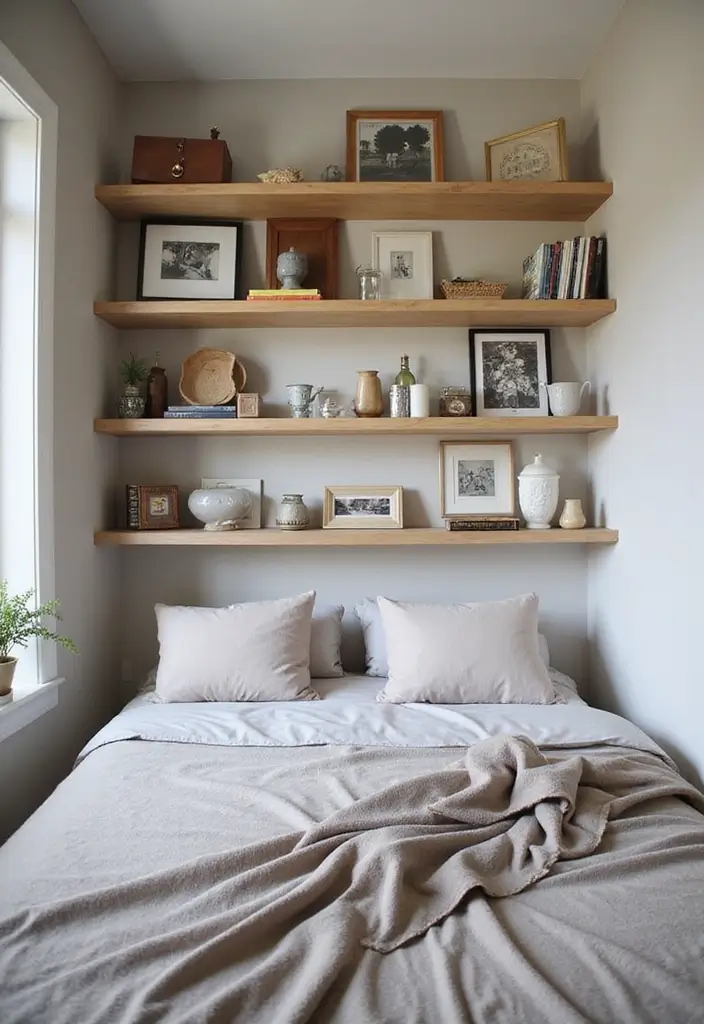
You want to show your favorite things without making your small bedroom feel crowded. A smart display adds personality, not mess, if you plan it.
Start with one clean shelf. Use a slim wall shelf or a shallow cabinet to save floor space. Pick items you truly love. Avoid stuffing every corner. Choose a simple color palette or uniform frames to tie it together.
– Use a display box or shadow box for added polish.
– Hang or arrange items so they don’t block light or a doorway.
– Rotate pieces every few weeks to keep the look fresh.
Add lighting to make the display glow.
A small LED strip under the shelf or a puck light above can highlight colors and shapes.
Keep the rest of the room calm: solid colors, few textures, clear surfaces.
Ways to mix items: travel souvenirs with flat cards, books with clean art prints, small statues with matching boxes.
Group items in odd numbers and leave breathing room between pieces.
Label or sign tiny keepsakes so you know why you kept them.
Next steps: pick a corner, measure space, and sketch a plan.
Start with three to five items, then expand as you feel the room breathe.
19. Keep Bedding Simple
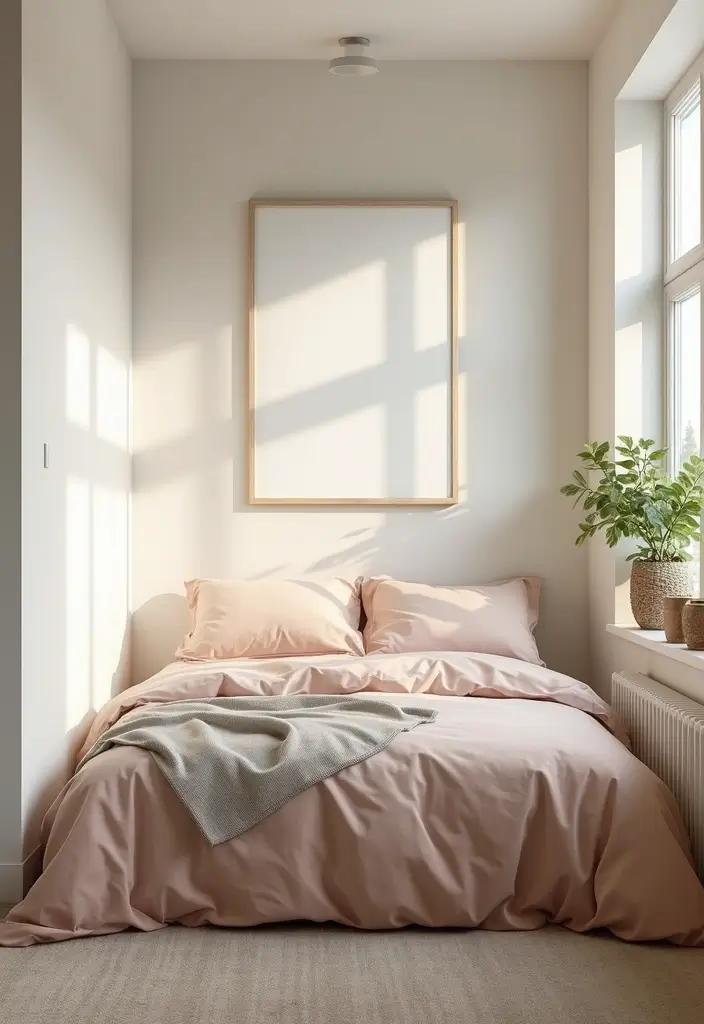
In a small bedroom, your bedding sets the mood. If you crowd it, the whole space can feel cluttered. Keep bedding simple and it will feel airy and calm.
Here is why simple bedding works. It reflects light and creates clean lines you can see at a glance.
– Keep it light with colors that brighten the room or soft, subtle patterns that don’t shout.
– Choose a solid-color duvet to lock the look together.
– Limit decorative pillows to two or three.
Next, pick fabrics that sing when you sleep.
– Cotton or bamboo sheets feel cool, breathable, and comfortable all night.
– Opt for easy-care bedding that is machine washable and quick to dry.
Finally, use small updates to keep the style fresh.
– Regularly swap pillow covers and throws to match the season or your mood.
These steps help a tiny room stay neat. You get a bed that looks clean. It makes the space feel bigger and calmer.
20. Create a Zen Space
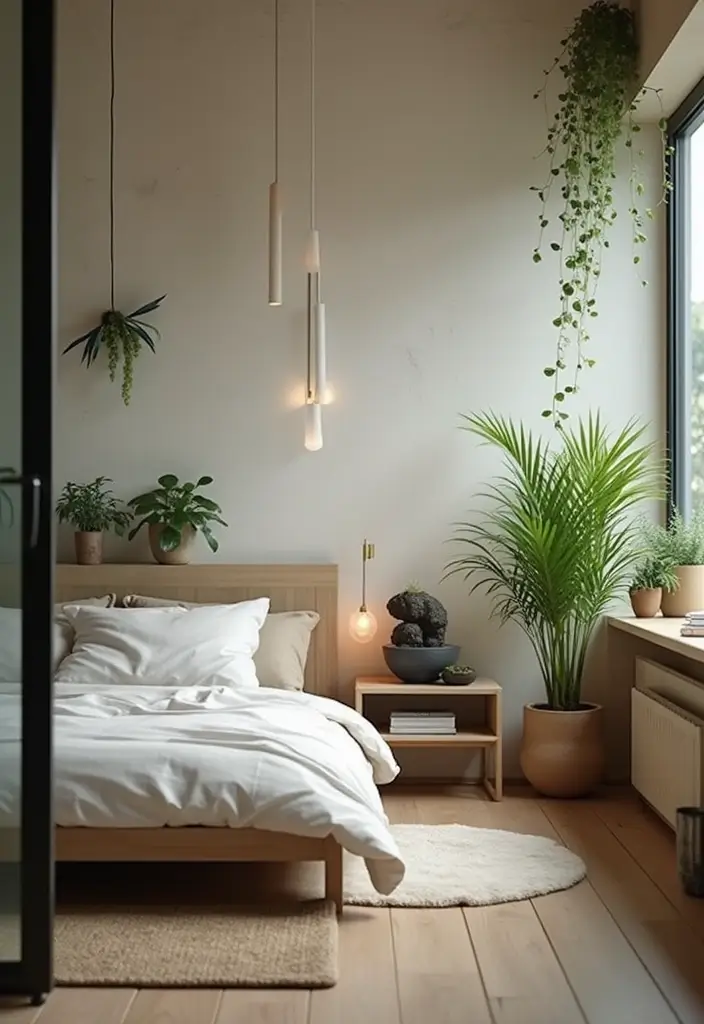
You want a small bedroom that feels big, calm, and easy to keep tidy. A Zen corner can do that by giving your mind a rest from daily noise. Keep the area simple so it stays airy and inviting.
Here is how to build it:
– Pick a compact water fountain that fits on a shelf. The soft sound of water brings calm without loud noise.
– Add one or two sturdy plants that tolerate low light. Green leaves soften the room and help air feel fresh.
– Use a small lamp or candles with warm, diffused light. Avoid bright glare.
– Choose natural materials like a bamboo tray, cotton rug, linen throw, and wood accents. These textures add warmth and touch.
Now choose a color story. Go with soft sands, pale greens, and ivory. This palette helps your space feel serene.
Place a low seat or cushion nearby. A floor pillow or compact bench becomes your quiet spot for reading or breathing.
Keep the setup uncluttered. Put away cords and stray items. Clean lines help the space breathe.
Next steps: every week, quick check for dust and dirt and loose items. A tidy corner stays inviting and useful.
Feel free to tweak it over time.
21. Use Seasonal Decor
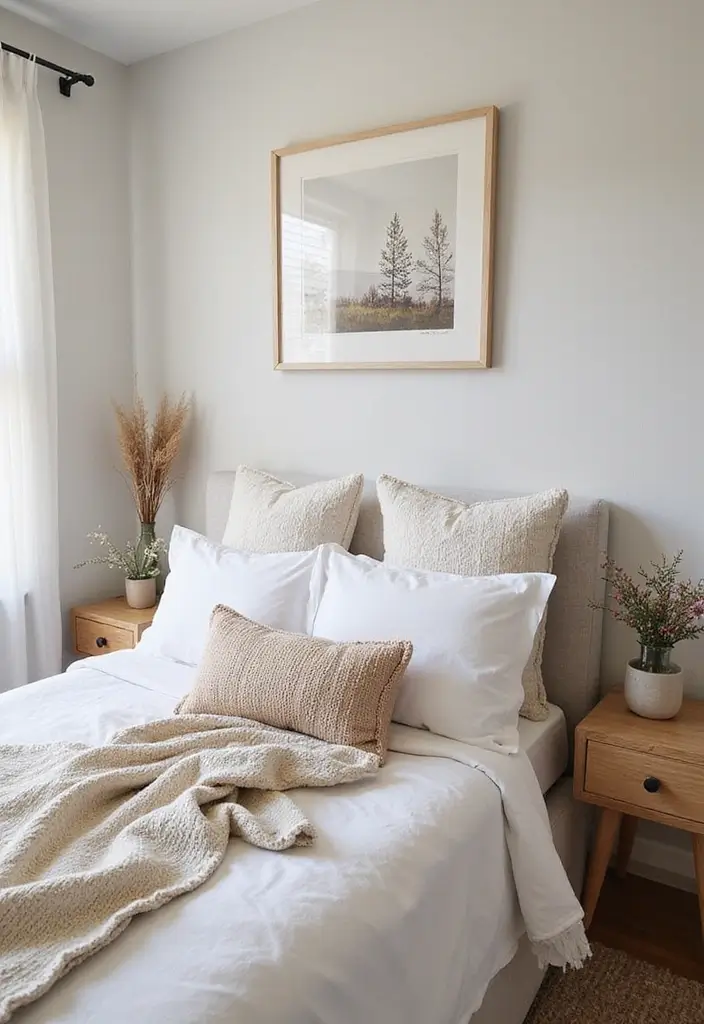
Is your small bedroom feeling crowded today? Seasonal decor gives it a fresh look without a full makeover. You can shift moods with a few simple pieces that look intentional and calm.
Here is a simple plan that fits a small space today. A small space benefits from a calm color base and careful scale.
– Choose 2 to 3 accents like a pillow, a blanket, or a small artwork.
– Keep updates simple by selecting only a few key elements that capture the season.
– Store off-season items out of sight in labeled boxes or under the bed.
– Use nature-inspired textures such as wood, linen, or botanical prints you love.
– Rotate with a schedule and switch pieces every season.
– Prune what you love and keep only items that spark joy.
Keep it simple to stay airy. Use storage tricks that fit your room. Choose clear bins so you can see what you store. Label boxes to avoid digging.
Seasonal cues work best when you keep the look cohesive. Try a small palette and swap textures with the season. For example, spring brings pastels and light fabrics, summer welcomes linen and airy prints, fall invites warm browns and plaid, and winter asks soft knits and gentle whites. Rate your updates by season and avoid overbuying.
22. Incorporate Rugs for Comfort
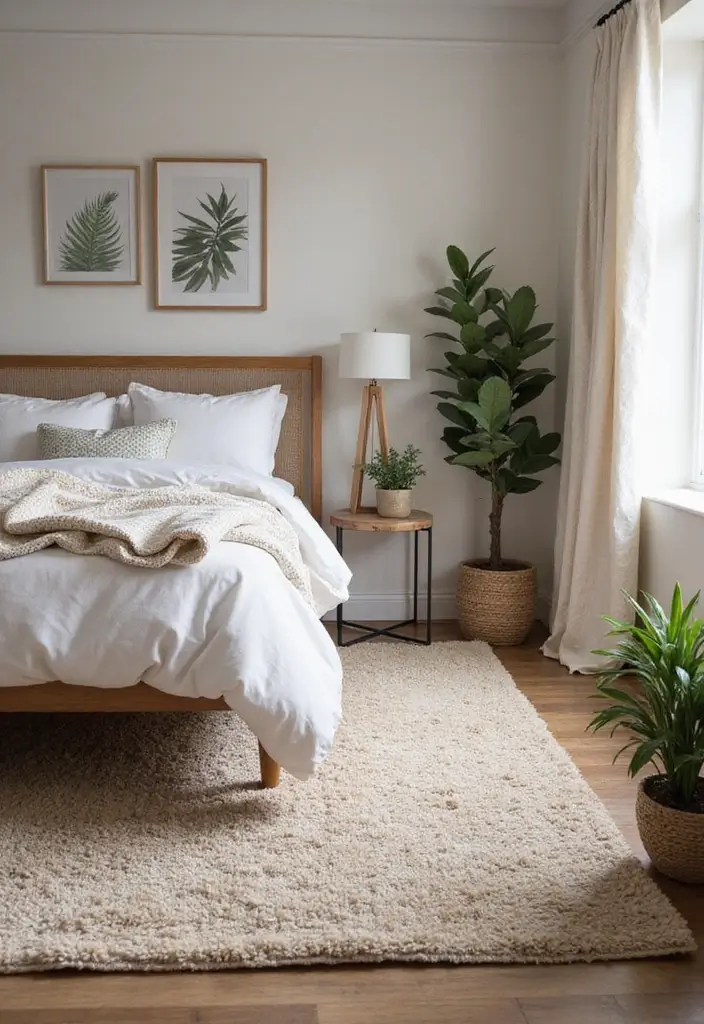
Rugs do more than cover the floor. In a small bedroom, a good rug makes the space feel warmer, cleaner, and a touch bigger. Here is how to pick and place rugs so you get the most from a tight space.
– Size matters. For under the bed, pick a rug large enough to peek out on all sides and anchor the space. A well sized rug keeps the bed grounded and the rest of the room calm.
– Layer with care. Place a smaller rug over a larger one to add depth without crowding floor space. Use colors that match your walls and furniture.
– Pick the pile. A plush rug feels soft under feet and on chilly mornings. If you clean often, choose a medium to low pile that wears well.
– Color and pattern. Keep to a simple color that fits your scheme. A subtle pattern adds texture without loud contrast.
– Materials to consider. Wool or faux wool rugs stay warm and resist wear. Natural fibers like cotton or jute add texture to the room.
– Care tips. Vacuum regularly and spot clean spills quickly. Rotate the rug now and then to even out wear.
To tailor rugs to your room, measure the bed and the open floor around it. A rug that matches the room scale helps the space feel calm. Next steps: pick one rug, place it, and notice the mood shift.
23. Don’t Skimp on Quality
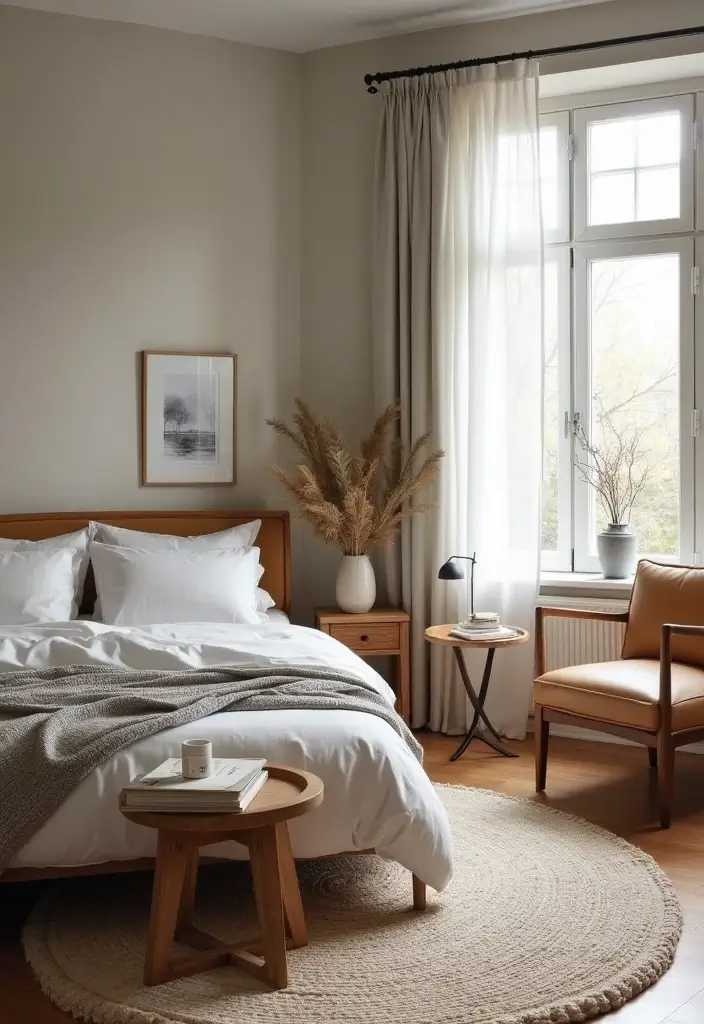
In a small bedroom, the plan is simple: own fewer things that last. When you choose quality over quantity, the space feels calm and easy to use.
Quality matters in a small space
– Choose a few high-quality pieces that boost look and function.
– Choose durable materials like solid wood, metal, and sturdy fabrics.
– Favor timeless designs that stay stylish for years.
– Seek multi-functional pieces that save space, such as a bed with drawers.
– Choose fabrics and finishes from sustainable sources.
– Skip cheap trends that clutter the room.
Next steps: measure each spot before you buy. Test how a piece sits, opens, and moves in your room. Check care needs and pick easy-clean options.
Real-life ideas you can use
– Bed with built-in storage helps tuck away clutter.
– Slim wardrobe with a mirrored door boosts light and space.
– Wall shelves add display space without crowding.
– A small bench gives seating and a place to set items.
– A soft rug warms the floor and softens steps.
– A nightstand with a charging dock keeps cords tidy.
Quick care tips: dust weekly and wipe spills right away. Rotate a couple of pieces each season to keep the room feeling fresh.
With this plan, your small bedroom stays airy, organized, and inviting.
24. Emphasize Natural Elements
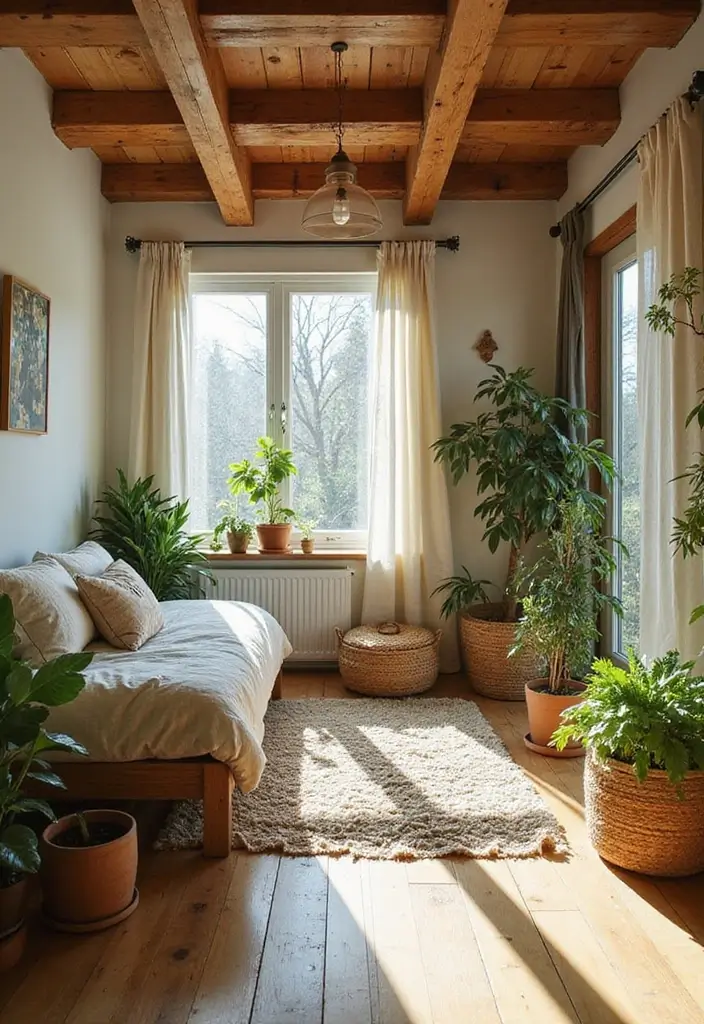
If your small bedroom feels tight, you can make it feel airy by bringing in natural elements. You’ll notice warmth, calm, and a fresh vibe that still fits a compact space.
Here is why natural touches work well in small rooms. They soften hard lines, add texture, and connect you to the outdoors every day. Use them in simple, practical ways so you stay organized.
– Wood accents: Pick a light bed frame, a slim nightstand, or floating shelves. Wood brings warmth without crowding the room. Keep finishes smooth and simple to avoid a heavy look.
– Plants: Choose 2 or 3 easy-care options like snake plant, pothos, or ZZ plant. Place them on a windowsill, a bedside shelf, or in a wall planter. They lift the air and add life without making a mess.
– Natural textiles: Layer linen bedding, a cotton throw, and a jute rug. These textures create depth and help the space feel cozy.
– Earthy colors: Stick to soft beiges, sage greens, and creamy whites. Light walls reflect natural light and keep the room feeling open.
– Simple, clutter-free surfaces: Let a few natural accents stand out. Put away extra decor to keep sightlines clear and the space breathable.
Next steps: start with one plant and a light textile set. Check sunlight, water needs, and rotate plants monthly to keep them happy.
25. Maintain a Minimalist Closet
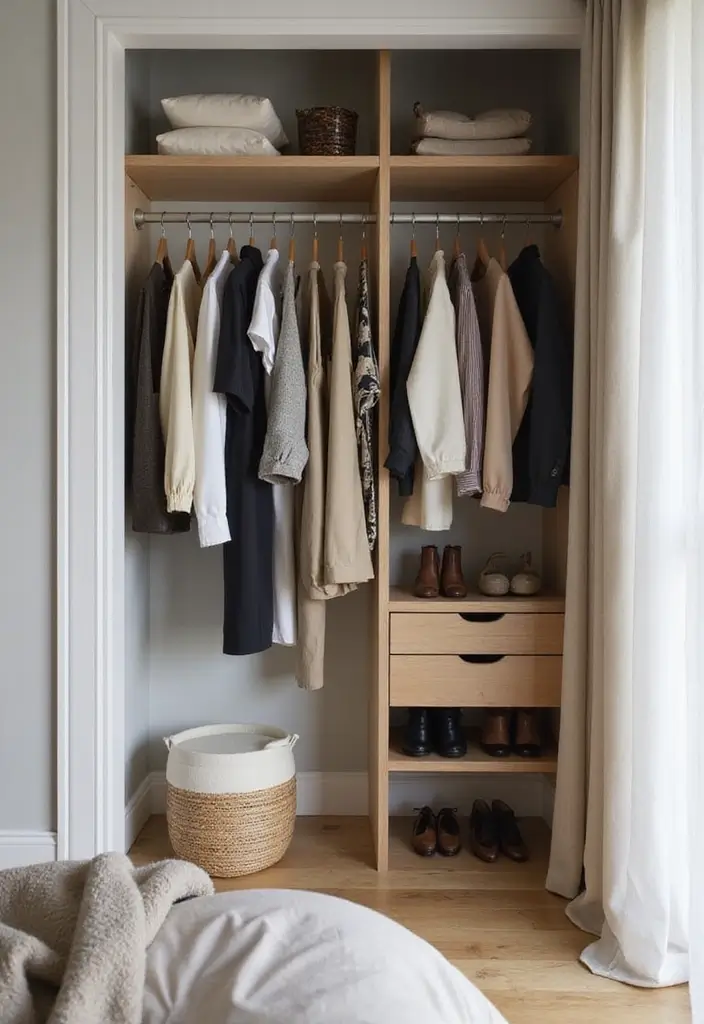
If your small bedroom feels crowded, a minimalist closet can make the room look bigger and feel calmer. Start with a simple plan you can keep up.
– Declutter first by keeping only items you truly wear or love.
– Choose slim hangers in metal or wood for a tidy, airy look.
– Group by type or color so your closet reads clean at a glance.
– Use vertical storage with shelves and clear bins for shoes and accessories out of sight.
– Add drawer dividers to keep small items neat, like socks, scarves, and belts.
– Create a seasonal zone for off-season clothes in labeled boxes.
– Do a quick check every few months to keep the closet aligned with your life.
– One in, one out habit helps prevent clutter from creeping back.
Keep a compact wardrobe that fits your daily life. Pick two to three color groups so outfits mix easily. Use light shelves and clear bins to reflect light and make the space feel bigger. Put a small laundry bin near the closet to finish chores fast. When you open the door, you should feel calm, not overwhelmed. A tidy closet also saves time in the morning.
A minimalist closet isn’t just about decluttering; it’s about creating a serene space that helps your small bedroom feel larger and more peaceful. Embrace simplicity and let your favorite pieces shine!
26. Personalize with Textiles
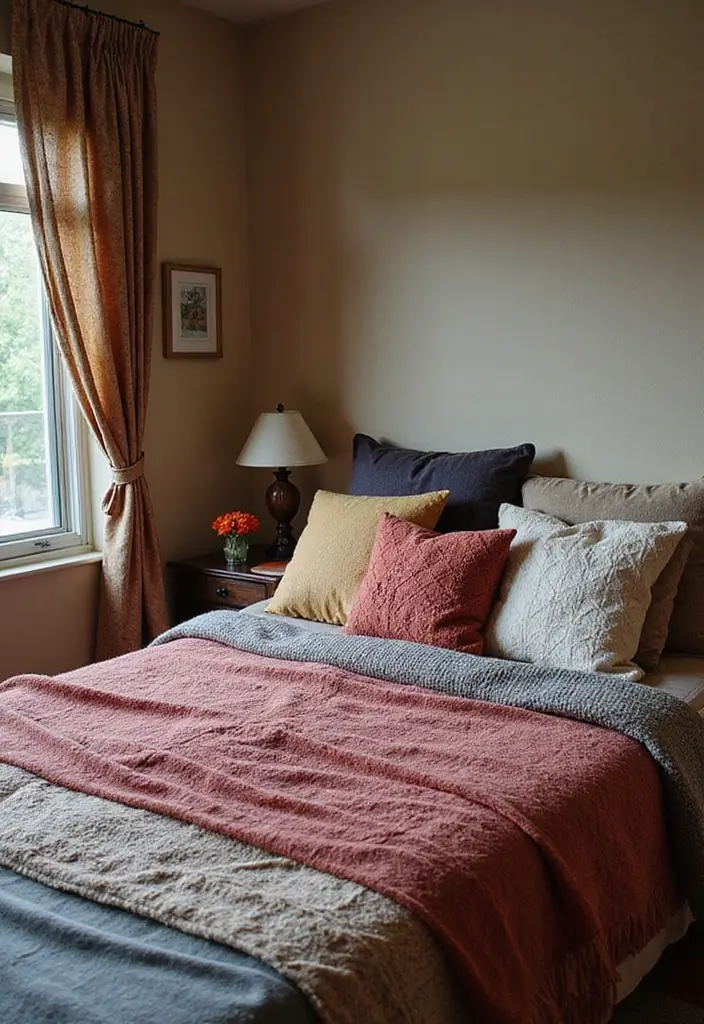
Textiles that bring character to a small bedroom
Textiles add soul to a small bedroom. They bring color, texture, and warmth without bulky furniture. You can change the mood in minutes with blankets, pillows, and throws. Pick fabrics that match your style and a simple color plan so the room stays calm. Layer different textures to gain depth. Do not pile in many busy patterns. Instead, repeat a few colors to keep the space cohesive. Lighter fabrics keep the room feeling open.
Why fabric weight matters
Weight matters. Light cotton or linen feels airy. A chunky knit or wool adds coziness. Rotate textiles with the season to stay fresh. When warm, swap in lighter sheets and a thin throw. In cooler months, add a plush blanket and a velvet cushion. Store off-season pieces in a box under the bed.
Textiles to try in a small bedroom
– cotton duvet cover
– linen sheets
– lightweight throw
– knitted blanket
– velvet cushion
– sheer curtains
– soft rug
Tips for smart layering
– Start with a flat sheet or cover.
– Add a throw at the foot.
– Top with one statement cushion.
– Adjust with smaller accents.
Practical setup
Choose a soft neutral base. Add one bold color for a pop. Repeat the color in two places.
Next steps: pick one base fabric, one accent, and test the vibe for a week.
Conclusion
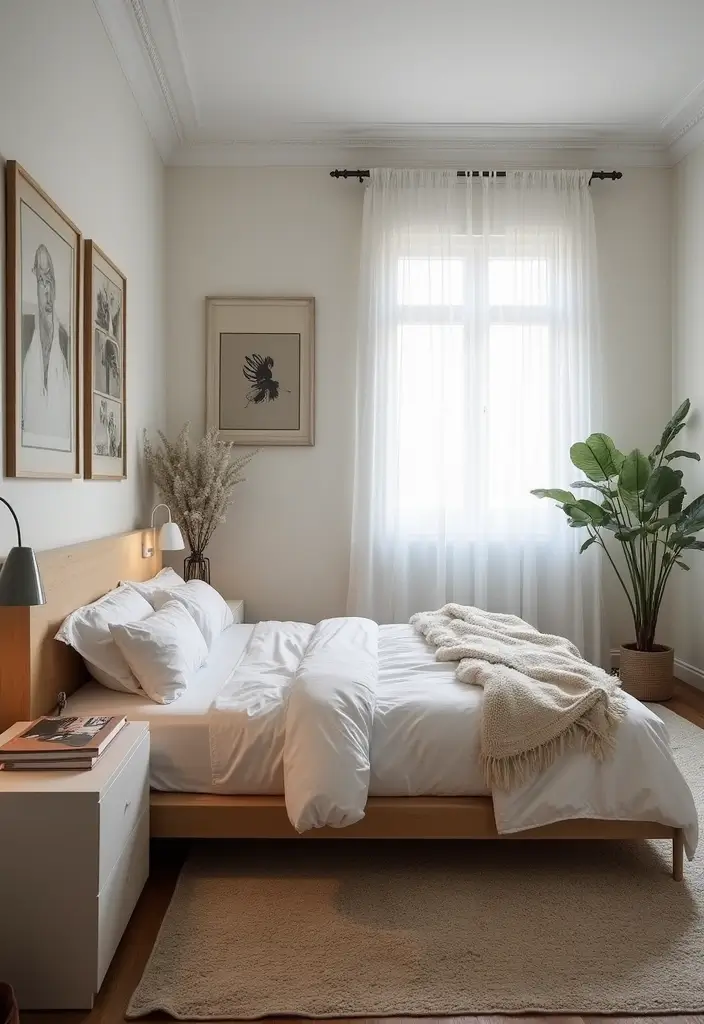
Transforming a small bedroom into an organized and airy sanctuary is all about thoughtful choices.
By utilizing smart storage solutions, embracing a minimalist aesthetic, and incorporating personal touches, you can create a space that feels as spacious as it is cozy.
Take these ideas and make them your own to enhance your small bedroom experience.
Frequently Asked Questions
What are some effective bedroom small space ideas for maximizing storage?
Maximizing storage in a small bedroom can transform it into an organized oasis. Consider using vertical storage solutions like tall shelves, which take advantage of height and free up floor space. Additionally, under-bed storage is a game-changer for keeping items out of sight yet easily accessible. This way, you can reclaim precious floor space while maintaining an airy feel.
How can I incorporate space-saving furniture in my small bedroom?
Choosing the right space-saving furniture is crucial for small bedrooms. Look for multi-functional pieces that serve more than one purpose, such as a bed with built-in drawers or a desk that doubles as a nightstand. This not only helps in keeping the space organized but also enhances the minimalist bedroom decor vibe while ensuring your room feels cozy and inviting.
What color palette works best for creating an airy feel in a small bedroom?
When it comes to color, a light palette is your best friend in a small bedroom. Soft colors like pastels or whites can make the space feel larger and more open. Light colors reflect natural light, creating a calm atmosphere that helps the room breathe. This simple change can significantly alter how spacious your bedroom feels, making it a cozy retreat.
How can I effectively declutter my small bedroom?
Regular decluttering is essential for maintaining a serene and organized space. Start by setting aside time for a quick seasonal check-up of your belongings. Decide what to keep, donate, or toss. Keeping only what you truly need contributes to a minimalist decor approach, making your bedroom feel less crowded and more peaceful. Remember, a clutter-free environment promotes a tranquil mindset!
What are some smart storage solutions for a cozy bedroom design?
Smart storage solutions can elevate your cozy bedroom design while maintaining functionality. Think about utilizing door space with over-the-door organizers or incorporating open shelving to display personal items without cluttering the floor. These options not only serve practical purposes but also add character to your space, keeping it stylish and airy.
Related Topics
bedroom small space ideas
minimalist decor
small bedroom organization
space-saving furniture
cozy bedroom design
smart storage solutions
vertical storage
under-bed storage
multi-functional furniture
airiness in design
seasonal decor
personalized decor