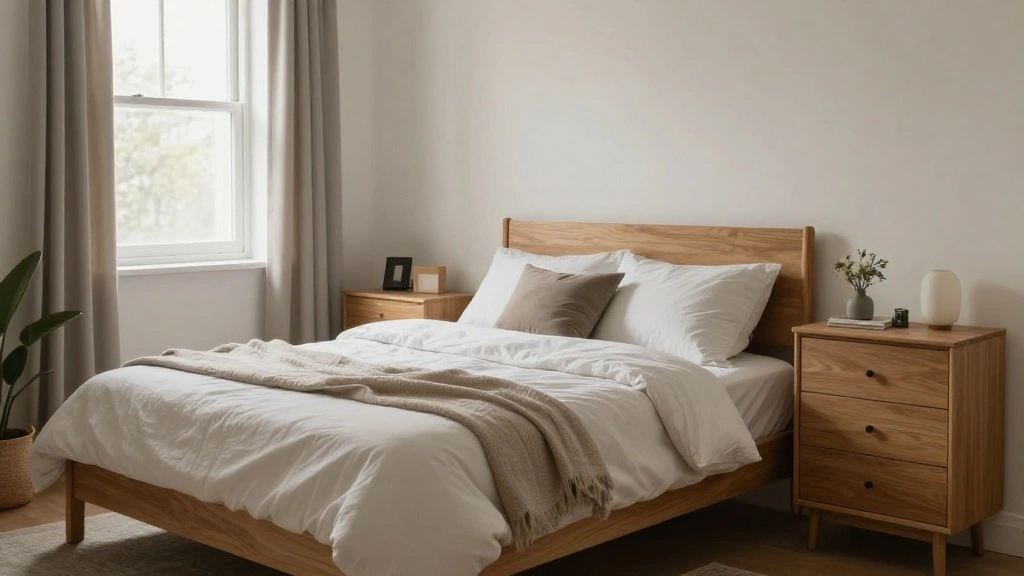

Living in a small bedroom can often feel cramped and cluttered, leading to frustration and discomfort. You might struggle to find a place for everything, making it hard to relax or even get a good night’s sleep. Fortunately, with a few simple strategies, you can transform your limited space into a cozy, functional retreat.
This guide will help you optimize your small bedroom by arranging furniture for maximum space efficiency. You will learn how to select the right furniture, create a functional layout, and add personal touches that make the space feel larger and more inviting. By the end, you’ll have a stylish and organized bedroom.
This project is rated as beginner difficulty and will take approximately 2-3 hours to complete. Whether you’re moving into a new space or just looking to refresh your current bedroom, this guide is for you. Let’s dive in!
TL;DR Summary
- Identify essential furniture and eliminate unnecessary items.
- Choose space-saving furniture like a loft bed or multi-functional pieces.
- Utilize vertical space through shelving and decor.
- Arrange furniture to create flow and maximize walking space.
Prerequisites/Materials Needed
- Furniture to arrange (bed, dresser, nightstand)
- Measuring tape (1)
- Pencil and paper for sketching layout (1 set)
- Storage solutions (bins, baskets, etc.)
- Decor items (optional)
Skill Level & Time Estimate
Skill Level: beginner. Total time estimate: 2-3 hours. Breakdown of time:
- Planning and measuring: 30 minutes
- Arranging furniture: 1-2 hours
- Final touches and decorating: 30 minutes
Step 1: Measure Your Space
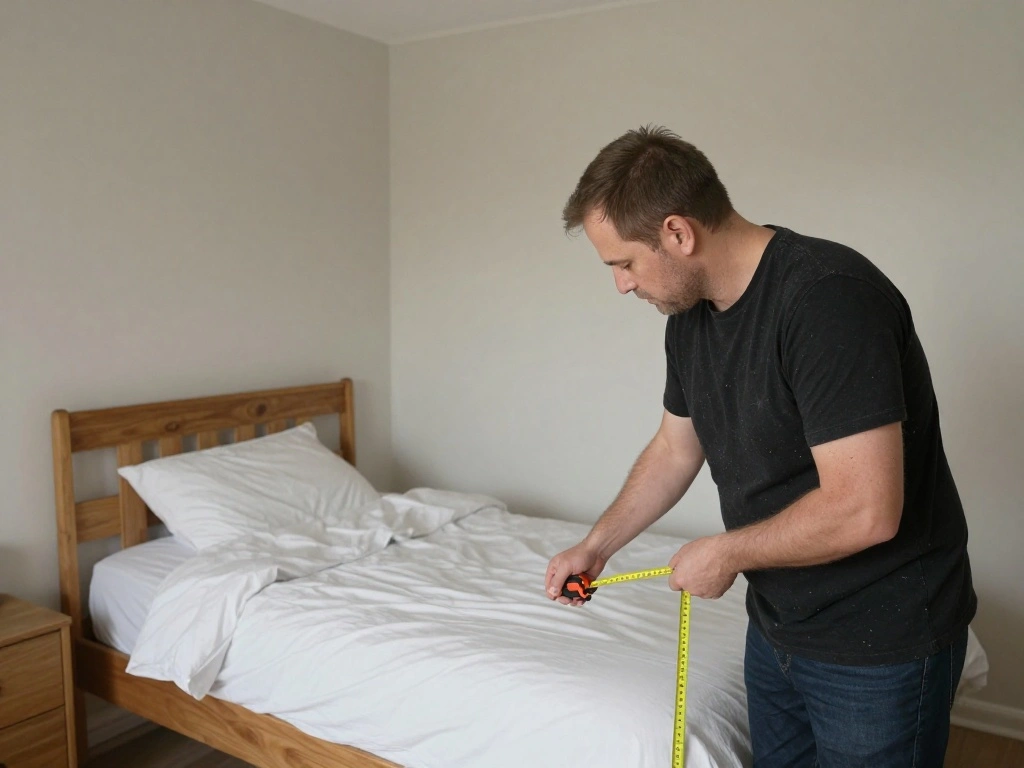
Start by measuring your bedroom to understand the available space. This step is crucial as it helps you visualize furniture placement and ensures everything fits well.
- Use a measuring tape to find the length and width of the room.
- Note the measurements on a piece of paper.
- Measure the height of any windows and the distance from the floor to the ceiling.
Pro Tip: Take note of electrical outlets, windows, and doors, as these will impact your layout decisions.
This matters because accurate measurements give you a clear understanding of how much space you have to work with, which prevents overcrowding.
Time estimate for this step: 30 minutes.
Step 2: List Your Essential Furniture
Next, identify the essential furniture pieces you need in your bedroom. This will help you focus on what to keep and what to remove.
- List out the necessary items: bed, dresser, nightstand, etc.
- Consider multifunctional furniture like a bed with storage drawers.
- Decide on the size of each piece based on your measurements.
Pro Tip: Prioritize items that serve multiple purposes to save space.
Why this matters: By keeping only what you need, you create a more open and functional space.
Time estimate for this step: 20 minutes.
Step 3: Sketch a Layout Plan
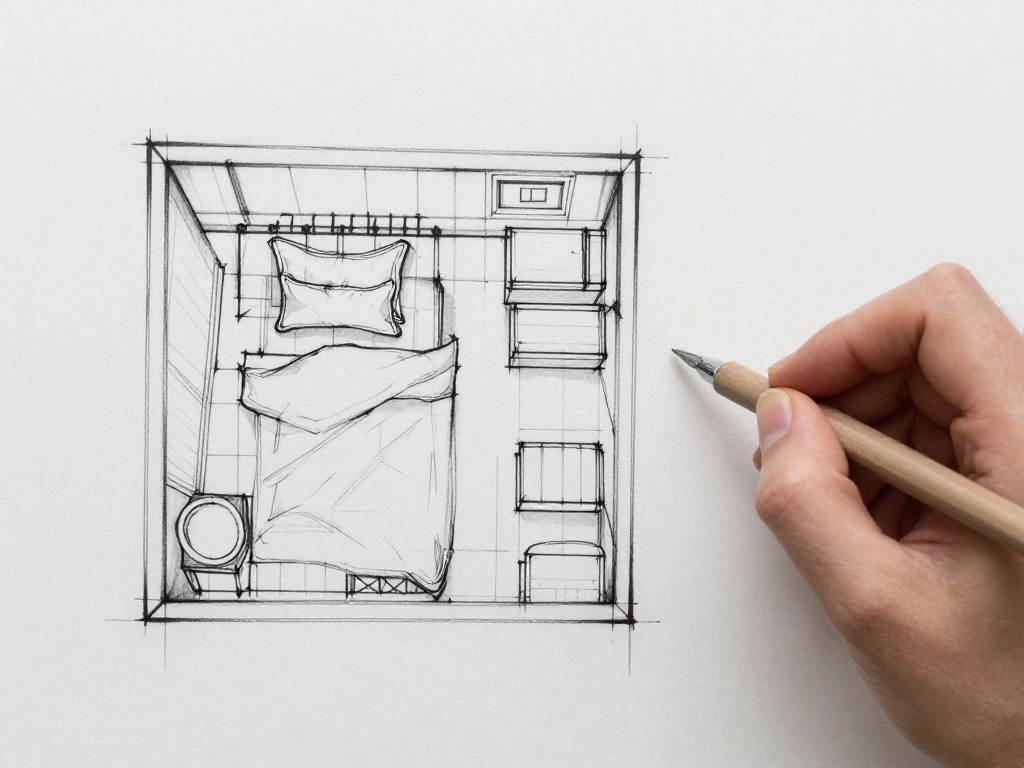
Once you know what furniture you will keep, sketch a layout plan for your bedroom. This visual representation will help you see how everything fits together.
- Use graph paper or a digital tool to create a scale drawing of your room.
- Mark the placement of windows, doors, and outlets.
- Draw in your furniture pieces based on your list, trying different configurations.
Pro Tip: Try to arrange furniture away from doorways to create a smooth flow in the room.
Why this matters: A layout plan allows you to experiment with different arrangements without moving heavy furniture around unnecessarily.
Time estimate for this step: 30 minutes.
Step 4: Start with the Bed

Begin arranging your furniture by placing the bed first, as it is usually the largest piece and serves as the focal point of the room.
- Decide whether to place the bed against a wall or in a corner.
- Ensure there is enough space to walk around it comfortably.
- If possible, position the bed near a window for natural light.
Warning: Avoid placing the bed directly in front of the door as it can block the entryway.
Why this matters: The bed’s placement sets the tone for the entire room and affects how you move around in the space.
Time estimate for this step: 20 minutes.
Step 5: Position Other Large Furniture
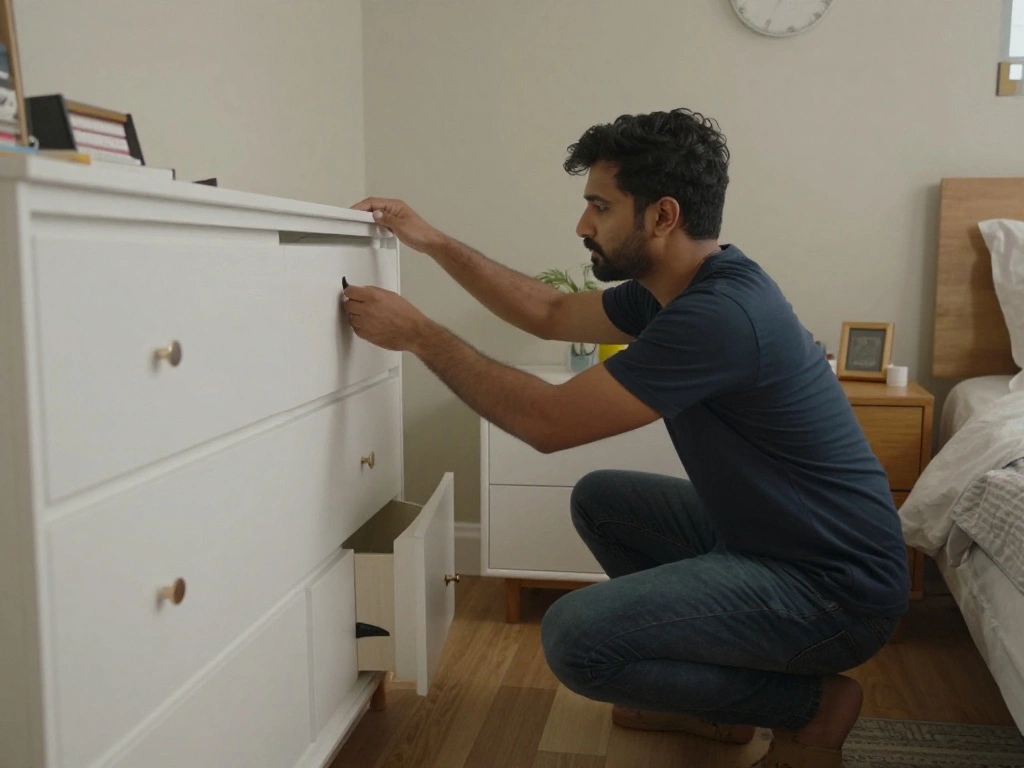
After the bed, position other large furniture items, such as the dresser and nightstand. This helps establish the core layout of the room.
- Place the dresser along a wall, preferably opposite the bed.
- Position the nightstand within easy reach of the bed.
- Leave enough space to open drawers and cabinets.
Pro Tip: Consider using a tall dresser instead of a wide one to save floor space.
Why this matters: Proper placement of large furniture maximizes utility without overwhelming the space.
Time estimate for this step: 30 minutes.
Step 6: Utilize Vertical Space
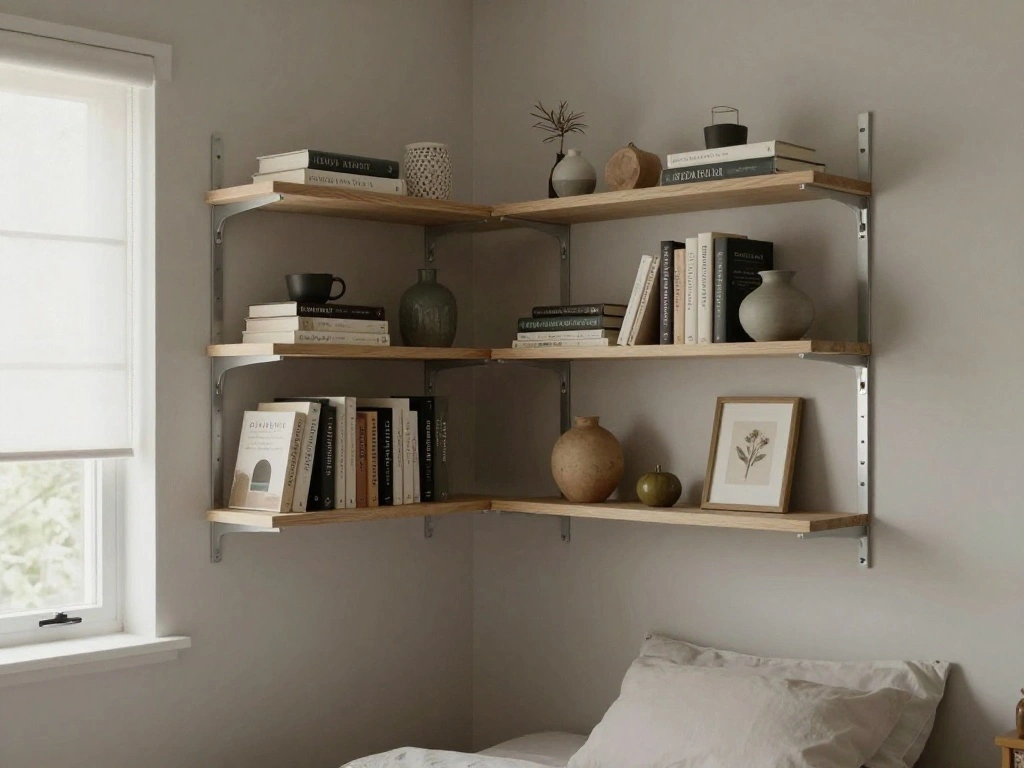
In small bedrooms, utilizing vertical space is critical. This includes walls and corners where you can add shelves or hooks.
- Add floating shelves above the bed or dresser for books and decor.
- Install hooks on the walls for bags or accessories.
- Consider a tall bookshelf to hold books and decorative items.
Pro Tip: Use decorative boxes on shelves to keep items organized and visually appealing.
Why this matters: Vertical storage creates more floor space and keeps the room organized.
Time estimate for this step: 30 minutes.
Step 7: Add Lighting and Decor
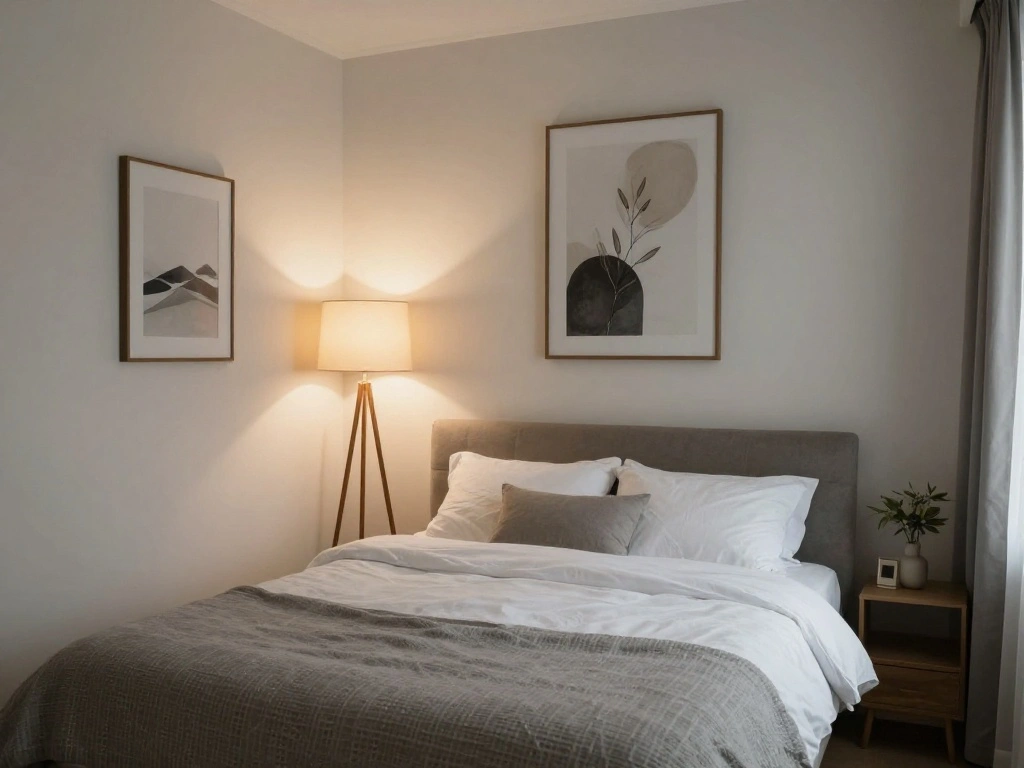
Now that the furniture is positioned, it’s time to add lighting and decor to enhance the ambiance of your room.
- Choose a ceiling light that provides ample illumination.
- Add bedside lamps for reading and ambiance.
- Incorporate personal decor, like artwork or plants, to make the space feel inviting.
Pro Tip: Use mirrors to create the illusion of a larger space and reflect light.
Why this matters: Thoughtful lighting and decor create a warm, welcoming atmosphere.
Time estimate for this step: 30 minutes.
Step 8: Organize Storage Solutions
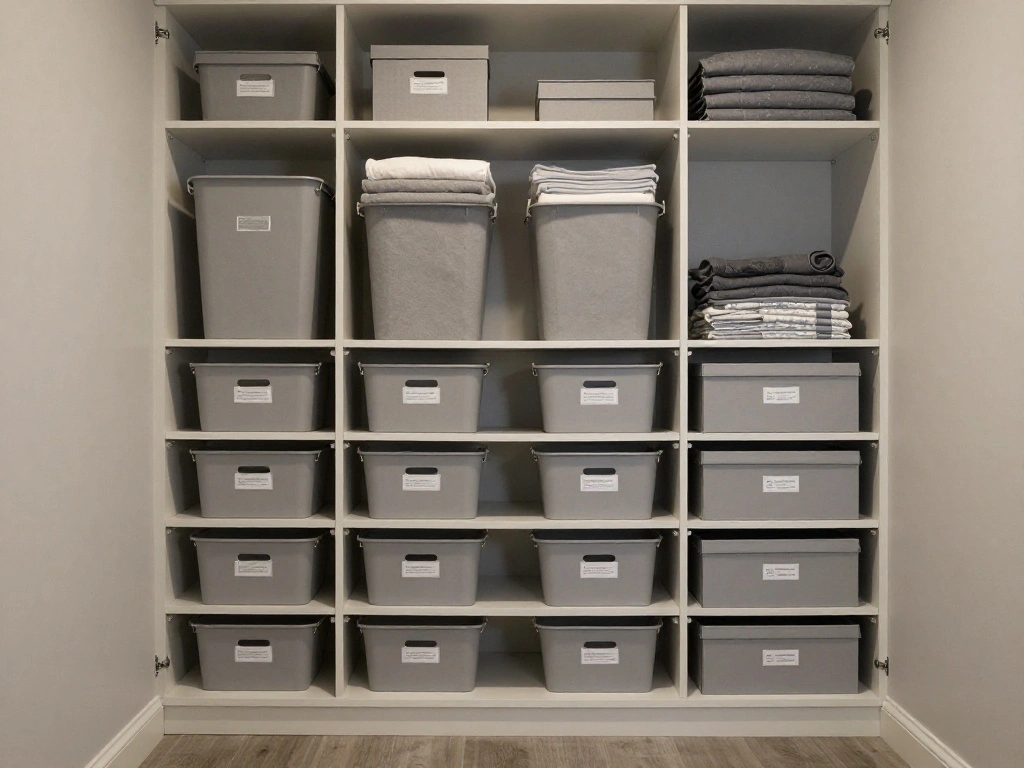
Finally, organize storage solutions to keep your small bedroom tidy. This will help you maintain the efficient layout you’ve created.
- Use under-bed storage for seasonal clothing or shoes.
- Incorporate bins or baskets in the closet for smaller items.
- Label boxes to make finding things easier.
Warning: Avoid overcrowding storage spaces, as this can lead to clutter.
Why this matters: Well-organized storage keeps your bedroom functional and visually pleasing.
Time estimate for this step: 30 minutes.
Step 9: Assess and Adjust
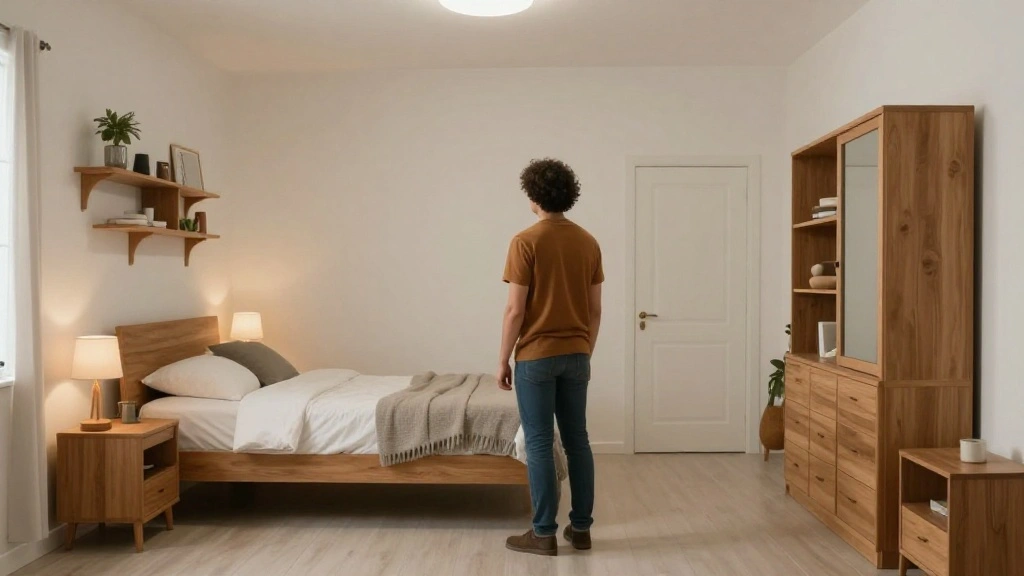
Once everything is arranged, take a step back and assess the overall layout. Make adjustments as necessary to improve flow and comfort.
- Walk around the room to see if there are any obstructions.
- Check if furniture is easy to access and use.
- Consider moving items around if the space feels cramped.
Pro Tip: Live with the arrangement for a few days before making permanent changes.
Why this matters: Assessing your layout ensures that it meets your needs and enhances the functionality of the space.
Time estimate for this step: 20 minutes.
Pro Tips
- Maximize Natural Light: Keep window areas clear to let in light, making the space feel larger.
- Choose Light Colors: Use light paint colors for walls and furniture to create an airy feel.
- Invest in Quality Furniture: Opt for durable, stylish pieces that stand the test of time.
- Be Mindful of Scale: Choose furniture that is appropriately sized for your space to avoid overwhelming it.
- Regularly Declutter: Keep only what you need to maintain an organized and spacious environment.
Common Mistakes to Avoid
Warning: Avoid overcrowding your room with too much furniture. This can make the space feel cramped and uncomfortable. Instead, prioritize essential items and leave open spaces for movement.
Warning: Don’t block pathways with furniture, as this disrupts flow and accessibility. Ensure there are clear walking paths around the room.
Warning: Avoid dark color schemes that can make a small room feel even smaller. Stick to lighter, brighter colors for a more open appearance.
Troubleshooting Section
Problem: The room feels too crowded after arranging furniture.
Solution: Remove one or two non-essential items and reassess the layout for better flow.
Problem: You can’t open drawers or closet doors.
Solution: Shift furniture slightly to allow for easy access.
Problem: The bed blocks the window.
Solution: Consider a different bed position or a loft bed to maximize light.
Variations/Alternative Methods
Consider these alternative methods for arranging your small bedroom:
- Loft Bed: If you have high ceilings, a loft bed frees up floor space for a desk or seating area.
- Murphy Bed: This foldable bed option is perfect for multifunctional spaces, allowing you to use the room for other activities during the day.
- Corner Desk: If you need a workspace, a corner desk can fit snugly without taking up too much room.
FAQs
What if I don’t have a lot of furniture? Focus on multifunctional pieces to maximize the limited space you have.
How long should I wait to rearrange furniture again? It’s best to live with your arrangement for at least a month to see how it works before making changes.
Is it safe to hang shelves in my room? Yes, as long as you securely mount them to the wall studs to ensure they can hold weight.
Conclusion
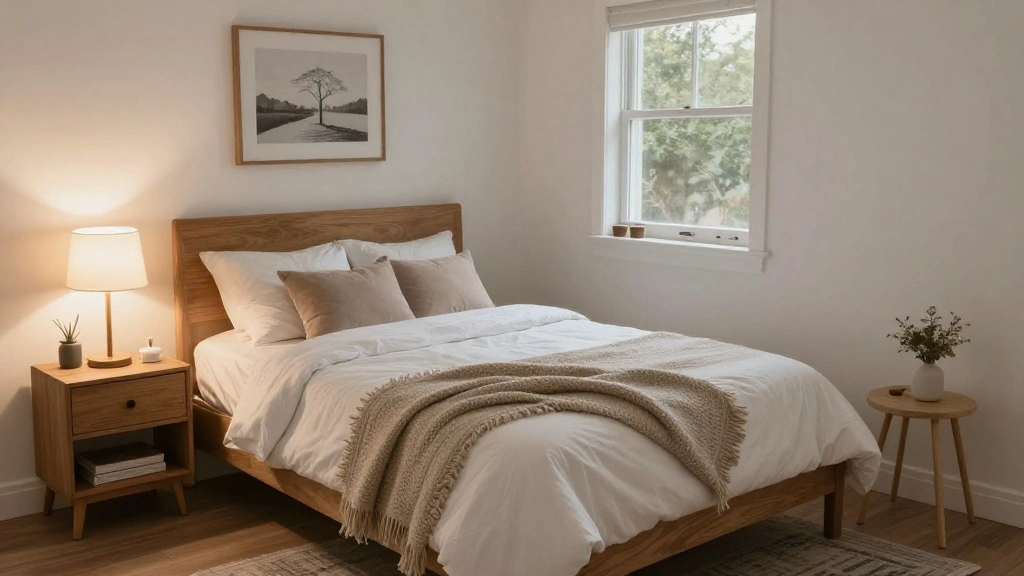
Congratulations! You’ve successfully arranged your small bedroom for maximum space efficiency. By following these steps, you’ve created a functional and inviting space that reflects your style.
Now that your bedroom is optimized, consider exploring additional decor options or organizing other areas in your home. Remember, a well-arranged space not only looks great but also promotes relaxation and comfort.
Keep enjoying your newly arranged bedroom, and don’t hesitate to revisit your layout as your needs change!