
Creating a living room that’s both functional and inviting can feel overwhelming, especially when you have limited space. You might find yourself scrolling through countless decor blogs, searching for that perfect arrangement that effortlessly balances style and practicality. That’s exactly why I put together this guide. I want to help you transform your small living room into a cozy oasis where you can relax, entertain, or simply enjoy your favorite book.
If you’re someone who loves home decor but struggles with furniture placement in smaller areas, this post is made for you. Whether you’re a first-time homeowner, an apartment dweller, or just looking to refresh your space, you’re in good company. I know how important it is to optimize your layout while keeping a warm and welcoming feel.
In this guide, you’ll discover 15 innovative living room sofa and chair layout ideas that create a balanced flow. These ideas are practical, stylish, and easy to implement. From cozy corner retreats to mobile furniture arrangements, you’ll find solutions that make the most out of your space without sacrificing comfort or aesthetics. Get ready to rethink your living room arrangement with tips that are not only visually appealing but also functional!
Key Takeaways
– Discover 15 unique living room sofa and chair layout ideas that optimize small spaces while enhancing comfort.
– Learn how to create cozy corner retreats and multi-use arrangements that fit your lifestyle.
– Explore design strategies like focusing on a focal point and layering textures to make your space feel inviting.
– Get practical insights on maximizing flow and functionality, ensuring every inch of your living room is used effectively.
– Find out how to incorporate seasonal decor shifts that keep your space fresh and reflective of your personal style.
How I Create a Balanced Sofa and Chair Layout for Smooth Flow
When I plan a living room layout with both a sofa and chairs, I always start with movement rather than furniture. A room can look beautiful but still feel awkward if people have to walk around seating in an unnatural way. That’s why I think of layout as traffic design. Studies in interior space planning often suggest that clear walkways of at least 30–36 inches help rooms feel comfortable and easy to navigate, and I use that guideline as my baseline.
I usually begin by identifying the room’s natural focal point, whether it’s a fireplace, TV, window, or even a large piece of art. Once that’s clear, I position the sofa as the anchor facing it. Chairs then act as flexible connectors rather than fixed objects. I avoid pushing all furniture against walls unless the room is very small, because floating layouts tend to create better visual balance and encourage conversation.
Scale and spacing matter more than symmetry. In most living rooms, keeping 16–18 inches between seating and the coffee table feels comfortable for daily use. If chairs feel too far away from the sofa, the layout starts to feel disconnected. I’ve found that angling chairs slightly toward the sofa softens the arrangement and makes the space feel more welcoming without forcing strict symmetry.
Instead of trying to fill every corner, I leave intentional breathing room. Negative space is what allows the sofa and chairs to work together rather than compete, and that’s what ultimately creates a sense of balanced flow.
Budget, Practical Considerations, and Common Layout Mistakes I Avoid
From a budget standpoint, layout decisions often save money rather than add cost. In many cases, improving flow doesn’t require new furniture at all. However, when pieces do need upgrading, I’ve found that a solid mid-range sofa usually falls between $1,200 and $2,500, while accent chairs range from $300 to $700 each. Investing in fewer, better-scaled pieces often works better than crowding the room with cheaper furniture.
Material and weight also affect how flexible a layout can be. Lighter chairs are easier to reposition, which is helpful for social gatherings or multi-use spaces. Furniture research consistently shows that well-balanced layouts extend furniture lifespan because pieces aren’t constantly dragged or forced into tight positions.
One common mistake I’ve learned to avoid is prioritizing aesthetics over function. A layout that looks perfect in photos can feel uncomfortable if seating is too far apart or pathways are blocked. Another issue is oversizing furniture. Large sofas paired with bulky chairs quickly overwhelm average-sized living rooms and disrupt flow.
I now focus on proportion, circulation, and flexibility first, then refine the look with rugs, lighting, and accents. This approach consistently results in living rooms that feel calm, practical, and naturally balanced rather than staged or crowded.
1. The Cozy Corner Retreat
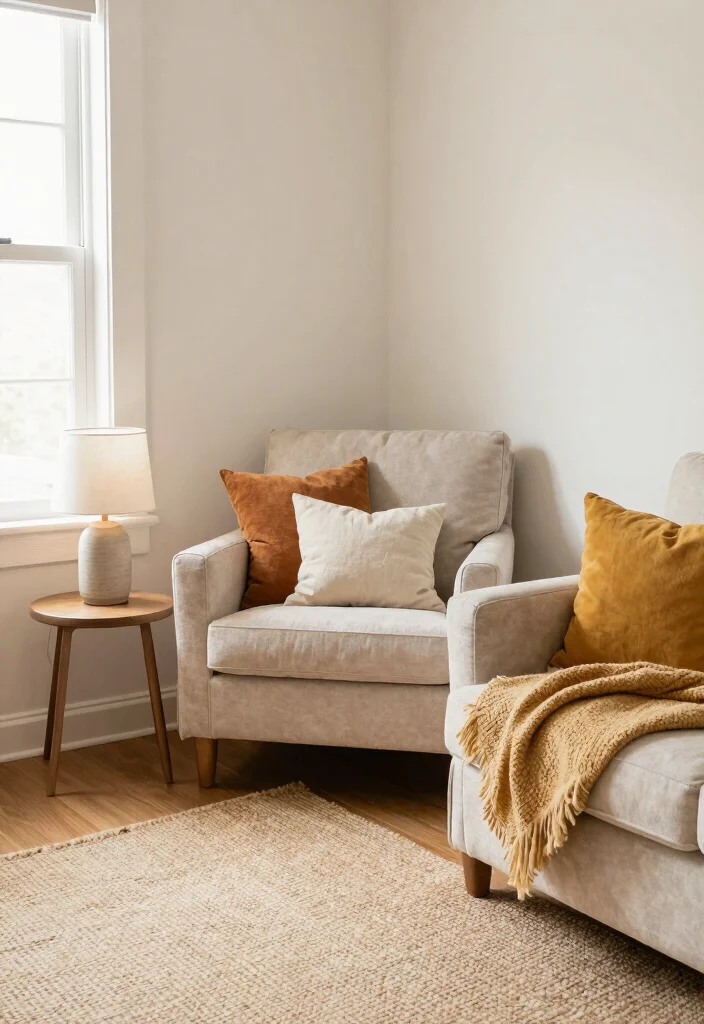
Creating a cozy corner in your living room can infuse warmth and intimacy into the space. By positioning a soft armchair in the corner, paired with a small side table and a stylish lamp, you can craft a reading nook that beckons relaxation. Complement this setup with a compact sofa facing the opposite wall, allowing for an open and inviting atmosphere.
This arrangement maximizes your space while ensuring the center remains free for movement. Incorporate inviting textiles like plush throws and colorful cushions to enhance comfort and style.
Consider these tips to create your cozy retreat:
– Pair a soft armchair with a whimsical side table.
– Install a warm lamp to create a soothing glow.
– Use light colors to keep the area airy and bright.
– Incorporate mirrors to create a sense of depth and openness.
This setup not only establishes a charming focal point but also transforms your living room into a welcoming haven for relaxation and conversation.
Fun fact: In small living rooms, a cozy corner boosts perceived space by up to 40%. Pair a compact sofa facing away from the corner with a comfy armchair and a lamp, creating a practical living room sofa and chair layout that invites relaxation.
2. L-Shaped Sofa for Maximum Space
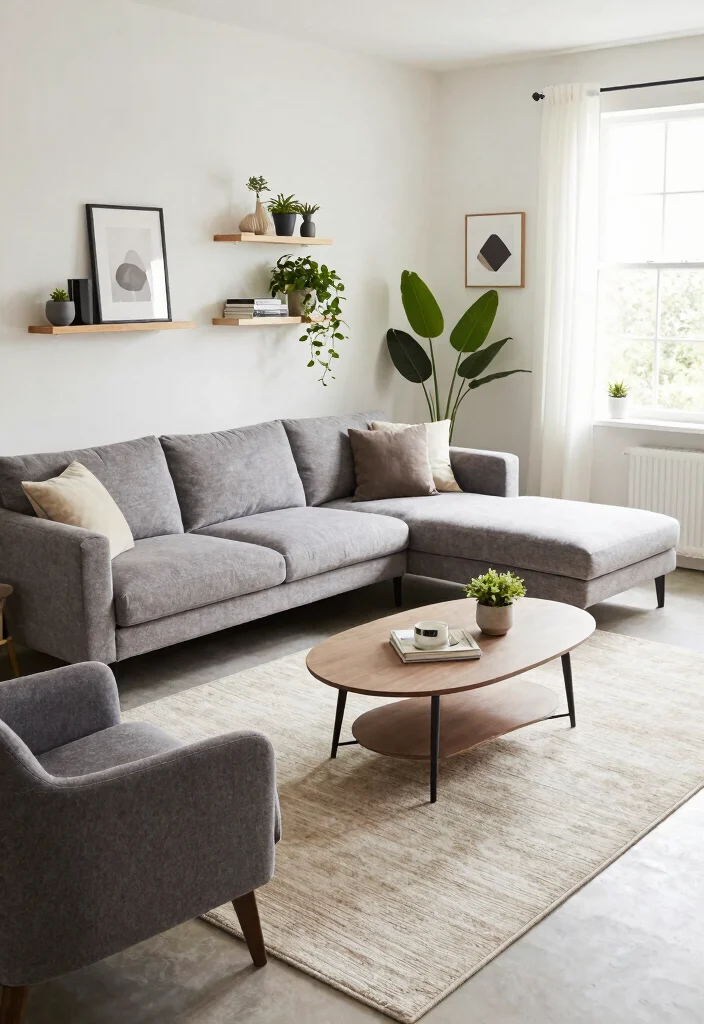
An L-shaped sofa is an excellent choice for enhancing space in smaller living rooms. By positioning it snugly in a corner, you open up the central area for a more fluid layout, promoting easy movement. Pairing this with a couple of accent chairs across from the sofa creates a balanced arrangement that encourages lively conversations.
This layout can be complemented with a coffee table that is easily accessible from all seating areas, maintaining a cozy yet practical setting. To add warmth, decorate with stylish throws and cushions that enhance the inviting feel.
Utilize these pro tips for your L-shaped setup:
– Choose multifunctional furniture like an ottoman for extra storage.
– Use a light area rug to define the seating space without crowding it.
– Opt for a sectional with built-in storage to maximize utility.
This arrangement not only anchors the room but also creates a defined space for gatherings, making it suitable for both modern and traditional decor styles.
3. Symmetrical Sofa and Chair Arrangement
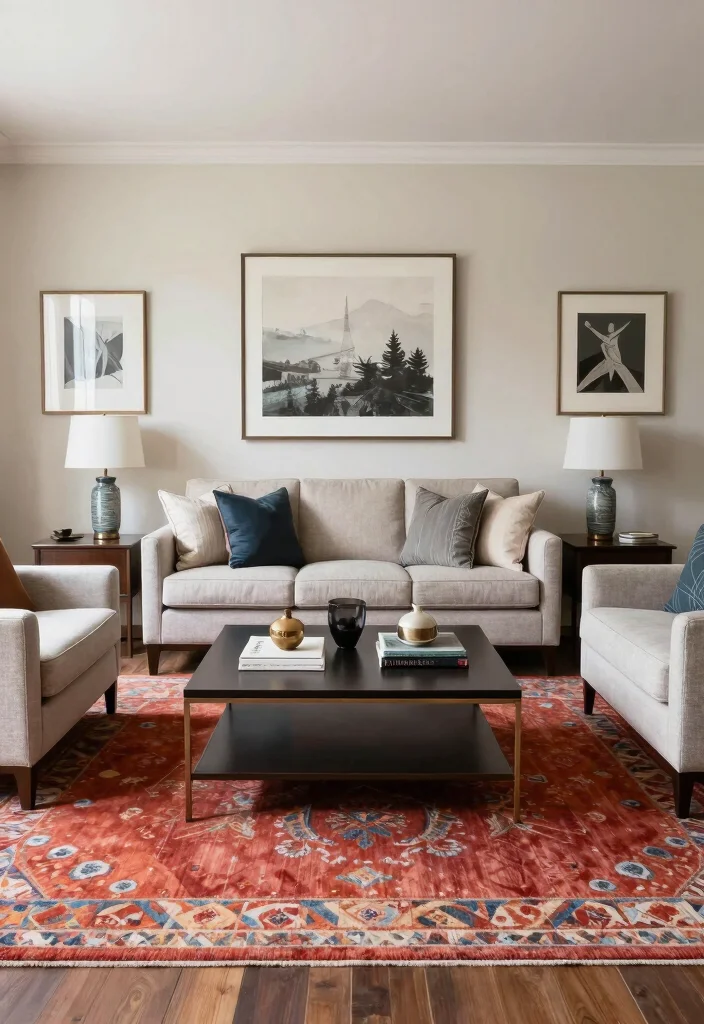
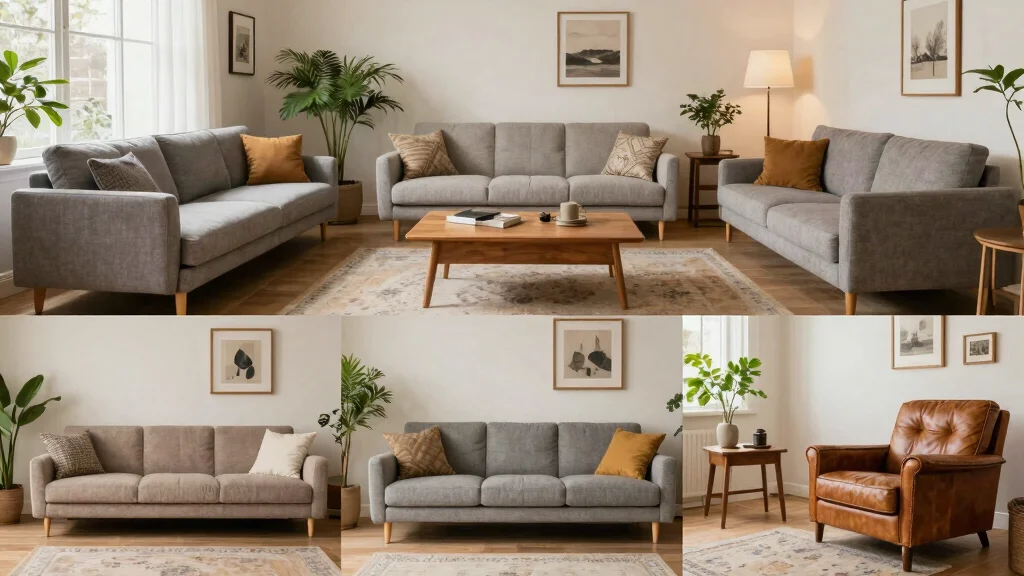
Symmetry in your living room layout brings a sense of balance and harmony. Arranging a sofa with two identical chairs on either side creates an inviting setup, perfect for hosting guests. A rectangular coffee table at the center ensures everyone has easy access to snacks and drinks, enhancing the overall experience.
This design works beautifully in larger spaces but can also be adapted for smaller rooms by selecting appropriately scaled furniture. Maintaining equal distances between pieces creates a clean and organized look.
Here are some key points to consider:
– Keep all furniture at equal distances for a polished appearance.
– Use a statement piece, like a large artwork, to add character.
– Ensure clear pathways around the seating for easy movement.
This symmetrical arrangement not only provides a visually appealing aesthetic but also makes smaller spaces feel more organized and inviting.
4. The Floating Sofa Concept
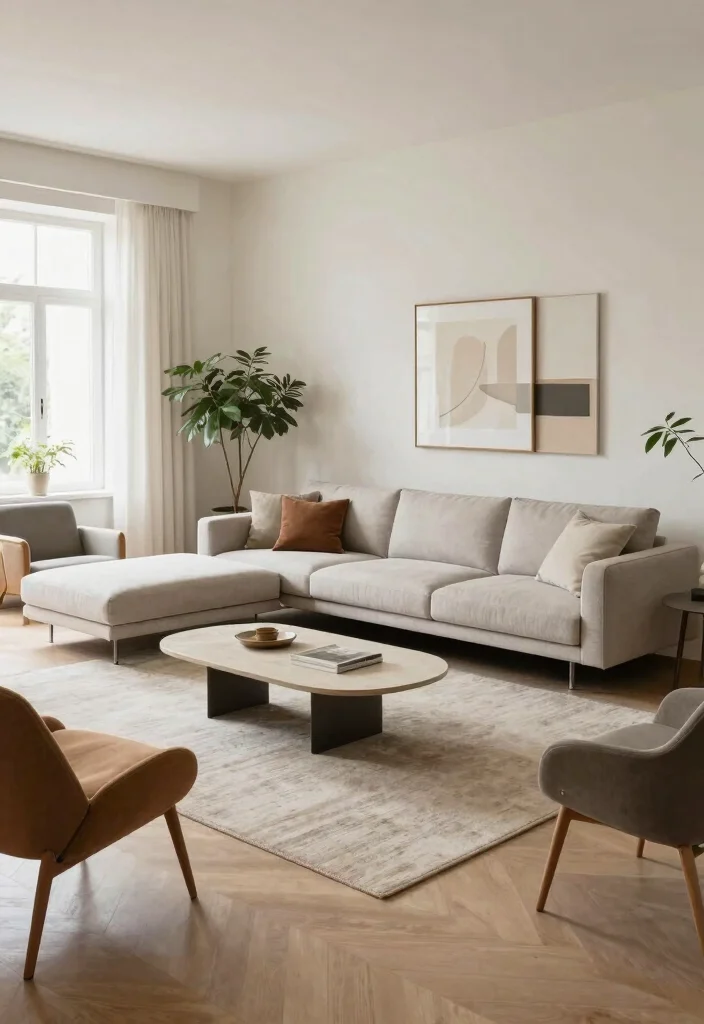
Floating your sofa in the center of the living room is a bold choice that adds instant visual interest. This arrangement encourages conversation by opening up the space from all sides, making it feel more inviting. Accompany the sofa with chairs or poufs on the opposite side to maintain balance and harmony.
Keeping the back of the sofa open invites more light and movement into the room, while a well-placed rug can help define the area.
Use these design tips for a successful floating layout:
– Choose low-profile furniture to avoid overwhelming the space.
– Consider a coffee table with a light design to maintain an airy feel.
– Layer in lighting with floor lamps to enhance the open vibe.
This innovative approach not only encourages interaction among guests but also helps divide larger rooms into distinct yet functional areas.
5. Mobile Furniture Arrangements
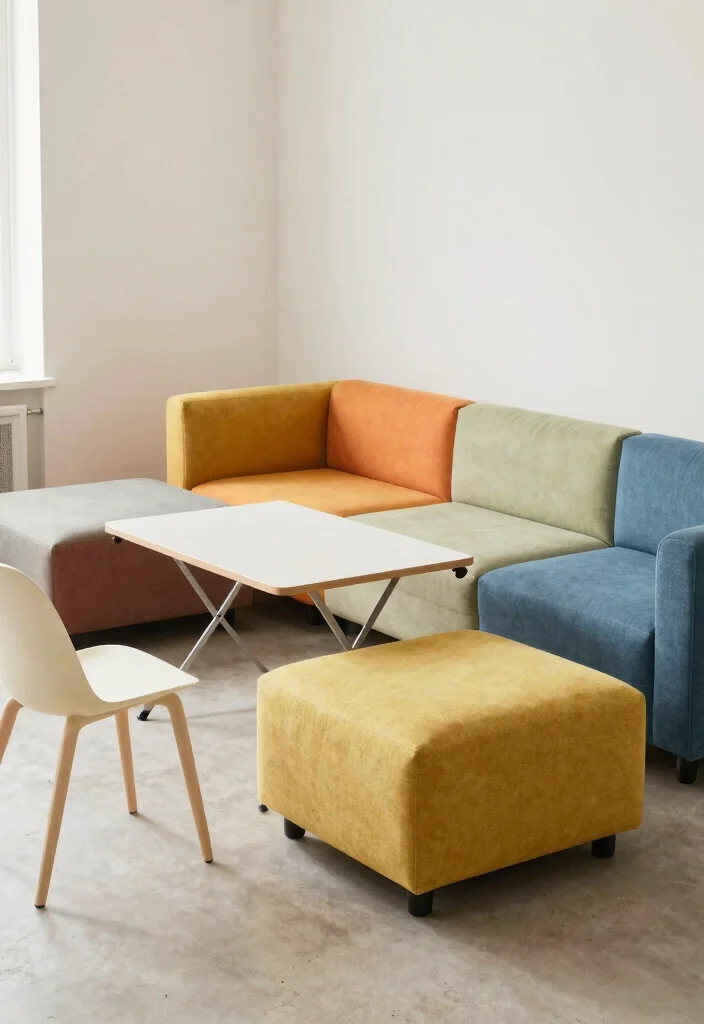
Versatility is key in small spaces, and mobile furniture can make all the difference. Opt for lightweight chairs and modular sofas that can be easily rearranged to suit your needs. This flexibility fosters a communal feel when entertaining, allowing you to create a welcoming environment with ease.
Embracing a fluid layout enables you to change the atmosphere whenever you desire, keeping your space dynamic and fresh.
Consider these tips for a flexible arrangement:
– Choose furniture on wheels for effortless movement.
– Use storage ottomans that can double as seating or tables when needed.
– Invest in collapsible tables for easy storage when not in use.
This approach allows for a dynamic living space, promoting functionality without sacrificing style or comfort.
6. Multi-Use Spaces
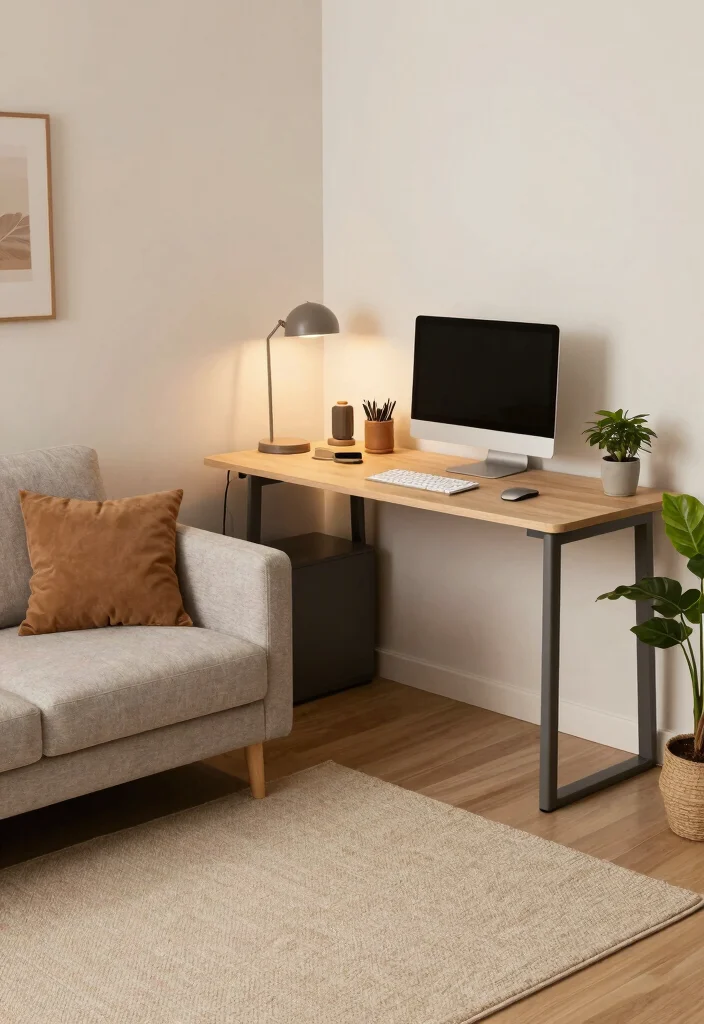
In compact apartments, merging your living room with a home office can be highly effective. Selecting a sofa that doubles as a guest bed or a desk that tucks away neatly can optimize functionality without sacrificing comfort. Arranging seating to face both the TV and your workspace allows for seamless transitions between relaxation and productivity.
Prioritizing multi-functional furniture ensures your space remains stylish and practical.
Here are some tips for creating a multi-use layout:
– Choose furniture that serves multiple purposes to maximize space.
– Use room dividers such as bookshelves for visual separation.
– Incorporate decorative storage solutions to keep everything organized.
A well-planned multi-use layout adds versatility to your daily life while maintaining a stylish atmosphere in your home.
7. Create a Focal Point
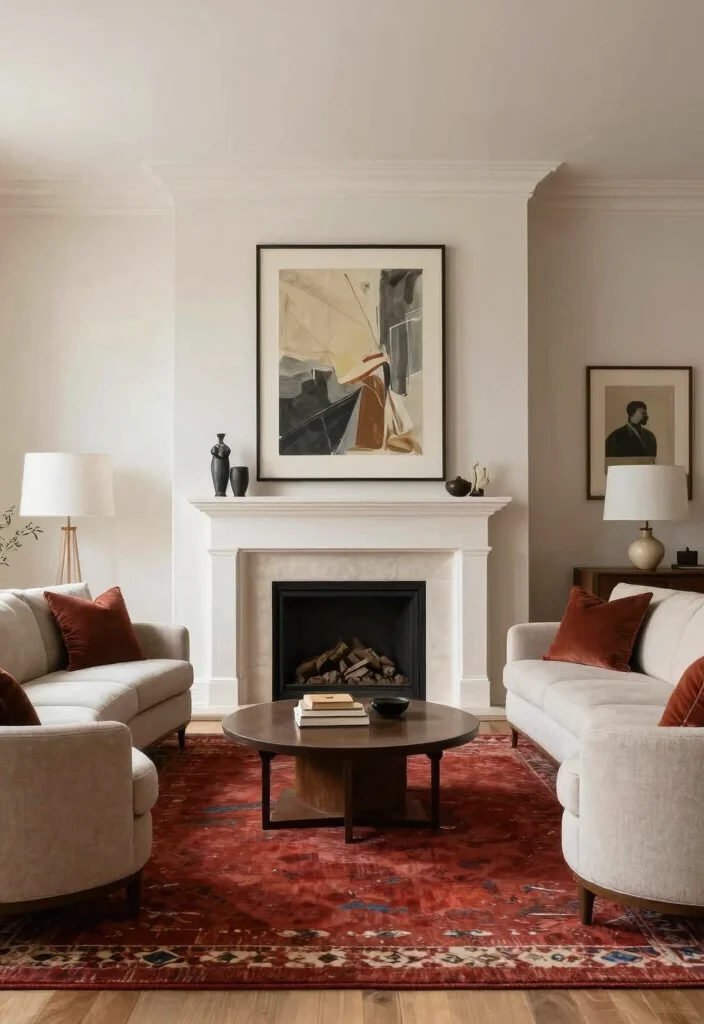
Establishing a focal point in your living room is crucial for creating visual interest. Whether it’s a striking piece of art, a cozy fireplace, or a stunning window, arranging your seating to face this feature draws attention and encourages flow. Positioning your sofa and chairs in this manner fosters an engaging environment, perfect for both relaxation and conversation.
To enhance your focal point, consider these design elements:
– Use a bold rug to draw attention to the center of the room.
– Create depth with an accent wall behind the focal feature.
– Avoid cluttering the area with too many accessories to maintain focus.
A well-defined focal point brings energy and purpose to your living space, enhancing its overall aesthetic appeal.
8. Open-Ended Layouts
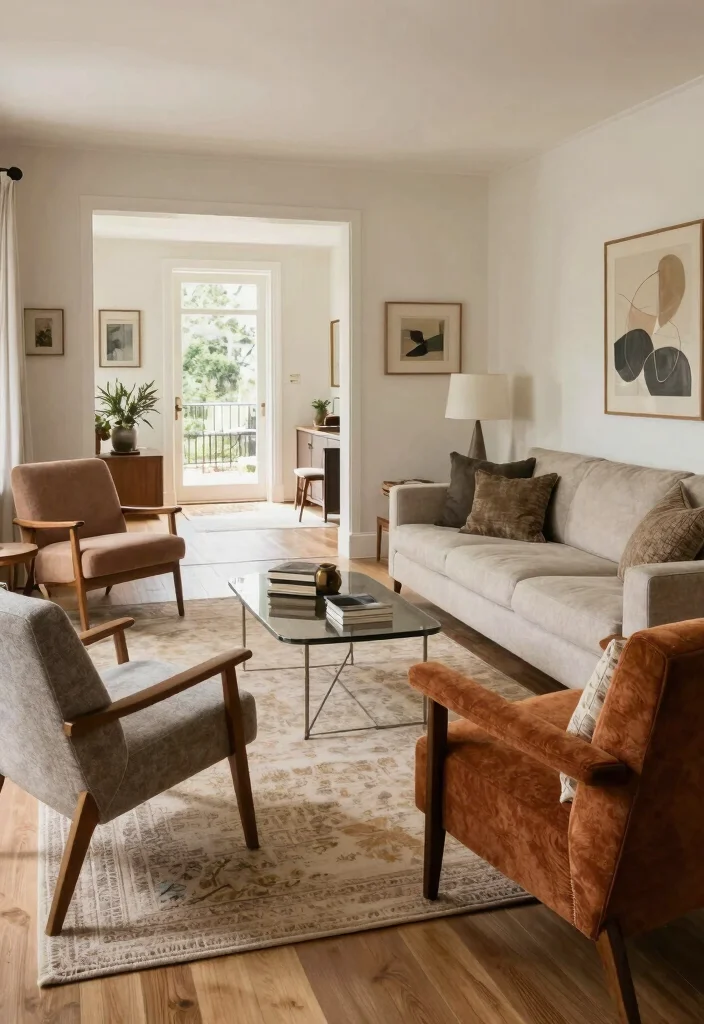
Open-ended layouts can visually expand your small living room while promoting flow. Arranging your sofa parallel to an entryway or an adjacent room creates a warm and inviting transition. By angling chairs slightly toward each other, you encourage dynamic interactions that make guests feel welcomed.
This kind of layout helps guide movement through the space, creating a larger and more connected environment.
Consider these tips for an effective open-ended layout:
– Use low-profile furniture to maintain clear sightlines.
– Layer in various textures to add depth and visual interest.
– Keep decor cohesive to prevent visual clutter.
This arrangement provides a seamless flow between spaces, enhancing both the design and atmosphere of your home.
Open-ended layouts can make a space feel 20-30% larger by guiding traffic and sightlines. In small living rooms, positioning the sofa parallel to an entry and angling chairs toward each other invites natural flow and conversations—perfect for a balanced living room sofa and chair layout.
9. Layered Textures for Comfort
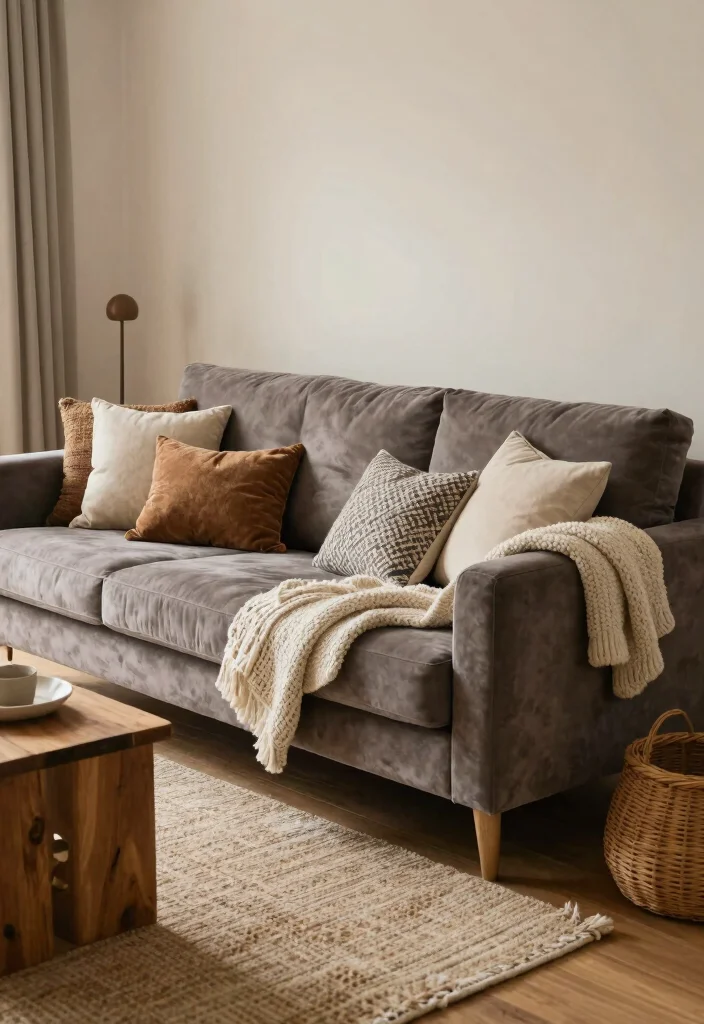
Incorporating layered textures in your furniture layout creates a warm and inviting atmosphere, especially in a small living room. Mixing materials like plush velvet, soft cotton, and natural wicker can elevate the visual appeal while ensuring a cozy environment. Adding cushions and throws enhances comfort, while a textured rug underfoot grounds your layout beautifully.
To effectively layer textures, consider these suggestions:
– Combine smooth sofas with knitted throws for intriguing contrast.
– Use patterned pillows against solid seating to add depth.
– Choose mixed materials in your furniture selections, like a leather sofa paired with fabric chairs.
A rich texture palette not only invites relaxation but also enhances the overall aesthetic, making your living room feel more inviting.
How To Choose the Right Living Room Sofa and Chair Layout
Choosing the right layout for your living room sofa and chair setup can make a world of difference in how you use the space. A well-thought-out arrangement enhances flow, maximizes comfort, and adds to the overall aesthetic. Here are some key factors to consider when planning your living room arrangement.
1. Size Matters
Before you start picking furniture, measure your living space. You need to know the dimensions of your room to choose the right size sofa and chairs. Consider how much walking space you’ll need between furniture pieces. A general rule is to leave at least 30 inches of space for walking. If you have a small living room, opt for a sectional or a smaller sofa to create a cozier feel.
2. Functionality
Think about how you use your living room. Do you entertain often, or is it mainly a place for relaxation? If you host guests frequently, a layout that encourages conversation is ideal. Place sofas and chairs in a U-shape or close together to create an inviting atmosphere. For a family movie night, consider a layout that focuses on the TV while still allowing for a cozy seating arrangement.
3. Traffic Flow
Consider how people move in and out of the room. Ensure your layout allows easy access to all areas without creating bottlenecks. Aim for a natural flow from one room to another. If your living room connects to other spaces, like a dining area, keep pathways clear. This will make your home feel more spacious and welcoming.
4. Focal Point Creation
Every living room needs a focal point, whether it’s a fireplace, a piece of artwork, or a TV. Position your sofa and chairs to highlight this feature. It will give the room a sense of purpose and direction. For example, if you have a fireplace, arrange seating around it to create a cozy gathering space. This draws people in and encourages conversation.
5. Layering and Textures
Incorporate different textures and materials to create a layered look that adds depth and interest. Mixing soft fabrics with harder surfaces can create a cozy and inviting atmosphere. Use throw pillows and blankets to add softness to your seating. You can also use rugs to define areas within an open layout, creating a sense of warmth and comfort.
6. Personal Style
Your layout should reflect your personal style. Choose colors, patterns, and furniture that resonate with your taste. Whether you prefer modern minimalist or classic cozy, ensure your selections make you feel at home. Don’t hesitate to incorporate statement pieces that express your personality, such as an artistic chair or a colorful sofa.
Pro Tip: Before finalizing your layout, use painter’s tape to outline your furniture dimensions on the floor. This gives you a visual representation of how different arrangements will work in your space. Moving things around can help you decide what feels best before making any purchases.
By considering these factors, you can create a living room sofa and chair layout that balances flow, comfort, and your unique style. Happy decorating!
10. Incorporating Color with Accents
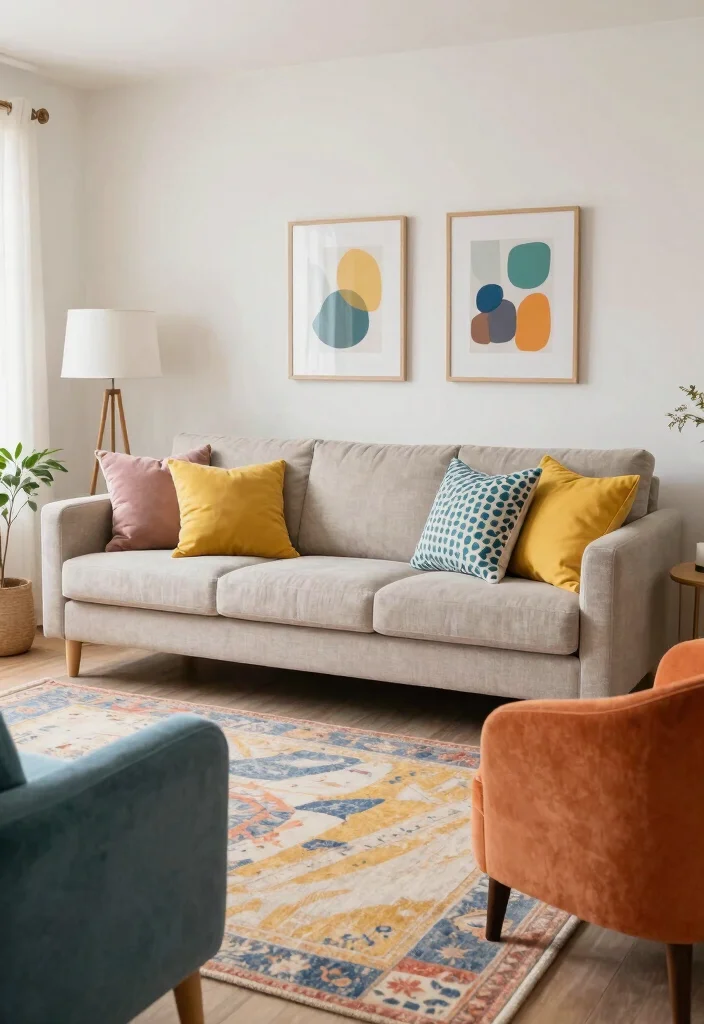
Infusing vibrant pops of color through your sofa and chair layout can breathe life into a small living room. A neutral base allows for bright accent chairs or lively cushions that uplift the mood and create excitement. Selecting a cohesive color scheme that complements your overall decor helps maintain visual harmony throughout the space.
For effective color integration, try these tips:
– Use a color wheel to find complementary hues for a balanced palette.
– Limit your color selections to a few key shades for a streamlined appearance.
– Incorporate color through accessories like vibrant vases or eye-catching artwork.
Color can dramatically alter the ambiance of your living space, making it feel more personalized and enjoyable.
11. Statement Furniture Pieces
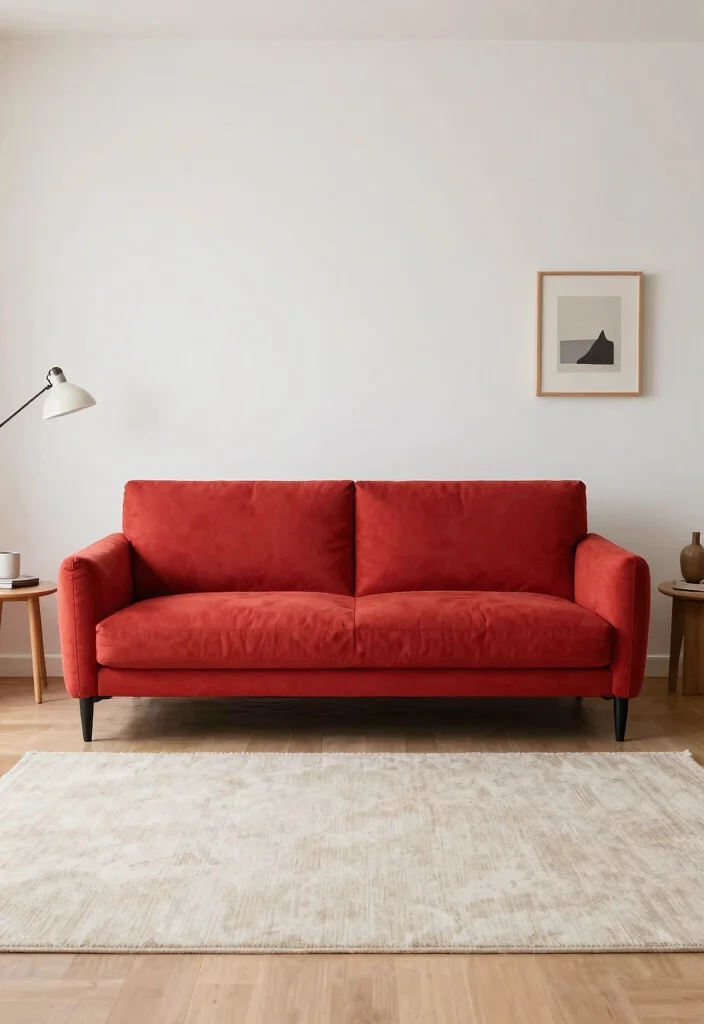
In smaller living rooms, a single statement piece can significantly elevate the overall atmosphere. This might be a uniquely designed sofa or an eye-catching chair that becomes the focal point of the room. By arranging the surrounding furniture around this standout piece, you allow it to shine while maintaining functionality.
To enhance your design, keep smaller complementary pieces simple to avoid overwhelming the space.
Here are some key points to consider:
– Choose statement pieces that reflect your unique personality and style.
– Keep surrounding furniture understated to maintain focus on the statement piece.
– Use accessories to complement the standout item without competing for attention.
A carefully selected statement piece can make your living room feel curated and intentional, adding character and charm.
12. Use of Natural Elements
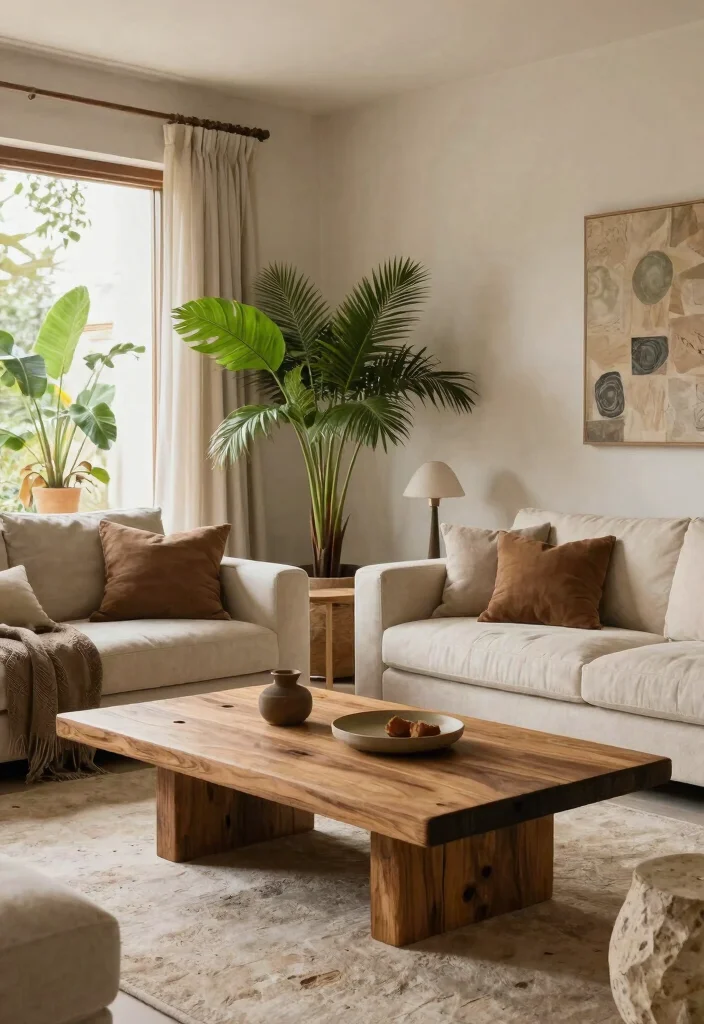
Incorporating natural elements like wood, stone, or plants can significantly enhance the aesthetic and comfort of your living room. A wooden coffee table or stone accents provide a grounding effect, while vibrant plants introduce life and freshness. Arranging your seating around these natural features promotes a cozy and organic flow throughout the layout.
To effectively use natural elements, consider these tips:
– Use live plants for a burst of color and improved air quality.
– Choose furniture made from natural materials for a cohesive look.
– Incorporate earthy tones in your decor for warmth and serenity.
Natural elements create a serene ambiance, perfect for a living area designed for relaxation and comfort.
13. Focus on Functionality
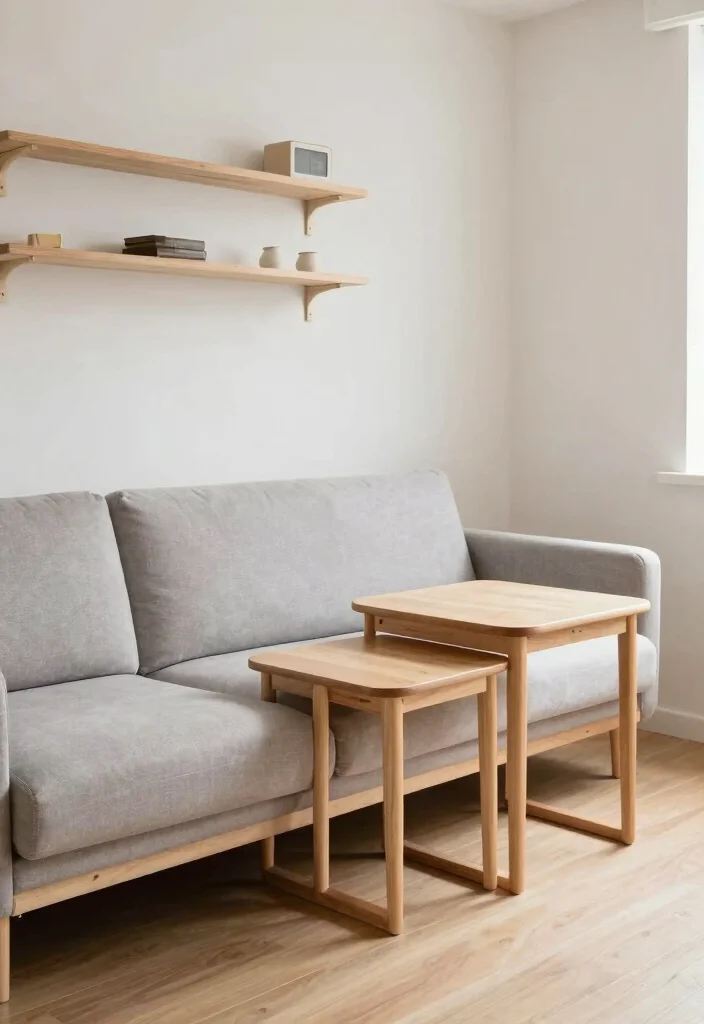
Functionality should be at the heart of your living room sofa and chair layout, especially in smaller spaces. Consider how you use the space daily while planning your arrangement, ensuring comfort and usability are prioritized. Allow for ample movement while keeping essential items easily accessible, which can be achieved with furniture that includes storage options.
Here are some functional ideas to enhance your layout:
– Choose a sofa with built-in storage for blankets or pillows.
– Use nesting tables that can expand according to your needs.
– Incorporate floating shelves to keep surfaces clear and display decor beautifully.
A focus on functionality enhances daily living, making your space more enjoyable and reducing clutter for a serene environment.
14. Minimalist Yet Cozy
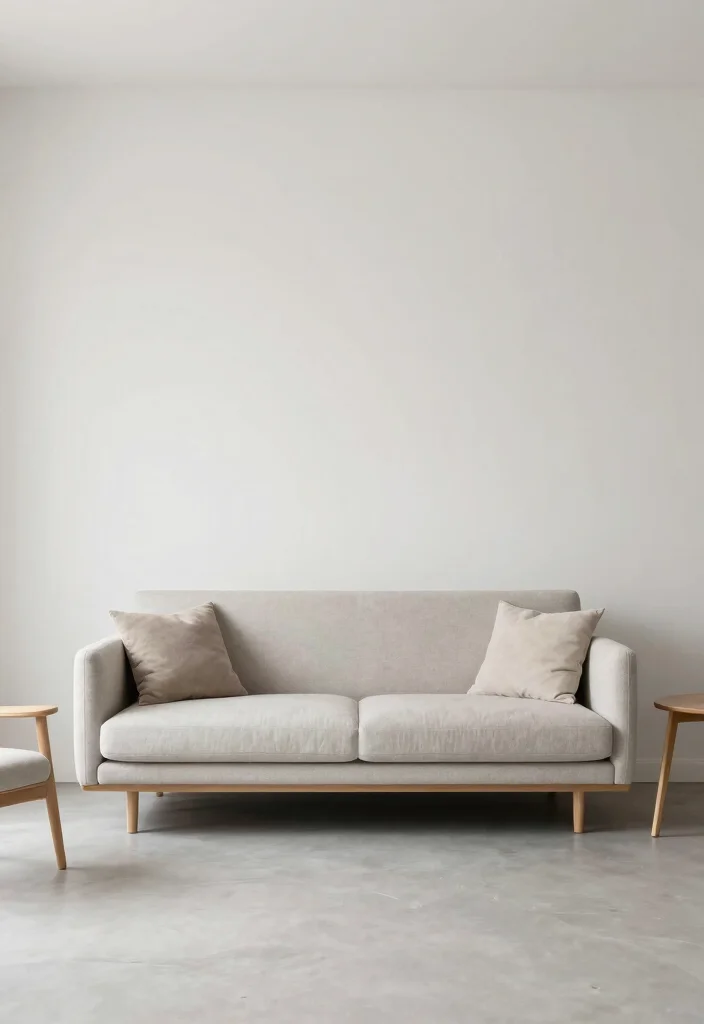
Embracing minimalism doesn’t mean sacrificing comfort in your living room. A minimalist approach can create a spacious feel while maintaining an inviting atmosphere. Opt for a streamlined sofa paired with a few essential cushions and select chairs that complement the overall design.
The key lies in reducing excess clutter and focusing on quality over quantity, using decor that enhances without overwhelming the space.
Here are some minimalist tips to keep in mind:
– Stick to a simple color palette for a clean and refreshing appearance.
– Limit decorative items to a few meaningful pieces that reflect your style.
– Use multifunctional furniture to keep essentials at hand while avoiding clutter.
Minimalism promotes a calm and peaceful atmosphere, ensuring your living room becomes a true retreat.
Minimalism isn’t about less stuff; it’s about smarter living. In a living room sofa and chair layout, fewer pieces mean more easy conversation, cozy flows, and a calmer vibe. Stick to essentials, add one soft cushion, and you’ve got space that invites relaxing.
15. Seasonal Decor Shifts
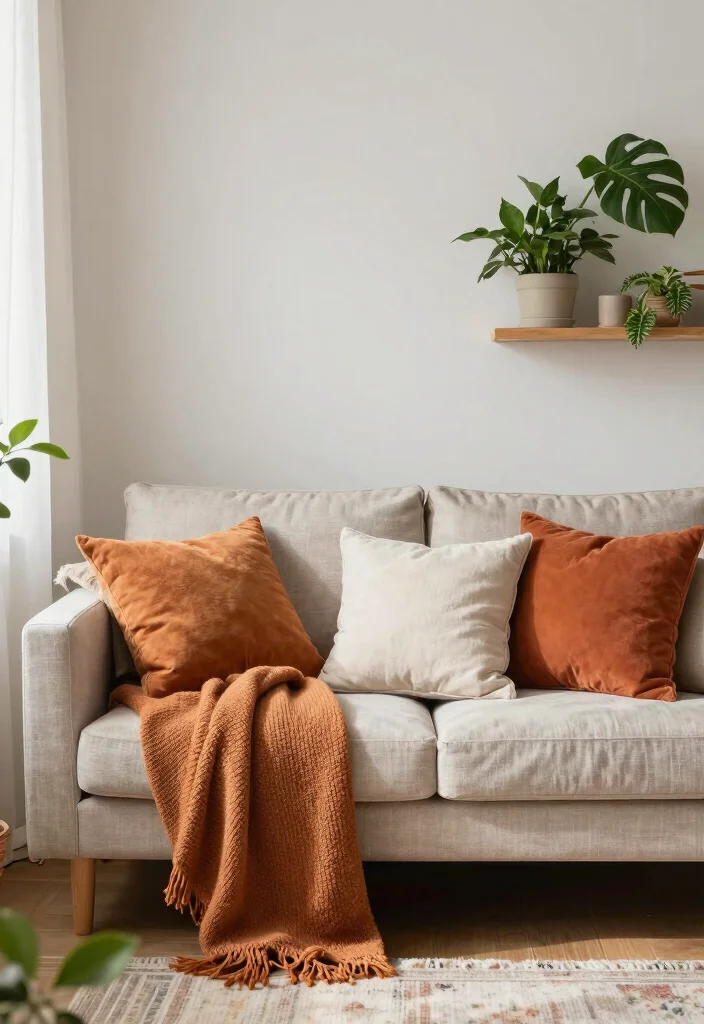
Changing your living room decor with the seasons can rejuvenate the space without extensive renovations. Incorporating seasonal colors and textures into your sofa and chair layout can make your environment feel fresh and inviting. In winter, opt for rich fabrics; in summer, lighter colors and breezy materials can elevate the vibe.
Here are some tips for effective seasonal decor shifts:
– Swap out cushions and throws to match seasonal themes.
– Change decorative items to reflect the essence of the season.
– Use seasonal plants to keep the space lively and vibrant.
Seasonal shifts can keep your space looking engaging and fresh, enhancing your mood and creative control over your environment.
Conclusion
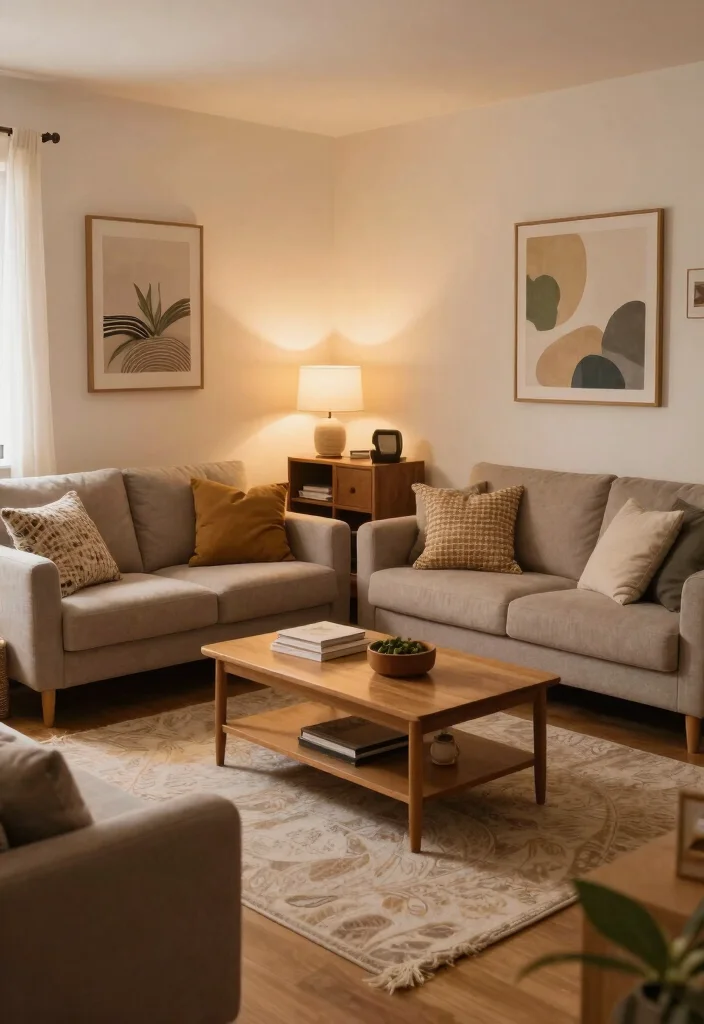
Choosing the right sofa and chair layout can significantly enhance your small living room’s ambiance and functionality.
By utilizing these 15 layout ideas, you can create a space that balances flow and comfort, making your living area both inviting and efficiently used.
Feel free to mix and match these designs while adding your personal touches to create a living room that truly feels like home!
Frequently Asked Questions
What are the best living room sofa and chair layout ideas for small spaces to create a balanced flow?
Small spaces benefit from layouts that balance traffic flow with comfortable seating.
Start with a clear focal point (tv, fireplace, art) and arrange a sofa and a pair of chairs to face it while keeping at least 30–36 inches of aisle behind seating.
Utilize compact or modular living room sofa and chair layout that fits your room’s shape.
Position the sofa against a wall if possible to open floor space, or use a curved or armless sofa to save footprint.
Create zones with a rug to define seating, but ensure the rug is large enough for all pieces.
Use space optimization by choosing multipurpose furniture like an ottoman that can be a coffee table or extra seating.
Keep the look light with leggy pieces and light colors to enhance openness.
How can I arrange my sofa and chairs to maximize space without making the room feel crowded?
Choose furniture that’s scaled for the room and keep traffic clear.
Try a main sofa against a wall and place two smaller chairs opposite it, leaving a clear path through the center.
Use a compact coffee table or an ottoman that can double as seating to save space.
Float seating only when you have good sightlines and a clear path; otherwise keep furniture grounded to maintain balance in living room arrangement and furniture placement ideas.
What interior design tips help with space optimization when placing a living room sofa and chairs?
Think rhythm, not clutter.
Choose a cohesive color palette and varied textures to create warmth without heaviness.
Define the seating area with a properly sized rug, align seating to a focal point, and ensure each piece has enough leg room.
Layer lighting (ambient, task, and accent) to make the space feel larger, and pick interior design tips that emphasize space optimization and a cozy living room setup.
What are common furniture placement mistakes to avoid in a small living room?
Common misses include blocking windows or doorways, choosing furniture that’s too large, and stacking seating without enough clearance.
Avoid mismatched scale that creates awkward gaps; make sure the rug fits under all seating and leaves space for walking.
Don’t forget the focal point—every layout should highlight it rather than hide it, and plan for easy access to power outlets and lighting.
How can I create a cozy living room setup with multiple seating options without sacrificing flow?
Mix one comfortable sofa with a couple of accent chairs and a versatile ottoman that can serve as coffee table or extra seating.
Keep seating arranged in a semi-circle around a central anchor so conversation is natural, and maintain at least 18–24 inches between chairs for easy movement.
Use warm textiles, soft lighting, and a balanced color palette to boost comfort while maintaining flow in cozy living room setup and living room arrangement.
Related Topics
home decor
small spaces
living room layout
furniture placement
cozy setup
space optimization
interior design tips
beginner friendly
functional design
minimalist style
quick tips
balanced flow