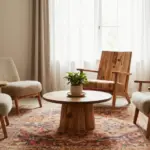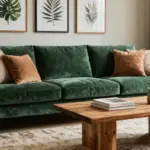
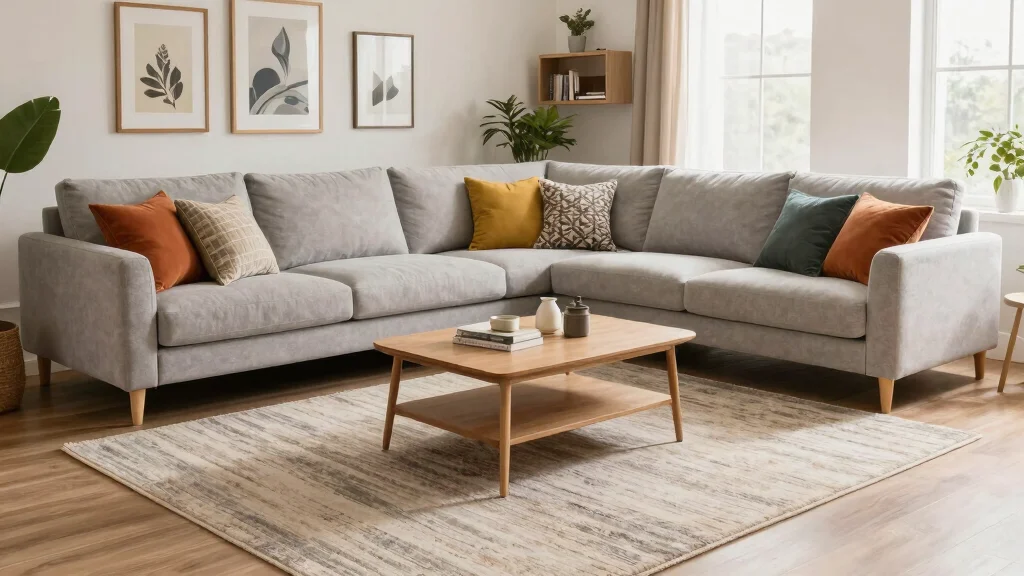

Finding the right rug size for your living room can feel like searching for a needle in a haystack. With so many options available, it’s easy to get overwhelmed. You may find yourself wondering, “Will this 5×8 rug be too small for my space?” or “How do I choose the perfect rug to elevate my living room decor?” This post aims to simplify that search. We’ve compiled 15 rug sizes and ideas, tailored specifically for your living room, to help you get the proportions just right.
If you’re someone who loves home decor and is keen on creating a cozy, stylish atmosphere, you’ll appreciate these insights. Whether you have a small space or a spacious living room, understanding rug sizes is essential for achieving that perfectly designed look. You want a space that feels inviting and well-coordinated, and the right rug plays a vital role in that. We’ll explore different rug sizes, styles, and placement tips that will suit any living room, big or small.
You’ll walk away with practical knowledge about area rugs, including the best sizes and styles for your specific needs. We’ll cover everything from the classic 5×8 feet rug to layered looks and circular rugs. Each section offers tips to enhance your interior design and home styling. So, let’s dive into the wonderful world of rug sizes for your living room!
Key Takeaways
– Understanding rug sizes is crucial for achieving a cohesive look in your living room decor.
– A standard 5×8 feet rug is great for smaller spaces, providing a balanced feel without overwhelming the area.
– Larger rugs, like the 9×12 feet option, work well in spacious living rooms and can serve as a statement piece.
– Layering rugs can add texture and depth to your space, making it feel more inviting and stylish.
– Placement tips, such as ensuring at least the front legs of your furniture sit on the rug, can enhance the overall design.
How I Choose the Right Rug Size to Get Living Room Proportions Right
When I choose a rug size for a living room, I always start with proportion, not pattern or color. Rug size is one of the most common layout mistakes I see, and it’s also one of the easiest to get wrong. A rug that’s too small can make even a well-designed room feel disconnected, while the right size instantly pulls the seating area together.
The first rule I follow is anchoring the furniture. Interior layout guidelines consistently recommend that at least the front legs of the sofa and main chairs sit on the rug. In practical terms, this usually means skipping smaller rugs and starting at sizes like 6×9 or 8×10 feet for most living rooms. Rugs like 5×8 feet can work, but only in compact spaces or when used intentionally under a coffee table rather than as a full seating anchor.
Room size and layout determine everything. In average living rooms, an 8×10 rug tends to offer the best balance between coverage and openness. Larger rooms benefit from 9×12 rugs, which help prevent furniture from floating awkwardly in space. I also pay attention to wall clearance. Leaving about 12 to 18 inches of visible floor between the rug edge and the walls usually keeps the room from feeling cramped.
Shape matters too. Rectangular rugs suit most layouts, but round rugs work well under circular tables or in small conversation zones where sharp edges feel too rigid. Runners are best used to guide movement in narrow spaces rather than as main seating rugs. I treat rug size as a structural choice, because when proportions are right, everything else in the room feels easier to arrange.
Budget, Sizing Mistakes, and What I’ve Learned Over Time
Rug size has a direct impact on budget, and I’ve learned that going too small to save money usually backfires. In my experience, 5×8 rugs typically range from $150 to $300, 6×9 rugs from $250 to $450, and 8×10 rugs often fall between $400 and $800 depending on material. Larger 9×12 rugs commonly start around $700 and can exceed $1,200 for wool or handwoven options.
Material choice affects how forgiving a rug feels in a given size. Flatweave and low-pile rugs are easier to layer and reposition, which helps if sizing isn’t perfect. Thicker pile rugs feel more luxurious but demand more precise sizing, since their bulk makes mistakes more noticeable. Flooring studies show that larger rugs also help reduce noise and echo in living rooms, which is an added benefit beyond aesthetics.
One of the biggest mistakes I’ve learned to avoid is centering a rug without referencing the furniture. A perfectly centered rug can still look wrong if it doesn’t connect the seating. Another common issue is mixing too many rug sizes within one open space, which breaks visual flow. Seasonal swaps are fine, but I keep the core rug size consistent so the layout always feels stable.
I now treat rug sizing as a long-term investment rather than a decorative afterthought. When the size is right, the living room feels grounded, balanced, and professionally styled—even before adding color or texture.
1. The Standard 5×8 Feet Rug
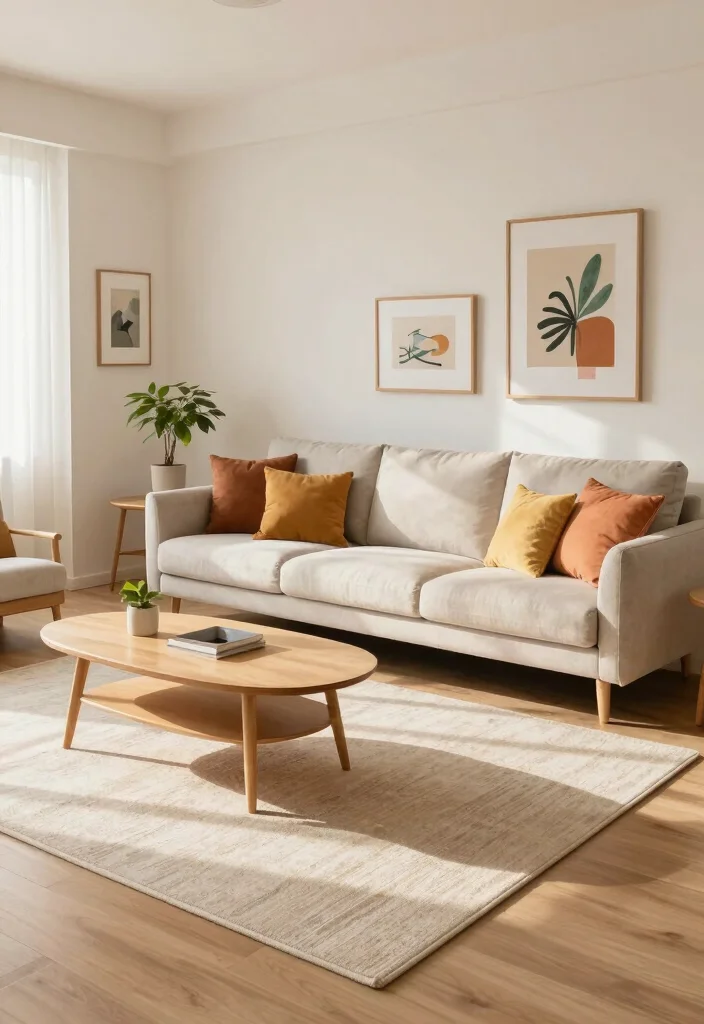
The classic 5×8 feet rug is a staple in many small living rooms, acting as a cozy foundation that defines your seating area. Its balanced dimensions create a sense of visual harmony, making it an ideal choice for compact spaces. Pair this size with a soft, textured fabric to invite warmth or choose a vibrant pattern to infuse character into the room. Imagine a plush area rug in a soft cream or a geometric design in muted tones to enhance your space’s charm.
To maximize this rug’s effect, consider how you position your furniture. Aim for all legs of your sofa or chairs to rest on the rug, promoting unity without crowding the space. You can also explore budget-friendly options by shopping for second-hand rugs or sales at local home stores.
Consider these tips to make the most of your 5×8 rug:
– Center the rug under the coffee table for a cohesive layout.
– Use larger geometric patterns to create depth in small areas.
– Opt for lighter hues to make the room feel more spacious.
With this versatile size, you can easily refresh your living room’s look with seasonal changes in throw pillows or artwork, making it a practical choice for small space living.
2. The Cozy 6×9 Feet Rug
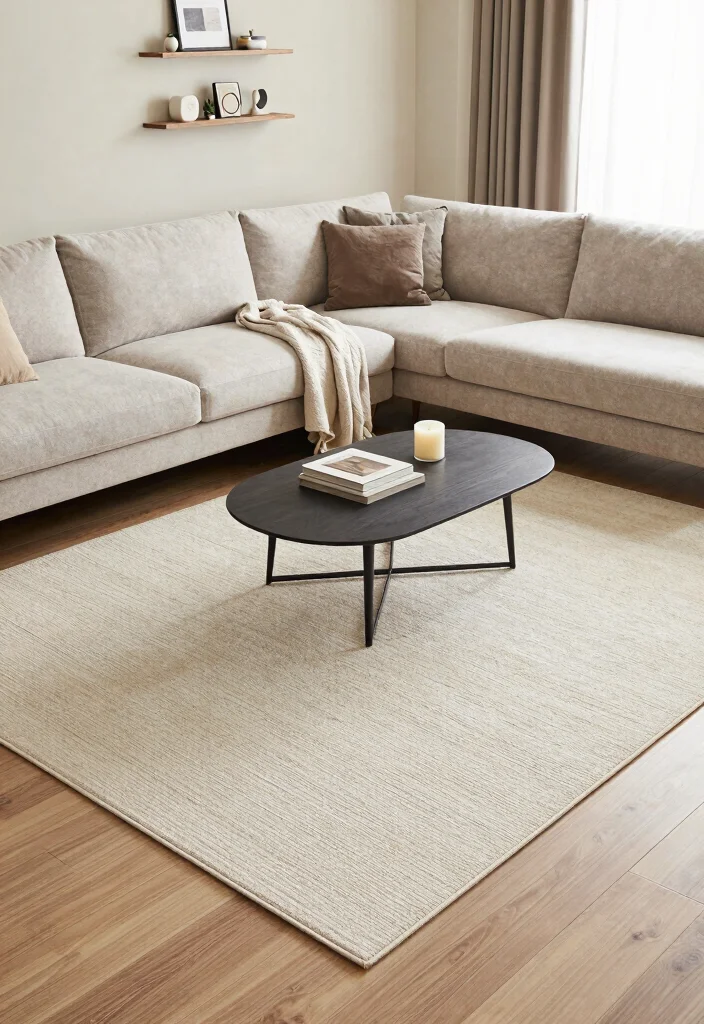
The 6×9 feet rug strikes a lovely balance for slightly larger living rooms, offering a sense of spaciousness without overwhelming the design. This size allows all legs of your furniture to comfortably sit on the rug, creating a harmonious connection between pieces. Imagine a soft, shaggy rug that invites relaxation or a woven option that adds a touch of texture.
To implement this rug effectively, ensure it aligns with your sofa and leaves space for side tables at the edges. You might explore layering it with a smaller decorative rug to add depth and visual interest. Consider affordable natural fiber options that stand up well to foot traffic, especially in family areas.
Utilize these ideas to enhance your 6×9 rug experience:
– Align it with the sofa, leaving room for side tables.
– Layer with a smaller rug for added dimension.
– Choose durable materials for easy maintenance.
This utility-focused option perfectly balances comfort and style, creating an inviting living space that feels both spacious and warm.
3. The Comfy 8×10 Feet Rug
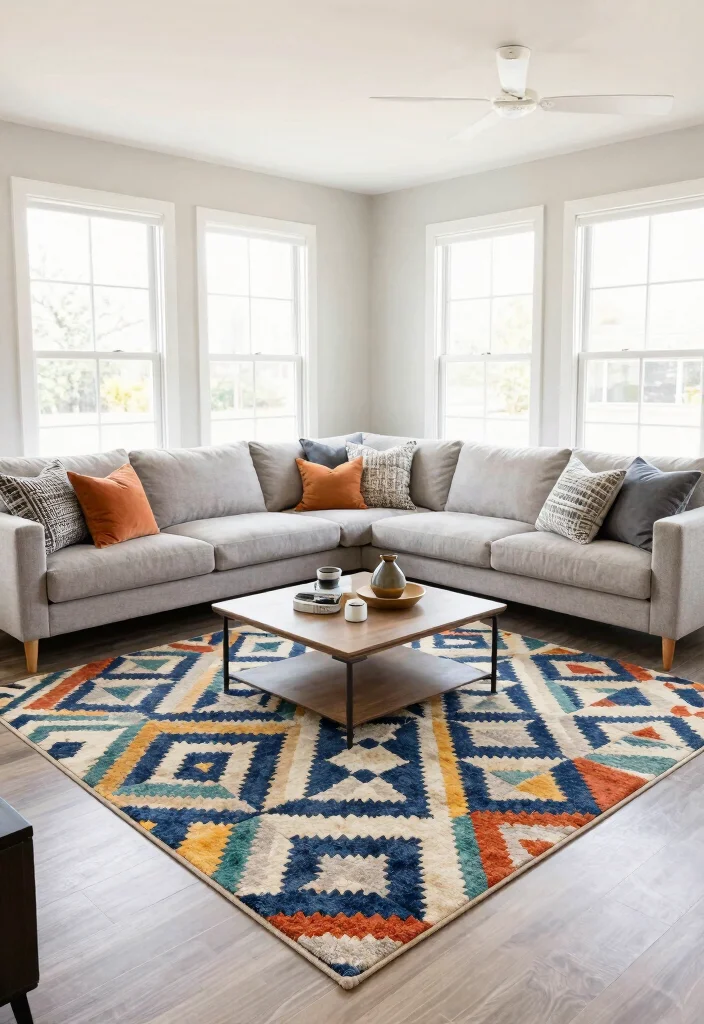
An 8×10 feet rug is a fantastic option for larger small spaces, offering ample coverage and a comfortable feel that defines your seating arrangement beautifully. This size works exceptionally well under sectional sofas, promoting a cohesive look that feels intentional and inviting. Bold colors or lively patterns can turn this rug into a stunning focal point in your decor scheme.
For optimal placement, ensure the front legs of all seating are on the rug, which visually anchors your furnishings. Consider high-contrast designs to add drama and flair, invigorating the space with energy. Look for rugs that can hide small stains, especially if you have pets or children, to maintain a tidy appearance.
Enhance your 8×10 rug experience with these tips:
– Anchor seating with the front legs on the rug.
– Choose high-contrast designs for visual drama.
– Opt for patterns that conceal dirt and stains.
With this size, you can really experiment with layering and textures, allowing your personality to shine through in your living room decor.
Fun fact: an 8×10 rug anchors a seating area in a small living room, delivering comfortable coverage without crowding the space. Place the front legs of sofas on the rug for a cohesive rug sizes living room look that feels intentional and inviting.
4. The Statement 9×12 Feet Rug
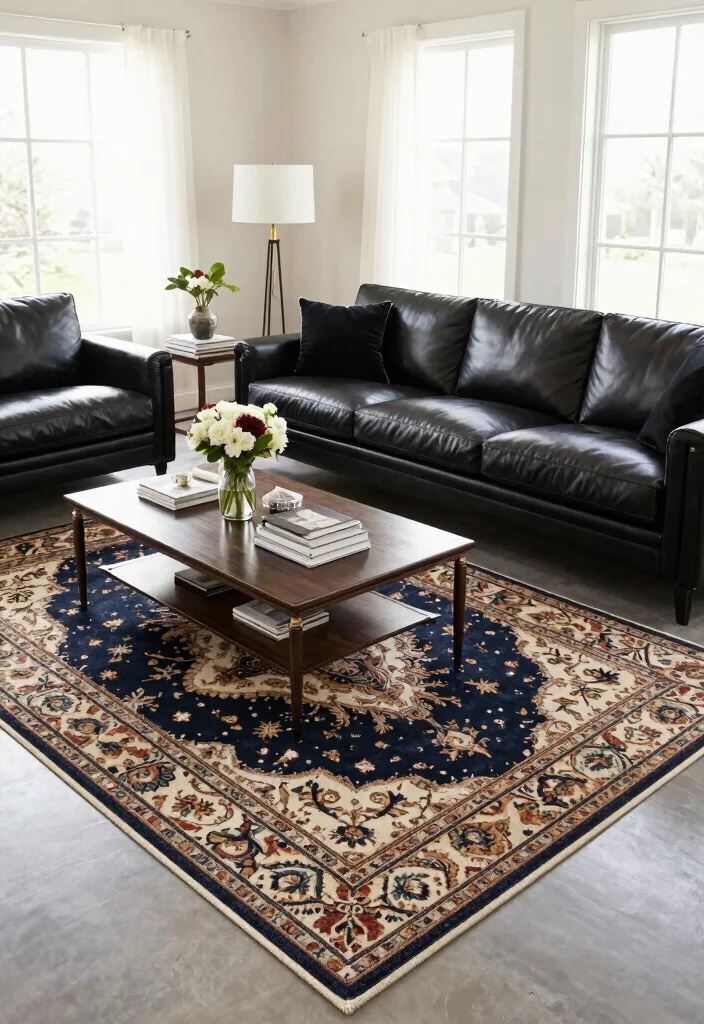
A 9×12 feet rug makes a bold statement in spacious living rooms, beautifully anchoring different seating arrangements. This generous size creates a cohesive area that ties various furniture pieces together, acting as a warm backdrop for your decor. Consider intricate designs or rich colors that resonate with your theme, elevating the overall ambiance of the space.
For placement, ensure the rug encompasses all furniture legs, giving a sense of unity, especially in open floor plans. You might choose durable materials that are easy to clean, an essential feature for families that entertain often. This rug can serve as a stunning centerpiece within your living area.
Use these strategies to maximize your 9×12 rug:
– Ensure all furniture legs rest on the rug for unity.
– Select intricate designs that complement your decor.
– Choose easy-to-clean materials for practicality.
This rug size is perfect for making a bold decorating statement while still maintaining comfort and style in your living space.
5. The Layered Look
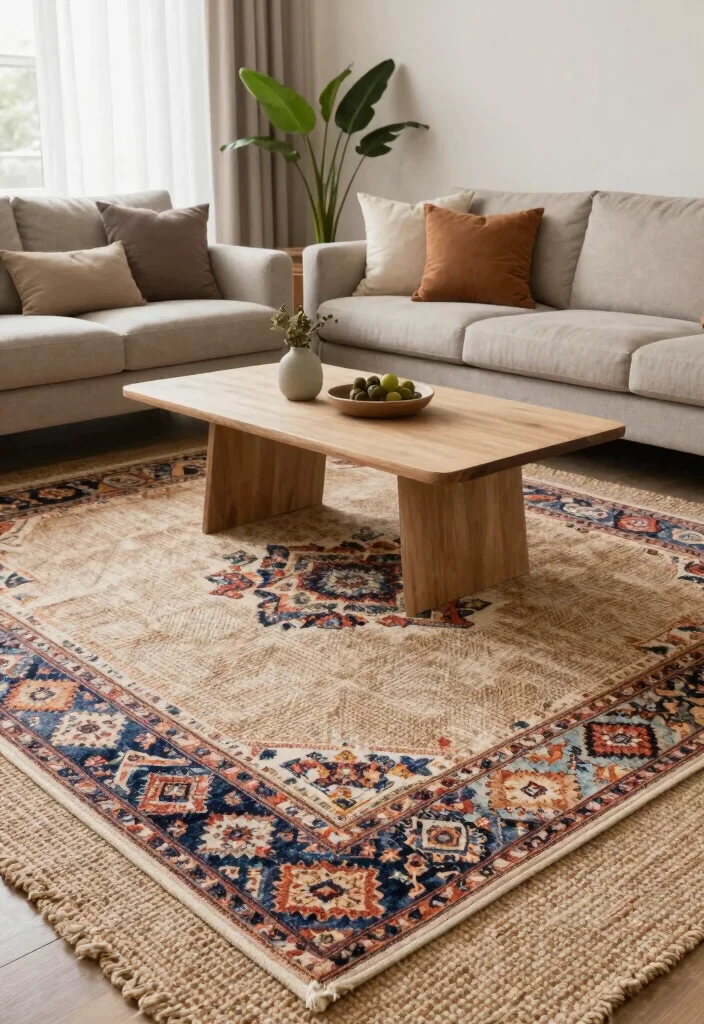
Layering rugs is a creative way to add depth and character, especially in smaller spaces where a single rug may not suffice. By placing a decorative rug on top of a larger, neutral foundation, you can achieve a striking visual contrast that enhances your decor. This technique not only adds texture but also invites more creativity into your styling choices.
For effective layering, ensure the bottom rug is larger and neutral, while the top rug can showcase vibrant colors or patterns that resonate with your theme. Mixing different materials, like a jute base with a patterned shag, creates an engaging look. Keep the color palette harmonious to ensure the layers compliment rather than clash.
Consider these layering tips:
– Ensure the bottom rug is larger and neutral.
– Mix materials for an engaging look.
– Keep the color palette complementary for harmony.
This method allows you to express your style fully, particularly in smaller spaces where a single rug feels inadequate.
Layering rugs transforms a small living space—it’s all about smart rug sizes living room choices. Start with a neutral bottom rug and top it with a vibrant pattern to define zones and add texture. Pro tip: mix scale and color to make the layered look feel intentional, not busy.
How To Choose The Right Rug Sizes For Your Living Room
Choosing the right rug size for your living room is essential to create a harmonious and inviting space. The right rug can pull your decor together, adding warmth and style. Here are key points to consider:
1. Room Dimensions
First, measure your living room. Knowing the dimensions helps you select a rug that fits well. A rug that’s too small can make the room feel disjointed, while a rug that’s too large can overwhelm the space. For small living rooms, consider a rug that allows at least 18 inches of bare floor around it to create a balanced look.
2. Furniture Layout
Think about how your furniture is arranged. Ideally, your rug should anchor your seating area. If you’re using a 5×8 feet rug, ensure the front legs of your sofa and chairs sit on it. For larger spaces, an 8×10 feet or 9×12 feet rug can accommodate all furniture, making it feel cohesive.
3. Style and Color
The rug’s style and color play a significant role in your living room decor. Choose a rug that complements your existing color palette and style. For example, neutral tones can ground a space filled with bold colors, while vibrant patterns can add flair to a minimalist setup. Don’t forget to consider how the rug’s design interacts with your furniture and walls.
4. Material and Texture
Rug materials can influence comfort and durability. For high-traffic areas, consider durable materials like synthetic fibers that resist stains. Natural fibers like wool provide softness but require more care. Textured rugs can add visual interest, so think about how the texture will fit with your overall design.
5. Purpose and Functionality
Consider how you’ll use the space. If you have kids or pets, a low-pile rug might be better, as it’s easier to clean. In contrast, a plush rug can make a cozy reading nook. Additionally, think about whether the rug will be purely decorative or if it needs to withstand daily wear and tear.
6. Budget
Set a budget before you start shopping. Rugs can range from affordable to high-end. Keep in mind that investing in a quality rug can pay off in the long run. Look for sales or consider second-hand options to find a great deal without compromising on style.
Pro Tip: Always bring home samples or swatches when possible. Lay them out in your living room and observe how they look at different times of the day. Lighting can drastically alter the appearance of colors and textures. This step can help you make a well-informed decision, ensuring your final choice perfectly complements your living space.
6. The Circular Rug
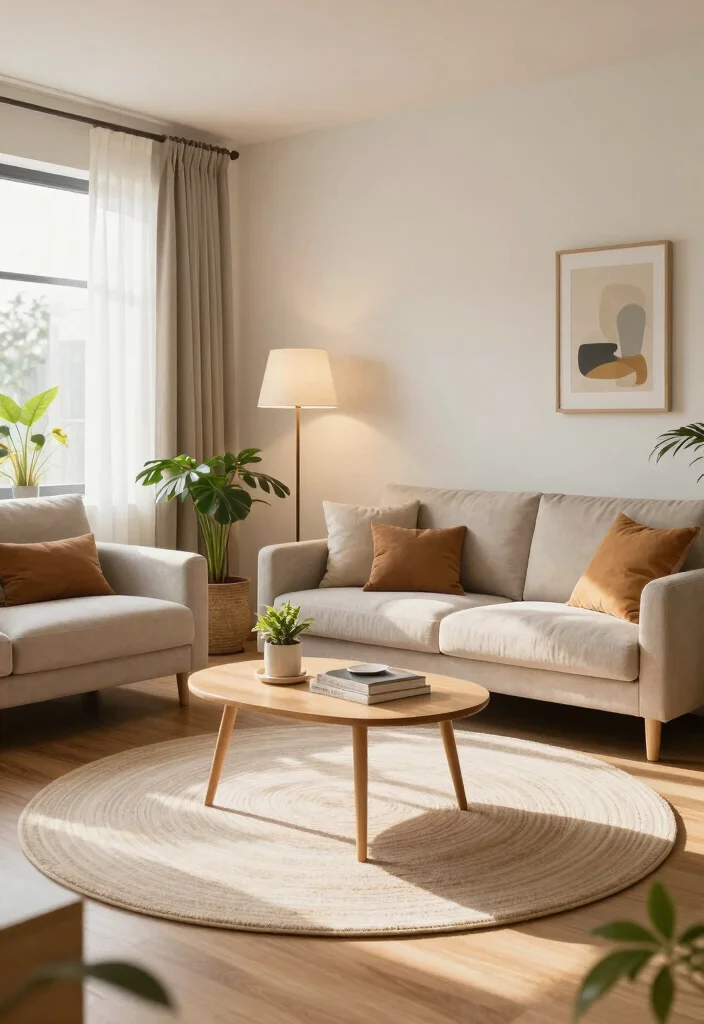
Circular rugs present a unique option that softens furniture edges and introduces a playful vibe to your living room. They are particularly suitable for small spaces, helping to define seating areas without overwhelming the visual layout. Pairing them with sectional sofas or using them in cozy nooks enhances their charm.
When positioning a round rug, center it relative to your seating, ensuring it holds at least the front legs of your furniture. Bold colors or patterns can create a striking focal point that draws attention and encourages a lively atmosphere. The round shape can also create an illusion of more space, making it ideal for compact living rooms.
Explore these ideas for your circular rug:
– Center the rug with your seating arrangement.
– Use bold colors to create a dynamic focal point.
– Round shapes can make a space feel larger.
This option offers versatility and a touch of elegance, allowing you to break away from traditional rectangular shapes while adding a unique twist to your living room decor.
7. The Runner Rug
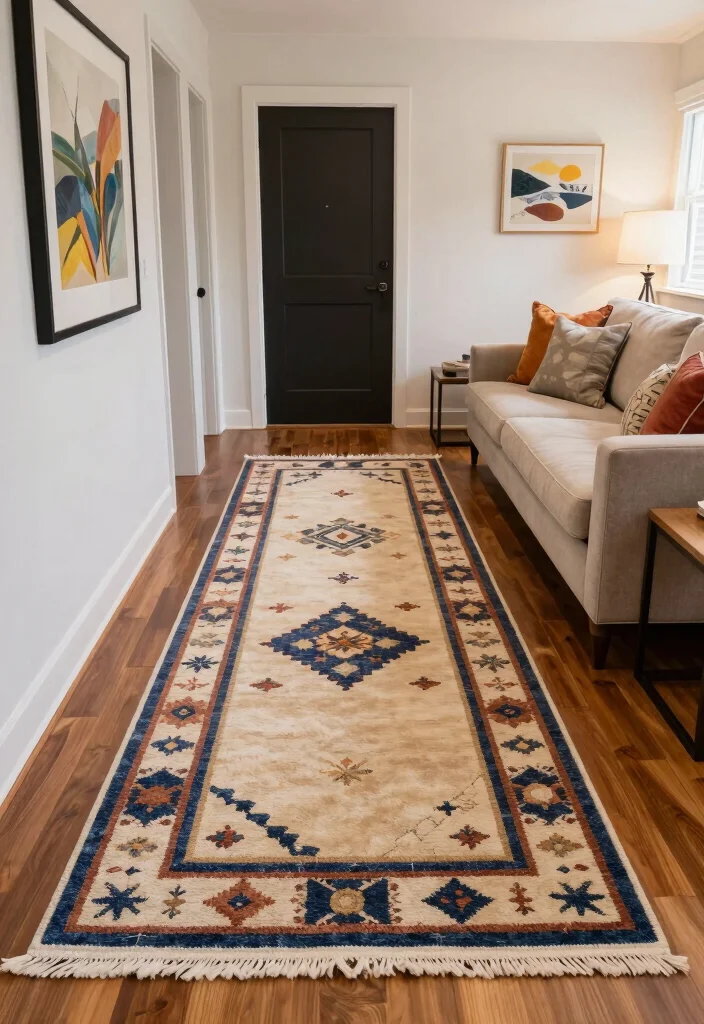
Runner rugs are not just for hallways; they can add an elegant touch to small living areas when used creatively. These elongated rugs can guide the eye and define pathways within your space, enhancing the overall flow. A runner can harmonize different areas, especially in open-concept layouts.
To effectively use a runner, place it beside a sofa or in front of a fireplace to create a leading line that directs attention. Choose striking patterns or colors that contrast with your surroundings for added interest. Runners can also be layered over larger rugs or stand alone to highlight specific areas.
Make the most of your runner rug with these tips:
– Position it alongside furniture to create leading lines.
– Select bold patterns for contrast with decor.
– Use it to highlight specific areas within the room.
The runner rug adds functionality and style, offering a great way to enhance your living room while maintaining a cozy feel.
8. The Multi-Purpose Area Rug
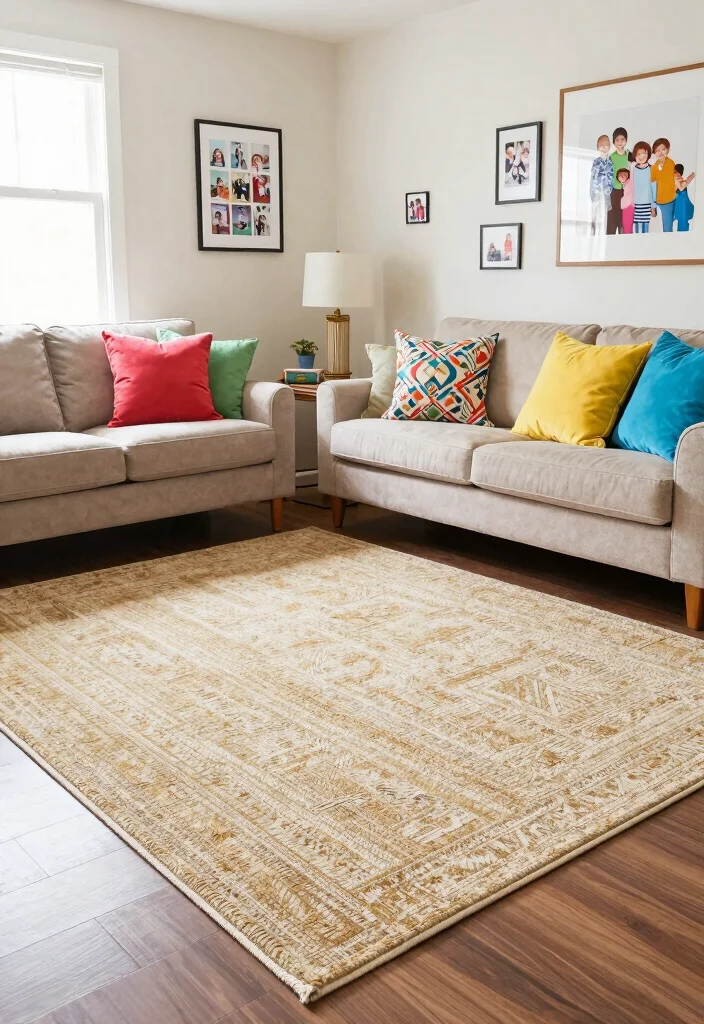
Choosing a multi-purpose area rug is a smart strategy for small living spaces, merging aesthetics with functionality seamlessly. Look for rugs that withstand heavy foot traffic, such as stylish indoor-outdoor options that remain practical. These rugs are perfect for families or those who frequently entertain.
When placing a multi-purpose rug, ensure it is large enough to accommodate all your furniture, promoting a cohesive feel. Opt for materials that are easy to clean, like polypropylene or nylon, ensuring maintenance is a breeze without sacrificing style. Earthy tones or subtle patterns can effectively conceal dirt while enhancing your decor scheme.
Utilize these tips for your multi-purpose rug:
– Ensure it accommodates all furniture for cohesion.
– Select easy-to-clean materials for practicality.
– Choose colors that hide dirt while enhancing decor.
This option elevates your living room’s charm while adding practicality without compromising on style.
9. The Neutral Palette
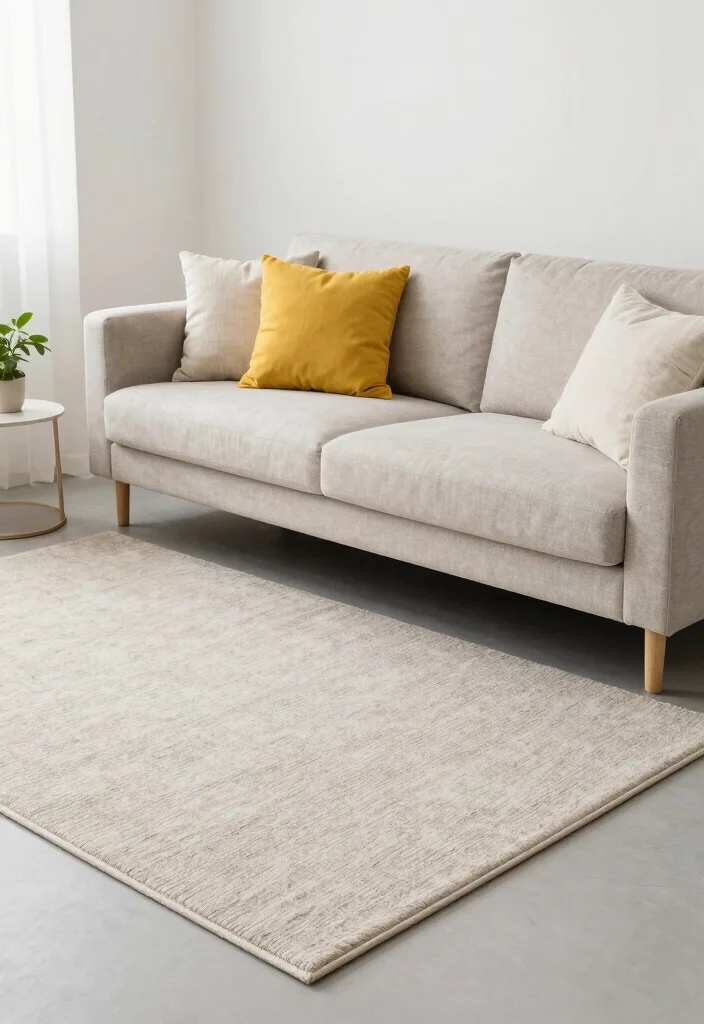
Sometimes less is more, particularly when choosing rugs for a small living room. A rug with a neutral color palette creates a calm and serene environment that complements your decor. Soft beiges, creams, or grays can subtly warm the space while remaining versatile enough to adapt to changing styles.
For effective placement, ensure the rug fits proportionately under all furniture, grounding the space effectively. A neutral rug can also be layered with colorful throws or pillows, allowing you to refresh the look with minimal effort. Lighter colors can make a room appear larger, especially beneficial in smaller areas.
Consider these insights for a neutral palette:
– Ensure the rug fits well under all furniture.
– Layer with colorful accents for freshness.
– Lighter colors can expand visual space.
This understated choice combines elegance with simplicity, allowing your living room decor to shine through.
10. Patterns with Purpose
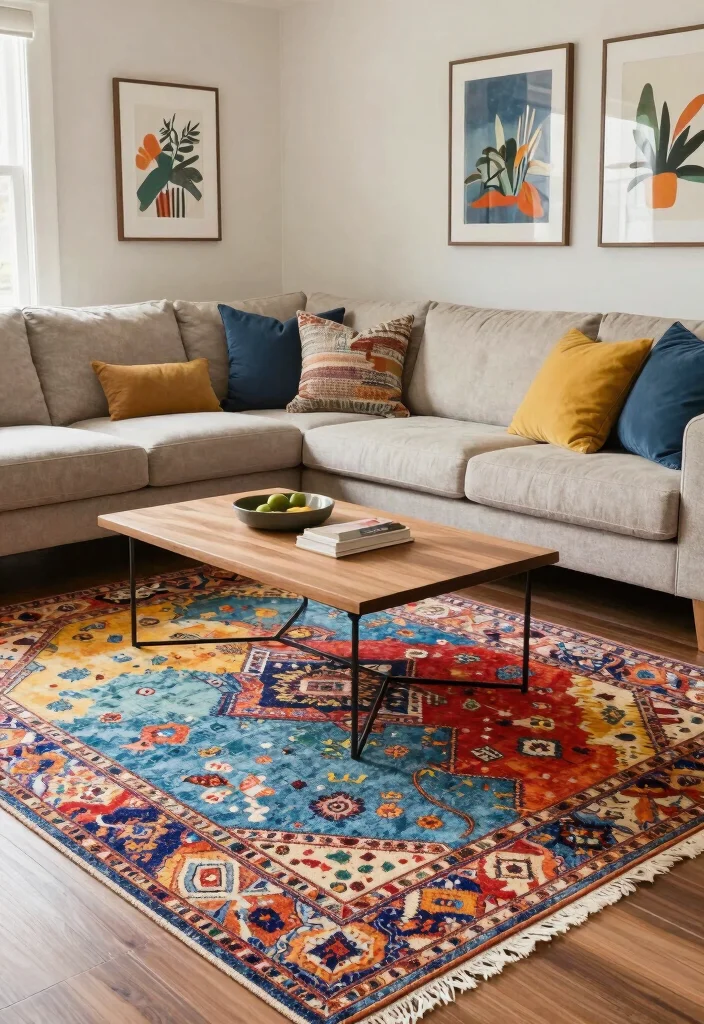
A patterned rug can serve as a vibrant centerpiece in your living room, especially in smaller spaces. It adds visual interest and personality, creating a focal point that draws the eye and elevates the decor. Choose designs that complement your furniture style, such as geometrics for contemporary settings or floral motifs for a softer touch.
For placement, position the rug so that furniture partially rests on it, creating a dynamic look. Pull colors from the rug into your throw pillows or artwork for a cohesive atmosphere. If your other decor is simple, a bold pattern can invigorate the space without overwhelming it.
Enhance your living space with these tips:
– Position the rug for a dynamic furniture arrangement.
– Use colors from the rug in other decor items.
– Balance bold patterns with simpler decor.
This strategy not only enhances your living space’s appeal but also expresses your unique style through the intricate designs of your rugs.
11. Vintage Charm
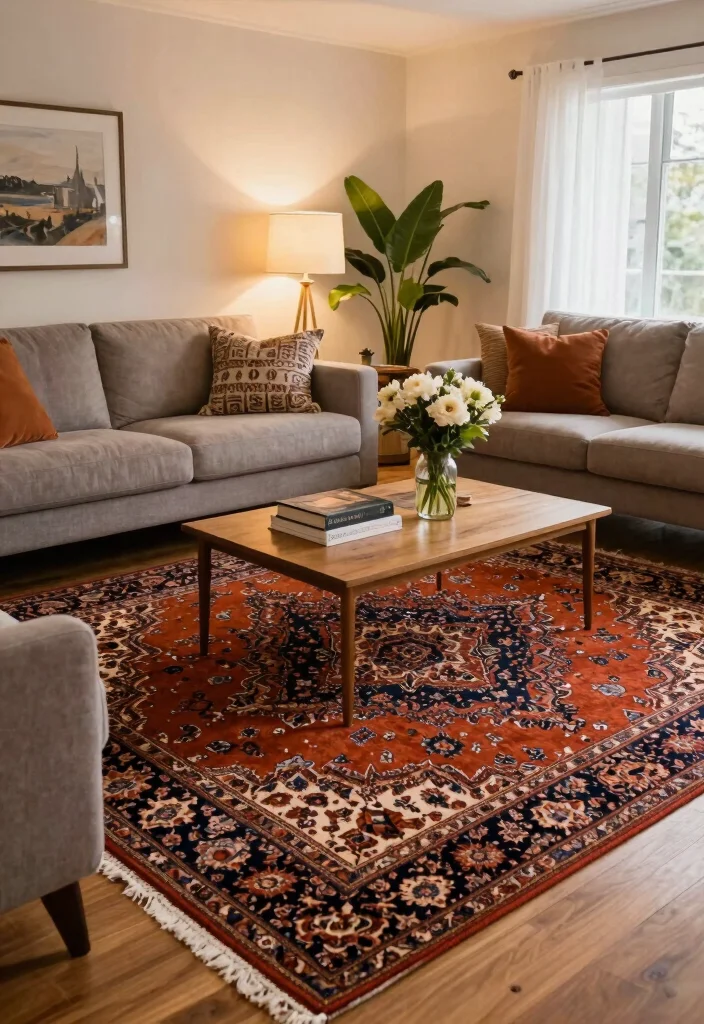
Incorporating vintage or Persian-style rugs can infuse your living room with character and warmth, adding a sense of history and style. Featuring intricate designs and rich color palettes, these rugs are perfect for creating statement decor items. Vintage rugs can also soften the modern lines of contemporary furniture, achieving a harmonious aesthetic.
When placing a vintage rug, ensure its design complements your furniture, showcasing its beauty without overshadowing other elements. Pull colors from the rug to use in your cushions or decor, creating a cohesive theme throughout the room. The unique texture of vintage rugs adds depth and character, enhancing the cozy atmosphere.
Make the most of your vintage rug with these suggestions:
– Ensure the design complements your furniture for balance.
– Pull colors into other decor for cohesion.
– Appreciate the unique texture for added depth.
A vintage rug not only brings style but also contributes to a layered, well-curated living space.
Fun fact: a vintage Persian-style rug around 8×10 feet can anchor a living room, defining rug sizes living room with warmth and character. Pair intricate designs with modern furniture to soften lines and highlight every detail—start by choosing a rug size that fits your seating zone.
12. Outdoor-Inspired Rugs
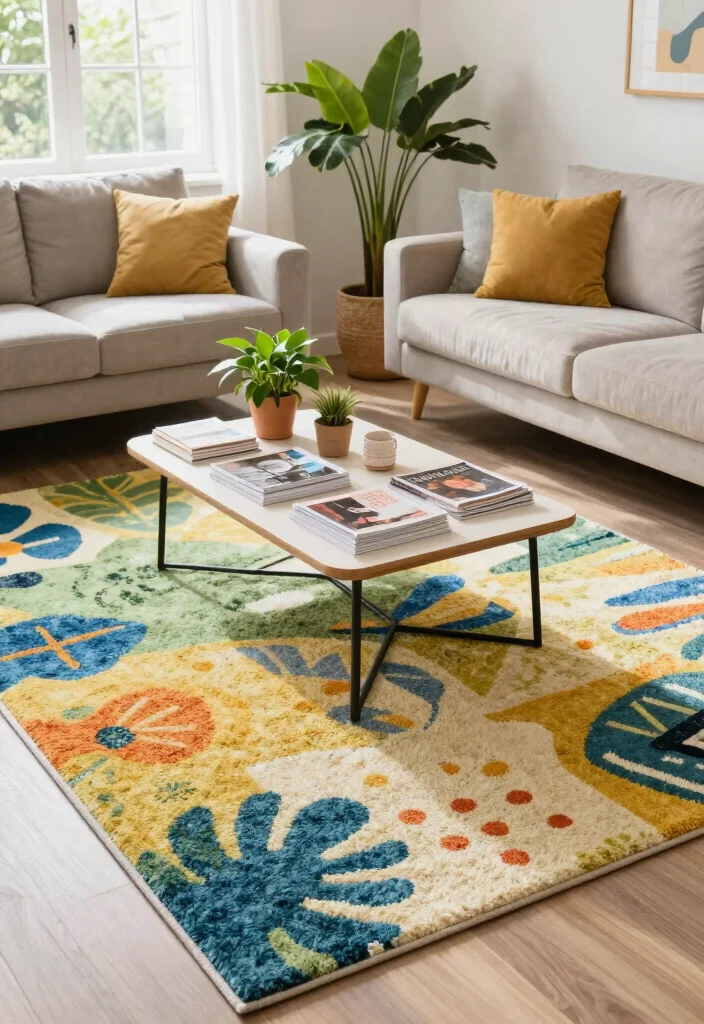
Outdoor-inspired rugs are a fantastic choice for small living rooms, especially those that experience high traffic. Made from durable, easy-to-clean materials, these rugs are ideal for homes with pets or young children. Plus, they come in various designs that elevate your indoor decor without sacrificing functionality.
When selecting an outdoor-inspired rug, ensure it fits well under your furniture, delineating areas within an open-concept layout. Bright patterns can create a lively atmosphere, while muted tones can add subtle elegance. Their weather-resistant material allows for less concern about spills, making maintenance easier.
Consider these tips for outdoor-inspired rugs:
– Ensure it fits well under furniture for effective delineation.
– Choose bright patterns for a lively vibe.
– Enjoy easy maintenance with weather-resistant materials.
This option allows you to enjoy the outdoor aesthetics while enhancing your living room’s comfort and style.
13. Color Pop Rugs
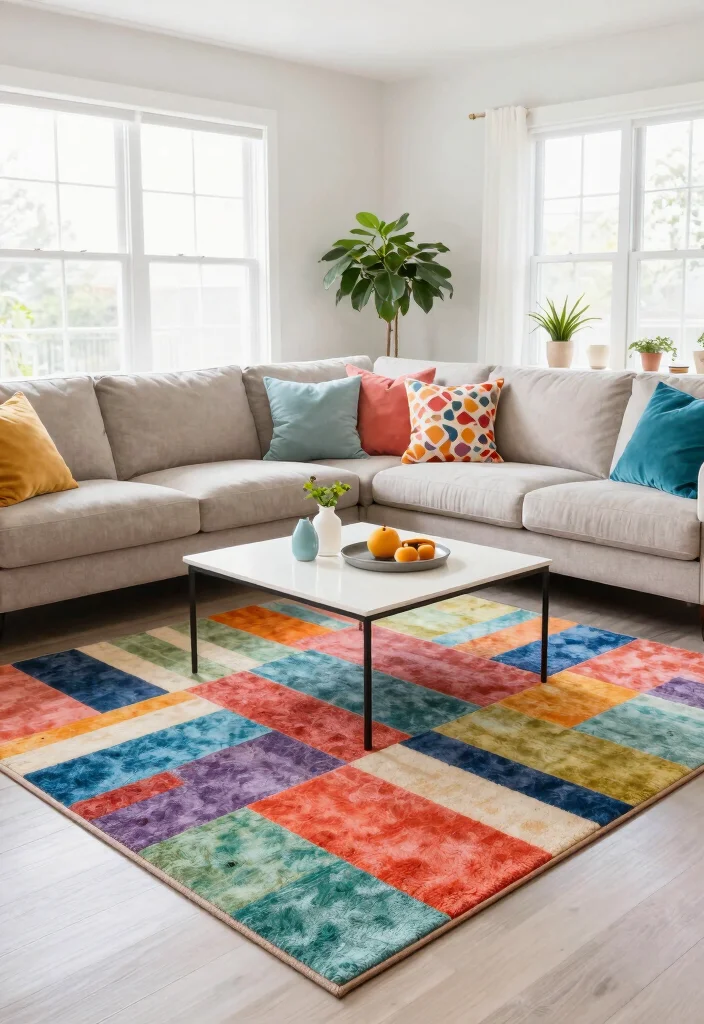
Injecting a pop of color into your living room decor can be a fantastic strategy to liven up a subdued space. Colorful rugs serve as strong visual anchors, bringing energy to the room and creating a vibrant atmosphere. Select a rug featuring your favorite bright colors to make the space feel lively, especially if your furniture is more neutral.
For placement, ensure colorful rugs sit under key furniture pieces, ensuring they are highlighted and enhance the overall decor. Bring elements from the rug into other decor items like wall art or throw pillows for a cohesive look. Bright colors can uplift the space, setting a positive tone for the overall atmosphere.
Utilize these strategies for your color pop rug:
– Place it under key furniture to highlight its beauty.
– Integrate colors into wall art or decor items.
– Use bright colors to create an uplifting mood.
This approach ensures that your living room feels vibrant and full of life, instantly changing its energy.
14. Textured Rugs
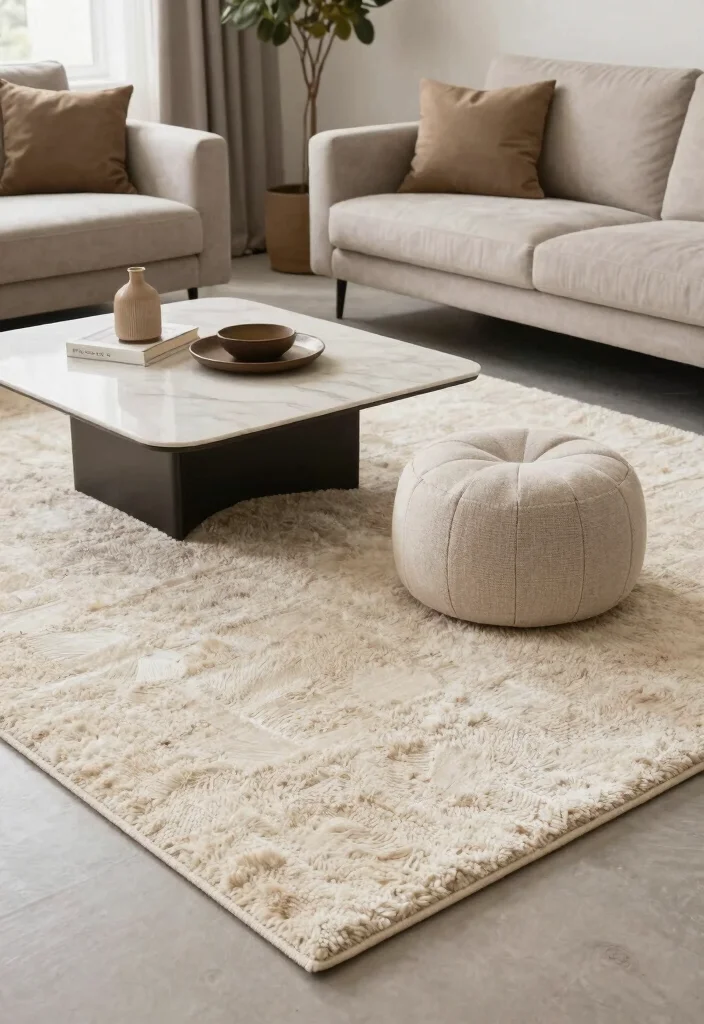
Adding a textured rug to your living room provides both comfort and visual intrigue. Just as size matters, the right texture can elevate a room’s overall aesthetic, making it feel richer and more inviting. Consider plush shag rugs, woven textures, or flatweaves that add dimension without overwhelming the decor.
For placement, a textured rug works beautifully under a coffee table, offering contrast against the flat surfaces of your furniture. Pairing it with smoother rugs can create a cozy ambiance, enhancing the overall look. Different textures can also serve functional purposes, so consider durability and maintenance when choosing.
Enhance your living space with these textural tips:
– Place it under the coffee table for contrast.
– Layer with smoother rugs for complexity.
– Choose durable materials for easy maintenance.
This choice enhances both the tactile experience and the overall look of your living space, making it feel more lived-in and comfortable.
15. Seasonal Change-Up
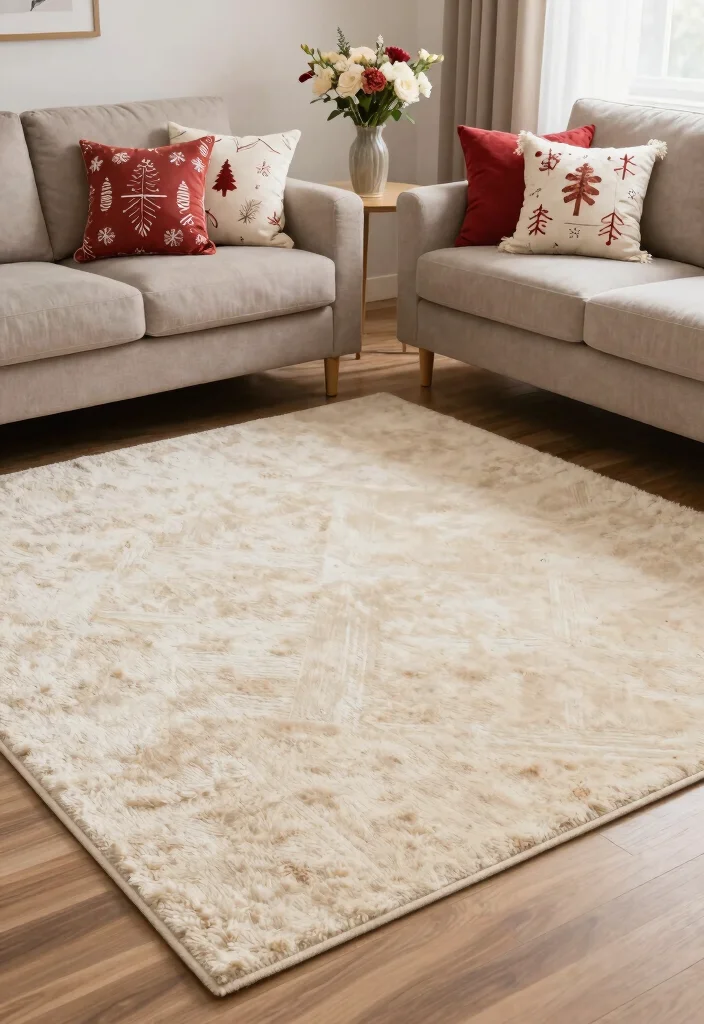
Switching out your rug seasonally is a fun way to refresh your living room decor. Different seasons bring unique vibes, and your rug choice can help reflect that. In winter, consider a warm, plush option, while in summer, a lighter, breezier style may suit the environment better.
When changing your rug, store seasonal options properly to avoid damage, ensuring easy swaps as desired. Choose colors and patterns that represent each season, allowing your decor to express your style fully. Pair seasonal rugs with corresponding decor elements, like throws or artwork, to create a consistently themed living room.
Consider these tips for seasonal rug changes:
– Store rugs properly to prevent damage.
– Choose seasonal colors that reflect the vibe.
– Pair with themed decor elements for cohesion.
Regularly refreshing your rug keeps your space feeling new and exciting, aligning your living room with the rhythm of the seasons.
Conclusion
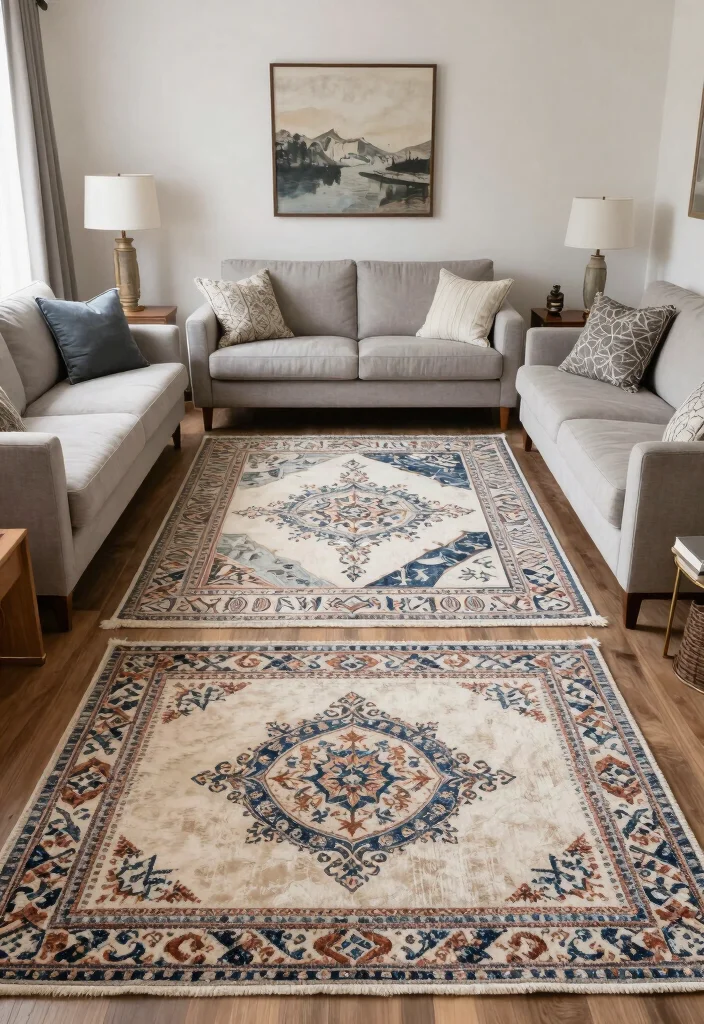
Choosing the right rug for your living room can significantly affect your space’s overall aesthetic and feel. Whether you’re opting for bold patterns, neutral tones, or unique textures, understanding rug sizes and placements can help you create a harmonious and inviting atmosphere.
Experimenting with different styles and seasonal changes can keep your decor lively and engaging. Let these 15 rug size ideas inspire your next living room transformation, blending functionality with beauty to create a space you truly love.
Frequently Asked Questions
What rug sizes living room should I consider to get the proportions right in a small space?
In a small living room, choose rug sizes living room that anchor the seating without crowding walls. Typical picks include 5×8, 6×9, and 8×10 for compact setups. If you can spare more space, a 9×12 can help create a roomier feel. Start by measuring your seating area: measure the length and width of the sofa and any chairs, then add at least 6–12 inches of rug beyond every edge. That extra rug area keeps furniture comfortably on the rug and creates a balanced look in home styling and interior design ideas around rug sizes living room.
How should I position rugs with a sofa, coffee table, and chairs in a living room to keep things balanced?
The key is to match the rug to the seating footprint. For most layouts, aim to have the rug extend under the seating rectangle. Option A: place the rug under the front legs of the sofa and chairs, with at least 6–12 inches beyond each piece. Option B: center the rug under the coffee table and let the sofa and chairs sit on the rug if space allows. Leave clear walkways of about 24 inches around the rug to avoid crowding. This approach supports rug placement tips, area rugs, and interior design ideas for rug sizes living room.
Can I layer rugs in a small living room, and what sizes should the layers be?
Yes, layering can add texture without overpowering a small space. Start with a larger base rug like 6×9 or 8×10 to define the seating area, then add a smaller top rug such as 3×5 or 4×6 in a coordinating color or pattern. Make sure the top rug is centered on or just inside the base rug so the edges align, creating a cohesive look. Layering is a chic home styling trick and a smart rug placement tips approach to perfect rug sizes living room.
What are common rug placement mistakes in small living rooms and how can I fix them?
Common mistakes include choosing a rug that’s too small, letting the rug end too close to walls, and placing furniture entirely off the rug. To fix: map out the seating area with painter’s tape, pick a rug that allows at least the front legs of the sofa and chairs to sit on it, or keep the rug under the coffee table with the sofa on the rug if space is tight. Check traffic flows and ensure at least 24 inches of walking space around the rug. These tweaks help the area rugs feel and rug sizes living room.
How do I measure my space to pick the right rug sizes living room and avoid guesswork?
Start by measuring the seating footprint (sofa, chairs, and any coffee table) and decide how much rug overhang you want beyond each piece—commonly 6–12 inches. Then compare your room with standard rug sizes (5×8, 6×9, 8×10, 9×12) to find a fit. Use painter’s tape to lay out the desired rug outline on the floor to visualize the proportions before buying. This practical approach makes rug sizes living room feel intentional and aligns with living room decor, area rugs, and home styling goals.
Related Topics
rug sizes living room
area rugs
small space living
living room decor
rug placement tips
interior design ideas
home styling
budget friendly
minimalist design
easy decor
trending styles
cozy living spaces