
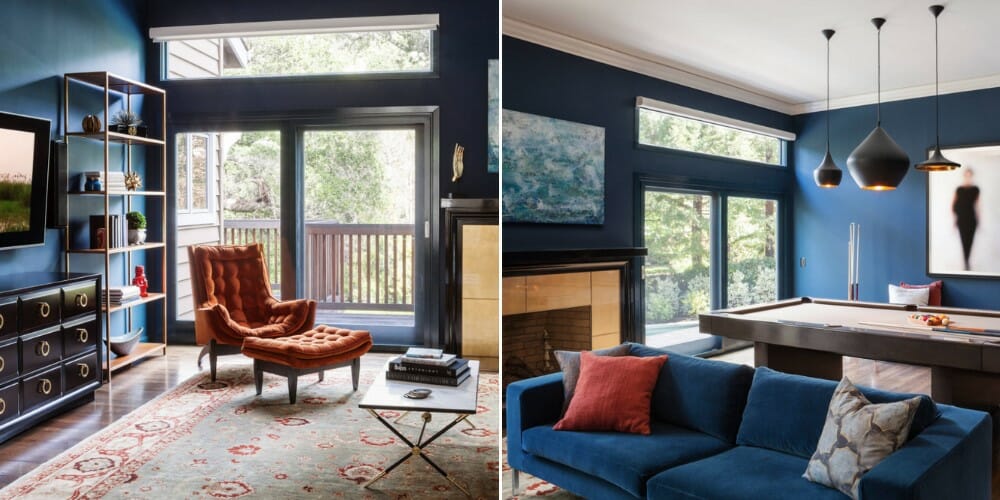

In the world of home design, the debate of living room vs family room remains a fascinating topic for homeowners and interior enthusiasts alike.
These two spaces, while often found in the same house, serve distinct purposes that reflect evolving family dynamics and lifestyle needs.
This article will explore the key differences, from functionality and design to practical choices, helping you decide which space best suits your home.
Living Room vs. Family Room: Defining the Key Differences
The living room and family room, though both central to a home’s social fabric, represent two sides of the same coin in interior design philosophy.
Historically, the living room emerged as a more formal space in Victorian-era homes, intended for receiving guests and hosting events that required a touch of elegance and restraint.
It’s often positioned near the front entrance, serving as the first impression of a household, with its design emphasizing sophistication and order.
In contrast, the family room evolved as a more casual, everyday hub, particularly in mid-20th-century American architecture, where post-war families sought cozy, multifunctional areas for daily interactions.
This distinction highlights how living room vs family room isn’t just about labels but about the cultural and historical contexts that shape our living environments, making one feel more public and the other deeply personal.
Beyond their origins, the key differences lie in their intended use and emotional resonance.
A living room is typically designed for short-term visits, entertainment, and displaying the family’s polished side, often featuring curated decor that signals status or taste.
For instance, think of a living room with plush sofas arranged around a coffee table laden with art books, versus a family room that’s cluttered with toys, blankets, and family photos, optimized for prolonged, relaxed gatherings.
This contrast underscores how living room vs family room affects the flow of daily life, with the former promoting a sense of formality that might deter messy activities, while the latter embraces the chaos of family bonding.
By understanding these definitions, homeowners can avoid common pitfalls, like turning a living room into a de facto play area, which could undermine its purpose and lead to frequent redecorations.
Functionality First: Understanding the Purpose of Each Space
At its core, the functionality of a living room revolves around presentation and social etiquette, making it ideal for hosting dinner parties, professional meetings, or quiet reading sessions.
This space is engineered for versatility in controlled environments, where activities are predictable and contained—such as serving tea to guests or showcasing a home office setup.
The emphasis on purpose here extends to how it integrates with the rest of the home; for example, in open-plan designs, a living room might act as a buffer zone between public and private areas, ensuring that family messes remain hidden.
Delving deeper, living room vs family room functionality also touches on psychological aspects, like creating a “stage” for social performances that boost confidence and hospitality, which is why many design experts recommend keeping it clutter-free to maintain an aura of readiness.
In the family room, functionality shifts toward unfiltered, everyday utility, transforming it into a multifunctional sanctuary for relaxation, play, and informal bonding.
This space is where families unwind after a long day, perhaps watching movies or engaging in board games, with layouts that prioritize comfort over aesthetics.
Unlike the living room, which might limit activities to preserve its look, the family room adapts to various needs, such as accommodating home workouts or homework sessions, making it a true extension of family life.
Exploring living room vs family room through this lens reveals how these purposes influence long-term satisfaction; a well-functioning family room can reduce stress by providing a dedicated area for decompression, while a misaligned living room might feel underutilized if it’s not suited for its formal role, prompting homeowners to rethink their space allocations for better daily harmony.
Design and Decor: Distinguishing Aesthetic Approaches
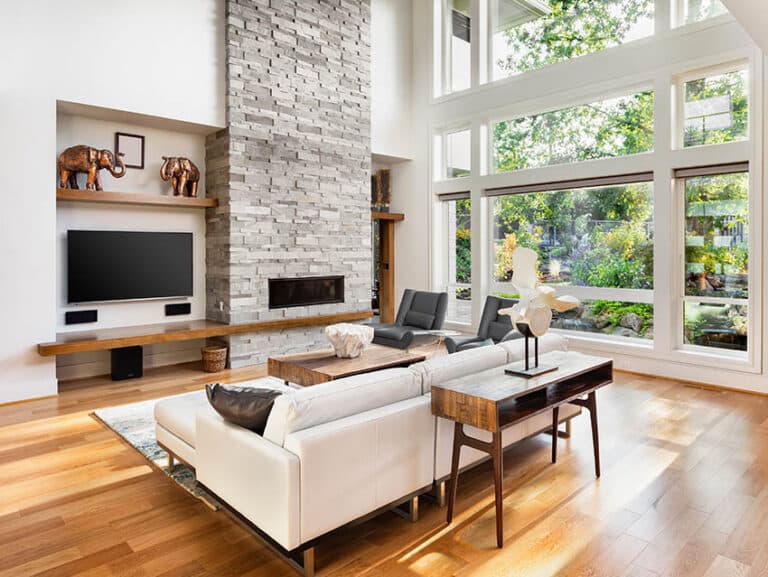
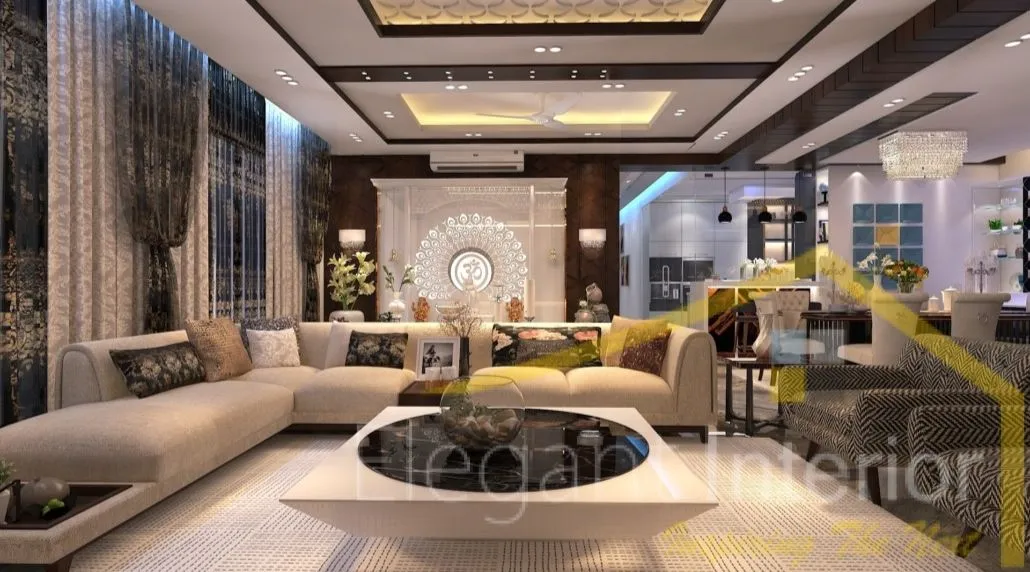
When it comes to design, the living room adopts a more refined and thematic aesthetic, often drawing from timeless styles like mid-century modern or classical elegance to create a visually striking focal point.
Decor elements here are chosen with intention, such as selecting neutral color palettes, statement artwork, and symmetrical arrangements that convey balance and sophistication—think ornate rugs and crystal vases that elevate the room’s overall appeal.
This approach isn’t just about beauty; it’s about crafting an environment that aligns with the room’s social purpose, ensuring that every piece contributes to a cohesive narrative.
In the broader context of living room vs family room, this aesthetic distinction highlights how design can influence perceptions, with a living room’s polished look potentially making guests feel more welcome and respected, while also serving as a personal canvas for the homeowner’s tastes.
Conversely, the family room’s design leans toward practicality and warmth, embracing eclectic and comfortable styles that prioritize usability over perfection.
Here, decor might include mismatched pillows, bold patterns, and multifunctional furniture that can withstand the wear and tear of daily life, creating a lived-in atmosphere that’s inviting and forgiving.
For instance, soft lighting, cozy textiles, and playful accents like family heirlooms add layers of personality, making the space feel uniquely tailored to its inhabitants.
By examining living room vs family room aesthetics, we see that this contrast isn’t merely superficial; it’s about fostering emotional connections, as a family room’s approachable design can encourage more frequent use and stronger family ties, whereas a overly formal living room might inadvertently become a underappreciated space if it doesn’t resonate with everyday needs.
Furniture and Layout: Optimizing for Comfort and Use
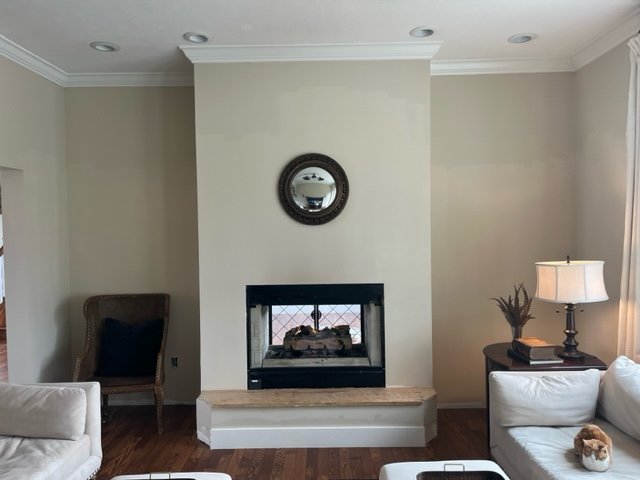
Furniture in a living room is selected for its elegance and efficiency, often featuring pieces like sleek sofas, occasional chairs, and display cabinets that promote conversation and visual harmony.
The layout is meticulously planned to facilitate flow, such as arranging seating in a circular pattern to encourage interaction during gatherings, while ensuring ample space for movement.
This optimization goes beyond mere placement; it’s about creating a layout that supports the room’s formal functions, like hosting events without feeling cramped, which can significantly enhance the user experience.
In the debate of living room vs family room, furniture choices reveal key insights, as living room pieces are typically more durable in appearance but less so in practice, urging homeowners to balance style with subtle comfort features for sustained appeal.
For the family room, furniture and layout are all about maximizing comfort and adaptability, with items like oversized bean bags, modular sofas, and storage ottomans that cater to diverse activities and family sizes.
The layout here is flexible, perhaps with zoning for different uses—such as a reading nook or gaming area—to accommodate the room’s dynamic nature.
This approach ensures that the space evolves with family needs, making it a hub for both relaxation and productivity.
When considering living room vs family room in terms of optimization, it’s clear that the family room’s emphasis on ergonomic and versatile elements can lead to greater overall satisfaction, as it directly addresses the practicalities of daily living, potentially reducing the need for frequent rearrangements and fostering a more intuitive home environment.
Acoustics and Entertainment: Tailoring the Space for Sound
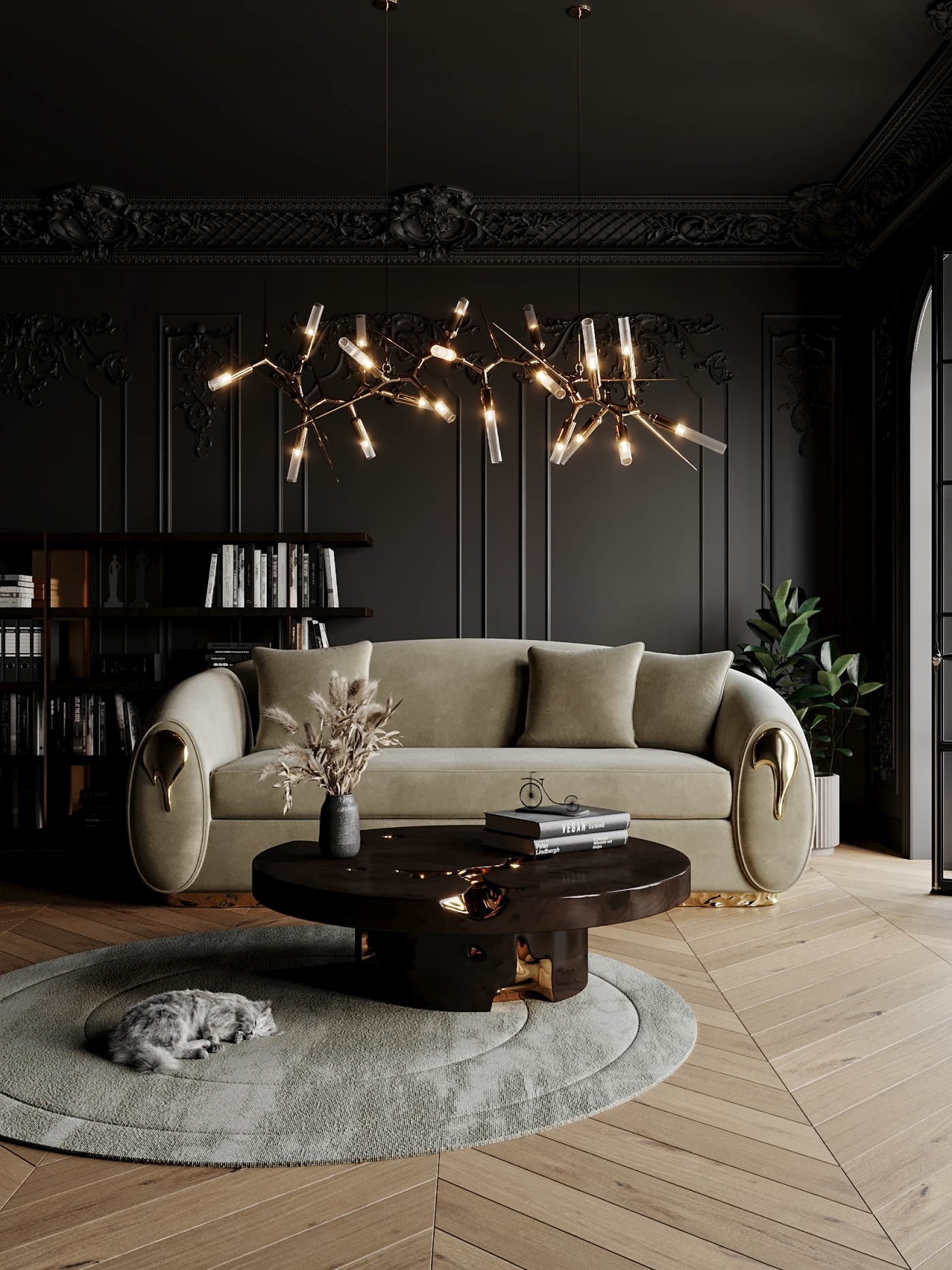
Acoustics in a living room are fine-tuned for clarity and ambiance, often incorporating sound-absorbing materials like carpets and curtains to minimize echoes during conversations or light music sessions.
This tailoring ensures that the space remains versatile for various entertainment needs, such as playing background music at a dinner party or enjoying a solo piano performance, without overwhelming the room’s elegant vibe.
Entertainment features might include a discreet sound system or a mounted TV that’s integrated seamlessly, preserving the room’s aesthetic while providing options for guests.
The exploration of living room vs family room in this context uncovers how acoustics play a pivotal role in user experience, with a living room’s controlled sound environment helping to maintain formality and focus, making it ideal for professional video calls or refined social events.
In contrast, the family room’s acoustics and entertainment setup are designed for immersion and enjoyment, featuring robust sound systems, surround speakers, and noise-friendly elements like plush furnishings to enhance movie nights or gaming marathons.
This space is built for high-engagement activities, where sound quality can make or break the experience, such as blasting action films or hosting karaoke without disturbing the rest of the house.
Delving into living room vs family room through acoustics, we find that the family room’s emphasis on tailored sound solutions not only boosts entertainment value but also strengthens family bonds by creating shared moments of joy, whereas a living room might prioritize subtlety to avoid clashing with its more reserved purpose, potentially limiting its use for casual fun.
Choosing the Right Room: Matching Lifestyle to Living Space
Selecting between a living room and family room boils down to aligning the space with your lifestyle, considering factors like family size, social habits, and daily routines to ensure it serves as an effective extension of your needs.
For instance, if you frequently host formal gatherings or value a dedicated area for relaxation away from the hustle, a well-defined living room might be the priority, offering a sanctuary for personal downtime.
This decision-making process involves evaluating how living room vs family room fits into your broader home strategy, such as opting for a living room in urban apartments where space is limited, versus a family room in suburban homes that can accommodate larger families and their activities.
The key is to match the room’s purpose with your rhythm of life, preventing mismatches that could lead to dissatisfaction or inefficient use of space.
Ultimately, choosing the right room requires a holistic view, factoring in elements like budget, future plans, and even cultural influences that shape your preferences.
For example, in multicultural households, a family room might blend traditions from different backgrounds, making it a versatile space for celebrations, while a living room could maintain a neutral tone for universal appeal.
By thoughtfully considering living room vs family room in relation to your lifestyle, you can create a home that not only meets immediate needs but also adapts over time, perhaps through simple modifications like adding multifunctional furniture, ensuring long-term harmony and personalization.
Conclusion
In summary, the distinctions between living room vs family room extend far beyond mere labels, encompassing differences in functionality, design, furniture, acoustics, and lifestyle alignment that shape how we experience our homes.
While the living room excels in formal, guest-oriented settings with its elegant aesthetics and controlled environments, the family room thrives as a casual, adaptable haven for everyday bonding and entertainment.
By understanding these nuances, homeowners can optimize their spaces for greater comfort and satisfaction, ultimately creating a living environment that reflects their unique needs and fosters meaningful connections.