
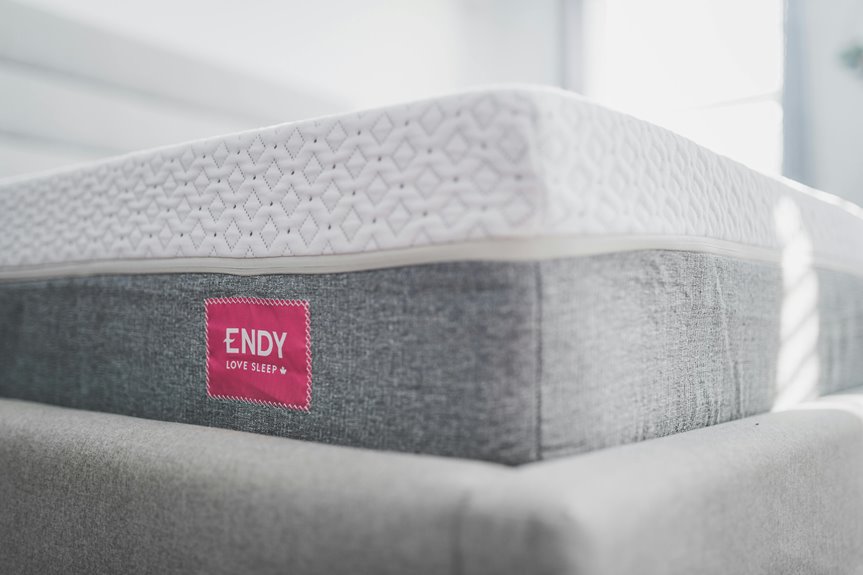

I’d say most memory foam mattresses give you solid support for about 7 to 10 years, though your actual timeline depends on a few things. Heavier sleepers might get 5 to 7 years, while lighter ones can stretch it to 8 to 10. The foam’s density matters too. Denser foam (4–5+ lbs) outlasts cheaper, fluffier stuff. How you treat it counts as well: rotate it regularly, keep it dry, and protect it from spills. There’s more to know about when you should actually replace yours.
How Long Do Memory Foam Mattresses Last on Average?
I’ve found that a memory foam mattress typically lasts around 7 to 10 years. This timeline depends on three significant factors. The quality and density of the foam itself makes a substantial difference, and so does your own weight, since heavier sleepers compress the material faster and might need a replacement sooner than lighter ones. Let me break down each of these factors so you can determine what you’re actually working with.
Factor 1: The Impact of Foam Quality
Why does foam quality matter so much? The foundation of your mattress longevity depends on it. Higher-density foam resists compression significantly better than low-density alternatives. Dense foam holds its shape under pressure, while thin foam flattens out faster.
Memory foam with 4–5+ lb density can last 9–10 years. Lower-density foam typically lasts 5–7 years before it breaks down. This represents a substantial difference in durability.
Budget constraints are understandable. Investing in quality foam prevents the need to replace your mattress every few years. Quality foam enables consistent sleep quality without premature sagging degrading your mattress performance.
Factor 2: Foam Density
Foam density is the weight of foam packed into a specific space, and it’s one of the biggest predictors of how long your mattress will actually last. Denser foam simply resists compression better, meaning it keeps its shape longer under your body’s nightly pressure. This makes the difference between a mattress that feels great for years versus one that sags after a few. Memory foam with 4–5+ lb density provides 9–10+ years of solid support. Lighter 2–3 lb density foam typically lasts about 5–7 years before it starts breaking down. Heavier sleepers especially benefit from denser foam, since it holds up better against consistent pressure. The investment delivers measurable durability gains.
Factor 3: How Sleeper Weight Changes Mattress Lifespan
While foam density definitely matters for durability, your body weight significantly impacts how mattresses perform. If you’re under 150 pounds, you’re looking at an 8–10 year lifespan because you’re putting less stress on the foam. But if you weigh 230 pounds or more, that same mattress might only last 5–7 years. The heavier you are, the faster the foam compresses and loses its support. This isn’t a judgment; it’s physics. A heavier sleeper needs denser foam to extend the mattress lifespan and maintain adequate support.
Mattress Lifespan by Type
Different mattress types wear out at different rates, which is important to consider when making a purchase decision. Innerspring mattresses typically last about 5–7 years before the coils start losing their bounce and support, while memory foam mattresses last longer at 6–10 years. If durability is a priority, memory foam offers a significant advantage. However, mattress lifespan also depends substantially on usage habits and body weight.
Innerspring Mattresses (5–7 years)
How do innerspring mattresses stack up against memory foam when it comes to longevity? They’re not as durable. You’re looking at about 5–7 years before they start giving up on you. Those metal coils wear out faster than memory foam does, especially if you’re moving around a lot at night. Innersprings tend to develop squeaks and lose support quicker. If you like that bouncy feel, they’re still worth considering, but you’ll probably replace them sooner than a quality memory foam mattress. The trade-off is that they’re usually cheaper upfront, so that shorter lifespan might fit your budget better.
Memory Foam Mattresses (6–10 years)
Memory foam mattresses are the sweet spot when it comes to durability, lasting anywhere from 6 to 10 years on average. They’re a solid investment because they hold up better than innerspring models. Foam density really matters. If you go with higher-density foam (4–5+ pounds), you’re looking at closer to 9–10 years of comfortable sleep. Lower-density options might tap out around 5–7 years.
Your weight plays a role too. Lighter sleepers under 150 pounds get longer life spans, while heavier sleepers might need replacement sooner. You can extend your mattress’s life with proper care by rotating it every few months, using a protector, and keeping your bedroom cool and dry. These steps will maximize your investment.
What Determines How Long a Memory Foam Mattress Lasts?
I’ve found that how long your memory foam mattress lasts really comes down to a few key things: the quality of the foam itself, how much weight you’re putting on it, and how well you’re taking care of it. Your body weight, sleep position, and how often you’re using the mattress all play significant roles, plus factors like bedroom temperature and humidity can either help or hurt your mattress’s lifespan. Even if you’ve got a great mattress, skipping maintenance or ignoring spills and odors will definitely cut its life short.
Material Type & Construction Quality
Why’d the memory foam in your friend’s mattress start breaking down years before yours? Material quality makes all the difference. I’ve seen cheap foam crumble within five years, while quality stuff keeps performing. Higher-density foam, specifically 4–5+ pounds per cubic foot, resists compression far better than flimsy 2–3 lb alternatives. It maintains its shape under pressure, so your mattress doesn’t go flat.
Construction matters too. Better mattresses use reinforced edges and quality cover materials that don’t tear easily. Check what you’re getting before purchasing. You want that dense, well-built foundation. The difference between replacing your mattress in five years versus ten comes down to these material choices, which directly affects your long-term costs.
Your Body Weight & Sleep Position
If you’re on the heavier side or sleep in a way that puts repeated stress on one spot, you’ll want higher-density foam and might need to budget for replacement sooner than someone lighter. Your body weight significantly affects mattress lifespan. Someone under 150 pounds can expect a solid 8–10 years. If you’re carrying 230+ pounds, plan for closer to 5–7 years because you’re compressing that foam harder and faster. Your sleep position counts too. Side sleepers concentrate pressure on hips and shoulders, which can wear those zones quicker. Back sleepers distribute weight more evenly, so they typically get longer life from their mattress. Understanding your specific situation helps you make smarter decisions about mattress replacement timing and investment.
How Often You Use Your Mattress
Beyond your body weight and sleep position, how often you’re actually using that mattress makes a real difference in how long it’ll hold up. If you’re sleeping on your mattress every single night, you’re putting constant pressure on the same foam spots. That daily compression adds up quickly. A guest bed that you use occasionally will naturally last longer since it’s getting much less wear and tear. People who travel frequently or share their bed inconsistently often get extra years out of their mattresses. More use equals faster breakdown. Less use equals longer lifespan. Consider your actual sleeping habits when you’re thinking about replacement timelines.
Maintenance, Care, & Environment
How you treat your mattress between the sheets significantly affects its lifespan. This includes using a solid bed frame, rotating your mattress every three to six months, and adding a waterproof protector. These simple maintenance steps extend your mattress’s life. Your bedroom environment also plays a critical role. Keeping your space cool and dry prevents humidity and heat from breaking down foam. When spills occur, clean them immediately rather than allowing them to set. By treating your mattress with care, you avoid premature replacement and protect your investment.
What Are The Signs It Is Time to Replace A Memory Foam Mattress?
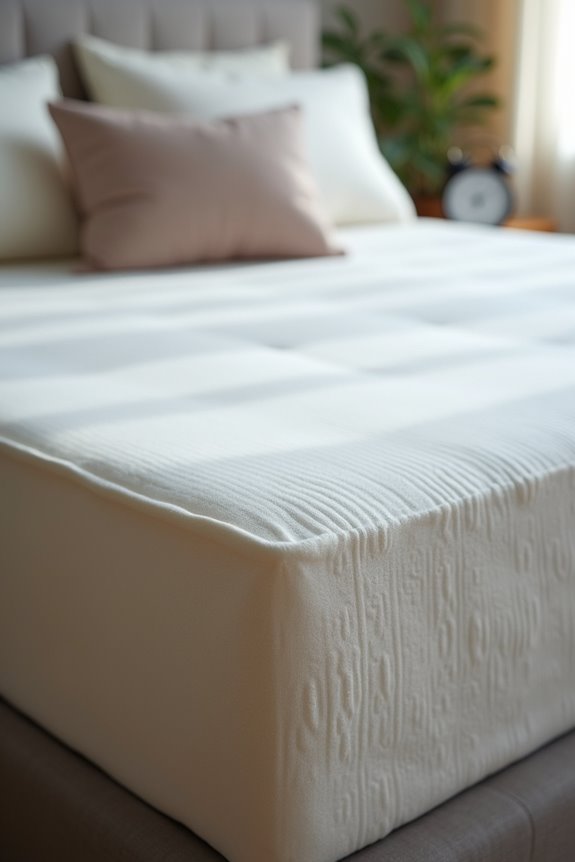
When your mattress starts showing wear, you’ll notice clear signs of deterioration. If you’re seeing permanent body impressions or sagging spots, replacement is necessary. When you start waking up with back or joint pain that wasn’t there before, your mattress is losing its support where you need it most. Also watch for physical damage like rips, cracking, or crumbling foam on the surface. A torn cover matters too. These aren’t just cosmetic issues; they indicate the materials have reached their functional limit. When your mattress starts sending these signals, it’s time to consider replacement.
6 Signs It’s Time to Replace Your Mattress
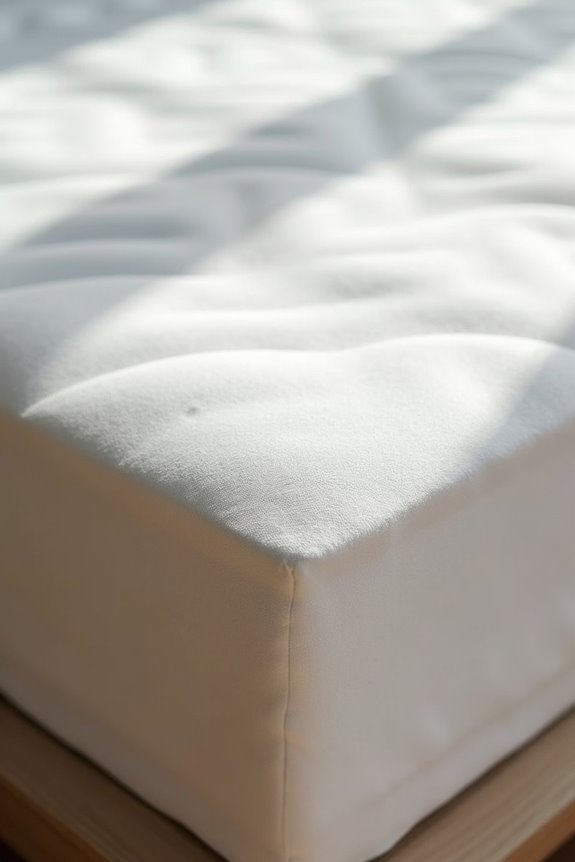
I’ve noticed that your mattress will tell you it’s done through some pretty obvious signals beyond just feeling tired in the morning. You might see your mattress sagging in the middle like a hammock, wake up with unexplained aches and pains, or find yourself tossing and turning all night when you used to sleep soundly. There’s also the annoying stuff like allergies acting up, dust mite buildup, weird odors, or suddenly feeling every move your partner makes. These are all signs that your mattress has reached the end of its useful life.
1. Sagging or a Hammock Effect
One of the most obvious signs your memory foam mattress is wearing out is sagging or that dreaded hammock effect, where you sink into the middle and can’t seem to get comfortable no matter how you position yourself. This includes visible body impressions that don’t bounce back anymore, indicating the foam has lost its support.
When your mattress starts sagging, the materials are breaking down. Sagging affects your spine alignment, which means you’ll likely wake up sore or stiff. If you’re noticing permanent dips where you sleep, you should replace your mattress soon. Your mattress’s structural integrity is compromised, and delaying replacement will only extend your discomfort.
2. Waking Up With Aches and Pains
How’s your back feeling when you wake up? If you’re noticing consistent aches, stiffness, or joint pain, your mattress might be the culprit. A quality mattress should support you, not leave you sore.
When memory foam breaks down, it loses its ability to properly align your spine and cushion pressure points. That groggy, achy feeling is frustrating, but it’s actually your body’s way of signaling that your mattress isn’t doing its job anymore.
Pay attention to this pattern. If you’re waking up stiff several mornings a week, especially after 7+ years of use, that’s a strong sign your foam has lost its support. A mattress should help you feel rested, not creaky.
3. Allergies, Dust Mites, and Odor Buildup
Your mattress is basically a dust mite hotel, and after years of use, it can become a pretty unpleasant one. I’m talking about the stuff that accumulates deep inside: dead skin cells, allergens, and moisture that create the perfect breeding ground for dust mites. That’s gross.
If you’re waking up sneezing, congested, or noticing unexplained allergies, your mattress might be the culprit. Older foam can’t shed these allergens like newer material can, and they just pile up over time. Add musty odors that won’t go away even after cleaning, and you’ve got a solid sign it’s replacement time.
Upgrading to a fresh mattress with a protector reduces allergen accumulation and improves sleep quality by minimizing dust mite exposure and odor buildup.
4. Tossing and Turning Throughout the Night
Ever notice you’re constantly shifting positions, flipping your pillow to the cool side, and doing gymnastics just to find a comfortable spot. That’s a red flag that your mattress isn’t supporting you properly anymore. When foam breaks down, it loses its ability to cradle your body evenly, so you’re basically tossing and turning all night trying to find relief. That disrupts your sleep cycle.
A quality mattress should let you settle in and stay there. If you’re waking up after eight hours of wrestling with your bed, your foam has likely lost its supportive properties. That constant movement indicates the material’s compression has deteriorated. Your mattress has reached the end of its lifespan and needs replacing.
5. Feeling Your Partner Move More Than Before
When your partner’s movements seem to jolt you awake multiple times a night, that’s a telling sign your mattress is wearing out. As memory foam breaks down, it loses the ability to absorb motion and isolate movement. When that happens, you feel everything: every toss, every turn, every shift they make. You’re both losing sleep because the mattress isn’t performing like it used to. If you’re constantly waking up because of your partner’s movements, your foam has probably degraded and can’t do its job anymore. At that point, replacing it becomes necessary for getting adequate rest together.
6. Visible Lumps, Impressions, or Fabric Wear
How can you spot physical breakdown happening right before your eyes? Look for permanent body impressions that don’t bounce back, visible lumps scattered across the surface, or sagging areas that catch your eye immediately. If your mattress cover has rips, tears, or crumbling fabric, that’s a red flag. Check corners and seams carefully because that’s where wear shows first.
Visible lumps mean the foam has lost its structure underneath. These aren’t just cosmetic issues; they signal your mattress can’t support you properly anymore. When these signs appear, replacement time has arrived. Your body requires a mattress with intact support materials that won’t deteriorate further.
How to Make a Memory Foam Mattress Last Longer
There’s no magic trick to keeping your memory foam mattress in great shape. It’s mostly about treating it right and staying on top of a few simple habits. Start with a solid bed frame that properly supports your mattress, which prevents sagging and extends its life significantly. Rotate it every three to six months. This simple step makes a real difference. Grab a waterproof mattress protector too; it shields against spills and accidents that would otherwise damage the foam. When spills happen, clean them quickly using the right methods. Don’t overlook your bedroom environment either. Keeping temperature and humidity in check protects your mattress from breakdown. These steps aren’t complicated, but they add years to your mattress’s lifespan.
Does Mattress Warranty Reflect How Long It Will Actually Last?
Should you trust your mattress warranty as a guide for how long your bed will actually stay comfortable? Not entirely. Most warranties use a sag threshold of around 1.5 inches as their cutoff for defects. Your comfort can seriously decline before you hit that mark. You might wake up with back pain or notice your mattress feeling less supportive long before it technically “fails” the warranty test. While warranties protect you against major manufacturing defects, they don’t necessarily reflect when your mattress stops feeling great. Think of warranties as a safety net, not a comfort timeline. You’ll probably want to replace your mattress based on how you’re actually sleeping, not just what the paperwork promises.
When Should You Replace Your Memory Foam Mattress?
Most of us can get a solid 7 to 10 years out of a memory foam mattress, and that’s really the sweet spot you’re aiming for. Your timeline might shift depending on what you’re working with. Lower-density foam tends to wear out faster, closer to 5–7 years, while higher-density stuff can stretch beyond a decade if you treat it right. Your weight matters too. Heavier sleepers might need replacement sooner than lighter ones. The key is paying attention to how you feel when you wake up. If you’re consistently sore or noticing permanent body impressions, don’t wait around. These are clear signs that your mattress has lost its structural integrity and support capability.