

Fence cost per linear foot is the installed price for each foot of fence line, not square footage, and most projects land between $20 and $60.
That spread hides real variation: a 6-foot privacy fence in cedar can run triple what chain link costs for the same stretch, and labor eats 40 to 55% of the total before terrain or gates enter the picture.
What Fence Costs Per Foot Actually Means
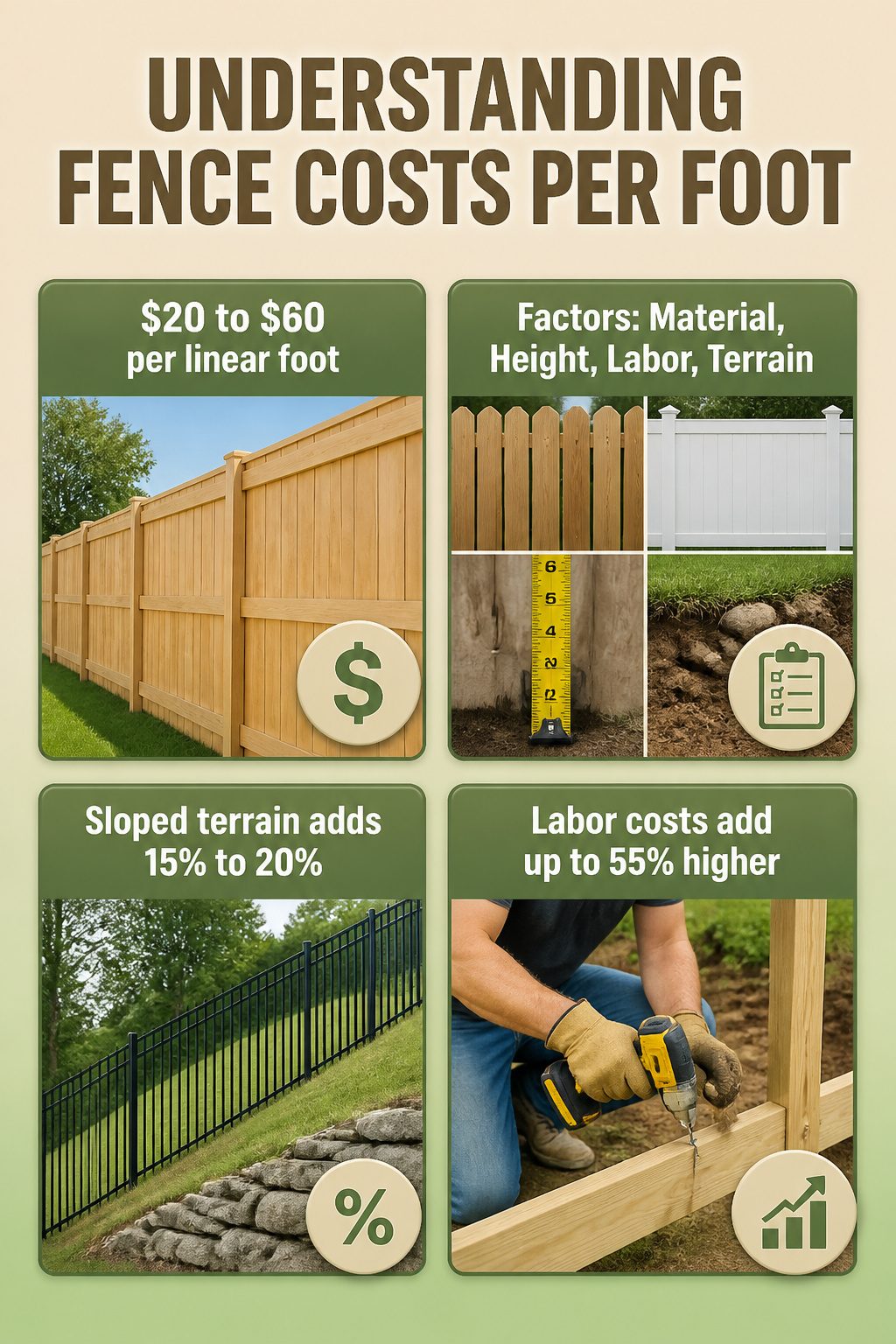
Most fence installations run $20 to $60 per linear foot, but that range hides real variation. The figure refers to linear feet, the actual run of the fence line, not square footage.
A 150-foot run costs differently than a 150-square-foot patio would, and mixing the two up is an easy way to get a quote that makes no sense.
What moves a project within that range comes down to four things: the material you pick, how tall you want it, what local labor costs look like, and what your yard actually throws at the crew.
Sloped terrain, rocky soil, or root systems can add 15% to 20% to the total. Decorative touches like lattice tops add another few dollars per foot.
Labor is typically the largest single line item on a fence project. Installed rates run roughly 40% to 55% higher than materials alone, which is why the rest of this article unpacks the range instead of landing on one number.
The $20 to $60 spread is honest, but only if you know where your own project sits inside it.

Premium Quality: The UPGRADE privacy screen for fences is made from 170 GSM non-recycled High-Density Polyethylene (HDPE). This ensures lasting durability, reliable privacy protection, and excellent weather resistance. A high-density composition makes it a dependable solution for outdoor privacy needs.

𝐇𝐄𝐀𝐕𝐘-𝐃𝐔𝐓𝐘 𝐑𝐔𝐒𝐓𝐏𝐑𝐎𝐎𝐅 𝐒𝐓𝐄𝐄𝐋 𝐂𝐎𝐍𝐒𝐓𝐑𝐔𝐂𝐓𝐈𝐎𝐍: Built from thick galvanized steel with a weather-resistant powder coating, this outdoor privacy screen withstands rain, sun, and wind without rusting or warping—ideal for year-round outdoor use.

Privacy Solution: Most economical way for privacy over chain link fence, porous decorative concealment, existing cyclone wire fence, wood retaining wall, welded wire fence, chain link fence, privacy barrier around swimming pool, block nose neighbor see through, add privacy to acre back yard backdrop, front yard, patio, garden and porch; hide street, road, construction site, pet kennel pen, block surrounding noise and street view, stops dogs from barking at neighbors.
Material Costs by Fence Type
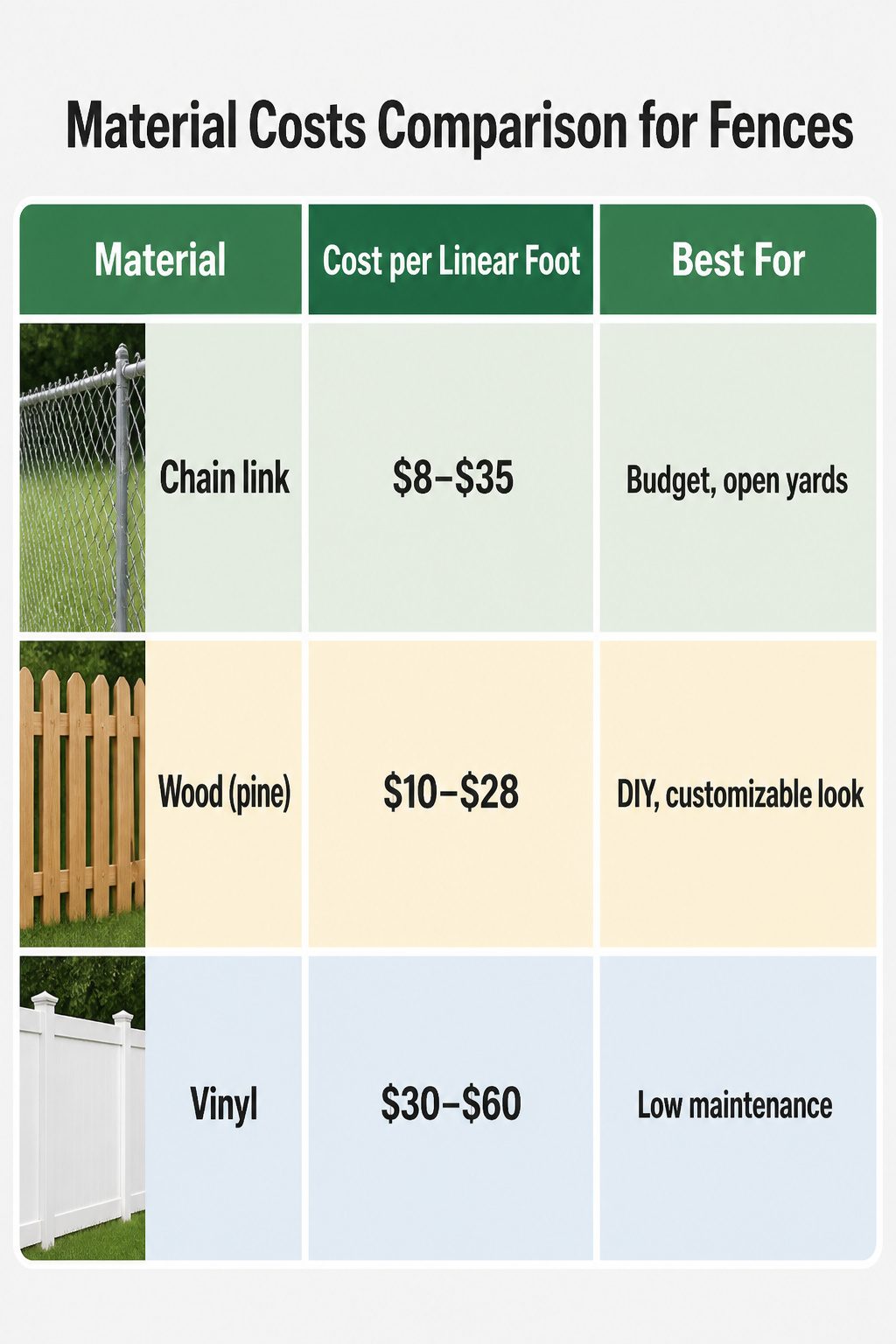
Chain link runs $8 to $35 per linear foot, wood sits at $10 to $45, and vinyl lands at $30 to $60. Those ranges swing wide because the material itself is only part of the story.
Wood in particular shifts with species and style: pressure-treated pine sits at the budget end, cedar climbs toward $38 for its natural rot resistance, and redwood can push $50 where supply is tight.
A simple picket eats less material than a solid privacy panel, so even within pine, the per-foot math changes.
Most quotes homeowners see are installed prices, but when sources break material out alone, the split matters. Labor can double the number, especially if posts need deeper setting for a taller run.
| Material | Cost per Linear Foot | Best For |
|---|---|---|
| Chain link | $8–$35 | Budget, open yards |
| Wood (pine) | $10–$28 | DIY, customizable look |
| Wood (cedar/redwood) | $20–$50 | Curb appeal, longevity |
| Vinyl | $30–$60 | Low maintenance |
Each type of material has a different price point based on availability and the effort required to produce it.
What that means in practice: the cheapest material on the shelf is not always the cheapest once you factor in how long it lasts and how much work it needs.
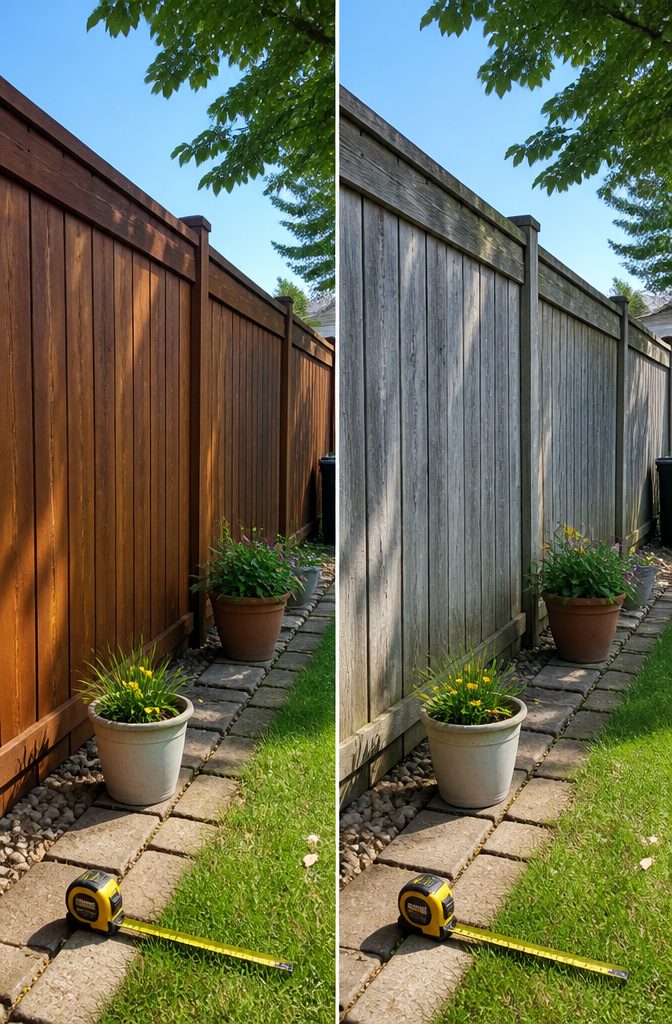
Chain link asks almost nothing of you after install. Wood asks for stain every two years.
Vinyl asks for a hose. Pick the one whose maintenance you will actually do.

PET & CHILD SAFE: Create a safe outdoor play area for fur babies and children. Rest assured that this fence will create a sturdy barrier to protect your family.

Flexible Design, Easy Installation: Measures 30"H for Coonoble vinyl fences. The adjustable post bases allow installation on slopes or uneven ground, and there are different base options for soft and hard surfaces
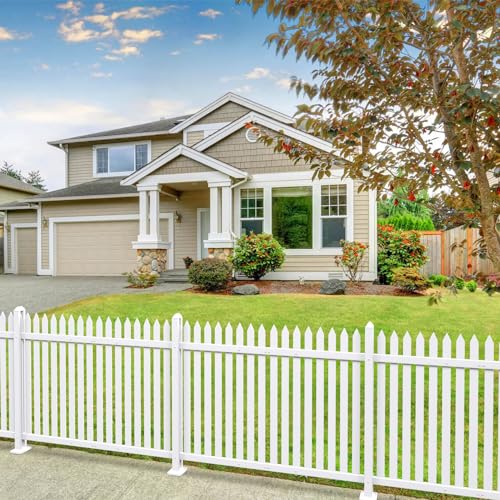
Size: Vinyl fence is 84" inches wide and 36" inches high. Each panel measures 42 inches wide and 36 inches high, (2) panels included. This set is straight; please let me know if you prefer scalloped top
How Height Changes the Price
Each extra foot of height adds roughly 15 to 20% to both material and labor costs.
A 4-foot picket fence and a 6-foot privacy fence are fundamentally different projects even at the same length, since taller posts must be set deeper and a third horizontal rail is needed above the 4-foot span.
That 6-foot privacy fence runs about 30 to 40% more per linear foot than its 4-foot counterpart in the same material.
Eight-foot heights exist and some homeowners do choose them, but they often require engineering or special posts depending on local requirements.
Budget another 25 to 35% on top of the 6-foot price if you are set on that height, and check whether your area triggers permit rules above the six-foot mark.
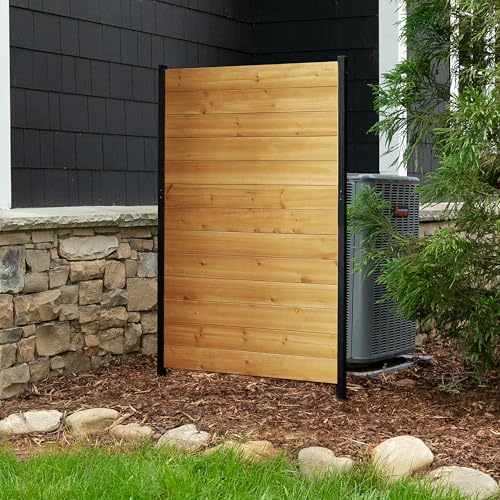
STYLISH NATURAL WOOD: This FSC certified wood screen is made with real wood meaning no two boards have the same grain color, finish, or wood knots differing it from vinyl outdoor privacy fence screen panels.
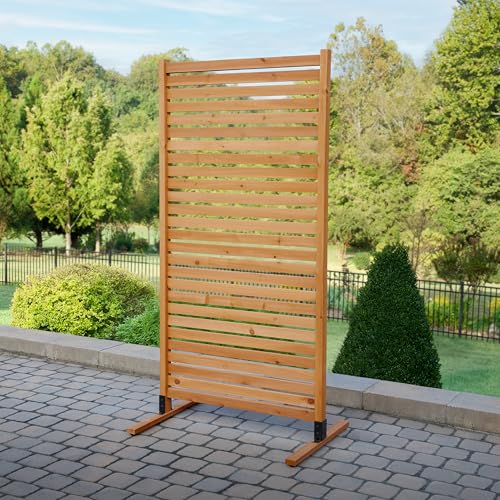
STYLISH NATURAL WOOD: This FSC certified wood screen is made with real wood meaning no two boards have the same grain color, finish, or wood knots differing it from vinyl outdoor privacy fence screen panels.

STYLISH NATURAL WOOD: This FSC certified wood screen is made with real wood meaning no two boards have the same grain color, finish, or wood knots differing it from vinyl outdoor privacy fence screen panels.
Labor Costs and What Drives Them
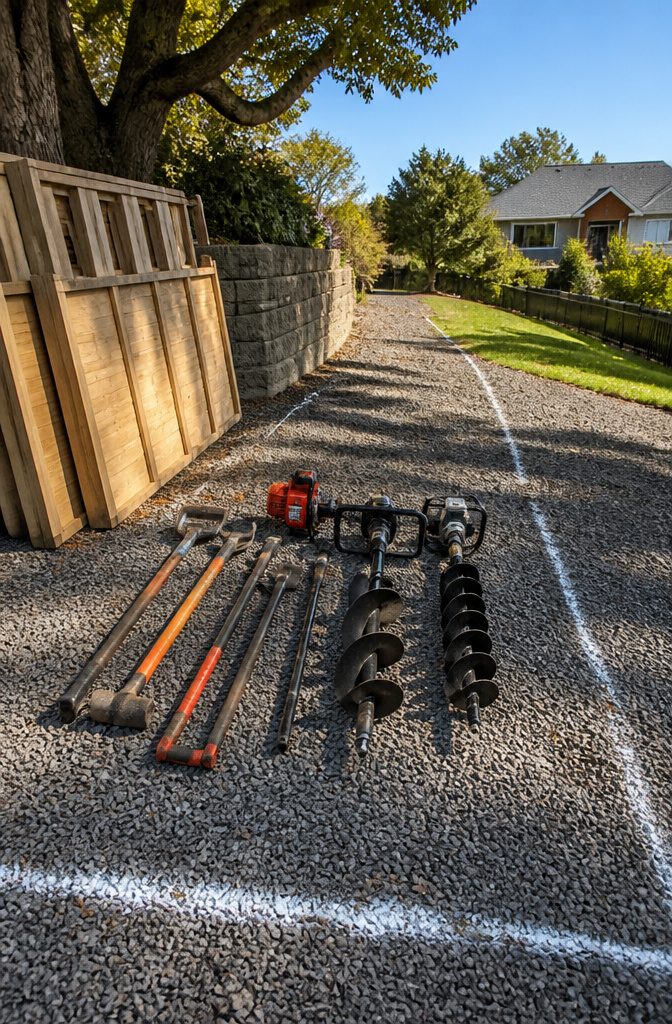
Labor typically eats half the total budget, running $10 to $30 per linear foot depending on where you live.
Urban contractors tend toward the higher end, while rural rates often sit lower, but the real driver is what your yard throws at them.
Rocky or clay soil means power augers instead of a post-hole digger, and that adds 20 to 40 percent. A slope does similar damage, bumping labor another 15 to 30 percent.
Tight access between houses, multiple corners, and gates all stretch the clock. Removing an old fence tacks on $3 to $8 more per foot before the new one even goes in.
Some contractors bid by the linear foot, others by the day.
The day rate can sting on a small job where travel and setup eat the morning. If your yard is straightforward and flat, the per-foot quote usually wins.

High Strength and Temperature Resistance: Tensile strength of 198 lbs with temperature range from -170 to +1000, suitable for high-temperature applications such as CV boot clamps, tie rod boot clamps, and heat wrap for exhaust pipes. UV resistant for outdoor PVC pipes and metal pipes, pipe straps

【Durable and Stable Construction】Made of high-quality galvanized steel, our 5" Pipe Track Wheel ensures long-lasting durability and resistance to rust and corrosion. Suitable for various chain link fence gates.

Includes 10 brace bands with bolts & nuts
Permits, Removal, and the Extras That Add Up
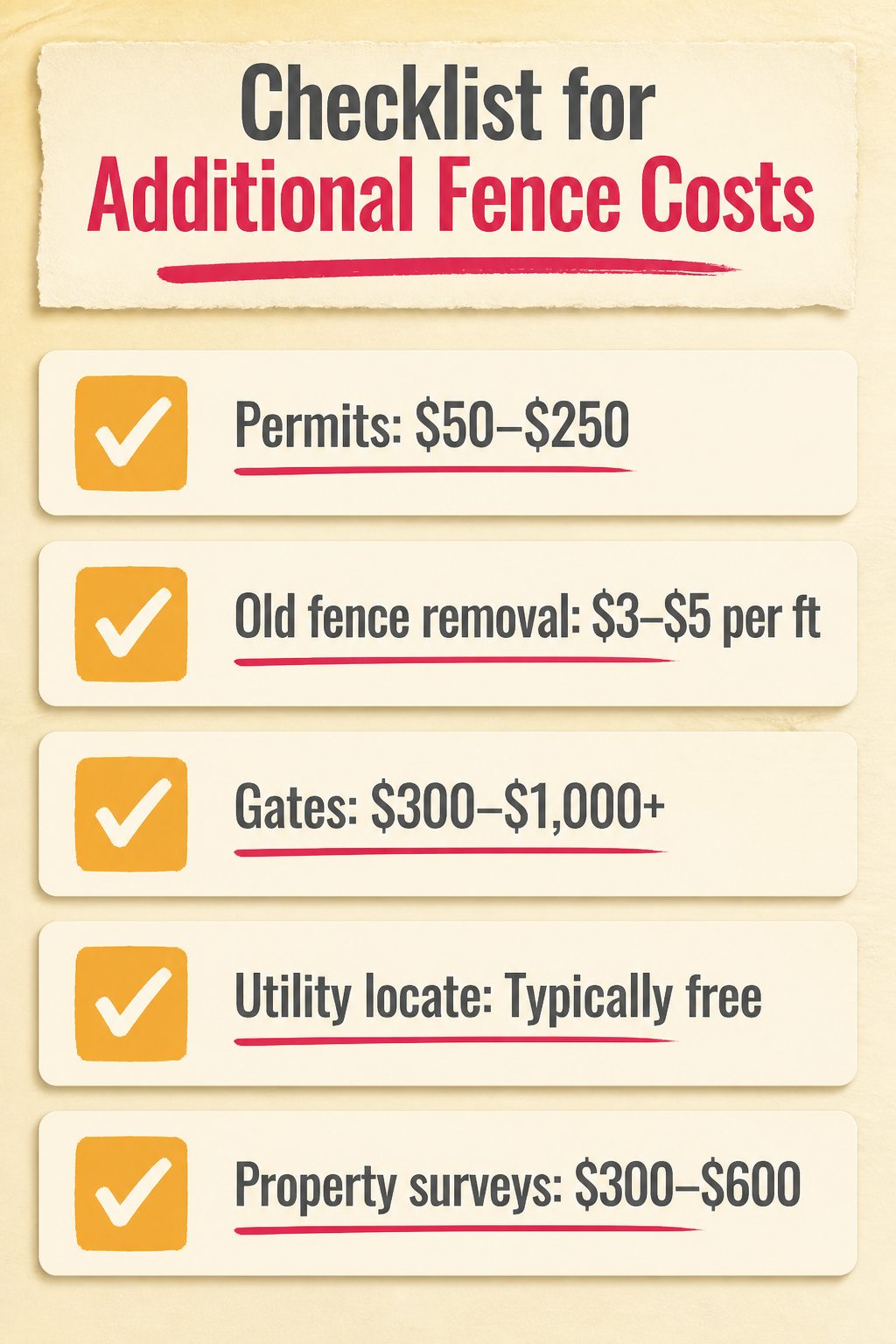
The extras can stack another $800–$1,500 on top of your base quote if you are not watching for them.
- Permits run $50–$200 in most cities, though some push closer to $250. A few contractors bury this; others leave it off entirely. Ask which one you are getting.
- Old fence removal is $3–$5 per linear foot, and posts set in concrete cost the high end of that range. I have seen crews try to fold this into "prep," but it is real labor and deserves its own line on the estimate.
- Gates add $300–$500 for a single walk gate, or $1,000-plus for a wide double with heavy hardware. That is per gate, so two means doubling it.
- Utility locates through 811 are usually free, but scheduling them takes a few days. Digging without one is not a corner worth cutting.
- Property surveys run $300–$600 and only matter if the fence line is disputed, but a neighbor with a different idea of where the lot ends can turn "probably fine" into a very expensive week.

CARBON STEEL BRACKETS: These fence mounting bracket connector are made of carbon steel material and coated with black powder, sturdy enough to support the 1x1 inch square rails.

Durable Aluminum Construction: The aluminum fence bracket for vinyl fencing is made from 2mm thick aluminum to resist cracking, warping, and corrosion—outlasting vinyl/PVC alternatives, even in harsh weather
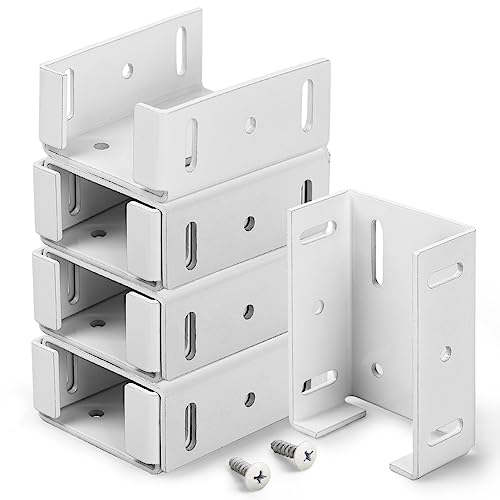
PREMIUM MATERIAL: is made from stainless alluminum steel with white power coating finish for a luxurious look, durability and longevity.
Where You Live Changes the Number
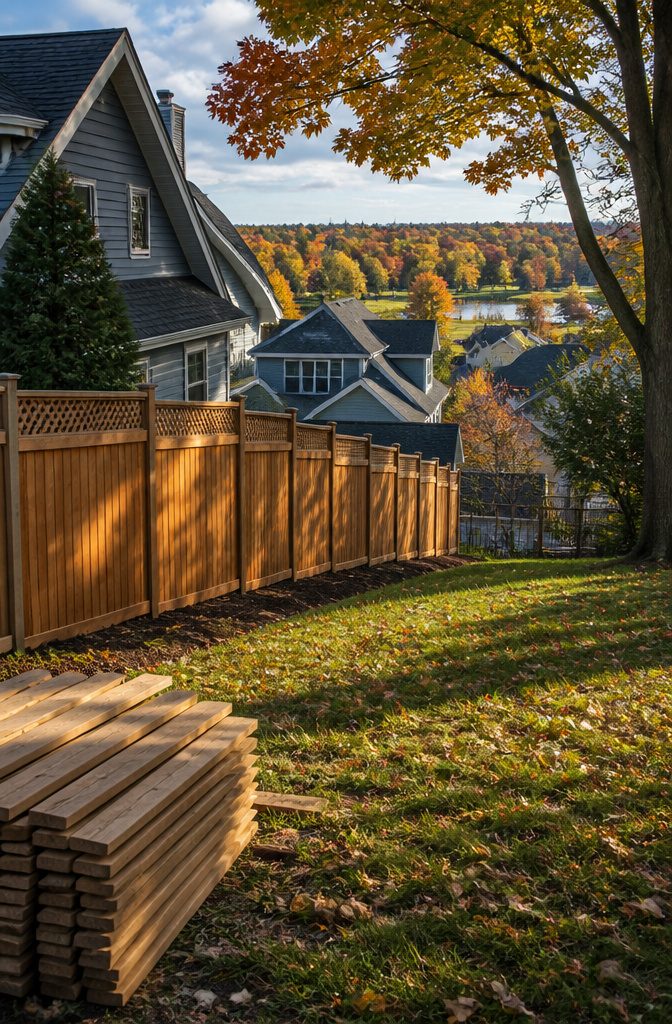
Fence installation in the Northeast runs 20 to 30% above the national average, and urban labor rates push 40 to 60% higher than rural ones no matter which region you are in.
A project that lands around $3,200 in the Midwest costs roughly $4,000 to $4,200 in New York or Boston and closer to $2,700 to $2,900 in Texas or Georgia.
Material availability shifts too.
Cedar tends to cost less in the Pacific Northwest where it is local, while chain link and vinyl move with freight more than anything. I have noticed that frost depth matters more than people expect.
Northern climates need posts set below the frost line, which means deeper holes, more concrete, and more labor per post. In the South, where frost sits at 12 to 24 inches, you save on both digging and concrete volume.
Hurricane zones like coastal Florida add their own twist, code requires deeper posts and reinforced anchoring that eats into the region’s usual 10 to 15% discount.
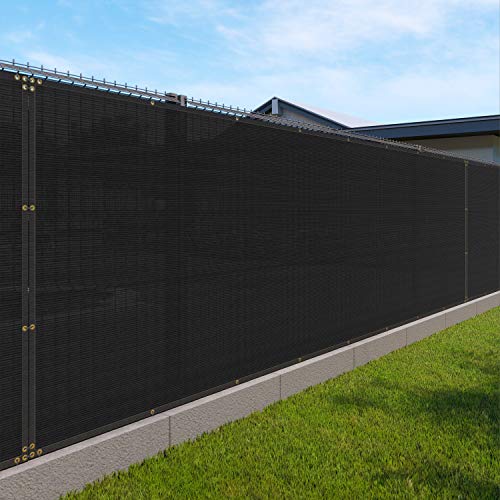
Perfectly Protect Your Yard Privacy: 90% visibility blocking, prevent peeping outside the yard, block nose neighbors see through, protect safety and enjoy freedom. It can also prevent animals from entering your yard, block surrounding noise and street views, block dogs' sight and prevent bark.

EASY ORDERING: Everything you need for your fence project is in the box except for the final post. Only ONE additional post, BL19112, is required for the end of your project. A gate is available by searching BL19111.

1 SCREEN PURCHASE: You will receive preassembled materials to construct 1 cedar wood outdoor privacy screen in a charcoal finish with your purchase
DIY or Hire It Out
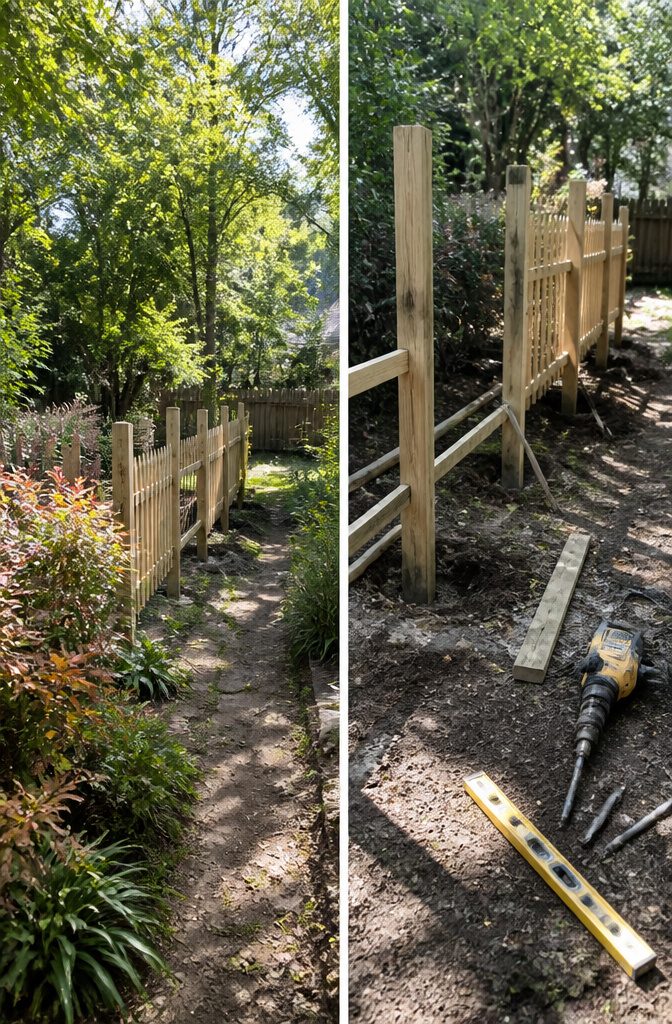
DIY fence installation typically saves about half the total bill, with most homeowners spending $850 to $2,200 on a wood fence they build themselves. That savings comes with a real trade in sweat and weekends.
A project that takes a professional crew two to four days will eat four to eight days of your life, plus another 40 to 60 hours if you are counting prep and cleanup.
Tool rentals add $200 to $500, and you are on the hook for permits and code compliance yourself.
Small, flat yards are where DIY makes sense. A straight run of chain-link or basic wood picket on level ground is forgiving work.
Sloped property changes the math completely. Stepped or racked installation requires longer posts and extra carpentry time per panel.
Rocky soil can force you to rent a jackhammer or rock auger at $200 to $400 a day, and tree roots within four feet of your line will slow post-setting by half.
Professional crews bring warranty coverage, insurance, and the efficiency that protects both your investment and your back.

DIMENSIONS: Each unit is 41" H x 44" W and includes 2 complete fence panels with posts for a total of 88in of fence.
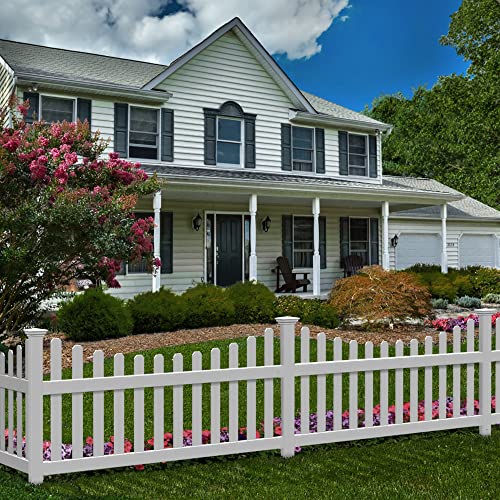
PET & CHILD SAFE: Create a safe outdoor play area for fur babies and children. Rest assured that this fence will create a sturdy barrier to protect your family.
Fence is 84" inches wide and 36" inches high. Each panel measures 42" inches wide and 36" inches high, (2) panels included. Both scalloped and straight top are available. Two heights options: 36 inches, 30 inches.
Timing Your Project for Better Pricing
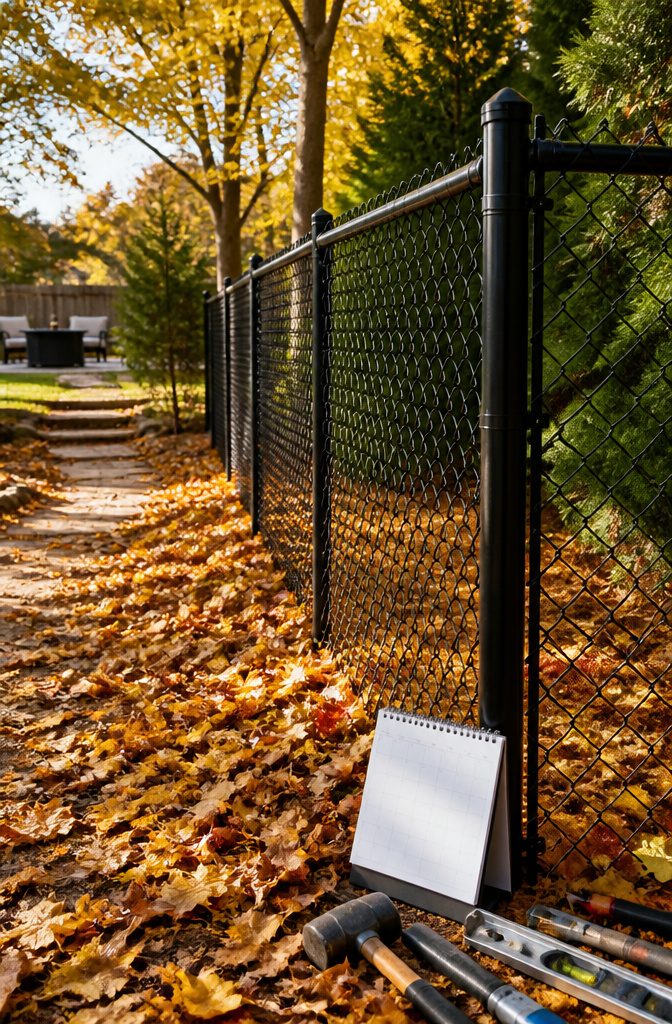
Fall used to be the quiet secret for fence savings. Contractors had more openings, lumber yards weren’t slammed, and you could shave 5 to 10% off labor just by waiting until leaves turned.
That pattern still exists, but it’s shakier than it used to be. Material shortages in recent years have made seasonal swings less predictable, a spring quote might land higher because cedar delivery is backed up, not because crews are busy.
If your yard drains well and your ground doesn’t freeze early, fall remains the better bet. Winter prices drop even lower, though northern states risk weather delays that push work into spring anyway.
The old shoulder-season sweet spot of March through May has tightened; demand starts earlier now, and lead times in summer regularly stretch two to three weeks.
I still think it’s worth getting one fall quote even if you’re set on spring. You’ll know whether the gap is real in your market, or whether material costs have flattened the season out entirely.

Natural Cedar Wood: This wood screen is made with thickened cedar wood and will never fade, differing it from vinyl fence screen panels which can not provide you a natural screen experience.

STYLISH NATURAL WOOD: This FSC certified wood screen is made with real wood meaning no two boards have the same grain color, finish, or wood knots differing it from vinyl outdoor privacy fence screen panels.

Hidden Costs That Surprise First Timers
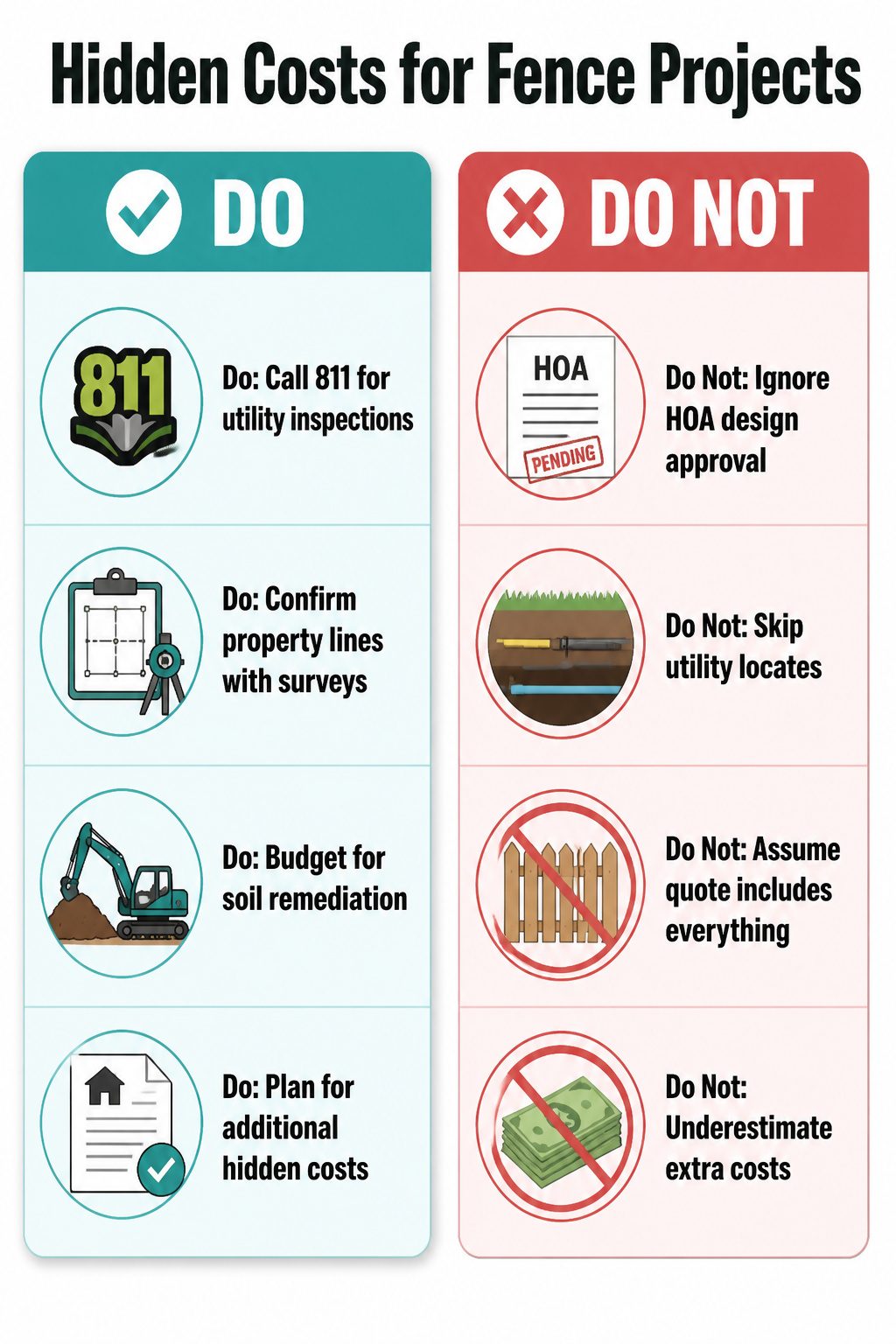
A fence quote almost never tells the whole story. Most contractors leave out the extras that show up after you sign, and the average homeowner tacks on another $800 to $1,500 before the job is done.
Here is where that money tends to go:
- Utility line inspections. Calling 811 is free and required by law in most states before you dig past 12 inches. It marks gas, water, electric, and telecom lines, but it does not touch private lines like irrigation or buried propane. A private locate runs $150 to $400.
- Property surveys. If your lot lines are even slightly unclear, a survey costs $300 to $600.
- Soil remediation. Hitting ledge, a high water table, or dense clay can mean renting an auger, bringing in fill, or switching to longer posts. Grading runs $500 to $2,000 if the slope needs work.
- HOA design approval. Many associations charge $100 to $300 just to review your plans, and that is before you buy a single post.
Add 10 to 15 percent on top of your quote for the surprises no one predicts.

【Durable and Stable Construction】Made of high-quality galvanized steel, our 5" Pipe Track Wheel ensures long-lasting durability and resistance to rust and corrosion. Suitable for various chain link fence gates.

Chain Link Fence Ties Material: constructed from durable 9 gauge galvanized steel, these chain link fence ties resist rust and corrosion even in harsh outdoor conditions ideal for securing chain link mesh

What a Full Project Looks Like in Dollars
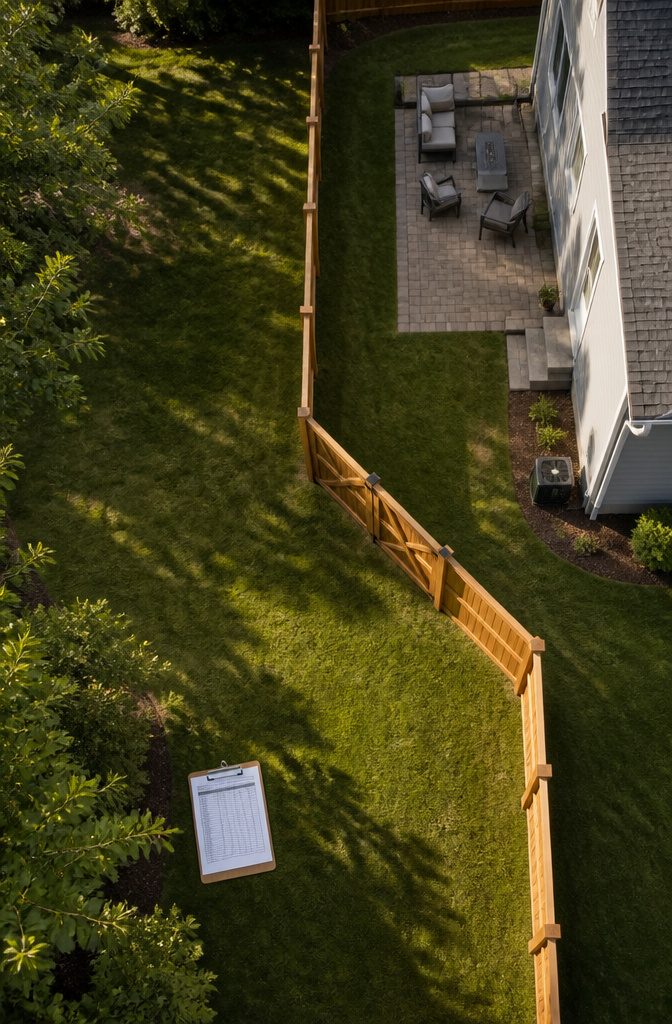
A 150-foot run is the backyard most of us actually have. At the ranges above, that shakes out to $2,400 to $3,300 for wood, $4,500 to $6,750 for vinyl, or $1,200 to $2,250 for chain link.
Those totals include the panels, posts, and the labor to set them, but they assume a pretty straight shot. Gates and corners concentrate cost.
A single walk gate adds $150 to $400, and a double drive gate runs $400 to $1,200, before hardware. Two gates can move your total more than 20 extra feet of straight fencing would.
Slopes, clay soil, or a yard with limited access push labor higher too, so treat any per-foot number as a starting point that your specific layout will adjust.
PROFESSIONAL CONNECTION PERFORMANCE: Designed to create strong, secure steel-to-wood connections while maintaining clean 90-degree alignment. This fence bracket helps improve stability and support reliable outdoor fastening performance.

【FUNCTION】Fence mounting bracket are designed for the installation of square fences on stairs, terraces and gardens. NOTE:Product did not fit metal fence

Suitable for Most Fences: Our fence mounting bracket suitable for insertion into 1 x 1 inch square rails, It is perfect for both indoor and outdoor use
Frequently Asked Questions
What is the average cost per foot to install a fence?
The average runs $20 to $60 per linear foot, fully installed.
That figure covers the fence line itself, not square footage, and it shifts with material choice, height, and local labor rates. Chain link sits at the low end of the range, while vinyl and specialty materials climb toward the top.
How much does it cost to fence a 150-foot backyard?
Expect roughly $2,400 to $3,300 for wood, $4,500 to $6,750 for vinyl, or $1,200 to $2,250 for chain link.
Those totals assume a fairly straight run without major obstacles. Gates, slopes, or difficult access push the number higher.
What is the labor cost to install a fence per foot?
Labor averages $10 to $30 per linear foot and typically eats half the total budget.
Urban contractors charge toward the high end, while rural rates sit lower. Rocky soil, slopes, or tight access can add 15% to 40% on top of that base.
Does fence installation cost more in cities than in rural areas?
Yes, urban labor rates run 40 to 60% higher than rural ones.
A project that costs $4,000 in a rural area might run $5,500 to $6,000 in a major metro market. Regional differences also matter, the Northeast runs 20 to 30% above the national average overall.
What is the cheapest fence option per linear foot?
Chain link is the most affordable material, starting around $8 per linear foot installed.
For actual privacy, pressure-treated pine is the next cheapest option. Chain link also asks almost no maintenance after install, which keeps lifetime costs low.