
You can make your balcony a cozy, useful spot without major work or a big budget. I’ll show simple ways to size up the space, pick the right furniture, add plants, set mood lighting, and bring in personal touches so your balcony feels like an extension of your home. A small balcony can become a comfy nook or entertaining space if you match scale, function, and style—no renovation required.
Follow my clear, practical steps to decide what fits, what plants will thrive, and how to layer lights and accessories for comfort and privacy. I’ll also answer common questions so you can start planning and enjoy your outdoor space sooner.
Step 1: Assessing Your Balcony Space
I start by taking a close look at size, structure, and light so I know what can safely fit, what will last, and where plants or seating will thrive.
Measuring Dimensions and Layout
I measure the balcony length, width, and any built-in features like railings, drain covers, or vents. I write down usable square footage and note narrow spots or steps that reduce usable space. I also measure door swing and the distance from the door to the railing so furniture won’t block access.
I sketch a simple floor plan on paper or use a phone app. I mark fixed elements (HVAC units, meter boxes) and clear zones for walking. This helps me pick furniture that fits—think slim bistro sets for narrow spaces or a small sectional for wider balconies.
Understanding Weight Limits
I check building rules or ask my landlord or condo board about the balcony’s load limit. Many balconies have posted weight limits or structural specs in building documents. If I can’t find paperwork, I contact building management or a structural engineer before adding heavy planters, large furniture, or a hot tub.
I estimate weights: wet soil in large pots adds a lot, and heavy concrete planters can easily overload a small balcony. I prefer lightweight materials—plastic, wicker, or aluminum—and use wall planters or rail planters to spread weight evenly.
Analyzing Sunlight and Exposure
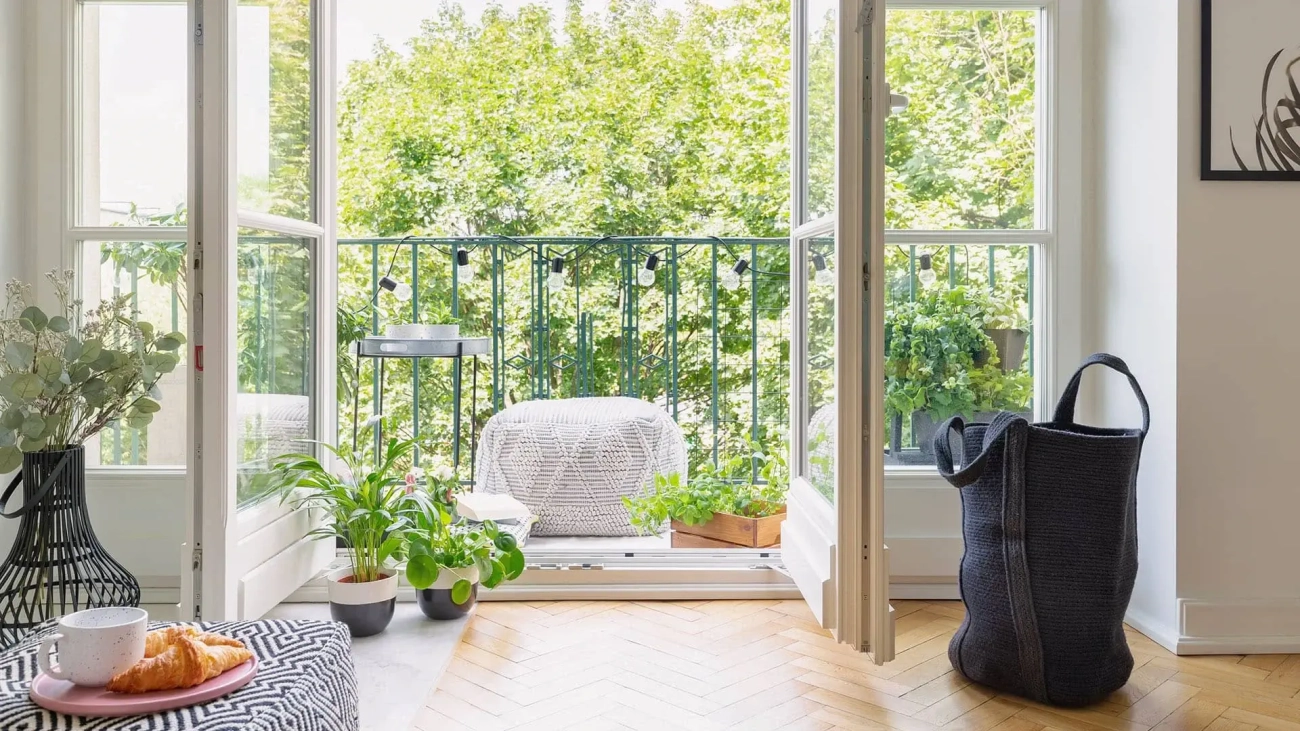
I observe the balcony at different times of day to learn where the sun hits and for how long. I note morning vs. afternoon sun, any shade from nearby buildings, and wind patterns. I take photos at three times—morning, midday, and late afternoon—to compare light and heat.
I pick plants and furnishings based on those observations. Full-sun plants need at least 6 hours of direct sun; shade plants do better with a few hours or indirect light. I also consider UV-resistant fabrics and windproof planters for exposed, windy balconies.
Step 2: Selecting Balcony Furniture
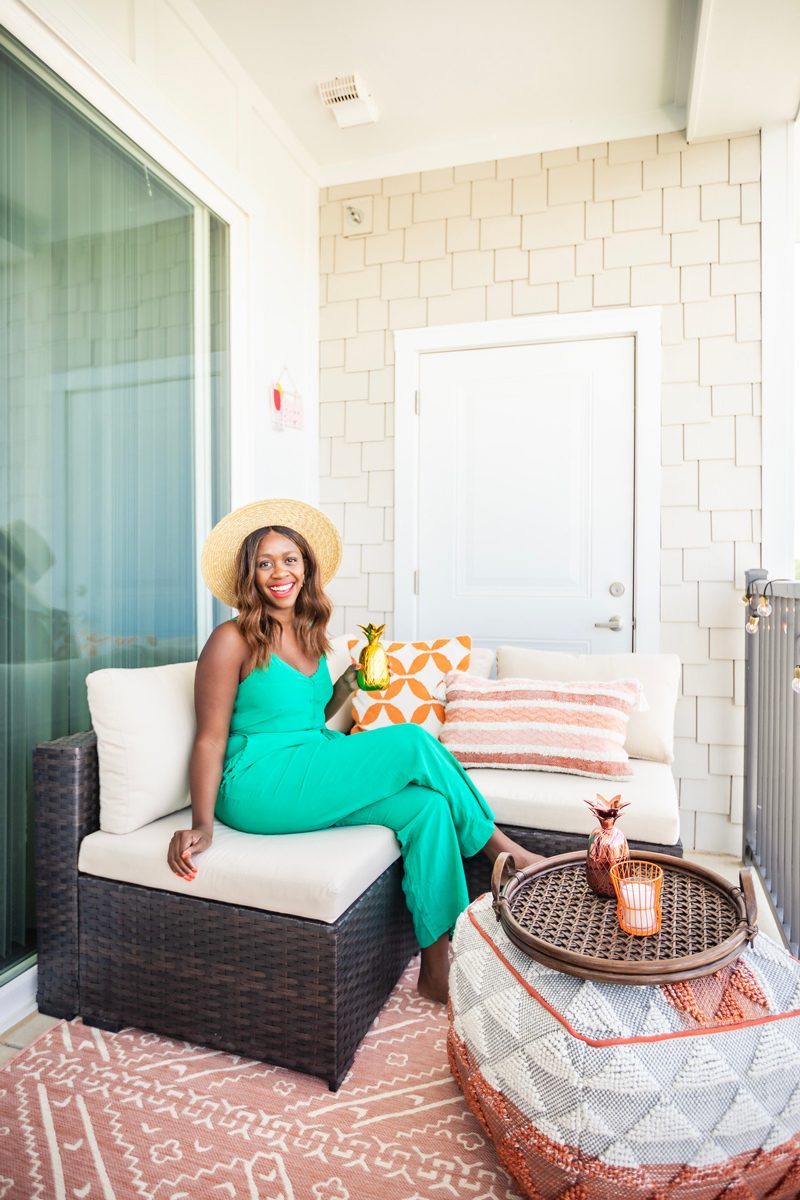
I focus on furniture that fits my balcony size, stands up to weather, and pulls double duty where possible. I pick pieces that save space and still let me sit, dine, or grow plants comfortably.
Choosing Weather-Resistant Materials
I pick materials that resist rain, sun, and rust so my furniture lasts without constant upkeep. For frames, I choose powder-coated aluminum or stainless steel; both resist corrosion and stay light enough to move. For woven looks, I use synthetic rattan (all-weather resin) which won’t rot like natural wicker.
For seating surfaces, I opt for quick-dry foam and outdoor-grade fabric labeled UV- and mildew-resistant. I treat wood like teak or eucalyptus with an oil or sealant every year to keep it from cracking. I avoid cheap metal that flakes paint or untreated wood that warps.
I store cushions in a waterproof box or use furniture covers when I won’t be on the balcony for weeks. Small investments in better materials pay off by saving replacement time and money.
Multi-Functional Furniture Ideas
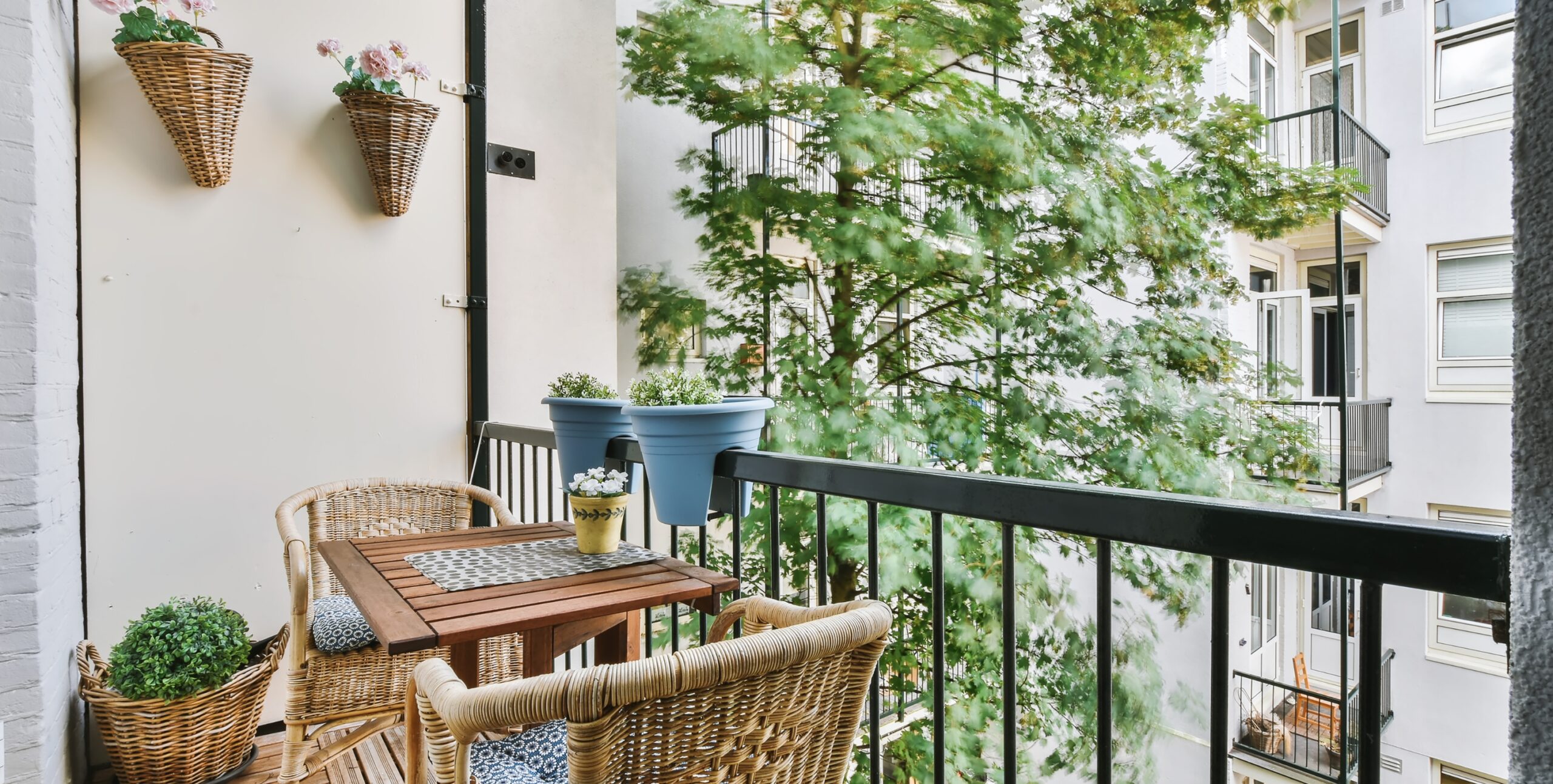
I choose pieces that work in more than one way to get the most from tight space. A bench with a hinged seat becomes storage for cushions, tools, or plant pots. A coffee table with a removable top can double as a serving tray.
I like folding dining sets that expand when guests arrive and disappear when I want more room. A bar cart on wheels works as a drinks station, plant stand, and extra table. Modular seating lets me rearrange sections for lounging or dining.
When buying, I test how easy pieces are to move and store. If something feels heavy or awkward, it won’t be useful in daily life. I prioritize items that make the balcony feel flexible and clutter-free.
Space-Saving Solutions
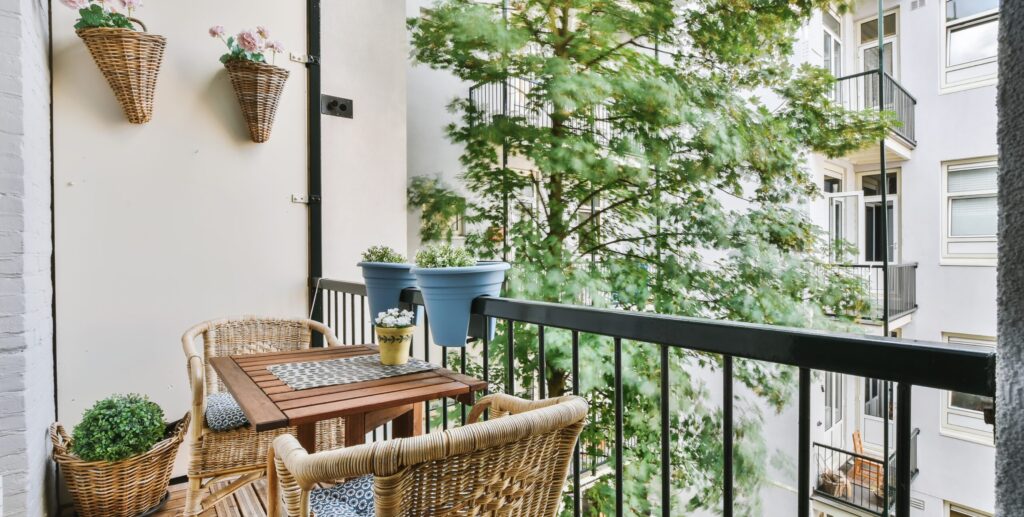
I measure my balcony width and depth before shopping so I don’t buy oversized items. For narrow spaces, I choose slimline furniture: a long, narrow bench or a slim bistro set that tucks into a corner. I prefer chairs that fold flat and stack when not in use.
I use vertical space for plants and storage with wall planters, hanging pots, and shelves. Rail planters attach outside the railing to free floor space. I mount a small drop-leaf table to the wall; it folds down for meals and folds up to give me walking room.
I keep clear pathways by arranging furniture along one side and leaving at least 24 inches of walking space. I label storage boxes and keep often-used items within reach to avoid clutter.
Step 3: Incorporating Plants and Greenery
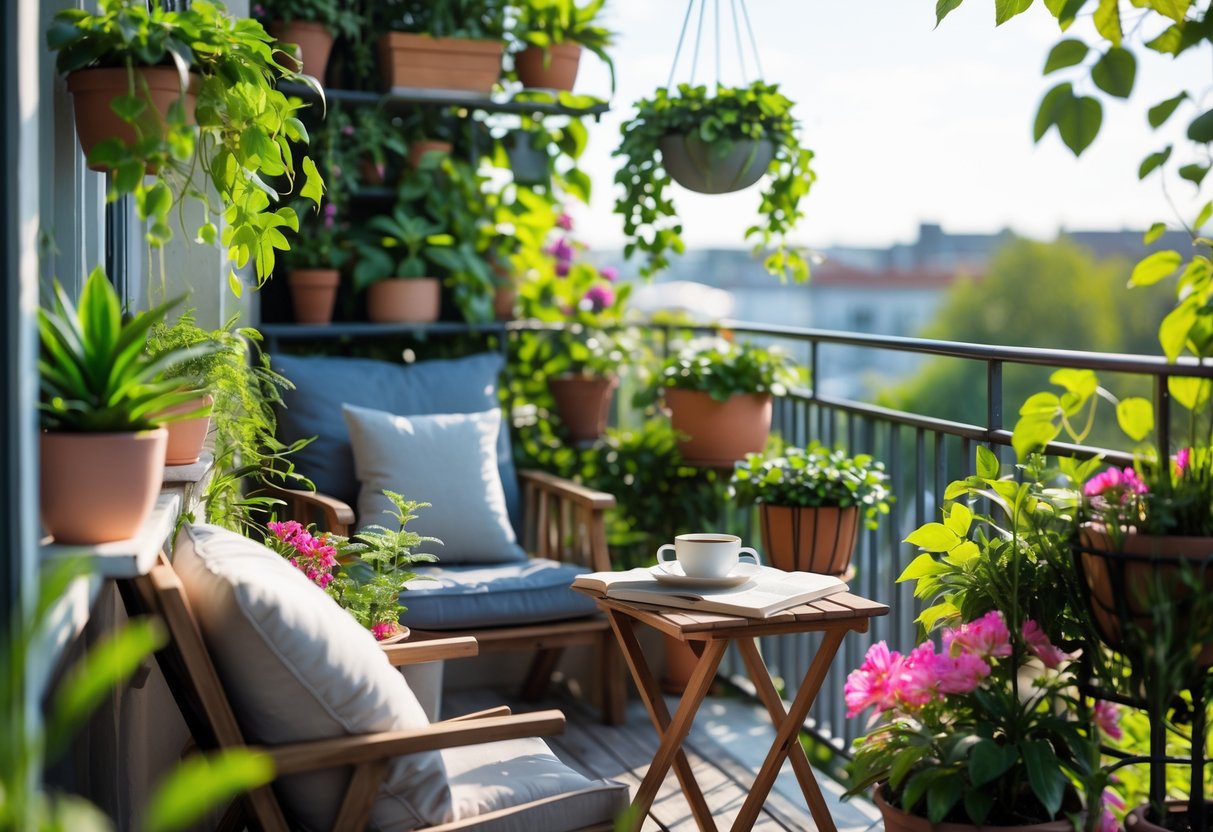
I focus on choosing plants that fit my balcony’s light, size, and wind conditions. I pick containers and layouts that save space while keeping plants healthy.
Selecting Suitable Plants
I start by observing how much sun my balcony gets each day. For full sun (6+ hours) I choose herbs like rosemary, thyme, and basil, plus sun-loving flowers such as marigolds and petunias. For partial sun (3–6 hours) I pick begonias, fuchsia, and lettuce. For shade (less than 3 hours) I use hostas, ferns, and snake plants.
I also consider wind exposure and temperature swings. I avoid tall, top-heavy plants on windy balconies. I match root depth to pot size: shallow pots for herbs and succulents, deeper pots for tomatoes or dwarf peppers.
Vertical Gardening Techniques
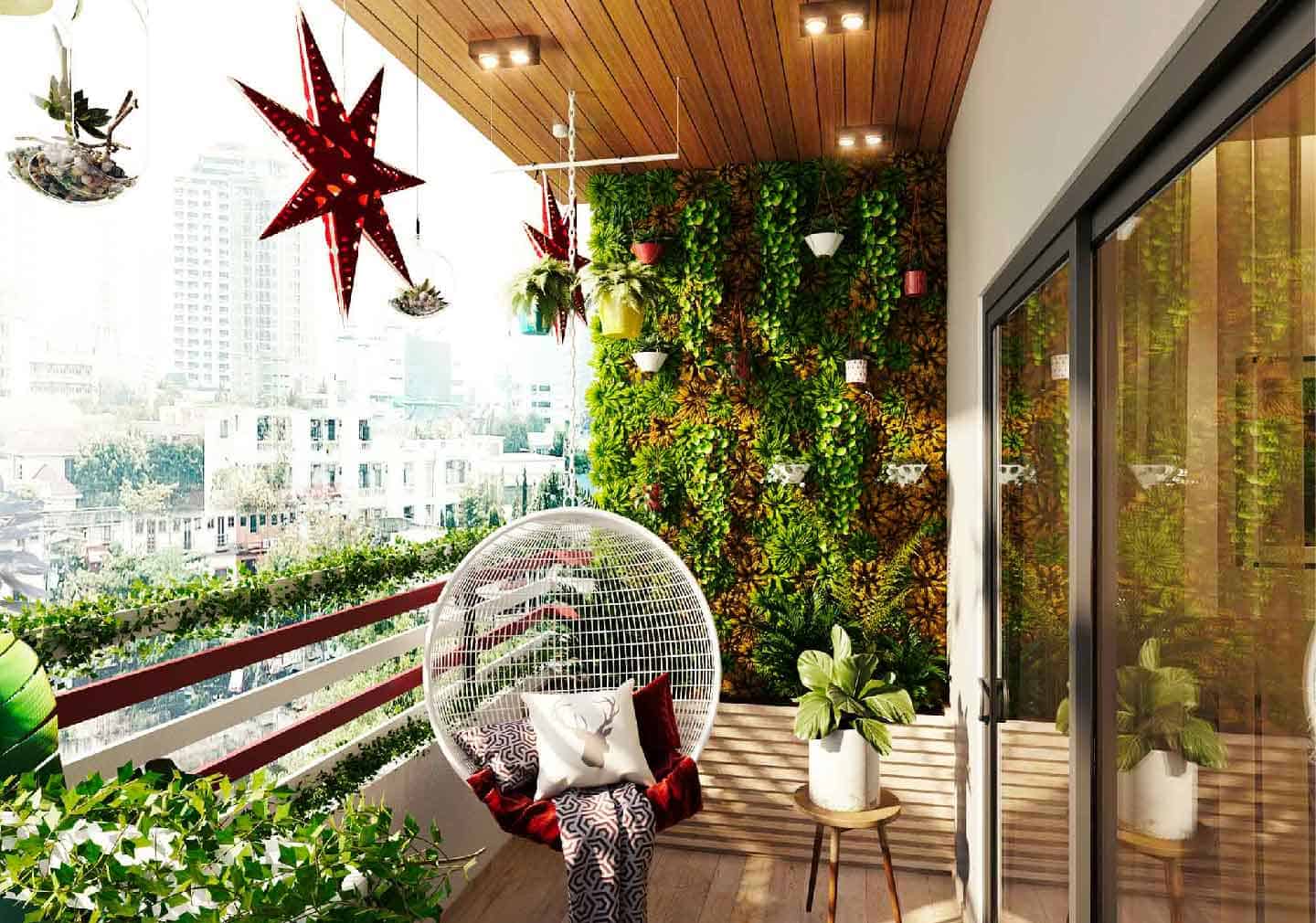
I use vertical systems to free floor space and create layers of green. A simple option is a tiered shelving unit with trays for pots. I also hang pocket planters on fences or attach modular panels to walls.
I secure heavy pots with brackets and choose lightweight media like coconut coir for vertical pockets. I group plants by water needs so drip irrigation or a simple soaker tube works. I place trailing plants (ivy, string of pearls) on top rows so they cascade down, and place sun-loving plants where light is strongest.
Container and Hanging Planters
I pick containers with drainage holes and a saucer or drip tray to protect the balcony floor. I prefer terracotta for breathability and plastic for weight savings. For herbs and leafy greens, I use 6–10 inch pots; for small shrubs or dwarf fruiting plants, I use 12–16 inch pots.
I use hanging planters for trailing varieties and to keep herbs within reach. I secure hooks into structural beams or use clamp-on rail planters that lock to the railing. I label pots with the plant name and watering needs so I don’t overwater. For watering, I add a layer of gravel or broken pots at the bottom to improve drainage and mix in slow-release fertilizer for steady nutrients.
Step 4: Adding Lighting and Ambiance
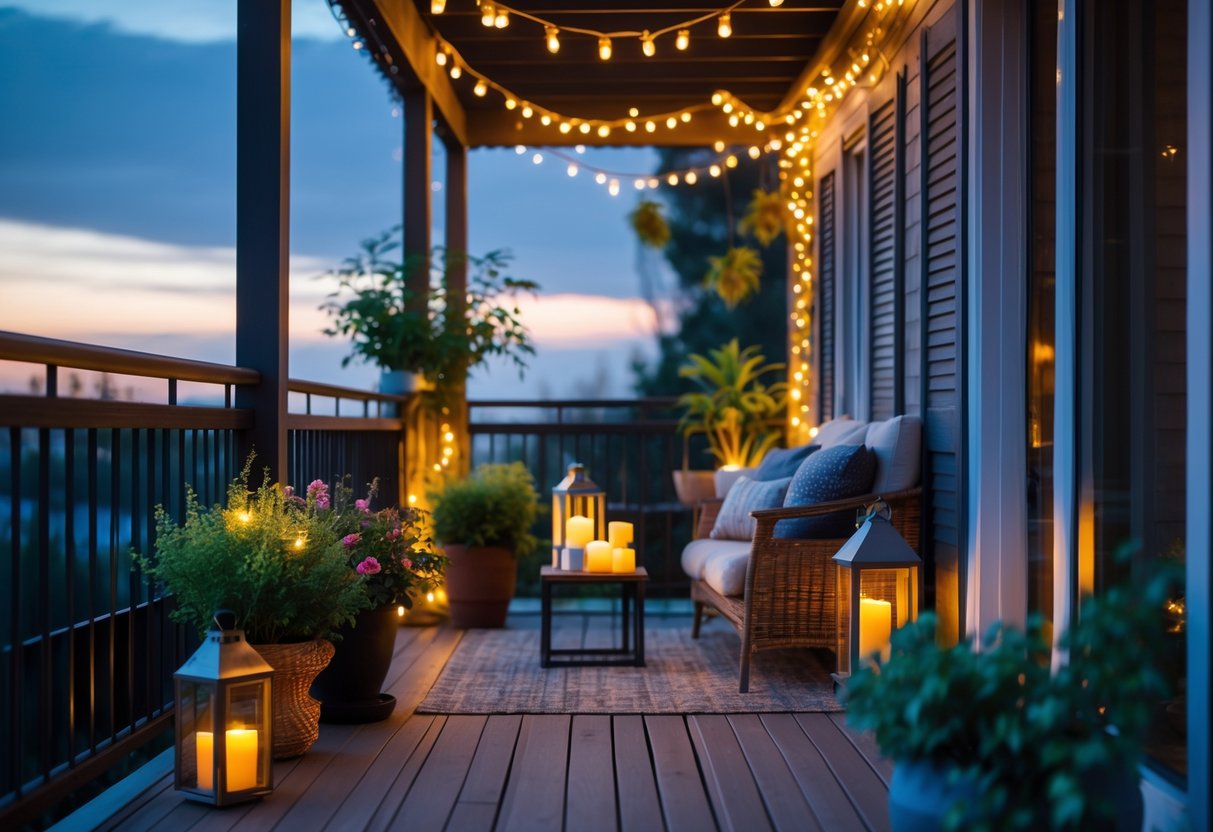
I focus on three practical ways to light a balcony: layered light for tasks and mood, low-maintenance solar options, and safe flameless candles or real candles when allowed. I pick fixtures that match my seating, plants, and power access.
String Lights and Lanterns
I hang string lights along the railing or over the seating area to create even, soft light. I prefer warm white LED bulbs (2700–3000K) for a cozy feel. For short balconies, I run a single strand across the width; for larger spaces I zigzag or drape them overhead to avoid harsh shadows.
Lanterns add style and a focal point. I use a mix of hanging metal lanterns and tabletop glass lanterns with LED bulbs. If I need power-free options, I choose battery-operated LED strings that switch on with a remote. I secure all hanging lights with hooks or zip ties rated for outdoor use.
Solar-Powered Lighting Options
I use solar-powered lights to avoid running cords and to lower power costs. Look for panels that get at least four hours of direct sun daily to charge reliably. I place small stake lights in plant pots and solar lanterns on tables where the panel gets sun.
Solar string lights work well on sunny balconies; aim for models with separate, tiltable panels. Choose LED solar lights with at least 200 lumens for task areas and 20–50 lumens for ambient glow. Check IP ratings: IP44 is fine for splash protection, but IP65+ is better for exposed locations.
Candle and LED Decor
I use real candles only when the building rules and wind conditions allow. For safety, I place candles inside glass hurricane lanterns or on heavy trays to catch wax and reduce tipping. Never leave real flames unattended.
Battery or rechargeable LED candles give the same look with no fire risk. I pick flicker-mode LEDs for realism and use timers or remotes to control them. For tabletops, I combine 2–3 sizes of LED candles and a low cedar tray to make a simple centerpiece that lights up the space without smoke or sparks.
Step 5: Personalizing With Accessories
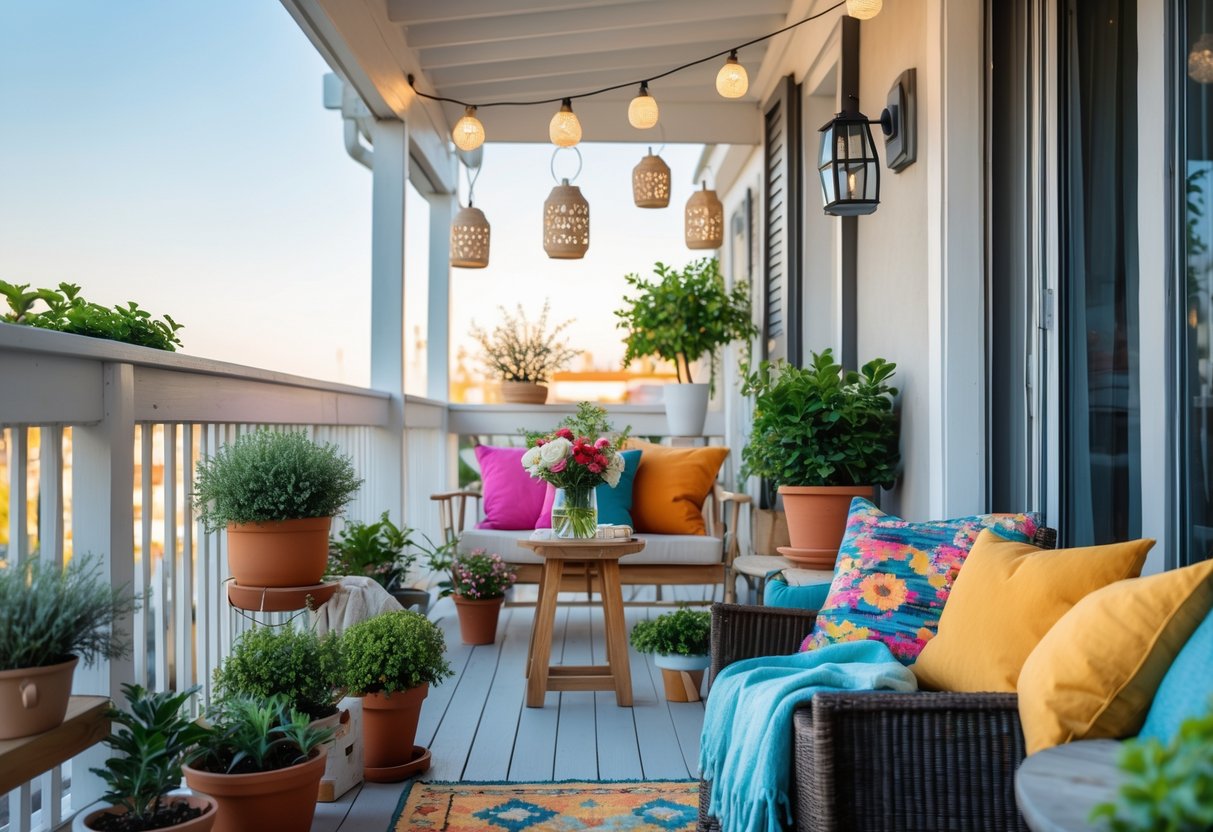
I focus on comfort, privacy, and small touches that reflect my style. Choosing the right rug, cushions, screens, and bits of decor makes the balcony feel like mine.
Outdoor Rugs and Cushions
I pick an outdoor rug that fits the balcony shape — a 4×6 or 5×7 for small to medium spaces, or a runner for narrow balconies. I choose materials labeled “outdoor” such as polypropylene or recycled plastic because they resist mildew and dry quickly after rain. Look for low-pile rugs for easy cleaning and to avoid tripping.
For cushions, I buy covers rated for UV and moisture so colors don’t fade and stuffing dries faster. I combine two seat cushions and two smaller throw cushions for texture: one patterned, one solid. I use cushion ties or non-slip pads so things stay put on windy days. I keep an extra storage bin for cushions when I travel or during long wet seasons.
Privacy Screens and Curtains
I measure the railing height and width before buying any screen or curtain so it fits snugly. I prefer bamboo or outdoor fabric panels for quick install; bamboo gives a natural look, and fabric curtains offer soft diffusion of light. Use tension rods or clip-on hardware for renter-friendly mounting.
For more coverage, I layer a low fence-mounted planter with tall grasses or bamboo behind a fabric curtain. I secure screens with zip ties or heavy-duty cable ties at the corners to stop sagging. In windy areas, choose breathable woven screens to reduce wind load and keep fabric curtains weighted at the hem.
Decorative Accents
I add small accents that show my taste: a string of warm LED fairy lights, a weatherproof clock, and a small metal tray for drinks. I choose materials that handle outdoor use — powder-coated metal, sealed wood, or resin. For plants, I use a mix of hanging planters and a tiered stand to save floor space.
I include one focal accent, like a sculptural lantern or a colorful ceramic pot, so the space feels intentional. I keep fragile items inside when I’m away. For safety, I anchor tall decor to the railing or wall to prevent tipping.
Frequently Asked Questions
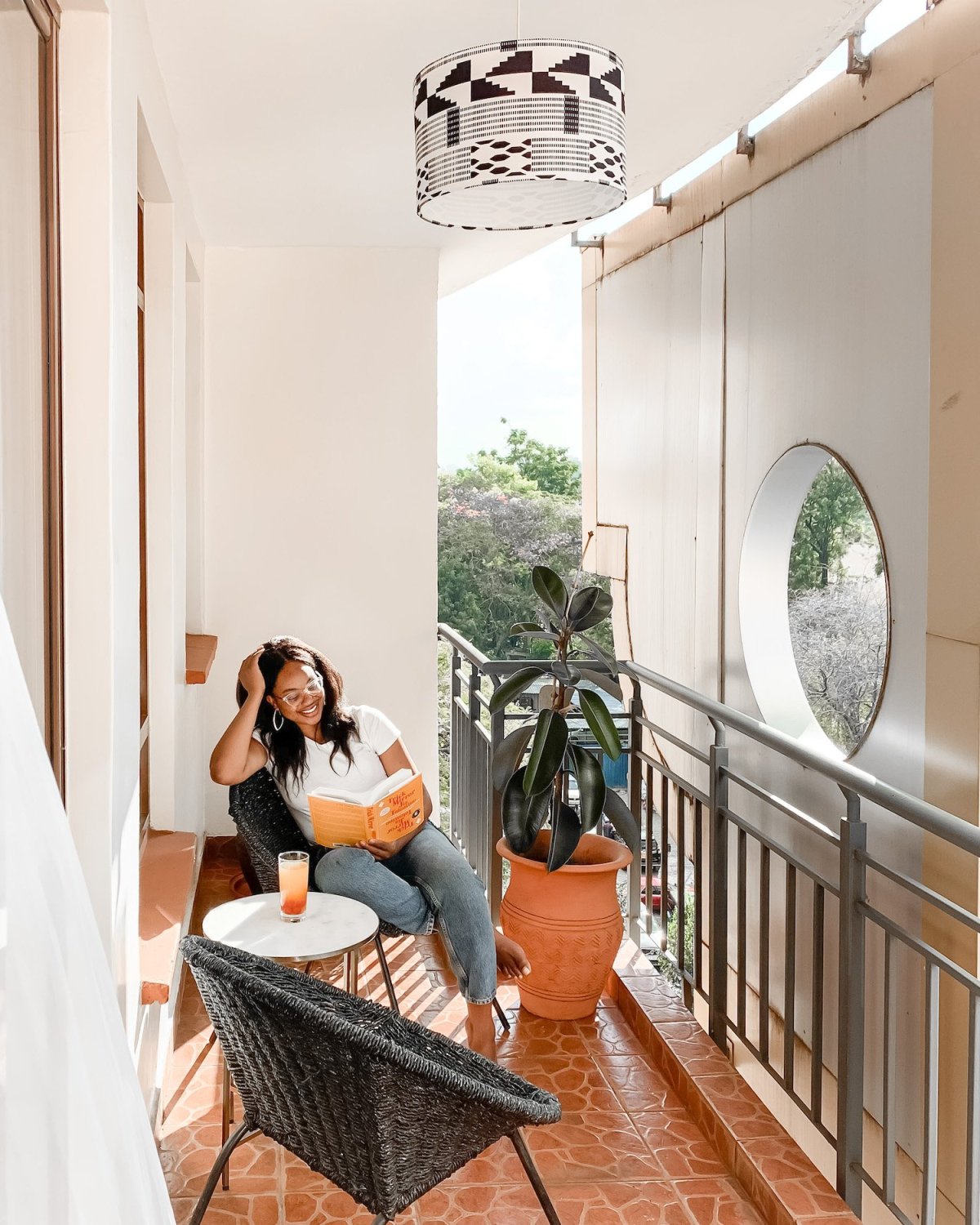
I cover easy, low-cost fixes like rugs, cushions, and plants. I also list hardy materials, plant choices, and safe lighting to make a balcony feel cozy and last through weather.
What are some budget-friendly ways to spruce up a small balcony?
I use an outdoor rug to define the space and add color without much cost. Seat cushions and a few throw pillows refresh chairs and make the area comfy.
I add plants in recycled containers like tins or baskets for low-cost greenery. Hanging planters free floor space and make the balcony feel fuller.
I pick foldable furniture so I can store items when I need room. String lights and inexpensive lanterns add charm without breaking the bank.
Can you suggest weather-resistant decoration ideas for outdoor spaces?
I choose synthetic wicker or metal furniture with rust-resistant finishes for durability. I pick quick-dry cushions with removable covers for easy cleaning.
I use outdoor-rated rugs made of polypropylene that resist mildew and fade. For decor, I pick metal or treated wood pieces and avoid untreated fabrics.
I keep a small waterproof storage box for cushions and fragile items when storms come. I also use heavy plant stands or secure pots to prevent wind tipping.
What are the best plants to use for adding greenery to a balcony?
I choose herbs like basil, mint, and rosemary because they are useful and grow well in containers. They like sunlight and need regular watering.
I use compact flowering plants like geraniums, pansies, and petunias for color without large pots. They handle container life and brighten small spaces.
I pick hardy foliage such as snake plant, pothos, and succulents for low maintenance. These tolerate partial shade and need less water than many flowering plants.
What lighting options would you recommend for a balcony to enhance its ambiance?
I hang warm white string lights along the railing or overhead for soft, even light. They use little power and create a cozy feel.
I place battery or solar-powered lanterns and votive holders on tables for safe, portable light. Solar path lights clipped to railing work well for night safety.
I install a small weatherproof LED sconce if I want brighter, fixed lighting. I prefer LED bulbs for low energy use and long life.