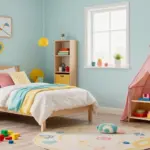
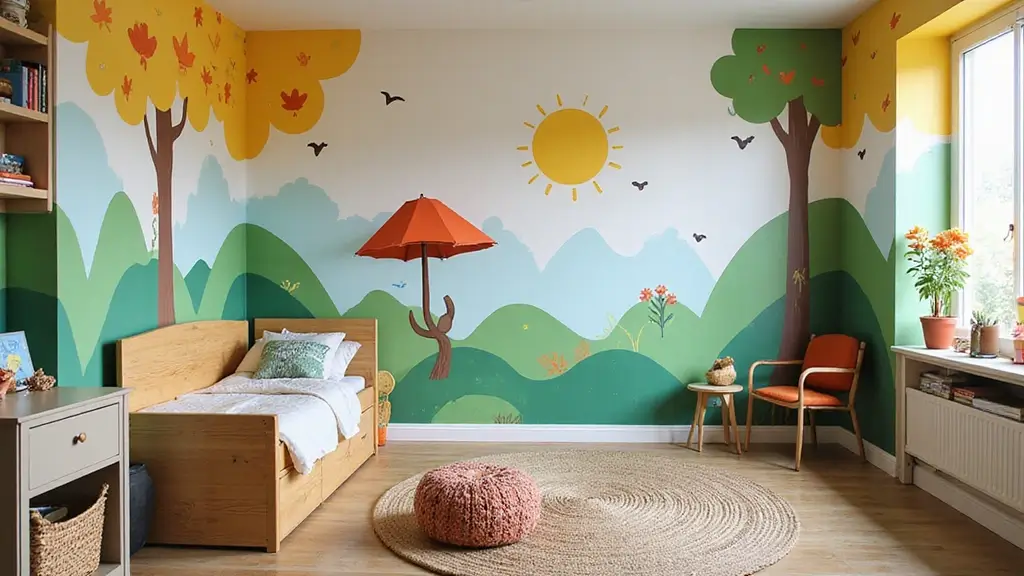

I put this together because a blank wall in a kid’s room can feel like a missed chance for big ideas. A space should invite play, not just rest. When color and shapes show up, kids start to dream out loud. This post gives you simple, doable painting ideas that turn plain walls into imagination hubs. Here is why this matters: a wall that tells a story invites a child to dream, plan, and play.
If you’re a parent, guardian, or someone who helps kids learn through play, this post is for you. You care about safe spaces, easy projects, and walls that adapt as your child grows. You want options that fit a busy schedule and a budget. This guide is written for real homes, not perfect studios.
Here you will find 25 wall painting ideas designed to spark imagination in kids’ rooms. They cover themes like forests, space, oceans, and maps. Each idea comes with practical tips on color choices, materials, and a quick setup that you can start this weekend.
Think of a forest path that begins in a corner, a night sky full of stars above a cozy reading nook, or an ocean world where friendly fish swim past the bed. A treasure map can become a guiding wall, and a city skyline can spark dreams of future trips. These scenes invite your child to tell stories, plan adventures, and sort colors in their own way.
Here is how to make them real. Start with a simple theme and a two color plan to keep things calm. Test ideas on paper first, then tape edges with painter’s tape for clean lines. Use washable, kid friendly paints and a clear top coat to protect the art. If you want easy changes later, try chalkboard paint or removable decals along the edges.
Next steps: pick one idea to begin and give your child a say in the color and motive. A weekend is enough to draft and paint a small mural, then you can switch it when tastes change. You will learn what works best for your space and your child. Read on for the ideas, and start turning a plain wall into a story you can walk into.
1. Whimsical Forest
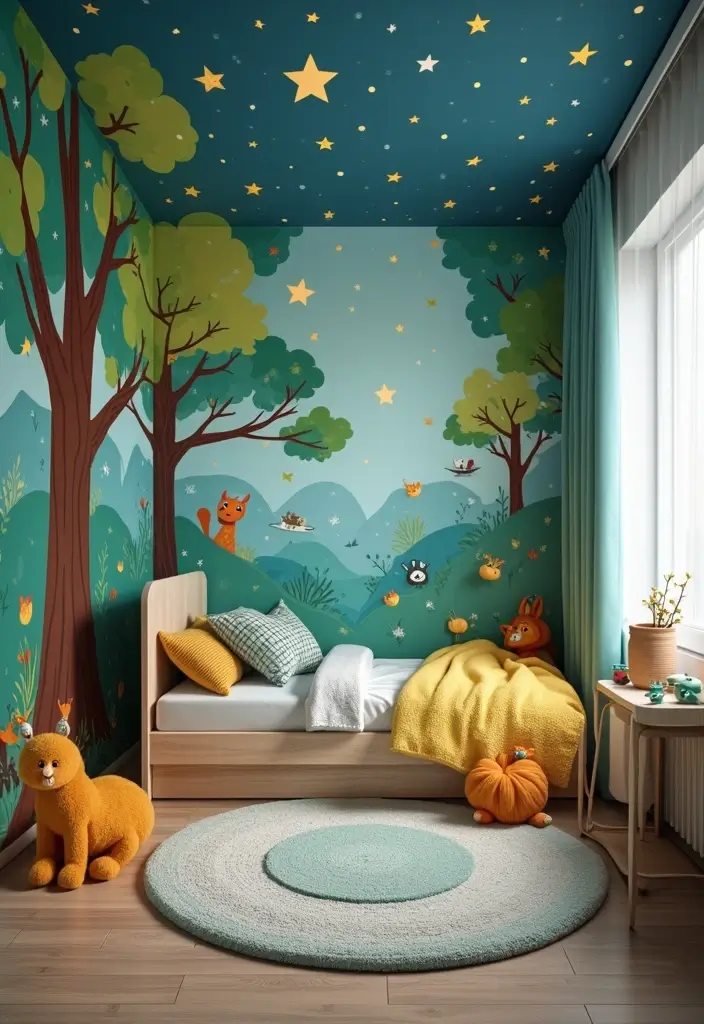
You want a wall that sparks imagination without turning your home into a big project. A whimsical forest mural can do that, while still being safe and easy to update as your child grows. Here is a plan you can follow.
– Wall choice Pick a wall that can set the scene. The wall behind the bed works well because it becomes a quiet backdrop for sleepy stories and daydreams.
– Color and paints Use non-toxic, water-based paints. Go with soft greens, warm browns, and gentle yellows. Keep colors calm so the room feels cozy, not loud.
– Forest elements Paint tall trees, friendly animals, and little shrubs. Add leaves, birds, and a small fox or deer tucked among the branches. A few flowers near the base keep the scene friendly and inviting.
– Glow and magic Add tiny glow-in-the-dark stars on the ceiling or around the treetops. Your child will love a night sky they can see from bed.
– Safety and setup Work with washable paints and low-VOC finishes. Let your child help with simple stencils or brush dots for texture. Ventilate the room as you paint.
– Personal touch Include your child’s favorite animal or a name banner among the trees. It makes the mural feel truly theirs.
– Maintenance Wipe with a damp cloth to keep the scene fresh. Touch up small areas as needed.
Here is why this approach works. It blends nature with play, uses durable, kid-safe materials, and grows with your child. Next steps: sketch a rough layout, gather supplies, and start with the big tree shapes.
A whimsical forest mural not only sparks imagination but creates a cozy backdrop for sleepy stories. Choose non-toxic paints, and watch your child’s dreams grow wild!
2. Underwater Adventure
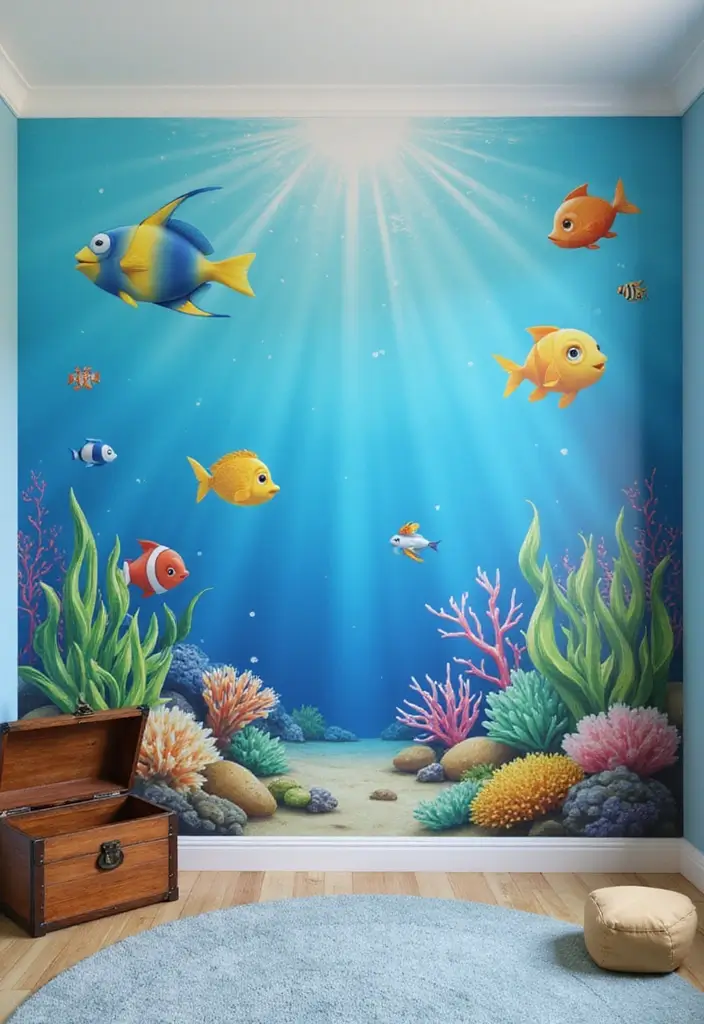
Here is your underwater adventure wall idea for a kid’s room. You want a space that sparks imagination and stays easy to clean. Let’s design an ocean scene that feels friendly.
What you’ll need
– Washable acrylic paints in blues and teals
– A lighter cerulean for the top and a deeper navy for the bottom
– Coral cutouts and a small treasure chest (3D accents)
– Glow-in-the-dark fish decals
– A soft brush and a sponge
Plan the layout
Paint one wall as the ocean backdrop. Keep the upper area lighter to mimic sunlight. Add a horizon line to separate water from air. Use other walls in soft aqua or sand to frame the scene.
Build the scene
Start with big shapes: a friendly fish here, coral reef there. Add a sunken treasure as a focal point. Attach 3D elements with safe adhesives so they stay put.
Add magic and care
Paint glow-in-the-dark fish for night time wonder. Seal the surface with a washable topcoat so fingerprints wipe away easily. Choose eco-friendly paints for safety.
Tips to succeed
– Let your child help with simple steps
– Try sponge textures for water ripples
3. Starry Night Sky

You want a bedroom that helps your child feel calm at bedtime and spark their imagination. A starry night sky on the wall can do both. Use deep blues and silvers. Create a gradient from twilight to midnight. Let tiny stars glitter along the ceiling line and larger planets drift in the corners.
Why this idea helps
A soft night wall makes it easier to settle down. The calm scene invites quiet stories and gentle dreams. It also gives your child a place to dream big in a small space.
What you’ll need
– Non-toxic, eco-friendly paints
– Stencils for stars and planets
– Masking tape and drop cloths
– Brushes, rollers, and a sponge for texture
– Glow or reflective paints for a subtle glow
Step-by-step guide
1) Prep the wall and pick color shades. 2) Paint the base gradient from pale blue to deep navy. 3) Add stars with the stencils. Make some stars larger, some smaller. 4) Tap on a soft glow around the stars with reflective paint. 5) Add a simple constellation or a planet to personalize. 6) If you want more protection, seal with a clear coat.
Tips and variations
Try a meteor shower by adding short white streaks. Let your child place a few stars to make it theirs. For small rooms, keep most of the sky in one corner and keep the rest quiet.
Next steps: keep the palette simple. Use safe finishes and clean up after painting.
4. Adventure Map
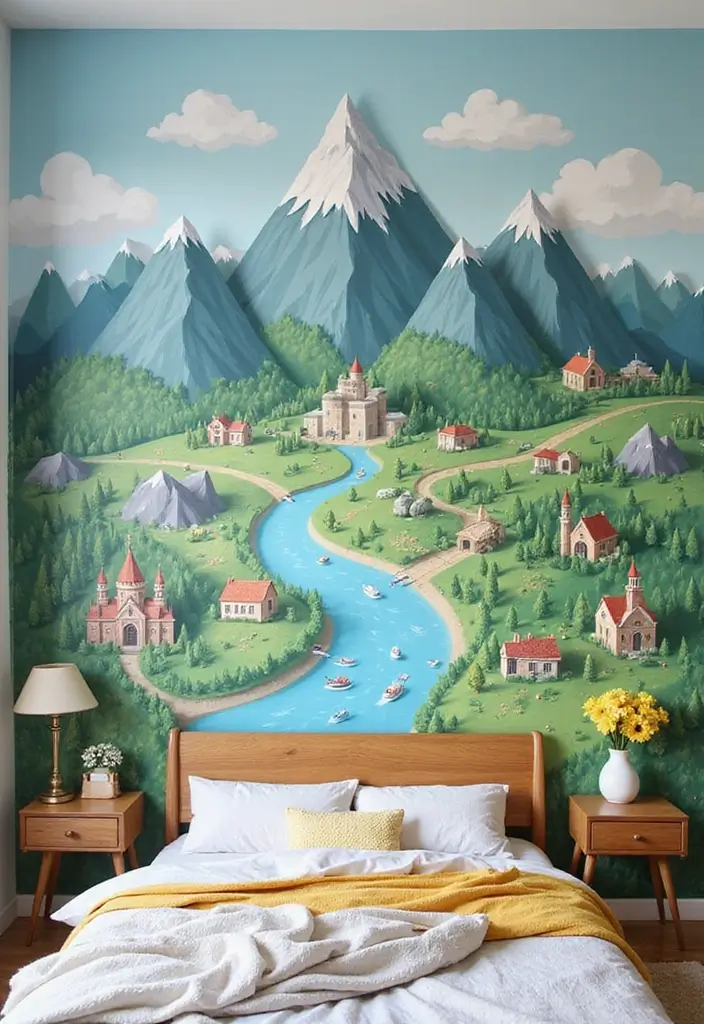
Your child dreams big. A wall map can turn those dreams into daily play and learning. An adventure map invites them to explore far places, plan quests, and learn geography in a fun way. It gives a calm place for pretend games and daily clues. With the right paints, it stays clean and safe and you can wipe off stray marks. This setup grows with your kid, not just for today.
– Map style: Decide if you want a full world map or a winding treasure path.
– Wall prep: Clean the surface, dry it completely, and fix rough spots so paint goes on smooth.
– Base and lines: Use light pencils; keep lines thin so the map stays clear.
– Terrain and color: Blue for water, green for forests, brown for mountains; dab with a sponge for texture.
– Chalk zones: Make chalkboard areas for routes and notes you can erase later.
– Landmarks: Add icons for places your child loves like a park, zoo, or school.
– Hidden treasures: Hide maps, stickers, and envelopes for quest clues.
– Quotes: Frame it with short lines such as Adventure starts at your door.
– Finish and care: Seal with a non-toxic coat. Ventilate well. Wipe dust gently to keep colors bright.
– Safety and care tips: Let coats dry fully and test a small patch before covering the whole wall.
Ready to start? Gather supplies and plan a weekend to bring your map to life.
5. Superhero Cityscape
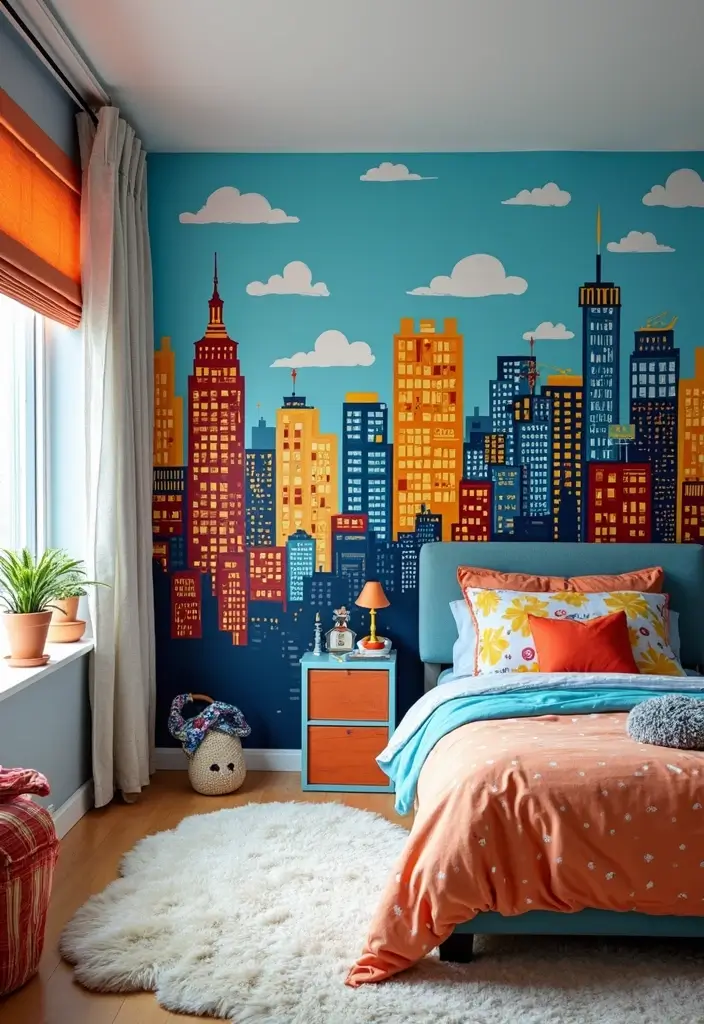
Here is a fresh, kid-friendly take on a superhero cityscape mural. You want a wall that feels alive and safe for your child. Non-toxic paints keep the space safe. A bold skyline helps your child imagine brave deeds from their desk. The scene invites play and helps focus while they learn.
How to bring the mural to life
Here is how to make it work:
– Choose a city your child loves. It can be real or imagined. Sketch tall towers, bridges, and parks in one panel.
– Use bright, clear colors. Think red, blue, yellow, with bold outlines. The contrast makes each building pop and the hero stand out.
– Add a superhero cameo. Let your child draw a hero or emblem at the heart of the city. Paint it in, or use a peel-and-stick image for a quick start.
– Keep safety first. Pick low-VOC, washable paints. A matte finish cleans easily and stays kid-friendly.
– Leave room to grow. Use simple lines so the mural can evolve with tastes. Add clouds or a badge on a building to swap heroes later.
Next steps: finalize a simple sketch, then paint in layers. Let the main scene dry, then add final details. Your child will love this space for imagination and confidence.
6. Magical Unicorns

You want a unicorn wall painting that fuels imagination without overpowering a room. The key is a soft scene in pastel colors that feels calm and magical. A gentle unicorn, fluffy clouds, a flowing rainbow, and twinkling stars work beautifully. Pick eco-friendly paints with low VOC to keep the air safe for sleepy kids. Add glitter accents, but use them in small touches to avoid a bulky look.
Here is how to do it.
– Plan a focal unicorn in the center of the wall. Keep the pose friendly and easy to recognize.
– Let a rainbow arc across the wall, fading into the background for depth.
– Scatter flowers and butterflies around the scene to soften edges and invite exploration.
– Paint the sky with light blues, soft pinks, and a whisper of peach for sunset vibes.
– Use painter’s tape to create clean borders for clouds and the rainbow.
– Sketch the design first with a light pencil, then go over it with gentle brush strokes.
– Finish with a matte seal to protect the artwork from fingerprints.
Extra tips: keep the mural at a scale that fits the room and the child’s reach. If light fades the colors, refresh with the same pastel tones. Store a small amount of matching paint for touch ups.
Common questions
– Will glitter be messy? Use small, fixed sparkles in key spots for sparkle that lasts.
– How long does this take? Plan a weekend project with steady, careful steps.
– Is this safe for a kids’ room? Choose low-VOC paints and non-toxic finishes for peace of mind.
7. Dino Delight
What you’ll create
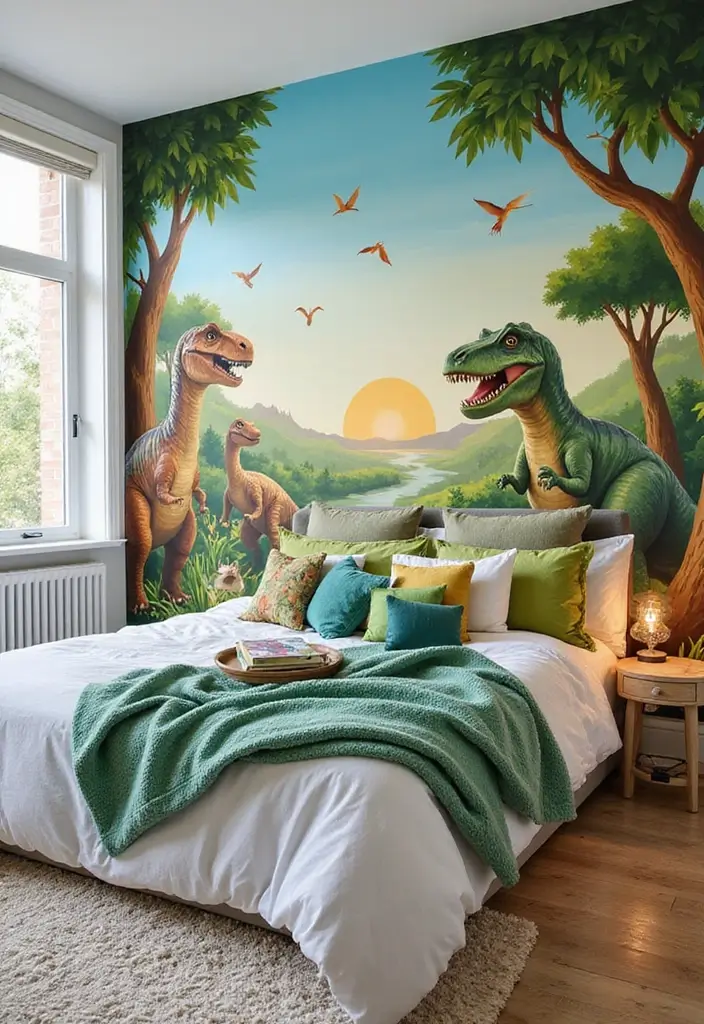
You want a wall that sparks curiosity and lasts. A Dino Delight mural can do that. Friendly dinos roam through green plants and a soft volcano glow.
Materials
Use non-toxic acrylic paints. Grab small brushes, a foam roller for big patches, painter’s tape, a level, and a child-safe sealant. Keep a light pencil for guides.
Design ideas
Choose friendly dinos like a T. rex, a long-necked brontosaurus, and a horned triceratops. Place them in a meadow, a simple forest, and a distant hill with a volcano. Add a short dinosaur timeline along the edge to show eras. Use earthy greens, sky blue, and a hint of lava orange.
Step-by-step
1) Clean the wall and tape edges.
2) Lightly sketch the layout.
3) Paint the background first.
4) Add dinos with smooth shapes.
5) Draw the volcano and its glow.
6) Put in the timeline and labels.
7) Seal the mural.
Care and safety
Let it cure fully before use. Wipe spills with a damp cloth. Reapply sealant every few years to keep colors bright.
Next steps: use decals if you want a quicker option.
8. Space Explorers
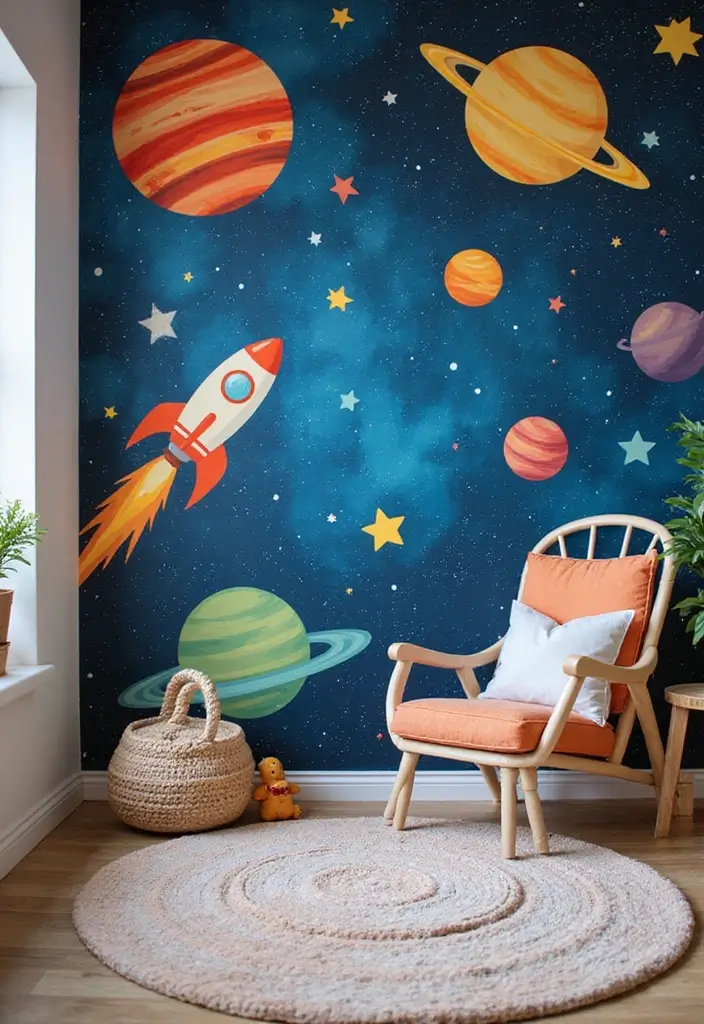
If you want a wall that fuels space dreams, you’re in the right place.
Here is why this Space Explorers idea works for kids: it sparks curiosity, it teaches about planets and rockets, and it creates a calm yet fun focal point in a room.
Let’s break it down with practical steps you can use this weekend.
– Color and mood Start with a deep night-sky base. A navy wall with gentle blue fades creates the sense of space. Add bright planets for pops that catch the eye.
– Eco-friendly paints Pick low-VOC paints so the air stays safe as little explorers learn and play.
– Glow-in-the-dark accents Planets, stars, and a rocket can glow after the lights go off. Your child will enjoy a quiet space cruise at bedtime.
– Inspiration from NASA Use public domain NASA images as a guide. Recreate their shapes in your own style to teach accuracy without copying frames.
– Mission wall Turn the wall into a small challenge board. Pin or tape simple tasks: map a planet, draw a rocket, count constellations. Move tasks as you complete them.
Next steps: map the layout on paper, gather brushes, tape, and clean up. If a full mural feels big, start with a corner panel or a single planet ring.
Close with care tips: smooth edges, test colors on a patch, involve your kid in choosing details.
Transform your child’s wall into a galaxy of wonder! With a deep night-sky base and vibrant planets, their imagination will soar to infinity and beyond.
9. Nature’s Wonderland
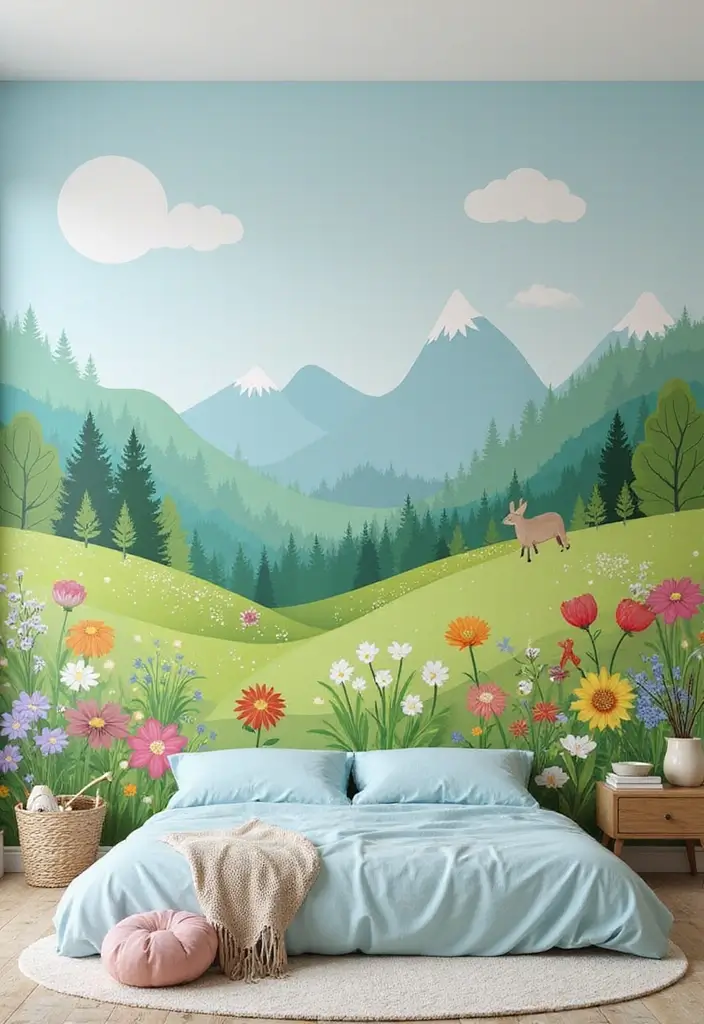
You’re looking for a wall that fuels imagination without chaos. A nature wall mural can deliver this, while keeping the room peaceful. Here is why and how to do it right.
– Start with a simple scene you can paint: meadow, mountains, soft sky.
– Use earthy greens, browns, blues with small pops of bright color.
– Choose eco-friendly, non-toxic paints.
– Use stencils for trees, flowers, hills.
– Add animals from local habitats: deer, birds, and a fish.
– Personalize with your child’s name in nature letters.
– Plan the layout first: sketch on paper, then light guide on the wall.
– Keep changes simple with removable decals.
– Materials and care: brushes, painter’s tape, stencils, and kid-friendly eco paints. Let colors dry before adding more; wipe with mild soap if needed. Paint in a well-ventilated room.
– Next steps: choose a palette, gather supplies, and set aside a weekend block to start. Experiment with layers to add depth. Try a leafy font for your child’s name. Keep touch-ups light and plan short sessions for a fun finish.
Your child gains a cozy space for dreams and play.
A nature wall mural not only brightens a child’s imagination but also creates a serene escape. Choose eco-friendly colors and let their creativity blossom amidst the beauty of the great outdoors!
10. Playful Patterns
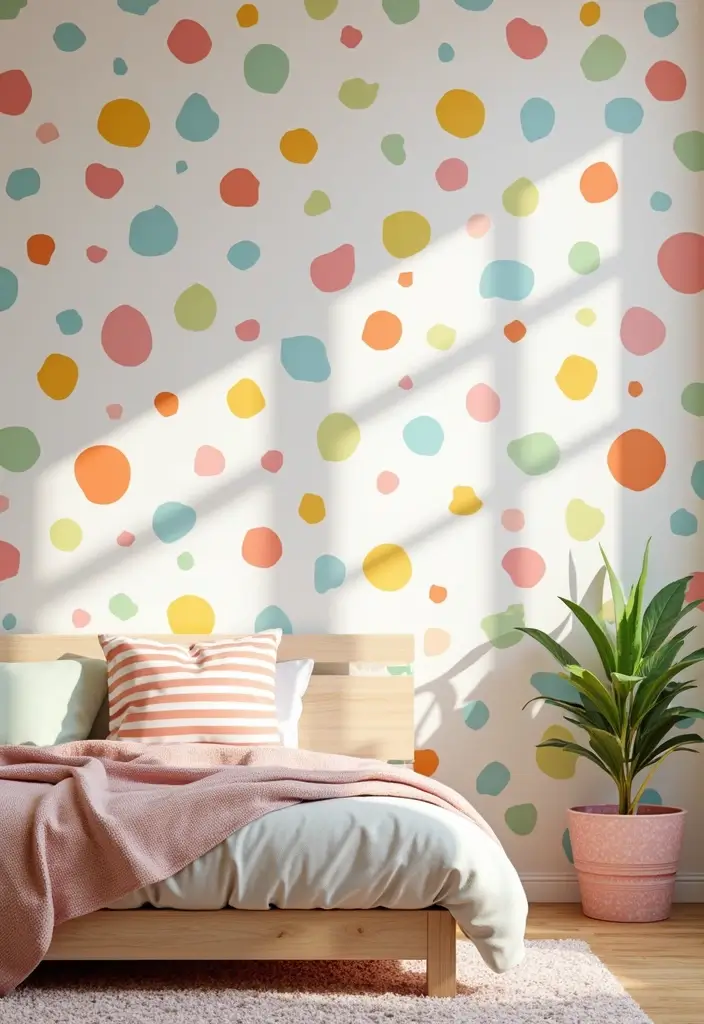
Is your kid’s room feeling plain? You want walls that spark ideas without shouting for attention. A few well placed patterns can do the job. They boost imagination while staying calm enough for rest.
Try playful patterns like polka dots, stripes, or chevrons. Use colors that feel bright but stay in the same family. For example, blue with teal or pink with coral. A mix of shapes on different walls creates a lively backdrop for toys and stories.
Here is why it works. A single color family ties the room together. Alternating patterns on separate walls adds variety without chaos. You and your child get to choose favorites, which makes the space feel like theirs. And choosing eco-friendly paints helps keep the air clean for little lungs.
– Choose a color family Use 2-3 shades from the same family to keep the room calm and connected.
– Pattern ideas on walls Place polka dots on one wall and stripes or chevrons on another for a playful mix.
– Involve your child Let your kid pick a favorite color and a pattern to own the space.
– Edge and finish Use painter’s tape for clean lines and choose low-VOC eco paints for safety.
11. Cartoon Favorites
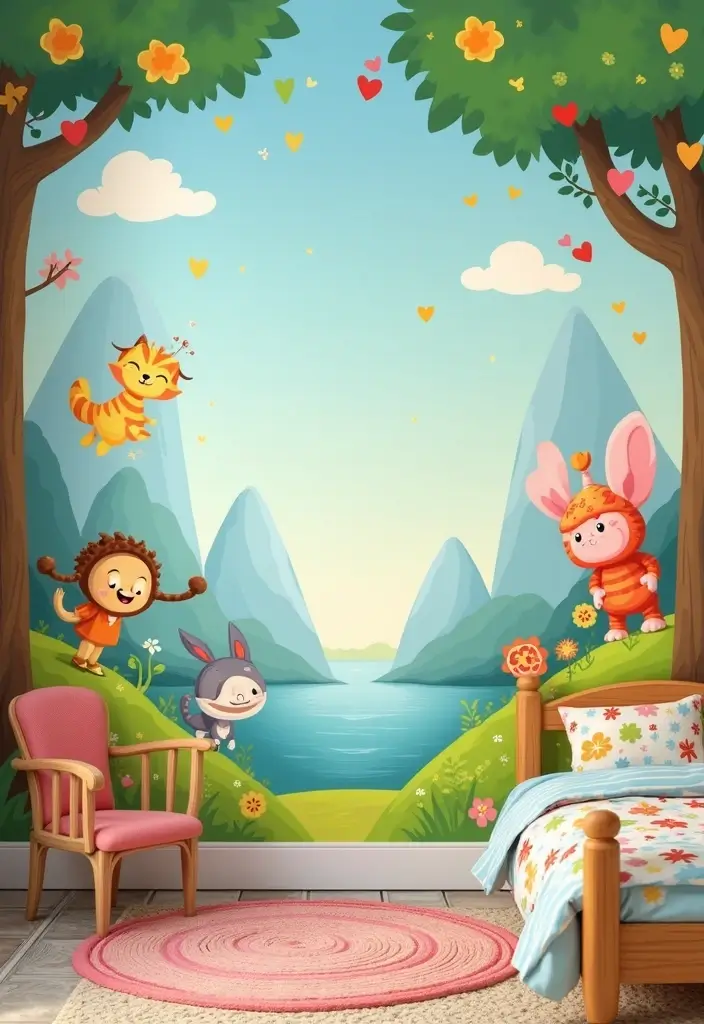
If you want a kid’s room that feels like a story, cartoon favorites can spark imagination and comfort. A wall showing beloved characters can lift mood and invite pretend play. Here is why this works and how to do it safely.
– Pick your lead characters. Choose 1 or 2 main characters your child loves. Look for figures that model friendly values, not fights.
– Plan a bold focal wall. Paint a large scene or a single character on one wall to anchor the room. Keep edges clean so the image reads well from a distance.
– Add smaller touches for continuity. Place smaller figures around the room to tie the look together. Repeat a few colors from the main scene to guide the eye.
– Color and finish. Use bright, kid-friendly hues that feel cheerful. Add soft shading or gentle gradients so the wall stays inviting, not busy.
– Safe painting steps. Work in a well-ventilated space. Choose non-toxic, washable paints for easy cleanup. Protect floors and furniture with drop cloths.
– Maintenance tips. Wipe spills with a damp cloth to prevent stains. A light repaint every year or two keeps the colors fresh and lively.
Next steps: start with a quick sketch on paper, gather your paints, and test a small patch before committing to the whole wall.
12. Vintage Travel
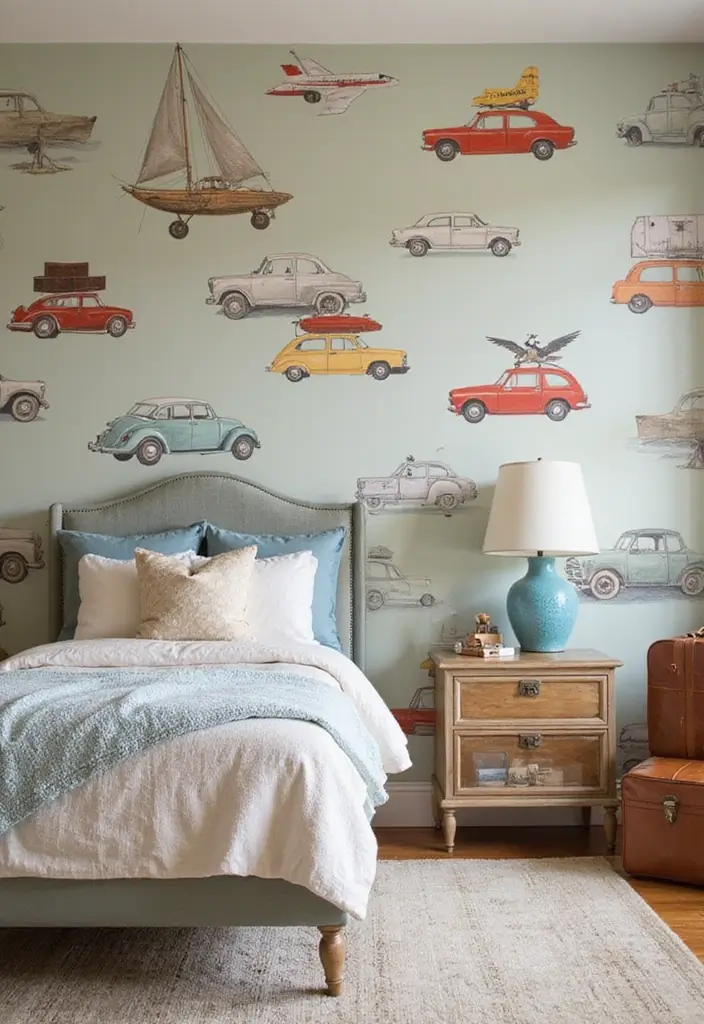
Thinking of a wall that sparks curiosity every day? A vintage travel mural can do that. It blends old-school charm with a kid’s sense of adventure. Start with a soft, muted palette – sand, faded blue, and olive – so the room stays calm. Use eco-friendly paints to keep the air clean.
How to pull it off
– Incorporate maps and travel stickers into the mural. A big world map on the wall gives a place to point. Add ship stamps, airline labels, and tiny doodles for depth.
– Use large pieces for drama, with smaller accents. A bold retro car or suitcase anchors the scene. Scatter airplanes, routes, and stars around it.
– Encourage dreaming of places they want to visit. Leave space for a travel journal or a list of dream destinations. They can add photos or drawings over time.
Here is how to make it happen. Start with a simple sketch on paper. Measure the wall and plan the big elements. Paint in layers, letting each dry before the next. Finish with a clear, non-toxic topcoat. This seals the mural and makes it wipe-clean.
Next steps: pick themes your child loves, keep the look cohesive, and watch imagination take flight. It stays fun and easy to refresh later.
13. Garden Paradise
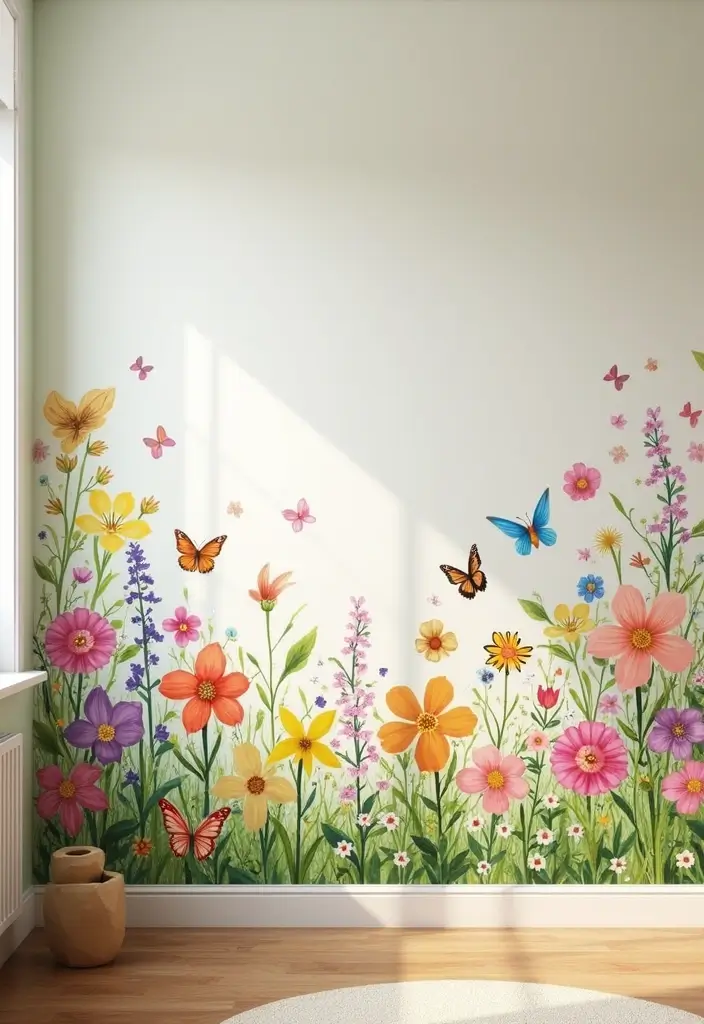
You want a wall that fuels imagination in your kid’s room. A Garden Paradise mural can do that. It brings flowers, butterflies, and tiny critters to life. Your child spots new details, notices colors, and builds stories with every glance.
Here is why this theme works
Kids love nature and bright colors. A garden wall invites calm play and curious exploration at the same time. It also gives you a ready-made, eye-catching backdrop for photos, reading corners, and imaginary adventures.
Next steps to bring Garden Paradise to life
– Personalize with favorite flowers to match your child’s taste.
– Add elements over time so the mural grows with them.
– Outline a subtle border of flowers to tie the room together.
– Use simple stencils or stamps for butterflies and bees to keep shapes friendly and clear.
– Finish with a clear, non-yellowing top coat to protect the art.
– Choose water-based, low-VOC paints for safety and easy cleanups.
– Plan the layout on paper first, then transfer to the wall in sections.
– Start with a soft background and layer brighter colors on top.
If you’re short on time, paint a large flowering panel as the anchor and add small details later. You can swap in new flowers or creatures whenever curiosity strikes. This approach keeps the wall fresh without a full redo.
14. Art Gallery Wall
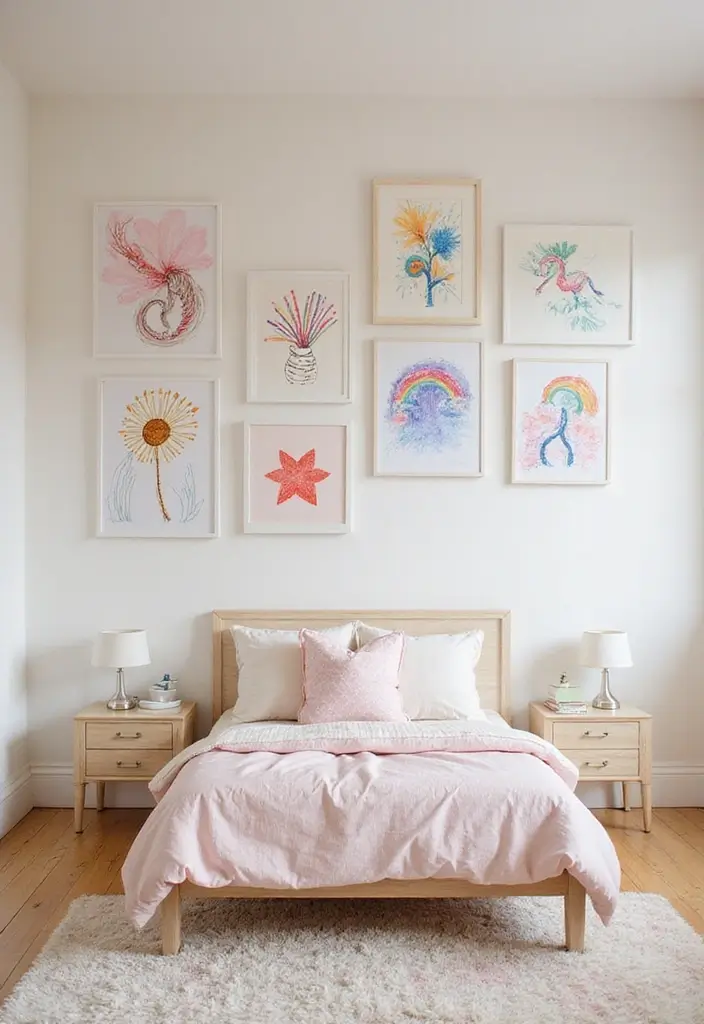
Want a wall that makes your child want to create every day? A kid-friendly art gallery at home turns every drawing into pride and grows with them. It’s simple to set up and easy to keep fresh.
Here is how to start.
Backdrops that let art pop
– Paint the wall white or in soft colors so colors in drawings stand out.
– Use eco-friendly paints to keep the room safe for your child.
– Keep the surface smooth so frames and boards sit neatly.
Space for swapping art
– Create a rotating gallery area where pieces move in and out as new art arrives.
– Frame the favorites with painted borders for a clean, finished look.
– Add corkboards or clipboards for quick swaps without nail holes.
– Make it a weekly ritual to swap a few pieces; it keeps the wall lively and your child involved.
Tips to keep it memorable
– Label pieces with the artist’s name and date to build a little art log.
– Use a slim ledge or rail to hold lightweight frames for easy rearranging.
– Let your child help choose colors, frames, and placement for a stronger sense of ownership.
Next steps: pick a wall, gather safe paints and boards, and start your kid’s own gallery today.
15. Cozy Cabin
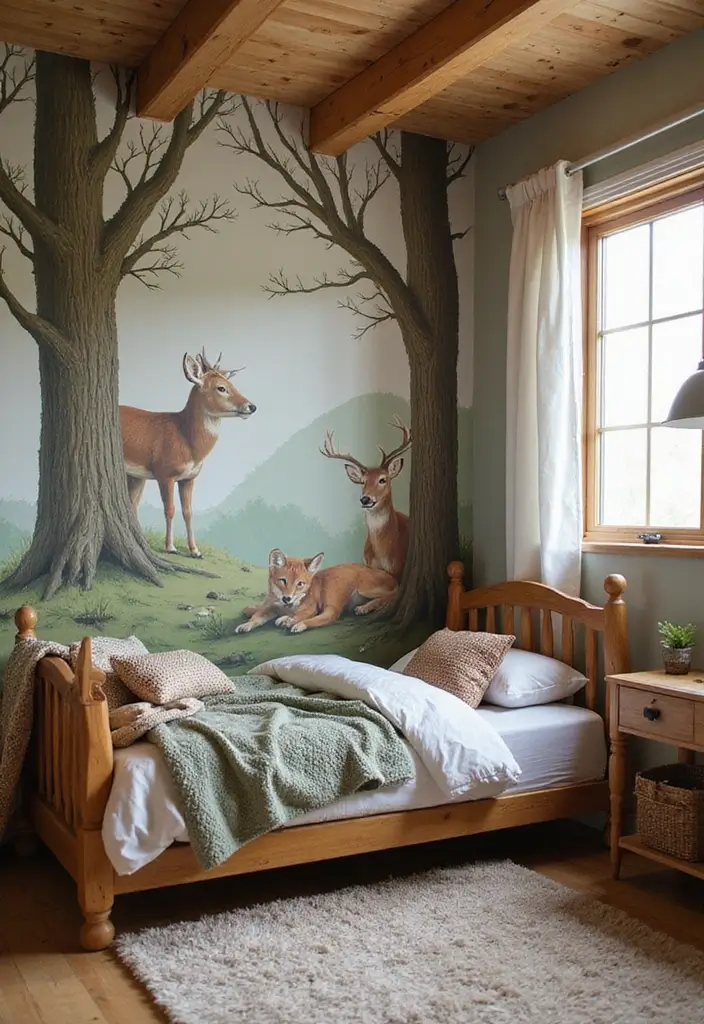
You want a cozy cabin wall that invites calm and stirs the imagination. A woodsy look in safe paints can do that. Let’s plan a space your child will love to study, read, and play in.
Here is why this works: nature colors soothe the mind and invite quick story ideas.
– Paint choices: Choose eco-friendly paints in nature tones like pine green, bark brown, and creamy sky. Pick low-VOC options to keep the air fresh.
– Textures: Add a faux wood panel or a moss-like accent. This brings warmth and touch to the wall without crowding the room.
– Scenes: Paint a simple forest line or mountain silhouette along one wall. Keep the scene at eye level for easy storytelling.
– Personal touches: Place a nameplate or wooden sign near the door. Seal with a clear finish to resist fingerprints.
Next steps:
– Plan your palette: Choose two to three colors and stick to them.
– Test small first: Put swatches on poster board and pretend it’s the wall.
– Build in layers: Start with a soft base, then add textures in a single corner for focus.
– Maintain it: Wipe with a damp cloth and recheck the seal after a few months.
16. Colorful Collage
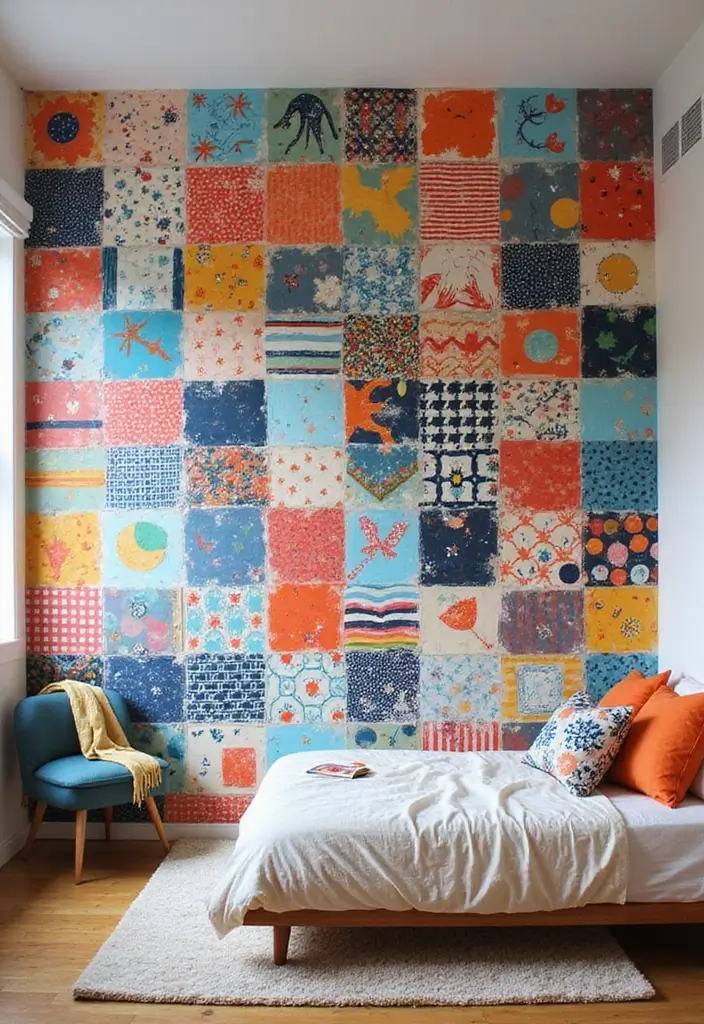
You want a wall that sparks imagination in your kid’s room. A colorful collage mural can do that. It blends patterns, colors, and themes your child loves, helping them think, dream, and play. Use non-toxic paints for safety. If you search for kids bedroom wall painting ideas, this colorful collage is a practical pick.
Here’s how to do it
– Plan with your child: ask what they love, pick 3 favorite colors and shapes.
– Gather supplies: non-toxic paints, brushes, sponges, masking tape, stencils, paper scraps, fabric bits, glue.
– Prep the wall: clean, dry, and lightly prime.
– Build the background: paint a soft sky, a big color field, or a gentle gradient.
– Add collage pieces: clouds, rainbows, stars, circles, animals, letters. Let shapes overlap for depth. Try different sizes and a few foam stamps for texture.
– Make it personal: add your child’s name or a favorite doodle in bold letters.
– Involve them in the process: let them place 2-3 focal items and pick their spots.
– Techniques: tape for clean lines, blend edges with a sponge, press pieces flat as they dry.
– Safety and cleanup: vent the room, choose washable paints, wipe spills quickly.
– Finish: a light seal helps wipe marks and keeps colors bright.
Start simple, then add bits later as your child’s interests change. This mural boosts imagination and gives your child a space they can call their own.
A colorful collage can turn your child’s wall into a canvas of dreams! Let their imagination run wild with non-toxic paints that inspire creativity and spark joy in every corner of their room.
17. Construction Zone
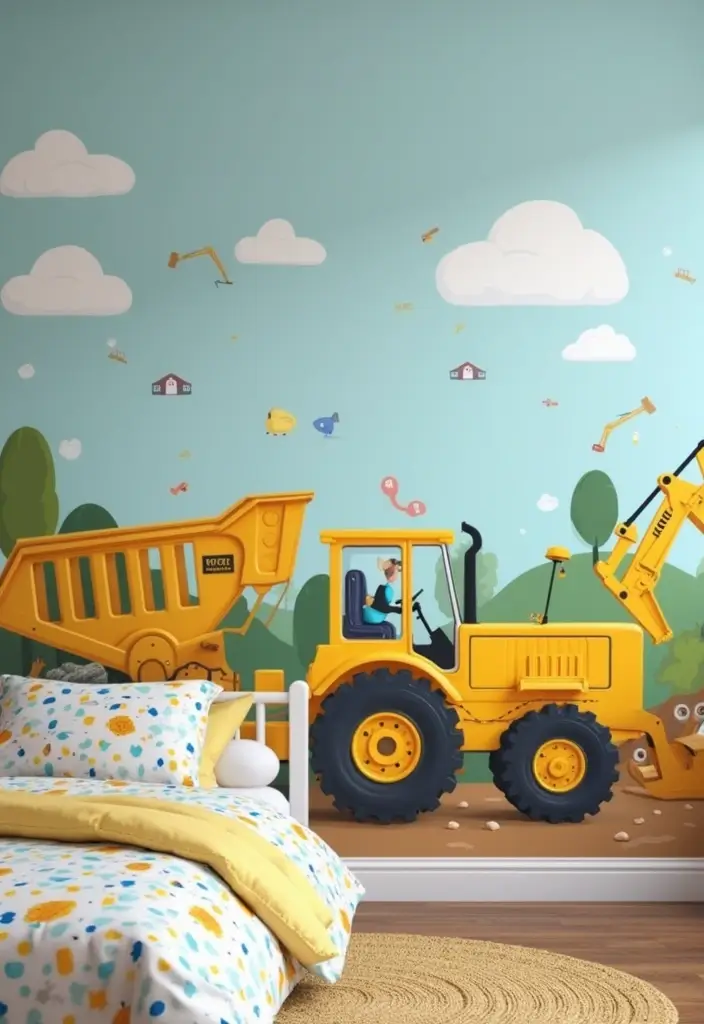
You want a wall that invites pretend play and learning. A construction zone theme can help you get there with a clear plan.
Here is why it works: kids imagine scenes, tell quick stories, and learn colors and shapes as they build.
Start with a simple plan. Pick one wall. Use a small, bold palette. Think red, yellow, blue. Choose safe, eco-friendly paints with low-VOC labels. Prime the wall first for a smooth base.
What to paint. Draw construction vehicles, hard hats, traffic cones, and building materials. Use clean lines and simple shapes so kids recognize them fast. Grab stencils or masking tape to keep edges neat.
Make it tactile. Add three-dimensional pieces: toy tools, small trucks, foam bricks, or cardboard beams. Attach them securely so nothing pops off during play.
Chalkboard area. Set aside a section as a chalkboard wall. Kids can sketch new builds, plan projects, or leave quick notes for a pretend site.
Next steps. Seal the finish with a kid-friendly top coat. Set up a small sign with safety tips. Regularly check for loose pieces and refresh faded sections.
Ventilate the room while you work. Open a window, run a fan, and let coats dry fully. Keep a small supply of touch-up paint on hand so the wall stays bright for years of play.
18. Farm Fun
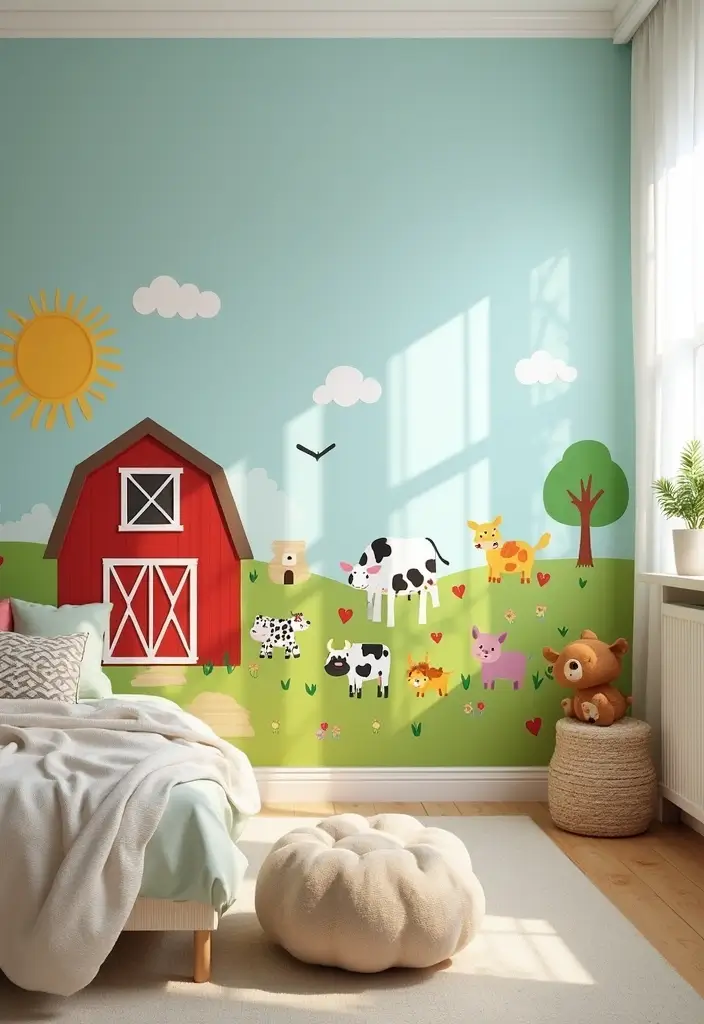
Farm Fun Wall Idea
Want a wall that fuels your kid’s imagination? A farm theme works great and brings animals, barns, and fields to life.
– Color plan: pick soft earthy tones. Sage green, warm brown, cream, and a hint of sky blue keep things calm.
– Motifs to paint: a friendly cow, a small barn, a fence, and rolling fields. A sunny accent adds warmth.
– Materials you need: low-VOC water-based paints, kid-safe brushes, painter’s tape, stencils, and a clear matte sealant.
– Add 3D texture: at the bottom, add faux grass or felt patches. A few raised blades give depth.
– Cozy reading nook: place a hay bale replica or soft cushions for a cozy corner. Add a few stuffed animals.
– Personalization: write your child’s name on the barn door or add simple shapes like hearts or stars.
– How to apply: sketch lightly, tape straight lines, paint large areas first, then layer details. Use smooth, even strokes. Let each layer dry.
– Care and safety: ventilate the room, keep windows open while you work. Use washable paints and wipe spills promptly. Wash brushes after use.
Next steps: test swatches, plan layout, and gather supplies before you start. This idea grows with your kid’s stories. Have fun painting together.
19. Music Notes
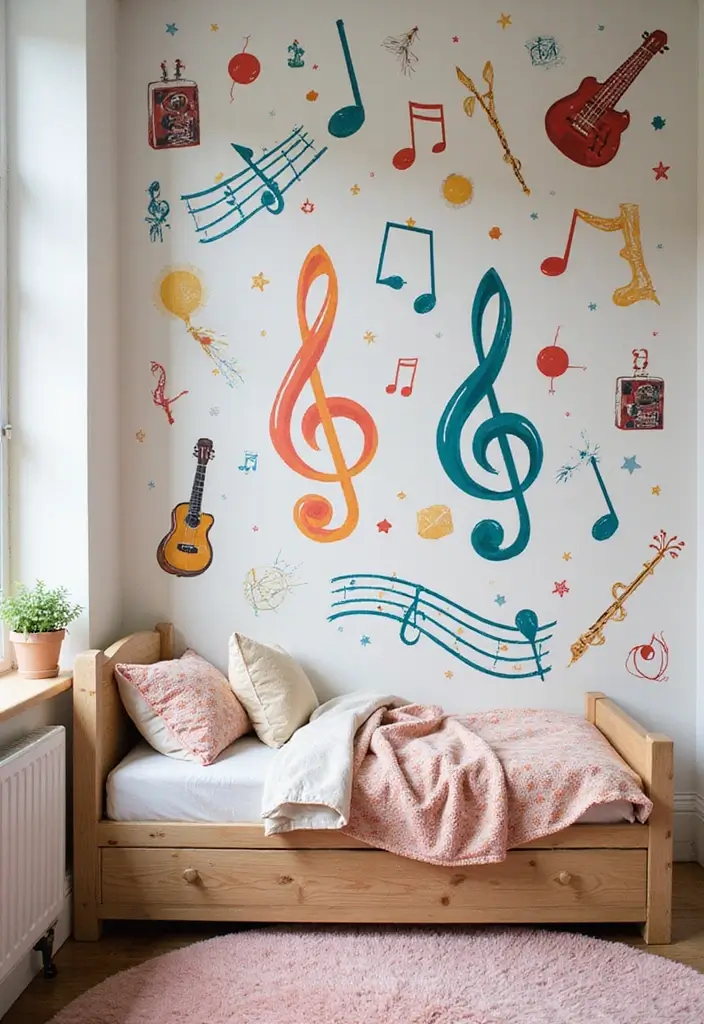
Here is how you can turn a plain wall into a music corner that fuels imagination. You want a design that kids notice and remember. A wall full of notes, instruments, and sound waves does this. It creates a calm rhythm in the room and invites young performers to practice, daydream, and play.
Here is why this approach works: it blends art with learning. You see notes as shapes you can paint. You can mix big features with tiny details for eyes to enjoy.
Let’s break it down:
– Plan the scene: decide where to place a bold treble clef or a row of notes. Add a few silhouettes of familiar instruments.
– Color and tone: use a light wall color as a canvas. Add bright accents for notes and waves. Pick colors that are easy to wipe.
– Materials: choose eco-friendly paints or low-VOC water-based paints. Stock up with painter’s tape, stencils, brushes, a roller, and a clear wipeable sealant.
– Step-by-step:
1) Sketch the layout with light pencil.
2) Paint the background in soft tones.
3) Add large notes and a few instrument shapes.
4) Write a favorite lyric or quote in a curly font.
5) Seal the finish to protect it.
– Make it usable: set up a tiny practice corner with a music stand or small keyboard. Use edge-safe shelves for instruments.
20. Festival of Colors
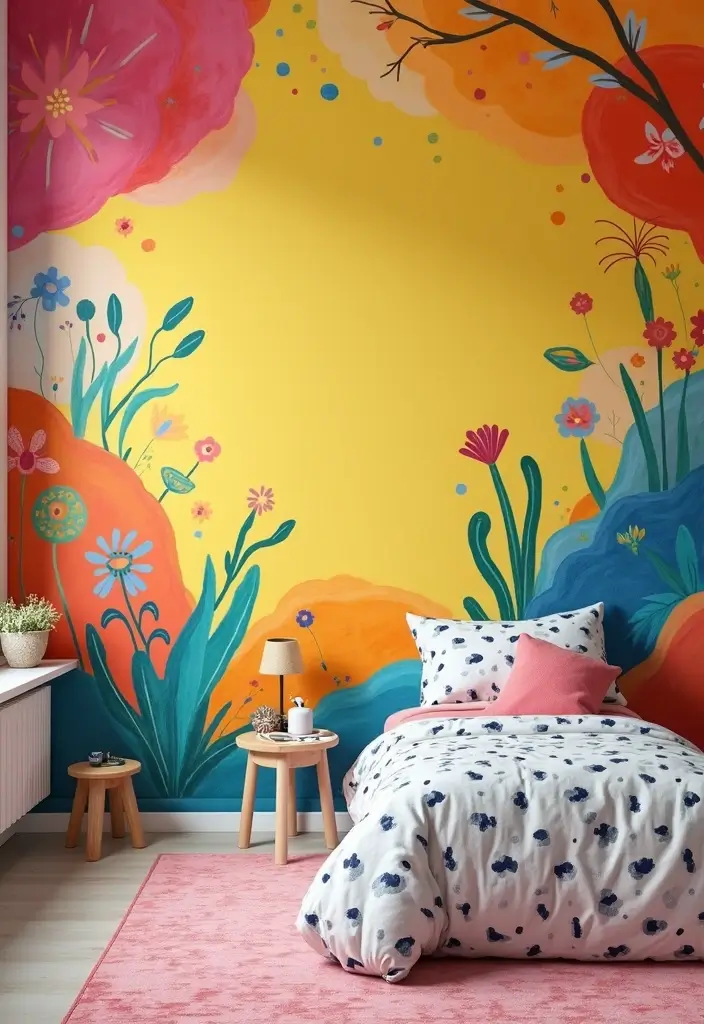
Here is how to give your child’s room a playful wall that supports imagination. You want a wall that feels alive but stays tidy. Try a Festival of Colors mural. It uses several colors in simple patterns to spark ideas.
What you get
– Use non-toxic, low-VOC paints for safety. This keeps the air fresh while the wall comes to life.
Plan the layout
– Start with a plan. Pick 3-5 colors. Show swatches on paper. Sketch a light guide with pencil.
– Let color ideas come from your child or from their toys. Jot down favorites to guide the design.
Team up
– Let your child pick colors. You guide, they decide.
Flow and texture
– Create a rainbow flow. A smooth gradient that runs across the wall makes a calm backdrop.
– Add texture with splash marks or waves. Blend edges with a sponge for a soft touch.
– Try simple elements like a sun beam or soft cloud shapes to add life without clutter.
Prep and finish
– Protect the room. Lay paper or drop cloths, tape edges, and clean spills quickly.
– Use painter’s tape for clean edges. Try polka dots, zigzags, or stripes. Keep shapes large so they read from far away.
– Finish with a seal. A clear, low-gloss coat keeps colors readable and walls easy to wipe.
Final touches
– Next steps: take a photo of the finished mural.
– Add a name or date if you like.
– Take your time.
– Do a small test swatch first, then paint a larger patch.
– Let each layer dry before the next.
– Enjoy the room you helped create.
21. Enchanted Castle
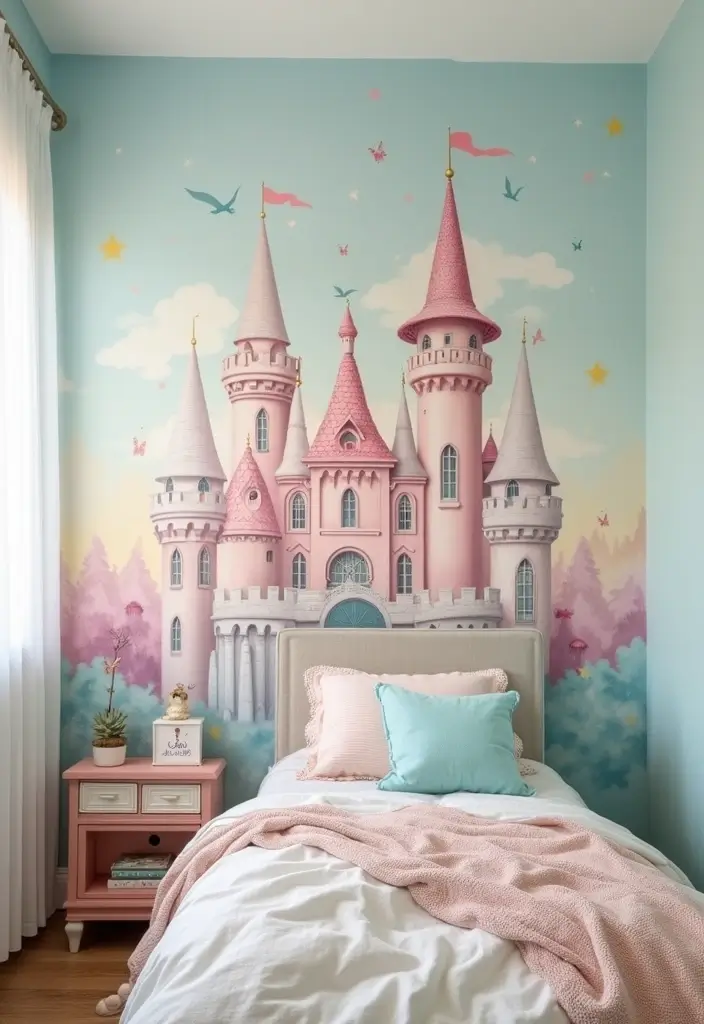
Are you looking for a wall mural that sparks imagination in your kid’s room? An enchanted castle fits. Soft pastels keep things calm and magical. Choose eco friendly paints so the room stays safe.
– Design ideas
Turrets reach toward the ceiling, creating a fairy tale skyline.
A moat circles the castle with a stone path to the gate.
– Colors and textures
Pastel blues, pinks, and greens give a soft look.
Light washes create gentle shading and depth.
– Tools and techniques
Stencils keep edges clean on towers and banners.
Layer colors from base to detail to add contrast.
Masking tape helps sharp lines where shapes meet.
– Getting your child involved
Ask your child to pick a fairy tale to spark the scene.
Let them place a few elements, so they feel proud.
– Safety and care
Choose non toxic paints with low odor.
Let each layer dry, then seal with a wipeable finish.
– Quick start steps
Sketch a simple plan on paper first.
Test paints on poster board to match tones.
Lightly draw on the wall, then paint in stages.
– Finishing touches
Add a small garden or stars to bring it to life.
22. Sports Fan Zone
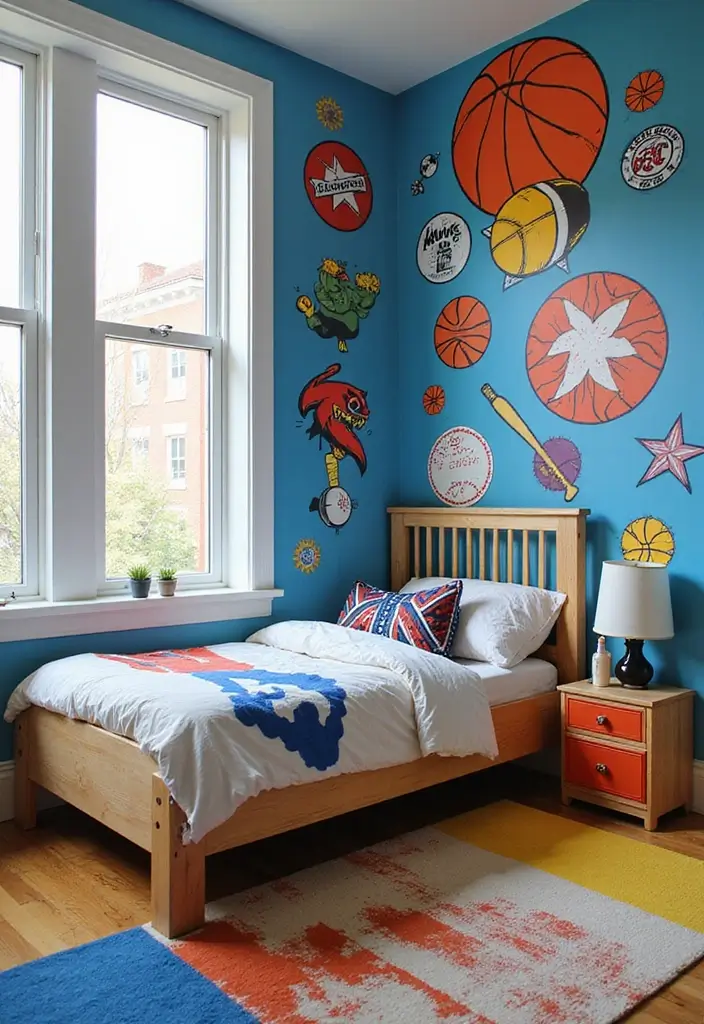
You want a sports zone on the wall that fuels play and pride. Here is a simple plan you can follow.
– Pick the theme Start with your child’s favorite sports and gear. Paint soccer balls, baseballs, bats, or helmets. A field line trim can frame the wall. Use bold but clean colors to keep the room lively without being loud.
– Safe paints first Choose eco-friendly wall paints. They stay low in fumes and are easy to wash. A washable top coat helps when fingerprints and mud show up after a game.
– Make it personal Add their teams or icons. A small banner with their name or a favorite jersey color makes it feel theirs.
– Scoreboard area Create a chalkboard patch to track scores, notes, and goals. A warm wooden edge keeps it friendly. Let your kid write the score after every game.
– 3D touches Add a mini trophy shelf or ball-shaped hooks. These small pieces create depth and a real sports vibe.
– Finish and care Use a durable finish you can wipe. Keep the look fresh with light cleaning.
Next steps: plan your wall layout, gather supplies, and invite your child to help. This hands-on approach makes the space feel alive and ready for play.
23. Fairy Tale Forest
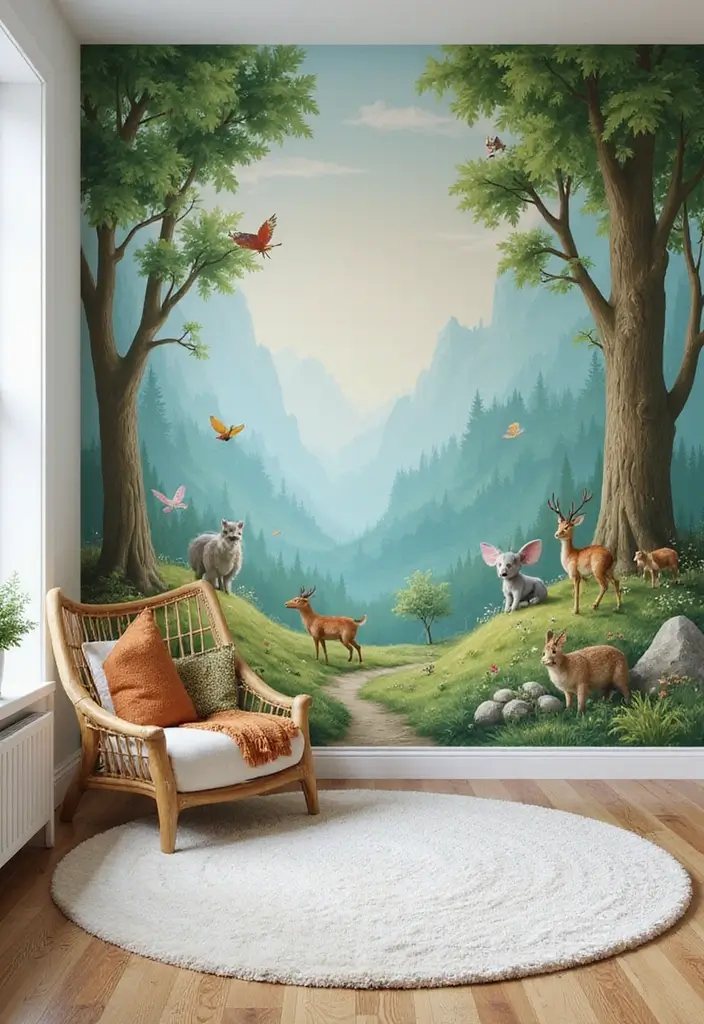
Want a kids bedroom wall painting idea that sparks imagination and stays safe? A fairy tale forest wall mural can turn a plain wall into a gentle woods filled with friendly creatures. Use soft greens and browns to keep it warm. Choose eco-friendly paints so your child breathes easy.
How to bring it to life
– Start with a calm background by applying a pale sage wash. It sets the forest mood without overpowering the room.
– Add texture with faux trees or branches. Lightly paint or stencil shapes to suggest trunks and limbs.
– Blend in leaves and moss using a sponge for a natural look. Build depth with lighter greens higher up and darker tones lower down.
– Create a story corner with a small shelf or cushions and books that match the theme. Your child can pick a bedtime chapter and read it there.
– Personalize with favorite fairy tale symbols. A red cloak, a bluebird, or a tiny mushroom can become a signature detail.
– Add tiny woodland details like a stream, mushrooms, or a shy fox to spark ideas for daily adventures.
Practical setup tips
– Choose safe, low-VOC paints and natural brushes.
– Ventilate the room while you paint and between layers.
– Let each layer dry fully before adding the next one.
Finish with a cozy touch
– Place a comfy chair or floor cushions nearby.
– Keep a small pile of themed books within reach.
– Update the shelf with new stories as your child grows.
Next steps: plan your layout, gather materials, and paint in sections. Your fairy tale forest will invite stories every day.
24. Technology and Innovation
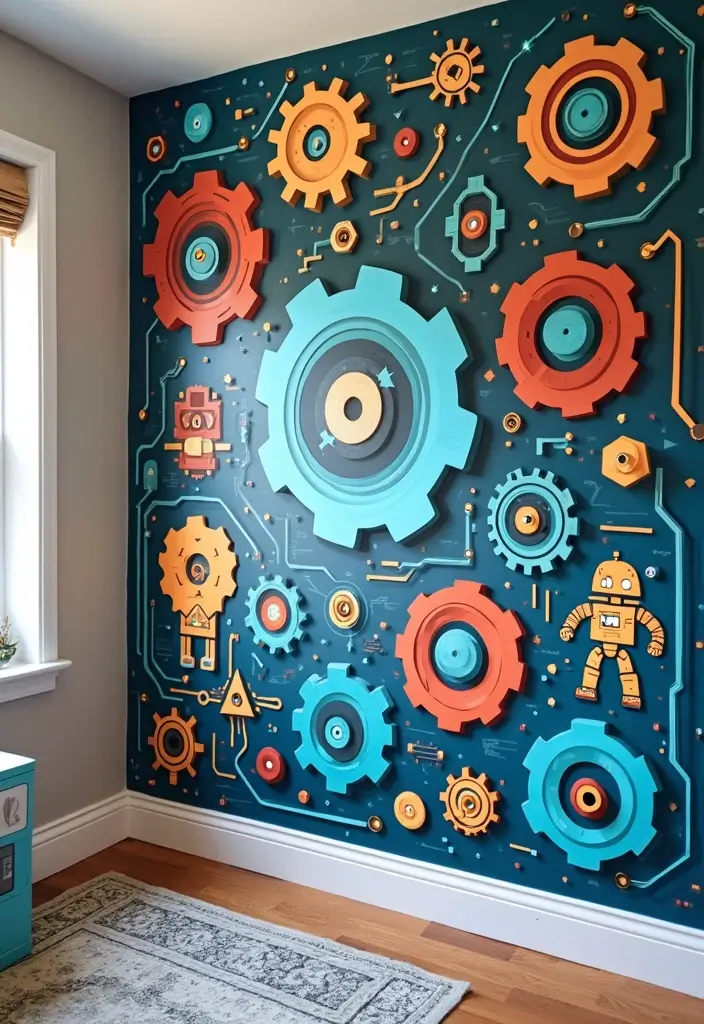
Your child loves to tinker. You want a wall that sparks ideas without feeling busy. A tech-themed mural can do that and give your kid space to dream.
– Plan a focal scene: Start with a big gear cluster and a winding circuit. Lines loop like a map, and the eye moves from gear to circuit to robot wall art.
– Choose colors: Bright blues, yellows, and crisp whites keep it playful. Use contrasting tones so details pop.
– Pick safe paints: Eco-friendly, low-VOC paints wash easily; water-based works best for walls and little hands.
– Invite your child to contribute: Ask for gadget ideas. Have them sketch on paper and place favorites in the wall plan.
– Create a tech corner: Add a shelf with building toys or a robot. Leave space for new finds as you shop.
– Add glow with glow-in-the-dark paint: Outline circuits or robot eyes for a soft glow after lights out.
– Make it easy to refresh: Use removable stencils and painter’s tape. Swap sections to fit new interests.
Next steps: sketch, pick paints, and start with a small tester panel. Your kid gains a place to imagine, build, and explore.
It stays fresh as your kid grows. Have fun with it. Share photos when you finish.
25. Eco-Friendly Garden
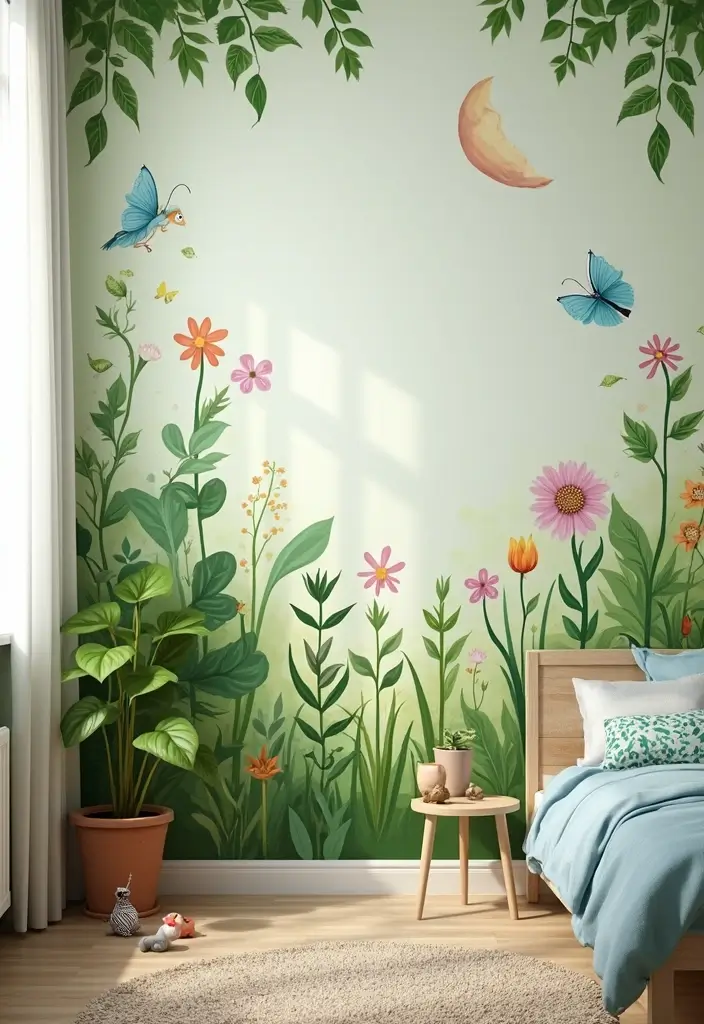
You want a wall that sparks imagination and a love for nature. A garden theme fits that goal. Here is why and how you can pull it off.
Here is why this idea works. It blends color, touch, and daily learning. Your child sees plants, butterflies, and flowers every day. That nudges curiosity and care for the planet. The look stays playful and calm at the same time.
How to make it step by step
– Pick a cozy color story. Choose earthy greens, soft browns, and a pop of sunny yellow. Use low-VOC paints so the room stays fresh and safe for small noses and lungs.
– Bring in real life. Add a few hanging planters or a slim shelf with kid-friendly pots. Let your child water them and watch leaves grow. It builds responsibility.
– Craft wall details with care. Use stencils for simple flowers and gentle butterflies. Pair them with small wall decals for quick sparkle.
– Create a tiny garden corner. A compact potting station or a mini shelf holds soil, seeds, and a kid-sized trowel. This becomes a daily activity spot.
– Tie it to daily life. Grow a few easy plants together and keep a simple garden journal. Note what they see and what they learn.
Next steps: measure wall space, choose planters, and start with a small plant set. This plan is realistic, kid-friendly, and easy to tweak as your child grows.
Conclusion
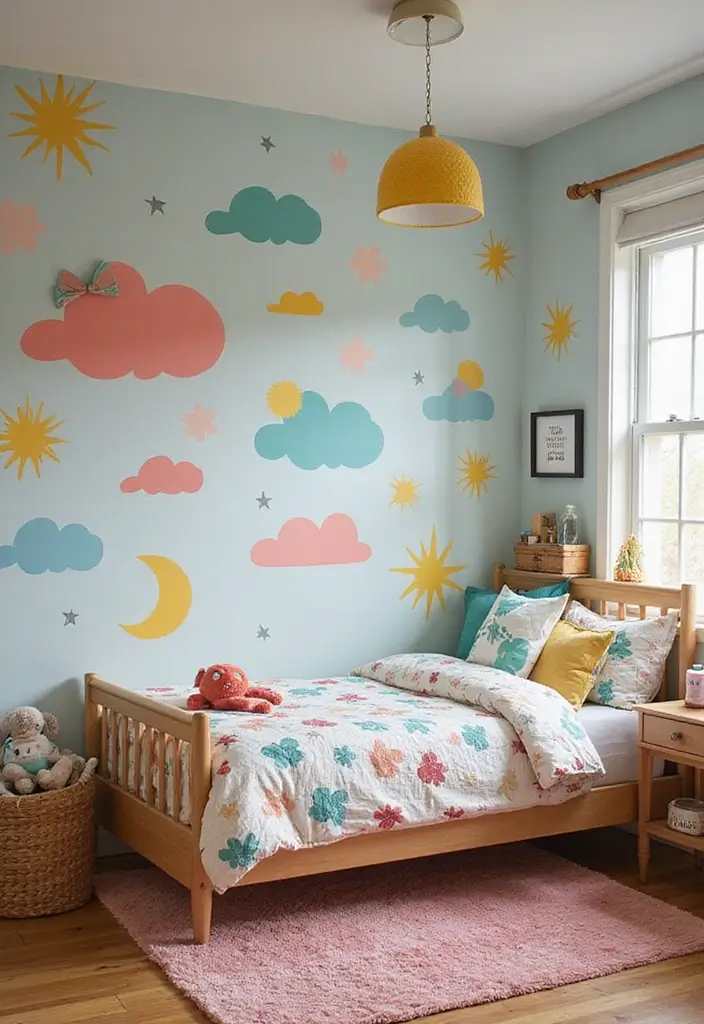
Choosing the right theme for your child’s bedroom walls can truly enhance their imagination and creativity. Each of these ideas not only beautifies their space but also fosters a world of play and inspiration.
As you embark on this painting adventure, consider your child’s interests and personality. Engage them in the process to create a space they’ll love and cherish for years to come. Let’s make those walls come alive with color and creativity!
Frequently Asked Questions
What Are Some Eco-Friendly Kids Bedroom Wall Painting Ideas?
If you’re looking to create an imaginative space for your child while being mindful of the environment, consider using eco-friendly paints and materials. Ideas like a whimsical forest or an eco-friendly garden mural not only spark creativity but also use safe, non-toxic products that are better for both your child and the planet.
How Can I Choose the Right Wall Painting Idea for My Child’s Interests?
Start by talking to your child about their favorite themes or characters! Whether they love dinosaurs, superheroes, or space exploration, incorporating their interests into the wall design can help make their room feel personal and inviting. This will encourage their imagination and make the space truly their own.
Are DIY Painting Projects Suitable for Kids’ Bedrooms?
Absolutely! DIY painting projects can be a fun and engaging way to involve your child in decorating their space. Consider simple designs like playful patterns or cartoon favorites that your child can help with. Just ensure that you use non-toxic paints and supervise the process to keep it safe and enjoyable!
How Do Kids Bedroom Wall Paintings Enhance Imagination?
Kids bedroom wall paintings can significantly enhance a child’s imagination by creating a visually stimulating environment. Themes like starry night skies or magical unicorns not only beautify the space but also encourage storytelling and creative play. When children see vibrant colors and imaginative scenes, they are more likely to engage in fantasy and exploration!
What Should I Consider When Designing My Child’s Bedroom Decor?
When designing your child’s bedroom decor, consider factors like their age, interests, and the overall mood you want to create. For younger kids, softer tones and gentle themes like nature’s wonderland can be calming, while older kids might prefer something more dynamic like a superhero cityscape. Always use eco-friendly materials to ensure a safe environment for your little ones!
Related Topics
kids bedroom decor
eco-friendly painting
DIY wall art
imaginative designs
playful themes
creative murals
child-friendly decor
whimsical designs
interactive spaces
easy painting projects
colorful patterns
nature-inspired decor