
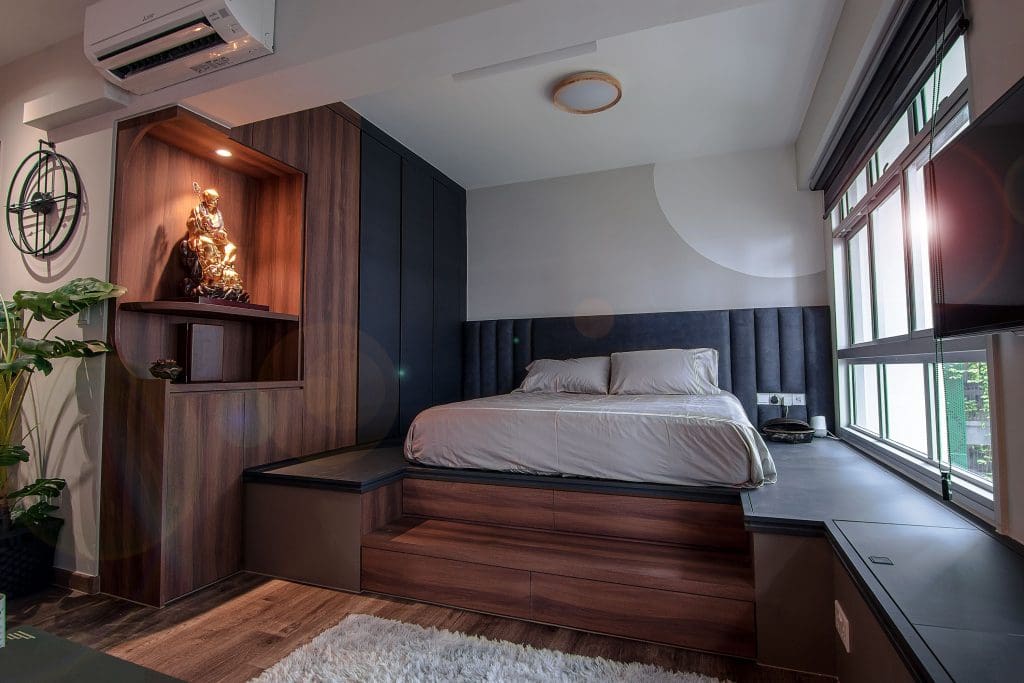

When comparing living room vs bedroom, it’s essential to recognize how these two spaces serve distinct purposes in our daily lives.
The living room acts as a vibrant hub for social interactions, entertainment, and relaxation with family and guests, often featuring open layouts and versatile furniture.
In contrast, the bedroom is a sanctuary for rest and personal retreat, emphasizing privacy, comfort, and tranquility.
This comparison highlights not only their functional differences but also how design choices can enhance the overall harmony of your home, making living room vs bedroom a key consideration for any interior project.
Living Room vs. Bedroom: A Comparative Analysis of Design and Function
The living room and bedroom represent two fundamentally different areas of the home, each tailored to specific human needs that influence their design and function.
In the living room, the focus is on fostering social connections and multi-purpose activities, such as hosting gatherings, watching TV, or even working remotely.
This space demands a design that promotes openness and accessibility, with furniture arranged to encourage interaction and flow.
For instance, modular sofas, coffee tables, and entertainment centers are staples that allow for easy reconfiguration, adapting to various group sizes or events.
On the other hand, the bedroom prioritizes individual well-being and recovery, serving as a private haven where one can unwind after a long day.
Its design leans towards creating a cocoon-like atmosphere, with elements like a comfortable bed, soft lighting, and minimal distractions to promote restful sleep.
When we delve deeper into living room vs bedroom, the contrast in functionality reveals how each space impacts our mental and physical health.
The living room’s dynamic nature supports creativity and energy, often incorporating elements like bold colors or interactive features to stimulate conversation and activity.
This can include built-in storage for books and games, making it a multifunctional zone that evolves with family needs.
Conversely, the bedroom’s design is about optimization for solitude and rejuvenation, where features such as blackout curtains, soundproofing, and ergonomic bedding play crucial roles.
By understanding these differences, homeowners can avoid common pitfalls, like overcrowding a bedroom with lively elements that disrupt sleep, or making a living room too sterile and uninviting.
Ultimately, this analysis underscores the importance of aligning design with the intended use, ensuring that both spaces contribute positively to the home’s overall balance.


Key Differences in Lighting and Ambiance: Living Room vs. Bedroom
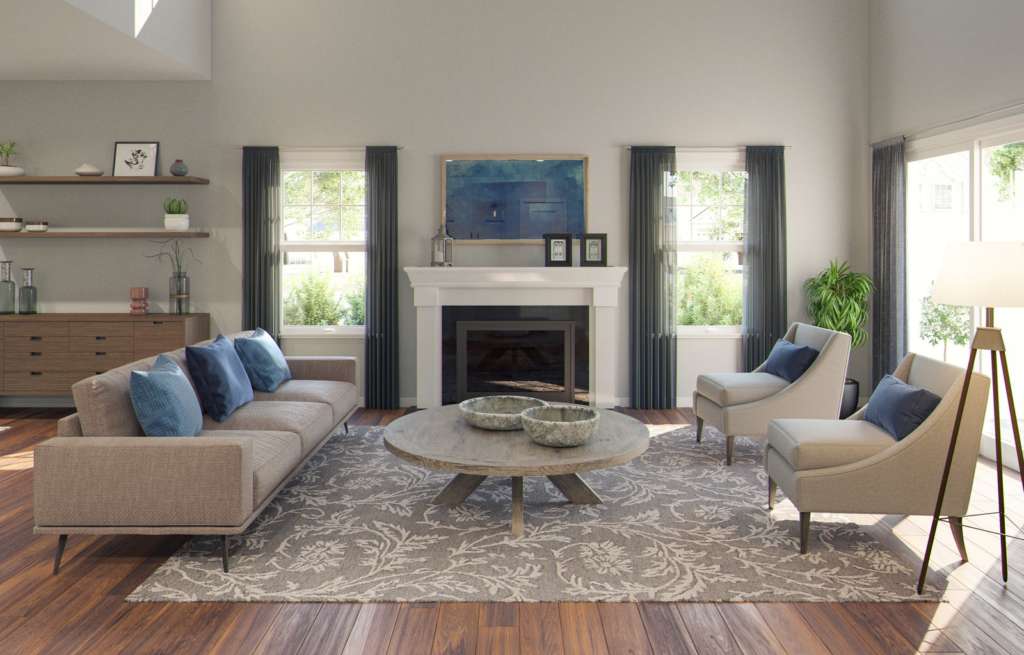
Lighting plays a pivotal role in distinguishing the living room from the bedroom, as it directly shapes the ambiance and usability of each space.
In a living room, versatile lighting options are essential to accommodate a range of activities throughout the day, from bright overhead lights for reading or game nights to softer, dimmable fixtures for evening relaxation.
This flexibility often includes a mix of natural light from large windows, layered with artificial sources like floor lamps and recessed lighting, to create an inviting and energetic atmosphere.
The goal is to enhance social interactions, making the space feel warm and welcoming without overwhelming the senses.
In contrast, bedroom lighting is designed for calm and restoration, prioritizing soft, adjustable options that mimic natural twilight to aid in winding down.
Features like bedside lamps with warm bulbs, smart lighting systems that gradually dim, and minimal exposure to harsh lights ensure that the room promotes better sleep hygiene.
Exploring living room vs bedroom through the lens of ambiance reveals how lighting influences emotional responses in subtle yet profound ways.
A well-lit living room can use strategic elements, such as accent lighting on artwork or plants, to add depth and personality, turning the area into a lively focal point of the home.
This not only boosts mood and productivity but also makes the space adaptable for different times and occasions, like holiday decorations or intimate dinners.
Meanwhile, the bedroom’s ambiance is all about serenity, achieved through diffused lighting that minimizes shadows and glare, perhaps with features like fairy lights or under-bed illumination for a cozy feel.
By carefully contrasting these approaches, designers can help homeowners create environments that support both active engagement and peaceful retreat, highlighting the keyword’s essence in everyday living.
Furniture and Layout Considerations: Optimizing Space in Your Living Room and Bedroom
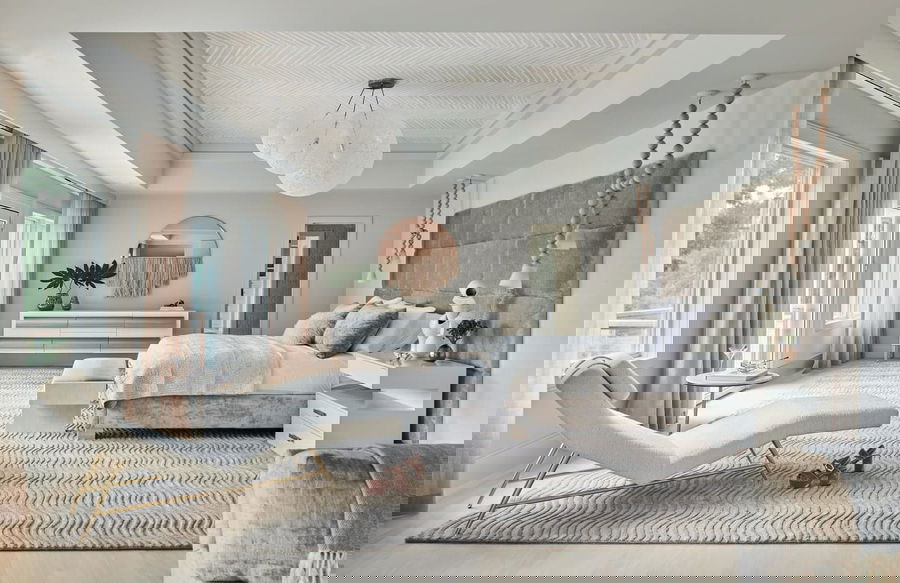
Furniture and layout are critical factors when optimizing space in the living room versus the bedroom, as they define how each area functions and feels.
In the living room, the layout must prioritize flow and versatility to accommodate multiple users and activities simultaneously.
This often involves selecting modular furniture, such as extendable tables or sectional sofas, that can be rearranged for events or daily use, ensuring the space remains uncluttered and accessible.
For example, placing a central coffee table surrounded by seating encourages conversation, while built-in shelving maximizes vertical space for storage without overwhelming the room.
The bedroom, however, requires a more intimate and streamlined approach, focusing on essential pieces like a bed frame with ample storage drawers and nightstands that keep necessities within reach.
This layout promotes a sense of calm by minimizing obstacles, allowing for easy movement and a focus on rest.
In the context of living room vs bedroom, these considerations extend to how furniture choices affect long-term comfort and efficiency.
A living room might incorporate multifunctional items, like a sofa bed for guests, to enhance its role as a social hub, while ensuring that the overall design doesn’t compromise on aesthetics or space.
This could mean opting for lighter, more durable materials that withstand high traffic.
In the bedroom, the emphasis is on personalization for relaxation, such as choosing a headboard with integrated lighting or a platform bed that elevates the space for better airflow and storage.
By comparing these strategies, individuals can make informed decisions that optimize their home’s layout, turning potential challenges like small square footage into opportunities for innovative design.


Acoustics and Sound Control: Designing for Different Activities in Each Space

Acoustics and sound control are key differentiators in living room vs bedroom designs, as they cater to the distinct activities and needs of each area.
The living room, being a space for entertainment and interaction, requires acoustics that balance sound projection and absorption to enhance experiences like movie watching or conversations.
This might involve installing acoustic panels, rugs, or even furniture with sound-dampening materials to reduce echoes without stifling the vibrancy.
For instance, open layouts can benefit from strategic placement of bookshelves or curtains that soften noise from adjacent areas, creating an environment that’s lively yet not overwhelming.
In the bedroom, sound control is paramount for promoting undisturbed sleep, focusing on insulation techniques such as double-glazed windows, thick carpeting, and white noise machines to block out external disturbances.
These elements ensure the space remains a quiet refuge, allowing for deeper rest and recovery.
Delving deeper into how acoustics shape living room vs bedroom, we see that effective design can significantly impact daily life and well-being.
A well-tuned living room might use features like surround sound systems integrated with acoustic-friendly walls to optimize for media consumption, making it ideal for family bonding or virtual meetings.
This contrasts with the bedroom’s need for soundproofing, where elements like headboards with foam padding or specialized curtains help maintain privacy and tranquility.
By understanding these differences, homeowners can avoid issues like fatigue from constant noise in shared spaces or insomnia in personal ones, ultimately fostering a more harmonious home environment.
Flooring and Material Choices: Comfort and Durability in the Living Room and Bedroom
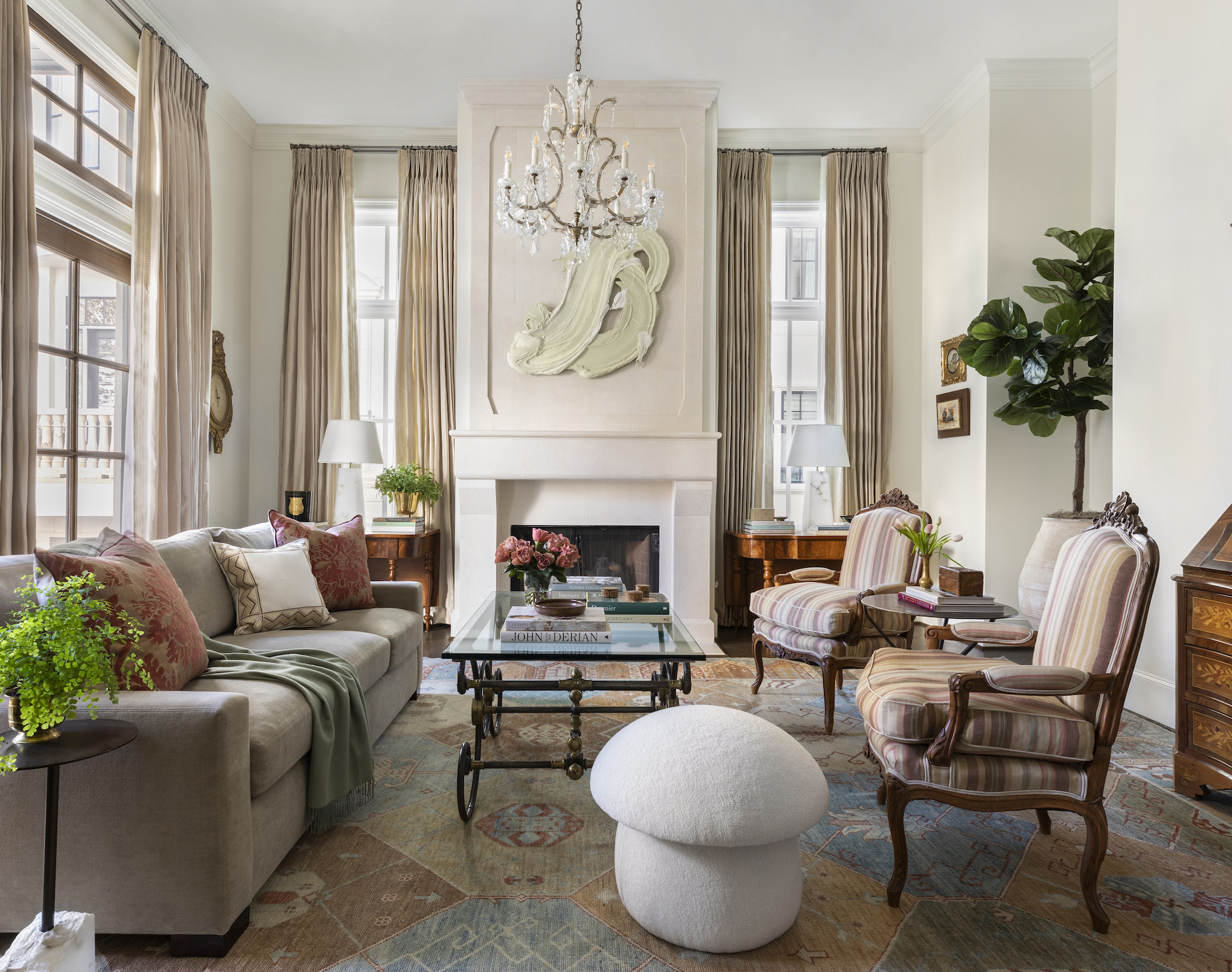
Flooring and material selections in living room vs bedroom settings must balance comfort, durability, and aesthetic appeal to suit their respective demands.
The living room, as a high-traffic area, benefits from robust flooring options like hardwood or laminate that can withstand daily wear from foot traffic, pets, and spills.
These materials not only provide a durable foundation but also enhance the room’s visual appeal, with patterns or textures that add warmth and style.
For comfort, incorporating area rugs made from synthetic fibers can soften the space, making it more inviting for lounging or playtime.
In the bedroom, the focus shifts to plush, comforting materials such as carpet or cushioned vinyl that promote a cozy atmosphere, ideal for bare feet and relaxation.
These choices prioritize insulation and temperature regulation, ensuring the floor contributes to a restful environment without sacrificing ease of maintenance.
When comparing living room vs bedroom through material lenses, the emphasis on longevity and user experience becomes evident.
Living room floors might feature easy-to-clean surfaces with underlayment for noise reduction, supporting activities that involve movement and socializing.
This could include selecting materials resistant to scratches and fading, extending the room’s lifespan amid frequent use.
Conversely, bedroom flooring often involves softer, hypoallergenic options that reduce allergens and improve air quality, such as wool carpets that regulate humidity.
By thoughtfully selecting these elements, designers can create spaces that are not only functional but also reflective of personal lifestyles, highlighting the intricate balance between durability and comfort in home design.


Personalization and Style: Reflecting Your Taste in Distinct Living Spaces
Personalization and style in living room vs bedroom allow homeowners to infuse their personality into each space, creating environments that resonate with their lifestyle and preferences.
The living room serves as a canvas for bold expressions, where eclectic decor, vibrant artwork, and thematic elements can showcase social interests and family dynamics.
This might involve mixing modern furniture with vintage accents to craft a welcoming narrative that encourages guests to engage and feel at home.
Personal touches, like custom pillows or gallery walls, add layers of meaning, turning the room into a reflection of shared experiences.
In the bedroom, style takes a more introspective turn, focusing on serene and intimate designs that prioritize personal comfort, such as soothing color palettes, personalized bedding, and subtle decor that evokes calm.
These choices help establish a private sanctuary that aligns with individual routines and relaxation needs.
Exploring living room vs bedroom in terms of personalization reveals how style influences emotional connections to our living spaces.
A living room might evolve with trendy updates, like incorporating smart home tech or seasonal decorations, to keep the energy fresh and adaptable.
This contrasts with the bedroom’s emphasis on timeless, calming aesthetics that foster consistency, such as minimalist designs with natural elements like plants or soft fabrics.
By contrasting these approaches, individuals can curate spaces that not only meet functional requirements but also enhance their overall sense of well-being, making personalization a powerful tool in interior design.


Conclusion
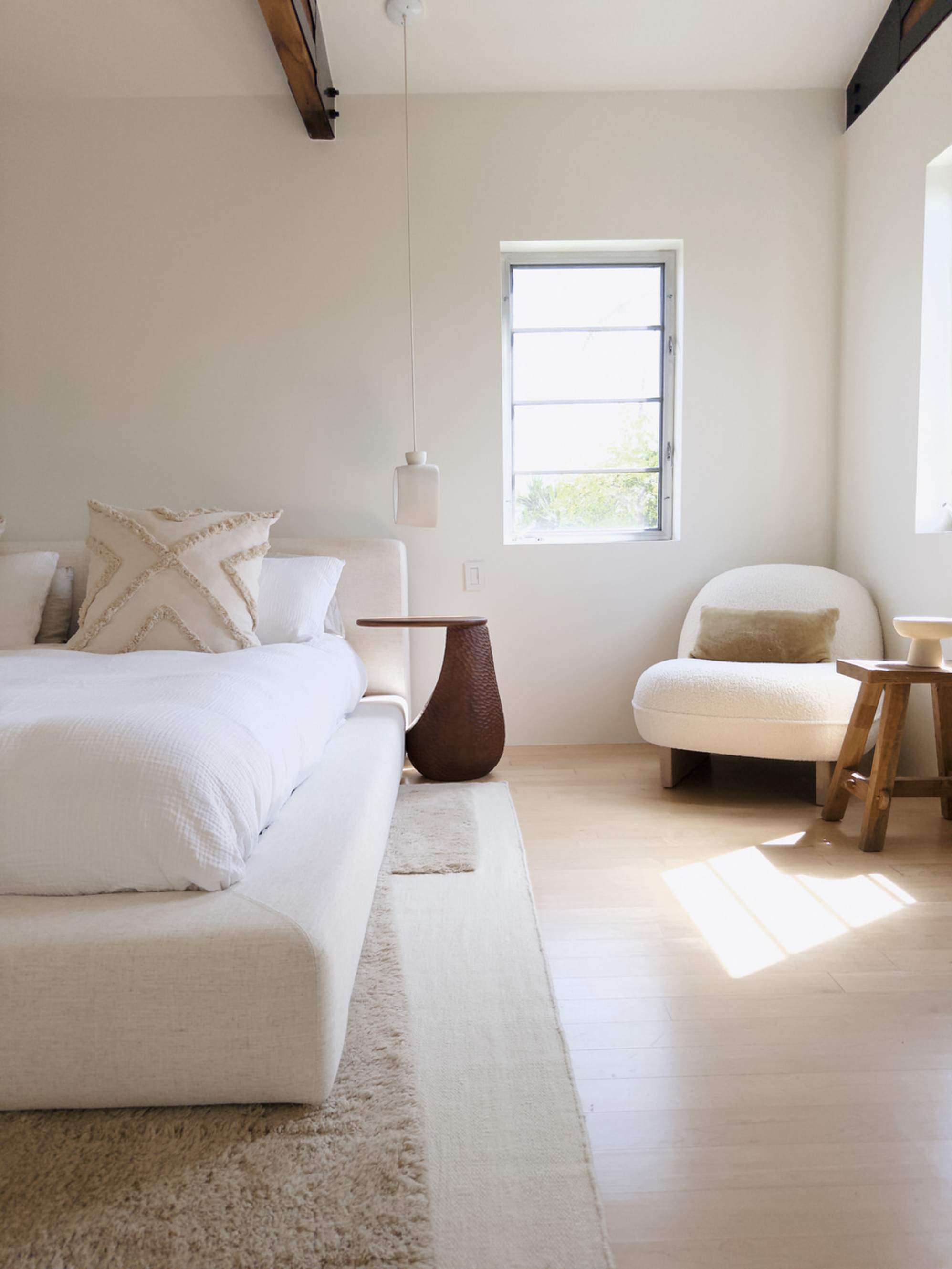
In summary, the exploration of living room vs bedroom underscores the importance of tailored design elements that cater to their unique roles within the home.
From the comparative analysis of function and design to the key differences in lighting, furniture, acoustics, flooring, and personalization, each aspect highlights how these spaces can be optimized for social interaction and personal retreat.
By considering factors like ambiance, space efficiency, and material durability, homeowners can create harmonious environments that enhance daily life, ultimately achieving a balanced and fulfilling living experience.