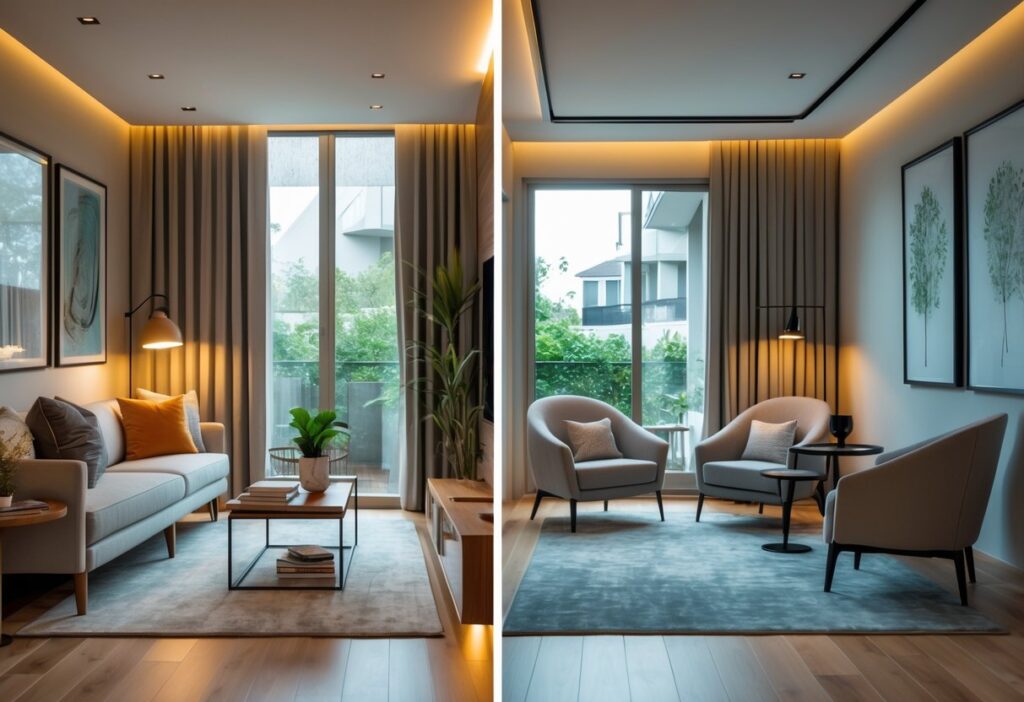

You might call it a living room, lounge, or sitting room, but I’ll show you the real difference so you can choose the name and setup that fits your home and life. A living room tends to be multipurpose and family-focused, while a lounge leans toward relaxed, social, or more formal entertaining.
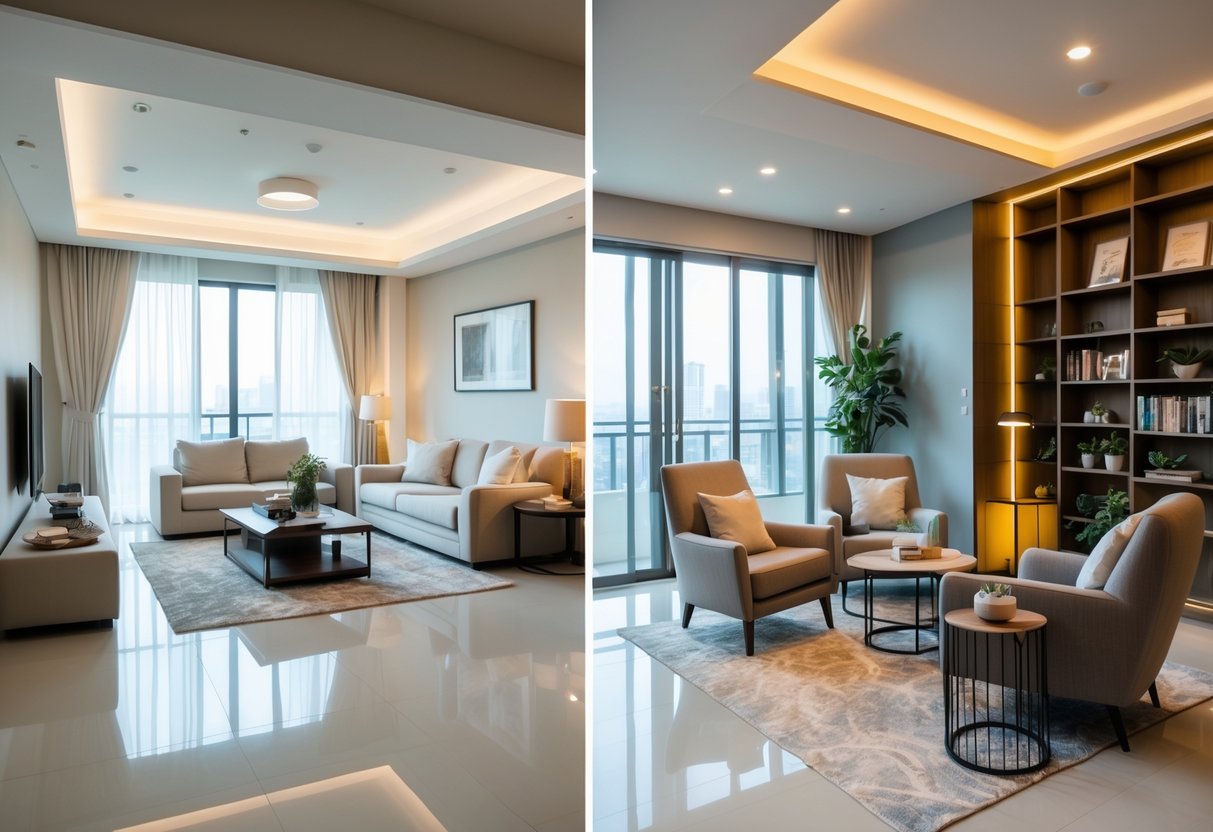
I’ll walk you through how each space works, how people use them around the world, and simple design tips to make your room match your daily habits. Expect clear examples that help you decide which layout, furniture, and vibe suit your needs.
Key Takeaways
- Know whether you want a family hub or a relaxed entertaining space.
- Small design choices change a room’s purpose and feel.
- Cultural use and personal habits should guide your naming and setup.
Defining Living Room and Lounge
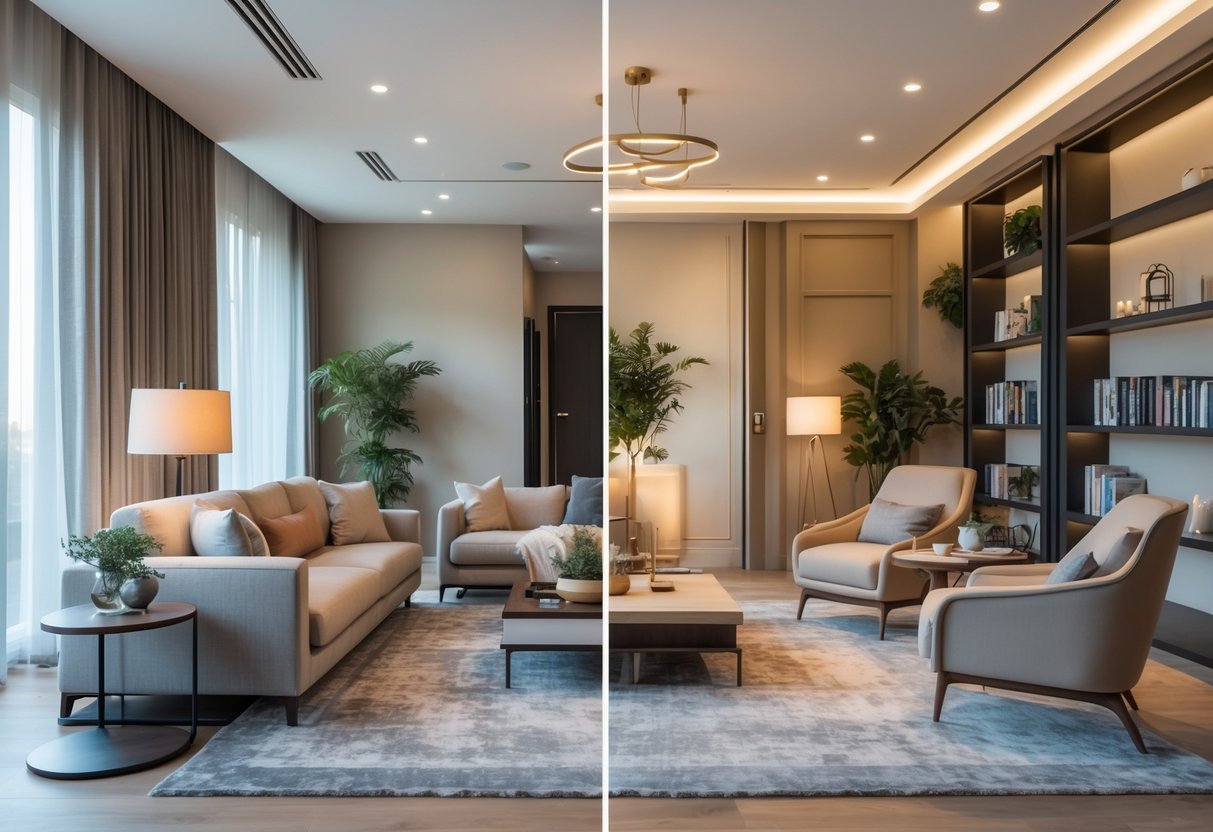
I explain how these two rooms differ in use, style, and cultural meaning, focusing on clear, practical differences you can spot in a home.
Traditional Meanings
The living room is described as a central family space used for daily activities. Historically, it served many purposes: family gatherings, watching TV, homework, and storage for everyday items. It often sits near the kitchen and features durable furniture like a sectional sofa, media center, and shelving for books and toys.
The lounge is defined as a more formal, quieter room meant for sitting and socializing. Traditionally, lounges held finer furniture, such as upholstered chairs and small tables, and were used to host guests or formal conversations. They were less cluttered and typically placed toward the front of a house or in a separate wing.
Modern Interpretations
Modern living rooms blend function and comfort. Today’s living room often houses entertainment systems, work-from-home spaces, and family-friendly fabrics. Designers focus on flexible layouts, storage solutions, and durable finishes to handle daily life.
Modern lounges lean toward relaxation and style. They often become quiet retreats: a reading nook, a cocktail area, or a secondary sitting room. In apartments and open-plan homes, “lounge” sometimes describes a casual seating area distinct from the main living zone.
There is often confusion about the words being interchangeable. Many people use “living room” and “lounge” as synonyms, but this overlooks their different roles in some homes. The distinction depends on culture, region, and personal preference more than strict rules.
Formality does not always mean less comfort. A lounge can be cozy, and a living room can be stylish. The real difference lies in how the space is used: daily family activity versus purpose-driven social or quiet use.
Key Differences Between Living Room and Lounge
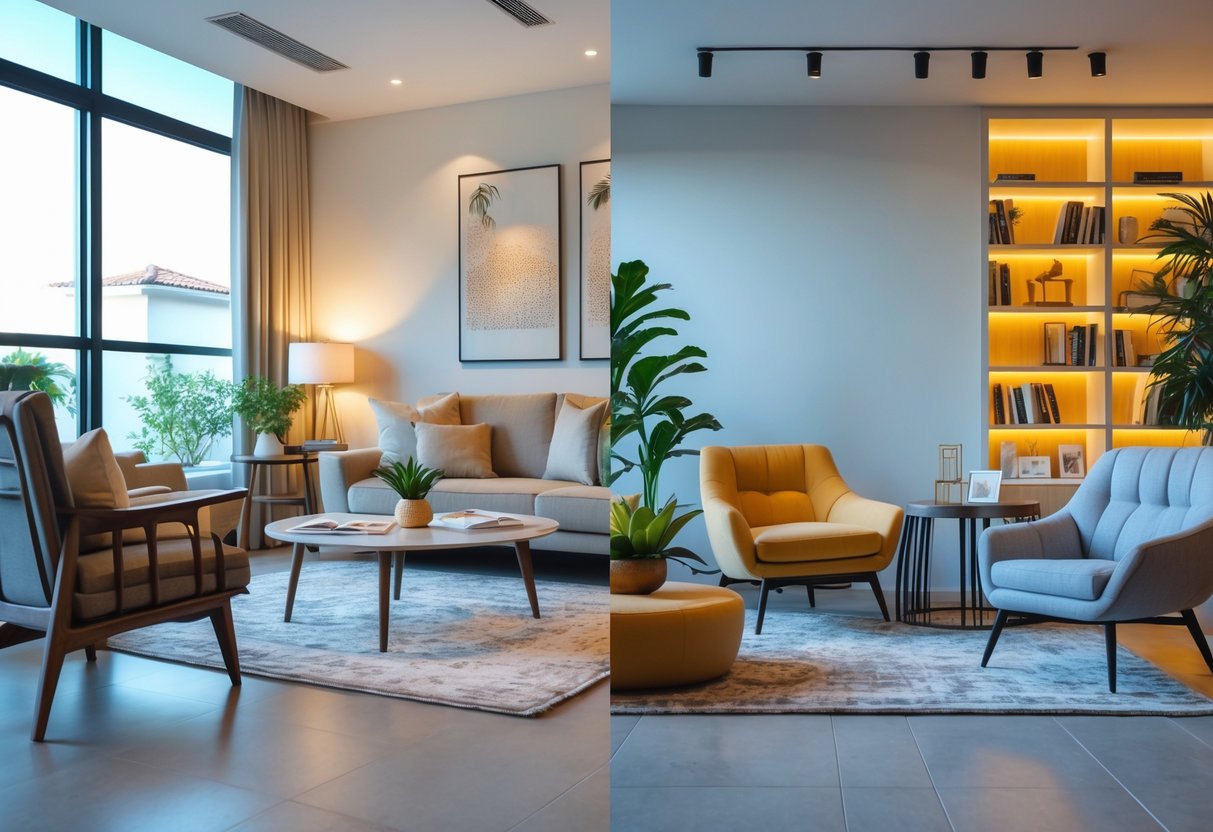
The focus is on how each room is used, how it looks, what furniture it holds, and the mood it sets. Clear, practical differences are highlighted so you can choose what fits your home and daily life.
Functionality and Usage
A living room serves many daily tasks: watching TV, doing homework, and hosting family dinners when needed. It often sits near the kitchen and acts as a central, high-traffic space in the home. Guests of all ages pass through, so the design stays flexible and easy to clean.
A lounge supports specific, relaxed social activities like quiet conversation, reading, or a casual drink. It may be a separate room or a quieter corner of a larger space. Lounges are designed for low-noise, low-activity use, making them ideal for intimate visits or alone time.
Design Elements
Living rooms often feature durable, multipurpose finishes: stain-resistant fabrics, built-in storage, and media-friendly layouts. Lighting combines overhead fixtures with task lamps to support different activities. Walls may display family photos or playful art, giving the space a lived-in feel.
Lounges typically incorporate softer textures and layered lighting—table lamps, sconces, and dimmers—to create a calm atmosphere. Cohesive color palettes and fewer bold patterns contribute to a polished look. Decorative touches like a statement rug or textured wallpaper help the lounge feel like a designed retreat.
Typical Furniture Choices
A living room usually includes a large sofa, a media console, and a coffee table that can double as a play surface or workspace. Additional seating such as ottomans or reclining chairs keeps the room adaptable. Storage pieces—bookcases, baskets, or built-ins—keep clutter out of sight.
A lounge favors smaller-scale, comfortable seating: a loveseat, armchairs, or a chaise. Side tables hold drinks, while a low-profile storage cabinet may store glassware or books. Furniture in lounges often prioritizes style and comfort over multi-use function.
Atmosphere and Ambiance
Living rooms are designed to feel lively and welcoming. Bright, even lighting and mixed textures create an energetic space where people can move around and join activities comfortably. Sound levels tend to be higher, with TVs or background music common.
Lounges aim for a quieter, cozier mood. Warm lighting, soft textiles, and minimal clutter help people relax and focus on conversation. The space feels more intentional and refined, encouraging slow, restful use rather than busy family multitasking.
Purpose and Role in the Home
The emphasis remains on how these rooms function in daily life: who uses them, what activities take place there, and how design choices support those uses.
Social Interaction and Entertaining
Seating and lighting are arranged to make conversation easy. In a living room, a sofa and chairs are placed around a focal point like a TV or fireplace so guests can chat and watch together. Clear pathways allow smooth movement between seats, the entry, and the dining area.
In a lounge, softer, more intimate seating—armchairs, low sofas, or a small sectional—is arranged to face each other. Dimmable lights and side tables make it easy to set down drinks and plates. Small groups, cocktail-style gatherings, and one-on-one conversations work best in this setting.
Relaxation and Comfort
Living rooms are set up for versatile comfort: a durable sofa for family movie nights, storage for blankets and games, and layered lighting for reading or watching TV. Fabrics are chosen to withstand kids and pets while remaining cozy.
Lounges prioritize plush cushions, soft rugs, and mood lighting to promote downtime. Elements like an ottoman, throw pillows, and a reading lamp make solo relaxation or quiet conversations more inviting. Rugs and curtains help soften sound for better noise control.
Formal vs. Informal Spaces
The living room functions as a flexible space that can feel casual or slightly dressed up, depending on the occasion. It may be used daily for TV and homework, then refreshed with decorative pillows or a tidy coffee table when guests arrive.
The lounge sits between a traditional parlor and a casual den. Curated decor, coordinated furniture, and a consistent color palette create an elegant yet relaxed feel. Because it’s intended for focused social time rather than everyday family use, it often remains cleaner and more styled.
Global Perspectives on Living Rooms and Lounges
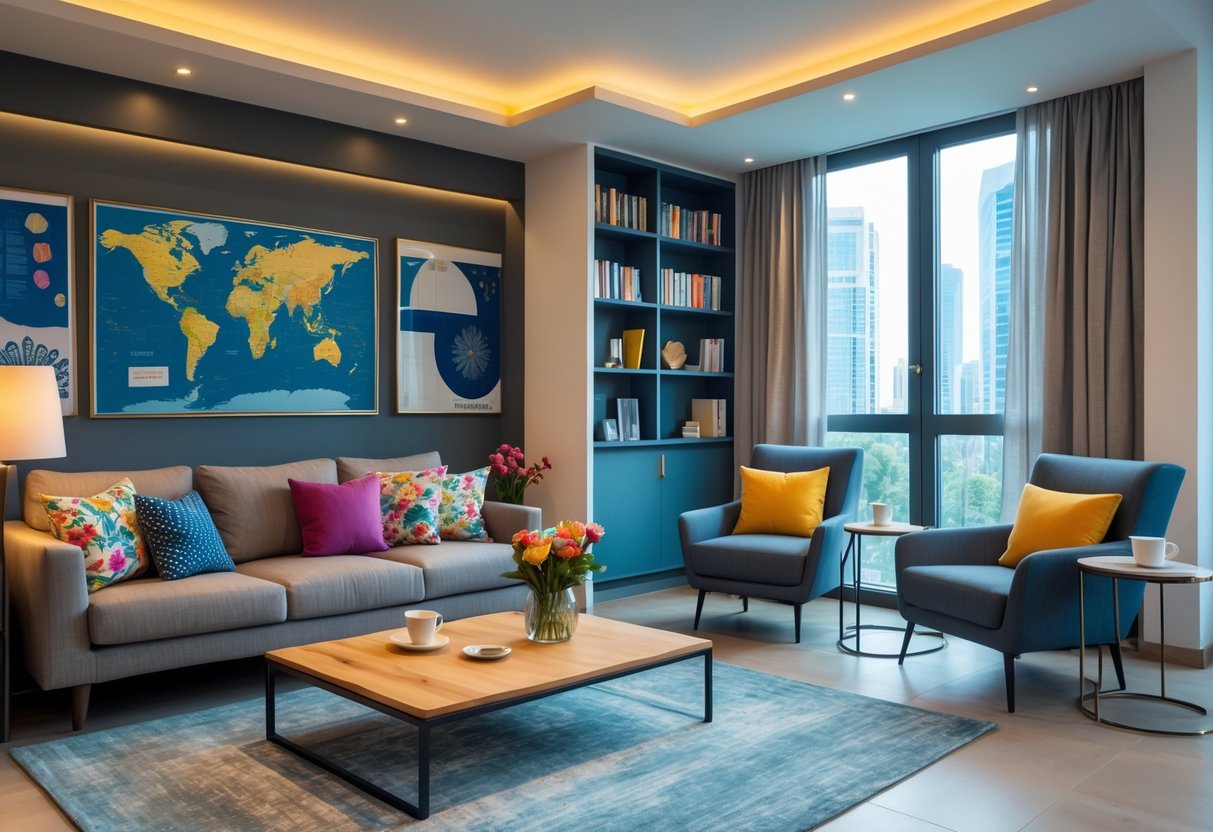
The focus is on how people use and name their main sitting spaces, and how design, formality, and function vary by region.
North American Homes
In North America, living rooms are commonly used for family time and hosting guests. A sofa typically faces a TV, paired with a coffee table and soft lighting. Open-plan layouts often connect the living room to the kitchen or dining area in modern homes.
Formality varies. Some families maintain a separate “parlor” or front room for visitors, but most rely on one main living room for everyday use. Styles range from minimalist mid-century pieces to cozy, layered decor with rugs, throw pillows, and shelving. Function often determines furniture choices and tech placement.
European Style
Across Europe, terminology and layouts differ. In Britain, “lounge” or “sitting room” is used more often than “living room.” Rooms tend to be more compact, especially in city flats, so furniture frequently serves multiple purposes.
Historic houses may preserve a formal drawing room for entertaining, while contemporary homes favor multifunctional lounge spaces with elegant seating and fewer electronics. Wood floors, slim-profile sofas, and built-in storage are common. Regional preferences range from formal antiques to modern Scandinavian simplicity.
Other Cultural Interpretations
Outside North America and Europe, there is wide variation. In Australia and New Zealand, both “lounge” and “living room” are common terms, and open-plan family spaces dominate many homes. In parts of Asia and the Middle East, layouts often emphasize communal gathering areas for extended family and guests.
Cultural norms influence both formality and layout. Some cultures maintain separate reception rooms for visitors, while others use the main sitting area for daily life. Design choices reflect climate, available space, and social habits—such as low seating or floor cushions in some Asian homes, or courtyards and shaded verandas in warm climates.
Interior Design Inspirations
The emphasis is on practical ideas that make a living room or lounge feel intentional and lived-in, highlighting clear style choices and color strategies that can be applied immediately.
Popular Decor Styles
Several styles work well for both living rooms and lounges, with differences in detail.
- Contemporary: Clean-lined sofas, metal or glass coffee tables, and minimal accessories define the look. Seating stays low and open for conversation, with a sculptural floor lamp anchoring the space.
- Transitional: Traditional wood furniture pairs with modern textiles. A tufted sofa combined with a simple area rug and soft throw pillows creates a room that feels both classic and fresh.
- Scandinavian: Light wood tones, neutral textiles, and layered textures set the tone. A slim armchair, a sheepskin or knit throw, and simple shelving for plants and books complete the look.
- Cozy Modern: A plush sectional, warm-toned wood, and layered lighting establish comfort. A textured rug and mixed metals add contrast.
A single focal piece—such as a bold sofa or artwork—can anchor the design, with the rest of the room built around it.
Color Schemes
Color plans should suit function, mood, and natural light.
- Neutral base with accents: Begin with beige, gray, or warm white walls, then introduce color through cushions, curtains, and a statement chair in deep blue, olive, or rust.
- High-contrast: Paint trim or a feature wall in charcoal or navy while keeping furniture light. This approach works well in rooms with abundant natural light.
- Earthy palette: Combine terracotta, moss green, and ochre with raw wood finishes. Woven baskets and linen textiles reinforce the warm atmosphere.
- Monochrome layered tones: Select one color family, such as grays or blues, and layer varying shades and textures for depth.
Testing paint swatches on the wall at different times of day helps avoid costly mistakes and guesswork.
Choosing the Right Space for Your Needs
The key is considering how the room will be used, how many people will use it, and what primary activities will take place. This guides the choice between a relaxed lounge and a more formal living room, as well as layout, furniture scale, and technology placement.
Lifestyle Considerations
Start by listing the most important activities. If watching TV is central, a media-ready layout with clear sightlines and dimmable lighting works best. If entertaining is frequent, seating should face each other and allow easy movement.
Consider who uses the room. Families benefit from durable, stain-resistant fabrics and toy storage. Couples or singles may prefer statement furniture and minimal clutter. Noise and privacy needs also matter; a lounge near bedrooms should limit loud speakers.
Comfort and durability should take priority over matching trends. Measuring seating depth, checking cushion firmness, and selecting fabrics suited to household habits make a difference. Small adjustments—like adding an area rug to define zones—can significantly improve function.
Space Planning Tips
Begin by measuring the room and marking door swings, windows, and the focal point. A simple checklist helps:
- Measure length and width.
- Note fixed items (fireplace, TV mount).
- Mark traffic paths at least 30–36 inches wide.
Use a scaled floor plan or painter’s tape to test furniture sizes. Place the largest piece first—usually the sofa—then add chairs and tables. Maintain clear walking space and avoid blocking light sources.
In small rooms, opt for multi-use furniture such as storage ottomans, narrow console tables, or a loveseat instead of a full sofa. In larger rooms, create zones: a TV area, a conversation cluster, and a reading nook. Match lighting to each zone—task lights by chairs, ambient lighting near seating, and accent lights for displays.
For design references, consult practical guides on how to arrange a living room and creating a seamless lounge space (https://www.wayfair.com/sca/ideas-and-advice/rooms/how-to-arrange-a-living-room-creating-a-seamless-lounge-space-T22865).
Conclusion
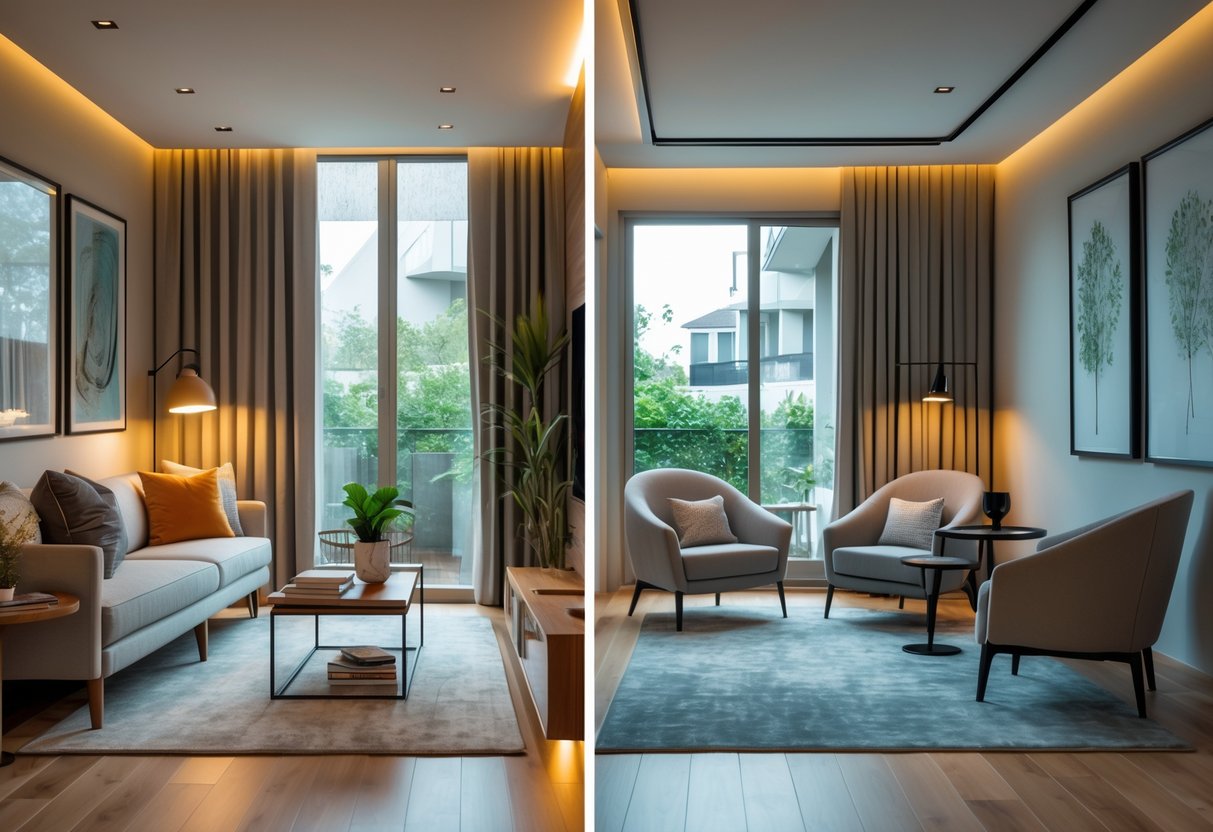
A living room and a lounge can serve different needs, even if they often feel similar. A living room usually supports daily family life and TV time, while a lounge leans toward quieter conversation or more formal hosting.
The name can reflect how the space is used. A relaxed family hub fits the idea of a living room, while a calm, stylish spot for guests aligns more with a lounge.
Design choices follow function. Sofas, media setups, and kid-friendly elements suit a living room. Softer lighting, elegant seating, and art complement a lounge.
Blending both concepts can work well. Creating zones—one for casual activities and one for calm socializing—helps the room feel both useful and welcoming.
Furniture and finishes should match everyday living habits. Keeping comfort and purpose in mind makes a bigger difference than the label itself. Small changes can shift the room’s feel more than a name can.
Frequently Asked Questions
Clear, practical differences between living rooms and lounges are outlined below, including how each space is used, how to furnish them, and how to decide which suits your home.
What are the main differences between a living room and a lounge?
A living room typically serves as the home’s central, multipurpose space for family activities and welcoming guests. It often balances comfort and formality.
A lounge focuses more on relaxation or entertaining in an intimate or styled setting. It can feel cozier or more upscale, depending on the household or culture.
Can a living room also function as a lounge?
Yes. Many homes use the main living area for both everyday family life and relaxed entertaining. Zoning the room with seating arrangements or lighting can support both uses.
Adding softer lighting, a smaller seating group, or a bar cart can give a living room a lounge-like feel. These small changes shift the mood without requiring a separate room.
How does the purpose of a living room compare to that of a lounge?
A living room centers on family use, TV watching, and general hosting. It benefits from durable seating, storage for daily items, and a flexible layout.
A lounge emphasizes comfort or a specific ambiance for relaxation or intimate gatherings. Designers often prioritize mood, texture, and décor to create that atmosphere.
Are there any specific design styles that differentiate a lounge from a living room?
Lounges often lean toward themed or luxurious styles, such as velvet fabrics, mood lighting, and curated accessories. Living rooms usually combine practical pieces with decorative items suited for everyday use.
However, styles frequently overlap. Personal taste and intended use matter more than strict definitions.
What kind of furniture is typically found in a lounge as opposed to a living room?
A lounge commonly features low-profile sofas or armchairs, accent chairs, coffee tables, and mood lighting like table lamps or wall sconces. It may also include a small bar area or decorative shelving.
A living room typically includes a sectional or sofa set, a media console, storage like bookcases, and durable coffee tables. Function and family needs guide these choices.
(You can see common naming and usage differences explained in this overview of living rooms and lounges: https://cozy-vibes.com/what-is-the-difference-between-lounge-and-living-room/.)
How do I decide whether my space should be a living room or a lounge?
Start by listing how the room will be used. Family activities, TV, and storage needs point toward a living room. A quiet setting for reading, drinks, or intimate company aligns more with a lounge.
Traffic flow, natural light, and proximity to the kitchen also matter. Testing a few layout options with key furniture pieces before finalizing the design can help ensure the right fit.