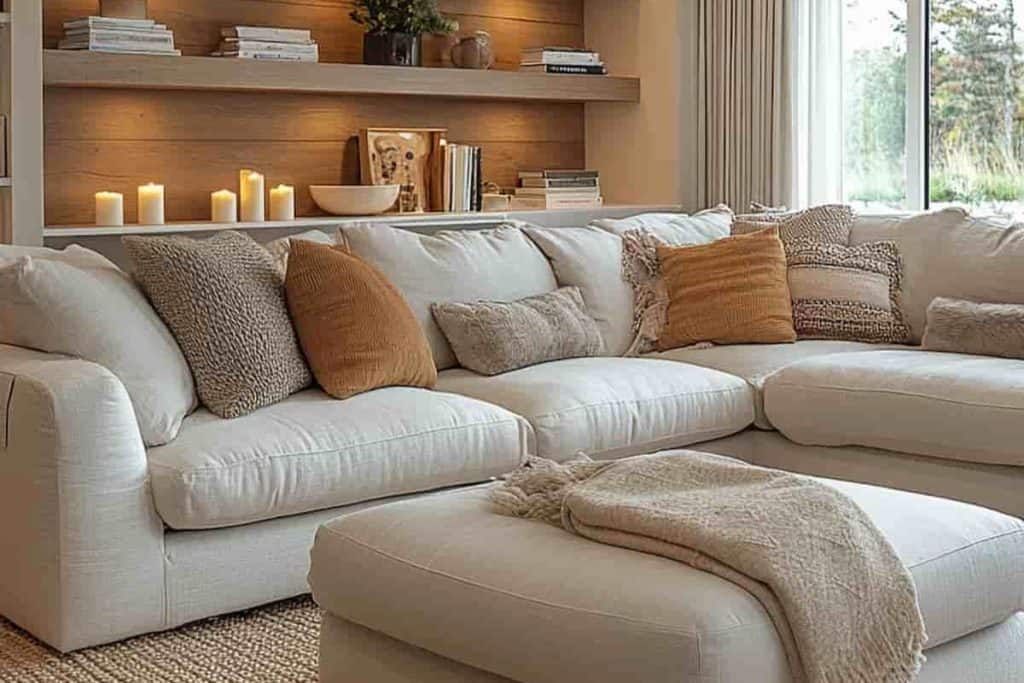

When it comes to home design and daily living, the debate of living room vs. sitting room often arises as homeowners and interior enthusiasts seek to understand these spaces’ unique roles.
While both areas serve as gathering spots, the living room typically functions as a multifunctional hub for family activities, entertainment, and relaxation.
The sitting room leans toward a more formal or intimate setting for conversations and quiet pursuits.
This distinction highlights how living room vs. sitting room can shape the overall flow and atmosphere of a home.
It influences everything from furniture choices to social interactions.
Living Room vs. Sitting Room: Defining the Key Differences
The concept of living room vs. sitting room is rooted in historical and cultural contexts that have evolved over centuries.
These changes reflect shifting societal norms and architectural trends.
In traditional British homes, the sitting room emerged as a refined space.
It was often reserved for receiving guests or enjoying leisurely reading.
Meanwhile, the living room became the epicenter of everyday family life.
This differentiation isn’t merely about terminology; it’s about purpose and perception.
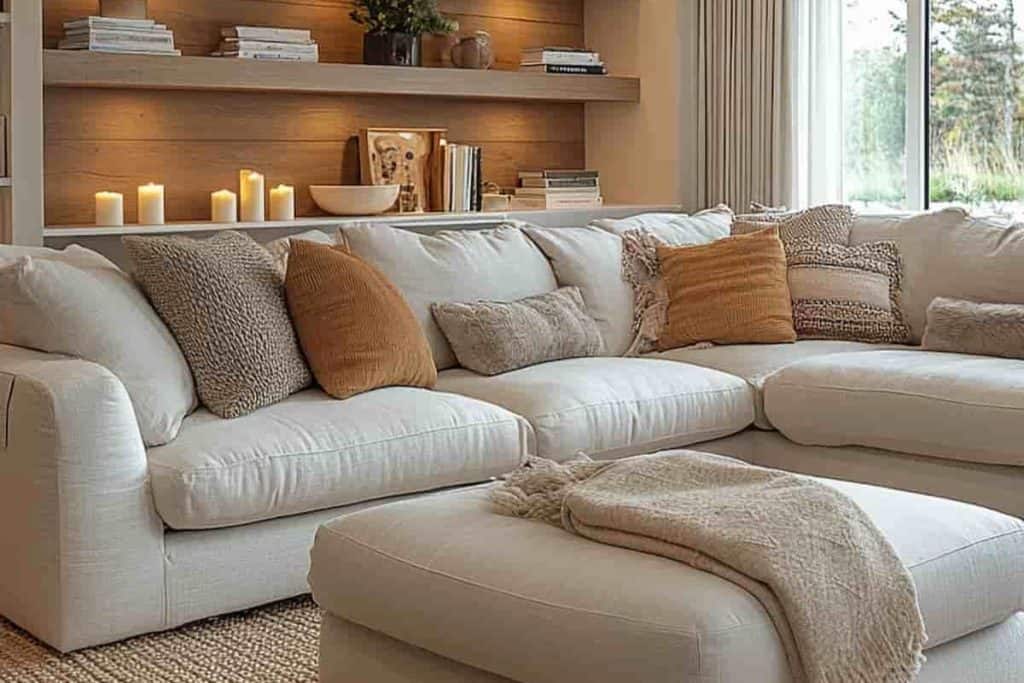
The living room is typically larger, more versatile, and integrated into the main flow of the house.
It accommodates activities like watching television, playing games, or hosting casual gatherings.
In contrast, the sitting room may be smaller and more secluded.
It is designed for tranquility, emphasizing elegance over utility.
By examining these nuances, we better understand how living room vs. sitting room influences modern home layouts.
It helps homeowners decide based on their lifestyle needs.
The differences also extend to emotional and psychological aspects.
The living room often embodies openness and inclusivity.
Its design encourages spontaneous interactions and shared experiences that strengthen family bonds.
Furniture such as sofas arranged in conversational circles promotes dynamic energy.
Entertainment centers often serve as focal points.
On the other hand, the sitting room fosters a more introspective environment.
Plush armchairs and subdued lighting create a haven for personal reflection.
It is ideal for intimate discussions and quiet moments.
This contrast is not just functional but emotional.
It creates different sanctuaries within the home.
As we explore living room vs. sitting room, it becomes clear that both spaces can coexist harmoniously.
Each enhances the other’s role, allowing residents to move between lively engagement and peaceful retreat.
Functionality and Purpose: Understanding the Roles of Each Space
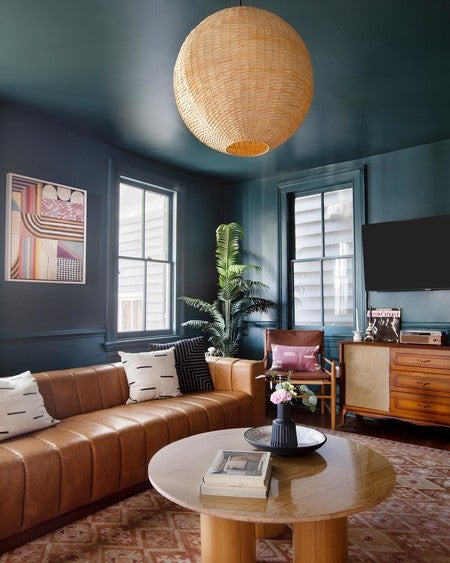
At its core, the living room revolves around versatility.
It often becomes the heartbeat of daily routines in many households.
This space serves multiple purposes, from a play area for children to hosting impromptu movie nights.
It may even function as a makeshift office during remote workdays.
The living room adapts to evolving modern demands.
Families juggle work, leisure, and social obligations in this space.
In smaller urban apartments, it might double as a dining area or home gym.
This underscores its flexibility and practicality.
Understanding living room vs. sitting room in this context highlights accessibility and durability.
Living rooms often feature easy-to-clean furnishings that withstand daily wear and tear.
In contrast, the sitting room serves a more specialized purpose.
It focuses on refinement and repose.
This space is ideal for reading, sipping tea, or deep conversations with close friends.
Unlike the activity-driven living room, it emphasizes serenity.
Design elements are curated to minimize distractions and promote mental clarity.
The distinction between living room vs. sitting room reflects different emotional needs.
The living room supports energetic family interactions.
The sitting room offers a space for personal unwinding.
Recognizing these roles helps create environments that nurture well-being.
Design and Decor: Tailoring Each Room to Its Intended Use
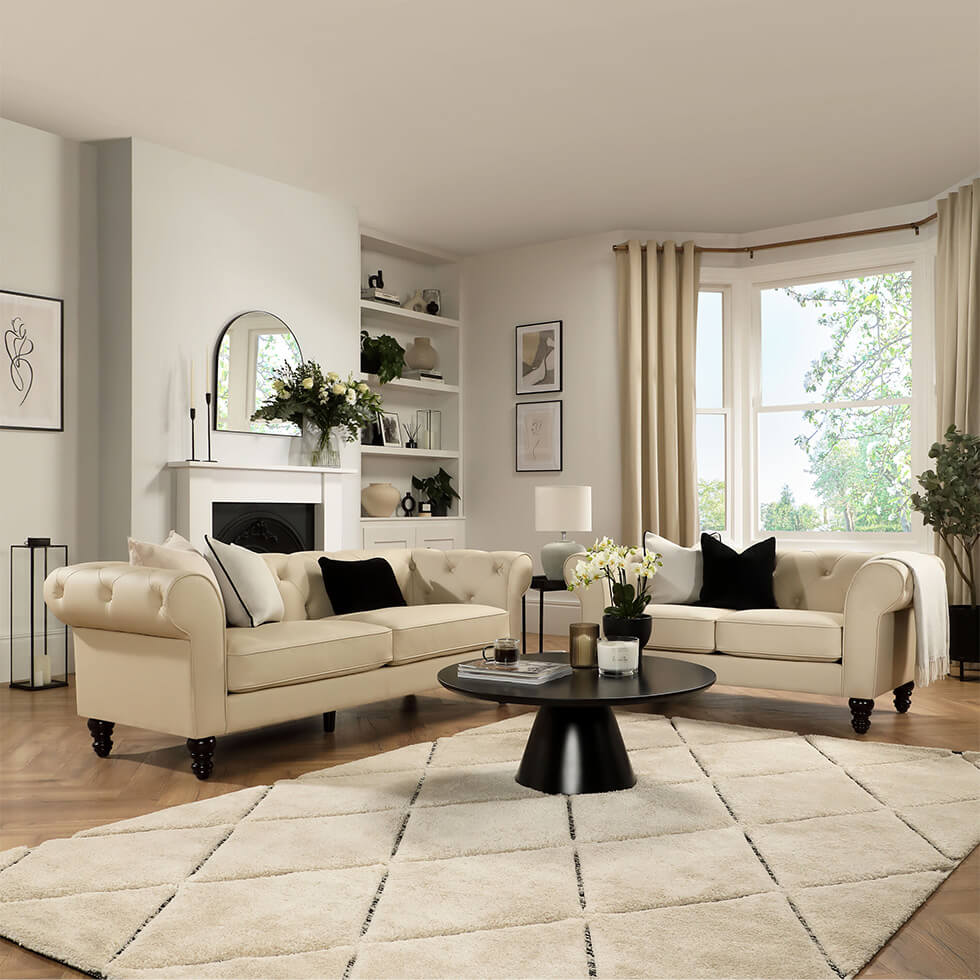
Living room design often prioritizes comfort and sociability.
Bold color schemes and modular seating are common features.
Integrated storage helps maintain order while supporting functionality.
Resilient fabrics and adaptable lighting allow flexibility from day to night.
When considering living room vs. sitting room, the living room decor is usually more expressive.
Family photos and artwork reflect personality and warmth.
This reinforces its identity as a central, lively hub.
Decorating a sitting room involves a more curated and elegant strategy.
Subtle palettes and antique furniture enhance sophistication.
Soft textiles contribute to a calm and serene atmosphere.
Pieces are selected for timeless appeal and comfort.
A plush reading chair or delicate side table often becomes a focal point.
Exploring living room vs. sitting room through design reveals a balanced contrast.
The sitting room acts as a retreat from the living room’s vibrancy.
Together, they create a harmonious home experience.
Social Dynamics: How Each Space Impacts Interaction and Entertainment

Social interactions in the living room are informal and inclusive.
This space encourages group activities and shared entertainment.
Board games, movie nights, and casual conversations thrive here.
Its open layout supports fluid discussions and laughter.
Considering living room vs. sitting room, the living room fuels dynamic social energy.
It strengthens familial ties and builds a vibrant household atmosphere.
The sitting room, however, supports more intimate exchanges.
It provides a setting for deeper conversations without distractions.
Interactions are often one-on-one or in small groups.
The quieter ambiance nurtures thoughtful engagement.
Understanding living room vs. sitting room highlights how each complements the other.
Homes can support both lively entertainment and serene companionship.
Space and Layout: Considerations for Integrating Both Rooms Effectively
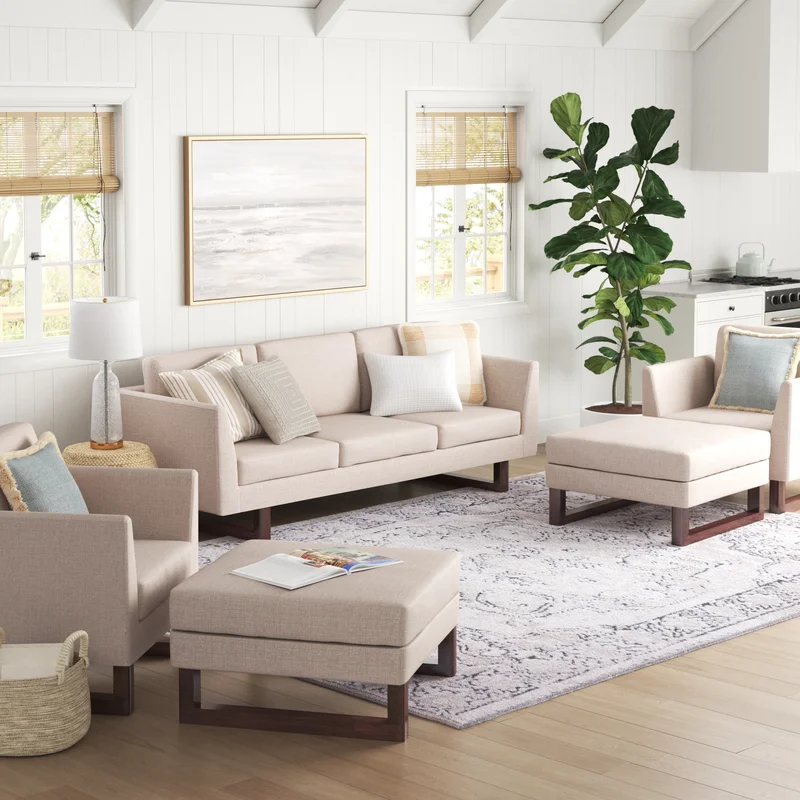
Effective living room planning maximizes flow and accessibility.
Open-concept layouts often connect it to kitchens or dining areas.
Natural light and traffic patterns are key considerations.
Furniture arrangement should prevent clutter while allowing flexibility.
In living room vs. sitting room integration, the living room often serves as a central thoroughfare.
Rugs or subtle dividers can define zones without isolation.
The sitting room layout prioritizes privacy and retreat.
It may be tucked into a corner or separate wing of the home.
Architectural features like alcoves or folding doors enhance seclusion.
Balancing proximity and privacy ensures functional harmony.
Reflecting on living room vs. sitting room, scale and proportion matter.
Larger homes may separate them distinctly, while smaller homes blend elements creatively.
Modern Interpretations: Evolving Definitions and Blurring Boundaries
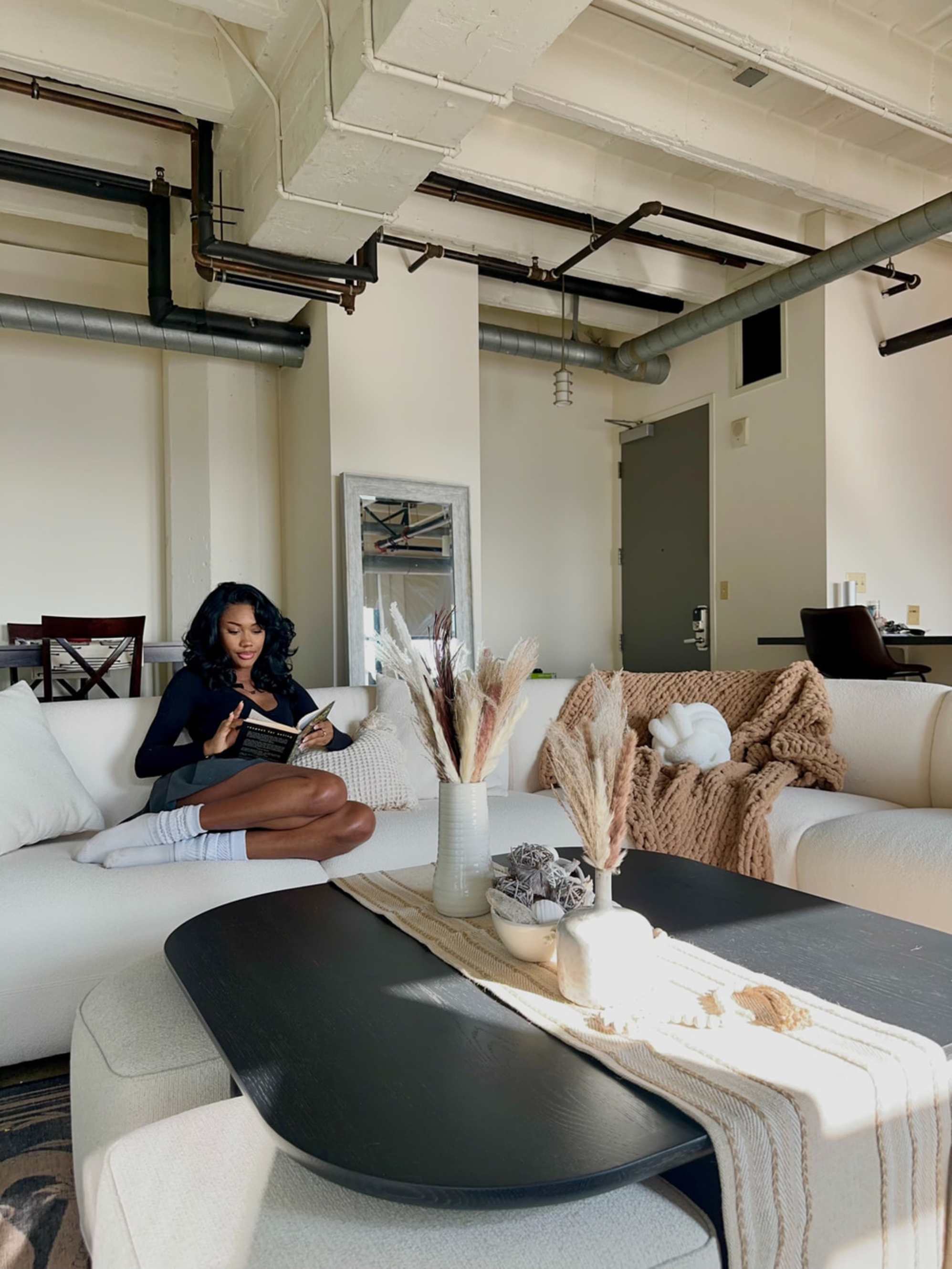
In contemporary homes, the definitions of living room vs. sitting room continue to evolve.
Minimalist trends and multifunctional needs blur traditional boundaries.
Living rooms may incorporate smart technology and flexible furnishings.
Sitting rooms may transform into wellness spaces or meditation corners.
Hybrid lifestyles demand adaptability rather than rigid categorization.
As boundaries blur, these spaces often switch roles.
A living room might adapt for formal gatherings.
A sitting room may include entertainment elements for versatility.
This evolution optimizes urban living and supports sustainability.
Ultimately, living room vs. sitting room reflects our changing lifestyles.
Conclusion
In summary, exploring living room vs. sitting room reveals differences in purpose, design, and social dynamics.
The living room offers versatility and family-centered functionality.
The sitting room provides serenity and introspection.
Together, they enhance comfort, interaction, and personal expression.
By integrating both thoughtfully, homeowners create balanced environments that evolve with their needs.
This fosters a harmonious and fulfilling living experience.