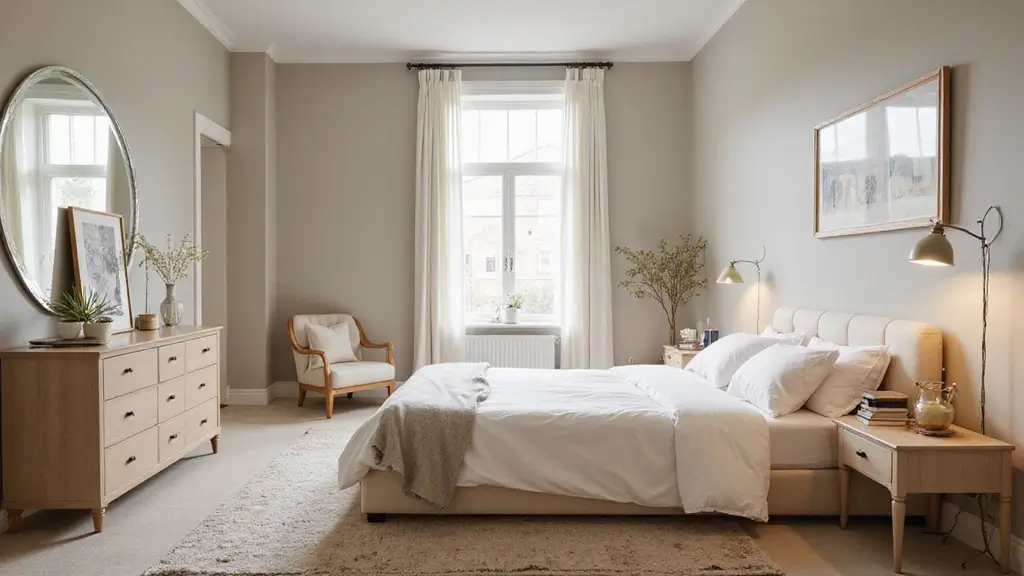

Your primary bedroom is small and it can feel crowded. This post comes from my own wish for calm spaces, even in tight rooms. Here I share 25 small primary bedroom ideas that feel calm and luxurious, so you can turn a tiny space into a true retreat.
I put this together because a calm, luxe vibe should fit a small room too. Here is why: color, light, texture, and smart storage you can actually use. If you want a space that helps you rest and still looks polished, you are in the right place.
If you live in a small apartment or a compact home, if you rent and can’t make big changes, or if you simply crave a quiet, well put together space, this post is for you.
What you’ll get: Here are 25 ideas that cover paint and color, texture and textiles, lighting, furniture scale, layout, and storage. You’ll learn calm color palettes, layered lighting that makes a small room feel bigger, beds and nightstands that don’t crowd the floor, and easy texture tricks like linen, velvet, and a soft rug.
These ideas come with practical steps you can take this weekend. No need for a full remodel. You can mix, match, and adapt to your light and budget. I also point out common pitfalls and quick fixes so you avoid a rushed look.
Ready to start? Pick one tweak you can try this weekend. Then come back and pick another. The goal is to stack small wins until your room feels calm and luxurious. Next steps: choose a soft neutral paint, add a warm light, and layer textures with a linen throw and a plush rug.
1. Embrace Soft, Calming Color Palettes
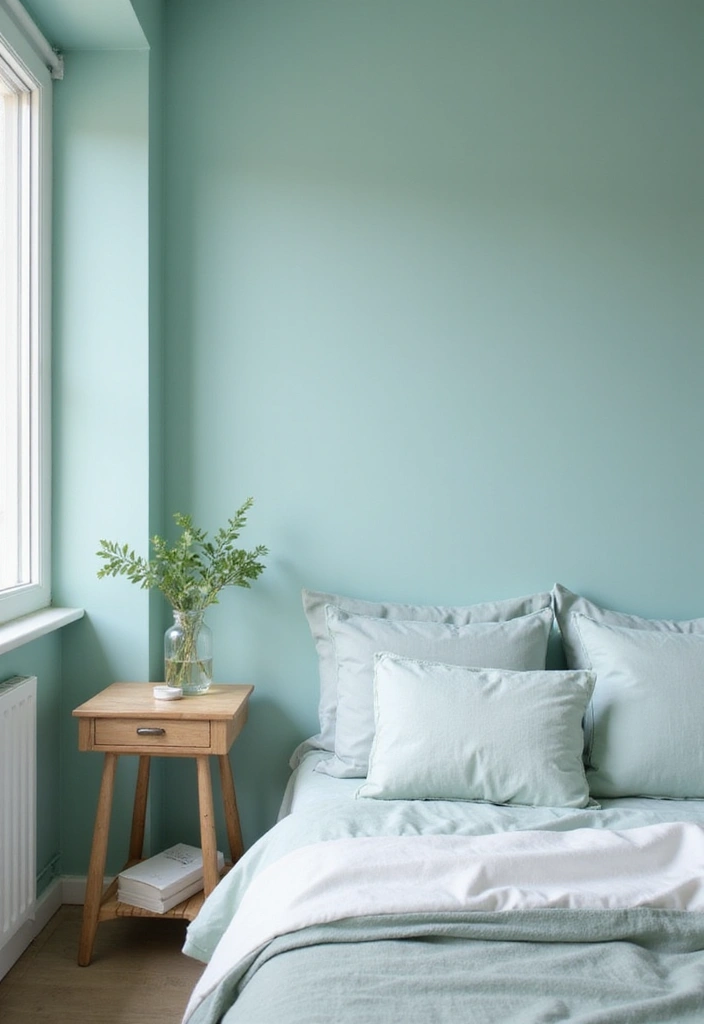
Is your small primary bedroom craving calm and space? A soft color palette can change that in a big way. Think muted blues, gentle greens, and crisp whites. These shades bounce natural light through the room, making it feel airier and cleaner. An accent wall in a lighter shade adds depth without crowding the space. Pair lighter wood tones with soft fabrics to seal the serene mood.
– Two to three shades that sit in the same family. Start with one main tone and pick two gentler partners.
– Main wall color on the walls, then use the second shade for bedding or decor.
– Texture over pattern with textiles to bring depth without visual noise.
Here is why this approach works. A small room reads as bigger when colors stay close together. Light walls reflect more sun, while lighter accents give your bed, throws, and pillows a calm focus. The result is a peaceful space you can unwind in.
To apply it, keep things simple and cohesive. For example, walls in a soft white or pale greige, bedding in a muted blue or sage, and nightstands or a rug in a warm wood tone. Materials matter—choose linen, cotton, or wool for a touch of softness.
Test swatches in your room at different times of day. See how the color changes with sun, lamp light, or shade. This is the best way to avoid surprises and keep the calm you want.
Current trends lean toward warm neutrals and natural textures. They stay timeless and work well with small rooms. Make the palette yours by pairing comfort with your own style.
2. Invest in Luxurious Bedding
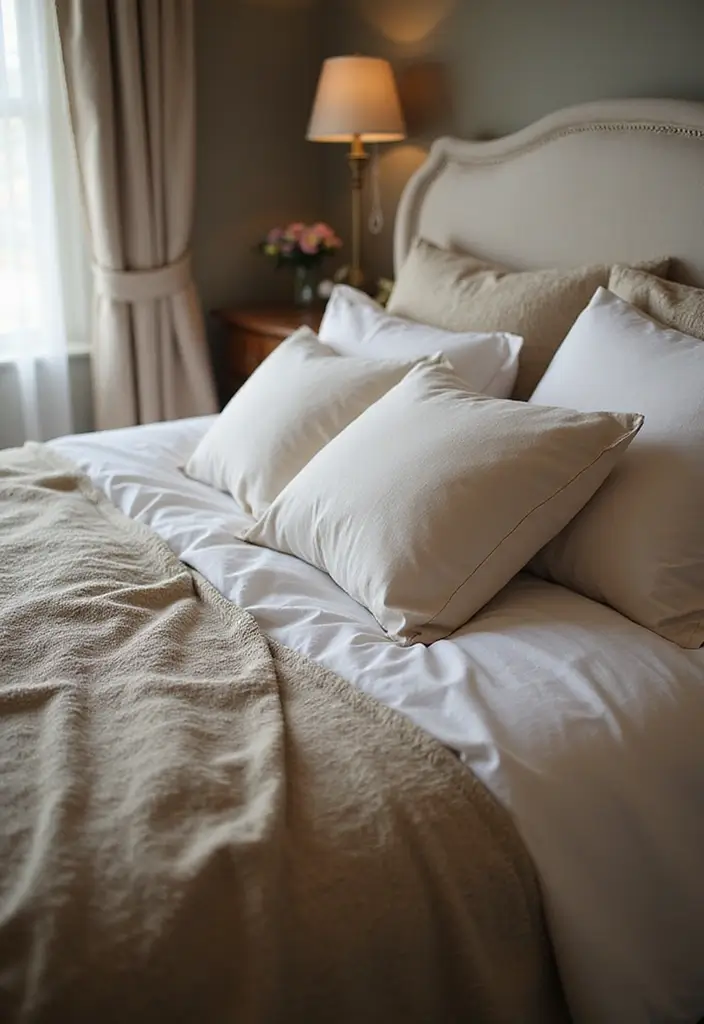
Your bed is the heart of a small primary bedroom. The right bedding can make the space feel calm and luxe.
Here is why: good fabrics stay soft, wear well, and read as premium in a tight room.
– Choose premium fabrics: Look for Egyptian cotton sheets or silk. They glide on skin and drape nicely. A breathable weave, like percale, keeps nights cool. Silk pillowcases add smoothness for hair and skin.
– Layer with intention: Start with crisp sheets, add a plush duvet, then top with a soft throw. Mix textures—cotton under, a quilted layer in the middle, and a fuzzy knit on top. In hot weather, swap to a lighter blanket and a breathable duvet cover with ties to keep the fill in place.
– Keep color cohesive: Pick a calm palette and repeat it across sheets, duvet, and throw. Add one small accent color in a couple of pillows. Let your wall color and natural light do the rest.
– Use subtle patterns: Choose tiny stripes, micro checks, or tone-on-tone jacquard. Keep patterns quiet so rest stays easy to mind.
– Soft accessories: Use 2–4 pillows in coordinating tones. Place a larger euro pillow to frame the headboard, and leave the rest simple to avoid clutter.
Next steps: wash regularly, rotate the throw with the seasons, and keep a simple, repeatable setup. Your bed becomes a calm, inviting anchor in a small space.
3. Utilize Space-Saving Furniture
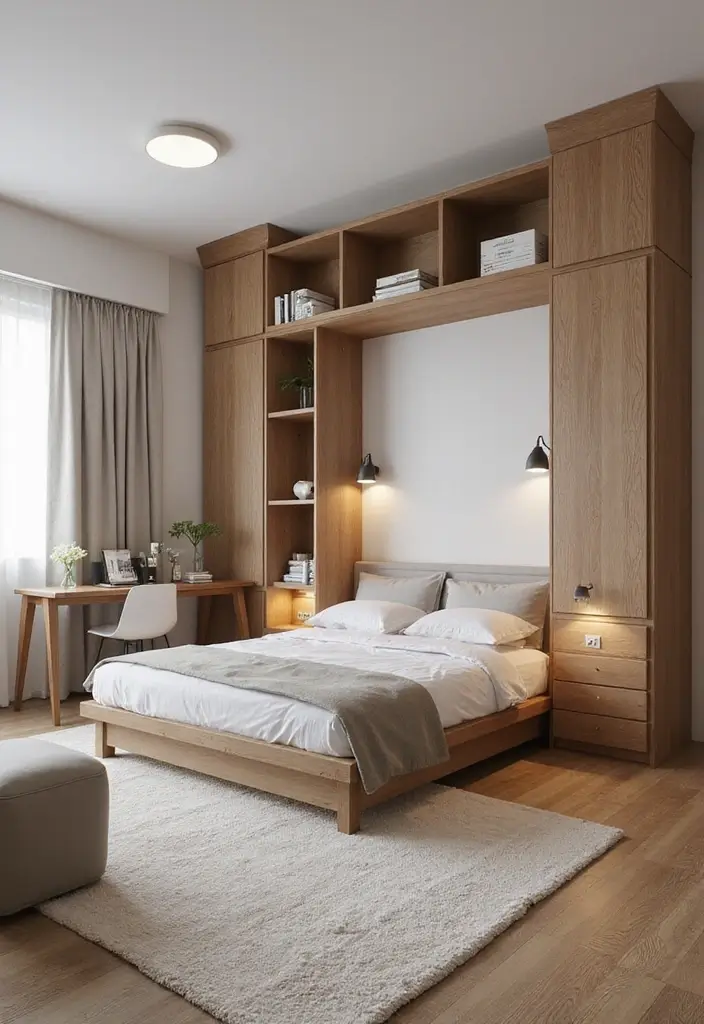
Small rooms can feel tight. You want calm and a touch of luxury. The right space-saving furniture makes it possible.
– Bed with built-in storage. Drawers under the frame or a lift-up lid hide clothes, blankets, and beyond. This cuts clutter without stealing floor space.
– Foldable desk or wall-mounted shelves. A slim desk that folds away or shelves that mount high keeps work areas out of the way.
– Multi-functional pieces. Look for items that do double duty. An ottoman with hidden compartments or a nightstand with extra drawers adds space and function.
Here is how to pick space-saving furniture:
– Choose light colors or mirrored surfaces to create an airy feel.
– Keep shapes sleek and simple to avoid a cramped look.
– Make sure pieces are easy to move or reconfigure when your needs change.
Next steps you can take today:
– Measure your room and doorways first.
– Sketch a simple layout with zones for sleeping, dressing, and a small work area.
– Test one movable piece at a time before buying.
– Add soft lighting and a low-profile rug to complete the sense of space.
Try different textures to keep the room calm. A light wood bed frame with a pale linen headboard feels warm and open.
In a small primary bedroom, every inch counts! Choose space-saving furniture that adds functionality and elegance, turning tight corners into tranquil retreats.
4. Layer Lighting for a Cozy Ambiance
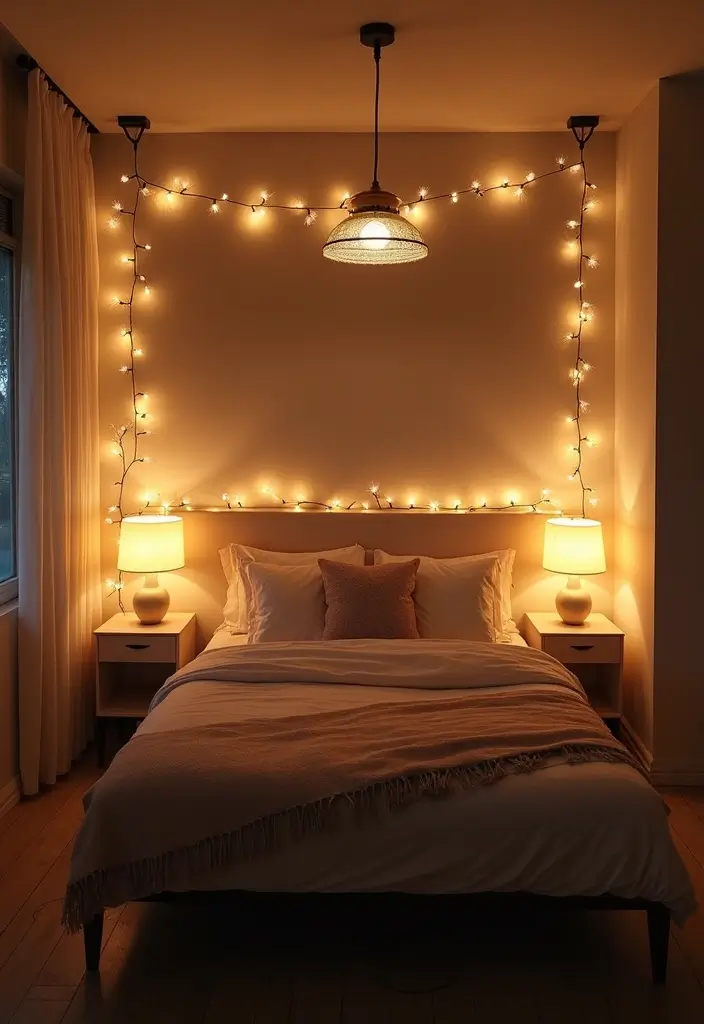
If your small primary bedroom feels cramped or dark, smart lighting can open it up and feel calmer. A good mix of lighting layers makes the room look bigger and more inviting.
– Overhead base A soft, diffused ceiling light fills the room with even glow. This helps ceilings feel higher and space more open.
– Task lighting at bedside Bedside lamps give you warm light for reading and unwinding. They also create a cozy reading nook by the bed.
– A focal pendant Choose a pendant that acts as a calm centerpiece. It draws the eye without crowding the space.
– Dimmer switches Use them to slide from bright to cozy with a tap. You can set a bright morning task light and a gentle evening mood.
– Warm bulb color Look for bulbs around 2700 to 3000 Kelvin for comfort. Warm tones feel inviting in tight spaces.
– Whimsical touches Fairy lights or a slim LED strip add gentle sparkle without clutter. They give a playful glow that’s still neat.
– Reflective surfaces Place a mirror to bounce light and create depth. A mirror opposite a window doubles the daylight.
Next steps: Start by choosing two key pieces, bedside lamps and a dimmable overhead. Then add a focal pendant and a mirror. Test at night and in morning to find your best glow.
5. Incorporate Minimalist Decor Ideas
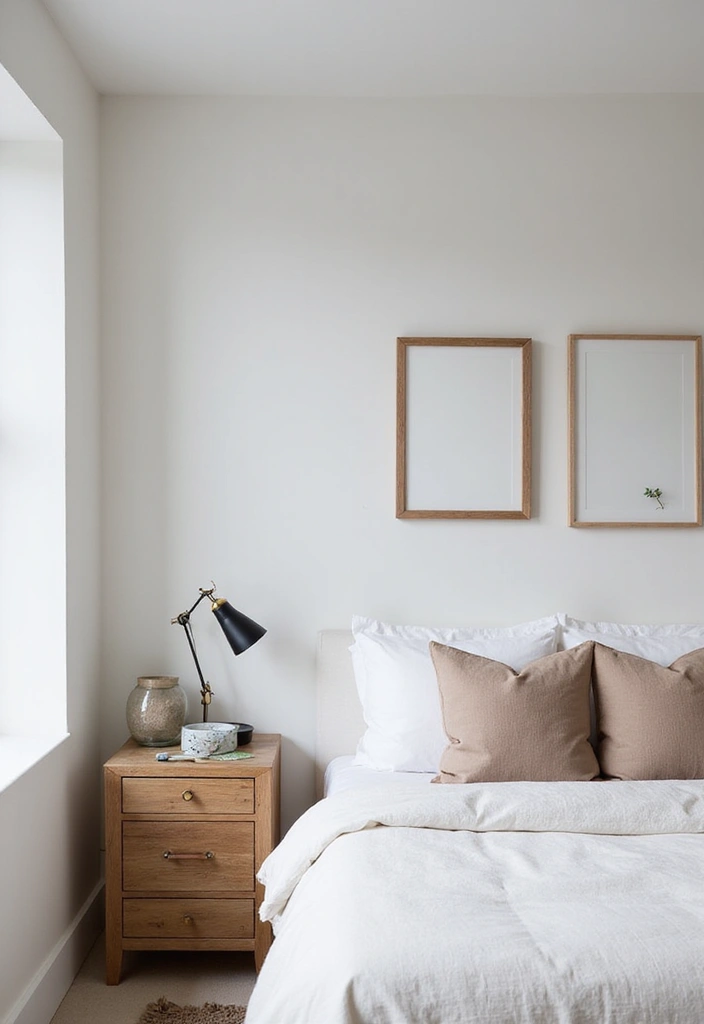
Small bedrooms can feel cramped. Minimalist decor helps them breathe. It sticks to simplicity. You’ll notice calm when lines stay clean and colors stay neutral.
Here is how to do it.
– Pick a simple color plan: Choose two or three neutrals. Think warm stone, cream, and soft white. Let these tones repeat across furniture and textiles.
– Choose a few key pieces: Focus on quality, not quantity. A low bed frame, a slim dresser, and one nightstand. Each item earns its place.
– Add art or a plant with care: One small art piece or a single plant adds personality without crowding.
– Use vertical space: Install wall shelves and show a few curated items, not many trinkets.
– Texture matters: Texture adds warmth. A wool throw, cotton sheets, and linen curtains add depth without clutter.
– Keep surfaces clear: Hide cords in a basket. Keep surfaces clear to feel more open.
– Light in layers: Layer light. A slim table lamp, a soft ceiling light, and daylight create depth.
– Declutter regularly: Declutter weekly. If it doesn’t help calm or sleep, remove it.
Next steps: try one change today. Swap a throw, move a plant, or tidy a shelf. See how calm a small space can feel.
Think natural materials. Wood, stone, and linen add warmth without bulk. A soft rug and light sheer curtains soften the room. Let light linger in the morning and end the day with a clean scent of fresh linen. This keeps the calm alive.
6. Add a Touch of Greenery
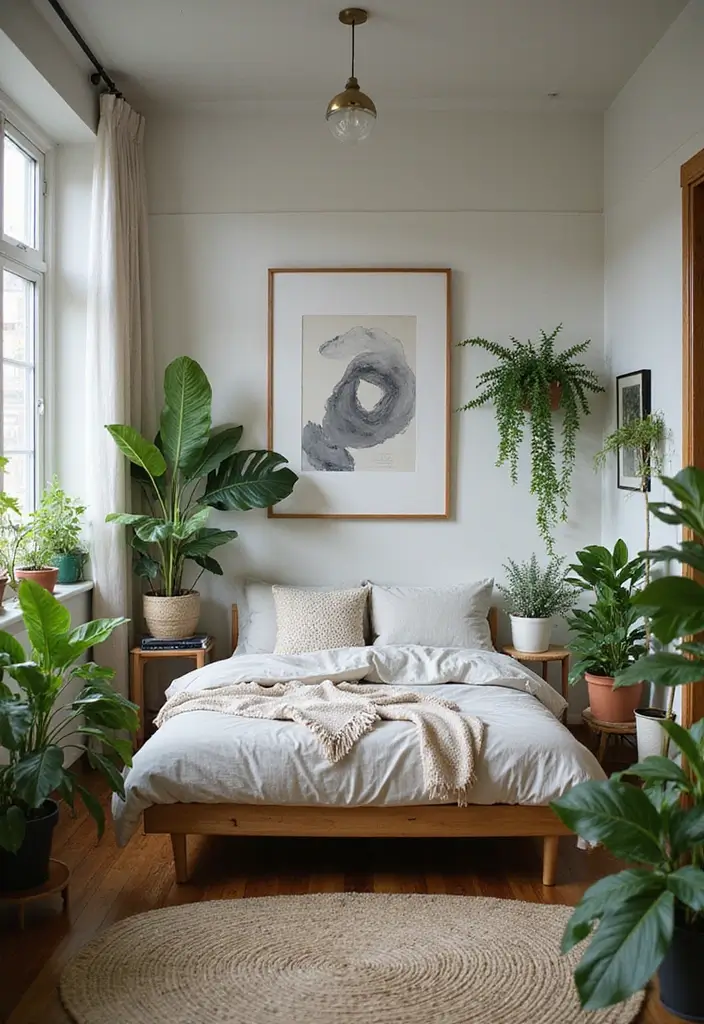
Your small primary bedroom can feel cramped. Greenery brings life, improves air, and helps you feel calmer. Here is why it helps: plants add color, texture, and a quiet sense of life.
Easy plant picks
– Snake plant
– Peace Lily
– Pothos
Pick 2 to 4 plants to keep the room breezy. These options are forgiving and do well in light from indirect sun to brighter spots.
Smart placement
– Put them on a window sill, a compact shelf, or a hanging planter by the bed.
– Mix heights. A tall plant in a corner and a trailing one on a high shelf adds depth.
– Give space so leaves don’t crowd walls or curtains.
Care tips
– Watch light first; indirect sun works best.
– Water when the top inch of soil feels dry.
– Use pots with drainage and choose simple, decor-friendly styles.
A few final touches:
– Match pots to your room style; ceramic, woven, or matte plastic all fit.
– Let greens echo soft tones in your palette.
– Move plants season to season for fresh vibes.
Next steps: Start with one plant and notice how your room breathes.
7. Define Spaces with Rugs
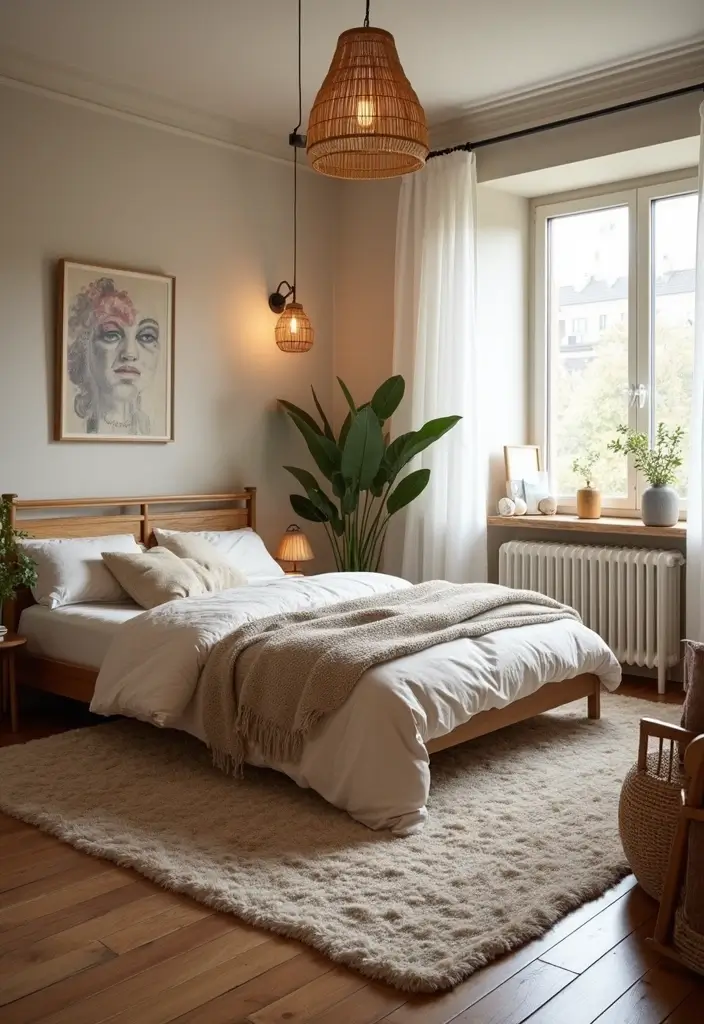
Small bedrooms can feel tight. Rugs help by creating calm zones you can use every day.
Here is why rugs matter: they mark spaces without walls. A plush rug under the bed anchors the bed and adds warmth. Your feet meet soft fibers as you step out, not chilly floor.
Zones beyond the bed shine. A reading corner gains color and texture with a small rug. A dressing area feels defined with a second mat.
– Choose light colors or simple patterns that blend with your bedding and walls.
– Match rug size to the space so it sits under the bed or just beyond.
– Care for rugs with regular vacuuming and spot cleans.
Here is how to place them: put the big rug under the bed so it extends beyond the sides. Add a smaller rug in a reading nook or beside the dressing area to mark a separate spot.
This layering makes the room feel larger and more inviting.
Next steps: measure your space, pick one large rug and one small rug, lay the big rug first, then place the smaller one for balance.
8. Use Mirrors to Enhance Light
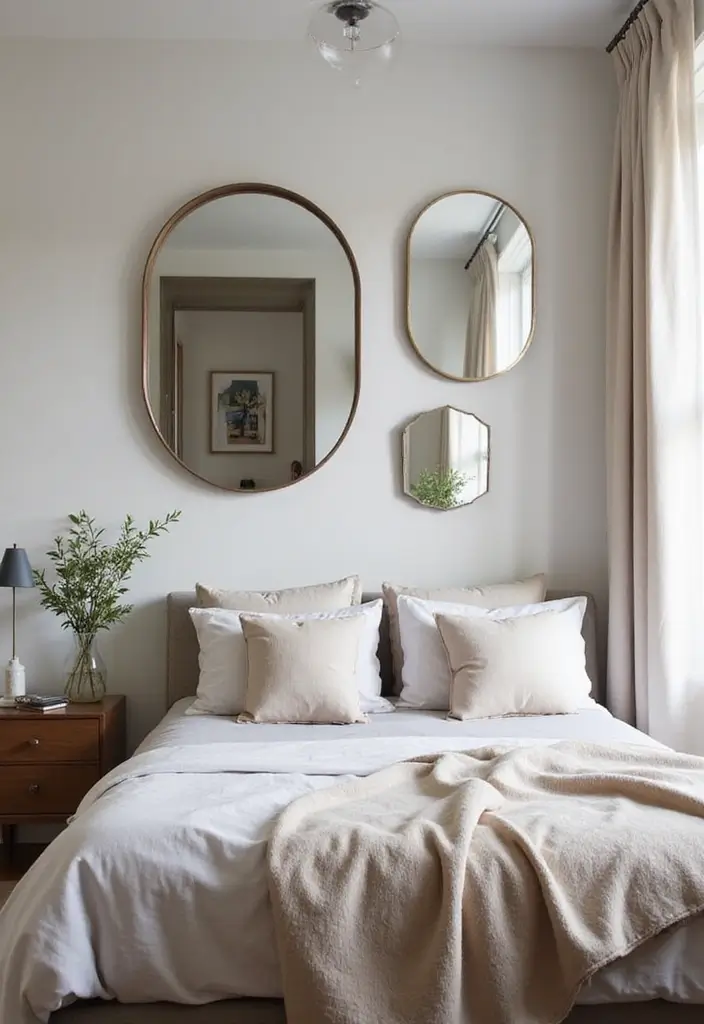
Struggling with a small primary bedroom that feels dark or cramped? Mirrors can turn that around. They bounce light and give a sense of air.
Here is why: a mirror catches sun and sends a second glow into the room. You see less shadow and more space.
– Opposite a window Place a tall mirror or a long panel directly across from a window. It doubles daylight and softens sharp corners.
– Make a statement Choose a decorative mirror as a wall piece. A round, oval, or sunburst frame adds charm while acting as a light reflector.
– Go floor to ceiling A large floor mirror near a dresser or seating area adds depth. You can scan the whole room in one view.
– Mirror on furniture A mirrored top on a nightstand or a slim console adds shine without crowding walls.
Keep the mirror wall tidy. A calm reflection comes from simple, uncluttered spaces. Pick frames that fit your style—metal for modern, wood for warm, or frameless for clean lines.
Now try this in practice: check morning and afternoon sun angles, adjust until reflections feel soft, not harsh. Secure heavy mirrors to the wall and avoid reflections of the bed that feel unsettling.
9. Curate a Personal Gallery Wall
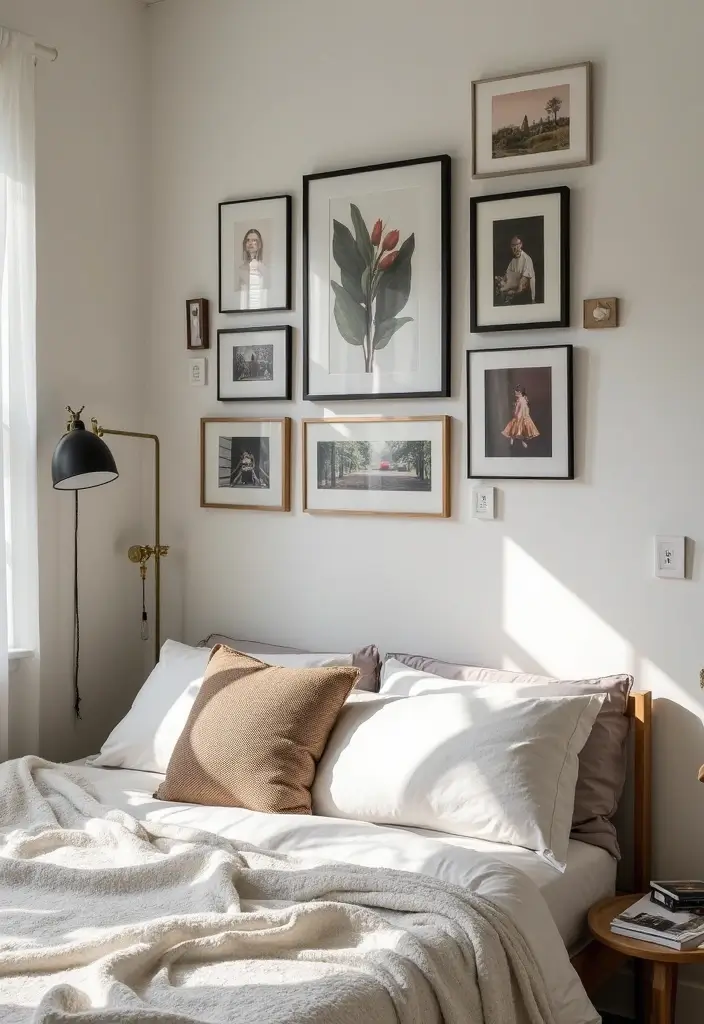
A gallery wall brings personality to a small bedroom without stealing floor space. It lets you show photos, art, and little mementos that tell your story. Choose frames in one color or finish. This keeps the wall calm instead of chaotic.
What to gather
Start by imagining the wall as a tiny gallery. Gather framed photos, art prints, and keepsakes that speak to you. Pick frames that share a common color, metal, or wood tone. Keep the wall cohesive with a simple, consistent look. Have light tape or paper cutouts ready to plan.
Plan your layout first
Lay every piece on the floor and try many arrangements. Use paper templates or lightweight cardboard to stand in for frames. When you find a good layout, snap a photo to guide hanging. This avoids a dozen nail holes and late surprises.
Tips for a successful wall
Use adhesive hooks or removable strips so you can move pieces easily. Balance the look by mixing small, medium, and large pieces, but keep a sense of order. Leave some wall space showing to avoid a crowded feel. Start with one anchor piece and build around it. If you change rooms or moods, you can swap in new pieces later.
Next steps
Measure the wall and mark the center. Hang the pieces, then step back and adjust as needed. Revisit after a few days to see if you want a swap.
10. Choose Functional Nightstands
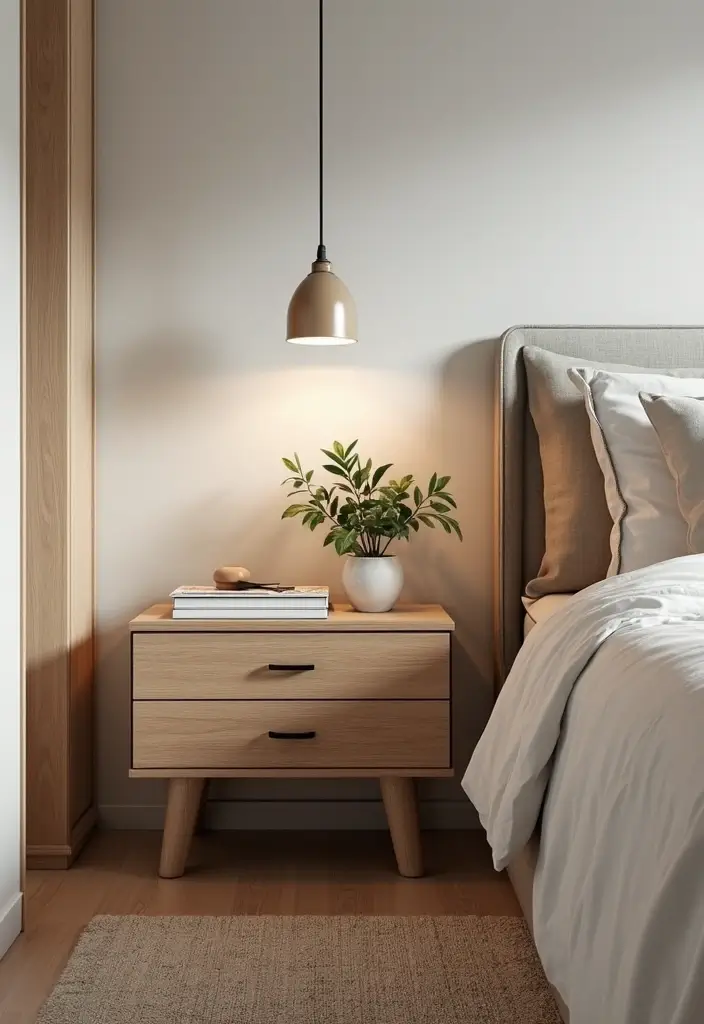
Your nightstands are more than pretty bookends. They are the place you reach for light, a glass of water, your phone, and a good book when you wake. Small rooms especially need the right kind of bedside tables. Here is why and how to pick them.
– Space-saving designs: Look for slim profiles or wall-mounted nightstands. They give you storage without crowding the floor. They still hold a lamp, a book, and a charger.
– Built-in storage: Choose options with drawers or open shelves. Drawers hide clutter; shelves show the things you want handy, like a favorite candle or a book.
– Finish and style: Tie the nightstand finish to your other furniture for a connected look, or choose a contrasting piece for a touch of charm.
– Surface organization: Use a small tray to hold rings, a watch, and keys. Add a tidy organizer to keep the top clean.
– Texture and shape: A nightstand with a gentle curve, warm wood, or a textured metal adds interest without loud decoration.
Next steps: measure depth and width, check reach from bed, and pick a height that keeps the top even with the mattress edge. Add a soft lamp and a couple of personal touches.
If space is tight, try a single long shelf beside the bed. It can hold a lamp, a book, and a charger within easy reach.
11. Create a Reading Nook
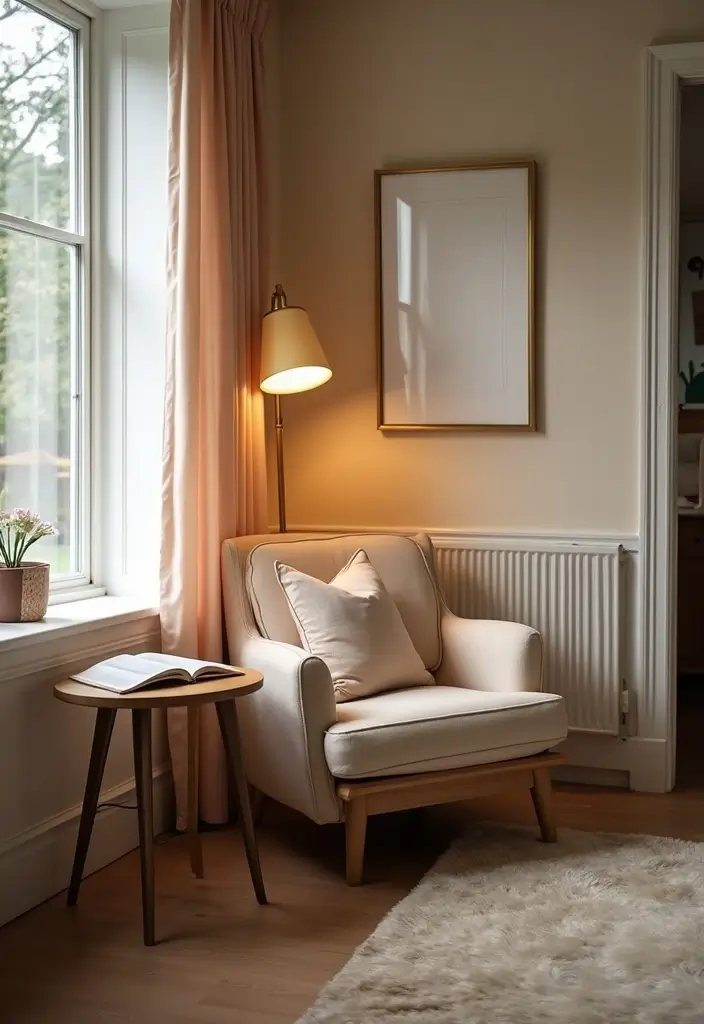
Is your small primary bedroom feeling tight? A reading nook can turn it into a calm, useful retreat. You gain a quiet corner to slow down and a place to keep your favorite books close. Here is why this works. A small, dedicated spot trims clutter and makes soft light feel intentional. Let’s break it down with practical steps you can try this weekend.
Reading nook setup
– Pick a corner that stays relatively quiet and gets good light near a window for natural light.
– Choose lightweight furniture. A chair you can move easily helps you reshape the room as needed.
– Add a small side table and a warm lamp for easy late-night reads.
– Install a slim bookshelf or floating shelves within arm reach. Keep titles tidy so you can grab one fast.
– Layer textures with a soft throw, a couple of cushions, and a tiny rug for warmth.
– Keep decor minimal. Neutral tones with a pop of color feel calm and stylish.
– Use curtains or blinds to soften incoming light and guard against glare.
Next steps: pull together these pieces and test the setup in your space. Tweak chair height, light level, and shelf position until it feels just right.
A cozy reading nook in your small primary bedroom is more than just a spot for books; it’s a dedicated escape that promotes calm and clarity. Create your peaceful retreat today!
12. Optimize Closet Space
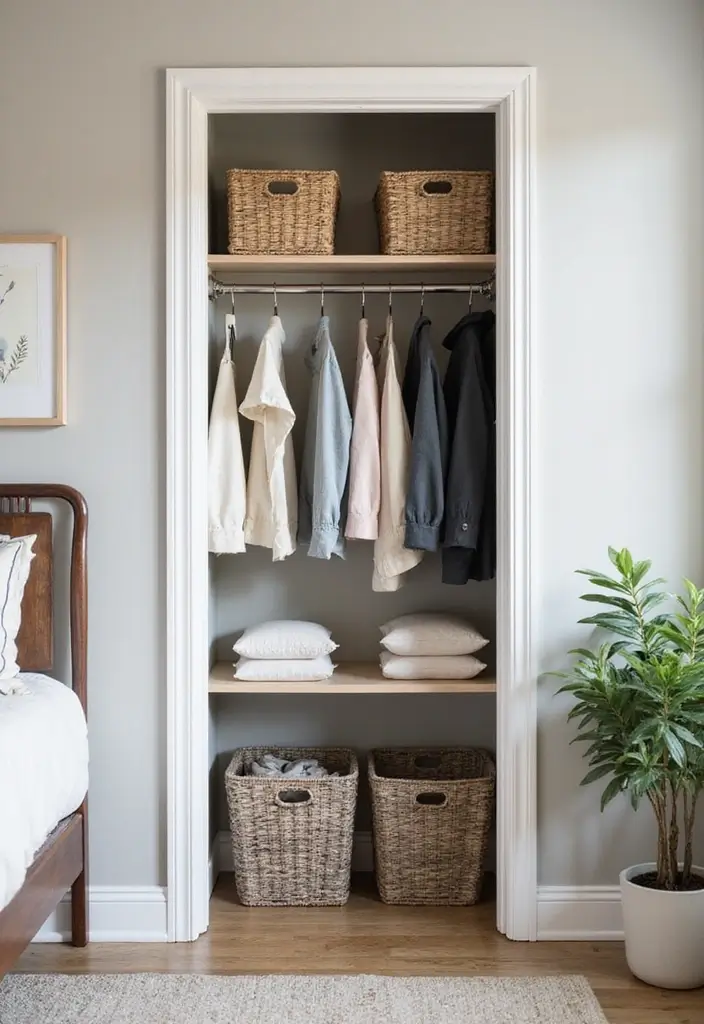
Is your small primary bedroom crowded by clothes? Here is why the closet matters for closet organization and small bedroom storage. A tidy closet frees floor space and makes the whole room feel calmer.
– Declutter first Keep only what you wear this season, and set aside items you rarely touch.
– Drawer organizers Use drawer dividers to separate socks, underwear, and small items.
– Slim hangers Slim hangers save precious inches, letting shirts, jackets, and dresses hang without crowding.
– Shelf dividers Shelf dividers create tidy stacks so you can grab what you want without toppled piles.
– Baskets for extras Baskets or decorative boxes corral belts, scarves, hats, and small accessories for quick access.
– Seasonal storage Store bulky seasonal pieces in sturdy boxes placed up high so they stay out of the way.
– Regular checks Set aside ten minutes each season to reassess and remove items you no longer wear.
– Consistent look Keep one hanger style for a clean, steady look from rack to drawer.
Here is a simple plan you can follow: pick one area to improve first, such as the drawer zone, and then add one more change after a week. This keeps you moving without a big switch.
Next steps: choose one habit to start this weekend, and watch your closet feel calmer. You can start now. Morning routines get easier when your closet is organized.
A tidy closet can transform your small primary bedroom. Declutter, organize, and watch your space feel like a serene retreat again!
13. Incorporate a Desk for Multi-Functionality
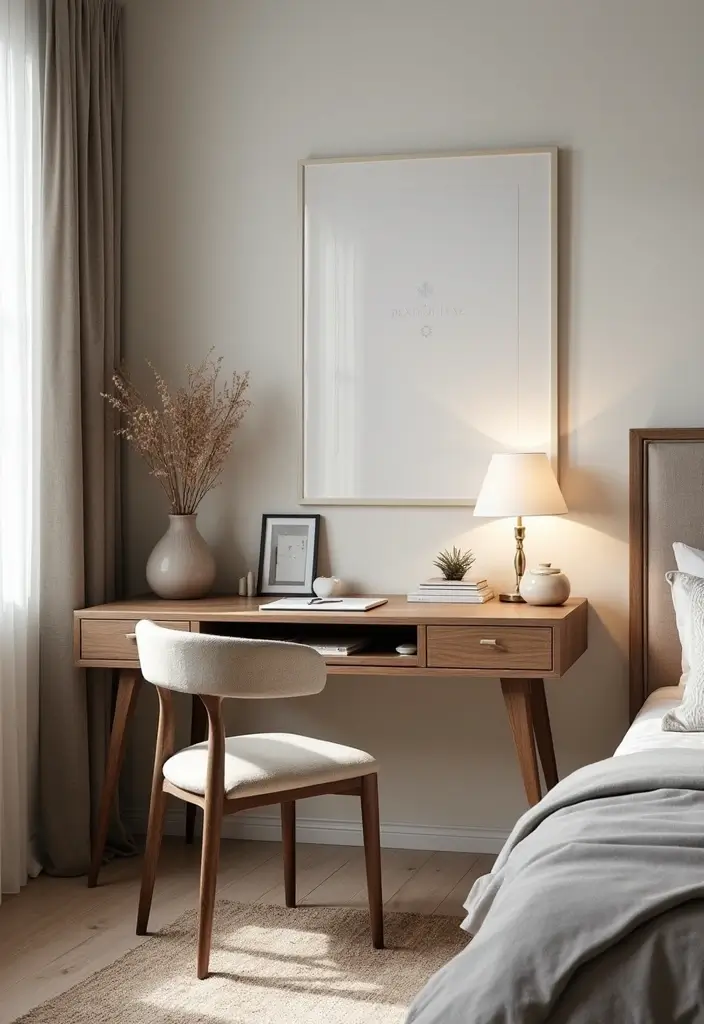
Looking to fit a desk into a small primary bedroom without stealing space you need to sleep well? You can. A desk creates a neat workspace for work, study, or bills, while still keeping your room calm. Start with a compact model that blends with your style and stays out of the way.
Smart layouts save space. A wall-mounted desk or corner desk slips into tight spots. A fold-down option can disappear when the work is done. Choose materials that match your vibe: warm wood for a cozy feel, or metal and glass for a clean, modern look.
Here is how to get it right.
– Match your style and size — Pick a desk that fits the room’s scale and color so it looks built in.
– Pick the right type — Wall-mounted, corner, or fold-down desks save floor area and keep traffic clear.
– Plan for storage — Add under-desk drawers, a small filing box, or a floating shelf to hold supplies.
– Handle cords — Use a cable grommet, clips, or a slim power strip to keep wires out of sight.
– Choose the chair wisely — A compact, comfy chair with support that tucks under the desk helps you move easily.
Next steps: measure your space, pick a desk that fits, choose a chair, and set up a simple lighting plan. Keep the surface clear with a small tray for daily tasks so the room stays calm and luxurious.
14. Choose Beautiful Window Treatments
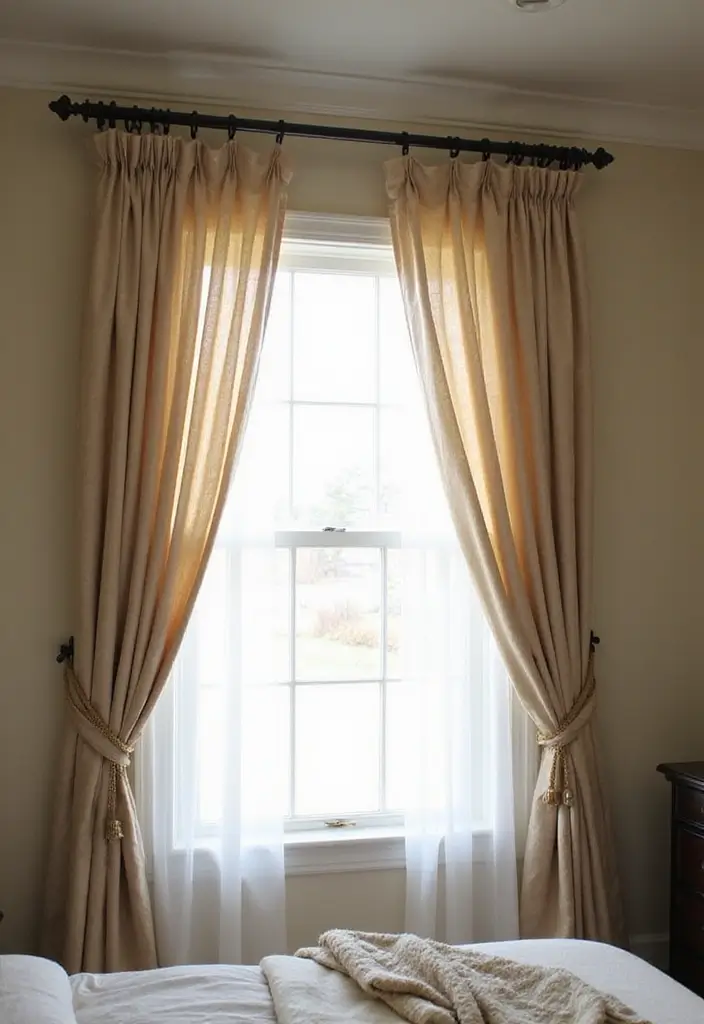
You want window treatments that make a small primary bedroom feel calm and inviting. Curtains, blinds, and panels do more than cover glass. They shape light, soften hard edges, and add a touch of luxury. With the right setup, you create a room you love to wake up in.
– Light and privacy Start with sheer curtains to filter sunshine and keep privacy. Add blackout panels for deep sleep. Let them work as a duo.
– Layer for depth A sheer layer with heavier drapes adds texture and warmth. It keeps the space flexible from bright mornings to quiet nights.
– Fit and finish Choose drapes that reach the floor to visually lengthen the walls. Pick simple rods and keep hardware slim so the view stays clean.
Next steps:
– Color and style Match the curtains to your bed linens, walls, or headboard. Soft neutrals calm the eye, bold accents make a statement.
– Length and pattern Floor-length fabrics look longer. Pick subtle patterns or solid colors to avoid crowding a small space.
Real-world tips:
– Measure carefully before buying. Hang rods wider than the window to widen the feel of the room.
– Select fabrics with good light tolerance. Linen, cotton blends, or light velvet work well in bedrooms.
15. Add Elegant Accessories
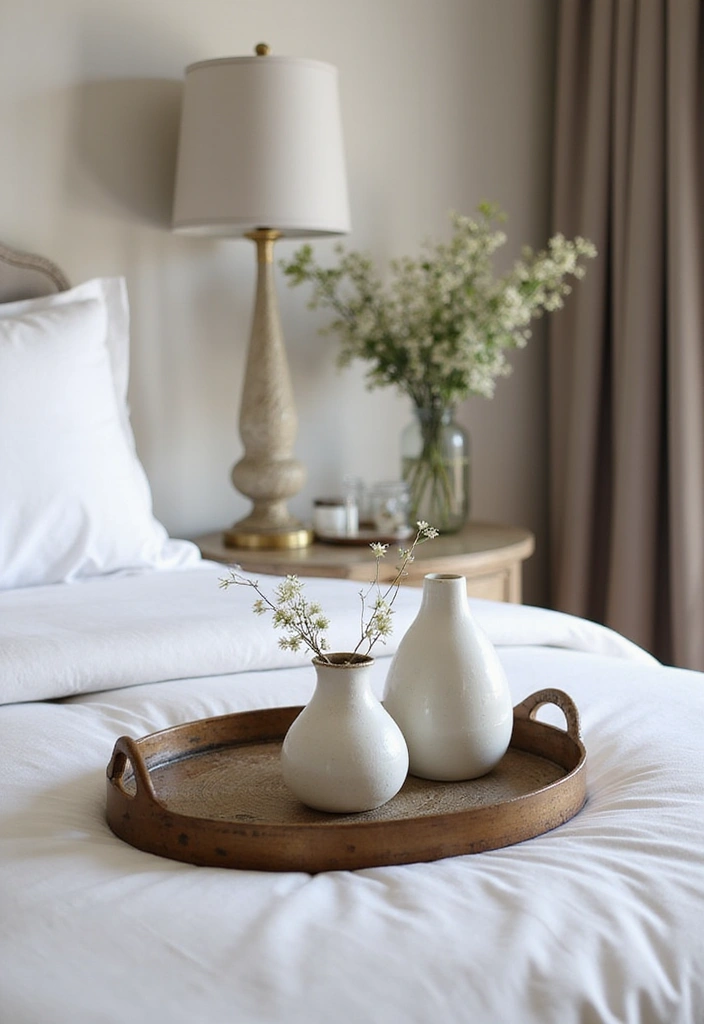
In a small primary bedroom, you want calm and luxury, not clutter. Here is how to get it with the right accessories. You can add personality without overwhelming the space.
– Choose a few show pieces Pick two or three elegant items that feel you. A decorative tray, a slim clock, or a single vase can do a lot. Keep the rest simple.
– Match color and finish Let pieces echo your color scheme. If you use soft neutrals, add a touch of brass or warm wood. It creates a calm glow without shouting.
– Keep surfaces clear Fewer items stand out more. Use one tray on a nightstand for rings and phones. Put a small vase on a dresser next to a framed photo.
– Play with height and texture Mix glass, ceramic, and fabric. Place a short vase beside a tall candle holder. Different textures catch the eye and add depth.
– Prioritize function Choose accessories that help daily life. Storage boxes, baskets, or a chic lamp save space while looking stylish.
– Rotate seasonally Swap out pieces every few months. It keeps a small room feeling fresh without adding clutter.
This approach answers common questions. How many pieces should you use? Start with three to five total. Will it feel crowded? Use only what adds calm and purpose.
16. Create a Cozy Canopy
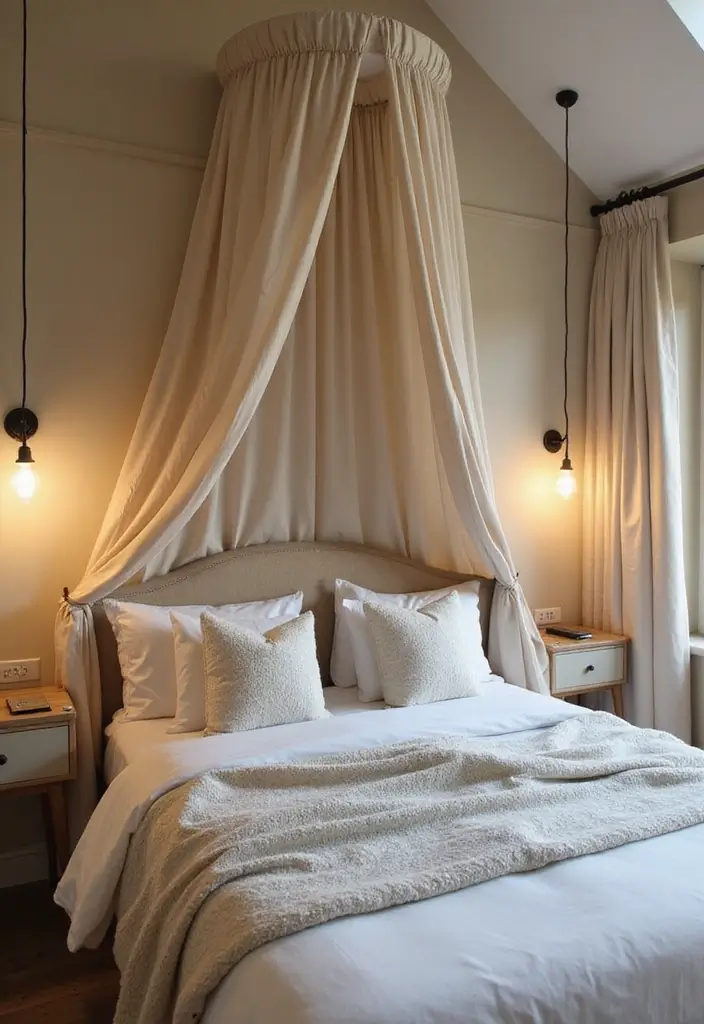
You want a small primary bedroom that feels calm and luxurious. A canopy can do that without making the room feel crowded. It adds drama and a cozy, cocoon-like vibe. Choose light fabrics so the space stays breathable. You can switch the look later if you want.
Choose your canopy stylenn- Full four-poster frame around the bed creates a bold focal point.n- Ceiling-drape canopy uses fabric hung from above for a softer outline.n- Sheer panels add privacy while keeping light open.nnFabric and colornnPick airy fabrics like cotton voile or soft linen. Go with light colors that match your decor—soft white, oat, or pale blue. Let the fabric drape gently and avoid stiff folds that feel heavy.nnLighting and moodnnAdd fairy lights inside the canopy to glow at night. Keep the rest of the room simple so the canopy stays the star. A small, warm lamp near the bed completes the look.nnInstallation tipsnn- Measure your ceiling height and bed size before you buy.n- Height matters; keep it high enough to avoid crowding the space.n- Use lightweight hardware for easy installation and removal.n- Choose a simple mounting method, like a ceiling hook or a tension rod.nnNext stepsnnStart with a simple ceiling-drape to test the feel of a canopy bed. If you love it, try a fuller four-poster or swap in a new fabric for a quick refresh.
17. Opt for Folding Furniture
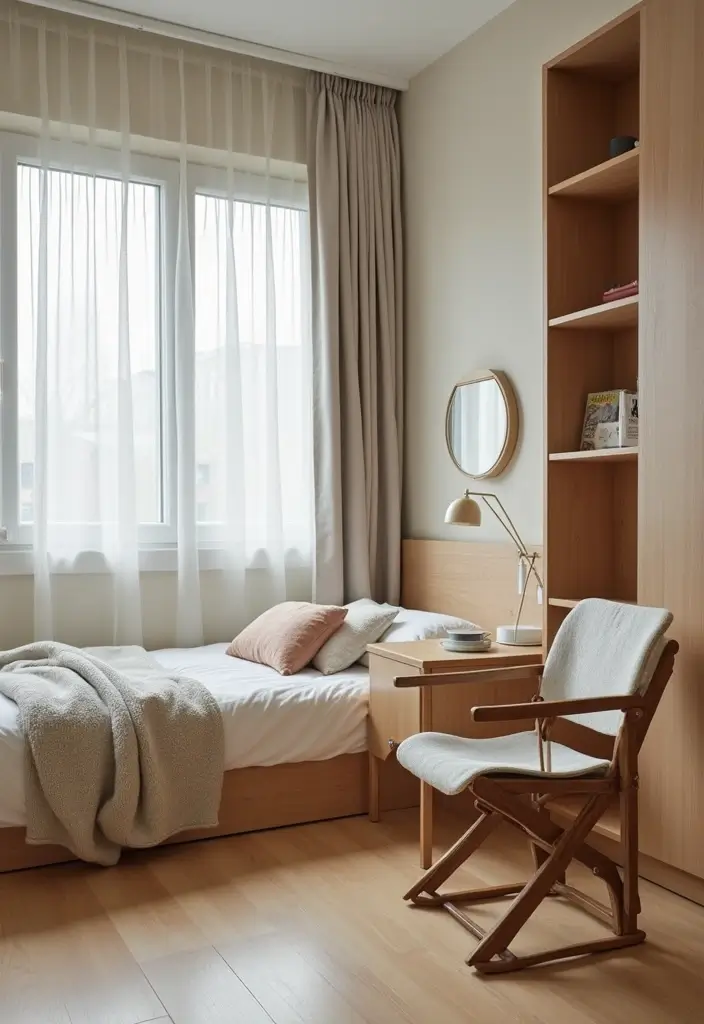
Here is why folding pieces help a small primary bedroom. Folding chairs, tables, and Murphy beds tuck away when you do not use them. This frees floor space for dressing, moving, or just relaxing. You can pull out a chair for work or a table for meals and then store it away quickly. The goal is to keep the room calm and easy to navigate.
When you choose folding furniture, pick items that stay stylish enough to leave out when in use.
Key considerations
– Choose durable materials that stand up to daily use.
– Pick a design that fits your current decor.
– Measure your space to ensure the piece fits when opened.
Practical tips
– Plan storage for folded pieces. Use a wall cabinet or closet shelf.
– Choose finishes that resist fingerprints and wear.
– Consider a Murphy bed or fold-down desk to create a guest area or a compact work surface.
– Pair folding options with a small rug and a nightstand that can be moved aside.
Next steps
– Measure ceiling height and doorway width before shopping.
– Test the open space in your room to avoid clashes with other furniture.
18. Use Colorful Art to Add Personality
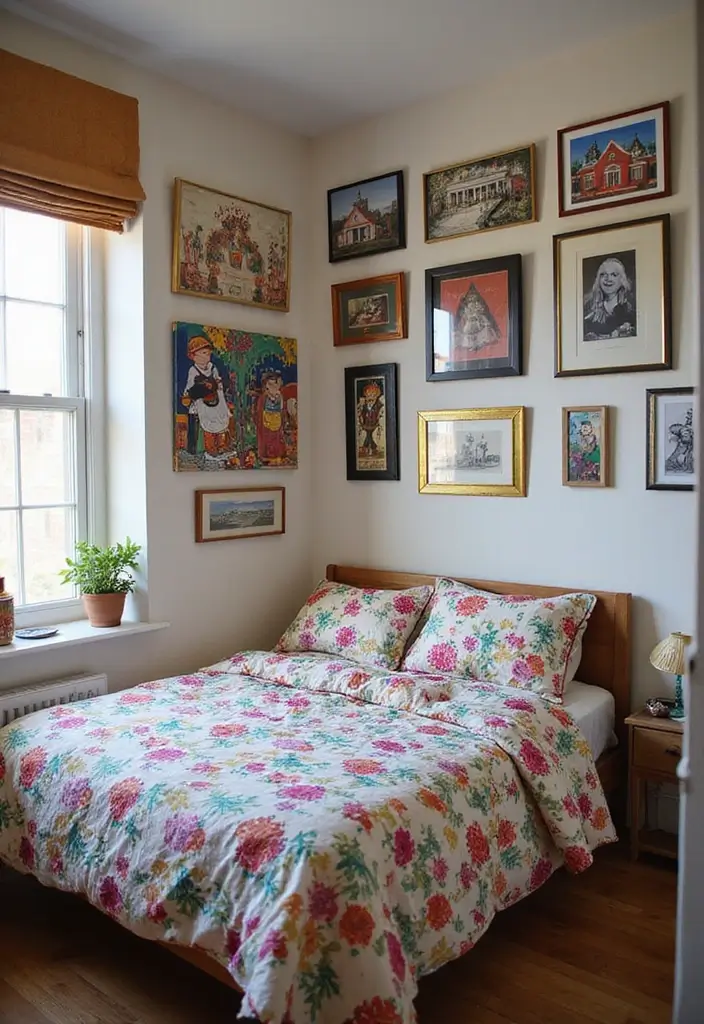
Colorful art can give a small primary bedroom a warm, personal feel without making the room look crowded. It becomes the focal point and shows your style in a calm way. Colorful art invites the eye and makes the space feel lived in.
You can keep it simple with one large piece above the bed, or you can build a tiny gallery wall with several smaller works. Choose colors that echo your bedding and walls so the art feels part of the room, not separate. Keep the frame styles simple.
Layout options
– One big statement piece above the bed creates a clear focus.
– A grid or salon-style wall of smaller pieces adds rhythm and interest.
Placement and framing
– Hang art at eye level for easy viewing.
– Mix paintings, photos, and prints to add texture.
– Choose frames that tie to your furniture without looking repetitive.
Practical tips
– Test color with a fabric swatch or tape pieces to the wall before hanging.
– Use mats to create breathing space in a tight layout.
– Add soft lighting with a bedside lamp to make colors glow.
– Rotate art every season to refresh the mood.
Small art can go far. With careful choices, you keep the space serene and inviting. It works with soft textures like cotton and linen.
19. Keep Surfaces Clear
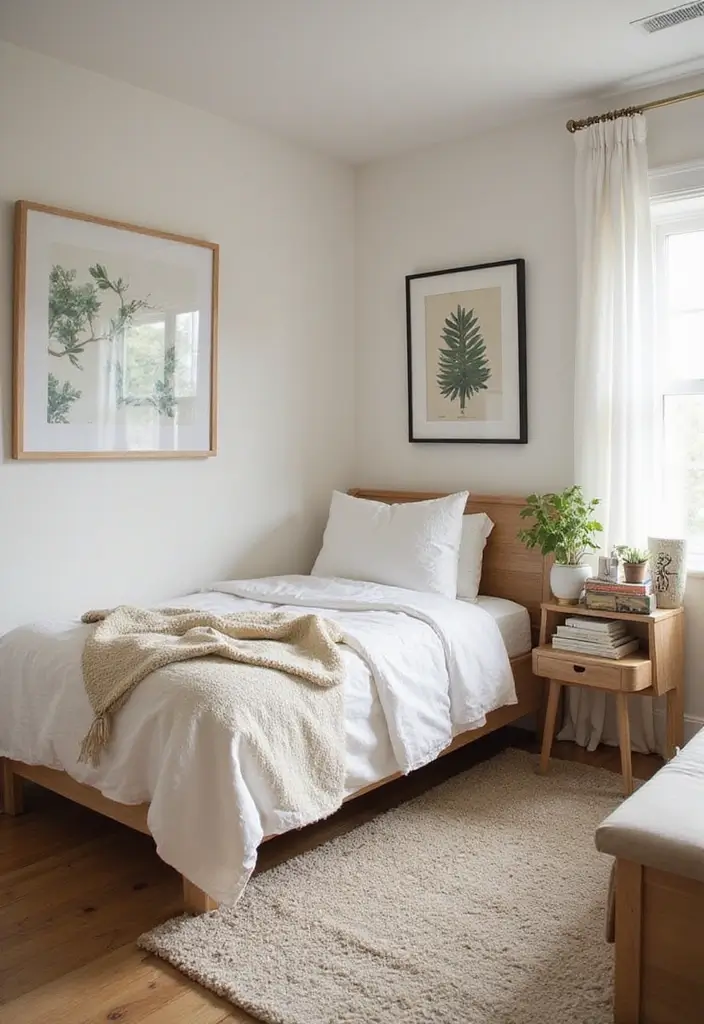
Here is why keeping surfaces clear helps your small primary bedroom feel calm and luxe. Clutter crowds a space fast. When nightstands, dressers, and desks look tidy, your brain settles. You sleep better and your room stays restful.
– Limit items on surfaces. A lamp, a small clock, and maybe one book. If you reach for more each night, the space feels smaller.
– Use storage you can hide. A box, a tray, or a basket keeps things out of sight but close at hand. That keeps the nightstand clean.
– Add hidden spots. Ottomans with storage and decorative boxes hide chargers, remotes. You can flip them open when you need them.
– Review usefulness. Monthly, ask if a surface item serves a daily purpose. If not, move it to a drawer or a shelf.
– Keep decor minimal. A single art piece or a plant. Less is more here, so textures stay rich without noise.
Next steps:
– Put a small tray on the nightstand. It holds a lamp, a book, and a glass of water.
– Choose under-bed storage for out-of-season clothes and extra linens.
– Install wall shelves to free up surface space.
– Do a quick refresh seasonally. Swap pieces, not the whole room.
– Pick calm finishes and soft colors. Matte textures feel quiet and luxurious.
With clear surfaces, your room breathes. It becomes easier to relax and wake up refreshed.
20. Incorporate a Statement Piece
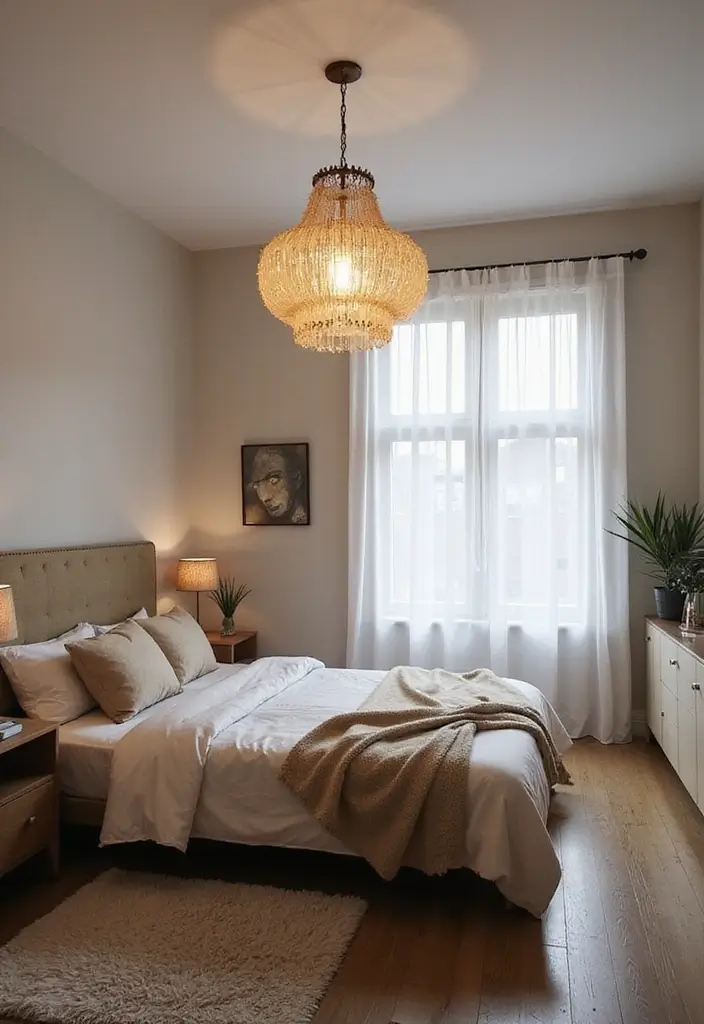
In a small primary bedroom, a single statement piece can bring warmth without crowding the room. It becomes the quiet hero that draws the eye and sets the mood. You get a calm, upscale feel without a crowded look.
Here is why and how to pick the right piece. The goal is a focal point that fits your calm, luxurious theme. Look for a piece that feels clean and timeless. Think natural materials, soft textures, and colors that echo the room’s palette.
– Bed frame idea: a sculpted wood headboard or a low-profile metal frame in brass or matte black that contrasts with light walls.
– Art choice: a large, simple painting or a serene photograph in muted tones that complements bedding.
– Lighting focal: a geometric pendant or a warm-toned chandelier that casts gentle glow around the bed.
– Multi-use option: a slim storage bench at the foot of the bed that serves as seating and a place for extras.
Next steps: keep nearby decor minimal. Let the piece stand on its own with clean surfaces around it. Use soft lighting to highlight it and enjoy the sense of calm it brings.
21. Use Under-Bed Storage
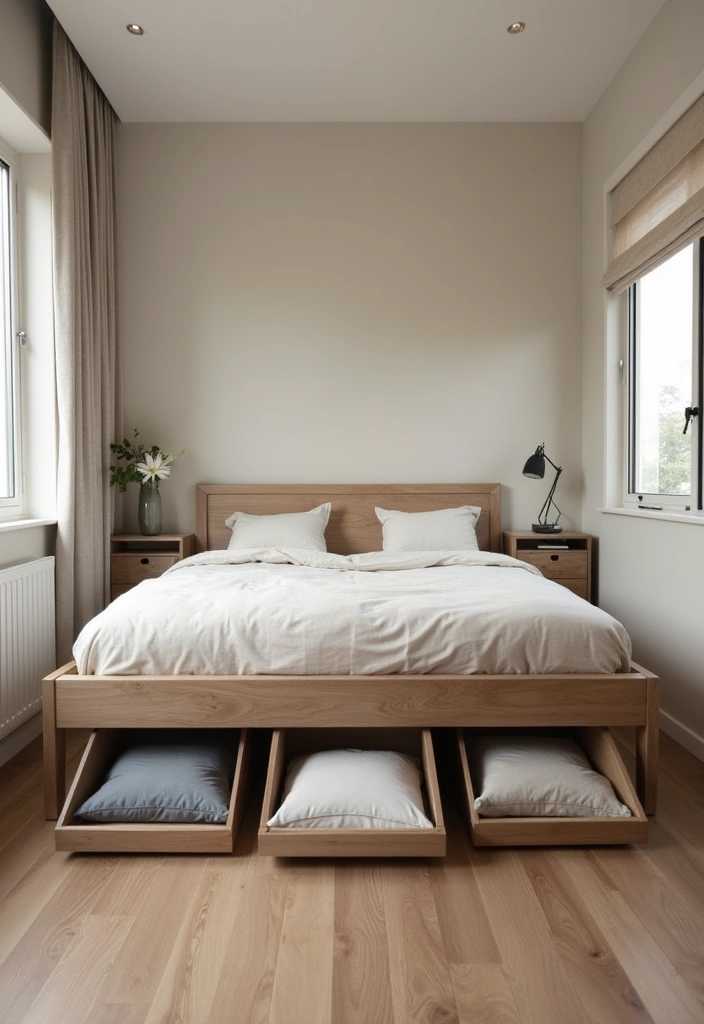
Under-Bed Storage that Frees Up Floor Space
If your primary bedroom is small, under-bed storage can be your best friend. It hides clutter and makes the room feel larger. You get easy reach for items you use often, yet they stay tucked away.
Here is why it works. You use a height your bed already creates. Bins slide in and out without taking up wall space.
– Use low-profile or rolling bins that fit under your bed. Aim for about 12 inches tall or less.
– Pick bins that match your color or style. A cohesive look helps the room feel calm.
– Store items by use. Seasonal clothes, extra bedding, shoes, or workout gear belong in the bins you reach most often.
– Keep everyday items in the most accessible bins. That makes mornings smoother.
Next steps: choose lids, not just open tops. Lids keep dust out and help stacking.
– Choose bins with lids or fabric drawers. Clear fronts let you see content at a glance.
– Label each bin by category. A simple sticky note works.
– Regularly sort through contents. Remove items you no longer need.
Tips for easy access:
– Ensure smooth slides or wheels so a bin pulls out without bending.
– Leave a small gap for air to flow and to prevent musty smells.
– If your bed has a skirt, use slim tote boxes that fit beside the posts.
With these moves, your room stays neat and it feels more spacious.
22. Celebrate Simplicity with Essentialist Design
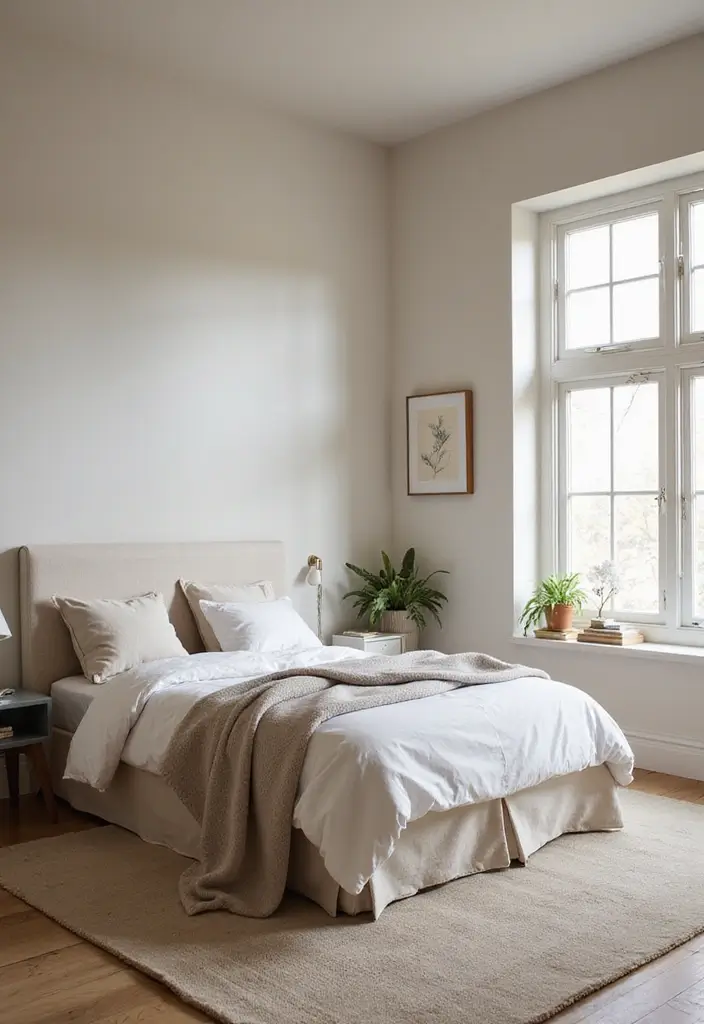
Are you trying to make a small primary bedroom feel calm and luxe without crowding the space? The trick is to keep only what truly matters. Here is why this approach works: fewer pieces mean easier cleaning, softer light, and a room that breathes.
– Smart, multifunction furniture: A bed with built‑in storage, a slim dresser, and a compact nightstand that holds a lamp and a book. These items save space and keep surfaces clear.
– Calm color palette: Stick to two or three soft shades. White walls, warm gray, or taupe rugs create a cozy base. Add depth with texture from linen sheets or a wool rug.
– Signature pieces: Choose one or two items that show your style—a textured throw, a handmade lamp, or a piece of art. Let these stand out while other pieces stay quiet.
Next steps: measure your room, pick one room-friendly furniture upgrade each month, and swap in quality fabrics. Start with a bed frame, a dresser, and one lamp. Keep surfaces clean and let natural light do the rest. Your room will feel calm and luxe with less, not more.
If you want, try a simple morning routine: open the curtains, fluff pillows, breathe in fresh air. Every single morning.
Embrace the art of less! In a small primary bedroom, simplicity isn’t just a choice; it’s a pathway to serenity and luxury. Keep only what truly matters, and watch your space breathe.
23. Create Zones with Rugs and Furniture
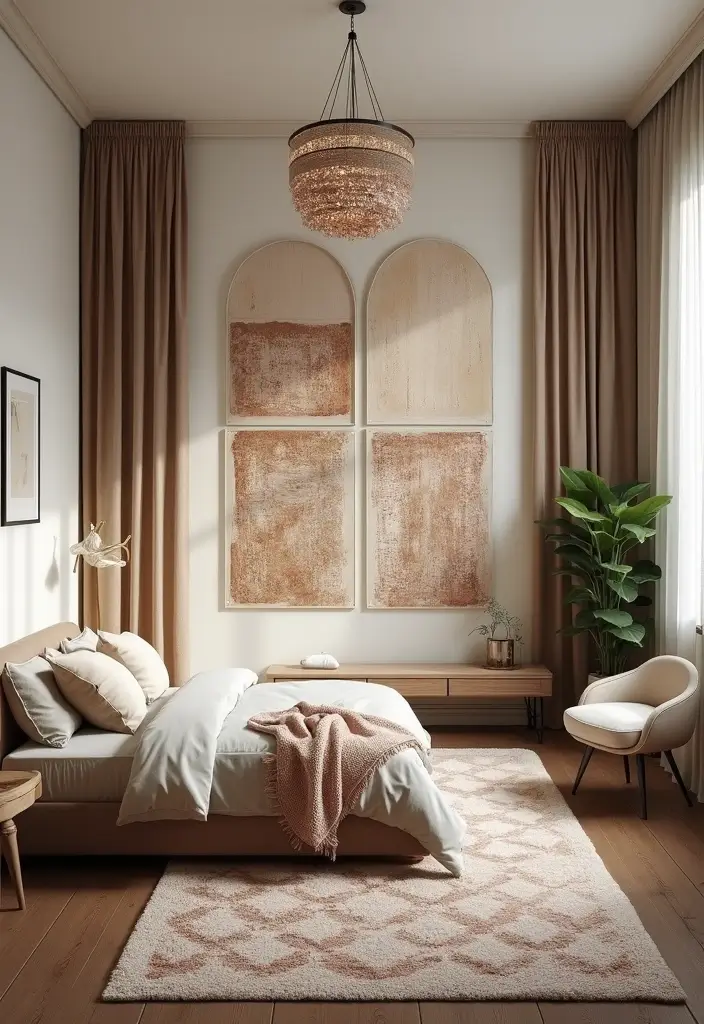
If your small primary bedroom feels crowded, zones can help. A rug and a few furniture moves mark clear areas you use every day. You’ll notice calmer space and easier routines when beds, desks, and closets stay neatly separated.
– Rug choice and placement Place a large rug under the bed, extending 18 to 24 inches beyond the edges. This anchors the sleeping area. Add a second rug near a desk or seating spot to mark that zone. Choose rugs in the same color family or with a similar texture so the areas still feel linked.
– Furniture as dividers Use a low bookcase or a slim screen to carve out space without blocking light. Let light flow over the divider. Put the desk by a window to keep the work zone bright and inviting.
– Practical setup tips Keep walkways clear and align furniture for easy movement. Pick a soft color palette with warm wood and comfy textiles. This helps each zone feel welcoming and ready to use.
Next steps: measure the room, pick two rugs and one divider, and test the layout with painter’s tape on the floor before moving furniture.
24. Use Natural Materials
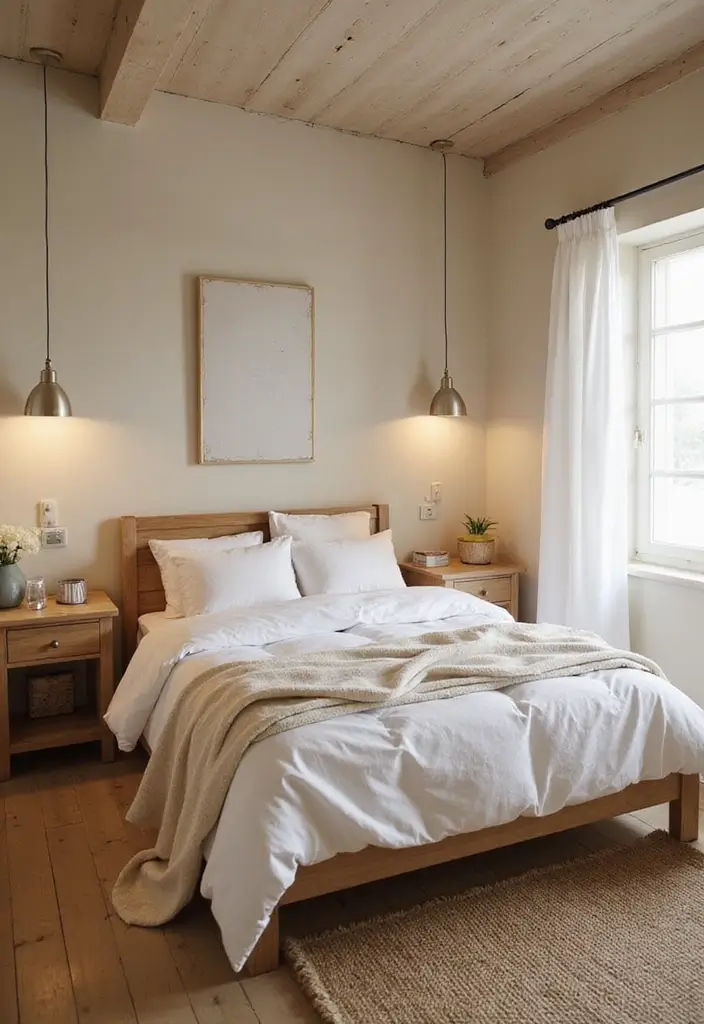
Are you trying to make a small primary bedroom feel calm and luxe? Natural materials can do the job. Wood, cotton, and linen bring warmth and a grounded vibe. They invite touch and help the room breathe. Here is why this works in a tight space.
– Warm wood accents
Choose solid wood pieces with clean lines. A small nightstand or a low dresser adds warmth without crowding the room.
– Cotton and linen for softness
Pick cotton sheets that stay cool and comfy. Linen curtains soften daylight and add subtle texture.
– Layer textures with restraint
Add a woven rug, a knit throw, and linen cushions. Let each texture give a new feel without making it busy.
– Natural color palette
Stick to whites, creams, sand, and soft greens. This keeps the space bright and peaceful.
– Sustainable choices and care
Choose items from responsible sources when you can. Start with one sturdy wood piece and a few textiles that you love.
Next steps: experiment with one new piece each month and watch the room settle into calm.
25. Personalize with Meaningful Decor
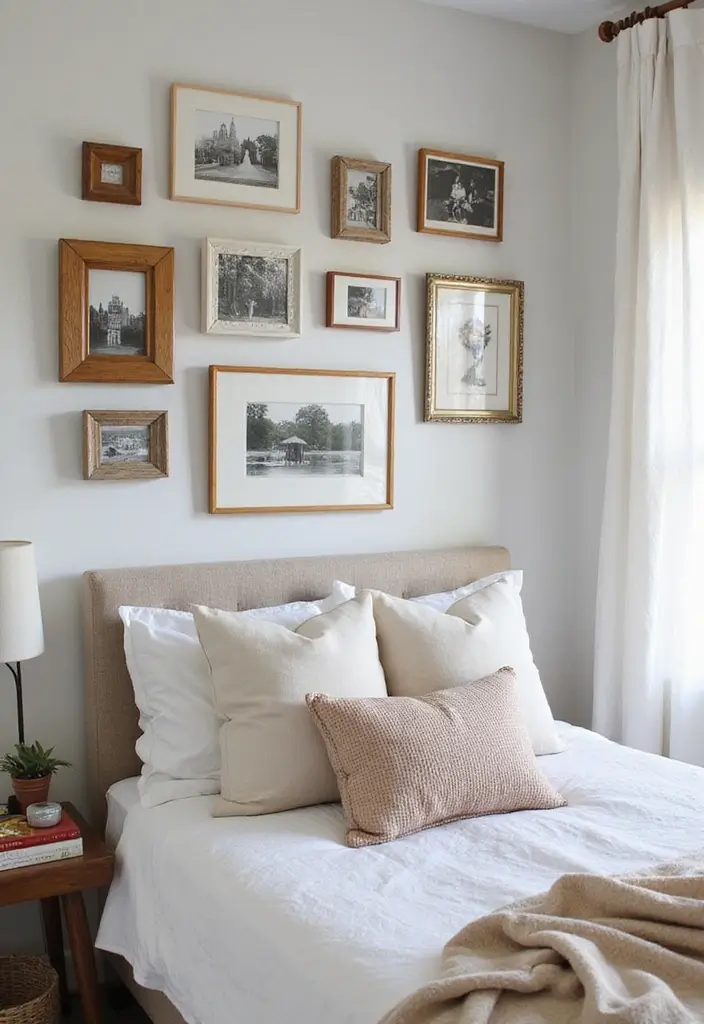
You want a small primary bedroom that feels calm and true to you. Personal decor can make that happen. Use pieces with meaning to turn the space into a quiet retreat.
Here is why and how to do it. Start small and keep it simple.
– Choose 3 to 5 meaningful items. Pick objects that tell your story: family photos, travel souvenirs, a favorite print. Fewer items keep the room peaceful while still feeling deeply personal.
– Group items by theme or color. Put similar keepsakes on one tray or shelf. A cohesive cluster reads calm and guides the eye.
– Rotate decor regularly. Swap pieces with the seasons or every month. This keeps the look fresh without adding more stuff and helps you fall in love with the room all over again.
Display ideas that fit a small space:
– Gallery wall with photos. Use slim frames in a single color. Arrange in a tidy grid or a calm salon layout to avoid a busy feel.
– Memory shelf or tray. A narrow ledge or dresser tray holds a few keepsakes and a small plant for life and texture.
– Calming art. Choose prints with soft tones that echo your bed linens. Let one large piece anchor the wall.
– Vertical displays. Wall-mounted shelves and hooks add storage without crowding surfaces.
Next steps: pick your top 3 items, group them, and set a reminder to refresh every 4–6 weeks.
Conclusion
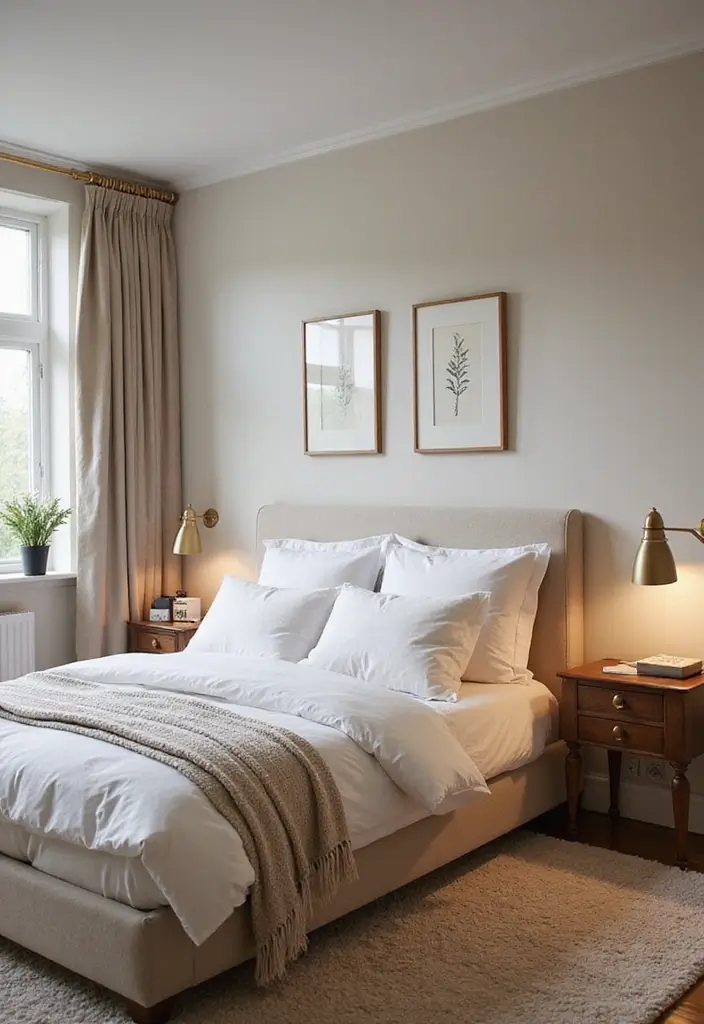
Transforming your small primary bedroom into a calm and luxurious retreat is all about thoughtful choices.
From color palettes to space-saving furniture, these ideas offer endless possibilities for creating a serene environment that feels expansive and inviting.
As you experiment with these suggestions, remember the key is personalization—make your space a reflection of you.
Frequently Asked Questions
What are some calming color palettes that work well in small primary bedrooms?
For a small primary bedroom, embracing soft, calming color palettes can truly transform the space. Think about using muted blues, gentle greens, and crisp whites. These colors can reflect natural light, making the room feel larger and more serene. Pair them with minimalist decor ideas to enhance the calming effect even further!
How can I make my small primary bedroom feel more luxurious without overcrowding it?
To achieve a luxurious feel in your small primary bedroom, invest in high-quality bedding and choose a few elegant accessories that complement your decor. This could include luxurious throws or textured pillows. Additionally, consider space-saving furniture that offers both functionality and style, like a bed with built-in storage, to keep your space organized and chic.
What space-saving furniture options are ideal for small primary bedrooms?
When it comes to space-saving furniture, options like beds with under-bed storage, folding chairs, and Murphy beds are fantastic choices. These pieces can help you maximize your space without sacrificing style. Additionally, using functional nightstands that offer storage can keep your small primary bedroom tidy and elegant.
How can I incorporate greenery into my small primary bedroom effectively?
Adding plants to your small primary bedroom not only enhances the decor but also improves air quality! Consider easy-to-care-for plants like snake plants or pothos, which thrive in low light. You can also hang them in planters or place them on shelves to save floor space while bringing a touch of nature indoors, adding to that calming ambiance you desire.
What are some effective ways to layer lighting in a small bedroom?
Layering lighting can completely change the atmosphere in your small primary bedroom. Start with a stylish overhead fixture for general lighting, then add table lamps or wall sconces for task lighting. Consider incorporating dimmer switches to adjust the brightness according to your mood, making the space feel cozy and inviting!
Related Topics
small primary bedroom ideas
minimalist decor
calming color palettes
space-saving furniture
luxurious bedding
cozy ambiance
functional design
under-bed storage
personalized decor
easy updates
small space solutions
greenery in decor