
You want a bedroom that feels calm, fits your needs, and looks like you. Start with a good bed, a place to store clothes, and a nightstand for essentials — those pieces solve most sleep and storage problems and make the room usable right away. Pick a comfortable bed, smart storage, and a nightstand, and you’ll cover the basics for any bedroom.
I’ll show simple ways to add seating, clever storage for small spaces, and a few styling tricks to make the room yours without clutter. You’ll learn how to choose pieces that work together, save space, and reflect your taste so you can relax and stay organized.
Key Takeaways
- Choose a comfortable bed and core storage to make the room functional.
- Add one or two seating or accent pieces to boost comfort and style.
- Use multi-purpose furniture and smart layouts to save space and stay organized.
Essential Bedroom Furniture
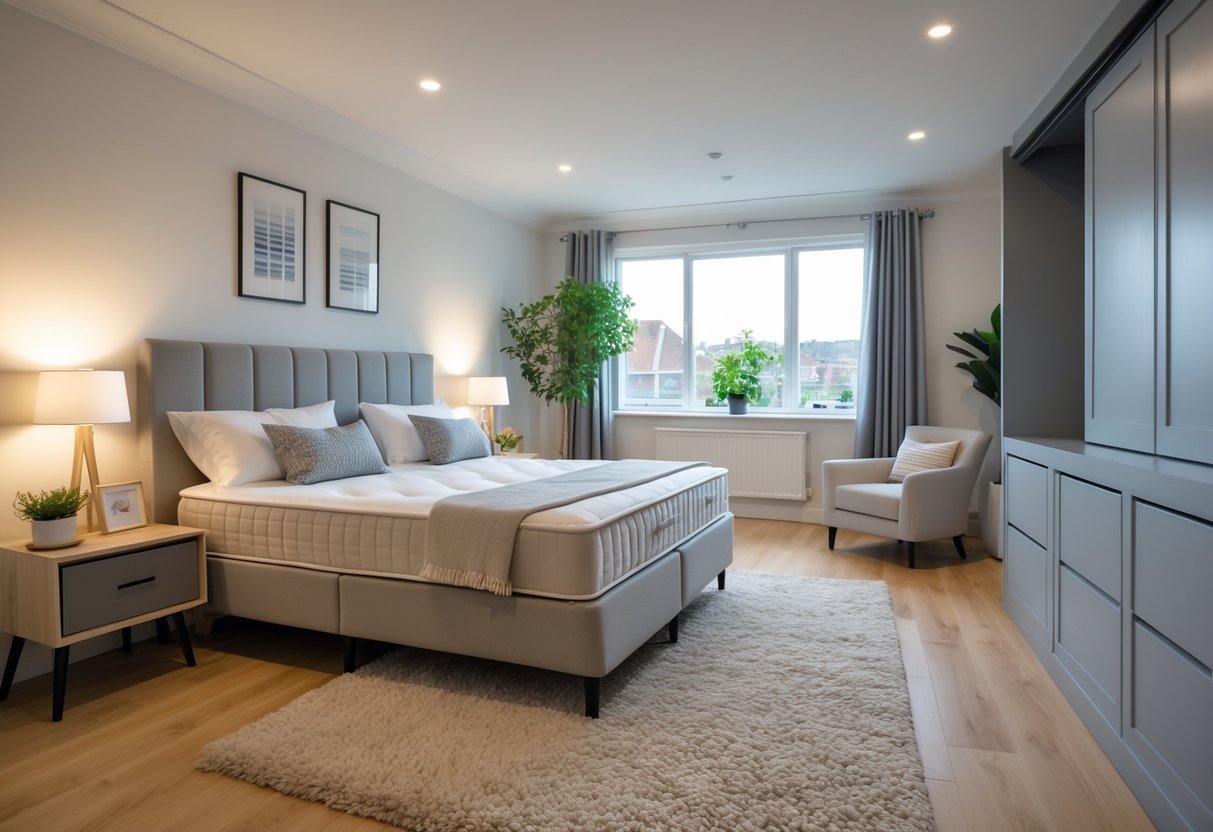
Focus on pieces that support sleep, storage, and easy daily use. Each item below helps make the room calmer and more practical.
Bed Frames And Mattresses
Choose a bed frame that matches my mattress size and gives strong support. Look for frames with sturdy slats or a solid platform to prevent sagging. If you use a box spring, confirm the frame fits it. Metal frames are budget-friendly and durable; wooden frames give a warmer look and hide wear better.
Pick mattresses by testing firmness and motion transfer. Try at least 15 minutes lying in your usual sleep position. A medium-firm mattress often works for many people, but side sleepers may need softer support and back sleepers firmer. Check return policies and trial periods so you can swap if it feels wrong at home.
Add a simple headboard if you sit up to read. A storage bed or under-bed drawers helps in small rooms. Measure doorways and room space before delivery to avoid fit issues.
Nightstands
Keep a nightstand on each side of the bed when space allows. Nightstands should hold a lamp, phone, and a book while keeping surface clutter low. Choose one with at least one drawer or a closed shelf to hide chargers and small items.
Height matters: the top should sit near the same level as your mattress for easy reach. If you use a tall mattress, add a taller nightstand. Look for built-in cable holes or a back panel that opens so you can charge devices neatly.
Material and style should match your bed and dresser. For small rooms, I use wall-mounted shelves or a narrow table as a nightstand. For couples, consider different nightstands to match each person’s bedtime routine.
Dressers And Chests
Use dressers for folded clothes and chests for deep, vertical storage. A low dresser can double as a TV stand or a vanity with a mirror. Choose drawer depth based on what you store: shallow drawers for shirts, deep drawers for sweaters and jeans.
Check drawer construction: dovetail joints and full-extension slides last longer than cheap glides. Soft-close mechanisms prevent slamming and protect clothes. Measure closet space first; if the closet holds most hanging items, you can pick a smaller dresser.
If closet space is limited, add a tall chest to increase vertical storage without using extra floor area. Anchor tall furniture to the wall for safety. For a neat look, keep drawer fronts simple and use matching storage boxes inside to sort socks and accessories.
Storage Solutions For Bedrooms
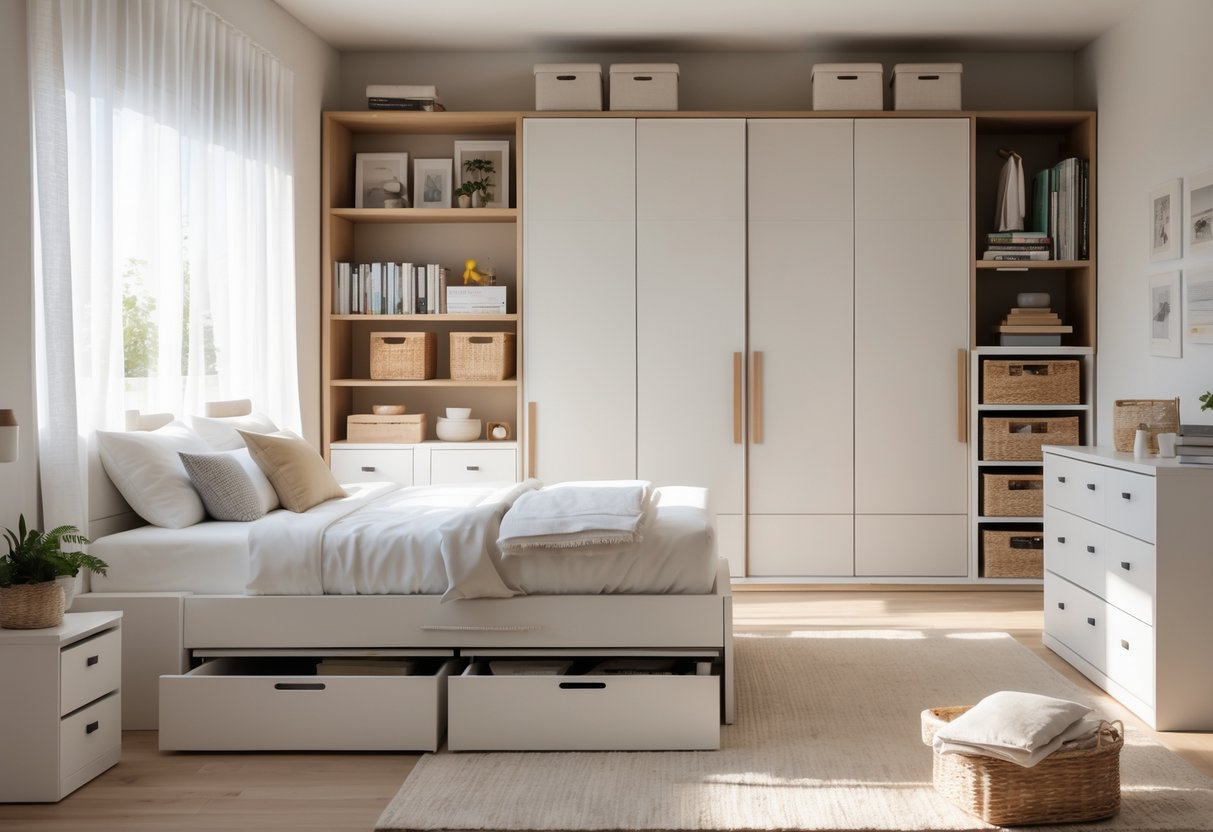
Focus on smart, space-saving pieces that keep clothes and clutter out of sight. Pick storage that fits your room size, daily routines, and the items you use most.
Wardrobes And Armoires
Choose a wardrobe or armoire when closet space is limited or you need a freestanding option. Look for interior features like adjustable shelves, full-width hanging rods, and deep drawers. These let me store sweaters, hanging shirts, and folded jeans without extra bins.
If you need more organization, I add small accessories: tie racks, velvet-lined jewelry trays, and slim drawer dividers. For tight rooms, a mirrored wardrobe door doubles as a dressing mirror and saves wall space. Solid wood or plywood cabinets hold up better than thin particleboard if you plan to move them often.
Measure door swing and ceiling height before buying. Sliding doors work well in narrow walkways. If you want a custom fit, modular wardrobes let me mix drawers, shelves, and hanging spaces to match my wardrobe.
Under-Bed Storage
Use under-bed storage for off-season clothes, shoes, and linens. Low, wheeled drawers or clear plastic bins work best so you can pull items out without crawling under the bed. Measure under-bed clearance first; some beds only leave a few inches.
Vacuum-seal bags save space for bulky items like comforters. But I avoid storing fragile or frequently used items there because dust and temperature shifts can cause wear. For a cleaner look, I use fabric storage boxes that match my room color and label each box on the short side for quick access.
If you prefer a built-in solution, platform beds with integrated drawers give hidden storage without extra bins. I pick drawers with soft-close mechanisms to avoid noise and reduce wear over time.
Storage Benches
Place a storage bench at the foot of the bed or under a window to add seating and hidden storage. Choose a bench with a hinged lid or internal drawers; both keep blankets, pillows, or shoes out of sight. A bench with internal compartments helps me separate items like slippers from extra bedding.
Upholstered benches add softness and can include removable liners for easy cleaning. For narrow spaces, I pick a shallow bench—14–16 inches deep—that still fits standard linens folded flat. If you want more durability, I go for hardwood frames and replaceable cushion covers.
Match the bench height to my mattress so it feels natural to sit and put on shoes. Anchoring the bench with a small rug or decorative throw ties it to the room and keeps it from sliding on hardwood floors.
Seating Options In Bedrooms
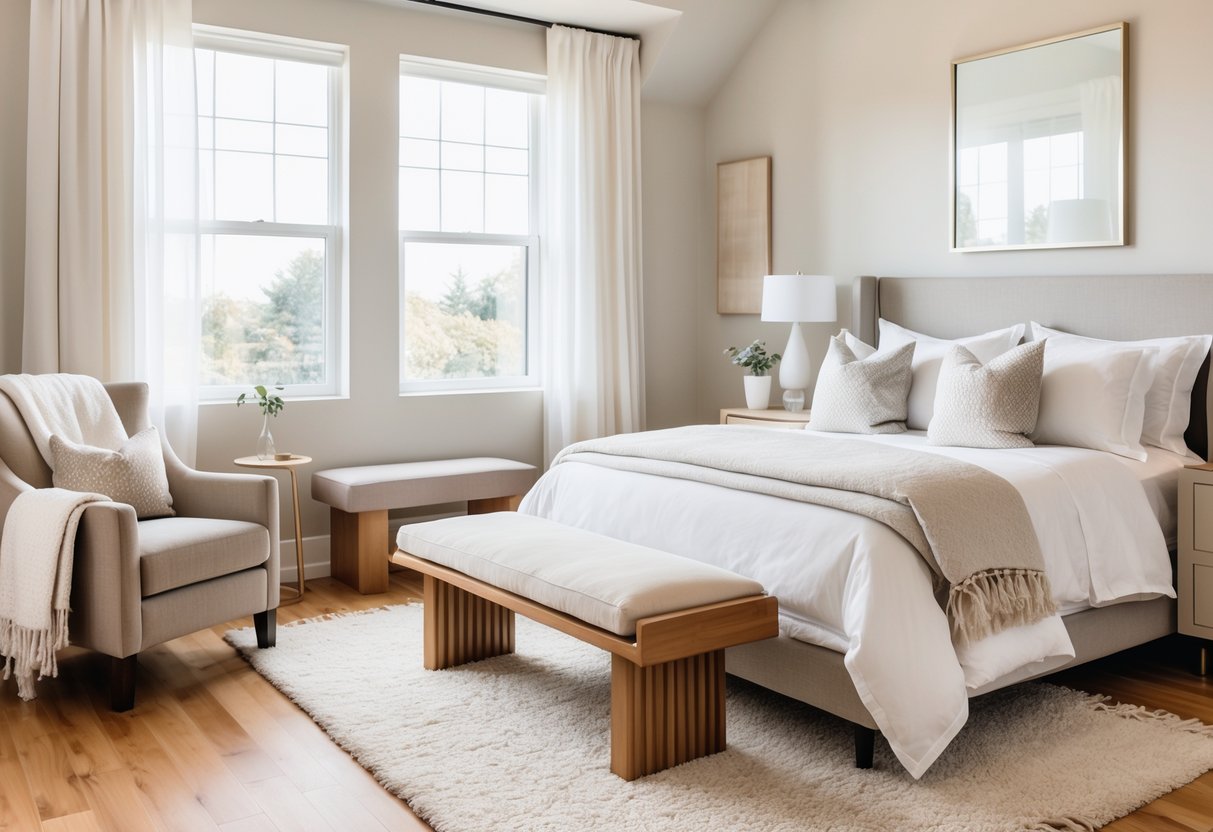
Pick seating that fits how I use the room and the layout. Comfort, scale, and function guide my choices so the seat feels like part of the bedroom, not just extra furniture.
Accent Chairs
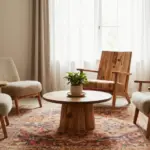
Choose an accent chair for reading, putting on shoes, or a quiet corner to relax. I look for a seat with good back support and a seat height around 16–18 inches so it’s easy to sit and stand. Upholstery matters: velvet or linen feels cozy, while leather wipes clean easily. If space is tight, I pick a slim-profile chair or an armless design to keep traffic clear.
I pay attention to scale. A large wingback works in a master suite but overwhelms a small room. I place the chair near a lamp and a small side table for a book or cup. For color, I either match the room’s palette or pick one bold piece to add interest.
Bedroom Benches
Use a bench at the foot of the bed for storage, seating, and style. A storage bench with a hinged top gives me a place for extra blankets or shoes. For rooms without walk-in closets, an open-shelf bench helps me organize baskets and shoes.
Length and height matter: the bench should be about the width of the bed or slightly shorter, and sit 16–20 inches high to align with most mattresses. I choose upholstery that resists stains if the bench will get daily use. For a minimalist look, a wooden or metal bench keeps the design airy.
Window Seats
Design a window seat as a reading nook or a place to watch the street. I build it to the window width or slightly inset so the seat feels built-in. I make the cushion 4–6 inches thick with firm foam and a soft cover for long sitting sessions.
Add storage under the seat if you need extra space for linens or seasonal items. Throw pillows give back support and let me change the look by swapping covers. For placement, I avoid blocking window vents and keep a small side table or shelf nearby for a lamp and books.
Personalizing With Accent Furniture
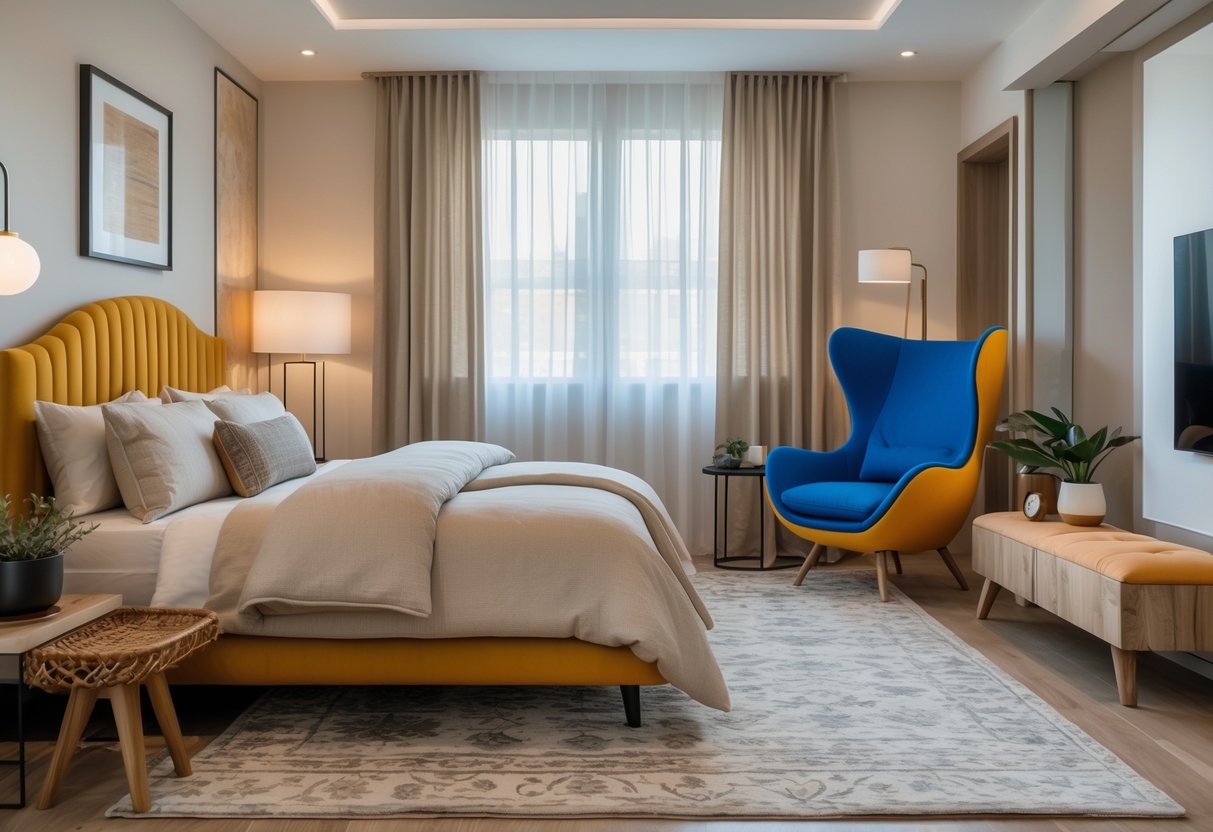
Focus on small pieces that add function and personality without crowding the room. Pick items that match scale, color, and your daily routines so they feel useful, not decorative only.
Vanity Tables
Choose a vanity that fits the space and my routine. For a tight wall, I pick a narrow table 24–30 inches wide with a shallow drawer for brushes and a tray for daily jewelry. If you sit while applying makeup, I make sure the table height is 28–30 inches and pair it with a stool that tucks fully underneath.
Lighting matters. I use a mirror with integrated bulbs or add a small lamp on one side to cut shadows. For storage, I prefer divided trays or small jars so brushes stand upright and lip colors are visible. Finish and style should tie to at least one larger piece in the room so the vanity feels intentional.
Bookcases And Shelving
Add a bookcase or wall shelves to hold books, photos, and a few plants. For tall ceilings, I choose a narrow, 72–84 inch bookcase to draw the eye up without using much floor space. For small rooms, floating shelves work well above the headboard or desk.
I balance open and closed storage. I place books and framed photos on open shelves and use baskets or boxes on lower shelves to hide charging cords, socks, or spare cables. I keep heavier items on lower shelves for stability and use matching shelf heights for a neat look.
Selecting Furniture By Bedroom Style
Focus on practical choices that match the room’s size, light, and how you live in the space. Pick pieces that solve storage needs, fit your bed size, and create a clear visual balance.
Modern Bedroom Furniture
Choose furniture with clean lines, low profiles, and light finishes for a modern look. A platform bed with a slim headboard keeps the room open. I add floating nightstands to save floor space and avoid bulky bedside tables.
For storage, I prefer streamlined dressers and under-bed drawers. Metal or thin wood legs lift pieces so light flows beneath them. I keep hardware minimal — recessed pulls or slim bar handles.
Use a small number of accessories: a single statement lamp, a simple rug, and one piece of wall art. If you want to mix materials, I pair warm wood with matte metal for a balanced, modern feel.
Traditional Bedroom Furniture
Pick larger, more detailed pieces for a traditional style. A high headboard or sleigh bed becomes the focal point. I choose matching nightstands and a tall dresser to create a cohesive set.
Solid wood and carved details matter here. I look for richer stains like walnut or cherry and classic hardware such as brass knobs or cup pulls. A bench at the foot of the bed or a wooden chest adds both function and period charm.
For layout, I place the bed centered on the longest wall and keep walking paths of at least 24 inches. I add layered lighting — table lamps and a ceiling fixture — to bring warmth and depth to the room.
Making The Most Of Multi-Functional Pieces
Focus on pieces that save floor space and add storage without making the room feel crowded. I pick options that match my daily routines and the room’s layout so each item pulls double duty.
Convertible Sofa Beds
Choose a convertible sofa bed with a mechanism I can operate alone. Look for models with a metal frame and a mattress at least 6–8 inches thick for nightly comfort. Measure the room from wall to wall with the bed fully extended so you avoid blocking walkways or windows.
Check the sofa’s seat height and cushion density to make sure it’s comfortable for daytime use. If you expect guests often, I pick a pull-out with a memory foam or pocket-coil mattress. For tight spaces, a futon-style hinge or click-clack model works well because it takes up less depth when folded.
Prefer upholstery that’s stain-resistant and easy to clean, like performance fabric or treated microfiber. If you need extra storage, I pick a model with under-seat drawers or a base compartment. Finally, I test the mechanism in person or read reviews about durability before buying.
Storage Ottomans
Use storage ottomans for seating, a footrest, and hidden storage in one small piece. Choose ottomans with a hinged lid or removable top that stays open safely; a weak hinge can pinch fingers or fail over time.
Size the ottoman to match the bed or sofa—about two-thirds the width of a twin bed works as a bedside bench. For heavier storage needs, pick thick-walled construction and reinforced bottoms so the piece doesn’t sag. I store out-of-season bedding, extra pillows, or shoes inside to free up closet space.
Select fabric or leather that fits the room’s look but also cleans easily. If you use the ottoman as a tray base, I place a stable tray on top to protect upholstery. Matching one ottoman to a bedside table or pairing two as a bench gives me flexible layout options.
Tips For Arranging Bedroom Furniture
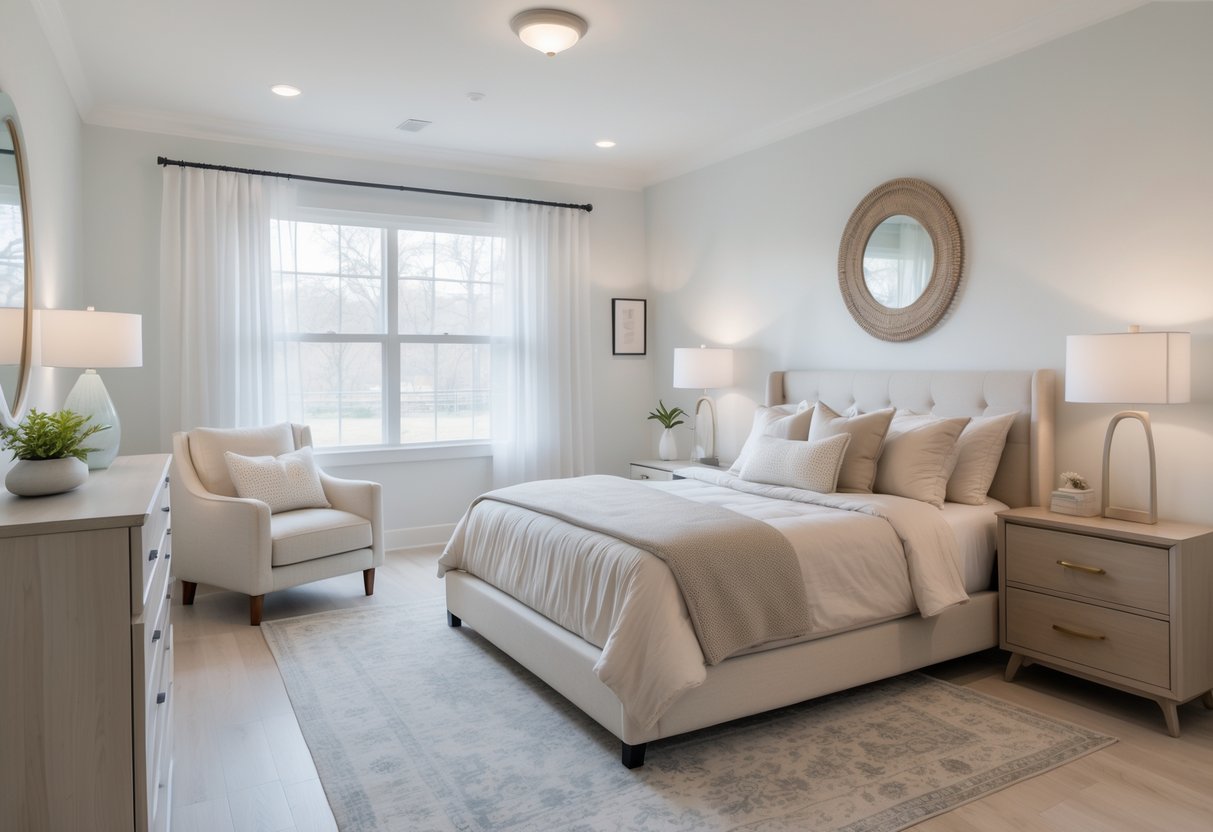
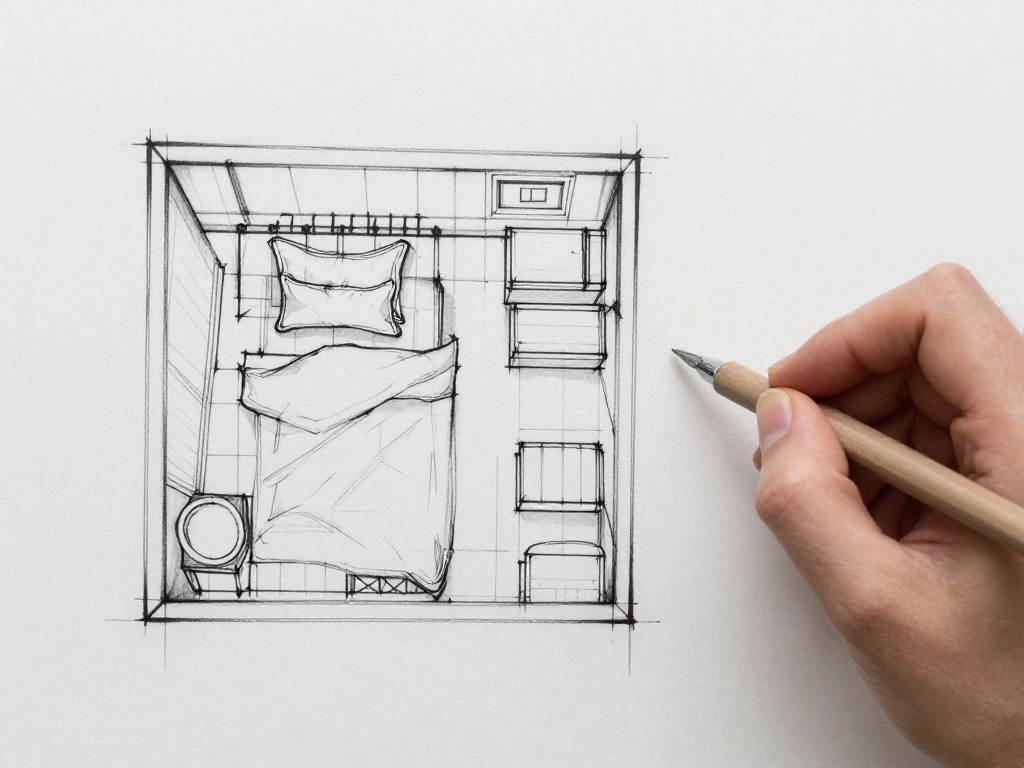
Focus on clear walkways, a good bed position, and placing key pieces where they serve daily needs best. I also think about light, outlets, and how you move through the room.
Optimizing Space And Flow
Place the bed first because it takes up the most space. I usually center it on the longest wall or opposite the door so you can see the room when you lie down. If a window sits behind the bed, I leave at least 6–8 inches between the headboard and the sill to avoid blocking light.
Keep a 2–3 foot walking path around the bed when possible. That spacing lets me open drawers and get dressed without bumping furniture. For small rooms, I use narrow nightstands or wall-mounted shelves to save floor space.
Try to float furniture away from walls when it improves flow, like creating a small seating nook. I measure before you move anything: tape out the bed and dresser footprints to check clearance. Finally, I orient furniture so electrical outlets and light switches match lamp and device needs.
Maximizing Comfort And Functionality
Choose nightstands with drawers if you need hidden storage and a shelf if I want easy access to books. I keep frequently used items—phone charger, lamp, water—on the side you sleep on. A lamp with a switch near the bed saves me from getting up at night.
Match mattress placement to window light and noise. If the street is loud, you move the bed away from that wall or use heavier curtains. I place a dresser where it won’t block a closet or door swing; if space is tight, I use a tall narrow dresser to maximize vertical storage.
Add a small bench or ottoman at the foot of the bed only if you have at least 18 inches of clearance. That gives me a place to sit or drop clothes without crowding the room. I keep frequently used zones—sleeping, dressing, and storage—clearly separated for easier daily routines.
Frequently Asked Questions
Focus on practical choices you can buy and use today. I cover must-have pieces, bed styles that balance comfort and looks, and storage options that fit small and large rooms.
What are essential pieces of furniture for a new bedroom?
Start by starting with a bed frame, a mattress, and a nightstand for each side of the bed if space allows. Add a dresser or chest of drawers for folded clothes and a closet organizer if you need hanging space.
For seating and function, I suggest a small accent chair or a bench at the foot of the bed for putting on shoes. If you work or study in the room, I add a compact desk and a supportive chair.
What styles of beds are best for a comfortable and stylish bedroom?
Choose platform beds for a low, modern look and solid support without a box spring. For a classic or cozy feel, I choose upholstered headboards or paneled wooden frames.
If storage matters, I pick beds with built-in drawers or ottoman lift storage. For small rooms, I recommend a daybed or a loft bed to save floor space.
What are the best storage solutions for keeping a bedroom organized?
Use under-bed drawers or rolling bins to store off-season clothes and extra bedding. Bed frames with built-in drawers work well when closet space is limited.
For vertical storage, I add a tall dresser or a wardrobe armoire. I also install closet organizers with shelves, hanging rods, and drawers to make full use of closet space.