
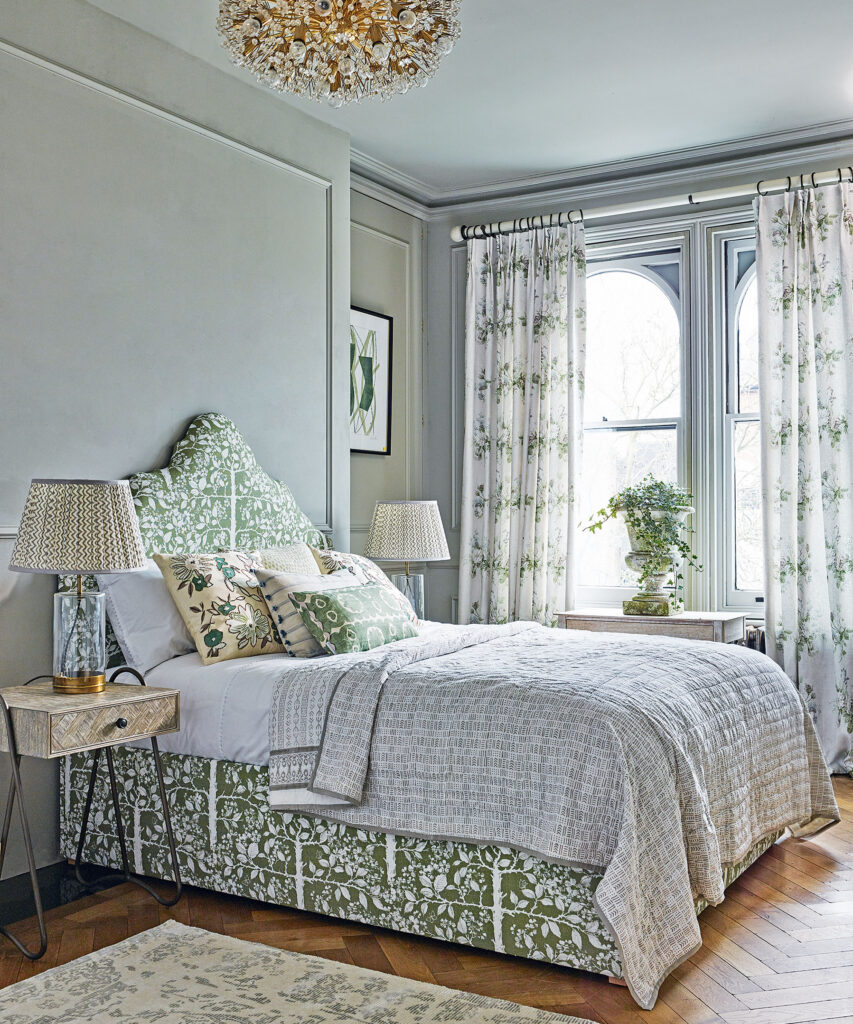

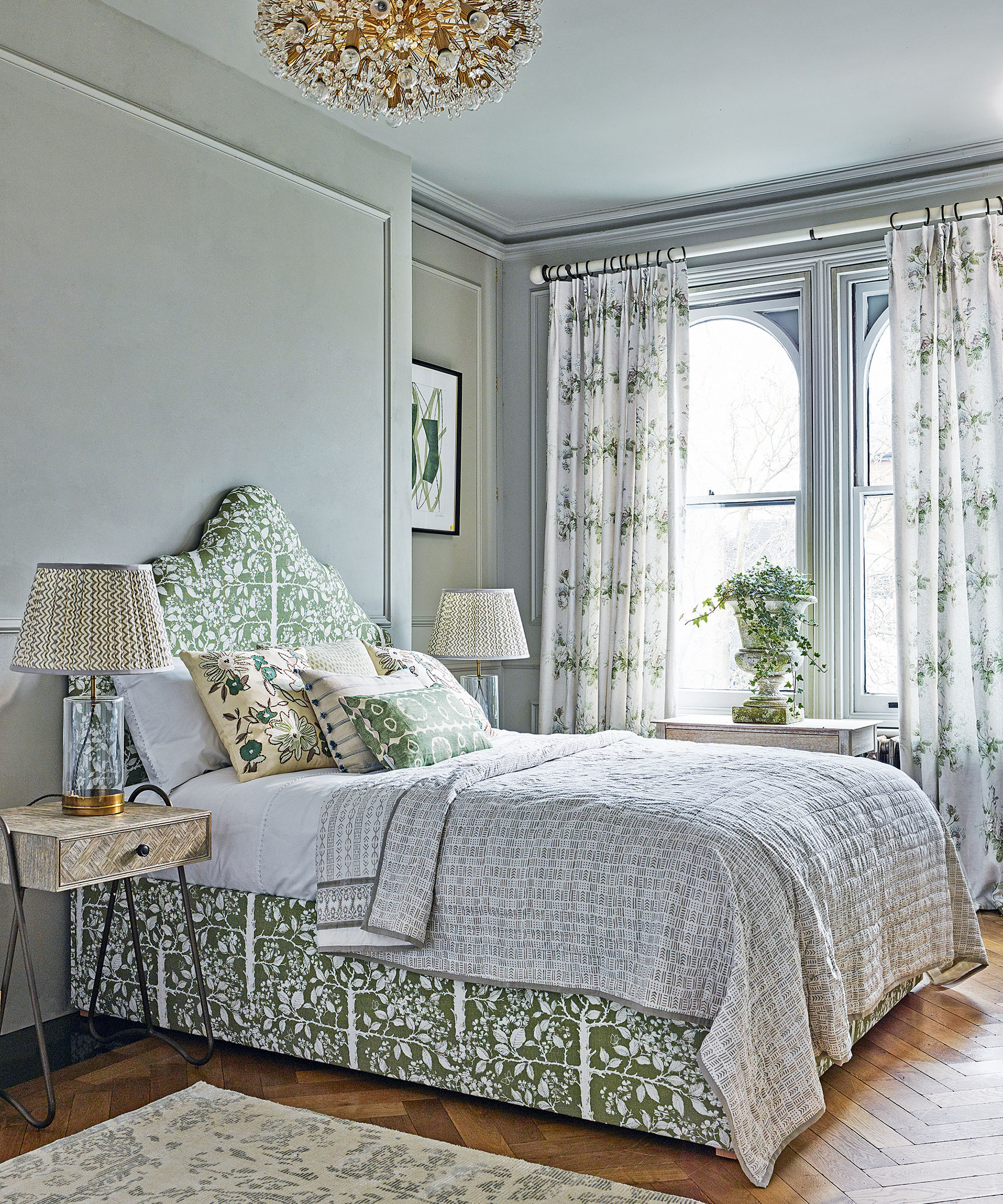
You want a bed that feels inviting and looks like it fits your style. I’ll show you simple choices for bedding, color, layers, and pillows that make a big difference without spending a fortune. Pick the right sheets and a focal blanket first — they set the tone and make the whole bed feel pulled together.
I’ll guide you through matching colors and patterns, adding cozy layers, and choosing the small decorative touches that reflect who you are. With a few easy swaps and a clear plan, you can turn an ordinary bed into a comfortable, stylish centerpiece you’ll love.
Step 1: Choosing the Right Bedding
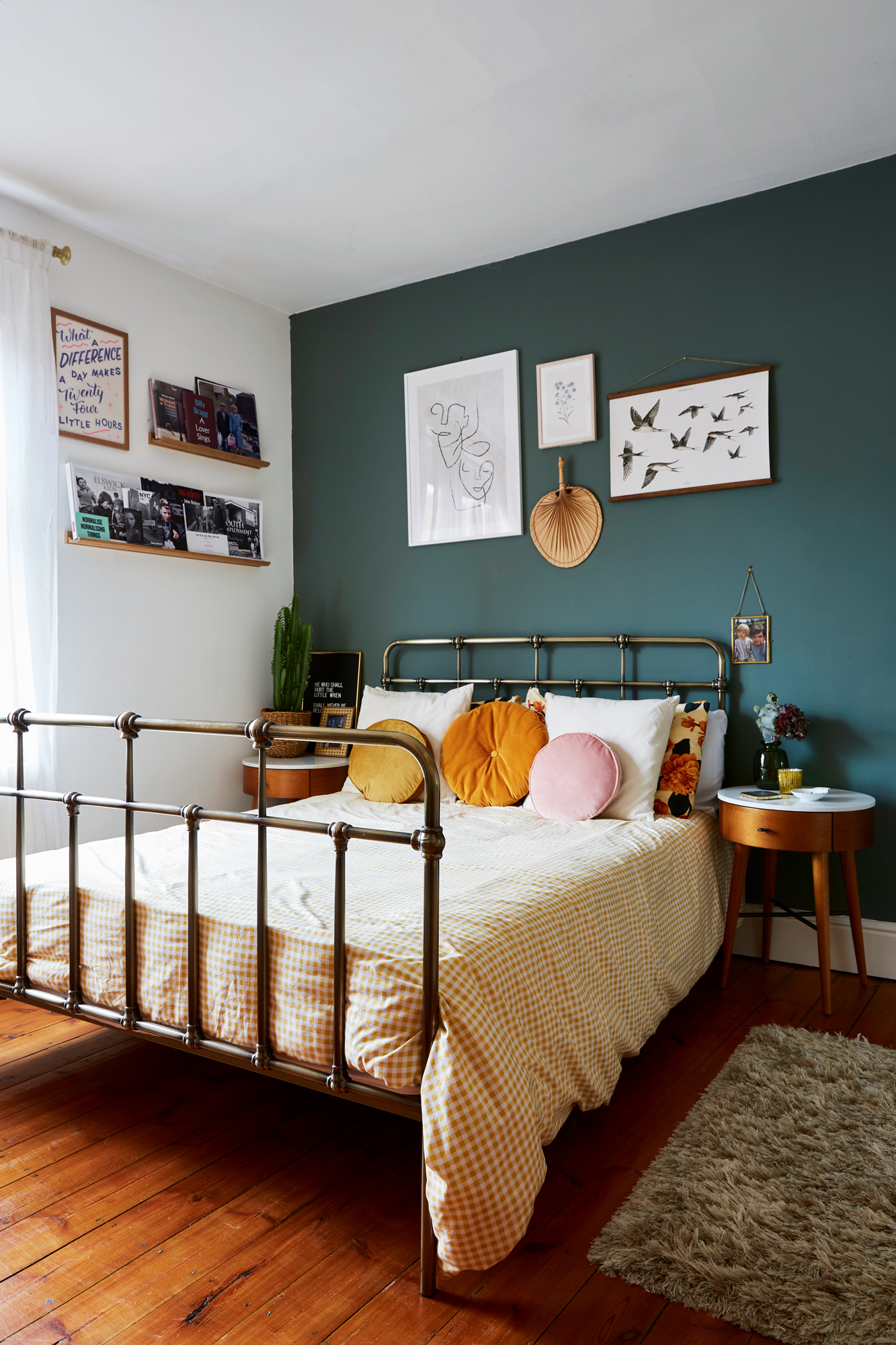
I focus on comfort, fabric, and color so your bed feels good and looks good. Pick materials that match your sleep needs, the room temperature, and the style you want.
Selecting Sheets and Pillowcases
I choose sheets by fabric first. Cotton percale feels crisp and cool; look for 100% long-staple cotton. Percale with a 200–400 thread count gives a nice balance of breathability and durability. For a softer, warmer feel I pick cotton sateen or brushed cotton. Linen works great if I want a relaxed, textured look and good airflow in hot weather.
Fit matters: I check pocket depth and mattress height before buying fitted sheets. For pillowcases, I match fabric to the sheets and consider closure type—envelope closures stay tidy. I wash new sheets before use to soften them and test how they handle heat and detergent.
Choosing Comforters and Duvets
I pick a duvet for easy cleaning and a comforter if I want one-piece simplicity. For fill, I choose down for lightweight warmth and loft, or synthetic fill if I need an allergy-friendly option. Look at fill power for down: higher numbers mean more loft and better insulation.
Consider tog or fill weight for seasonality. I use lighter fills in summer and heavier ones in winter. If you want style flexibility, get a duvet cover in a color or pattern you like. Opt for corner ties inside covers to keep the duvet from shifting.
Picking Out Bedspreads and Quilts
I choose quilts and bedspreads for layered texture and a finished look. Quilts are stitched with batting and offer moderate warmth; they work well in transitional seasons. Bedspreads usually drape to the floor and give a neat, tailored appearance—good for hiding under-bed storage.
Match scale and pattern to the room: large prints suit big, simple headboards; small repeats fit busy rooms. For durability, check stitching and edge binding. I keep a lightweight quilt on hand for summer nights and a heavier bedspread for a pulled-together daytime look.
Step 2: Coordinating Colors and Patterns
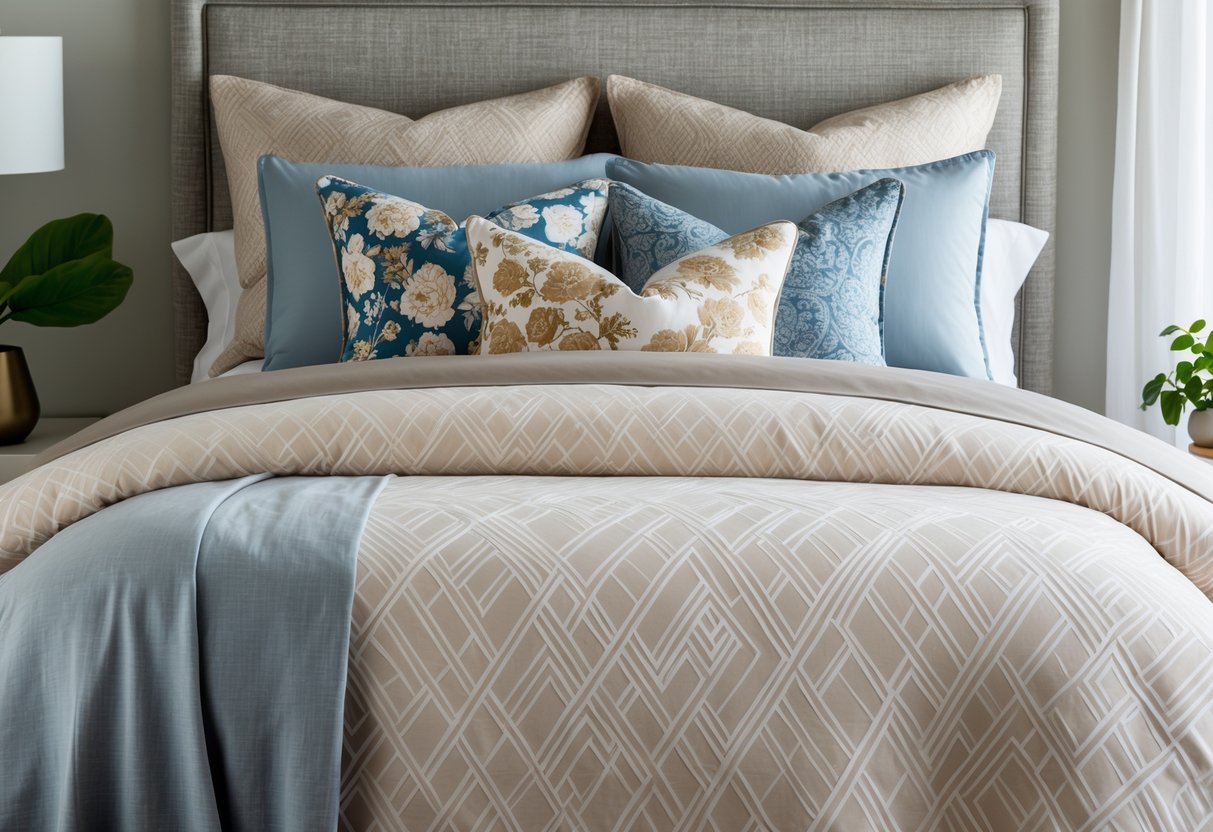
I focus on a clear color plan, deliberate pattern sizes, and a balance of neutral and accent pieces. These three choices will help your bed look thoughtful and calm, not cluttered.
Finding a Color Scheme
I start with one main color and one or two supporting tones. Pick a dominant shade for large pieces like a duvet or quilt. Then add a secondary color for sheets or a throw, and a small accent color for pillows or a runner.
I use a simple method: choose a color from a rug, artwork, or the wall paint to keep things tied together. If I want a calm look I stick to cool blues or soft greys; for warmth I pick terracotta, mustard, or olive. I test combinations by laying fabric swatches side by side before buying.
Quick checklist:
- Main color = duvet/comforter
- Secondary = sheets/blanket
- Accent = pillows/trim
Mixing and Matching Patterns
I mix patterns by varying scale: large prints, medium motifs, and a small repeat. That way patterns don’t fight each other and the eye moves smoothly across the bed.
I pair a floral or geometric duvet with striped or small-dot shams. Keep one patterned piece and at least one solid in the same color family to give the eye a rest. Limit patterns to three types to avoid visual clutter.
Tips I use:
- Big pattern + medium pattern + tiny pattern
- Repeat one color across all patterns
- Use solids to break up busy prints
Balancing Neutrals and Accents
I use neutrals as the base to make accent colors pop without overwhelming the room. Start with white, beige, grey, or taupe sheets and one neutral throw.
Then add two to three accent pieces in bolder tones: a pillow, a folded blanket at the foot, or a patterned sham. Keep accent saturation moderate; I prefer one strong color and one muted shade that ties back to the main color scheme.
A simple layout I use:
- Neutral base: sheets + large pillow(s)
- Accent 1: single bright pillow or throw
- Accent 2: patterned sham that links colors
Step 3: Adding Layers for Comfort
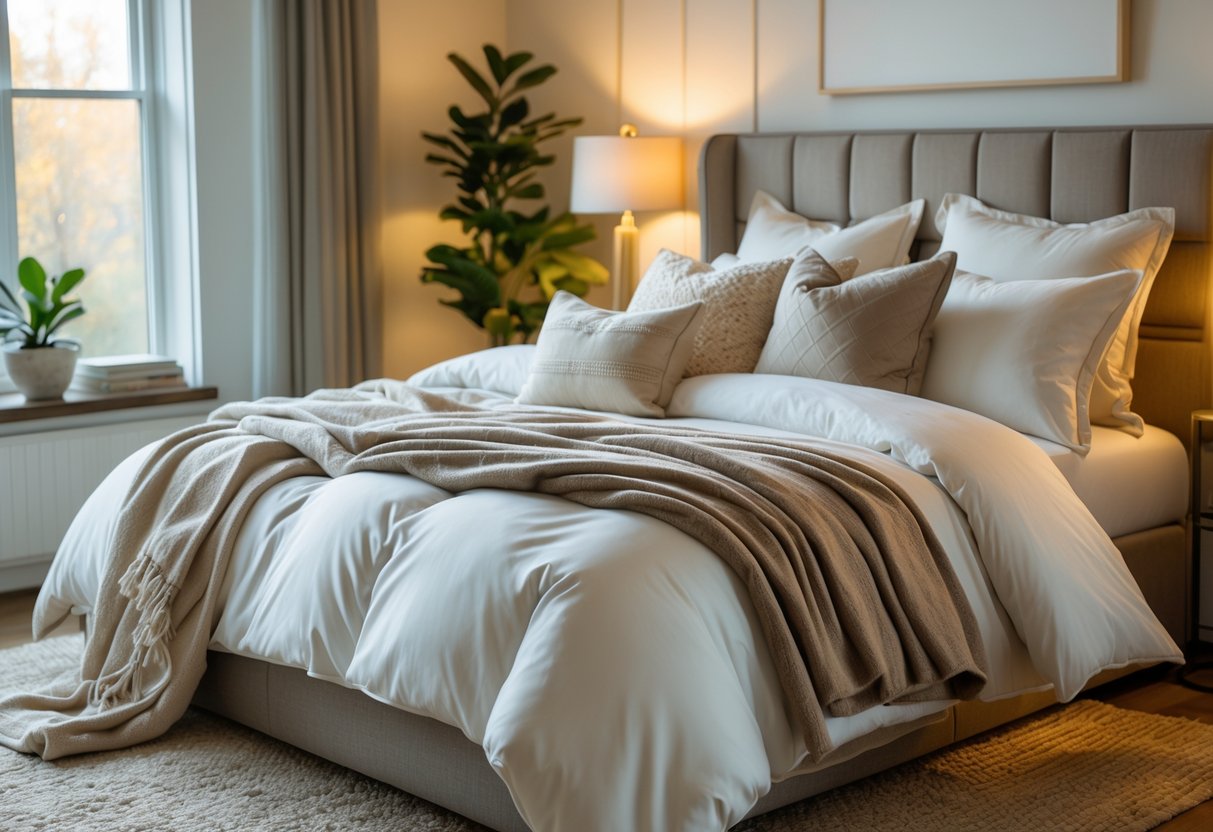
I focus on soft, practical layers that add warmth and visual interest. Each piece — blankets, pillows, and seasonal swaps — has a clear role and I arrange them to be both pretty and easy to use.
Incorporating Blankets and Throws
I start with a thin blanket or bed blanket right over the sheets for a smooth, cozy base. Choose cotton or lightweight wool for year-round use; I prefer a textured weave to hide wrinkles and add depth. Place it folded down about 6–12 inches below the top sheet so the sheet edge shows.
Next, I add a heavier blanket or quilt at the foot of the bed. Fold it into thirds or place it folded across the lower third of the mattress. This keeps the bed tidy while providing an easy grab for extra warmth.
I finish with one or two decorative throws. I drape one casually over a corner or roll one at the foot. Throws should match or contrast with your palette and be easy to remove for washing.
Layering with Pillows
I use a clear pillow order so the bed looks intentional: shams in back, support pillows in the middle, decorative pillows in front. Start with two large shams (Euro or king) propped against the headboard to create height. Add two standard sleeping pillows in matching or neutral cases.
For support and pattern, I place one or two mid-size accent pillows next. These can carry a different texture or print to add character. Finish with one small decorative pillow in the center for a tidy focal point.
I avoid overcrowding. If the bed is full-size or smaller, I stick to three to five pillows total. For queen and king beds, I use five to seven. Keep pillow covers washable and mix textures like linen, knit, and velvet for a balanced look.
Seasonal Layering Tips
I change layers by climate and by month to stay comfortable without overhauling the whole bed. Spring and fall get a lightweight blanket plus a mid-weight duvet or coverlet. I use breathable fabrics like cotton and lightweight wool during these seasons.
In summer, I remove heavy blankets and use a thin cotton coverlet and a lightweight duvet with a low tog rating if needed. I swap pillow fills to cooler options, like down alternative or cotton.
For winter, I add a thicker duvet, a plush blanket under the duvet, and a heavier throw at the foot. I choose warmer fabrics—wool, flannel, and faux fur—for the top layers. I also tuck an extra blanket near the headboard for quick access on cold nights.
Step 4: Accent Pillows and Decorative Touches
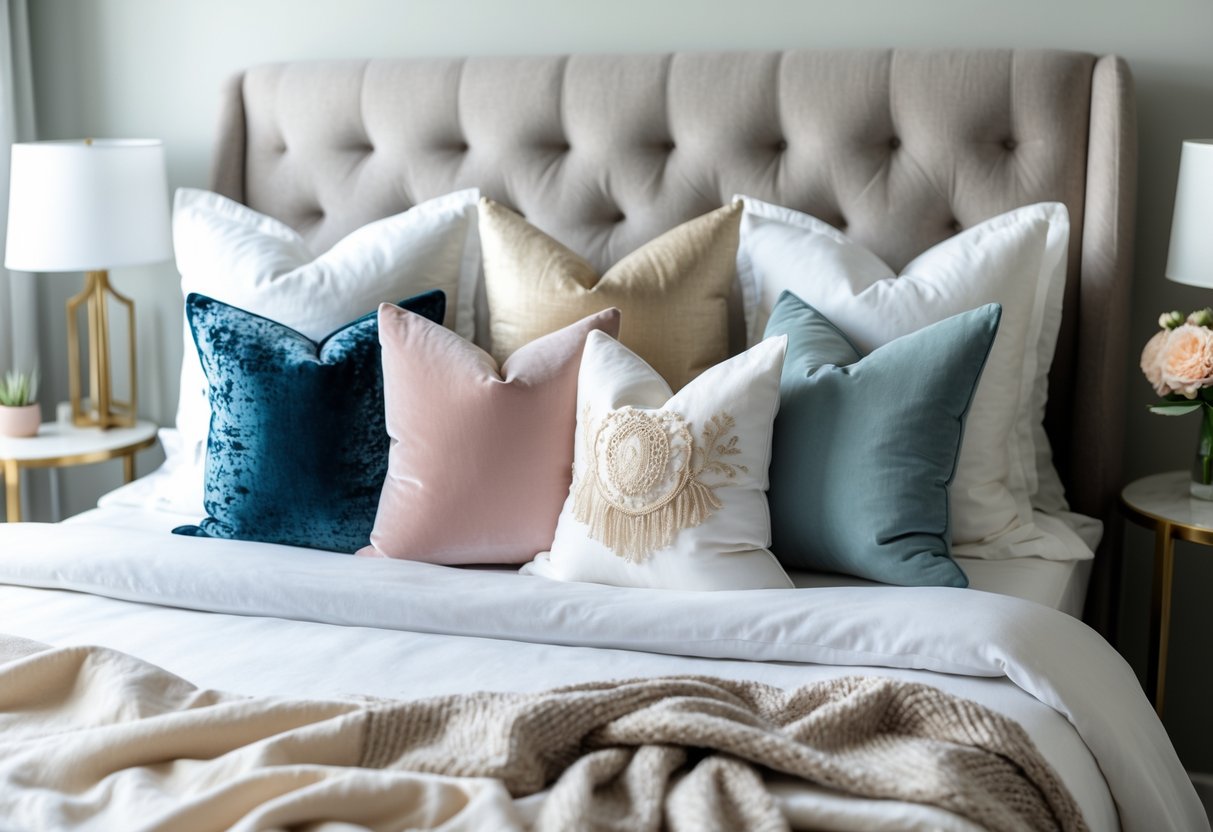
I focus on color, scale, and texture when I add pillows and small decor. These choices make the bed look put together and match the room’s style.
Choosing Accent Pillow Styles
I pick one bold pillow color and two supporting tones to build a palette. For example, a deep teal lumbar pillow + two light gray Euro shams + a patterned square pillow ties the bed together.
Mix shapes and sizes: start with two large Euro shams (26″ or 28″) at the back, add two standard or queen pillows, then place a 12–16″ square or a 16–20″ lumbar pillow in front. Balance plain fabrics with one textured or patterned piece so the bed stays calm but interesting.
I also match fabric weight to season. Use velvet or faux fur for winter and linen or cotton for summer. Keep odd numbers (3 or 5 pillows) for a natural look.
Arranging Pillows Artfully
I arrange pillows from largest to smallest, leaning taller pillows against the headboard. For a king bed I use three Euros; for a queen I use two. This creates a clean backbone.
I angle a pair of accent pillows slightly toward the center to add depth. For a casual look I let the front pillows sit relaxed; for formal I make straight, even rows.
I swap one pillow seasonally to refresh the bed without a full redo. Placing a long bolster or body pillow across the front gives a finished, hotel-like feel.
Adding Bedside Accessories
I choose one or two bedside items that echo the pillow palette, like a small lamp with a brass base or a ceramic vase in a matching hue. This connects the bed to the rest of the room.
I keep surfaces tidy: a coaster, a small tray for glasses, and one book look polished without clutter. A folded throw at the foot of the bed adds texture and invites use.
I use plants or dried stems for soft height and natural color. If space is tight, I pick slim accessories—like a wall sconce or a hanging pocket—for light and function without crowding.
Step 5: Personalizing Your Bed Decor
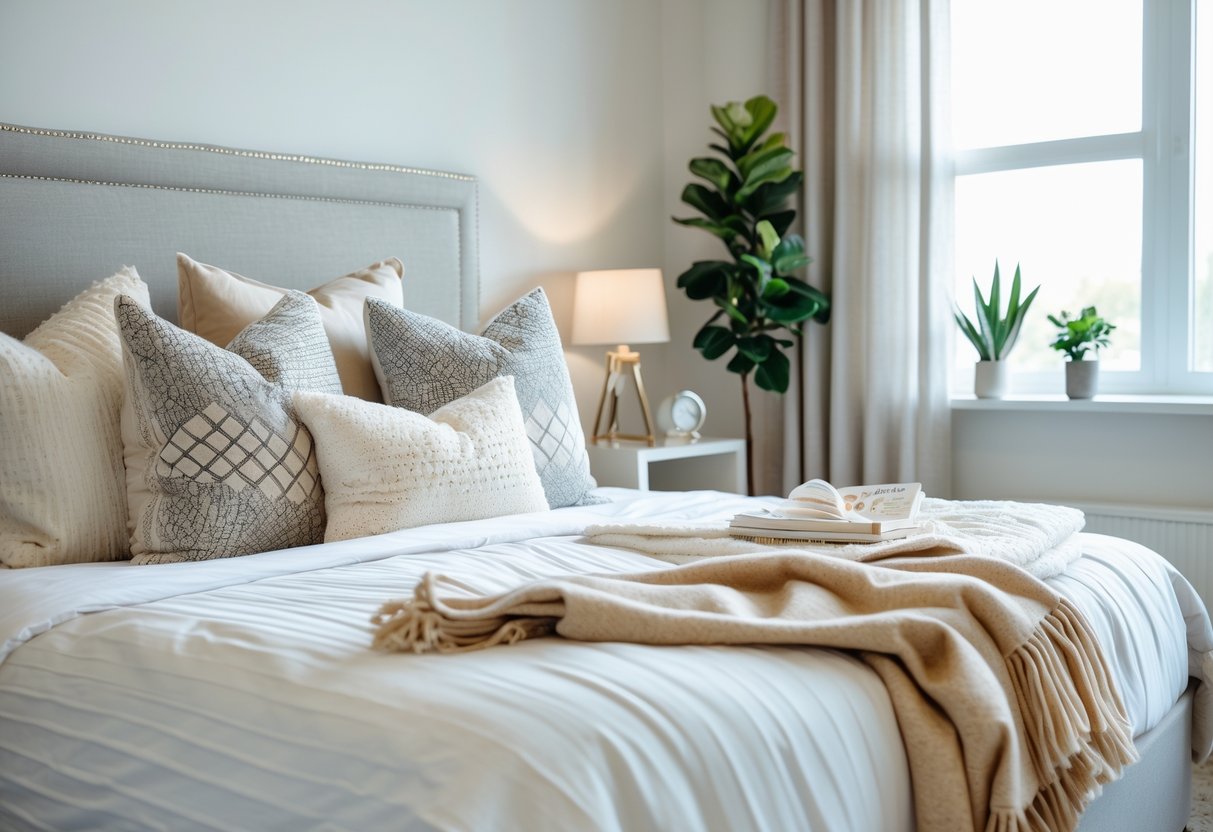
I focus on small, clear choices that make my bed feel like mine. I pick colors, materials, and accents that match my daily habits and the way I want to relax.
Incorporating Your Personality
I start with a palette that fits me — not every color, just two or three that I like together. For example, I pair a muted navy duvet with warm beige sheets and one bold pillow in mustard to add a personal pop. I choose textures that match my routine: soft cotton for easy washing, linen for a lived-in look, or velvet for a touch of luxury.
I add items that show hobbies or memories. A thin throw from a trip, a pillow printed with a band I love, or a woven wall pocket for my book makes the bed feel personal. I avoid clutter by limiting decorative pillows to three: one large, one medium, one small. That keeps things tidy but expressive.
Using Unique Headboards
I pick headboards that do more than sit behind pillows. A tall upholstered headboard gives me a cozy backrest for reading. A reclaimed wood headboard adds texture and a rustic feel. If I want color, I paint a simple wooden headboard in a matte shade that complements my bedding.
I also use alternative ideas: a row of framed prints set above the bed can act like a headboard, or a hanging textile can bring pattern without heavy furniture. I secure everything firmly so it stays safe and looks neat. Headboards should match the scale of my bed — low and narrow for twin beds, taller and wider for queen or king sizes.
Customizing with DIY Projects
I make small DIY pieces to save money and add character. I recover old pillows with new fabric to refresh color and texture. For a unique throw, I sew fringe onto a store-bought blanket. I also build simple wooden crates as bedside shelves when I want a rustic look.
I test ideas on a small scale first. I prime and paint wood to avoid splinters and wash fabrics before sewing to prevent shrinking. I keep tools basic: fabric scissors, a hot glue gun, and a staple gun handle most small projects. These DIY touches let me control color, size, and material so the bed really fits my space.
Frequently Asked Questions
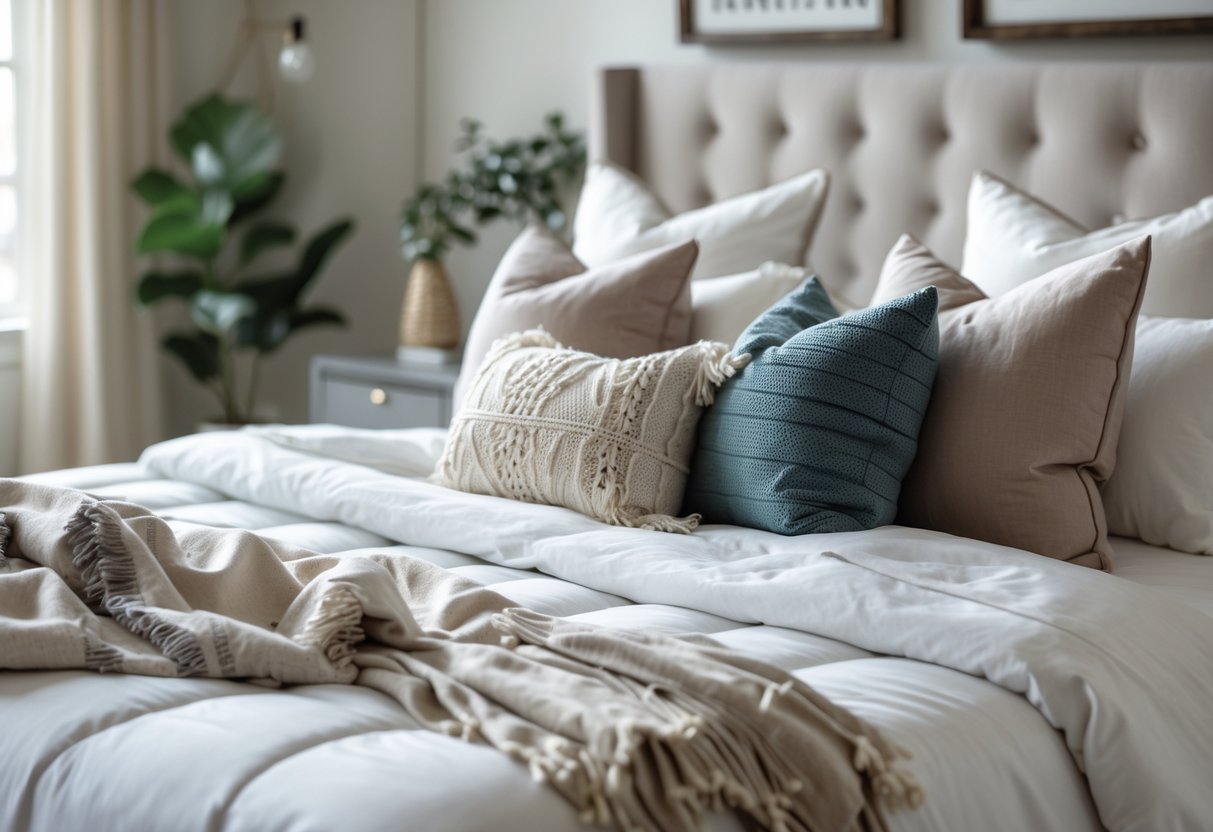
I cover pillow styling, budget decor, color choices, lighting, duvets, and headboards with clear, practical tips you can use today. Each answer gives short steps and examples so you can try them right away.
What are some easy ways to style pillows on a bed for a fresh look?
I start with two large Euro shams against the headboard for height.
Then I add two standard pillows in front, and finish with one or two smaller accent pillows or a lumbar pillow for color and texture.
Mix solid and patterned fabrics, but limit patterns to one or two pieces.
Flip pillow covers seasonally—linen in summer, velvet in winter—to change the look without buying new pillows.
Can you suggest budget-friendly decor tips for making a bed more inviting?
I use thrifted or DIY frames for a low-cost headboard that still looks custom.
Layer a simple blanket or throw at the foot of the bed to add warmth and color for under $30.
Swap pillow covers instead of whole pillows to refresh style cheaply.
Shop outlet sales for sheets and pick neutral base pieces that pair with seasonal accents.
What color schemes are popular for bedding and how do they affect mood?
I choose soft blues and greens to promote calm and better sleep.
Warm neutrals like beige and soft gray create a cozy, grounded feel.
Bright accent colors such as mustard or coral lift energy in small doses—use them on a throw or pillow.
Stick to two main colors plus one accent to keep the look balanced.
What are the best lighting options for creating a cozy bedroom atmosphere?
I use layered lighting: a central light, bedside lamps, and a soft accent light like a string or floor lamp.
Dimmable bedside lamps let me read comfortably and lower brightness for sleep.
Choose warm bulbs (2700K–3000K) to make the room feel inviting.
Add a small directional lamp if you need task lighting for reading or work.
How do you choose the right duvet or comforter for your bedroom theme?
I match fill weight to your climate—lightweight for warm rooms, medium or heavy for cooler rooms.
Pick a duvet cover that ties into your color scheme; a solid cover works well for patterned pillows.
Consider fabric feel: cotton for breathability, linen for texture, and microfiber for budget-friendly softness.
Measure your bed size and buy a duvet one size larger for a fuller look.
What are some creative headboard ideas that can transform a bedroom?
I repurpose a large framed fabric panel to make a soft, custom headboard on a budget.
Painted wood planks create a rustic look and cost less than a store-bought option.
Try a gallery of framed art or a woven tapestry hung behind the bed for instant style.
A shelf-mounted headboard lets you add plants, books, or lamps for both form and function.