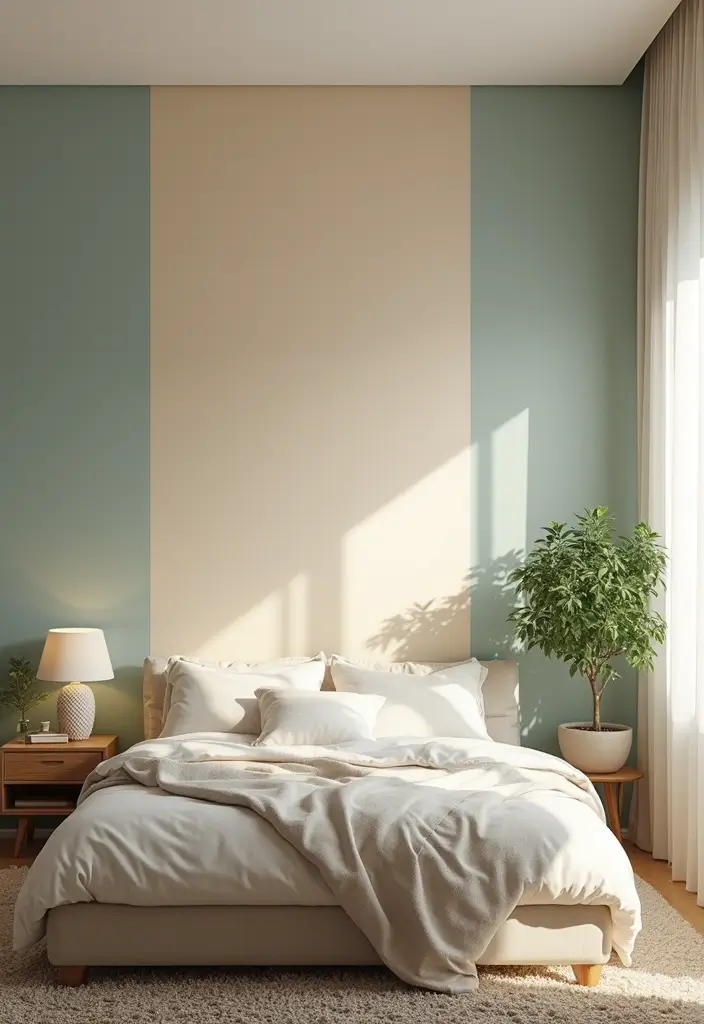
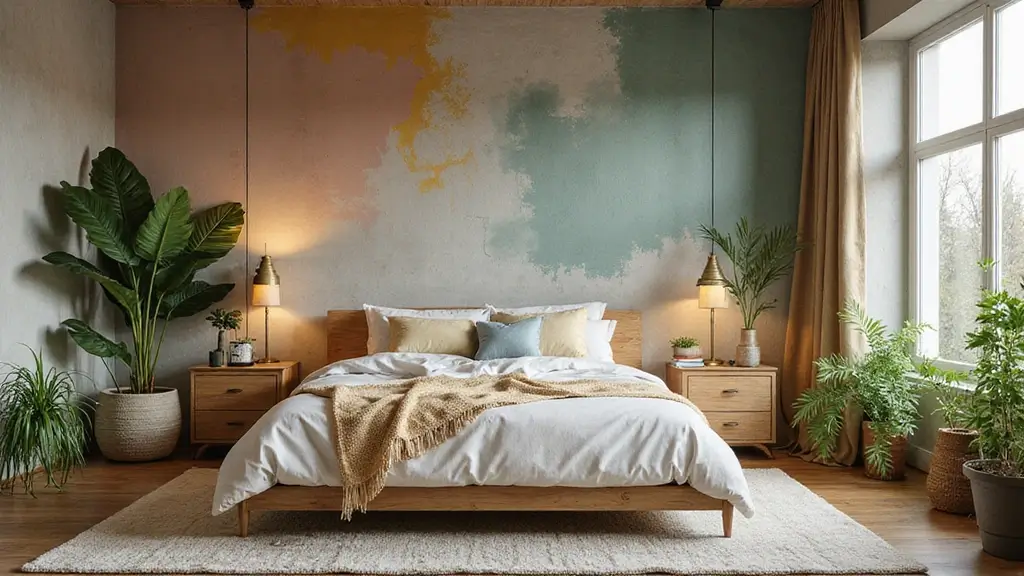

This post grew from watching people look for a simple, affordable way to refresh a bedroom. A fresh coat of paint can shift the mood in a room in minutes. I wanted to share ideas that feel doable in real homes and budgets. So here are 25 bedroom wall painting ideas that cover different styles, from soft neutrals to bold statements, with tips you can actually use.
Who is this for? If you love a cozy, personal space and care about how a room sounds and feels, this is for you. If you live in a small apartment or share a room, or you want a renter-friendly update, you’ll find ideas that work. If you enjoy DIY projects or simply want fresh color inspiration, there’s something here for you.
You’ll get ideas for color schemes, textures, and wall art that spark inspiration. You’ll see options for calm retreats, playful rooms for kids, bold focal walls, and subtle patterns. Each idea comes with practical steps like choosing paint finishes and using simple tools so you can act today.
How to start using these ideas? Begin by naming the vibe you want. Test swatches on a small patch and wait for the color to read in your light. Use painter’s tape for clean lines and think about the room’s light. If the space is dim, pick lighter tones; if the ceiling feels high, you can go a little deeper.
Be honest about limits. Not every idea fits every room, but you can mix and match to fit your space. Budget and upkeep matter, so choose finishes that wipe clean and hold up. Practical steps include buying a small sample pot and painting a 2×2 patch to test in different lights, plus keeping a simple mood board.
Ready to dive in? Take a moment to scroll and pick a few favorites. Start with one small wall or a corner and see how it changes the room vibe. This guide is meant to help you move from idea to real paint, with clear steps and lines you can follow. Tell me which idea you try first, and how it changes your bedroom.
1. Natural Earth Tones
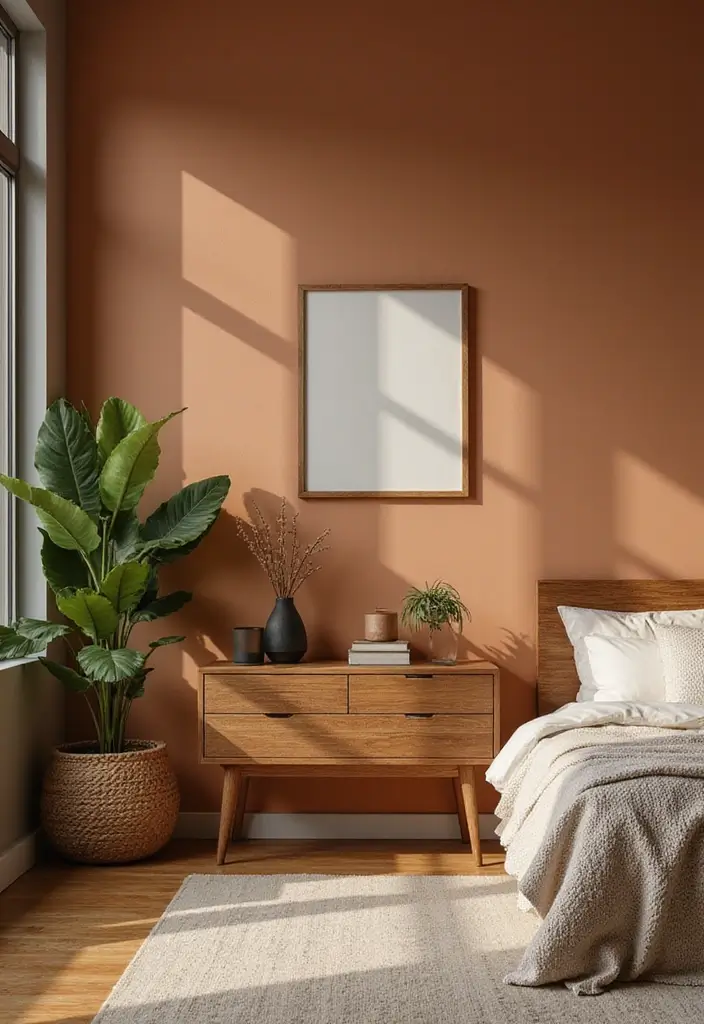
If you want a bedroom that feels calm and inviting, natural earth tones can do it. They bring warmth without shouting. Picture walls in warm browns, soft beiges, and muted greens. The result is a steady backdrop that makes wood furniture and green plants stand out. You can rest easy knowing your walls won’t demand attention, and they still look cozy.
Why Earth Tones Work:
– They blend with wooden furniture and let greenery pop in the room.
– They calm the eyes and adapt to morning and evening light.
– They hide dust and small wall flaws better than bright colors.
Here is why this color family fits right in bedrooms.
– It creates a timeless look that is easy to refresh with new textiles or art.
– It keeps the room feeling open, even if the space is small.
– It works with many lighting setups from natural sunlight to warm lamps.
Pairing with Decor:
– Use natural textiles like cotton or linen to boost the organic vibe.
– Choose soft lighting to keep the mood gentle and relaxing.
– Add a few green plants for contrast and life.
Sustainable Paint Options:
– Pick low-VOC or zero-VOC paints, or natural clay finishes.
– Go with water-based topcoats to keep smells low.
– Ask for local, low-waste options if possible.
Accent Ideas:
– Create depth with a textured sponge or rag roller technique.
– Try an accent wall that’s one shade darker for subtle focus.
– Finish with earthy rugs and woven baskets to tie the room together.
These tones also make the perfect backdrop for minimalist bedroom wall art, keeping the space clean and inviting. Here are next steps: test swatches in daylight and under lamps, then decide which shade feels right to you.
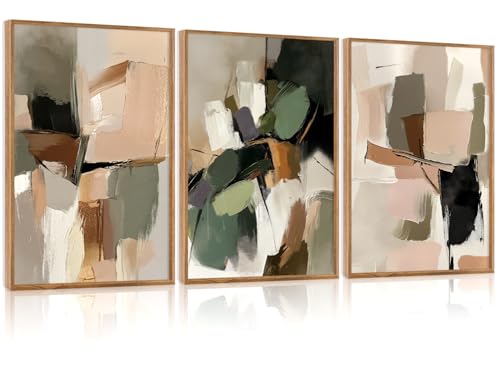
ABSTRACT TEXTURED WALL ART: Modern abstract framed canvas wall art set of 3, 12x16 inches each. Features thick impasto brushstrokes with geometric blocks in neutral earth tones. Gallery-wrapped on sturdy wooden frames, ready to hang. Perfect minimalist statement piece for contemporary interiors.

Framed Wall Art: This 57 x 28.5 inch large wall art features a brown neutral abstract design with layered flowing lines and a wide horizontal layout Finished with a black wood frame with a 1.38-inch frame thickness, it adds depth, structure, and a clean finished edge around the artwork while giving the piece a refined gallery-style presentation

【Vintage Floral Book Wall Art】Bring warmth and literary charm into your home with this elegant stacked book design. Perfect as book wall art and stylish book wall decor, this artwork blends vintage books with soft botanical elements for a cozy and timeless aesthetic.
2. Reclaimed Wood Panels
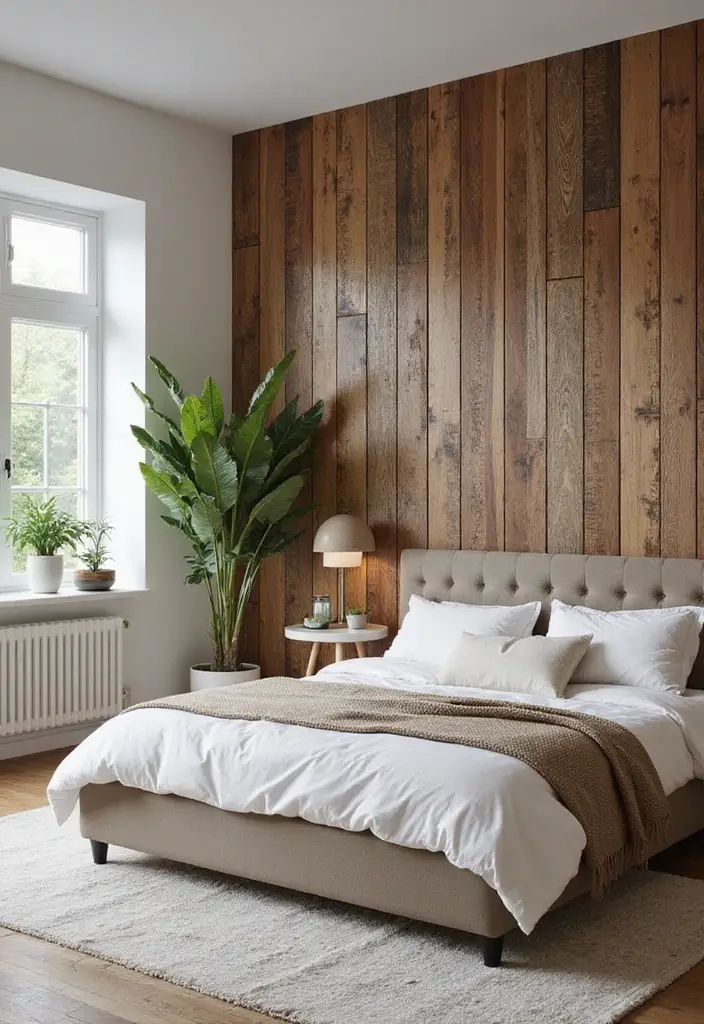
Here’s how reclaimed wood panels can solve your need for warmth and a story in your bedroom. They are an eco-friendly choice that fits many styles.
– The Appeal of Wood Panels: Each plank carries its own micro story. The texture and grain catch light differently, giving your walls depth and character.
– Installation Tips: Start with true flat walls. Let the boards acclimate in the room for a few days. Use non-toxic adhesives and treat wood to avoid pests. Seal seams to keep a clean, tight look.
– Color Combinations: Soft whites or pastel shades let the grain pop. For contrast, add warm neutrals, charcoal accents, or a bold black frame around your art.
– Maintenance: Wipe with a soft cloth. Apply a natural wood conditioner every year or two to keep color even and wood supple.
This backdrop creates a warm, inviting space. It acts as a natural stage for your favorite bedroom wall art, photos, or a bold focal piece. It’s more than decoration; it carries a quiet story you live with daily. You can do it in a weekend with a little planning.
Reclaimed wood panels are more than just decor; they bring warmth and a story to your space. Embrace the unique textures and grains that make your bedroom wall painting ideas creativity design truly one-of-a-kind!

Abstract framed wall art:Abstract framed wall art features a modern reading woman design with bold colors and artistic details, creating an elegant decorative accent for your home.

UNIQUE PEACOCK WALL ART FOR ROOM DECORATION: These Peacock Feather Pictures adding Blue and Green colours to your home décor. Whether you want to put them in your living room, office, kitchen, hallway, or near the TV, they will complement your space with a subtle sense of art and joy.

VIBRANT GAMING ART: Three coordinated panels feature colorful game controllers and a bold headset against dark backgrounds with energetic paint splashes. The triptych brings modern gamer room decor to bedrooms, offices, lounges, and play spaces too.
3. Nature-Inspired Murals
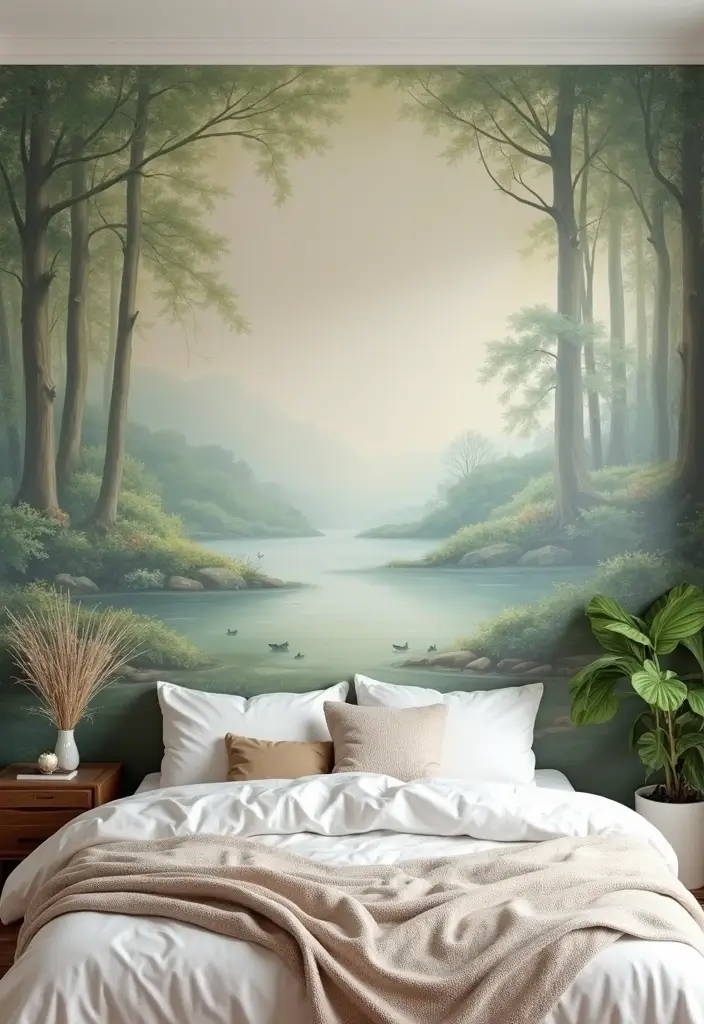
If you want a bedroom that feels calm and alive, nature murals can help. They bring the outdoors in without crowding the room. This section shows you how to plan, apply, and enjoy a wall that inspires rest and creativity.
Here is why you should try it.
– Bright imagery: Pick a scene that fits your mood for you. Delicate florals, a soft forest, or a quiet horizon work well. Use colors that won’t overpower the space. Keep the palette simple and soothing.
– DIY tips: Use eco-friendly paints with low VOC. You can map shapes with stencils or a projector for clean edges. Prime the wall, sketch the design, and paint in layers. Start with large blocks, then add leaves, petals, and fine details. Let each layer dry before the next.
– Placement ideas: Make one wall the feature wall and keep the rest neutral. If the room is small, a shorter scene on a side wall can still feel expansive. Use lighting to highlight the mural at night.
– Texture and depth: Add depth with subtle shading. Use a sponge or dry brush for texture. A lighter wash toward the top can mimic natural light. These small tricks keep the mural from looking flat.
A nature mural becomes a daily piece of art that helps you breathe and dream.
Next steps: measure, choose a motif, pick paints, and set a gentle timeline. Check sun exposure and be ready to refresh after a few years if needed.
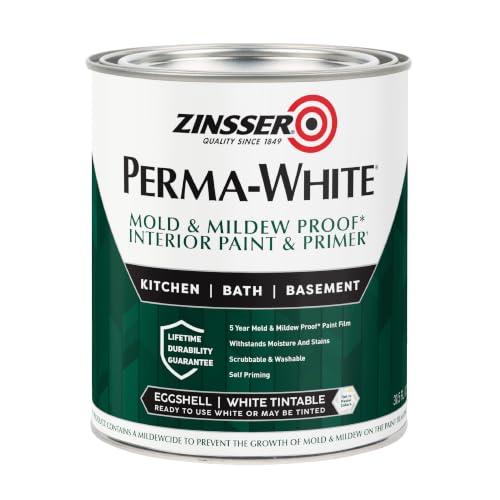
Self-Priming formula - requires no sanding

STRONG HOLD. CLEAN REMOVAL - Finally, a tape that doesn’t wreck your walls. TOOLTROOPERS Double-Sided Mounting Tape is built with a wall-safe formula that holds firm and removes clean from painted drywall when used as directed - no peeling, no sticky mess, no stress.

CRAYOLA WASHABLE PROJECT PAINT: Washable paint in 6 bold colors including Yellow, Green, Yellow Orange, Red Orange, Fuchsia, Teal, and Blue Violet.
4. Chalkboard Paint Fun
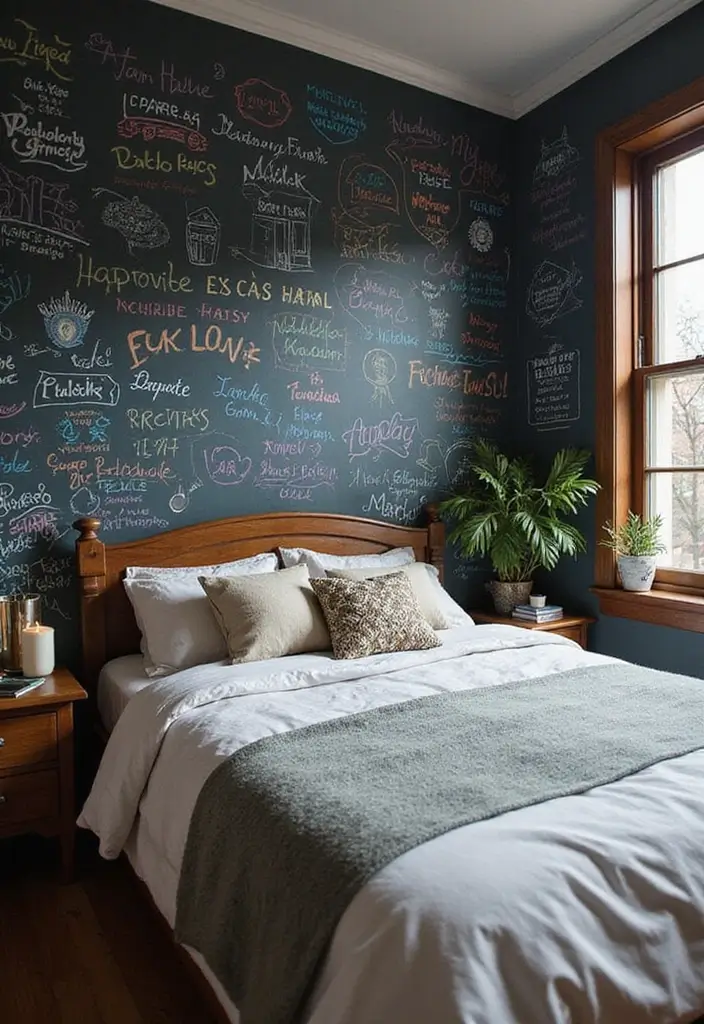
Feeling stuck with a plain wall you live with every day? Chalkboard paint can fix that. It turns a boring bedroom spot into a practical canvas you can use daily. Here is why it works for you.
– What you need: non-toxic chalkboard paint (water-based works best), a primer if your wall is glossy, a foam roller, painter’s tape, chalk, and a soft eraser. Keep a small tray handy for chalk changes.
– How to do it: clean the wall first. Let it dry completely. If the wall is shiny, put on a light primer coat. Then apply two coats of chalkboard paint. Let each coat dry. A third coat may be needed for a solid surface. Finish with a light top coat if you want easier cleaning later.
– Practical uses: jot down reminders, a daily quote, or a simple to-do list. You can draw a small calendar, keep track of goals, or scribble ideas when inspiration hits. It’s a space that invites you to brainstorm.
– A neat trick: try an ombre chalkboard look. Paint two chalkboard colors in sections and blend the edge with a sponge while it’s wet. It adds depth without losing the chalkboard feel.
– Maintenance and limits: ghosting can happen after heavy use. Wipe with a damp cloth to refresh. If the paint wears, a quick touch-up coat brings it back. Don’t expect perfection on a high-traffic wall.
Next steps: pick a wall, gather supplies, and start with a small patch to test the feel. You’ll gain a handy spot for notes and a creative corner all in one.

55 Yards Per Roll — Prep More with Fewer Stops: Each roll of blue painters tape delivers 55 yards of continuous coverage — ideal for multi-room painting, long trim lines and larger DIY renovations, helping you paint more before needing a new roll

FOR MULTI-SURFACE USE: Frog Tape 2 inch wide paint tape with medium adhesion is ideal for a variety of surfaces such as cured painted walls, baseboards and trim, glass, carpet and metal

Professional Mask Tape - Multi-Surface adhesive tape made of high quality blue crepe paper not easy to lift or curl, has sunlight, UV, heat, moisture resistant, sturdy to use. So, blue tape painters tape is very much suitable for indoor and outdoor, office, home decoration, classroom. And, its paper use environment friendly material, harmless to human body, using blue paint tape can reduce the natural burden. Excellent blue masking tape for packaging, closing, and light duty masking and sealing.
5. Ombre Effect Bliss
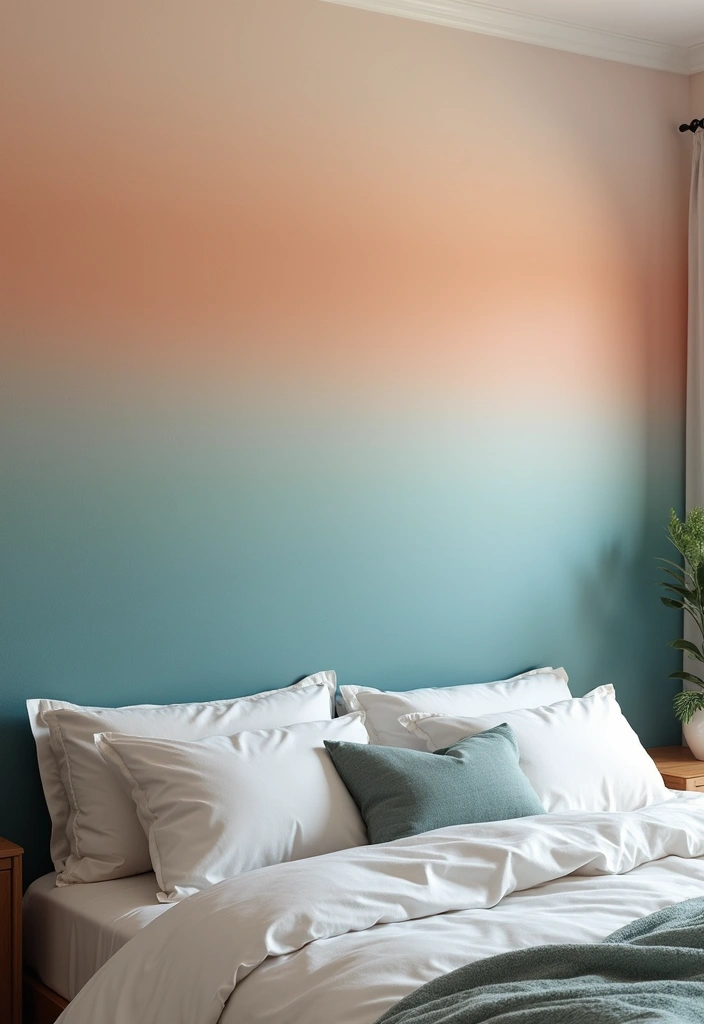
Looking for a bedroom wall that feels calm and stylish? Ombre walls give a smooth gradient that adds depth without shouting. The look works with any color you love and keeps the room serene.
Create Depth: A light-to-dark fade draws the eye and can make a small room feel larger.
– DIY Techniques: Use a regular brush for a soft blend or a sponge for subtle texture. Tape off sections for sharper transitions.
– Choosing Colors: Pick one main shade and two lighter or darker relatives. If light is scarce, choose lighter tones to keep brightness.
– Best Combinations: Soft blues fading to navy echo a clear sky at dusk. Warm tones like peach to terracotta create a sunrise mood. Cool greens fading to emerald feel calm and fresh.
Ombre walls work as a gentle backdrop for light bedding and simple decor, helping them stand out.
Here is why it fits your space: it adapts to many styles, and you can make it bold or subtle.
Next steps: prime the wall, apply a base coat, then blend your shades from light to dark. Use two coats for even color. Finish with a clear seal if you want more durability.
PROTECT WOOD SURFACES – Minwax Polycrylic Protective Finish protects and adds beauty to your interior wood projects, including woodwork, furniture, doors and cabinets. The clear top coat protects against scratches, spills, dirt and more.

PROTECT WOOD SURFACES – Minwax Polycrylic Protective Finish protects and adds beauty to your interior wood projects, including woodwork, furniture, doors and cabinets. The clear top coat protects against scratches, spills, dirt and more.

Use for a variety of indoor and outdoor project surfaces including wood, metal, plaster, masonry or unglazed ceramic
6. Botanical Prints
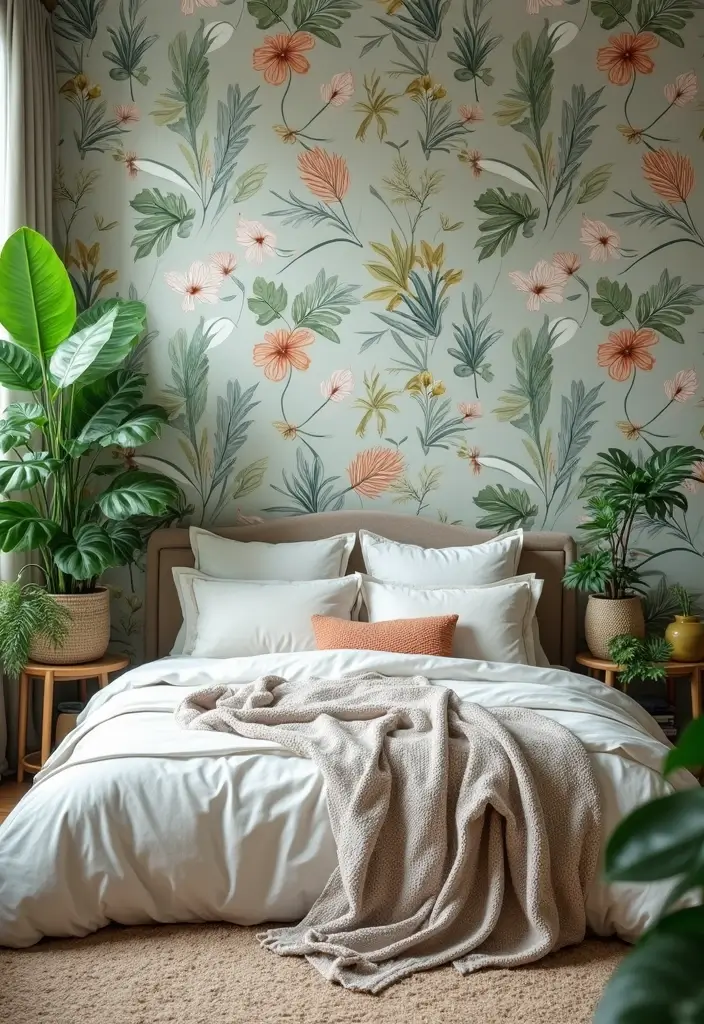
Here is why botanical prints fit your bedroom. You want a quick, affordable refresh that feels natural. These prints give you color, texture, and a clean focal point without a big redo.
– Application Tips: Use removable stencils or peel-and-stick wallpaper. They let you swap styles later and won’t harm walls. If you prefer art, choose a fabric panel or canvas with a leafy pattern you can rotate.
– Decor Pairing: Add real green plants to pull color from the prints. Plants bring life, texture, and a touch of scent. Keep furniture simple so the artwork stays the star.
– Choosing Shades: Bright greens and yellows add energy. Muted greens, olive, or warm taupe bring calm. Mix a bold print with quiet accents for balance.
Here is why this approach works: botanicals wake a room while staying calm and inviting.
– Sustainability Angle: Pick inks and papers with lower environmental impact when you can. A single well-chosen print can reduce clutter and the need for extra decor.
Next steps: decide where the wall can breathe. Choose scale: one large piece or a small gallery of prints. Check light; sun can brighten greens so you see true color.
This wall option is fast to swap as your style shifts. Give it a try this weekend.

Track Your Travels Across the USA – This earth tone USA map with pins doubles as stylish wall décor and an interactive travel tracker. Mark states you’ve visited and plan future road trips while creating a visual story of your journey.

Book Wall Art:This charming print features a stack of vintage books adorned with intricate botanical floral patterns, blending literature and nature.

Boho Wildflower Wall Art: This 3-piece AUUAUU wall art set features delicate watercolor wildflower and botanical designs, with soft earthy tones and organic brushstrokes. It creates a warm, serene focal point for boho and modern home decor, instantly elevating any blank wall with timeless natural charm.
7. Mixed Media Art
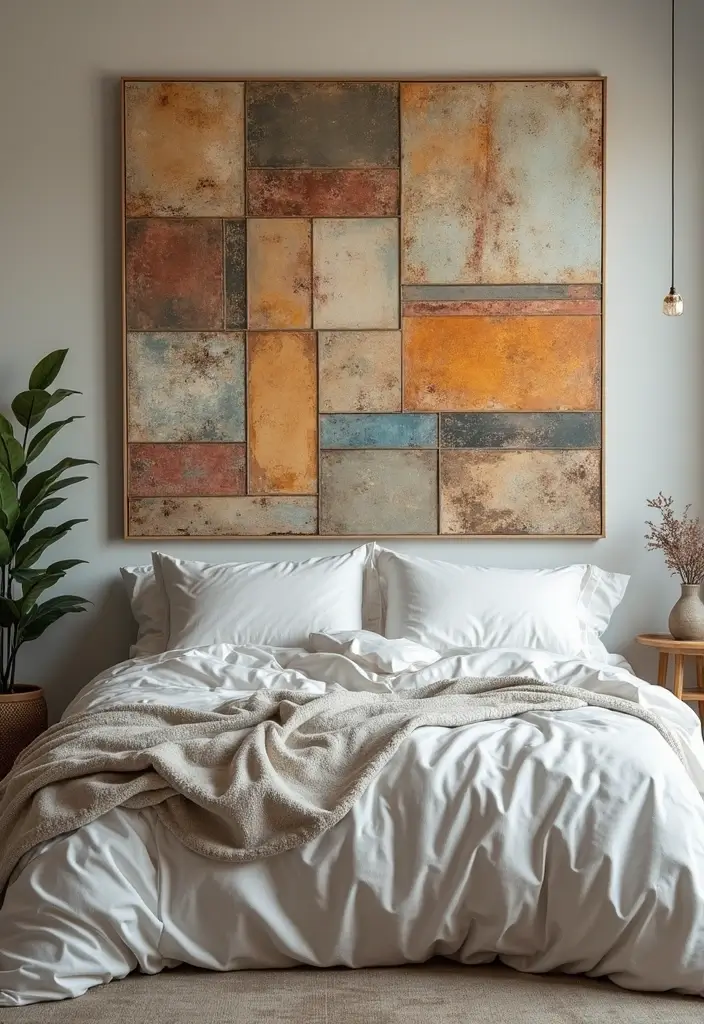
Your bedroom should feel like you. Mixed media wall art helps you show that. This style blends paint, fabric, and found items. It adds texture and depth. It is simple to start with a small piece on a wall.
– Express Yourself: Tell a tiny story with color and texture that fits your mood. Try using two or three colors that match your room. Add a small texture, like a stitched patch or crinkled paper, to give it life.
– Inspiration Sources: Look around you for ideas. Nature, trips, or a memory can guide your design. Keep a small notebook or phone note for quick ideas. A saved photo of a texture or color helps you stay on track.
– Layering Techniques: Start with a base of paint. Let it dry. Then add fabric, paper, or strings for depth. Press layers gently to secure them. You can mix glossy and matte surfaces for more contrast.
– Sustainable Materials: Use leftover paints and scraps. Add old cards or magazines to create interesting edges. This cuts waste and gives you a unique piece that tells your story.
Here is why this works. Texture keeps the wall from looking flat. You feel proud every time you pass. Next steps: gather a few safe, light materials and try a 12 by 12 inch sample on your wall.
– Step 1: Pick a color mood
– Step 2: Collect light, easy materials
– Step 3: Create on a cardboard base
– Step 4: Attach with removable adhesive
Your room becomes a tiny gallery you enjoy daily.

【It Feels So Good To Be Home Wall Art】This It Feels So Good To Be Home Wall Art is inspired by classic vintage postcards, blending nostalgic charm with modern aesthetics. Perfect as vintage poster wall art, it adds warmth and personality to your home while fitting seamlessly into vintage posters for room aesthetic and vintage art prints collections.

Vintage Aesthetic: These trendy posters feature a vintage and retro design, adding a touch of nostalgia and style to any living room, bedroom, or dorm.

【Trendy Red Leopard Room Decor】This Trendy Leopard Wall Art Set of 3 blends bold cheetah room decor style with funky red and cheetah room decor vibes, creating the perfect accent for a preppy room, apartment, or dorm. Featuring striking cheetah wall decor and leopard print decor details, these prints bring a fashionable statement to any cheetah print bedroom decor or leopard room decor space.
8. Geometric Designs
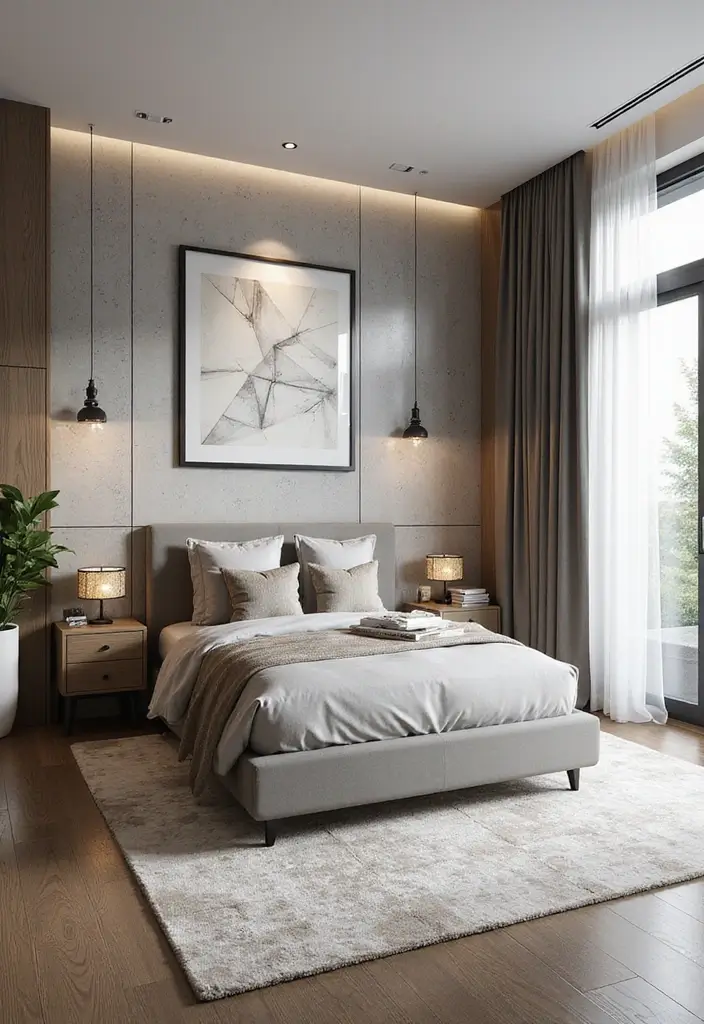
Geometric designs bring a clean, modern look to your bedroom. They create lines and shapes that guide the eye and make the space feel bigger. You can go sharp with straight lines or soft with curves. Start with your mood and style in mind.
What you gain
– It adds depth. Geometric patterns push the eye back and open up the room.
– It fits many styles. You can tweak shapes and colors for a calm or bold vibe.
How to apply
– Paint application: Tape helps you get clean lines. Press it down. Paint slowly with steady strokes. Remove tape while the paint is just a bit damp for crisp edges.
– Color pairings: Bold colors make a statement. Pastels create a light, airy feel. Pair one bold hue with neutrals for balance.
– Accent wall: Put geometry on one wall. Let the other walls stay simple. The geometric wall becomes the focal point.
Tips for success
– Scale matters. Big shapes work in large rooms. Tiny patterns fit tight spaces.
– Keep it simple. Use one or two shapes repeated across the wall.
– Finish matters. A matte or eggshell look keeps the lines smooth and modern.
If you try geometric designs, you get a fresh, current mood without clutter. It’s an easy way to refresh your bedroom decor.

【Safe & Non-Toxic】 Made of high-quality paint material, it can be in direct contact with the skin, conforms to ASTM D-4236 standard, non-toxic, environmentally friendly, safe for both children and adults. NOTE: Do not swallow, small parts choking hazard.
![Crayola Washable Kids Paint Set (12ct), School Supplies for Kids, Classic and Glitter Paint, Classroom Essentials, Toddler Painting Kit, Ages 3+ [Amazon Exclusive]](https://m.media-amazon.com/images/I/51KPJWkf12L._SL500_.jpg)
CRAYOLA PAINT SET FOR KIDS: This Amazon Exclusive collection features Crayola Washable Paint for kids in 6 Classic Colors and 6 Glitter Paint Colors.

*ULTIMATE STARTER SET: This Rainbow Pack is the ultimate starter paint set for classrooms and home art projects! This vibrant set includes Red, Orange, Yellow, Green, Blue, Purple, Black and White, 16oz each. Everything you need to unleash creativity.
9. Pastel Dreams
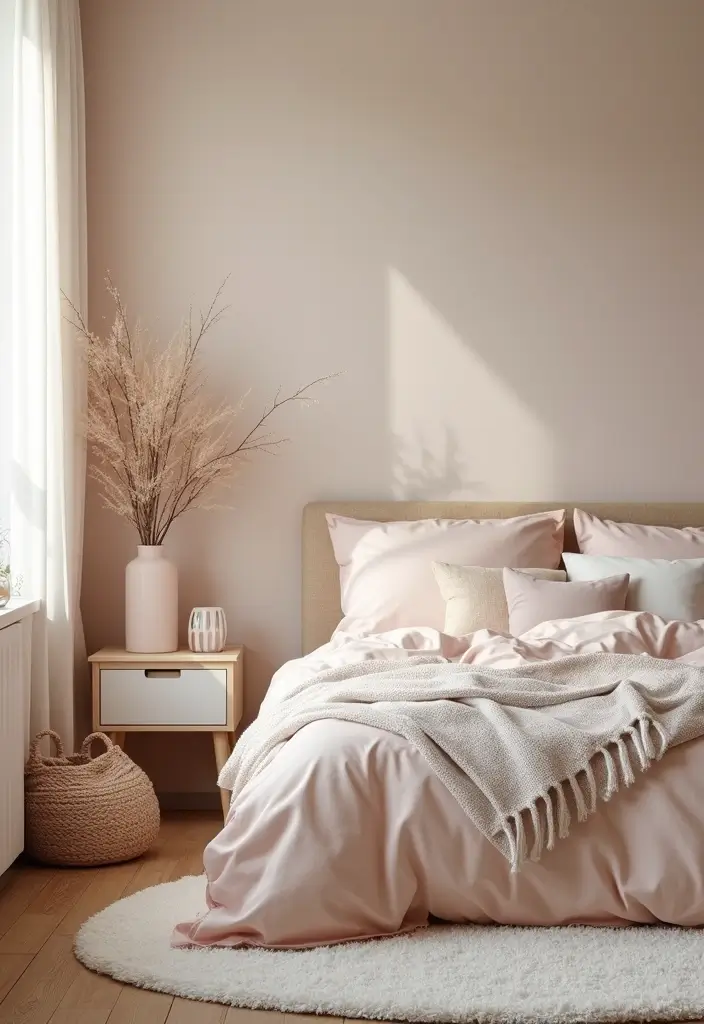
Pastel walls can turn your bedroom into a calm, dream-like retreat. Soft pinks, blues, and mint greens wash the room in gentle light. You’ll feel more relaxed the moment you walk in.
– Color combinations: You pair pastel walls with white furniture for a clean, airy feel. Add a dark accent like a navy bed frame to create contrast and focus for you.
– Layering techniques: Use a mild sponge to blend two or three pastel shades on your wall. Dab in circular motions to soften edges on your wall. If you want more depth, add a warmer shade in small areas like corners or trim.
– Accents and art: Choose bold artwork to wake up the calm in your room. Add textiles in pink, blue, or mint to bring energy without clashing. A light rug helps tie your colors together.
– Lighting and mood: Soft lighting lets pastel tones breathe. A warm bulb and a dimmer make evenings feel cozy. Keep blinds light to let in natural glow.
– Practical steps to try: Start with a color swatch on poster board. Paint a small test patch on the wall. Observe for a day before painting the whole wall.
– Care and limits: Pastels can fade in strong sun. Use curtains to protect color and keep the room fresh. Clean walls with a soft cloth, not harsh cleaners.
Next steps: pick two soft shades, gather white pieces, and plan one wall to test.

MULTI-SURFACE TAPE: This blue tape is ideal for a variety of surfaces including painted walls, trim, glass, wood and metal

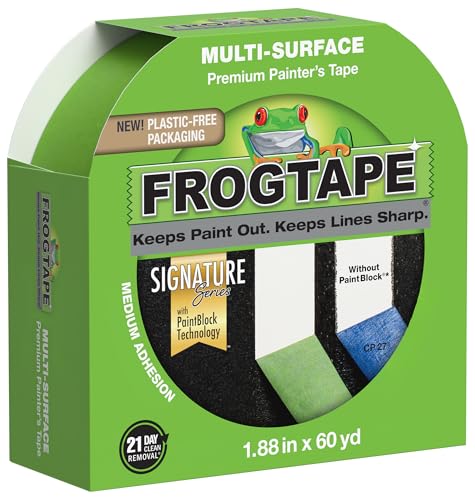
FOR MULTI-SURFACE USE: Frog Tape 2 inch wide paint tape with medium adhesion is ideal for a variety of surfaces such as cured painted walls, baseboards and trim, glass, carpet and metal
10. Striking Accent Walls
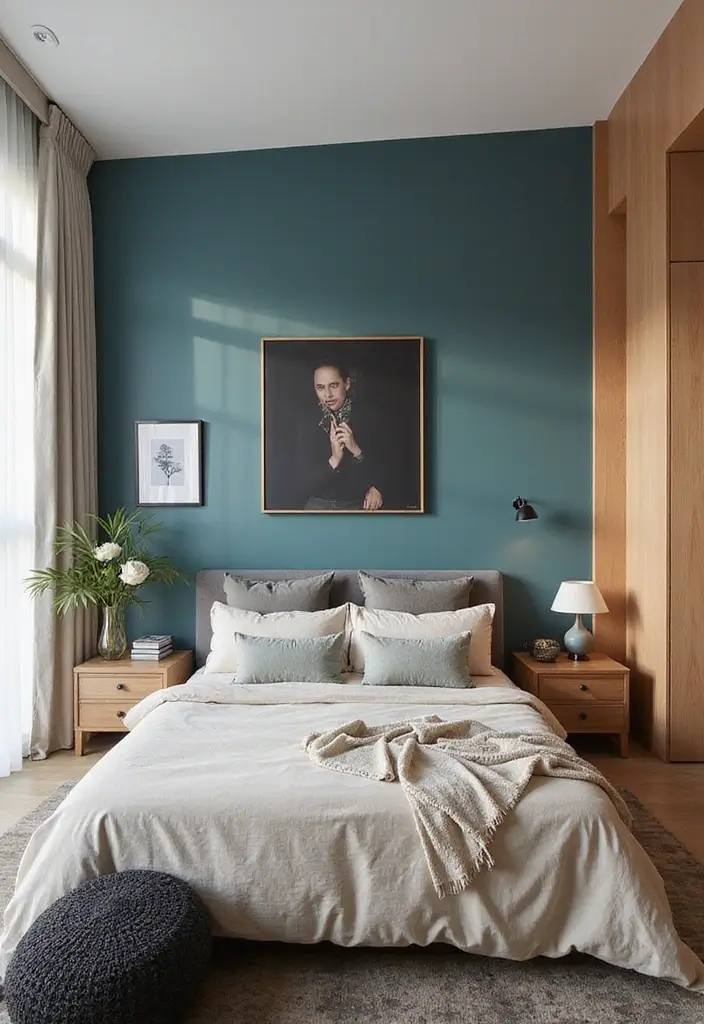
You want a bedroom that feels bold without a big redo. An accent wall can do that. It creates a clear focal point and sets the room’s mood.
Here is how it works.
– Choosing the Right Wall: Pick the wall you notice first when you walk in, or the one behind your bed for a strong center of focus.
– Color Choices: Go with deep blues, rich greens, or warm terracotta to draw the eye and add warmth. A matte or satin finish keeps light soft instead of shiny.
– Patterns and Techniques: Try color blocking, clean stripes, or a simple geometric pattern for texture without chaos. Keep lines straight with careful measuring and painter’s tape.
– Decor Ideas: Add a mirror to bounce light, a few framed pieces, or a slim light above the bed to make the wall glow at night.
– Practical Tips: Test color chips on a small patch first and watch how they look in morning and evening light. If you love it, paint the full wall and keep the rest of the room in calm neutrals.
Next steps: choose one wall, gather swatches, and plan your pattern or solid color. This keeps the project simple and the room balanced.

PROTECT WOOD SURFACES – Minwax Polycrylic Protective Finish protects and adds beauty to your interior wood projects, including woodwork, furniture, doors and cabinets. The clear top coat protects against scratches, spills, dirt and more.

Specially formulated to help preserve and enhance your paint projects

Ultra Premium Paint and Primer In One - Formulated for Superior Hide and Coverage
11. Textured Walls
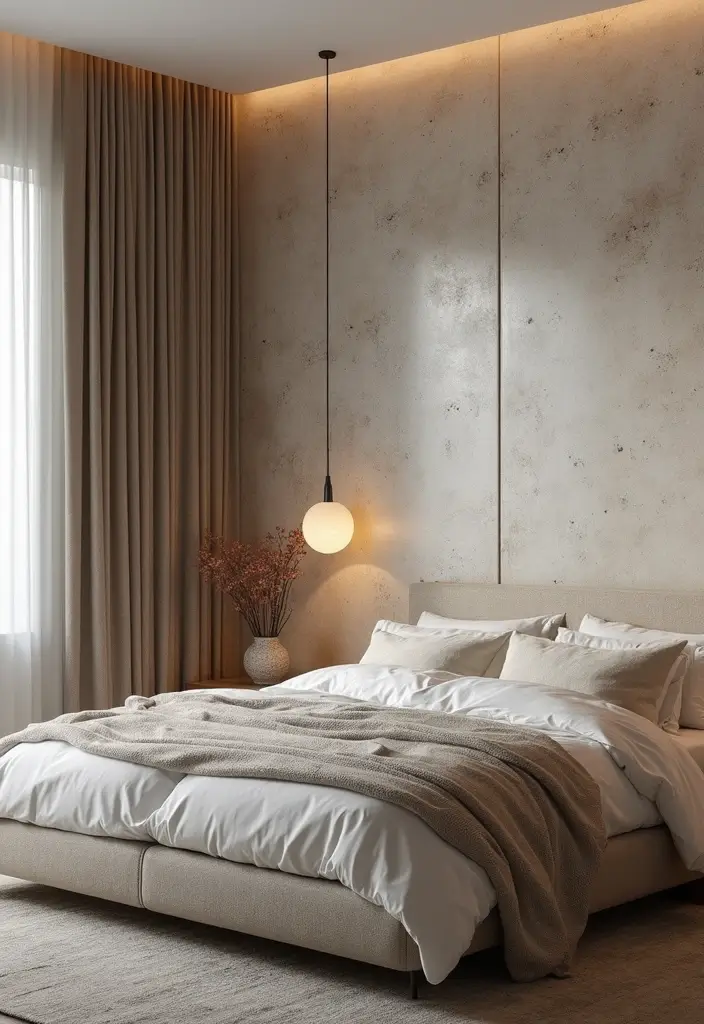
If you want bedroom walls that feel warm and alive, textured walls are a smart choice. Texture adds depth by catching light in different ways and invites your fingers to explore. Here is why this approach helps a small room feel bigger and cozier. You can keep it simple or add bold edges, and the room stays easy to clean.
Here is how to pull it off.
– Techniques to try: sponge painting for soft patches, rag rolling for irregular swirls, or stucco for a rugged, tactile finish.
– Color enhancement: choose a mono color scheme and use lighter and darker shades to make the texture pop.
– Sustainable choices: pick natural materials like clay or lime plaster for a durable, eco friendly wall.
Textured walls can become an art piece in your space. They create shadows and lines that change with the time of day, adding mood and depth.
Next steps: test a small patch first. Paint a square on the wall, try a technique, and compare results. If you like it, roll it out to a larger area.
12. Light and Dark Contrast
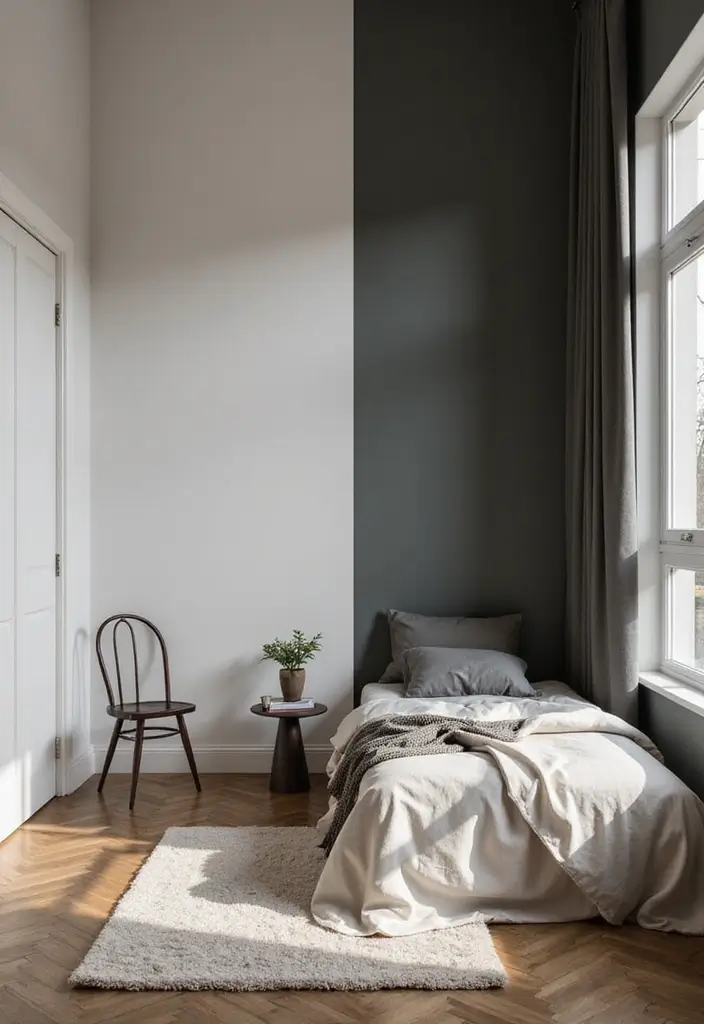
Your goal is a bedroom wall that feels stylish without shouting. Light and dark contrast can do that. It adds depth and makes your furniture pop.
Balancing Act: Contrast works best with a clear plan. Start with a calm base color and add a second shade for impact. Keep the bold color smaller so the room stays soothing.
– Color pairings to consider: Light greys with deep charcoals. Soft whites with navy. Warm taupe with black accents.
– Techniques: Horizontal stripes for a modern lift. Color blocks for a clean, graphic look.
– Accessorizing: Keep decor simple. Let the wall do the talking. Add one metallic touch or a natural texture to finish the look.
This method lets you play with light and shade, giving the room a quiet drama and the walls a story.
Here is why it matters: contrast shapes how you feel in the room. It also guides your eye to the most important parts, like the bed and artwork.
Next steps: choose a palette, test on a small patch, and plan your stripe or block layout with painter’s tape. Pick a matte or eggshell finish for a soft, true look. Use lighting so the contrast reads clearly.
13. Upcycled Materials
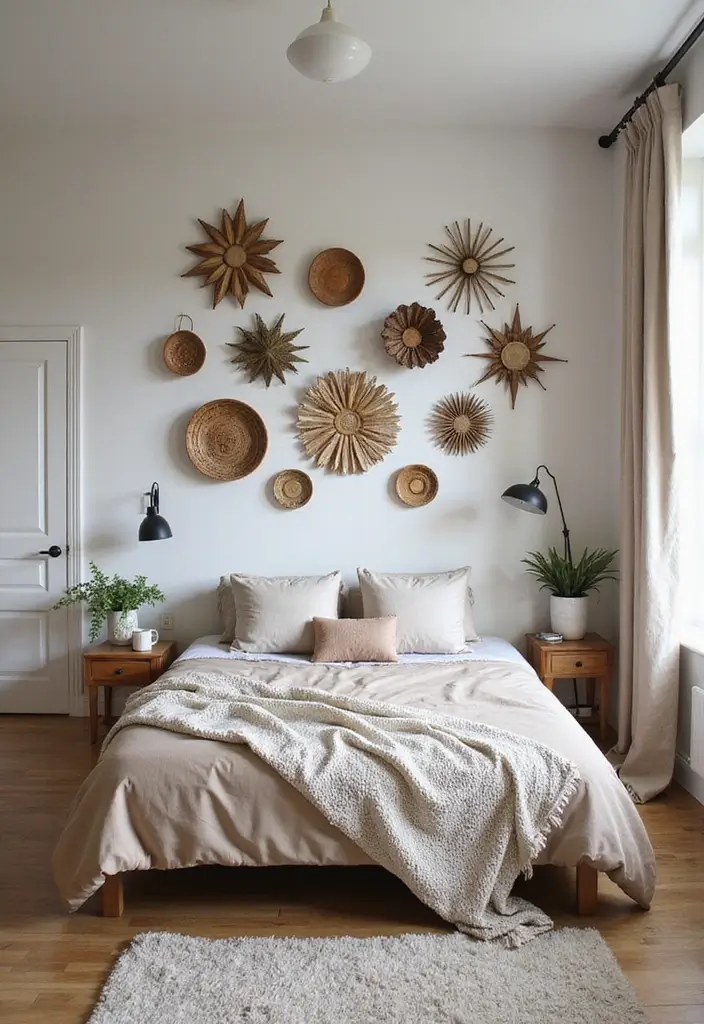
Looking for a wall that feels personal and planet-friendly? Upcycled materials can give your bedroom real character. Upcycling can spark new ideas and save money.
– What to Use: Turn old doors or windows into art pieces. Let reclaimed wood become shelving or a decorative panel wall. Add metal scraps or vintage frames for a mixed-media look.
– DIY Projects: Create a collage by layering textures like wood, fabric, and paper. Make a patchwork wall hanging that tells your story.
– Color Integrations: Pick colors that echo your bedding and rug. Keep finishes simple so every piece reads as part of one story.
Next steps:
– Scout thrift shops, flea markets, and curbside finds for sturdy items.
– Clean, sand, and seal wood; wipe metal to remove rust.
– Lay out pieces on the floor first, then mount with proper hardware.
– Start small with a single feature wall before expanding.
Common Pitfalls:
– Avoid crowding the wall; limit to 3-5 focal pieces.
– Weight matters; heavy items need sturdy anchors.
– Mix styles carefully; let one big piece guide the look.
Maintenance tips:
– Dust weekly with a soft cloth.
– Refresh finishes every few years to protect wood and paint.
A quick note: some items may need extra prep or weight support. If a piece feels fragile, use lighter materials or frame it as art rather than a full wall panel.
14. Faux Finishes
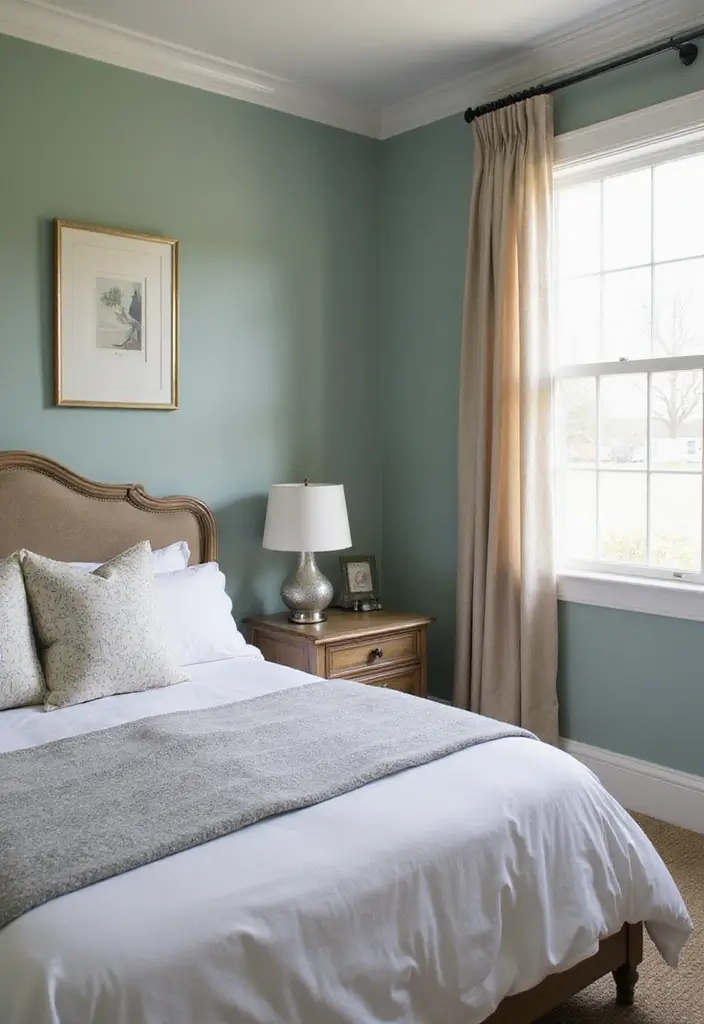
Need a rich wall look without a big price tag? Faux finishes deliver depth and texture, mimicking marble, concrete, or plaster. You get upscale vibes with less waste and lower cost.
– What faux finishes do They add depth and texture to walls. They make a plain room feel more upscale.
– Popular techniques Sponging dab colors with a damp sponge to create soft veining. Rag rolling leaves irregular color patches that shift with light. Light brush strokes mimic plaster lines.
– Eco-friendly options Eco options mean low-VOC paints and water-based top coats to cut fumes. If possible, natural plaster or limewash adds a greener touch.
– How to apply Start with a calm base. Practice on cardboard first. Apply in light layers and let each dry before the next.
– Decor tips Let the wall stand out by keeping furniture simple. Use neutral textiles and clean lines to support the finish. Let the wall be the star.
– Care and longevity Seal with a clear top coat to protect the finish. Clean gently with a soft cloth and mild soap.
– Next steps Test a patch first and check lighting at different times of day. Then decide if you want a full wall or just an accent panel.
Take your time and you will see a bold, refined look.
15. Color Blocking
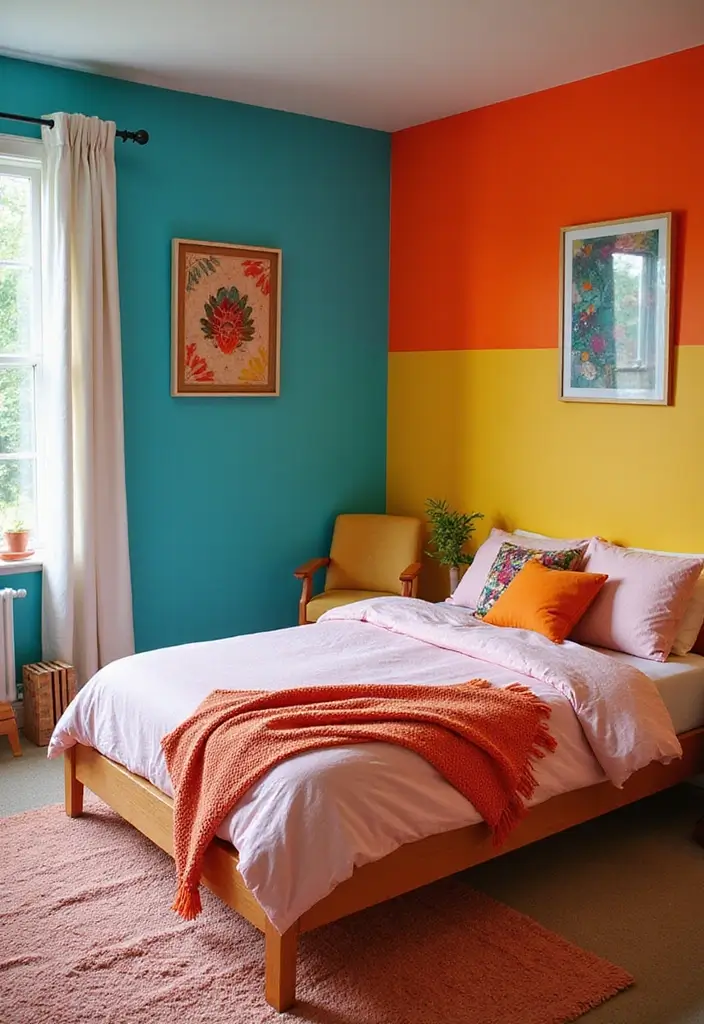
Color blocking lets you add bold color to your bedroom in a simple, controlled way. You pick color blocks that fit your space and mood. It brings energy without making the room loud.
Here is why this method works. It gives you room to show your style while keeping a clean look. You can change the feel later by swapping colors or a wall.
Creative Freedom: You can mix hues that match your personality. Use two to three colors for balance, not chaos.
– Choosing Colors: Pick colors that either hug or contrast with your furniture. For a lively look, choose complementary or high-contrast pairs. For a calmer vibe, use lighter tones.
– Design Ideas: Tape is your friend. Make simple geometric shapes, like a stripe, a chevron, or a set of squares on one wall. Start with a plan, then tape the edges tight for sharp lines.
– Accessories: Let the walls do the talking. Keep bedding, art, and lamps simple so the color blocks stand out.
Next steps: measure your wall, pick your colors, then set up the tape and paint. Peel the tape carefully when the paint is dry. You’ll end up with a bold wall that still feels cozy.
Give it a try.
16. Watercolor Walls
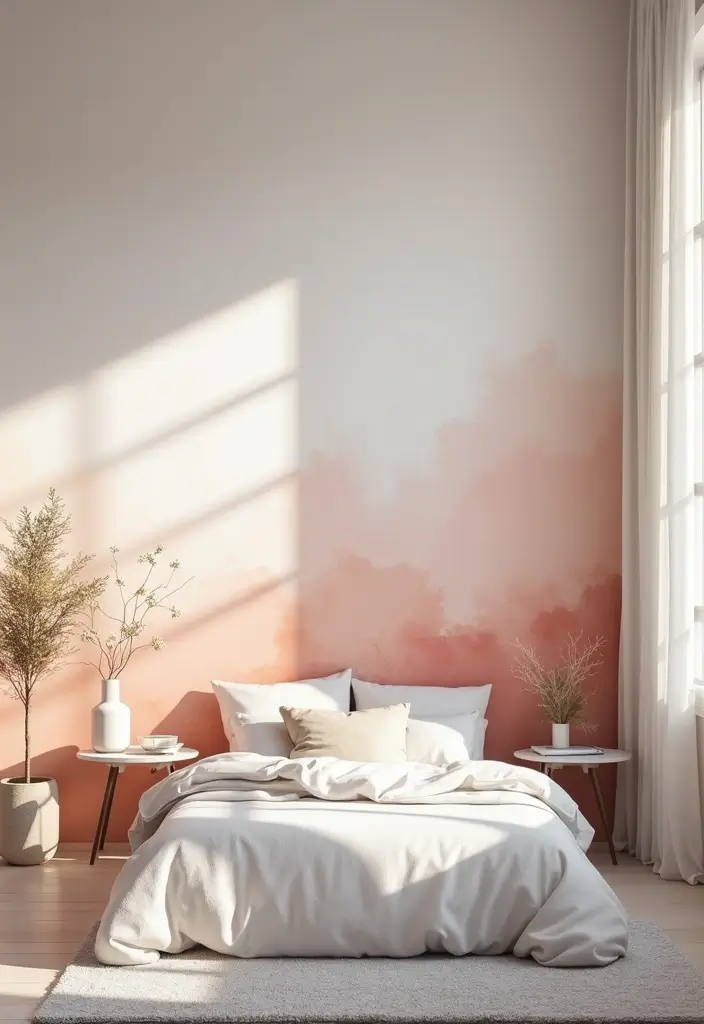
You want a calm bedroom wall that feels like art but stays easy to live with. Watercolor walls give a soft, flowing look that reads like a painting. Here is why this style works in a bedroom. It creates a gentle backdrop that supports sleep. Colors blend, not clash, with your bedding. Soft edges help hide small wall flaws. Two to four colors of diluted wall paint or watercolor paints are enough. A wide brush, a damp sponge, water, tape, and drop cloths are handy. A matte top coat can add washability. Let’s break it down: DIY steps.
Prep and base
– Prep the wall: clean it, fix dents, and prime if needed.
– Lay a light color wash as the base.
Build the wash
– Apply color in loose patches with a damp sponge.
– Blend edges so colors melt together.
– Let each layer dry before adding more.
Style ideas
– Try soft blues with cream or pale greens.
– Pair with sheer curtains and light wood furniture.
– Keep other decor simple so the wash stays the star.
Care and limits
– Test on a patch first.
– Use gentle cleaning to avoid lifting the color.
– Expect touch-ups over time; this look is art, not a factory finish.
Next steps: pick two colors and try a patch on a wall to test the flow.
Transform your bedroom with watercolor walls! They create a soothing sanctuary that enhances sleep and blends beautifully with your decor. Embrace creativity and let your walls tell a calming story!
17. Seasonal Themes
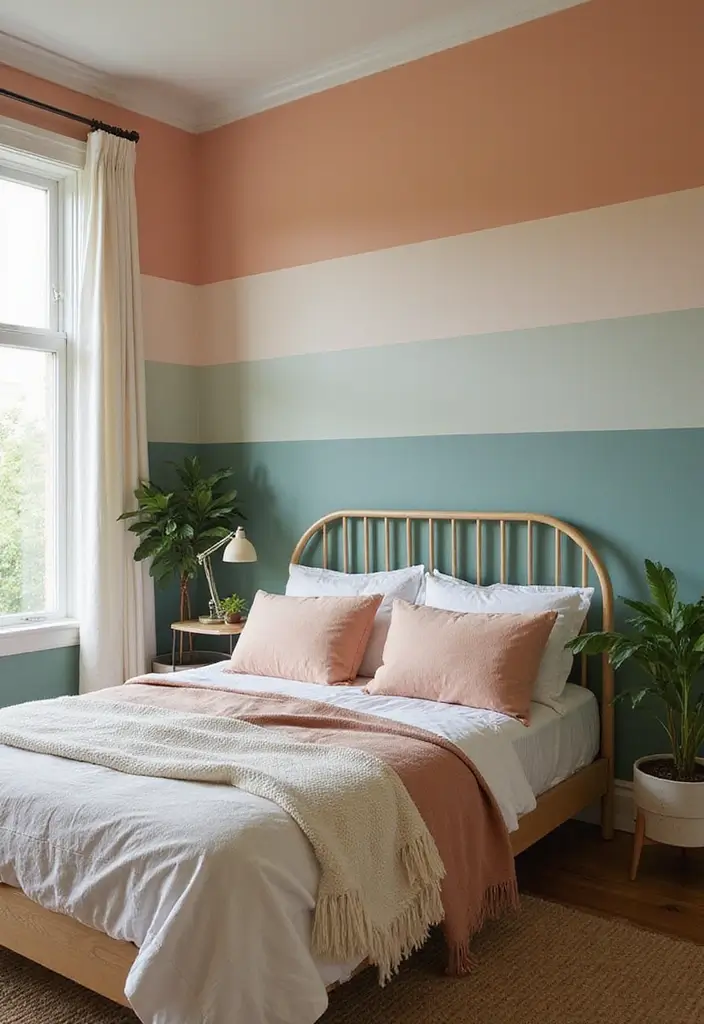
Seasonal Themes
If you want your bedroom to feel new without a full redo, try painting walls to match the season. It’s a simple switch with a big payoff.
Why this works Color changes set the mood. They bring back memories and prepare your space for a new vibe.
– Spring: soft pastels like pale pink, mint, or light yellow.
– Use one wall as an accent to keep the room balanced.
– Summer: bright shades such as sky blue, coral, or sunny lime.
– Pair with neutral furniture to avoid glare.
– Fall: warm earth tones like ochre, terracotta, or olive.
– Add texture with throws and pillows.
– Winter: cool blues, slate gray, or ivory.
– Team with white linens for a calm feel.
Practical tips Choose paints that are removable or low-VOC. Test color swatches on a small patch and view them in morning and evening light. Pick a satin or matte finish for easy cleaning.
Make it work with your decor Let the wall color guide your accents. Swap bedding, curtains, and art to fit the season. Small changes create a fresh look without a big cost.
Next steps: pick a season, choose a palette, and plan a painting session. You’ll enjoy a room that feels new every few months.
Try it soon and watch the room shift.
18. Ombre Stripes
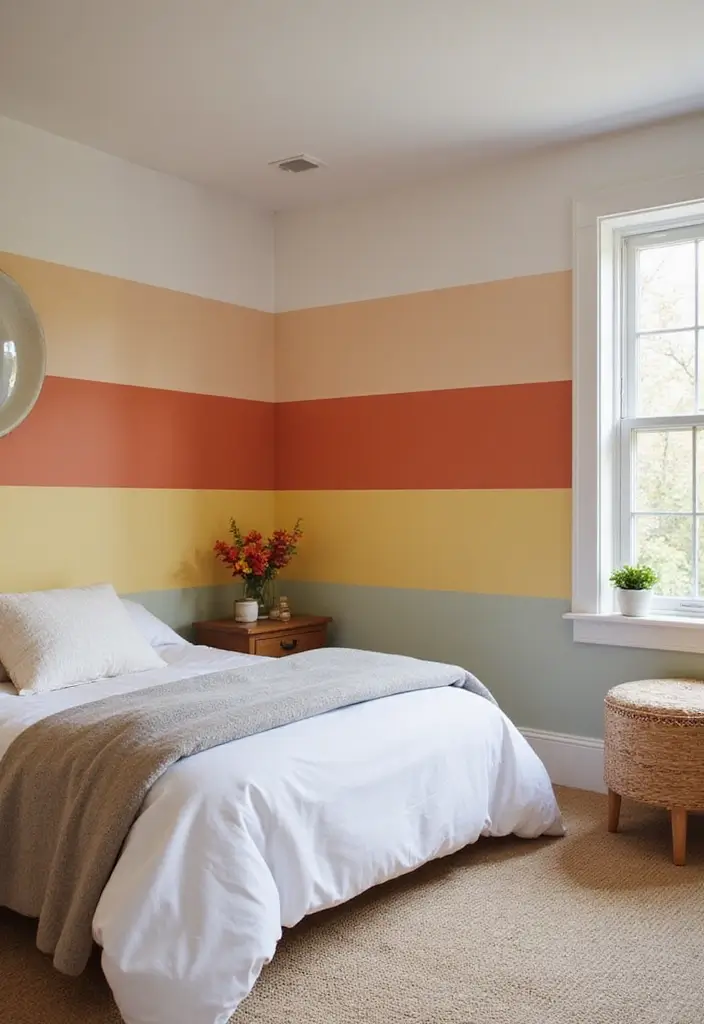
You want a wall that adds depth without shouting for attention. Ombre stripes give you that balance. They pair two simple ideas: a color fade and clean horizontal lines. The result is a wall that feels alive yet calm.
– What you gain: a modern look that plays with light. The gradient moves your eye down the room and makes the bed feel grounded.
– How to apply: use painter’s tape to mark even stripes. Then blend the colors with a light sponge where the edges meet. Build color in thin coats so the transition stays soft.
– Picking colors: choose a monotone range. Start light at the top, deepen toward the bottom. For a cozy effect, try beige to cream; for a cooler vibe, go from pale gray to charcoal.
– Decor tips: keep furniture simple. Let the wall be the star. Add warm lighting that highlights the fade.
Here is why it helps: the stripes add life to a plain wall without clutter. Narrow stripes read bolder; wide slats feel soothing. In small rooms, stick to light tones to avoid shrinkage.
Next steps: test a small sample on cardboard, map your stripe width, gather good tape, and paint with steady hands.
19. Eco-Conscious Paints
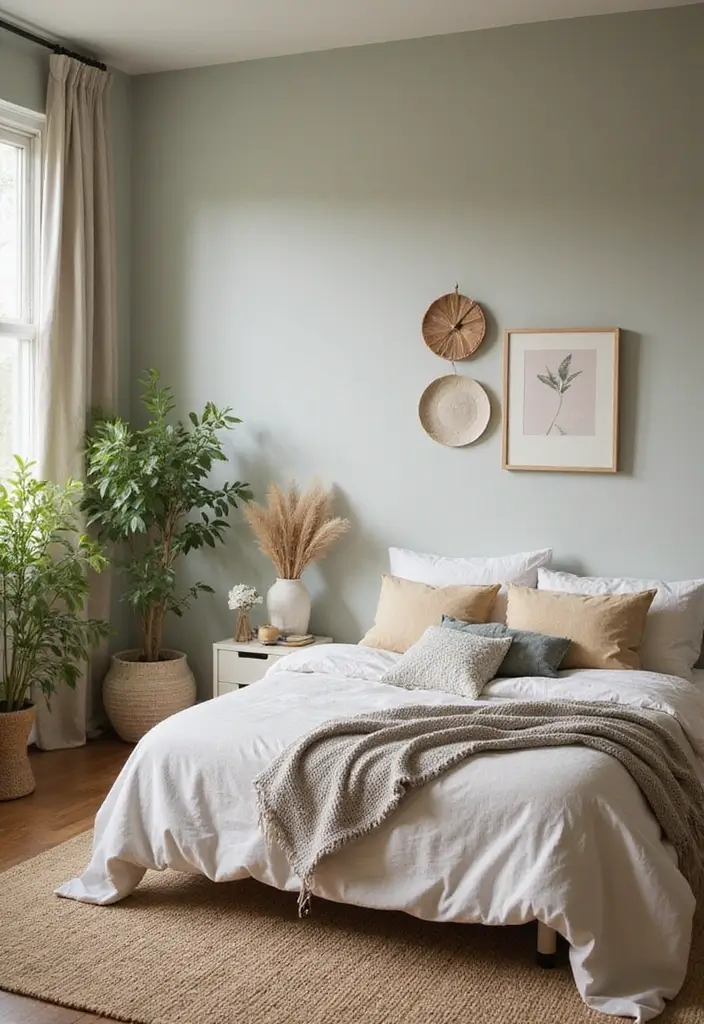
You want a bedroom that looks calm and keeps the air clean. Eco-conscious paints help. They have low VOCs and use sustainable ingredients, so they smell less and stay safer for family members.
Here is why this matters.
Sustainability First: Choosing these paints cuts pollutants and supports brands that care about the planet.
– Brand Options: Look for low-emission claims and third‑party checks.
– Color Range: Eco paints come in shades.
– Long-Term Benefits: You gain better indoor air and a healthier space. The room feels calmer and there’s less lingering odor.
Finish choices matter too. A matte or eggshell finish looks soft and hides wall marks. Pick water-based top coats to keep odors down and wash easily.
Tips to apply:
– Ventilate. Open windows and use a fan while you roll.
– Pick water-based formulas. They clean up easy and stay kinder to air quality.
– Do a patch test. Paint a small square on the wall to see if the color works in your room.
Common questions:
– Are eco paints more expensive? Prices vary. You often pay a bit more, but you gain less smell, better health, and faster drying.
This choice shows you care about style and the people who live there.
20. Bold Floral Patterns
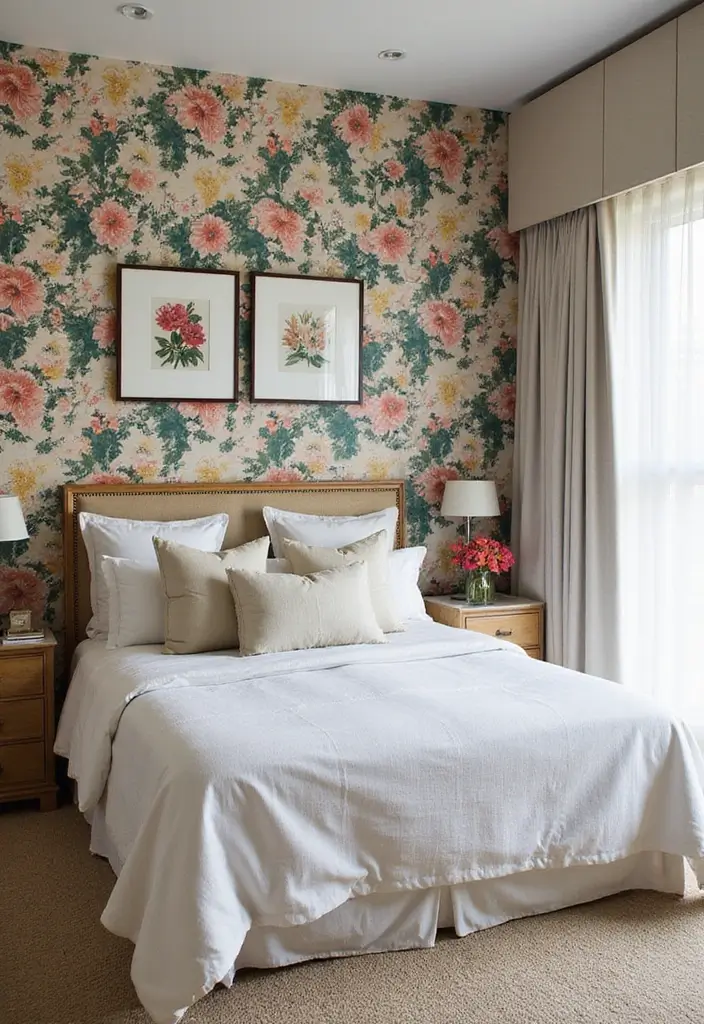
Want a bedroom that feels fresh but not loud? Bold floral wall patterns can do that. They bring life and a touch of nature where you rest.
Here is why bold florals work in bedrooms. They make a wall the room’s focal point. Colorful blooms add energy without needing extra decor. They pair well with plain furniture and simple bedding.
– Application Tips Use wallpaper with a repeating design or try stencils for a custom look. Prep the wall first. Smooth any bumps. Follow the product instructions. If you want a softer start, place a large floral decal in one corner and grow from there.
– Color Choices Choose bright florals for a lively vibe. Or pick muted tones for calm. You can mix a bold wall with neutral sheets and a plain headboard to balance.
– Layering Keep other decor simple. Use solid colors for drapes and a rug. Let the wall pattern stand on its own.
– Lighting and Texture Natural light makes the print pop. Warm lamps add cozy glow. Add texture with a knit throw or a woven rug.
Bold floral walls offer a memorable, cozy feel that supports rest and inspiration. Next steps: pick a pattern, grab a measuring tape, and test a patch before committing to the whole wall. Try sample strips on a small patch and view them in morning and evening light. If it feels right, go ahead with the full wall.
21. Monochromatic Schemes
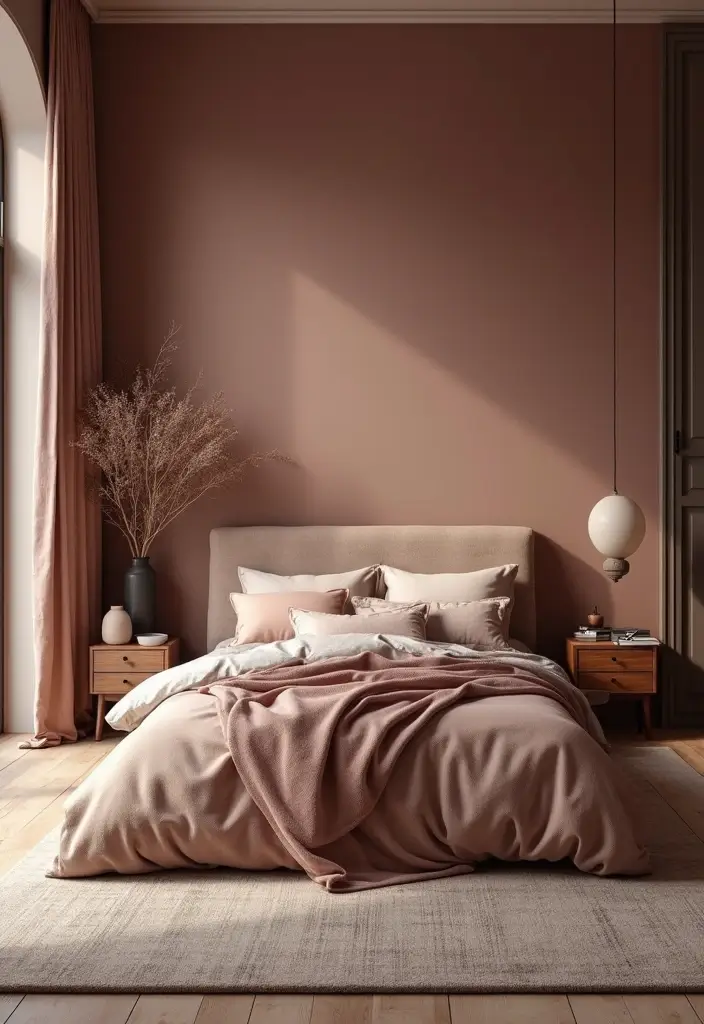
Stuck picking wall color for a calm, stylish bedroom? Try a monochrome scheme. It uses one color family in several shades. The room feels cohesive, not busy. You get depth from light to dark while keeping a simple mood.
Here is why it works A tonal palette makes small spaces feel bigger. It reflects light softly and gives you a clean backdrop for decor. When you stay in one color family, textures become the main interest.
– Pick your base color. Soft blue, cool gray, or warm beige are easy starts.
– Create a range. Use a light shade on walls, a mid tone for furniture, and a deep accent for a few pieces.
– Test swatches. Apply small patches and compare morning and night light.
– Add texture. Layer fabrics, wood, and metal to build warmth.
Ways to apply in real life Pair blue walls with white trim and natural wood furniture. Add a charcoal pillow or brass lamp for a gentle focal point. Let the room breathe with soft lighting that shifts color slowly.
Next steps: pick a base color, grab swatches, and start layering textures until it feels right.
Embrace the beauty of simplicity! A monochromatic scheme transforms your bedroom into a serene retreat, making small spaces feel expansive and inviting. Stick to one color family, and let textures do the talking!
22. Vintage Charm
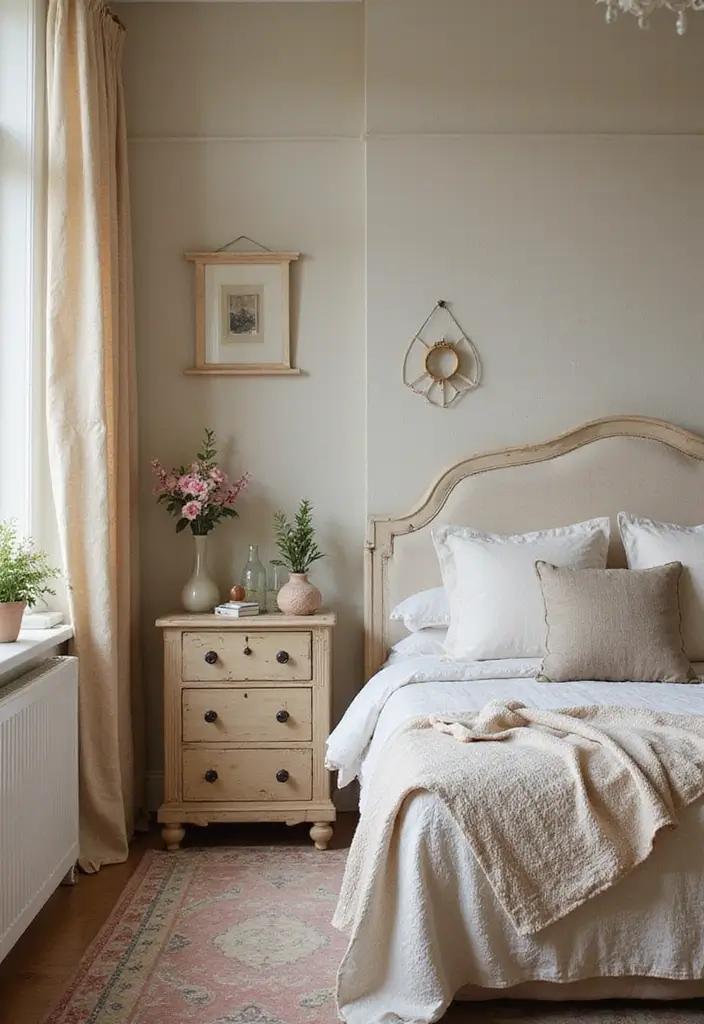
Here is why you should try vintage charm in your bedroom. You gain warmth, comfort, and a space that feels personal. Soft, faded colors echo your favorite memories. You can create that look without clutter or chaos.
Color Palette
– Soft pastels or warm neutrals work best.
– Try dusty rose, sage, pale blue, or creamy ivory.
– Keep large walls light and let furniture wear a gentle patina.
Patterns and Walls
– Add one floral touch with wallpaper or a fabric panel on one wall.
– Pair florals with solid tones on other walls to keep balance.
Texture and Materials
– Choose distressed wood, linen, cotton, and a brass or aged-metal finish.
– Mix velvet, cotton, and lace for depth.
Furniture and Accessories
– Use an antique dresser or mirror to anchor the room.
– Pair old pieces with simple nightstands and a clean bed frame.
– Accessories like quilts, vintage frames, and a woven rug finish the look.
Here is how to start today. Next steps:
– Pick a color family and gather a few soft textiles.
– Find one vintage piece you love, then build around it.
– Light the room with warm bulbs and a bedside lamp.
This approach creates a cozy refuge that feels both special and serene.
Take your time and swap pieces if needed. A few simple shifts can refresh the mood without buying more.
23. Bright and Bold Statements
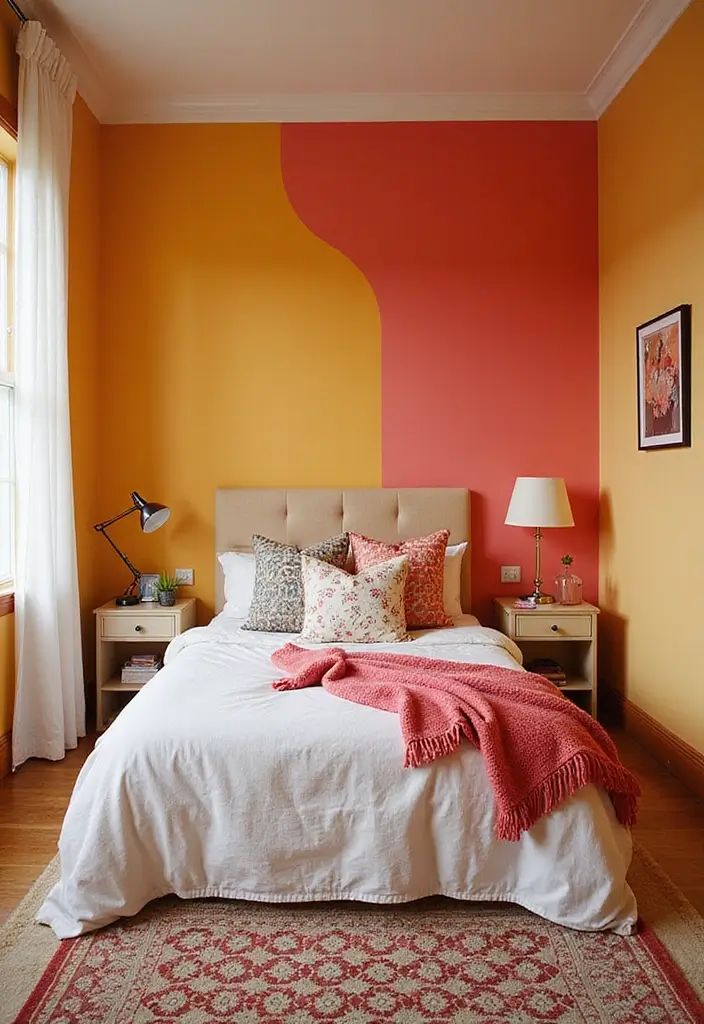
If you want a bedroom that feels alive, try a bright bold wall. You’ll see the mood shift fast with a clear plan.
– Here is why color matters Pick a shade that fits your mood. Bright yellows warm the room. Deep blues calm the space. Choose something you love waking up to.
– Use color with care Paint one wall for impact. Or try geometric shapes with painter’s tape for balance. Keep the rest of the room light so the wall stays the focus.
– Pair it with decor Match the wall with furniture in related tones. Or go opposite for contrast. Add textiles in soft neutrals to soften the look.
– Test before you paint Tape big swatches on the wall. Move them around at different times of day. See how the color shifts with lamp light and sun.
– Practical tips Choose a finish that fits your care routine. Eggshell or satin lasts and cleans well. Matte hides flaws but can scuff easier.
– Common questions Will a bold wall make a small room feel cramped? Not if you keep other walls light and add a mirror or light rug.
Next steps: pick a color, grab swatches, and sketch the shapes you want. This setup helps you show your style without chaos.
Bright and bold walls can transform your mood and space. Choose a color you love, and let it inspire your dreams every morning!
24. Eco-Friendly Wallpaper
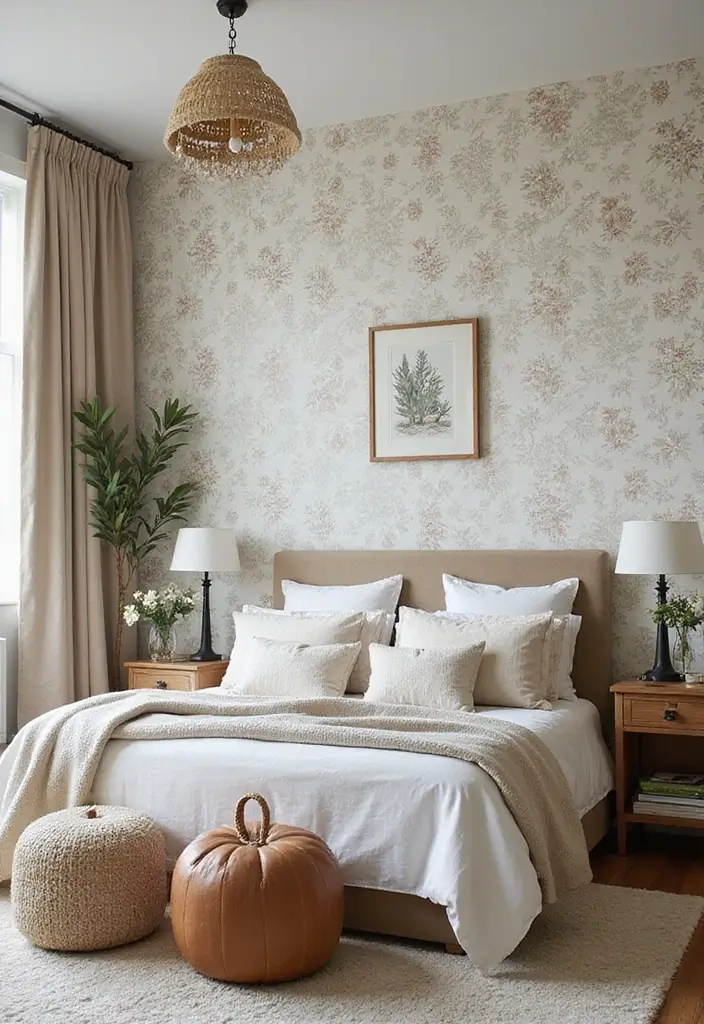
Looking to freshen your bedroom with a look that lasts and helps the planet? Eco-friendly wallpaper can do that. It adds style without hurting the air or water.
Material choices
Choose wallpapers made from natural fibers like jute, bamboo, or hemp. Recycled paper options work well, with plant-based inks and a low-VOC glue.
Designs available
You can pick a calm, soft backdrop or a bold focal wall. Texture adds depth, even in a small room.
Easy application
Many eco wallpapers are simple to apply, with peel-and-stick options that lay down quickly and remove cleanly. For other types, follow the paste-and-smooth method with edge-to-edge alignment. Measure carefully, cut with a sharp blade, and trim the edges.
Here is why prep matters: a clean, smooth wall helps panels sit flat and last longer. Next steps: prep walls, plan the pattern, and test a small area first.
Next steps
– Start with one wall to preview the look.
– Pick colors that echo your bedding and furniture.
– Check care instructions; wipeable finishes stay cleaner longer.
Care and removal
Most eco wallpapers wipe clean with a damp cloth. For stubborn stains, use a mild soap. To remove, lift a corner and peel slowly.
25. Creative DIY Wall Art
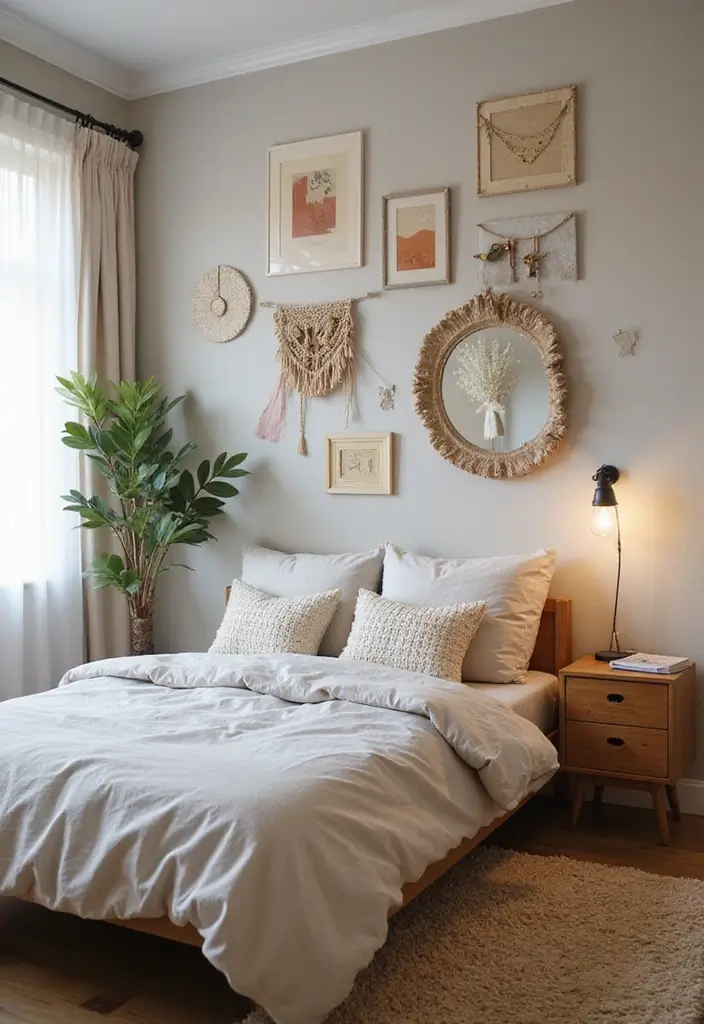
Want a bedroom that truly reflects you? DIY wall art lets you tell your story with color, texture, and shape. It’s affordable, easy to start, and fits any style—from cozy farmhouse to sleek minimal.
– Materials to Use: Old canvases, fabric scraps, buttons, shells, or found objects. Let scraps guide your color and mood.
– Artistic Techniques: Paint, collage, or sewing small fabric pieces to add depth. Try layering textures for a tactile effect you can touch.
– Placement Strategies: Group several small pieces to form a gallery wall, or pick one large piece for a bold focal point.
DIY wall art lets you add your personal touch while cutting waste. Start simple: pick a theme, gather 3–5 items, and sketch a quick layout. Assemble in a weekend, then swap in new pieces as your tastes change. Keep costs low by repainting old frames and using leftovers.
As you go, you’ll learn what you love in a bedroom wall. You can update the look with small swaps—swap colors, add or remove pieces, or switch the arrangement. This keeps your space fresh without a big spend.
Choosing the Right Bedroom Wall Painting Design for Your Space
Start with what you already own. Pull a color from your bedding, curtains, or headboard and let it guide your wall choice.
Match Design to Room Size and Mood
- Small spaces: Bathe walls, trim, and doors in one monochromatic color to blur boundaries and visually expand the room.
- Low ceilings: Try a painterly effect that bleeds your base color into white and continues onto the ceiling—this tricks the eye upward.
- Tight bedrooms: Paint two thirds of the wall in a pale blush shade, keeping the rest white to zone the sleeping area without closing it in.
- Restful sleep: Reach for blues, greens, lavender, grey, or beige in neutral or pastel depths—these tones reduce stress and soothe the nervous system.
- Cozy cocooning: Warm undertones like greige, beige, and soft pink ground the space and create that wrapped-in-comfort feeling.
When to Choose What
| Design Decision | Best Timing | Why It Matters |
|---|---|---|
| Wallpaper or fabric | Beginning of project | Informs furniture, textiles, and accent choices that follow |
| Paint color, art, accents | Later stages | Complements pieces already selected rather than competing |
| Oversized statement piece | Anytime as focal anchor | Creates instant impact without visual clutter |
| Mini gallery or layered stacks | After major elements set | Invites intimate moments and personal storytelling |
- Test before committing: Swatch your final color on a small wall section and observe it in morning, afternoon, and evening light.
- Bold without overwhelm: Mix two colors from the same paint strip for subtle depth—texture without pattern or saturation.
- Neutral foundation: Grey acts as a versatile blank canvas, pairing cleanly with greens, reds, or yellow accessories you can swap seasonally.
- Wrap-around personality: A mural that continues across multiple walls can transform the bedroom into an escape from daily demands.
Materials and Paint Finishes Best Suited for Bedroom Walls
The finish you choose changes how color behaves and how the room feels day to day. Bedroom walls stay cleaner than kitchens or hallways, so prioritize mood over scrubbability.
| Finish | Best For | Effect on Space |
|---|---|---|
| Matt | Most bedroom walls | Less reflective, calming, colors read stronger and truer |
| Flat matt | Walls with imperfections | Hides texture flaws, very low sheen |
| Textured | Feature walls, creative designs | Adds depth and dimension for murals or ombre effects |
- Matt dominance: Softer light bounce supports relaxation better than higher-sheen alternatives.
- Flat matt for flaws: Use when walls have minor imperfections to hide texture without heavy prep.
- Textured for creativity: Pair with nature-inspired murals, geometric patterns, or gradient transitions that need dimensional backing.
- Stress-reducing hues: Blues, greens, yellow, orange, and pink soothe the nervous system.
- Calm atmosphere: Neutral or pastel shades keep the space welcoming without visual noise.
- Warm grounding: Undertones like Knotted Twine or Gentle Fawn create coziness without heaviness.
- Small room expansion: Carry one color across walls, trim, and doors to simplify edges and read larger.
Test swatches across morning and evening light before committing—bedroom light shifts dramatically, and finishes read differently at dusk.