

A bedroom you can actually sleep in takes one weekend and under $50 if you seal the door gaps first. Most people skip straight to the ceiling or the windows and spend ten times that for half the result.
The trap is impact noise versus airborne noise: the weatherstripping that stops voices does nothing for footsteps, and the rug that muffles footfall won’t touch street traffic. Start with the door seam and a dense rug on bare floor, then decide if you still need the $710.99 window inserts.
1. Soundproof the Windows
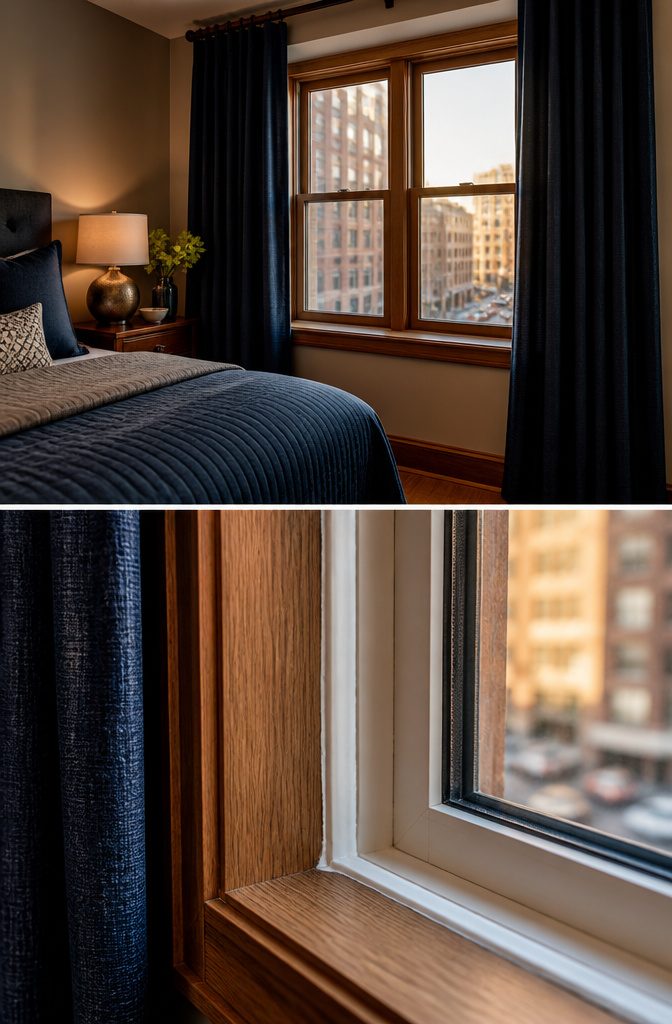
Windows leak more sound than most people realize, even when they’re closed. The gaps around the frame are the first place I’d look, and acoustic caulk run along every seam seals those cracks without much fuss or money.
For something more substantial, soundproof window inserts add a second pane of acrylic or glass inside your existing frame. Some drop in and stay put; others pop out when you want fresh air. They run about $710.99, and you’ll spend one to four hours per window getting them seated right.
Heavy curtains are the renter-friendly fallback. A solid set for an average window weighs roughly 15 pounds and hangs flat against the trim to block and absorb what slips through the glass. They double as blackout panels too, which is a nice bonus if streetlight keeps you up.
Inserts outperform curtains for raw noise reduction, but curtains win on speed and portability. If you’re planning to stay put, the insert pays off. If your lease ends in a year, start with caulk and drapes.
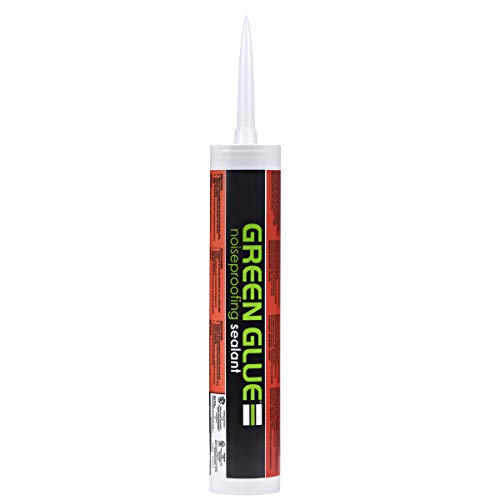
Smooth and High Quality Latex Acoustical Caulk - Water Based - UL Rated
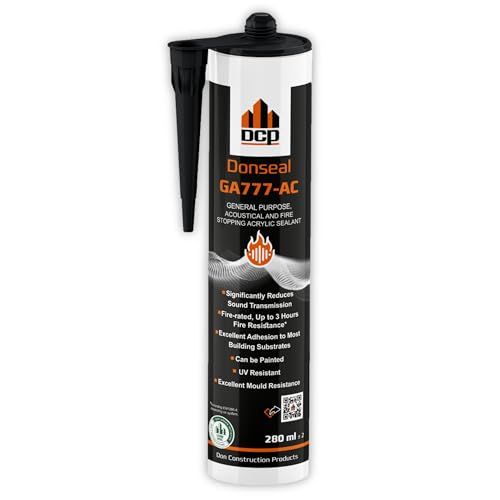
Quieter Living Spaces - This acoustical sealant blocks noise transfer up to 49 dB, making it the perfect acoustic caulk for soundproofing walls, ceilings, and partitions.
2. Soundproof the Doors
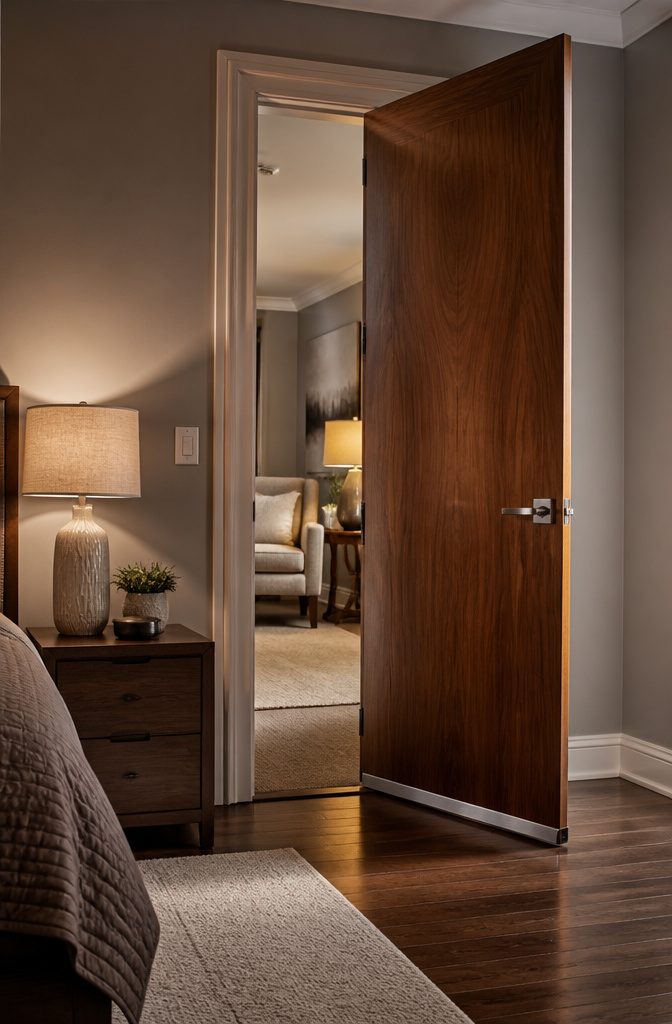
Most bedroom doors are hollow, and that thin shell does almost nothing to stop sound from moving through it. A solid-core door weighs more and blocks a lot more noise, and you can usually find one starting around $200–$300. That is a real jump in price from a basic hollow door, so I would only swap it if this is a room where quiet actually matters for sleep or work.
The bigger problem is usually the gap. Even a heavy door leaks sound around the edges and underneath. Weatherstripping around the frame and a door sweep at the bottom close those paths. Some kits seal the full perimeter instead of just the bottom, and that is the tighter fix if you are already replacing the door. If you are renting, stick-on weatherstripping and a sweep you can remove later will still help.

🔮【Weatherproofing Window Insulation Kits】Made of EVA Clear Vinyl Plastic, Thicker than ordinary POF shrink film material, apparently more durable.Although it is...
3. Soundproof the Walls
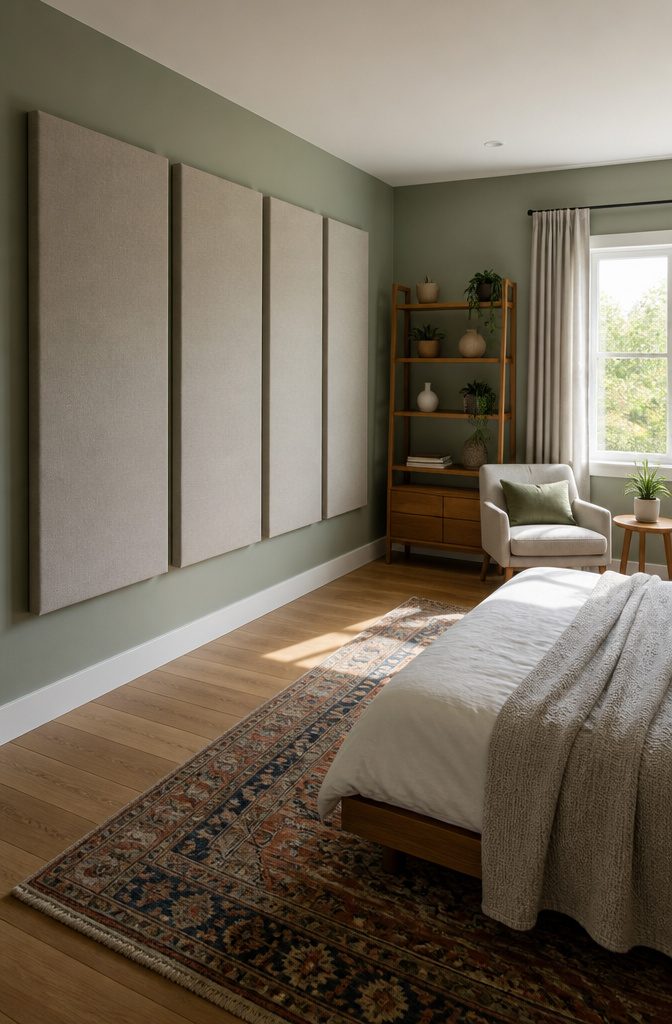
Walls are where most bedroom noise gets in, especially if you share one with a neighbor’s living room or a busy hallway. The fix is mass: heavier walls vibrate less, and less vibration means less sound coming through.
If you are already opening up a wall, soundproof insulation between the studs is the strongest move, and an extra layer of blue board or Sheetrock on top damps it further. That is the ideal case, though, and most of us are not gutting a bedroom to get there.
For a weekend project on a closed wall, mass loaded vinyl is the densest option you can add without construction. It is a thin, heavy sheet you screw or staple directly to the surface, then cover with fabric or another finish if you do not love the industrial look. Acoustic panels absorb what gets through and come in fabric-wrapped, wood, or custom art styles that actually look intentional. Heavy fabrics work too; a thick rug or tapestry hung on the wall costs less and helps with the higher frequencies, even if it does nothing for low bass thumps through the framing.
"We like to add soundproof insulation to the walls and the ceiling. You can further dampen the sound by applying an extra layer of blue board or Sheetrock."
That quote is aimed at new builds or full renovations. For a renter or a first-home owner mid-project, mass loaded vinyl or acoustic panels on the existing wall is the practical path: no drywall dust, no contractor, and you can take it with you when you leave.

👩【ENERGY SAVING】The Door Draft Excluder Strip can prevent the loss of air-conditioning/heating effectively , which maintain the indoor temperature well, save electricity bills in winter and summer, and reduce costs.

BLOCK DRAFTS EFFECTIVELY - High-quality door draft stopper made from industry-grade silicone with exceptionally strong adhesive. Our door sweep for the bottom of doors puts an end to all draft problems, cold air, and dust (for exterior doors and indoors). Size: 2” H x 39” L

【Strong Adhesive, Saves Money】Weather stripping door seal prevent heat and cold from escaping, save your heating and cooling bills. block noise, super adhesive, durable, not easy to degumming, easy to install
4. Soundproof the Floors
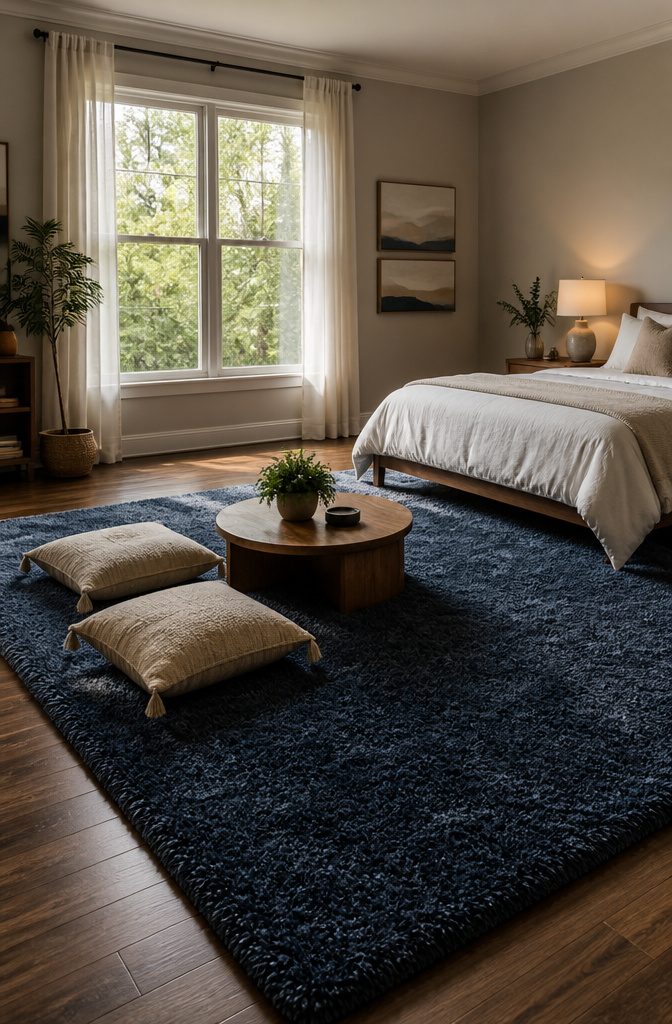
Thick carpets and rugs do more than warm up a cold morning floor; they absorb the impact noise that travels through joists and into the room below. If you are already replacing carpet, a dense pile paired with quality underpad will muffle heavy footfalls and the click of pet nails on hardwood. For renters or anyone keeping existing floors, a thick rug covering most of the floor is the practical substitute, with a foam or soft rug pad underneath for extra dampening. Rug thickness matters here; a thin flatweave will bounce sound around where a plush, dense weave traps it. For a more permanent fix beneath carpet, hardwood, or laminate, soundproofing underlayment installs directly on the subfloor before the finished surface goes down. This is the route to take if footsteps from above or below are the main problem, since it targets vibration at its source rather than treating it after the fact.

High-Efficiency Sound sound barrier quiet wall with a proven 27 STC rating - 1/8 inch thick dense rubberlike material - 1 Pound per Square foot.

Superior Noise Control: Combines a high-density Mass Loaded Vinyl core with acoustic polyester fiber to block and absorb sound. Rated STC 25 for meaningful noise reduction in recording studios, podcast rooms, and home offices.

Experience the next level of sound control with our advanced formula, completely re-engineered for superior durability, tear resistance, and a professional finish. The Stronger, Smarter Sound Barrier.
5. Soundproof the Ceiling
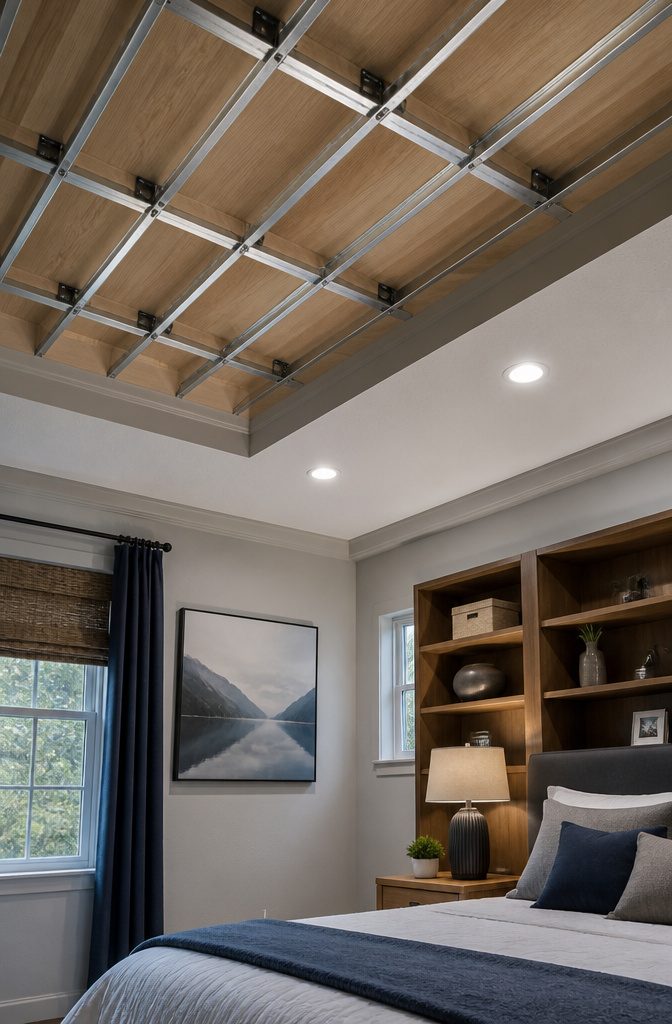
Ceilings pick up everything happening upstairs, both the thump of footsteps and the murmur of voices that carry through the joists. The most reliable fix is a resilient sound isolation clip system, the kind that uses RSIC-1 clips with 25-gauge hat channel to create an actual gap between the existing structure and new drywall. That separation is what breaks the vibration path. You will want 5/8-inch drywall with a quarter-inch gap around the perimeter, sealed afterward with acoustical sealant. A second layer of drywall on top adds meaningful mass against airborne noise from above.
This is the most involved step in the whole room, and the ceiling is where I would hesitate before calling it a solo weekend. Working overhead with clips and channel is awkward, heavy, and easy to get wrong in ways that show up only after everything is painted. If your main problem is footfall and dropped objects, some of that energy is already traveling through the walls; the ceiling helps but it does not complete the job. For pure airborne noise, though, like voices or television, this is the targeted solution.
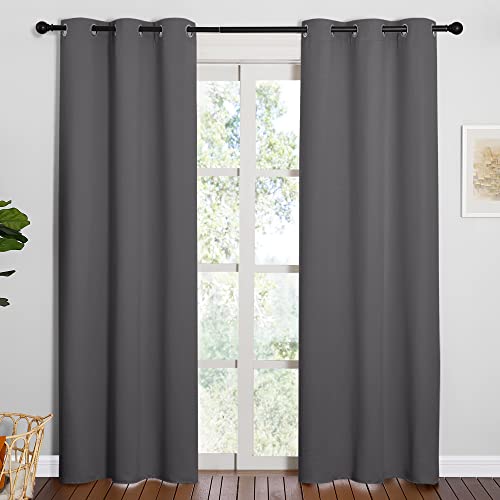
READY MADE: Set includes 2 BLACKOUT PANELS of 42" wide x 84" length with 6 grommets top each. Quality fabric without liner feels soft and heavy.
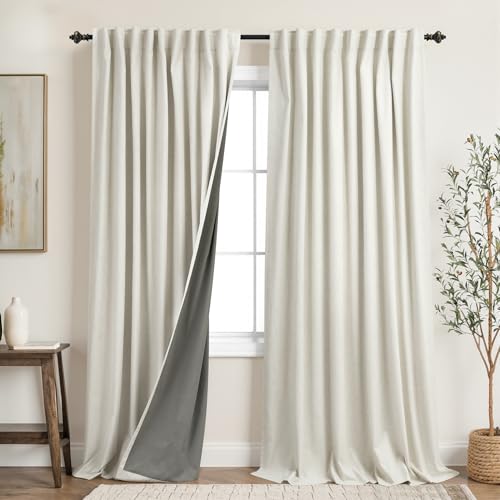
100% BLACKOUT: These linen textured curtain panels block out 100% complete sunlight and UV rays,turning day into night.Help on you and your kids sleeping.

LUXURIOUS VELVET FABRIC:Crafted from high-density velvet fabric, these curtains are silky-smooth, soft to the touch, and feature a rich, heavy drape for an elegant look,adding depth and luxury to living rooms, bedrooms, nursery and more.
6. Add Soft Furnishings
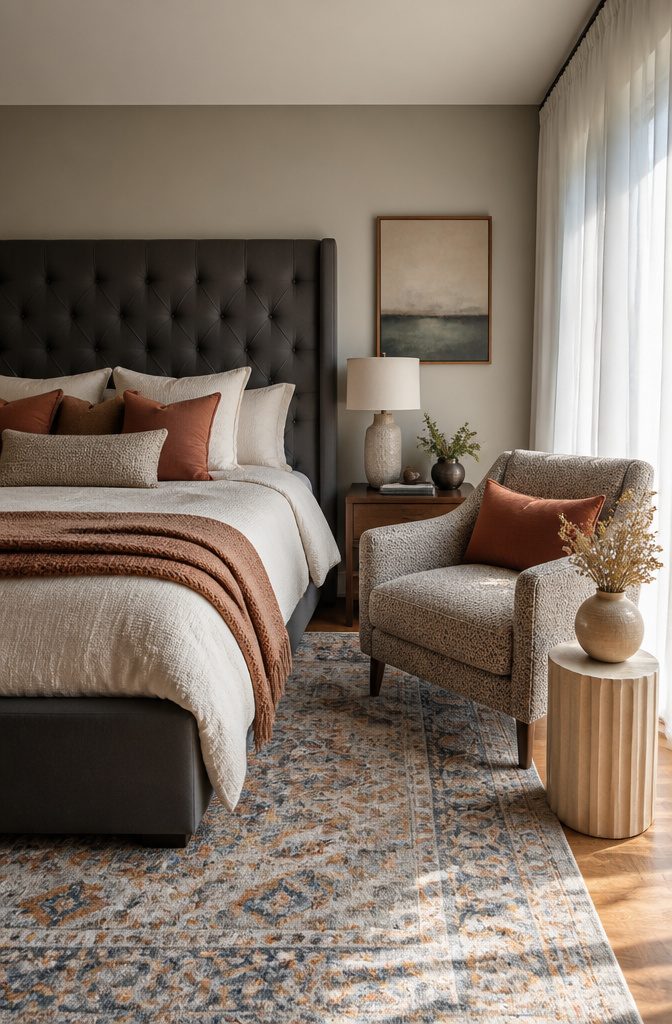
Hard surfaces let sound bounce around like a gymnasium, which is why a bedroom full of wood furniture and bare walls stays noisy even with the door closed. Upholstered furniture softens or dampens sounds in a way that wood headboards and dressers simply do not. A fabric headboard, a bench at the foot of the bed, or even a soft lounge chair in the corner all pull double duty as sound absorbers.
Wall hangings work the same way. Blankets, moving pads, decorative quilts, or tapestries hung on the wall catch sound before it ricochets. Canvas paintings help too, though they trade some absorption for looks. Every bit matters.
Heavier pieces can also block noise from outside. Positioning a solid bookcase or dresser against an exterior wall muffles sound as it moves through, while upholstered items inside the room keep your own noise from building up. A fabric lampshade on the bedside table adds a small extra layer.

Quieter Living Spaces - This acoustical sealant blocks noise transfer up to 49 dB, making it the perfect acoustic caulk for soundproofing walls, ceilings, and partitions.

SOUND, DRAFT and SMOKE SEALANT - TMS Acoustical Caulk provides impressive soundproofing, significantly reducing noise transmission through walls, ceilings, and floors.
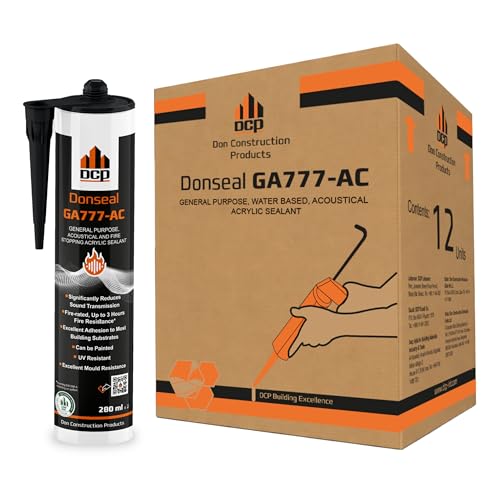
Quieter Living Spaces - This acoustical sealant blocks noise transfer up to 49 dB, making it the perfect acoustic caulk for soundproofing walls, ceilings, and partitions.
7. Use White Noise Machines
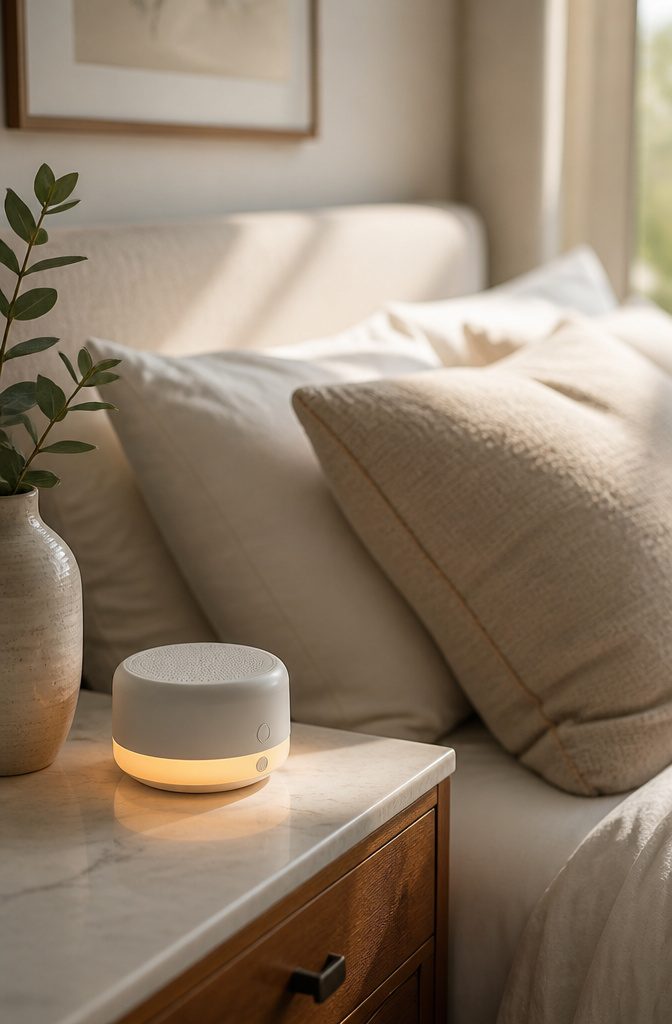
White noise machines do not block sound, but they can make outside noise far less noticeable. The idea is simple: your brain stops focusing on one sharp interruption, like a neighbor’s music or street traffic, when a steady, predictable sound fills the background instead.
White noise spreads evenly across all frequencies, so it masks a wide range of everyday sounds. Brown noise, deeper and more rumbling, works better for low-frequency annoyances like snoring or an idling car. Some machines offer pink or green noise too, plus nature tracks like waves or rain, and a few let you switch between them. A basic fan can do the job if you already own one.
This is the fastest fix in the whole list. Plug it in tonight and the soundscape changes immediately. It will not stop vibrations from traveling through walls, but for airborne noise you simply cannot eliminate any other way, masking is often effective enough to let you sleep.

Multi-layer composite: material made of aluminum foil and soundproof cotton, about 5mm thick, effectively blocks street noise for quiet rest Dual thermal insulation...
Airborne vs. Impact Noise
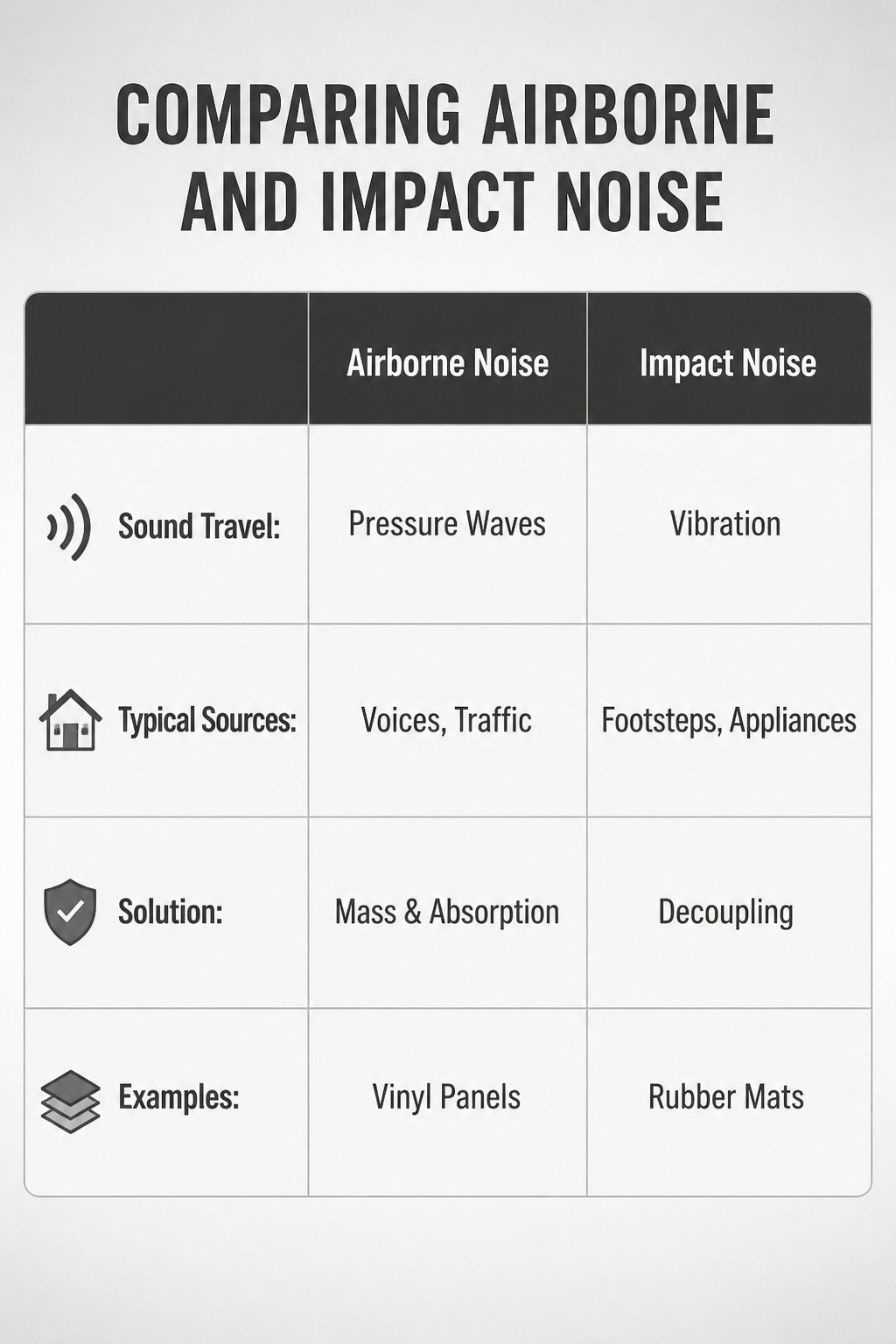
Sound travels through your bedroom in two completely different ways, and the fix that works for voices won’t stop footsteps.
Airborne noise moves as pressure waves through the air itself. Traffic from the street, your neighbor’s TV, someone talking in the next room: all airborne. The standard defense is mass and absorption. Heavy materials like mass-loaded vinyl panels, extra drywall layers, or dense insulation block the sound path, while soft surfaces soak up what gets through.
Impact noise is vibration traveling through solid structure. Footsteps upstairs, a dropped object, the washing machine’s spin cycle. The energy hits the building’s frame and rides it like a guitar string. Blocking this takes decoupling: breaking that physical connection so the vibration can’t keep going. Acoustic underlay beneath flooring, resilient channels on ceilings, rubber mats: these interrupt the path rather than adding sheer weight.
The distinction matters because mixing them up wastes money and weekend hours. I have seen renters stack bookshelf after bookshelf against a wall to quiet upstairs footsteps, when what they needed was something resilient in the ceiling assembly below, or at least a rug with proper underlay above. The books add mass, which helps voices, but footsteps are a structural problem.
If you are in a multi-story home or apartment, start by listening for which type you actually hear. That decides whether your project leans toward dense barriers, vibration breaks, or both.

Premium Thickened Flexible Silicone Material - Heat And Cold Resistant: OXRQ Door Draft Stopper is made from high-quality silicone, which is flexible and durable & easy to bend and rebound in one second, superior in performance and durability to other rigid plastic products on the market. Smoothly surface, high resilience. Strong Adhesive stick firmly and won't damage your door and floor, you can easily open the door along the door bottom seal or against daily wear.

Effortless Sealing with the Automatic Door Bottom: This 36-inch door bottom seal features an automatic elevating mechanism: it drops down tightly when the door closes (eliminating gaps) and retracts when opened-no manual adjustments needed. Crafted from durable aluminum, it delivers long-lasting performance for homes or businesses
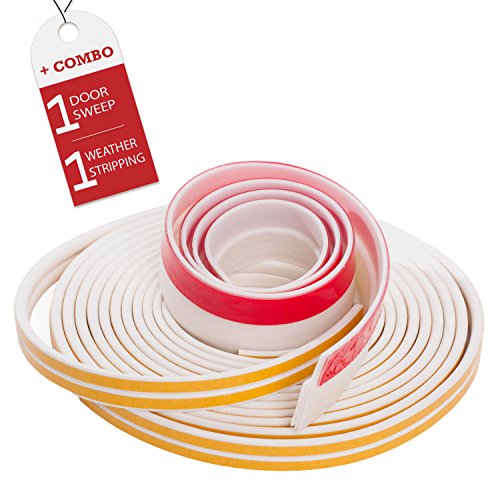
⭐ ALL IN ONE KIT FOR DOOR.. to seal it 360°, not just sides. The 43.3" under door sweep fits all 4 styles of house doors, unlike 39ft sweeps. The 39ft weatherstrips seal the other 270°!
DIY or Call a Pro
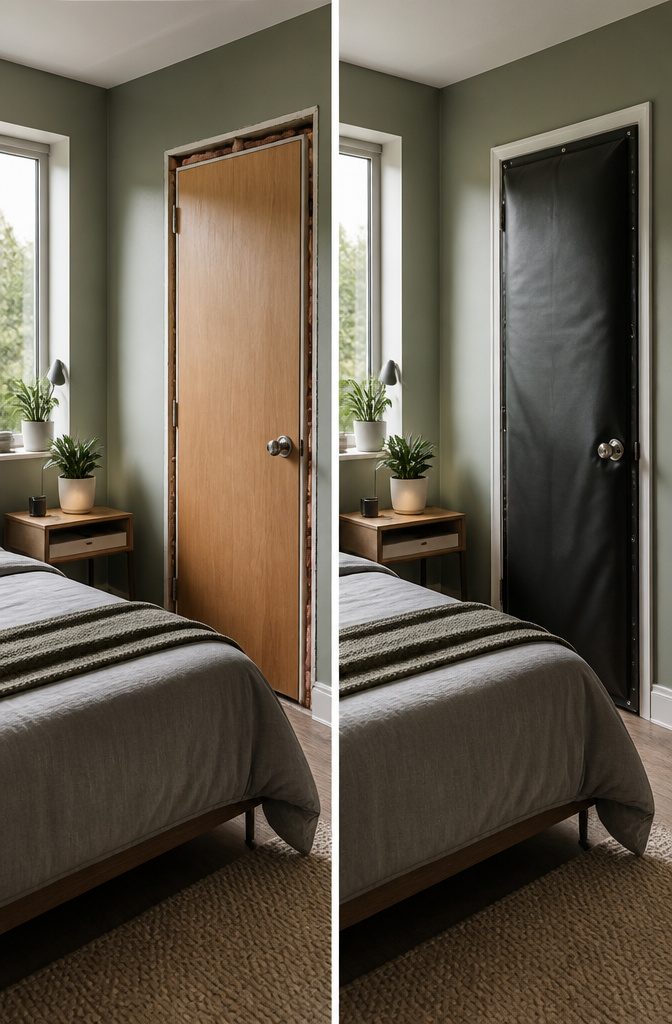
Most bedroom soundproofing jobs sit comfortably in DIY territory. Weather stripping around doors and windows, adhesive acoustic panels, foam mats under rugs: these all land within a weekend’s work and a trip to the hardware store. Even a hollow door can be beefed up with mass-loaded vinyl or fiberglass sheets without calling anyone.
But ceiling work is where I’d draw the line. If the noise is coming from upstairs footsteps or HVAC rumble, you’re looking at decoupling joists, adding mass, and sealing every gap. That is remodel territory, not a Saturday project, and a contractor who bakes soundproofing into a larger renovation will do it cleaner than any retrofit.
Cost splits the decision too. A thick slab door runs at least $200–$300 before labor, while DIY panel kits and vinyl sheets cost a fraction of that. The tradeoff is permanence versus portability: stick-on panels come down when you move, but they will not block what a rebuilt wall or properly sealed ceiling will. For renters and first-home owners, the temporary route usually wins. If you own and the bedroom sits under a noisy floor, saving for the pro install beats fighting an unwinnable battle with rugs and hoping.

【SPECIFICATION】: Size: 1' x 8', 1/8'' thickness, coverage: 8 square feet; Weight: 9 lbs; Area Density: 1.1 lb/sqft; Material: high damping coefficient rubber & dense polymer metal powder, with nonwoven fabric backing

Specification: size 1ft×13ft, thickness 2mm, coverage area 13 square feet, area density 1 lb/sqft; ; The material is rubber with a high damping coefficient, providing efficient sound insulation

【SPECIFICATION】: Size: 1.35' x 8', 0.08'' thickness, coverage: 10.8 square feet; Weight: 7.2 lbs; Area Density: 0.65 lb/sqft; Material: high damping coefficient rubber & dense polymer metal powder, with nonwoven fabric backing
What It Costs
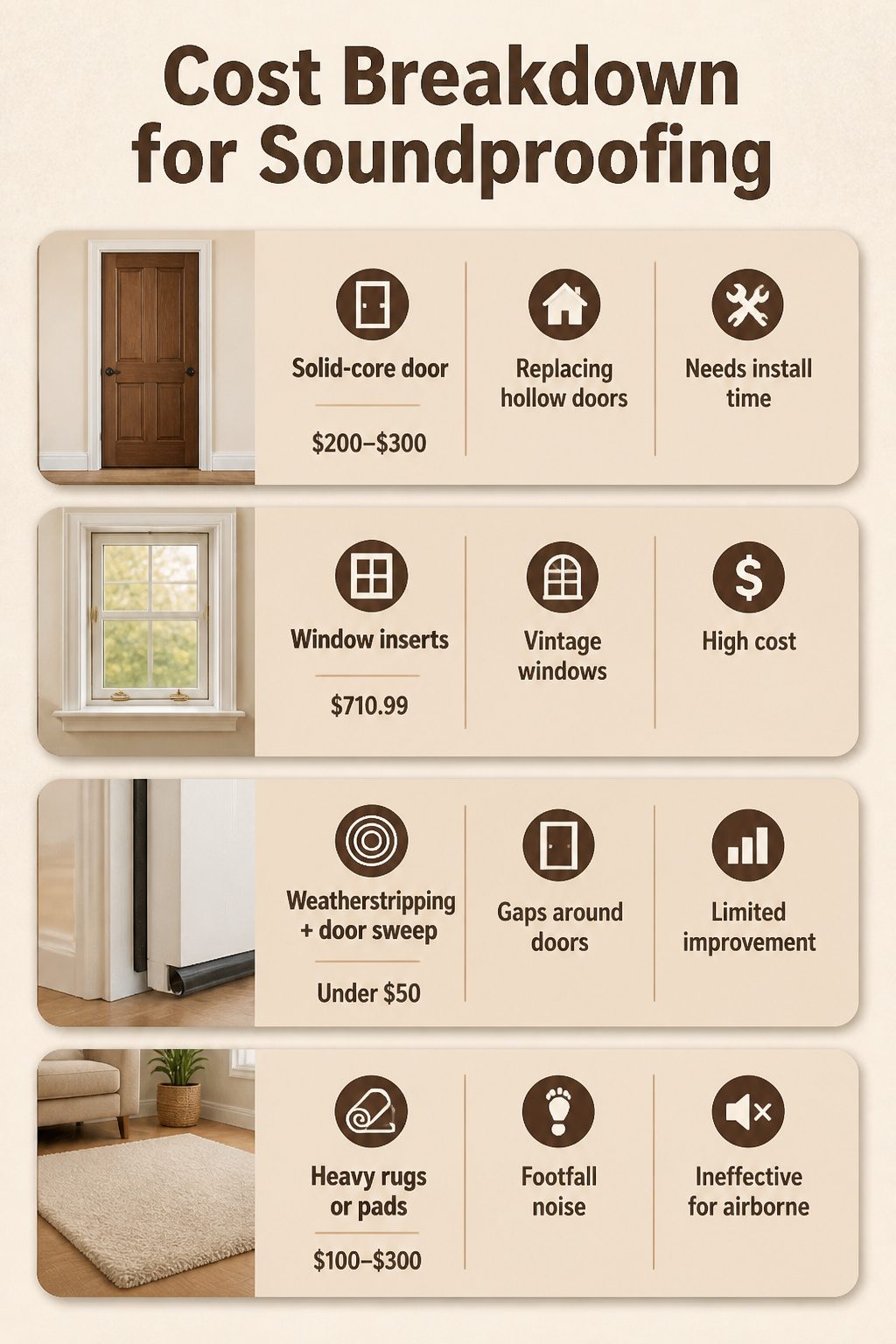
Solid-core doors run $200–$300 and make the single biggest difference for the money, but that is still a door swap, not a Sunday afternoon. Window inserts sit at $710.99, which is real money for most of us, and that is before you have measured a single jamb.
The cheaper moves matter more because you can actually finish them this weekend. Weatherstripping around the door perimeter, a sweep underneath, and dense rugs on hard floors cut the noise you are actually hearing without touching a credit card hard. The inserts and the solid-core door win on raw performance; the seal-it-and-cover-it route wins on actually getting done.
| Approach | Typical Cost | Best For | Tradeoff |
|---|---|---|---|
| Solid-core door | $200–$300 | Replacing hollow builder-grade doors | Needs install time and tools |
| Window inserts | $710.99 | Vintage windows you want to keep | Highest cost; custom sizing |
| Weatherstripping + door sweep | Under $50 | Gaps around existing doors | Limited improvement vs. full perimeter seal |
| Heavy rugs or carpet pads | $100–$300 | Impact noise from below or footfall | Does nothing for airborne sound |
I would start with the under-$50 seal, add a rug if the floor is bare, and save the door and window upgrades for when the budget opens up.

100% Blackout Curtains: Our Blackout Curtains ensure a completely dark room, isolate noise and protect privacy. These room darkening curtains can block 100% sunlight.Heavy duty curtains keep heat indoors in winter and discharge heat in summer, thereby reducing cooling and heating costs , While protecting your furniture, floors and artwork from the sun damage
100% Blackout Curtains: Our Blackout Curtains ensure a completely dark room, isolate noise and protect privacy. These room darkening curtains can block 100% sunlight.Heavy duty curtains keep heat indoors in winter and discharge heat in summer, thereby reducing cooling and heating costs , While protecting your furniture, floors and artwork from the sun damage
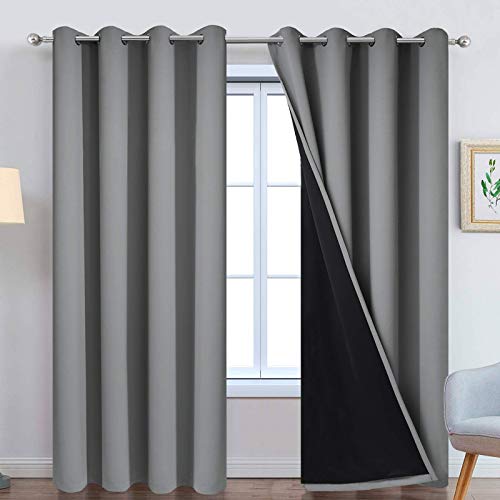
PACKAGE MADE:2 panels per package. Each Lined Curtain measures 52" wide x 84" long. 8 Silvery Grommets per panel. This silvery grommet (1.6 inch inner diameter) fits many rods. Easy to hang and smooth to slide. The simple design gives people a sense of ease.
Keep It Looking Good
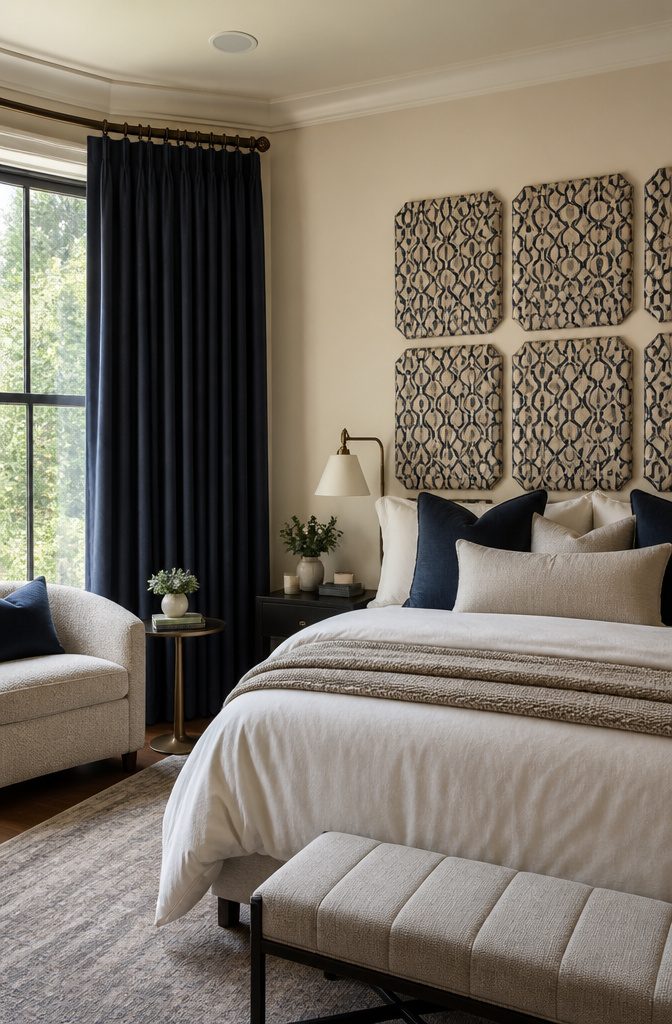
Decorative acoustic panels have come a long way from the foam wedges you’d see in a recording studio. New-generation versions mount like wall art, with prints and textures that read as intentional design rather than a workaround. I’ve seen them used as headboards, as a feature wall behind the bed, even cut into custom shapes. They absorb the same frequencies; they just don’t announce themselves as acoustic treatment.
Heavy curtains pull double duty for anyone who wants the room dark as well as quiet. Acoustic curtains for an average window can weigh 15 pounds and lie flat against the trim, so they look finished rather than bulky. The same density that blocks light absorbs sound that leaks through glass.
Upholstered furniture softens what hard surfaces bounce back. A fabric headboard, a bench at the foot of the bed, a lounge chair in the corner; they all break up reflections that wood and drywall amplify. Wood floors, dressers, and bare bed frames do the opposite. If the budget only stretches to one swap, start with the headboard. It sits at ear level where you sleep and catches more than its share of noise.
Frequently Asked Questions
What are the best ways to soundproof a bedroom?
The most effective approach combines sealing gaps with acoustic caulk, adding mass through solid-core doors or mass-loaded vinyl, and softening hard surfaces with rugs, curtains, and upholstered furniture. For impact noise like footsteps, you need decoupling solutions such as resilient channel systems or acoustic underlayment. The exact mix depends on whether your problem is airborne noise or vibration through the structure.
How can I soundproof my windows?
Start by sealing every seam around the frame with acoustic caulk, which closes the gaps where sound leaks through most easily. For a bigger reduction, soundproof window inserts add a second pane inside your existing frame and cost about $710.99. Heavy acoustic curtains are the fastest renter-friendly option; a solid set weighs roughly 15 pounds and doubles as blackout panels.
What is the cost of soundproofing a bedroom?
DIY fixes run under $50 for weatherstripping and a door sweep, while heavy rugs or carpet pads land between $100 and $300. A solid-core door costs $200–$300 before installation, and soundproof window inserts sit at $710.99. Professional ceiling work with resilient isolation clips and new drywall is the most expensive route and usually calls for a contractor.
Can I soundproof a room myself?
Most bedroom soundproofing is well within DIY range. Weatherstripping doors, hanging acoustic panels, laying foam mats under rugs, and caulking windows all take a weekend and basic tools. The exception is ceiling decoupling with resilient channels and clips; that involves overhead work with precise spacing and is better handled during a full remodel with a professional.