

The ideas here run from a rug and a few lamps to a full modular or curved sectional, so you can spend as little or as much as your room can hold.
Room size and walkways shape the layout more than anything else: a small space wants a sofa sized to fit, like the small corner sofa layout, while a bigger room can handle an L-shaped sectional or a curved one.
1. Use Rugs to Anchor the Arrangement
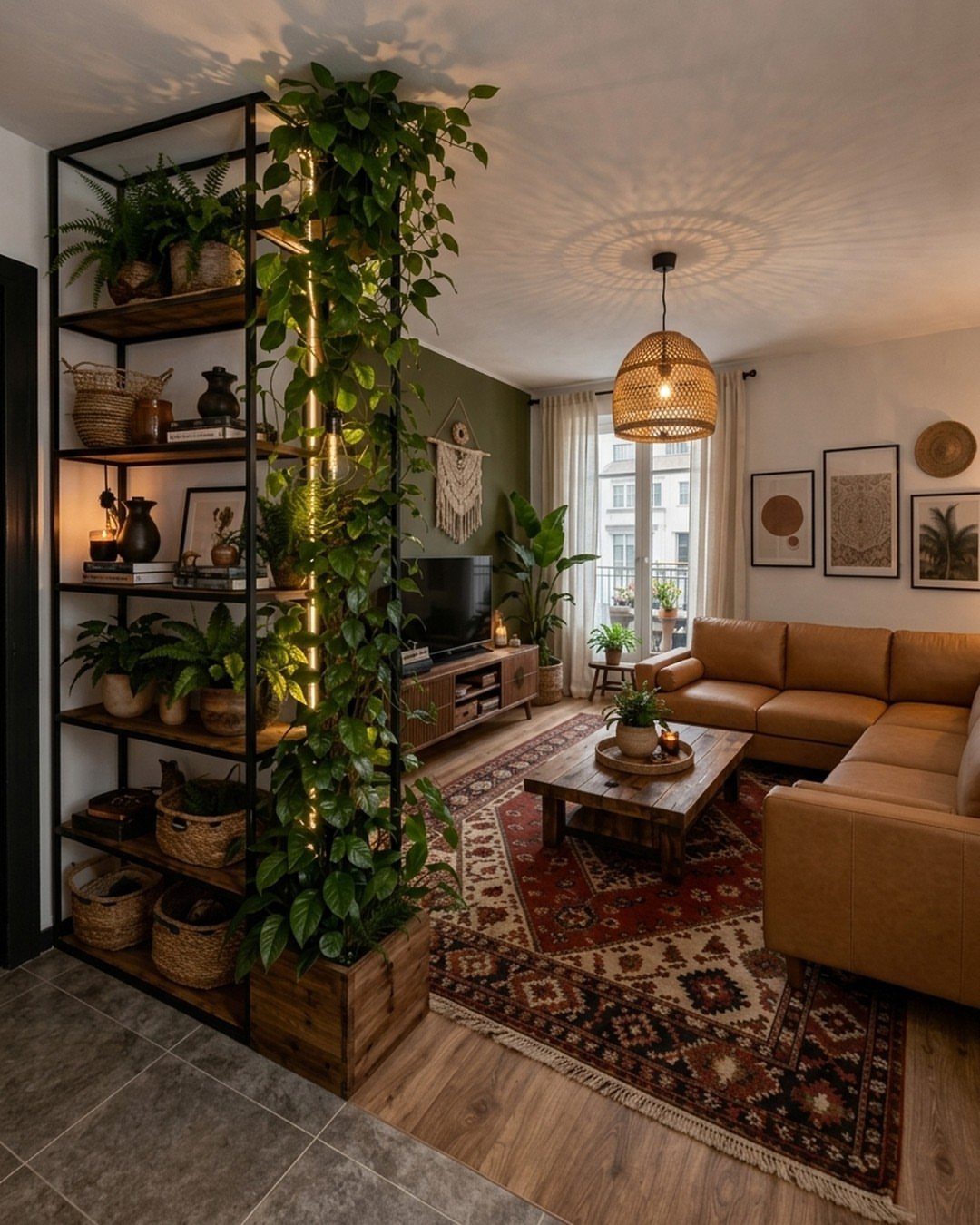
A rug ties a corner couch and a coffee table into one zone, so the pieces stop floating around the room.
A bold pattern like this red one does the job well, and it also warms up a tan leather sofa.
I’d pick a rug big enough that the coffee table sits fully on it. Let the couch’s front edge rest on the rug too, so the whole seating area reads as one block.
If your sofa is a solid color, a patterned rug adds interest without more furniture.

No Assembly Required, Ready to Use: Say goodbye to tedious furniture assembly! Our minimalist sofa requires no tools and offers instant comfort. Simply unpack and relax-experience cloud-like comfort in just a few minutes, with its full luxurious state achieved within 72 hours

Modular Sectional Sofa for Flexible Living - Discover the ultimate in customizable comfort with our modular sectional sofa. Designed with a minimalist L-shape, this two-piece set easily fits against walls or in open spaces, offering endless layout possibilities for modern living rooms, apartments, and small spaces.
2. Lighting Layers Around the Sofa
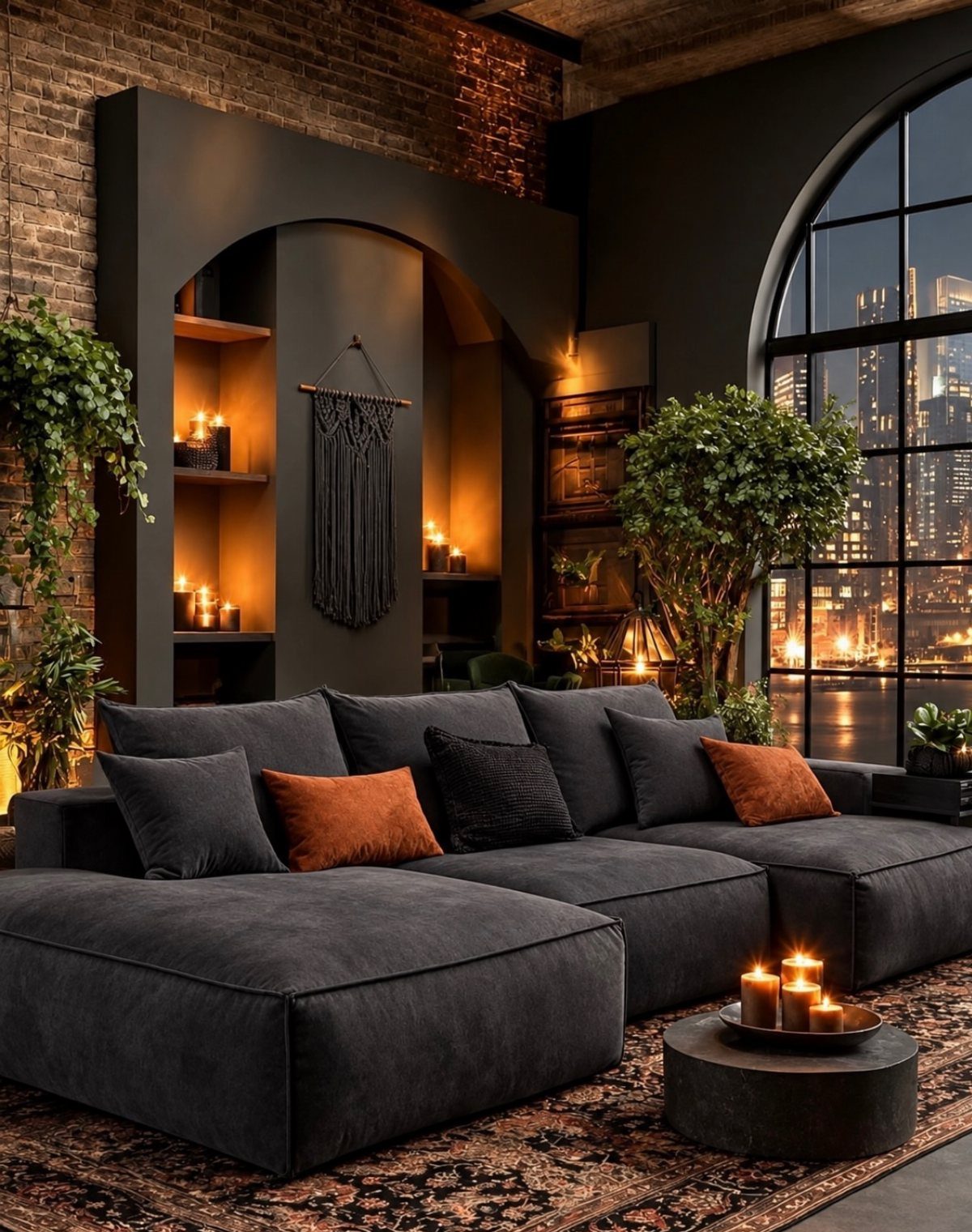
Candles at different heights add mood fast: a few on a shelf, a few on the coffee table, and maybe a lamp low in the corner.
Warm light bounces nicely off brick or any textured wall. One ceiling fixture can’t do that alone.
Aim for 3 levels: something low like candles on the table, something mid-height like a shelf glow, and something overhead. Switch off the harsh main light at night and let the smaller sources carry the room.
Candles are cheap and renter-friendly. A dark sofa soaks up warm light nicely, so I’d keep the bulbs soft and warm.

【112 INCH SPACIOUS U-SHAPE】 The 112" L x 35 W x 47" D u shaped couch is easy fits perfectly in most living rooms, generous seating for the family, this sectional couch offers plenty of space for lounging.
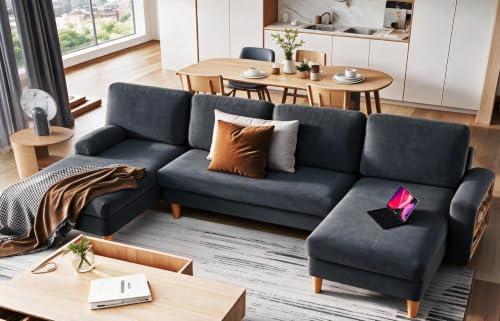
Your Space, Your Way: Reshape your space effortlessly with our cloud sectional couch; Like a chameleon, it seamlessly shifts from a sleek sofa to a cozy bed, ideal for any room-whether it's your living room, apartment, guest room

【112 INCH SPACIOUS U-SHAPE】 The 112" L x 35 W x 47" D u shaped couch is easy fits perfectly in most living rooms, generous seating for the family, this sectional couch offers plenty of space for lounging.
3. L-shaped Sectional
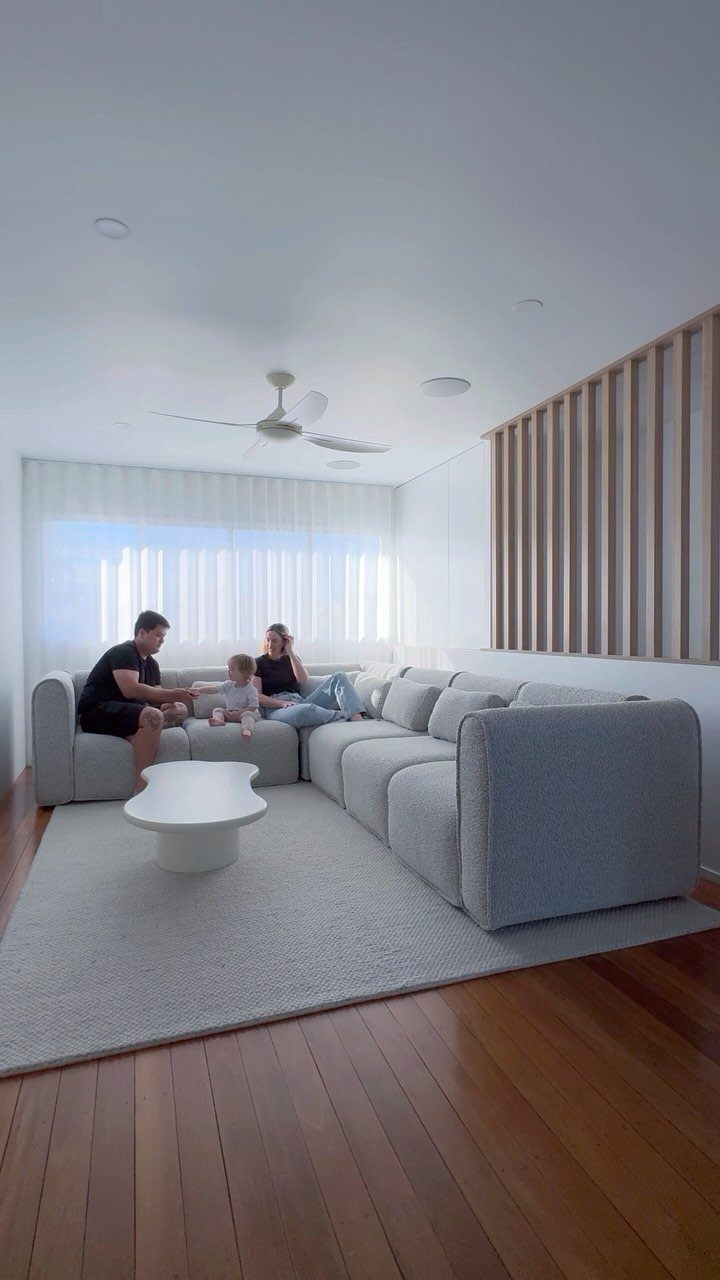
Tucking an L-shaped sectional into a corner uses 2 walls as its backrest and frees the middle of the room. That helps most in a smaller living room, where every square foot counts.
Push the long side against the longer wall. That leaves a clear path through the room.
A light gray sofa also keeps things airy. I’d add a plain white coffee table so the floor still feels open, which matters when kids are crawling around.
In a small living room, consider positioning the sectional in a corner to maximize space. Keep additional furniture and decor minimal to avoid a cluttered look.
— Castlery

【No Assembly Design】Enjoy the convenience of a modular sectional sofa that requires no assembly. Simply unpack and arrange the modules into your preferred layout. No tools, no complicated setup—just instant comfort for your living room or apartment.
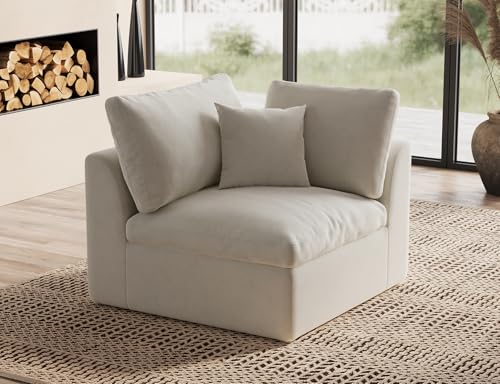
SECTIONAL MULTIPLE CONFIGURATIONS: The Ohllob sofa features a modular design, giving you purchase ottomans, middle seat, or corner seat separately to configure your an L shape, U shape, and more.
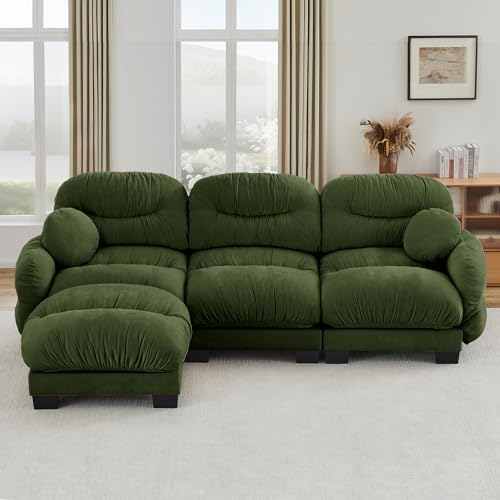
【Cloud-Like Modular Sectional】Designed for immersive cloud-wrapped comfort, this plush modular sectional features a voluminous, billowy silhouette that cradles your body in softness. The flexible modular configuration allows free combination and arrangement to fit your living room or studio apartment layout perfectly. Whether configured as an L-shaped corner piece or linear arrangement, this sofa delivers both luxurious comfort and practical versatility for modern urban living spaces.
4. Create a Balanced Seating Area
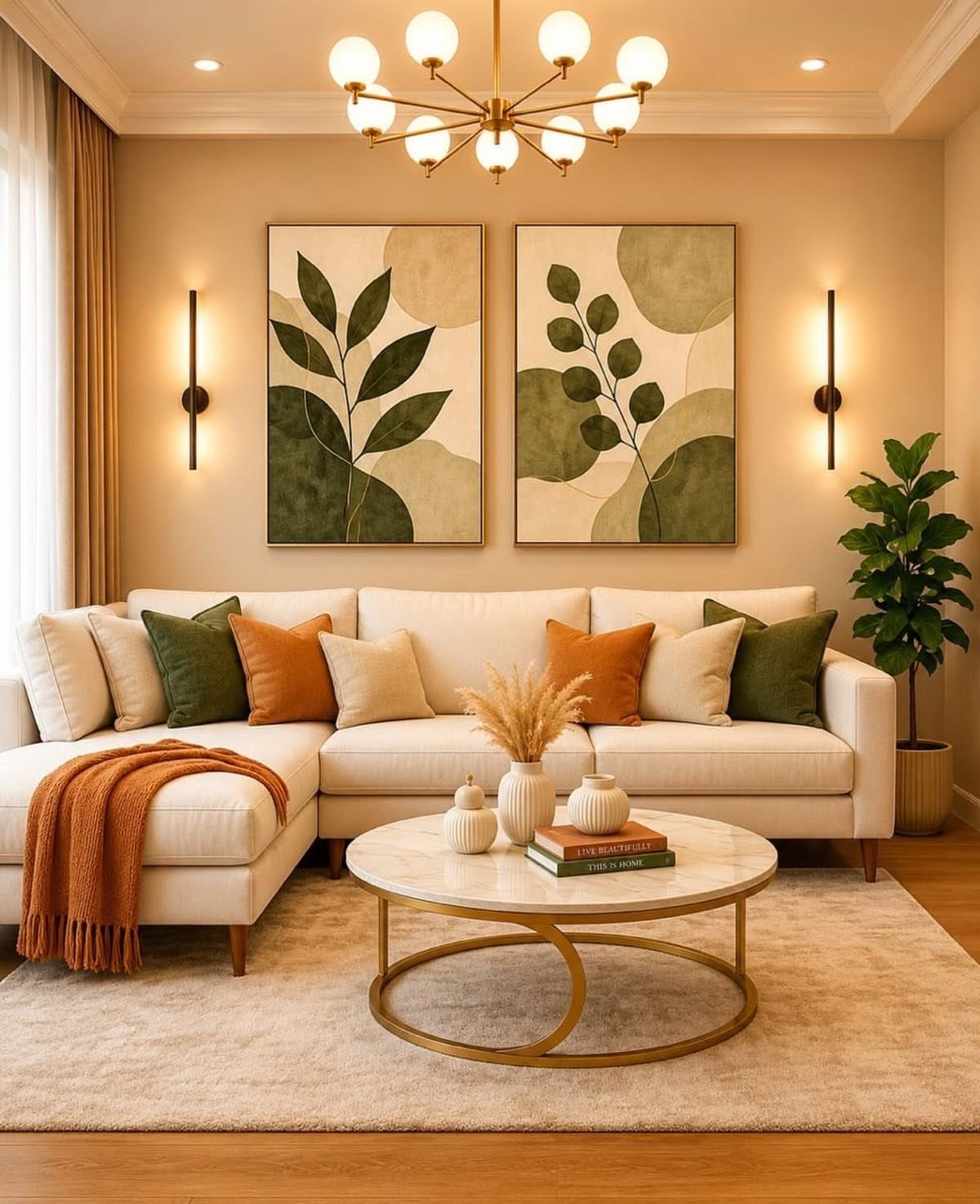
Balance means each side of the sectional gets about the same visual weight. Matching wall art, matched lamps and a centered table all help the room feel settled.
Start with the coffee table. A round one, like this marble piece, softens the sectional’s hard corner and gives you no sharp edges to bump.
Center the art above the sofa, then place lighting on both sides.
A neutral rug underneath keeps the symmetry calm, not stiff. I’d keep the colors quiet so the shapes do the work.

Premium Corduroy Fabric & Cozy Texture Sofas & Couches :Wrapped in soft, breathable corduroy fabric, this modular sectional sofa features a delicate ribbed texture that adds warmth and modern style to any living space. The skin-friendly upholstery creates a cozy, inviting feel while offering durability for everyday use, making it the perfect corduroy couch for living rooms, apartments, bedrooms, and offices.

Multi-Functional Design: Elevate your entertainment experience with this modular sofa with USB ports and a built-in cloud couch with cup holder. The unique storage armrest flips open for hidden space, and side pockets keep remotes handy. An ideal choice for gamers or movie lovers seeking a sectional with cup holder and USB capabilities

No Assembly Required, Ready to Use: Say goodbye to tedious furniture assembly! This minimalist sofa requires no tools and offers instant comfort. Simply unpack and relax-experience cloud-like comfort in just a few minutes, with its full luxurious state achieved within 72 hours
5. Modular Corner Couch Layout
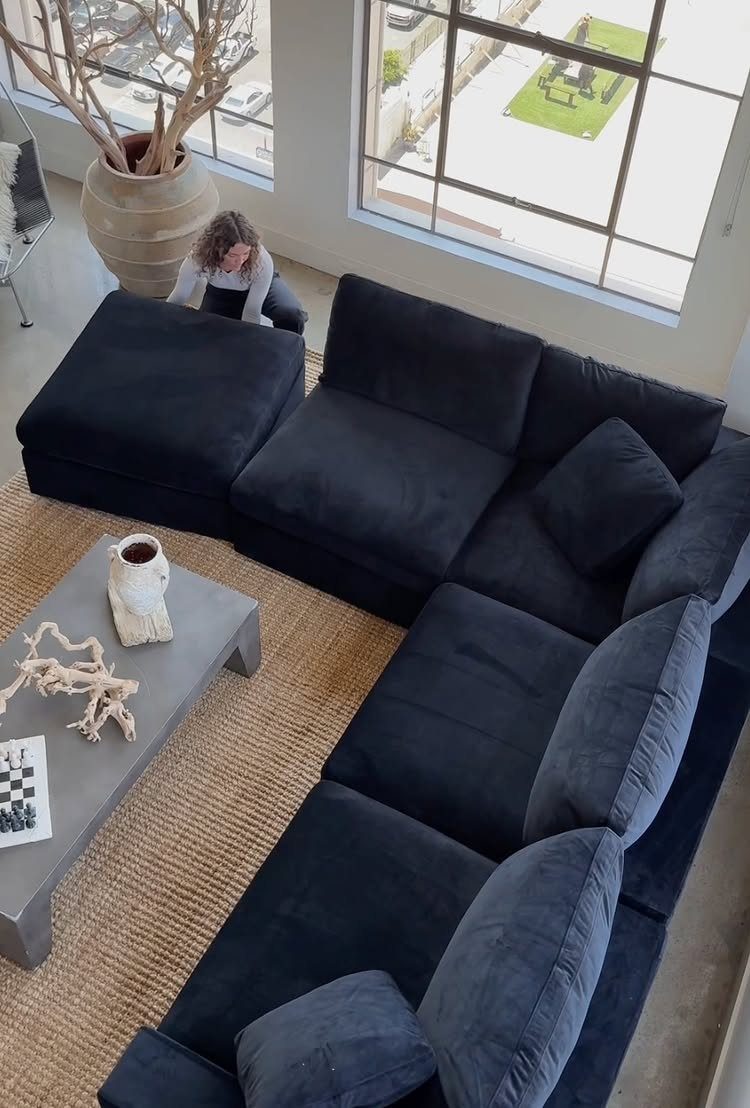
Modular sofas come in separate pieces, so you can shape the layout to your room instead of the other way around. You can build an L, then change it later if you move.
Measure the room before you buy, and test the footprint with painter’s tape on the floor.
Before you buy, tape the sofa’s footprint on the floor with painter’s tape. It costs almost nothing, and it shows how much walking space you’ll lose.
I’d leave a little open floor too, since sitting on it is part of how people really use a living room.
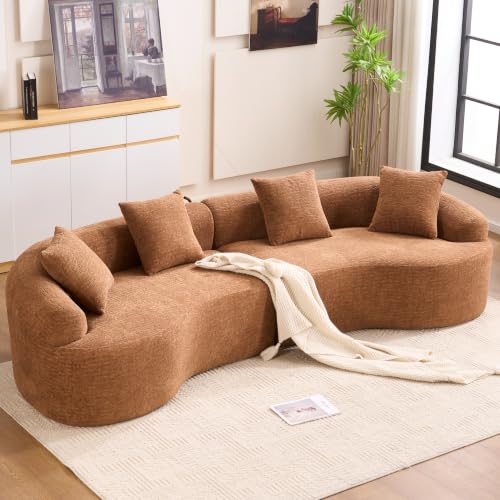
【Boneless Cloud-Like Comfort】Experience the sink-in sensation of a true boneless couches. The boneless design, filled with premium high-resiliency foam, offers exceptional softness and foundational support, inviting you to relax and unwind in cloud-like comfort.

2 Piece Sofa Set Combination:You will get a 3-seater sectional sofa with a movable ottoman, putting convertible seating cusion to the ottoman to get a chaise. And you will also get an accent chair
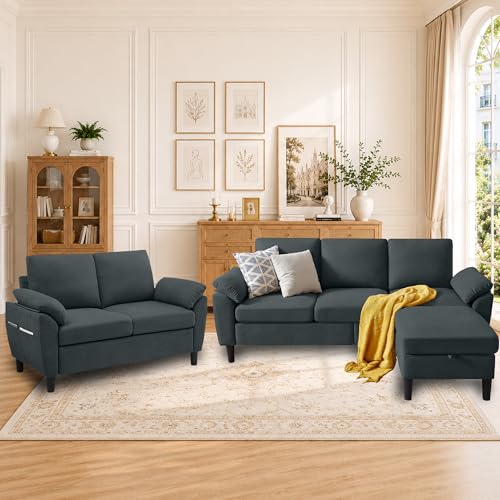
3 Piece Sofa Set Combination: You will get a 3-seat sofa, a loveseat, and a ottoman chaise. The living room furniture set includes a movable, storage-equipped ottoman that can be freely repositioned to serve as a chaise lounge. Both sofas feature side storage pockets for holding remote controls, books, and other small items. The storage ottoman is very convenient for storing throw pillows, blankets, etc., allowing you to access them anytime.
6. A Corner Sofa with a Chaise
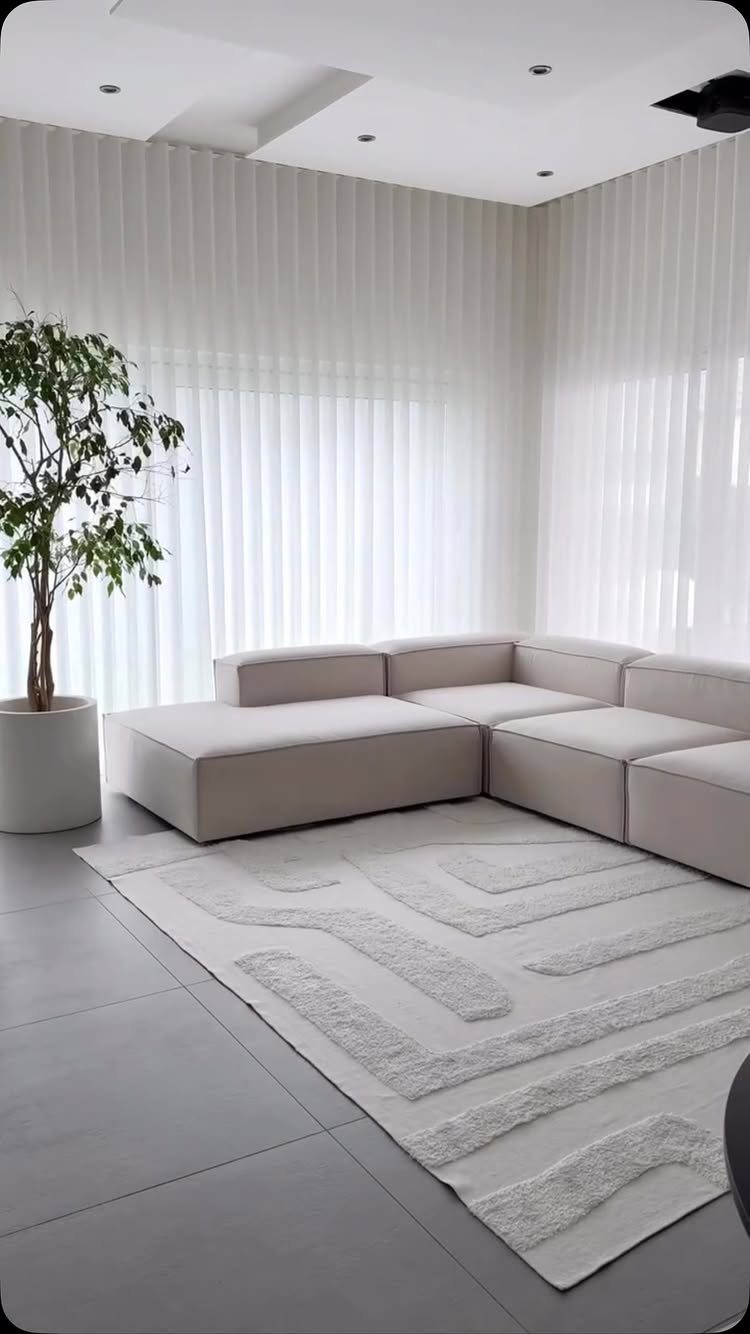
A chaise is a sofa seat that stretches out long enough to put your feet up. You get the lounging of a corner couch without needing a huge sectional.
That makes it a good pick when you want a nap spot but have limited room. Place the chaise end where it won’t block a walkway.
Pale beige keeps the shape light. I’d put a textured white rug underneath and one tall plant beside the chaise to fill the corner.

Flexible Combination: The oversized modular sectional sofa can be removed and arranged into a U shaped sectional sofa,L shaped sectional couch, V-shaped sectional sofa and more,suitable for many places

Soft Chenille Fabric: This cloud couch features chenille with great breathability and long-lasting durability.As a flexible 6 seater sectional sofa,it is suited for living rooms,spacious bedrooms,and home offices

Oversized L-Shaped Sofa – Spacious & Cozy: This large corner sectional sofa is perfect for any living room, apartment, or lounge space. Upholstered in luxurious plush corduroy, this deep seat couch offers a cozy and inviting feel. The L-shape design provides ample seating, making it ideal for family gatherings, movie nights, or relaxation.
7. Small Corner Sofa Living Room Layout
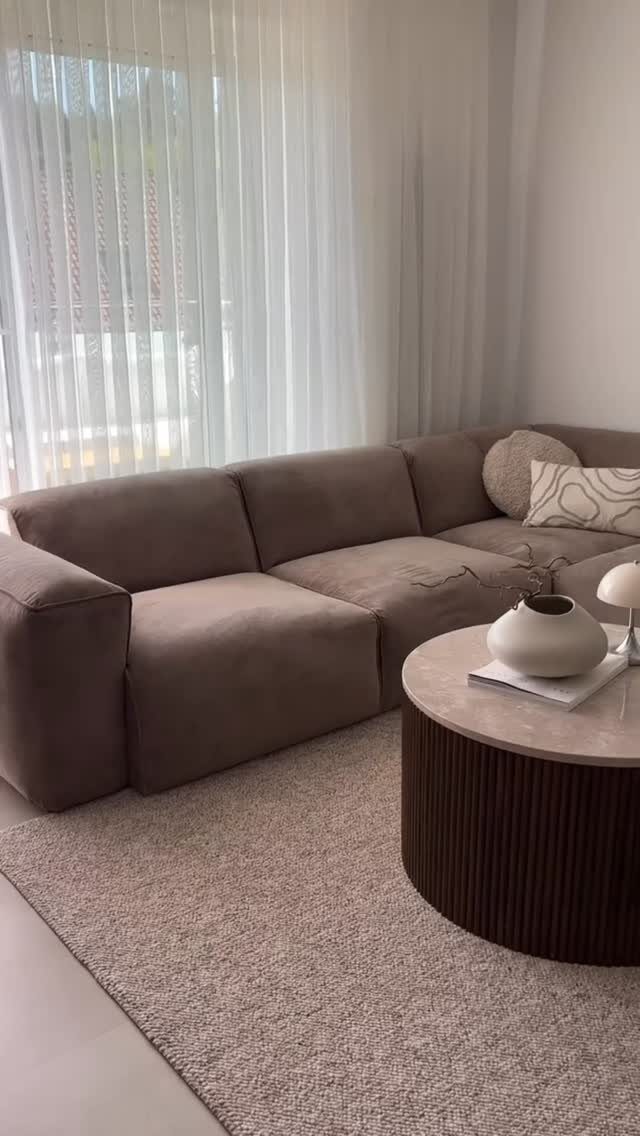
A small room asks for a sofa sized to it, and the sofa’s footprint is the first thing to check. A corner piece that’s too big eats the walkway and makes everything else feel squeezed.
Tape the outline on the floor before you buy. Then walk around it as if it were already there.
A round coffee table like this fluted one helps in tight spots, since there are no corners to catch your shins.
I’d keep the rug light and let the curtains stay sheer, so the brown sofa doesn’t weigh the room down.

【112 INCH SPACIOUS U-SHAPE】 The 112" L x 35 W x 47" D u shaped couch is easy fits perfectly in most living rooms, generous seating for the family, this sectional couch offers plenty of space for lounging.

[Extra-Wide Dimensions for Multi-Person Gatherings] Featuring a 127 inch expanded sectional design, the sectional sofa provides ample seating and lounging space. It easily accommodates multiple people, whether for daily family interactions or hosting friends, and is particularly well-suited for large living rooms and open-concept layouts—striking a balance between space efficiency and comfort.

Flexible Layouts: Easily convert modular pieces into sofa beds, L-shape lounges, or U-shape sectionals
8. Curved Sectional Layout
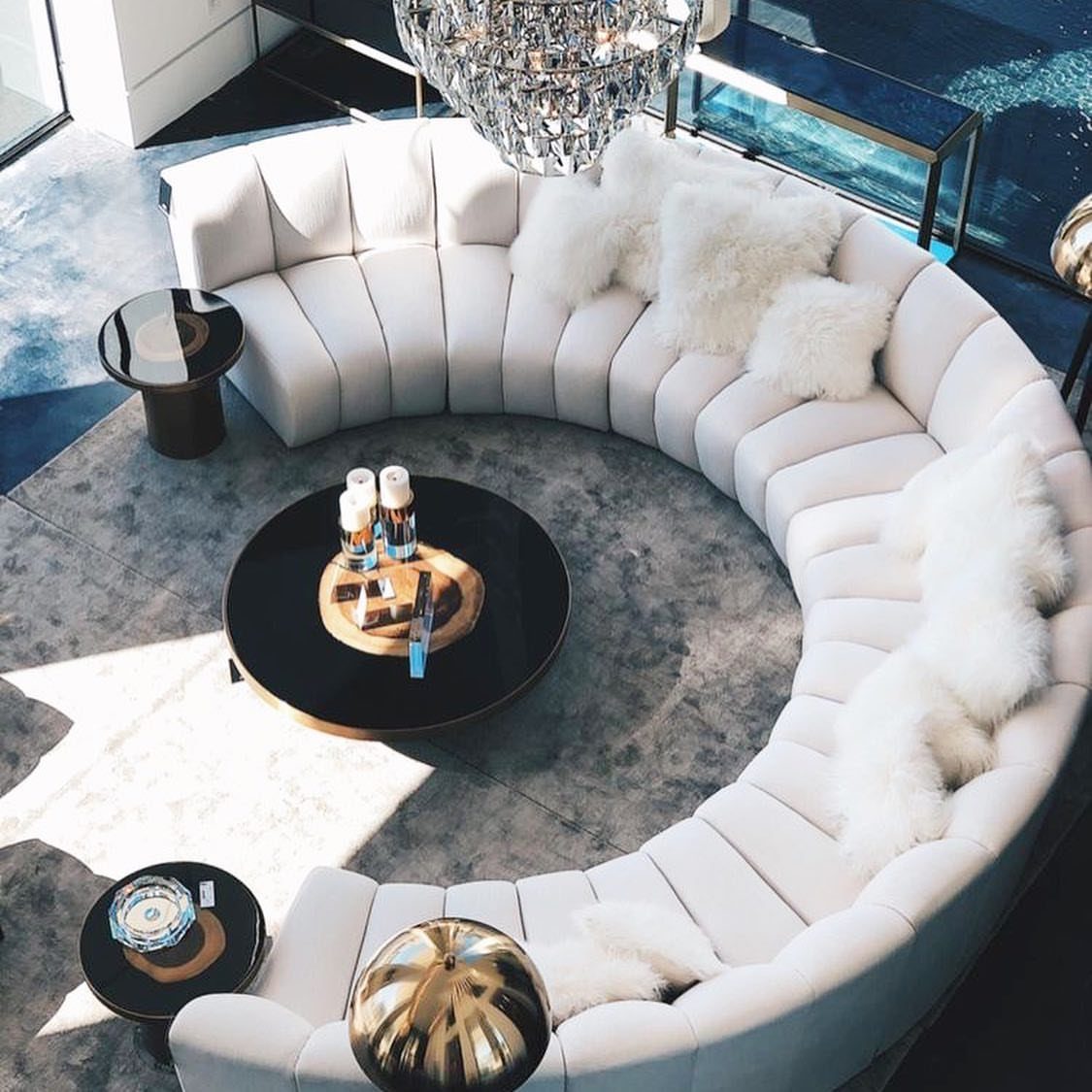
A curved sectional wraps around the coffee table in a loose half circle, so everyone faces the middle. It suits a conversation-first room better than a TV-first one.
Pair it with a round table, like this black one, so the shapes echo each other. Pick a rug large enough to sit under the whole curve, not just the table.
Curved pieces need open floor around them, since the back bows out from the wall.
I’d measure that gap before ordering. White looks soft here, but a darker fabric would hide more spills.

Dedicated Corner Module — Designed as a single corner seating section for compatible modular layouts. Use it to create the turning point in an L-shaped or U-shaped sectional arrangement or as part of a customized seating setup.

Cloud-Like Comfort with Double-Layer Cushion: Enjoy exceptional softness and support with our double-layer seat cushion filled with high-density cotton, plush sponge, and pocket springs. Whether lounging or entertaining, this cloud couch offers all-day comfort
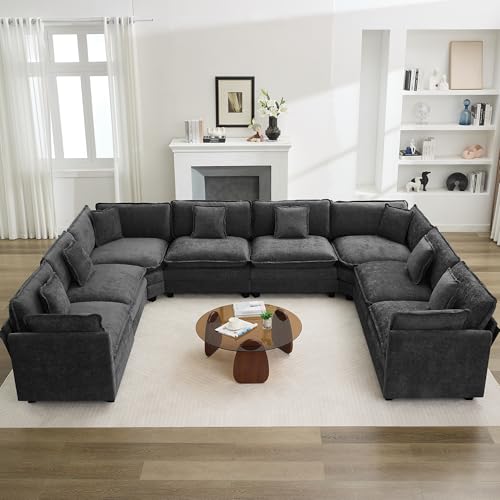
Cloud-Like Comfort: This cloud sofa is crafted with high-resilience foam cushions and soft chenille fabric, offering a cloud-like seating experience. Every seat is carefully designed to provide comfort all day long, effortlessly blending into any home space to become the ideal lounging spot
9. Corner Couch Facing Fireplace Layout
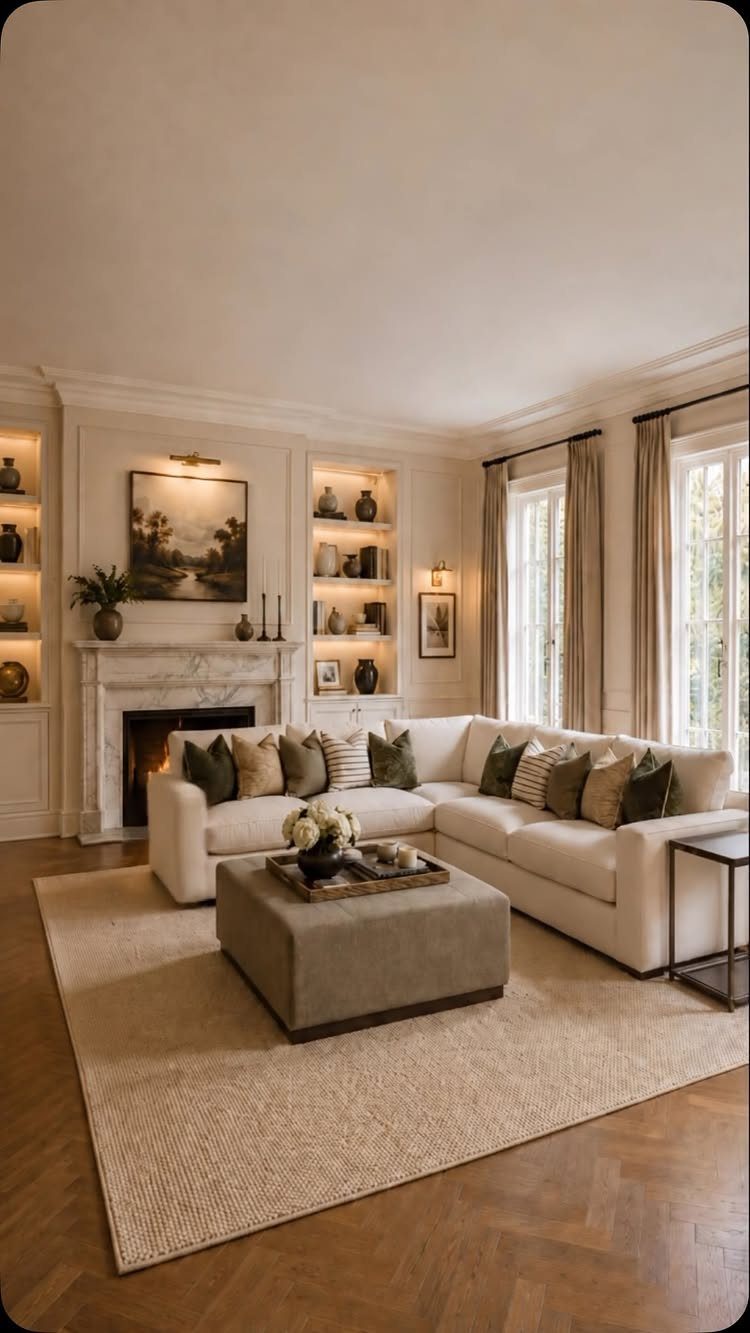
Facing a corner couch toward the fireplace puts the room’s best feature in front of you.
It does have a cost, though. As the maker of this layout noted, the sofa gives plenty of seating but cuts across the fireplace and the view out to the garden.
So decide which one you want to look at. If both matter, consider a sofa with a lower back.
A low ottoman like this grey one keeps the sightline open. I’d add a jute rug to warm up the floor and ground the seating.

Multi-Functional Design: Elevate your entertainment experience with this modular sofa with USB ports and a built-in cloud couch with cup holder. The unique storage armrest flips open for hidden space, and side pockets keep remotes handy. An ideal choice for gamers or movie lovers seeking a sectional with cup holder and USB capabilities

No Assembly Required, Ready to Use: Say goodbye to tedious furniture assembly! Our minimalist sofa requires no tools and offers instant comfort. Simply unpack and relax-experience cloud-like comfort in just a few minutes, with its full luxurious state achieved within 72 hours

Easy to Assemble: You will receive detailed and clear instructions in the packages you receive. It only takes two to three people about an hour to complete the entire assembly process. Even if you encounter any difficulties, please do not hesitate to mail us and we will provide timely assistance
10. Corner Couch Paired with Accent Chair
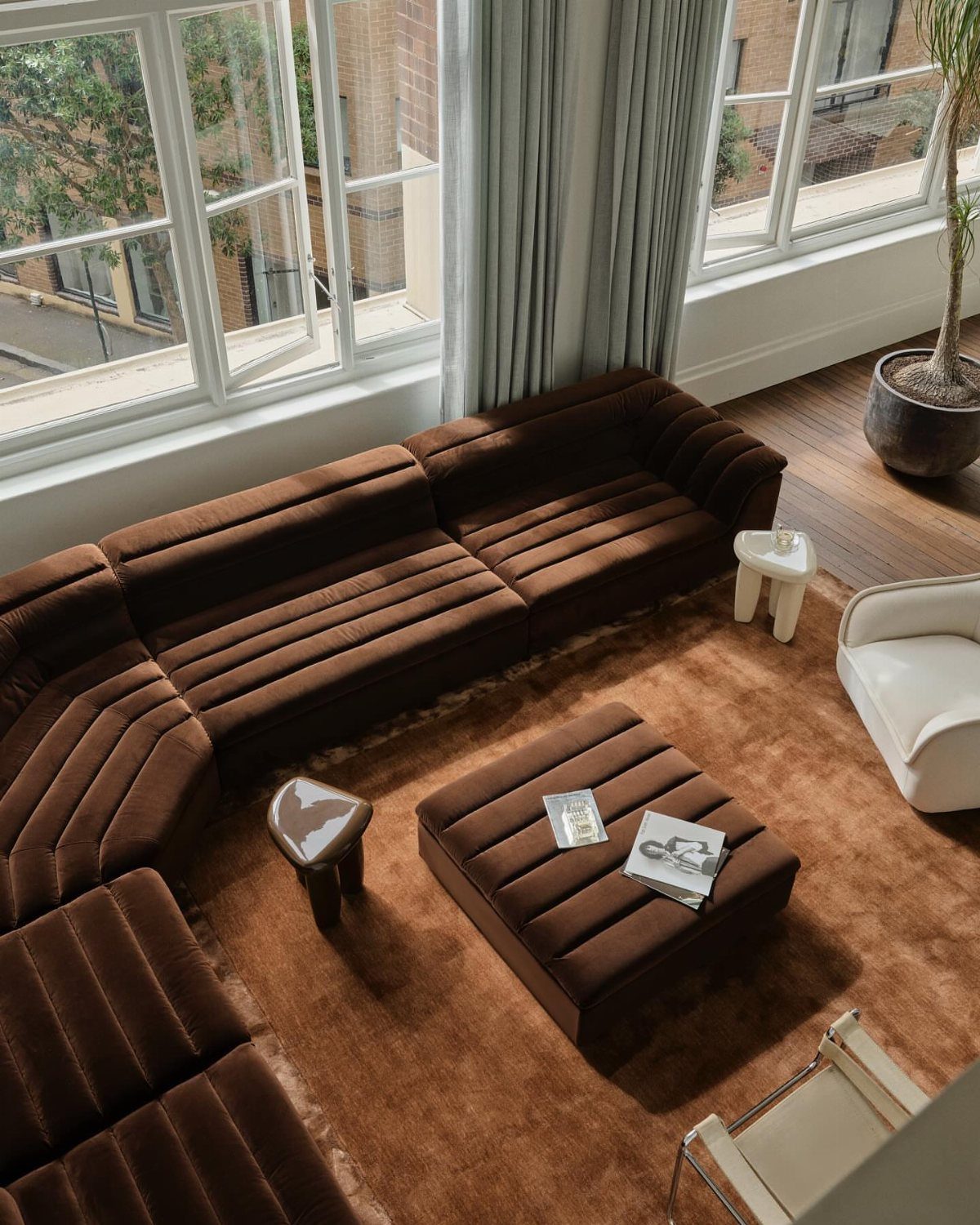
A single accent chair finishes the open side of a corner couch, so the seating feels like a circle instead of an L. White against a brown ribbed sectional gives contrast without adding clutter.
Angle the chair toward the sofa, not straight at the wall. Leave a clear walkway behind it.
I’d keep the ottoman matched to the sofa and let the chair be the one light piece. A shag rug underneath softens everything, though it’s harder to vacuum, so I’d choose a low pile if you have pets.

CLOUD-LIKE COMFORT – Sink into plush double-layered cushions designed for a balance of softness and support. The textured linen cloud couch offers a breathable feel in summer and cozy warmth in winter, while the deep seat sofa with ottomans adapts to various lounging needs—from sitting upright to stretching out in comfort.

3 Seater& 4 Seated Sectional:Featuring a professional 3 seater sectional and classic L shaped couch structure with 1 ottoman, The reasonable partition layout of the L-shaped cloud couch makes full use of corner space, no crowding and more free movement, creating a super warm and spacious family leisure area for living room, bedroom and apartment.
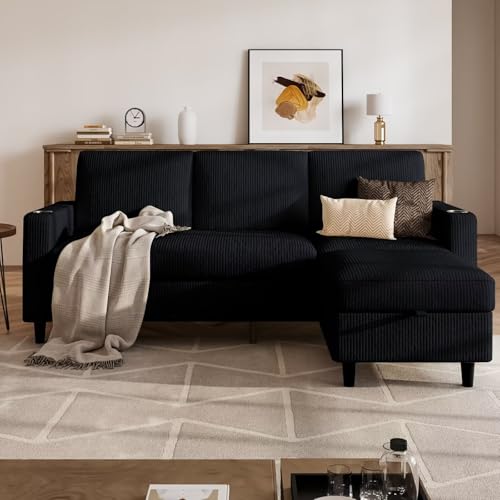
Smart Flexibility: The L shaped couch adapts easily to your space with a reversible ottoman that switches sides in seconds, creating cozy chaise sofas for lounging or movie nights. Built-in cup holders on the armrests keep drinks secure, making everyday relaxation feel effortless
Choosing the Right Sofa
Size comes first.
Shape matters next. A round corner sofa can suit a smaller room, while a standard corner piece gives you more seats for a family or guests.
Material depends on how the room gets used.
Some fabrics don’t hold up in certain settings, so check that the one you like fits your daily life. Leather and outdoor-rated pieces are made for very different jobs.
Placement is the last piece.
A corner sofa can sit against a wall or float in the middle of a large room. Pick based on how much open floor you have.
Decorating Around the Sofa
Let the sofa set the tone. Choose other pieces that match its style, whether that’s traditional, contemporary or something more unusual.
Pull the room’s main colors from the sofa, so the rug, curtains and walls all work with it. That keeps the whole space feeling calm and connected.
Mix textures too. Cushions and throws in velvet or a chunky weave give a corner couch some texture, and they make it look like a place you’d want to sink into.
An angular corner sofa pairs well with a coffee table in a contrasting shape. Marble or hardwood both work.
Ottomans give you extra seating without another full piece of furniture. I like that they can double as a footrest on movie night.
Arranging Furniture
Start with a quick sketch of the room. Mark the doors, windows, columns and any furniture that can’t move.
Next, sketch the paths people use most, like the walk from the front door to the kitchen or over to the dining table.
I’d keep those paths away from the space between the sofa and the coffee table, so nobody has to squeeze past your drink.
Pick one thing for the best seat to face, whether that’s the TV, the fireplace or a view of the yard. On your sketch, mark the sofa’s full footprint, and count the chaise or the pop-up footrest too.
Open nearby doors and pull out the dining chairs while you test it.
Frequently Asked Questions
What is the point of a corner sofa?
One corner sofa seats a crowd, and the two walls it sits against act as its back.
That frees up the middle of the room, which helps most in a smaller space. It also pulls people into one cozy seating zone and defines walkways around it.
How do you decorate a corner of a living room?
A rug that holds the whole coffee table makes the sofa and table feel like one cozy spot.
Then add light at 3 levels: candles low, a shelf glow at mid-height, and something overhead. Take your room’s colors from the sofa itself, then layer in velvet or a chunky knit on pillows and throws.
What coffee table works best with a corner sofa?
A round one is usually the best match.
Its curves contrast with the sofa’s angles, and there are no sharp corners to bump, which helps in tight rooms or with kids around. Marble and solid wood both hold up well here.