

Public bathrooms often get a bad rap. They’re usually just an afterthought in building design and can feel cold or uncomfortable. That’s why I decided to create this post—because good public bathroom design can truly enhance the experience for everyone who uses them. It’s not just about function; it’s about creating spaces that are welcoming, sustainable, and even a bit stylish.
If you’re a homeowner, a designer, or someone passionate about public spaces, this post is for you. You care about making the world a better place, and that includes thoughtful restroom design. Maybe you’re involved in managing public facilities or simply want to spruce up your local park or community center. Whatever your role, envisioning a better bathroom can spark change.
Here, you’ll discover 14 public bathroom ideas that are both practical and aesthetically pleasing. From nature-inspired interiors using sustainable materials to smart technology that saves water, these tips will inspire you to rethink bathroom spaces. You’ll gain insights on how to create designs that are not only functional but also improve user experience.
So, get ready to dive into a mix of modern restroom ideas, functional layouts, and suggestions for eco-friendly materials. With just a few thoughtful touches, you can make public restrooms more inviting, efficient, and environmentally friendly. Let’s transform these often-overlooked spaces into something that truly reflects the community spirit!
1. Nature-Inspired Interiors

Nature-inspired interiors soften public bathrooms and invite calm. Wood accents, stone fixtures, and earthy tones add texture and warmth. Bamboo partitions, river stone sinks, and living green walls anchor the space. Pinterest guides and design blogs show this look in modern restrooms.
To pull it off, mix durable woods with moisture-friendly finishes. Faux plants keep upkeep low, while real greenery thrives in humid areas. Pair natural textures with simple lines to keep the space bright and clear. This approach makes the restroom feel like a small retreat rather than a stop.
• Use bamboo partitions for privacy and sustainable design
• Choose river stone sinks to bring nature indoors
• Add live plants on green walls to improve air quality
• Place earthy color palettes across surfaces softly throughout the space
These touches turn a restroom into a tiny nature retreat.
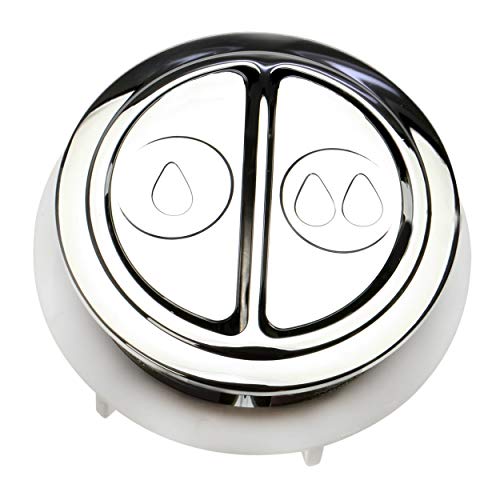
Genuine replacement buttons for Glacier Bay and other Dual Flush Toilets

【PACKAGE INCLUDES】2 pcs 48 mm dual toilet flush push button replacement with adjustable rods and anti-slip rubber feet; Features separate half flush and full flush functions for daily water-saving use without reducing flushing performance; Toilet water saving replacement for family multi-toilet parts replacement or future backup use
2. Stylish Water Conservation

Saving water is a must in public bathrooms. Dual-flush toilets, low-flow faucets, and motion-sensor taps trim usage. Smart choices here set a tone of responsibility and care. This approach is common in green-building guides and practical design blogs.
Look for simple, budget-friendly swaps and clear messaging. Consider installing aerators for a steady, efficient flow. Use signs or artwork that explain why every drop matters. The result is a space that saves resources while teaching guests good habits.
• Use dual-flush toilets to cut water usage and waste
• Choose low-flow faucets for steady, efficient streams throughout
• Pick motion-sensor taps to prevent unnecessary water waste
• Add educational signage to tell users about water saving
These tweaks keep costs low while teaching good habits.

Non-contact automatic faucet adapter: Automatic faucet turns ordinary faucet into automatic motion sensor faucet. 0.1s fast sensing, smart and convenient, no need to touch the faucet, sensor water, convenient for your life

AC/DC Dual-Power: This fully automatic bathroom sink faucet features a smart sensor for contactless operation. For ease of use, this automatic sensor faucet can be powered by a 110V AC power plug or four AA batteries (not included)

HANDS-FREE MOTION SENSOR — START WATER WITH A WAVE: A responsive sensor turns water on and off with a wave of your hand, wrist, or a dish, so you never smear raw meat, dough, or grease across the handle mid-recipe — and the manual single-handle lever is always there for full temperature and flow control.
3. Eco-Friendly Materials

Choosing eco-friendly materials helps the bathroom breathe. Recycled tiles, reclaimed wood, and low-tox paints shape a healthier space. Simple swaps can make a big difference over time. You’ll see these choices pop up in eco-conscious projects and community spaces.
Start with durable, eco-friendly options that fit your budget. Recycled glass tiles add color without extra waste. Cork flooring brings warmth and softness underfoot. Non-toxic paints cut indoor pollutants while keeping walls bright and fresh. These materials lift the look and align with green goals.
• Use recycled glass tiles for color and green claim
• Choose cork flooring for comfort and renewability benefits
• Add non-toxic paints for safer walls that improve indoor air quality
• Place reclaimed wood accents to balance warmth in public spaces
These materials lift the look while keeping the air cleaner.
Did you know recycled tiles and low-tox paints can cut indoor pollutants by up to 60% in public bathroom ideas? Start small with durable eco-friendly options like cork flooring and reclaimed wood; these swaps quietly transform spaces over time.

【Handle Design】: The toilet tissue holder is designed with handles on each side. It is convenient to move it to any place by the handles.

BATHROOM SETS SIZE: 1 shower curtain: 72" H x 72" W with grommets and 12 hooks, thickened bathroom mat 29.5 "L X 17.7" W, o-toilet cover: 17 "L X 15" W, U-shaped carpet: 17.7" L X 14.8 "W

Real Bamboo Toilet Paper Holder: Add functionality and organization to your bathroom with GOBAM Bamboo toilet paper holder with lid. The covered toilet paper box is made of high-quality bamboo to store your spare toilet rolls neatly and keep your bathroom organized
4. Modern Functional Layouts

A smart layout keeps busy bathrooms moving smoothly. Clear zones for toilets, sinks, and changing spaces cut clutter. Plenty of space in stalls boosts comfort. Open concepts can welcome guests and reduce crowding. These ideas work well in high-traffic settings.
Plan with flow in mind. Use signage to guide users and avoid bottlenecks. Choose durable partitions and fixtures that stand up to daily use. A well-organized space makes each visit easier and calmer.
• Use clear zoning for smooth flow between toilets, sinks, and changing spaces
• Choose spacious stalls for comfort in busy settings
• Add open layouts to feel welcoming for users
• Place accessible routes to all areas within reach and easy to navigate
With these layouts, you create a restroom that moves with people and feels welcoming.

Natural River Stones: Natural Rocks Found In River Water Bodies, These Boulders Are Shaped Into Oval Shapes By The Flowing Water, The Most Common Colours Are Yellow-Brown, Grey-Brown Etc., They Are Natural And Environmentally Friendly Granite Stones!

ONE-OF-A-KIND CRAFTSMANSHIP: Each Natural Stone Vessel Sink is one-of-a-kind in shape, color tone, and graining. For double vanities, you may select coordinating pieces—similar in style, never identical.

5. Bright and Inviting Lighting

Light changes the mood of any space. Let natural light in where possible and pair it with well-planned artificial lighting. A bright bathroom feels clean and safe. This approach is standard in modern public design and energy-conscious buildings.
Use daylight when you can, and add LEDs that last long and save energy. Place mirrors to bounce light and make the room feel larger. Accent lighting around mirrors creates warmth without glare. Good lighting makes every moment feel inviting and secure.
• Use skylights to invite daylight and cut electricity use
• Choose LED fixtures for efficiency and longevity
• Add mirror lighting to create a welcoming glow
• Place task lighting near sinks for clarity
Bright spaces invite people to linger a bit longer.
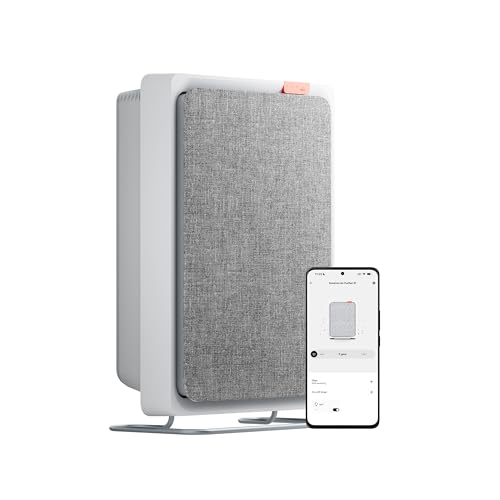
Break The Space Limit: Wall-Mounted dsign, this home air purifier is designed for small spaces and can be wall mounted without occupying floor space. Whether it's a small apartment, office, or rental, it can easily blend into your home environment.

JAPANESE LED PHOTOCATALYST TECHNOLOGY - Unlike traditional air purifiers that only trap particles, Kaltech’s LED photocatalyst actively decomposes harmful organic substances—including VOCs, smoke, odors, and pet allergens—at the molecular level. Tested for effectiveness by the University of Tokyo, Nihon University, and RIKEN Laboratory in Japan. [IMPORTANT]***Wall-Mount Version – Main Unit Only (Stand Not Included). Stand sold separately (ASIN: B0B9HV8S86)***

COMBATS POLLUTANTS: The O3 Pure Leaf Purifier can remove airborne contaminants such as smoke, shoes, kitchen fumes, bathroom odors and other allergens. It can quickly eliminate any lingering odors leaving your home or office smelling fresh. The units are fully adjustable from 0-300 mg/hr and can treat an area up to 450 sq. feet. Easily moved from room to room and travel ready.
6. Artistic Elements

Art and decor soften the public bathroom and connect it to the community. Local art on walls builds a sense of belonging. Murals that tell a local story add depth. Interactive features invite guests to participate. This makes the space feel less clinical and more alive.
Display local creations near entry doors or sinks. Use murals that reflect the area’s culture. Consider a small message board for community notes. Art turns a restroom into a small public gallery.
• Use local artwork to connect with community
• Choose thematic murals telling local stories
• Add interactive displays for engagement
• Place murals behind sinks as focal points
Art makes the room feel welcoming and personal.
Public bathroom ideas shine when art invites participation. Local murals tell a story, communities feel seen, and a small message board keeps everyone connected. Turn sterile spaces into welcoming galleries that people actually want to share.

Package Includes: You will receive 1 black dual flush toilet button, a practical and cost-effective replacement part to restore smooth flushing performance in your toilet system.

Broad Compatibility: Specifically designed for 2-piece toilets. This all-in-one kit includes all core internal components to completely address aging and leaking issues - comes with fill valve, 3-inch flush valve, push button, gaskets, metal bolts, and a full set of installation tools.This dual flush valve fits Glacier Bay N2316, N2428R-DF, Project Source MT-20204P, AquaSource T801, and other compatible models meeting the required dimensions

ONLY FITS 3-INCH One-PIECE DUAL FLUSH TOILETS – Designed for one-piece dual flush toilets with a top push button only and not compatible with 2-piece toilets. Fits flush valve openings from 3.2" to 3.7" and tank lid button hole diameters from 1.9" to 2.2". The telescopic overflow tube adjusts from 8.6" to 12" to better match different tank profiles. Compatible with select models from brands such as Glacier Bay, AquaSource, Project Source, HOROW, DEERVALLEY, TOTO, Kohler, and Water Ridge when dimensions and structure match. Please confirm your toilet type and measurements before ordering
7. Sustainable Soap and Paper Products

Public bathrooms can push sustainability through daily choices. Refillable soap dispensers and recycled materials cut waste. Gentle, eco-friendly soaps protect skin and the planet. This approach fits green building goals and user expectations.
Choose biodegradable soaps that are gentle on skin and the environment. Offer cloth towels or air dryers to reduce paper use. Ensure dispensers are refillable to cut single-use plastics. Small steps here build lasting habits.
• Use refillable soap dispensers to cut plastic waste
• Choose biodegradable soaps that are gentle on skin and environment
• Add cloth towels or air dryers to reduce waste
• Place recycling bins for easy disposal
Mindful product choices boost sustainability and daily comfort.


1. Upgrade double for faucet, two sets of sensing areas, two water modes, 0.25 second fast induction.

【Automatic Sensor Touchless Faucet】 Hands-free operation makes this bathroom sink faucet perfect for any commerical space.
8. Accessible Design

Public bathrooms must work for everyone. Plan stalls with enough room for a wheelchair. Install grab bars and non-slip floors for safety. Use signs and braille to aid those with vision difficulties. An inclusive space shows care for all guests.
Design with universal access in mind. Keep routes clear and fixtures easy to reach. Use color and texture to guide people with vision needs. An accessible bathroom helps every user feel respected and confident.
• Use wheelchair-friendly stalls with space
• Choose grab bars and non-slip floors
• Add high-contrast signs for visibility
• Place braille labels for inclusivity
Inclusive design makes the space welcoming for all.

BAMBOO LAND toilet paper storage is a practical and elegant solution designed to neatly hold up to 12 rolls, keeping your bathroom organized and clutter-free.

Fits Large Rolls: Fits toilet paper rolls up to 4.92"(12.5cm) long. Holds even mega-sized rolls of toilet paper. Plus, the large stainless steel end knob prevents the toilet paper roll from falling off.

[100% Solid Bamboo Wood]: Constructed from premium bamboo material, this over-the-toilet storage shelf features high strength and lasting durability, and also offers a natural charm to your space.
9. Ventilation Matters

Good airflow keeps bathrooms fresh and comfortable. Effective exhaust fans cut humidity and odors. Fresh air inlets ensure a steady exchange of air. When possible, open windows for natural ventilation. This is key for hygiene and comfort.
Install fans that run quietly and efficiently. Pair with vents that pull damp air out quickly. Consider automatic controls tied to occupancy. Regular checks keep the system working well. Clean air means a nicer visit for everyone.
• Use exhaust fans to cut humidity
• Choose fresh air inlets for steady flow
• Add natural ventilation with windows where possible
• Place air-quality sensors to monitor levels
Ventilation protects health and keeps users at ease.

Natural River Stone Material: The basin is crafted from genuine river stone, valued for its solid structure and naturally varied texture. This natural material offers dependable durability and a refined, timeless appearance, making it a distinctive element in the bathroom.

Peace of Mind: No harmful heavy metals or VOCs, ensuring a 100% safe and healthy environment. Lifetime warranty. Easy returns.

Natural River Stone Craftsmanship: Each 38-45 cm long, 30-35 cm wide, 15 cm high basin is meticulously carved from natural river stone, ensuring a unique, organic aesthetic for your bathroom. This durable, water-resilient material provides long-lasting performance and a rustic yet refined look, blending seamlessly with various decor styles.
10. Smart Technology

Smart tech adds efficiency and modern comfort. Water-saving smart faucets and toilets reduce waste. Occupancy sensors adjust lights and fans automatically. Apps can show cleanliness or availability. These tools keep facilities current and well cared for.
Look for devices that save water and energy. Use apps to help staff stay on top of cleaning. Let guests see real-time status so they feel confident. Smart features make care easier and guests happier.
• Use smart faucets to save water
• Choose occupancy sensors for lighting and ventilation
• Add maintenance apps for status updates
• Implement auto-ventilation that responds to use
Smart tech improves performance and trust.
Smart bathrooms can cut water use by up to 30% with smart faucets and toilets. Occupancy sensors automatically power lights and fans, saving energy and keeping facilities comfortable. Apps can show cleanliness status, helping staff and guests feel confident.
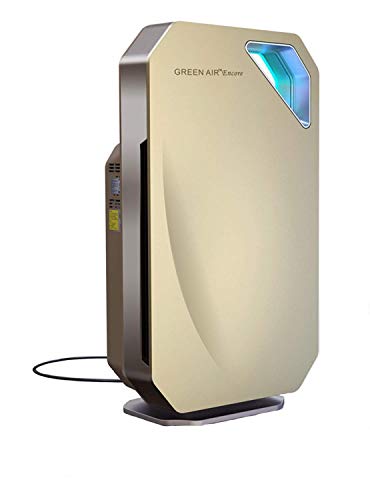
Three-stage advanced purifier system with True HEPA and Odor fighting filter technology. Non-Ozone based air purifier.

Covers min. 5500 sq.ft.
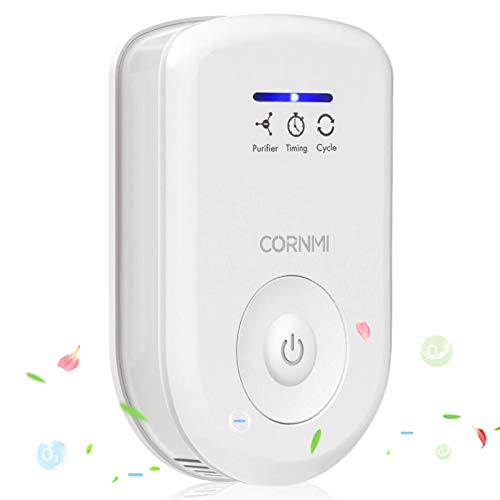
🍃2-in-1 Pluggable Air Purifier: CORNMI air purifier for home has ozone and negative ion dual function. Ozone has a strong oxidative decomposition ability, and negative ions can absorb dust. The combination of these two functions can effectively clean pet smell, secondhand smoke and kitchen oil fume, allowing you to enjoy natural fresh air at home.
11. Low-Maintenance Designs

Low-maintenance choices save time and money. Non-porous surfaces resist stains and clean up fast. Durable flooring handles heavy use. Fixtures designed for easy cleaning keep spaces looking fresh. This approach helps restrooms stay clean longer.
Choose surfaces that wipe down easily. Pick flooring that takes daily wear without scuffs. Install fixtures that resist grime and water spots. Regular quick checks keep things running smoothly. A simple setup lasts longer and feels reliable.
• Use non-porous surfaces for easy cleaning
• Choose durable flooring for high traffic
• Add easy-clean fixtures for quick upkeep
• Place sealed corners to resist grime
Low-maintenance choices pay off in the long run.
12. Outdoor-Inspired Elements

Bringing the outdoors inside makes bathrooms feel airy. Stone sinks paired with wood accents evoke a forest vibe. Pebble floors add texture underfoot. Light, beachy colors give a fresh mood. These touches help guests relax even in busy spaces.
Consider stone and wood pairings on vanities. Use pebble layouts in shower floors or borders. Choose soft blues and sandy tones for walls and accessories. Natural textures connect the space to nature and calm.
• Use stone sinks with wood accents
• Choose pebble floors for texture
• Add light colors to evoke a beachy vibe
• Place natural textures in fixtures
Outdoor-inspired elements create calm in any setting.
13. Child-Friendly Features

Family friendly restrooms welcome little visitors. Include child-sized toilets and sinks for easy use. Use bright, playful colors that feel fun. Add safety features like low counters and non-slip surfaces. These touches make families comfortable and at ease.
Make the space easy to navigate for kids. Keep essentials within reach and clear of trip hazards. Use friendly graphics to guide little hands. A thoughtful design invites families to use the facilities without worry.
• Use child-sized toilets for kids
• Choose bright colors and patterns
• Add low counters for safety
• Place non-slip mats near sinks
Child-friendly features help families feel welcome.
14. Green Cleaning Solutions

Green cleaning supports a healthier restroom. Use eco-friendly cleaners that cut grime without harsh residues. Maintain a regular schedule to keep hygiene high. Train staff on sustainable cleaning habits. This builds trust and comfort for every user.
Choose cleaners that are effective and safe for people and the planet. Set a routine so spaces stay fresh all day. Show staff why green products matter and how to use them properly. Clean spaces feel safer and more inviting for guests and workers alike.
• Use eco-friendly cleaners that effectively cut grime without residues
• Schedule regular deep cleaning for hygiene and trust
• Train staff on sustainable cleaning practices and safety
• Replace single-use towels with air dryers or cloth alternatives
Green cleaning supports health and trust.
Optimal Sizing and Layout for Public Bathrooms
Right-sizing from the start prevents expensive retrofits and keeps traffic flowing.
Stall Count and Basic Layouts
- Two stalls minimum for small offices—balances privacy needs against wait times without overbuilding.
- Three stalls allows comfortable simultaneous use in moderate-traffic facilities.
- Mirrored layouts (stalls and sinks facing each other) maximize tight spaces when wall structures permit.
- Adequate circulation space between opposing fixtures is non-negotiable for safe flow.
Accessible Stall Requirements
| Toilet Mount | Minimum Width | Minimum Depth |
|---|---|---|
| Wall-mounted | 60 inches | 56 inches |
| Floor-mounted | 60 inches | 59 inches |
- 150 cm floor radius (59.1 inches) minimum for wheelchair maneuverability.
- Door opening of 32 inches clear width, swinging outward unless interior space allows inward swing.
- European alternative: 150×220 cm to 225×190 cm envelope for equivalent accessibility.
Critical Layout Mistakes
- Grab bar placement errors: Side wall bars too far from rear wall, or rear wall bars off-center.
- Floor clearance violations: Less than 9 inches under partitions, often caused by uneven floors or floor-mounted pilasters.
- Missing ambulatory stalls: Required in restrooms with six or more stalls—specific dimensions and grab bars mandatory.
- Gendered fixture assumptions: Stalls plus urinals typically designates men’s room; plan unisex facilities deliberately.
- Segregated accessible stalls: Integrate within main restroom rather than adjacent for true inclusivity.
Choosing Materials and Fixtures for Public Bathrooms
I always start material selection with surfaces that take the most abuse. In public bathrooms, that means partitions, flooring, and entry doors need to withstand constant use while staying hygienic.
| Material | Best For | Key Benefit |
|---|---|---|
| Phenolic core panels | Restroom partitions | Withstands heavy wear and tear; easy to clean |
| Compact laminate | Partitions and surfaces | Non-porous; moisture-resistant; won’t warp or swell |
| Vinyl flooring with nylon facing | Flooring | Stain-resistant and easy to clean |
| Fiberglass reinforced plastic doors | Entry doors | Lightweight; resists graffiti, bacteria, mildew, and rust |
| Waterproof caulk/grout (glass-like finish) | Tile joints | Difficult to write on; won’t absorb into crevices |
For doors in high-traffic locations, I recommend 18- or 20-gauge options specifically. The gauge matters—thicker handles more abuse without denting or failing.
Fixtures That Cut Water Use and Touch Points
- Low-flush toilets and urinals — Reduce water volume without sacrificing performance in heavily used restrooms.
- Low-flow faucets — Pair water savings with reliable function for sinks that run constantly during peak hours.
- Touchless faucets — Eliminate a major touchpoint entirely; users never contact the handle, which cuts both germ spread and maintenance demands.
- Foot-pedal water activation — An alternative hands-free option I consider when touchless sensors aren’t practical; keeps dirty hands off surfaces completely.
Mistakes That Shorten Lifespan
- Skipping moisture resistance — Any material in a public bathroom must handle humid, wet conditions or it will fail prematurely.
- Choosing style over substance — Timeless materials like stone or wood look modern and elegant, but only if they’re properly sealed and rated for wet environments.
- Deferring maintenance — Even the best materials degrade without upkeep; neglected fixtures become safety hazards and costly repairs.
For partitions specifically, I weigh recycled compact laminate or HDPE when sustainability is a priority—these offer the same durability and hygiene benefits while reducing environmental impact. The germiest areas in any restroom benefit most from non-porous surfaces that don’t give bacteria anywhere to hide.
Effective Placement and Layout Planning for Public Bathrooms
Strategic layout choices determine whether a public bathroom feels cramped or flows naturally.
- Back-to-back efficiency: When wall structures allow, placing toilet stalls and sinks facing each other creates a compact footprint that serves more users per square foot.
- Circulation space: Generous aisles between facing fixtures prevent bottlenecks; people need room to move past each other at stalls, sinks, and dryers.
- Small-office baseline: Two separate stalls suit modest workplaces, balancing privacy with minimal wait times.
- Mid-capacity option: Three individual stalls accommodate multiple simultaneous users comfortably for moderate-traffic facilities.
- Gendered fixture mix: Combine private stalls with urinals in men’s rooms specifically, addressing different user needs and usage speeds.
- Accessible integration: One spacious, fully-equipped accessible stall built into the overall layout creates inclusive facilities rather than segregated accommodation.
- Traffic-driven spacing: Plan stall count, sink count, and drying stations around peak demand waves—lunch rushes, intermissions, shift changes—not average use.
Each fixture type needs dedicated clearance for entry, use, and exit without cross-traffic interference.