
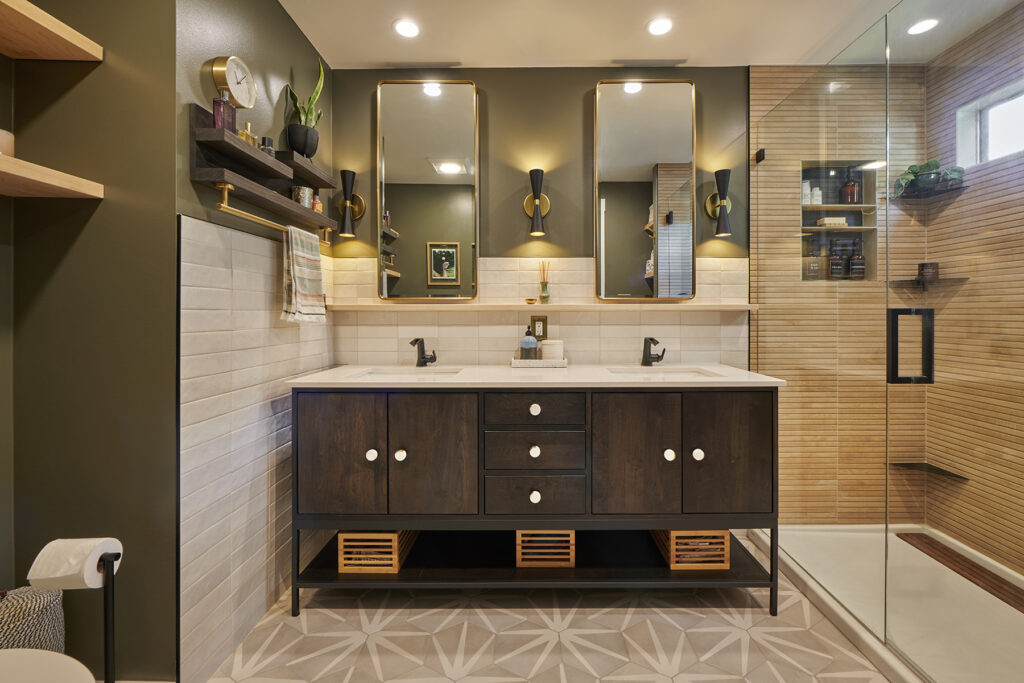

You use a bathroom vanity every day, but it’s more than a place for your sink. A vanity combines a sink, countertop, and storage to keep your toiletries organized and to shape the look of the whole room. A bathroom vanity gives you a working surface, hides plumbing, and adds storage and style in one simple piece.
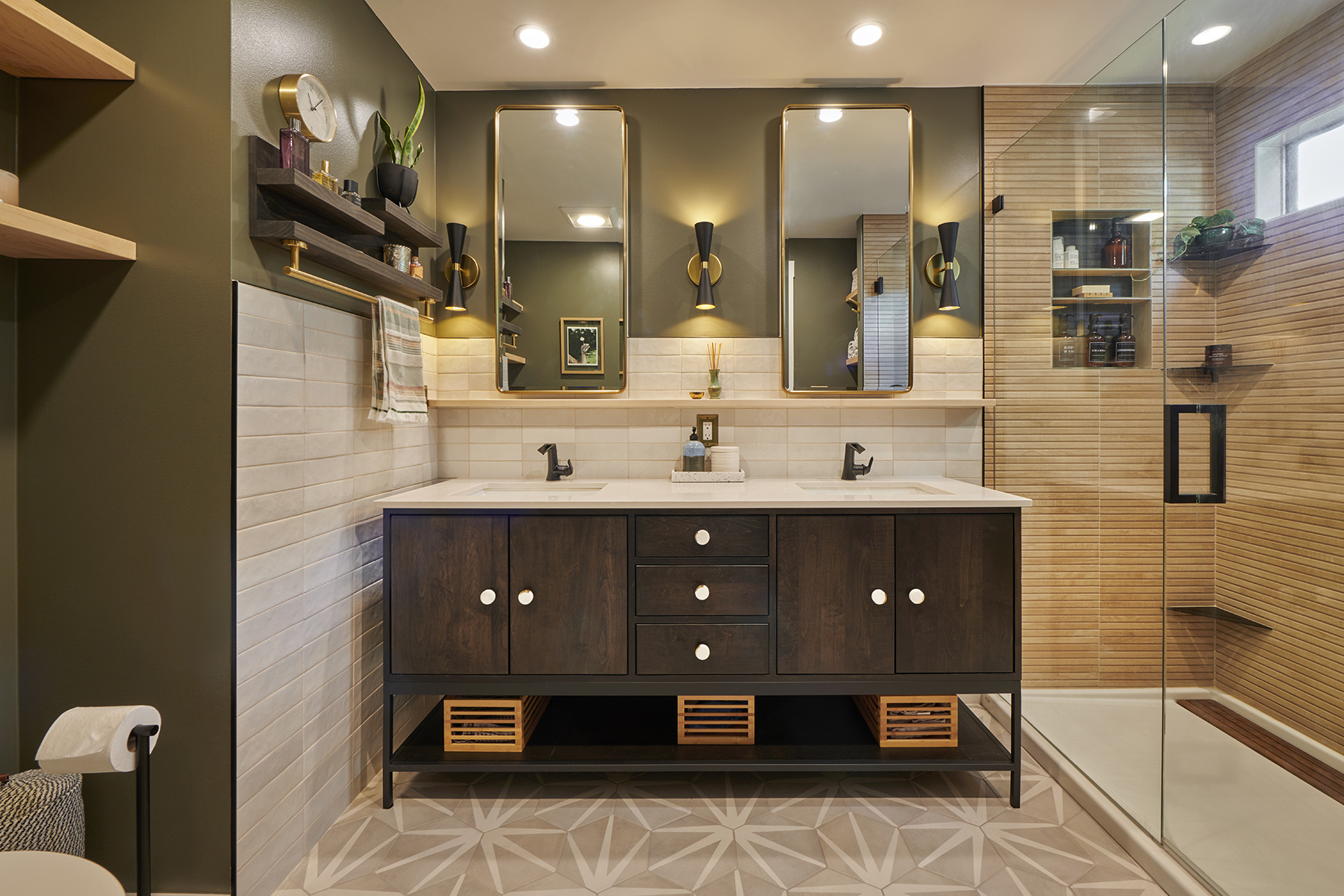
I’ll walk you through what a vanity actually is, the main types you can choose from, and how materials and finishes change both function and feel. You’ll learn how to pick the right size and style for your space and spot current design trends that might fit your bathroom.
What Is a Bathroom Vanity?
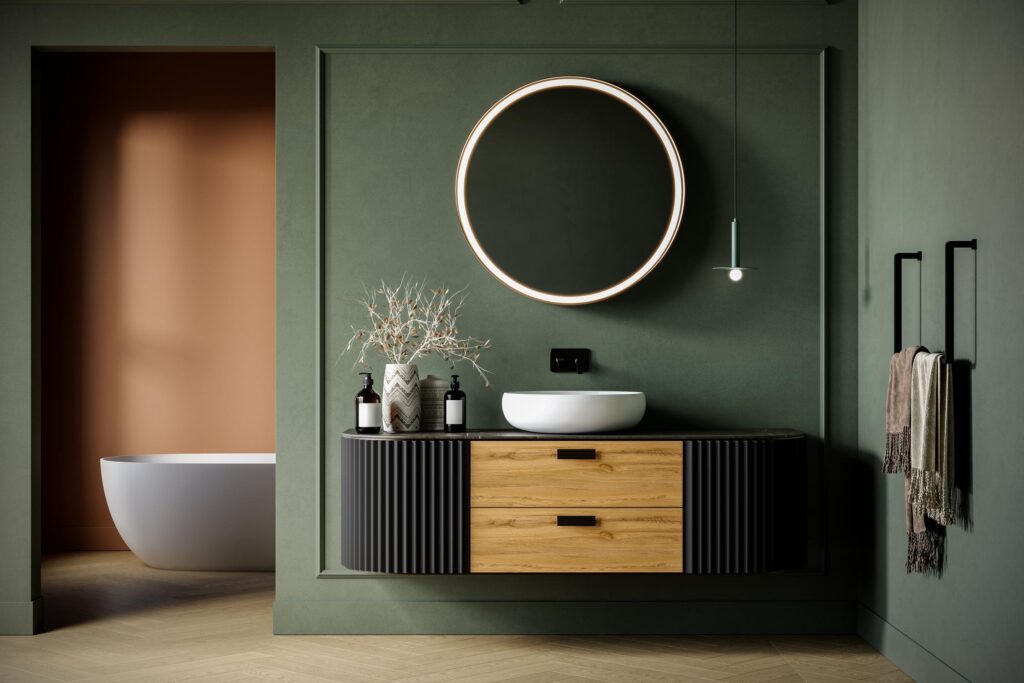
A bathroom vanity combines a sink, a countertop, and storage into one unit. I will explain what it does and which parts people usually look for when choosing one.
Definition and Purpose
I define a bathroom vanity as the cabinet or stand that holds the sink and covers the plumbing. It usually includes a countertop with an integrated or drop-in sink. Vanities keep pipes out of sight and give a flat surface for daily tasks like washing, shaving, and placing toiletries.
Vanities also provide storage. Drawers and doors hold items such as towels, cleaning supplies, and personal care products. In small bathrooms, a compact vanity saves space. In larger bathrooms, a double-sink vanity gives two people counter space and extra storage.
Key Features
I look for several key features when choosing a vanity:
- Construction: Solid wood or plywood boxes hold up better than particleboard.
- Countertop material: Options include laminate, quartz, marble, and porcelain. Quartz resists stains; marble needs more care.
- Sink type: Undermount sinks create clean lines. Vessel sinks sit on top and change the look.
- Storage layout: Drawers for small items, pull-out organizers for cleaning supplies, and open shelves for towels.
- Size and fit: Measure width, depth, and height. Allow space for doors and drawers to open fully.
- Plumbing access: A removable back panel or cabinet cutout makes repairs easier.
I also pay attention to finish and hardware. A durable finish resists humidity. Handles and knobs affect both style and how easy it is to open drawers with wet hands. Finally, installation type matters: freestanding, wall-mounted, and recessed vanities each change the room’s flow and cleaning access.
For a quick visual comparison of common choices, see this guide on what a bathroom vanity is and how it works.
Types of Bathroom Vanities
I’ll show the main vanity styles I use or recommend and what matters most: space, storage, and installation. Read the brief notes to match a vanity to your bathroom size, plumbing needs, and storage goals.
Freestanding Vanities
I like freestanding vanities because they look like furniture and fit many layouts. They sit on the floor and usually come in standard widths like 24″, 30″, 36″, and 48″. That makes them easy to swap during a remodel without changing the plumbing location.
Storage is a big win. Drawers and cabinets hide toiletries and towels, and some models add a slim linen tower. Materials range from solid wood to MDF with veneers; solid wood costs more but lasts longer in humid bathrooms.
I watch depth and height: shallower units work in small bathrooms, while a 30–36″ height is most comfortable for adults. If you want a double sink, choose wider freestanding vanities or a custom piece.
Wall-Mounted Vanities
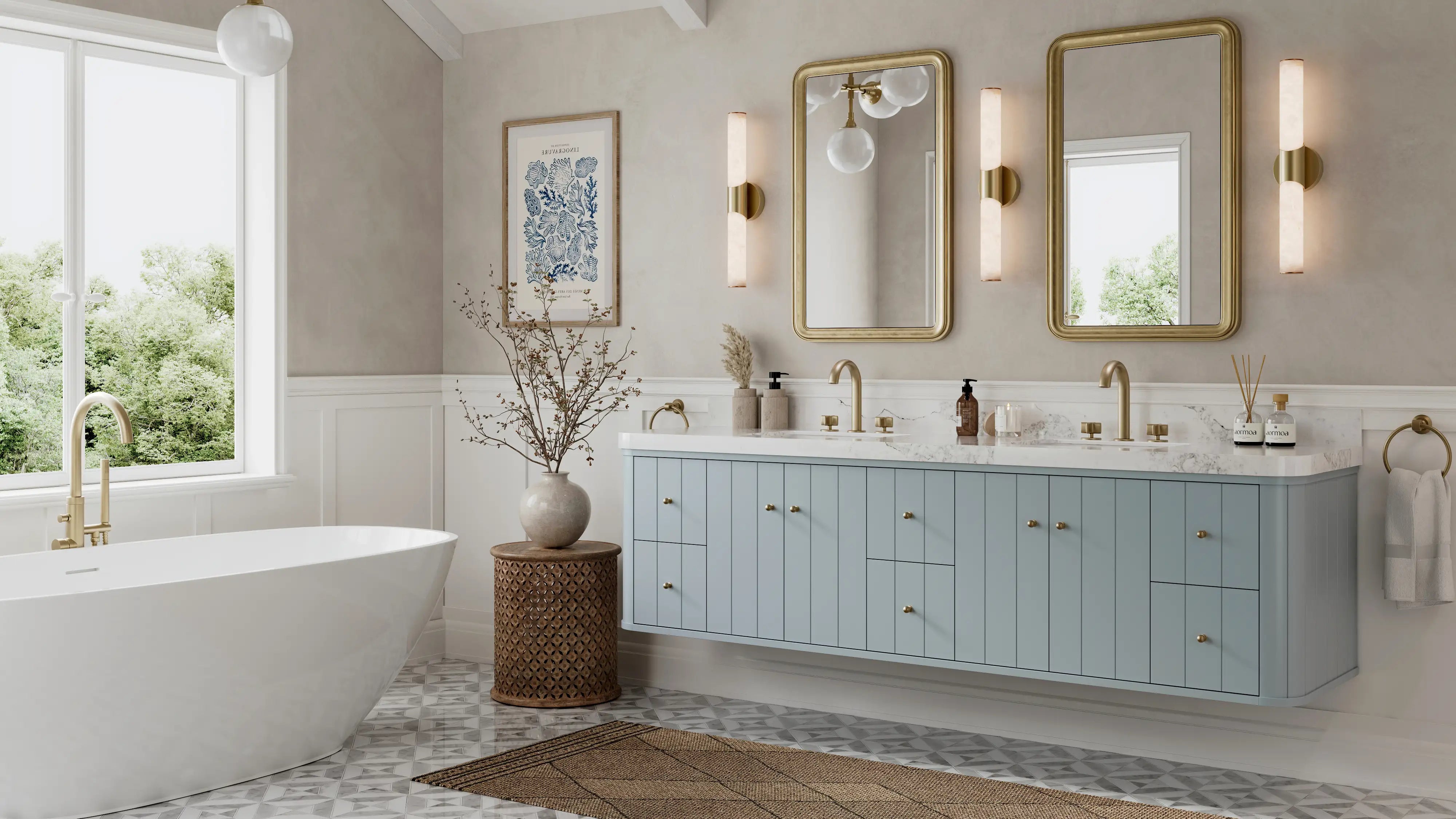
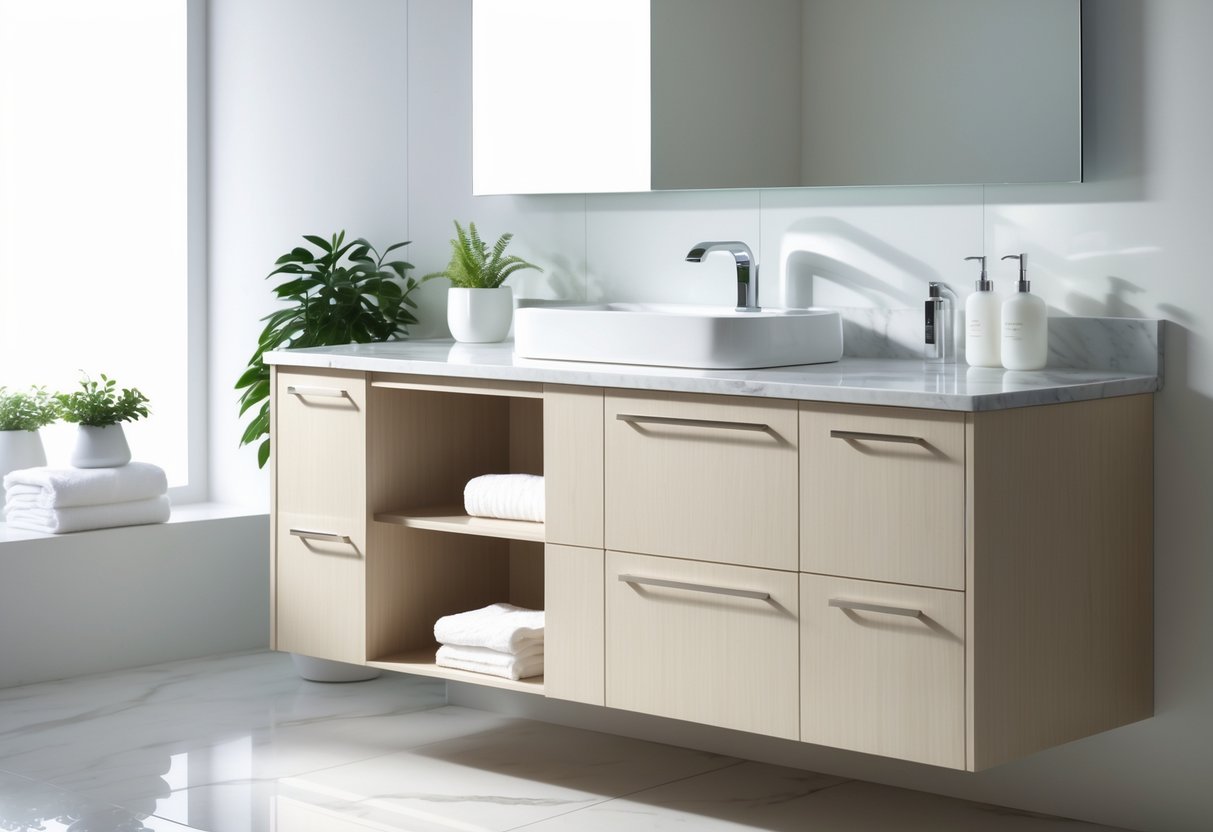
Wall-mounted vanities, also called floating vanities, attach to studs and free up floor space. I recommend them in small bathrooms or modern designs because they visually increase floor area and make cleaning easier beneath the unit.
They come in compact depths (typically 16″–21″) and standard widths. Because they hang on the wall, load capacity and proper stud anchoring are critical. I always confirm the wall can support the combined weight of the vanity, countertop, sink, and stored items.
Storage varies from a single drawer to multiple compartments. You can route plumbing inside the cabinet for a clean look, but sometimes you must use an offset drain or shallow drawers to fit pipes.
Vessel Sink Vanities
Vessel sink vanities pair a bowl-style sink mounted on top of the countertop with many vanity types. I choose vessel sinks to add a design focal point or raise the sink height without taller cabinetry.
They work with freestanding and wall-mounted bases. Countertop height usually sits a few inches lower than a standard vanity because the bowl adds height; I check final rim height to keep it comfortable for users.
Materials for vessel bowls include ceramic, glass, stone, and metal. I pay attention to faucet type—a tall or wall-mount faucet is required—and to splash risk: shallow bowls may splash more, so I match bowl depth to faucet flow. For installation, ensure the countertop has a properly sized drain hole and sealed edges to prevent water damage.
Vanity Materials and Finishes
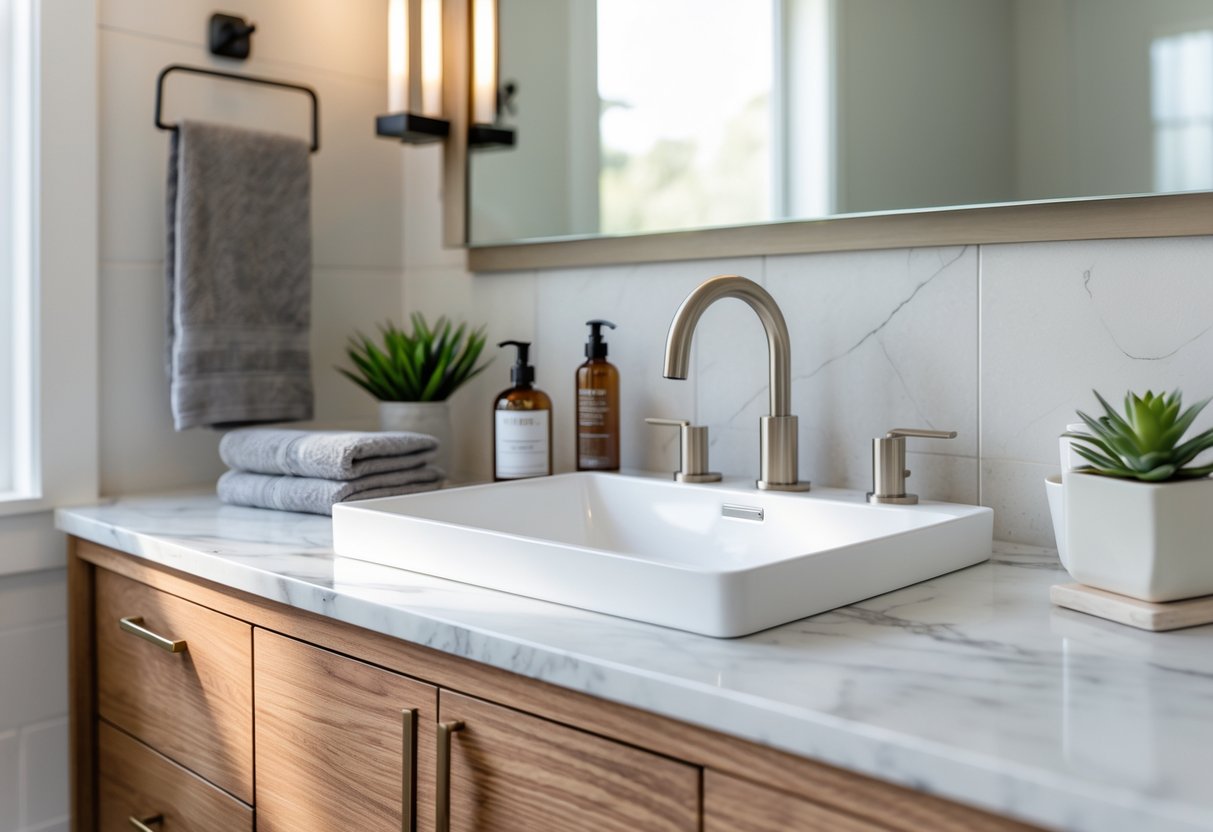
I focus on materials that hold up to moisture, match your style, and fit your budget. I weigh durability, maintenance, and how each finish changes the room’s look.
Wood Options
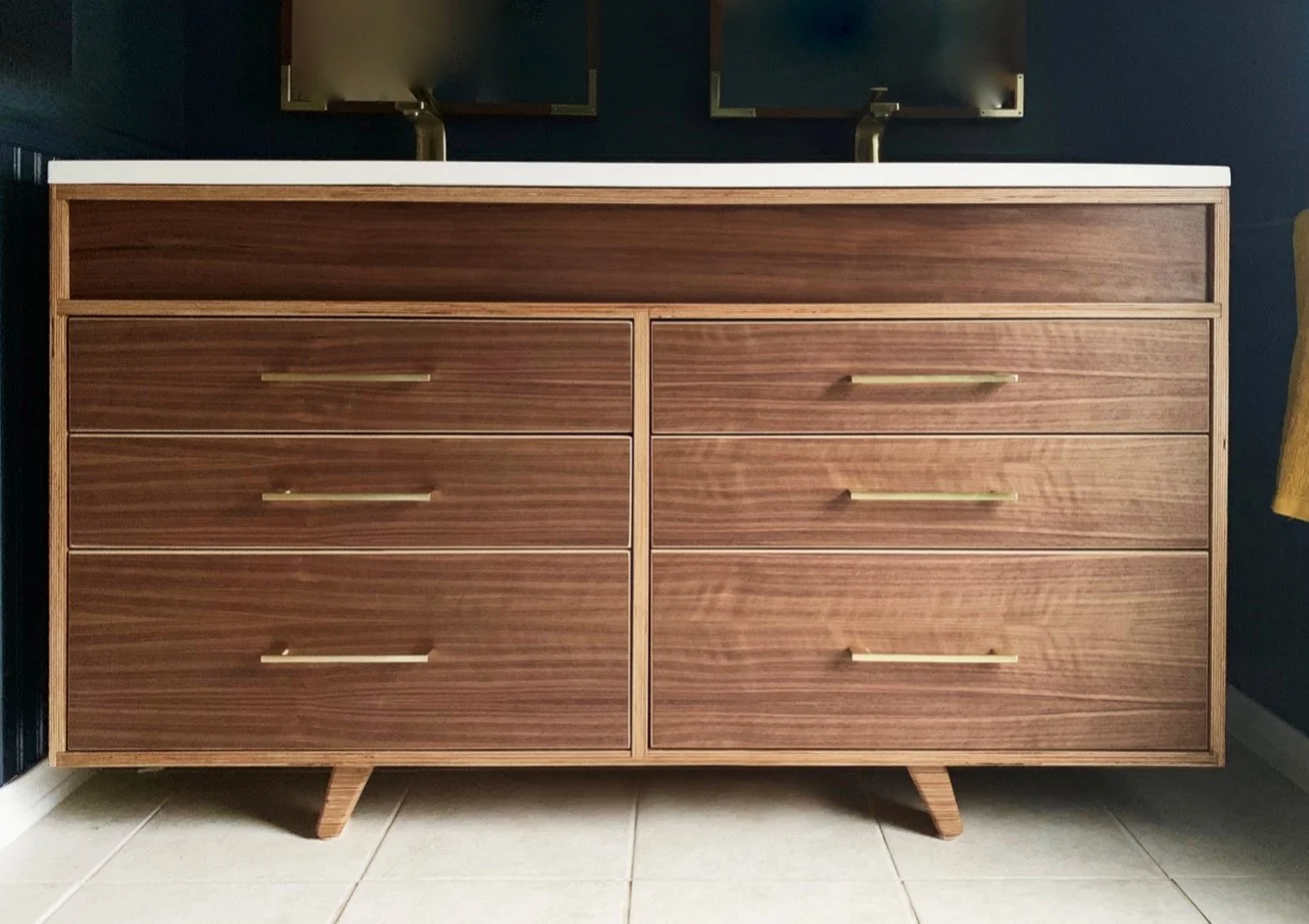
I like solid wood for its warmth and strength. Species like oak, maple, and walnut resist dents better than softer woods. Solid wood needs a good seal or varnish to stop swelling in humid bathrooms.
Plywood and engineered wood give a similar look at a lower price. Plywood cabinet boxes stay stable with moisture; look for marine-grade or cabinet-grade plywood. MDF (medium-density fiberboard) is affordable and smooth for paint, but it swells if water gets past the finish.
Finishes matter a lot to me. A clear lacquer shows grain but needs touch-ups. Painted finishes hide flaws and suit modern styles. For a sturdy option, choose a water-resistant paint or a factory-applied finish.
Stone Surfaces
I pick stone tops for durability and clean looks. Quartz is non-porous, resists stains, and needs little maintenance. It works well in busy bathrooms and pairs with undermount sinks.
Granite and marble are natural stones with unique patterns. Granite is tougher and less porous than marble, so it handles daily use better. Marble looks elegant but stains easier; it needs sealing and careful cleaning.
Porcelain and solid-surface tops mimic stone but cost less. Porcelain is hard and scratch-resistant. Solid-surface materials can be seamless around the sink and allow easy repairs for minor scratches or chips.
Metal and Glass Variations
I use metal when I want a modern or industrial feel. Stainless steel resists rust and cleans easily. Brass or bronze hardware adds warmth, but plated metals can wear; choose solid finishes or high-quality plating for longevity.
Glass tops create a sleek, contemporary look. Tempered glass is strong and available in clear, frosted, or back-painted colors. I avoid glass in homes with small children because chips can be a risk and fingerprints show quickly.
Mixed-material vanities combine metal frames with wood or stone tops. That gives me visual contrast and structural strength. I ensure metal frames have protective coatings to prevent corrosion in humid conditions.
Choosing the Right Bathroom Vanity
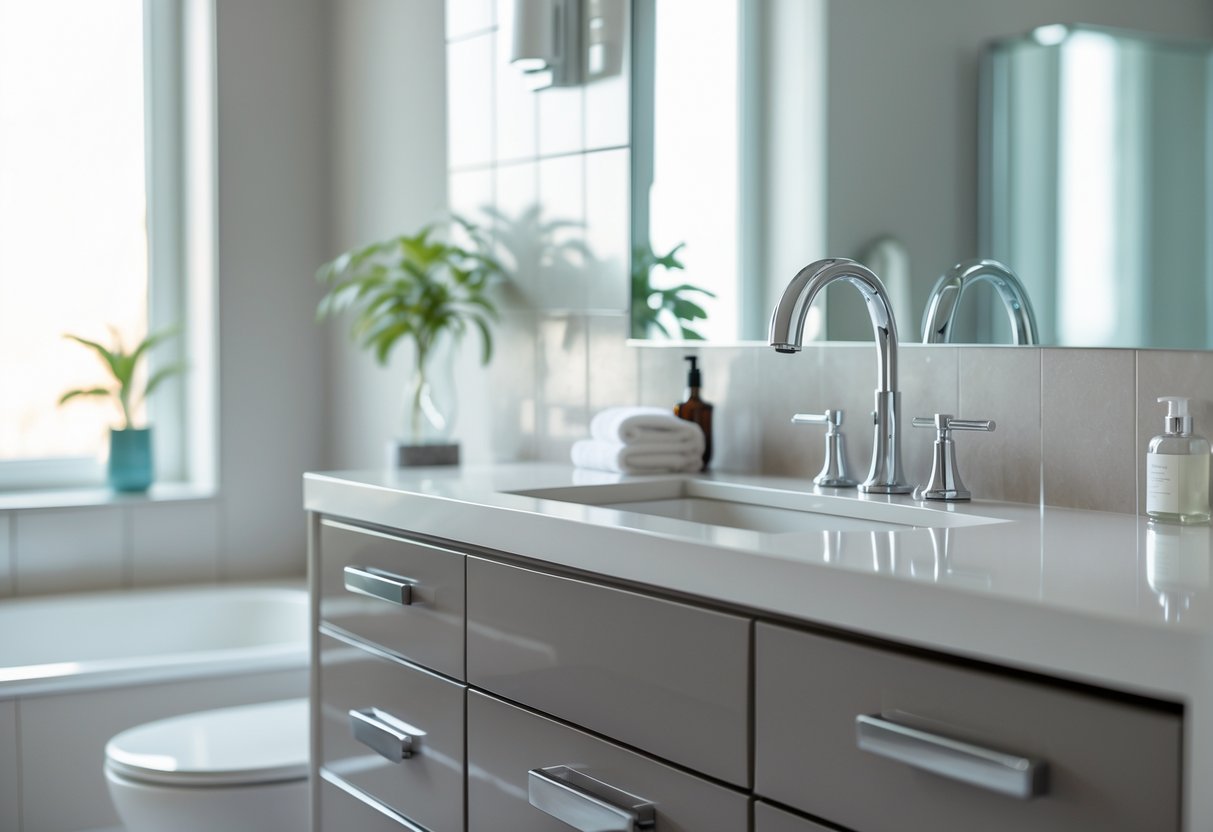
I focus on fit, storage, and style so the vanity works well and looks right. I aim for clear measurements, the storage you actually use, and a style that matches your bathroom’s scale and fixtures.
Measuring for Fit
I measure the wall width, then subtract 2–3 inches for clearance around the vanity. I check door swing and toilet placement so the vanity won’t block movement. For a single sink, I look for 18″–42″ widths; for two sinks I plan on 60″ or wider.
I measure the room depth from wall to the front of the toilet or tub to ensure the vanity countertop won’t crowd walking space. I also measure the vanity height I want—standard is 32″–36″—and confirm plumbing lines align with sink locations. I keep a paper template on the floor to visualize fit before buying.
Storage Needs
I list the items I use daily—toothpaste, hair tools, medicines—and size the drawers and cabinets around those items. I prefer deep drawers for towels and vertical cabinets for taller bottles. Open shelves work well for extra toilet paper and baskets.
I count how many drawers I need and whether I want built-in organizers for small items. If I store bulky cleaning supplies, I reserve base cabinet space with a removable shelf. I also decide if I need hidden storage for medicines, which may require a recessed medicine cabinet or a vanity with a false drawer.
Style Preferences
I pick a vanity style that matches my fixtures and tile. For a modern look, I choose a floating vanity with clean lines and a minimal handle; for traditional spaces, I pick a framed wood vanity with raised panels. I keep the countertop material consistent with moisture needs—quartz for durability, wood only if sealed well.
I consider hardware finish and faucet spacing—single-hole faucets need a different top than widespread faucets. I match vanity color or wood tone to existing trim and balance contrast with the mirror and lighting. If I want long-term value, I lean toward neutral colors and classic hardware that won’t date quickly.
Trends in Bathroom Vanity Design
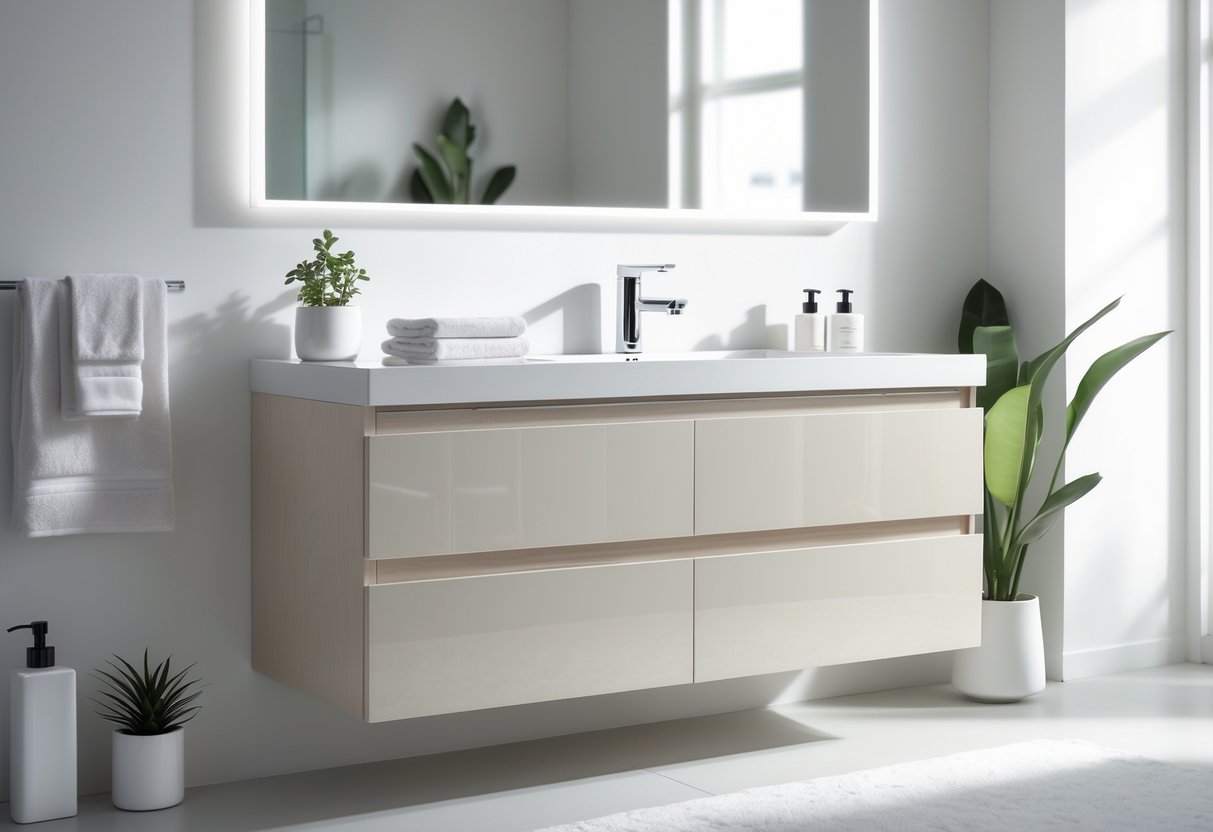
I’ll focus on the look, the hardware, and the materials that make a vanity work well today. These elements change how a bathroom feels and how easy the vanity is to use.
Popular Colors
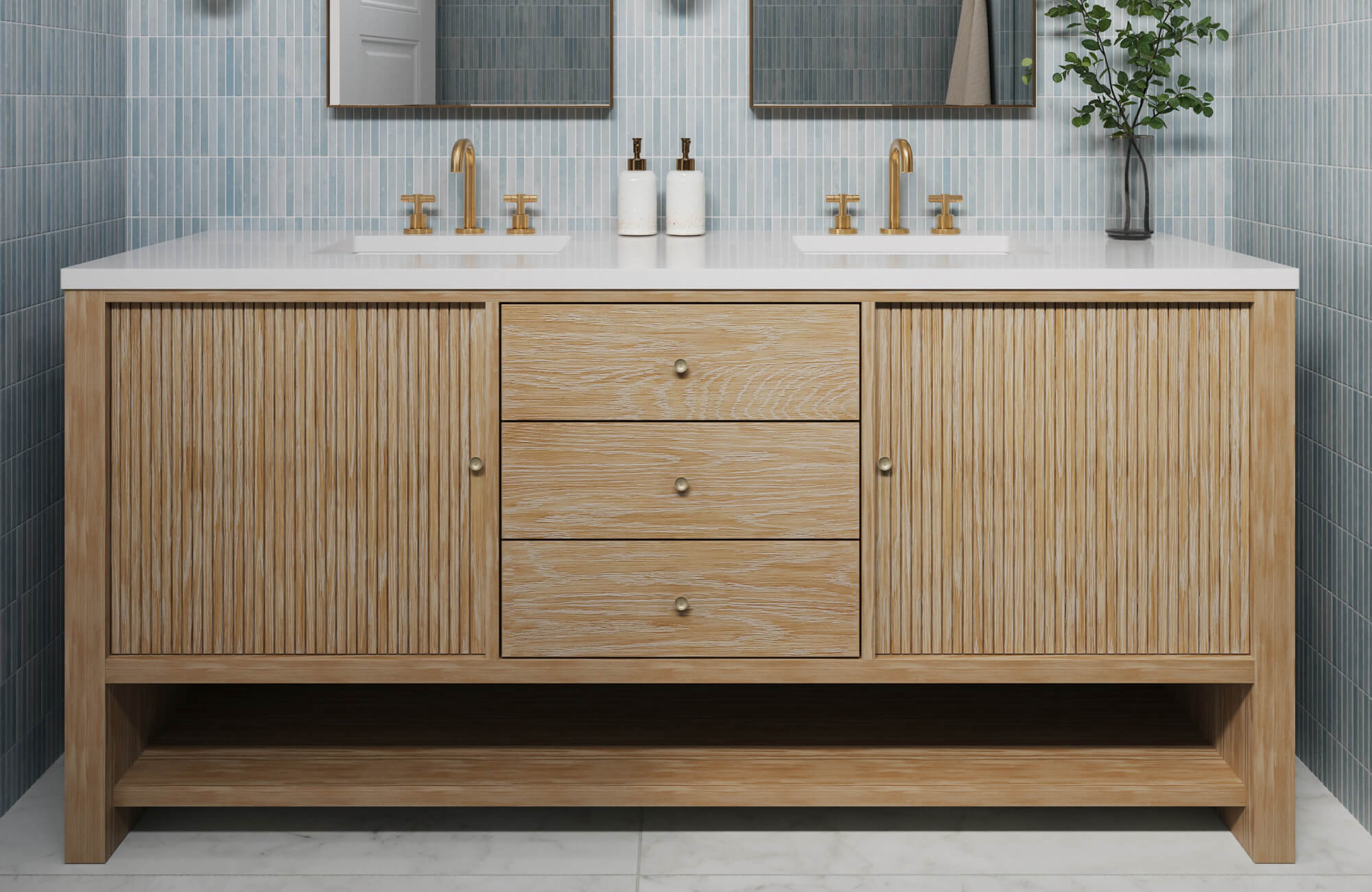
I see warm wood tones and matte black leading many projects. Warm oak, walnut, and walnut-look laminates add a spa-like warmth. They pair well with neutral tile and soft brass fixtures.
White remains popular for small baths because it brightens the room and hides busy tile patterns. If you want contrast, a deep navy or forest green base with a light countertop makes the vanity stand out without overpowering the space.
Two-color vanities are common: a darker base plus a lighter countertop or open shelving in a different finish. This adds depth and helps hide wear around handles and edges.
Modern Hardware
I prefer simple, durable hardware that matches the room’s finishes. Slim bar pulls in matte black or brushed nickel give a clean modern look and improve grip.
Integrated pulls and push-to-open drawers create a seamless face and fewer places for grime. For a mixed-metal look, I’ll pair black pulls with warm brass faucets to add visual interest.
Pay attention to scale: use longer pulls on wide doors and short ones on narrow drawers. Proper spacing and soft-close drawer slides make daily use quiet and more durable.
Eco-Friendly Designs
I choose materials that cut waste and last longer. Engineered wood with low-VOC finishes, reclaimed wood, and FSC-certified plywood reduce environmental impact while staying sturdy.
Water-saving fixtures fit right into the vanity plan. I often spec low-flow faucets and aerators that keep pressure while cutting water use.
Think modular or replaceable parts. Drawers and hardware you can swap later extend a vanity’s life and reduce the need for full replacement. For details on sustainable vanity options and trends, I often refer to industry roundups like this guide on bathroom vanity trends.
Final Thoughts on Bathroom Vanities
I think a bathroom vanity does more than hold a sink. It brings together storage, style, and daily function in one piece.
I recommend choosing a vanity that fits your space and routine. Consider how much storage you need and whether you want a modern or classic look.
I like vanities that balance durability and design. Materials and construction matter, so pick something that will age well with regular use.
If budget is a concern, shop smart. Compare styles and prices, and check installation costs before you buy to avoid surprises.
I found helpful overviews on types and uses when I researched, such as this guide on what a bathroom vanity is and why it matters.
I also pay attention to sink and countertop choices. These affect daily cleaning and long-term wear, so choose finishes you can maintain easily.
I encourage testing doors and drawers in person when possible. Small details, like soft-close hinges or drawer organizers, make a big difference in daily life.
Frequently Asked Questions
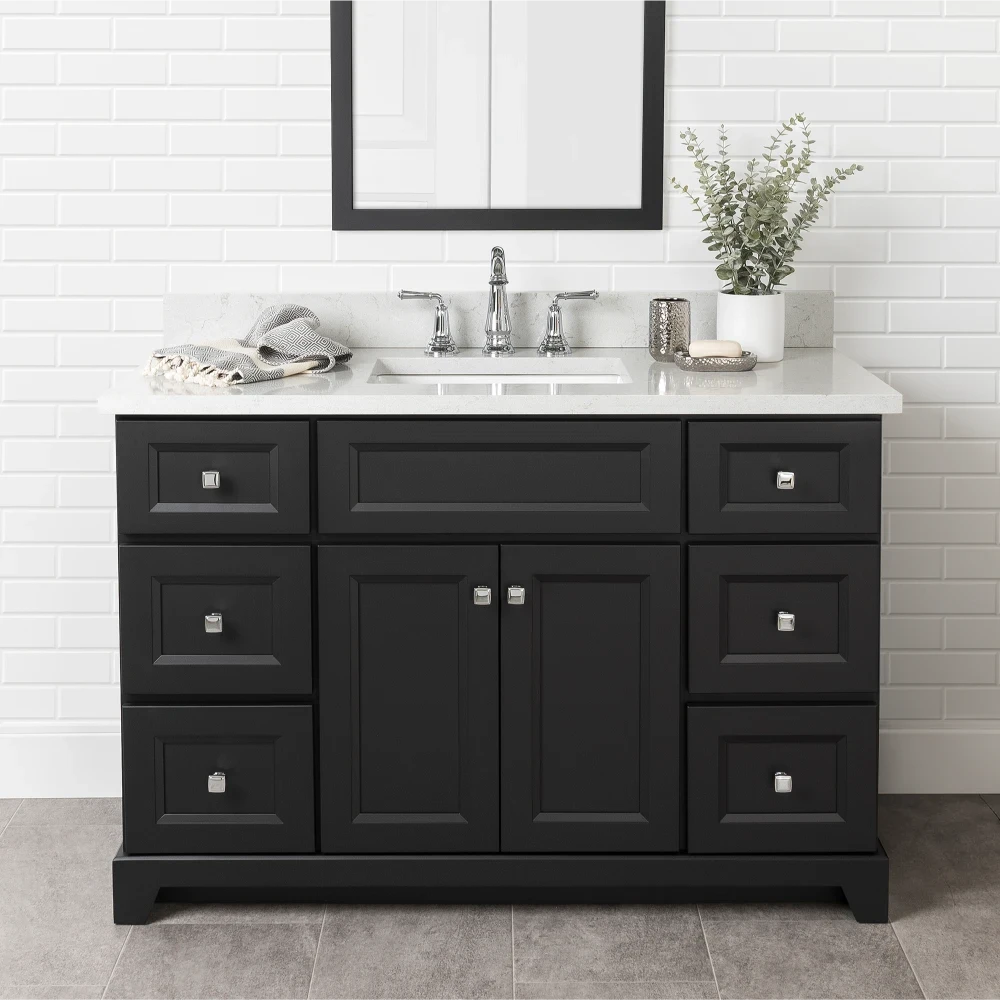
I answer common buyer concerns about sizing, materials, and storage so you can pick a vanity that fits your bathroom and lasts. I focus on practical choices like footprint, countertop material, and drawer layout.
How can I choose the perfect vanity for my bathroom space?
Measure your bathroom clearances first: doorway width, distance from toilet to wall, and floor-to-ceiling height. I match the vanity width to the room — 24–30 inches for a small powder room, 36–48 inches for a single-sink full bath, and 60–72 inches for a double-sink shared bath.
Think about the sink type. I choose an integrated sink or vessel sink when counter space is limited, and an undermount sink when I want easy cleaning and more usable countertop. Also plan plumbing placement; moving pipes adds cost.
Consider style and finish. I pick a finish that resists moisture, and hardware that complements faucets. Wall-mounted vanities free up floor space, while freestanding cabinets offer more storage.
What materials are best for a bathroom vanity considering durability and style?
For cabinet boxes, I prefer plywood or solid wood over MDF in high-moisture bathrooms because they resist swelling. MDF is fine in small, low-humidity powder rooms when sealed correctly.
For countertops, quartz and granite resist stains and scratches and require little maintenance. Marble looks elegant but stains without sealing. Laminate and solid surface are budget-friendly and come in many patterns.
For finishes and hardware, I pick water-resistant paints or veneers and corrosion-resistant metals like stainless steel or brass for handles and hinges. These choices keep the vanity looking good longer.
What are the standard dimensions I should consider when buying a bathroom vanity?
Standard vanity heights are 30–36 inches; 36 inches is common for a comfortable counter height. For universal design, consider 34–36 inches or choose a custom height for taller users.
Depths run 18–22 inches for single vanities; 21–24 inches gives extra countertop space. Widths vary widely: 24, 30, 36, 48, 60, and 72 inches are common; pick the largest that fits with at least 21 inches of clear floor space in front.
For sink spacing on double vanities, allow at least 30 inches per person or 36 inches for more elbow room. Keep plumbing access and clearance for doors and drawers in mind.
What are some tips for maximizing storage with my bathroom vanity?
Use drawers with built-in dividers and cutouts for plumbing to store toiletries neatly. I stack small clear bins or trays inside drawers to keep items organized and visible.
Choose pull-out shelves or tilt-out trays for items near the sink. I mount vertical organizers on the inside of cabinet doors for hair tools and brushes.
Consider a taller linen cabinet or open shelving above the toilet if floor space is tight. I also recommend drawer inserts and shallow top drawers for daily-use items, which keeps counters clear.