


Creating a beautiful outdoor space can often feel overwhelming, especially if you want to keep it eco-friendly and low-maintenance. With the rising interest in sustainable living, many of us are looking for ways to bring nature into our gardens without relying on electric power. That’s why I put together this list of 15 DIY solar water feature ideas. These projects blend creativity with sustainability, helping you create a tranquil atmosphere in your backyard or small garden without any electricity.
If you’re someone who enjoys gardening, loves to add unique touches to your outdoor space, or simply wants to embrace a more eco-conscious lifestyle, this post is for you. You’ll find ideas that are not only budget-friendly but also easy to implement, regardless of your skill level. Whether you’re a seasoned DIY enthusiast or just starting out, these solar garden fountains and eco-friendly water features will transform your space into a serene oasis.
In this guide, you’ll discover a variety of projects that cater to different tastes and sizes, ensuring there’s something for everyone. From rustic barrel fountains to elegant stone cascades, each idea offers a charming aesthetic while being gentle on the planet. You’ll get practical tips and step-by-step instructions to help you bring these sustainable landscaping ideas to life, creating a beautiful escape right in your backyard.
1. Rustic Barrel Water Fountain

Imagine a rustic barrel water fountain as a delightful centerpiece in your garden. This charming feature not only adds character but also seamlessly blends with nature, creating a harmonious outdoor space. By repurposing an old wooden barrel, you can easily craft a stunning focal point that invites relaxation. Simply drill a hole for a small solar pump, fill it with water, and surround it with decorative stones or vibrant plants for a natural finish.
To maximize your barrel fountain’s potential, position the solar panel in full sunlight. This eco-friendly choice requires no electricity, making it sustainable and cost-effective. Plus, the gentle sound of flowing water fosters a calming atmosphere, perfect for small gardens or patios.
Tips: Ensure the solar panel is placed in a sunny spot for optimal performance.
Unique Insight: Adding colorful aquatic plants can enhance the visual appeal while aiding in water quality.
This rustic fountain not only enhances your garden’s aesthetic but also brings a soothing ambiance with its gentle water flow.

[✔Built-in Battery Backup]: The solar fountain pump for bird bath has a 6.5W large powerful solar panel built-in rechargeable 3000mAh battery backup to store energy makes it winner. The solar pump will keep running on cloudy days unlike others that need full sun all the time. Note: this solar fountain does not work at night.

4 Different Water Styles: This solar water pump kit includes 1 separate solar panel, 1 fountain pump, a 3m/9.84ft cable, and 4 different nozzles. The 4 nozzles create 4 distinct fountain effects, can be used for different water flow and water heights, adding fun and beauty to your garden while making your outdoor space more comfortable and attractive

UPGRADE 1.5W SOLAR POWERED FOUNTAIN: The solar birdbath fountain only needs 3 seconds to operate automatically in direct sun, with a spray height of 35-55cm. The most important this will help keep the bird baths fresh and birds happy, attract a lot of hummingbirds to your garden!
2. Elegant Stone Cascades

Elevate your outdoor space with an elegant stone cascade that mimics the serene beauty of a natural waterfall. This DIY solar water feature introduces sophistication and tranquility, enhancing your garden’s appeal. Arrange flat stones or decorative rocks in a tiered layout, allowing water to flow gracefully from one level to another. The movement of water creates a soothing sound, making it an ideal spot for relaxation.
To achieve this look, consider using a solar pump to keep the water fresh and flowing. You can add moss or small plants around the stones for extra texture and vibrancy. This design not only beautifies your garden but also connects you with nature, providing a peaceful retreat.
Suggestions: Paint the stones in earthy tones and consider adding LED lights for nighttime ambiance.
Issues to Consider: Ensure your stone arrangement is stable to prevent any accidents or damage.
This enchanting stone cascade will enrich your garden with its luxurious feel and calming water sounds.

SOLAR POWERED FOUNTAIN PUMP: Mademax solar birdbath fountain only needs 3 seconds to operate automatically in direct sun, with a spray height of 4–27.5 inches (10-70cm). No electricity or battery needed. (Solar fountains does not store energy, can not work on cloudy days or night, please make sure the product is used in direct sunlight, and it is recommended to use it in clean water, which will prolong the life of the product

Unique Tiered Outdoor Waterfall Design:Each tier of the outdoor water fountain features bowls with a vintage-inspired textured finish.The overall solar water fountain boasts a warm reddish-brown tone, with water flowing smoothly through each level to evoke cozy, earthy charm.

Solar Fountain:This solar fountain is equipped with a high-efficiency solar pump and battery storage system, which collects and stores energy when there is plenty of sunlight. Once fully charged, the solar water fountain can operate continuously for at least 6 hours even without sunlight. Enjoy a gentle flowing water effect at night or on cloudy days.Place the solar panel port facing down to prevent water infiltration.
3. DIY Solar-Powered Birdbath Fountain

Creating a DIY solar-powered birdbath fountain is a wonderful way to attract wildlife while beautifying your garden. Start with a simple birdbath and install a small solar fountain pump in the center, allowing water to create a delightful umbrella effect for birds to enjoy. This feature not only provides hydration for local birds but also adds motion and sound to your outdoor space.
To enhance the natural look, place stones or pebbles around the edge of the bath. The constant movement of water also helps prevent mosquito breeding, promoting a healthier garden environment. This project is both functional and visually appealing, making it a fantastic addition to any yard.
Benefits: The constant water movement helps prevent mosquito breeding, making your garden a healthier outdoor space.
Best Practices: Regularly change the water and clean the fountain to keep it inviting for birds.
This charming birdbath fountain enriches your garden while providing a sanctuary for local wildlife.

【Fountain Pump with Colorful LED Light】: This Fountain pump features 12 energy-saving LED light beads with 4 colors (red, blue, green, yellow), makes a decorative water feature lighting effect for gardens, patio, ponds, aquariums, fish tanks, waterfalls, indoor and outdoor fountains 【 Better lighting effect at night 】

115V/60HZ Water Pump: Powered by a 1/10 HP motor, this TecHome electric water pump can transfer water up to 330 gallons per hour (5.5 gallons per minute) and lift water up to 40 ft. The 3/4" GHT inlet and outlet connectors fit most standard garden hoses. Ideal for rain barrels, waterbeds, water tanks, and general water transfer. NOTE: This is a non-submersible pump. Please keep the motor dry.

SUBMERSIBLE PUMP: Create a water garden using this pump kit and a waterproof container (not included). This container pump kit with fountain nozzles, converts a container into an instant water garden, a birdbath, decorative fountain or mini pond. Install in your garden, deck, patio, balcony, porch, or indoor areas to promote relaxation. Perfect for small spaces, meditation areas, indoors and outdoors. Simply assemble the fountain, connect it to the pump base and place it inside a waterproof container that is at least 1 ft. deep. Add water to completely submerse the pump and plug the cord into an outlet. You can change or adjust the nozzles for different water effects.
4. Floating Lotus Solar Fountain

Transform your pond or water feature with a stunning floating lotus solar fountain. This creative design adds an artistic flair to your garden while mimicking the beauty of nature. You can either purchase a floating fountain or craft your own using lily pads and a solar-powered pump. Position the pump below the water surface, allowing the lotus to float gracefully above, creating a whimsical and enchanting display.
As water sprays from the center, it resembles a blooming lotus flower, particularly captivating on sunny days when the light dances on the water’s surface. Surrounding this feature with vibrant aquatic plants enhances its visual appeal and creates a serene oasis.
Tip: Incorporate colorful aquatic plants nearby to enhance the aesthetic appeal.
Consideration: Ensure that the solar panel is positioned for maximum sun exposure to keep the fountain running smoothly.
This floating lotus fountain not only beautifies your garden but also adds a touch of tranquility to your outdoor space.

🌞 [Upgraded 12W High-Efficiency Solar Fountain Pump] Equipped with a premium 12W solar panel that significantly boosts the energy conversion rate, this heavy-duty solar...
5. Mini Pondless Waterfall

A mini pondless waterfall is an ideal solution for those seeking the beauty of a waterfall without the upkeep of a pond. Perfect for compact spaces, this design uses stones and a solar pump to create a captivating water feature. Arrange stones in a natural, cascading pattern, letting the water flow freely from one stone to another.
The soothing sound of water dropping enhances your garden’s ambiance, making it a peaceful retreat. This feature can also be customized with various rocks to achieve a unique and personalized look, blending beautifully into the surrounding landscape.
Suggestions: Consider incorporating plants around the waterfall to blend it into the surrounding landscape.
Maintenance Tips: Regularly check the water levels and pump to ensure everything runs smoothly.
This mini waterfall adds charm and tranquility to your garden, creating a serene environment.

🌱【Highly Efficient Filtration System】 The pond filter box integrates multiple filtration layers ( filter sponges, bio-balls, Ceramic Filter Media) to effectively remove impurities, promoting a healthy environment for aquatic plants and fish, keeping water healthy balanced and crystal clear, and protect the pump from being clogged with debris, also protects fish from the pump's impeller.

[✔High-efficiency and Eco-friendly]: AISITIN 3.5W solar power fountain uses high-efficiency solar panels with high solar energy conversion efficiency. It requires no additional batteries or power supply and is very friendly to the environment. The solar fountain attracts birds and provides fun for your garden.

High-quality 304 Stainless Steel Pond Waterfall Spillway
6. Upcycled Teapot Fountain

For a whimsical twist on traditional fountains, consider crafting an upcycled teapot fountain. This delightful project requires an old teapot, a solar pump, and a sprinkle of creativity. Position the teapot at an angle, connect the pump, and let water pour from the spout into a basin or over stones below.
This charming fountain exudes character while adding a nostalgic touch to your garden. You can choose to paint the teapot in bright colors or maintain its rustic charm for a vintage aesthetic. It’s not just a fountain; it’s a unique conversation starter that enhances your outdoor space.
Benefits: This feature is not only eye-catching but also a great conversation starter.
Tips: Keep the pump clean to ensure a steady flow of water.
This upcycled teapot fountain brings both style and a playful spirit to your garden.

Eco-Friendly Solar Powered: Yeomi solar fountain is a high-performance floating solar water pump, fully solar-powered with no batteries, electricity or wiring. Energy saving, eco-friendly and cost-effective for outdoor use

LONGEVITY WATER PUMP: We investigated more than 300 pump failures and found two causes,the pump run without water and the pump blade is blocked. So we upgraded the pump, our pumps are now all dry-run protected. This means as soon as the water level gets too low they will automatically shut off. And filters have been added to all pumps to ensure that dirty waste does not enter the pumps with the water.

4 Different Water Styles - This solar water pump set contains 1 separate solar panel, 1 fountain pump bulit-in filter, a 3m/ 9.84ft cable and 4 different nozzles. 4 different nozzles bring you 4 different styles of fountain effects. Can be used for different water flow and water heights, add more fun to your garden and make your garden look more comfortable and inviting.
7. Decorative Galvanized Bucket Fountain

A decorative galvanized bucket fountain is a stylish and simple way to introduce water features into your garden. By using a large bucket, you can create a charming focal point that embodies rustic charm. Drill a hole in the bottom and install a solar pump to allow water to flow from the bucket into a small basin or pool beneath.
The combination of metal and flowing water creates an inviting atmosphere that complements a variety of garden styles. Enhance the visual interest by planting flowers or herbs around the bucket, adding color and life to your outdoor space.
Tips: Opt for a bucket with a vintage look for a classic feel.
Maintenance: Regularly check for algae build-up to keep the water clear and inviting.
This decorative bucket fountain adds a unique touch while enriching your garden’s aesthetic.

Environment-Friendly Design: This solar fountain is an extremely competent Solar Water Pump. This fountain is controlled by solar power completely. The Outdoor Submersible Fountain needn't any battery or electricity.This fountain does not store energy and is powered entirely by direct sunlight;It will stop working on cloudy, rainy days.

SOLAR-POWERED DESIGN: Includes a separate solar panel that harnesses sunlight to run the fountain wire-free, making it ideal for any outdoor space.

LATEST 1W SOLAR POWERED FOUNTAIN: The solar birdbath fountain only needs 3 seconds to operate automatically in direct sun, with a spray height of 4–27.5 inches (10-70cm). The most important this will attract a lot of hummingbirds to your garden! Solar-powered fountains only operate when exposed to direct sunlight
8. Solar-Powered Rain Chain

A solar-powered rain chain is a modern and artistic solution for managing rainwater while enhancing your garden’s beauty. Unlike traditional downspouts, rain chains guide water down in an elegant manner. You can purchase pre-made rain chains or create your own with cups or funnels connected by chains.
To catch the water, place a basin at the bottom and consider adding a solar pump to circulate water for extra charm. This feature not only looks beautiful but also creates a soothing symphony of trickling water during rainfall, adding a serene element to your garden.
Unique Insight: Rain chains can also be a great way to attract local wildlife, as the flowing water will draw birds and beneficial insects.
Installation Tips: Ensure the chain is securely fastened to prevent any mishaps during heavy rain.
This captivating rain chain adds both functionality and beauty to your outdoor space.

【 4 Spray Heads 】--- You’ll get different fountain heads to customize the water patterns you want

EASY TO INSTALL: Equipped with air pump motor, connector, support frame, hose and expansion tube, convenient for installation and greatly improves work efficiency. You should clean the pump regularly to prevent the pump from being clogged with dust.

PREMIUM CARBONIZED FIR WOOD — YEAR-ROUND DURABILITY: Deep-carbonized at 200°C for superior resistance to heat, rain, humidity, and insects. Rich brown finish with natural wood grain adds rustic farmhouse charm to any patio, backyard, or porch. Looks beautiful season after season with zero maintenance. Ideal for homeowners who want lasting outdoor decor
9. Glass Jar Fountain

A glass jar fountain offers a unique and artistic flair to your garden, showcasing your creative side. Start with a large, beautiful jar or vase that can hold water. Place a small solar pump inside the jar, allowing water to pour from an opening and create a gentle waterfall effect.
Enhance this design by surrounding it with stones or pebbles for a natural look. The glass jar adds a touch of elegance, sparkling in the sunlight and catching the eyes of visitors. This fountain not only serves as a water feature but also as a stunning decorative element.
Tips: Choose jars with interesting shapes or colors for added visual appeal.
Consideration: Ensure the jar is secured and won’t tip over in windy conditions.
This glass jar fountain creates a captivating focal point while adding tranquility to your garden.
Difficulty Rating & Requirements
Overall Difficulty Rating: Medium
Creating a DIY solar water feature can be both fun and rewarding. While some projects may seem simple, they require a basic understanding of water flow, design, and assembly. This makes the task suitable for individuals with moderate DIY skills. If you’re comfortable with basic tools and have some experience in crafting, you’ll likely find these projects enjoyable.
Time Estimate:
⏱ Estimated time: 3 to 10 hours depending on the complexity of your chosen project. Here’s a breakdown of time for major phases:
– Planning & Design: 1-2 hours to decide on the type of water feature and gather materials.
– Gathering Materials: 1-3 hours based on availability of items at local stores or online.
– Building & Assembly: 1-5 hours depending on the project’s complexity and your skill level.
Skill Requirements:
– Required skills: Basic woodworking, plumbing knowledge, and creativity in design.
– Beginner-friendly: Yes, some projects like the teapot fountain or birdbath are ideal for beginners. Others, such as the layered rock fountain, might require more experience.
– Skills that can be learned: You can learn basic assembly and water flow principles easily through online tutorials and articles. More advanced projects, however, may need prior experience with materials.
Tools & Materials Needed:
🧰 Essential items checklist:
– Solar pump (required): This is essential for any water feature to circulate water.
– Container or base (required): This could be a barrel, bucket, or pond liner, depending on your design.
– Tubing (required): Needed to connect the pump to the water outlet.
– Decorative stones (optional): These can enhance the aesthetic and help with water flow.
– Sealant (optional): Useful for preventing leaks in containers.
– Power drill (optional): May be needed for creating holes in containers or bases.
– Paint (optional): To customize and enhance the look of your feature.
– Shovel (optional): If you’re digging for a pondless waterfall or similar feature.
Step-by-Step Overview:
1. Planning & Design (1-2 hours): Sketch your water feature design and determine the materials required. Choose a spot in your garden that gets ample sunlight for the solar pump.
2. Gathering Materials (1-3 hours): Collect all necessary items from home improvement stores or online. Ensure you have everything before starting.
3. Building & Assembly (1-5 hours): Start with the base. If it’s a fountain, set up the container, then install the pump and tubing. Add decorative elements as you go.
4. Filling and Testing (1 hour): Fill your feature with water, check for leaks, and test the pump. Adjust the flow as necessary to ensure a pleasing sound and appearance.
5. Finishing Touches (1 hour): Add any final decorations like stones or plants around the water feature to enhance its look.
Professional vs DIY: Rough cost comparison:
Hiring a professional to install a solar water feature can range from $500 to $2,000, depending on complexity and materials. In contrast, a DIY project can cost between $100 to $300, depending on what you already have at home. If you’re handy and enjoy crafting, going the DIY route can save you money and allow for personalized creativity. If you’re uncertain about your skills, consider seeking help for more intricate designs.
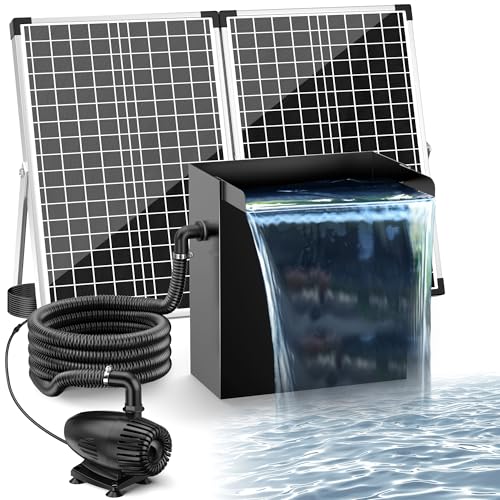
[Create a Stunning, Relaxing Waterfall]Transform your pond into a breathtaking water landscape with this POPOSOAP all-in-one solar waterfall kit. The perfect blend of solar panel, pump, and spillway creates a smooth, mesmerizing water flow, enhancing both visual beauty and relaxation. The gentle cascading water not only adds tranquility but also keeps pond water crystal clear, making it ideal for koi ponds, backyard ponds, and garden water features.


✅ Dual Solar Panels Max Output: POPOSOAP solar water fountain features upgraded 120W dual monocrystalline solar panels, capturing more sunlight than single-panel designs. Delivers stronger, more consistent water flow for ponds, waterfalls, and garden fountains with eye-catching spray effects.
10. Layered Rock Fountain

A layered rock fountain brings a natural aesthetic to your garden, showcasing the beautiful interplay of stones and water. For this DIY project, gather various sizes of rocks and arrange them in a tiered fashion, allowing water to flow from the top down. A solar pump can help circulate the water, keeping it fresh and lively.
The gentle sound of water trickling over the rocks enhances the tranquility of your outdoor space, making it an ideal relaxation spot. Planting small flowers or ground cover around the fountain helps integrate it into the landscape, creating a serene environment.
Benefits: This design is great for wildlife, as it attracts birds and beneficial insects.
Maintenance Tips: Regularly check the pump and clean the rocks to prevent algae growth.
This layered rock fountain not only beautifies your garden but also supports local ecosystems.
Fun fact: A layered rock fountain powered by a small solar pump can run all day in sun, with no electricity needed. Add tiered stones and a gentle flow for a peaceful garden focal point. These DIY water feature solar fountain ideas suit small spaces.
11. Painted Clay Pot Fountain

A painted clay pot fountain adds a splash of color and creativity to your garden, making it a joyful focal point. Start with a large clay pot and a smaller one, stacking the smaller pot inside the larger. Drill a hole in the bottom of the smaller pot and insert a solar pump, allowing water to cascade from the top into the larger pot below.
You can paint the pots in vibrant colors or leave them in their natural state for a rustic charm. This design is not only visually appealing but is also an easy project for beginners, offering an accessible way to enhance your garden.
Tips: Consider adding small plants around the pots to enhance the garden’s beauty.
Best Practices: Regularly change the water to keep it fresh and lovely.
This painted clay pot fountain brings cheerfulness and charm to your outdoor space.
12. Bamboo Fountain

A bamboo fountain is a striking, natural water feature that can introduce a serene, zen-like quality to your garden. Using bamboo poles, create a cascading effect by connecting them to a solar pump, allowing water to flow gently from the top pole down to the others. The soft babbling sound of flowing water enhances the tranquil atmosphere of your outdoor retreat.
Surrounding this design with rocks and plants creates a harmonious environment that beautifully integrates with nature. The natural look of bamboo makes it a versatile addition to any garden style.
Tips: Use different lengths of bamboo to create layers for added visual interest.
Consideration: Ensure the structure is stable to prevent damage from wind or weather.
This bamboo fountain not only beautifies your garden but also fosters a calming ambiance.
Did you know diy water feature solar fountain ideas can unlock tranquil yards with a bamboo fountain? A solar pump quietly circulates about 1–2 gallons per minute, creating a cascading, zen-water sound that thrives in small spaces.
13. Solar-Powered Water Wall

For a modern twist, consider building a solar-powered water wall, where water flows beautifully down a vertical panel. This sleek design utilizes recycled materials like wooden pallets or metal panels. Install a solar pump at the top to keep the water circulating, creating a stunning visual display.
This feature works well in smaller spaces and serves as a unique piece of outdoor art. Surround it with colorful plants or soft lighting to enhance its beauty and create a mesmerizing ambiance.
Benefits: The water wall acts as a natural cooling feature on hot days.
Maintenance Tips: Regularly clean the surface to prevent algae buildup.
This solar-powered water wall adds a contemporary flair while providing a refreshing atmosphere in your garden.
14. Tropical Oasis Fountain

Bring a slice of paradise to your garden with a tropical oasis fountain, a fun DIY project that combines colorful pots, tropical plants, and a solar fountain pump. Arrange the pots at varying heights and use different plant sizes to create a lush, layered effect. Water can flow from one pot to another, adding a playful ambiance to your outdoor area.
Add decorative stones or shells to enhance the tropical theme, making this fountain a perfect spot for relaxation. Incorporating LED lights can also allow you to enjoy its beauty after dark.
Tips: Use tropical plant varieties that thrive in your climate for best results.
Consideration: Ensure the fountain pump is adequately powered by sunlight to keep the water flowing.
This tropical oasis fountain brings vibrancy and a serene atmosphere to your garden.
15. Simple Wall Fountain

A simple wall fountain can infuse elegance and charm into your garden without taking up much space. This DIY project can be created using a wooden or stone wall-mounted fountain or a decorative basin. Install a solar pump behind the fountain to allow water to flow over the surface, creating a serene and calming atmosphere.
Adorning the fountain with climbing plants or surrounding it with flowers can enhance its visual impact, making it a stunning focal point in your garden. The gentle sound of water trickling down the wall adds tranquility to your outdoor retreat.
Tips: Choose a color and style that complements your garden’s theme.
Maintenance Tips: Regularly check the water level and clean the fountain to keep it functioning well.
This simple wall fountain creates a peaceful ambiance while enhancing the beauty of your garden.
Fun fact: a simple wall fountain powered by a solar pump can run 8 hours a day in bright sun without wiring. Pair it with 2–3 climbing plants around, and your diy water feature solar fountain ideas become a serene focal point in a compact garden.
Materials and Tools Needed for DIY Solar Water Features
Every solar water feature starts with two fundamentals: a pump and a vessel that holds at least 3 inches of water. For small spaces or your first build, I recommend a 1.5w solar fountain pump—it’s compact, forgiving, and still moves enough water for a gentle display.
Core Materials
- Solar pump: The heart of the project; choose a 1.5w unit for small features, larger only if your container and sun exposure justify it
- Water container: Large ceramic pot, shallow basin, bowl, plastic half barrel, or large planter—anything watertight without drainage holes
- Water: Plain tap water to fill; level sits just beneath the fountain top since spray height shifts with sunlight
- Decorative stones or pebbles: Optional but worth adding for visual weight and to hide pump mechanics
- Foundation block: Concrete paver to keep everything level and prevent tipping over time
Tools and Assembly Supplies
- Waterproof glue or clear caulk: Seals joints and prevents slow leaks that drain your feature dry
- Marine-grade exterior silicone sealant: Only if you’re converting a container that already has drainage holes—skip this step if you chose wisely
- Spray paint and primer: Optional for dressing up the inside of the container; a black or dark interior makes water and stone tones pop
- Clear glass or vase: Set upside-down inside the bowl to raise the pump so its attachment sits just above water level
- Mulch: For burying the cord if your panel sits a few feet from the fountain
Common Material Mistakes to Avoid
- Drainage holes unsealed: Containers with open drainage will leak continuously unless sealed with marine-grade silicone
- Oversized pump in small vessel: Too much pressure sends water spraying everywhere instead of cycling gently
- Overly heavy containers: Fine for permanent installations, but cumbersome if you want flexibility or need to move seasonally
- Potting soil with wood chips or perlite: These float and cloud water if you add plants; choose cleaner planting mixes
- Unsafe vessels around kids or pets: Double-check that your container is truly watertight and won’t crack under pressure
One finishing trick: catch the pump cord under the edge of that upside-down vase before you add stones. It disappears from view, and your feature looks like it grew there naturally.
Choosing the Best Location for Your Solar Water Feature
The right placement can make or break how well your solar water feature performs. I focus on three things: sun access, stability, and how the space gets used day to day.
Maximizing Sunlight
- Aim for all-day exposure. The panel needs consistent light, not just a midday blast, so track how shadows move across your yard before committing to a spot.
- Partial sun works. If full sun is impossible, at least partial sun will keep most pumps running steadily.
- Use the cord to your advantage. Some kits come with panels wired away from the fountain. I stake the panel in the brightest patch and tuck the cord under mulch so it disappears.
- Anchor the panel. Mini suction cups or small rocks keep lightweight panels from tilting or blowing over, which changes their angle to the sun.
Small-Space & Safety Solutions
- Think vertical. Patio tables, balcony railings, and deck corners all work. A solar fountain there adds sound and movement without eating floor space.
- Level the base. A concrete paver under the feature keeps it stable and prevents the tilted look that also strains pump function.
- Keep the pump wet. Running it dry burns out the motor fast, so I position the basin where splashing or evaporation won’t expose the intake—especially important if kids or pets bump it.
Avoiding Common Mistakes
- Never hide the panel in shade. Even dappled tree cover drops output sharply.
- Match the hardware to your light. If your spot is iffy, choose a model with a built-in battery and efficient panel. Some store enough energy for up to 5 hours after sunset.
- Check spray control. Features with adjustable spray height and centralising rods keep water from overshooting the basin, which matters on balconies or near railings.
Maintaining Your DIY Solar Water Feature for Longevity
A solar water feature only stays beautiful if you give it occasional attention. I find that a simple monthly routine keeps everything running smoothly and prevents the headaches that send too many DIY projects to the scrap heap.
Cleaning and Water Care
- Drain and rinse monthly — Empty the vessel completely and give it a fresh water refill to maintain clarity and prevent stagnation.
- Clear the intake filter — Pull out the pump’s filter screen and rinse away algae clogs; this restores water pressure when the flow starts weakening.
- Never run dry — The pump must stay submerged at all times; running it without water will burn out the motor.
- Turn off overnight — Switching the fountain off when not in use extends the pump’s lifespan significantly.
Controlling Algae Naturally
- Use shade strategically — Algae thrives on sun and nutrients, so positioning your feature in partial shade or adding water lilies reduces growth through natural competition.
- Keep water moving — The circulation from your solar pump itself inhibits algae formation.
- Add white vinegar weekly — About 1 tablespoon in small or shady features keeps algae minimal; it’s safe for plants, animals, and insects.
- Consider pond additives for large sunny setups — When natural methods aren’t enough, algae-control products designed for ponds work on bigger installations.
Safety and Longevity Tips
- Maintain clean water for families and pets — Regular cleaning prevents algae and mosquito larvae buildup; running water deters mosquitoes naturally.
- Introduce mosquito fish if needed — These small fish feed on larvae and help control algae in larger basins.
- Understand your power source — Solar fountains run consistently in direct sun, though cloudy days reduce performance; battery-equipped models store energy for later use.
- Protect your investment — Proper maintenance including nighttime shutoff, algae prevention, and keeping the pump submerged will maximize how long your feature lasts.
Step-by-Step Assembly and Setup of Solar Water Features
A basic solar fountain comes together in about an hour once you have your parts. I like to start with a small 1.5w pump for compact setups or any beginner project—it’s enough power for a birdbath or tabletop bowl without overwhelming the space.
Building the Foundation
- Pick your spot first. Partial sun will keep the pump running, though direct sun gives you the strongest spray.
- Level the base. Set a paver or flat surface underneath so the finished fountain sits steady and looks intentional, not tilted.
- Weight the container. Drop heavy rocks or bricks into the bottom of your planter to stop it from shifting if bumped.
Installing the Pump and Water Column
- Place the pump at the bottom of your planter. Run the tubing up through a hole, or notch the rim if needed.
- For extra lift in shallow basins, flip a clear glass or vase upside-down and suction-cup the pump to its top. This raises the intake just above the waterline so the spray clears the surface.
- Set your bowl or basin in place, letting the cord trail down the back or side.
- Tuck the cord under the edge or bury it under mulch so it disappears from view and won’t snag on feet or paws.
Filling and Fine-Tuning
- Add water to just below the rim. Too high and it sloshes out; too low and the pump pulls air and sputters.
- Test nozzles while the sun hits the panel. Swap heads until you get the height and pattern you want—some create a single jet, others a bubbling dome.
- Set small river rocks inside for a natural look, but keep the spray top slightly above them so the water arcs freely.
- Anchor the pump with its suction cups so vibration doesn’t walk it across the basin over time.
If you’re tight on space, a floating solar fountain dropped into any existing birdbath or container works without any of this construction—though the same sun and water-level rules still apply.