
Privacy fence costs per foot depend on six things: your material choice (pressure-treated pine runs $15–$30, cedar $36–$50), regional labor rates (Texas averages $17–$27, urban areas spike to $30–$50), terrain difficulty (slopes and rocky soil bump costs 15–40%), fence height and design complexity (8-foot heights and board-on-board styles cost more), site access challenges (tight spaces add 10–20%), and hidden fees like permits ($50–$150) plus gates and add-ons.
Combining just a few of these factors will significantly increase your total budget.
Material Choice: Your Biggest Cost Decision
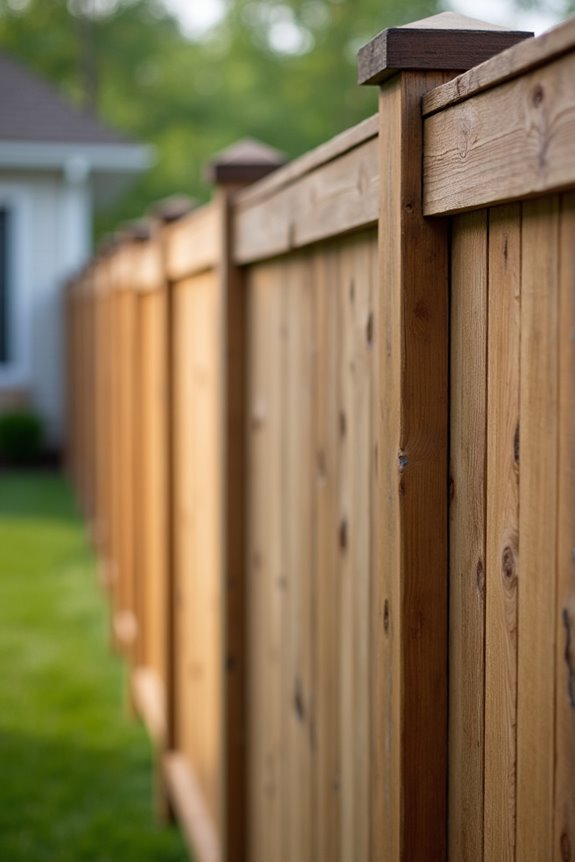
Why does material choice matter so much? It’s the single biggest driver of your privacy fence budget. Pressure-treated pine runs $15–$30 per foot, making it wallet-friendly upfront. Cedar costs $36–$50 per foot. Vinyl and composite materials land around $25–$60 per foot, offering durability without constant maintenance requirements.
Regional pricing shifts everything. Cedar is common in Dallas-Fort Worth, so it costs less there than elsewhere. Installation costs vary too; labor runs $17–$27 per foot in Texas, depending on style and height.
Cheap pressure-treated pine saves money initially but requires regular upkeep. Premium materials carry higher upfront installation costs, but you avoid ongoing maintenance expenses over time.

Privacy fence: The fake leaves of this artificial ivy privacy fence screen look very realistic, and can be used to decorate rooms, gardens, fences and as a balcony privacy screen to meet your coverage needs and create a fresh, comfortable and private green background space for you.

Details: Artificial ivy wall is 120 inches long and 40 inches wide, with green faux ivy leaves. Made up of 12 small panels (connected).Can cover 33.33 square feet. the faux Ivy Vine are textured and look real. You can reassemble or cut to get the size you want. 50 cable ties are included to assist in installation.

Privacy fence screen– Our artificial ivy privacy fence panels provide an instant solution to create a cozy, secluded space. Whether you need to cover an unsightly chain-link fence or add a green touch to your balcony decor, this versatile privacy screen fence offers 95% visual blocking while transforming any dull area into a lush, natural-looking garden retreat.
Labor Costs Vary by Region and Site Complexity
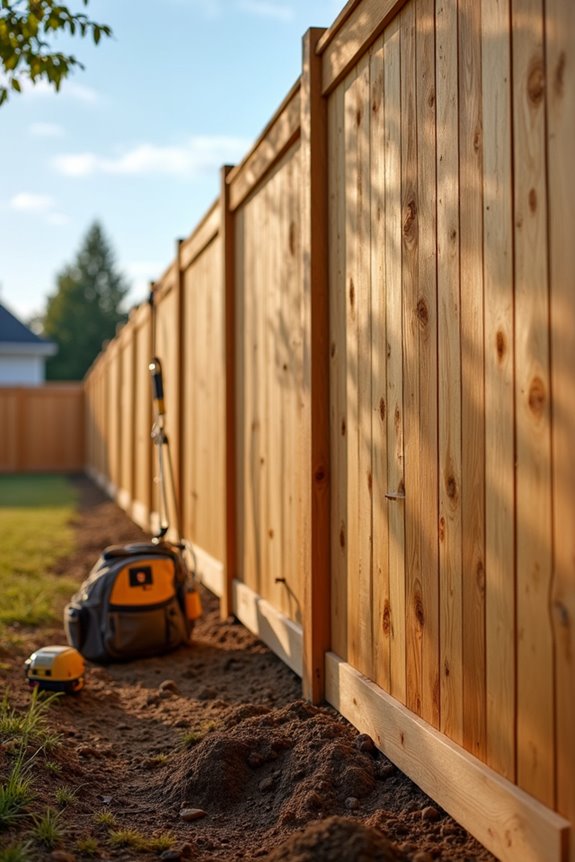
I’ve found that where you live and what your yard looks like makes a significant difference in labor costs. Texas rates range from $17 to $27 per foot, while urban areas can jump to $30–$50 and rural spots might run $20–$35. If your land has slopes, rocky soil, tight spaces, or existing fences to remove, you should expect an extra 15–40% added to your labor bill. Understanding these factors upfront helps you obtain accurate quotes and avoid unexpected expenses.
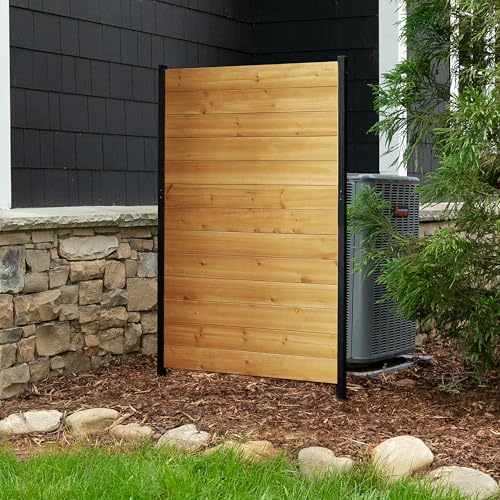
STYLISH NATURAL WOOD: This FSC certified wood screen is made with real wood meaning no two boards have the same grain color, finish, or wood knots differing it from vinyl outdoor privacy fence screen panels.

Premium Quality: The UPGRADE privacy screen for fences is made from 170 GSM non-recycled High-Density Polyethylene (HDPE). This ensures lasting durability, reliable privacy protection, and excellent weather resistance. A high-density composition makes it a dependable solution for outdoor privacy needs.

Natural Cedar Wood: This wood screen is made with thickened cedar wood and will never fade, differing it from vinyl fence screen panels which can not provide you a natural screen experience.
Regional Price Fluctuations
Because where you live really does matter, labor rates for fence installation swing significantly depending on your location. Urban areas run $30–$50 per linear foot, while rural zones drop to $20–$35. A substantial difference exists in coastal regions, where year-over-year increases hit 8–12%, whereas the Midwest sees just 3–5%. Texas averages sit about 15% below national rates, but California sits 25% above.
Regional pricing is shaped primarily by market competition and contractor availability. Rocky soil demands power augers, adding 20–40% to costs. Sloped terrain bumps things up 15–30%. Permits ($50–$200) and impact fees ($100–$500) also vary widely by municipality. Geographic variance significantly affects pricing, and understanding your specific area is essential.
Site Complexity Impact
How’s your property actually shaped—flat and friendly, or more like a rollercoaster?
Site complexity dramatically impacts your labor costs. I’ve seen projects where terrain features alone add serious money to the final bill. Here’s what you’re facing:
- Slopes and uneven terrain bump costs up 15–30% because installers work harder maintaining proper fence lines
- Rocky soil requiring power augers and extensive post-hole work adds 20–40% to labor expenses
- Limited site access increases labor time by 10–20% when crews struggle reaching your property
- Grading and soil adjustments can run $400–$6,000 depending on your property’s size and grade changes
Complex terrain directly affects materials selection and installation difficulty. Your per-foot labor costs climb higher when slopes demand different wind load requirements or when rocky conditions slow everything down. Factor these realities in before committing.
How Terrain and Soil Conditions Increase Installation Costs
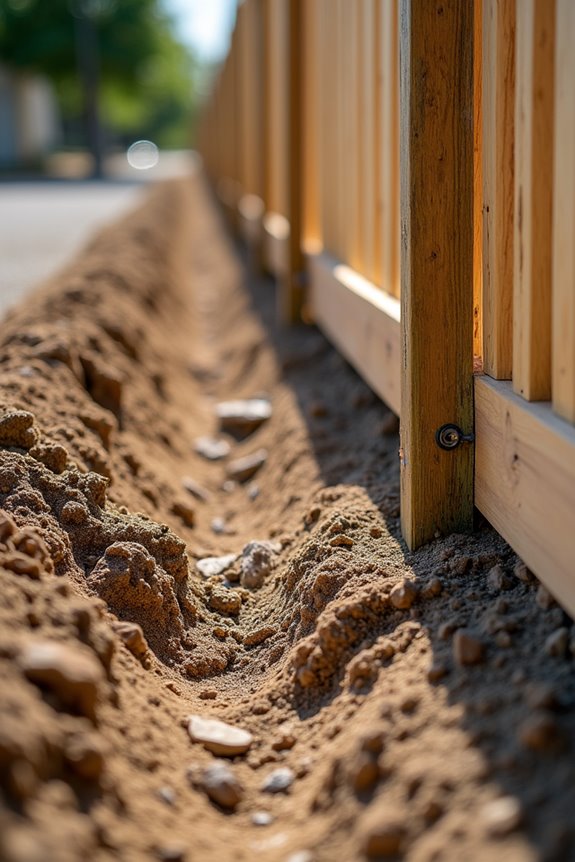
When your property has slopes, rocky soil, or tight spaces, fence costs can increase significantly. Sloped terrain demands longer post holes and careful alignment, consuming 15–30% more labor and materials. Rocky or clay soil requires 20–40% additional costs because power augers and special equipment become necessary.
| Condition | Cost Increase |
|---|---|
| Slopes & uneven terrain | 15–30% |
| Rocky or clay soil | 20–40% |
| Difficult site access | 10–20% |
Tight workspaces and restricted movement add another 10–20% due to logistics challenges. Terrain changes like grading or drainage adjustments compound these costs further, adding 5–15% more to your total project expense. Site assessment before budgeting is essential, since soil conditions directly impact overall installation expenses and footing depth requirements.

EASY ORDERING: Everything you need for your fence project is in the box except for the final post. Only ONE additional post, BL19112, is required for the end of your project. A gate is available by searching BL19111.


Sufficient Quantity: our product package includes 4 x Vinyl pocket rails; These are precision-crafted and come in an aesthetic white color adding value and elegance to your property; Trust our quality and design to provide your property with an attractive, durable and secure construction
Fence Height and Design Features Raise Your Price
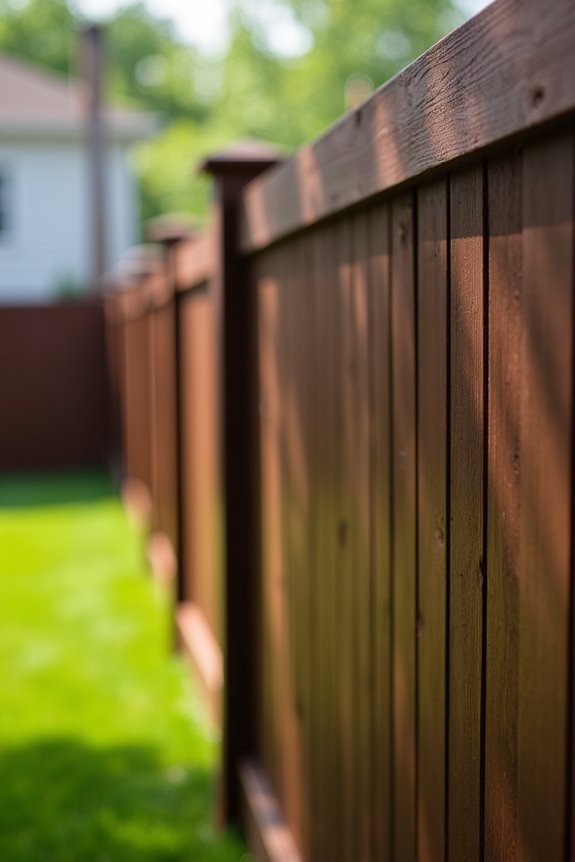
I’ve found that your fence height—whether you’re going 6 feet or 8 feet—makes a real difference in what you’ll pay per foot, since taller fences need more materials and labor. If you add design features like board-on-board construction, lattice tops, or fancy cap and trim work, your costs will jump significantly beyond those basic panel prices. The more decorative elements you choose, the higher your per-foot price climbs, so evaluate which upgrades provide the value you need.
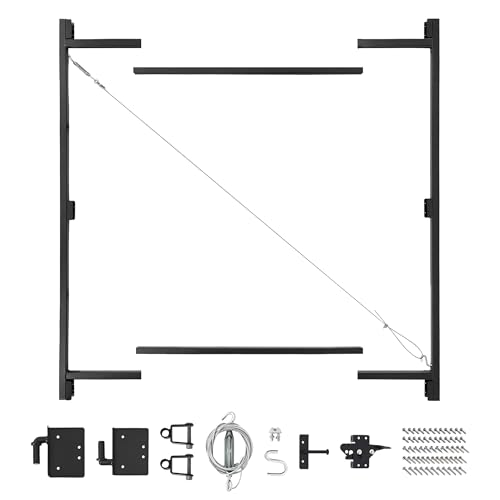
Adjustable Fit: Designed for widths from 36 to 60 inches, this adjustable steel frame kit adjusts on-site by expanding to fit a wide fence opening with precise, custom sizing during installation
Premium Quality: The UPGRADE privacy screen for fences is made from 170 GSM non-recycled High-Density Polyethylene (HDPE). This ensures lasting durability, reliable privacy protection, and excellent weather resistance. A high-density composition makes it a dependable solution for outdoor privacy needs.
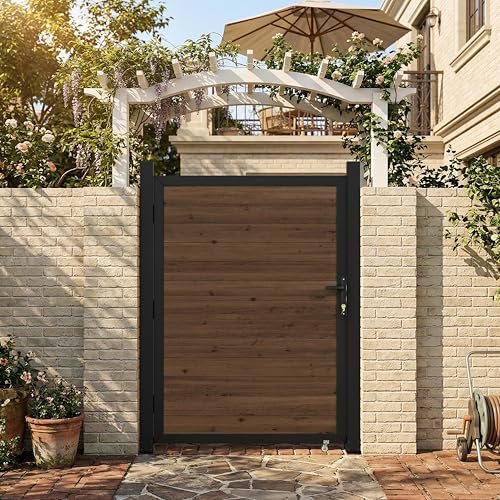
Complete Kit with Heavy-Duty Posts: This 6ft tall privacy fence gate comes as a full, ready-to-install set, including 2 rust-resistant aluminum posts, a lockable handle, caster wheel, and all mounting hardware. No extra purchases needed, perfect for quick backyard, garden, or pool area installation
Height Requirements And Costs
Why does fence height matter so much to your wallet? Fence height is one of the biggest cost drivers you’ll face. Here’s what impacts your privacy fence height and cost per foot:
- Standard 6-foot fences run $25–$40 per foot, making them the sweet spot for most homeowners
- 8-foot heights jump noticeably higher due to extra materials, labor, and wind-load considerations that contractors must account for
- Design upgrades like post caps and lattice tops add $3–$8 per foot, customizing your look
- Gate costs ($150–$400 each) affect your total project, especially if you’re adding double gates
Sloped terrain can bump costs up 15–30%, so you’ll need serious adjustments depending on your yard’s layout. Get quotes for your specific height preference to determine your actual expenses.
Design Complexity Impacts Budget
Now that you’ve got a handle on how height drives your costs, your design choices matter just as much as those extra feet. Board-on-board construction, lattice tops, decorative tops, and fancy cap and trim can add $3–$8 per linear foot, which adds up quickly. Complex layouts with multiple corners and angles increase labor costs by 15%–30% because your crew spends extra time on post-hole work and site preparation. Gate installation bumps costs up further. Terrain difficulty compounds everything. Rocky ground or slopes demand additional post-hole work, pushing costs up another 10%–40%. Keep your design simple if budget is a priority.
Decorative Elements Add Expense
Once you’ve locked in your fence height and basic design, the expenses increase significantly with decorative elements that transform a plain fence into something special.
- Lattice tops add $3–$8 per linear foot and require extra installation complexity
- Decorative caps and ornamental features boost your materials cost significantly
- Board-on-board styles demand more materials and careful labor during setup
- Fancy fence design details like angled boards multiply per linear foot expenses
These additions require contractors to spend extra labor hours getting everything aligned perfectly. Decorative elements increase both material and labor costs, so budget that extra cash upfront when planning your privacy fence project.
How Site Access Affects Labor Costs
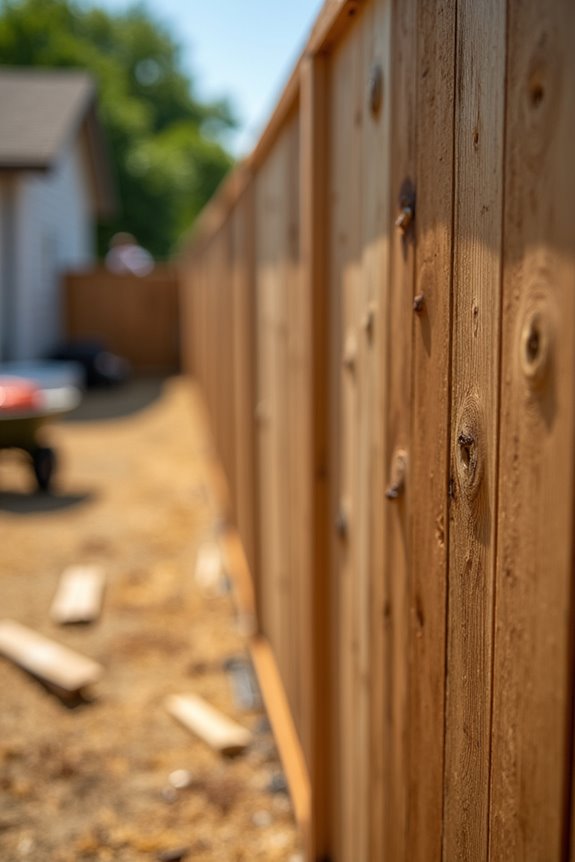
the easier your contractor can access your yard, the less you’ll pay overall.
I’ve seen site access dramatically shift labor costs on fencing projects. When your terrain’s uneven or rocky, post-hole digging gets complicated fast. You’re looking at 15–30% extra labor hours just wrestling with the ground. If your yard’s tight with restricted space or narrow corridors, that adds another 10–20% because material staging and equipment maneuvering become real headaches.
Poor site access often forces contractors to bring additional crew members or switch installation methods entirely. Limited access means slower work. Rocky soil requires power augers, which bumps costs 20–40% higher.
Clear paths and accessible terrain directly reduce your final bill. They’re practical cost-reduction factors, not optional conveniences.

STYLISH NATURAL WOOD: This FSC certified wood screen is made with real wood meaning no two boards have the same grain color, finish, or wood knots differing it from vinyl outdoor privacy fence screen panels.

Realistic Natural Look: Artificial ivy wallscreen measures 120" long and 40" wide, this artificial ivy privacy fence screen is constructed with vein-detailed green faux ivy leaves. Adjustable leaf orientation lets you tweak the look for a fuller, more organic appearance. lifelike foliage builds an elegant green backdrop and elevates visual effect for your patio, garden and living area, bringing you immersive green scenery.

Details: Artificial ivy wall is 120 inches long and 60 inches wide, with green faux ivy leaves. Made up of 18 small panels (connected).Can cover 50 square feet. the faux Ivy Vine are textured and look real. You can reassemble or cut to get the size you want. 50 cable ties are included to assist in installation.
Hidden Costs: Permits, Gates, and Add-Ons
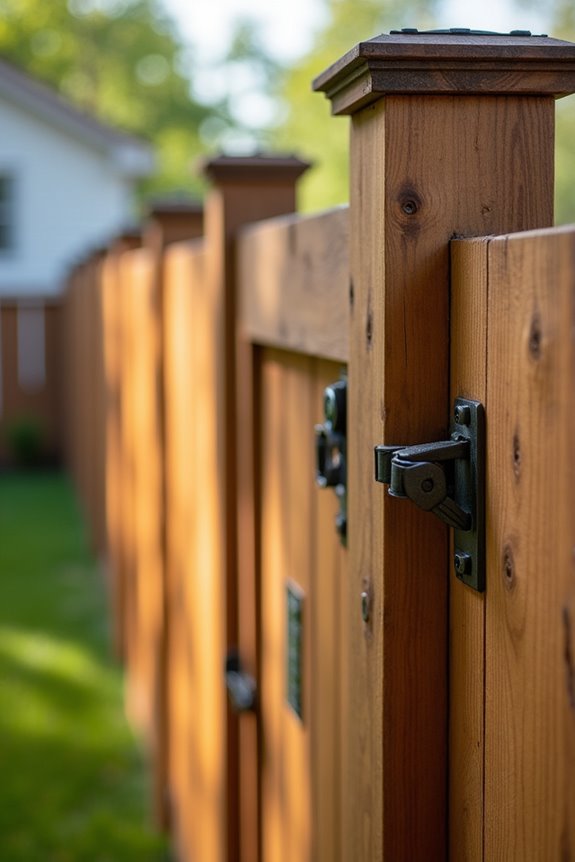
Beyond the fence itself, you’re going to encounter expenses that sneak up on most homeowners. These hidden costs can seriously impact your budget, so let’s break them down:
- Permits and fees run $50–$150 in most Texas cities, with some areas charging impact fees of $100–$500
- Gates add significant expense. Standard 4-foot gates cost $150–$400, while double drive gates jump to $300–$900
- Add-ons like rot boards ($4–$8 per foot) and staining/sealing ($1–$5 per square foot) stack up quickly
- Old fence removal costs $3–$7 per linear foot or a flat $300–$750
Site conditions like grading, stump removal, or limited access can bump labor and material costs up 10% to 40%. Projects often exceed initial estimates when homeowners don’t account for these expenses upfront.

Privacy Protection:Create a more private backyard, garden, or patio with the KANAGAWA fence privacy screen. It provides 90% blockage to reduce visibility from neighbors, streets, and pets, while creating a more comfortable outdoor space. The privacy screen helps reduce visual distractions that may trigger dog barking for a more peaceful environment.

Perfect Yard Privacy Protection: With a visibility blocking rate of 90%, our privacy screen effectively prevents peeping and nosy neighbors from seeing through your yard. It not only ensures your safety but also allows you to enjoy a sense of freedom. Additionally, it acts as a barrier to keep animals out of your yard and blocks unwanted noise and street views, while also preventing dogs from barking at passing stimuli.

Upgrade iCover Privacy Screen For Fence: Our privacy screen is made of heavy-duty knitted net, measuring 8 ft high by 50 ft long. It is suitable for fences with a height of 8 ft or slightly higher. Please accurately measure your fence before purchase