
Your fence budget depends on five key factors. First, material choice—chain link runs cheap at $12–$20 per foot, while wrought iron climbs to $30–$90. Then there’s linear footage; most backyards need 150–200 feet, and more footage means more cost.
Site conditions matter too—uneven terrain, rocks, and roots increase labor costs. Gates and custom features will add anywhere from $60 to over $1,000. Finally, local permits and whether you hire professionals versus DIY significantly impact your total. Each factor plays a role in what you’ll actually spend.
Fence Cost by Material: Budget Ranges for Each Option
Why does material matter so much when you’re pricing out a fence? It’s the deciding factor in your budget ranges!
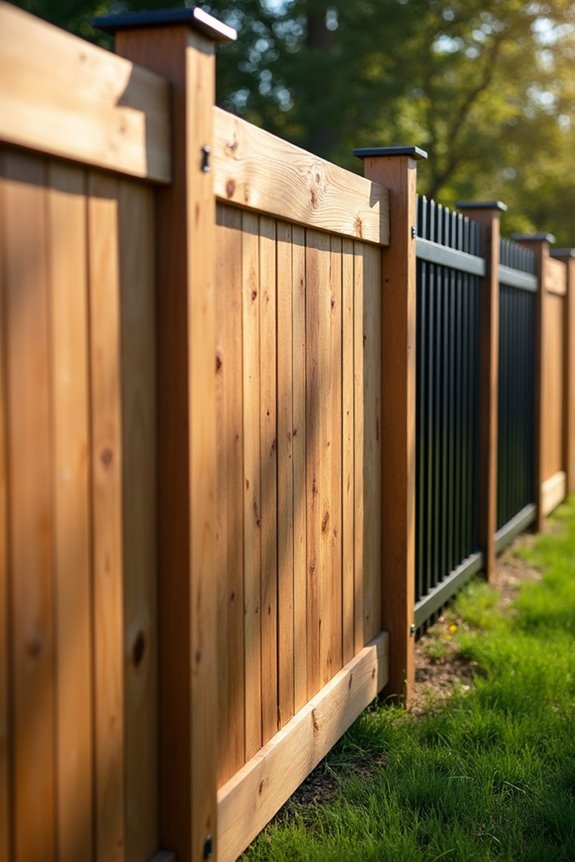
Chain link is your wallet’s best friend at $12–$20 per linear foot. Wood fences run $15–$45 per linear foot, and they look great but need maintenance. Vinyl costs more upfront ($20–$60 per linear foot), but you’re buying peace of mind with minimal upkeep.
Then there’s Composite fencing at $30–$59 per linear foot—a solid middle ground if you want low maintenance without breaking the bank. And Wrought iron? That’s the luxury pick at $30–$90 per linear foot. It’s stunning and durable, but labor costs spike.
Match material choice to your lifestyle. Budget-conscious? Chain link delivers. Want something lasting decades with minimal fuss? Several options justify their cost through durability and reduced maintenance demands.

HDPE Material: Knitted with 100% high-quality, pure polyethylene material, this tear-resistant, air-permeable, breathable weaving fabric allows water and air to flow freely and is UV-resistant
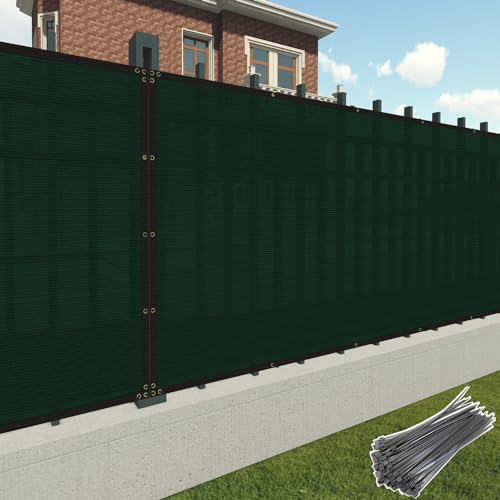
Inexpensive Privacy Solution: Block the view of neighbors, reduce pet noise, prevent wild animals from entering your yard, and protect the safety of young children. Privacy fence panels for the outside are great for condo/apartment balconies, porch railing, backyards and gathering areas, pools, and patios. Can also be used for residential, commercial, and construction sites

Inexpensive Privacy Solution: Block the view of neighbors, reduce pet noise, prevent wild animals from entering your yard, and protect the safety of young children. Privacy fence panels for the outside are great for condo/apartment balconies, porch railing, backyards and gathering areas, pools, and patios. Can also be used for residential, commercial, and construction sites
Linear Footage and Property Size
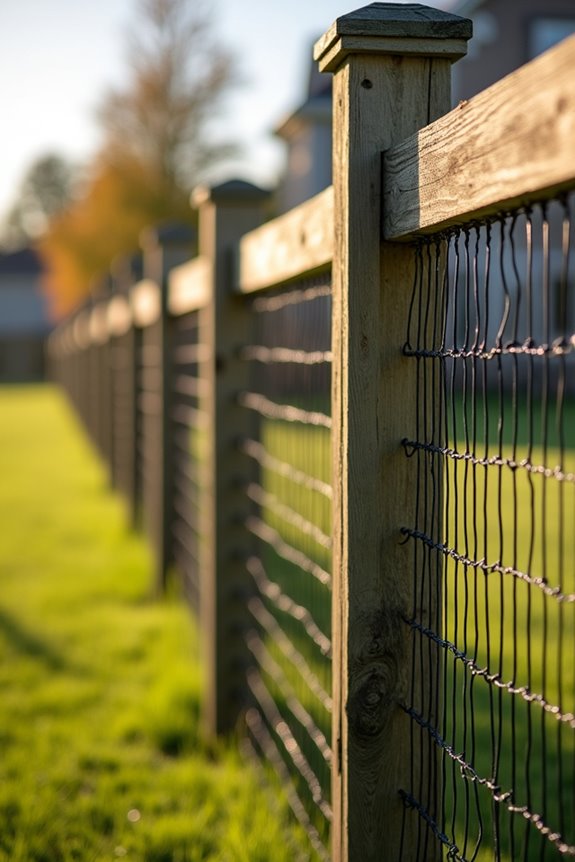
How much fencing you actually need determines your budget. Calculate your perimeter length, which directly scales your installation costs. Most backyards run 150–200 linear feet, and every additional foot means more fencing material and labor costs.
Your property size significantly affects pricing. Site conditions like uneven ground, rocks, or roots increase both material needs and installation effort. If you’re removing an existing fence, add $3–$6 per linear foot. Then there’s gates. Walk-through gates run $60–$250, while double gates hit $300–$1,000 or more. These features can substantially change the per-foot cost on larger properties. Measure carefully before budgeting.

Neighbor Privacy, Not Blackout: Blocks direct line-of-sight while allowing airflow — designed for comfortable backyard privacy, not a solid wall or tarp.

Privacy Solution: Most economical way for privacy over chain link fence, porous decorative concealment, existing cyclone wire fence, wood retaining wall, welded wire fence, chain link fence, privacy barrier around swimming pool, block nose neighbor see through, add privacy to acre back yard backdrop, front yard, patio, garden and porch; hide street, road, construction site, pet kennel pen, block surrounding noise and street view, stops dogs from barking at neighbors.

1 SCREEN PURCHASE: You will receive preassembled materials to construct 1 cedar wood outdoor privacy screen in a charcoal finish with your purchase
How Site Conditions Affect Installation Costs
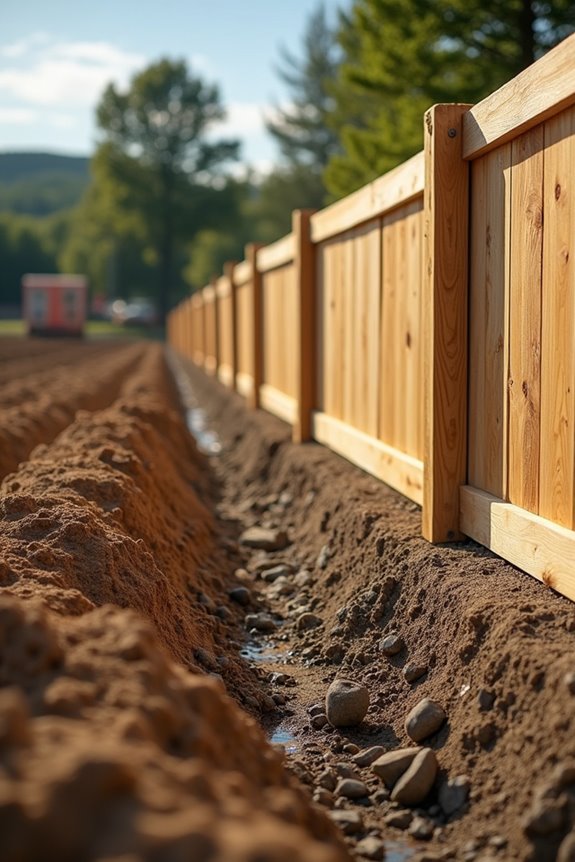
Beyond just measuring your property’s perimeter, what’s actually going on underneath and around your yard can seriously impact your final fence bill. Projects often get pricey fast when sloped terrain or uneven terrain shows up—deeper posts and extra stabilization work add significant costs to the project. Rocks, roots, or existing structures will slow down your digging considerably, eating into labor costs.
Site prep takes considerable time. Utility markings need checking, debris cleanup happens after installation, and vegetation clearance isn’t free. If you’re removing an old fence too, that’s typically $3–$6 per linear foot added on top.
Difficult spots like trees and stumps extend everything. Get a site inspection before you commit to pricing.

PET & CHILD SAFE: Create a safe outdoor play area for fur babies and children. Rest assured that this fence will create a sturdy barrier to protect your family.
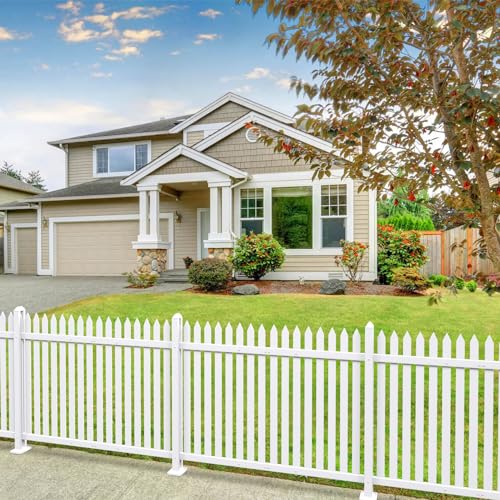
Size: Vinyl fence is 84" inches wide and 36" inches high. Each panel measures 42 inches wide and 36 inches high, (2) panels included. This set is straight; please let me know if you prefer scalloped top

Flexible Design, Easy Installation: Measures 30"H for Coonoble vinyl fences. The adjustable post bases allow installation on slopes or uneven ground, and there are different base options for soft and hard surfaces
Gates, Openings, and Custom Features
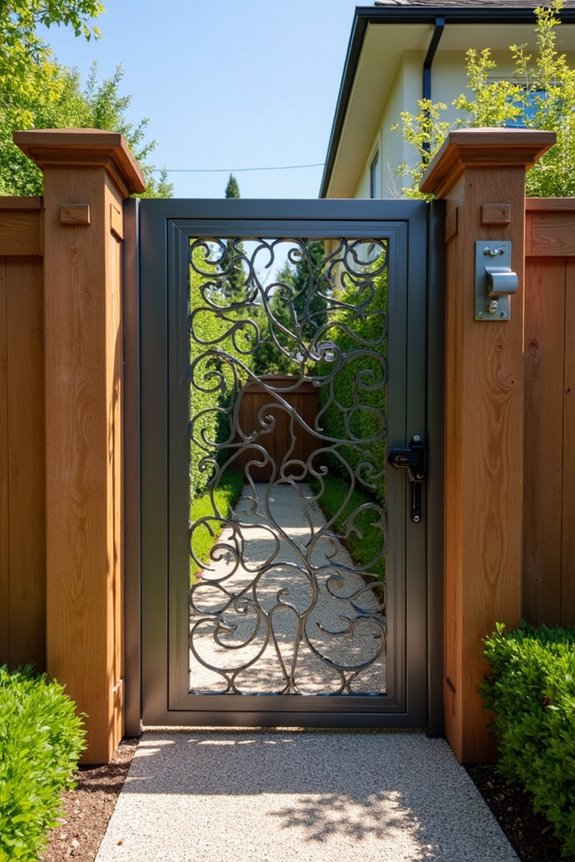
Once you’ve tackled the ground itself, gates and openings are where your fence really starts taking shape—and where costs can jump faster than you’d expect. A walk-through gate runs you $60–$250, but double gates? They’ll cost $300–$1,000+ depending on size and gate hardware you choose. Gate installation itself adds $400–$1,200 in labor alone.
Custom features like decorative post caps or lighting integration bump up your total quickly. Adding electrical work for automatic gates or lighting means permits and permits handling, which often requires professional wiring. Investing in these touches makes your entrance feel polished and intentional. Openings serve as your fence’s focal point and deserve careful consideration.

Fast, Effective Repair Of Vinyl Fence Holes, Cracks, and Damage.

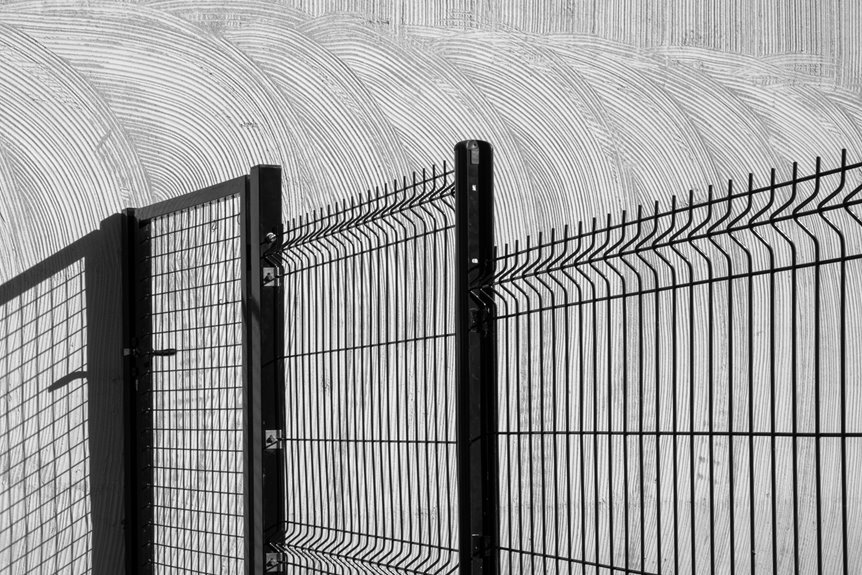
Strong Black Gate Frame

Local Regulations, Permits, and Professional vs. DIY Installation
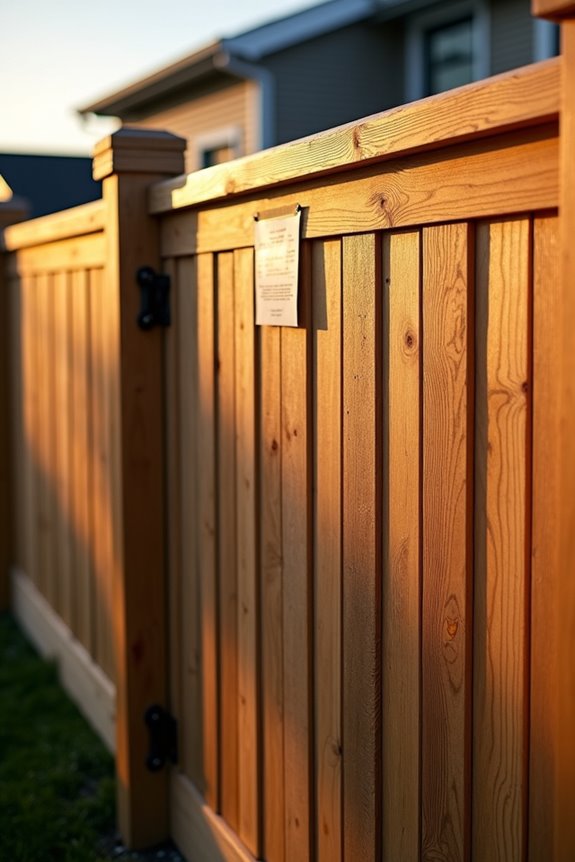
Before you break ground on that fence, you need to address permits and local regulations—they matter far more than most folks realize. Your city-specific requirements, HOA rules, and local regulations will shape everything from height to materials you can use.
Permit fees typically run $20 to $60, which isn’t huge, but they’re non-negotiable. I’d recommend hiring professional installation because contractors handle permits and paperwork for you—plus you get code compliance guarantees and warranties included.
DIY installation saves labor costs upfront. However, you might face expensive rework if you miss regulations. Professional installers know the local codes inside-out, handle permits seamlessly, and ensure your fencing materials meet every requirement. The peace of mind comes from knowing your fence meets all legal requirements.

328536b 2-3/8", Galvanized Walk Gate Hardware Set

Powder-coated wrought iron: Made from wrought iron with an exclusive black baked powder coat finish that resists rust and chipping, keeping the latch looking sharp on barn doors and fence gates.
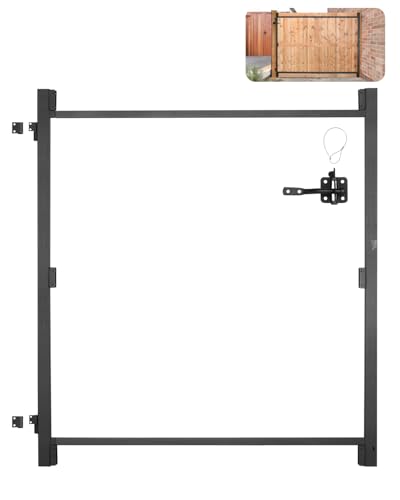
Rust and Corrosion-Resistant Material: Made from thick metal iron, this gate building kit is highly durable with rust, corrosion, and weatherproof properties, ensuring it can withstand wind, rain, and snow for long-term outdoor use