


How to decorate windows depends on whether you own the wall or just signed a lease. Sheers, drapes, films, and built-in seats all sit on a sliding scale of permanence, and the wrong choice turns a weekend project into a deposit dispute or a summer of watering plants you abandoned by July. The rod height matters as much as the fabric: raising it six inches toward an eight-foot ceiling buys you visual height for nothing but drill holes, which renters patch in twenty minutes and forget by dinner.
1. Sheer Curtains
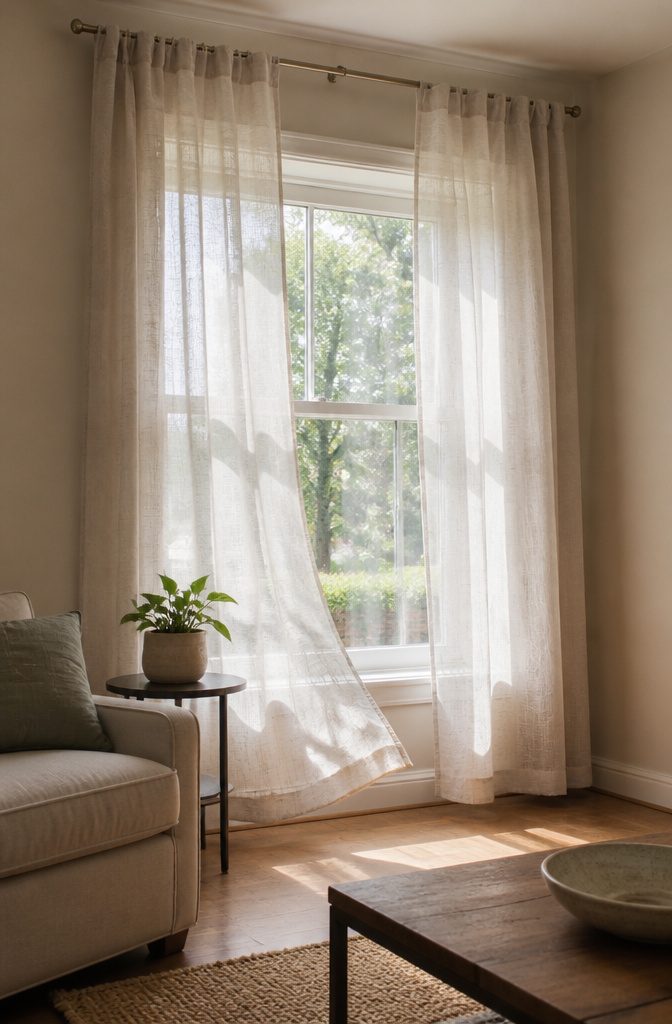
Sheer curtains filter sunlight, creating a soft glow that keeps a room from feeling closed off. Linen or voile fabrics let you see daylight without turning your living room into a fishbowl for the neighbors. I like them in spaces where you want brightness but still need some separation from the street, like a ground-floor sitting area or a bedroom that faces another building. The fabric is thin enough to move with a breeze, so the whole window feels alive instead of draped in something heavy. Hang them on a basic rod close to the ceiling and they’ll read as intentional, not like a temporary fix you settled for. A sheer layer works best when it is the only treatment, not paired with blackout panels that defeat the point.

Packing Detail: The package includes 2 natural ivory linen curtains and each linen textured curtain measures 52 inch wide and 84 inch length(104" wide total). The top style of the curtains is bronze grommets with 1.5 inch inner diameter, fit well with most rods.
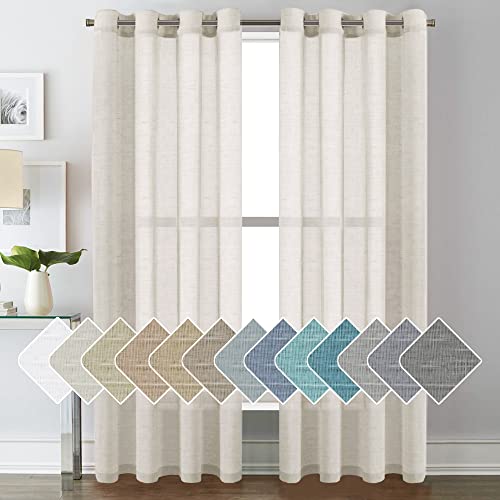
WELL MADE: Sold per pair(set), including 2 linen sheer panels - Panel measures: 52 x 84 - inches|Set measures: 104 x 84 - inches. Each panel has 8 nickel grommets, constructed with head height: 4", bottom hem: 2", fitting up to 1 1/4 inches curtain rods/poles
2. Bold Drapes
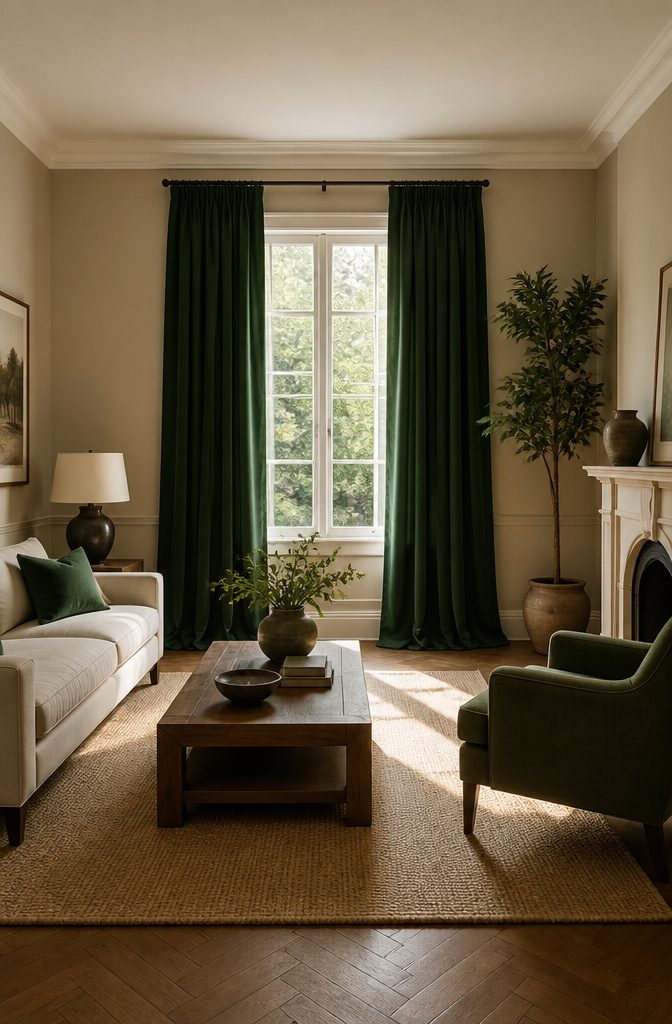
Choose drapes in rich tones like navy, emerald, or deep red. Heavy fabric in a deep color does something sheer panels can’t: it frames the glass like artwork and gives the wall itself a sense of depth.
The real trick is where you mount the rod. Most people hang it just above the window frame, which visually chops the wall in half. Mount the rod closer to the ceiling, roughly halfway between the top of the window frame and the ceiling line. On standard 8-foot ceilings, that small shift changes everything. The eye travels upward, the wall feels taller, and the room stops feeling quite so boxed in.
I learned this the hard way in my first apartment, where the windows sat low and the walls felt like they were pressing in. Raising the rod six or eight inches cost nothing extra and took the same twenty minutes to install, but the room felt different the same afternoon. The drapes pooled slightly at the floor, which read as intentional rather than sloppy because the color was doing so much of the work.
For renters worried about patching later, a tension rod in the window well won’t give you this effect. The holes are worth it.

SUPERIOR VELVET MATERIAL: Crafted from thick 300 GSM high-density velvet, all StangH velvet curtains feature a plush, silky ultra-soft touch. The heavy, sturdy weave delivers sleek, elegant natural draping, while faint silver light reflection is a normal trait of premium velvet. OEKO-TEX STANDARD 100 & GRS certified, they are chemical-free, family-safe for kids and pets, and made of 50%+ recycled polyester for eco-friendly use.

LUXURIOUS VELVET FABRIC:Crafted from high-density velvet fabric, these curtains are silky-smooth, soft to the touch, and feature a rich, heavy drape for an elegant look,adding depth and luxury to living rooms, bedrooms, nursery and more.

Luxury Velvet Fabric:Soft premium velvet with rich drape, smooth and stretch‑friendly, delivers elegant luster for formal occasions.
3. Window Boxes
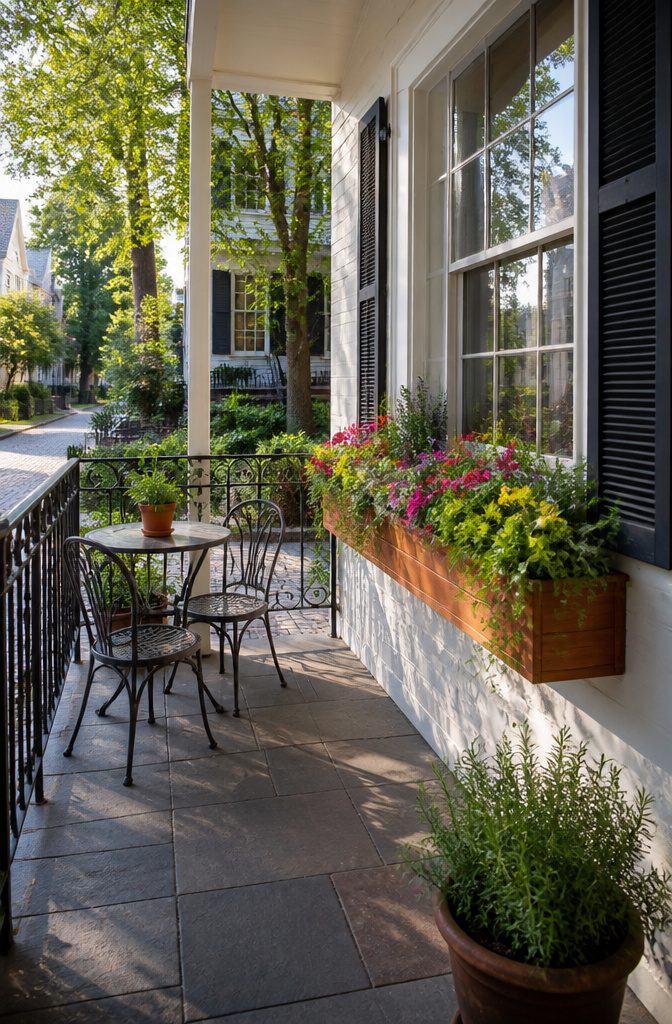
Window boxes sit right where your home meets the street, so they do more work than most decor you’ll buy. Fill them with colorful flowers, herbs, or trailing plants and you’ve got curb appeal that changes with the season. For renters, no-drill brackets that hook under the sill or clamp to the railing keep your deposit safe. Owners can mount more permanently with brackets screwed into the frame or wall. Either way, skip the lightweight plastic if you actually want them to last; sun-warped boxes sag by August and dump your soil on the porch. Go with cedar or a resin composite and line the bottom with coco mat or a shallow reservoir tray. That buys you two or three days between waterings instead of a daily chore you will absolutely abandon by mid-July. I’ve watched too many window boxes turn crispy because someone planned for spring enthusiasm and not summer heat.

Easy and Damage-Free Installation: Our adhesive blackout curtains offer a no-drill, no rod solution for a quick and easy installation. Simply peel and stick these stick on curtains to your windows, making them ideal for renters or those looking to avoid wall damage.

Colorful Visual Effect: This decorative window film features a unique 3D laser design that creates a colorful, glittery rainbow effect when the sunlight shines through it. The timeless and exquisite mosaic pattern adds attractive design for an updated look to your window that mimics stained glass
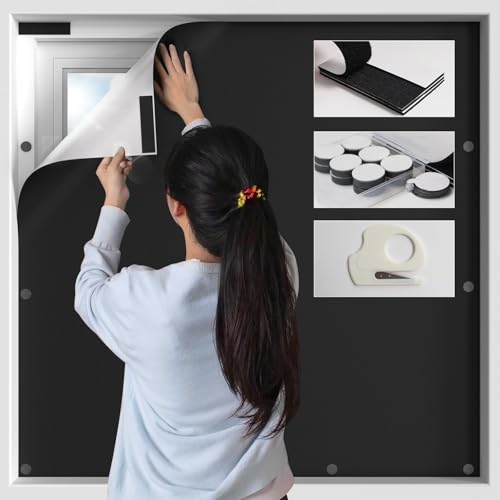
Complete Blackout: Tired of Light Pollution Disrupting Your Sleep? Our magnetic blackout window film made from premium 420D Oxford fabric that is resistant to wear and tear, achieves complete darkness with our blackout curtains for better sleep, home theaters, or any other use where total light blocking is required.
4. Layered Treatments
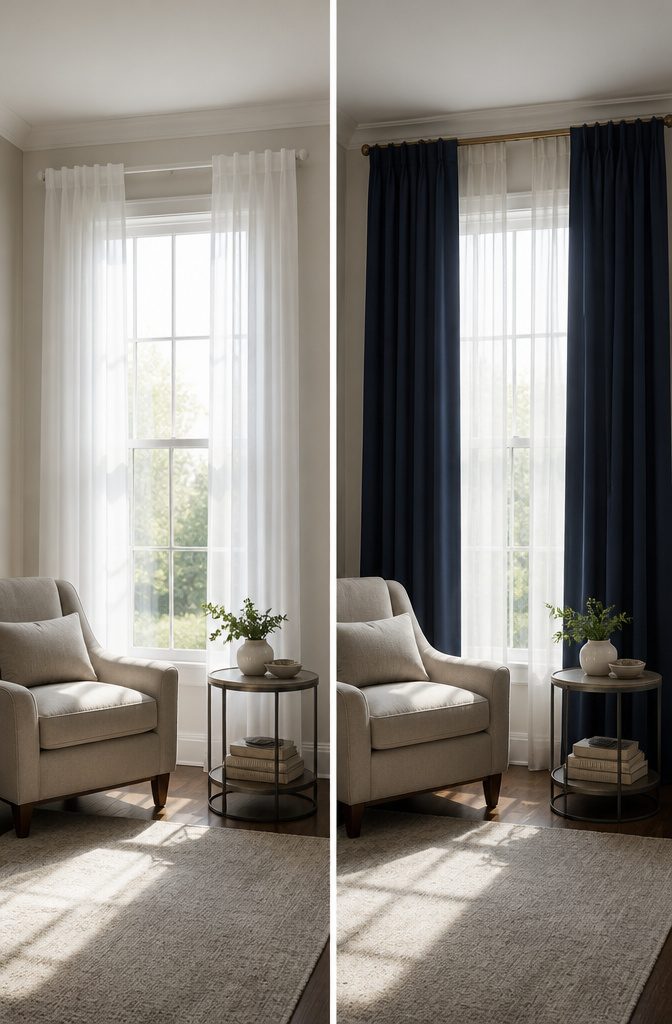
Layered treatments solve the problem of a window that needs to do more than one thing. A single covering leaves you stuck with whatever it does all day. Two layers let the room shift with the light and the season without a new purchase.
Try combining sheer curtains with heavier drapes or shades. Sheers filter morning light into something soft and usable, while the second layer blocks it completely when you need that. An east-facing bedroom is the clearest case: blackout for sleeping past dawn, but sheers keep it from feeling like a hotel room once you’re up. The same pair gets you through a full year. In summer, close the heavy layer against heat; in winter, leave it open and let the sheers soften the gray afternoon. The look reads intentional, not like you forgot to choose.

Adjustable Design — Extendable arms adjust from 5.3" to 7.7" wide, crafted from 3mm thick premium iron for lasting durability. Easily adapts to 2x4 or 2x6 deck railings, window sills, and fence rails without measuring hassle.

Adjustable Window Box Bracket: The brackets for window boxes adopts an upper‑and‑lower dual‑adjustable structure. The top adjusts from 0‑7.76 inches to fit railings of various sizes, while the bottom ranges 6.7‑12.8 inches to accommodate different flower pots.
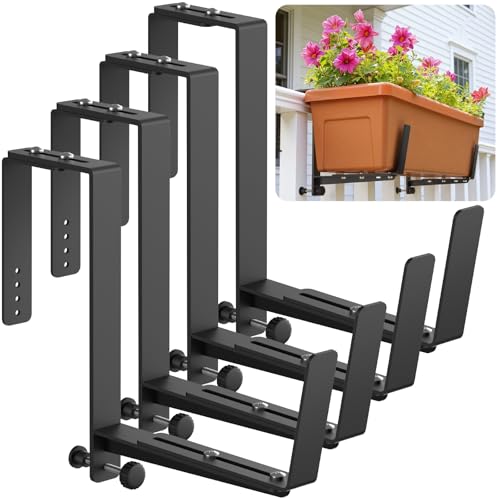
【Adjustable Bracket】Our window box bracket features an adjustable top and bottom design. The top width adjusts from 0–6.5" to fit different railing sizes, while the base width adjusts from 5.5–10.4", making it compatible with a wide range of planter boxes. Enjoy flexible placement without worrying about fit.
5. Decorative Films
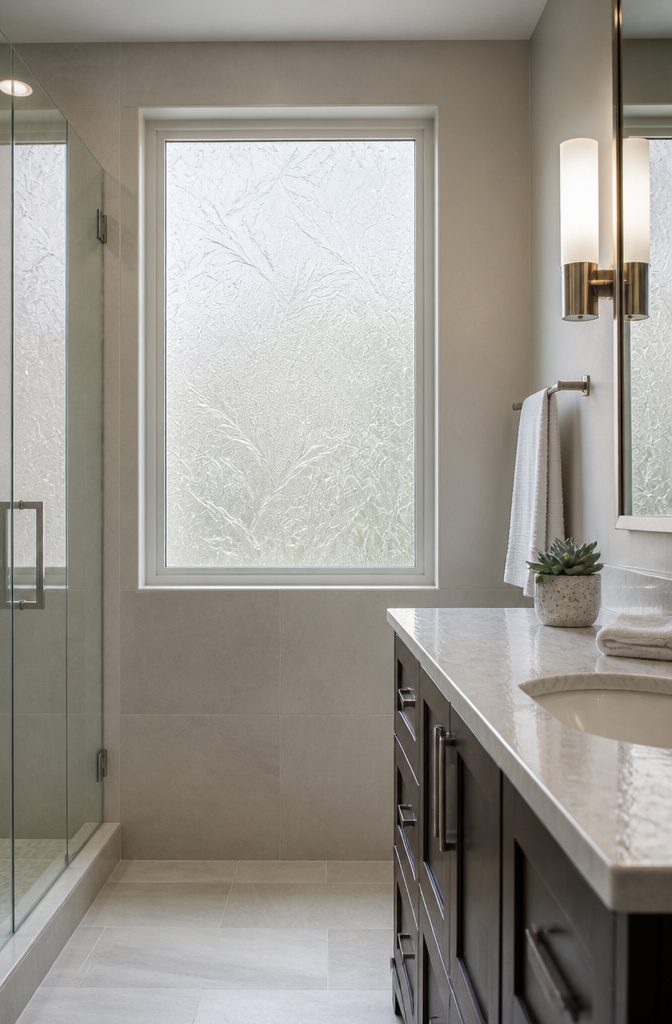
Not every window needs fabric. In bathrooms and beside front doors, frosted or patterned films give you privacy without touching a curtain rod. Choose from frosted, etched, or patterned films. They let light through while blocking the view, and a single Saturday morning is usually enough to get them smooth and bubble-free. Renters especially win here: the film peels off when you move, leaving no hardware holes or faded rectangles where hardware stood. I have watched friends spend more time patching drywall from curtain brackets than they ever spent hanging the things. For sidelights next to a front door, nothing beats the clean look. No fabric competing with the door hardware, no dust collecting in folds, just light and a little texture where you need it.

【Reinforced Support】 Our extendable curtain rod features a reinforced design with a 50% increase in wall thickness, providing unmatched support. It easily withstands 6 LBS of pressure without bending, ensuring a carefree user experience

【PACKING SPECIFICATIONS】: 2 pcs of white curtain rods, which can be extended from 26 to 39 inch, and the best use range is 28 to 36 inch,Scalable without drilling.

【No-Tool Installation 】The spring tension design mounts instantly to a wide range of surfaces without the need for drilling, screws or manual skills. One person can install it in two minutes.Perfect for renters and DIY novices.
6. Plants and Greenery
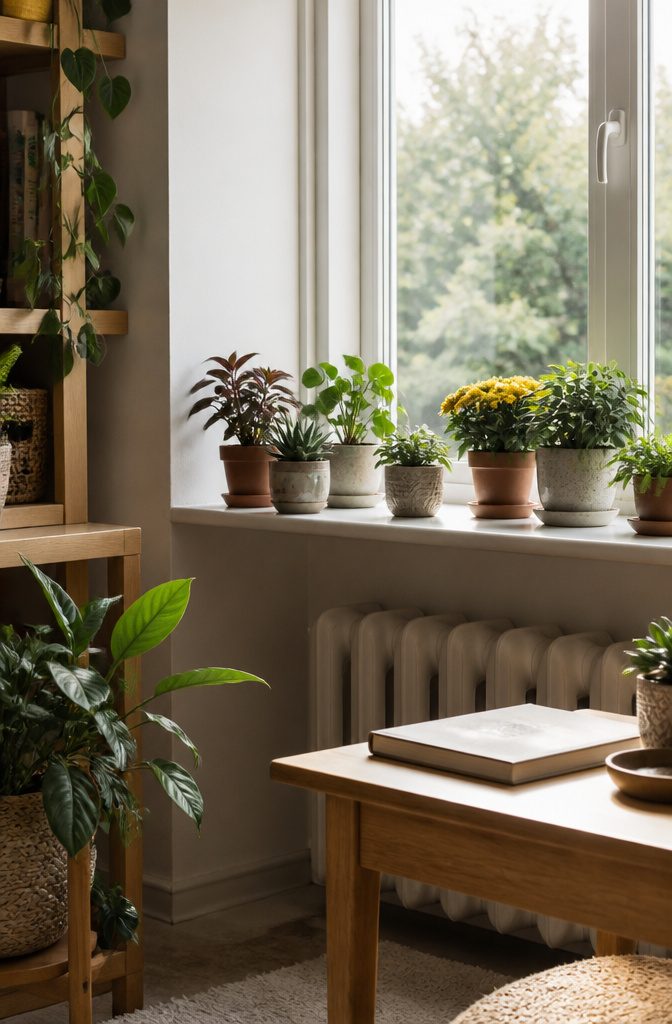
Line a window ledge with small plants, flowers, and succulents. That single move wakes up a room faster than almost anything else I have seen, and it costs less than a decent set of throw pillows.
Before you haul anything home, figure out which way your window faces. South-facing sills get the most light and will keep most succulents and herbs happy. East or west light is gentler and works for pothos, snake plants, and African violets. North-facing windows are the trickiest: stick with shade-tolerant varieties like ZZ plants or certain ferns, and accept that growth will be slower.
Your sill needs to be at least four inches deep to hold a standard nursery pot without it tipping. Six inches is better; you can tuck a saucer underneath and still have room for the plant to sit flat.
The real killer is not darkness. It is humidity trapped between the glass and the curtain. Leaves pressed against a cold window in winter stay wet too long, and rot sets in fast. Leave an inch of air space between your plants and the glass, or any curtain, and check the back row of leaves weekly. A small fan on low nearby helps more than you would expect.

WELL MADE: Sold as 2 panels, each panel is W52" x L84", and W104" x L84" in total. Each curtain panel has 2-in-1 top style design: rod pocket and back tab. With 3-inch inner diameter fit most standard rod. Curtains also can be hung with clip rings. 3 ways meet your various needs.

READY MADE: 2 Linen Curtain Panels per package.Each panel measures 52 inches wide by 96 inches long. Top design of Back tab & loop pocket provide 3 hanging options. <1> hanging from the back patch to create an elegant pleated look, <2> from the 3 inch rod pocket for a classic look <3> Hanging with clip rings for easy, slide open and closed (clip rings are not included)

Basic Information: Includes 2 curtain panels, each measuring 50 inches wide for a total of 100 inches. Easy care for machine washable in cold water, do not bleach, tumble dry low, iron on low heat if needed.
7. Tiebacks and Holdbacks
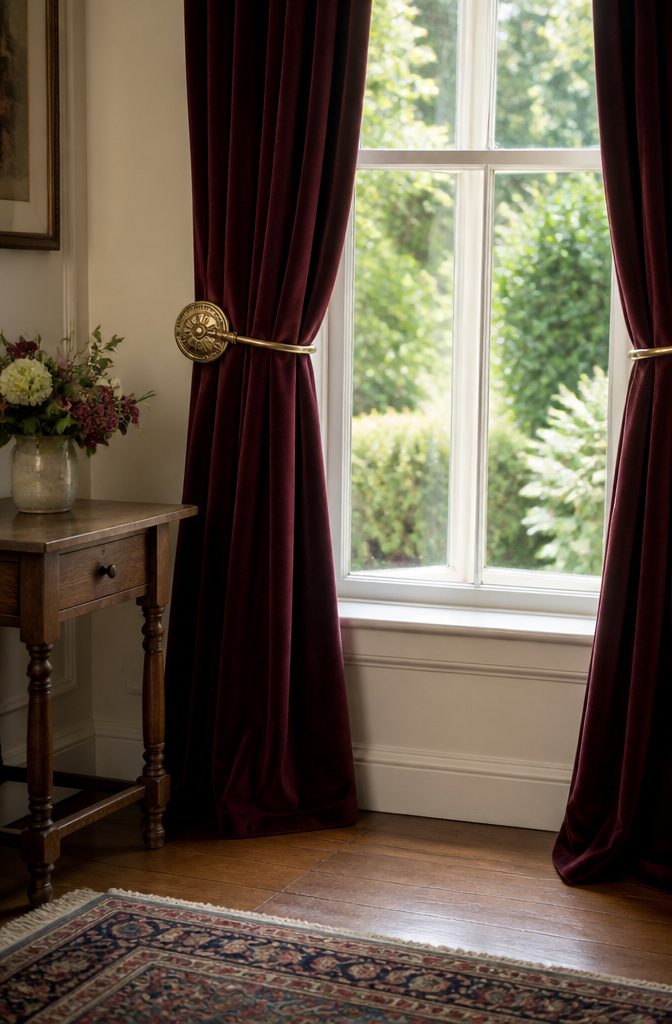
A good tieback can change the whole look of your curtains. It pulls the fabric to the side, lets the light in, and gives the window a shape it does not have on its own.
There are two ways to do this. A tieback wraps around the curtain and you fasten it by hand, usually with a loop or a knot. A holdback mounts to the wall and you hook the curtain behind it. Tiebacks need nothing but the accessory itself; holdbacks need a drill and a few minutes with a screwdriver.
Materials that read expensive without the price tag include rope, fabric, and metal. I have seen vintage doorknobs used as holdbacks, and they add more character than most store-bought options. The small detail does more than you would expect for framing a window and making the room feel finished.

EXCELLENT VELVET FABRIC: These curtains are made of 300 GSM high-density velvet fabric for a luxuriously soft and durable quality. The plush texture and heavy weight add elegance to your home, while the fade and stain resistant properties ensure long-lasting beauty.

Exquisite Craftsmanship:Crafted from high-density 320GSM velvet, these curtains offer a luxuriously soft feel and a flawless, elegant drape. The heavyweight fabric hangs beautifully, preventing light gaps and adding a sophisticated touch to any room decor. Its rich color and substantial weight create a premium aesthetic that instantly elevates your home environment.

Light Blocking: Crafted from premium velvet fabric, these soundproof curtains effectively block out sunlight and harmful UV rays, creating a dark and comfortable environment for sleeping or relaxing. The thermal properties help regulate room temperature, keeping your space cool in the summer and warm in the winter, while also reducing noise from outside, enhancing privacy and peace.
8. Seasonal Decorations
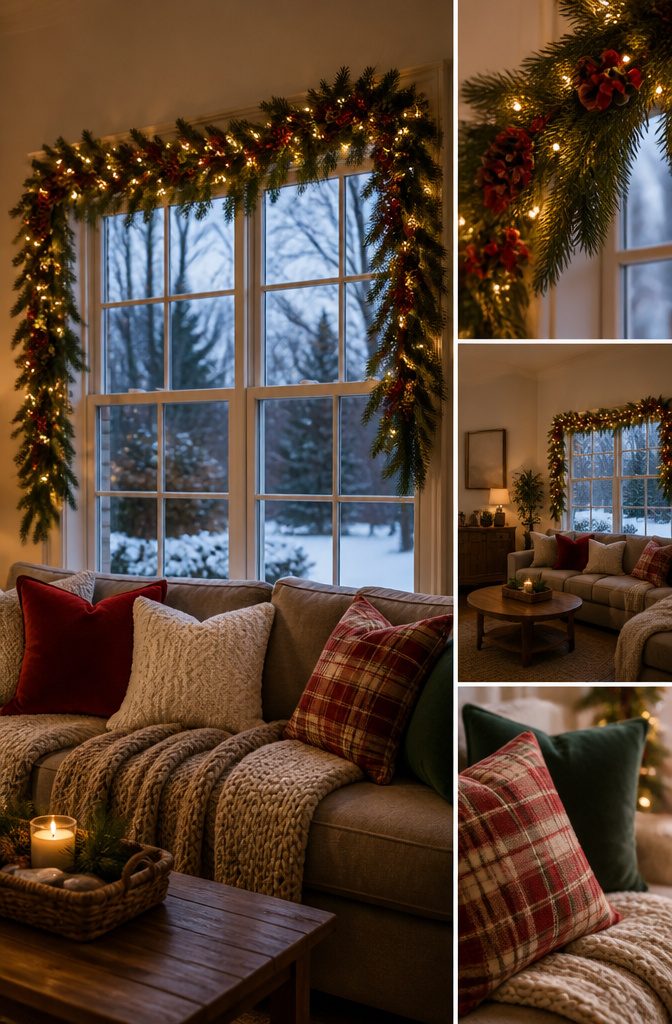
The easiest way to change a window’s look without touching the hardware is swapping in seasonal greenery. A wreath on the glass or a garland framing the frame reads festive from the street and takes about ten minutes to hang. The sources mention hanging festive garlands on doorways, but the same logic extends straight to windows: loop one across the top of a double-hung frame or let it trail down both sides of a casement.
Inside, twinkle lights tucked behind the greenery warm up short winter afternoons. I keep a single faux-pine garland that runs from October through January with small swaps: orange ribbon and tiny pumpkins for fall, then red berries and pinecones once the holidays arrive. It lives in a labeled bin the rest of the year.
The two-week rule keeps seasonal decor from looking forgotten: whatever goes up for a specific holiday comes down within fourteen days of it ending. Anything left longer starts to read as neglect rather than cheer.

Top Privacy, Soft Light: Enjoy complete seclusion without sacrificing sunlight. Our film creates a frosted white wall effect, instantly blurring outdoor views for bathrooms and bedrooms. It bathes your room in a soft, natural glow, eliminating the need for gloomy curtains

3D Windwo Film: A decorative mosaic effect to your windows, Updating the look of your window with this film can take it from boring to stylish
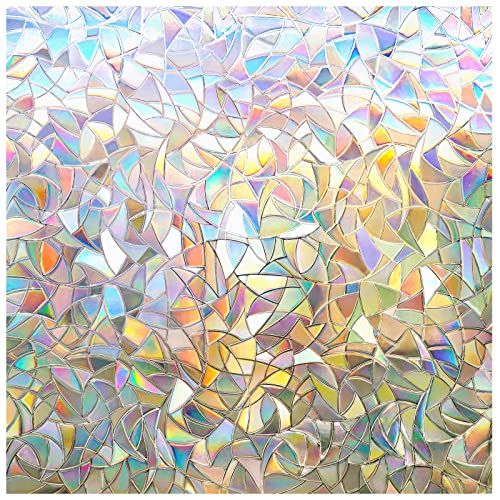
Striking Pattern, Stylish Decoration: With over 10 years of experience in window film innovation, rabbitgoo static film features unique irregular patterns that cast rainbow glows in sunlight, adding a stylish touch to your decor. A cost-effective alternative to bulky curtains, blending durability with everyday elegance
9. Custom Window Treatments
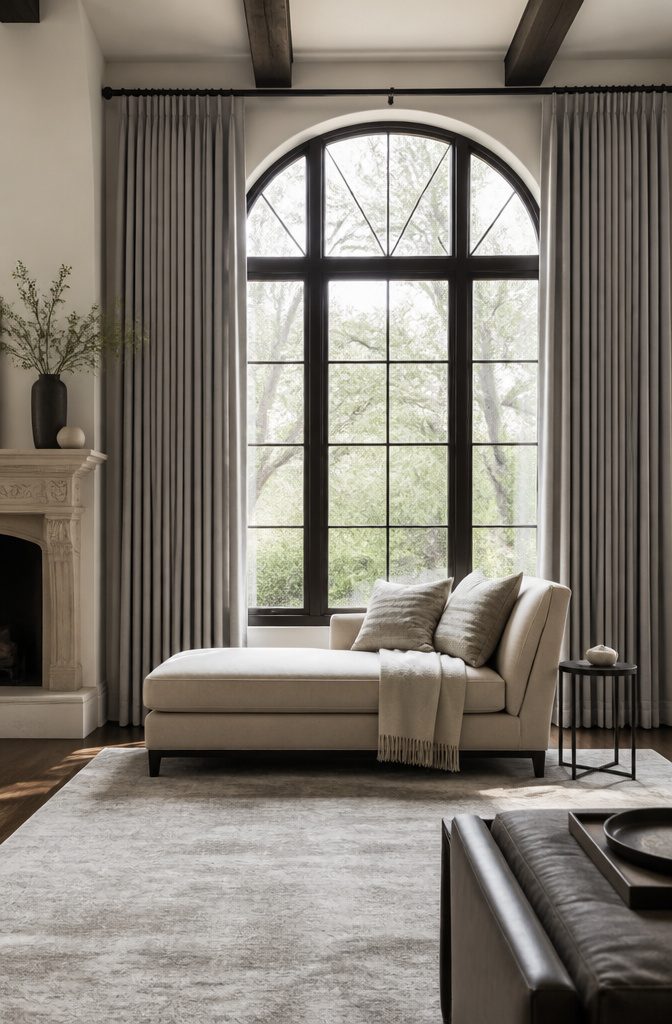
Custom window treatments are always the gold standard. They solve problems ready-made panels create: windows that sit off-standard, walls that need the visual height of a longer drape, or rooms where you want the fabric to puddle just so. For a homeowner staying put, the investment pays back in fit and finish that nothing off the rack matches.
Renters face a harder calculation. Spending on panels you cannot take with you stings, especially when the hardware holes you drill become your deposit’s problem. I have landed on a middle path more than once: buying wide ready-made panels and cutting them down. Hemming the bottom takes a sewing machine or a $5 iron-on tape, but the result hangs like it was made for the window. You keep the custom look without the custom price, and you take them with you when you go.
What actually matters is the finished width and the finished length, not the window glass itself. Measure the rod width and where you want the bottom to fall, then add four inches for hems. Skip the "standard" sizes on the package. They are almost never your size.

Adjustable Base Design: Our planter box brackets features a versatile and adjustable design with minimum 6'' and the maximum 12'' depth (Front To Back), allowing you to customize the width to suit your preferences
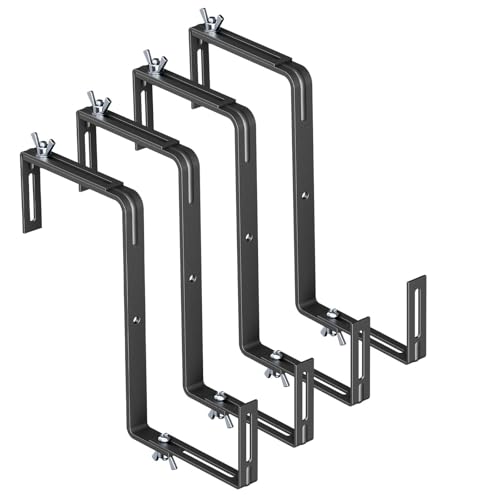
ADJUSTABLE DESIGN: Flexible sizing accommodates flower boxes from 2 inches to 7.8 inches wide with adjustable width from 4.9 inches minimum to 7.8 inches maximum, fitting various planter box dimensions

【Adjustable Planter Bracket】The set of 4 window box brackets feature an adjustable top and middle design. The top width can be freely adjusted to accommodate your railing width, ranging from 3 to 8.3 inches, while the middle height can be adjusted from 5.5 to 9.8 inches, allowing you to customize the size to meet your specific needs. Enjoy the freedom to personalize your space with ease!
10. Window Seats
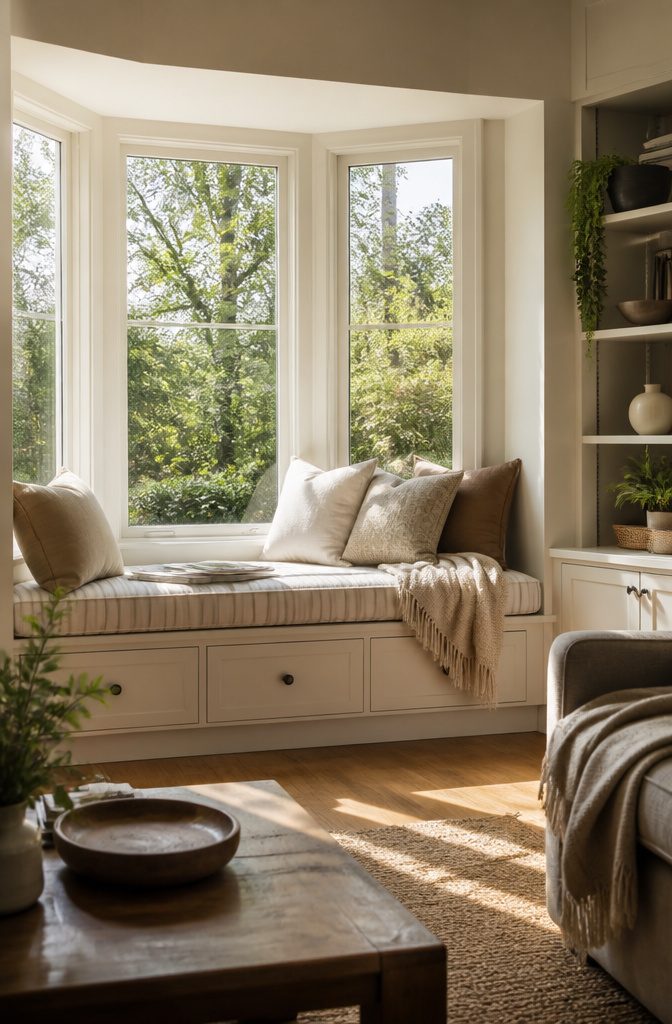
A bay window is a perfect place to make a window seat for yourself in your home. The ledge already juts into the room, so the structure is halfway there without you tearing into drywall.
The seat itself needs at least 18 inches front to back for an adult to sit comfortably without perching on the edge. Anything less and your knees stay locked, your back stays stiff, and the spot goes unused.
Storage underneath is where the real payoff lives. A banquette with hidden storage turns the cavity into space for linens, off-season gear, or the vacuum attachments that never fit anywhere else. The tailored look of built-ins beats freestanding benches, but renters can fake it with two low cabinets and a plywood top painted to match the trim.
Cushions are the budget killer if you let them be. Custom upholstery can run more than a small sofa. The workaround: buy a standard bench cushion from a mass retailer, or layer two twin mattress toppers cut to size and wrapped in a heavy drop cloth you sew or staple shut. It is not permanent furniture-store perfection, but it is comfortable, it looks intentional, and you can replace it when the dog claims it as his own.

【Packaging Specifications】This set includes 2 tension curtain rods. Each tension curtain rod consists of 3 rod segments: 1 spring telescopic rod, 1 fixed-length extension rod, and 1 fixed-length end rod. Combined length for two segments: 26.14–38 inches; combined length for three segments: 38–49.17 inches; total adjustable range: 26.14–49.17 inches.The product features a modular spliced design for flexible adjustment.

【Size Introduction】- 2Pcs small tension rods 17-28 inch diameter:10/13mm.(Recommended best use range 17 to 26 inches)

【Size Introduction】Equipped with 2 tension rods,The actual length of the product is 17-28 inches (43-71cm).(Recommended best use range 17 to 26 inches (43-66cm))
Why Function Comes First
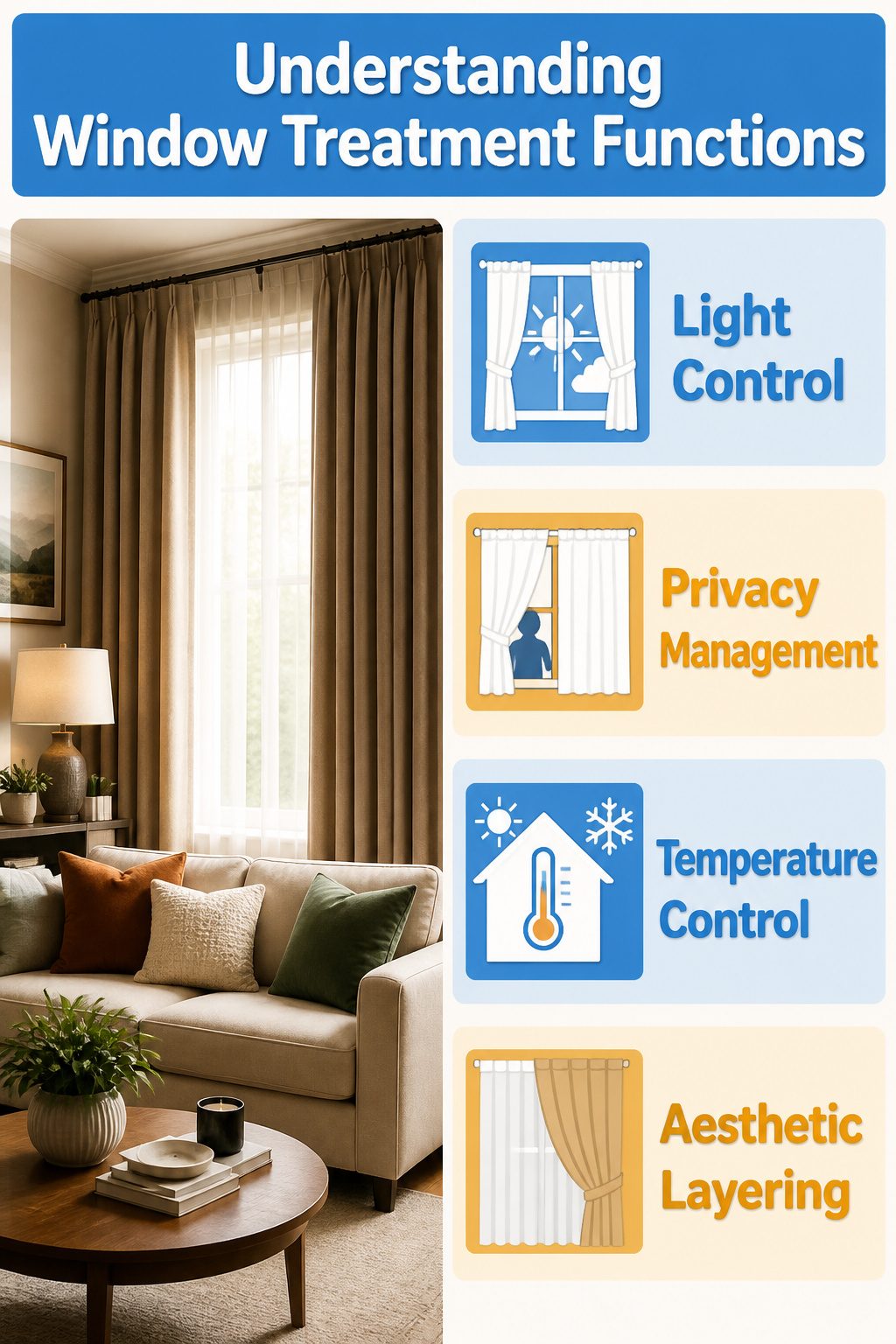
Window treatments earn their place before they earn their style points. Light control, privacy, and temperature management are the jobs they have to do; everything else is extra. A south-facing bedroom that wakes you at 5 a.m. in June needs blackout capability, not just a pretty pattern. A ground-floor living room facing the sidewalk needs coverage that actually covers.
The right treatment changes how a room feels, not just how it looks. Sheer curtains filter sunlight into something soft and expansive, which reads as larger and airier. Heavy drapes do the opposite, pulling walls inward and making a space feel tucked in and deliberate. That same fabric weight keeps heat in during January and out during July, so the cozier effect also trims the energy bill.
Layering is where both jobs get done at once. A sheer underneath a heavier drape gives you the airy feel when you want it and the enclosed feel when you do not. It costs more than one layer, obviously, but it replaces buying two separate solutions for the same window.
Fit matters as much as fabric. Off-the-shelf panels that stop three inches above the floor look like a mistake. Hemming them to the right length, or having it done, closes that gap and makes the whole room feel considered rather than settled-for.
DIY Window Projects That Work
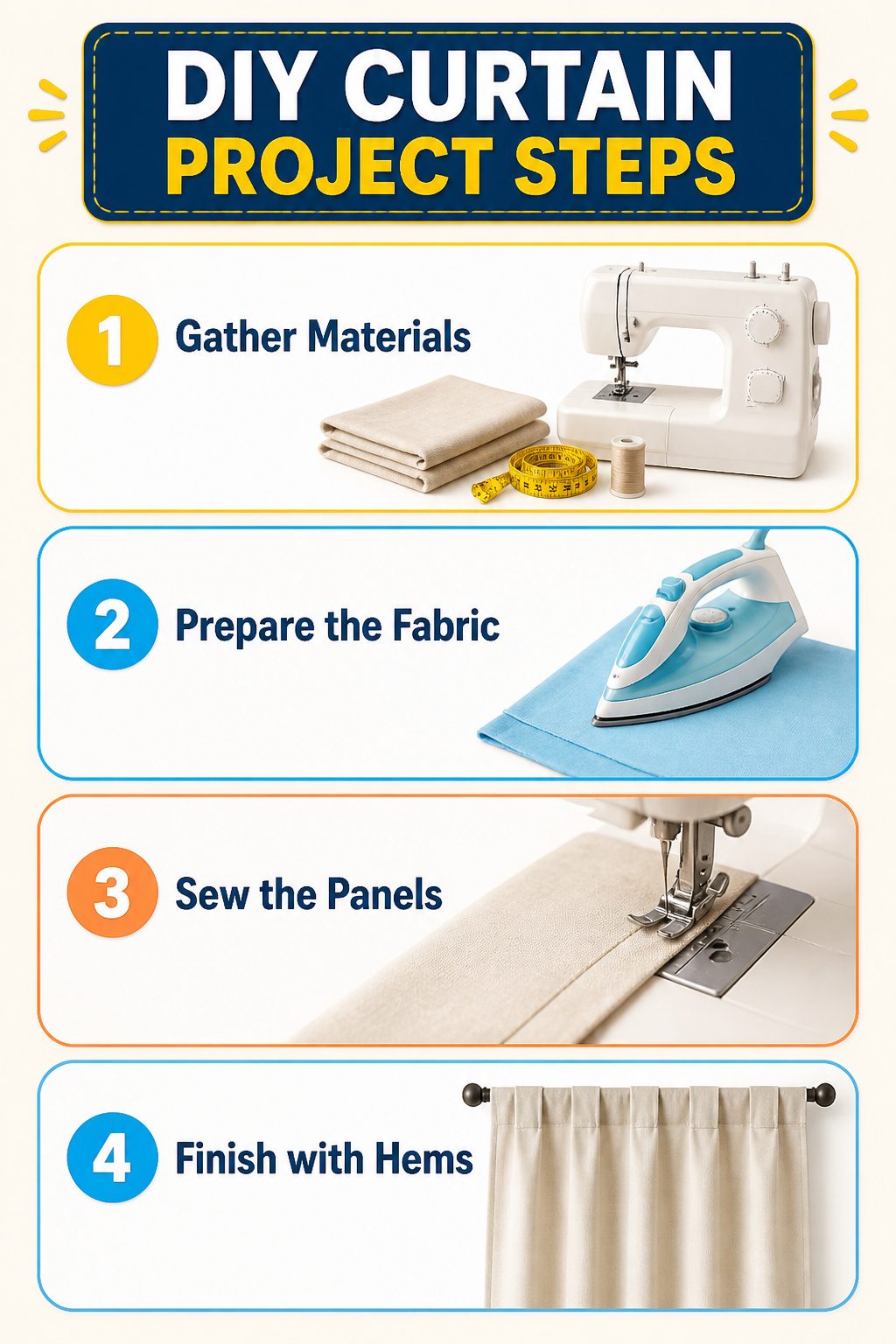
A weekend is enough to make your own curtains if you have a sewing machine and a straight line to follow. I have watched friends turn a single flat sheet into a pair of panels in about four hours, hems and all, for less than the cost of one ready-made panel from a big-box store. The skill level is beginner; the trick is ironing before you sew.
Repurposing an old window frame as wall decor takes closer to an afternoon. Clean the glass, paint or stain the wood, and lean it above a console table or hang it with picture wire. No glass? Even better. An empty frame becomes a shadow box for dried flowers or small prints.
Window film sits in the sweet spot between craft and install. Frosted or patterned film goes on with soapy water and a squeegee, peels off when you move, and costs a fraction of etched glass. Renters should keep the backing paper; reapplying it makes the film reusable for your next place.
Macramé or beaded curtains work for doorways or closet nooks more than main windows, but they are genuinely low-skill projects. A simple macramé panel takes a few evenings of knotting while you watch TV. The result reads handmade in a way store-bought rarely does.
What to Put on a Window Sill
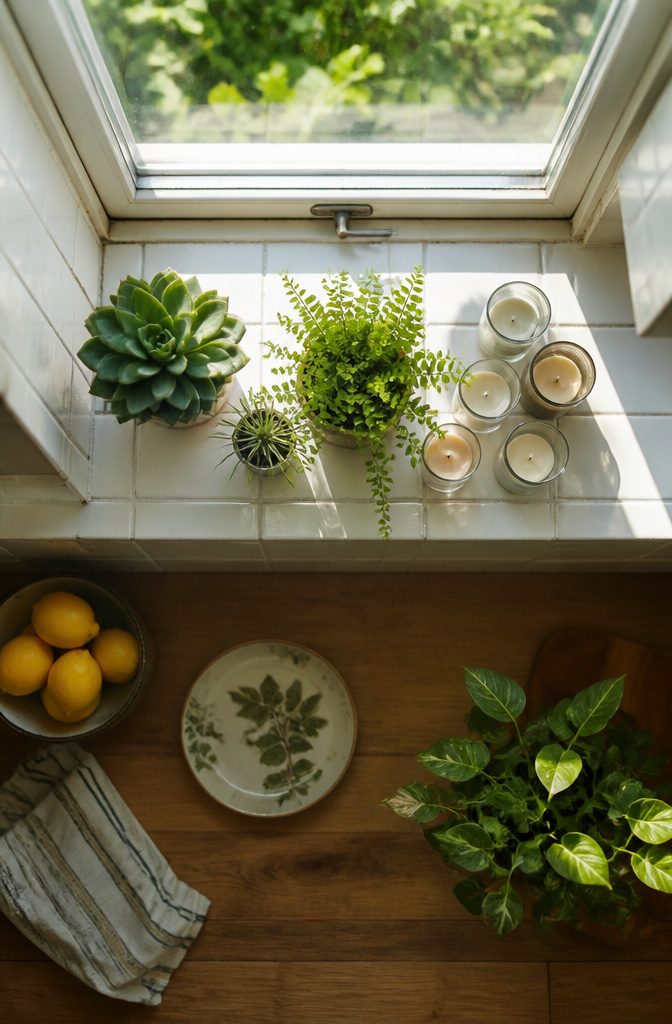
A window sill is basically a built-in shelf, and treating it like one is the easiest way to give a window some personality. I have seen a few candles lined up on a ledge turn a plain kitchen into something that feels intentional, especially after dark when the light shows through to the street. Small plants and succulents work the same way, picking up the green from outside and making the room feel less boxed in.
The trick is keeping whatever you put there low enough that the window still opens and you are not knocking things over every time you reach for the latch. South-facing sills are the exception worth planning for. All that direct sun can warp candles, fade books, and cook the leaves off even hardy succulents if you are not paying attention. I rotate pieces in and out of those spots the same way I would with anything on a mantel too close to the heat.
Color and Mood
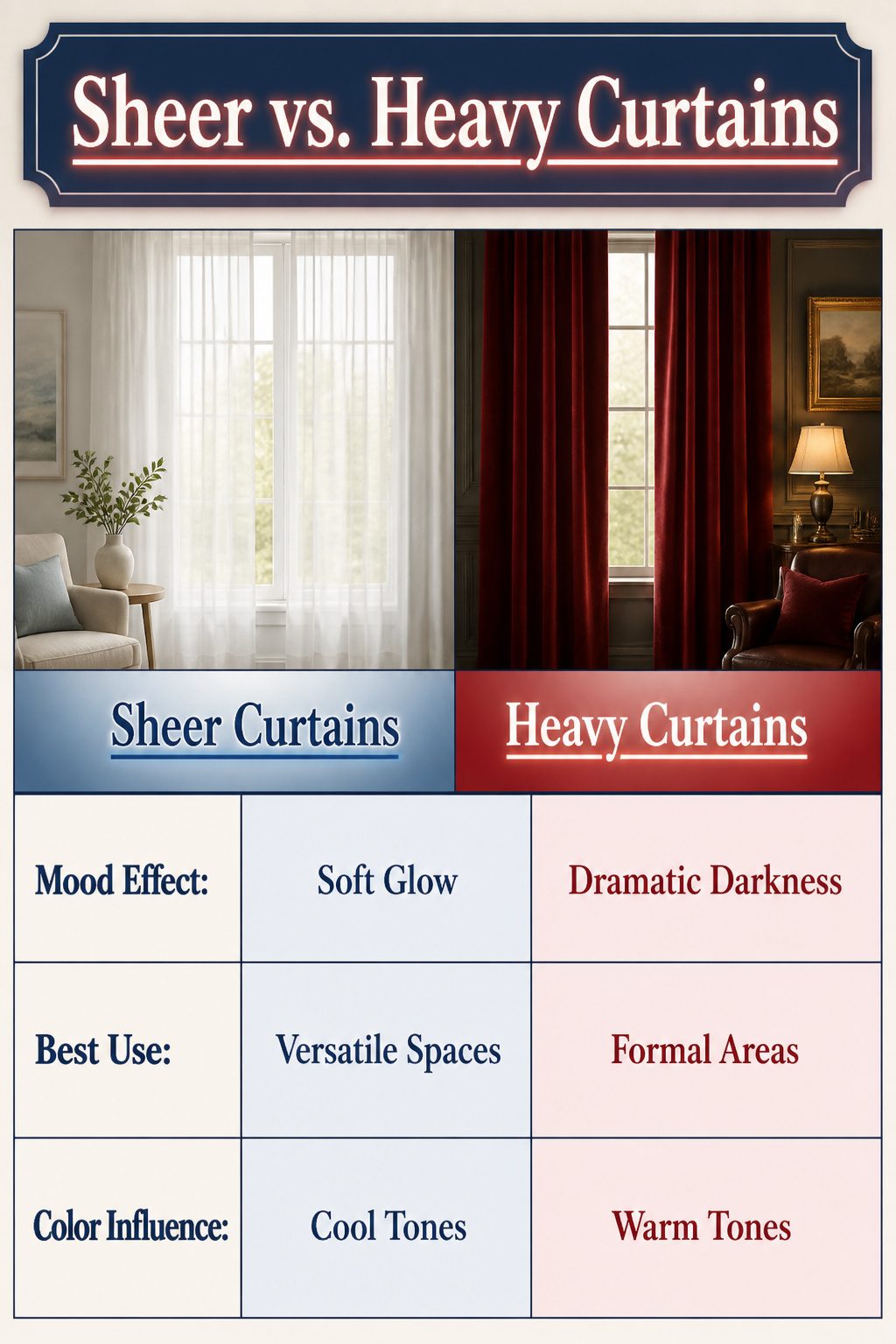
Window treatments are the closest thing to a dimmer switch for a room’s mood. Sheer curtains filter sunlight into a soft glow that calms a space, while heavier hues in navy or deep red dial up the drama and make ceilings feel taller when hung high. I’ve stood in rooms where the only difference was the shade on the window, and the energy shifted completely.
The trick is matching the color to what the room needs to do. A multigenerational space calls for versatility, so layering a muted blue that can read airy or serious depending on the light makes sense. For a bedroom where you want to wind down, warmer tones in linen or wood-connected shades pull the space inward and quiet it. Cooler colors near windows tend to recede and open a room up; warmer ones advance and cozy it.
If your walls are already doing emotional heavy lifting, keep the window treatment neutral and let the frame do the work. But when the room feels flat, the window is where to add the personality, because it’s the one surface that catches changing light all day.
Frequently Asked Questions
What can I use to decorate my windows?
Sheer curtains, bold drapes, window films, plants, tiebacks, seasonal wreaths and garlands, custom treatments, and window seats all work well. For outside, add window boxes with flowers or herbs. Inside, try candles, light strings, and small objects on the sill. The article covers each option with specific mounting and sizing tips.
How can I decorate my windows for Christmas?
Hang wreaths and garlands, then tuck twinkle lights behind the greenery for warmth on short afternoons. Mix ornaments with different greenery types for visual interest, or keep wreaths plain for a minimal look. Follow the two-week rule: whatever goes up for a specific holiday comes down within fourteen days of it ending so it does not look forgotten.
How do you decorate a window surround?
Hang a wreath as the anchor, then pair it with a matching garland or potted arrangement. For windows framing a door or flanking a fireplace, line the inside with twinkle lights and add lush seasonal wreaths to ground the look. The same logic works year-round with non-holiday greenery and candles.