
Are you struggling to make your long narrow bedroom feel comfortable and functional? You’re not alone. Many people face the challenge of maximizing space in unique room shapes. This post is here to help you transform that narrow space into a cozy sanctuary. I created this guide because I know how frustrating it can be when your bedroom feels cramped or poorly arranged.
If you’re someone who loves home decor or has a small space to work with, this will resonate with you. You care about bedroom organization and want to find clever ways to make your room feel bigger and more inviting. Whether you’re a student in a small apartment or a homeowner looking to maximize every inch, these ideas are tailored just for you.
In this article, you’ll discover 16 long narrow bedroom layout design ideas that will improve the flow and style of your space. From symmetrical bed placement to multi-functional furniture, I pulled together suggestions that are practical, stylish, and perfect for small bedroom ideas. You’ll gain insight into interior design tips, optimal furniture arrangement, and even space-saving furniture options that make your bedroom not just livable, but truly enjoyable.
Let’s dive in and explore how you can turn your long narrow bedroom into a stylish retreat that meets all your needs!
How I Plan a Long and Narrow Bedroom Layout for Better Flow
When I design a long, narrow bedroom, I start with movement rather than furniture. These rooms usually fail not because of style, but because circulation feels awkward or cramped. Interior space-planning guidelines often recommend maintaining at least 30–36 inches of clear walkway in sleeping areas, and I treat that as a non-negotiable baseline.
Bed placement is my first major decision. In most long bedrooms, placing the bed centered on the short wall helps visually “shorten” the room and creates symmetry. Symmetry matters more in narrow layouts because it reduces visual tension and makes the space feel calmer. When the bed is pushed lengthwise against a long wall, the room tends to feel more like a hallway than a bedroom.
Vertical space is my next focus. Narrow rooms often lack width but have usable wall height. Tall wardrobes, wall-mounted shelving, or vertical headboards draw the eye upward and shift attention away from the room’s narrow proportions. Design research consistently shows that vertical visual lines can make tight spaces feel taller and more balanced.
Lighting plays a critical role in flow. Instead of relying on a single overhead fixture, I layer lighting with wall sconces, bedside lamps, and soft ambient sources. Layered lighting reduces harsh shadows and visually breaks up the room’s length, making it feel more inviting and less tunnel-like.
I always leave the central walkway as clean as possible. When the eye can travel uninterrupted from one end of the room to the other, the space feels intentional rather than cramped.

Multifunctional Storage Cabinet: This fabric dresser is perfect for closets, bedrooms, and other storage spaces. It features a side-mounted rack and three drawers to help organize clothing, accessories, and bags. The clean, modern design blends easily with various home styles, keeping your space neat and organized.

Lightweight Acrylic Mirror with Wood Backing: Made from acrylic mirror with a sturdy wood backing (approx. 1 cm thickness), and the surface is reflective to make your room brighter; The wood backing will enhance the mirror's sturdiness and reliability. Compared to glass mirrors, acrylic is lighter and more impact-resistant, making it suitable for everyday home décor use.

[Modern Abstract Area Rug] - Add a pop of color to your living room or bedroom with this area rug. Designed with a delicate palette, this collection impresses with an abstract print with splashes of colorful rainbow. Its purposefully faded look fits right in modern industrial and contemporary homes.
Budget-Friendly Layout Choices and Common Narrow Bedroom Mistakes I Avoid
One advantage of long, narrow bedrooms is that layout improvements often cost less than major renovations. In my experience, slim furniture pieces make the biggest difference. Narrow nightstands typically range from $120 to $300, while wall-mounted shelves or floating storage usually cost between $100 and $250. These pieces preserve floor space without sacrificing function.
Mirrors are another high-impact, low-cost solution. Strategically placed mirrors can visually double perceived width by reflecting light across the room. Even a mid-sized mirror in the $150 to $400 range can dramatically improve how open a narrow bedroom feels, especially when positioned opposite a window or light source.
One common mistake I’ve learned to avoid is overcrowding the long walls. Filling both sides with bulky furniture exaggerates the narrow shape. Another issue is ignoring scale. Oversized beds, thick headboards, or wide dressers can quickly consume precious circulation space. I also avoid heavy visual breaks, like dark flooring or strong horizontal patterns, which can emphasize length rather than balance it.
I now evaluate every piece of furniture by asking whether it improves flow or blocks it. When circulation, scale, and lighting are handled thoughtfully, long narrow bedrooms feel comfortable, functional, and far more balanced than their proportions suggest.

【Total 93 Qt Capacity Multipurpose】Each storage box measures 15.35in*11in*8.27in (LxWxH). These storage boxes can be used to store personal items such as office supplies, art supplies and more. A good storage organizer for bedroom, living room, kitchen, study or office, classroom, etc.

High-quality Materials & Stable Structure Made of high-quality MDF board, our storage cabinet is moisture-proof, wear-resistant and durable. The elaborate wooden frame is sturdy and has a strong load-bearing capacity. It is designed with an anti-toppling strap to ensure the cabinet is super stable and avoid the risk of tipping

Large Capacity Storage for Your Bags: This purse organizer rack features multi-tier shelves and side hooks to hold handbags, totes, backpacks, and clutches in one place. Keep your handbag upright, visible
1. Symmetrical Bed Placement
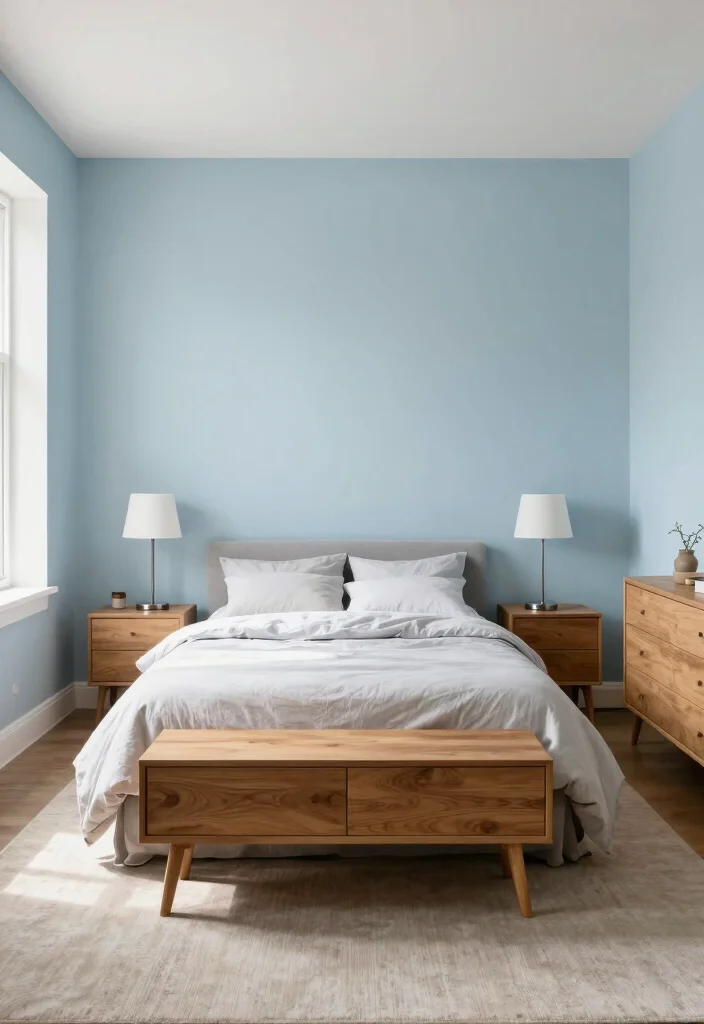
For a long narrow bedroom, placing your bed centrally against the longest wall creates a stunning, balanced look. This arrangement not only enhances visual harmony but also makes the room feel more spacious and inviting. Imagine pairing your bed with matching nightstands that provide both style and practicality, making it easier to access essentials on either side. This layout cleverly accommodates additional furnishings, like a stylish dresser or a cozy bench at the foot of the bed, without crowding the space.
To maximize this design, consider using light-colored bedding that brightens the room. You might also explore wall-mounted lamps to clear up nightstand surfaces, ensuring that the area feels open and airy.
Here are some tips to enhance your layout:
– Pair light bedding with decorative throw pillows for a fresh look.
– Install wall-mounted lamps to free up nightstand space.
– Use matching nightstands for a cohesive appearance.
This symmetrical approach not only promotes organization but also creates a serene atmosphere, allowing textures to shine and adding warmth to your personal retreat.

【Expandable Unique Design】Our closet shelf can extend its length from 16.81 inches to 28.74 inches, making it suitable for different usage scenarios. You can adjust the shelf width to fit your space and maximize storage. Neatly organize the cluttered items in your closet, such as off-season quilts, shoeboxes, and other storage containers.

SOLVE YOUR STORAGE NEEDS WITH STYLE – This double-door storage cabinet offers four adjustable shelves, providing customizable storage options for your home office, pantry, or craft room

RUSTIC WOOD SHELVES: Made of real solid wood and metal, the industrial look is simple and modern. Make use of the vertical space on the wall, not only increase storage space but also add decoration and beauty. When these shelves make the messy picture clean and tidy, it will make you happy.
2. Vertical Storage Solutions
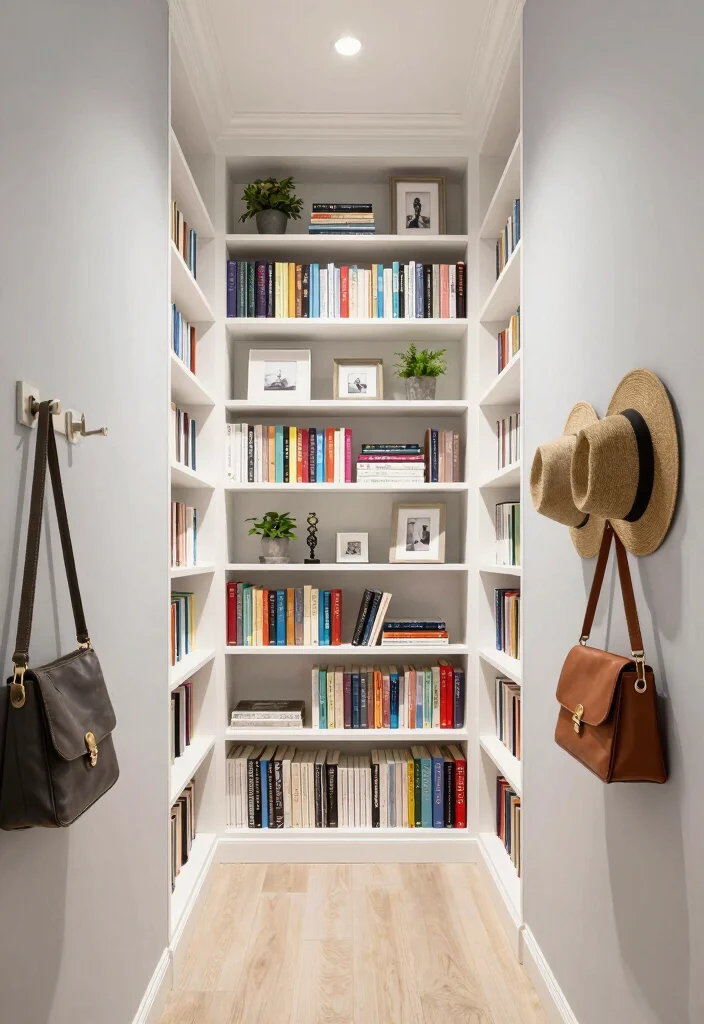
When space is limited, think vertically to maximize your storage options! Utilizing wall space can significantly free up valuable floor area, making your narrow bedroom feel more spacious. Consider tall bookshelves or open shelving, which draw the eye upward and create a sense of height. You can dedicate an entire wall to stylish shelving units that showcase your favorite books and decorative items, or add hooks for bags and hats, adding both flair and functionality.
Another great option is to invest in a floor-to-ceiling wardrobe that serves as a stunning statement piece while providing ample storage. This vertical approach not only keeps your belongings organized but also makes your room feel open and inviting.
Here are some ideas to implement:
– Use tall bookshelves to maximize vertical storage.
– Install floating shelves to display decor and books.
– Add hooks for practical yet stylish accessory storage.
With vertical storage solutions, you can create an organized, airy atmosphere that enhances the overall flow of your bedroom.
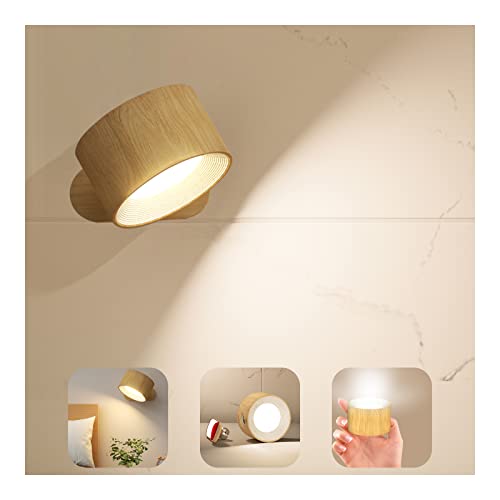
【Touch Control 3 Brightness Levels & 3 Color Temperature & ON/OFF】Dimmable wall lights Lightly touch button to adjust between low, medium and high 3 brightness and ON/OFF. Long press to adjust the 3 color temperature : 2700K(Warm White), 4000k(Natural White), 5700k(White Light).You can DIY the brightness and color temperature. Cordless LED wall sconces will help you remember the last mode and brightness that you used for more convenient to next time.

Swing Arm Wall Light: It's not just the ultra-functional swing arm that makes it a great fit— these plug-in wall sconces feature a 270-degree adjustable head, allowing you to adjust the light angle according to your need to achieve perfect brightness for your space

【High-Quality & Vintage Design】This plug in wall sconces set of two features a wall-mounted design and a metal base with a matte black finish for a glamorous look. The combination of solid wood material and diamond cage lampshade make these plug-in wall lamps a great decorative lighting option. Perfect for adding a splash of colour to your home.
3. Multi-Functional Furniture
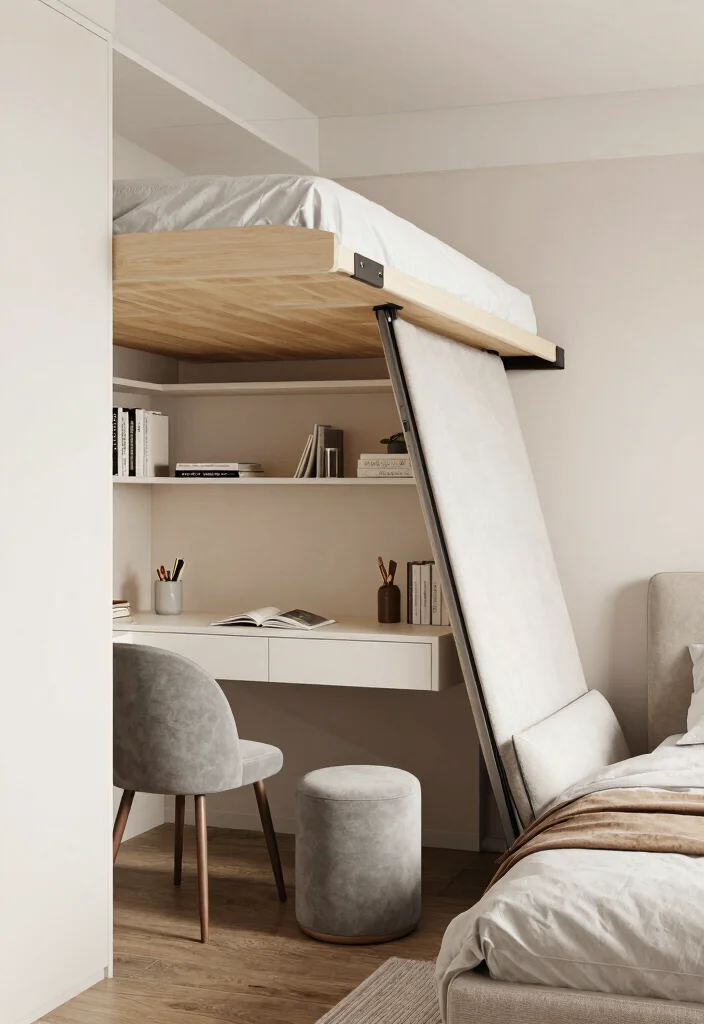
In a long narrow bedroom, every piece of furniture should offer versatility. Investing in multi-functional furniture is essential for optimizing your space. Look for beds that come with built-in storage drawers or ottomans that serve as both seating and storage. A foldable desk can be a game-changer, allowing you to create a workspace when needed without taking up permanent space.
Consider incorporating these clever solutions:
– A Murphy bed that folds up against the wall.
– A compact writing desk that tucks away when not in use.
This smart combination of functionality and design not only enhances organization but also elevates your living experience, allowing your bedroom to remain stylish and efficient.

SIMPLE & MODERN DESIGN: This set of 2 night stand features a 3-tier open shelf layout with a clean look that suits bedrooms, living rooms, or dorms

【Framed Long Narrow Wall Art】This framed long narrow abstract wall art is sized at approximately 14x56 inch, designed for slim blank walls and tall vertical spaces. The narrow format works well beside doors, between windows, near a console table, in a foyer, at the end of a hallway or in other areas

🎨【UNLEASH YOUR CREATIVITY WITH FREEDOM】:Embrace creative liberty with our stackable drawer cabinet & cube organizer ! Optimize your space with two 22.7"W x 11.2"D x 5.2"H drawers — designed to neatly store office essentials or wardrobe staples like socks and accessories.
4. Layered Lighting
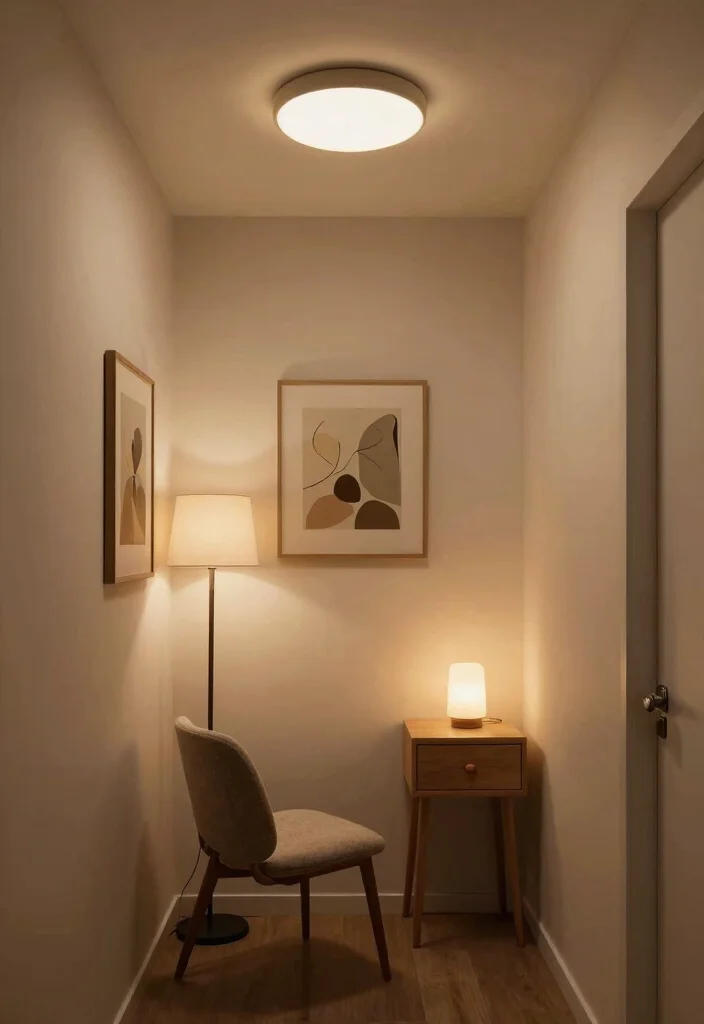
Lighting is crucial in shaping how we perceive any space. In long narrow bedrooms, layering your lighting can introduce warmth and depth, effectively countering the room’s linear feel. Start with ambient lighting for general illumination, then add task lighting for specific areas like reading nooks or desks. Incorporate accent lights to highlight artwork or decor, infusing character into the space.
Strategically place floor and table lamps to create cozy spots that invite relaxation while maintaining an inviting atmosphere.
Here are some tips for effective lighting:
– Use multiple light sources to create a warm, inviting glow.
– Highlight artwork with accent lighting for added interest.
– Choose lamps with soft, warm bulbs for a cozy feel.
Thoughtful lighting enhances both aesthetics and functionality, making your long narrow bedroom feel inviting and comfortable.
Fun fact: layered lighting can boost perceived room size by up to 40% in a long narrow bedroom layout design. Start with ambient lighting, add task lighting for reading, and finish with accent lights to bring warmth without clutter.

【Space-Saving Bookshelf – Increase Vertical Storage】Standing at 55.5 inches, this 5-tier bookshelf is designed to maximize vertical storage in limited floor plans.With 15.4’’ wide ,it comfortably accommodates photo albums, thick encyclopedias, and plant shelf decor. Its narrow 10.6" depth fits perfectly in tight corners, small apartments, or beside the fireplace—customers love it as a “perfect for small places” solution.

Large Capacity & Upgraded Material - The storage bins measure 15.16 x 11.02 x 8.27 inches(23 QT capacity) on each floor, and the 4-layer stacked as a whole measures 15.16 x 11.02 x 33.07 in (height included wheels), with a total capacity of 92 QT. Our storage containers with lids are made of high-quality PP materials for long service life

Versatile Closet Organizer & Storage: This multifunctional dresser serves as both efficient closet organizers and storage drawers for your bedroom and versatile clothes storage throughout your home. Perfect as a closet organizer for workout gear, blankets, and lingerie, or as a practical chest of drawers in any room, it provides smart organization and storage solutions while keeping essentials neatly accessible
5. Open Walkway
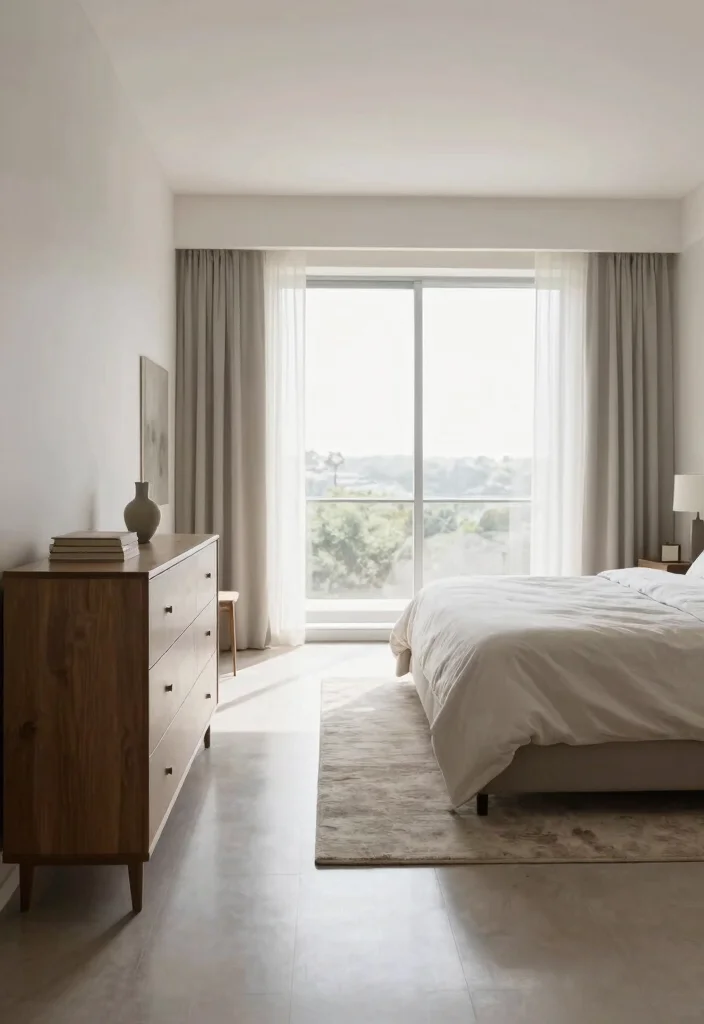
Consider the flow of your layout when arranging furniture in a long narrow bedroom. Ensuring a clear and open walkway is essential, especially around the bed. Position your bed to allow ample space for movement, which not only promotes organization but also minimizes clutter visibility.
This may involve angling the bed slightly or opting for a low-profile headboard, which maintains an open visual line throughout the room.
Here are some considerations to enhance flow:
– Angle the bed to create a more dynamic layout.
– Use low-profile furniture to keep sightlines open.
– Ensure pathways are clear for easy movement.
A well-planned open walkway fosters tranquility, making your bedroom feel less cramped and more welcoming.

Customizable Storage: Features adjustable shelves with 18 positions and a sturdy hanging rod for flexible organization of clothes and accessories.

Right Size, Flexible Placement: This vertical shoe rack sizes 11"L x 11"W x 68"H and can hold 10 pairs of shoes, space saving. It is compact for easy placement in narrow or unused spaces like entryways, closets, dorms etc

Versatile Ladder bookshelf: The wooden narrow bookshelf functionality and aesthetics, perfect as a bookcase in the study or office, a display shelf in the living room or bedroom, a plant stand in the balcony or a storage rack in the kitchen. It does job well
6. Mirrors for Depth
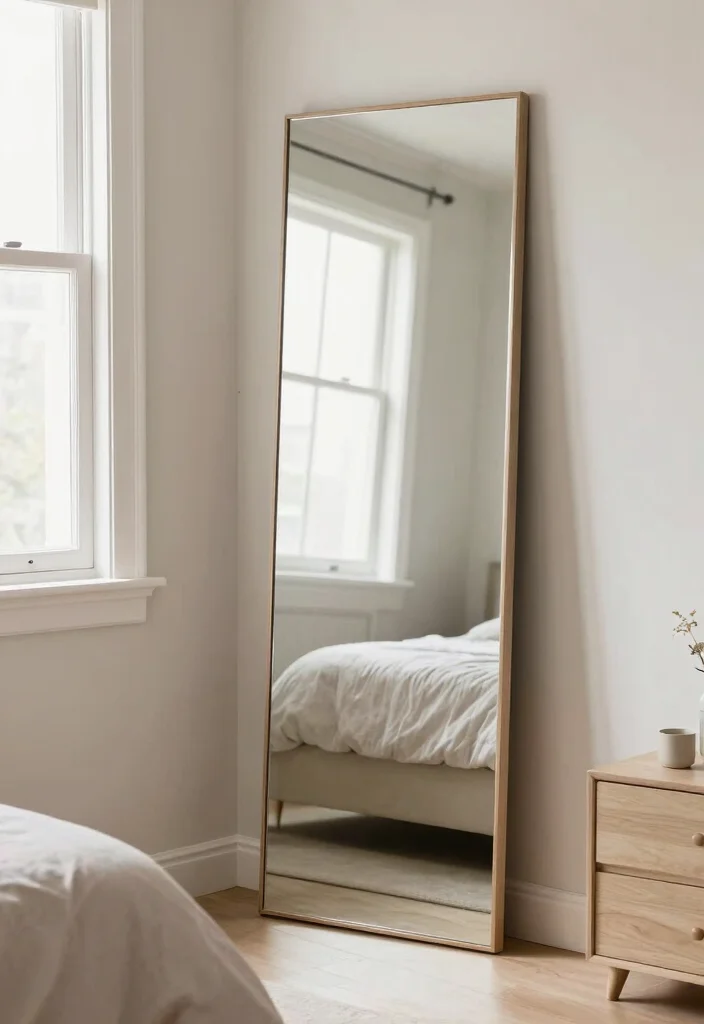
Mirrors are a fantastic way to enhance the sense of space in a long narrow bedroom. By strategically placing mirrors, you can reflect light and create an illusion of depth. Consider positioning a large mirror at one end of the room to visually expand the space. You can also experiment with mirrored furniture that bounces light around, enhancing the overall brightness.
For added effect, angle mirrors across from windows to maximize natural light flow throughout the room.
Here are some tips for using mirrors:
– Place a large mirror at the end of the room for depth.
– Consider mirrored furniture for stylish light reflection.
– Use angled mirrors to enhance brightness.
Incorporating mirrors not only beautifies your space but also seamlessly integrates into your decor, making your bedroom feel fresh and inviting.

【Widely Application & Multifunction Indoor Wall Sconces】 Can be used as wall sconces, flashlight. As wall lamps use 3m adhesive stick on wall that's will not damage your walls, wall lights perfect for reading study headboard bath bedside hallway living room bedroom dorm room stairway cabinet toilet art gallery cupboard makeup cabinet ect. As flashlight, our products use magnetic technology. When needed, you can easily take it off the wall and use it as a flashlight, emergency light, etc
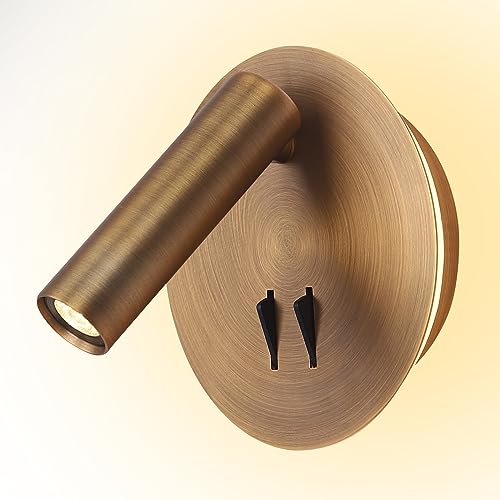
Reading lamp & Night light: 3W spotlight is wonderful for bedroom reading, and 6W round backlight is useful mood light for night. And two lights are controlled by two separately switches, It can give you dual request of lighting on bed, the convenient reading and soft mood light.

Retro Kerosene Lamp Design; With a hand-painted kerosene lamp shape design, this wall sconce is full of primitive and rustic elements. Paired with the unique design of the amber glass secured with screws, it completes the rustic look and makes a low-key and country style to your room
7. Textured Accents
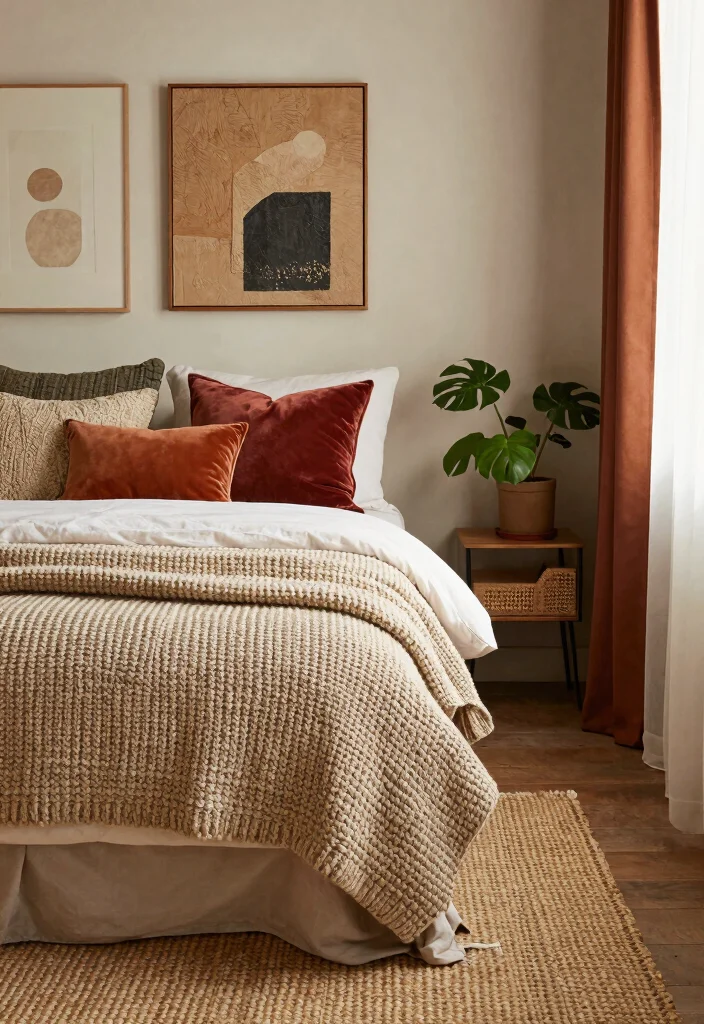
Introducing a variety of textures can add richness and interest to a long narrow bedroom. Use textiles like throws, cushions, and rugs to create layers that guide the eye along the room’s length. Consider materials such as a chunky knit throw on the bed, plush velvet cushions, or a woven rug underfoot to create a multi-dimensional look. This approach can distract from the room’s narrowness and promote a cozy atmosphere.
When choosing textures, select a cohesive color palette to unify different elements while maintaining tranquility.
Here are some design tips:
– Layer different textiles for visual interest.
– Choose a consistent color scheme to maintain harmony.
– Incorporate soft rugs for warmth underfoot.
Textures can transform a basic bedroom into a stylish sanctuary, inviting warmth and personality into your space.

REVERSIBLE COMPACT PROFILE: This 5-cube bookcase has an open shelf design, closed back, and rectangular shape that helps it fit neatly in living room, bedroom, or home office areas. The bookshelf can be set up horizontally or vertically for flexible placement, making it a practical choice for small space layouts that need adaptable storage

[DURABLE CONSTRUCTION]: Machine-woven for strength, durability, and long-lasting beauty

The handmade, hand-tufted construction adds durability to this rug, ensuring it will be a favorite for many years
8. A Cozy Reading Nook
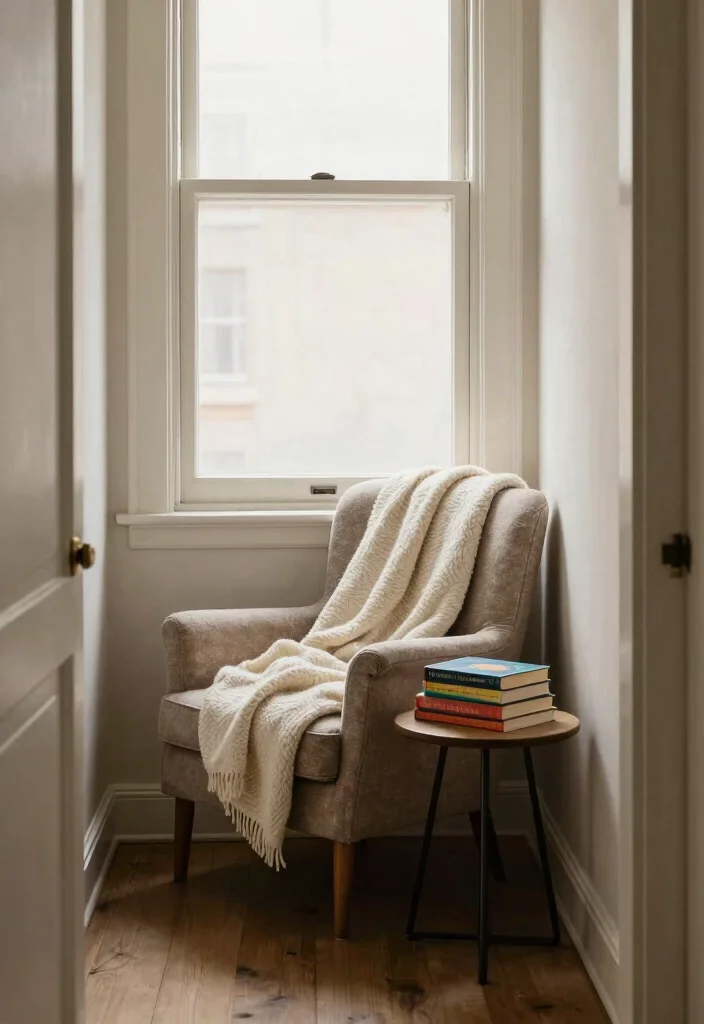
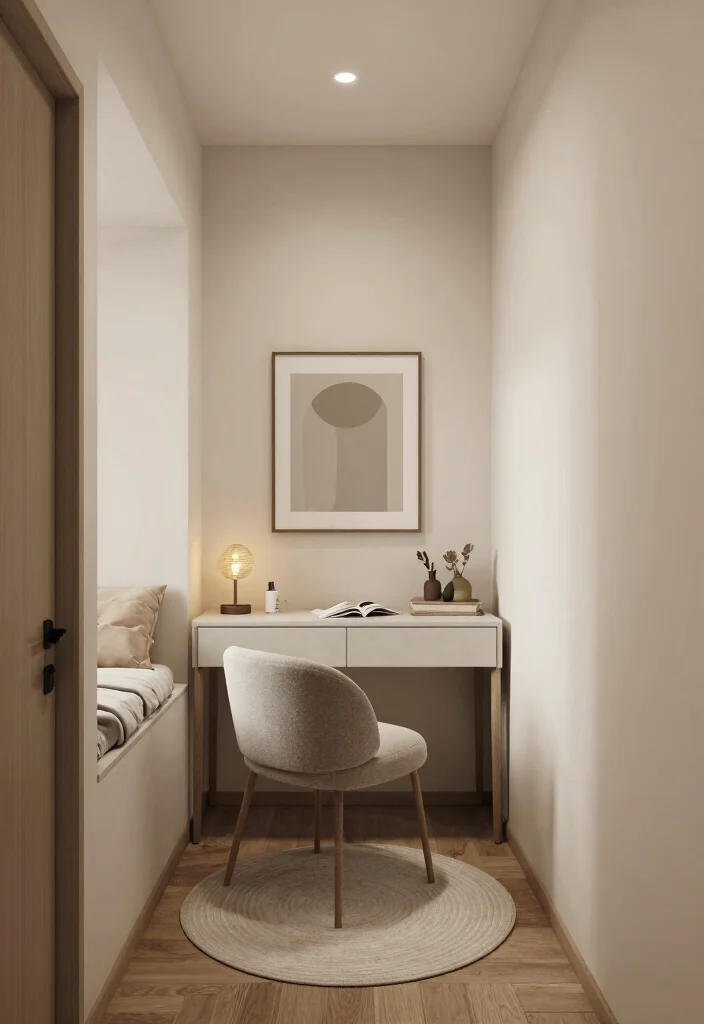
Transform a corner of your long narrow bedroom into a delightful reading nook. Position a comfortable chair near a window or ample natural light, and pair it with a small side table for your favorite books or drinks. This dedicated area enhances functionality while inviting relaxation and leisure.
Accessorize your nook with soft cushions or a cozy throw blanket to ensure comfort and warmth.
Here are some ideas for your nook:
– Place a chair by a window for optimal light.
– Add a small side table for convenience.
– Incorporate a nearby bookshelf for easy access.
Creating a reading nook fosters a peaceful environment, offering a personal retreat in your bedroom.

【Multi-Functional】The closet drawer are convenient to store your lightweight items such as shoes, clothes, toys, snacks, books, file etc. Suitable for bedroom, bathroom, kitchen, living room, office or study areas. Stylish neutral style, suitable for any place

MULTIPURPOSE: This Sorbus Narrow 4 Drawer Bedroom Dresser can be used as an end table, side table, or bedside table to store clothes, blankets, crafts, linens, baby clothes, lingerie, purses, scarves, socks, accessories, gadgets, toiletries, makeup, hair/beauty, cosmetics, office supplies, toys, games, Books, paperwork, knitting supplies, and more

【Perfect for Small Spaces】 This versatile small dresser maximizes any small area. Use it as a tall narrow nightstand, bedside table, narrow side table, coffee table, slim end table or slim dresser—ideal for bedroom, dorm, office, closet and more. Dresser measures: 19.7"L×9.8"W×34.4"H
9. Bold Accent Walls
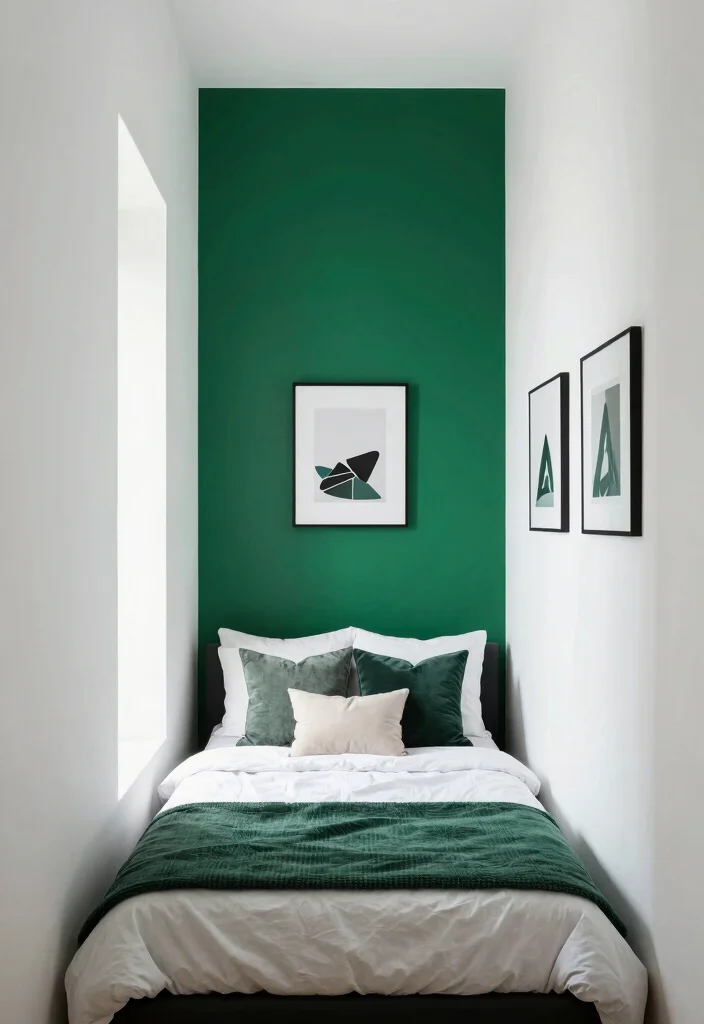
Add personality to your long narrow bedroom with a striking accent wall. Whether you choose a vibrant paint color, eye-catching wallpaper, or rustic wood paneling, an accent wall can serve as a captivating focal point that breaks up the linearity of narrow spaces. This design element draws the eye and instills drama and interest.
Consider emphasizing the wall behind your bed for maximum impact, creating a stunning backdrop for your bedroom oasis.
Here are some tips for selecting an accent wall:
– Choose a bold color or pattern that complements your decor.
– Position the accent wall behind the bed for focal emphasis.
– Ensure the design harmonizes with your overall theme.
A well-executed accent wall elevates a simple room into a stylish retreat, making every detail feel thoughtfully curated.
10. Statement Artwork
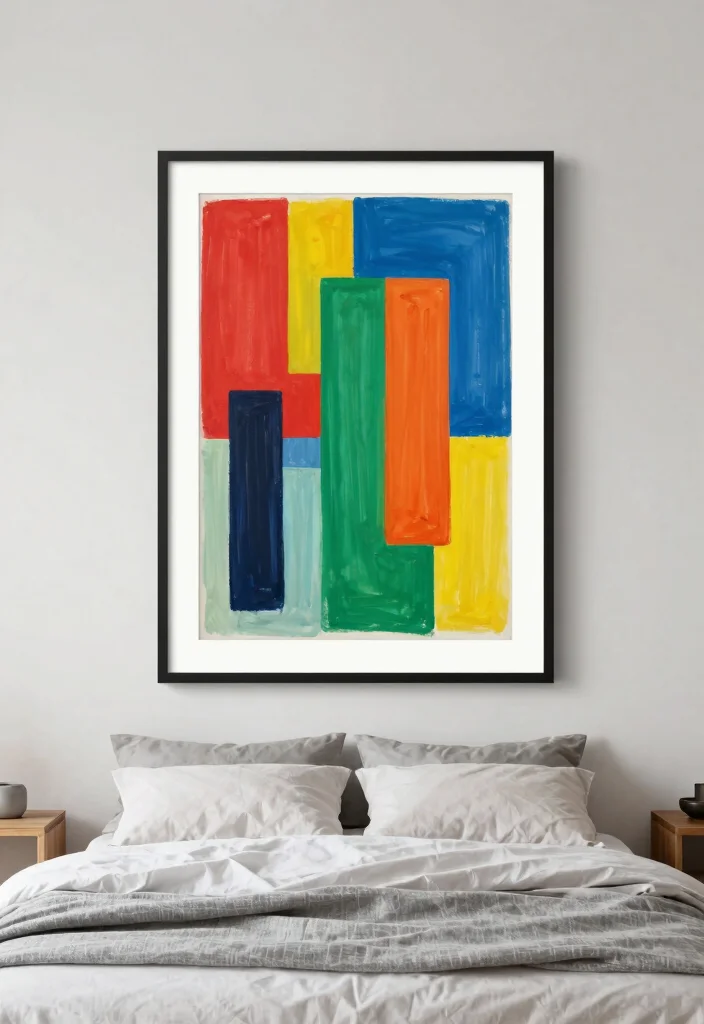
Elevate your long narrow bedroom’s aesthetic by incorporating large statement artwork. A sizable canvas or a thoughtfully arranged gallery wall can guide the eyes along the room’s length, making it feel more expansive. Position artwork above the bed or dresser to create a focal point that commands attention and reflects your personal style.
Choose pieces that resonate with you or align with your decor theme for a cohesive look.
Here are some tips for showcasing artwork:
– Hang art at eye level for a polished appearance.
– Utilize large canvases to create a striking visual impact.
– Curate a gallery wall that tells your story.
Statement artwork infuses personality into your space, transforming your bedroom into a uniquely personal haven.
Fun fact: In a long narrow bedroom, one oversized artwork can visually stretch the space, boosting the long narrow bedroom layout design by up to 30%. Hang it above the bed to create a bold focal point and guide the eye along the room.
11. Customized Closet Solutions
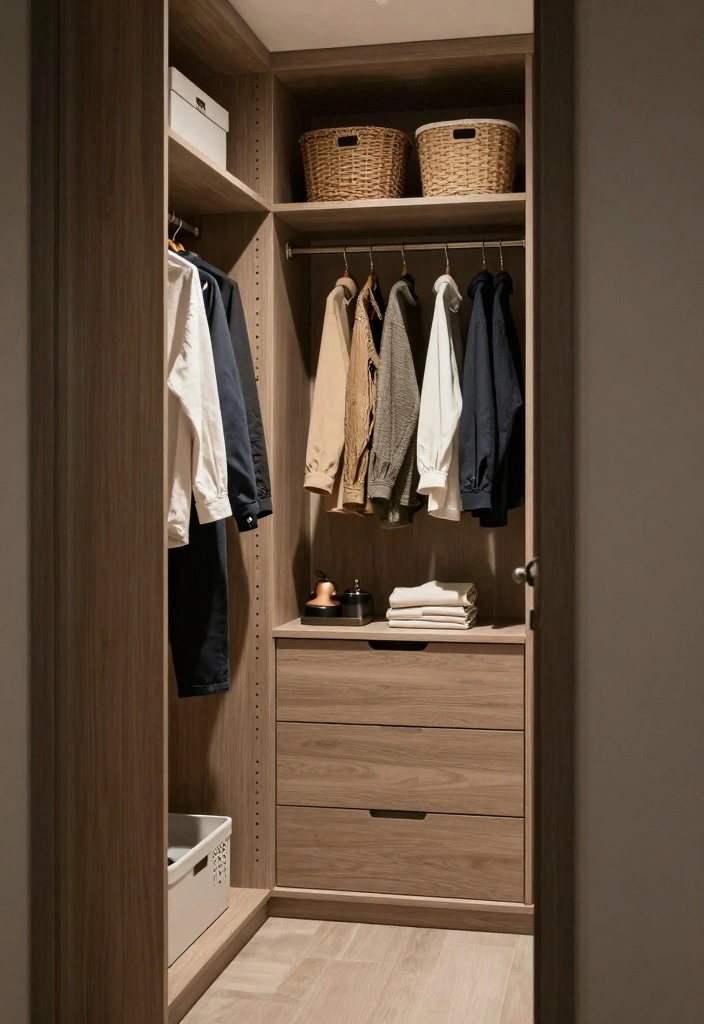
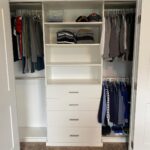
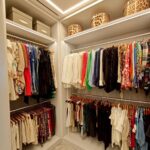
Maximizing space in narrow bedrooms often calls for innovative closet solutions. Consider built-in wardrobes or customizing your existing closet with organizers that make the most of vertical space. Adding shelves, drawers, and hanging options can provide a dedicated place for everything, keeping your room clutter-free.
Decorative baskets or stylish bins on shelves can elevate the look while maintaining organization.
Here are some pro tips:
– Use vertical organizers to maximize closet space.
– Incorporate decorative bins for a stylish touch.
– Keep frequently used items accessible for convenience.
Investing in customized closet solutions leads to an organized sanctuary, enhancing the overall flow and functionality of your bedroom.
12. Incorporate Plants
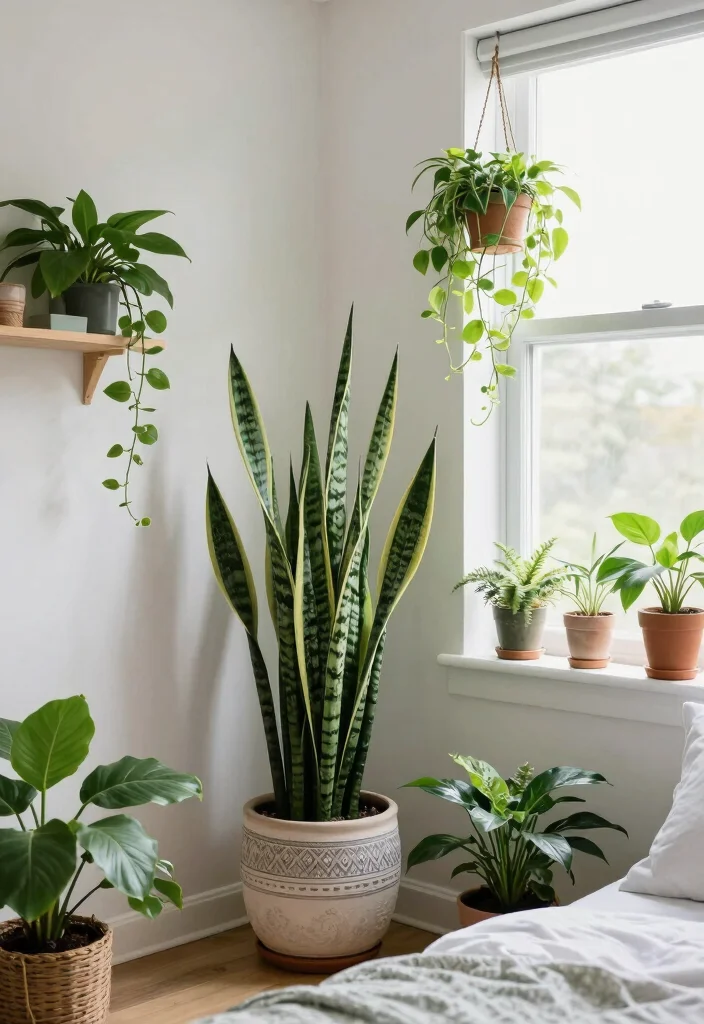
Bringing greenery into your long narrow bedroom can infuse life and vibrancy. Plants not only improve air quality but also add natural beauty and texture. Consider placing small potted plants on shelves, a larger one in a corner, or a hanging plant near the window to enhance your decor.
Opt for low-maintenance plants like succulents or snake plants that thrive in various light conditions, making them perfect for busy lifestyles.
Here are some ideas for incorporating plants:
– Place small potted plants on shelves for a fresh touch.
– Use a larger plant in a corner for visual interest.
– Hang plants near windows for a lively effect.
Incorporating plants transforms your bedroom’s atmosphere, making it feel fresh, vibrant, and inviting.
Fun fact: In a long narrow bedroom layout design, adding 3 small plants along shelves or in a corner can make the space feel up to 20% larger and fresher. It’s an easy, low-maintenance upgrade that boosts air quality and texture.
13. Creative Window Treatments
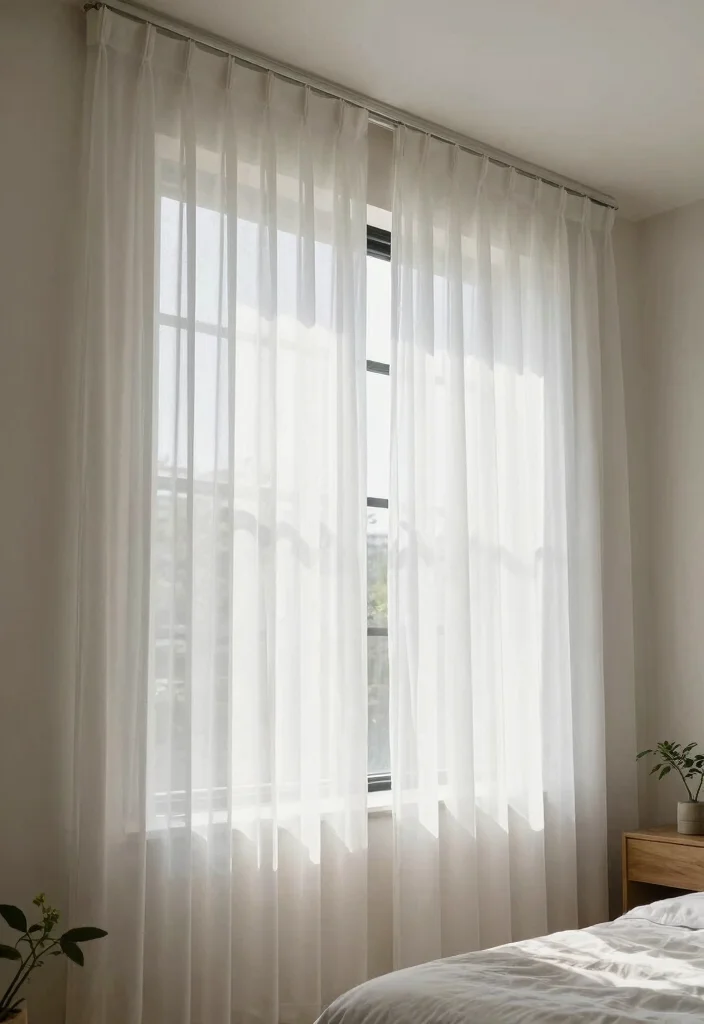
Windows play a crucial role in making a narrow bedroom feel open and airy. Creative window treatments can enhance natural light while providing privacy. Consider sheer curtains that filter light beautifully or layered drapery for a more luxurious ambiance. Blinds can also add a stylish touch, offering a clean look that complements modern decor.
For an added illusion of height, hang curtains higher than the window frame to visually elongate your ceilings.
Here are some design tips for window treatments:
– Use sheer curtains for soft, diffused light.
– Layer drapes for a more sophisticated look.
– Hang curtains high to create an airy feel.
Improving your window treatments can significantly influence the overall mood of your long narrow bedroom, promoting light, openness, and comfort.
14. Slim Nightstands
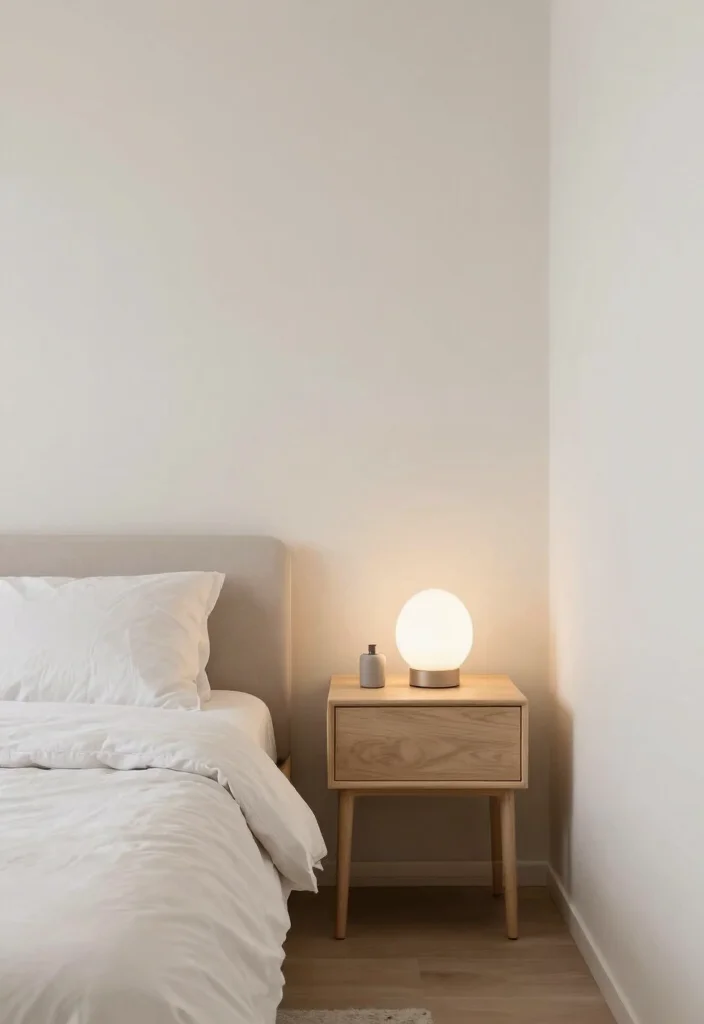
Opting for slim nightstands can vastly improve the functionality of a narrow bedroom. Look for sleek designs that occupy minimal floor space while still providing essential storage for books, lamps, and nighttime essentials. Wall-mounted nightstands are another excellent option, freeing up more floor area while maintaining a stylish appeal.
Utilize the top of the nightstand for decor, like a small plant or decorative clock, keeping the area tidy yet stylish.
Here are some pro tips:
– Choose slim designs to enhance space efficiency.
– Use wall-mounted options for a modern look.
– Decorate the top with minimalistic items for style.
A slim nightstand not only keeps the bedroom looking light and organized but also complements a streamlined approach to your decor.
15. Personalized Decor
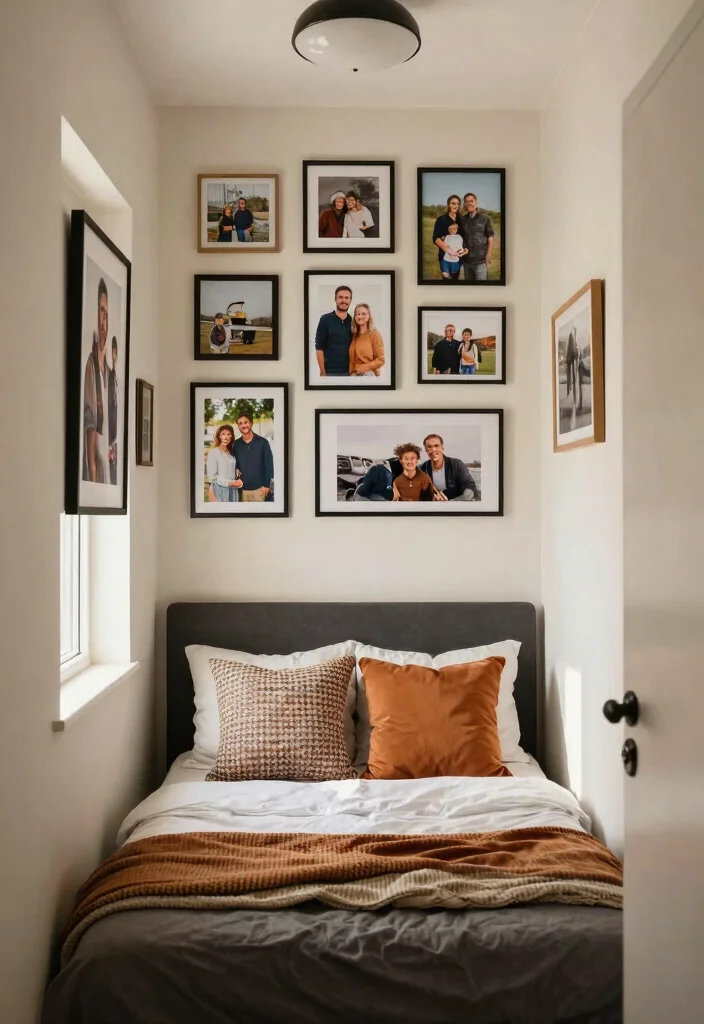
Allow your personality to shine through your decor! Customized pieces, like framed photos or handmade art, can make your long narrow bedroom feel uniquely yours. Consider incorporating items that resonate with your story or represent your interests, such as a gallery wall filled with personal photos or unique treasures from your travels.
Mixing different textures and styles can create a balanced yet distinct look that reflects your individuality.
Here are some tips for personalized decor:
– Display framed photos that tell your story.
– Integrate unique finds from your travels for character.
– Mix textures for a cohesive yet unique aesthetic.
Personalized decor deepens your emotional connection to the space, turning a simple bedroom into a comforting retreat.
16. Seamless Color Schemes
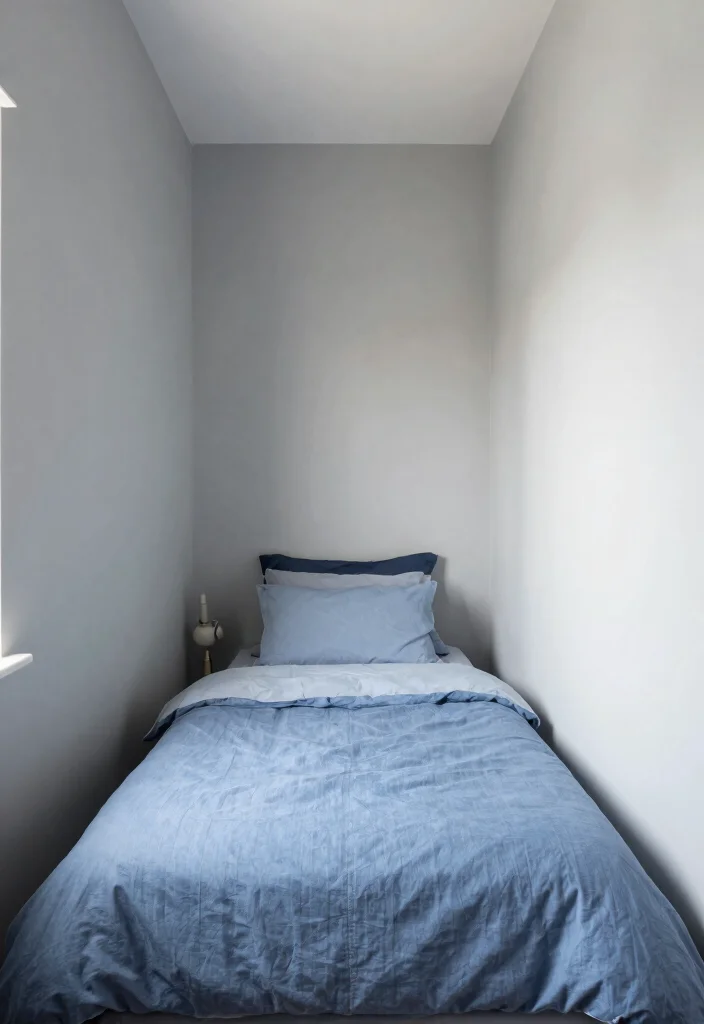
To unify your design elements, choose a seamless color palette for your long narrow bedroom. Soft, light colors can create a sense of openness, while deeper shades add richness and coziness. Stick to two or three main colors and incorporate variations in shades for added depth. Accent colors can be introduced through textiles and decor to enhance visual interest.
Use the same color family for all your furniture pieces to create a cohesive aesthetic that ties the space together.
Here are some design tips:
– Select a light color palette for an airy feel.
– Use varying shades for depth and interest.
– Choose accent colors that complement your main palette.
A thoughtfully curated color scheme can significantly influence the mood and perception of space, transforming your bedroom into a relaxing haven.
Optimal Bed Placement Strategies for Long Narrow Bedrooms
Where you place the bed sets the entire rhythm of a long narrow bedroom. I weigh circulation against comfort—two priorities that compete in tight spaces.
Two Primary Placement Strategies
| Placement | Best For | Walkway | Access |
|---|---|---|---|
| Short end wall | Couples, symmetry lovers | Narrows at entry | Two-side access |
| Long wall, lengthwise | Solo sleepers, tightest spaces | Frees widest central path | One-side access only |
In rooms under 9 feet wide, I default to the long-wall placement with a full or queen bed. The trade-off buys you that critical 36-inch walkway.
Placement Tactics for Tight Spaces
- Corner or window tuck — Pushing the bed into a corner or beneath a window reclaims floor area in the narrowest rooms.
- Crosswise 5×8 rug — Placed perpendicular to the room’s length, this interrupts the tunnel visual and suggests width.
- Floating nightstands 12–16 inches wide — Wall-mounted versions preserve walkway on both sides when centering on the short wall.
- End-wall anchor — One oversized horizontal artwork stops the eye and visually shortens the room’s perceived length.
Frame Styles That Maintain Flow
- Minimalist — Low platform beds with hidden storage and clean lines keep sight lines open.
- Scandinavian — Light oak leggy frames with airy cream palettes enhance perceived width.
- Boho — Rattan with layered textiles adds warmth without visual weight.
Mistakes That Worsen the Tunnel Effect
- Lining both long walls with furniture — Creates a corridor effect that feels claustrophobic.
- Oversizing the bed — Destroys openness relative to room width.
- Skipping the measurement check — Always measure doorways before buying dressers to avoid pieces that won’t fit through.
I specify light warm neutrals on long walls with a slightly deeper tone on the end wall to visually push that surface outward. Mirrors opposite light sources, horizontal art, and wide-hung curtains reinforce the width you’re creating.
Common Layout Mistakes to Avoid in Long Narrow Bedrooms
I see the same errors repeat in narrow bedrooms: small choices that amplify the corridor effect instead of relieving it. Here’s what to watch for.
Furniture and Placement Errors
- The double-wall trap: Lining both long walls with furniture creates a bowling-alley feel and leaves tight, awkward walkways. I keep one long wall mostly clear to preserve that 36-inch circulation path.
- Wrong bed scale: An oversized bed consumes floor area and leaves no room to move. In narrow rooms, proportion matters more than statement-making.
- Ignoring the doorway: I measure doorways before buying any storage piece. A cabinet that won’t fit through the entry becomes an expensive mistake.
- Storage too deep: Bulky armoires or wide dressers block flow. I choose slim, vertical options or consider removing a tall cabinet near the entrance entirely to reduce visual crowding at entry.
Rug and Layout Mistakes
- Lengthwise rugs: A rug running the long direction emphasizes narrowness. I place a 5×8 rug crosswise to visually push the walls outward and break the tunnel effect.
- Poor bed position: Placing the bed without considering the short end wall or a long-wall position that allows wider walkways wastes the room’s best circulation opportunities.
- No zoning: Without defined sleep and secondary areas, the room feels like a train car. I deliberately separate functions to create rhythm and purpose.
Color and Material Pitfalls
- Dark long walls: Heavy colors on the long walls advance visually and shrink the space. I use light warm neutrals—cream, greige—on those planes instead.
- Missing horizontal lines: Vertical emphasis stretches height but ignores width. I incorporate horizontal elements and large mirrors to expand perception sideways.
- Wrong console depth: Even narrow furniture can feel intrusive. A 9–12 inch deep console grounds art without blocking sightlines to windows and seating, keeping the bed area from feeling compressed.
Choosing the Right Furniture Size and Proportion for Narrow Bedrooms
Scale is everything in a long narrow bedroom. I always measure doorways first—nothing worse than a bed frame that won’t clear the hall turn.
Bed and Storage Dimensions
- Low platform beds: Full or queen size keeps sightlines open and movement easy
- Wall-mounted nightstands: 12–16 inches wide, floating to free floor space
- Dressers: 16–18 inches deep, tall rather than wide to preserve circulation
- Under-bed bins: Essential for seasonal storage without cluttering the perimeter
Proportions That Widen the Room
- Rug placement: A 5×8 rug laid crosswise interrupts the corridor feel
- Console depth: 9–12 inches maximum for any piece against a long wall
- Visual weight: Fewer, larger pieces read calmer than clusters of small items
- Leggy construction: Raised furniture lets light pass underneath, creating airiness
Styles and Materials
| Style | Key Elements | Why It Works |
|---|---|---|
| Minimalist | Clean lines, low profiles | Eliminates visual bulk |
| Scandinavian | Light oak, airy cream palette, tapered legs | Reflects light, draws eye upward |
| Boho | Rattan, layered textiles | Adds warmth without heaviness |
Light warm neutrals on long walls expand the space horizontally. I paint the far end wall a shade deeper to visually shorten the tunnel.
- Horizontal art and wide-hung curtains: Stretch the width visually
- Large mirrors on long walls: Bounce light and add depth
Styling Tips to Make a Long Narrow Bedroom Look Wider and More Inviting
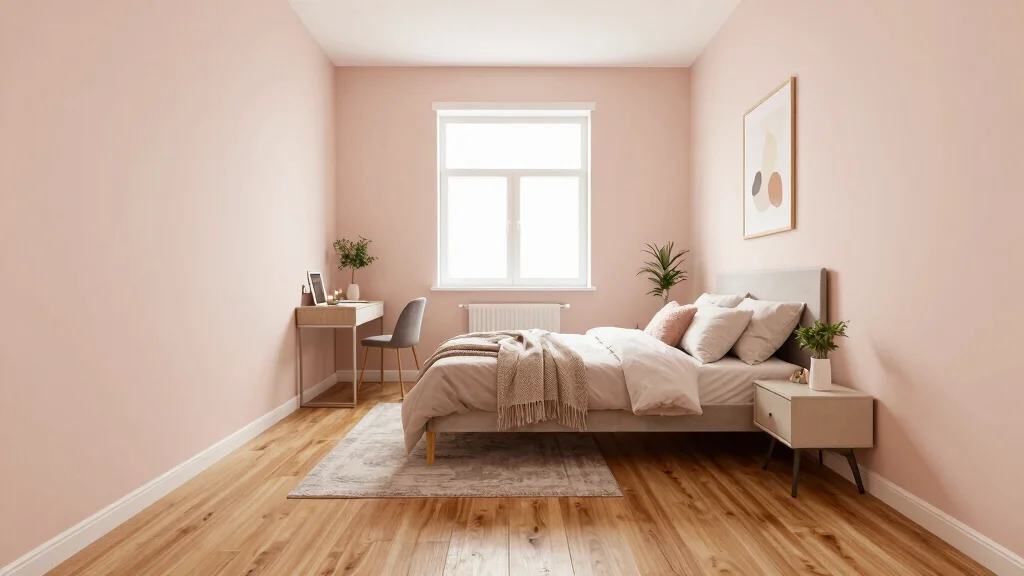
Color and pattern choices can visually reshape a long narrow bedroom without moving a single wall. I start with the walls: light warm neutrals like cream or greige on the long sides reflect light and push them outward.
- Paint the short end wall deeper to pull that far surface closer and cancel the corridor effect, or paint both short walls darker for a more square, proportional feel.
- Hang curtains wall-to-wall, not just over the window frame, to blur the room’s true width.
- Choose horizontal art over vertical pieces to stretch the eye sideways rather than reinforcing length.
- Place a large mirror on a long wall to bounce light and double perceived depth.
- Layer a 5×8 rug crosswise under the bed to break up the floor plane and visually widen the space.
Furniture selection matters just as much as color. I look for pieces that hug the walls and draw the eye upward.
| Furniture Type | Ideal Specifications | Why It Works |
|---|---|---|
| Dressers | 16–18 inches deep, taller than wide | Saves floor space while maintaining storage |
| Nightstands | Wall-mounted floating, 12–16 inches wide | Eliminates legs that interrupt circulation |
| Desks | Wall-mounted floating, 18–20 inches deep | Provides workspace without floor footprint |
| Shelving | Tall vertical units | Uses wall height instead of spreading horizontally |
| Bed | Low platform in full or queen | Keeps sight lines open and reduces bulk |
- Add an ottoman bench at the foot of the bed for seating and hidden storage.
- Edit accents ruthlessly—too many small objects create visual crowding that amplifies the narrow feel.
- Keep one long wall mostly clear to preserve a 36-inch walkway and prevent the tunnel effect.
For warmth without weight, pair light walls with cozy textural layering, or anchor a corner with a deeper accent color like indigo to add depth without closing in the space.