
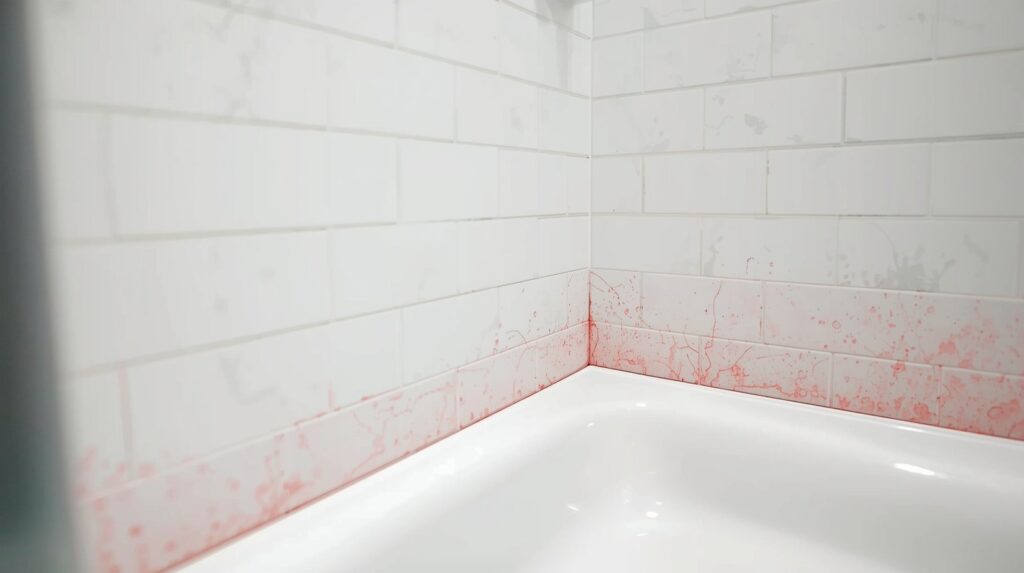

Mold keeps coming back in your bathroom because the space stays wet, warm, and full of tiny food sources for mold spores. If you only clean the visible spots, you miss mold hiding in grout, behind tiles, or inside caulk where moisture lingers. Fixing moisture and removing hidden mold are the real steps that stop it for good.
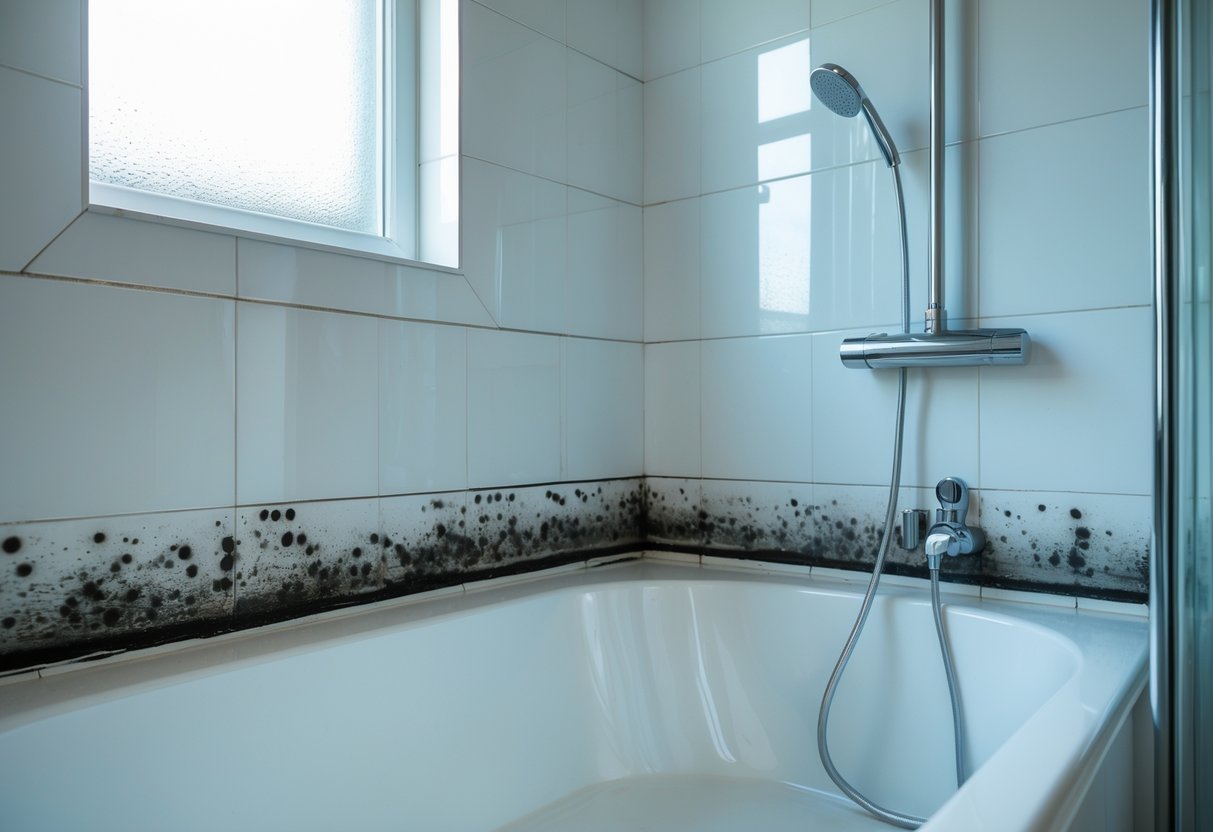
You can stop recurring mold by changing how you ventilate, dry, and maintain the room. Small habits like running the fan, wiping down wet surfaces, and replacing old caulk make a big difference and save you time and frustration.
Key Takeaways
- Bathrooms give mold the moisture and warmth it needs to grow.
- Hidden damp areas and worn materials let mold return after cleaning.
- Regular ventilation, prompt drying, and targeted repairs prevent recurring mold.
Why Bathrooms Are Prone to Mold
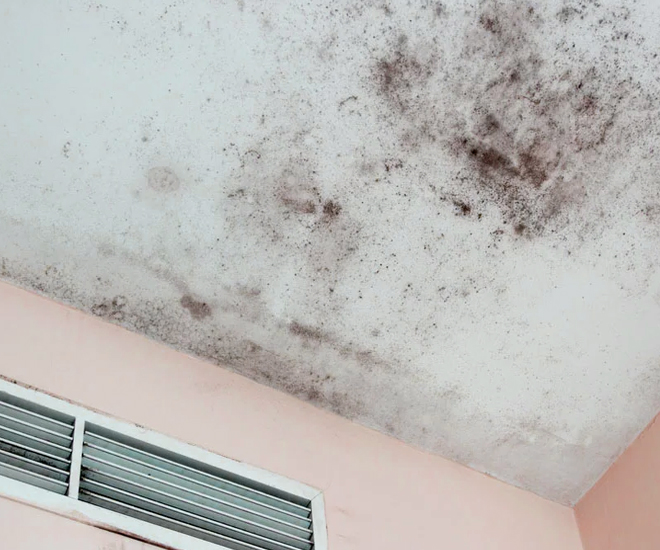
Bathrooms trap warm, damp air and give mold food and water. That combination makes it easier for spores to land, grow, and return after cleaning.
High Humidity Levels
High humidity keeps surfaces damp long after you finish showering. When indoor relative humidity stays above about 60%, tiles, grout, and paint never fully dry. That constant moisture lets mold spores swell and form colonies in 24–48 hours.
You can measure humidity with a small digital hygrometer and aim for 30–50% to slow mold growth. Running an exhaust fan during and for 20 minutes after showers, or opening a window, lowers humidity quickly. In bathrooms without windows, use a dehumidifier or boost whole-house ventilation to remove excess moisture.
Frequent Water Exposure
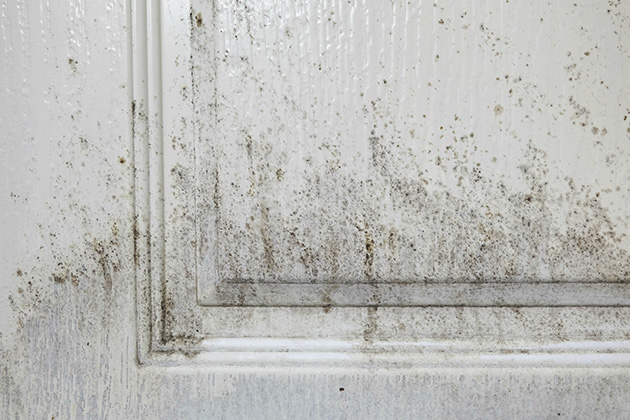
Showers, baths, and sink splashes soak grout, caulk, and porous materials repeatedly. Water finds tiny cracks and sits there. Over time, repeated wetting breaks down sealants and lets mold feed on soap scum and skin oils trapped in those gaps.
Look for failing caulk, cracked grout, or soft drywall behind fixtures. Replace worn sealant, regrout as needed, and use water-resistant backer board where possible. Wipe down wet surfaces after use and hang wet towels to dry outside the bathroom when you can.
Limited Airflow
Poor airflow keeps damp air close to surfaces and stops things from drying. Small bathrooms or rooms with closed doors and no fan let humidity linger. Stagnant air means mold spores settle and grow on walls, ceilings, and behind cabinets.
Improve airflow by keeping the door ajar after use, installing or repairing an exhaust fan that vents outside, and using a small circulation fan on low speed. Make sure vents, fan covers, and ductwork are clean so air moves freely.
Common Causes of Recurring Mold
You’ll usually find the same three mistakes when mold keeps returning: air that stays damp, cleaning that misses the real problem, and water hiding where you can’t see it. Fixing those stops most regrowth.
Poor Ventilation
If your bathroom feels stuffy after a shower, mold gets a free pass. Bathrooms need a fan that moves at least 50 cubic feet per minute (CFM) for small rooms and more for larger ones. Run the fan during showers and for 20–30 minutes afterward to cut humidity.
Check the fan for lint and dust every few months. A blocked or weak fan won’t pull moist air out, and open windows alone usually don’t clear the steam. Also watch for airflow paths: doors with tight seals or towel racks that block vents reduce air exchange and let moisture linger on walls and grout.
Inadequate Cleaning Routines
Wiping visible mold only treats the symptom. You must clean with products that kill spores and reach grout lines, caulk, and shower tracks. Scrub grout with a stiff brush and use a mildew-killing cleaner or diluted bleach for non-porous surfaces.
Replace old, damaged caulk—mold can live inside hardened caulk where cleaners don’t reach. Clean regularly after wet activities; a quick squeegee or towel-dry of tiles and glass after each shower cuts the food supply for mold. For persistent black stains, consider professional remediation because spores can embed in porous materials.
Hidden Moisture Sources
Mold often hides where you don’t look: behind tile backer board, under flooring, or inside wall cavities. Small leaks in shower valves, sinks, or toilet seals can soak framing or drywall and feed mold for months before you see spots.
Use a moisture meter or call a professional if you find repeated regrowth in the same spot. Look for soft spots, paint bubbles, or musty smells as signs of hidden wet areas. Fix the leak, dry the structure fully, and remove or replace any wet, porous materials to stop mold from coming back.


How Mold Thrives in Bathroom Environments
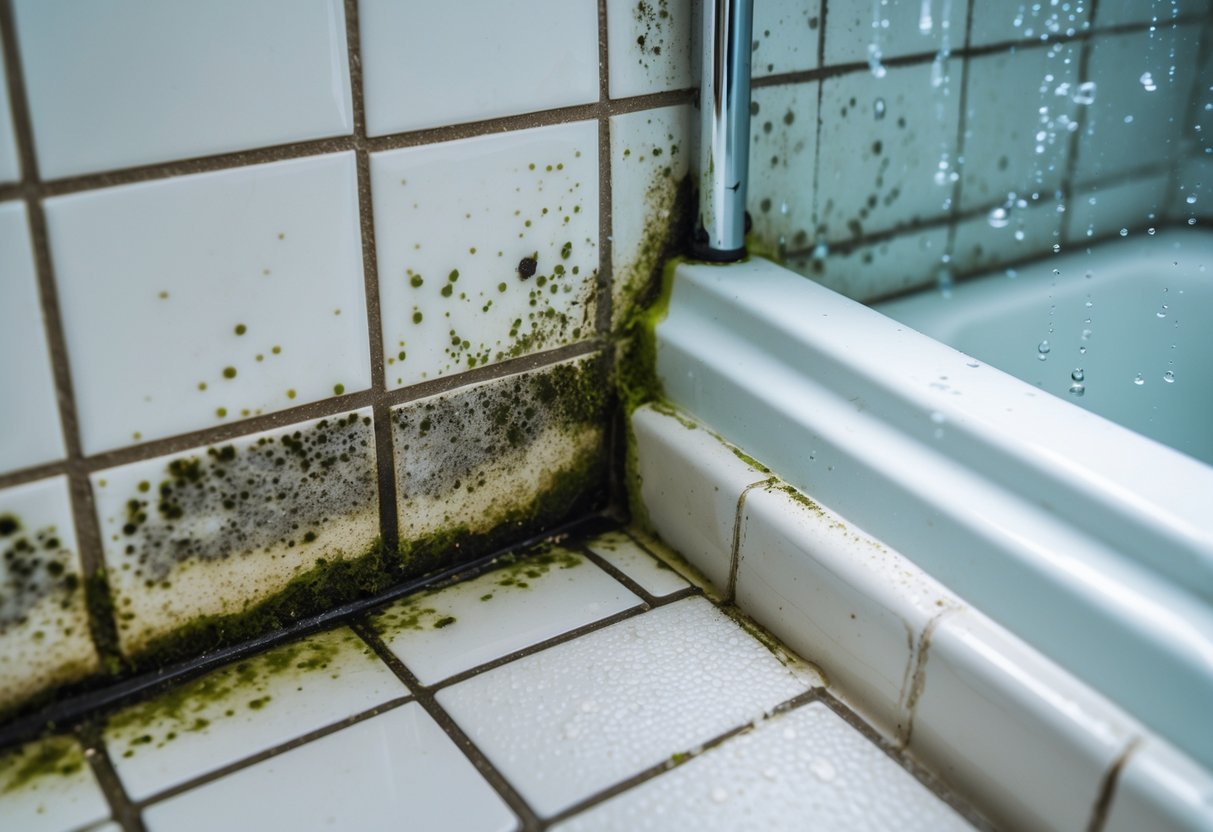
Mold grows where humidity, warmth, and food meet. In bathrooms you often have warm air, damp building materials, and soap or skin oils that feed spores.
Ideal Temperatures for Mold Growth
Most common bathroom molds grow fastest between about 60°F and 80°F (15°C–27°C). Those temperatures match what you feel after a hot shower. Warm air holds more moisture, so surfaces stay damp longer and give mold time to colonize.
You should note that mold can still grow outside that range. Cooler tiles slow growth but don’t stop it if moisture is present. Warmer grout and caulk near showerheads warm from repeated hot-water use, making them prime spots.
Aim to keep room air below about 70°F when practical and reduce spikes from long hot showers. Use an exhaust fan during and after showers to cut temperature and humidity quickly.
Porous Surfaces Holding Moisture
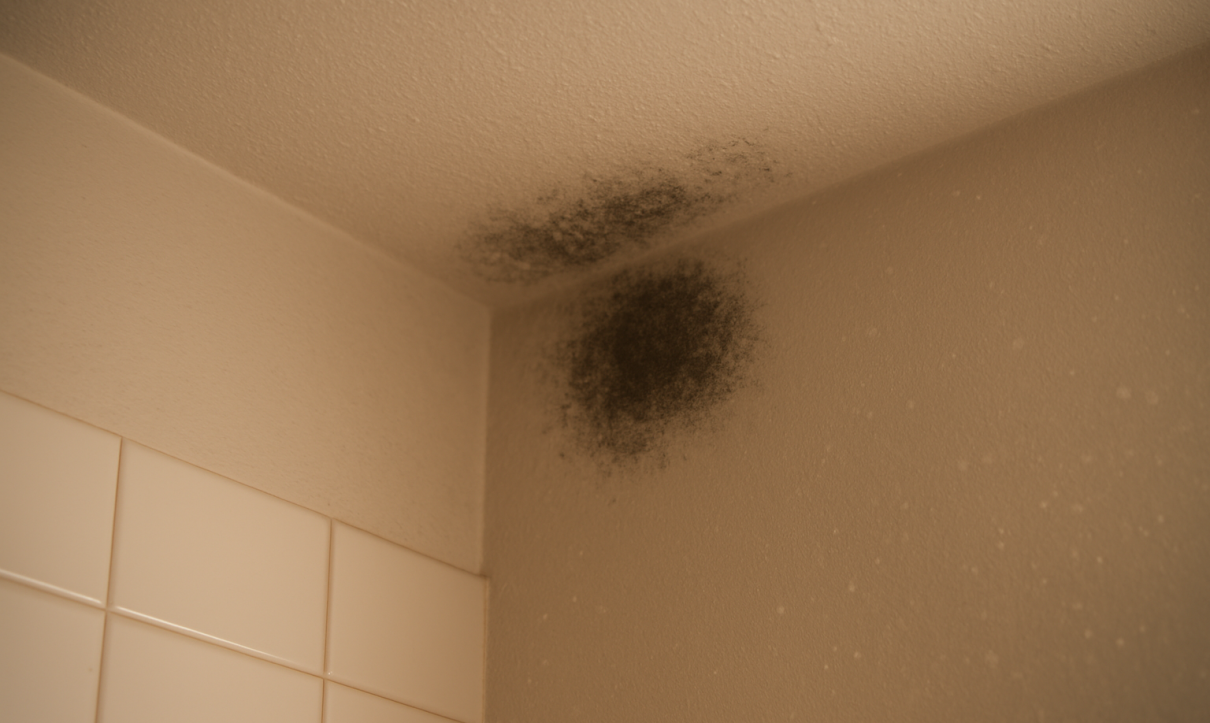
Porous materials trap water inside tiny holes and between fibers. Tile grout, caulk, drywall, wood trim, and fabric shower curtains all hold moisture where you can’t see it. That hidden dampness creates a protected place for mold to attach and spread.
When you clean, scrubbing the visible surface often won’t remove moisture within grout lines or behind wallpaper. Replacing damaged caulk or using grout sealers prevents water from soaking in. For drywall that gets wet repeatedly, replace the affected piece instead of just painting over it.
Use quick-dry materials when possible: glass or non-porous shower doors, moisture-resistant drywall, and washable vinyl curtains. That lets surfaces dry fully between uses and removes the hidden reservoirs mold needs.
Residual Soap and Organic Material
Soap scum, shampoo residue, dead skin cells, and body oils act as food for mold. These residues build up on tile, grout, and inside drains. Even small amounts let spores germinate and form colonies faster than on clean surfaces.
Focus cleaning on areas where residue collects: grout lines, the underside of faucet handles, shower door tracks, and drain openings. Use a cleaner that dissolves soap scum and follow with a disinfectant if mold has started. Rinse thoroughly so no residue remains.
Removing residue also reduces clinging moisture. Soap scum can form a thin film that traps water against surfaces. When you eliminate that film, surfaces dry faster and become less hospitable to mold.



Mistakes That Lead to Persistent Mold Problems
These common mistakes let moisture and spores keep working against you. Fixing them stops mold from coming back and saves time and money.
Incomplete Mold Removal
If you only wipe visible mold, you leave spores and roots behind. Mold threads (mycelium) can sink into porous materials like drywall, wood, and grout. Cleaning the surface with a spray or bleach may remove color but not the deeper growth. Instead, you must remove or replace affected material when it is soft, stained through, or smells musty.
Use a HEPA vacuum after scrubbing to capture airborne spores. Wear gloves, eye protection, and an N95 mask during cleanup. For larger infestations (greater than a small patch), call a professional who can assess hidden contamination and use containment techniques.
Neglecting Grout and Seals
Damaged grout and old caulk let water hide in joints and behind tiles. Even small gaps let moisture pool and feed mold out of sight. Replacing cracked grout and removing old silicone allows you to dry and inspect the substrate.
Use cement-based grout in shower floors and epoxy grout in walls for better water resistance. Apply mildew-resistant caulk and press it firmly into seams. Check seals yearly and reseal any area that shows hairline cracks or pulls away from fixtures.
Ignoring Leaks and Drips
A slow drip from a faucet or a pinhole in a supply line creates constant dampness you might not notice. That persistent moisture is the main reason mold returns. Track down leaks under sinks, around shower valves, and where the tub meets the wall.
Fix plumbing leaks promptly, improve ventilation with an exhaust fan that vents outside, and use a hygrometer to keep bathroom RH below 50%. If you find water stains or soft wood, remove wet materials quickly and dry the cavity with fans or a dehumidifier to prevent regrowth.
Effective Solutions to Prevent Mold from Returning
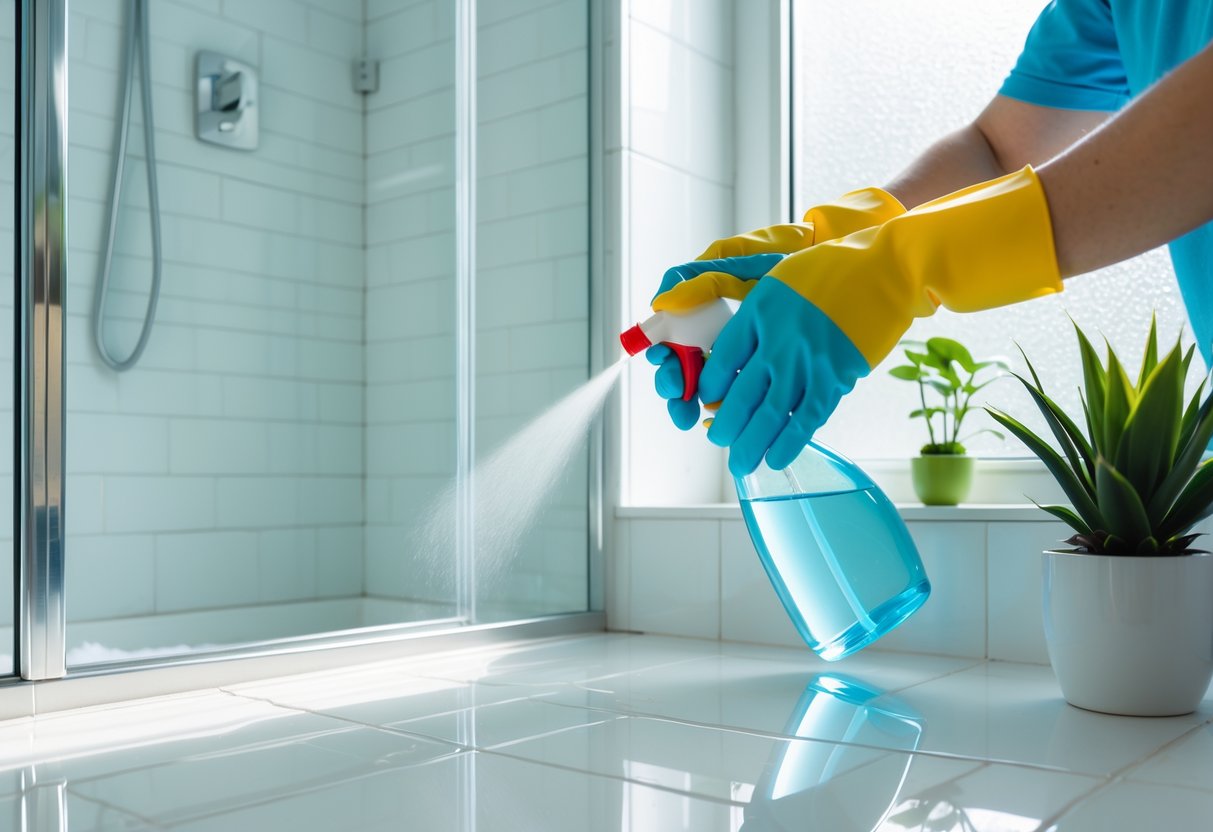
Target the wet spots, keep air moving, and use materials and cleaners that resist mold growth. Fix leaks, lower humidity, and clean on a schedule so mold has fewer chances to come back.
Improving Ventilation
You need to move humid air out of the bathroom right after showers. Install a bathroom fan that exhausts to the outside, not just the attic. Choose a fan rated at least 1 CFM per square foot of bathroom area (e.g., 80 CFM for an 80 sq ft bathroom) and run it for 20–30 minutes after each shower.
Open a window while you shower when possible and leave the door ajar afterward to speed drying. Use a squeegee on shower walls and glass after every use to remove surface water. Fix any blocked vents and clean fan grills every 3–6 months so the fan keeps full airflow.
If moisture problems persist, add a timer switch or a humidity-sensing fan. A small dehumidifier can help in bathrooms without windows or strong exhaust. Measure humidity with a cheap hygrometer and keep it below 50%.
Using Mold-Resistant Materials
Pick materials that handle water and dry fast. Use tile with epoxy grout on shower walls and floors because epoxy is less porous than cement grout. For paint, choose a mold-resistant bathroom paint with a satin or semi-gloss finish; these are easier to wipe and don’t hold moisture.
Install moisture-resistant drywall (greenboard) or cement board behind tile in shower areas. Use stainless steel or aluminum fixtures instead of untreated wood where water hits frequently. Replace caulk around tubs and sinks with a mold-resistant silicone caulk and reseal every few years or when it cracks.
For bath mats and shower curtains, pick quick-dry fabrics or plastic liners you can wash weekly. Store damp towels on hooks so they hang open to dry rather than piled up.
Regular Deep Cleaning
Set a cleaning routine that targets mold-friendly spots: grout lines, caulk seams, under sinks, and behind toilets. Use a bleach solution (1 cup bleach to 1 gallon water) or a commercial mold cleaner for hard, non-porous surfaces. Wear gloves and ventilate the room while cleaning.
Scrub grout with a stiff brush and reapply grout sealer every 6–12 months to limit moisture penetration. Remove and replace caulk if mold grows into it; cleaning can’t remove mold that has penetrated porous caulk. Clean exhaust fans and vents to remove dust that holds moisture and spores.
Keep a quick weekly task list: wipe shower walls, launder liners and bath mats, and check for leaks. Track deep-clean dates on a calendar so you don’t skip the tasks that stop mold from coming back.


Long-Term Strategies for Mold-Free Bathrooms
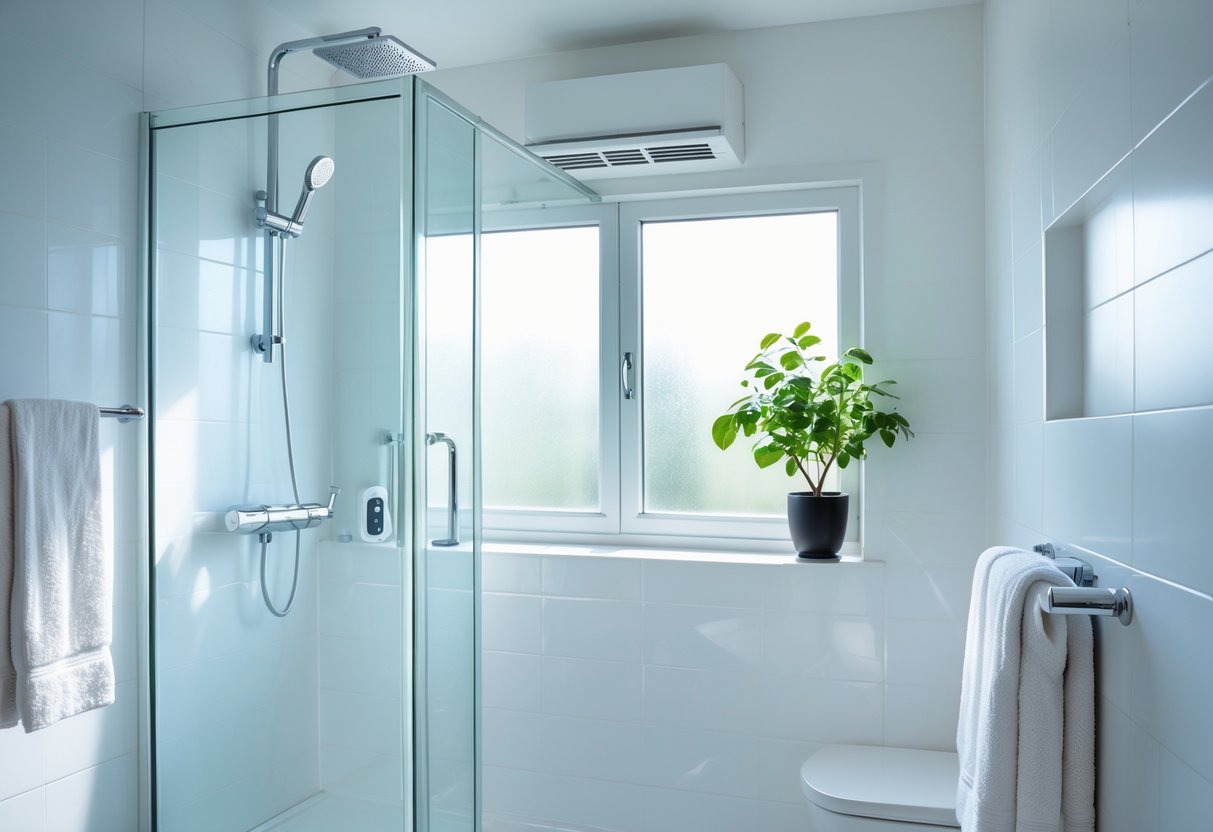
Focus on cutting moisture, fixing leaks fast, and keeping surfaces dry and clean. Use timers, suitable fans, and simple checks to stop mold from getting a foothold.
Daily Habits to Reduce Moisture
Keep the fan on for at least 20 minutes after each shower. If your fan is weak, open a window for 10–15 minutes to speed drying. Wipe down shower walls and glass with a squeegee or towel after use to remove pooled water.
Empty and hang wet towels and bathmats to dry outside the bathroom. Wash them weekly on hot or warm water and dry fully before reuse. Check under sinks and around the tub for puddles; dry any wet spots immediately.
Use mildew-resistant shower curtains and quick-dry liners, and replace or launder them if they show dark spots. Clean grout and caulk monthly with a mild cleaner or a 1:10 bleach-to-water mix on hard surfaces, then rinse well. Fix dripping faucets and slow-trickle toilet leaks right away.
Monitoring Humidity with Sensors
Buy a digital hygrometer and place it at shoulder height in the bathroom, away from direct steam. Aim to keep relative humidity below 50%. Check the display daily for spikes after showers; use the fan or a dehumidifier when levels stay high.
Consider a smart sensor that logs humidity and sends alerts to your phone. That helps you track patterns and know when to run a dehumidifier or replace a fan. If your bathroom lacks a window, set the fan to run on a 30–60 minute timer after showers.
Replace or clean fan filters and vents every 6–12 months so the sensor readings match actual room conditions. If humidity stays above 60% despite these steps, inspect for hidden leaks or consider a higher-capacity exhaust fan.
Potential Health Impacts of Persistent Bathroom Mold
Mold in your bathroom can cause breathing problems, especially if you have asthma or allergies. You might notice sneezing, a runny nose, or itchy eyes after spending time near the mold.
Some people develop skin or throat irritation from mold spores. These reactions can be mild or more noticeable, depending on how sensitive you are.
Long-term exposure can raise the risk of respiratory infections for people with weakened immune systems. If you or someone in your home has chronic lung disease, watch for worsening symptoms.
Pay attention to symptoms like persistent coughing, wheezing, or chest tightness. Seek medical advice if these signs appear or get worse.
Common-sense steps help protect your health:
- Clean visible mold with proper cleaners and ventilation.
- Fix leaks and reduce humidity.
- Use a fan or open a window during and after showers.
If mold keeps returning despite cleaning, consider professional help to check hidden growth or building issues. A professional can find causes you might miss and recommend safer remediation.
For more on why mold returns and how to stop it, see this guide on why bathroom mold keeps coming back.
Frequently Asked Questions
You can stop mold by fixing leaks, cutting humidity, and cleaning grout and caulk correctly. If mold keeps returning, check hidden wet spots, ventilation, and any porous material that stays damp.
What can I do to prevent mold from recurring in my bathroom?
Fix any plumbing leaks right away, including under sinks and behind toilets. Replace or remove water-damaged drywall, insulation, or baseboards that stay damp.
Keep humidity between 30–50% with a running exhaust fan during and 20–30 minutes after showers. Use a small dehumidifier if your bathroom stays damp for long periods.
Use mold-resistant paint and replace old caulk and grout with mildew-resistant products. Wash or replace shower curtains and liners every few months.
Could poor ventilation be causing mold to grow back in my bathroom?
Yes. Poor ventilation lets moisture hang in the air and on surfaces, which lets mold regrow fast. A fan that vents outdoors is best; just recirculating fans don’t remove moisture.
If you don’t have a fan, open the window during and after showers. Check that fans run at least 20 minutes and move enough air (look for a CFM rating near 50 for small bathrooms).
Are there any specific cleaning techniques to stop mold from returning?
Scrub grout and tile with a stiff brush and a cleaner made for mold or a 1:10 bleach-to-water mix for hard surfaces. Rinse well and dry with a towel or squeegee to remove lingering moisture.
Remove and replace caulk that peels or stays stained; mold can live inside old caulk. For large, recurring patches or porous materials with deep staining, hire a professional mold remediator.
What are the common causes of persistent mold growth in bathrooms?
High humidity, poor ventilation, and leaks are the top reasons mold keeps coming back. Showers, tubs, and sinks create repeated wetting of grout, tile, and drywall.
Porous materials like wallpaper, wood, and old grout trap moisture and organic matter, giving mold food and a place to hide. Hidden leaks inside walls or under floors feed unseen mold growth.