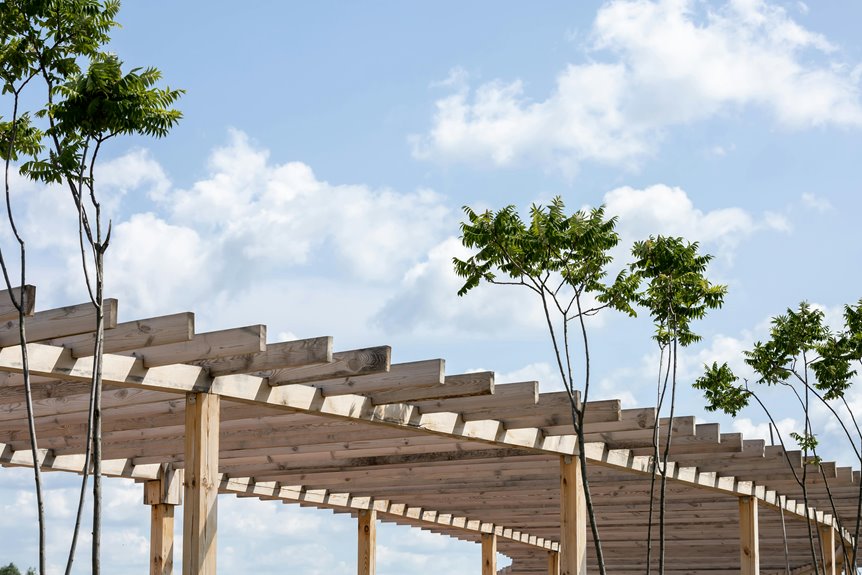

A pergola is an open-roof outdoor structure consisting of vertical posts holding up beams and rafters that provides partial shade without an enclosed feeling. They work well for patios, decks, or pool areas for relaxation and entertaining purposes. You can attach one to your house or build it freestanding, with options in wood, vinyl, or aluminum depending on your style and budget. The shade level varies based on design; open rafters provide dappled light, while louvered versions allow you to adjust the coverage. Material selection and placement depend on your specific needs and aesthetic preferences.
What Is a Pergola and How It Works?
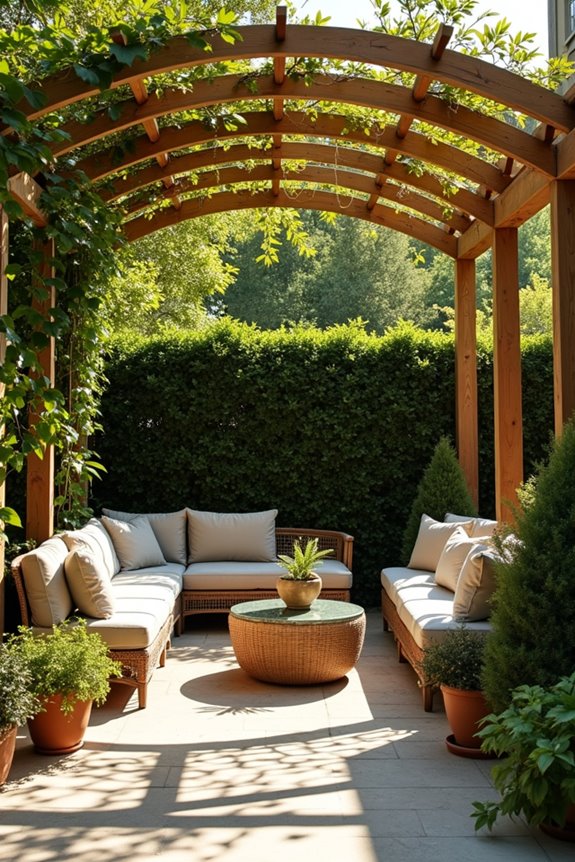
A pergola is an outdoor structure that provides partial shade while maintaining an open, airy feel. It consists of vertical posts supporting an open roof made of beams and rafters, creating a defined outdoor living space.
You can build a pergola attached to your home or as a freestanding structure, depending on your needs. The amount of shade varies based on design choices. Basic open rafters provide partial shade, while adding louvers or fabric increases sun protection. Materials include wood, vinyl, and aluminum, allowing you to select based on your style preferences and budget. A pergola offers an effective balance between full coverage and open exposure.

4" x 4" Four-Way Pergola Brackets: This durable and strong pergola bracket kit that covers wooden beams, preventing them from rotting due to rainwater and harsh sunlight. It is designed for the mainstream 4" x 4" specifications and can accommodate actual dimensions of 3.6 x 3.6 inches (92 x 92 mm) for both soft and hardwood.

4x4 Four-Way Pergola Brackets: Made of heavy-duty corrosion-resistant steel with a high-quality black powder coating, this XYADX bracket kit is designed for standard 4x4 wooden posts and features an inner dimension of 3.6 x 3.6 inches
Pergolas vs. Gazebos and Other Outdoor Structures
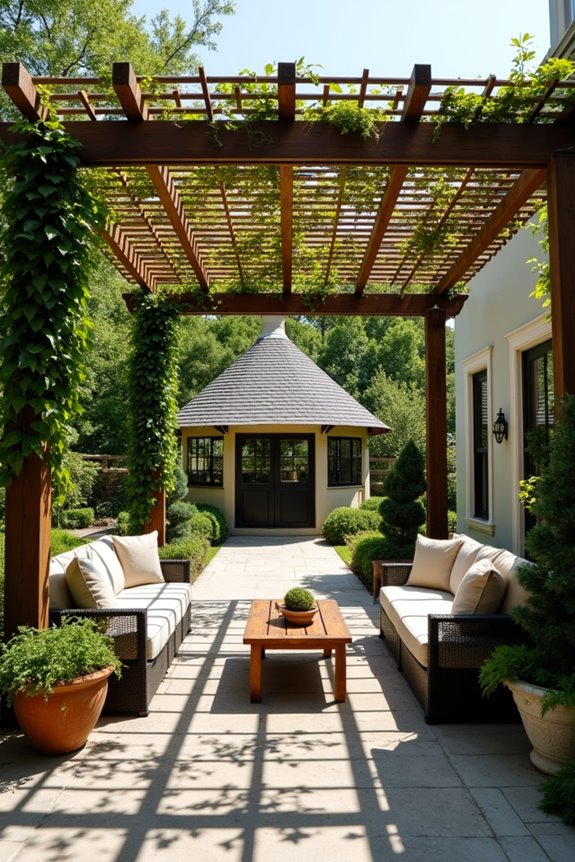
Since you’re thinking about adding shade to your outdoor space, it’s worth understanding how pergolas stack up against similar structures because they’re not all the same.
Pergolas vs. gazebos: Gazebos have fully enclosed roofs, while pergolas offer shade with openness through open-roofed structures. Pergolas filter light without the enclosed feeling of a gazebo.
Comparison to pavilions: Pavilions give complete roof coverage, but pergolas balance protection with an airy feel for your outdoor living space.
Louvered options: Louvered pergolas let you adjust shade levels, whereas fixed structures don’t. You can add privacy screens or retractable features as well.
Material matters here. Wood needs sealing, but aluminum and vinyl require minimal maintenance. Whether you choose attached or freestanding depends on your space and how you plan to use it.

Product Information: the package includes 2 sheets about 6.6 x 12 ft/ 2 x 3.7 m sunshade cloth, 50 nylon ties, 12 elastic balls, and a bundle of nylon rope, providing you everything you need for installation

Large and Stable: Size of 10x10FT, our product can provide plenty of room for a group of people. The sturdy frame structure design greatly improves the overall stability of this retractable pergola

Where to Place a Pergola: Common Backyard Uses
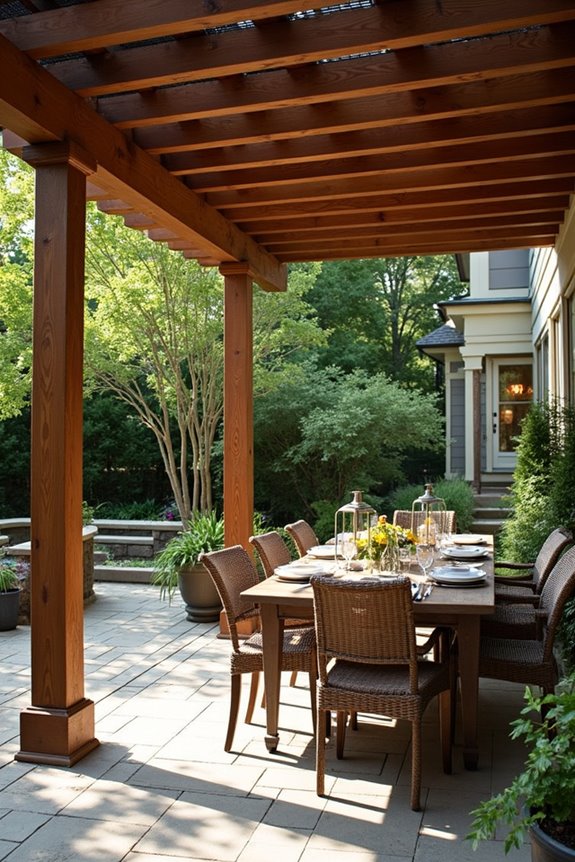
Where should you place your pergola? Placement depends on your lifestyle and backyard layout. An attached pergola connects directly to your house for easy access, while a freestanding pergola creates a defined space in your garden’s heart.
| Location | Best For | Why It Works |
|---|---|---|
| Patio | Outdoor dining | Shade + gatherings |
| Deck | Entertaining | Natural flow |
| Pool area | Lounging | Sun protection |
| Garden corner | Quiet retreat | Intimate feel |
| Pathways | Navigation | Visual interest |
Pergolas transform ordinary backyards into functional outdoor rooms. An open-roof structure provides shade without feeling enclosed. Select a spot where you’ll actually spend time to ensure regular use.

Premium 2.5mm Reinforced Steel Construction:Crafted from upgraded 2.5mm thick galvanized steel (thicker and stronger than standard 2mm market brackets), these pergola brackets deliver enhanced structural integrity and long-term durability. The extended 5.9-inch design provides greater support surface and improved weight distribution, ensuring a more stable and secure pergola structure for heavy-duty outdoor projects.

【Premium Material & Excellent Load-bearing】The top of the pergola has a remarkable load bearing of 55 lbs/㎡, which is resistant to various complex weather conditions as long as it is wall-mounted with expansion bolts. Besides, the polycarbonate top is able to reflect 99% of UV rays and thus provide UV protection. Besides, the maximum wind resistant grade is 7(31-38mph) and the maximum snow loading depth is 4 inches after you install the ground nails and expansion bolts.
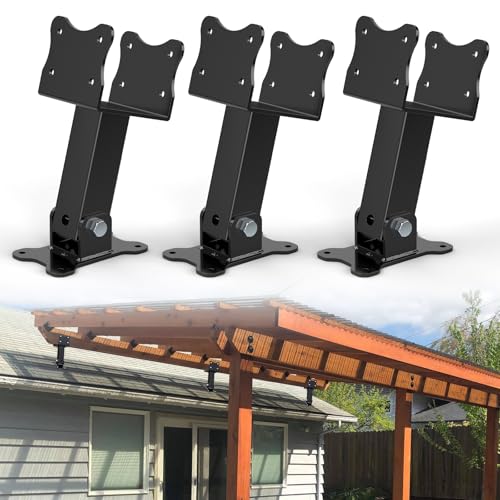
Long Lasting Durability: Package includes 3 Pcs roof riser brackets and installation required screws, all screws are 304 stainless steel. Pergola roof brackets are coated with black powder coating, which can hold up to various weather elements, with excellent weather-proof and anti-rust.
Choosing Your Pergola: Materials, Styles, and Installation Methods
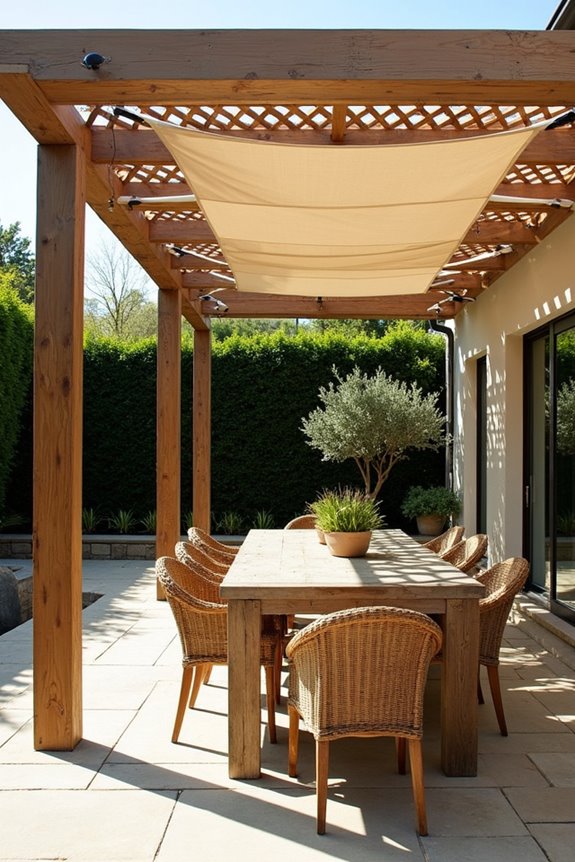
Now that you’ve figured out where your pergola’s going to live, it’s time to pick the actual structure itself. The material and style you choose will shape your outdoor experience. Here’s what to consider:
- Materials matter: Wood pergolas offer that warm, classic look but need yearly sealing. Vinyl and aluminum pergolas are basically maintenance-free and last for decades.
- Shade control options: Open rafters give you dappled sunlight, but louvers let you adjust things on the fly. This provides flexibility in controlling light and temperature throughout the day.
- Installation flexibility: You can go freestanding for versatility or attached pergola for stability against your house.
Whether you’re building it yourself or hiring someone, these choices determine how much time you’ll spend maintaining versus enjoying your space.

[Extra-Large Built-in Bar Counter for Entertaining] Designed for social living, this pergola features an oversized integrated bar table—longer and wider than standard options—perfect for BBQs, drinks, and gatherings, making your outdoor pergola the center of entertainment.

All-Aluminum Structure: Built with a full aluminum frame for both roof and posts, this outdoor pergola offers rust-resistant, low-maintenance performance for long-term outdoor use. Compared to steel or steel-aluminum mixed pergolas, it delivers a cleaner modern look with a lightweight premium feel

Ultimate privacy and protection: Enjoy uninterrupted leisure time shielded from prying eyes and harsh weather conditions with the adjustable drop-down shade.
Pergola Maintenance and Durability by Material
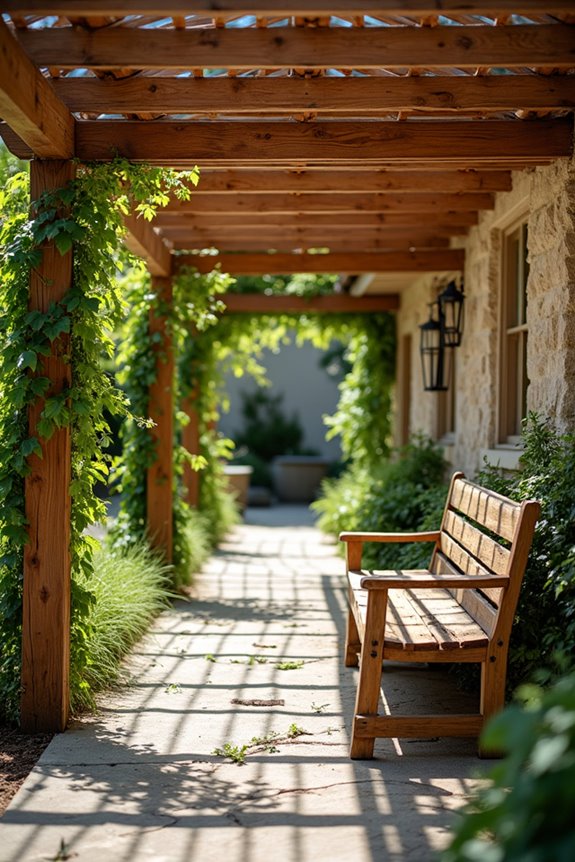
How long your pergola lasts depends on what you build it from. Wood pergolas, especially cedar or redwood, look stunning but demand yearly sealing and staining to fight weather damage. You’ll likely replace some boards eventually. Vinyl and aluminum are low-maintenance options. They resist rain and sun damage, needing just occasional cleaning. They lack wood’s natural warmth, but their durability provides long-term value. Aluminum edges ahead with built-in warranties covering years of protection. Pick wood if you want hands-on care and that classic aesthetic. Choose vinyl or aluminum if you prefer enjoying your pergola without constant maintenance.

5 Crossbeams: Made with a strong aluminum frame and powder coating, pergolas are built to withstand warping or rusting

[Premium All-Aluminum Build] Crafted entirely with heavy-duty aluminum (no mixed steel), our pergola resists rust, UV damage, and corrosion; the Matte finish stays pristine in sun, rain, or snow

Premium All-Aluminum Frame: Crafted entirely with aluminum for both the roof and support posts, this outdoor pergola is built to resist rust and outdoor corrosion with less maintenance over time