

You can paint bathroom tile and get 1–5 years of fresh color, but only if you treat the prep like a job of its own. Degreasing, sanding, and bonding primer are non-negotiable on glazed ceramic, and even then floors and shower walls fail faster than dry-wall surfaces. At $120–$250 for DIY versus $1,200–$3,000 to retile, the savings are real, yet factory porcelain still outlasts any epoxy you roll on.
Yes, You Can Paint Bathroom Tile
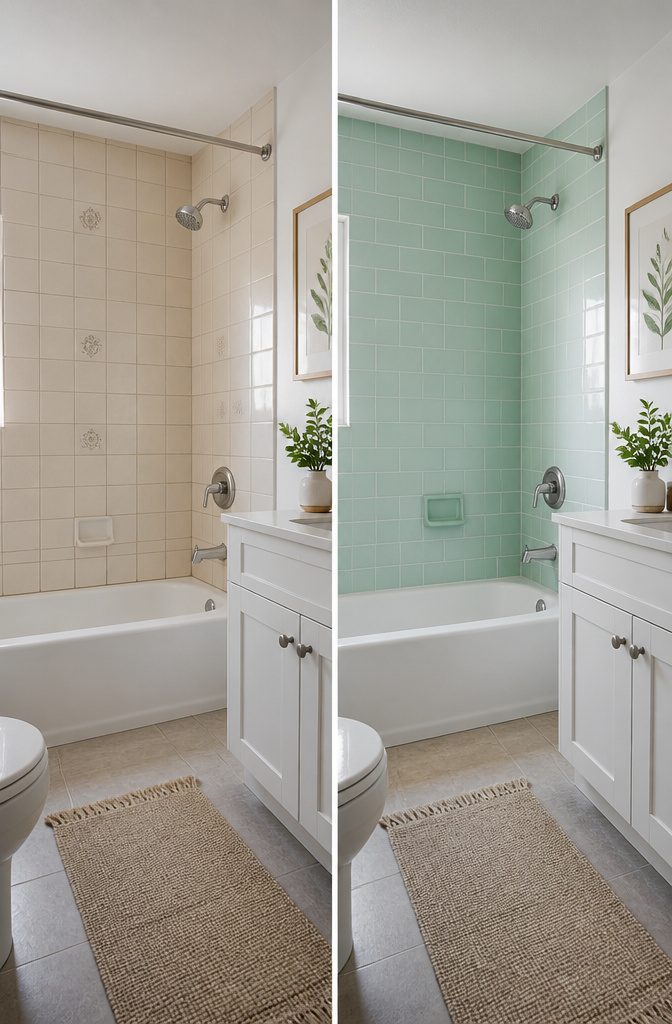
Painting bathroom tile is absolutely possible, and it can buy you years of tolerating a color you didn’t choose. The catch is that painted tile lasts 1–5 years, not decades, and it demands more prep than most weekend projects.
I looked at the cost breakdown and the gap is hard to ignore. A full re-tile runs $1,200–$3,000 in materials alone, plus another $2,500–$7,000 if you hire it out. Painting the same space yourself lands at roughly $120–$250, or $600–$1,200 with a pro. That is not a small difference.
The tradeoff is where you paint and what you expect. Walls and backsplashes in low-moisture spots hold up closer to that 3–5 year mark. Floors and shower walls? More like 1–3 years before scuffs, peeling, or discoloration show up. Factory-finished porcelain will always outlast paint, no matter how good your epoxy. So this works best as a stopgap, not a forever solution, or for spaces that stay relatively dry. If you need something to hold for a decade, save up for the re-tile.

Vertical aerosol for overhead professional projects
PRIMER DESIGN - White & off-white tones and the primer pattern bring distinctive style and personality to your space.
Self-Priming formula - requires no sanding
Clean the Tiles
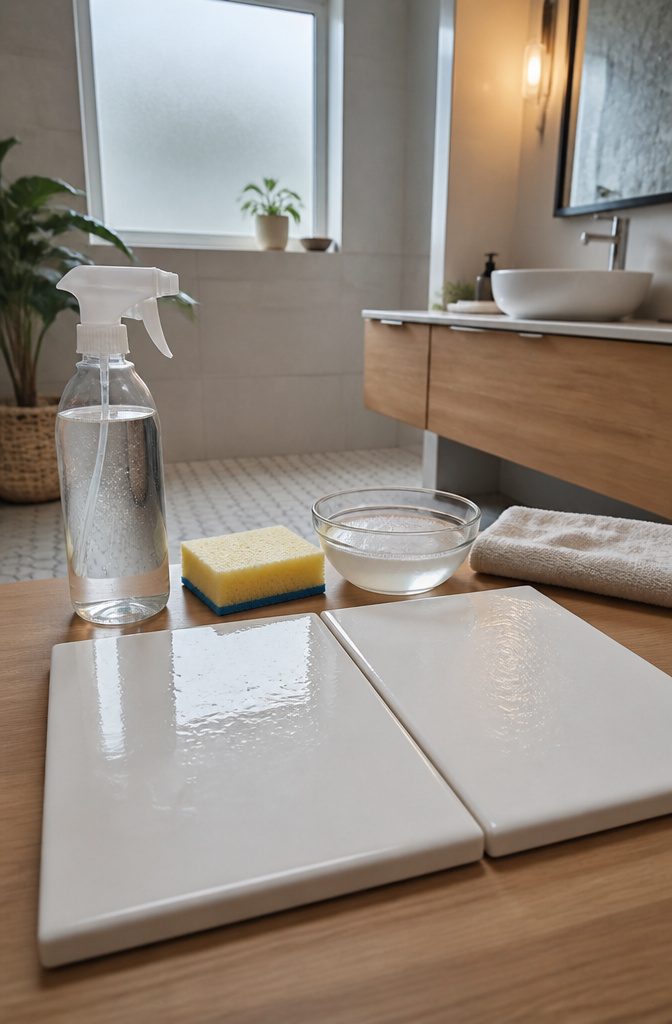
Any paint job lives or dies at the prep stage, and bathroom tile is no exception. Degrease every surface with a dedicated cleaner or a mix of dish soap and vinegar, then rinse thoroughly and let it dry. Skip this and you are painting over soap scum and oils that will let the new coating lift within weeks. I have watched enough weekend projects go sideways to know that "clean enough" is not clean enough here. The sources that get results all hammer the same point: this step is non-negotiable. Grease and residue left behind create a barrier between the tile and whatever primer or paint follows, so the bond fails where you need it most. Give the grout lines the same attention; they collect more buildup than the glazed surface and are easier to miss.
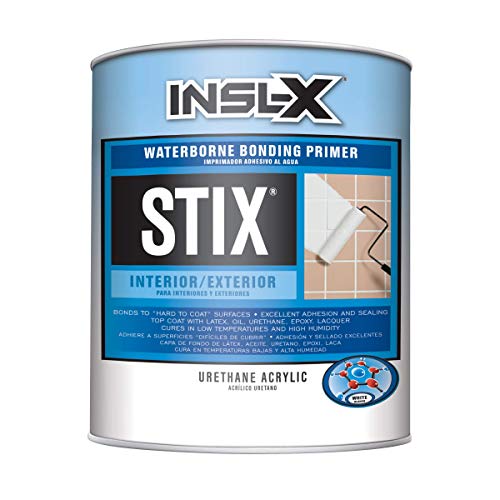
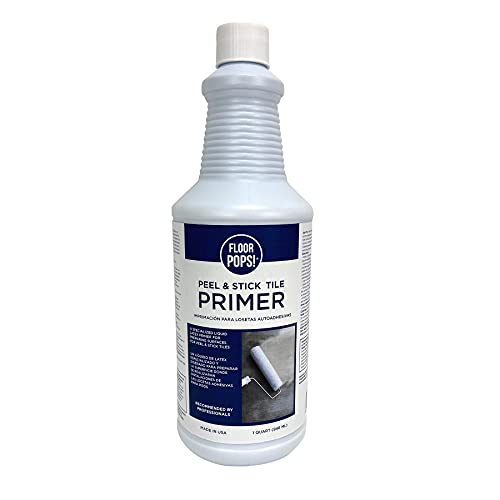
Premium-quality, acrylic-urethane bonding primer-sealer with unparalleled adhesion to the most challenging surfaces, including glossy tile, PVC, vinyl, plastic, glass, glazed block, glossy paint, pre-coated siding, fiberglass, and galvanized metals.
A specialized liquid latex primer designed for a wide range of uses in floor covering installations

Premium-quality, acrylic-urethane bonding primer-sealer with unparalleled adhesion to the most challenging surfaces, including glossy tile, PVC, vinyl, plastic, glass, glazed block, glossy paint, pre-coated siding, fiberglass, and galvanized metals.
Repair Damage
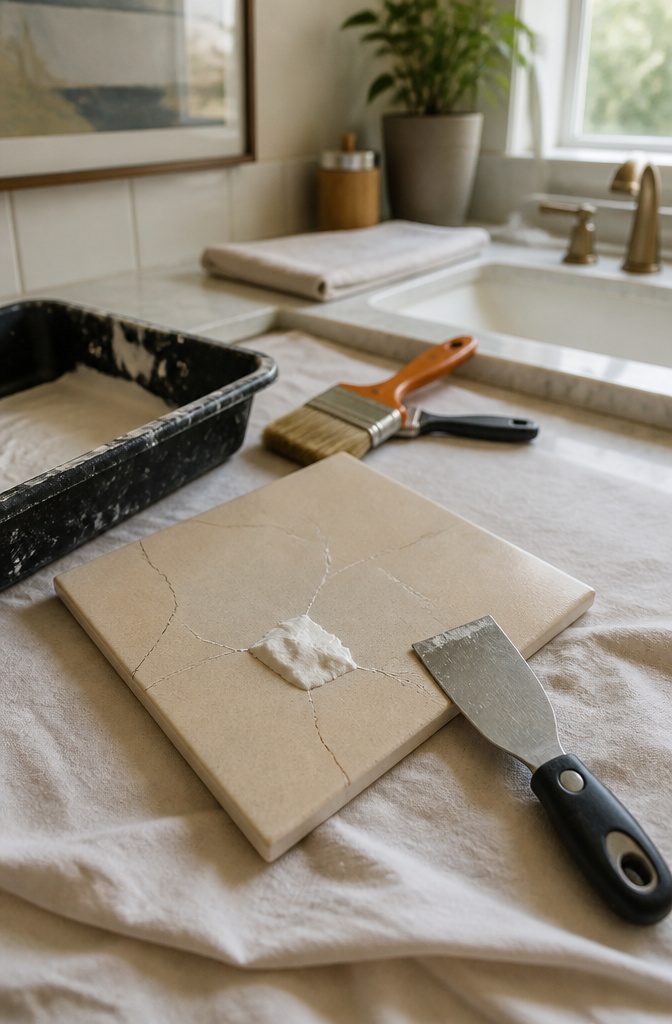
Tiny cracks and chips will wreck a painted finish if you skip them. Water sneaks in, the surface flexes, and your new coat peels in sheets. Fill hairline cracks with paintable caulk, and use waterproof spackle on anything bigger. A putty knife presses the spackle flush so the patch disappears. Let it dry completely before you touch sandpaper or primer; paint traps moisture and turns a small repair into a bubbling mess. Grout that is crumbling needs the same patience, dig it out with a grout saw and replace it, then wait for the cure time on the label. Rushing this step costs you a redo in six months, and nobody has weekend for that.

TUB & TILE REFINISHING KIT: Renews ceramic tile, porcelain, fiberglass, acrylic, cast iron, and steel tubs and sinks without costly replacement.

Wide Application - This touch up paint pen adheres to a wide range of surfaces, including tile, tub, bathtub, sink, enamel, porcelain and refrigerators. It allows you to easily repair scratches, stains, chips, spots, yellowing, and other surface paint imperfections

TUB & TILE REFINISHING: Renews the appearance of tubs, sinks, showers, and ceramic tile with a smooth, glossy finish.
Sand the Surface
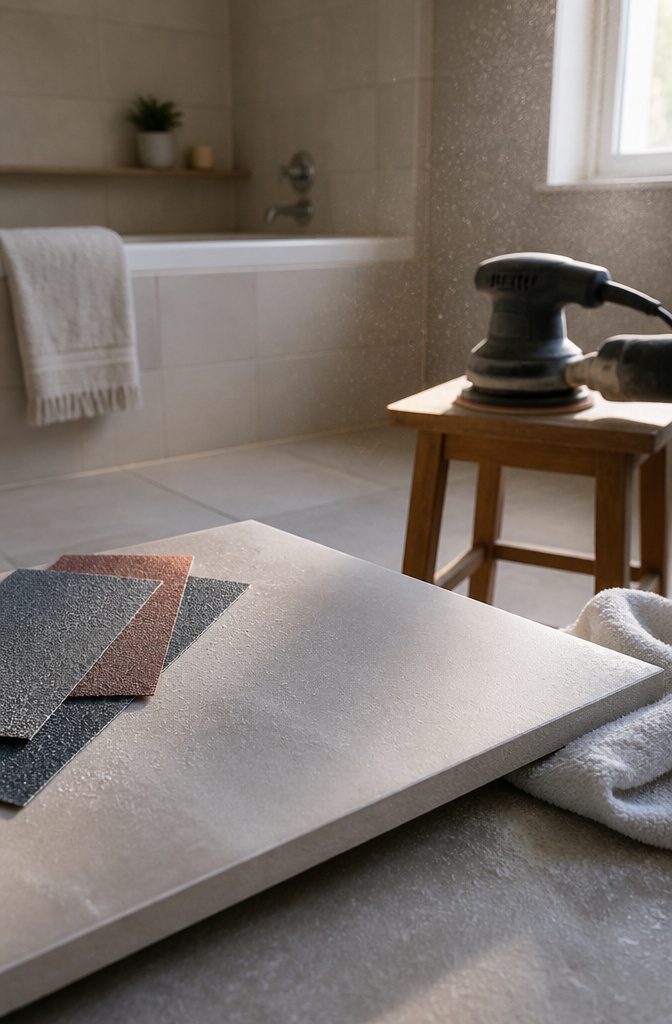
Ceramic tile needs a rough, non-shiny surface before it will accept paint, and sanding is what gets you there. A chemical deglosser will not do the trick on tile surfaces, so this step is non-negotiable.
I start with 120-grit sandpaper to scuff the glaze, then move to 220-grit for a final pass. The goal is not to remove the glaze entirely, just to break the shine and give the primer something to bite into. An electric mouse sander speeds this up considerably, especially in corners where the angled head helps. Work the whole surface, grout lines included, and keep the dust contained so it does not migrate into other rooms.
Older ceramic tile can contain lead, so testing first is worth the few dollars. Wear a mask and eye protection regardless, and sand by hand near fixtures where the power tool will not reach. Once the surface feels uniformly dull, wipe it down with a damp rag to remove every trace of dust. Let it dry completely before you even think about opening the primer.

Kitchen backsplash wallpaper: 🍀Size 17.7x79 Inch, white brick subway tile contact paper peel and stick, oil proof, straight match, lined up perfectly.Brick tile size: 2*6 Inch(5.5x15cm)

【Fast-Drying Wall Repair Formula】This wall mending paste typically dries completely within 4 hours (depending on humidity and temperature). It offers strong adhesion, quick drying, crack resistance, and water resistance, leaving your wall smoother and better protected against moisture.
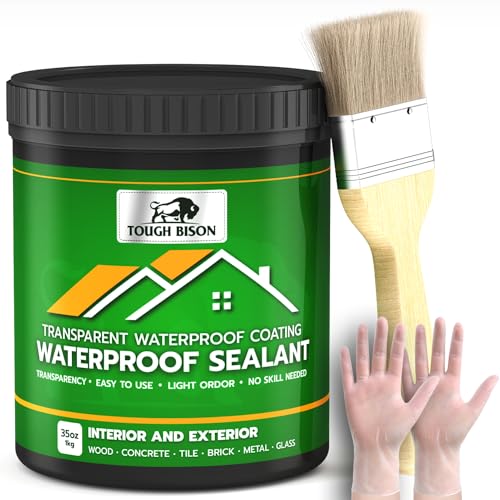
Clear Waterproof Sealer and Coating - Seals cracks, joints, and leaks on roofs, walls, windows, gutters, and balconies. Dries to a transparent, flexible waterproofing membrane that keeps rain and moisture out, indoors and outdoors.
Apply Primer
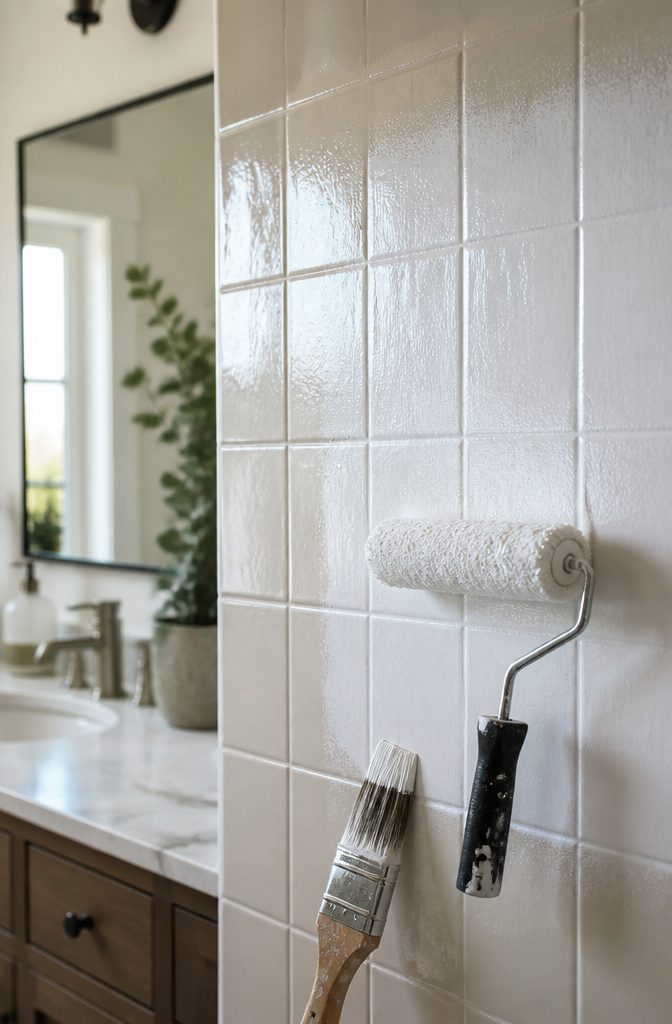
A high-adhesion bonding primer is the step that separates a finish that lasts from one that peels in six months. I have seen too many weekend projects fail because someone skipped straight to paint on slick ceramic or porcelain, and the topcoat never had a chance to grip.
Zinsser Bullseye 1-2-3 is the primer most often named for this job, specifically because its adhesion holds on glossy, non-porous surfaces where standard primers slide right off. Apply it with a roller on larger field tiles and switch to a brush for smaller formats or detailed edges. The coat should go on thin and even, not loaded up to hide the glaze underneath.
Let the primer dry fully according to the manufacturer’s timing, not by touch alone. Trapped moisture under a rushed second coat is a common cause of later peeling, especially in a bathroom where humidity already works against you. If you are unsure whether the surface is ready, wait longer. The paint day can always move; the repair day is the one that costs you twice.

Scrubbing Bubbles Mega Shower Foamer Spray is a foaming, grime-busting shower cleaner that works on your tiles, tubs, and shower doors
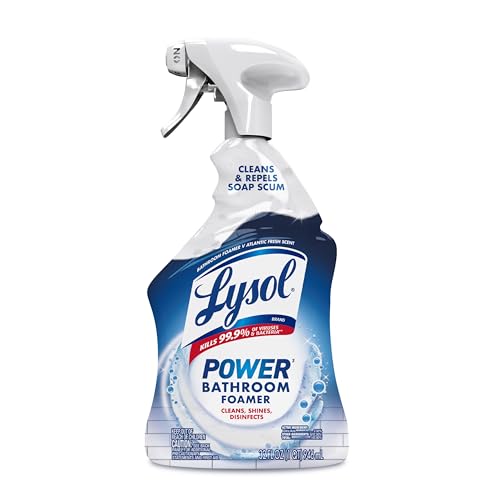
BATHROOM SPRAY: Add the power of Lysol to your bathroom cleaning supplies with our Power Bathroom Foamer; eliminates soap scum, limescale and everyday dirt and grime with no scrubbing; leaves your bathroom clean, brighter, and smelling Atlantic Fresh

What You'll Get: One 32oz spray bottle of Scrubbing Bubbles Citrus Bathroom Grime Fighter. Bottle Made from 100% recycled content (excluding dye, trigger, and label)
Paint the Tiles
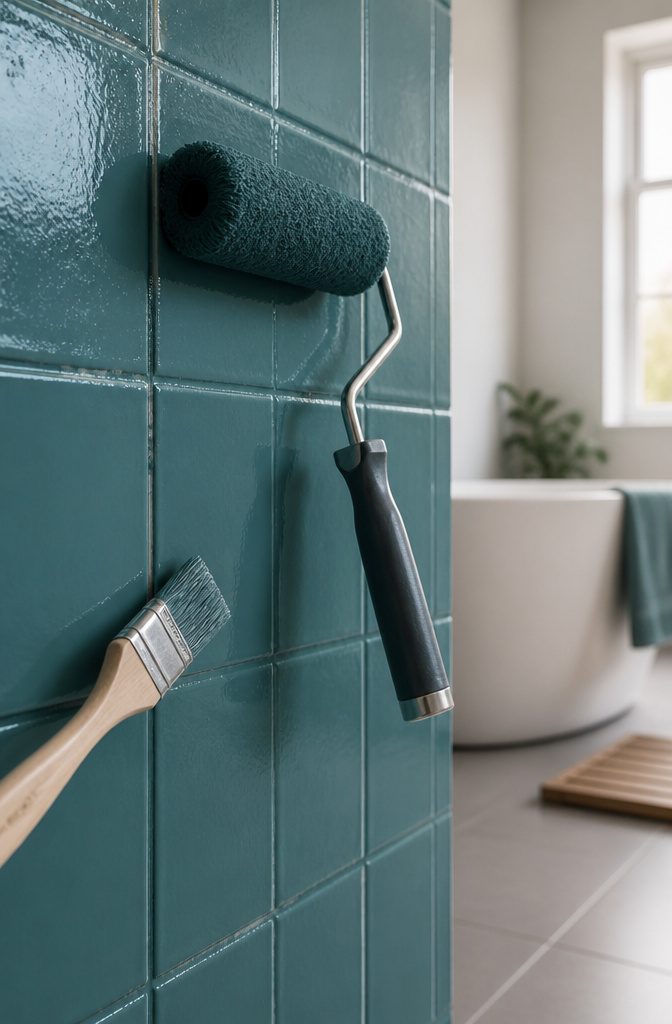
The right paint makes or breaks this job. I use either epoxy or acrylic latex formulated for tile, never wall paint, because glazed ceramic gives ordinary paint nothing to grip. Sherwin-Williams Emerald Interior Acrylic Latex is the one I reach for: it bonds hard and holds up against steam without turning soft.
Two coats is the minimum, three is safer. Each layer needs 12 to 24 hours of dry time before the next goes on, so a weekend project stretches across several days whether you like it or not. I brush the corners and edges first, then roll the broad faces thin and even. Rushing the recoat traps moisture underneath, and that is when peeling starts six months later.
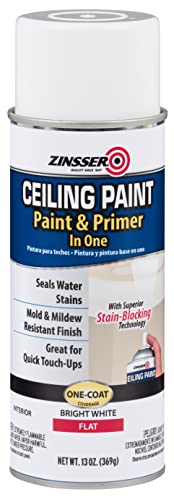
Ceiling spray paint blocks stains and primes interior surfaces for quick touch ups

SMALL CHIP & SCRATCH REPAIR: Repairs minor chips, scratches, dents, and defects on tubs, sinks, toilets, and tile; not for refinishing an entire surface.

【TUB & TILE REFINISHING KIT】 Our tub and tile paint boasts an advanced acrylic formula designed for durability and longevity. The high-quality acrylic resin ensures a strong, resistant finish that combats flaking and wear, providing a lasting transformation for your tiles. This tub and tile paint is engineered to deliver professional-looking results.
Seal the Surface
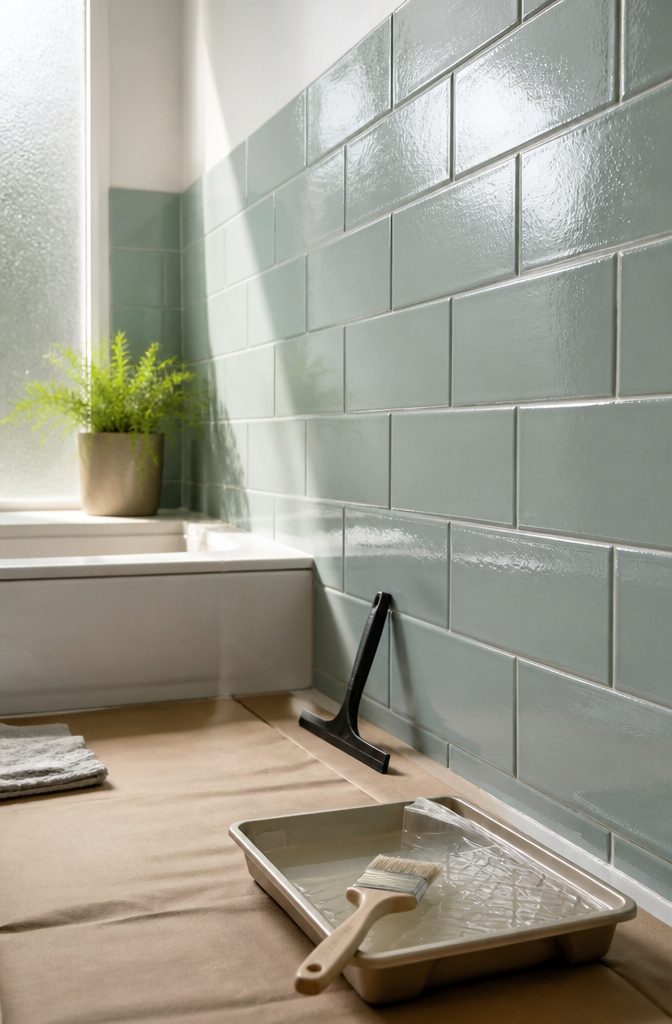
A clear sealer is what keeps painted bathroom tile from failing fast in a steamy room. After the final coat of paint is fully dry, brush or roll on a water-based polyurethane in a thin, even layer. Two coats give the best shield against daily moisture and the wear of bare feet.
The 48-hour cure matters as much as the sealer itself. Run your exhaust fan or a dehumidifier the whole time; ambient humidity settling on fresh sealer is the fastest route to bubbling and peeling. Do not subject the tile to any moisture or steam before that window closes.
Some painted tile, especially porch paint on floors, holds up without a topcoat at all. The upside of skipping it: easier touch-ups years later, no sanding through polyurethane to fix a single scratched tile. The downside: less armor against daily abuse. For walls and shower-adjacent surfaces, though, I would seal every time. The small extra effort buys insurance you will not regret when the bathroom mirror fogs over every morning.

STEP 1 SURFACE PREP — NOT A PAINT OR COATING: EZ-Etch is a liquid etching solution used before refinishing. It does not change your tub or tile's color or finish and won't resurface on its own — a Bathworks refinishing kit (sold separately) is required to complete the job.

Exterior/interior use, great for galvanized steel, wrought iron, railings, furniture, laminate, PVC, porcelain, masonry, glazed brick and more

REPAIR CHIPS, CRACKS & SMALL HOLES: Our tile repair kit fills chips, minor cracks, pits, small holes and chipped edges on ceramic and porcelain tile, helping rebuild missing material without replacing the whole tile
Curing Time
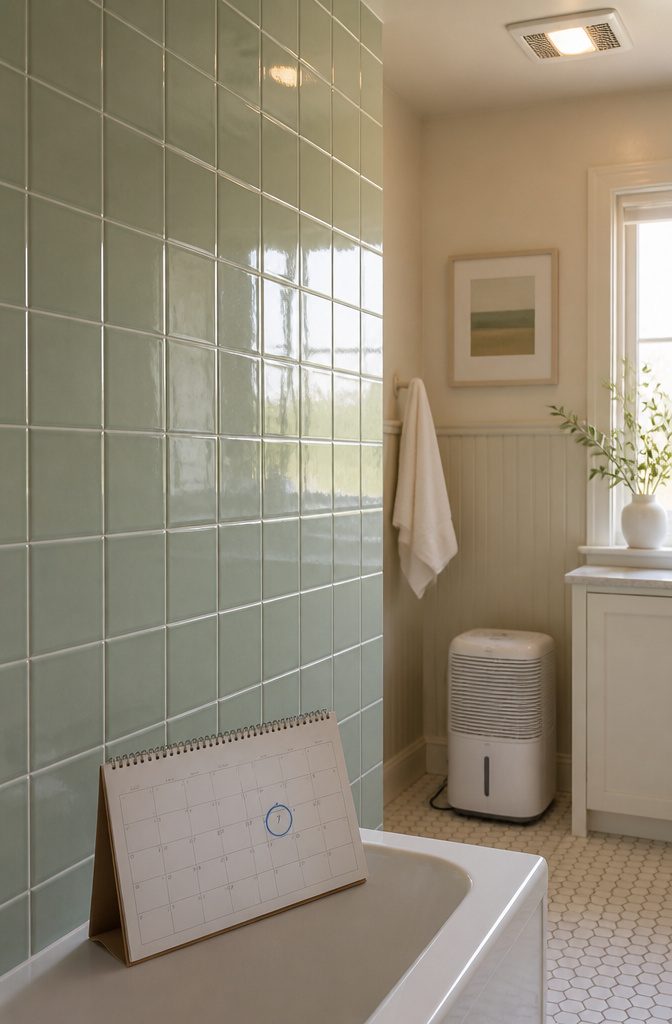
Painted tile feels dry to the touch long before it is ready for water. Most urethane-fortified formulas set up in about an hour, and you can recoat after four, but that surface hardness is not the same as a full cure. Wait seven days before running water, and mark the calendar for up to thirty days before the coating reaches its full strength. I have seen the same timeline from every specialist system I looked at: dry-to-touch is a day, light use on walls is two days, floors need three, and steam stays off-limits until the cure is complete. A fan on low and a dehumidifier will speed the wait, though nothing erases it. If you share the bathroom, warn your housemates early; the inconvenience is real, but so is the cost of peeling paint six months later.
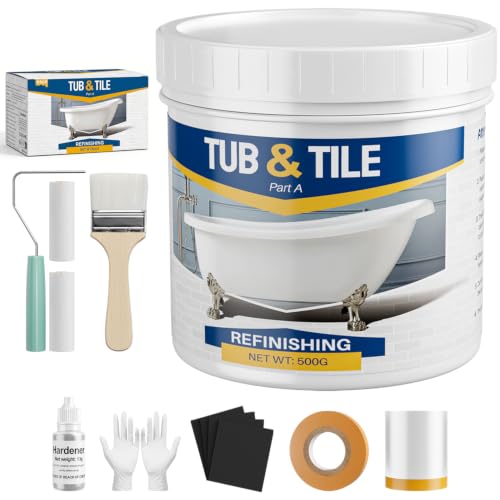
All-Inclusive Complete Bath Tub Paint Kit: This 17.6oz/500g bath tub refinishing kit includes everything needed – Component A tile paint, component B Hardener, brush, rollers, sandpaper, tape, film, gloves, and manual. No extra tools required. Whether you're a DIYer or a pro, this tub and tile paint set handles residential or commercial bathroom renovations easily, giving old fixtures a fresh, updated look without hassle

LONG-LASTING SOLUTION FOR BATHROOM & KITCHEN – Refresh wall and floor tiles with a durable epoxy paint designed for bathrooms, kitchens, showers, and high-use areas. Ideal bathroom tile paint for ceramic tile paint applications, shower tile paint updates, and bathroom tile cover up projects. Creates a hard-wearing, waterproof surface for reliable everyday performance

TUB & TILE REFINISHING KIT: Renews ceramic tile, porcelain, fiberglass, acrylic, cast iron, and steel tubs and sinks without costly replacement.
Epoxy, Acrylic Latex, and Specialty Paint
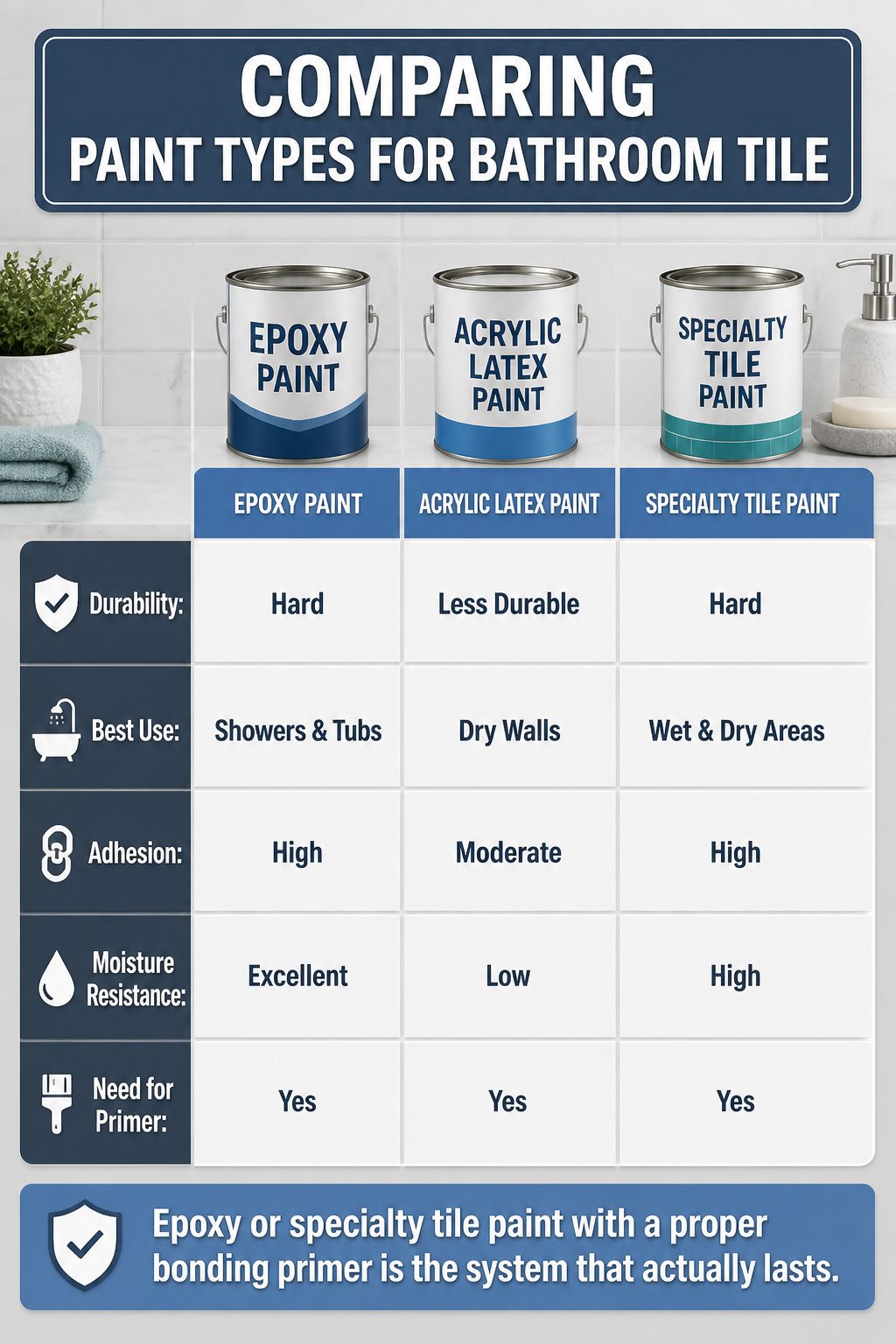
Not every paint belongs in a bathroom. I have watched epoxy kits hold up for years on shower walls, while standard latex peels within months where the humidity sits heavy.
- Epoxy paint dries harder than latex and resists heat and everyday wear, so it is the right choice for showers and tub surrounds.
- Acrylic latex paint works on ceramic and porcelain tile, though it is less durable and better suited for walls that stay relatively dry.
- Specialty tile paint is formulated for glazed surfaces and gives better adhesion than general-purpose options.
- Latex paint only belongs in low-moisture areas like a powder room with no tub.
- Bonding primer is non-negotiable on glossy tile; without it, the finish will bubble and peel as moisture works underneath.
Epoxy or specialty tile paint with a proper bonding primer is the system that actually lasts.
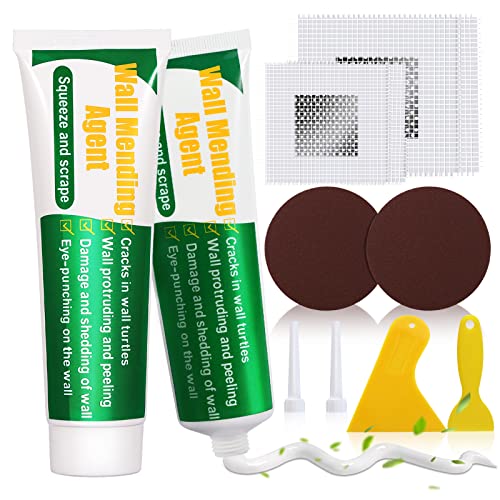
【COMPLETE REPAIR KIT】Our Drywall Repair Kit has 2 * 100g wall repair paste, 2 * scraper, 2 * nozzle extenders, 2 * 4 inch sandpaper, 2 * 2 inch wall repair patch, 2 * 4 inch wall repair patch.

PREMIUM WALL REPAIR PASTE – Our 10.6oz wall repair paste adopts a non-toxic low-odor waterproof formula with strong adhesion and low shrinkage. Perfectly covers nail holes, cracks, and wall blemishes for invisible long-term DIY wall restoration. High-density paste prevents alkalization and protects walls for years.

Waterproof patch & seal rubberized sealant paste is a sticky, pliable, water-based rubberized sealant paste. The waterproofing paste adheres to multiple surfaces and the waterproof coating cures to form a dense, pliable, impermeable, rubberized coating that insulates against air, water and moisture. Multiple thin coats of waterproof paste overlap to form a permanent bond. Invisible waterproof sealant paste prevents leakage and protects items while achieving aesthetic results.
Painted Tile vs New Tile
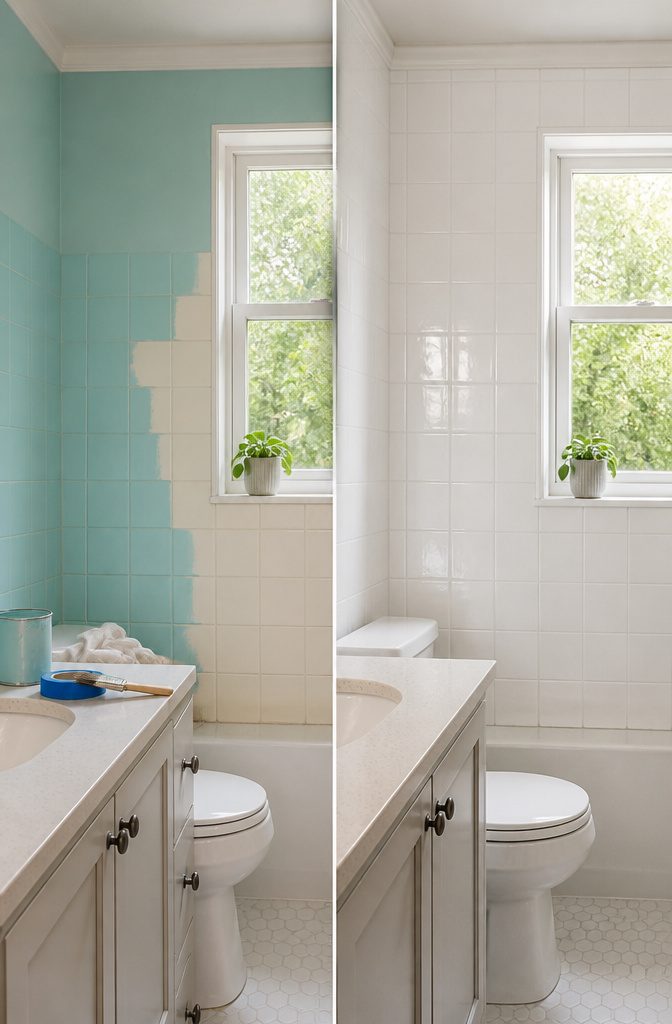
A painted bathroom wall looks fresh on day one, but the real question is what it costs you over time. New tile lasts decades. Painted tile gives you 1–3 years on floors and 3–5 on walls before scuffs and chips need touching up, especially in a steamy shower.
Cost tells the same story. DIY painting runs about $120–$250, or $600–$1,200 if you hire it out. Retiling the same space starts around $1,200 and can climb past $3,000 before labor even enters the picture.
| Painted Tile | New Tile | |
|---|---|---|
| Lifespan | 1–5 years | Decades |
| DIY cost | $120–$250 | $1,200–$3,000 |
| Hired cost | $600–$1,200 | Higher |
| Maintenance | Regular touch-ups | Minimal |
I have painted tile in a powder room that sees almost no water, and it still looks fine after three years. My shower, though, would have been a mistake. The maintenance is not dramatic, just persistent, a weekend of touch-ups every couple of years versus forgetting it exists.

DEEP CLEANING ACTION: The Pink Stuff Bathroom Foam Cleaner is specially formulated to tackle tough bathroom stains and grime, leaving your bathroom surfaces sparkling clean with minimal effort

A powerful, fresh clean for your bathroom - simply spray and wipe clean

Contains (1) 28oz spray bottle of foaming bathroom cleaner.
What Moisture Does to the Finish
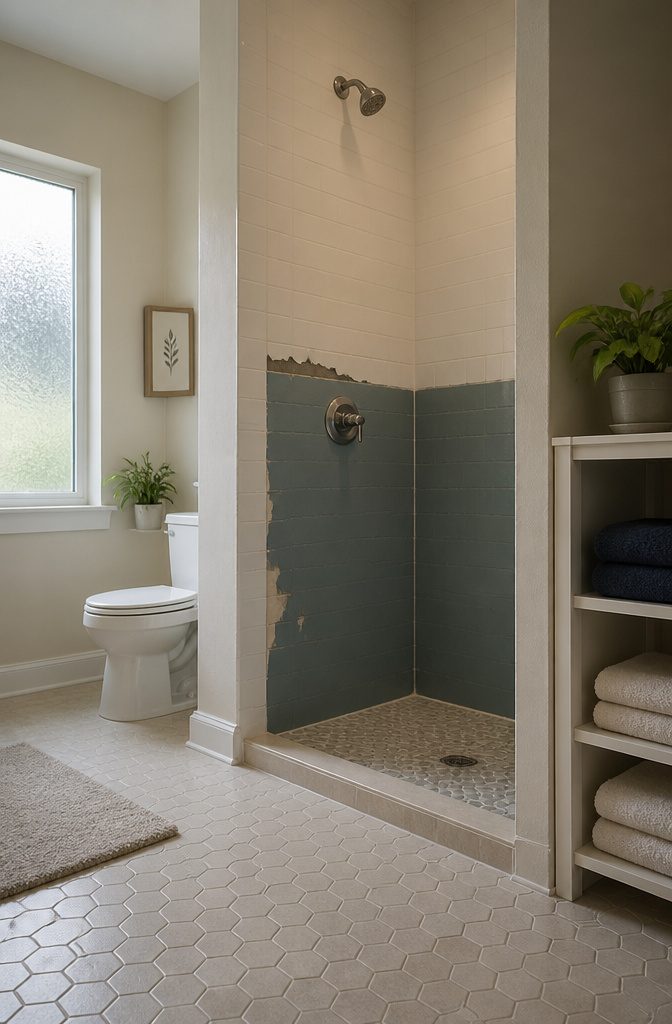
Bathrooms punish painted surfaces harder than almost any other room in the house. The constant cycle of steam, condensation, and splashing water works its way into every microscopic gap between paint and tile, which is why acrylic latex or epoxy paint isn’t optional here. Standard wall paint will bubble and peel within months.
The real danger zone is anywhere water hits directly. Painted tiles inside an actual shower enclosure face the worst odds, and even the best prep and primer can’t fully escape that reality. Most painted showers need touch-ups every couple of years, sometimes sooner if the ventilation is poor.
A clear sealer helps, but only if the paint underneath is fully cured. Water-based polyurethane in satin or gloss adds protection without the yellowing risk of oil-based formulas. Thin coats matter here, rolled on carefully so sealer doesn’t pool in grout lines and create weak spots.
I’ve watched enough weekend projects turn sour to know that skipping the sealer is where optimism meets regret. The paint might look fine for a season, then the peeling starts at the edges and works inward faster than you’d think.
How Long It Really Lasts
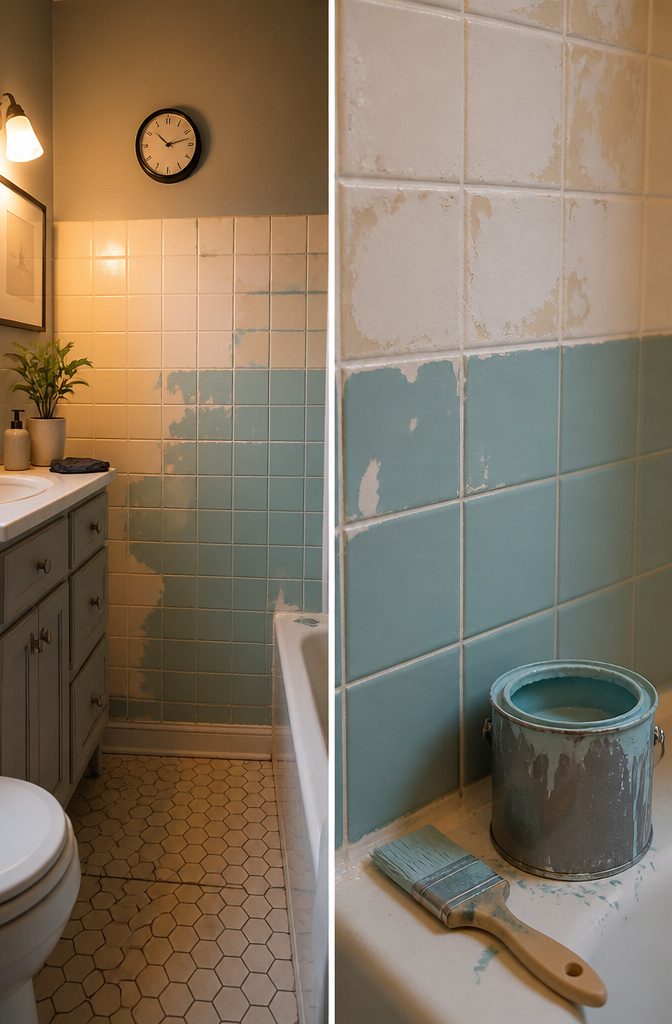
Painted bathroom tile lasts 3 to 5 years on walls and closer to 1 to 3 years on floors before the wear becomes obvious. I have looked at enough project blogs to know this is the honest range, not a worst-case scenario.
Floors take the hit from foot traffic, grit, and the weight of dropped bottles. Walls mainly face humidity and the occasional bump from a towel bar, so the finish holds up longer. Either way, high-traffic and high-moisture spots need touch-ups every couple of years to keep them from looking tired.
That timeline is not a failure of technique. It is simply what paint on glazed ceramic can do. For a renter or someone saving up for a full retile, those few years of fresh color are often enough. The key is going in with that expectation rather than hoping for a maintenance-free decade.
Painting Over Already-Painted Tile
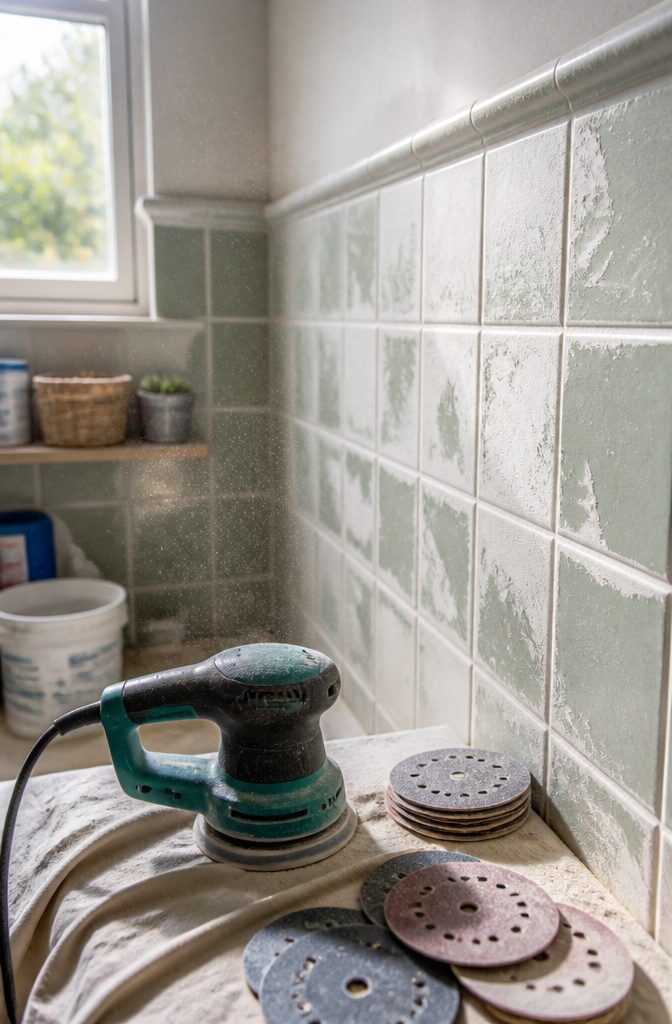
If the tile you’re staring at already has paint on it, the job changes. You can absolutely paint over it, but the surface needs more than a quick wipe. Scuff-sand the old finish until it dulls, then prime and test adhesion in a corner before committing the whole wall. I would not skip that test; paint on paint loves to flake where steam lingers.
Sanding follows the same logic as raw ceramic: you’re after a rough, non-shiny surface the new coat can grip. An 80-grit paper handles any built-up residue, then move to 120 and finish with 220 for an even scratch pattern. Wear a mask and eye protection, and keep the dust contained; older tile can hold lead, so treat the debris carefully. A handheld electric sander saves your wrist and reaches corners better than a block of sandpaper.
The primer matters more here than on virgin tile. The old paint layer is now your substrate, and not all finishes accept new paint well. After the scuff-sand, wipe down the residue, lay on a bonding primer meant for glossy surfaces, and let your test patch cure fully before you decide the prep is done.
Shower Walls and Floors
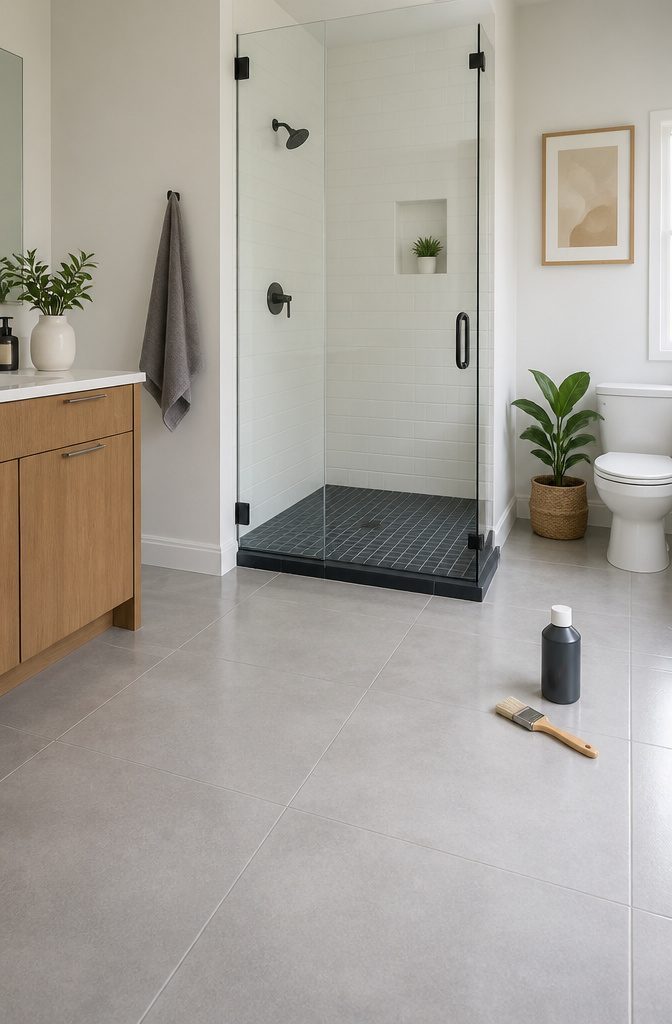
Painting shower walls and floors is possible, but the finish fails faster there than anywhere else in the bathroom. Five separate guides agree on this: constant water exposure, steam, and temperature swings work against the coating over time. Epoxy paint holds up better than standard latex in these conditions, yet even epoxy does not remove the risk entirely. It buys you time, not immunity.
If your shower sees daily use, the math rarely works in your favor. Walls that stay wet for hours at a stretch will eventually show peeling or discoloration at the edges. Floors add abrasion to the moisture problem, and painted surfaces run slicker than factory tile, which matters if you have kids or anyone unsteady on their feet. Epoxy helps, but it does not make a shower wall or floor a low-risk project. I would paint a shower only if it were used rarely or if I planned a full renovation within a couple of years, and even then I would expect to patch spots.
Frequently Asked Questions
Can you paint bathroom tile in a shower?
You can, but the finish fails faster there than anywhere else in the bathroom. Constant water exposure, steam, and temperature swings work against the coating. Epoxy paint holds up better than standard latex, yet even epoxy only buys time rather than removing the risk entirely. Most painted showers need touch-ups every couple of years, and the math rarely works in your favor if the shower sees daily use.
How long does painted bathroom tile last?
Painted bathroom tile lasts 3 to 5 years on walls and closer to 1 to 3 years on floors before wear becomes obvious. Floors take the hit from foot traffic, grit, and dropped objects, while walls mainly face humidity and occasional bumps. That timeline is simply what paint on glazed ceramic can do, not a failure of technique.
Can you paint over tile that’s already painted?
Yes, but scuff-sand the old finish until it dulls, then prime and test adhesion in a corner before committing the whole wall. Sand with 80-grit paper to handle built-up residue, then move to 120 and finish with 220 for an even scratch pattern. The primer matters more here than on virgin tile because the old paint layer is now your substrate.
Is painting bathroom tiles a good idea?
It works as a cost-effective stopgap when you need fresh color without the $1,200–$3,000 material cost of retiling, or the $2,500–$7,000 hit of hiring that out. DIY painting runs about $120–$250, or $600–$1,200 with a pro. The catch is that painted tile lasts 1–5 years, not decades, and demands more prep than most weekend projects. Save up for re-tile if you need something to hold for a decade.