
Chain link fence cost breaks down into five key drivers. Height and length matter most because they multiply your expenses fast.
Then there’s wire gauge and coating: thicker wire costs more, and vinyl coating pushes prices up compared to galvanized steel.
Posts, gates, and hidden hardware add significant costs that often surprise homeowners.
Finally, site prep and labor can actually double your budget, especially on tricky terrain or uneven ground.
Each factor has a measurable impact on your final bill.
Start With Your Total Cost Range and Per-Foot Baseline
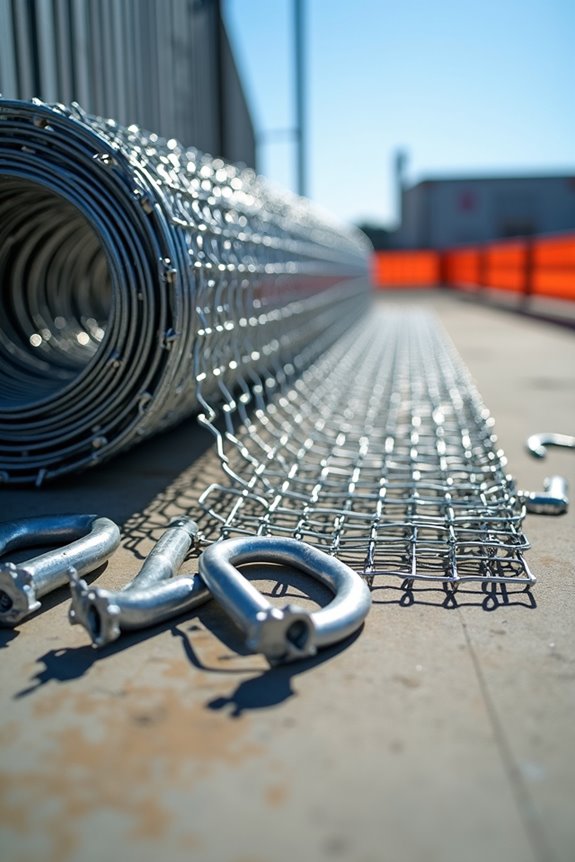
When you’re starting to price out a chain link fence, the first thing I’d recommend is getting a solid grip on what you’re actually looking at spending. Most residential projects run $1,200–$4,500 total, though that breaks down to roughly $11–$29 per linear foot installed. I find it helpful to split this into two parts: materials typically cost $4–$15 per foot, while labor runs $5–$25 per foot. Your per-foot baseline shifts based on height, gauge, and coating choices. Site conditions significantly affect the final cost. A straightforward installation costs less than one with tricky terrain. Once you nail down your total cost range, you’ve got a framework for making decisions about what features matter most to you.


【Chain Link Fence Gate】This outdoor garden fence gate is crafted for diverse environments such as yards, gardens, and driveways, enhancing your property's appearance while offering practicality and functionality. It includes complete installation accessories and is perfect for yards, gardens, and animal, boasting all-weather durability and versatile outdoor application.
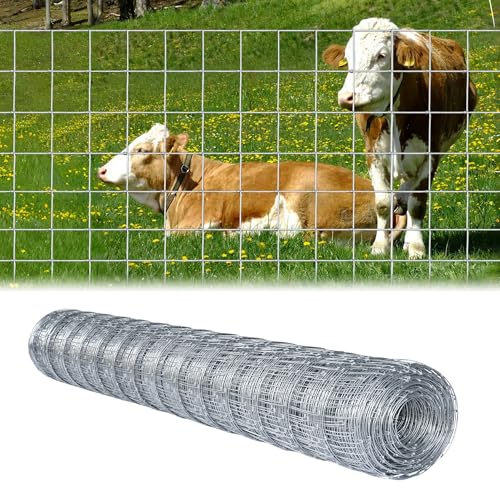
New High- density Fence: Goat fence is woven with high-quality hot-dip galvanized steel wire, and the surface is hot-dip galvanized. The wire mesh has good hardness, is strong and durable, and the farm fence also has good formability and flexibility. If you are willing to buy high-end products, this goat fence is your best choice,
Height and Length Drive the Biggest Price Swings
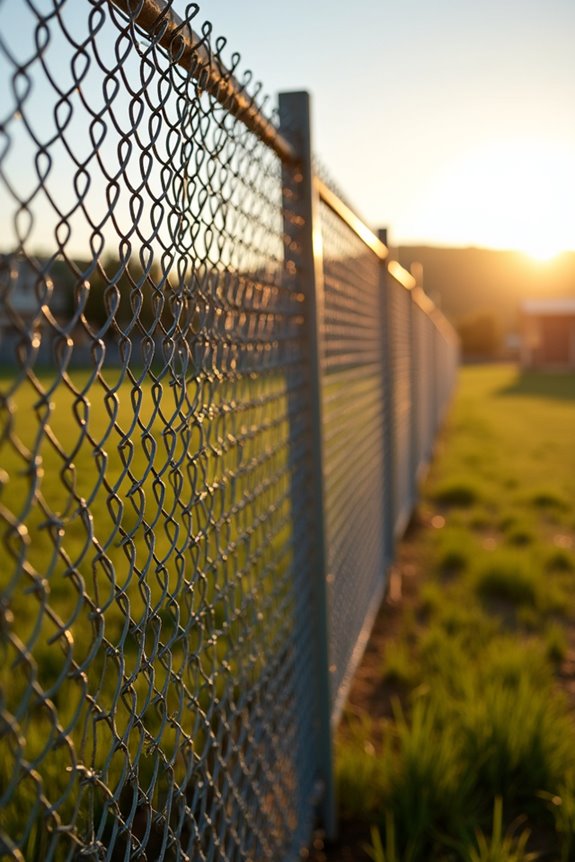
Once you’ve got your baseline budget locked in, height and length are your biggest cost drivers. These two factors directly impact both your material costs and labor costs.
Taller fences demand more materials and extra posts, driving up that per linear foot price significantly. Longer runs multiply those expenses across the entire project. Materials and labor split the costs roughly 50/50, so a taller, longer fence amplifies both categories.
Installed cost swings range from $8–$40+ per linear foot depending on your fence height. A 150-foot run at 6 feet tall might range anywhere from $1,500 to $4,350. Your specific chain link fence costs hinge heavily on these dimensions.

☆【Length and Thickness】: Our aluminum fence ties is 3mm(11 gauge) in diameter and 10.5" in length, thicker and longer than other fence wire on the market, while bend and shape easily without any tools.

Ample Supply: the package includes 200 chain link fence wire ties, offering an abundant supply for large projects or multiple uses; This generous quantity ensures you are well-equipped to handle extensive fencing needs without frequent replenishment

Chain Link Fence Ties Material: constructed from durable 9 gauge galvanized steel, these chain link fence ties resist rust and corrosion even in harsh outdoor conditions ideal for securing chain link mesh
Wire Gauge and Coating Type Affect Material Costs
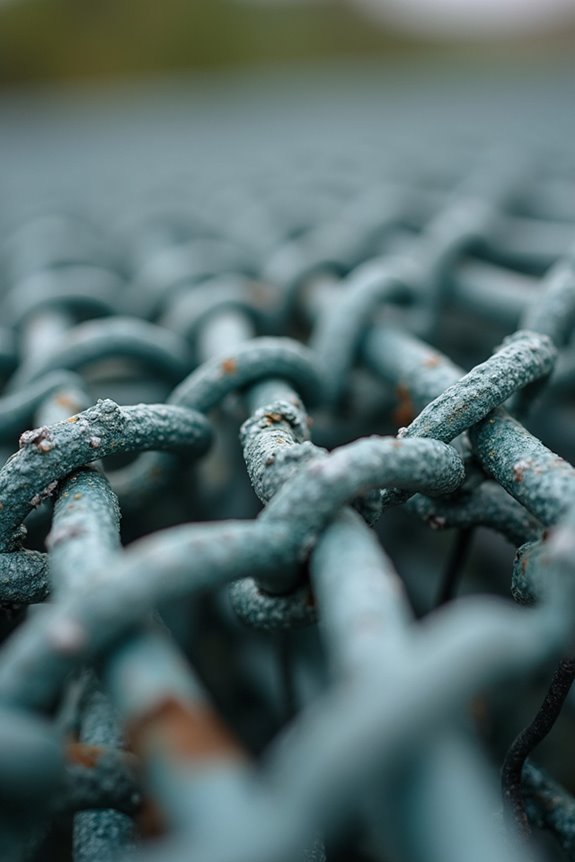
Higher gauge numbers mean thinner, cheaper wire but less durability. Lower numbers indicate thicker wire with better strength, though at steeper costs.
Coating type significantly affects pricing. Galvanized steel ranges $11–$22/ft, while vinyl-coated steel climbs to $15–$29/ft. The vinyl coating extends your fence’s lifespan considerably, providing long-term value that justifies the higher upfront price per foot.

Versatile Size Options: Available in three height options—4ft, 5ft, and 6ft—each with a 50ft length. Designed for hassle-free installation, it easily rolls out without requiring special skills. It can also be cut or combined to achieve any custom length you need.

Sturdy Construction: Built to withstand harsh weather conditions, this chain link fence wire netting is crafted from 9-gauge black vinyl-coated galvanized steel, providing exceptional rust resistance and long-lasting durability. The design minimizes sharp edges or burrs, ensuring a sturdy and weather-resistant construction ideal for extended use.
Sturdy Construction: Built to withstand harsh weather conditions, this chain link fence wire netting is crafted from 9-gauge black vinyl-coated galvanized steel, providing exceptional rust resistance and long-lasting durability. The design minimizes sharp edges or burrs, ensuring a sturdy and weather-resistant construction ideal for extended use.
Posts, Gates, and Hidden Hardware Add Up Fast
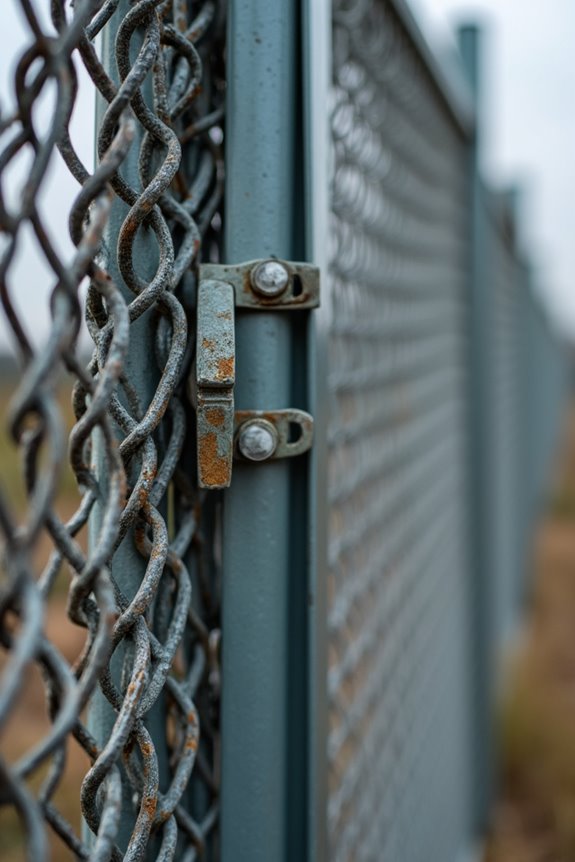
While wire gauge and coating type set the foundation for your material costs, the real budget surprises come from everything else holding that fence together: the posts, gates, and all those little connectors you don’t think about until you’re pricing out your project. Posts alone run $15–$35 each, and they need concrete footings for proper installation. Gates range from $70–$250 for basic swings to $1,500+ for larger options. Hidden fittings like tension bands, clamps, and connectors add significant costs to your total. These aren’t glamorous price drivers, but they absolutely impact your project total. Budget generously for hardware and labor because cutting costs here leads to structural problems and costly repairs later.
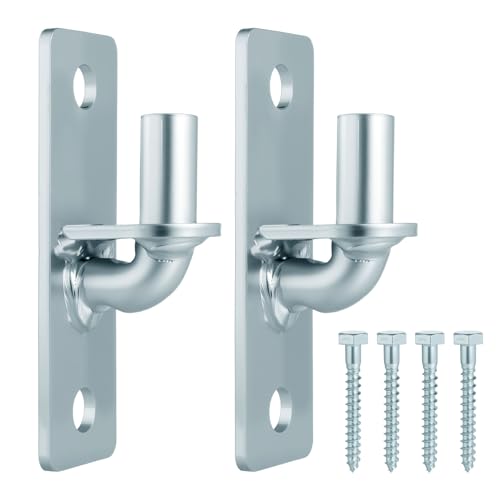
Premium Quality & Heavy Duty - Crafted from high-quality galvanized steel, the chain link gate hardware offer durability, rust resistance, and long-lasting performance for gates, barns, and fences

Gate hinges are made of anti- rusting galvanized steel with zinc powder, long lasting ensured
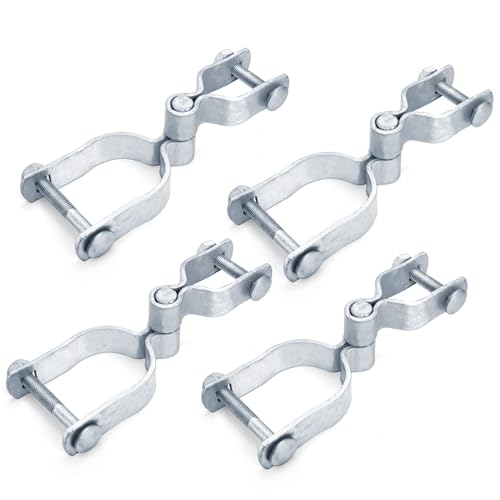
Package Includes: Including 4 pack 1-3/8" female gate hinge (for chain link gate frame size 1-3/8"), 4 pack 2-3/8" male gate hinge (for chain link gate post size 2-3/8"), nuts and bolts are included.
Site Prep, Labor, and Permits Often Double Your Budget
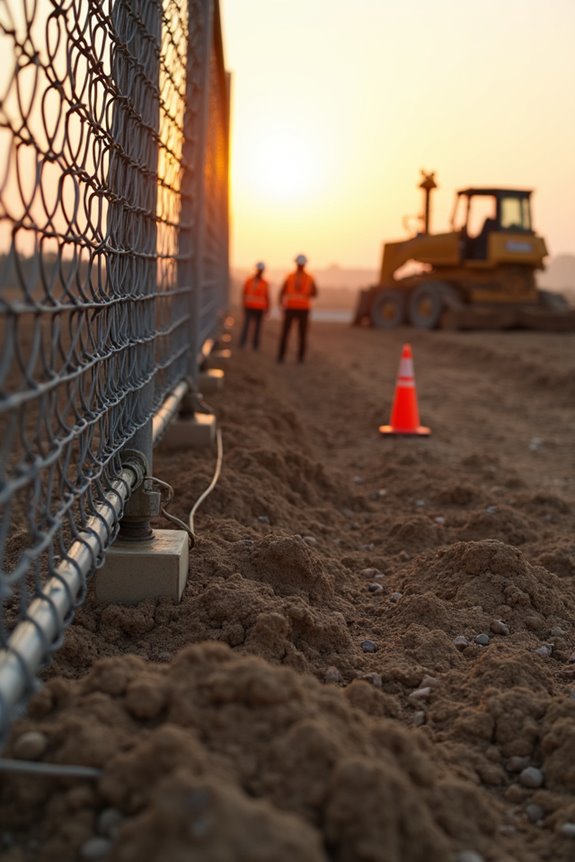
weather, terrain, and site obstacles push your per foot costs higher. Land surveying and concrete footings add up fast, especially on uneven properties. These cost factors often double your budget, which is why accounting for them upfront is essential.

Includes 10 tension bands with bolts & nuts

Heavy Duty Tension Band Bracket: Our galvanized tension band clamp is built for longevity, with a coating over galvanized steel material, clamps resist both rust and corrosion.
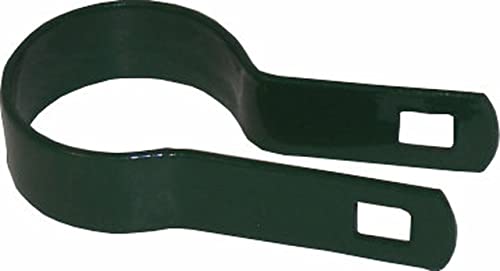
Heavy Duty Tension Band Bracket: Our black coated tension band clamp is built for longevity, with a coating over galvanized steel material, clamps resist both rust and corrosion.