

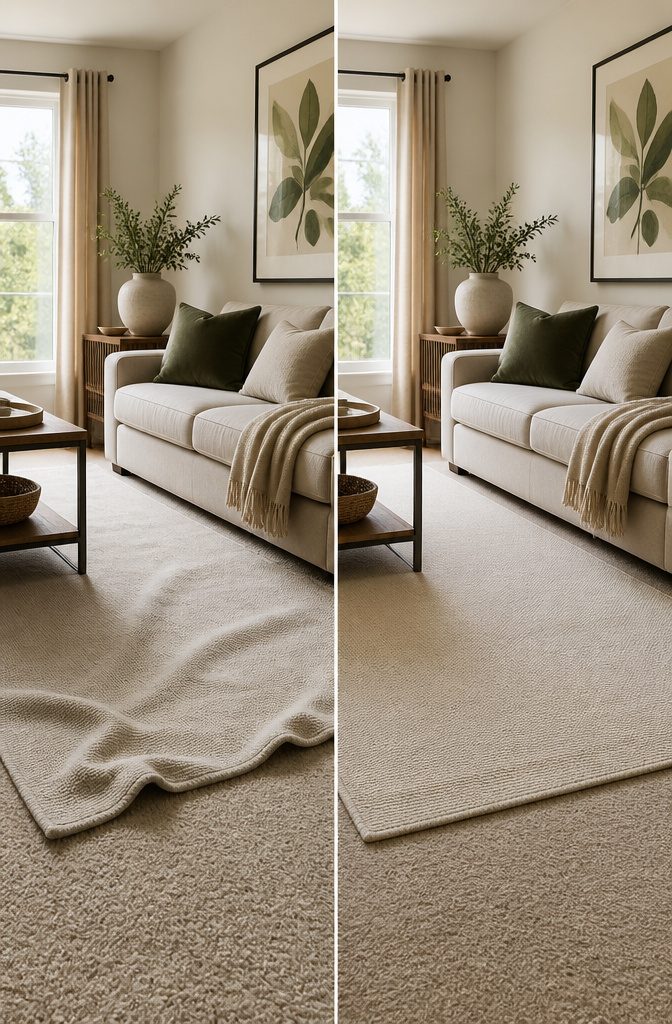
You can put a rug on carpet, but only if you choose the right contrast in pile height. A flatweave or low-pile rug over thick wall-to-wall stays crisp and stable, while two plush layers bunch and shift into a lumpy hazard. The 6×9 or 8×10 size most living rooms need to anchor sofa legs runs about a few hundred dollars and fits a weekend install, which is the budget and timeline this project usually gets.
1. Can You Put a Rug on Carpet
You can put a rug on carpet, and plenty of people do it for good reason. A layered rug adds warmth to a room that wall-to-wall carpet alone sometimes flattens out. It also defines spaces in open layouts where the carpet runs corner to corner without a break.
The practical side matters too. A rug over high-traffic zones protects the carpet underneath from wear and catches spills before they hit the pad. When the style underneath feels dated or the color is not yours, a rug buys you a new look without ripping anything up or waiting for a lease to end. Small updates like this are the kind that fit a weekend and a few hundred dollars, which is usually the budget the project actually gets.

SLIM 0.1 IN LOW-PILE DESIGN – MEASURE DOOR CLEARANCE: This is a flat, low-pile runner mat only 0.1 inch thick — NOT a thick plush rug. Please measure your door clearance before ordering; if under 0.1 in, the runner may catch the door. Best for hallways, kitchens, entryways, and under-door areas where a flat, easy-clean surface is needed

Designed to withstand everyday wear, this 3' 1 x 5' 3 Oval area rug is the perfect size for patios, decks, porches, and sunrooms, or anywhere you want to add a clean, defined look to your outdoor entertaining spaces.
2. Choose the Right Rug
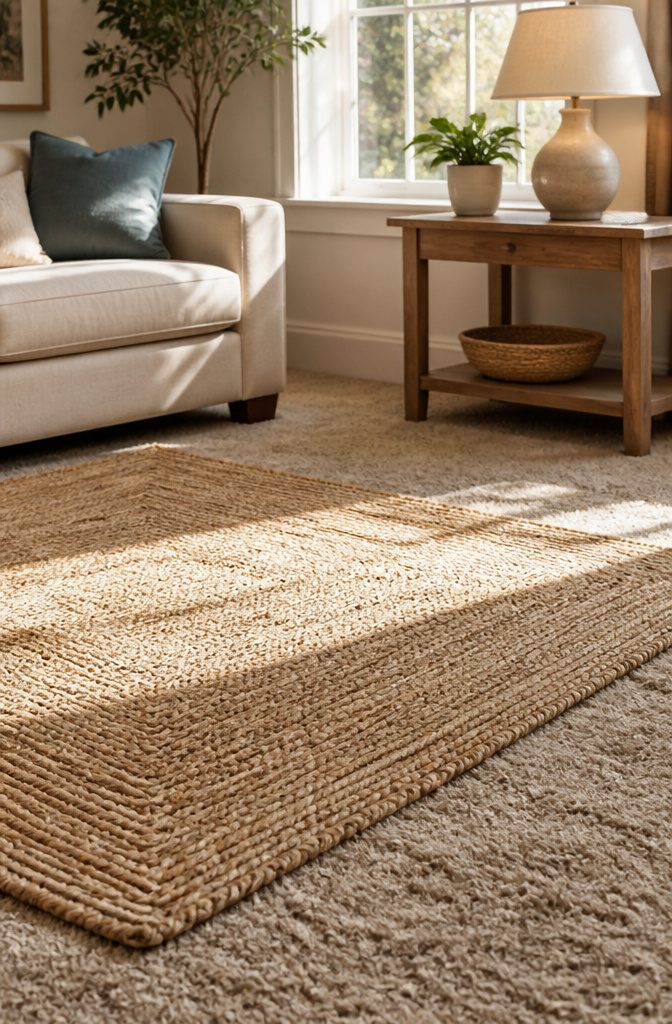
The rug you pick needs to fight the carpet underneath, not echo it. Flatweaves and low-pile rugs sit clean and stable over plush, high-pile wall-to-wall because the contrast in height keeps edges crisp and the floor from feeling mushy when you walk across it. Jute and sisal work especially well here; their dense, plant-fiber weave is heavy enough to stay put and adds a rougher texture that reads intentional against soft carpet. Low-pile or flatweave rugs are your safest bet over thick carpet. The opposite pairing, a thick shag rug over already-plush carpet, bunches and shifts and creates that unstable, lumpy surface you will not want to cross more than once. If your base carpet is low-pile or a tight loop like berber, you have more room to play, but over deep carpet, keep the top layer thin and flat.


Rug measures 22 x 60" (approximately 0.5" thick), made of durable 100% Jute, a shiny vegetable fiber spun into coarse threads.

[COLOR & DESIGN]: SAFAVIEH's Natural Fiber rug borders a woven chocolate sisal field; its 3/8" pile is firm and textural; color and pattern contrast may look different in person, and shade can vary depending on lighting and screen settings.
3. Use a Rug Pad
A rug pad made specifically for carpet-on-carpet applications is what keeps the whole setup from turning into a wrinkled tripping hazard. The standard felt or rubber pads meant for hardwood will slide right across carpet fibers, so look for pads labeled "rug-to-carpet" with one coarse felt side that grips the carpet below and a natural rubber side that holds the area rug in place.
Felt pads work well for stability, though they are usually thin and dense rather than plush. Rubber-coated mesh is another solid option, but check that the rubber is safe for your particular carpet; some formulas can react with fibers over time. Skip anything designed as a non-slip pad for hard floors; those can actually increase slipping or leave damage.
Size the pad about one to two inches shorter on each side than your rug so it stays completely hidden. It is a small extra cost that saves you from constant readjusting and protects both rugs from premature wear.

Helps Prevent Rug Slippage: Designed with a unique high-density cross-bar texture and silicone backing, this carpet underlay provides a powerful anti-slip grip. Keeps area rugs securely in place, preventing sliding, bunching, and wrinkling.

Upgraded Cushioning and Grip: Unlike other pure felt pads, our pad has a durable natural rubber backing to increase gripping and durability. 1/4" thick felt forming a dense, cushioned surface, aims to make your rugs cozier and provide extra comfort underfoot, even the thinnest rugs can feel soft and comfortable. Dense fibers surface securely holds rugs in place without bunching, while offering noise reduction and insulation

NON-SLIP GRIP FOR SAFETY: Durable latex rubber backing prevents slipping, sliding, bunching, and wrinkles on hardwood, tile, carpet, or any floor—superior hold compared to basic foam pads for everyday use.
4. Size and Placement
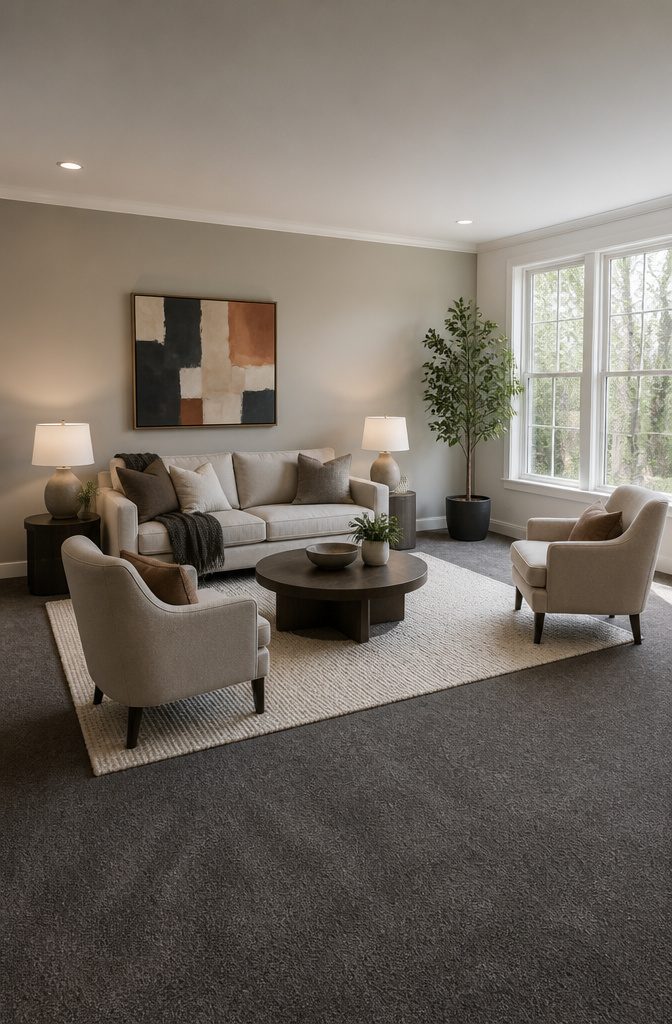
A rug that is too small makes the whole thing look accidental, like you rolled it out and forgot to move the furniture onto it. The front legs of your sofa and chairs should rest on the rug, which means most living rooms need at least a 6×9 or 8×10 to pull that off. I have seen a 5×8 floating alone in a big room, and it just chops the space into smaller pieces instead of anchoring anything.
In a bedroom, the rug needs to extend at least 18–24 inches past the sides and foot of the bed. Anything less and you are stepping onto carpet that is not the rug, which defeats the point of that soft landing in the morning. Leave about 18–24 inches of the wall-to-wall carpet showing around the rug’s edges, too. That border frames the layer and keeps the room from feeling swallowed whole by fabric.
Before you buy, measure your furniture grouping and check that the rug runs six inches past each end of the sofa. Width matters as much as length; a narrow rug leaves your chairs half on and half off, which reads as a mistake you are trying not to notice.

Prevent Curling and Sliding: Many people are looking for ways to prevent rug from moving on its carpet, but to no avail. So we use a patented mesh structure on the rug stickers. Kadrama carpet grippers with this structure can effectively prevent the carpet from slipping

THE ORIGINAL EXTRA STRONG GRIPPER: our trusted Gorilla Grip nonadhesive rug pads offer a unique, dual sided grip that firmly holds onto both the rug pad and your hard floor to help prevent rug movement

Grip Design: the original Gorilla Grip grippers for hard floors help to keep your rugs in place and prevent corner and side curling; easy to apply to the underside of carpet corners and floors to help rugs stay in place and flat against the floor
5. Secure the Rug
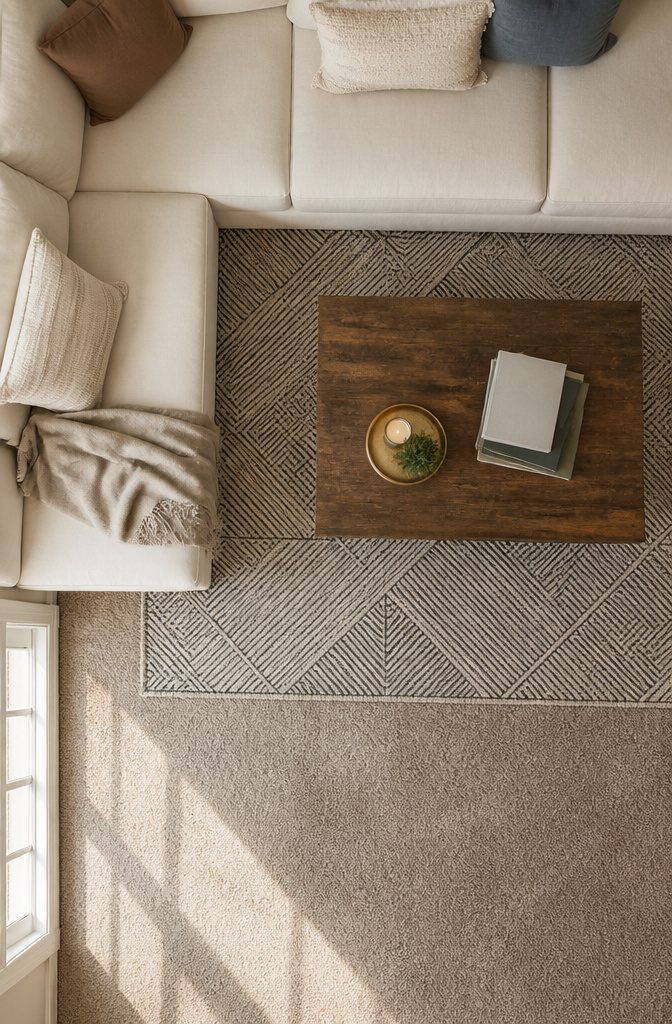
The heaviest pieces in your room do most of the work for free. A sofa or sectional pressed down on the front edge of your rug cuts shifting by about half right away, and a coffee table or bed frame on another corner usually finishes the job. I arrange the big items first, then tuck the rug under their legs where I can.
For spots where furniture can’t reach, carpet-to-carpet tape or small adhesive rug grippers on the underside work without chewing up fibers. I’ve had luck taping just the corners when a rug still curled after placing the couch. Skip the heavy-duty double-sided stuff unless it’s labeled for this exact purpose; some leave a residue that outlasts the rug itself.
Lighter furniture in low-traffic corners might need the extra help, but start with weight and add tape only where the rug still walks.

CLASSIC VINTAGE AESTHETIC BEIGE RUG: The area rug 8x10 features a harmonious blend of beige tones that evoke a timeless vintage charm, making it an ideal addition for any room in your home—from retro bohemian and rustic farmhouse to modern minimalism. Perfect rugs for living room, bedrooms, dining room rugs for under table, entryways, playrooms, or home offices, this 8x10 rug serves as the finishing touch to your interior flooring decor

New & Improved Area Rug With More Cushioning – Our new inner layer is 25% thicker than the previous material, giving this 8x10 area rug a softer, more cushioned feel underfoot. Made for families who spend time on the floor, it adds extra comfort for playing with the kids, reading, relaxing, or simply walking barefoot at home

Soft & Durable: This 8x10 area rug low-pile combines soft faux wool fibers with a 0.25-inch height for comfort. Tight weaving reduces shedding and edge fraying, making it perfect for high-traffic areas like living rooms, bedrooms, and entryways
6. Maintain Both Layers
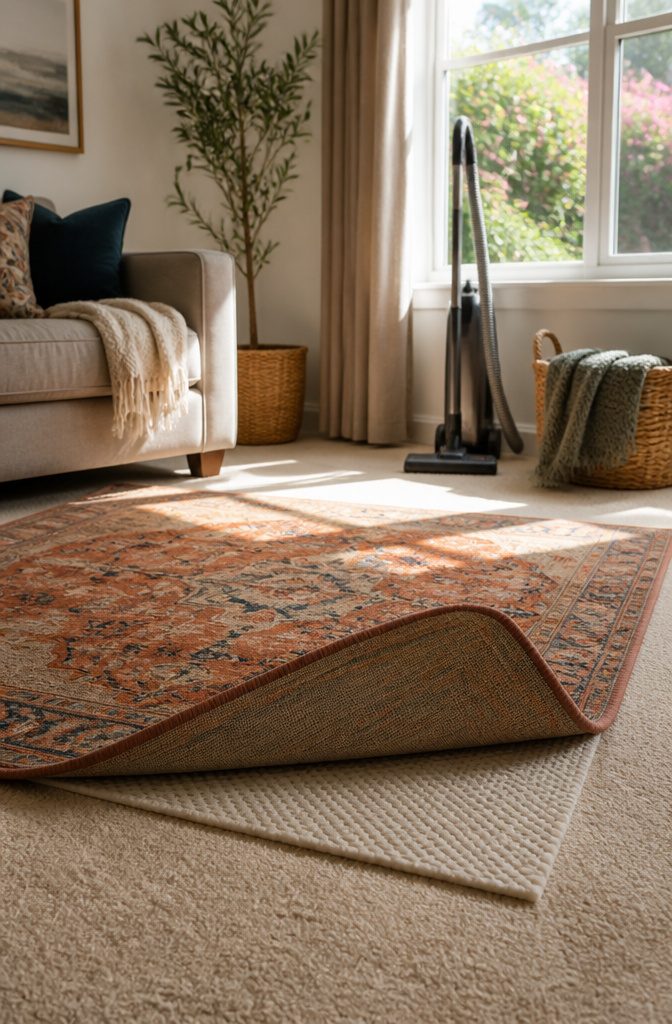
Vacuuming both layers regularly matters more than most people expect. Dirt and dust slip between the rug and carpet, then grind into the fibers of each. I lift my area rug every few months to vacuum the carpet underneath and let it breathe, which takes maybe ten minutes and prevents that packed-down look that is hard to reverse.
A quality rug pad helps here too, since it creates a small gap for air to circulate. Without that gap, trapped moisture and debris wear both surfaces faster than they should.
Rotating the top rug every few months keeps wear even and stops permanent indentations from forming in the wall-to-wall carpet beneath. I mark a calendar reminder because it is easy to forget, and uneven wear shows up suddenly once it starts. For the vacuum itself, switch off the beater bar when you clean the area rug so the rotating brush does not snag or pull at the fibers, especially on thicker piles.

Designed to withstand everyday wear, this 6 Ft Runner area rug is the perfect size for patios, decks, porches, sunrooms, and outdoor entertaining spaces, or anywhere you want to define a stylish pathway.

The Ember Collection by Loloi Angela Rose x Loloi is a soft flatweave area rug that’s space-dyed for a dynamic range of neutral colors, with a timeless plaid pattern that adds depth to any room.

Wilton Woven Polypropylene Rugs: This outdoor rug is built for everyday heavy-duty use. Standard flat-woven and printed rugs hold yarns with backing adhesive, while tufted styles rely on glue that easily causes fiber shedding and backing delamination. Our Wilton rugs are fully woven on double looms, interlocking warp, weft and pile yarns as one piece. Piles are secured to the base without adhesive, drastically reducing loose fibers and layer separation. Featuring tight dense stitching, these rugs remain firm and keep their original shape under heavy foot traffic and pet clawing
Rug Types That Layer Best
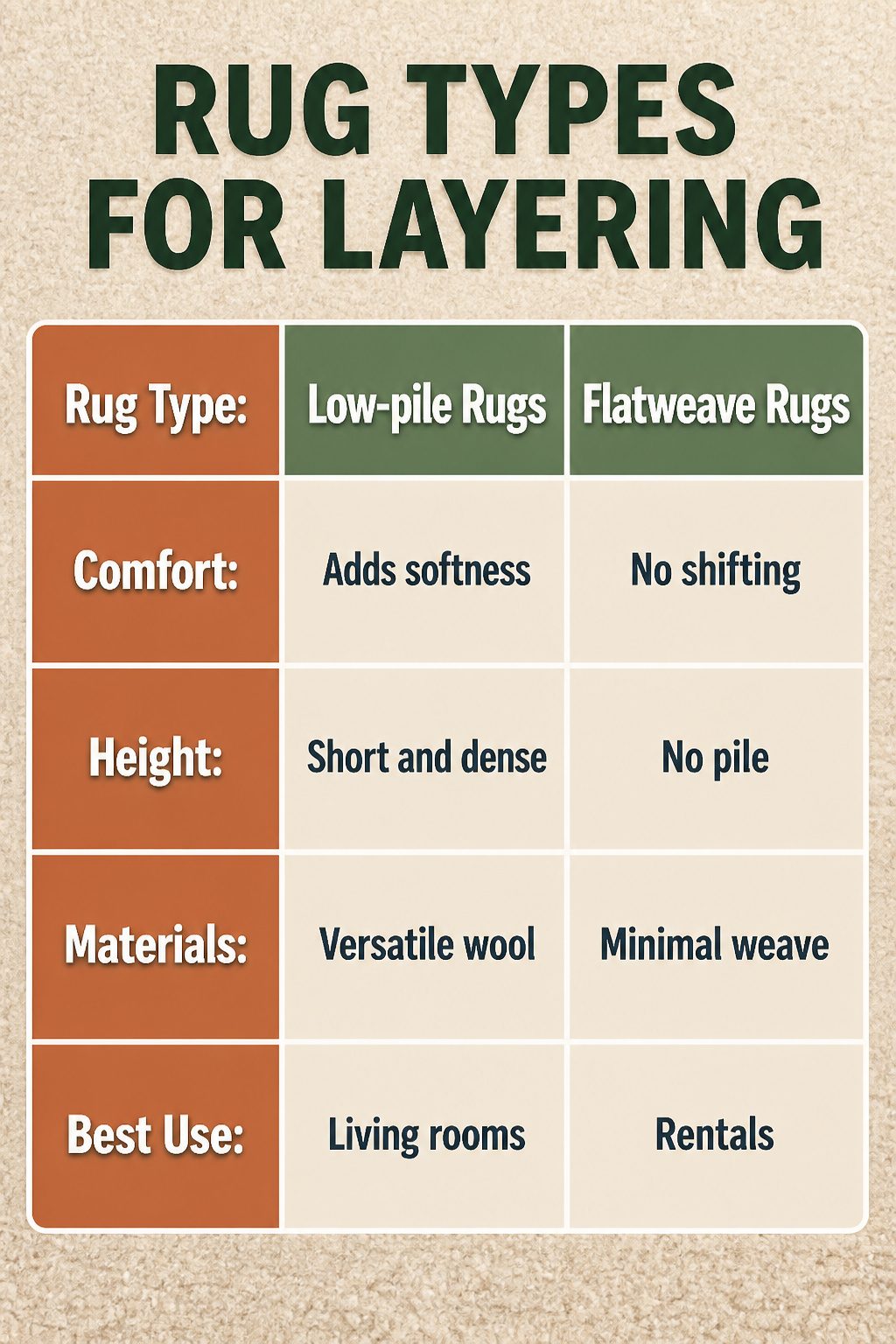
Some rugs behave better than others on top of carpet. Flatweaves sit closest to the surface and stay put without much fuss, which is why I reach for them first when a client wants a pattern change in a rental. Low-pile rugs add softness but keep a short, dense height that doesn’t fight the carpet underneath; they work especially well in living rooms and bedrooms where you’ll actually walk on them barefoot.
Natural fibers fill a different need. Jute and sisal bring in texture and warmth without the bulk of a thick weave, and they read as intentional rather than like a bath mat you forgot to pick up. The tradeoff is feel: they’re not plush underfoot, so I wouldn’t put one right beside a bed where your feet land first thing in the morning.
Here’s what I keep in mind when I’m choosing:
- Low-pile rugs – Short, dense fibers add comfort while staying stable on most carpet types
- Flatweave rugs – No pile means no shifting; patterns stay crisp and edges lie flat
- Jute rugs – Natural texture, minimal height, best for high-traffic spots where bulk would trip you up
- Sisal rugs – Similar to jute with a slightly stiffer hand; great for defining a dining area on wall-to-wall
Wool comes up often as a durable option, though I’ve found it performs best when it’s specifically a low-pile construction rather than anything plush. The real rule is contrast: pair a thin rug with thick carpet, or accept that both layers will squirm.

[COLOR & PATTERN]: SAFAVIEH's Natural Fiber rug features marble grey sisal fibers with a beige cotton border; as an authentic plant fiber, color and tone variations are expected and may vary with lighting.

[COLOR & DESIGN]: SAFAVIEH's Natural Fiber area rug showcases a marled, fleck-textured flatweave with a solid bordered edge, blending marble and beige tones; actual color may appear darker or lighter than shown, depending on lighting and screen settings.

Durable Polyester Rug: Love the natural jute look? Skip the jute problems. This durable polyester rug gives you that warm, natural texture without the cracks, shedding, or fraying that real jute brings over time. Crafted from high-quality polyester, this washable area rug holds up beautifully in high-traffic spots like your living room, dining room, or entryway – indoors or in covered outdoor spaces. The classic farmhouse stripe adds warmth and character, while the durable pile resists stains and fading. Built to last, easy to clean, and always in style.
Rug Pad Materials
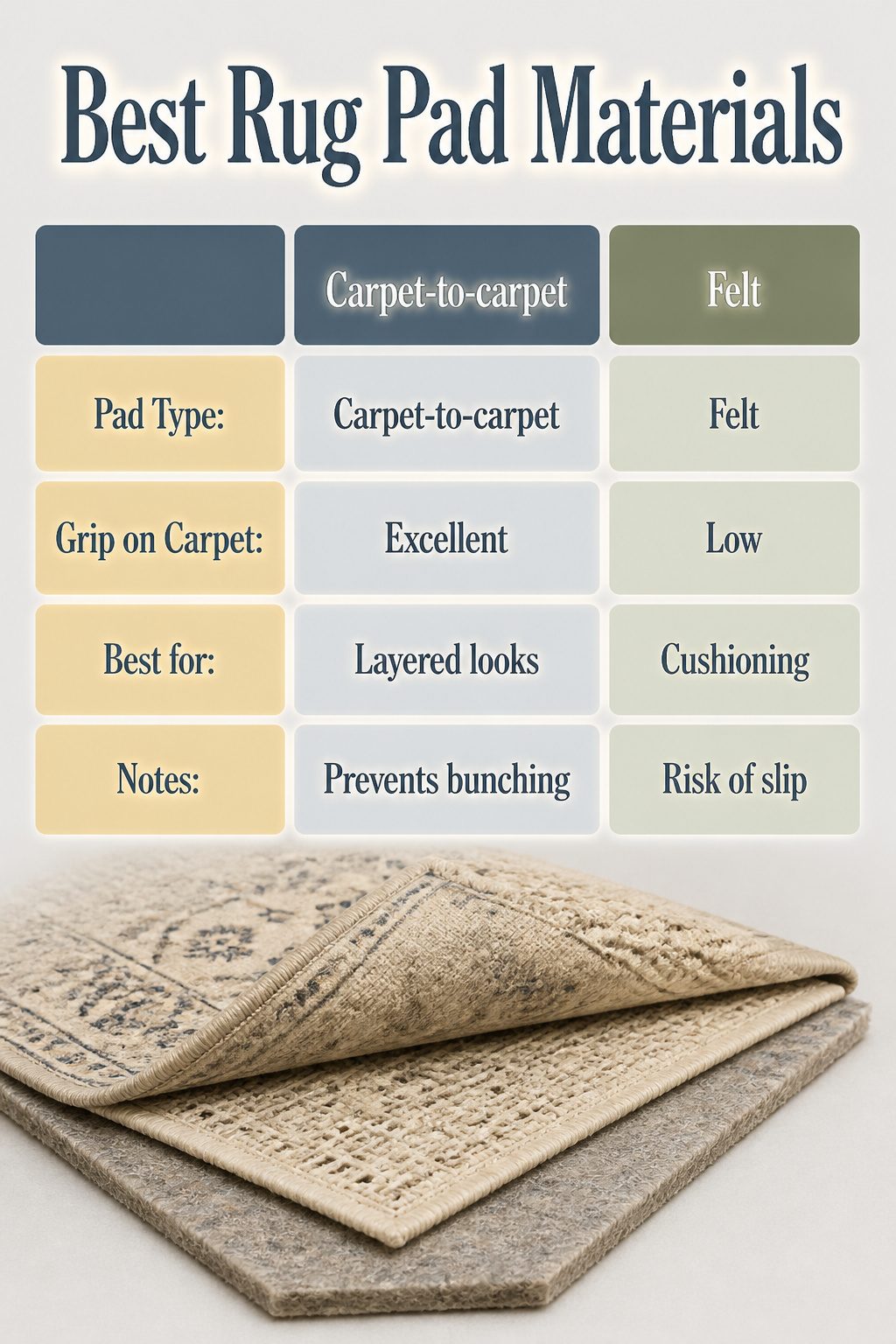
Not every pad marketed for rugs is built to sit on carpet. The rubber-backed pads meant for hardwood will slide right across plush pile, and the wrong material can even react with synthetic fibers underneath. What convinced me, reading through the advice on this, is that carpet-to-carpet pads are purpose-built for this exact job: one side grabs the carpet fibers below with a slightly coarse felt face, while the other locks the rug above in place.
Felt alone adds cushion but does not grip well on its own. Rubber alone grips hard surfaces beautifully, yet can slip on carpet and may damage some fibers. The combo pads try to split the difference, though sources disagree on whether they outperform a true carpet-to-carpet design for this specific application.
| Pad type | Grip on carpet | Best for |
|---|---|---|
| Carpet-to-carpet | Excellent | The layered look itself; prevents shifting and bunching |
| Felt | Low | Extra cushioning where slip is not the main risk |
| Rubber | Poor to moderate | Hard floors; some formulas risk fiber damage on carpet |
Size the pad about 1–2 inches smaller than your rug on each side so it does not peek out. That small gap is what keeps the edge looking intentional rather than like a hardware-store afterthought.

PLUSH FELT CUSHION: Choose from three thickness options - 1/4", 3/8”, and 1/2" - offering various levels of a soft feel underfoot, sound absorption, insulation, and extra comfort for your area rugs in busy spaces.
NON-SLIP GRIP FOR SAFETY: Durable latex rubber backing prevents slipping, sliding, bunching, and wrinkles on hardwood, tile, carpet, or any floor—superior hold compared to basic foam pads for everyday use.

NOT NON-SLIP - This pad is meant for use with rugs anchored by furniture or heavy rugs that stay in place on their own. For non-slip applications, try one of our felt and rubber options.
Color and Pattern
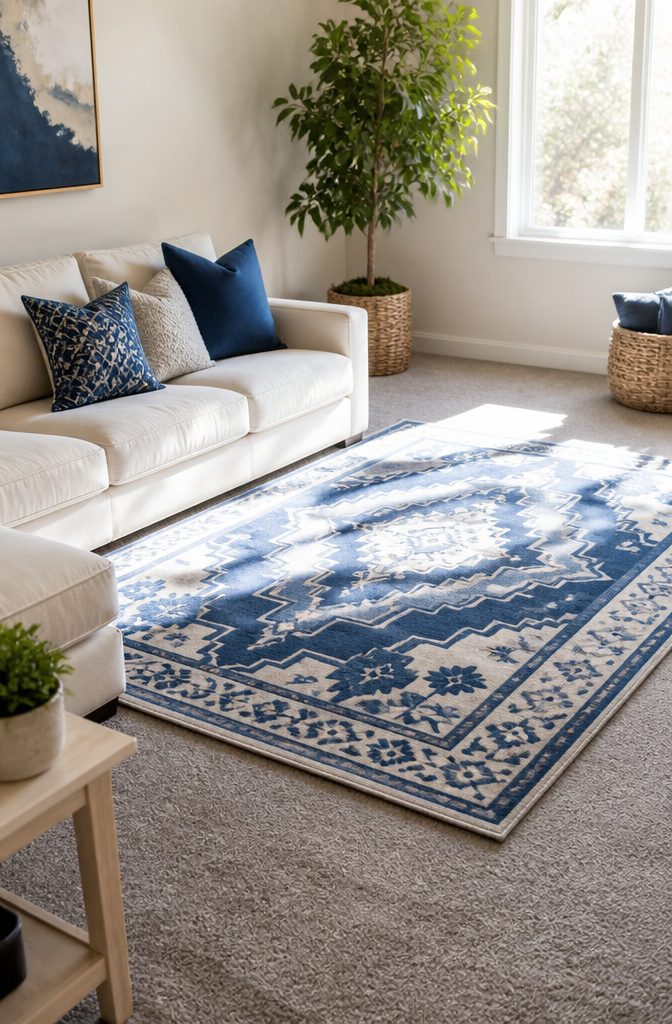
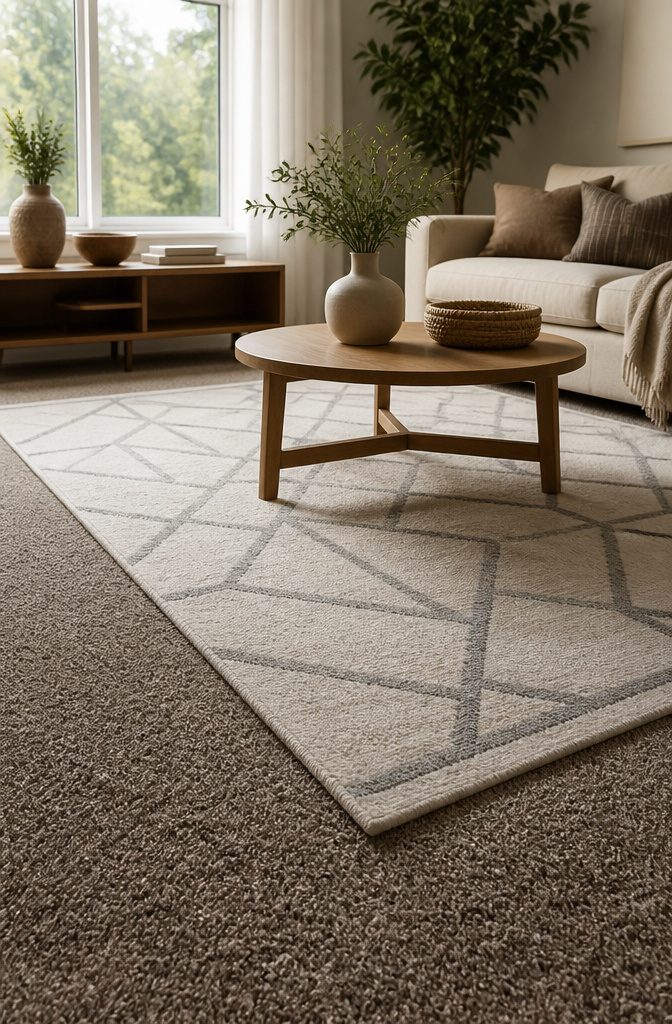
The biggest mistake I see is choosing a rug that matches the carpet too closely. Contrast is what makes the layer read as intentional. A patterned rug over a solid carpet, or a solid rug on something busier, signals that you planned this rather than covering a stain.
Dark carpet especially benefits from a lighter rug on top. Without that lift, the whole room starts to feel heavy and sunken. I do not mean every color has to clash; pulling one tone from the rug into something else in the room, a throw pillow or the curtains, ties everything together without making the two layers compete.
Neutral base carpet gives you the most freedom. Pattern, texture, bold color, it all works when the foundation is quiet. But if your carpet already has a pattern, the top rug should stay solid or barely textured. Two patterns fighting for attention just look like visual clutter, and not the interesting kind.
THE ORIGINAL EXTRA STRONG GRIPPER: our trusted Gorilla Grip nonadhesive rug pads offer a unique, dual sided grip that firmly holds onto both the rug pad and your hard floor to help prevent rug movement
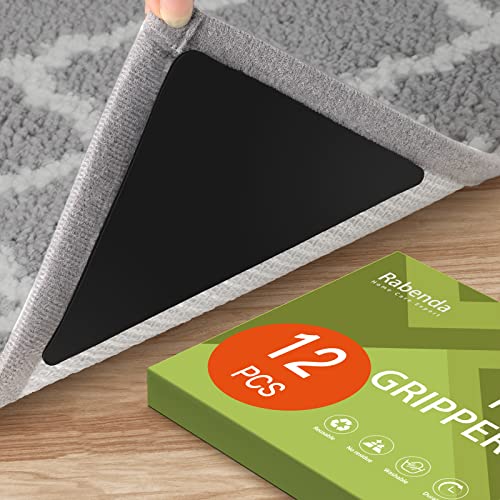
Advantaged Triangle Design: The Triangle Design grippers for area rugs and hardwood floors will maximum increase the contact surface. The strong adhesion will help stick firmly and keep your area rugs in place. Moreover, the rug stickers for wood floors will prevent the rug corners and edges curling and always keep your rugs steady and safe

One Pad For ANY Flooring: No need to worry if you have beautiful hardwood floors, laminate flooring, imported tile or marble—or any other type of foundation—because our nonskid ¼-inch thick area rug pads are safe for all of them. We use a specially formulated fiber composition that keeps your treasured rugs firmly in place without marking or damaging what’s underneath.
Low-Pile vs. High-Pile Carpet
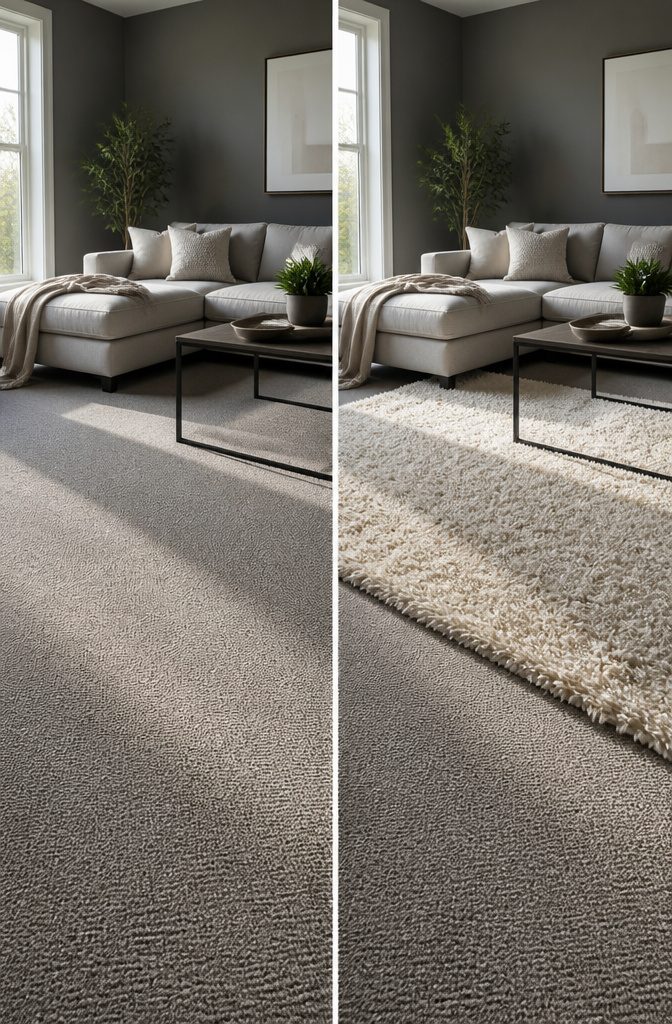
Low-pile carpet, like a Berber or commercial-grade weave, gives you the easiest foundation to work with. The flat, dense surface keeps an area rug from shifting or feeling like it is floating above the floor, and you have more freedom in what you layer on top. A medium-pile or even a shag rug can work there without turning the floor into a trip hazard.
High-pile carpet, think shag or a thick frieze, is trickier. The extra height underneath makes most rugs feel unstable, and the edges never quite lie crisp. If that is what you are working with, choose a very flat rug and add a proper rug-to-carpet pad. Flatweaves are your best bet here, their tight, no-pile construction sits firm against the plush below. A low-pile wool or synthetic rug can work too, but skip anything thick or plush on top. Two soft layers stacked together get lumpy fast, and furniture legs will wobble no matter how you arrange them.

Trendy Modern Rug: Our area rug is designed in today's popular minimalist style, featuring adaptable printed patterns that seamlessly blend into a wide range of interior aesthetics. This neutral rug adds understated elegance with a strong feeling of individuality to your living room, bedroom, dining room, nursery or playroom.

Effortless Maintenance: Keep your space looking fresh effortlessly with our machine washable rug. No need for professional cleaning - simply toss it in the washing machine for a quick and easy clean.

Ultra Soft Fluffy 8x10 Area Rugs for Living Room: shag rug treat your feet to cloud-like comfort with our ultra-soft, high-density plush microfiber pile—designed to stay fluffier longer without shedding. Whether walking, sitting, or lying down, each step feels luxuriously soft. Furry fibers resist matting, keeping the plush texture season after season. Ideal for bedroom, living room, or nursery
Frequently Asked Questions
Can I put an area rug over carpet?
Yes, layering an area rug over carpet is common and practical. It adds warmth, defines spaces in open layouts, protects high-traffic zones from wear, and lets you update your look without replacing the wall-to-wall carpet underneath.
What type of rug works best on carpet?
Low-pile or flatweave rugs are your safest choice, especially over thick carpet. Their thin, dense build sits stable and keeps edges crisp. Jute and sisal also work well because their heavy, plant-fiber weave stays put and adds intentional texture against soft carpet.
Do I need a rug pad on carpet?
Yes, and it needs to be one labeled specifically for rug-to-carpet use. Standard felt or rubber pads meant for hardwood will slide across carpet fibers, so look for a pad with a coarse felt side that grips the carpet below and a natural rubber side that holds the area rug in place.
How do you keep a rug from sliding on carpet?
Start with a carpet-compatible rug pad and let heavy furniture do most of the work. A sofa or bed frame pressed on the front edge cuts shifting by about half, and a coffee table on another corner usually finishes the job. For stubborn spots, carpet-to-carpet tape or small adhesive grippers on the underside add extra hold without damaging fibers.
Can you layer a rug on plush or high-pile carpet?
Yes, but choose a very flat rug and add a proper rug-to-carpet pad. Flatweaves work best because their no-pile construction sits firm against plush carpet below. Skip thick or plush rugs on top; two soft layers get lumpy fast and furniture legs will wobble no matter how you arrange them.