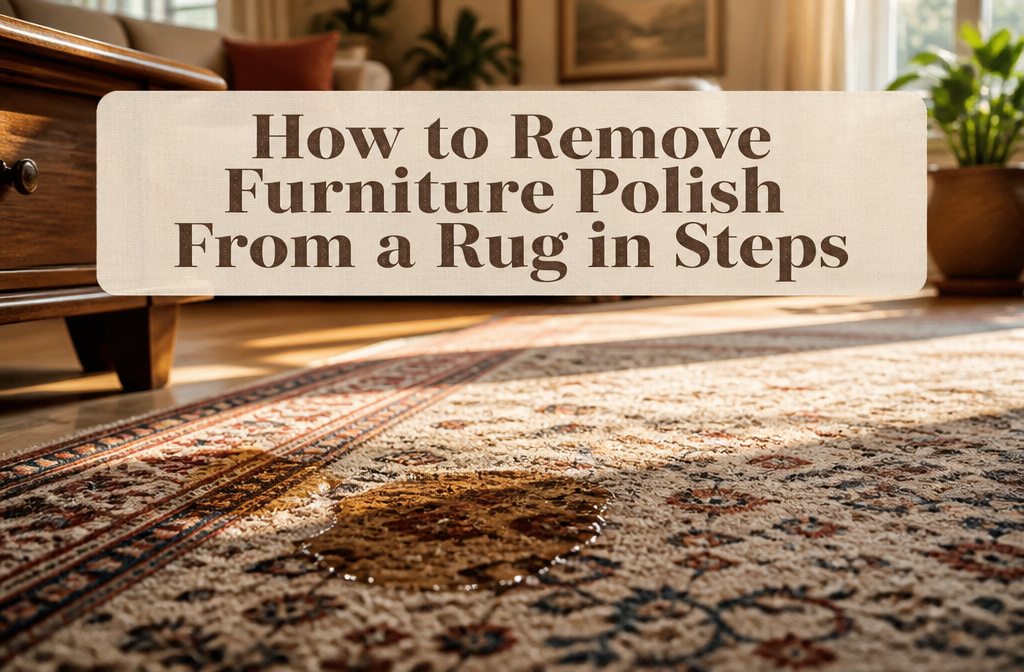

You can remove furniture polish from a rug in about fifteen minutes with household supplies, but only if you stop the oil from reaching the backing first. The moment you rub instead of blot, you drive the spill past where cornmeal or baking soda can reach it. Start at the edges and press inward with a white cloth; that single choice determines whether the stain lifts or sets.
1. Blot the Excess Polish
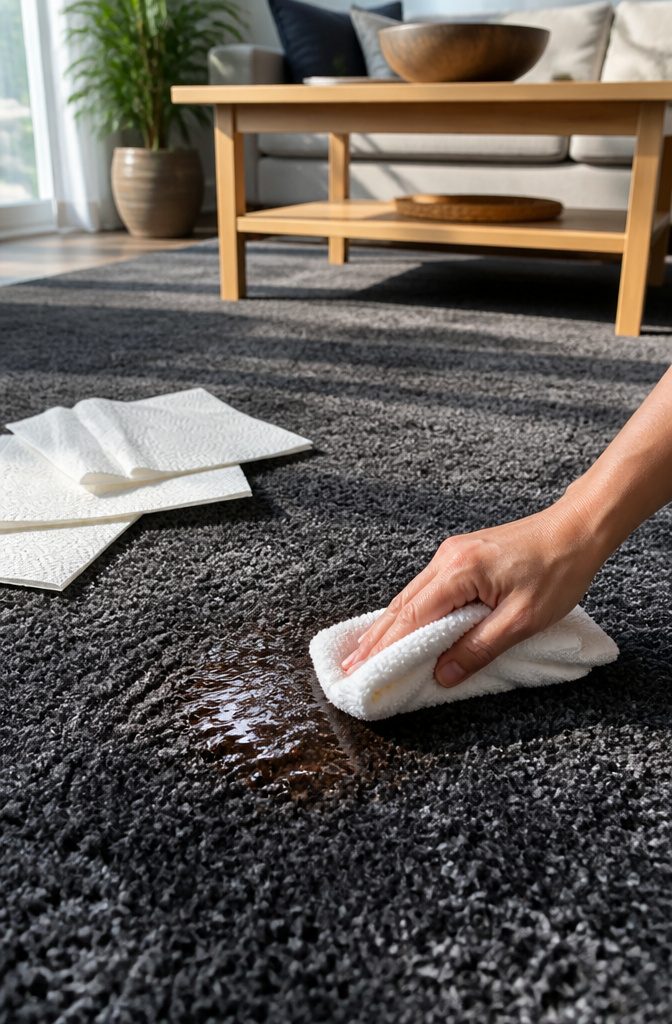
The first thing to do with a fresh furniture polish spill on a rug is blot from the edges toward the center with a white paper towel or clean white cloth. Working inward keeps the polish from bleeding into clean fibers, which is exactly what happens if you start in the middle and push outward. I press down gently and let the towel do the absorbing; rubbing just drives the oil deeper into the pile.
If the polish is a paste, I scrape off what I can with a dull knife first, then blot. The goal here is speed before the oils sink past the surface and into the backing. A few seconds of patience now saves a much harder fix later.

CHEMICAL GUYS LIGHTNING FAST STAIN EXTRACTOR (SPI_191_16) – Professional-strength stain remover formula penetrates deep into carpet, upholstery, and fabric to quickly break down and lift stains, dirt, and odors for a restored, like-new look

COMBAT CARPET STAINS FAST: Carpets show stains quickly, especially in busy, high-traffic areas. This 2-in-1 Oxy-Powered Carpet Cleaner is made for targeted spot removal and helps tackle even older, set-in-looking stains up to 7 days old, while refreshing carpets so living spaces stay cleaner and ready for everyday life and unexpected messes

Safely and effectively removes food stains, grease, coffee, red wine, blood and more. This versatile product can be used on car interiors, home furniture, rugs and much more.
2. Apply Absorbent Powder
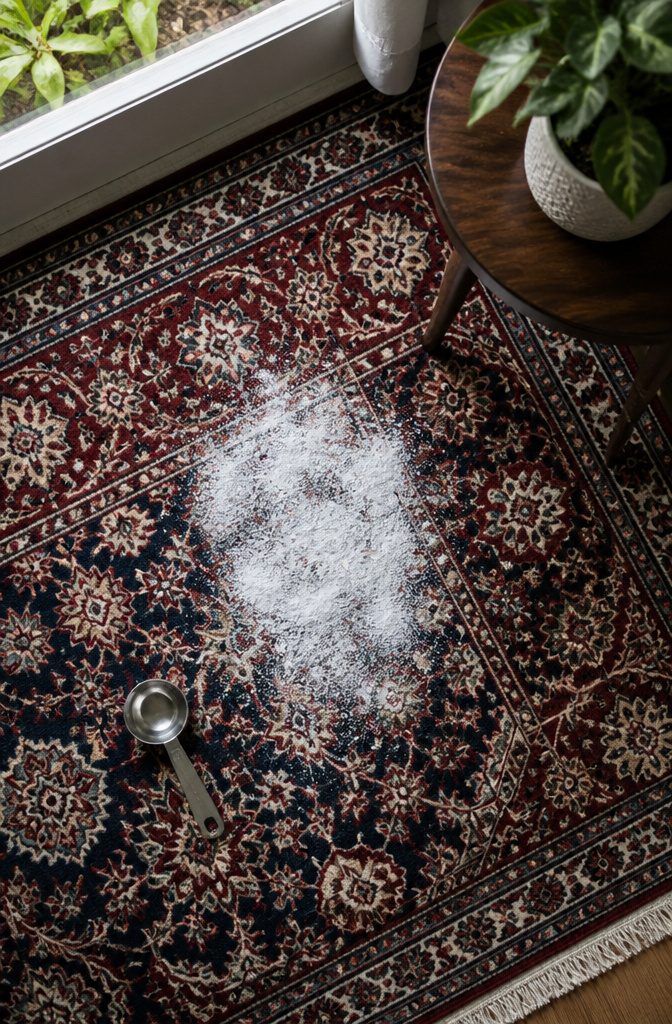
Even after blotting, furniture polish leaves a slick film that water alone won’t lift. Cornmeal or baking soda draws that residual oil out of the rug fibers before it sets into a dark patch. I sprinkle it generously over the spot, enough to fully cover the stain, and let it sit undisturbed for about ten minutes. The powder acts like a dry sponge, pulling grease upward from deep in the pile where blotting can’t reach. After the wait, I vacuum thoroughly. Most of the remaining oil comes up with it, leaving behind only minor discoloration for the next step to handle.


{ Material: 100% Jute | Weave: Hand Woven | Origin: India }

Sheer blotting powder helps prevent oil from showing without drying skin.
3. Clean With Dish Soap Solution
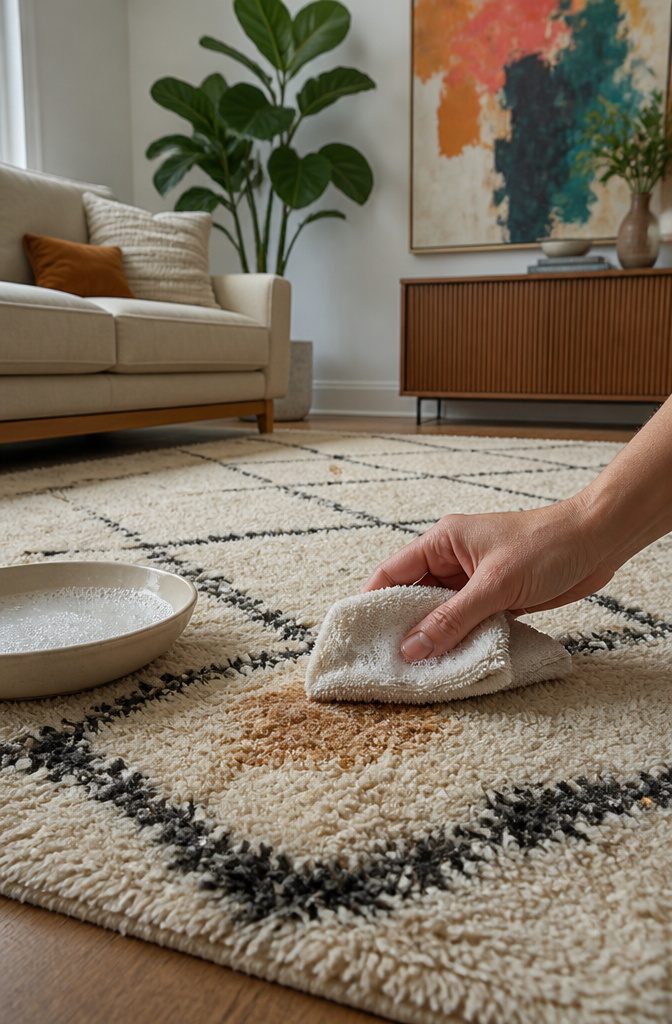
The absorbent powder did most of the heavy lifting, so a gentle cleaning solution finishes the job without damaging delicate rug fibers. Mix ½ teaspoon clear dishwashing detergent with 1 cup warm water. This ratio works well; it’s strong enough to tackle stubborn polish but gentle on rugs.
Dip a clean cloth into the solution and start blotting the stained area. Never rub, which spreads the mess. Keep working until no color transfers to the cloth. This signals the stain is losing its grip. For stubborn spots, use a weaker solution of ¼ teaspoon detergent per quart water. Repeat the blotting process until the polish disappears completely.

Product Type:Health_Personal_Care Item Package Dimension:5.25 " L X2.13 " W X 1.0 " H Item Package Weight:0.180004 lbs Country Of Origin: United States
4. Rinse and Blot Dry
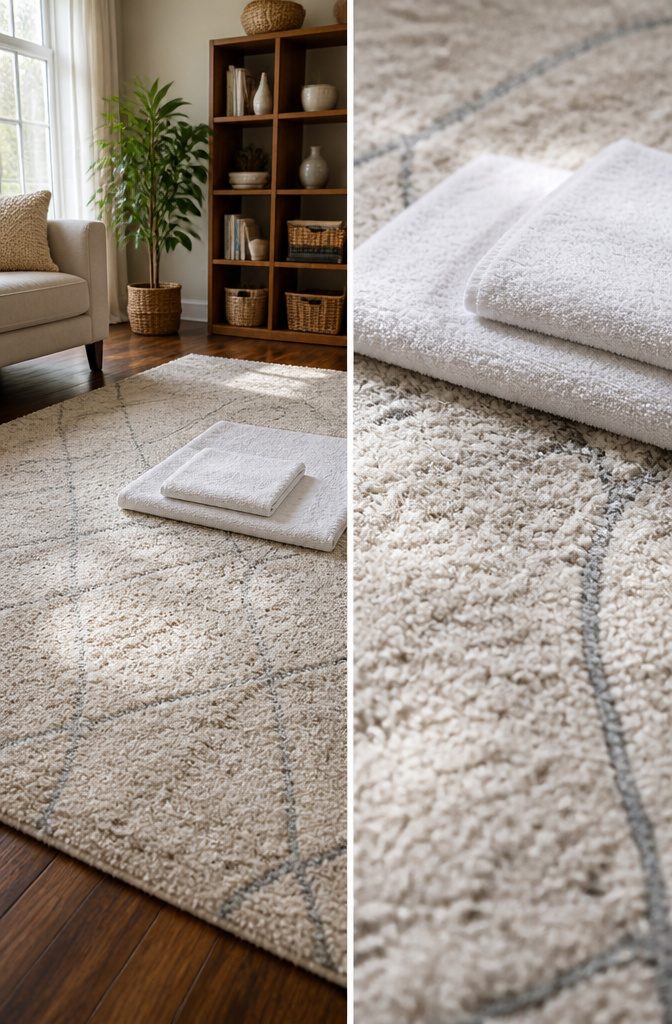
Any soap left in the fibers turns into a dirt magnet within a day or two, so this part matters more than it looks. I rinse the spot with clean water, just enough to dilute whatever cleaner is still sitting in the rug. Then I blot with fresh towels, switching them out before they get soaked. Weighted towels pressed on top pull the last of the moisture up faster. Leftover residue traps dirt and creates sticky spots that re-soil faster than fresh carpet, so I keep blotting until the towel comes back barely damp. After that, I leave it alone to dry completely before anyone walks on it.
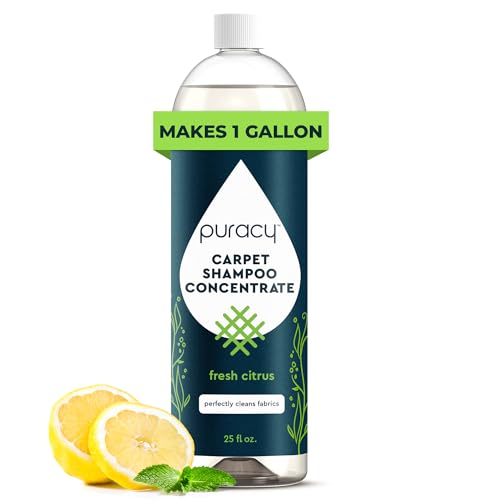
Plant-Based, Low-Foam Formula – This carpet cleaner solution uses plant-based, mineral-derived, and safe synthetic ingredients. Low-foaming and fast-acting, it also works as a carpet shampoo, stain remover, rug cleaner, and more.

OXYGEN-POWERED STAIN REMOVAL — Uses the power of oxygen to lift and eliminate tough, set-in stains from carpets and area rugs permanently

CLEANS DISHES 5X FASTER: Clean Revolution SuperWash Dish Spray is the faster, easier way to quickly clean your dishes. Trigger spray dispensing cleans dishes up to 5 times faster than plain, non-concentrated liquid dish soap; making our Dish Spray the ultimate degreaser - you'll never want to use any other cleaning products again.
5. Air Dry Completely
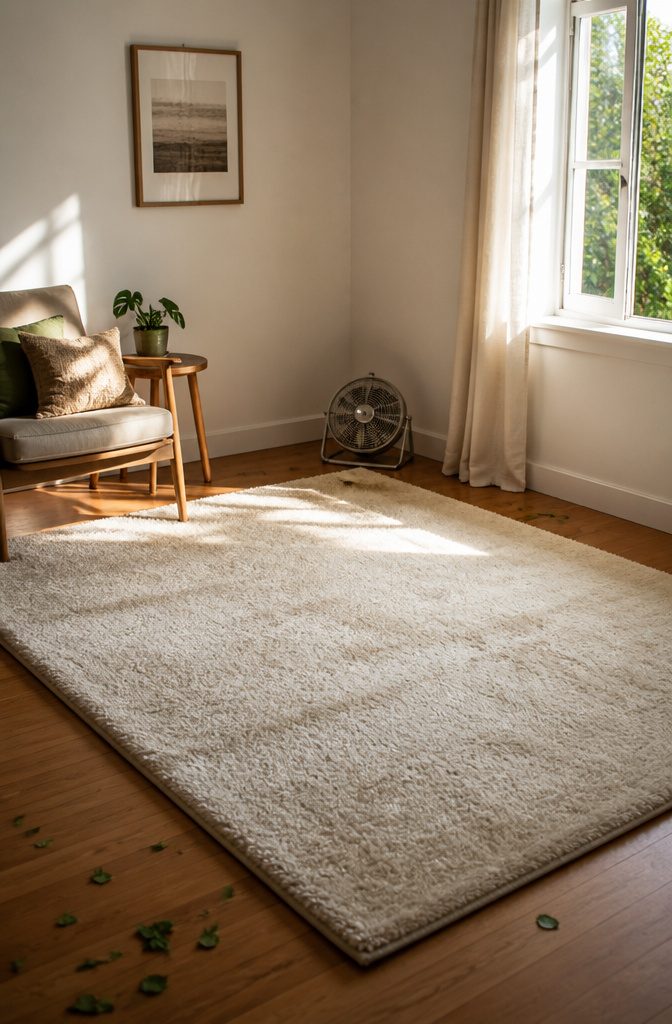
Damp fibers are a magnet for trouble. After you’ve rinsed and blotted the rug dry, move it to a well-ventilated spot where air can circulate on all sides. Let it dry completely before anyone walks on it or you set furniture back down, which usually takes several hours. Any leftover moisture trapped in the pile can turn sour fast, and mildew in a rug is a much bigger problem than the polish stain you just fought. Skip the hair dryer or space heater; forced heat damages fibers and can set odors deeper. Run your hand through the pile to check for cool or damp spots before you call the job done. If a vinegar smell lingers after the rug is bone-dry, that means residue is still in there and you’ll want to repeat the cleaning cycle.

OXI POWERED CLEANING ACTION: Enhanced with an active oxidizing formula that lifts and breaks down deep-set stains. Delivers a more effective clean by targeting tough spots at the molecular level

Removes Both Oil & Water-Based Stains

Effective Stain Removal: The Pink Stuff Foaming Carpet and Upholstery Stain Remover is your go-to solution for tackling tough and unsightly stains. Say goodbye to stubborn carpet and upholstery stains with ease
What Furniture Polish Does to Rugs
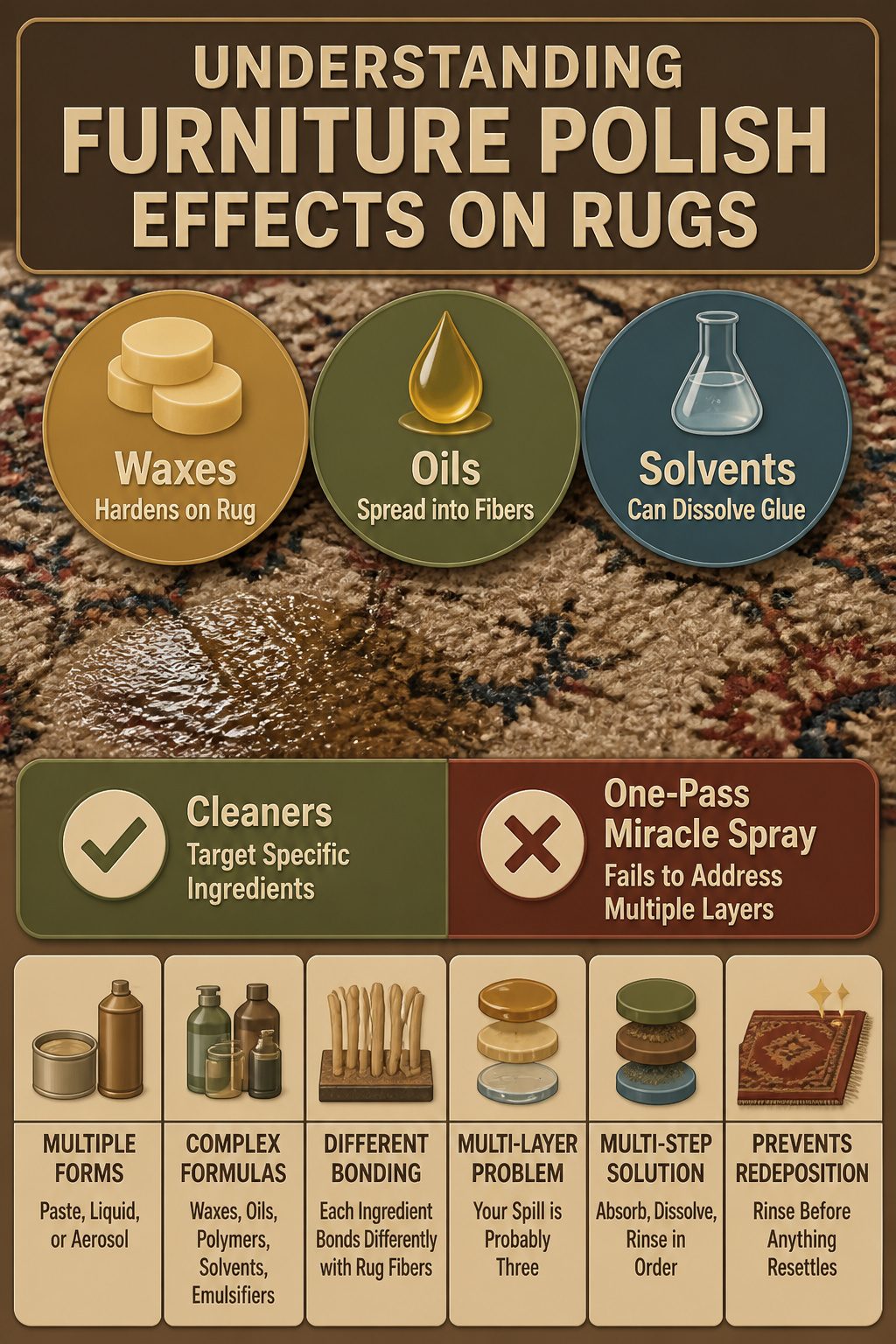
Furniture polish is not one single thing. Different brands use waxes, oils, polymers, solvents, and emulsifiers in different ratios, and they come as paste, liquid, or aerosol. That variety matters because each ingredient bonds differently with rug fibers. Oils sink in and spread sideways. Waxes harden and grab onto strands. Solvents can dissolve finish or backing glue before you even notice. A cleaner that lifts oil will barely touch wax, and a wax solvent can push oil deeper into the pile. This is why the one-pass miracle spray fails so often: it is built for one chemistry, and your spill is probably three. The multi-step method works because it tackles the layers in order, absorbing what it can, dissolving what is left, and rinsing before anything resettles.

Made in United States
Test Before You Treat
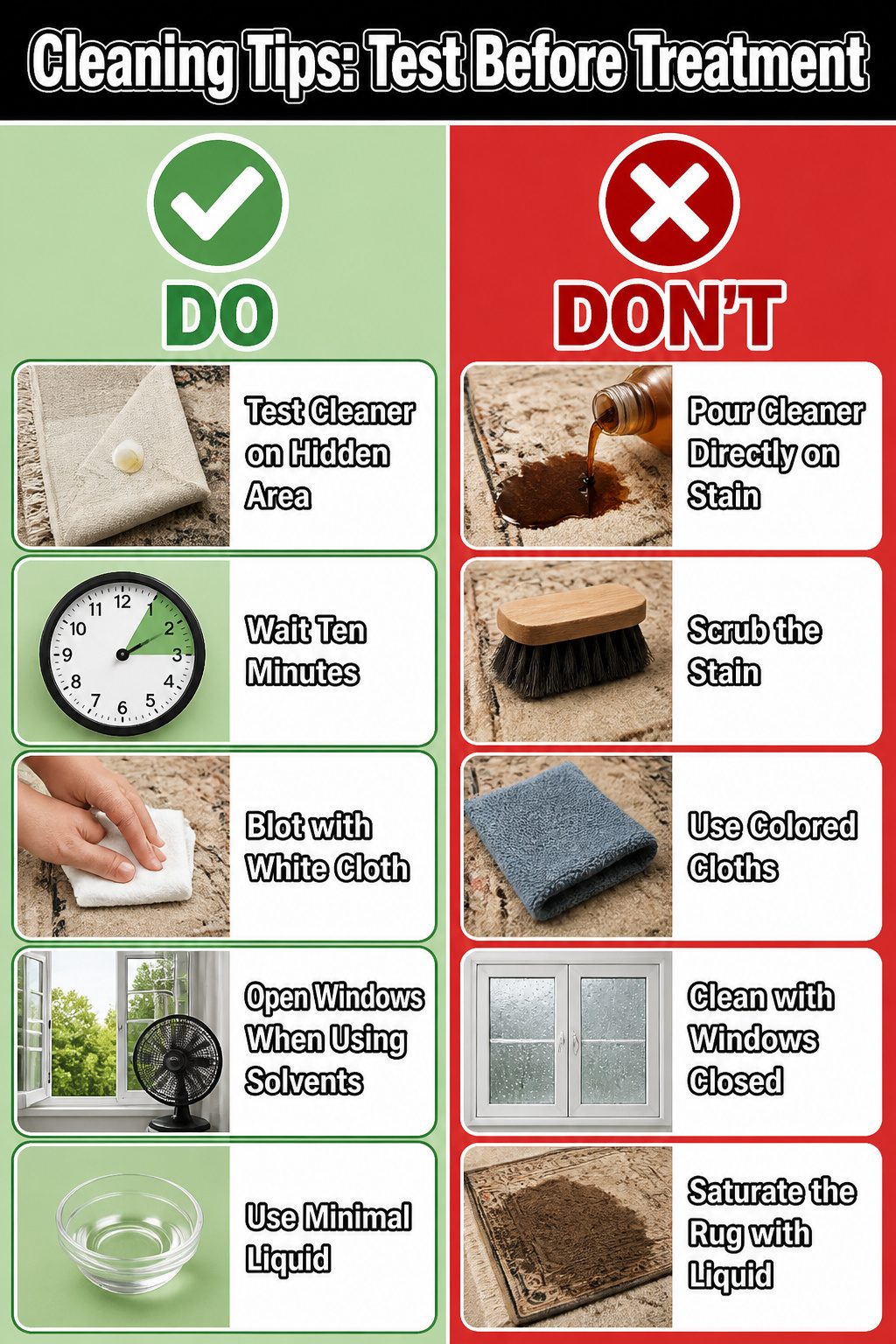
Before you pour anything onto that polish stain, test the cleaner on a hidden corner of the rug. The underside near a corner works, or a spot the sofa always covers. Dab a little, wait ten minutes, and blot with a white cloth. If color transfers, stop and try a gentler approach.
Always pretest each cleaning agent on an inconspicuous area first to determine colorfastness.
— University of Georgia Extension
That one step has saved me from turning a small stain into a faded patch twice the size. If you are working with rubbing alcohol, mineral spirits, or any solvent that smells sharp, open the windows and run a fan. Solvents can destroy the carpet backing and foam padding if they soak through, so keep the liquid minimal and the air moving.
Mistakes That Spread the Stain
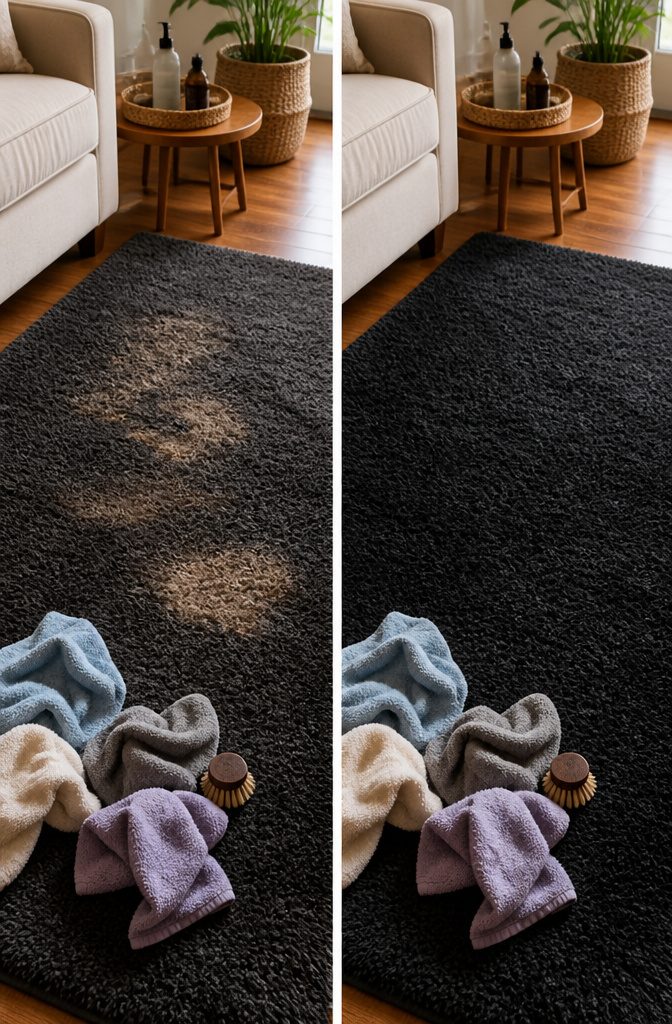
Rubbing instead of blotting is the mistake that turns a small spill into a permanent stain. I learned this the hard way on an old apartment rug: the polish looked like it was coming up, but I was really driving it into the backing where the fibers anchor. Blotting presses straight down and lets the towel do the work. Rubbing, even gently, frays the surface and spreads the oils sideways. For paste polish, scrape first with a dull knife, then blot. The knife lifts what rubbing would grind in, and the towel absorbs what the knife can’t reach.

Generous Value Pack: Includes two large 102 fl.oz. bottles of Palmolive dishwashing liquid, providing ample supply for extended use and ensuring you have plenty of cleaning power on hand for all your dishwashing needs

From the creator of Oxi: 6-IN-1 LAUNDRY POWDER | Color Safe Bleach | Color Booster | Fabric Softener | Stain Remover | Washing Machine Cleaner

HIGH QUALITY AREA RUG – Masada Rugs Contemporary Collection Rug abstract design in blue and grey. Size: 2ft x 7ft
Frequently Asked Questions
How do I remove furniture polish from a rug?
Blot from the edges toward the center with a white cloth or paper towel, then cover the spot with cornmeal or baking soda for about ten minutes before vacuuming. Clean the remaining discoloration with a solution of ½ teaspoon clear dish soap in 1 cup warm water, rinse with plain water, and let the rug air dry completely before walking on it.
What cleaning agents can I use to remove furniture polish stains?
The safest choice is clear dishwashing detergent mixed with warm water at a ratio of ½ teaspoon per cup. For tougher cases, some sources suggest rubbing alcohol, hydrogen peroxide, or ammonia, though you should always test any agent on a hidden corner of the rug first to check for colorfastness.
Can I use WD-40 to remove furniture polish stains?
Some people report success with WD-40, but it leaves an oily residue behind that requires thorough follow-up cleaning. If you try it, you will still need to absorb the oil, wash with dish soap solution, rinse well, and allow the rug to dry fully, which makes the standard five-step method the simpler route in most cases.