
Most of these work in a bedroom, an entryway, a bathroom or a living room without taking floor space you need for other furniture.
The choice comes down to where clutter gathers: if it piles up near the front door, a storage bench holds shoes and bags, and if it crowds the living room, a storage ottoman or lift-top coffee table keeps remotes and chargers within arm’s reach while the surface stays clear.
1. Storage Ottoman
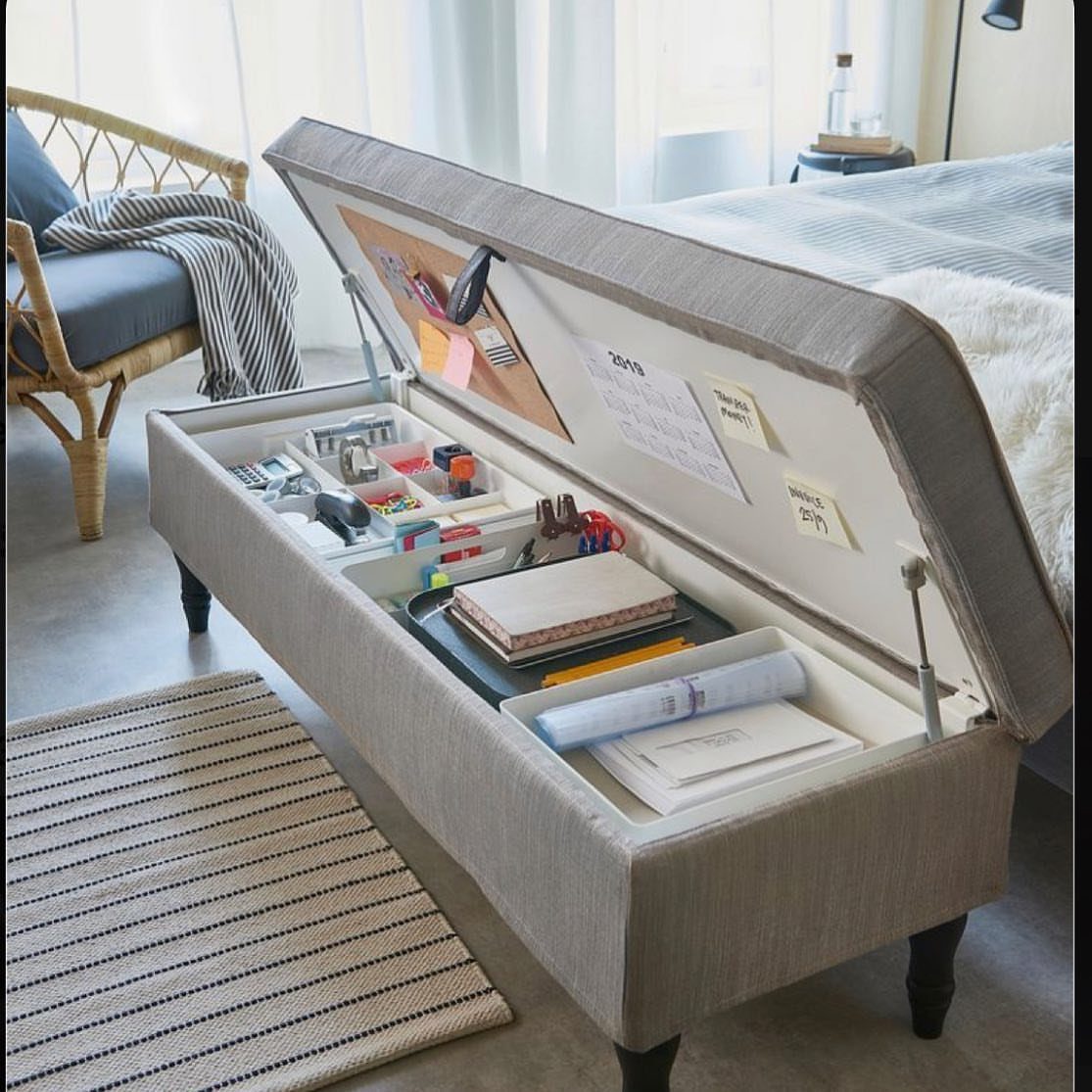
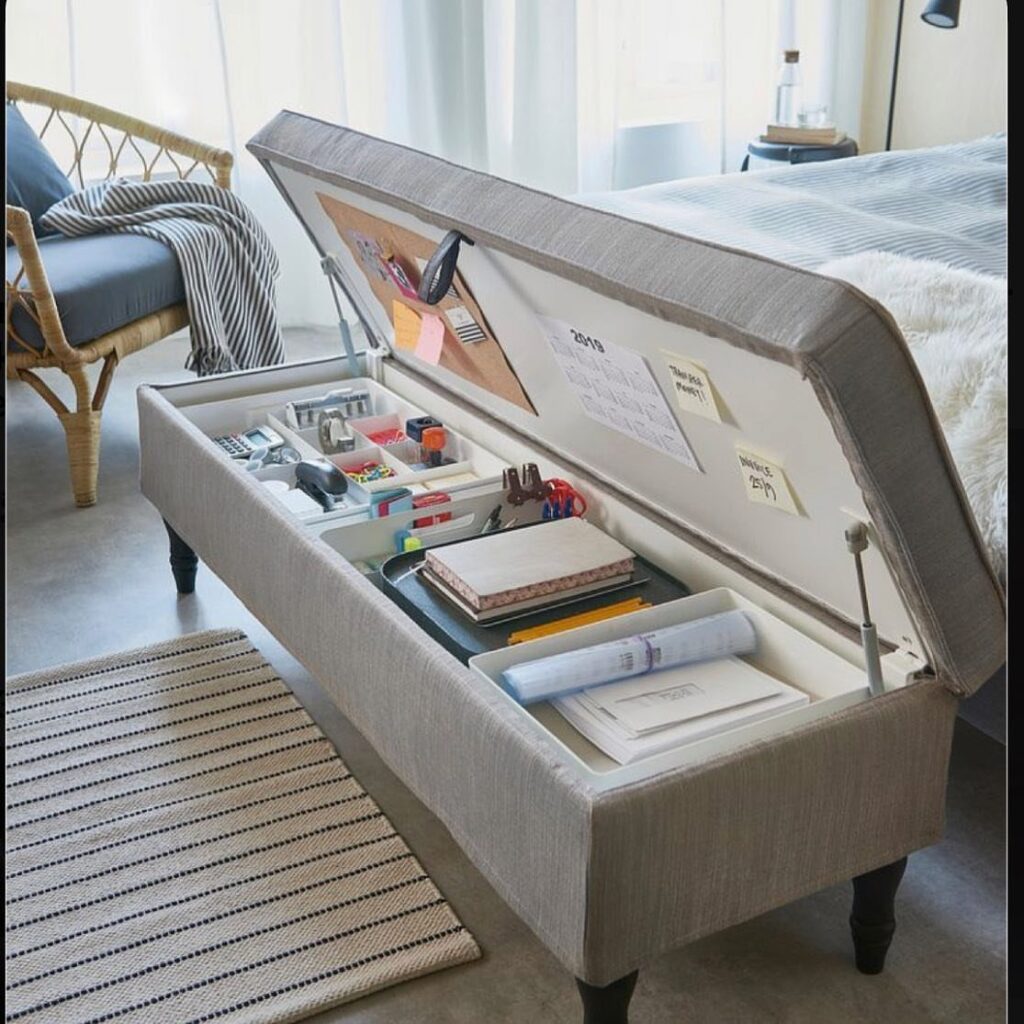
The top lifts to reveal a cavity that holds anything you would rather keep out of sight. I use mine for charging cables, remote controls, and the kind of paperwork that needs to be nearby but not on display.
The fabric versions are softer underfoot if you prop your feet up. The harder-topped ones double as a tray surface for a drink or a book.
Most fit in a bedroom corner, next to a sofa, or at the foot of a bed.
2. Storage Bed
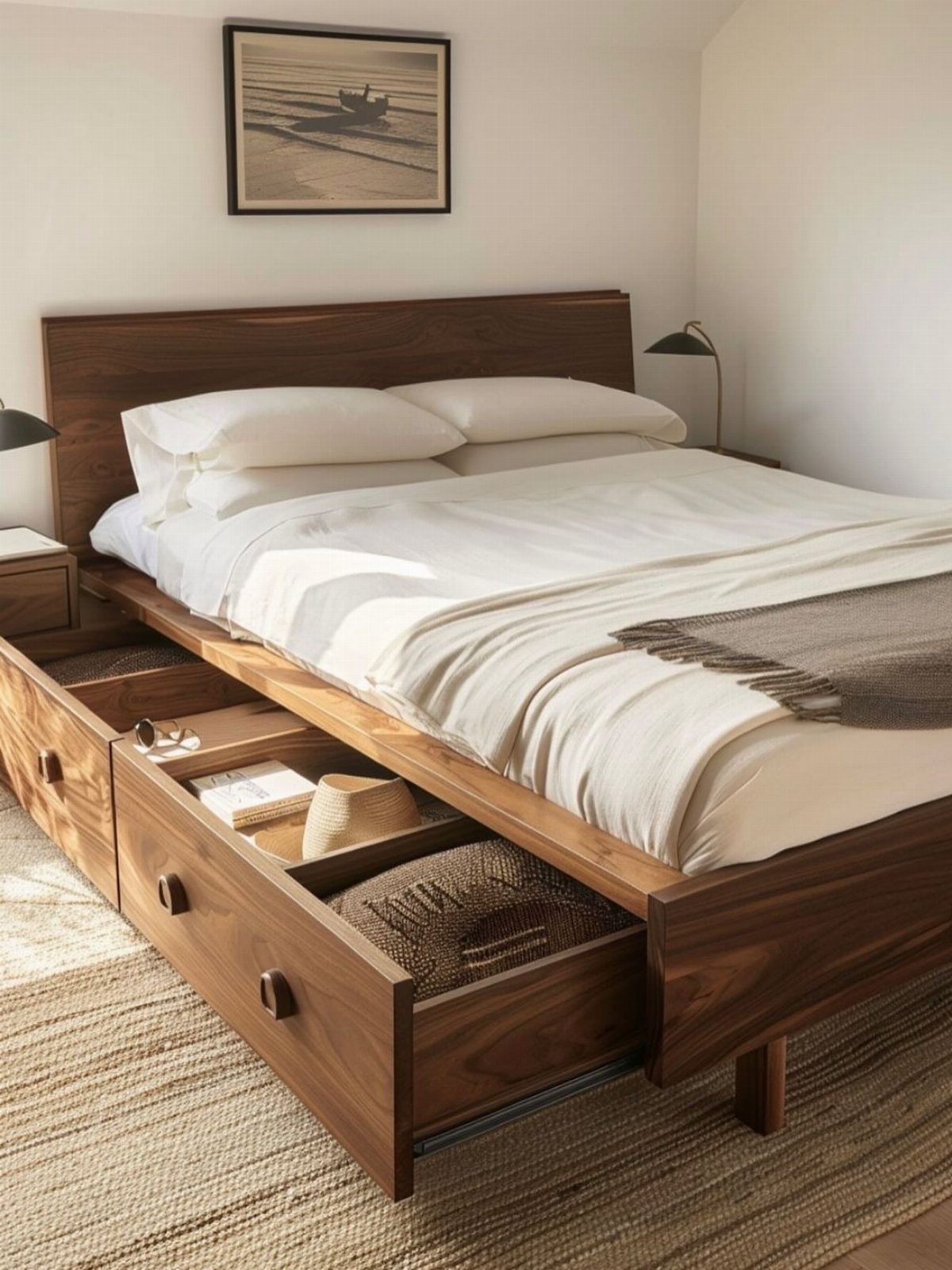
Drawers built into the frame slide out to hold clothes, shoes, or seasonal bedding. The space stays reachable without lifting the mattress or crawling underneath.
I prefer drawers that pull all the way out so I can see what is at the back. Some frames have storage on just one side, which works if the bed sits against a wall.
The frame itself adds height, so check your ceiling clearance before you commit.
3. Storage Bench
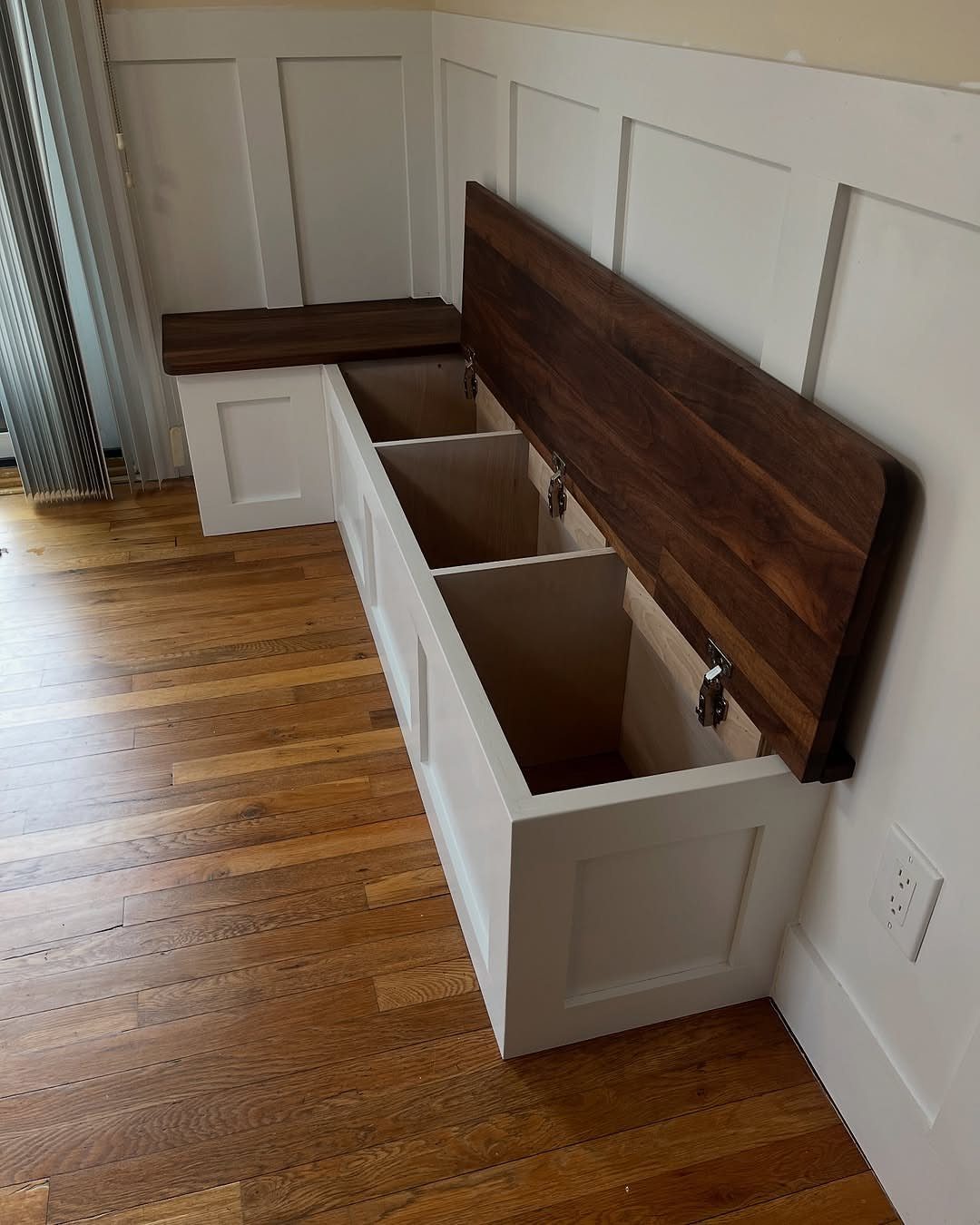
The lid lifts to stow shoes, bags, or anything that piles up near an entryway. I set one just inside the front door and it holds dog leashes, gloves, and the reusable grocery bags I always forget.
A built-in version anchors the space and can be sized to fit exactly where you need it. Freestanding benches move with you if you rent.
Pick a seat height that feels comfortable when you sit to tie your shoes.
There’s nothing quite like being able to surprise someone with a hidden feature in your home, but more than the novelty, hidden storage is a brilliant way to make your home feel less cluttered.
4. Under-stair Storage
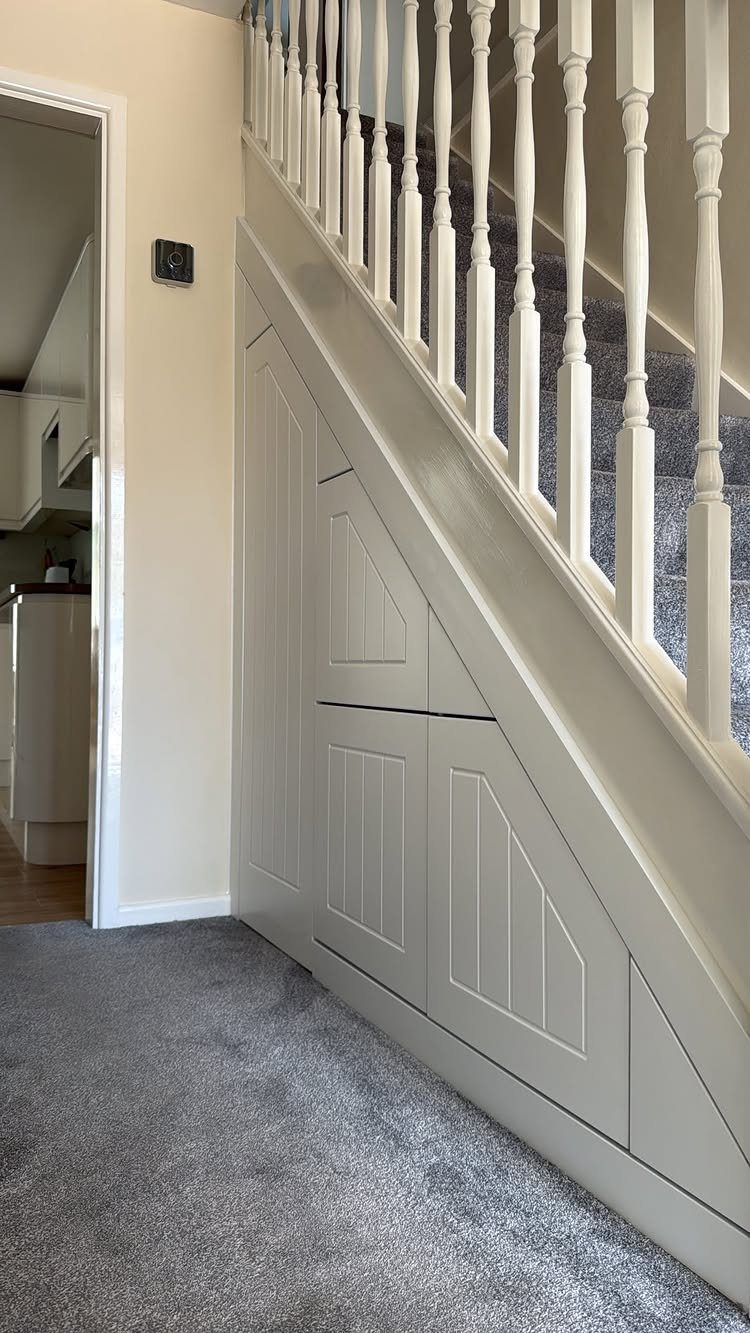
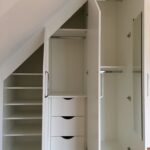
Cabinets or pull-out drawers built beneath the treads turn dead space into storage for coats, cleaning supplies, or anything bulky that crowds a closet.
The area is deep enough for vacuum cleaners and usually tall enough for boots or standing files.
If you own the home, you can add doors or drawers that fit the exact dimensions. Renters can use freestanding shelves or baskets that slide in and out without any carpentry.
The awkward height at the narrow end works for flat items like wrapping paper or folding chairs.
5. Lift-top Coffee Table
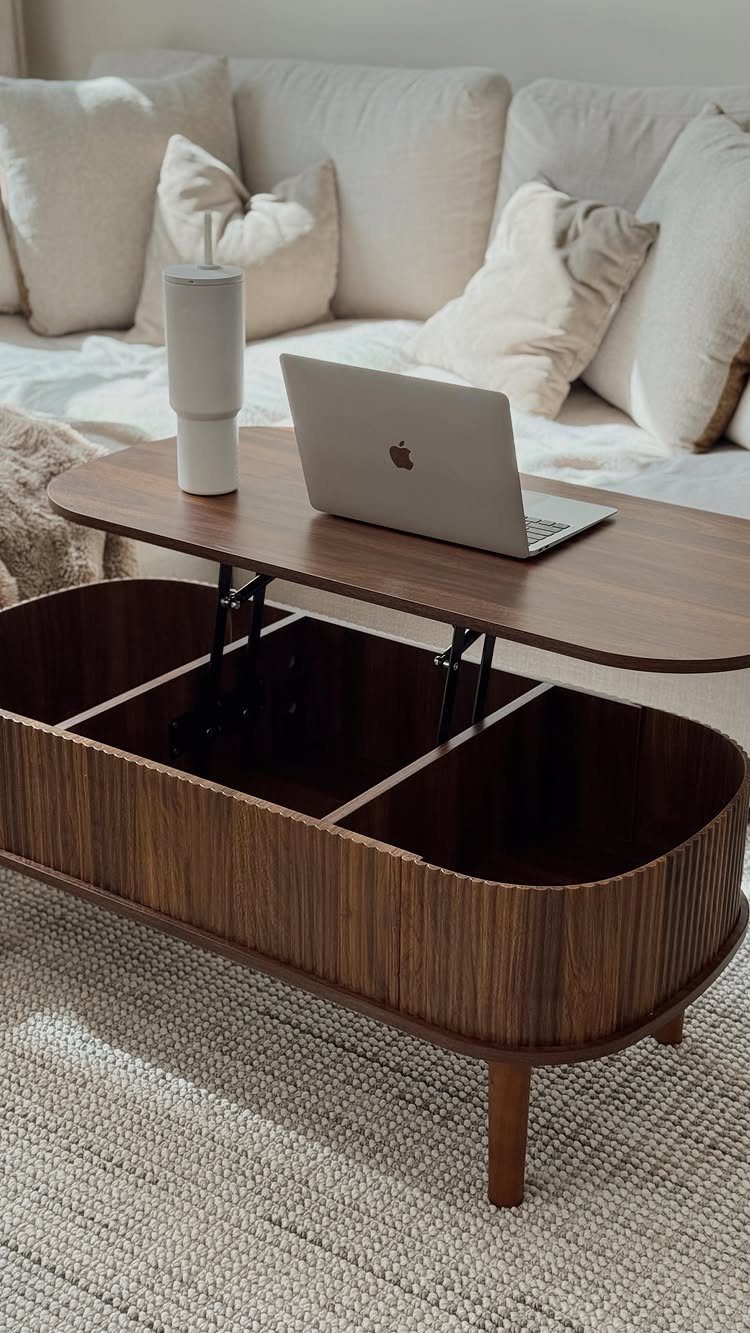
The top tilts or slides forward so you can tuck remotes, chargers, or mail into the cavity below. I like that it keeps the surface clear while everything you need stays within arm’s reach.
Some versions have a shelf that rises with the lid so you can work on a laptop or eat without leaning over. Others just open to a single compartment.
Look for one with a hinge that holds the lid in place once it is lifted. The ones that drop back down are frustrating.
6. Hidden Kitchen Compartments
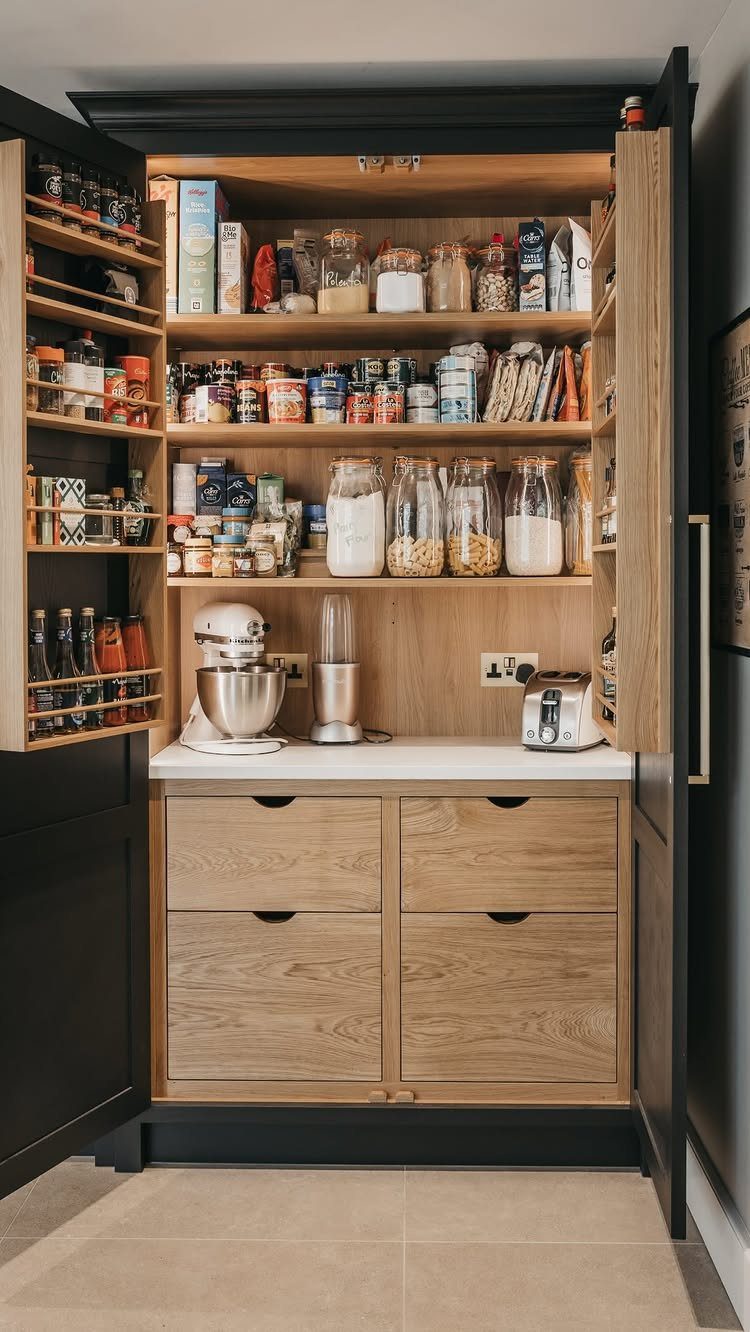
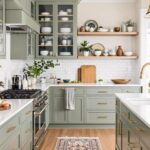
Drawers tucked into base cabinets or pull-out shelves behind cabinet doors keep small appliances, cutting boards, and baking sheets accessible but invisible when the kitchen is not in use.
I keep my toaster and blender on a pull-out shelf so the counter stays clear.
Pantry cabinets with adjustable shelves work if you have the wall space. Toe-kick drawers at the base of lower cabinets are shallow but good for flat items like sheet pans or placemats.
Soft-close hinges are worth the upgrade if you open and close these doors multiple times a day.
7. Hidden Bathroom Storage
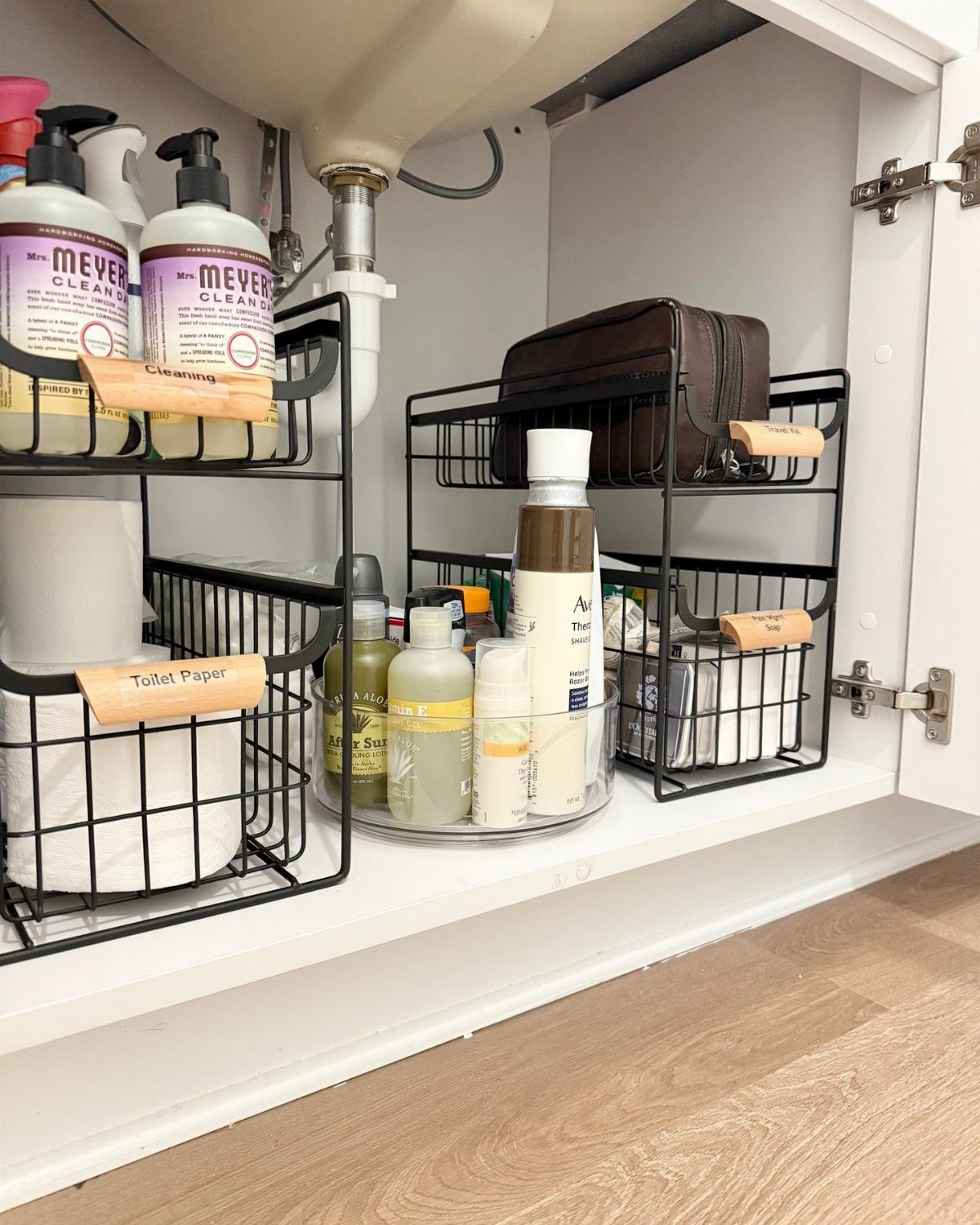
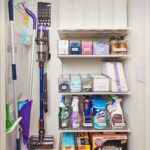
I installed a narrow cabinet between wall studs for cotton swabs and backup soap.
Over-the-toilet shelves work if you rent and cannot add anything permanent. Slide-out organizers inside the cabinet make it easier to reach what is at the back.
Match the cabinet door to the wall color if you want it to disappear.
8. Hidden Door Storage
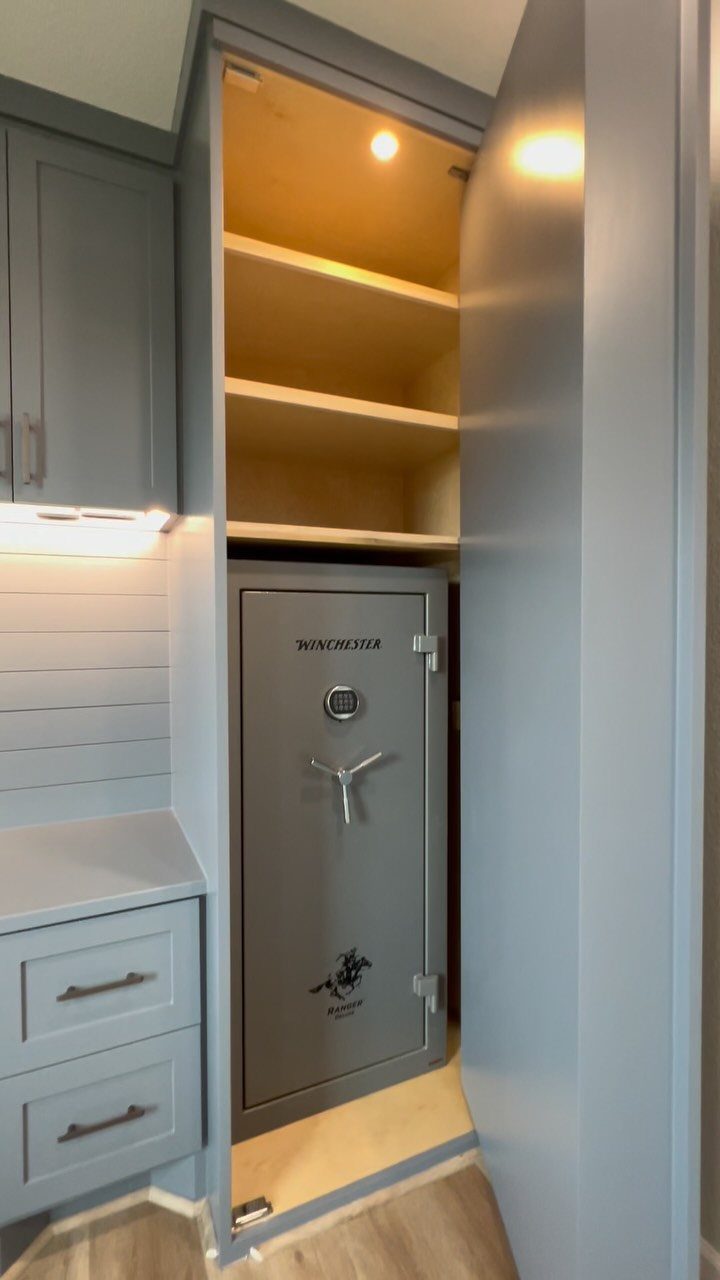
A door built flush with the wall hides a closet, a safe, or shelving without breaking the line of the room. A hallway door painted to match the wall can hold coats and disappear into the paneling.
The door needs to swing into the storage area or slide along the wall. Hinges that sit inside the frame keep the face smooth.
Paint it to match the wall and skip the trim if you want it to blend completely.
9. Storage Headboard
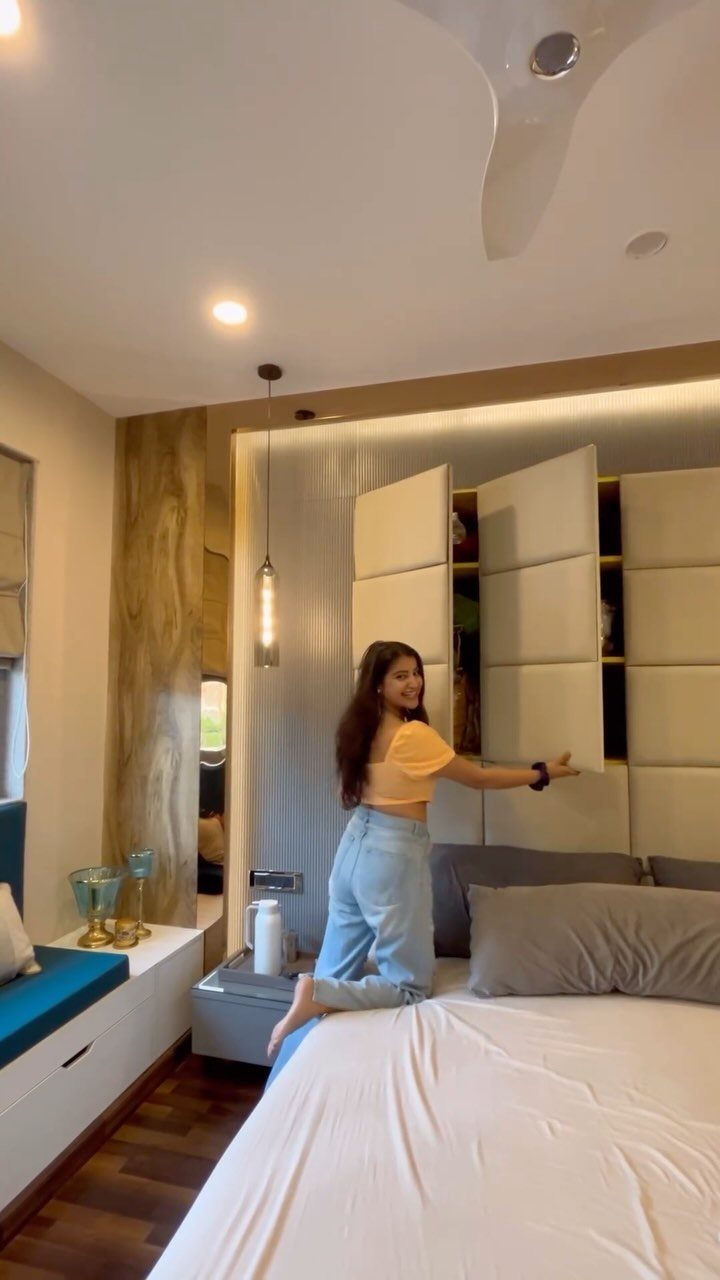
Compartments built into the back or sides hold books, charging cables, or anything you want within reach of the bed. Mine has open cubbies on each side that replace a nightstand.
Some versions have lift-up panels that hide deeper storage for extra blankets. Others are just shallow shelves that keep a phone or a glass of water off the floor.
Measure the space behind your pillows so the compartments do not stick out past the mattress edge.
10. Storage Sofa
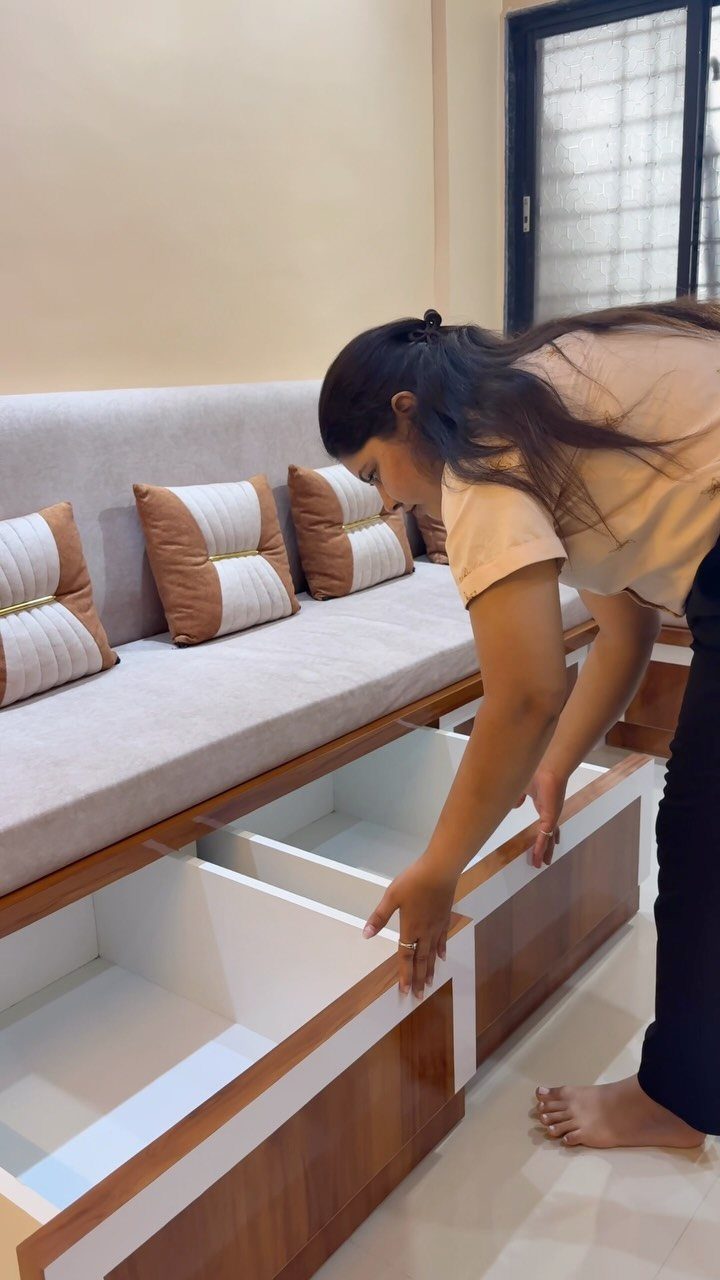
Drawers or a lift-up seat let you store blankets, board games, or anything that usually ends up on the floor nearby. Lift-top sofas work well for throw pillows, blankets, or anything you want off the floor between guests.
The drawers usually pull out from the front, so leave enough clearance in front of the sofa. Lift-up seats need a hinge that holds the cushion open while you dig around inside.
Measure what you plan to store first. Some compartments are too shallow for anything taller than a folded towel.
11. Concealed Wall Cabinetry
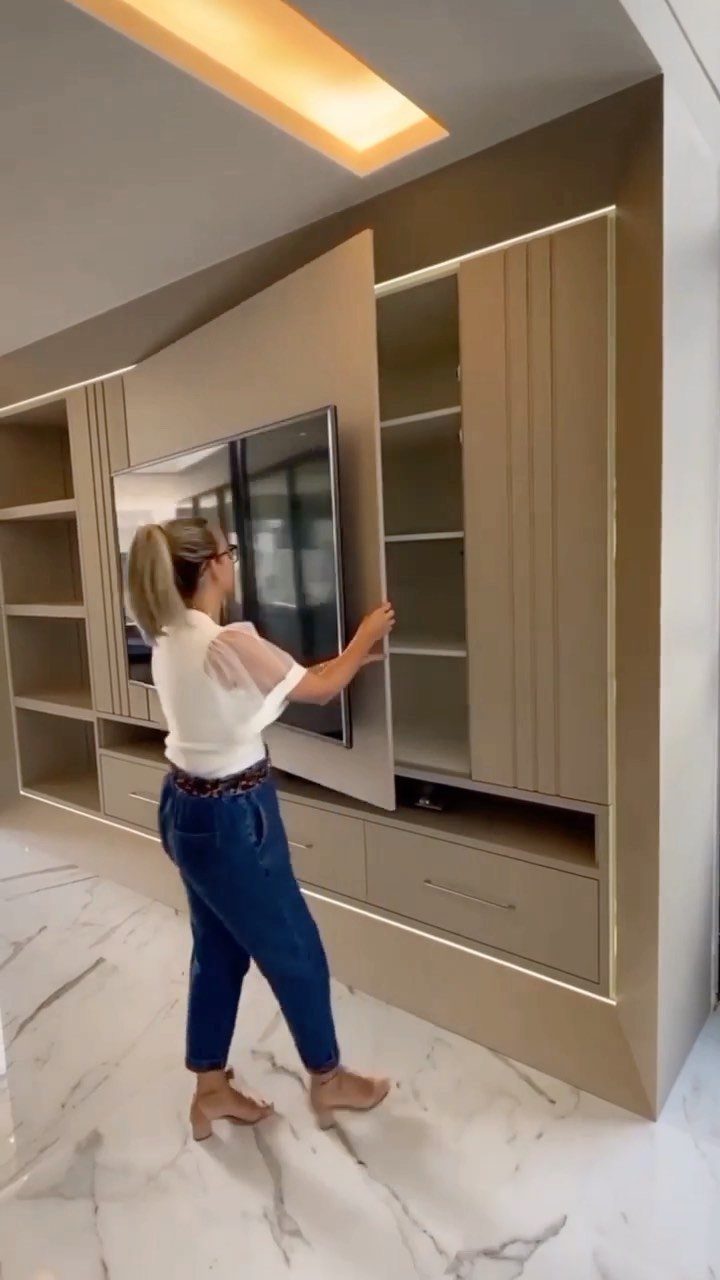
Panels or doors that match the wall finish open to reveal shelves, electronics, or anything you would rather keep hidden between uses. Wall cabinets next to the TV are good for video game controllers, remotes, and routers.
Sliding panels save space if the wall is tight. Hinged doors need clearance to swing open.
Magnetic catches keep the door closed without a visible handle. Paint or panel the face to match the rest of the wall.
12. Toe-kick Drawers
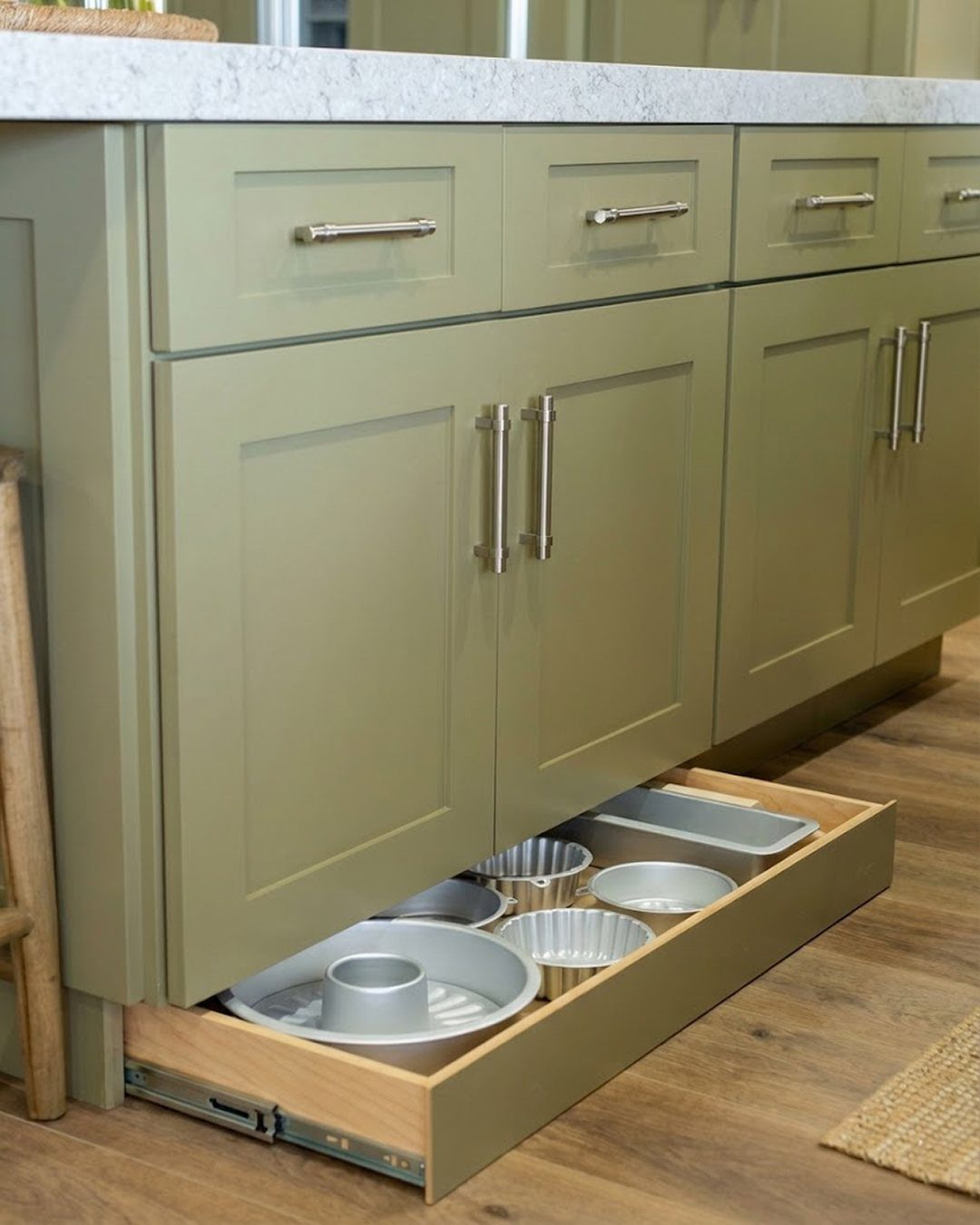
These fit into the recessed area at the base of your cabinets and hold flat items like baking sheets, cutting boards, or dish towels. The depth is only a few inches, so anything thick will not fit.
Push-to-open mechanisms work better than pulls because your hands are usually full in the kitchen. Some versions have dividers to keep pans from sliding around.
Check that the drawer clears your baseboards before you install it.
13. Under-bed Storage
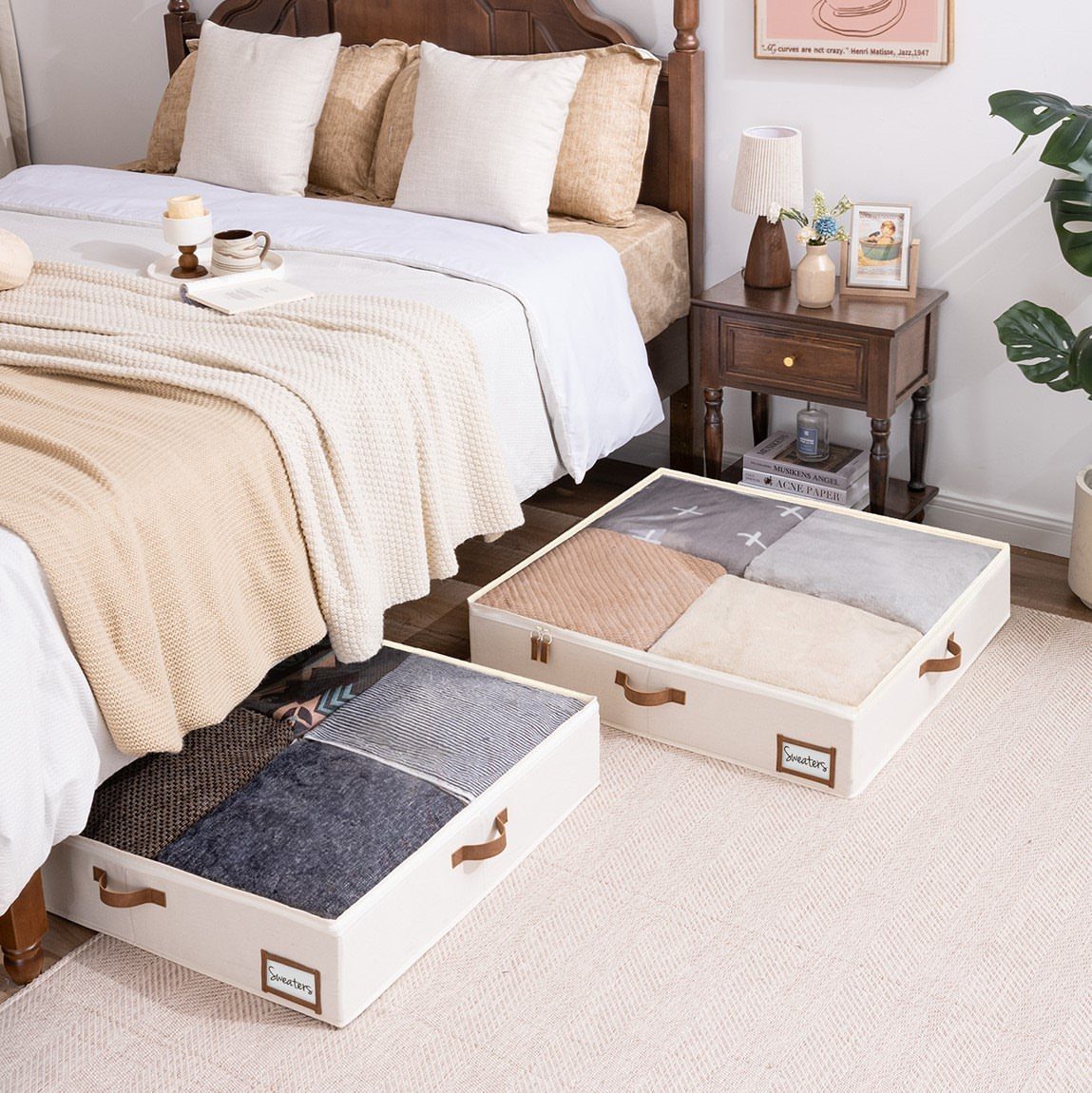
Bins or drawers slide underneath to hold seasonal clothes, extra bedding, or shoes that would otherwise fill the closet. Fabric bins with handles are easier to pull out on carpet.
Rolling drawers work better on hard floors and keep contents from collecting dust. Some sit flat and shallow, others stack higher if your bed frame allows clearance.
Measure the height between your floor and the bed frame first. Small clearance differences decide whether a bin fits or doesn’t.
14. Floating Credenza
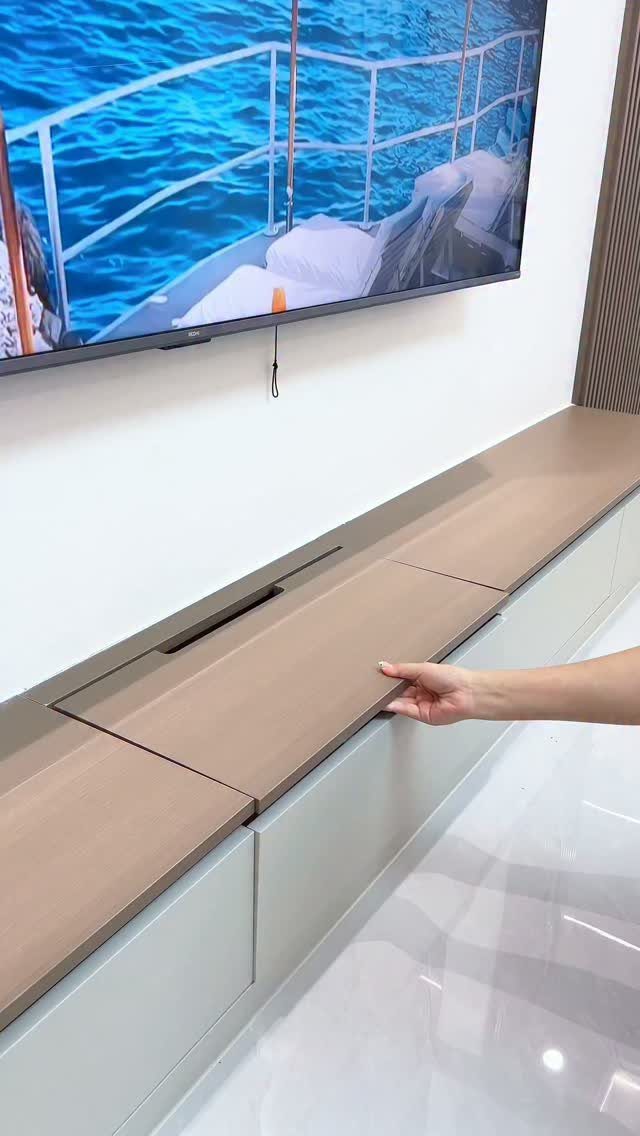
Doors built into a wall-mounted cabinet hide remotes, charging cables, or anything that clusters near the television. The unit floats off the floor so you can vacuum underneath without moving furniture.
Mounting it to studs matters more than the finish. If you cannot hit studs where you want the credenza, use heavy-duty anchors rated for the weight.
Shallow cabinets hold flat items but nothing bulky.