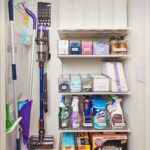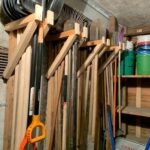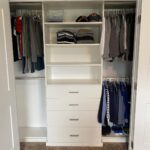


An 8×12 shed moves seasonal gear out entirely while overhead racks and floor-to-ceiling shelves use space you’re not driving through.
If your ceiling is high enough for a lift and you work on cars, a two-post model clears the floor when the vehicle is up.
Smaller garages do better with wall-mounted cabinets and bike racks that keep daily items within reach without blocking the car.
1. Floor-to-ceiling Garage Shelves
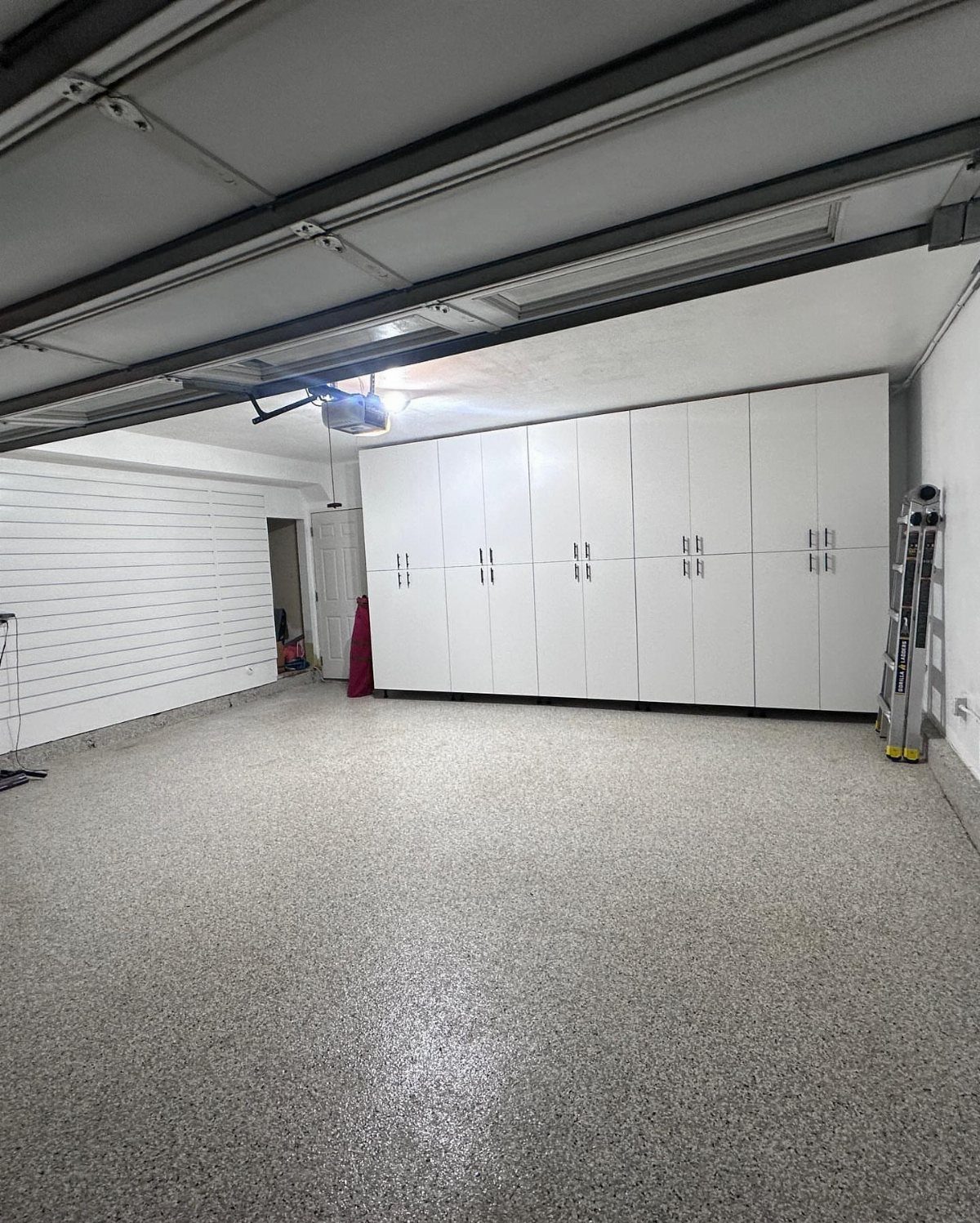
Shelves or cabinets that run from floor to ceiling use the full wall height and keep the floor clear for parking or moving around.
I’d mount them along one wall and leave the rest of the garage open.
Fixed shelves work if you’re storing bins or boxes that stack well. Cabinets with doors keep dust off tools and supplies, but they cost more and take longer to install.
Most garage walls can hold standard metal or wood shelving units. Anchor them to studs so they don’t tip when loaded.
2. Overhead Racks
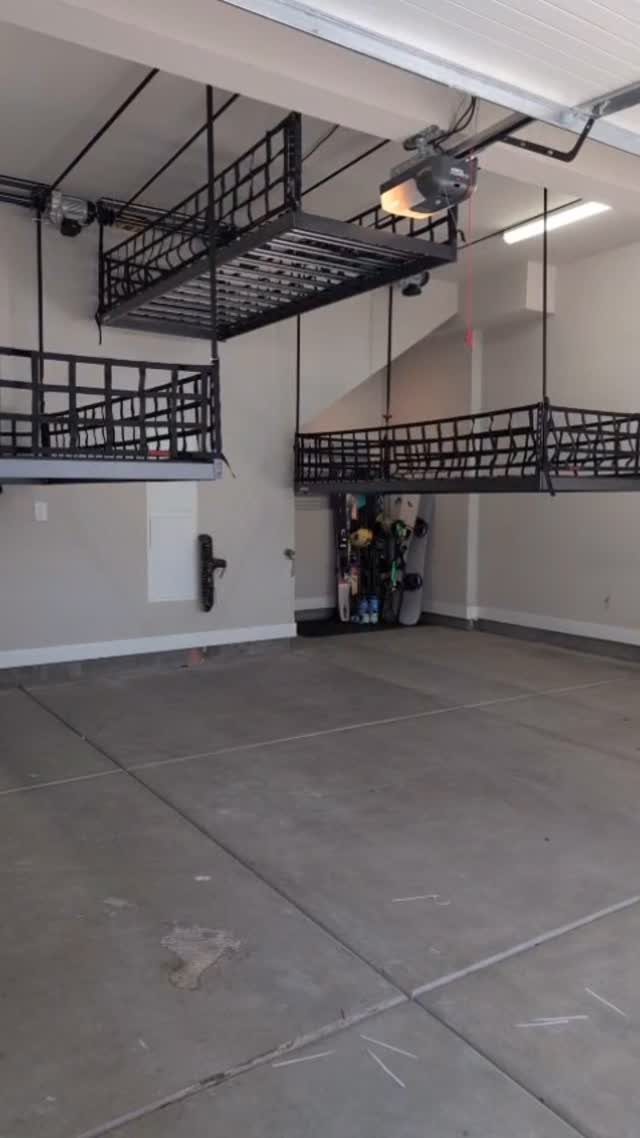
Racks bolted to the ceiling joists hold bins, seasonal gear, or anything you don’t need to grab often.
They keep the floor and walls free for daily-use storage. I’d put holiday decorations, camping equipment, or luggage up there.
Check your ceiling height first. Most racks hang below the joists, so measure from the garage door up to make sure you have clearance when the door opens.
Install into solid wood joists, not drywall alone. If you’re not sure where the joists run, a stud finder will show you.
3. Wall-mounted Garage Cabinets
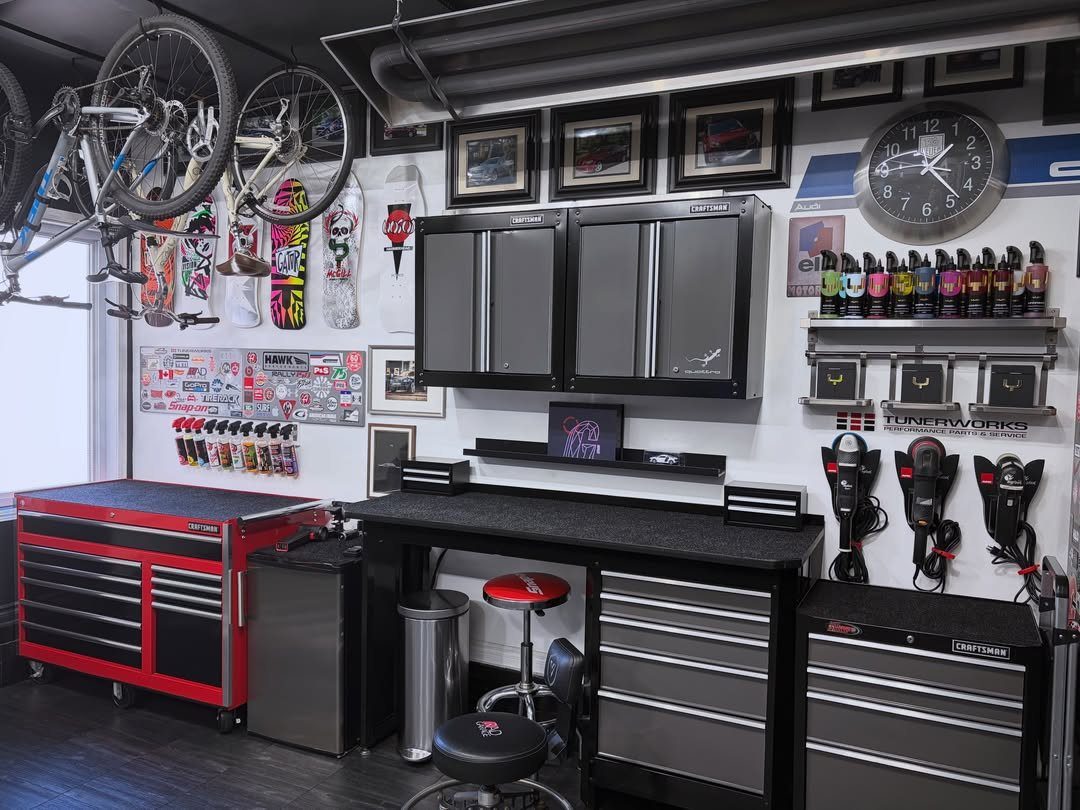
Cabinets mounted to the wall give you enclosed storage for tools, paint, and anything else you want out of sight.
They don’t take floor space, so you can park closer to them than you could with a standing cabinet. I’d choose ones with adjustable shelves so you can change the layout as your storage needs shift.
Metal cabinets hold up better in garages that get damp or see temperature swings. Wood cabinets look nicer but can warp if moisture gets in.
Mount them at a height where you can reach the bottom shelf comfortably without bending too far.
You’re not out of luck with a single, even one that you want to park a car in. There are some great single car and small shop projects like a few that have been posted… "dubber’s single", eric’s "Workshop 88" (not parking but great organization).
4. Wall-mounted Bike Racks
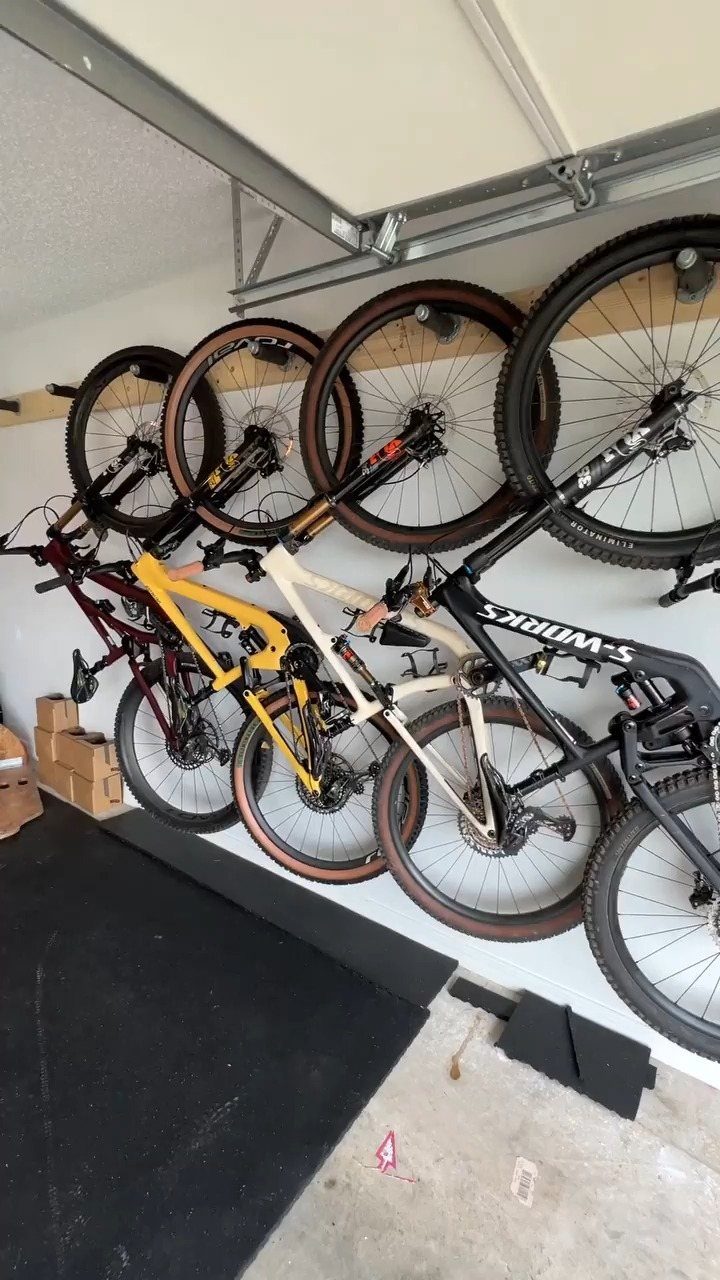
Racks screwed into wall studs hold bicycles vertically or horizontally and get them off the garage floor.
Vertical racks take less wall width but need more ceiling clearance. Horizontal racks are easier to load if you have shoulder issues or a heavy bike.
I’d space them so the handlebars don’t overlap. If you’re storing bikes with different wheel sizes, mount the racks at staggered heights so smaller bikes sit lower.
Most racks hold a good amount of weight. Check the weight if you’re hanging an electric bike.
5. 8×12 Storage Shed
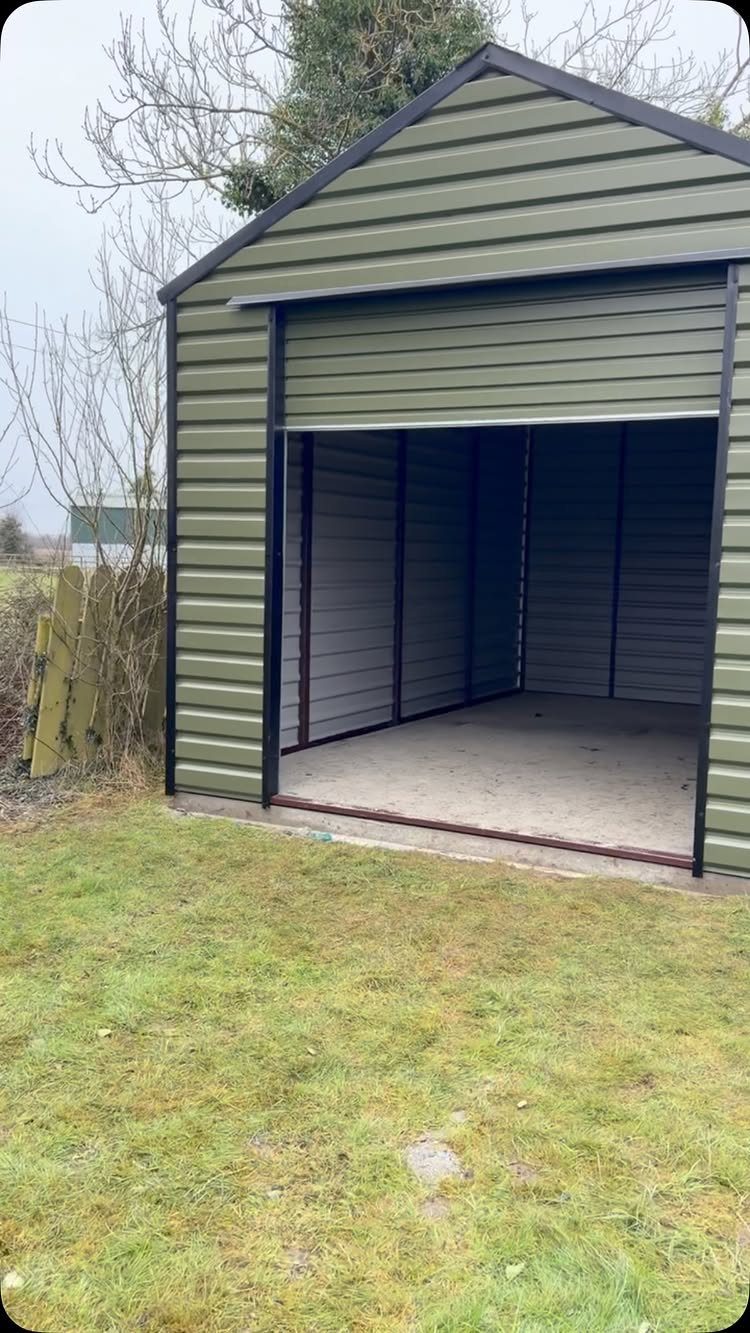
A shed on your property moves seasonal items, lawn equipment, or anything you use a few times a year out of the garage and frees up space for daily parking and storage.
An 8×12 footprint fits a standard residential lot without taking over the yard. Roll-up doors make it easier to load and unload large items like mowers or snow blowers.
Metal sheds cost less and go up faster than wood. Wood sheds take more upkeep but blend in better if your yard has a specific look.
Check local codes before you build. Some areas require a permit for sheds over a certain size.
6. Multi-functional Workbench
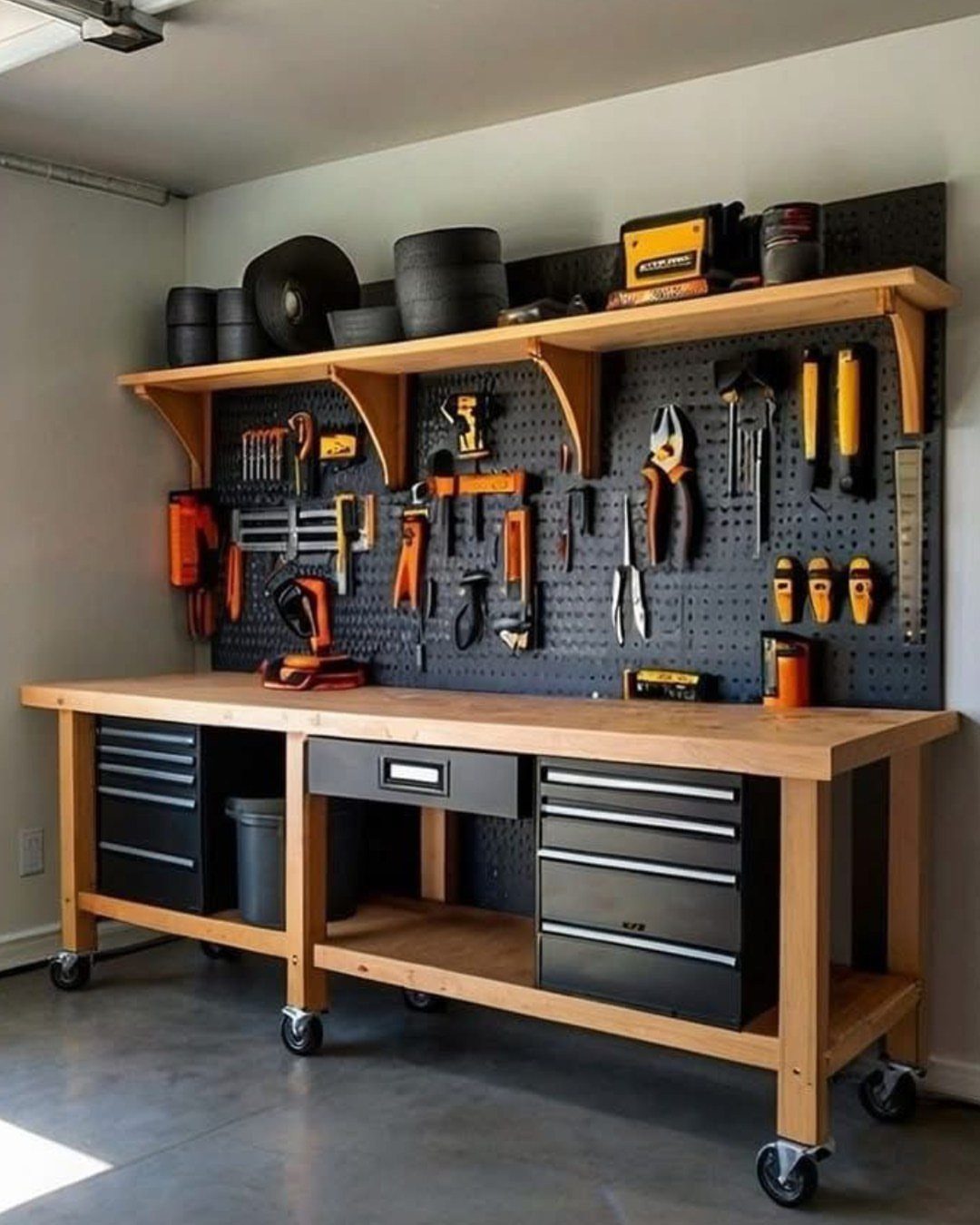
A workbench with drawers or cabinets built in gives you a flat surface for projects and keeps tools within reach while you work.
Wheels let you roll it out of the way when you need floor space for parking. I’d look for one with a solid wood or butcher block top if you’re cutting or hammering on it often.
Drawers keep small tools organized better than open shelves. If you’re building your own, add a power strip to the side so you don’t need extension cords running across the floor.
Plan for enough depth so you have room to clamp work pieces without them hanging off the edge.
7. Sports Gear Wall Storage
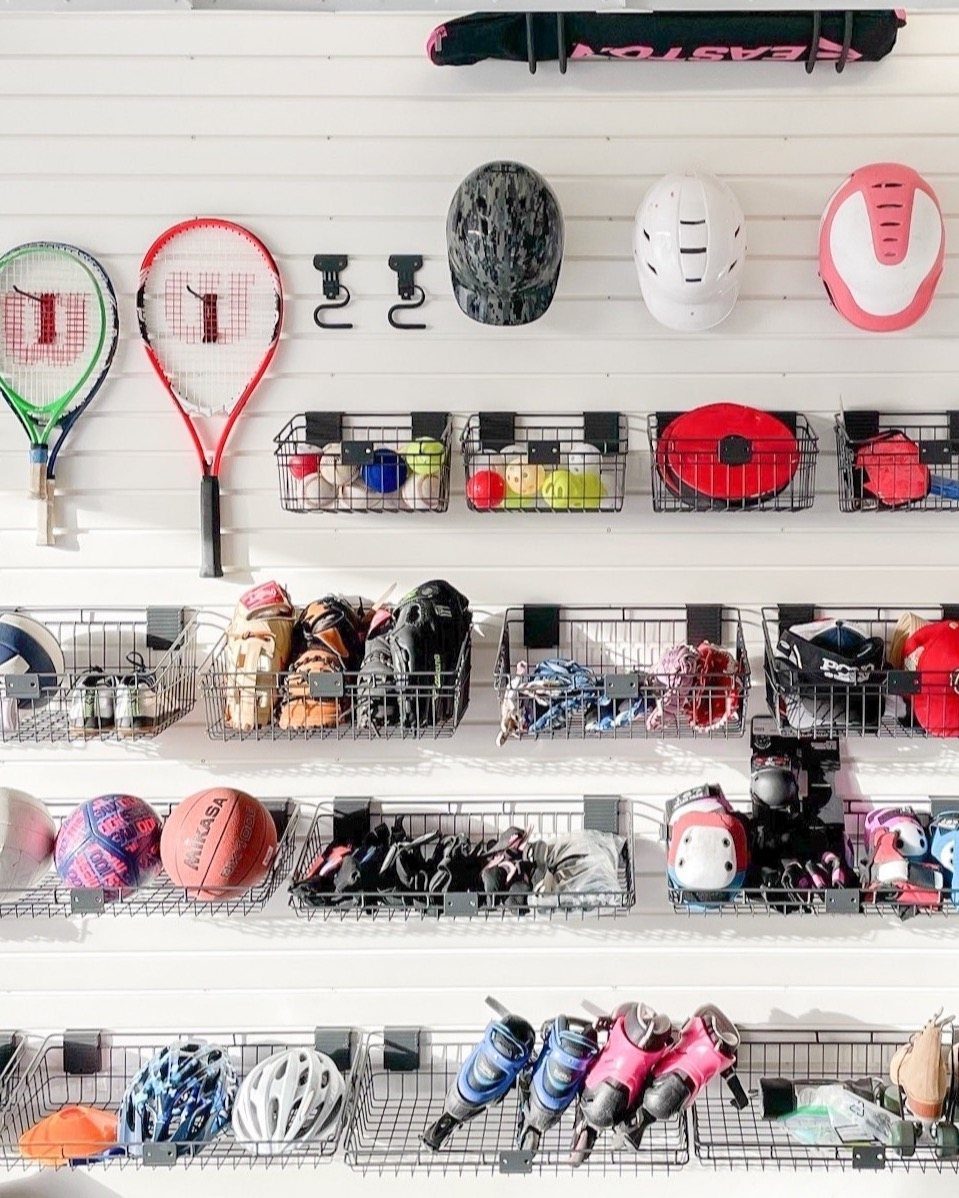
Wire baskets and hooks screwed into a slatwall keep sports equipment sorted and off the floor.
Balls, helmets, rackets, and bags each get their own spot, so you’re not digging through a pile when you need something. I’d group items by sport or by person if everyone in the house plays something different.
Slat systems let you move hooks and baskets around without drilling new holes. If you don’t have slatwall, standard pegboard works the same way and costs less.
Mount it low enough that kids can reach their own gear.
8. Garage Rail Storage
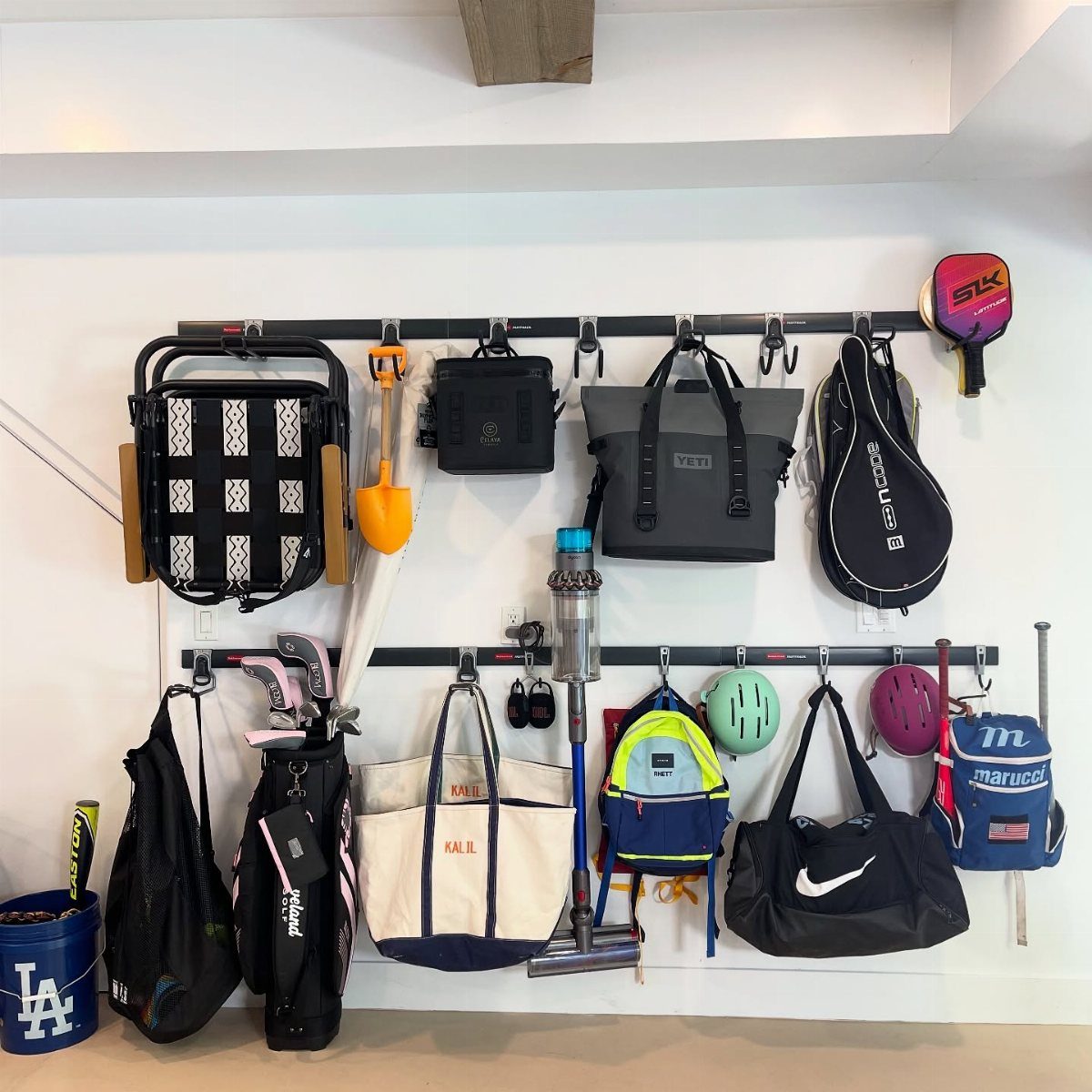
Horizontal rails mounted to the wall hold bags, tools, and gear on hooks that slide along the track.
You can move the hooks left or right to fit what you’re hanging without re-drilling. I’d use one rail for sports bags and another lower down for shovels, rakes, or anything with a handle.
Most rails are aluminum or steel and hold plenty of weight. The hooks drop in from the top and lock in place.
Space the rails far enough apart so items on the bottom rail don’t bump into what’s hanging above.
9. Garage Office Conversion
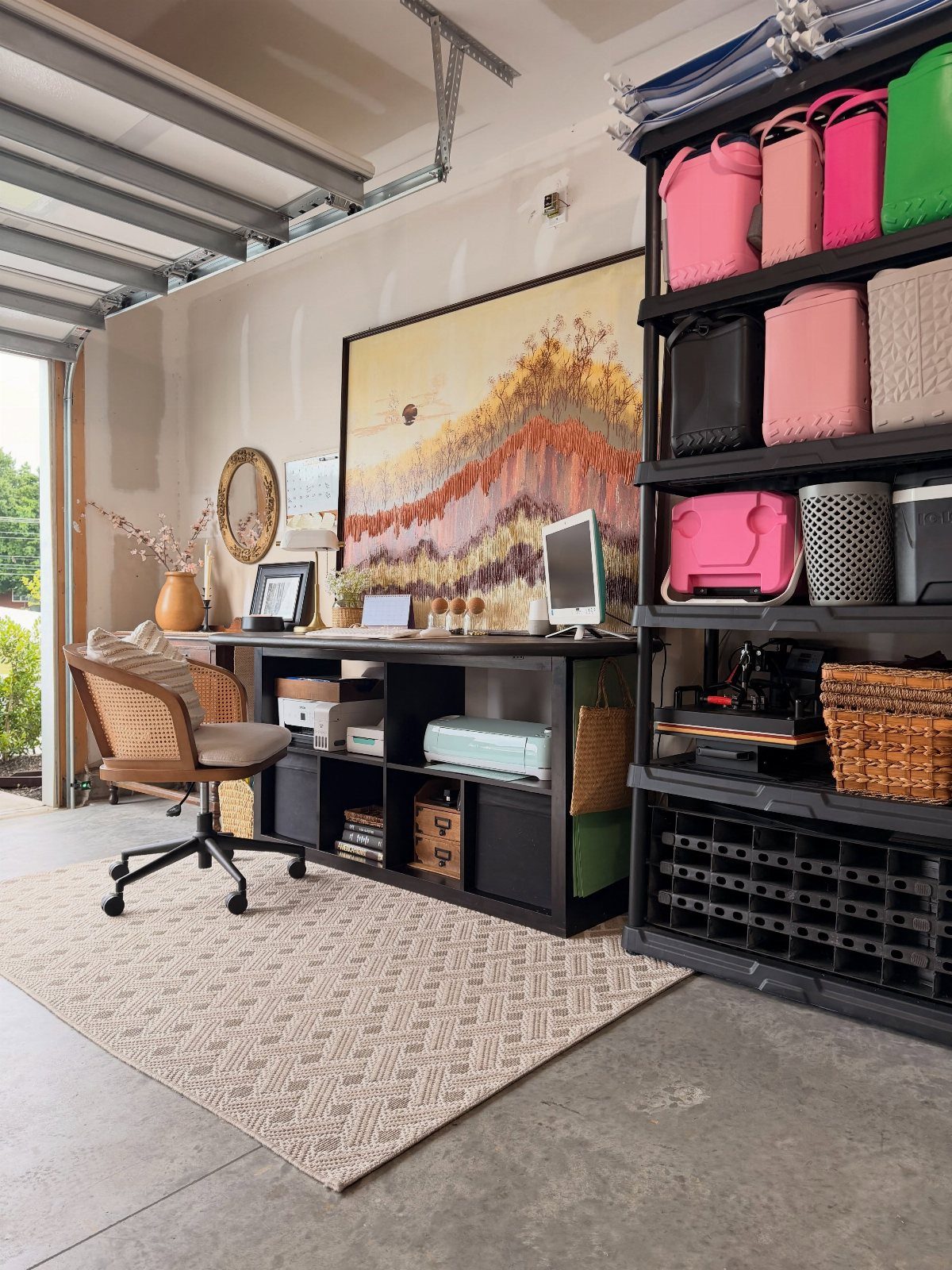
Converting part of a garage into an office gives you a dedicated workspace when you don’t have a spare room inside.
A desk, chair, rug, and shelving are enough to make it functional. I’d add insulation and a small heater or fan if the garage isn’t climate-controlled, since temperature swings can make it uncomfortable year-round.
Mount shelves to the wall instead of standing a bookcase on the floor. Bins keep paperwork and supplies out of sight.
Run an extension cord or add an outlet if the nearest one is too far from where the desk sits.
10. Labeled Hardware Bins
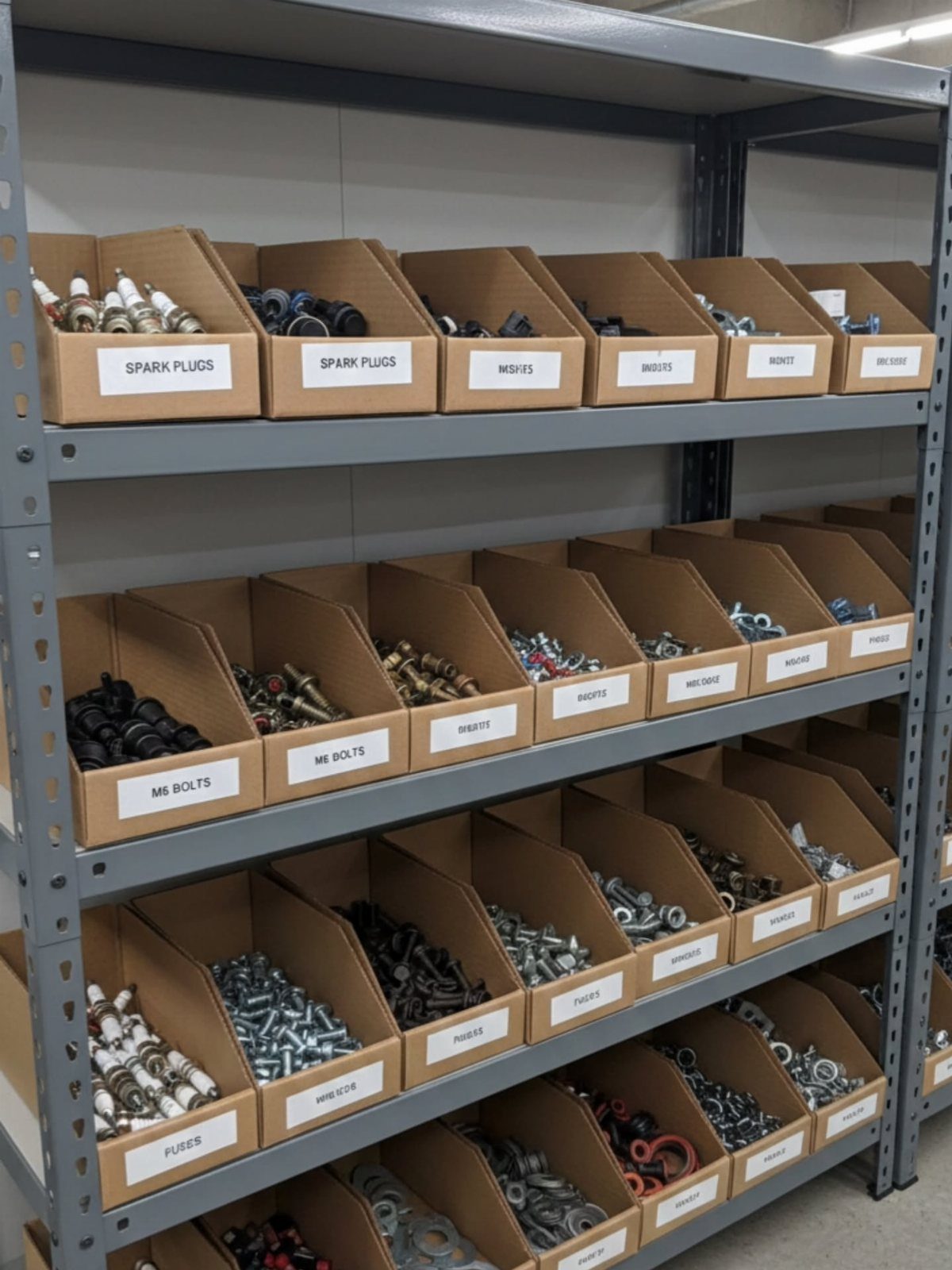
Cardboard bins with printed labels keep screws, bolts, fuses, and small hardware sorted on metal shelving.
Each bin holds one type of part, so you can find what you need without opening a bunch of containers. I’d label the front and the top so you can read them no matter how the bins are stacked.
Cardboard bins are cheaper than plastic and easier to replace if one gets damaged or dirty. They don’t hold up as well in damp garages, so skip them if moisture is an issue.
Store the bins you reach for most often at eye level.
11. Two-post Car Lift
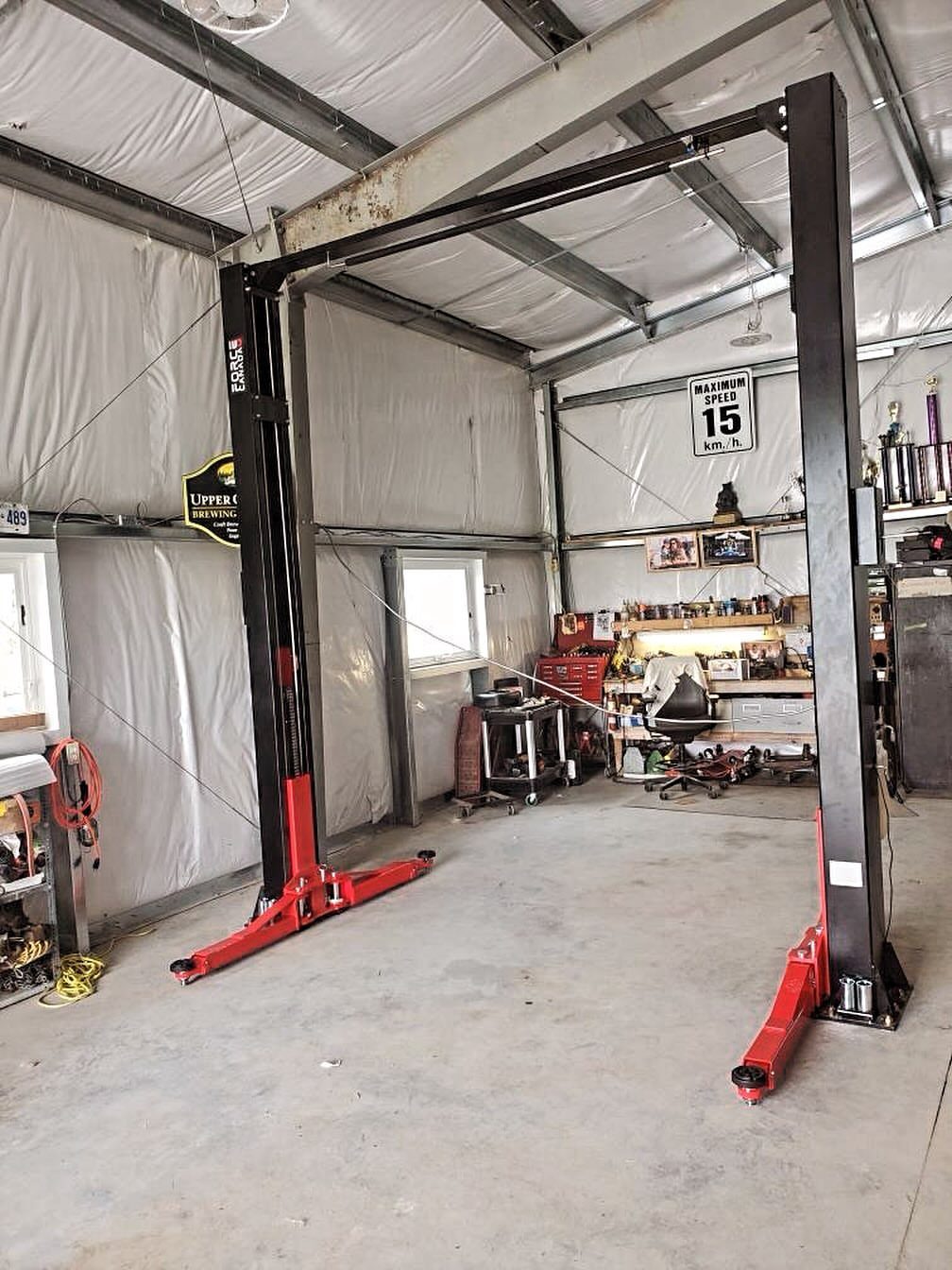
A two-post lift bolted to the garage floor raises a car so you can work underneath without crawling on a creeper.
It clears the floor when the car is up and lets you use the garage for other things while a project sits. Most residential models need tall ceilings and a thick concrete slab.
Installation usually requires an electrician to wire a 220-volt outlet.
Measure your garage door height to make sure a lifted car won’t block the opener or tracks.
Frequently Asked Questions
How can I organize a garage with limited floor space?
I’d focus on wall-mounted shelves, overhead racks, and hooks that keep everything off the floor. Vertical storage leaves room to park and move around, and you can still reach daily-use items without digging through bins.
What are some effective garage storage ideas to maximize space?
Use the walls and ceiling together so the floor stays clear. Wall-mounted shelves and cabinets hold the tools and supplies you use most, and overhead racks store the seasonal things you only pull down a few times a year.
How can I organize small things in a garage?
Label each bin on the front and the top so you can see what’s inside from any angle.
What are the best garage storage bins for small items?
Clear plastic bins with lids let you see what’s inside and stack well on shelves. For things you grab all the time, open baskets or cardboard bins work fine as long as the garage stays dry.
How can I create an effective tool storage system in my garage?
A workbench with built-in drawers keeps hand tools close while you work, and wall-mounted racks or pegboards hold everything else within reach. Overhead racks take gear you don’t use often, so the walls stay open for daily tools.
What are some space-saving ideas for storing sports equipment in a small garage?
Hooks and wire baskets mounted on slatwall or pegboard lift balls, helmets, and gear bags up where you can see them.
How can I organize cleaning supplies and products in my garage?
A wall-mounted cabinet with adjustable shelves keeps supplies out of sight and off the floor. Mount the shelf low enough that you can reach the bottom without stooping.