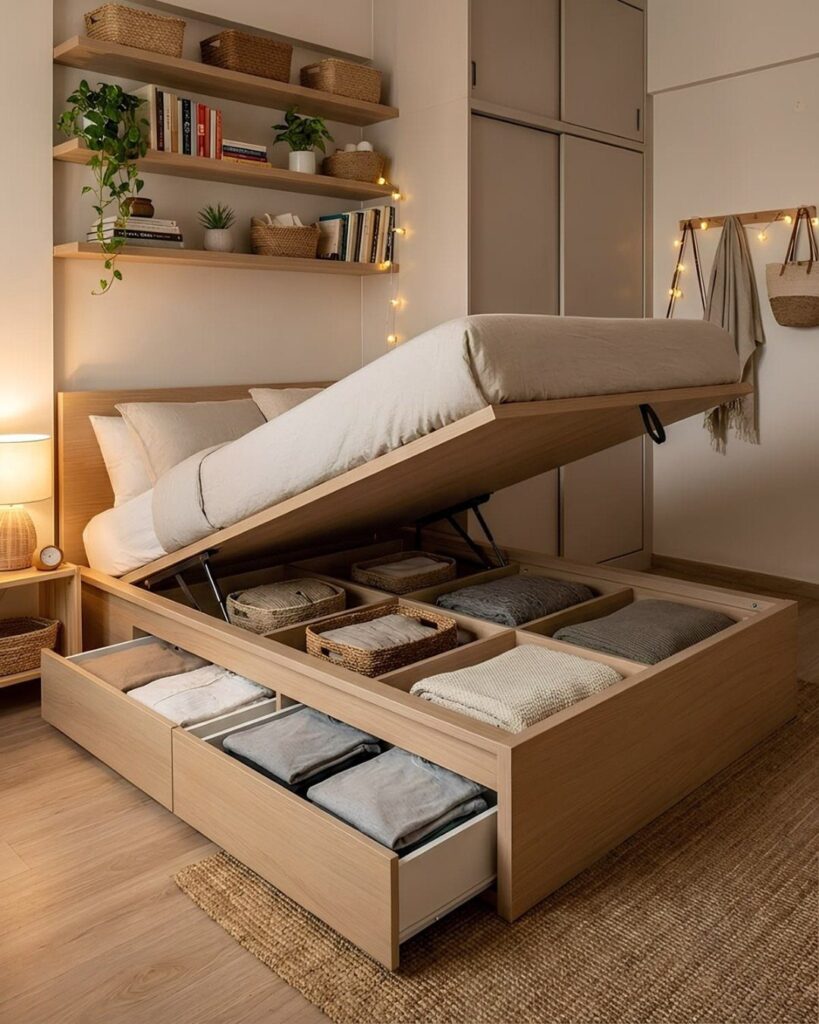

A hidden compartment can sit under a bed frame, behind a cabinet door, inside a wall shelf, or built into a staircase.
If you want something out of sight but easy to reach, pick storage built into furniture or fixtures you already use.
If you need more space than a drawer can hold, a walk-in pantry or a built-in wall cabinet gives you room for bulk items without eating floor space.
1. Under-bed Storage
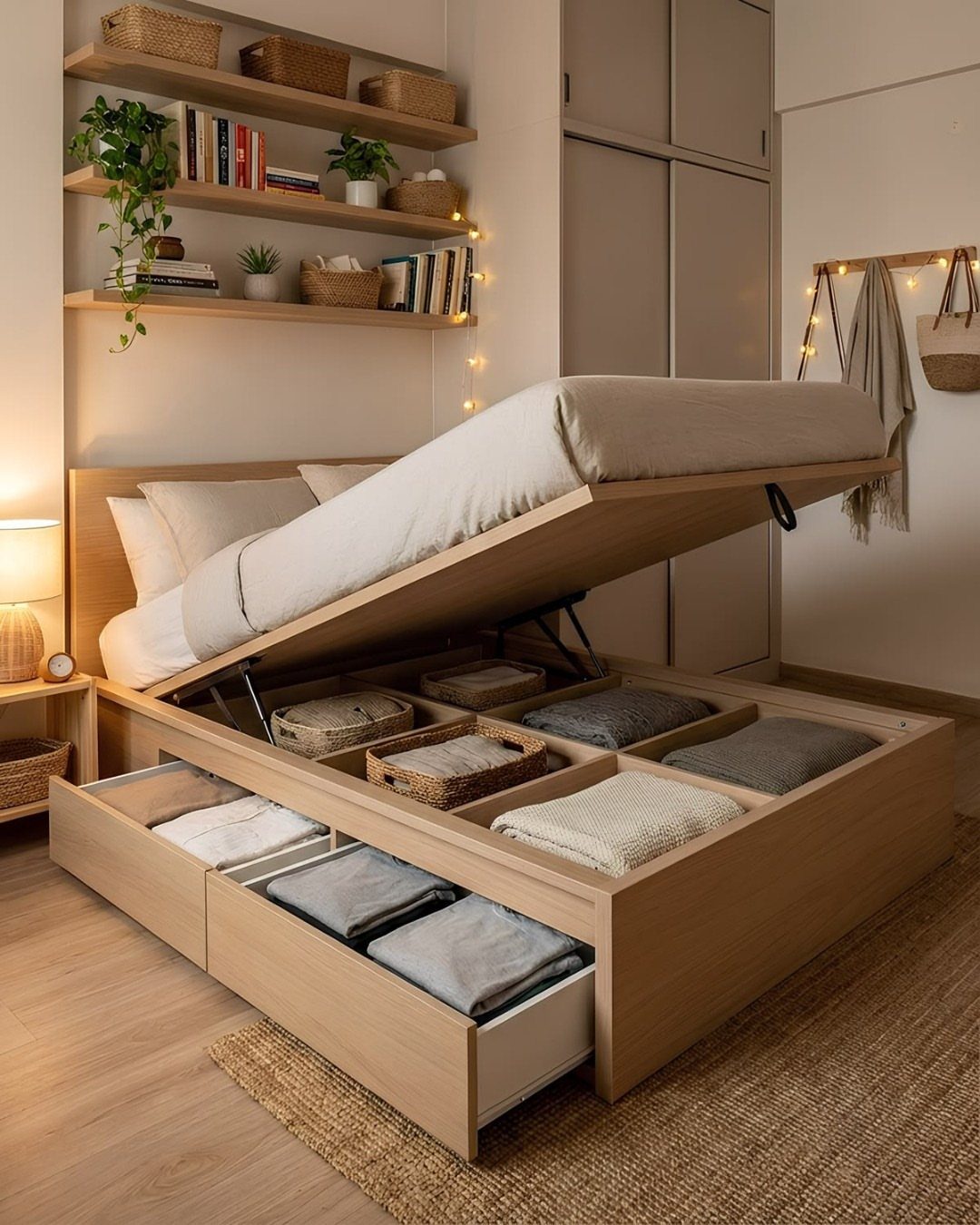
Slide drawers or bins under the bed frame to keep linens, clothes, or seasonal items tucked away but easy to reach.
If your bed sits high enough, storage fits underneath without altering the frame. Low-profile bins work under a platform bed; drawers on wheels roll out when you need them and disappear when you don’t.
I’d choose drawers with dividers if you’re storing smaller things like shoes or accessories. Bins without lids collect dust, so look for ones with a cover or a zipper.
2. Hidden Storage Furniture
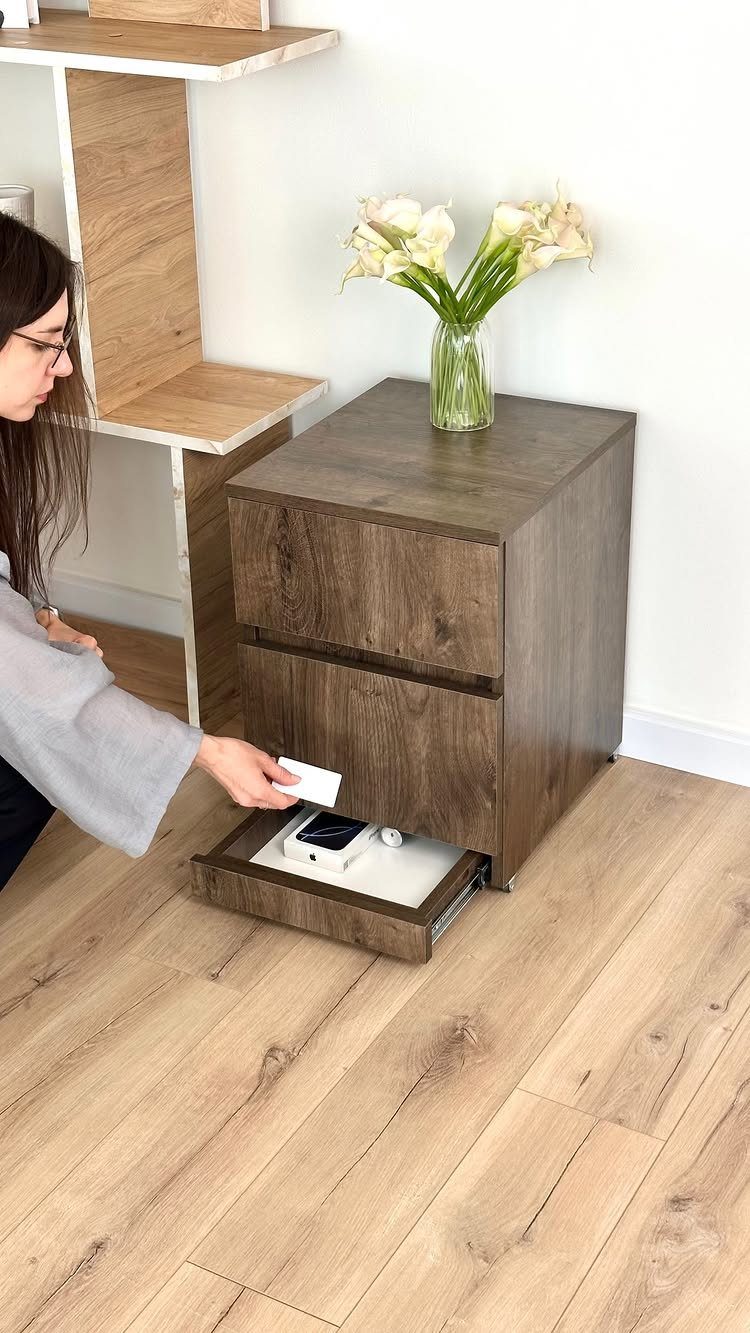
A nightstand, ottoman, or bench with a false bottom or side panel hides valuables, electronics, or documents you want out of view.
The drawer or compartment sits inside the furniture piece and opens with a latch, a magnetic catch, or a push-to-open mechanism. From the outside, the furniture looks like any other piece in the room.
I’d use this for anything you don’t want guests or kids to stumble across: a phone, a journal, extra cash. It keeps the surface clear and the contents private without adding a safe or a lockbox to your bedroom.
3. Built-in Hidden Storage
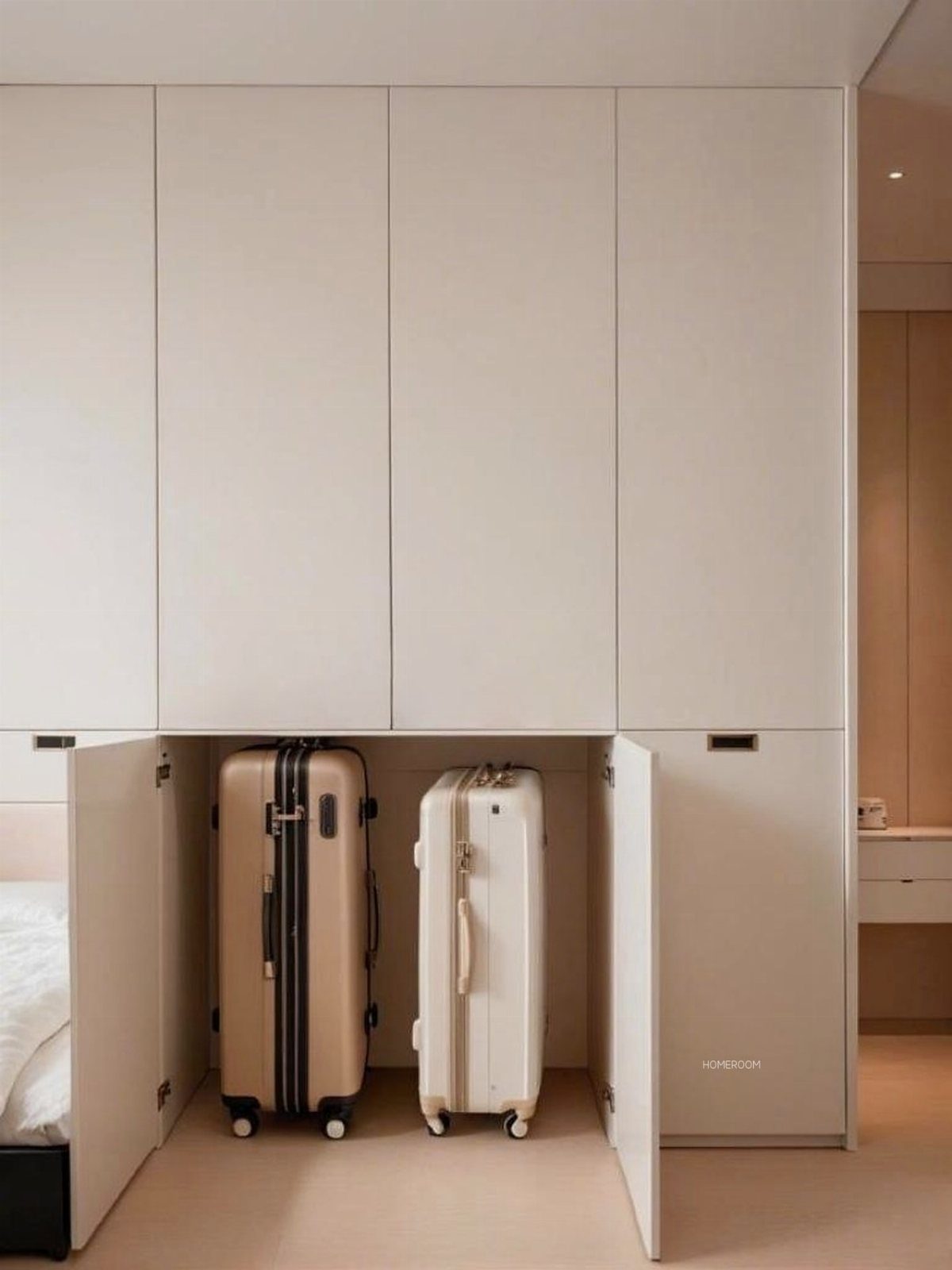
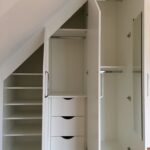
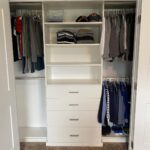
A cabinet or closet built into the wall gives you storage that sits flush with the room and doesn’t eat floor space.
The unit can hold suitcases, seasonal clothes, or anything bulky you rarely touch. Doors keep the contents hidden, and the whole thing reads as part of the architecture instead of furniture you brought in.
I’d add this during a remodel or when you’re finishing a room, since it requires cutting into the wall and framing the space. Once it’s in, you gain storage without losing square footage.
4. Appliance Garage
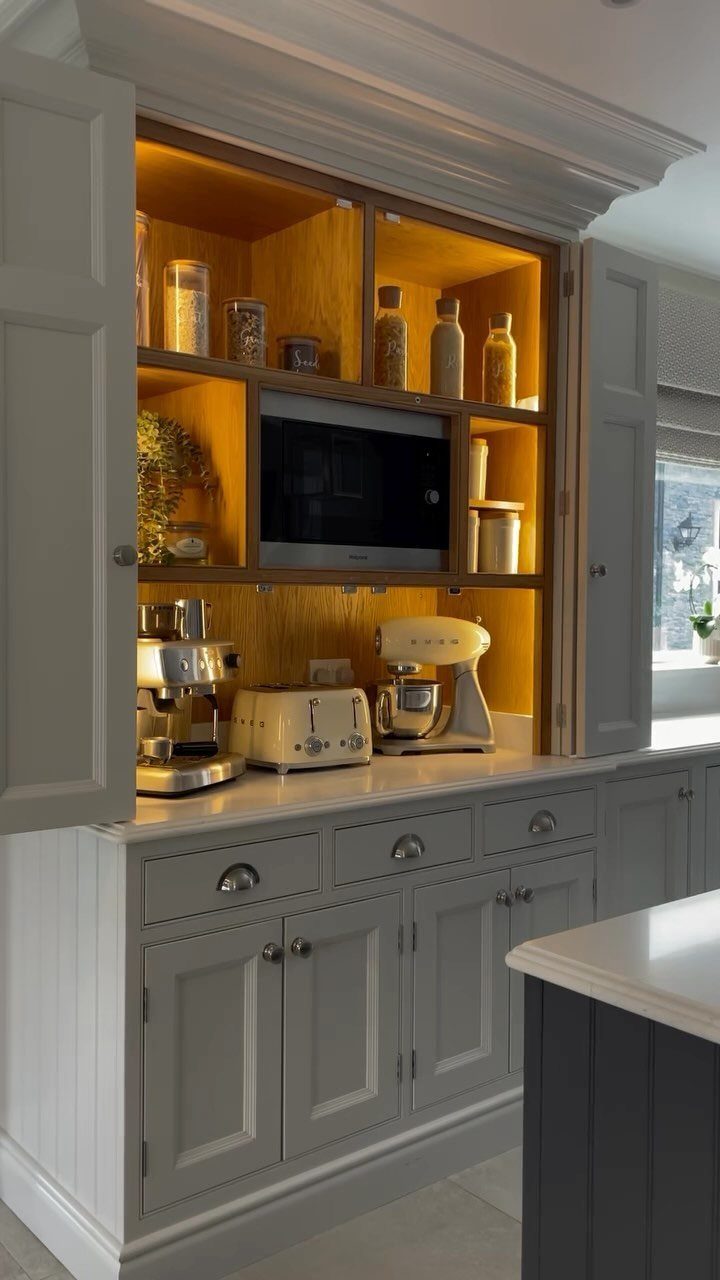
A cabinet with a lift-up or roll-down door keeps countertop appliances out of sight between uses.
The garage sits at counter height, usually in a corner or along a back wall, and holds a microwave, toaster, coffee maker, or stand mixer.
You pull the door up or slide it back to use the appliance, then close it when you’re done.
I’d install one if your counters are crowded and you want a cleaner look. The appliances stay plugged in, so you don’t have to move them in and out of a lower cabinet every time you need them.
5. Camouflaged Cabinets
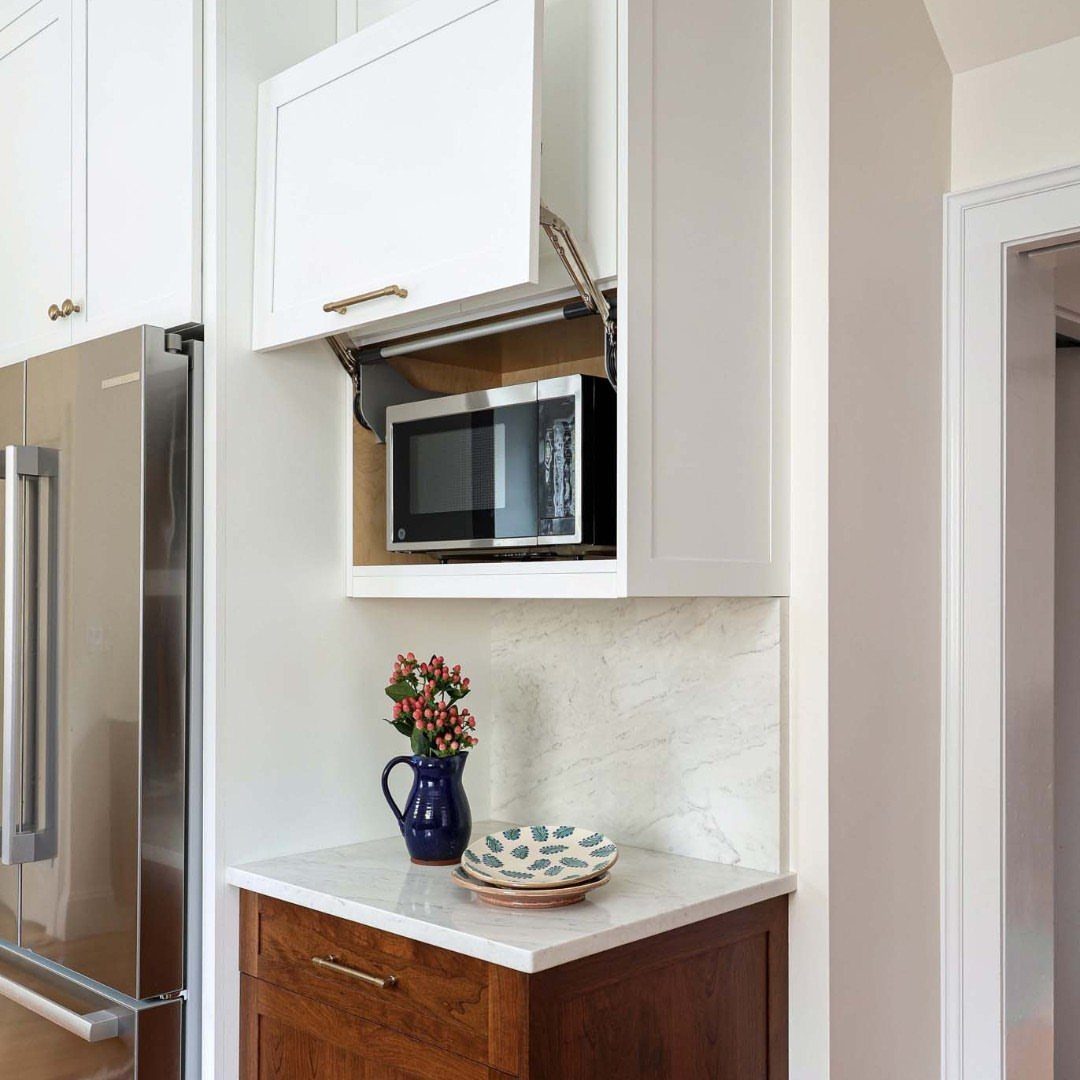
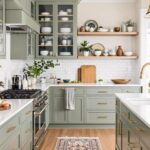
Paint cabinets, trim, or built-ins the same color as the walls so they blend in and the storage disappears.
A microwave cabinet, a panel that hides the TV, or shelving that sits flush with the wall all become less visible when the color matches. The room reads as one continuous surface instead of a collection of boxes.
I’d use this in a kitchen or living room where you want storage but don’t want it to be the first thing someone sees.
The trick only works if the paint finish matches too, so use the same sheen on both the wall and the cabinet.
6. Walk-in Pantry
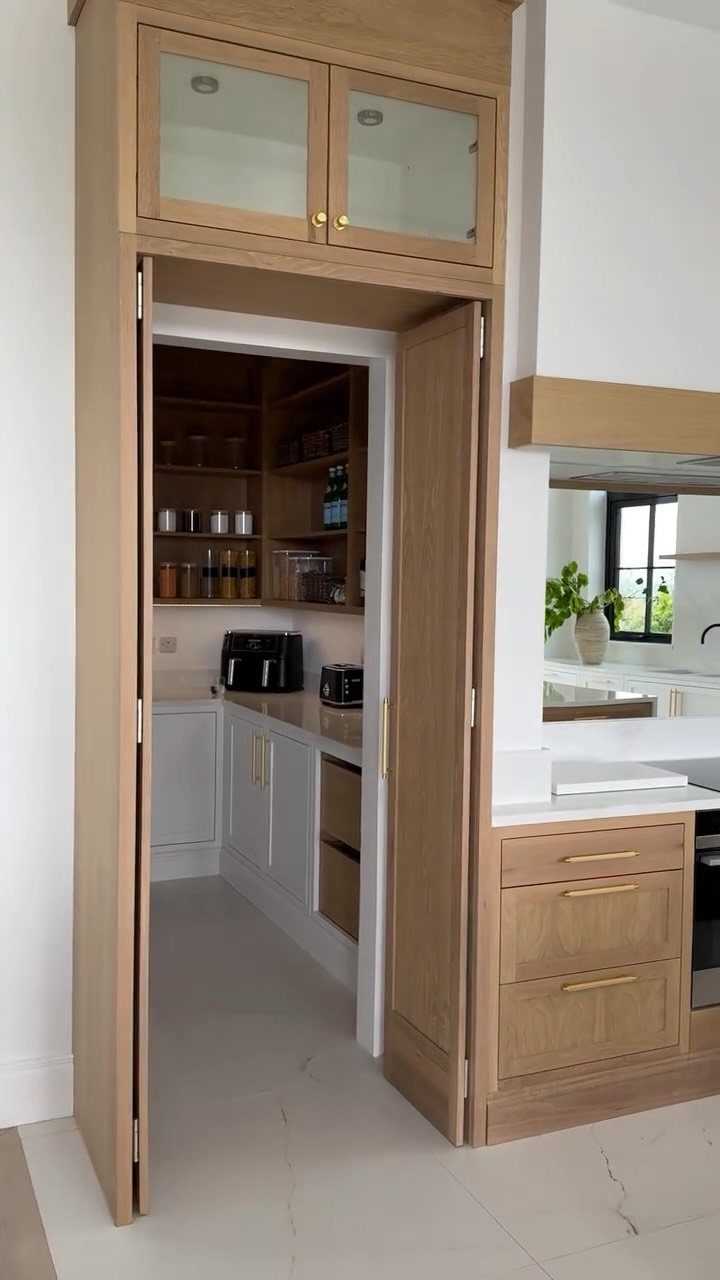
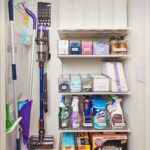
A pantry with a door keeps food, small appliances, and kitchen overflow tucked behind a single panel that closes.
The space can be a converted closet, a narrow room off the kitchen, or a custom build with shelves on 3 sides. Doors that match the kitchen cabinets make the pantry look like more cabinetry, not a separate closet.
I’d choose this if you have the square footage and want bulk storage without upper cabinets crowding your kitchen walls. It hides everything from dry goods to serving dishes, and you can close the door when the shelves are messy.
7. Vanity Storage
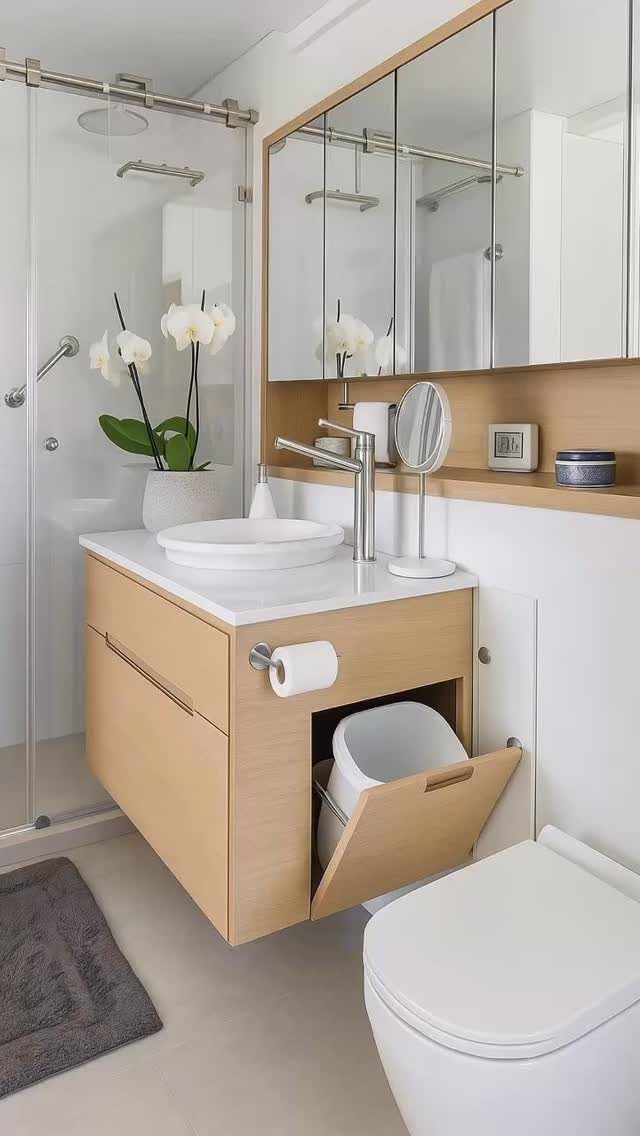
A vanity with a built-in compartment hides a trash bin or cleaning supplies behind a cabinet door that matches the rest of the unit.
A bin fixed inside the vanity keeps trash hidden until you open the door. You pull the door open to toss something in, then close it and the bathroom looks cleaner.
I’d use this if you want a bin within reach but don’t want it sitting on the floor. It works best with a freestanding or custom vanity where you can carve out space without losing storage you need for toiletries.
8. Secret Room
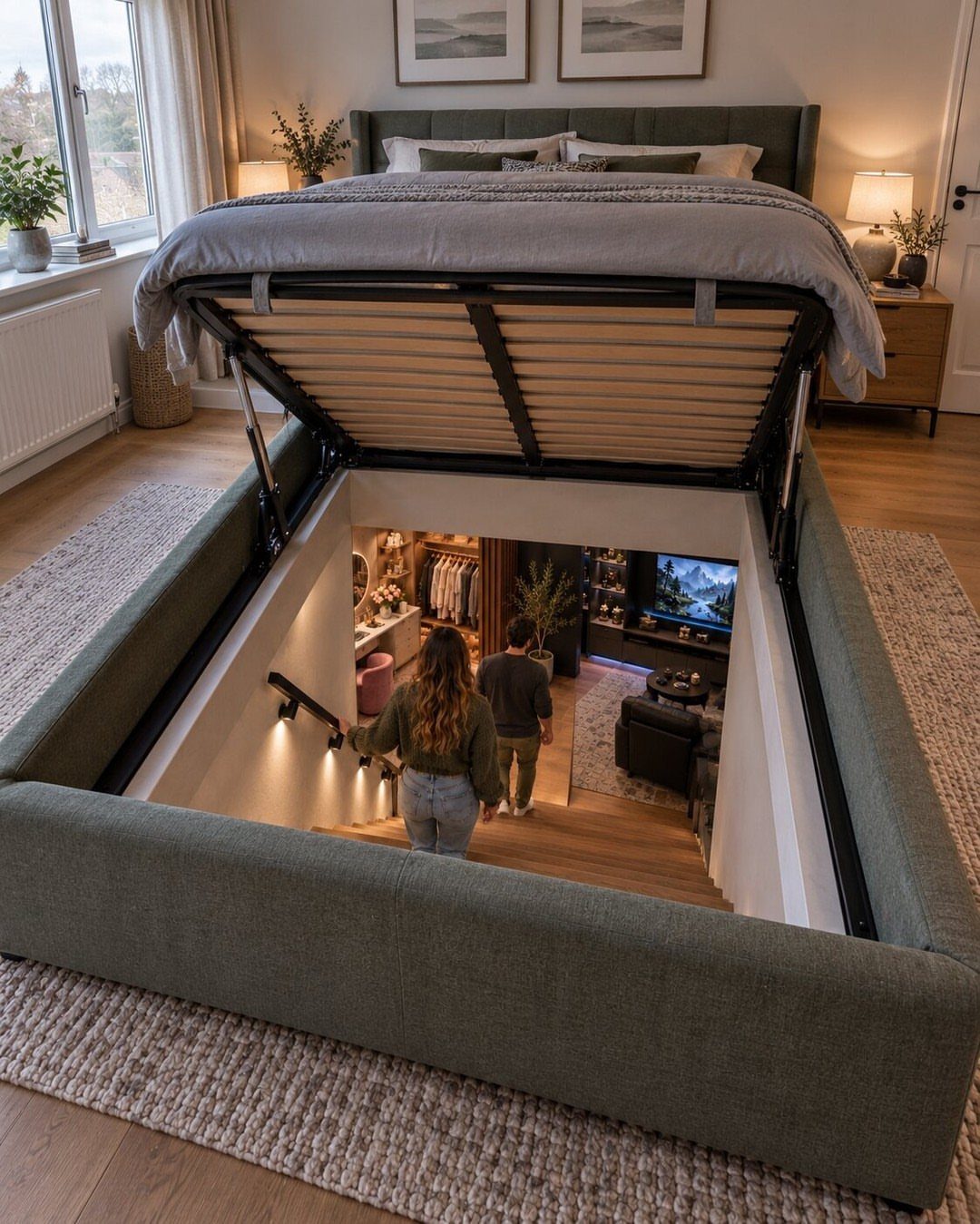
The frame covers the opening when it’s down, so the bedroom looks normal until you lift it. The hidden room can hold storage, a workspace, or a place to sleep, depending on how much space you have below grade.
I’d only consider this if you’re building new or have access to a basement you can carve into.
The bed has to be light enough to lift but heavy enough not to feel flimsy, and you need headroom below for the stairs and the room to be usable.
9. Concealed Gun Cabinet
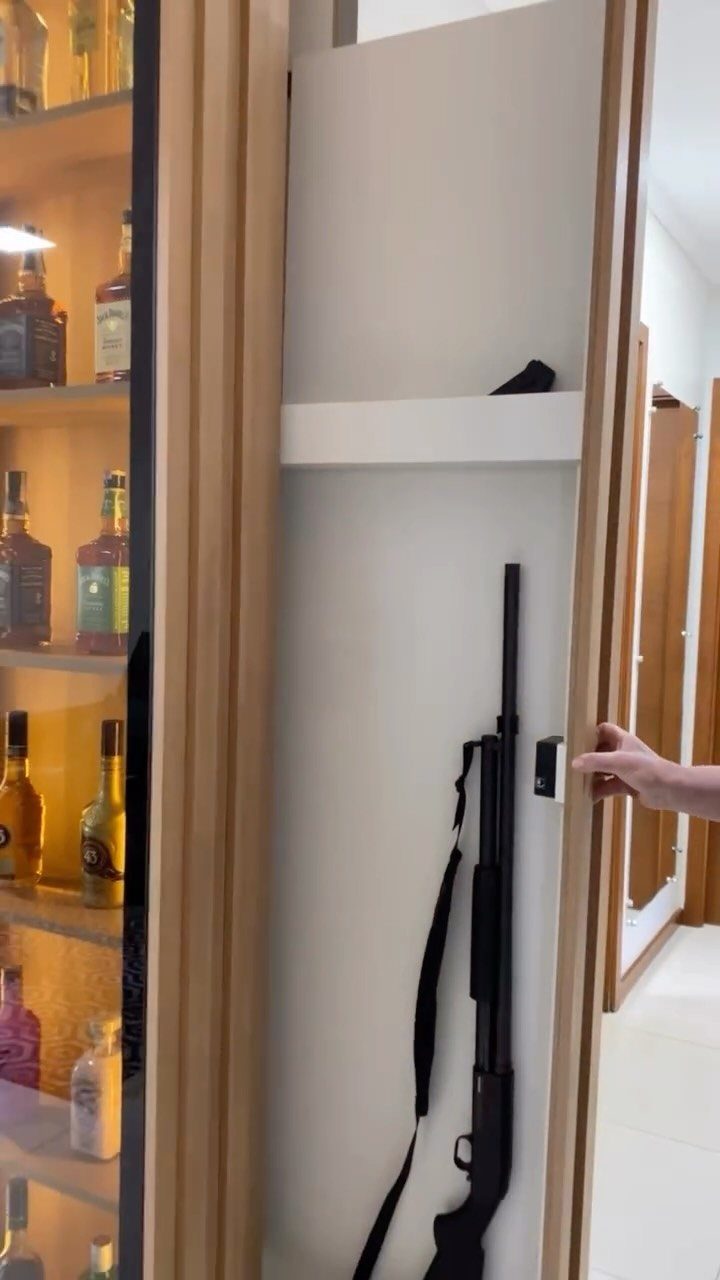
A cabinet door swings open to show a tall, narrow slot built into the side where a shotgun stands upright.
The compartment sits between the cabinet and the wall, hidden when the door is closed. A small shelf at the top or bottom can hold ammunition or a lock.
I’d install this if you want a gun within reach but not visible from the room.
The slot needs to be tall enough for the barrel and deep enough that the door closes flush, so measure before you cut into the cabinet or the wall behind it.
10. Hidden Staircase Storage
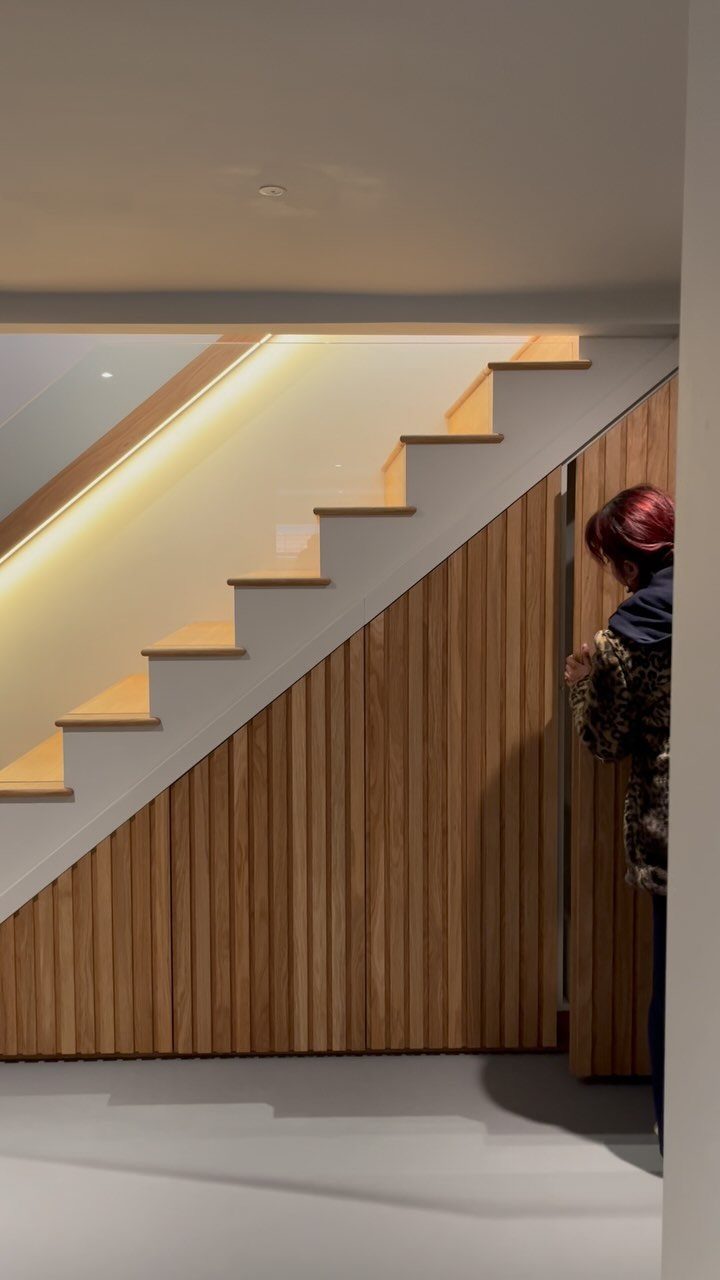
A door built into the wall paneling under the stairs opens to show storage tucked into the wedge of space below the treads.
The door sits flush with the slats, so it reads as part of the wall until you push or pull it. The space inside can hold coats, shoes, cleaning supplies, or anything else you want out of the main room.
I’d add this if you have an open staircase with dead space underneath.
The paneling needs to run continuously so the door blends in, and you’ll want a push latch or a hidden handle so there’s nothing to give it away.
11. Under-shelf Hidden Drawer
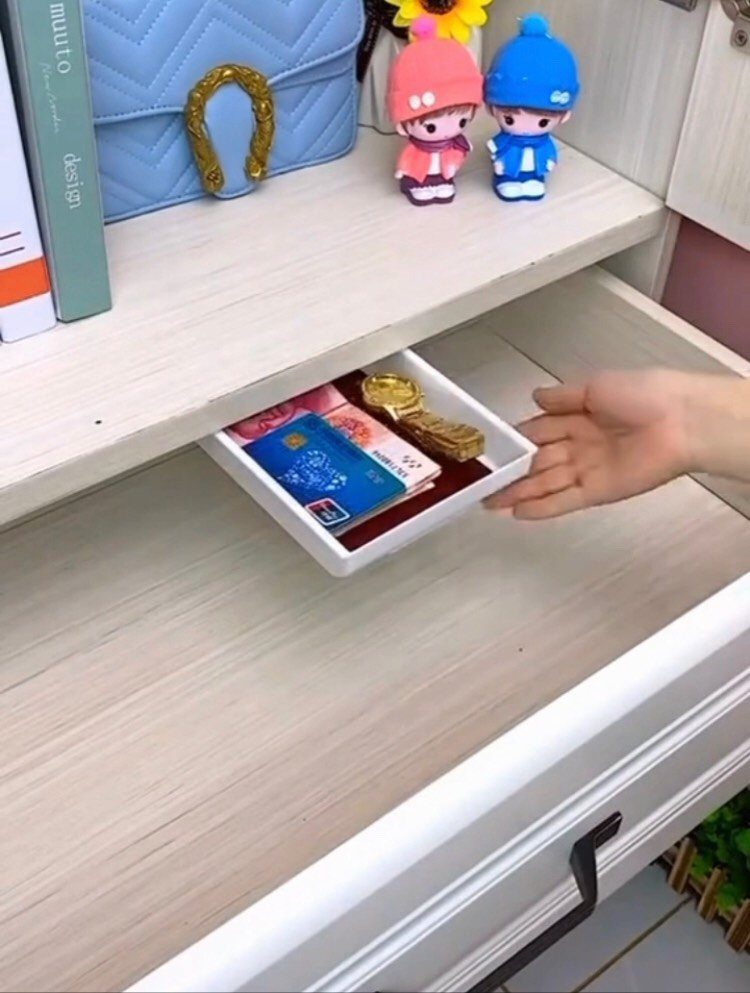
A shallow drawer pulls out from under a shelf to hold jewelry, cards, or other small items you want close but not visible.
The drawer sits mounted to the underside of the shelf, hidden until you pull it forward. It’s narrow enough that it doesn’t block the space below the shelf when it’s closed.
I’d use this on a bookshelf, a nightstand, or anywhere you have a fixed shelf with clearance underneath.
The drawer needs to be slim so it doesn’t look odd when it’s open, and you’ll want a soft-close slide if you’re reaching for it often.
12. Picture-hidden Wall Storage
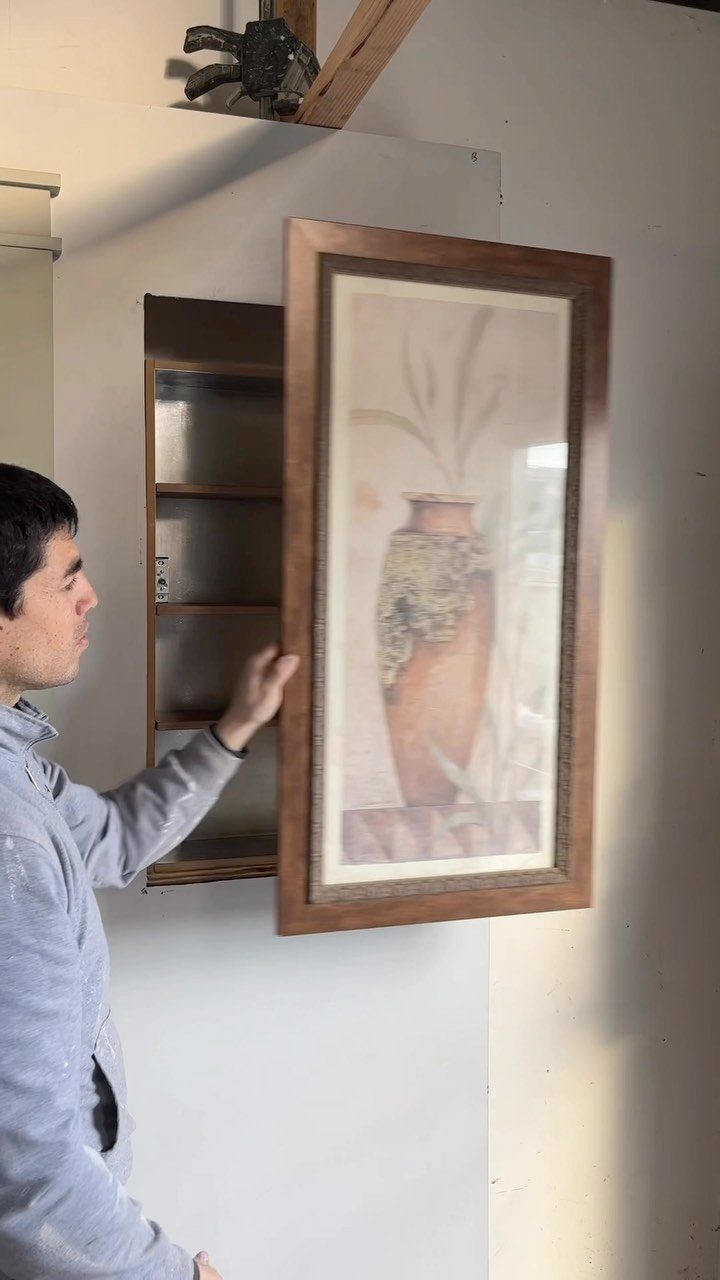
A picture frame hinges open to show shelves built into the wall behind it.
The frame hangs like any other artwork, but it swings to the side on a hidden hinge when you pull it.
I’d use this in a bathroom, bedroom, or hallway where you want storage without adding a cabinet that sticks out from the wall.
Pick a frame big enough to cover the opening and keep the shelves shallow so the frame hangs flat.
13. Hidden Shelf Safe
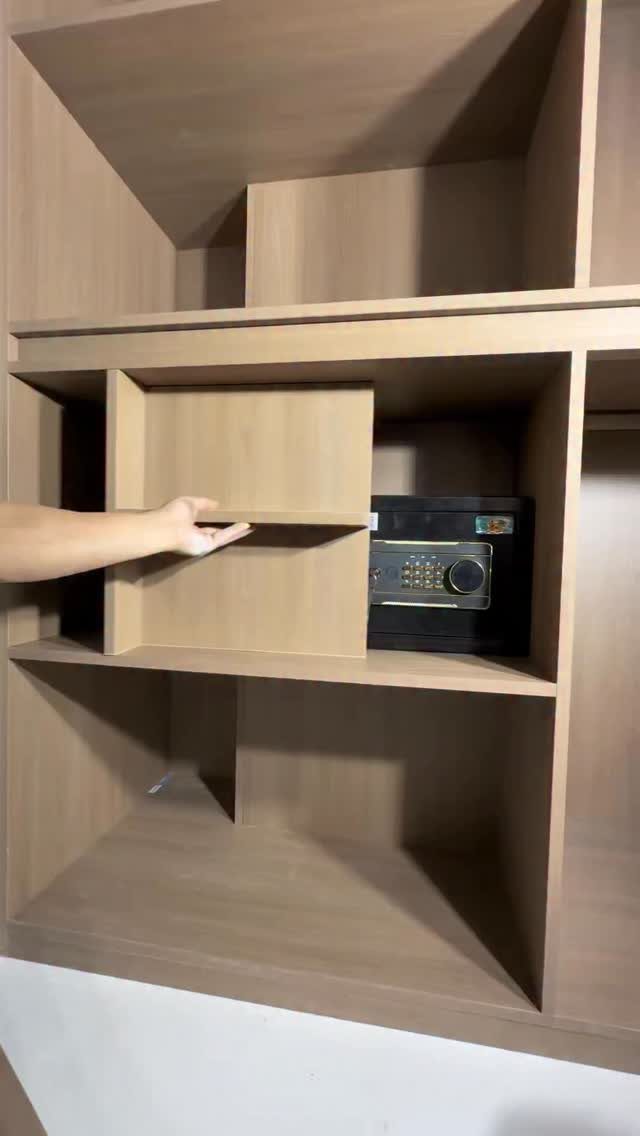
A sliding panel in a shelf hides a small safe behind it.
The panel looks like part of the shelf until you slide it to the side. The safe sits recessed into the wall or the back of the shelving unit, so the panel closes flush when you’re done.
I’d use this if you want a safe but don’t want it visible on a closet floor or inside a nightstand drawer.
The shelf has to be deep enough to fit the safe and still hold books or decor in front of the panel.
14. Secret Shelf Compartment
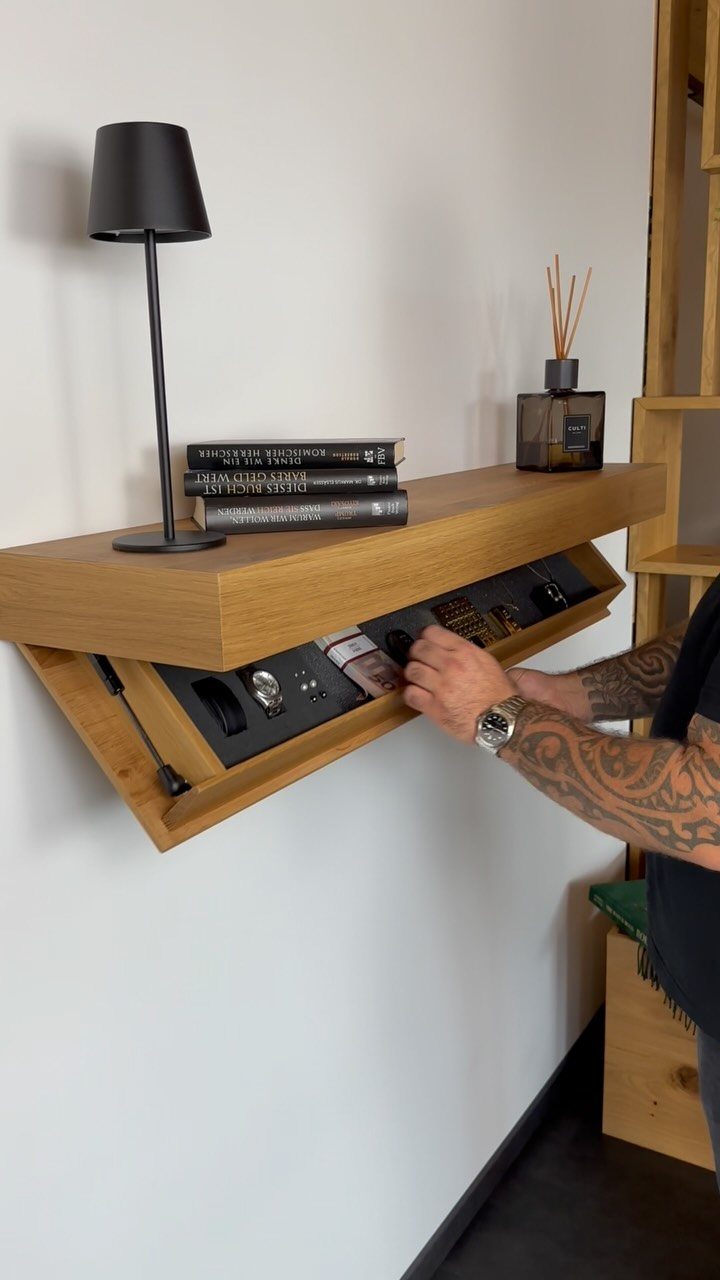
A wall shelf with a sliding section keeps watches, rings, or small valuables inside a compartment that opens from the side.
The front of the shelf looks like solid wood, but one section slides back to show the hidden space. The compartment can be shallow or deep depending on how far the shelf sits off the wall.
I’d mount this in a bedroom or closet where you want jewelry or watches close but not sitting out on a dresser.
The sliding part needs to be smooth enough that it doesn’t stick, and the shelf has to stay level or the panel won’t line up.
15. Painting-hidden Storage
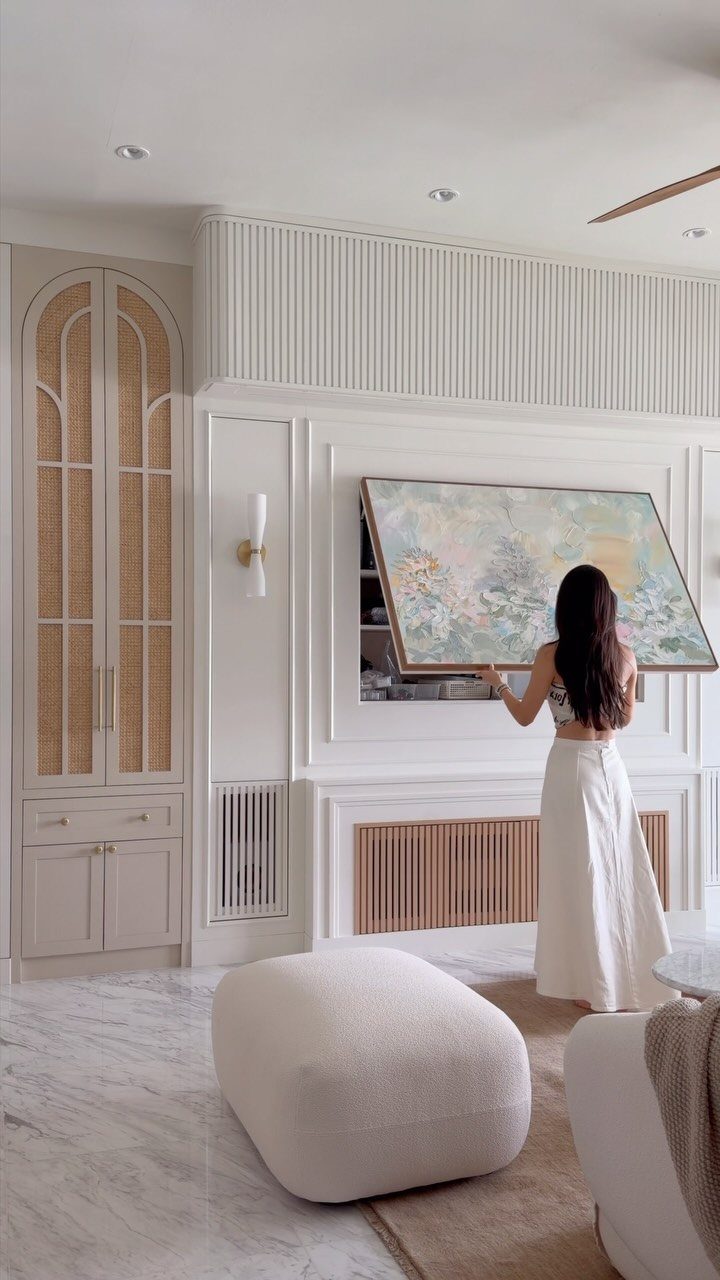
A painting on a track slides to one side to show a storage space cut into the wall.
The frame hangs on a rail instead of a fixed hook, so it moves left or right when you push it. The compartment behind can hold documents, electronics, or anything flat enough to fit between the studs.
A bedroom, office or hallway with open wall space is a good fit for this one.
The painting needs to be large enough to cover the opening, and you’ll want a frame heavy enough that it doesn’t feel flimsy when you slide it.
16. Secret Compartment Box
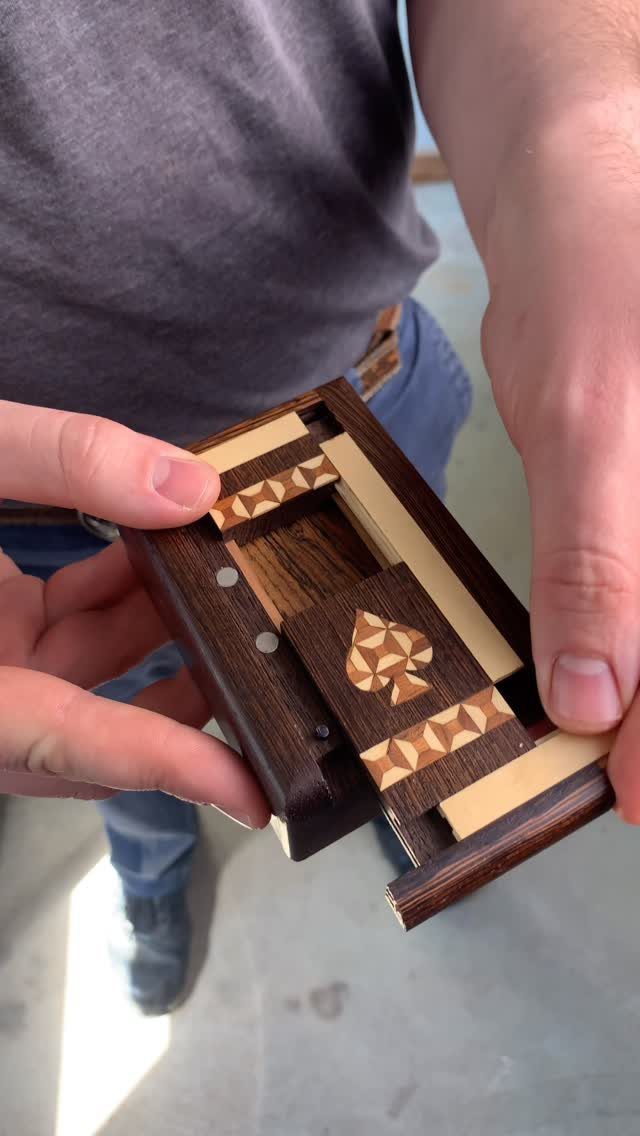
A small wooden box with a sliding panel hides jewelry, cash, or anything else you can fit in a palm-sized space.
The compartment inside is shallow, so it works for rings, folded bills, or a key, not anything thick.
I’d keep this on a desk, a nightstand, or a shelf where you want small valuables within reach but not visible. The box looks decorative from the outside, so it doesn’t signal that it’s hiding anything.
Benefits of Hidden Storage
Storing things out of sight clears floor and counter space without adding furniture that takes up room. You gain the square footage back while still keeping what you need.
A cleaner surface means less to look at and less to clean around. Counters, shelves and floors stay open, so the room reads as calmer and less crowded.
Hidden storage also keeps belongings within reach.
You don’t have to climb into an attic or dig through a garage to find what you stored. Open the door or slide the panel, grab what you need, and close it again.
Clearing clutter can reduce the low-grade stress that comes from looking at piles. A tidier space is easier to focus in, and that shift shows up in how the room feels when you walk into it.
Frequently Asked Questions
How do you know if there is a secret room in your house?
You don’t unless you built it or inherited documentation from a previous owner.
A hidden room requires framing, access, and usually a concealed door, so signs include irregular wall depths, unexplained dead space between rooms, or doors that open to shallower closets than the exterior wall suggests.
Older homes sometimes have sealed-off spaces from past remodels, but those aren’t intentional hiding spots.
What are some unconventional storage ideas?
Add a shelf that slides to one side to reveal a slot behind it, a picture frame hinged at one edge so it opens like a door, or a shallow drawer tucked under a stationary shelf.
You can also slide the bed frame to hide a staircase that drops into a basement room, though that one requires new construction or access to space below grade.
What is the best hidden safe furniture?
Furniture with a concealed compartment and a hidden release, such as a bedside table with a false panel or a storage bench with a bottom that lifts out, keeps small items out of sight.
From the outside it looks like regular furniture, so it keeps contents private without a visible safe. I’d pick a nightstand with a hidden compartment if you want a phone, cash, or documents within reach but out of view.
Is it legal to build a secret room in your house?
Building a hidden room is legal as long as it meets local building codes and doesn’t violate zoning or safety rules.
The space needs proper framing, ventilation if someone will spend time in it, and fire egress if it counts as a bedroom. Check permit requirements before you start, since cutting into walls or floors usually needs approval.