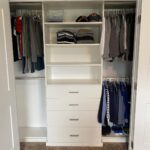
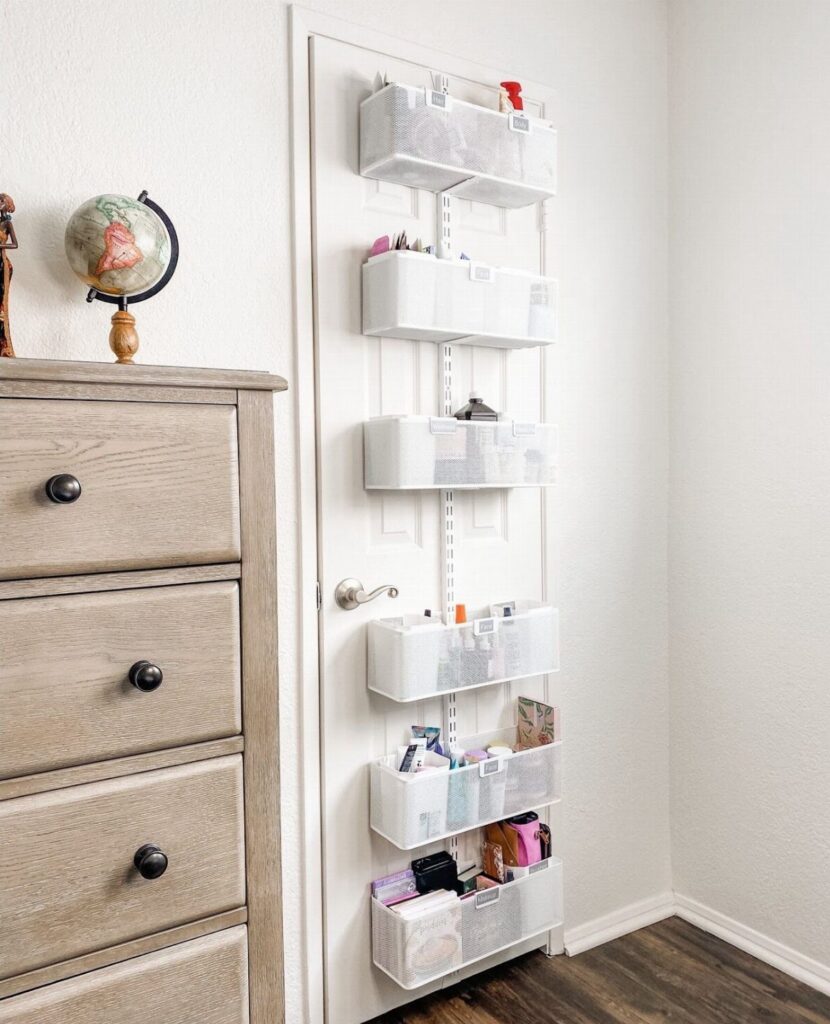

Storage in a small home can mean anything from a cheap bin under the bed to a toe-kick drawer built into your kitchen cabinet.
The size of the space you’re working with decides which ideas fit: a closet shelf takes baskets, a tall gap under stairs can hold a full cabinet with a door, and a drawer gets dividers.
1. Under-bed Storage
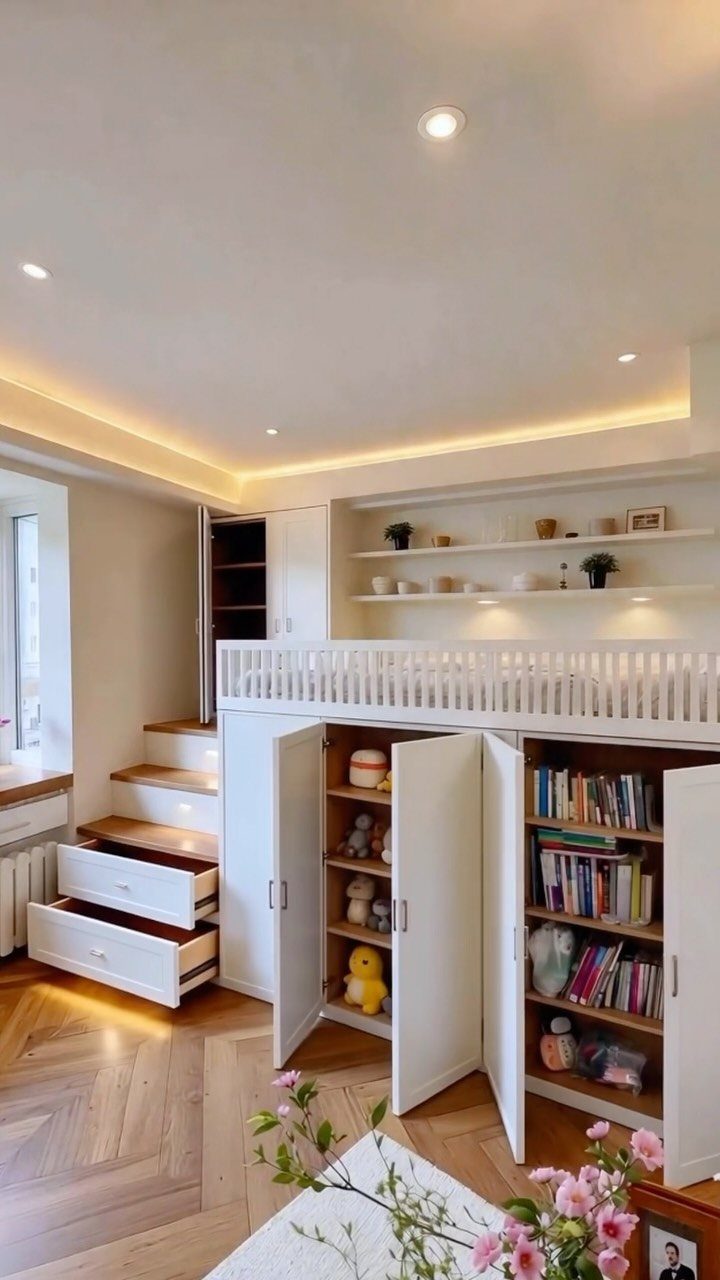
A bed already sits on the floor, so the area underneath it can hold bins, boxes, or drawers without claiming any extra room.
Drawers built into the frame keep things organized and easy to reach.
Bins slide in and out when you need them. I use fabric ones for things I grab less often, like extra blankets or off-season clothes.
If your bed sits low, risers can lift it enough to fit shallow bins underneath.
“Bedroom storage isn’t just about hiding clutter—it’s about creating a sense of calm,” says Barbora Samieian, cofounder and CEO of Sundays, a furniture retailer.
2. Clear Storage Bins
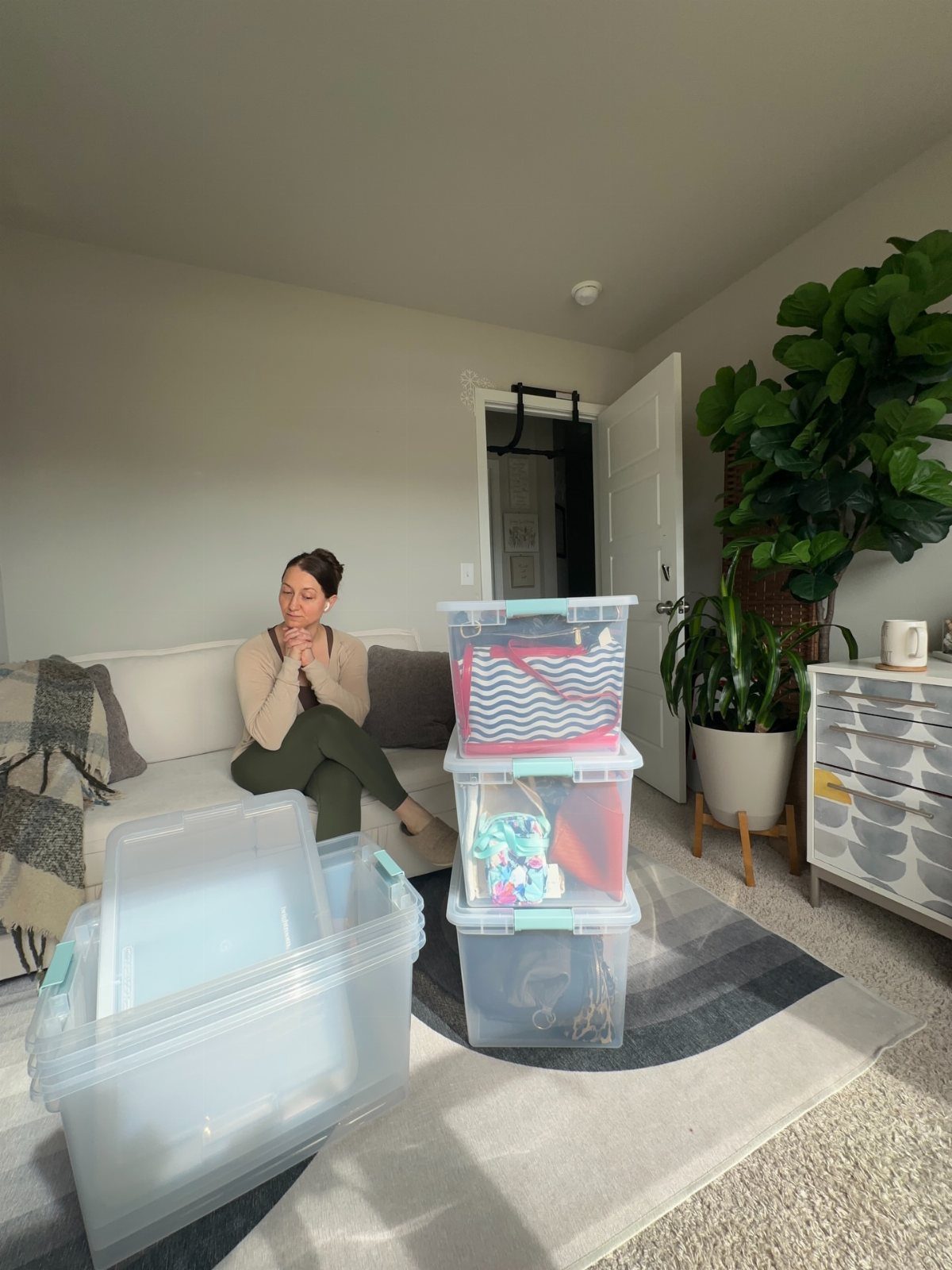
Clear plastic bins let you see what’s inside without pulling everything out or opening lids.
They stack, so you can use vertical space in a closet or corner. I keep one bin for winter accessories, another for craft supplies, and a third for cables and small electronics.
Labels help when you have several bins stacked, but the transparency does most of the work. Rectangular bins fit tighter against walls than round ones.
3. Storage Baskets
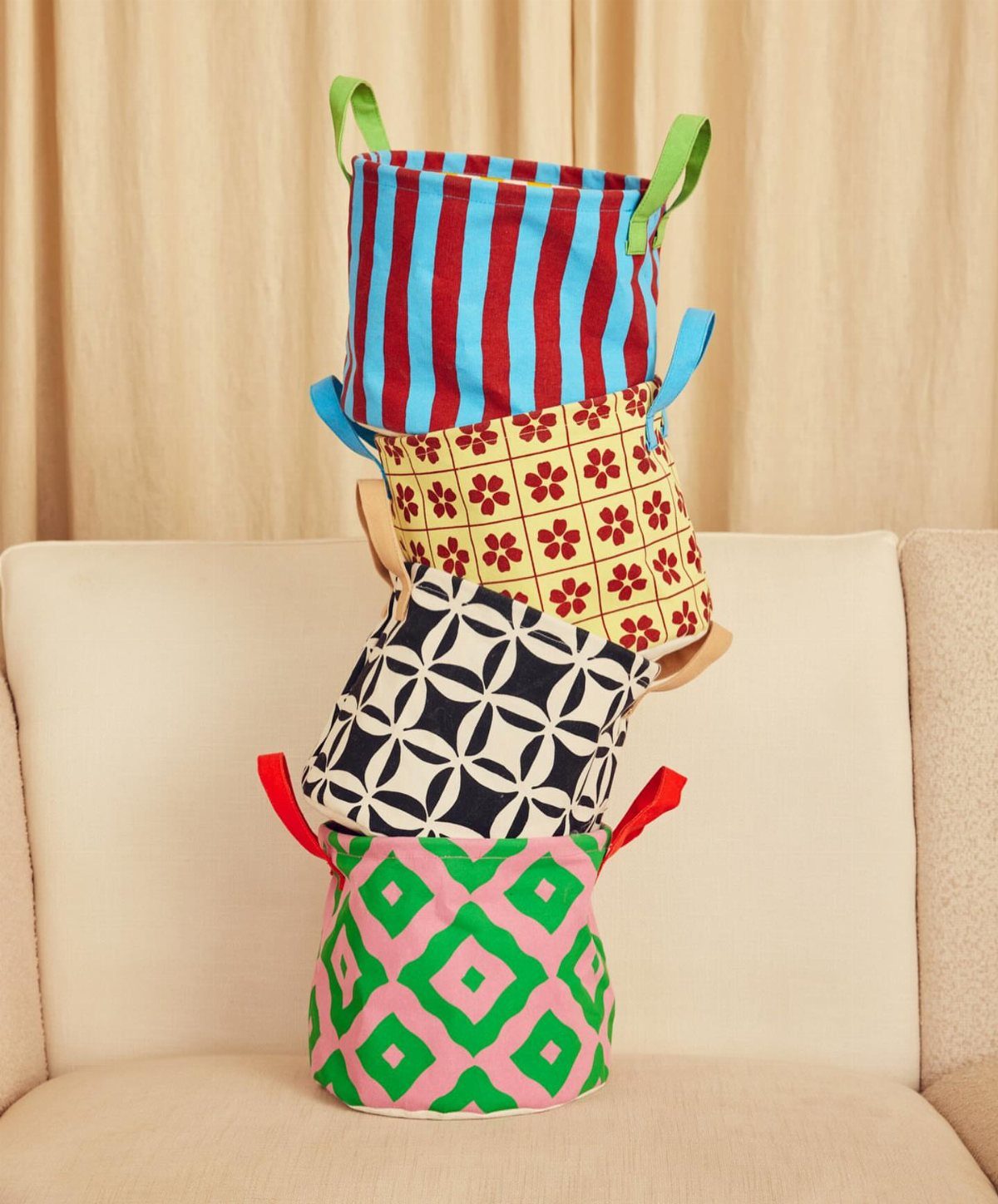
Baskets sit on shelves, under tables, or in open cubbies and hold things you want to grab quickly.
Fabric ones fold flat when you’re not using them.
Woven or wicker baskets add texture if you’re keeping them out in the open. I use them for extra towels in the bathroom and toys in the living room.
Handles make them easier to pull down from high shelves. Square or rectangular baskets fit more snugly on shelves than round ones.
4. Storage Boxes
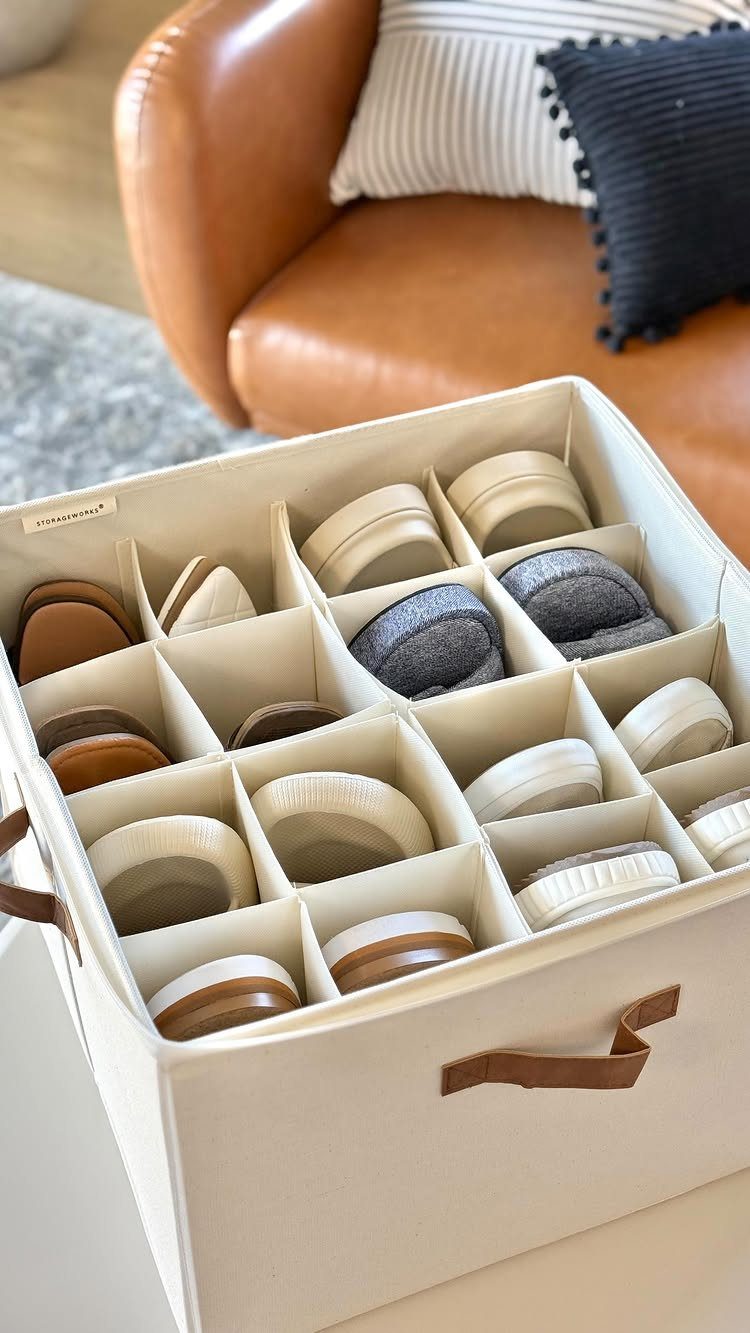
Storage boxes with lids keep dust off things you’re putting away for a while, and dividers inside help separate smaller items like socks, belts, or charging cables.
Cardboard ones are lighter and cheaper, but they won’t hold up as well if you’re moving them around a lot.
A divided box like this one fits shoes or folded clothes in a closet or under a bed. Look for ones sized to match your shelf or cabinet depth so no room goes unused.
5. Drawer Dividers
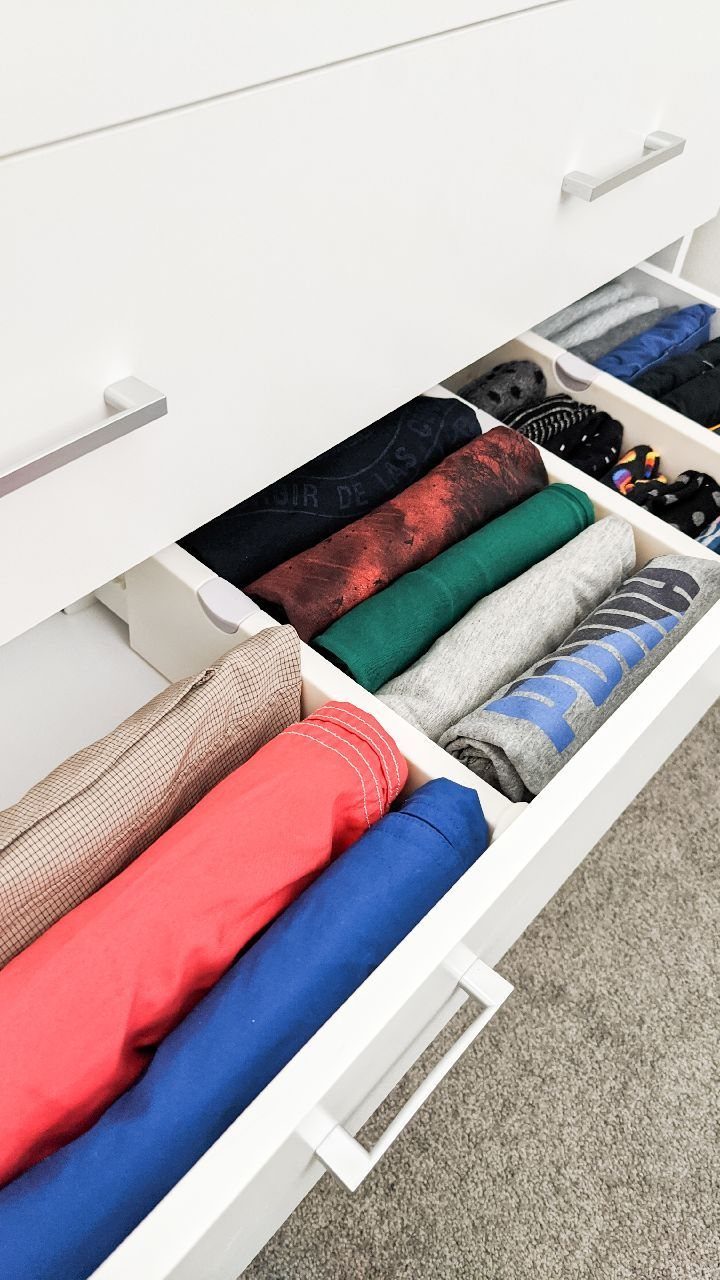
Dividers turn one big drawer into several small sections, so shirts don’t end up tangled with socks or pants.
Adjustable dividers fit different drawer sizes.
Some snap together, others sit loose and shift a little when you open and close the drawer. I use the adjustable kind in my dresser and keep T-shirts in one section, gym clothes in another.
Folding clothes upright instead of stacking them flat makes it easier to see what you have and pull one thing out without messing up the rest.
6. Shower Caddy
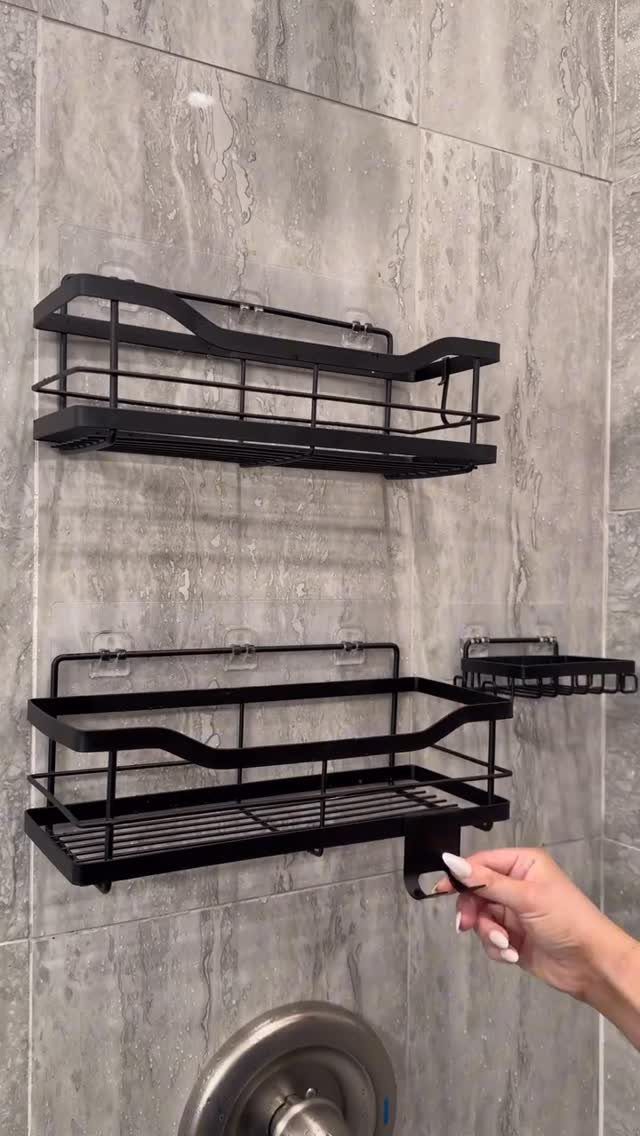
A shower caddy hangs from the showerhead or mounts to the wall and keeps shampoo, soap, and razors off the tub edge.
Metal caddies hold up better in a wet space than plastic ones.
Suction mounts work on tile but need to be pressed down firmly and checked every few weeks. Tension-pole caddies wedge between the tub floor and ceiling and don’t require drilling.
7. Under-stair Storage
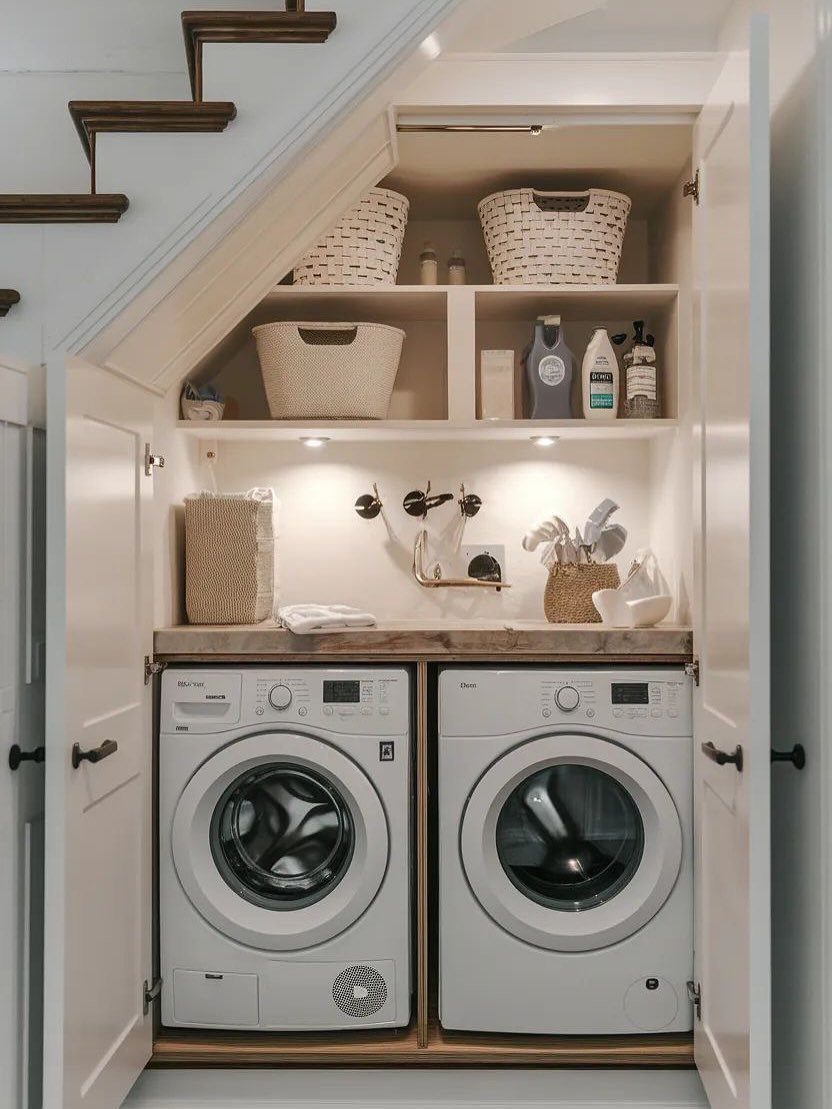
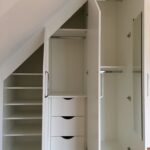
Stairs already need their footprint, so the area beneath them can hold shelves, bins, or even appliances without claiming more.
If the slope is tall enough, you can fit a small closet with a door.
Lower sections work for pull-out drawers or open shelving. I’d put cleaning supplies or seasonal items back there, things I don’t need to grab every day.
Check the height at different points along the slope to see what fits. Shorter sections near the bottom still hold shallow bins or baskets.
8. Kitchen Pull-outs
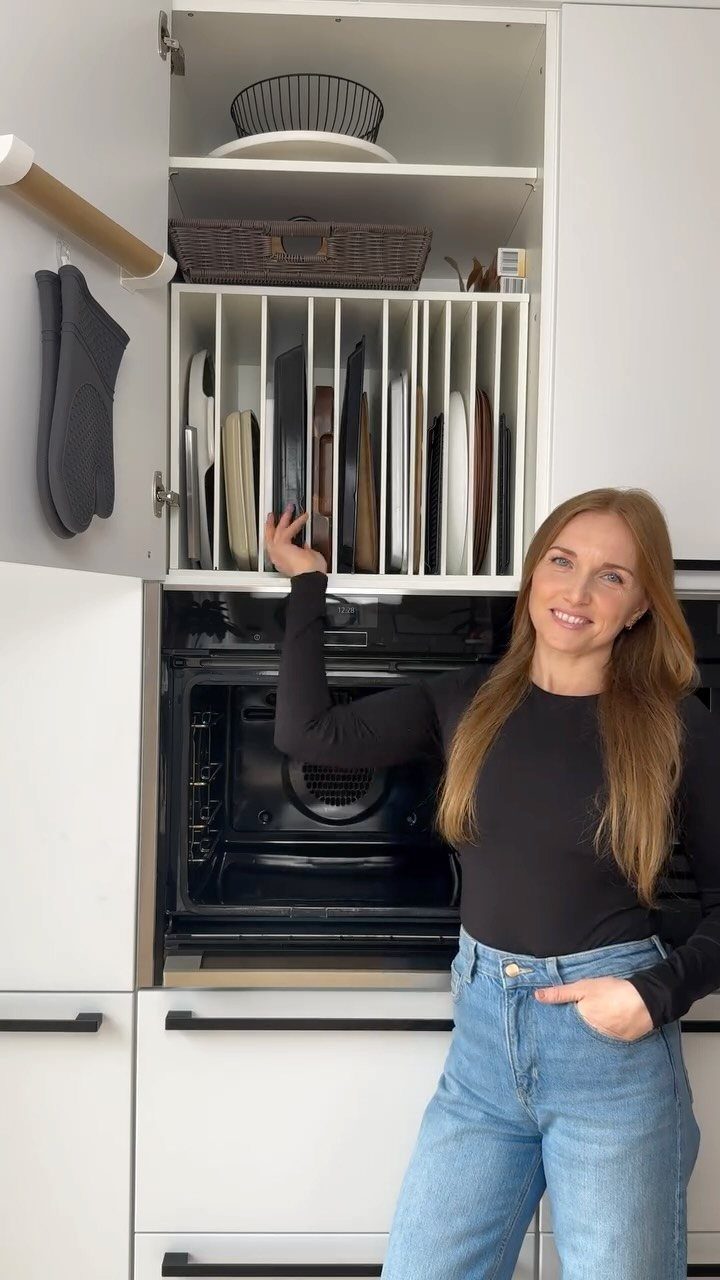
Pull-out shelves and racks bring the back of a cabinet forward so you can reach everything without crouching or digging.
Vertical slots hold baking sheets, cutting boards, and trays upright instead of stacked. I find it easier to pull one sheet out when they’re standing on edge rather than lifting three to get to the bottom one.
Some pull-outs mount to the cabinet door, others slide on tracks attached to the cabinet frame. Measure the cabinet depth first so the rack fits all the way in when closed.
9. Wall-mounted Pot Rack
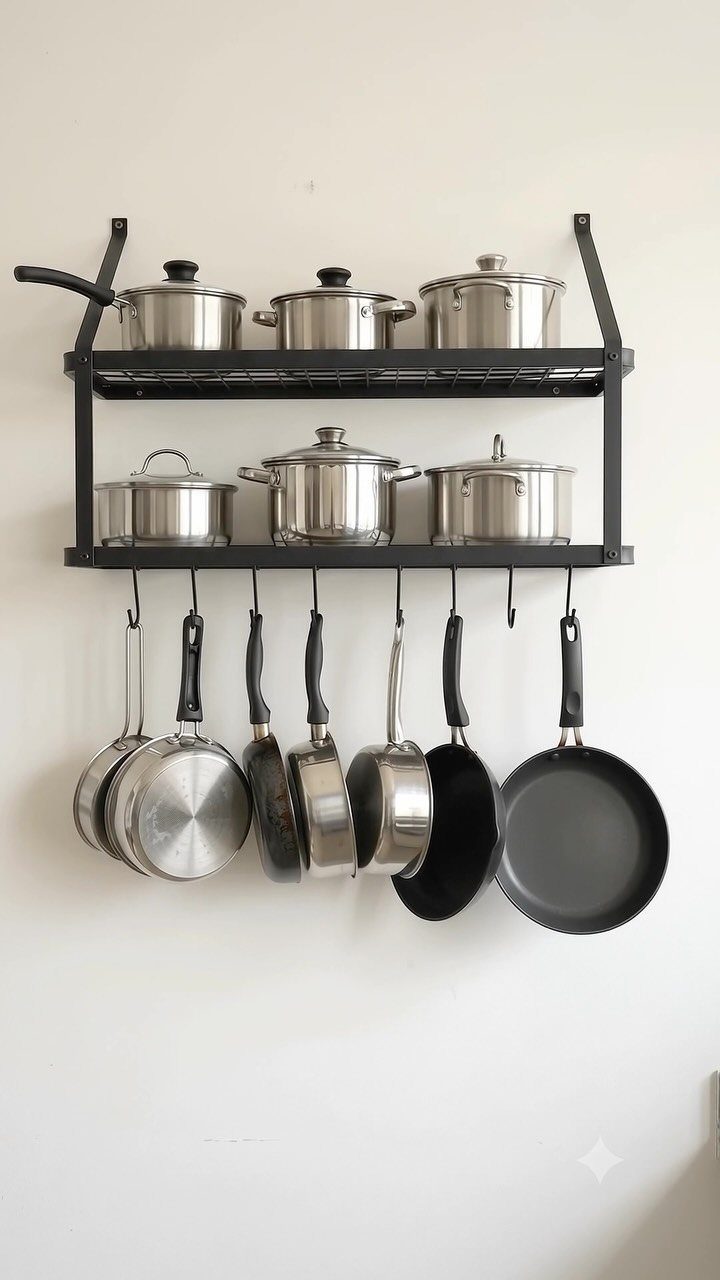
Pots and pans take up a lot of cabinet space, but a wall rack frees that up and keeps them within reach while you’re cooking.
Hooks hold the handles, and shelves above or below can hold lids or smaller pots.
Metal racks hold more weight than wood ones. Mount it near the stove if you have wall space there.
Studs give the most support, but heavy-duty anchors work on drywall if you’re not mounting over studs. Check the weight limit on both the rack and the anchors before you hang heavy cast iron.
10. Toe-kick Drawers
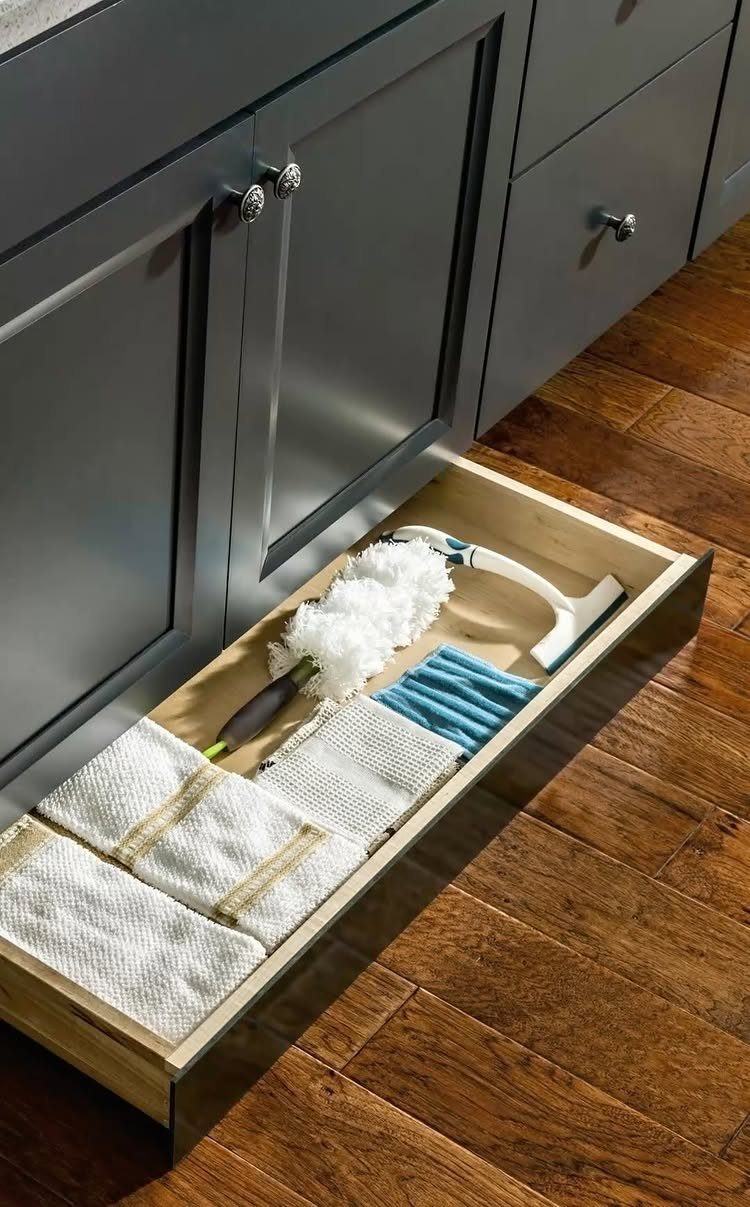
The recessed area below kitchen cabinets, where your toes go when you stand at the counter, can fit a shallow drawer instead of staying empty.
I’d use one for the things I reach for often but don’t want sitting on the counter.
You’ll need to cut into the toe-kick panel and install drawer slides. If you’re already replacing cabinets, some manufacturers offer toe-kick drawers as an option.
11. Wall Wine Rack
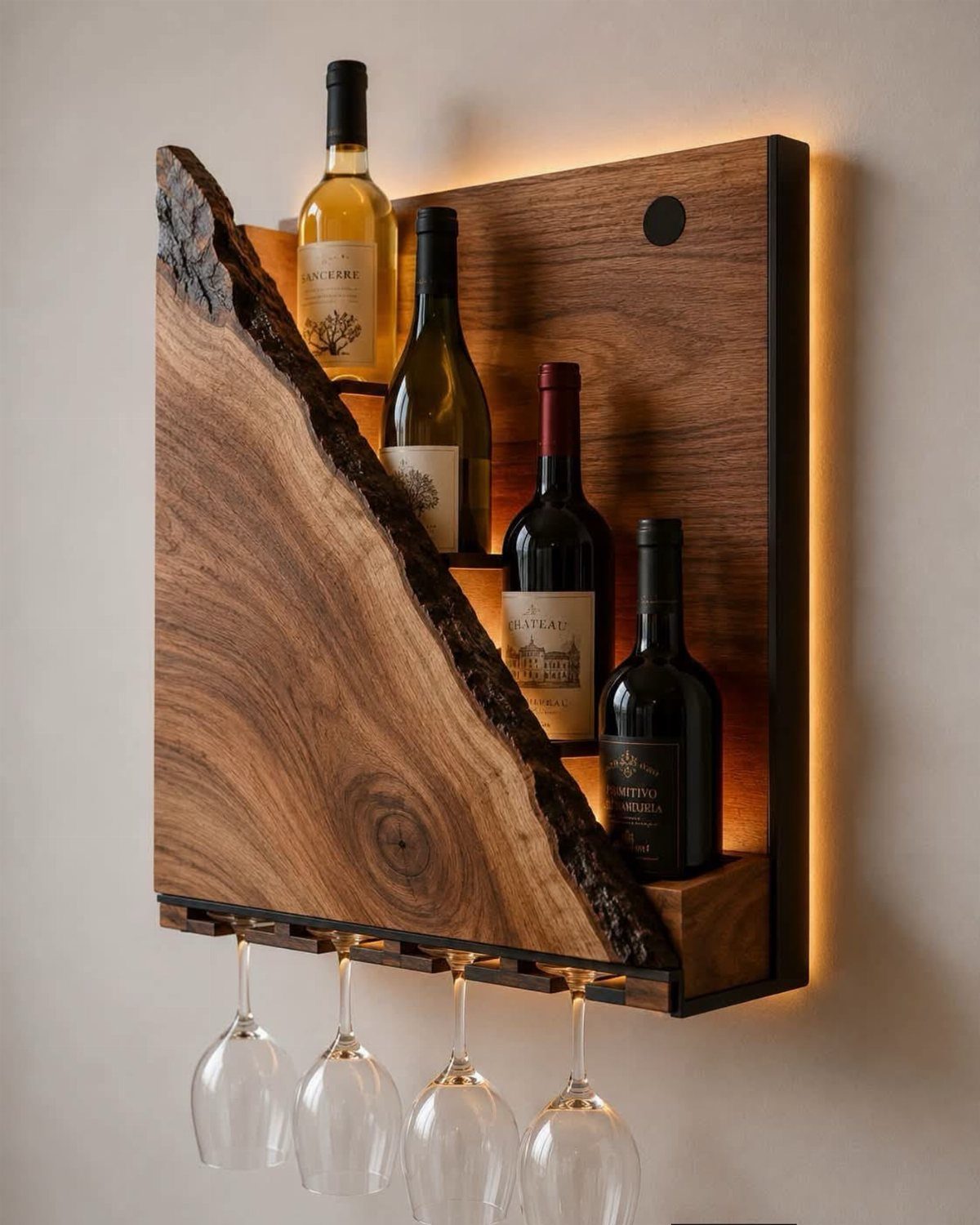
A wall rack holds wine bottles horizontally and keeps them off the counter or out of a cabinet, and the bottles themselves become part of the room’s look.
Glasses hang upside down from slots or hooks built into the rack.
Wood racks add warmth, metal ones read more industrial. Mount it at a height where you can reach the glasses easily.
The rack needs to go into studs or use anchors rated for the weight of full bottles. A four-bottle rack with glasses gets heavy when loaded.
Label Stored Containers
Labels work on any container, but they matter most when you can’t see through the sides.
Write the label on the front or on top, wherever you’ll see it first when you reach for the container. A label on the end of a bin doesn’t help when the bin is pushed flush with the baseboard.
I use a label maker for bins I’m keeping long-term and masking tape for things that change. Tape peels off cleanly when you repurpose the box.
If you’re labeling shelves instead of containers, put the label where it won’t get covered when you slide the bin back in. The shelf edge or the wall above the shelf both work.
Frequently Asked Questions
How to maximize storage in a small home?
Start with vertical space, since walls go up farther than floors go out.
Add shelves above doors, stack bins in closets, and mount racks on open walls. Closet organizers with extra shelves or hanging sections let you fit more in the same footprint.
What are the best home organizers?
Hanging closet organizers add shelves and pockets without taking floor space, and drawer dividers keep small things separated so one drawer does the work of several.
Over-the-door racks work for shoes or pantry items, and tiered hangers hold multiple pieces on one hook.
What are some unconventional storage ideas?
Toe-kick drawers turn the recessed panel below cabinets into pull-out storage for flat things like baking sheets or pot lids. The space under stairs can hold shelves or bins without claiming any room the house wasn’t already using.
What do you do with all your jars, cans and other bulky food containers?
A wall or door rack sized for your space keeps pantry items in one spot when you don’t have a dedicated pantry.
An eight-tier rack can hold pasta sauce, soups, and other canned or jarred foods without taking counter or cabinet room.
What if you don’t even have a counter, only a pedestal sink?
Corner shelves or a corner organizer mount to the wall and hold toiletries and beauty products without a counter underneath. If the bottles look good, the shelf can stay open and double as decor.