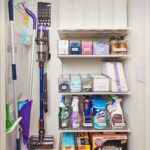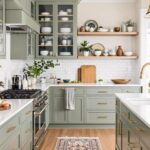

A snack cabinet can hold everything in clear bins or turn into a standalone station with open shelves and jars lined up where you can reach them.
The choice comes down to how much space you have and whether you want open bins you can grab from fast or closed storage that hides the mess.
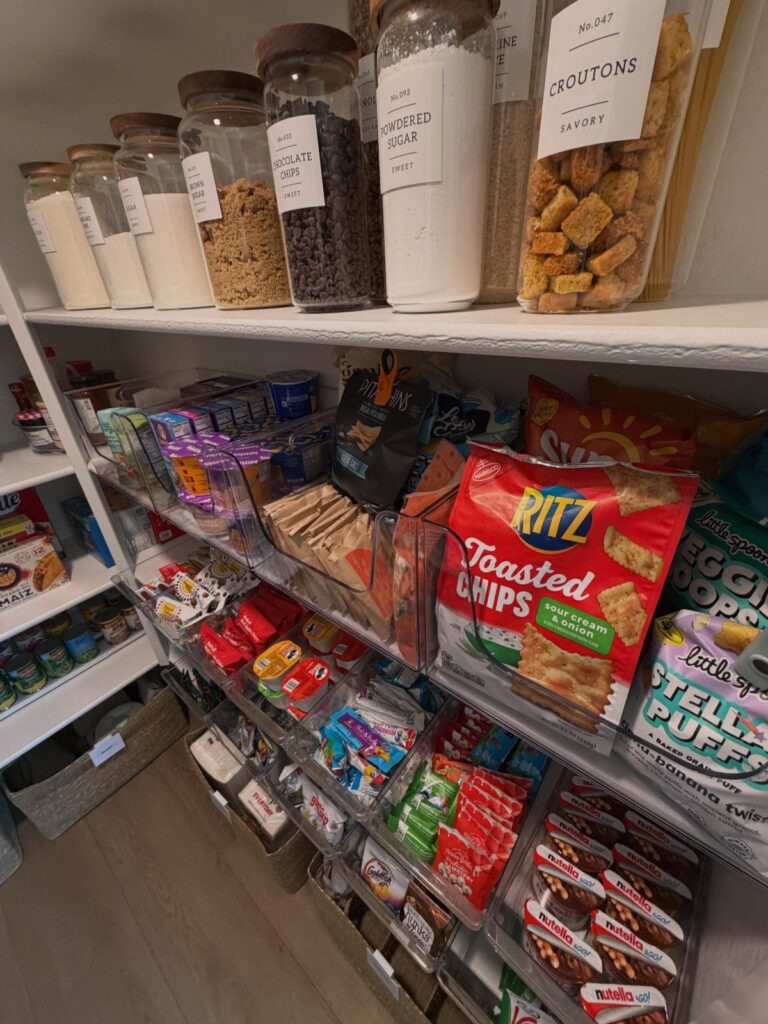
Glass jars stack on pantry shelves where you can see what needs refilling without opening lids.
1. Clear Storage Bins
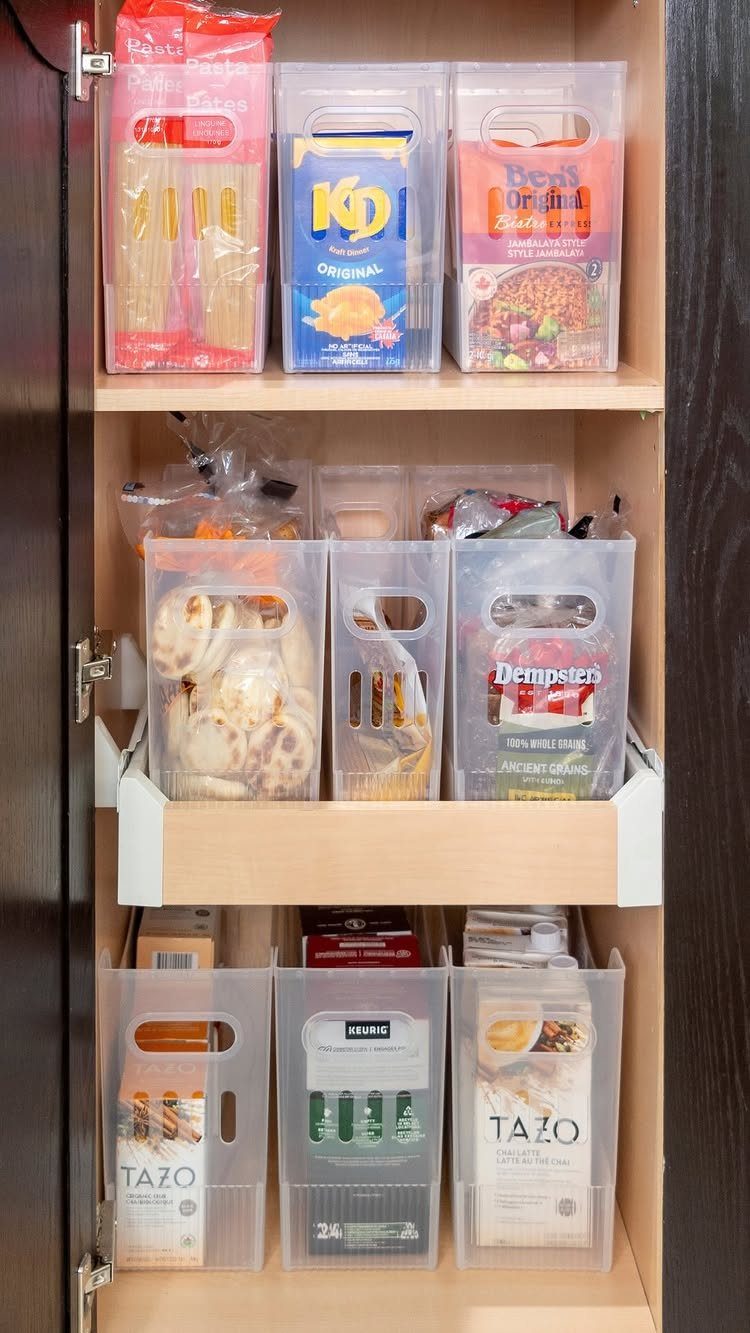
Clear bins show you what’s inside without opening every container. This works well in a cabinet where boxes and bags would otherwise stack into a chaotic pile.
Choose bins sized to fit your shelf depth and tall enough to hold chip bags or cereal boxes upright. Group similar items together: one bin for granola bars, another for crackers, a third for chips.
The bins contain mess and make it easy to pull everything out when you need something from the back.
2. Labeled Snack Storage
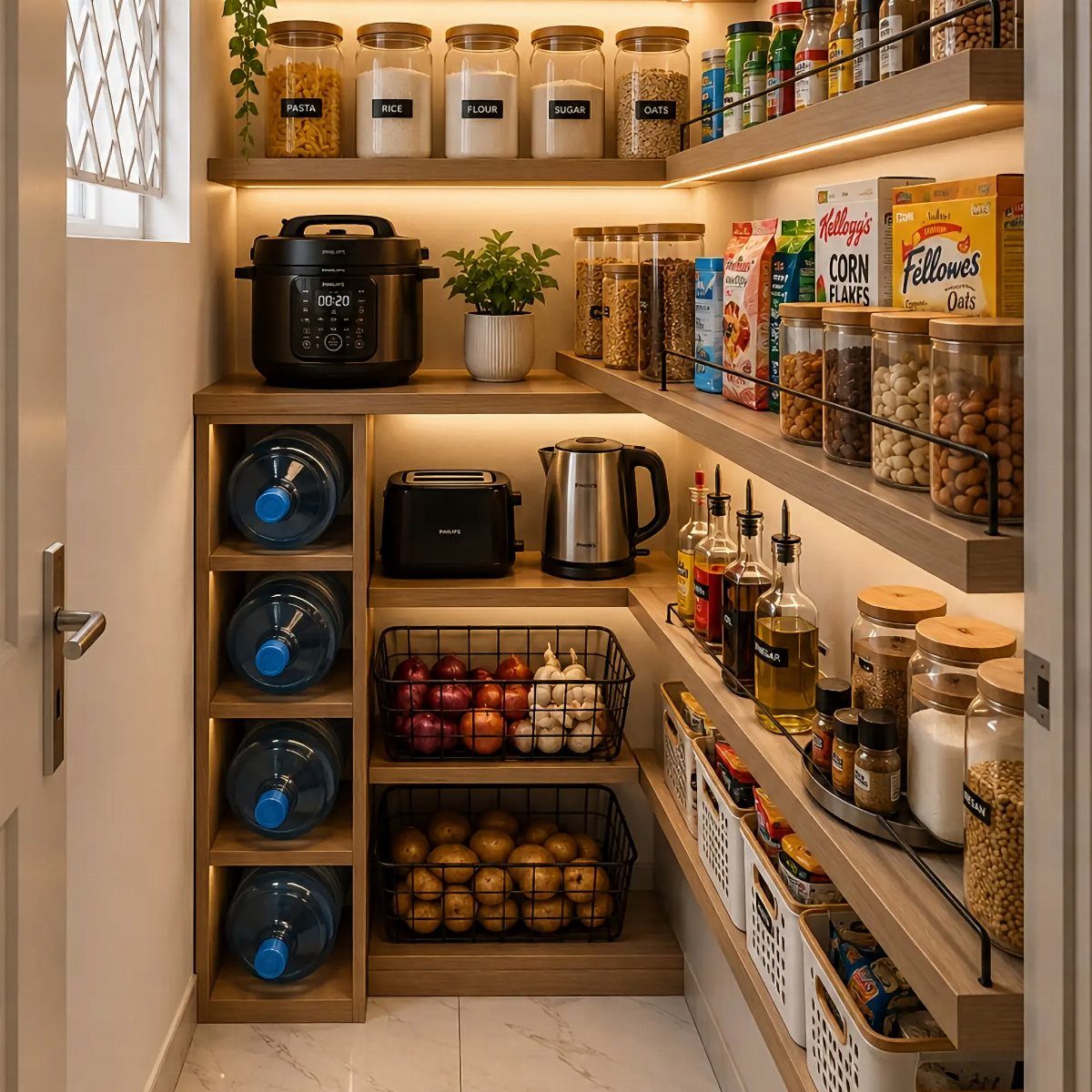
Labels turn a cabinet full of containers into a system anyone in the house can follow. When each jar or bin says what goes inside, snacks end up back where they belong.
A label maker is faster, but handwritten adhesive labels work just as well. Place the label on the front of the container at eye level so it’s readable at a glance.
This helps most when you’re storing bulk snacks in jars or bins that all look alike from the outside.
3. Drawer Dividers
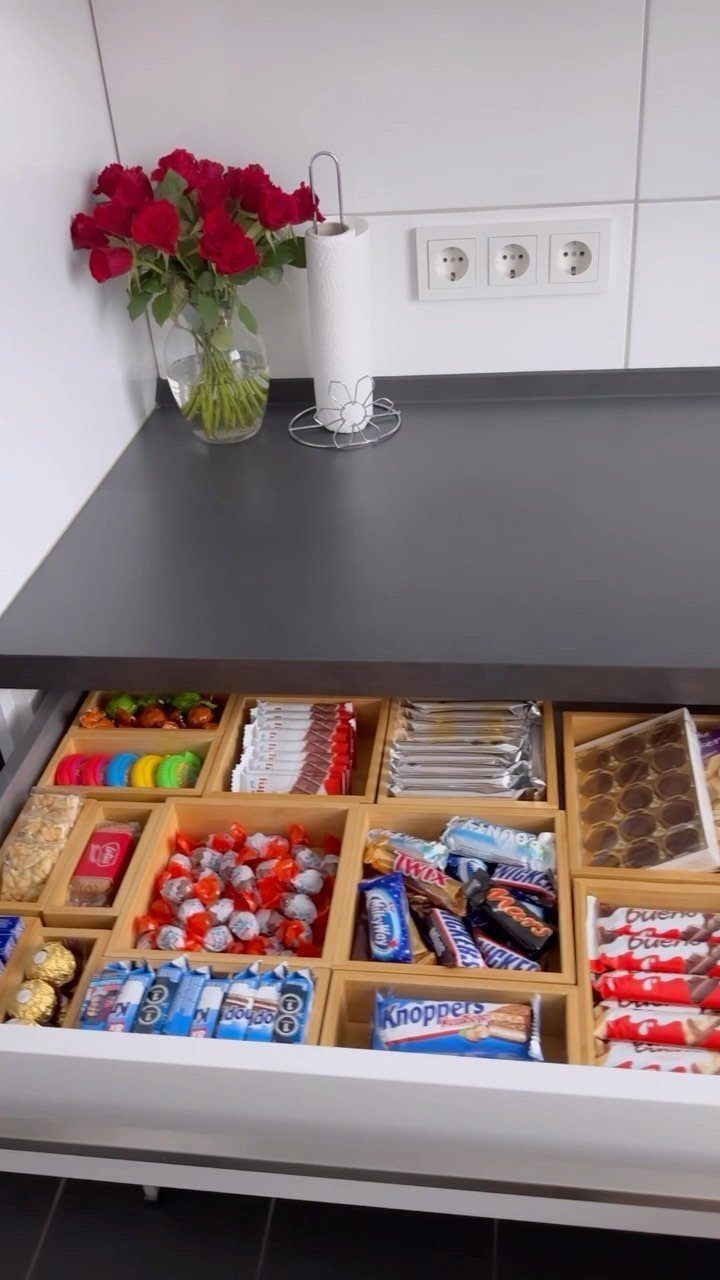
Dividers keep a snack drawer from turning into a loose jumble every time someone digs for something. Each section holds one type of snack so everything stays sorted.
Adjustable dividers let you size sections to fit what you’re storing: narrow slots for granola bars, wider ones for chip bags or candy boxes. Wood dividers look finished, but plastic or bamboo versions work just as well.
This setup makes the most sense if you have a dedicated drawer near where people grab snacks.
4. Pull-out Shelves
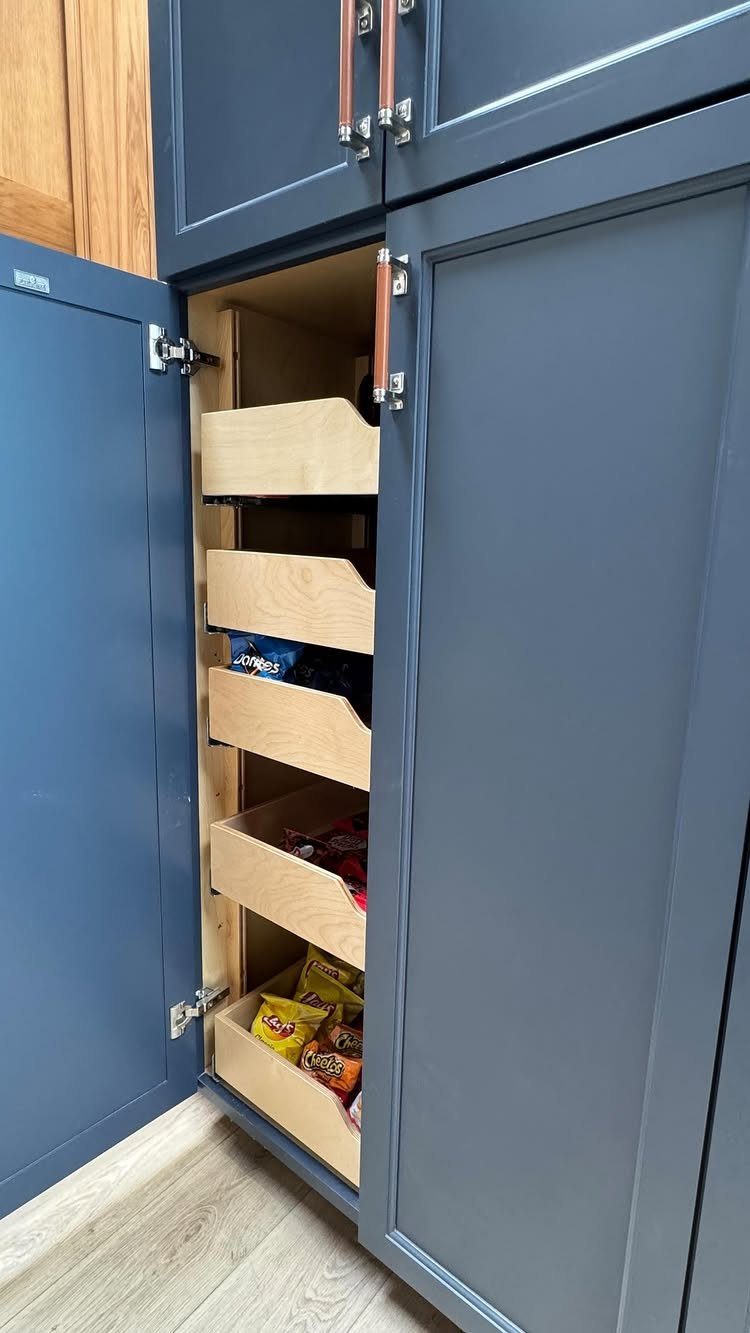
Pull-out shelves bring the back of a deep cabinet within reach. Instead of crouching and reaching blindly, you slide the shelf forward and see every snack at once.
You can retrofit existing cabinets with pull-out organizers or install them during a kitchen remodel. Look for ones rated to hold heavy jars or canned goods if you’re storing those alongside snacks.
Lower cabinets get the most benefit since depth makes the back hard to reach.
5. Under-shelf Baskets
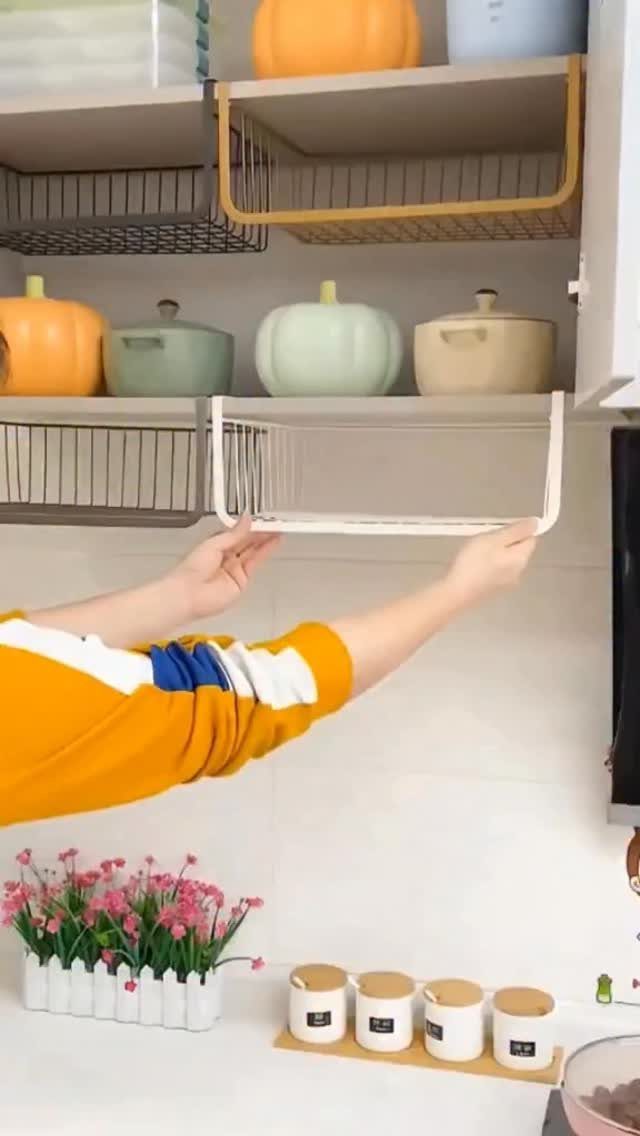
An under-shelf basket adds a layer of storage and sits entirely above the cabinet floor.
Most clip or slide onto shelves up to an inch thick. Use them for items like granola bar boxes, small bags of pretzels, or packets of oatmeal.
This is a low-cost fix if your shelves are spaced far apart and you’re wasting vertical space.
6. Rolling Snack Cart
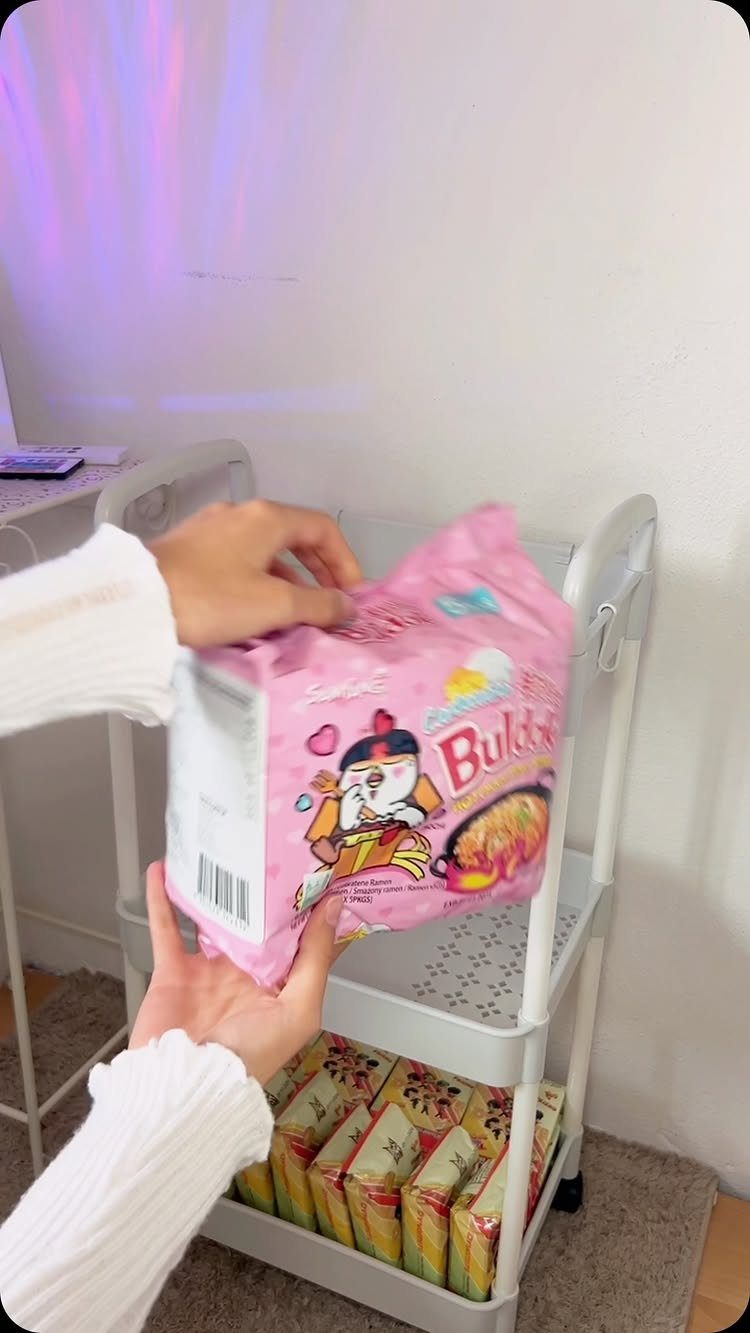
A rolling cart holds snacks in plain view and moves wherever you need it. This suits small kitchens where cabinet space is tight or when you want snacks accessible to kids without opening cupboards.
Pick a cart with at least 2 tiers so you can separate sweet snacks from savory or group items by person. Metal or plastic carts are easiest to wipe clean.
You can roll it into the pantry or a corner when it’s not in use.
7. Open-front Bins
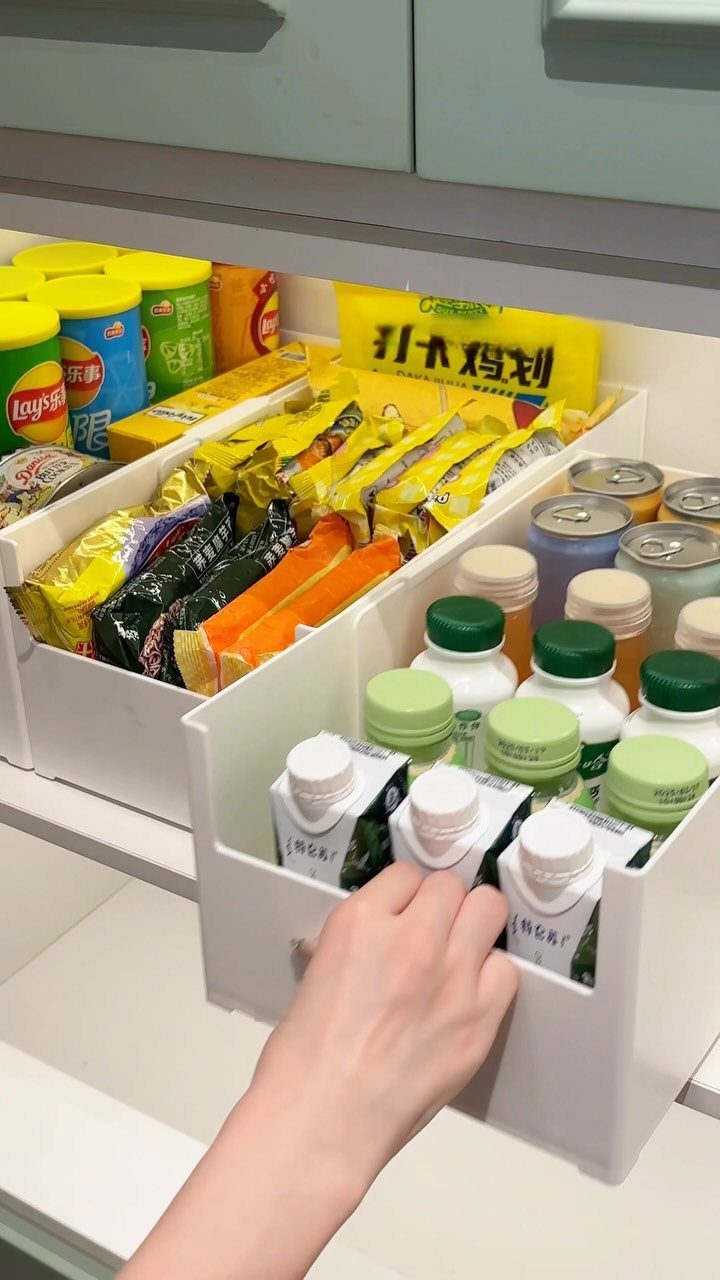
An open-front bin lets you reach in and grab something without pulling the bin out first. The front drops low or stays open so you can reach in while the bin stays in place.
This works well for snacks you reach for often: granola bars, juice boxes, or small chip bags. Stack or line up the bins so each one holds a different type of snack.
The open design saves a step and keeps everything contained at the same time.
8. Deep Drawer Bins
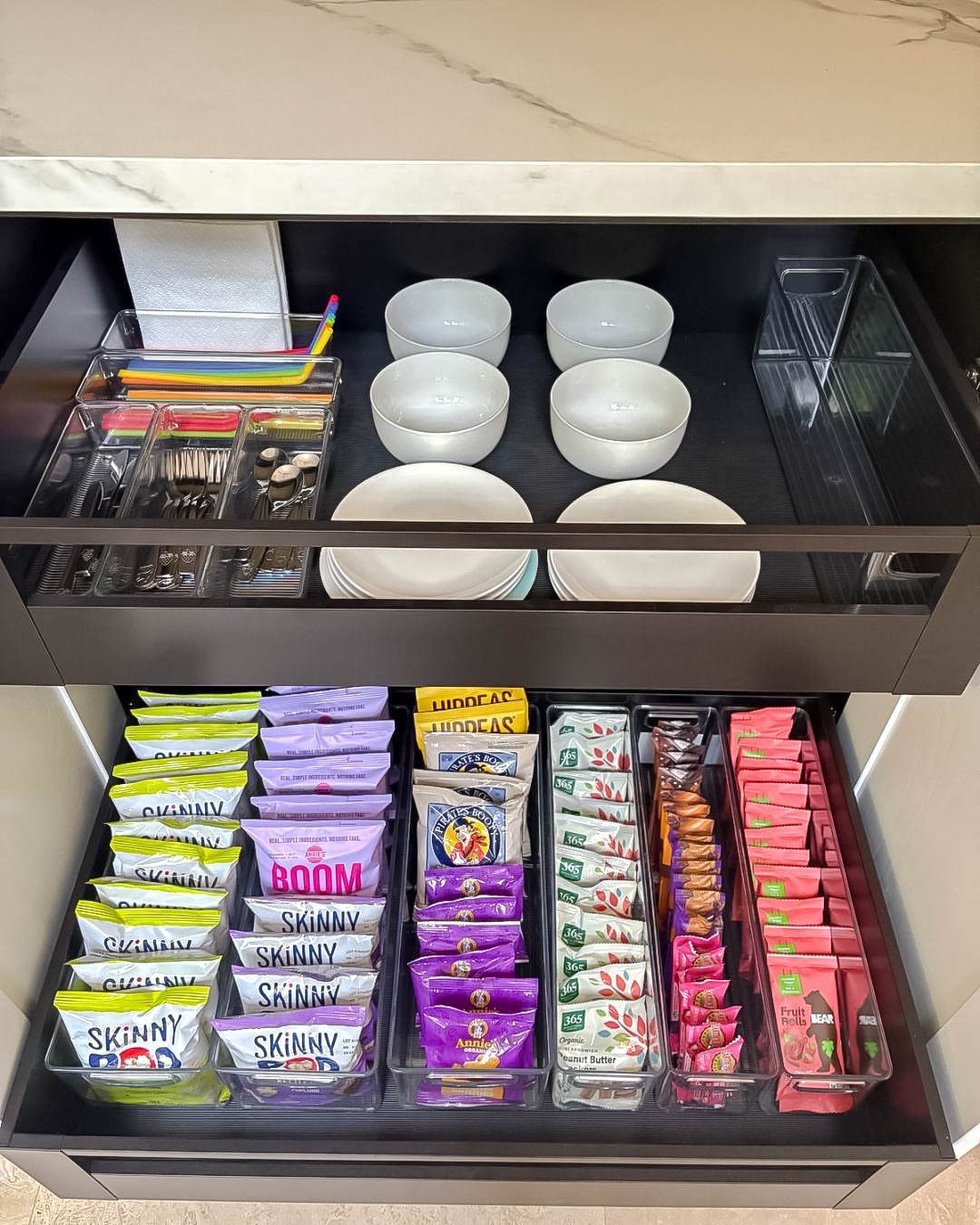
Deep bins inside a drawer give snack bags somewhere to stand upright instead of falling into a flat pile. Clear plastic lets you see what’s in each bin without lifting it out.
Size the bins to fit your drawer width and height. One bin per snack type keeps bags from mixing together when the drawer opens and closes.
This setup works best in deeper drawers where bins can sit side by side.
9. Glass Snack Jars
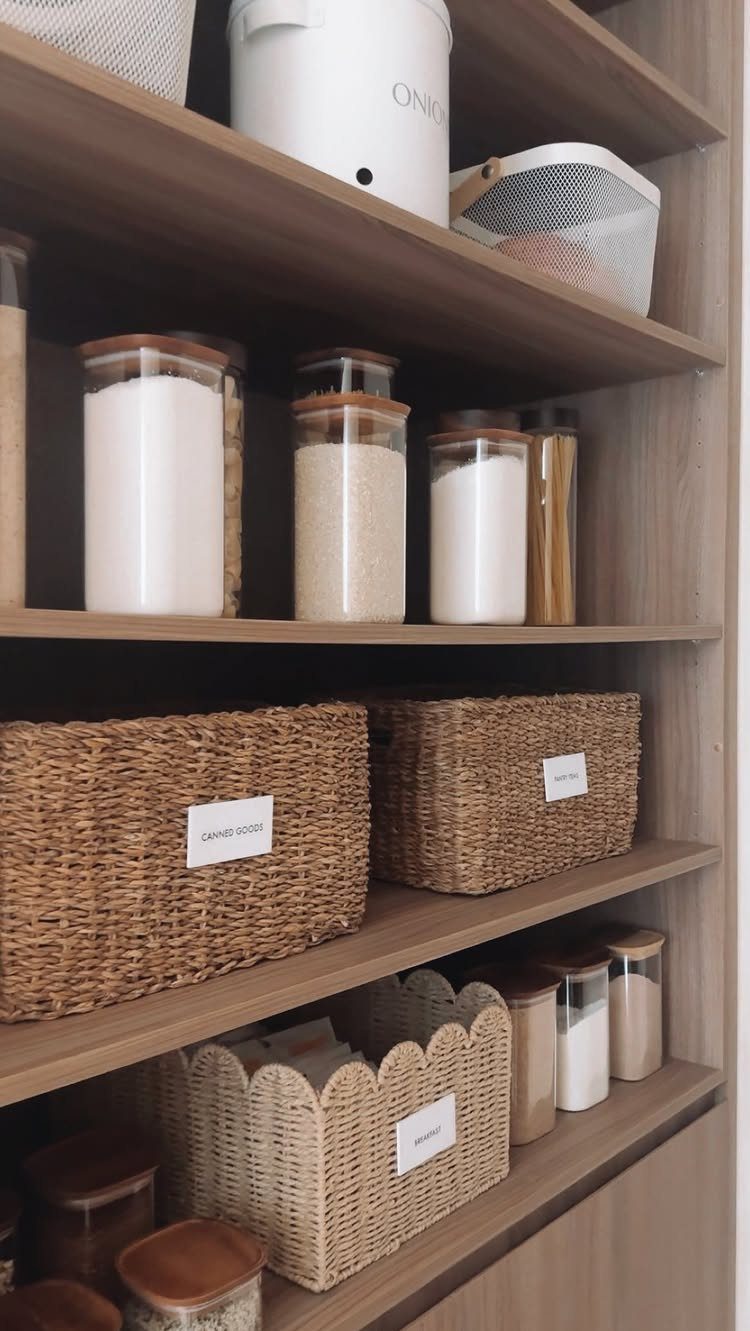
Glass jars with matching lids turn loose snacks into something you can stack and see through. Pour in pretzels, crackers, or trail mix and line the jars up on a pantry shelf.
Glass cleans better than plastic and won’t hold smells between refills.
This suits bulk snacks you buy in large bags and portion out as needed.
10. Kitchen Snack Drawer
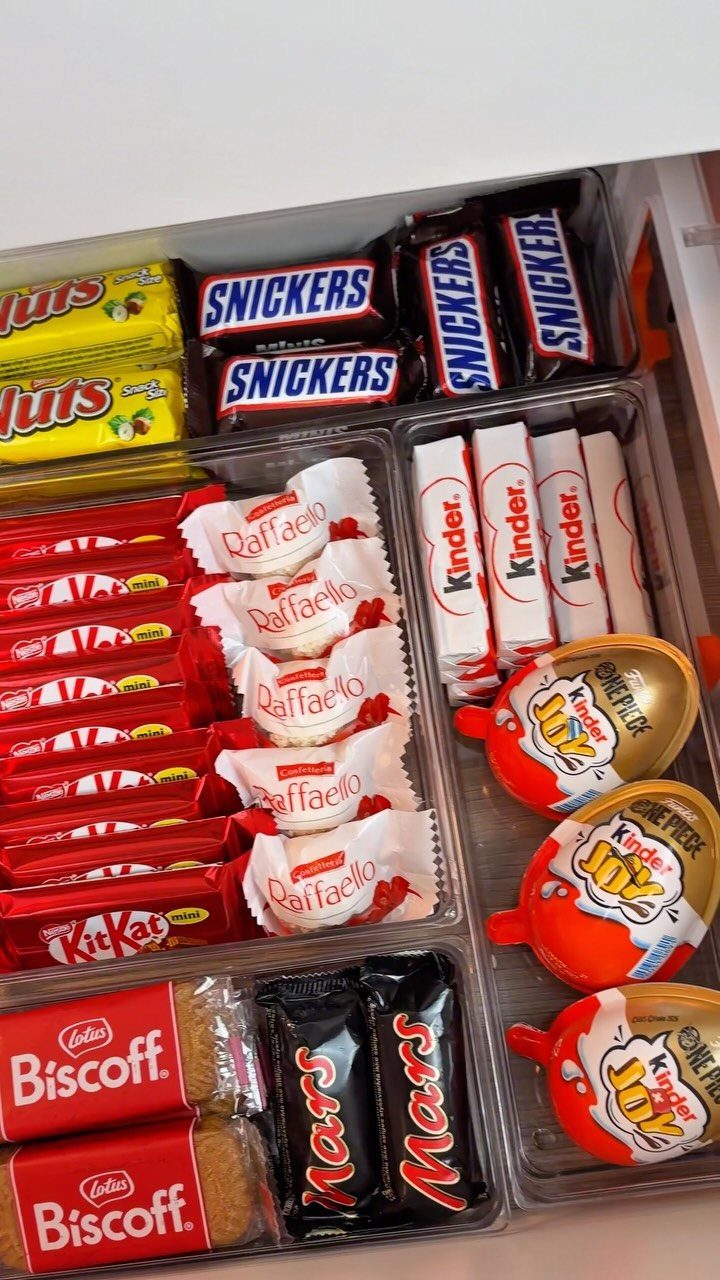
A snack drawer keeps treats in one spot and at the right height for kids to reach. Use dividers or small bins to separate chocolate bars from gummies or cookies so nothing gets crushed.
Pick a drawer near where snacks get eaten so it doesn’t compete with cooking storage. Clear dividers make it easy to see how much of each snack is left.
This is simpler than a cabinet if you have a spare drawer and limited shelf space.
11. Tiered Snack Tray
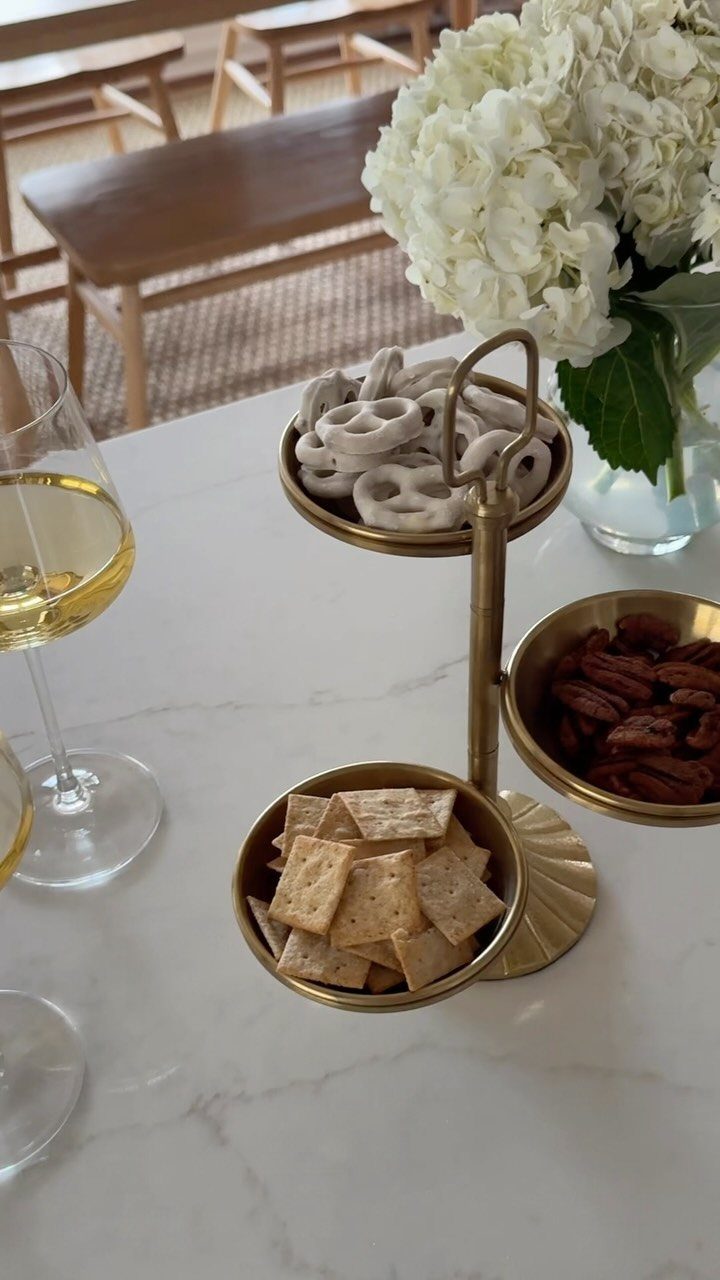
A tiered tray holds several snacks on one small footprint and sits out on the counter where everyone can reach it. Each level holds a different snack: crackers on one, nuts on another, pretzels on the third.
Metal or wood trays with low sides work best since snacks won’t roll off and you can wipe them clean between refills. Rotate what’s on the tray every few days so it doesn’t sit out too long.
This suits snacks you eat in a day or two, not things you’re storing for the week.
12. Vertical Wall Shelves
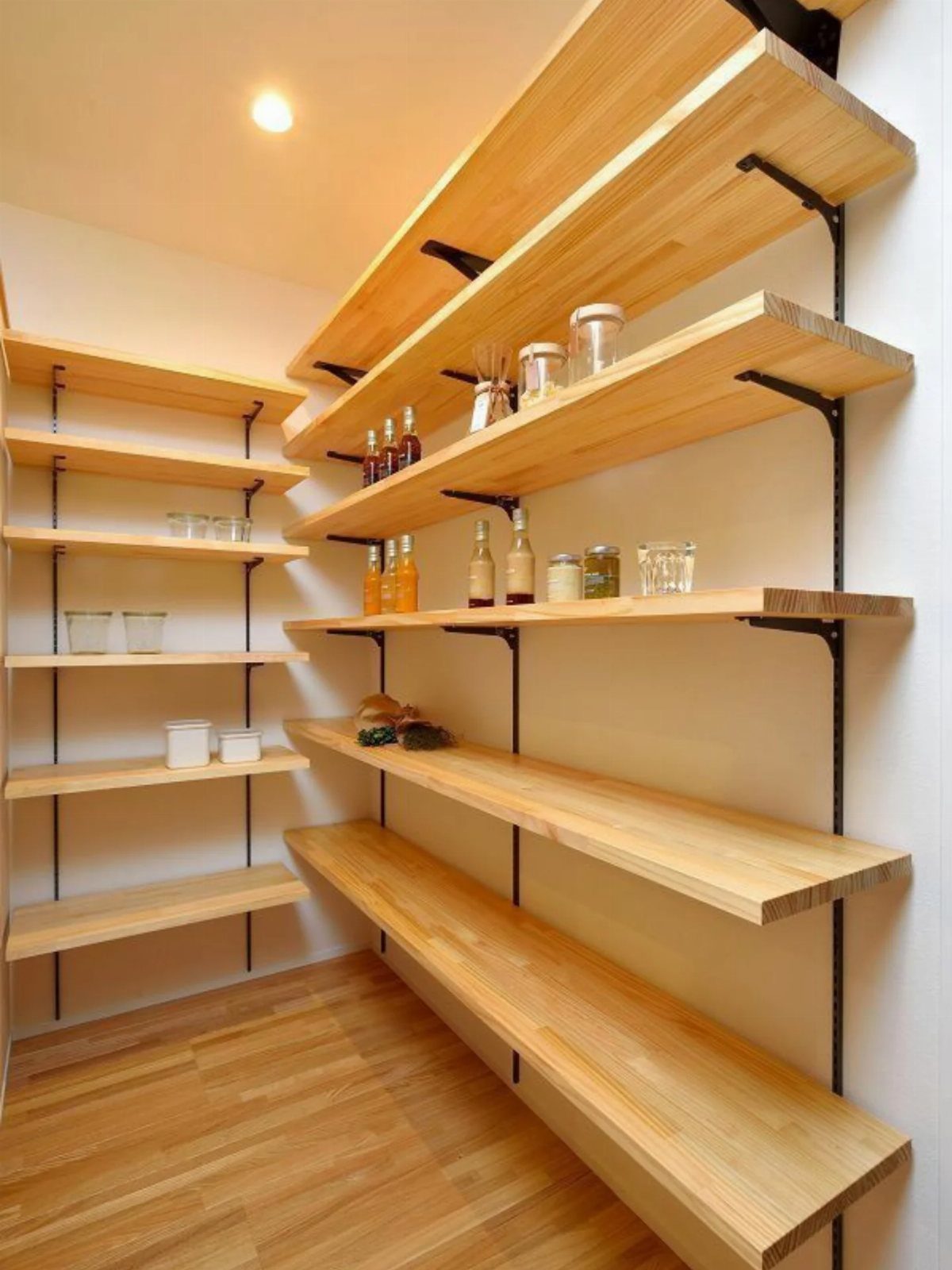
Wall shelves add storage and keep your floor and counters clear. Mount them in a pantry or along a kitchen wall and line up jars, cans, or boxes of snacks at eye level.
Shallow shelves work better than deep ones since snacks won’t get shoved to the back and forgotten. Space the shelves to fit the height of what you’re storing: closer together for short jars, farther apart for tall boxes.
This makes the most sense if your cabinets are full and you have blank wall space to use.
13. Pegboard Snack Wall
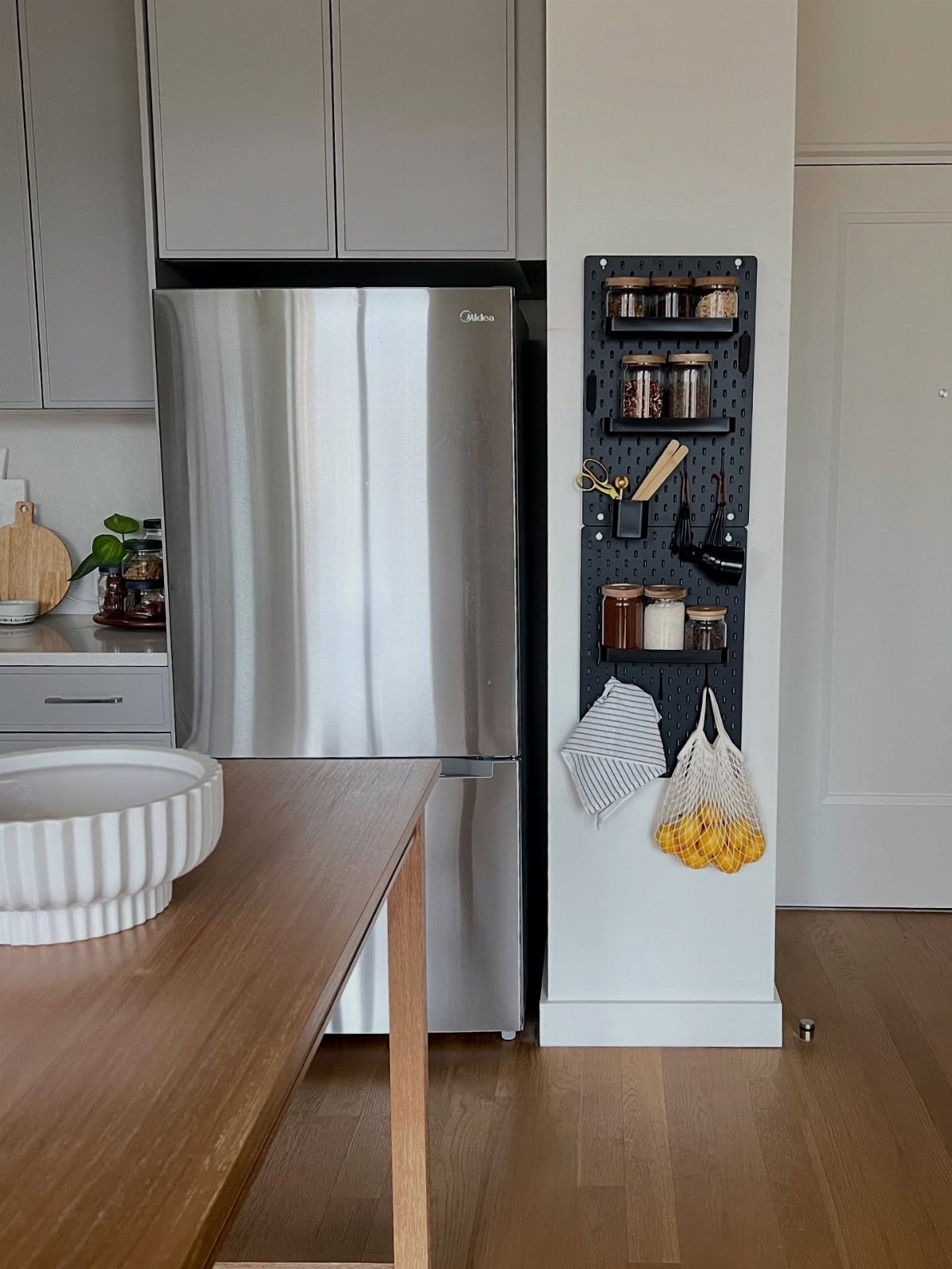
A pegboard lets you hang baskets and jars where you can reach them without opening a cabinet. Mount it in the pantry or on a blank kitchen wall and adjust the hooks as your needs change.
Use small bins or baskets with hooks for bagged snacks and jars with flat backs for pretzels or crackers. Hang the most-used snacks at eye level so kids can grab them without help.
This suits tight kitchens where counter and cabinet space is already spoken for.
14. Snack Pantry Shelving
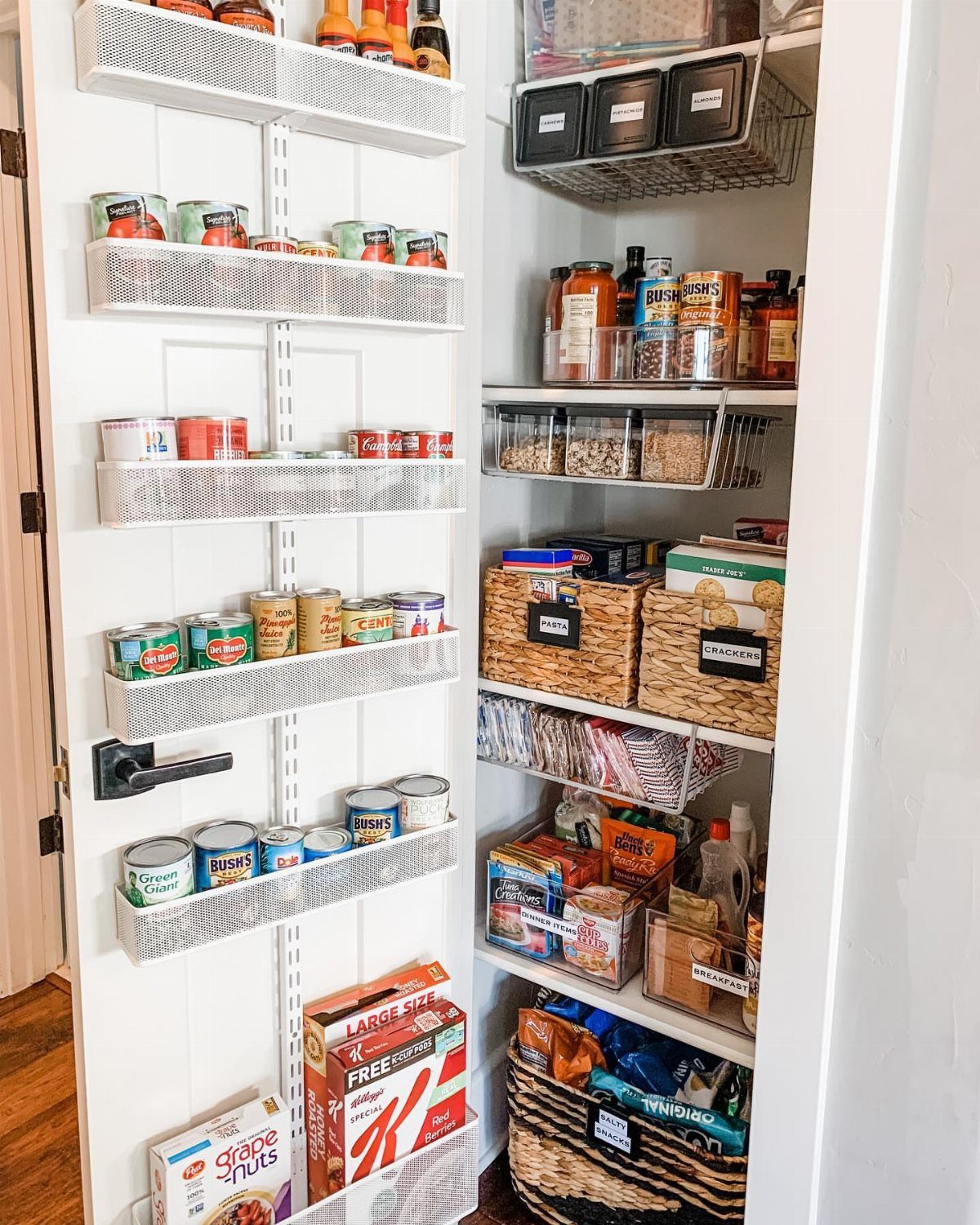
Open shelves hold packaged snacks where you can see them, and a wire rack mounted on the inside of the door adds another layer without taking up floor space.
The door rack works best for lightweight items like chip bags, granola bars, or small boxes that won’t swing the door open when it moves. Keep heavier jars and cans on the fixed shelves so the door stays balanced.
Baskets on the shelves group similar snacks together and contain small bags that would otherwise slide around.
15. Snack Station Cabinet
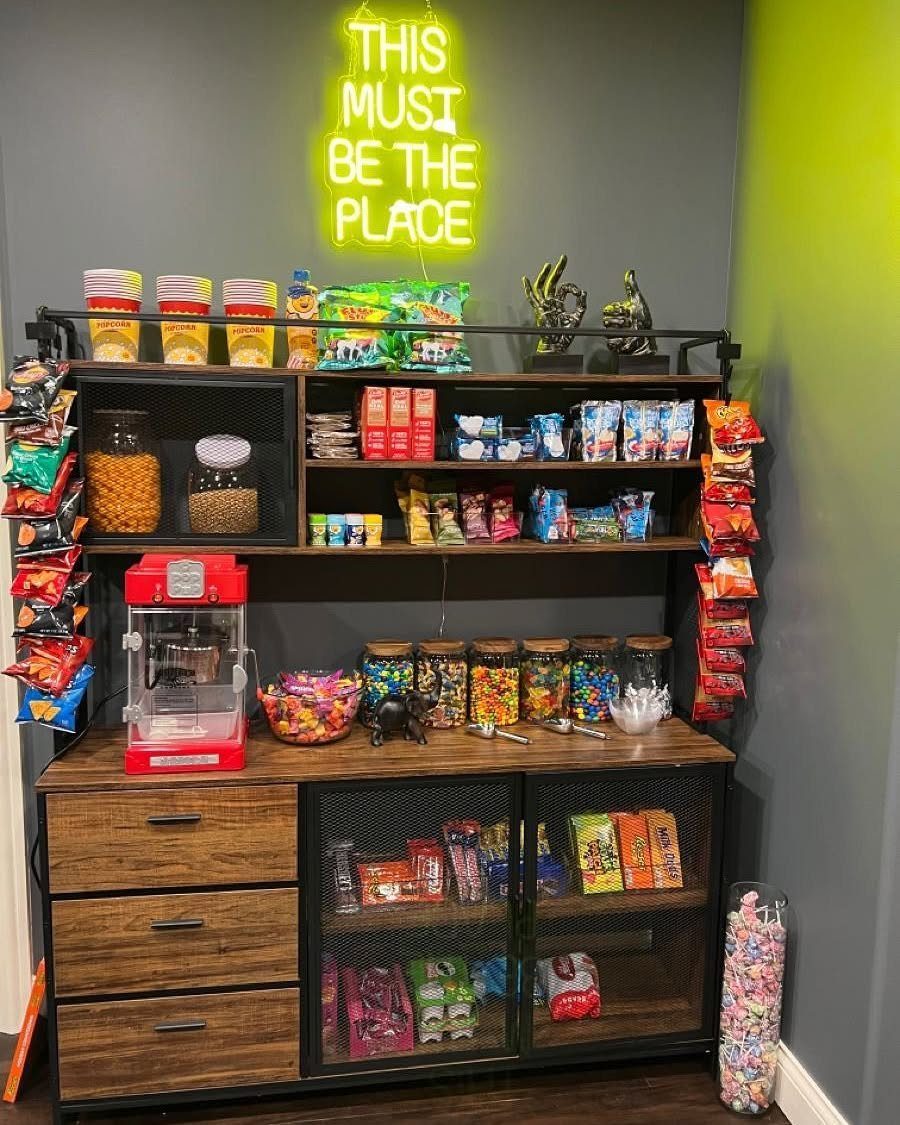
A freestanding cabinet turns into a snack station when you dedicate its shelves to treats and set a small appliance like a popcorn machine on top or inside.
Jars of candy sit alongside boxed snacks so everything is in one spot.
Pick a cabinet with open shelves or remove the doors so the inside stays visible. This works if you have floor space in the kitchen or a nearby room and want snacks separate from cooking supplies.
The setup makes sense for households that go through snacks quickly and like having them on display.
16. Woven Snack Baskets
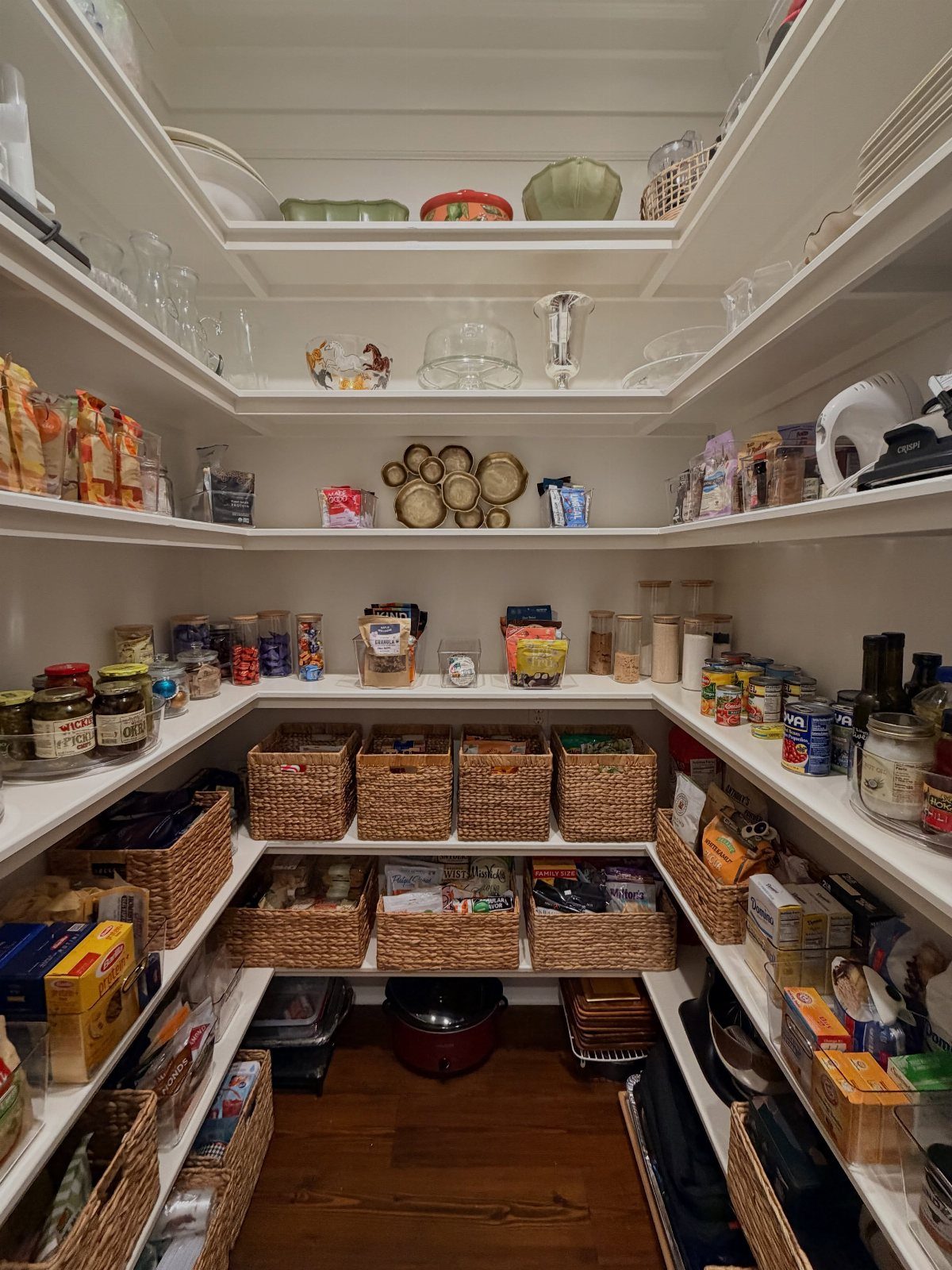
Woven baskets sit on pantry shelves and hold bags of chips, boxes of crackers, or pouches of fruit snacks without looking like plastic bins. The texture softens the look of a shelf lined with jars and cans.
Group snacks by type so each basket has one job.
This suits open shelving where the baskets stay visible and you want the pantry to look finished.
17. Glass-door Snack Cabinet
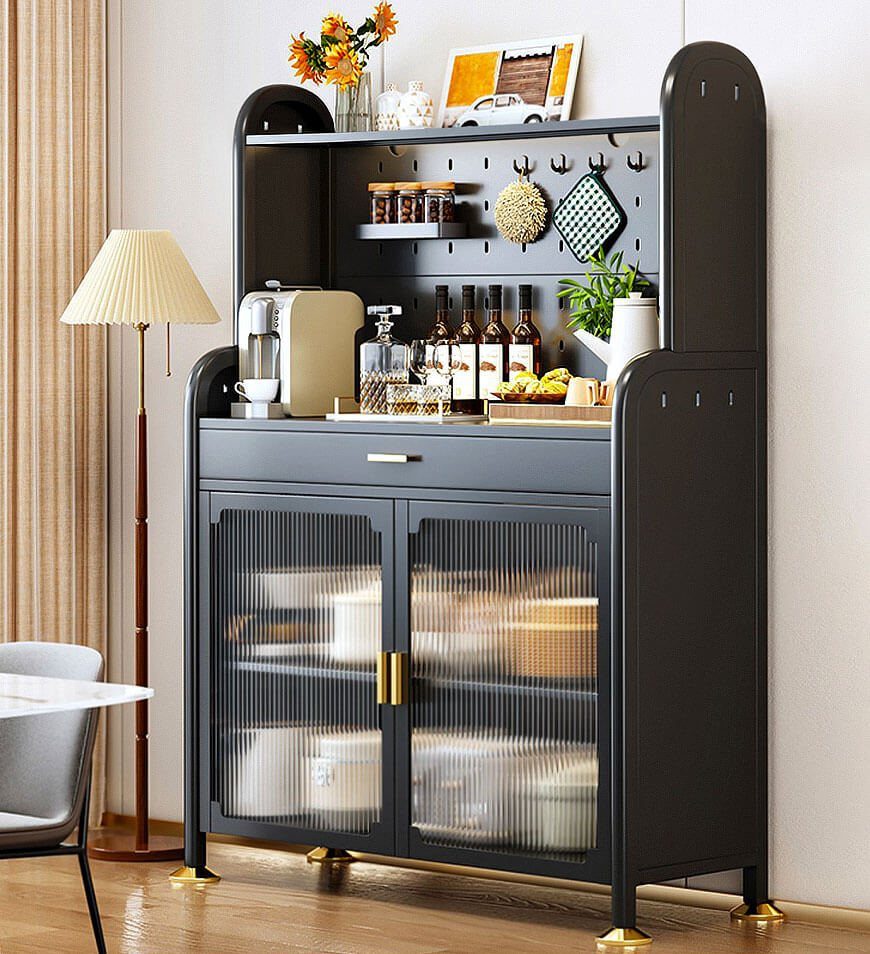
Glass doors let you see what’s inside the cabinet without opening it, so you know when a snack is running low. Bins inside keep bags upright and contained.
A freestanding cabinet like this one works if you don’t have built-in pantry space or want snacks separate from your main kitchen cabinets. Look for one with adjustable shelves so you can fit taller boxes or stack shorter bins.
This suits renters or anyone who wants storage they can take along when they move.
Frequently Asked Questions
What is the best way to organize snacks in my pantry?
Group snacks by type in clear bins or baskets so everything stays visible and you grab one category at a time.
Label each bin so everyone knows where things go, and use under-shelf baskets to add a layer of storage when shelves sit far apart.
What are the pantry zones?
A snack zone groups all treats in one area using bins, baskets, or a dedicated shelf so you’re not hunting through the whole pantry.
Keeping snacks together in their own spot makes them easier to find and restock. You can add an under-shelf basket to double the storage in that zone without taking up more floor space.
How do I organize my food cabinet?
Use clear bins to group similar items together and keep bags from falling into a pile.
Measure the cabinet shelves first, then pick bins that fit the depth and height so nothing sticks out or wastes space. Labels on the front of each bin make it easy for anyone to put things back where they belong.