
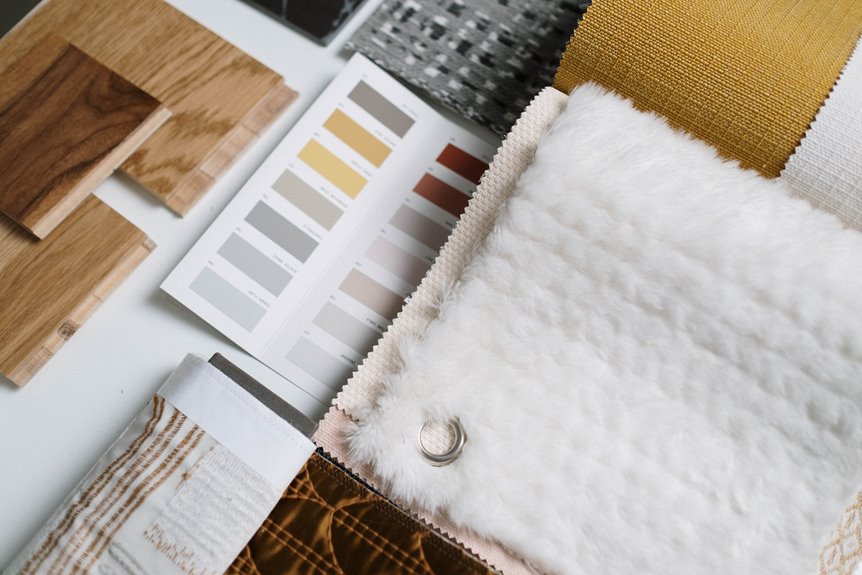

Rugs come in six main fiber types, each built for different situations. Wool offers durability and a luxury feel, cotton provides softness and machine-washability, and synthetics like polypropylene deliver stain resistance and easy cleanup. Natural fibers such as jute, sisal, and seagrass are eco-friendly and textured. Silk and viscose are visually appealing but delicate and expensive. The right choice depends on your traffic level, budget, and whether you have kids or pets in your home.
The specifics become more nuanced once you examine each material in greater detail.
The Most Common Rug Fibers
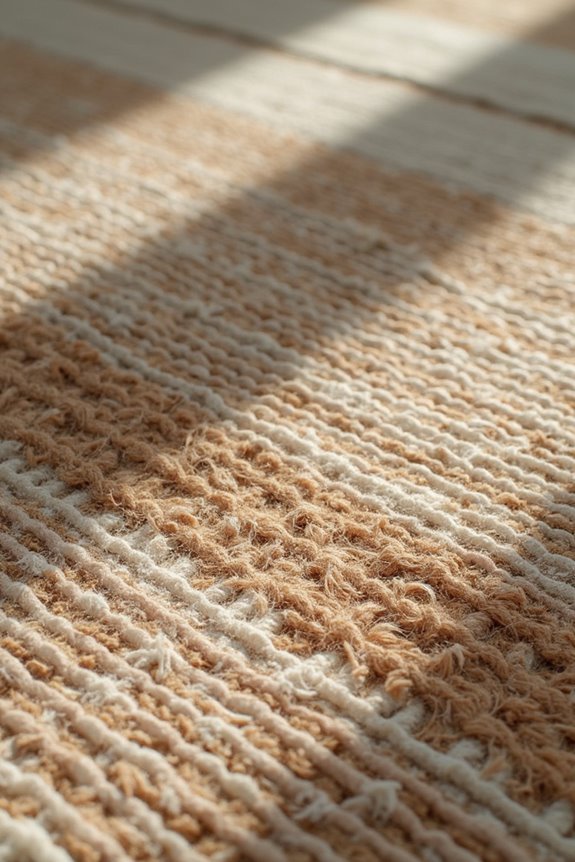
Now I’ve got to walk you through the real differences that matter when you’re actually shopping for a rug, because wool and synthetics play completely different games. Wool is your luxury pick for durability and warmth, but synthetics like polypropylene won’t break the bank and resist stains effectively. Cotton offers a cozy middle ground for bedrooms and low-traffic spots, though jute and sisal bring a raw, textured aesthetic that works well if you want something unique and eco-friendly. Silk delivers a stunning lustrous sheen but requires professional cleaning and shows footprints readily, while viscose provides some of that luxury feel with lower maintenance demands.

Natural Materials: Our area rug is crafted from 80% Wool, 20% Cotton and expertly made by hand or machine in India. These wool area rugs have sturdy structure and classic inviting appeal

Natural Materials: Our area rug is handmade from 100% Wool and expertly made by hand or machine in India ensuring quality craftsmanship. These wool area rugs have sturdy structure and classic inviting appeal.
Wool vs Synthetic
When you’re picking out a new rug, you’re really choosing between two camps: wool or synthetic fibers like polypropylene.
| Feature | Wool | Polypropylene |
|---|---|---|
| Durability | Excellent, high-traffic ready | Very durable, fade-resistant |
| Feel | Soft, luxurious | Less plush, prone to flattening |
| Maintenance | Needs regular care | Super easy to clean |
| Cost | Pricier upfront | Budget-friendly |
| Stain Resistance | Natural protection | Highly stain-resistant |
| Best For | Living rooms, bedrooms | Kitchens, playrooms, pet homes |
Wool works well if you want that cozy, premium feel and can commit to occasional maintenance. Synthetic fibers are the practical choice if you have kids, pets, or need maximum durability and stain resistance. Your lifestyle should guide your decision.
Cotton vs Jute
Cotton and jute are different choices, even though they’re both natural fibers that show up in numerous rugs. Cotton feels softer underfoot. It’s cozy and gentle, perfect if you want that comfort factor. Jute has a beautiful texture and is significantly tougher for high-traffic spots.
Here’s how the main differences break down:
| Feature | Cotton | Jute |
|---|---|---|
| Softness | Very soft, cozy | Textured, rough feel |
| Durability | Less durable, flattens | Extremely hardwearing |
| Best For | Bedrooms, low-traffic | Living rooms, high-traffic |
| Water Resistance | Poor | Poor |
Cotton works well for bedrooms where you’re lounging around. If you have kids or pets running everywhere, jute performs better. Both are eco-friendly options.
Silk vs Viscose
If you’re shopping for a luxurious-feeling rug, you’ve probably run into silk and viscose as options. They’re both gorgeous, but they’re definitely not the same thing. Silk is the real deal; it’s naturally luxurious with an incredible sheen that catches light beautifully. Viscose is actually made from wood pulp, so it mimics silk’s softness without the premium price tag.
| Feature | Silk | Viscose |
|---|---|---|
| Feel | Sumptuous, soft | Soft, silky |
| Durability | Delicate | More durable |
| Cleaning | Professional only | Professional recommended |
| Cost | Expensive | Affordable |
| Best for | Special rooms | Living areas |
Silk suits bedrooms where you want that luxe feeling, while viscose works well if you want elegance without the higher cost.
Wool Rugs: The Classic Natural Choice
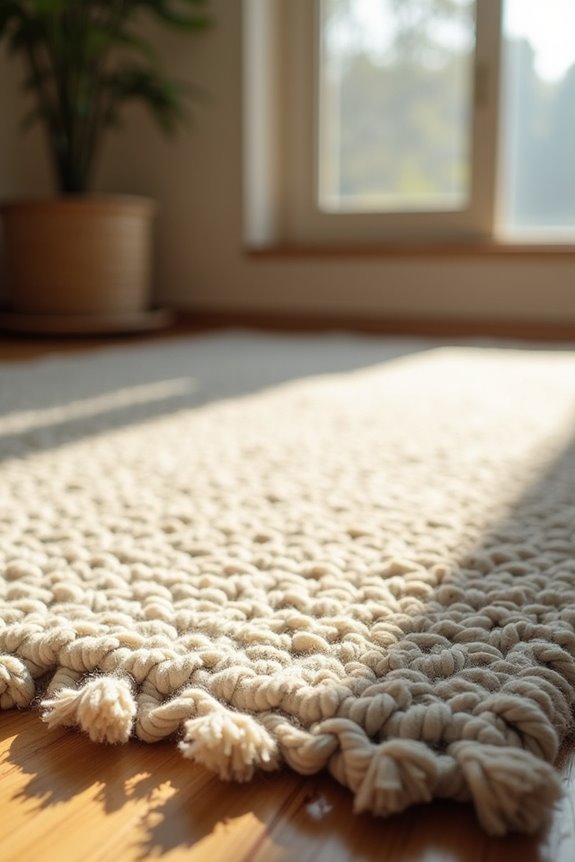
Wool rugs are the gold standard when it comes to natural fiber options. They’re tough in high-traffic spots, naturally resist stains and flames, and provide warmth in winter while staying cool in summer.
The trade-offs include higher upfront costs, regular maintenance to prevent shedding, and susceptibility to fading from direct sunlight. Understanding their strengths and limitations helps determine where they work best in your home.

Reversible Design: Pauwer outdoor rugs feature classic floral pattern on both sides, allowing you to refresh your patio with a simple flip. Perfect outdoor patio balcony decor adds charm and elegance to your outdoor space

MACHINE WASHABLE: Our rug can be washed directly in washing machine in cold water and dried without heat. Daily maintenance is simple and convenient

CHEERY AND ATTRACTIVE: The bold colors and patterns of this floral rug instantly brightens your space
Pros
Why do so many people choose wool rugs over everything else. Wool rugs are seriously durable and built to handle high-traffic areas without falling apart. Wool fibers naturally offer stain and soil resistance, so accidents don’t require anxiety. Wool fibers naturally resist flames, which is important for home safety.
The natural crimp in wool fibers means your rug keeps its shape and looks fresh longer. Wool acts as a natural insulator; it keeps you warm in winter and feels cool during summer months. Wool provides luxurious softness underfoot. While wool rugs cost more than synthetic options and need regular maintenance to prevent shedding, the durability makes them a smart investment.
Cons
Wool rugs come with notable downsides worth considering. First, they’re pricey compared to synthetic options, which can strain your budget. They also require regular maintenance to keep shedding under control, so consistent vacuuming is necessary. Direct sunlight can fade wool rugs over time, so placement near bright windows without curtains requires careful planning. If you’re willing to invest in upkeep and provide proper care, wool rugs deliver durability and comfort that justify the effort for most people.
Best Uses:
Wool rugs perform exceptionally well in the spaces where you spend the most time: your living rooms, bedrooms, dining areas, and anywhere else that gets heavy foot traffic. Wool’s natural durability and stain resistance make it ideal for these high-use zones.
Consider wool for these spaces:
- Living rooms and dining areas where family and friends gather, and spills are inevitable
- Bedrooms where the natural warmth and softness provide comfort
- High-traffic hallways because wool recovers from constant footsteps better than most materials
Wool rugs last for years while maintaining their appearance. It’s a dependable choice that performs when you need it most.
Cotton Rugs: Lightweight and Washable
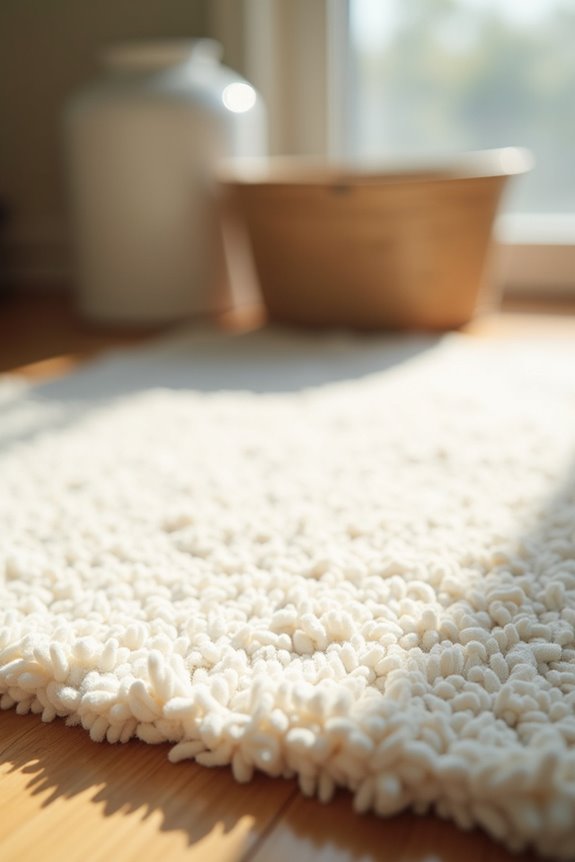
If you’ve got a bedroom or kids’ room, cotton rugs are worth considering. They’re soft underfoot and easy to care for, with smaller ones suitable for machine washing. Cotton fibers flatten over time in high-traffic areas, so they won’t withstand heavy use as well as wool does. Flat-weave cotton options provide a lightweight, practical choice that feels cozy and requires less maintenance than fancier materials.

Handwoven rug / floor mat measures 3'x5’ - durable, stylish, versatile farmhouse pattern

Eco-concious Choice For All Yogis: Handmade with 100% Organic Cotton, Gayo’s Conscious-crafted yoga mat is the equipment of choice of traditional yogis. No dyes nor harsh chemicals were added for the safety of your skin.

VINTAGE BOHO AREA RUG: With its plush high-low piles, this 5x7 area rugs delivers an incredibly comfortable and soft sensation, making it suitable for going barefoot. Lay the carpet over your hardwood floor, and it not only infuses warmth but also turns any room into a snuggle-worthy retreat
Soft texture, easy care
Want a rug that feels amazing underfoot without demanding your life in return. Cotton rugs deliver on both fronts. They feel soft, and they’re wonderfully easy to care for. Unlike wool, you won’t spend hours maintaining them. If your cotton rug isn’t too thick or large, you can toss it in the washing machine.
Cotton rugs dry quickly after cleaning, which means less downtime in your space. They’re hypoallergenic too, so if you’re sensitive to fibers or dust, you’ll benefit from that feature. The texture stays inviting season after season, and you’re getting a natural material that doesn’t feel fussy. You get luxurious softness paired with practical, hassle-free upkeep.
Lower durability than wool
they won’t hold up like wool does in heavy-traffic spots. I’ve seen cotton fibers flatten over time, especially in hallways or living rooms where people walk constantly. And while cotton rugs are genuinely soft and cozy, perfect for bedrooms or nurseries, they’re not built for durability in demanding areas.
Cotton rugs do offer practical advantages: they’re easy to care for. If your cotton rug isn’t too big or thick, you can actually machine wash it. Plus, they’re hypoallergenic, which matters if you’re sensitive to materials. The key is rotating your cotton rug occasionally to prevent uneven wear. So yes, they’re delicate compared to wool, but for the right spaces they work well.
Best for bedrooms and kids’ rooms
Why are cotton rugs such a game-changer for bedrooms and kids’ rooms? They’re absolutely perfect for these spaces because they’re soft, gentle on little feet, and create that cozy feeling we all crave.
What makes cotton rugs ideal for families like yours:
- Hypoallergenic and safe – They’re naturally gentle on sensitive skin, making them suitable for kids with allergies
- Easy to clean – Smaller cotton rugs can go right in the washing machine, saving time with spills and accidents
- Warm and inviting – They add comfort to bedrooms while keeping things practical for playrooms
Cotton won’t break the bank like wool does. However, they’re not as durable for high-traffic hallways. For bedrooms and kids’ rooms, they remain the top recommendation.
Flat-weave and machine-washable options
One of the best things about cotton rugs is how practical they really are. Flat-weave options are where cotton truly shines. These rugs are lightweight and easy to move around, which makes them convenient when rearranging your space.
- Machine-washable without breaking a sweat; just toss smaller ones in the wash.
- Flat-weave construction resists trapping dust and allergens, keeping your space cleaner.
- Perfect for families who need quick cleanups after spills or accidents.
Cotton’s soft texture makes it ideal for bedrooms and kids’ rooms where comfort matters. You won’t need to pay for professional cleaning. Your cotton rug requires minimal maintenance, which saves you time and money.
Synthetic Rug Materials: Polypropylene, Polyester, and Nylon
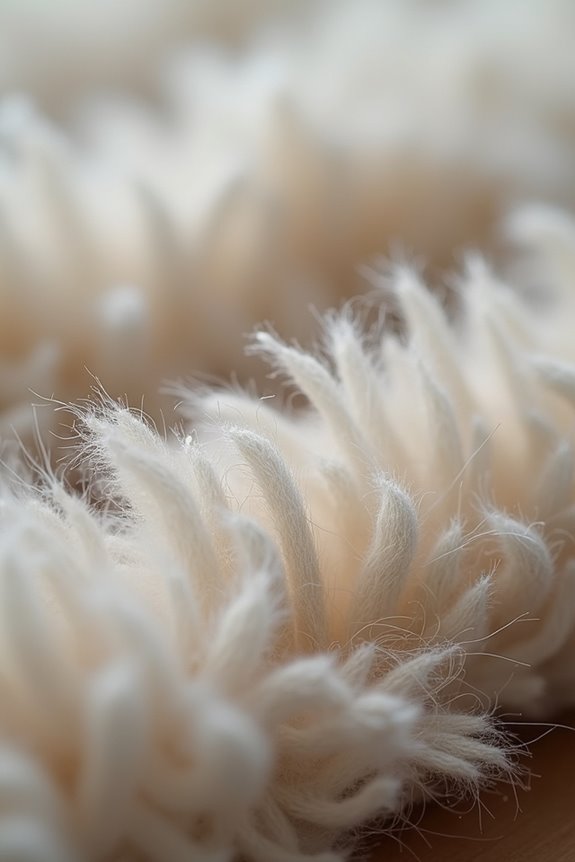
Synthetic fibers like polypropylene, polyester, and nylon work well for households with kids, pets, or concerns about spills and stains. They are durable, resist fading in sunny conditions, and require less maintenance than natural fibers, with no professional cleaning necessary. The tradeoffs include a less plush feel compared to wool or silk, and they can flatten over time or melt when exposed to high heat.

[DURABLE QUALITY HANDMADE CONSTRUCTION]: Hand-woven by skilled artisans for a truly unique textured look and feel

Natural & Breathable Jute Fiber:Crafted from soft yet durable jute, this entryway rug allows air circulation to prevent moisture buildup, keeping floors dry. Perfect as a front door mat, its breathable design combats mold while adding organic texture to your indoor entrance.

[DURABLE HANDMADE CONSTRUCTION]: Hand-woven by skilled artisans for a truly unique textured look and feel
Pros
Synthetic rugs bring practical advantages worth considering for busy households. They’re incredibly stain-resistant, so spills from kids or pets don’t become permanent problems. They’re fade-resistant too, so direct sunlight won’t damage their color. They’re moisture-resistant, making them suitable for bathrooms or outdoor spaces where regular rugs would struggle. They dry fast and clean up easily without special equipment needed. They handle heavy foot traffic without wearing out quickly, and they cost less than wool or silk. While they don’t feel as luxurious as natural fibers, synthetic rugs offer solid durability and value for practical use.
Cons
What’s the catch with synthetic rugs? Synthetic fibers don’t feel quite as luxurious as natural fibers. They lack that sumptuous softness you get with wool or silk, and over time, they flatten under foot traffic. High heat can actually melt or damage them, so you need to be careful in certain spaces. They’re more prone to showing footprints, which can be annoying if you’re particular about appearances. While they’re stain-resistant, they’re not invincible. Synthetic rugs work well for busy households, but they won’t deliver that plush, indulgent feel. They’re the reliable choice that performs consistently, not the one that creates a luxurious impression.
Best Uses:
Where should you actually put these synthetic rugs if you want them to shine? I’d recommend placing them where life gets messy, which is most homes.
Here’s where they truly excel:
- Playrooms and kids’ spaces – They’re practically stain-proof, so spilled juice or marker accidents won’t ruin your day
- Kitchens and bathrooms – They’re moisture-resistant and dry quickly, making cleanup super easy
- High-traffic hallways and basements – They handle constant foot traffic without showing wear
Synthetic rugs also perform well in outdoor spaces since they’re fade-resistant and weather-hardy. They work for anyone wanting a low-maintenance rug that won’t demand constant care. You’ll appreciate how quickly they dry after cleaning, and they stand up to whatever your household throws at them.
Natural Fiber Rugs: Jute, Sisal, and Seagrass
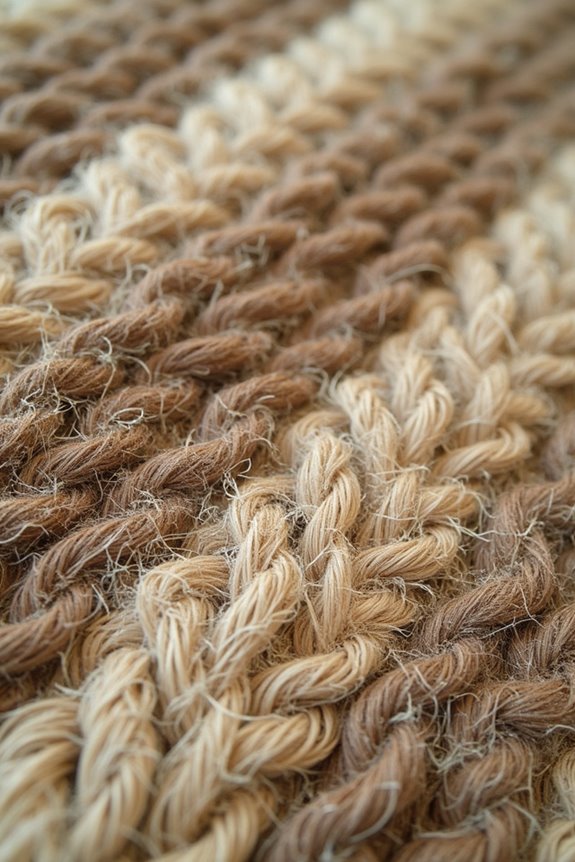
Natural fiber rugs—jute, sisal, and seagrass—offer eco-friendly options that actually biodegrade, unlike synthetic materials that persist indefinitely. Each fiber has distinct characteristics: jute feels softer and more casual, sisal has a sturdy, textured grip, and seagrass provides a smoother, almost silky touch, so your choice depends on the feel you prefer.
These rugs work well in high-traffic living rooms and sunny spots where you want a warm, natural aesthetic. However, moisture is a significant concern since water can damage these materials. Proper care and maintenance will keep your rug looking fresh and extend its lifespan.
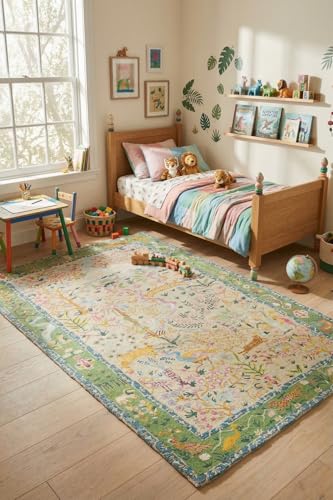
Elegant Botanical-Inspired Style: Features a graceful, artful pattern with subtle detailing and a defined border that enhances its polished appearance.
Elegant Botanical-Inspired Style: Features a graceful, artful pattern with subtle detailing and a defined border that enhances its polished appearance.
Elegant Botanical-Inspired Style: Features a graceful, artful pattern with subtle detailing and a defined border that enhances its polished appearance.
Eco-friendly and biodegradable
Sustainability’s becoming a real priority for many people these days. Natural fiber rugs like jute, sisal, and seagrass are excellent choices if you’re looking to make your home more eco-friendly. These materials come straight from plants, so they’re completely biodegradable, meaning they’ll break down naturally without hanging around in landfills for decades. You can feel confident about what you’re bringing into your space. They’re also recyclable, so when your rug’s finally done, it doesn’t have to become waste. Natural fiber rugs are among the safest options available because there’s no synthetic material involved. They are not water-resistant, so they work best in drier areas of your home.
Texture differences between jute, sisal, seagrass
How much does the feel of a rug matter to you? It’s significant, especially when you’re choosing between jute, sisal, and seagrass. These natural fibers each have their own characteristics, and picking the right one transforms your space.
Jute is a popular choice for that warm, inviting feel. It’s softer than its cousins and feels cozy underfoot. Sisal is tougher and more textured, giving you that rugged, earthy look. Seagrass is the smooth option, less scratchy but still durable. They all add character with natural color variations that make your rug totally unique.
| Material | Texture | Best For |
|---|---|---|
| Jute | Soft, warm | Living rooms |
| Sisal | Rough, textured | High-traffic areas |
| Seagrass | Smooth, sleek | Sunny spaces |
Best for high-traffic or casual spaces
When you’ve got kids running around, pets sliding across floors, or just a lot of foot traffic happening daily, natural fiber rugs like jute, sisal, and seagrass are tough contenders. These materials are hardwearing and handle the chaos without flinching.
What makes them perfect for busy spaces:
- Durability that lasts: They’re built to withstand heavy foot traffic without falling apart or showing wear quickly
- Natural beauty: Each rug’s unique color variations mean stains and dirt blend right in, hiding imperfections
- Easy maintenance: A little water and soap on a cloth removes most stains without requiring specialty cleaning products
They add warmth and texture to any room while keeping your budget reasonable. These rugs won’t create stress, as they’re designed for real-life use and everyday wear.
Moisture sensitivity and care tips
water. I’m not saying you can’t use them in kitchens or bathrooms, but you’ll want to be strategic about it.
To keep yours looking fresh:
- Blot spills immediately with a dry cloth. Don’t let moisture sit on the fibers.
- Use minimal water for cleaning, applying just a little soap on a cloth rather than soaking the rug.
- Ensure proper ventilation after any cleaning to help them dry quickly.
Stains come off easily with that light water-and-soap method. Their natural texture actually hides dirt beautifully. Respect their moisture limits, and your rug will last for years.
Silk and Viscose Rugs: Luxurious But Delicate
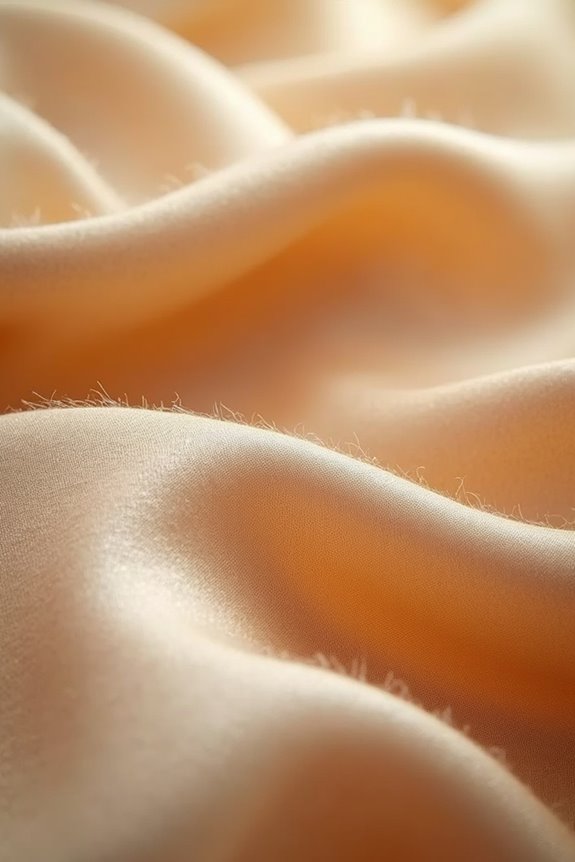
Silk and viscose rugs are gorgeous options that require careful consideration before purchase. Real silk has an incredible sheen and displays intricate patterns with exceptional detail, while viscose (sometimes called art silk) mimics that luxurious look at a lower cost, though it lacks the durability of genuine silk. Both materials require low-traffic areas only, professional cleaning, and consistent maintenance to preserve their appearance. These rugs work best as statement pieces in bedrooms or formal living rooms rather than in high-traffic spaces.

Advanced Stain Guard Technology:Treated with Nano-protection coating to repel spills of coffee, wine, or oil. Simply blot with water for effortless cleanup

【Vintage Blue Rug】: Made from ultra-soft faux wool, this retro boho toned area rug features floral and geometric patterns. Adds a relaxed and elegant vibe, bringing unique artistry and aesthetic for your home. Ideal decor for living room, bedroom and dining room

Natural Materials: Our area rug is crafted from 80% Wool, 20% Cotton and expertly made by hand or machine in India. These wool area rugs have sturdy structure and classic inviting appeal
Real silk vs viscose/art silk differences
How do you know if that gorgeous, shimmery rug is actually silk or something that just looks like it? The difference matters significantly, especially when you’re investing in something beautiful for your home.
Real silk comes from silkworms and costs considerably more, but it’s genuinely luxurious and shows incredible detail. Viscose (or art silk) is made from wood pulp, so it’s budget-friendly and mimics that silky sheen without the price tag. Viscose isn’t as durable, and it requires more delicate handling during cleaning.
| Feature | Real Silk | Viscose/Art Silk |
|---|---|---|
| Cost | Expensive | Affordable |
| Durability | High | Lower |
| Sheen | Subtle | Glossy |
| Cleaning | Professional only | Delicate care |
| Feel | Ultra-soft | Soft, silky |
Choose based on your budget and traffic level.
High sheen and intricate patterns
Elegance and shimmer draw most people to silk and viscose rugs. Both materials showcase intricate patterns better than almost any other fiber. The lustrous surface lets you see every fine detail and delicate design element.
That same silky smoothness means footprints show up easily. If you want a rug that looks magazine-perfect constantly, this may not be the right choice. These rugs are absolutely stunning in formal spaces like dining rooms where foot traffic is minimal. Maintaining that showroom appearance requires professional cleaning and careful use.
Low traffic areas only
Why do silk and viscose rugs demand such careful treatment? These luxurious fibers show every footprint and dust particle, which means you’re constantly seeing where you’ve walked. They’re delicate, too. High heat can damage them, professional cleaning is required, and direct sunlight will cause them to fade quickly.
Keep silk and viscose rugs in low-traffic areas only, like formal living rooms or bedrooms where foot traffic is minimal. They’re suitable for spaces you visit occasionally, not daily. If you value the sumptuous, soft feeling and can accommodate the extra maintenance requirements, they deliver genuine luxury. However, you’re prioritizing aesthetic appeal and texture over practical durability.
Cost and maintenance considerations
When considering a silk or viscose rug, understand that you’re looking at a serious investment, and the upkeep requires significant ongoing expense. These luxurious fibers demand professional cleaning, which costs considerably more than standard maintenance. They’re also delicate, showing footprints and wear that make them unsuitable for everyday use.
| Material | Cost Level | Cleaning | Best For |
|---|---|---|---|
| Silk | Very High | Professional Only | Special Rooms |
| Viscose | High | Professional Recommended | Low-Traffic Areas |
| Wool | Moderate | Regular Care | Active Homes |
| Polypropylene | Low | DIY-Friendly | Families |
| Cotton | Low | Machine Washable | Casual Spaces |
If you have kids or pets, these materials aren’t practical choices. However, if you’re willing to treat them carefully and budget for maintenance costs, the luxurious feel works well for spaces where elegance is the priority.
How to Identify a Rug’s Material
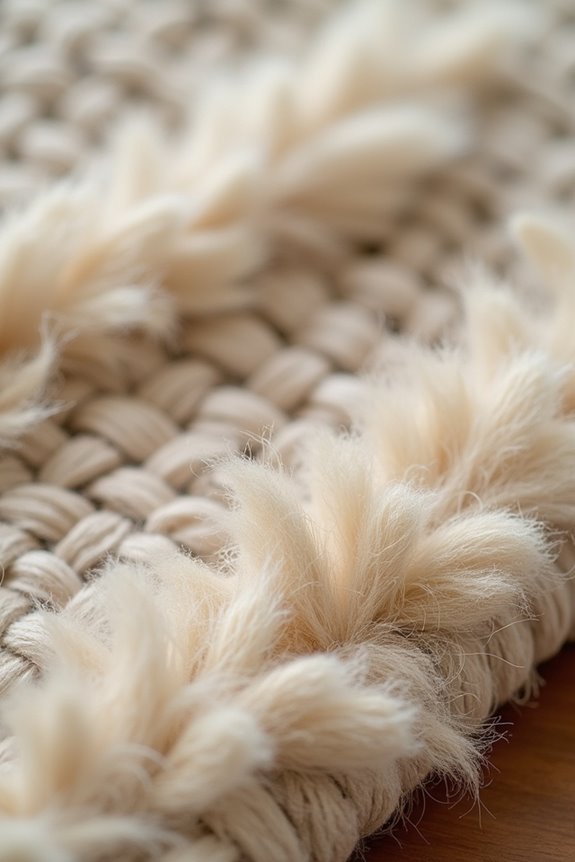
I’ve learned that identifying a rug’s material doesn’t have to be complicated. You can figure it out by running your hands over it, checking how it’s made underneath, and noticing how the light hits it. You don’t need to be an expert; asking the seller straightforward questions about fiber content and care instructions will give you all the answers you need. I’ll walk you through the key things I look for every time so you can feel confident making your choice.

Pile: Polypropylene - Backing: Cotton - Weave: Machine Made (Power-Loomed) - Made in: Turkey
MACHINE WASHABLE: Our rug can be washed directly in washing machine in cold water and dried without heat. Daily maintenance is simple and convenient

Maintain Your Rug with Ease: Vacuum regularly and spot clean as needed. For best results, avoid using a vacuum with beater bars to protect the rug’s fibers. Not Machine Washable.
Inspect the Texture and Feel
Running your hands across a rug tells you so much about what you’re actually getting. Wool feels soft and springy, bouncing back when you press your fingers into it. Cotton has that cozy, gentle vibe; it’s like touching a t-shirt you love. Polypropylene is smoother, almost plastic-like, and doesn’t feel as luxurious.
Silk rugs are exceptional. When you run your hand across one, you feel that unmistakable shimmer and softness. That luxury does come with delicate care requirements.
Natural fibers like jute and sisal are textured and rougher, adding wonderful warmth to a space. Each fiber feels distinctly different, which helps you identify exactly what you’re buying before committing.
Examine the Backing and Weave
The backing’s where the real story comes out. It’ll tell you exactly what you’re dealing with. I always flip rugs over to check the foundation because that’s what holds everything together. You’ll see woven backings on quality pieces, and they’re a great sign. The weave pattern matters too. I look for tight, consistent weaving because loose weaves mean your rug will fall apart faster in high-traffic spots. Natural fiber rugs have that beautiful, visible weave structure that shows craftsmanship. Synthetic options are often backed with latex or other materials for extra durability. Run your hand across it. You’re feeling whether those fibers are locked in tight or just sitting loose. The backing is your rug’s backbone, and it determines how long it will actually stay in good condition.
Pay Attention to Sheen and Color
Ever notice how some rugs practically glow while others look flat and matte? That’s your clue to what material you’re dealing with. Silk rugs have a gorgeous, lustrous sheen that catches the light beautifully. They’re the standout option in the rug world. Wool rugs, on the other hand, give you a more subtle, natural appearance without all that shimmer. Polypropylene can look surprisingly similar to wool, but it tends to feel less luxurious overall. Natural fiber rugs like jute and sisal have warm, earthy tones with beautiful texture variations that make each one unique. Color matters too. Silk shows finer details, while wool holds colors richly. Pay attention to how light plays across the surface, and you’ll identify what you’re looking at.
Ask the Right Questions When Shopping
How can you really know what you’re getting when you’re shopping for a rug? I always ask the seller about the material composition first. It’s the foundation of everything else. Consider these key questions: Is it natural fiber or synthetic? Does it have a blend? Where will you actually use it, and how much foot traffic will it see?
I also ask about maintenance requirements. Can it handle direct sunlight without fading? Is it stain-resistant? Does it need professional cleaning, or can you handle it yourself?
Don’t skip asking about durability either. I want to know if it’ll flatten over time or shed. These questions help you match the right material to your lifestyle, ensuring you make a smart investment that will look great for years.
Health, Safety, and Sustainability: What to Consider
When you’re picking out a rug, consider what’s actually going into your home. Synthetic rugs can release VOC emissions that might affect your family’s health, while natural fibers like wool and cotton tend to be safer choices, especially if you’ve got kids or pets around. Look for certifications like OEKO-TEX or GoodWeave when shopping, since they tell you the rug’s been tested for harmful chemicals and made ethically. Natural fibers are recyclable and eco-friendly, but synthetics are durable and practical. The choice depends on balancing what matters most to you: safety, sustainability, or low-maintenance living.

BEAUTIFULL & UNIQUE: Average size for rug is 2x3' and made of 100% cotton, to clean shake briskly or spot clean

The handmade, hand-tufted construction adds durability to this rug, ensuring it will be a favorite for many years.Construction type:Hand Tufted

Machine Washable Rug: Our 5x7 area rugs is easy to clean using multiple methods - simply vacuum regularly, spot clean with a broom or rag. Machine wash this bedroom rug separately in cold water for deeper clean
VOC emissions from synthetic rugs
While synthetic rugs like polypropylene offer fantastic durability and stain resistance, volatile organic compounds, or VOCs, deserve attention. These are chemicals that get released into the air from synthetic materials, especially when they’re brand new.
New synthetic rugs can off-gas these compounds for a while, potentially affecting indoor air quality. If you’re sensitive to chemicals or have respiratory issues, this is relevant to your purchase decision. There are practical solutions available.
I’d recommend airing out your new synthetic rug in a well-ventilated space before bringing it into your main living areas. You can also look for rugs certified low-VOC, which means they’ve been tested and approved as safer choices. This allows you to make informed decisions based on your home’s needs and your health requirements.
Safer materials for children and pets
If you’ve got kids or pets running around your home, consider natural fiber rugs for safety. Wool, cotton, jute, and sisal are all made from plants, so they’re safe materials without the chemical concerns that come with synthetics. Wool works well for families because it’s naturally flame-resistant and incredibly durable, handling wear without falling apart. Cotton is also excellent, especially hypoallergenic options that suit those with sensitivities. Natural fiber rugs don’t off-gas those volatile organic compounds (VOCs) that synthetic options can release. Polypropylene does work great for stain resistance, but if you’re concerned about chemicals, natural fibers provide a safer alternative. Your family benefits from a rug that’s both tough and chemically safer.
Certifications to look for (OEKO-TEX, GoodWeave)
Knowing a rug’s made from safe materials is one thing, but you should check for third-party certifications before you buy. OEKO-TEX is significant; it verifies that your rug doesn’t contain harmful chemicals, which is particularly important if you have kids or pets around. GoodWeave is the certification to look for when concerned about ethical labor practices. It ensures workers, especially in developing countries, are treated fairly and paid properly.
Third-party certifications provide concrete verification. You’re not relying on a company’s claims alone. Independent testing and verification confirm the standards have been met. When you see these seals, you’re making a choice that’s genuinely safer for your family and the people making your rug.
Environmental impact of natural vs synthetic fibers
Choosing between natural and synthetic fibers requires weighing multiple environmental factors. Natural fibers like wool, cotton, and jute are renewable and biodegradable. However, they require pesticides, water, and land to grow. Synthetic fibers like polypropylene come from petroleum, which is not renewable. They do last longer, meaning you replace them less often.
| Fiber Type | Production Impact | Durability | End of Life |
|---|---|---|---|
| Natural (wool, cotton, jute) | Water, pesticides, land use | Moderate to high | Biodegradable |
| Synthetic (polypropylene) | Petroleum-based | High | Non-biodegradable |
| Recycled Synthetic | Lower emissions | High | Recyclable |
Durability should be a primary consideration. Purchasing one quality rug that lasts reduces waste compared to repeatedly replacing cheaper alternatives.
How to Choose the Right Rug Material for Every Room
I’ve learned that picking the right rug material depends on understanding your space: where you’ll use it, how much traffic it gets, and what you need it to handle. Different rooms have different demands. I’ll walk you through which materials work best in living rooms, bedrooms, kitchens, bathrooms, and outdoor spaces, plus how to think about high-traffic versus low-traffic areas when making your choice.

Unique Scalloped pattern

100% Jute, made in India

Natural & Breathable Jute Fiber:Crafted from soft yet durable jute, this entryway rug allows air circulation to prevent moisture buildup, keeping floors dry. Perfect as a front door mat, its breathable design combats mold while adding organic texture to your indoor entrance.
Best materials for living rooms
What’s the secret to picking the perfect rug for your living room? It’s finding a material that handles both style and real life.
- Wool rugs are a top choice. They’re durable, resist stains naturally, and feel luxurious underfoot.
- Natural fiber rugs like jute or sisal add gorgeous texture and warmth. They handle high-traffic areas effectively.
- Polypropylene rugs work well if you have kids or pets, since they’re stain-resistant and fade-proof in sunny spots.
For a cozy, inviting living room, wool or natural fibers deliver the best results. They’re durable enough to handle daily life while maintaining a stylish, intentional appearance.
Best materials for bedrooms
Your bedroom’s rug should feel as good as it looks, and that’s where material choice really matters. Prioritize comfort and coziness since this is your personal retreat.
Consider these options:
- Wool rugs – Durable, naturally soft, and they add warmth without being fussy. Perfect for moderate-traffic bedrooms.
- Cotton rugs – Gentle on bare feet, hypoallergenic, and supremely cozy. Ideal for guest rooms and kids’ spaces.
- Silk rugs – If you want luxury, silk delivers that sumptuous feel. Note that they’re delicate and require professional cleaning.
Cotton is the practical choice for most bedrooms. It’s affordable, easy to care for, and feels incredible underfoot. Wool works well if you want something more durable. The goal is creating a space where you actually want to sink your toes in.
Best materials for kitchens and bathrooms
Moving away from the cozy comfort of bedrooms, kitchens and bathrooms present different challenges: moisture, spills, and heavy use. Polypropylene rugs perform well in these spaces for these reasons:
- Moisture-resistant and quick-drying – They won’t absorb water or take forever to dry after accidents
- Stain-resistant and easy to clean – Spills wipe up fast without permanent damage
- Durable for heavy foot traffic – They handle constant use without wearing out
Synthetic fiber rugs work well too. They’re low-maintenance and forgiving. If you want something with natural texture, natural fiber rugs can work, but know they’re not waterproof. You’ll need to clean spills immediately. Either way, you’re choosing practicality without sacrificing style.
Best materials for outdoor spaces
Outdoor rugs face a totally different set of demands than indoor ones. Sun, rain, temperature swings, and rough treatment all take their toll. You need materials built for the elements, and polypropylene is your best choice here. It’s fade-resistant, moisture-resistant, and dries super fast. Here’s what I’d recommend:
- Polypropylene rugs – They resist UV rays and won’t rot from moisture
- Natural fiber rugs like jute and sisal – They’re hardwearing, add gorgeous texture, and feel warm underfoot
- Synthetic blends – Durable enough for patios and decks, plus they’re easy to clean
Avoid wool and silk outdoors; they’ll deteriorate quickly. Cotton’s also not ideal since it absorbs water. You want something that will handle whatever weather comes your way without falling apart.
High-traffic vs low-traffic considerations
How much foot traffic does a room actually get? Answering this question makes choosing your rug material easier. Here’s what I recommend for different spaces:
| Room Type | Traffic Level | Best Material |
|---|---|---|
| Living Room | High | Wool or Natural Fiber |
| Bedroom | Low | Cotton or Silk |
| Kitchen | High | Polypropylene or Synthetic |
| Playroom | High | Polypropylene |
Wool’s durability makes it perfect for bustling areas where people constantly walk. Cotton works well in quiet bedrooms where you want softness underfoot. Skip delicate silk in hallways since it won’t withstand regular use. Polypropylene handles heavy use without degradation. Matching your material to your room’s activity level prevents damage and reduces long-term replacement costs.