


Porcelain tile is the bathroom floor that outlasts almost everything else in the house, but the subfloor has to be dead level and cutting it demands a wet saw most renters do not own. If your weekend timeline matters more than fifty years of wear, you need a different answer.
1. Porcelain Tile
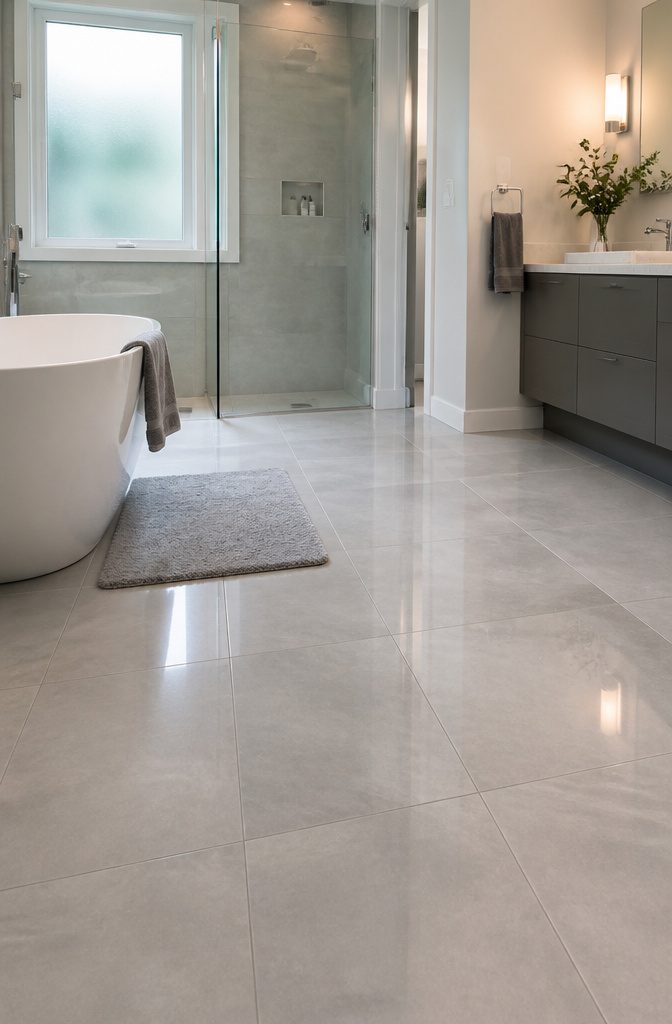
Porcelain tile is the bathroom floor that outlasts almost everything else in the house. Its dense, non-porous body absorbs almost no water, so it survives decades of steam, splashes, and heavy foot traffic when the installation is done right. Most people reading this will tear out a vanity or two before they tear out well-laid porcelain.
Style options run from convincing wood-look planks to large-format stone mimics, and the formats keep getting bigger every year. Large tiles with narrow grout lines can even make a compact bathroom read as larger than it is.
The downsides are real, though. Porcelain is cold underfoot unless you add radiant heat, and the surface is hard enough that a dropped bottle of shampoo will break. Installation is not a light weekend project; the subfloor has to be dead level, and cutting the tile itself demands a wet saw most renters do not own. If you want something softer, warmer, or easier to lay yourself, porcelain probably is not your answer.
Bob Vila has called it straight for years:
Porcelain tile is one of the best all-around choices because it is durable, highly water-resistant, easy to clean, and available in many styles.
— Bob Vila
For me, what holds this statement up is the last clause. A material can last fifty years and still make you miserable every morning if it only comes in beige. Porcelain passes both tests.


Universal for dry or wet cutting

High-Quality Diamond Hole-Saw Bits: 2-1/2" Diamond-tipped hole saws plus guiding pilot drill bits centrally placed for precision drilling on various hard surfaces.
2. Ceramic Tile
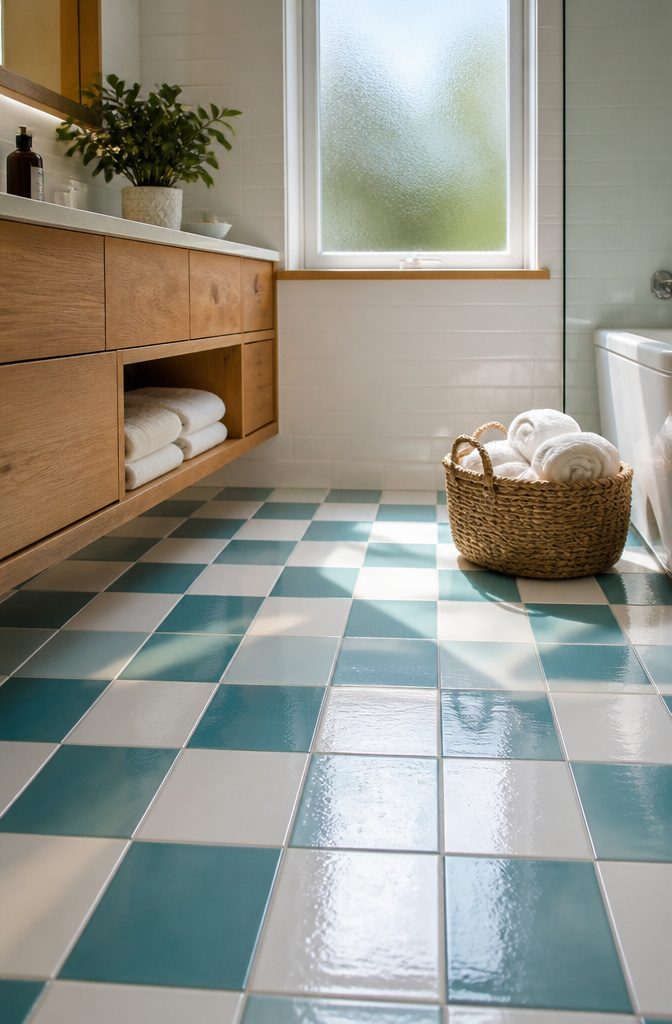
Ceramic tile costs less than porcelain and still handles bathroom moisture well once it’s sealed. The material is lighter, and finishes range from high-gloss to matte, so styling options stay open as long as you reseal the surface every few years. Skip that maintenance, and prolonged moisture exposure can discolor the tile or let water creep through.
Porcelain sits a step above on both water resistance and price because its denser body absorbs almost nothing. Ceramic is the more porous of the two, which is why that sealing routine matters.
I’d point anyone with a packed schedule toward simpler materials. Grout lines need regular scrubbing, and the sealing cycle is non-negotiable. If you’re already dreading the upkeep, ceramic will feel like a part-time job in your own bathroom.
EXCELLENT ADHESION: Adheres to all types of ceramic & mosaic tile

LOOK BRAND NEW: Skip scrubbing tiles and use GROUT PEN to paint and recolor your grout for a bright clean appearance

NATURAL APPEARANCE WITH DURABILITY: Revolutionary Breathe Easy Stain Block Technology. Tile grout sealer maintains the natural look of your grout while enhancing its durability in your shower, kitchen, bathroom, and tile flooring.
3. Luxury Vinyl Tile
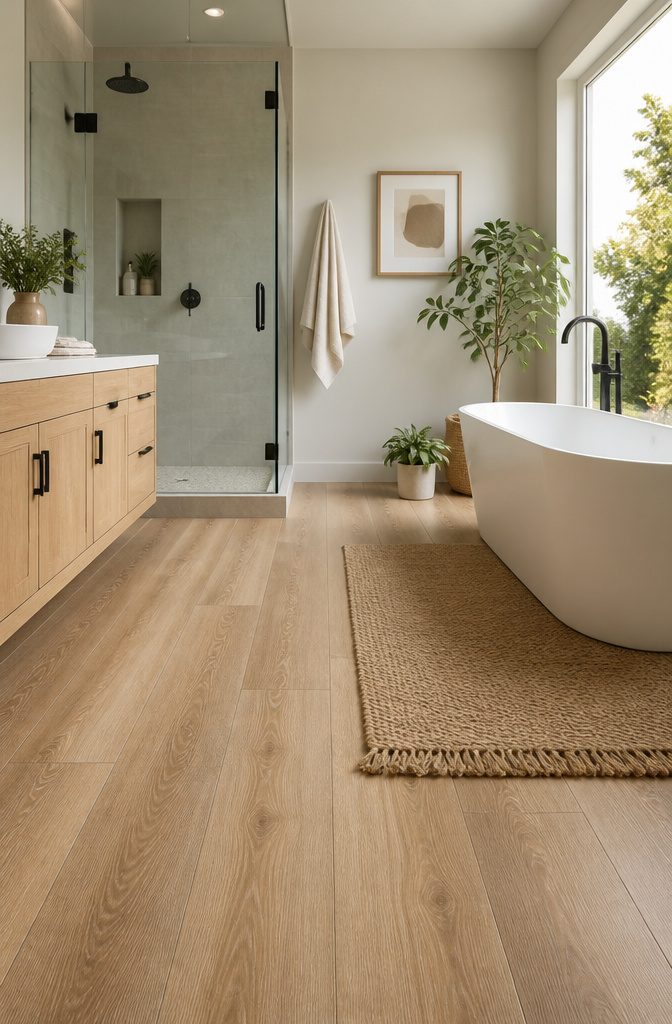
Luxury vinyl tile is 100% waterproof and about as low-maintenance as flooring gets. A quick sweep and mop handles most weeks, no sealing or special cleaners needed. The surface feels softer and warmer under bare feet than tile or stone, something I notice walking into my own bathroom on cold mornings. Designs mimic stone or ceramic convincingly, though the material won’t fool anyone up close.
I’d skip LVT if natural materials matter to you or if you’re chasing top resale value. It doesn’t carry the prestige of stone or porcelain, and a flooded install can let water seep underneath if the edges aren’t sealed right. For renters and first homeowners doing their own weekend install, though, the balance of durability, comfort, and cost is hard to beat.

100% Waterproof & Pet-Friendly Surface: Rigid core luxury vinyl tile flooring fully resists water, spills, and pet accidents, suitable for kitchens, bathrooms, basements, and high-traffic areas

⌛ Timeless Charm - Stylish wood finishes offer an authentic and natural look that brings the beauty and warmth of nature into your flooring décor.

Timeless Charm - Stylish wood finishes offer an authentic and natural look that brings the beauty and warmth of nature into your flooring décor.
4. Sheet Vinyl
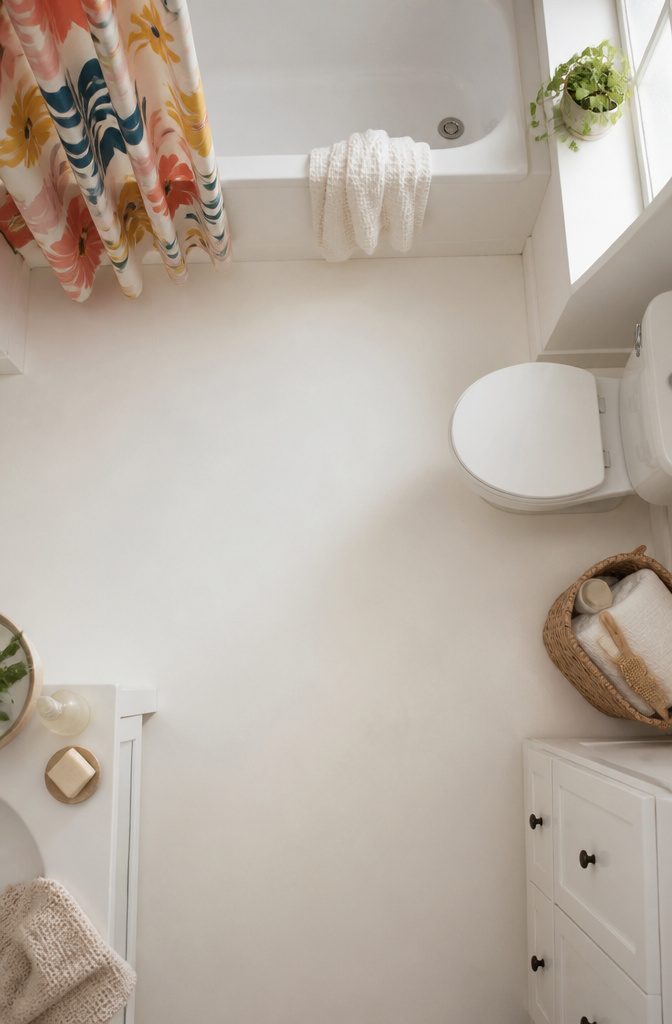
Sheet vinyl arrives in large rolls, often covering a small bathroom without a single seam. That uninterrupted surface is what keeps water out; there are no cracks or grout lines for moisture to creep through, which matters more than you’d think in a room that steams every morning.
The material itself is softer underfoot than tile or stone, something my knees notice whenever I am demoing a bathroom on a Saturday. It is also among the least expensive waterproof options, which makes it a practical stopgap for renters or anyone saving up for a bigger renovation later.
The catch is the look. Sheet vinyl can mimic tile or wood from a distance, but up close it reads as printed plastic. You will not get the individual grout lines of real ceramic or the layered texture of luxury vinyl tile. If a high-end appearance or authentic stone variation is the goal, this is not the floor for you.
Sweep it regularly and clean with gentle solutions. It is low effort and holds up fine for its lifespan, though that lifespan is shorter than tile or LVT and damage usually means replacing the whole sheet rather than patching one spot.

Premium Design-Led Aesthetic: Authentic wood visuals in extra-wide 9” x 72” planks deliver a high-end, modern finish that elevates any space. Micro beveled edges offer a clean, seamless look.

6mm Thick with Realistic 3D Wood Visuals** Experience the authentic beauty of wood, enhanced by a generous 6mm thickness that creates deep, realistic plank bevels and a texture you can feel. This premium, substantial profile provides a solid underfoot experience that far surpasses thin vinyl floors, adding undeniable luxury to any room.

FOR USE INDOORS: Ideal for home, office and in temperature-controlled environments only. Can be used in any room in your home such as kitchens, dining rooms, bedrooms, bathrooms, foyers and basements
5. Natural Stone
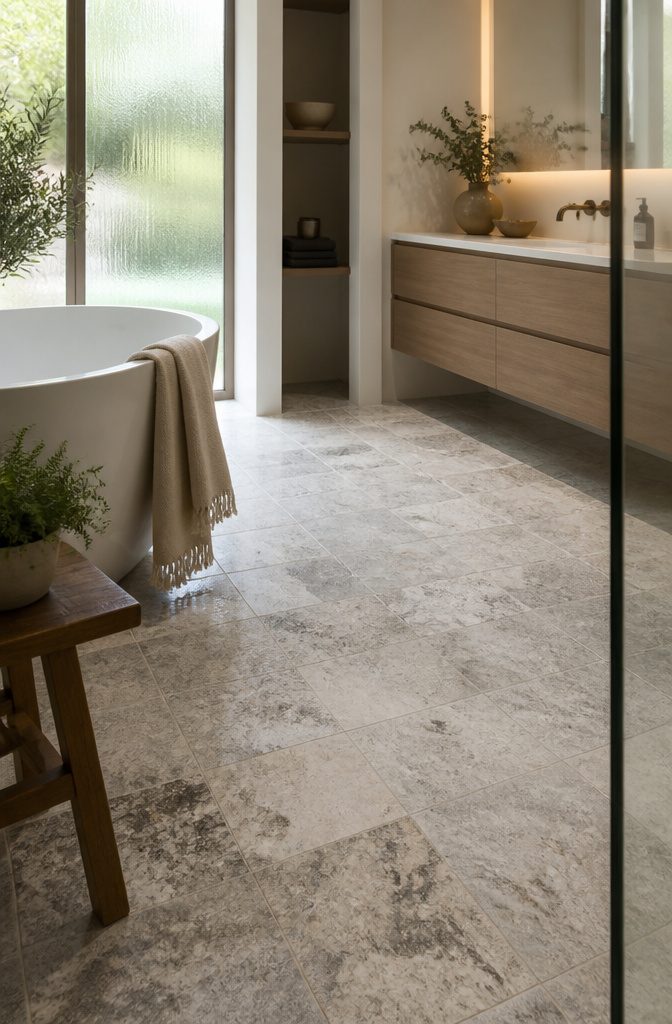
Natural stone carries a luxury that porcelain and ceramic only imitate, with marble and slate laying down patterns no factory duplicates exactly. That uniqueness comes at a real cost, though. Stone stays porous until you seal it, and that seal wears thin in a bathroom’s daily humidity cycle. Plan to reseal about once a year if you want it to keep repelling water rather than absorbing it.
The upkeep isn’t just the schedule. pH-neutral cleaners matter here because anything acidic etches the surface permanently. Skip the vinegar-based sprays that work fine on other materials.
I’d nudge most weekend project folks toward something else. The material itself runs expensive, the install needs skilled labor, and the maintenance never really ends. But if you’ve got the budget and you genuinely enjoy caring for something beautiful, stone rewards that attention with a floor that outlasts trends. Just know what you’re signing up for: around a weekend to install, then a weekend every year to reseal, forever. Anyone counting every hundred dollars or hoping for truly hands-off flooring should cross this off the list now.

COMPATIBLE WITH FLOOR HEATING WIRES - This heat membrane is an ideal underlayment for radiant floor heating systems, designed to securely hold heating wires and provide the comfort of luxury heated floors. Heat cables can be easily integrated into the membrane wherever floor heating is needed, offering design flexibility and simplifying the installation process for an efficient, consistent, in-floor heating system.

LUXURY AND COMFORT - Enjoy the warmth of LuxHeat's easy to install electric floor heating system. Your purchase includes a 30sqft (120volt) Heating Cable, Programmable Touchscreen thermostat (UDG4-4999), Alarm (to provide peace-of-mind during installation), Floor Sensor and Strapping/Cable Guides. The LuxHeat floor heating system allows for individual room control, ensuring personal comfort.

COMPLETE ELECTRIC RADIANT FLOOR HEATING KIT – Includes 15 sq ft heating cable (60 ft) with installation cable guides, UWG5-4999 programmable touch thermostat with floor temperature sensor, and installation warning monitor that alerts if the cable is damaged during installation. Ideal for bathroom floor heating and warming cold tile floors.
6. Waterproof Laminate
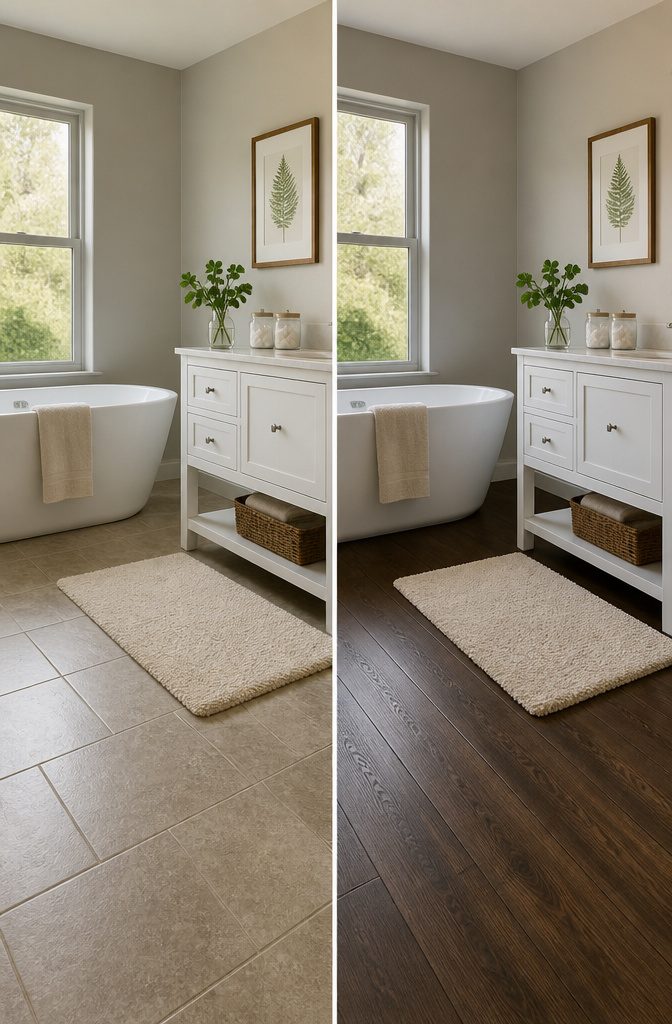
Waterproof laminate is the answer when you want wood floors in a bathroom without the wood-floor price. Most range from pale gray weathered boards to rich dark oaks, and the click-together planks install cleanly over a weekend. I have watched friends tackle this in a Saturday and still have Sunday to grout, which never happens with tile.
The distinction that matters here is only products labeled fully waterproof are bathroom-safe, not water-resistant. Water-resistant laminate holds off splashes briefly, but water that sits seeps between seams and swells the fiberboard core underneath. Waterproof laminate seals against that. Even then, do not let water pool. Standing water should be cleaned promptly; in a worst-case leak, edges can peel and the floor buckle.
Skip this option if your bathroom floods regularly from kids treating the tub like a pool, or if you want guaranteed long-term protection without the vigilance. It functions as a floating floor, so major leaks send water underneath where you cannot see it. For powder rooms and half baths used lightly, though, the savings against real wood are hard to beat.
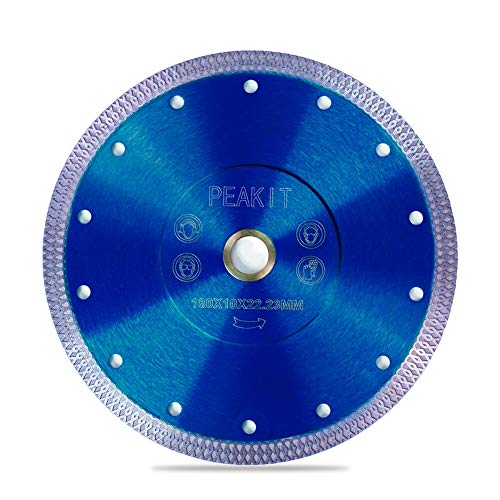
FIT SIZE: 180 x 10 x 1.6 x 22.23 mm. Outer diameter: 7 inch / 180mm. Thickness: 1.6mm. With reducer washer suitable for most tile saws and hand-held angle grinders with a 7/8" or 5/8" Arbor.

Universal for dry or wet cutting.

DIAMOND-COATED CUTTING EDGE – Drills clean holes through porcelain and ceramic floor tile like butter
7. Engineered Wood
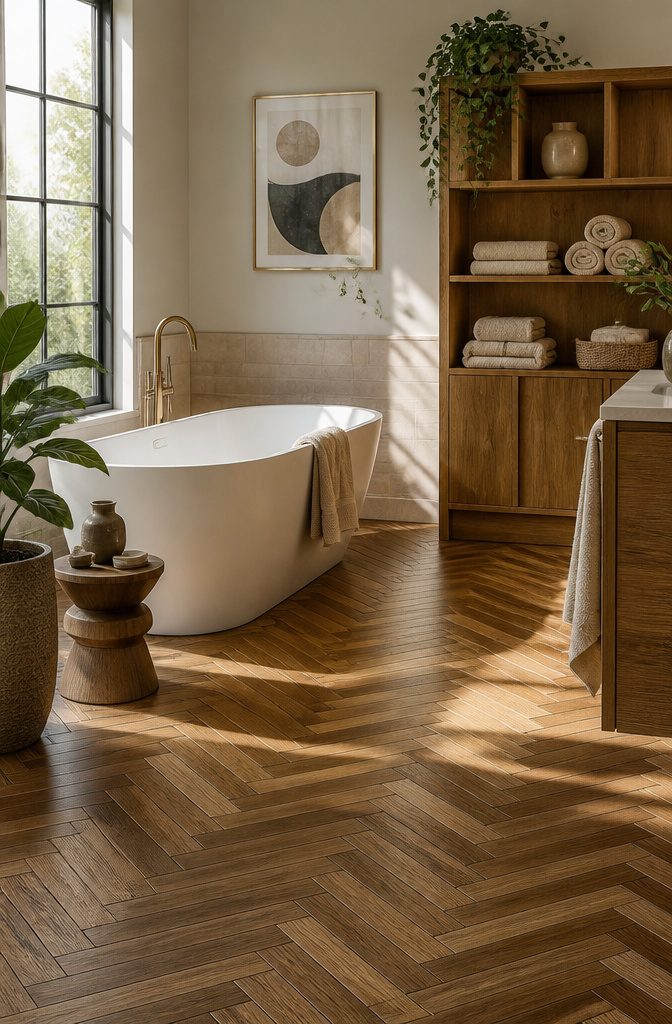
Engineered wood gives you the warmth and grain of real flooring without the same warping risk that solid hardwood faces in a humid bathroom. Its plywood core handles household humidity better than traditional boards, which is why you’ll see it pitched as a compromise for rooms that steam up daily. I like the look; most people do. That herringbone pattern you see in photos is achievable here, and the surface feels softer under bare feet than tile ever will.
But it is not fully waterproof, and that gap between "resists moisture" and "handles water" matters in a bathroom. Puddles left from a dripping towel or a splash over the tub edge will find their way through the wear layer eventually. If your bathroom stays damp because the exhaust fan barely works, or if you’re living with kids who treat the floor like a splash pad and a dog who shakes off after every bath, this material becomes a pricey gamble. The upfront cost already sits above vinyl, so replacing it prematurely stings twice.
My take: engineered wood works for a half-bath with good airflow and careful adults. For the main bathroom your family actually lives in, the extra peace of mind isn’t worth the price tag.

PROFESSIONAL RESULTS WITH DIY EASE: Achieve expert-level tile grouting without the hassle - perfect for both new installations and repairs
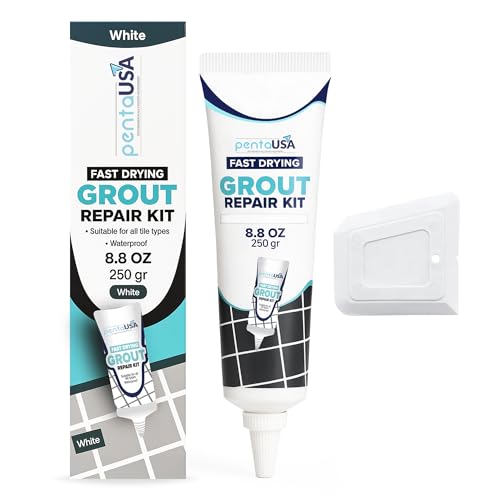
Acrylic Sanded Grout Filler That Cures Into Solid Grout - This premixed tile grout repair contains acrylic sanded grout material in a clean white tone that fills cracks, missing sections, and damaged joints, curing into solid grout-like material that bonds to existing grout and tile for durable structural repair on floors, walls, and countertops. Designed for DIY tile grout repair, suitable for first-time users, homeowners, and handyperson-level work.

Keep a clean, NATURAL APPEARANCE and improve the DURABILITY of your grout in your shower, kitchen, bathroom, and tile flooring
8. Cork
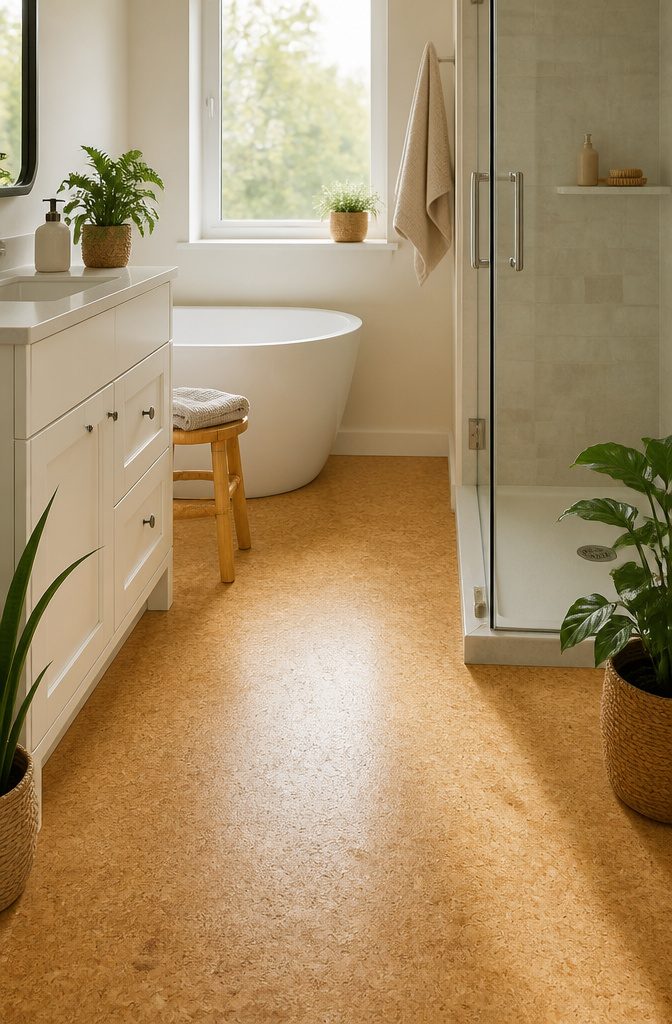
Cork flooring made from the bark of the cork oak is one of the most eco-friendly choices out there, and it feels warm and comfortable underfoot in a way tile never will. The surface is naturally slip-resistant and resists bacterial growth too. But here’s where it gets tricky for bathrooms: the material is porous, so it requires proper sealing before it goes anywhere near standing moisture. Without that seal, water seeps in and the cork deforms.
Even sealed, it needs periodic maintenance to stay protected. Heavy objects can leave temporary dents, though most bounce back once the pressure’s off. Sharper impacts are worse—dropped tools or dragged items can tear or chip the surface. And not every cork product is actually rated for bathroom installation, so checking the label carefully beats a regretful return trip.
I’d skip cork if you want a truly low-maintenance floor or if your household tends toward puddles rather than quick wipe-ups. The comfort is real, but the upkeep is ongoing.

Texture & Durability: Want to refresh your space fast but tired of peel and stick floor tiles that look fake or peel up after days? This one delivers realistic texture and stays put. With upgraded matte craftsmanship, the vinyl flooring replicates authentic marble grain to fit any home decor. and its high-quality multi-layer reinforced PVC makes it 100% waterproof, flame-retardant, scratch and abrasion resistant

Premium Quality - Art3d Peel and Stick Vinyl Flooring Tiles are crafted with the high quality vinyl, ensuring durability and longevity. Each pack contains 10 tiles, each measuring 12x12 inches, providing a total coverage of 10 square feet - ideal for revitalizing any space.

【Unique Brown Taupe Marble Design】Stand out from ordinary black-and-white tiles with our Polish Brown Taupe Marble peel and stick floor tiles. The luxurious stone texture blends deep ocean blue tones with subtle golden veins, adding depth and warmth to your bathroom, kitchen, living room, or RV flooring. Perfect for modern, art-deco, or light-luxury interiors.
9. Concrete
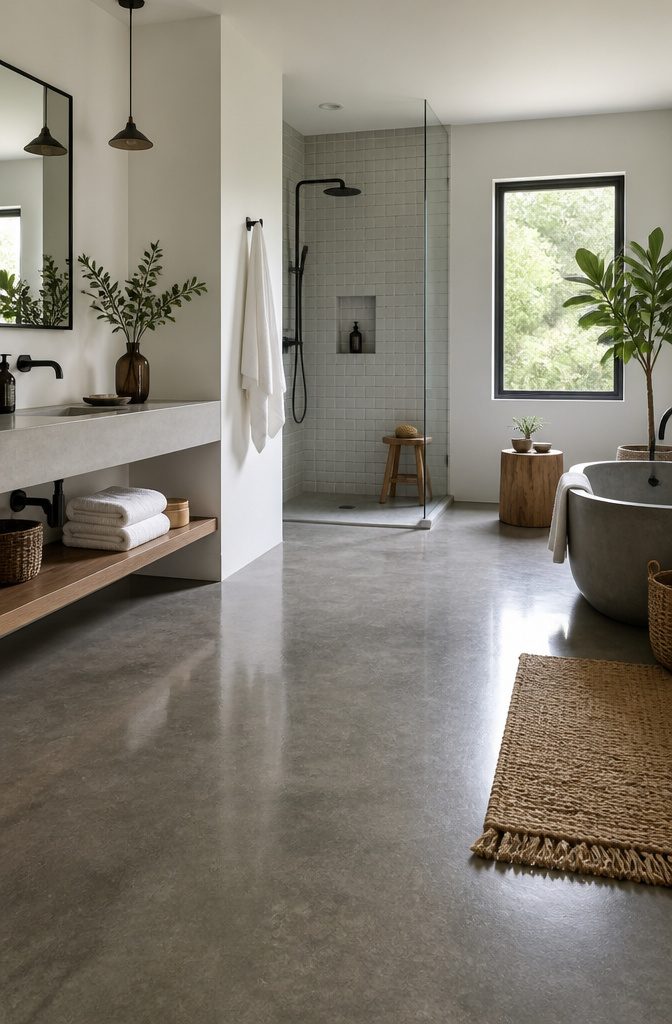
Concrete floors are poured in place, which makes them nearly ideal for wet rooms where the shower and toilet share one continuous floor. The material molds to odd shapes and small layouts without the seams that let water sneak through elsewhere. Once sealed, concrete resists moisture and stains, and you can color or texture it to suit almost any style from industrial minimal to faux stone.
The downsides are underfoot. Concrete runs cold and hard, so morning routines feel different than they do on vinyl or cork. Someone who stands at a vanity for long stretches, or who simply wants warmth, will notice it immediately. Smooth finishes are also slippery when wet, so a textured surface matters for safety.
Installation is labor-intensive, and the 24-hour drying time you might read about is misleading. The surface may feel dry, but you will wait several more days before it cures enough to walk on. Budget for that timeline, and for the sealing maintenance that follows, before you commit.

Premium Design-Led Aesthetic: Authentic wood visuals in extra-wide 9” x 72” planks deliver a high-end, modern finish that elevates any space. Enhanced-Beveled edges highlight each plank for a premium look.
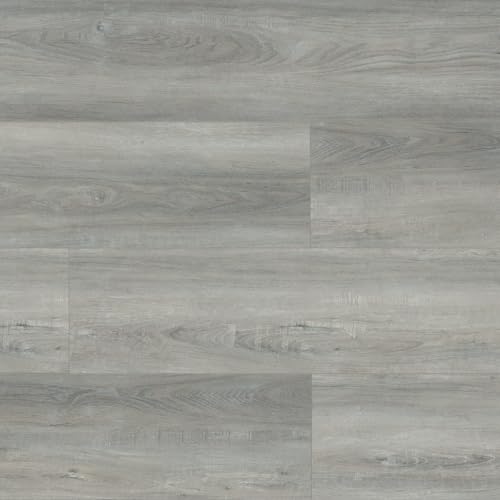
【Designer Styles】:The 3D printing embossing technology of dotfloor flooring captures the true texture of natural materials with 99% realistic visuals. From warm neutrals to bold statement tones, the variety of colors allows you to achieve a customized look without breaking the bank.

【Ultra-Durable & Pet-Friendly】With a 0.3mm wear layer tested over 15,000 abrasion cycles, this luxury vinyl plank flooring resists scratches, dents, and spills. Ideal for busy homes with pets and kids, it stays beautiful for years even in high-traffic areas.
What Makes Bathroom Flooring Different
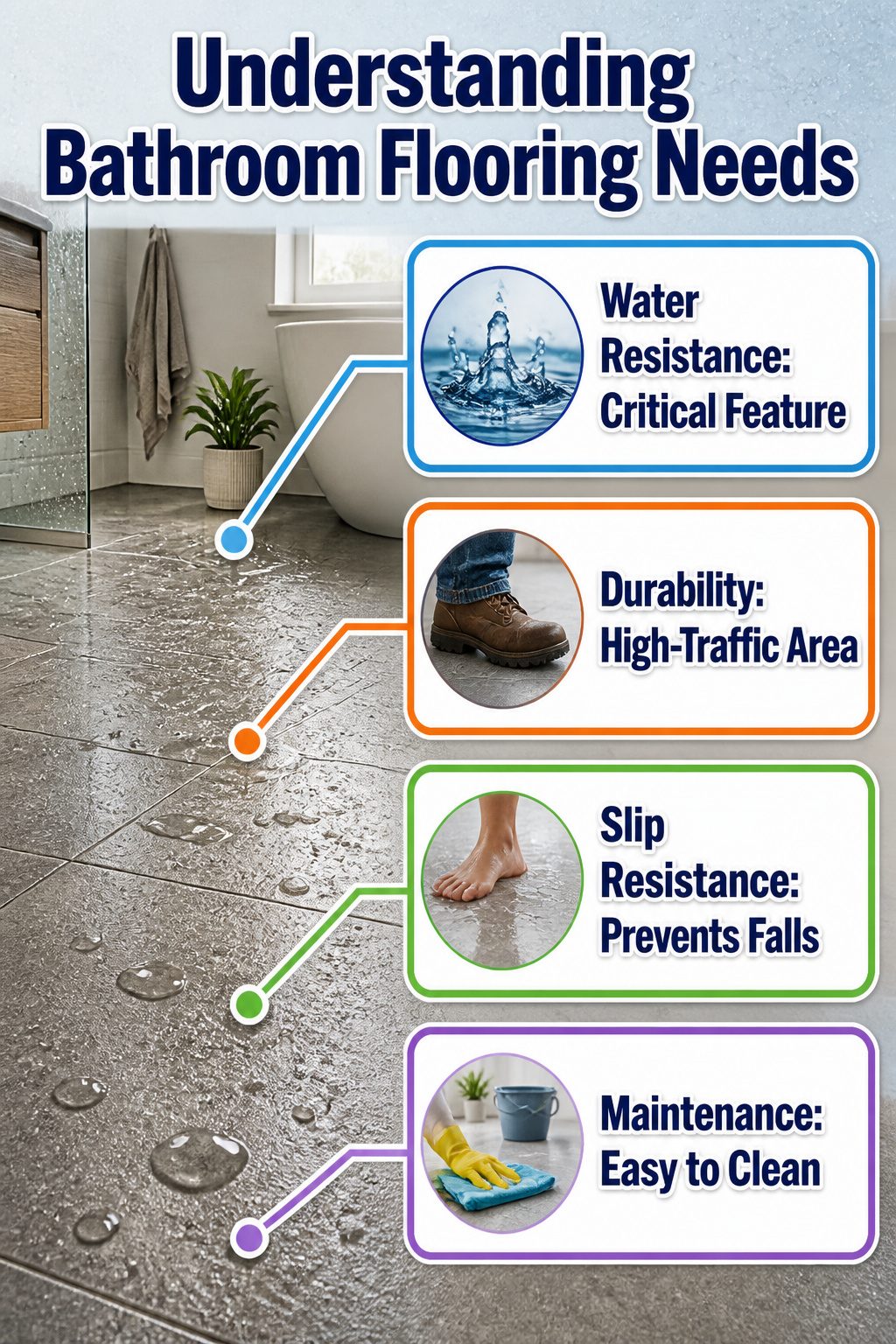
Bathroom floors live harder than most. Steam, splashes, standing water, and hairspray residue hit the same surface every single morning, which is why standard living-room rules do not apply here.
Water resistance is the make-or-break trait. The material needs to handle direct puddles, not just humidity, or you are looking at warping and mold you cannot see until it is expensive. Durability matters too, because this is a high-traffic space cleaned more aggressively than anywhere else in the house.
Slip resistance is where a lot of people get hurt. Textured finishes or smaller tiles with more grout lines give your bare feet something to grip when the floor is wet. Bathrooms are among the most dangerous rooms for falls, especially as you age, and a slick polished surface is a risk that is not worth taking.
Maintenance rounds out the four. The best bathroom flooring is easy to clean without special sealers or repair nightmares.
When I looked through the options for 2026, I weighed all four against real weekend budgets and realistic DIY timelines. The picks that follow pass that test.

COMPLETE ELECTRIC RADIANT FLOOR HEATING KIT – Includes 40 sq ft heating cable (160 ft) with installation cable guides, UWG5-4999 programmable touch thermostat with floor temperature sensor, and installation warning monitor that alerts if the cable is damaged during installation. Ideal for bathroom floor heating and warming cold tile floors.
COMPATIBLE WITH FLOOR HEATING WIRES - This heat membrane is an ideal underlayment for radiant floor heating systems, designed to securely hold heating wires and provide the comfort of luxury heated floors. Heat cables can be easily integrated into the membrane wherever floor heating is needed, offering design flexibility and simplifying the installation process for an efficient, consistent, in-floor heating system.

COMPLETE ELECTRIC RADIANT FLOOR HEATING KIT – Includes 10 sq ft heating cable (40 ft) with installation cable guides, UWG5-4999 programmable touch thermostat with floor temperature sensor, and installation warning monitor that alerts if the cable is damaged during installation. Ideal for bathroom floor heating and warming cold tile floors.
Installation and Your Weekend
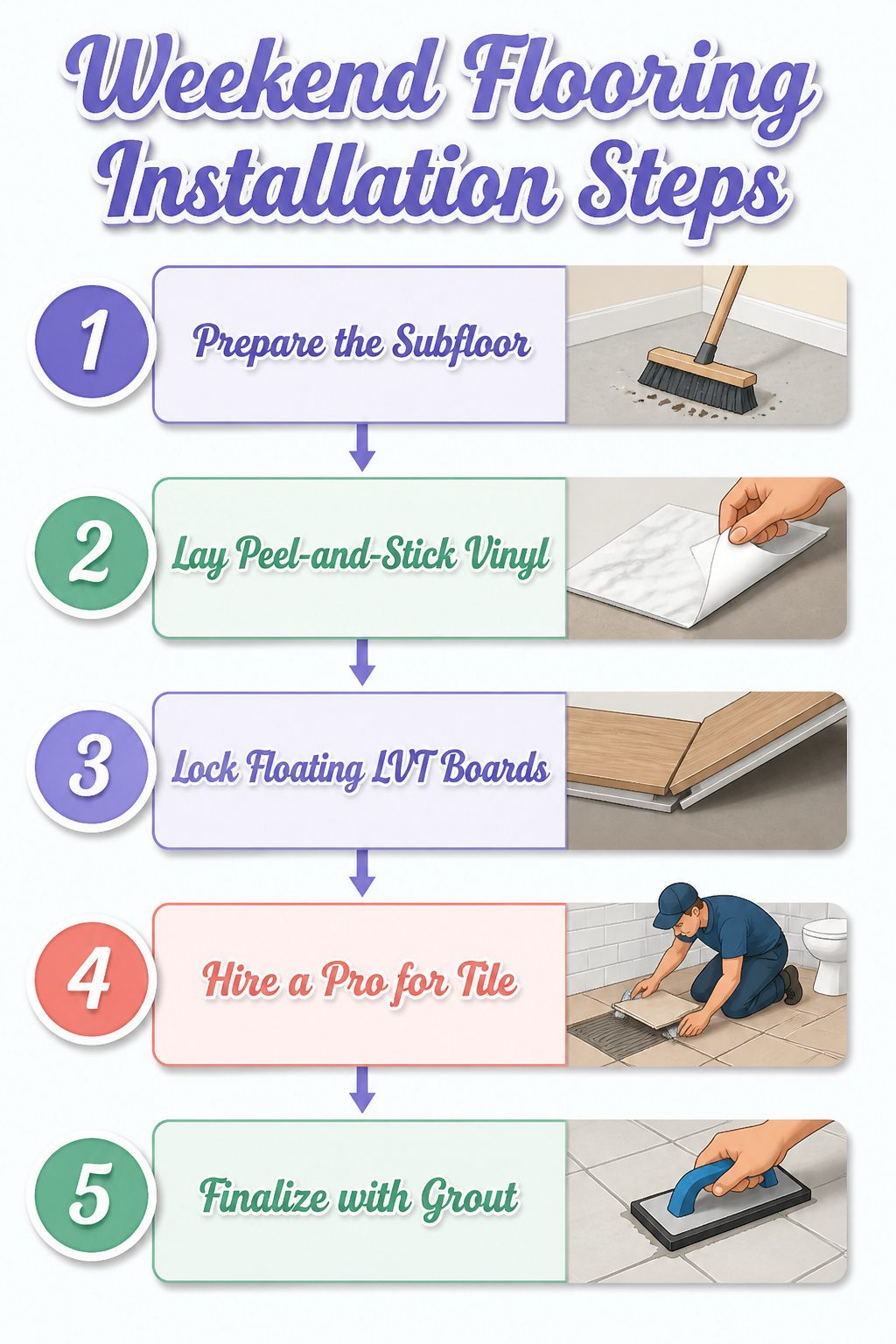
Peel-and-stick vinyl tiles and floating LVT boards are about as close as flooring gets to a Saturday project you finish before Sunday dinner. The backing presses down onto a clean subfloor, no mortar or wet saw required, and the seams lock tight enough for a bathroom if you follow the manufacturer’s prep instructions. I’ve watched friends lay a whole powder room in an afternoon and still have time to grout, more or less.
Tile is a different commitment. Ceramic and porcelain demand a level subfloor, thinset mixed to the right consistency, and cuts around toilets and doorjambs that punish impatience. Hire a pro for tile unless you’ve already tiled something and lived with the result. The labor cost stings, but an uneven floor or creeping moisture underneath is the more expensive mistake.
Renters fall hard for that first group. Peel-and-stick goes down over existing flooring in most cases and lifts back up when the lease ends, sometimes without even scraping adhesive. Owners who plan to stay five years or more might still choose LVT for the budget, but they’ve got the option to invest in tile for the bathroom that actually sells the house. The weekend timeline belongs to vinyl; the long timeline belongs to permanence you pay someone else to install.
Rare Options Worth Knowing
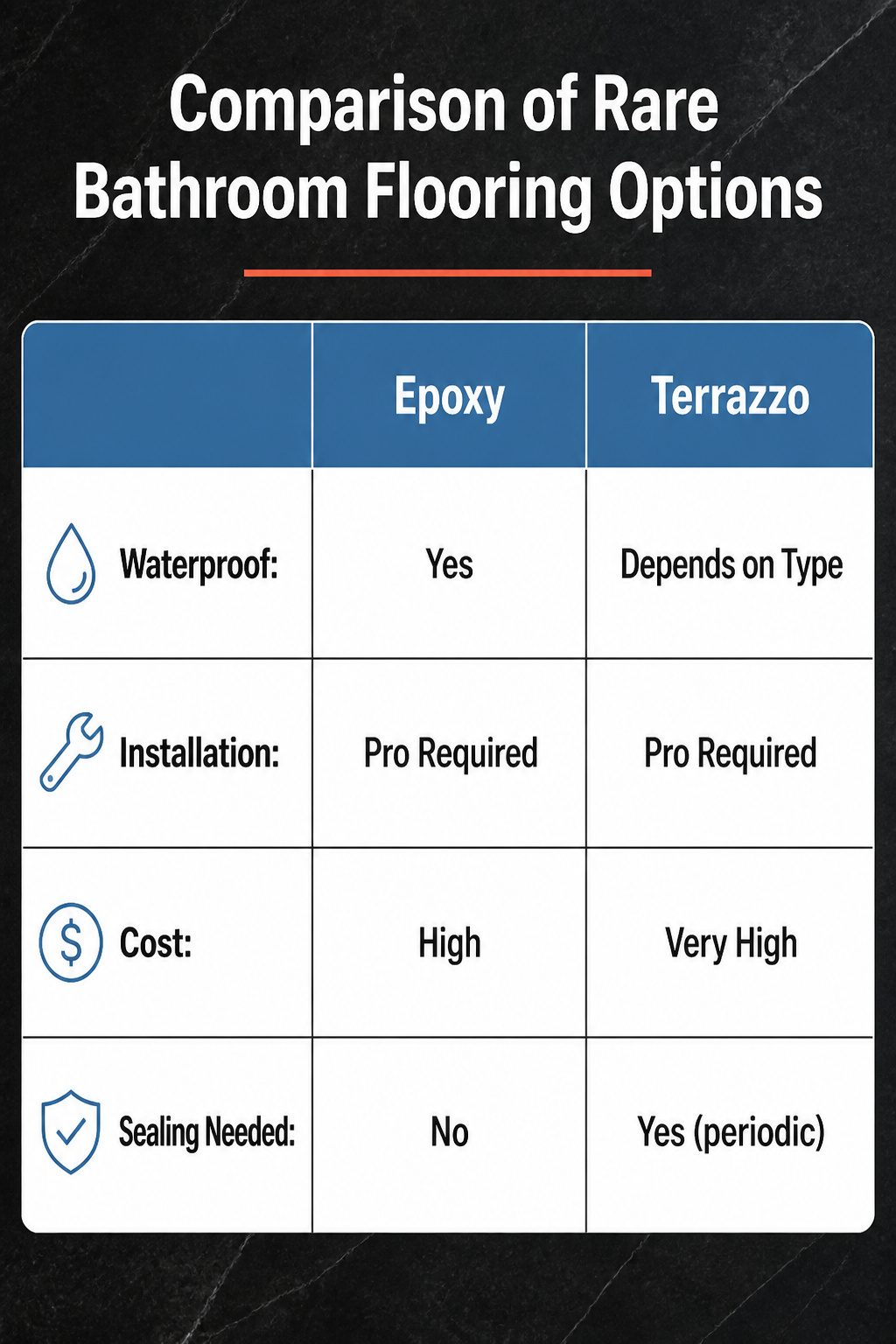
Most bathroom projects never need these three, but they come up often enough on design boards that I will run through them fast.
- Epoxy gives you a completely waterproof, seamless surface that looks sleek and modern. The finish can get slippery, though, so you will want anti-slip additives mixed in before it cures. Plan on hiring a pro; this is not a weekend you do yourself.
- Terrazzo has been around since the 16th century and still delivers that high-end, speckled look. Cement-based terrazzo is porous and needs periodic sealing, while resin-based terrazzo resists water on its own. Both types usually require professional installation, and poured terrazzo runs expensive.
- Linoleum is made from linseed oil and plant fibers, so it appeals if you want something natural. It is water-resistant, not fully waterproof, so check that the manufacturer approves the specific product for damp rooms. Sheets can be awkward to maneuver in a small bathroom, and seams need careful sealing to protect the subfloor.
When to Call a Pro
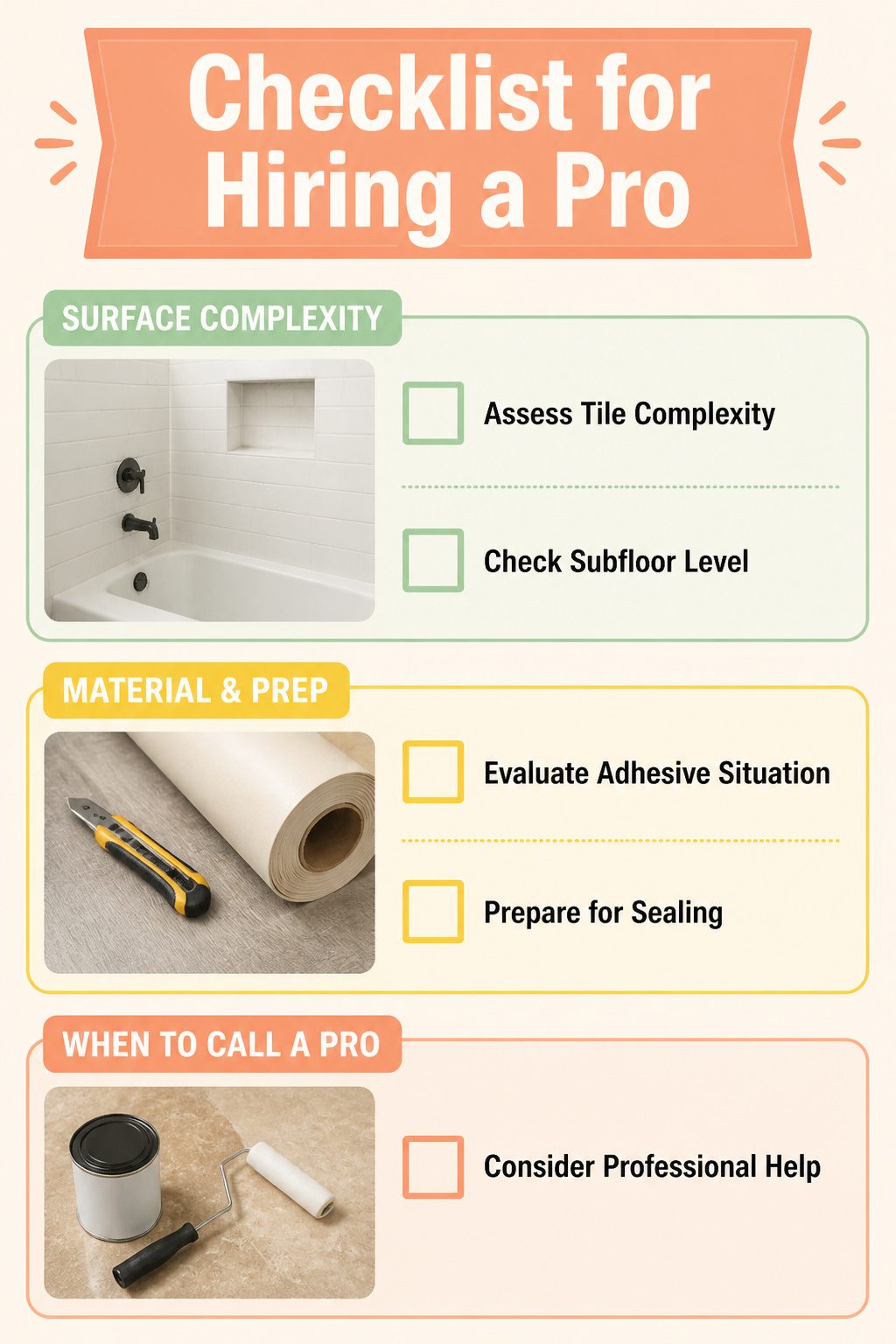
Tile setting is where most weekend warriors hit a wall. Thinset and grout work fast, and a bathtub surround with lippage is not the learning curve you want when you only have Saturday and Sunday. Porcelain and ceramic both fall into this category, especially if your subfloor needs leveling first. That prep turns what looks like a flooring job into a framing job.
Vinyl roll and LVT are the flip side. Most products include DIY installation options, so a clean, dry subfloor and a sharp utility blade can get you across the finish line before Sunday night. Sealing is minimal or built into the wear layer.
The gray zone is natural stone or anything porous. It might install like tile, but the sealing work afterward comes with a timeline, and missed coats mean stains you will not scrub out. If the stone needs a specialist sealer or your subfloor has old adhesive to grind down, the weekend budget stops being realistic and a pro becomes the cheaper call in the long run.
Long-Term Care by Material
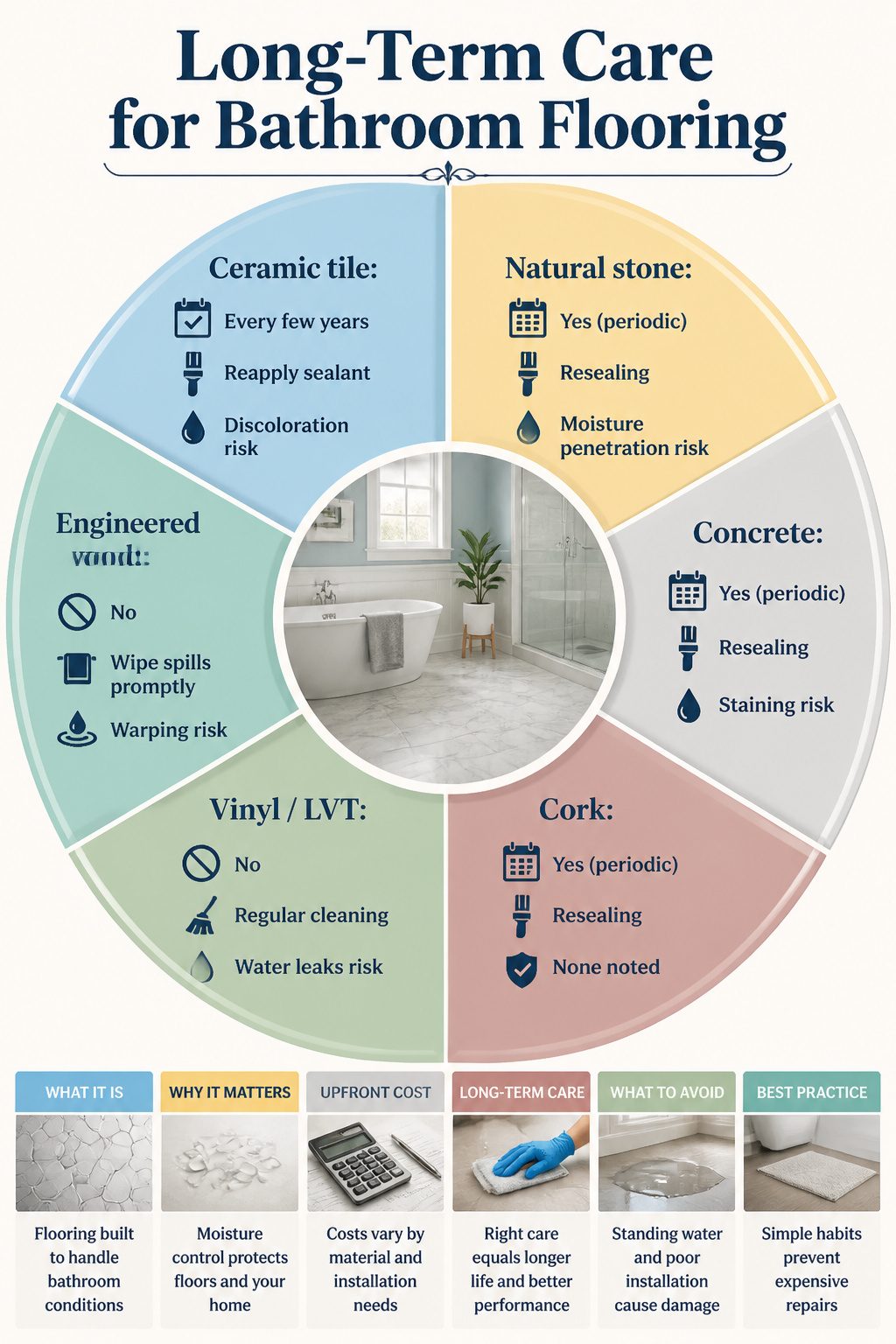
Ceramic tile needs sealing every few years to keep its water resistance and stop moisture from discoloring it over time. Stone and concrete fall in the same camp: they are porous, so a resealing schedule is non-negotiable if you want them to last. Cork also requires sealing, though none of my sources pinned down an exact interval; I would treat it like ceramic and check it every couple of years.
Vinyl and LVT are lower lift. Their waterproof surface means no sealing at all, and day-to-day cleaning handles most of it. The real risk with floating LVT is water sneaking underneath during a major leak, so proper installation matters more than any product you will pour on top.
Engineered wood sits in a trickier spot. It handles humidity better than solid wood thanks to its plywood core, but it is still not waterproof. Bathmats near the tub and wiping up drips promptly are the maintenance routine; without that, the boards absorb moisture through cracks and swell.
| Material | Sealing Needed | Main Maintenance Task | Key Risk If Neglected |
|---|---|---|---|
| Ceramic tile | Every few years | Reapply sealant | Discoloration, lost water resistance |
| Natural stone | Yes (periodic) | Resealing | Moisture penetration |
| Concrete | Yes (periodic) | Resealing | Staining, degradation |
| Cork | Yes (periodic) | Resealing | n/a |
| Vinyl / LVT | No | Regular cleaning | Water seeping under during leaks |
| Engineered wood | No | Wipe spills promptly, use bathmats | Warping, rot from standing moisture |
Frequently Asked Questions
What is the best flooring for a bathroom?
Porcelain tile and luxury vinyl tile are the top picks. Porcelain tile is dense, non-porous, and lasts decades when installed properly, with styles ranging from wood-look planks to stone mimics. Luxury vinyl tile is 100% waterproof, softer underfoot, and about as low-maintenance as flooring gets, making it ideal for DIY installs and tighter budgets.
What bathroom flooring will last the longest?
Properly installed porcelain or ceramic tile can perform well for decades. Porcelain’s dense body absorbs almost no water, so it survives years of steam, splashes, and heavy foot traffic. Natural stone can also last many years, but it demands annual resealing and pH-neutral cleaners to avoid permanent etching.
What is the lowest-maintenance bathroom floor?
Luxury vinyl tile and sheet vinyl require the least effort. Neither needs sealing, and regular sweeping and mopping handles most cleaning. Sheet vinyl’s seamless surface has no grout lines to scrub, while LVT’s click-together planks install without mortar or special tools.