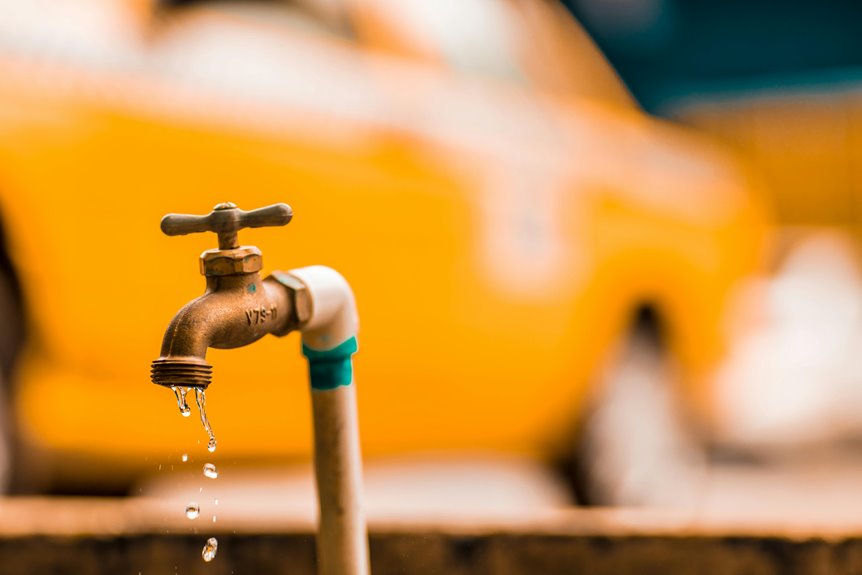

I’d start dripping your faucets when temperatures hit 20°F, but outdoor faucets need earlier protection at 28°F or below. You’re basically keeping water moving through vulnerable pipes so they don’t freeze solid and burst, which costs thousands in repairs. Just aim for a tiny trickle, maybe one drop every few seconds, and keep dripping as long as temps stay at or below freezing. Once daytime temps consistently rise above freezing, you can stop.
Protecting your whole plumbing system requires additional strategies beyond faucet dripping.
Why Dripping Faucets in Cold Weather Matters
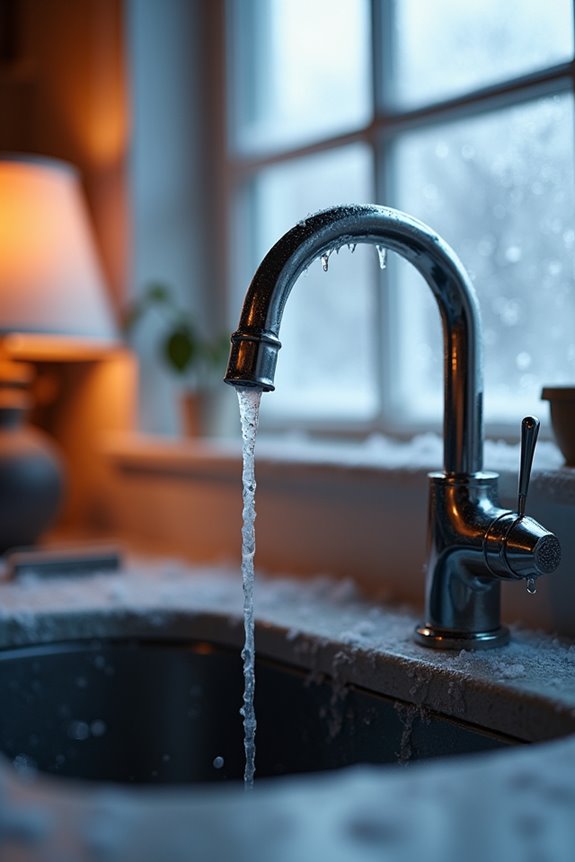
Why does dripping your faucet matter when it’s freezing outside? Frozen pipes are a homeowner’s nightmare. When temperatures drop below 20 degrees, water inside your pipes can actually freeze solid, and that’s when things get expensive fast. Burst pipes can cost you thousands in repairs, plus water damage restoration headaches.
Moving water freezes much harder than still water. So dripping faucets slowly, just a trickle, keeps water flowing through vulnerable pipes. For just a couple cents per night, you’re protecting your home from catastrophic damage.
This is one of those preventative measures that makes sense. A tiny bit of wasted water costs far less than emergency plumber bills.

Better Water Access Anywhere: The Yard Butler Garden Hose Bib Extender brings water closer with a hose bib extender that reduces strain, increases reach, and improves lawn watering access
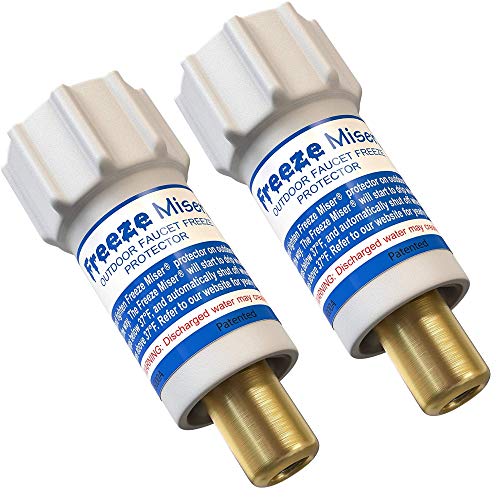
Patented Temperature-Activated Design – Automatically activates as water temperature drops below 37°F/3°C, releasing only minimal water to prevent faucets from freezing.

Patented Temperature-Activated Design – Automatically activates as water temperature drops below 37°F/3°C, releasing only minimal water to prevent faucets from freezing.
The Best Temperature To Drip Your Faucets
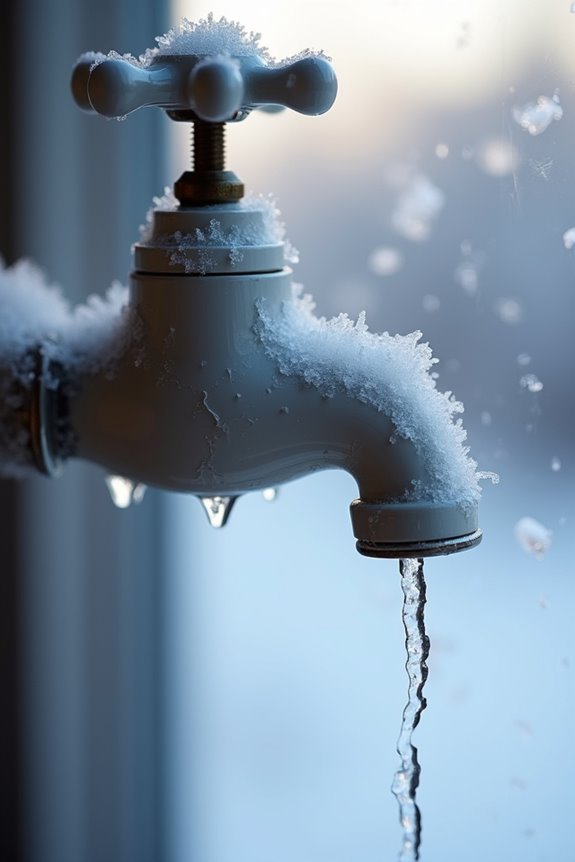
You’ll want to start dripping your faucets when the temperature hits 20 degrees Fahrenheit, as this is the temperature experts universally agree on. Outdoor faucets require different timing; start dripping those when it’s 28 degrees or below, especially if that cold persists for four hours or more.
You’re not trying to waste water. Let a tiny trickle go, maybe one drop every few seconds. That’s all you need. The moving water prevents freezing, not a gushing stream. Once daytime temperatures climb back above freezing consistently, you can shut it off and reduce your water usage.

Exquisite Craftsmanship, Superior Quality: Crafted from high-precision pure copper, our product guarantees exceptional quality, ensuring your outdoor faucet remains unfrozen during severe winter weather.
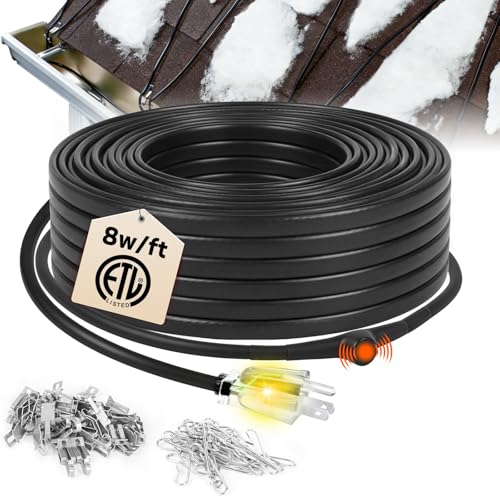
【ETL Certified for Complete Safety】Fully ETL-certified heating cable, trusted across North America for rigorous safety and quality compliance. The entire cable—not just the plug—meets strict certification standards, while the plug is UL certified for added protection. Always choose fully certified for true safety and reliability.
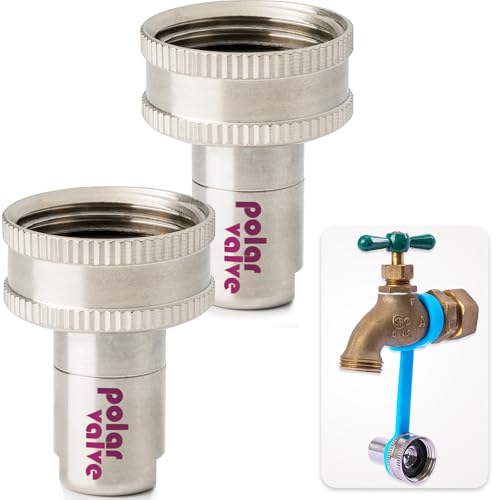
Tool-Free Install – Threads onto standard 3/4 in GHT outdoor faucets with a knurled nut. Anyone can set it up in minutes.
When and Which Faucets to Drip
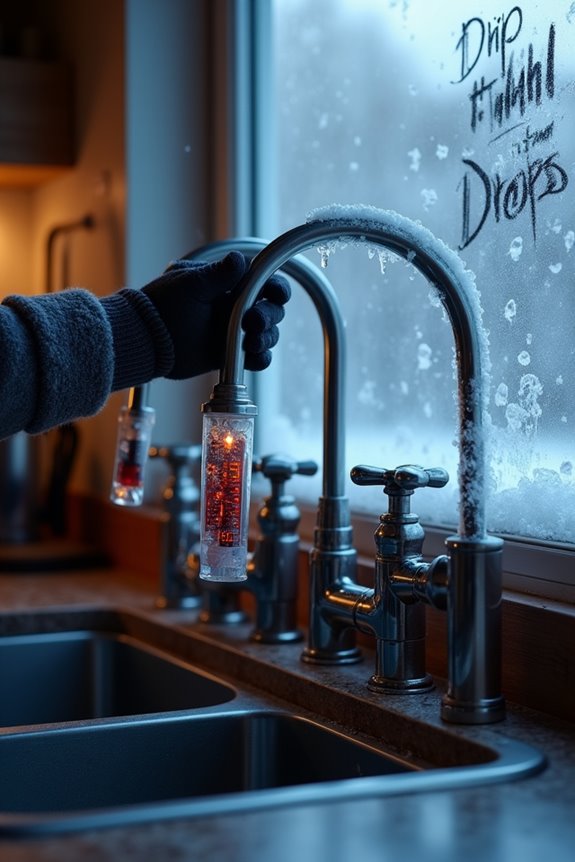
Drip the faucet farthest from your water meter because that’s where water moves slowest, making it most vulnerable to freezing. Drip both your hot and cold water lines; don’t just pick one. For outdoor faucets, follow that same logic. The key is moving water through your most at-risk pipes. Strategic dripping protects your home’s weakest spots.
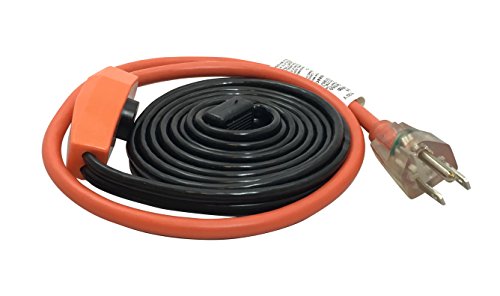

【Cable Certified】Unlike plug-only certified cables, our ENTIRE heating cable meets standards. Aluminum alloy shield (70% coverage) prevents shorts + TPE jacket resists UV/chemicals. Includes 5FT grounded plug with indicator light. Backed by product liability insurance.

No More Frozen Pipes: Protect your water pipes from freezing with our 9FT self-regulating heating cable. Featuring a maximum power output of 5W/FT, it can automatically adjust power output based on ambient temperature. In just 5 minutes, it can raise the temperature by 85℉, providing rapid and reliable protection against cold.
Drip Rate and Duration for Dripping Faucets
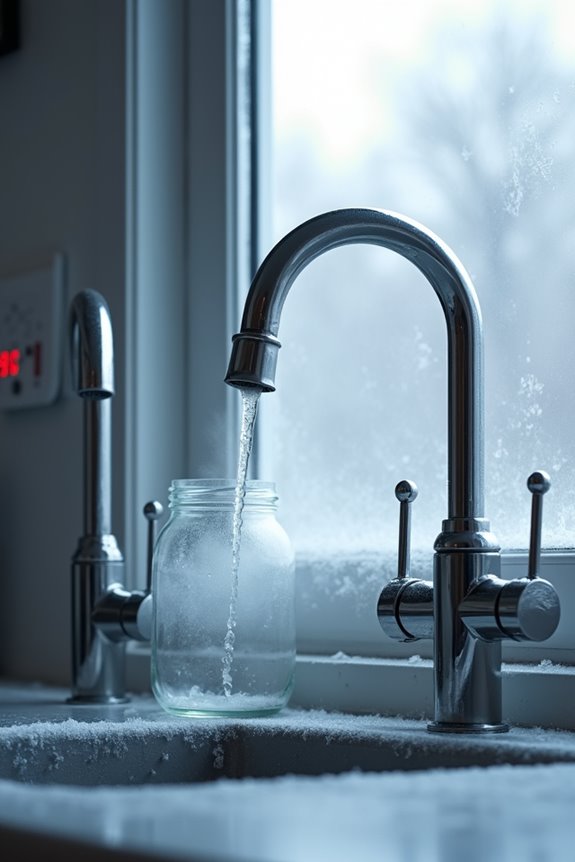
I’ve found that getting the drip rate right is actually simple. You’re aiming for a minimal trickle, about one drop every few seconds, which works out to roughly five drops per minute for outdoor faucets. You’ll want to keep those faucets dripping as long as temperatures stay at or below the freezing threshold, then shut them off once daytime temps consistently climb back above freezing to save on water waste. If the power goes out or temps suddenly drop again, resume dripping right away since that steady water movement prevents your pipes from freezing solid.

60 ft. water pipe heating cable, 420 watt, black color
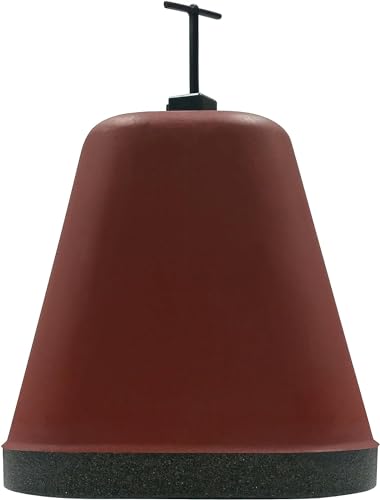
PERFECT PROTECTION : Protects outdoor faucets from freezing temperatures
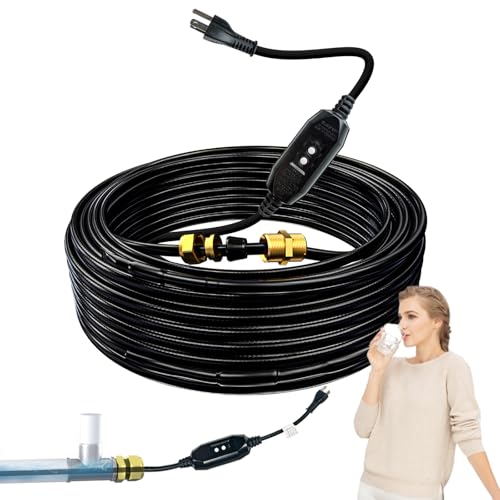
[CSA NSF61 Certified for Drinking Water Safety] The entire heating cable is CSA NSF61 certified, one of the most authoritative safety certifications in North America. It is the only fully certified product on the market, ensuring your water remains safe to drink while protecting pipes from freezing.
Recommended Drip Rate
How much water should actually come out? Keep it super minimal, a slow trickle of maybe one drop every few seconds. For outdoor faucets specifically, aim for roughly five drops per minute. This tiny amount does the heavy lifting you need. Moving water freezes harder than still water, so even that gentle drip keeps things flowing enough to prevent ice buildup. While it feels like barely anything is happening, that’s the point. You’re protecting your pipes without wasting gallons of water or running up your bill. This approach balances effectiveness with responsible water use.
Duration for Dripping
When exactly should you stop turning on those faucets? Keep dripping them as long as temperatures stay at or below freezing. Once your daytime temps consistently climb above freezing, you can shut them off. No need to waste water unnecessarily.
If your power goes out and temperatures drop back below freezing, resume dripping immediately. This prevents pipe damage that can occur when water freezes inside the lines.
Match your faucet strategy to temperature fluctuations. Stay vigilant during cold snaps, then stop once conditions warm up.
Do I Drip Hot Water or Just Cold?
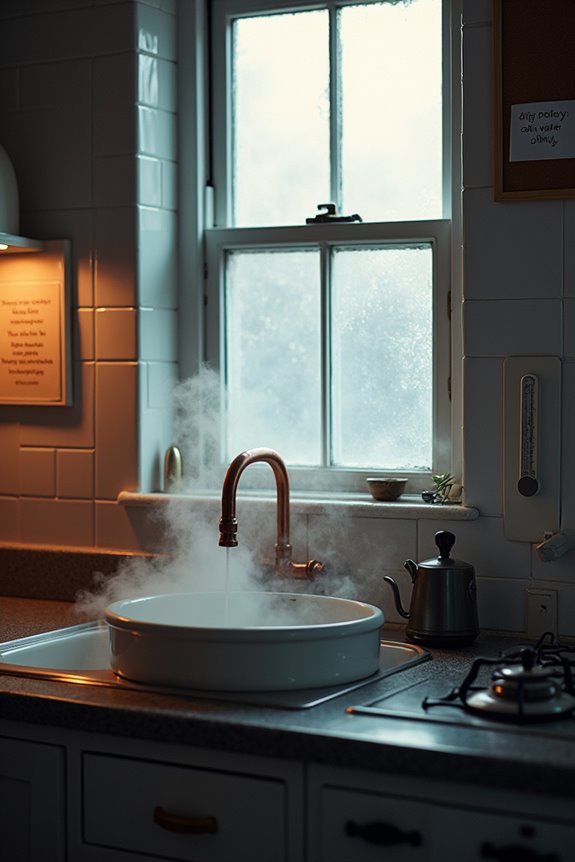
Both hot and cold water faucets should be dripped when you’re protecting your pipes from freezing. Water in both lines can freeze, and you want to keep movement happening throughout your entire plumbing system. I’d recommend dripping whichever faucet connects to pipes running through your exterior walls, since those spots get hit hardest by the cold. If you’re already doing this to protect yourself, you might as well drip both to be extra safe. The cost is minimal; we’re talking a couple cents per night. A burst pipe can cost thousands to repair, making this precaution worth the minimal expense.

【High-quality MATERIALS】The frost free outdoor faucet is made of high quality lead free brass with chrome plated finish to ensure durability and corrosion resistance. The use of lead-free brass has better environmental performance, making the frost-free spigot safe to use for drinking water and plumbing heating water supply.
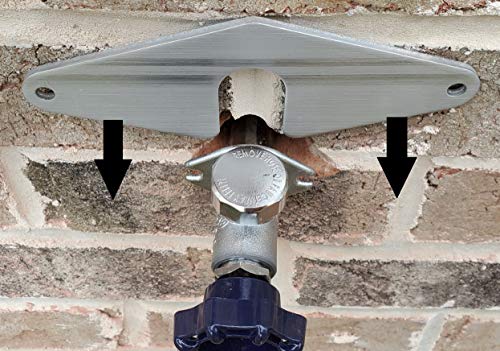
QUICK HOSE BIB FIX: Secure your outdoor faucet swiftly in 3 easy steps with this outdoor spigot securing kit. Whether it's a new install or an existing outside faucet, get it done with the Hose Bib Buddy. Slide-in to secure. No plumbing required! Attractive and paintable. Made in the USA.

CELCON HOSE BIBB: This Eastman hose bibb is designed for irrigation purposes only and is not intended for drinking water applications
Additional Ways To Prevent Frozen Pipes
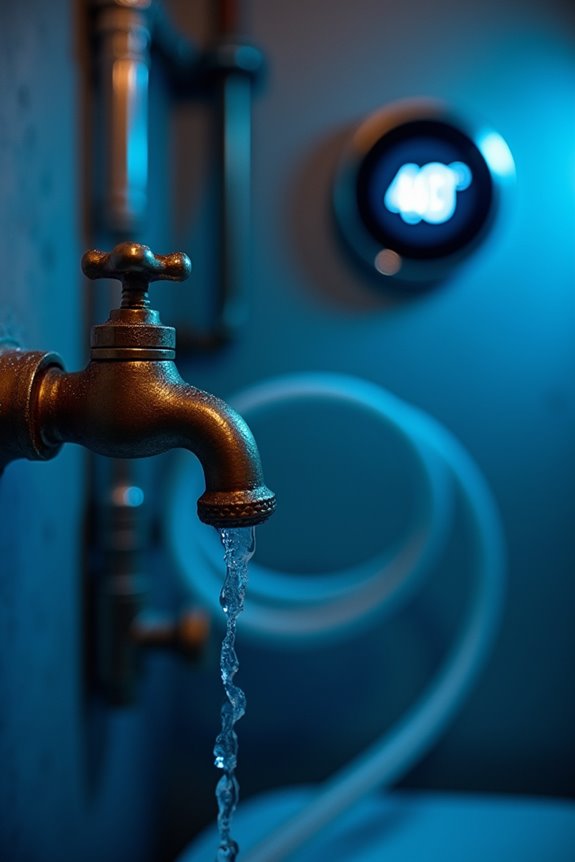
While dripping faucets gets the job done, layering in a few other strategies significantly increases your protection and prevents damage when temperatures drop.
Think of it like building walls around your pipes from every angle. Consider implementing these measures alongside your dripping routine:
- Open cabinet doors under sinks to let warm air circulate around pipes
- Keep your home heated to at least 55 degrees, even when you’re away
- Seal drafts around windows, doors, and where pipes enter your home
- Insulate exposed pipes in basements, crawl spaces, and garages with foam sleeves
- Drain outdoor hoses and shut off exterior water sources completely
These combined methods provide comprehensive protection and eliminate the risk of costly pipe damage from freezing.
【ETL Certified for Complete Safety】Fully ETL-certified heating cable, trusted across North America for rigorous safety and quality compliance. The entire cable—not just the plug—meets strict certification standards, while the plug is UL certified for added protection. Always choose fully certified for true safety and reliability.

Protects outdoor faucets from extreme temperatures
【ETL Certified for Complete Safety】Fully ETL-certified heating cable, trusted across North America for rigorous safety and quality compliance. The entire cable—not just the plug—meets strict certification standards, while the plug is UL certified for added protection. Always choose fully certified for true safety and reliability.
What To Do if Your Pipes Freeze
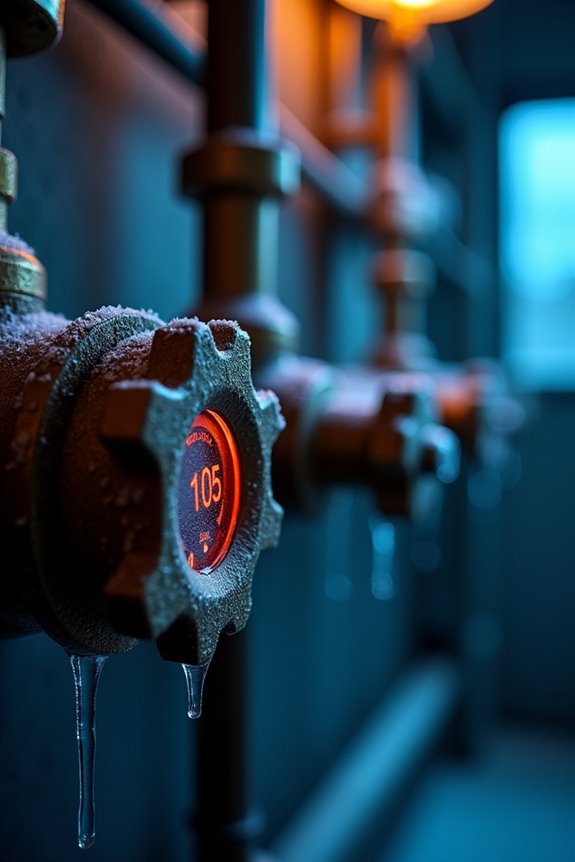
How do you know if a pipe’s actually frozen? Listen for gurgling or whistling sounds when you turn on a faucet, and watch for strange smells from drains. Those are your red flags that something’s wrong.
When you suspect freezing, keep that faucet fully open so water can escape during thawing. Then gently apply heat using hot water-soaked towels or a space heater positioned nearby. Never use open flames or blast pipes with intense heat too quickly, as that can crack them.
If you can’t locate or thaw the frozen pipe safely yourself, call a professional plumber immediately. A professional can prevent a burst pipe disaster.

CSA Certification Update: This Pipe Heat Cable is now CSA certified and meets applicable U.S. and Canadian safety requirements. During the current packaging transition, some packages may not yet display the CSA certification mark. Product design and specifications remain unchanged

【Cable Certified】Unlike plug-only certified cables, our ENTIRE heating cable meets standards. Aluminum alloy shield (70% coverage) prevents shorts + TPE jacket resists UV/chemicals. Includes 5FT grounded plug with indicator light. Backed by product liability insurance.

【Full-Cable Certified】Unlike plug-only certified cables, our ENTIRE heating cable meets standards. Aluminum alloy shield (70% coverage) prevents shorts + TPE jacket resists UV/chemicals. Includes 5FT grounded plug with indicator light. Backed by product liability insurance.