

Improving garden soil means adding organic matter, loosening compaction, and testing before you amend. The catch is timing: work the ground when it crumbles in your hand, not when it balls up sticky and wet. A $15 county extension test tells you exactly what to add instead of guessing, and most vegetables want a pH between 6.0 and 7.0.
Clear the Area
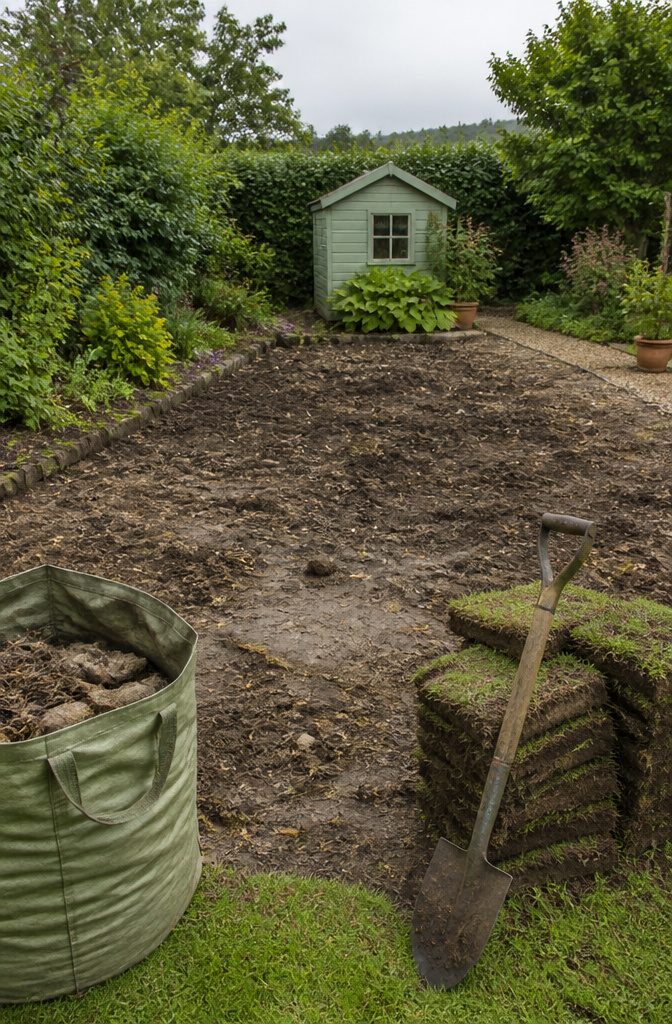
A weekend of soil work starts with a clean slate. Rocks, sticks, and whatever the wind carried in over winter need to come out first. I use a sharp spade to cut sod into small squares, then pry them up with the flat edge. It is tedious, but rushing this part means fighting debris for months.
Weeds are the bigger problem. Pull the roots intact if the ground is soft enough; anything left behind will resprout once you start watering. Bag the green waste rather than tilling it back in, especially if you are unsure what species you are dealing with.
The cleared bed should look almost too bare before you add anything. That emptiness is honest. It shows you exactly what you are working with: compacted spots, drainage issues, the patches where last year’s plants struggled. Fixing those problems starts here, not with a bag of compost.
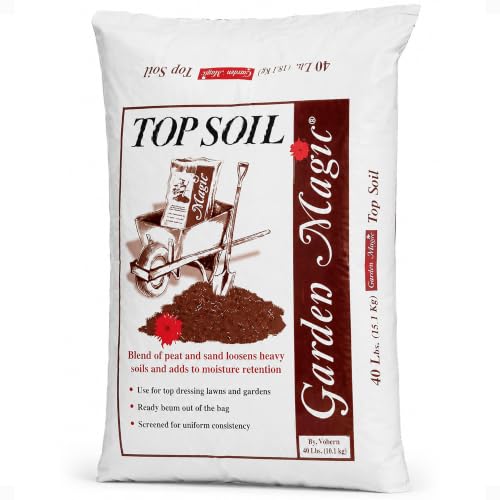
Ready-to-Use for All Planting Needs: This general-purpose potting soil is ready to use out of the bag, perfect for both indoor and outdoor planting without any extra prep

Certified Organic Composition: Crafted from a blend of peat and composted farm manures, this topsoil is OMRI Listed, ensuring it's suitable for organic gardening practices.

Loosen the Soil
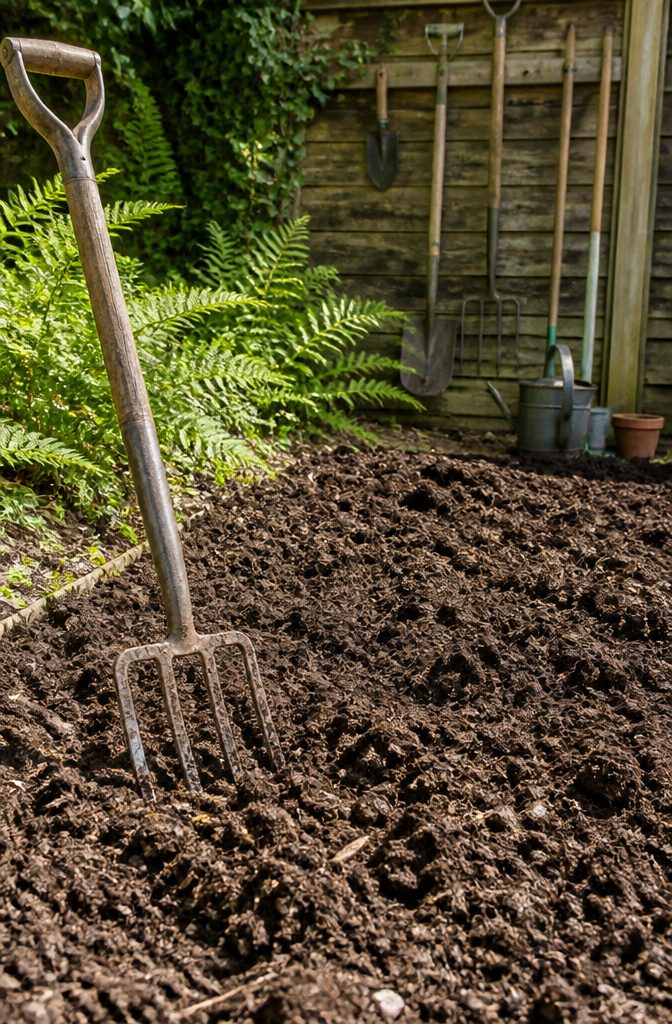
Compacted soil is the quiet killer in most gardens I have watched struggle. Roots need room to move, water needs somewhere to go, and air has to reach the microbes doing the actual work underground. A pitchfork or garden fork fixes this faster than most people expect.
Work the top 6 to 12 inches of soil, breaking up clumps and opening channels for whatever amendments come next. The first season I tried this, I stopped at about six inches and called it done; the difference the following year, when I pushed closer to twelve, was obvious in how much deeper the tomatoes rooted. For a new bed, that deeper loosening gives roots the runway they need before compaction settles back in. Established beds stay looser if you repeat this lightly each spring before adding anything on top.

Quick, at home results for Soil pH, Nitrogen, Phosphorous and Potash Innovative and inexpensive soil test kit features an easy-to-use capsule system and patented color comparators
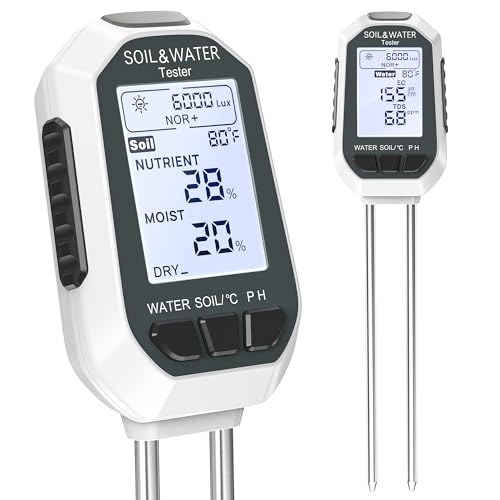
【7-in-1 Features】This is a 7-in-1 multi-function soil tester. Our soil tester quickly measures soil moisture, pH, temperature and light intensity, and its fertility function helps you take better care of your plants. With this device you can measure the soil moisture, pH, temperature and light intensity for your plants and with the EC and TDS functions you will know when it is time to water the soil.

Accurate Soil pH Testing: Dewildetradingco Soil pH Test Strips offer measurements of soil pH levels (pH 3.5-9). As an essential tool for every gardener and grower, these test strips help determine the optimal pH for various plants, such as outdoor plants, indoor plants, gardens, grass lawns, fruit trees, flowers, vegetables, and forest shrubs.
Add Organic Matter
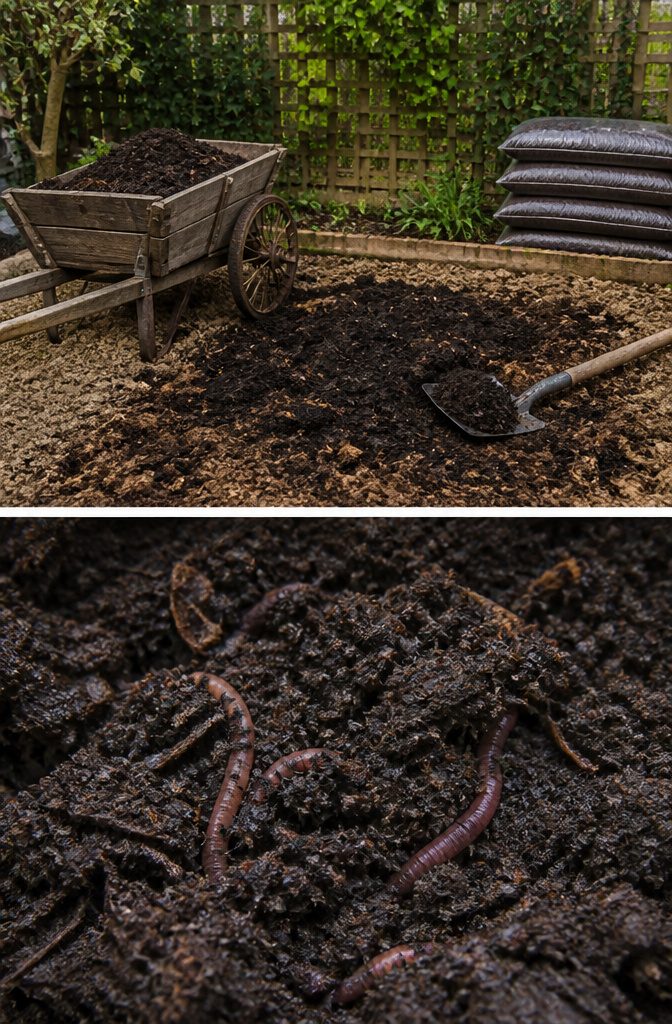
Adding organic matter is the single most important thing you can do for your soil. Aim for 4–6% organic matter content in healthy garden soil, which you build by mixing 1–2 inches of compost, well-rotted manure, or other organic material into the top 6–8 inches of soil.
For new beds, I spread 2–3 inches of compost and work it in. For beds I already have going, I skip the digging and just top-dress with 1–2 inches each year, letting earthworms and microbes carry it down naturally. That no-dig approach keeps soil structure intact and cuts down on weed seeds surfacing.
Fall is the ideal time to add it, since materials break down over winter and the soil is ready by spring. If you missed that window, apply compost as soon as the soil is workable, not wet and sticky. Squeeze a handful from six inches deep: if it crumbles, you are good to go; if it forms a sticky ball, wait a few days and test again.
Do not dump on more than 4 inches at once. After amending, let the soil rest one to two weeks before planting, then rake it smooth.

2-in-1 Multi-Purpose Garden Tool: Engineered with a dual-function head featuring a 3.75-inch rake and a sharp trapezoid hoe, this weed remover tool makes it easy to loosen compacted soil and pull weeds by the roots. The rake's sharp teeth securely grabs stubborn weeds and dandelions, helping pull them out by the roots to prevent regrowth

GARDEN TOOLS FOR WEEDING - This 2-in-1 gardening hand tool combines a four-tooth weeder and a two-tooth root remover in one tool for surface weeds, deep roots, and stubborn weeds.

[2 in 1 Garden Tools]: This weed rake has two parts, one with 6 sharp tine that can penetrate deep into the soil to pull out the unwanted weeds, and the other with a sharp edge that can be used to remove a large area ofweeds or level the soil. Please note: The garden hoe for weeding is sharp and solid, please keep away from children and pets
Test Your Soil
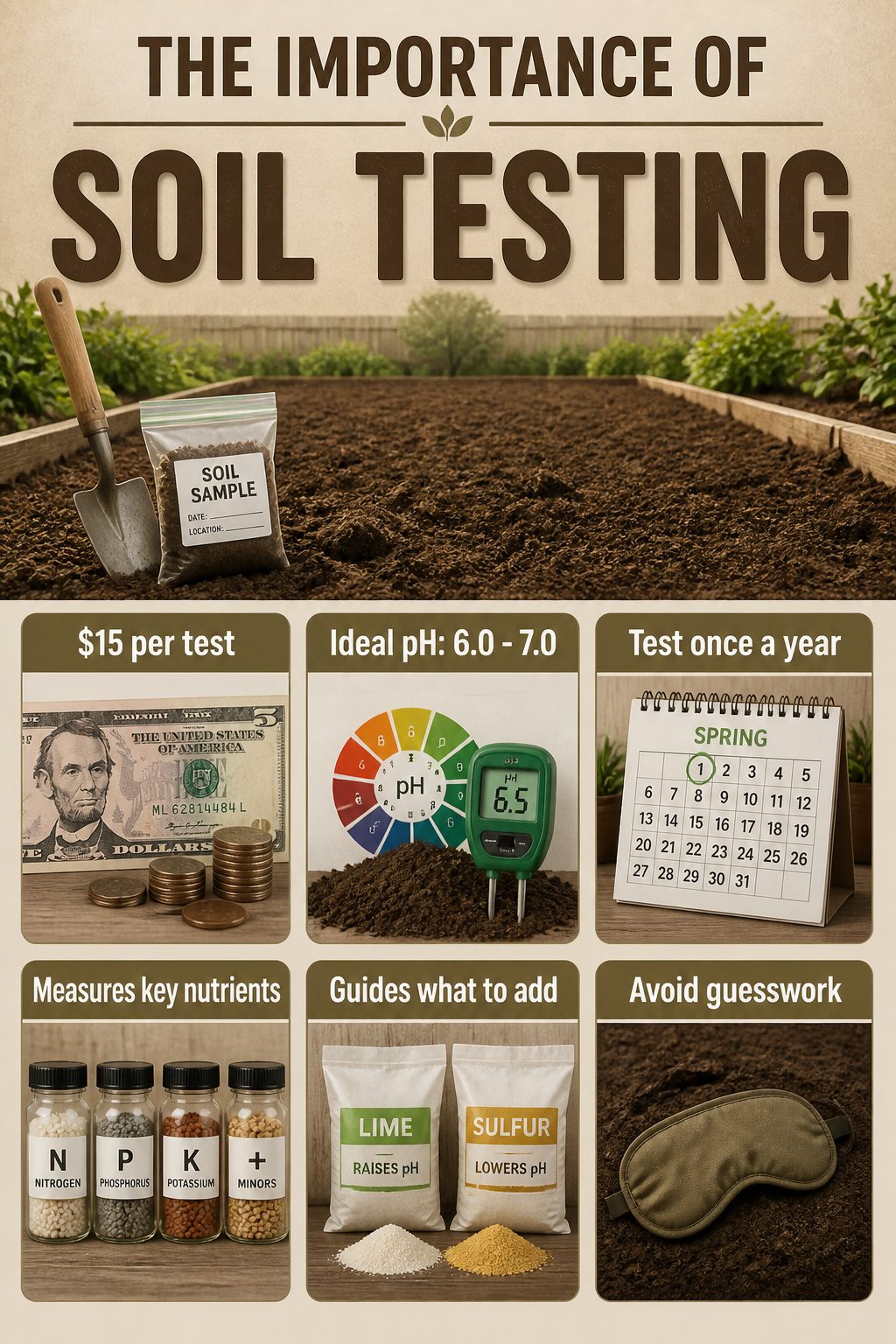
A soil test tells you what your dirt actually needs instead of guessing. Most county extension offices run them for around $15, which is cheap insurance against dumping the wrong amendment onto your beds.
The results cover pH and nutrient levels: nitrogen, phosphorus, potassium, and usually a few minors. Most vegetables prefer a pH between 6.0 and 7.0. Hit that range and nutrients stay available to roots; drift too far acid or alkaline and plants starve even when the food is right there.
I test once a year, early spring before I plant anything. If I am breaking ground on a new bed, I test then too. The kit itself is simple: dig a few inches down in a few spots, mix the samples, and mail it off. Results come back in a week or two with specific recommendations for lime or sulfur to adjust pH, and what fertilizer grades to apply.
Without a test, you are flying blind. With one, you know exactly what to buy and how much, which saves money and keeps you from overloading the soil.

Forged Steel –soil-loosening fork Crafted from durable forged steel with a rust-resistant coating, this hand-held 2-prong fork easily penetrates hard soil to promote optimal aeration and healthier root growth

VERSATILE GARDENING TOOL FOR EVERY TASK – Perfect for weeding, turning soil, aerating roots, mixing compost, and leveling beds—this multi-functional garden hand fork is ideal for flower gardens, vegetable patches, containers, and borders. Its three-prong design easily penetrates tough soil and lifts weeds without damaging nearby plants.

Durable & Long-Lasting: The integrated forged broad fork head and fiberglass handle design significantly enhance wear resistance, extending the tool’s lifespan. Whether for everyday yard maintenance or frequent farm tasks, this tool is built to handle both with ease and durability.
Top-Dress with Mulch
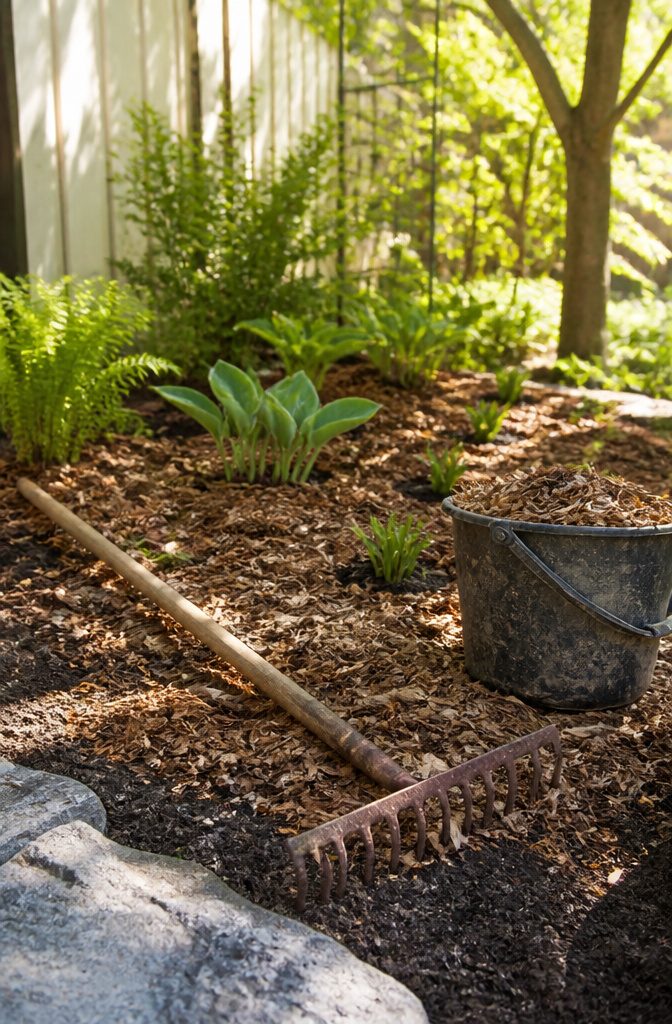
A two- to three-inch layer of mulch on top of your soil works harder than most people realize. It locks in moisture so you are not out there with the hose every evening, and it blocks the light that weed seeds need to sprout. Over time, the real payoff happens underneath: the mulch breaks down and feeds organic matter straight into your soil.
Wood mulch is the common choice and lasts a while, though it decomposes slower than other options. Shredded wood works better than chips, which stay too chunky to suppress weeds effectively. If you have access to shredded leaves, those add nitrogen as they break down and help keep plants green. Pine needles work too, despite the old myth about acidifying soil; they do not change pH, and they naturally suppress weeds through compounds in the needles themselves.
One limit matters. Keep mulch pulled back a few inches from plant stems and tree trunks, especially with woody perennials. Piling it against the crown traps moisture and invites rot. A thin top-up each year is usually plenty once that base layer is down.

Provide moisture-holding capacity to sandy soils. Black Kow cow manure holds water and nutrients in the soil around the roots. The roots can use the water and nutrients when needed instead of letting the nutrients leach through the soil

CONTAINS - Dehydrated cow manure with aged forest produts that help improve poor soil conditions and promote better plant growth

Nutrient-Rich Organic Compost for Healthy Soil: Support stronger plant growth with this premium organic compost made from dairy cow manure. This all purpose soil amendment helps replenish essential nutrients often depleted after harvests, making it ideal for vegetable gardens, fruit trees, flowers, lawns and container plants.
Consider Cover Crops
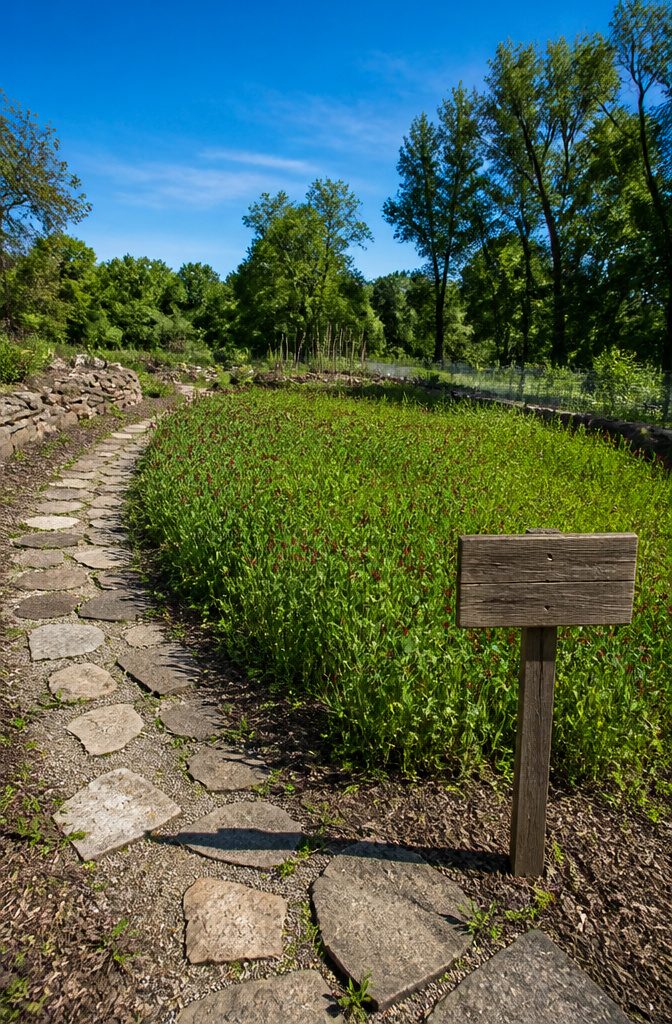
Cover crops are the closest thing to free soil repair you’re going to find. Plant something like crimson clover, hairy vetch, annual rye, or field beans in a bed that’s sitting empty, and let it grow through the off-season. The roots hold the soil in place so winter rains don’t wash your good topsoil downhill, and many of these plants pull nitrogen straight from the air and lock it into the ground where your vegetables can actually use it. Legumes like vetch and clover fix nitrogen; rye and daikon radish break up compacted layers with deep roots.
The tradeoff is time. That spot sits out a full season while the cover crop does its work. Come spring, you mow it down and let the residue decompose right on the surface. That rotting plant matter feeds the soil biology and adds organic material without you hauling a single bag of compost. I’ve weighed this against just mulching bare beds, and for ground that’s tired or compacted, the cover crop wins. For a small garden where every square foot counts, it stings to give one bed a year off. But soil that grows better each season instead of worse pays that time back with interest.
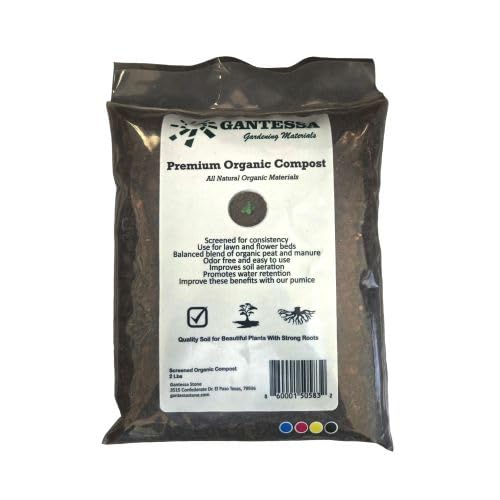
Manure Compost

【Effortless & Efficient】: This compost spreader simply pushes to evenly spread compost, fertilizer, seed, or ice melt into every corner; Using our peat moss spreader, compared to manual spreading, reduces time by 70% and eliminates missed spots! Ensure precise care to promote lush lawn growth

Nutrient-Rich Organic Compost – Provides essential nutrients for healthier plants and improved soil fertility.
Maintain and Repeat
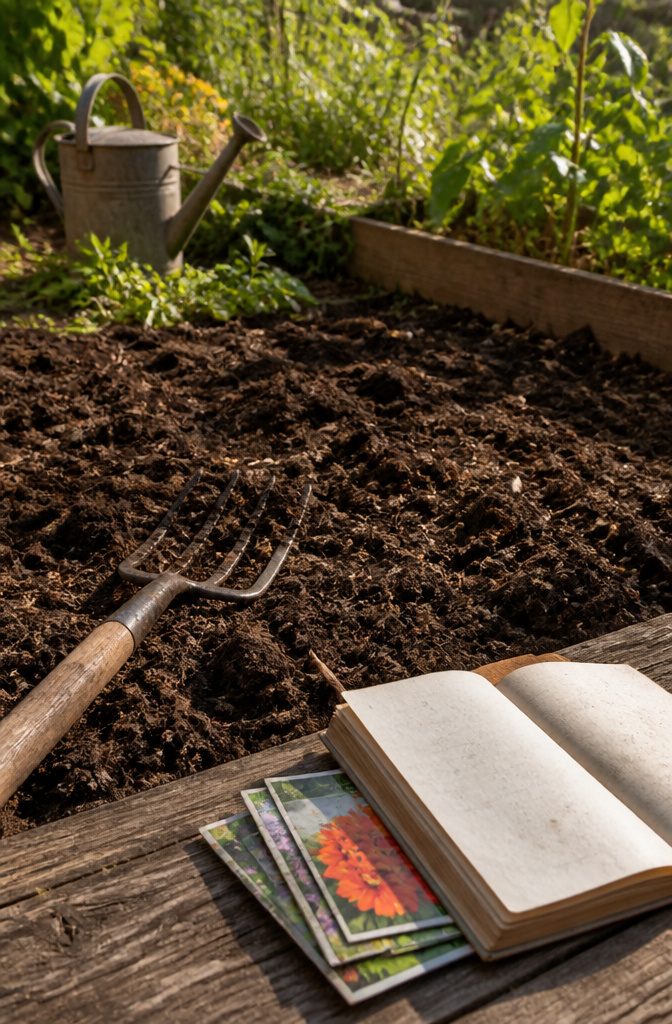
Soil improvement is a long game, not a weekend project you check off and forget. One or two inches of organic matter worked into the soil each year gradually builds structure, feeds the biology underground, and keeps salt and nutrient levels from creeping too high. That annual habit matters more than any single heroic amendment session.
You can leave that organic matter on the surface and cover it with mulch, or lightly turn it into the top few inches of soil. The second route gets things moving faster and keeps the material from sitting exposed, but surface application still works. Earthworms and microorganisms break it down and carry it deeper either way. Twice a year is the practical target if your schedule allows, though once annually still moves the needle.
The results you notice first are not the results that matter most. Quick changes to texture and drainage show up within a season; the real payoff is the slow accumulation of living, stable soil that gets easier to work and more forgiving of mistakes with every passing year. That is worth building toward, even when this season’s garden looks fine without it.

Kindly NOTE: This soil tester can not be applied to test pH value of any other liquid. If the soil is too dry the indicator will not move, and water it before testing.

✅ 1Dial & 1 LCD Screen - Replace/install all 3 batteries each time. Put button to %RH/°F to - Turn On, and put to LIGHT to - Turn Off. Read the LCD results in 3-5 mins. (Not Water Moisture Meter, so, please don't test liquid)

Comprehensive Soil Analysis: Liquid soil test kits offer a comprehensive analysis of essential soil parameters, including pH, ammonia, nitrogen, phosphorus, and potassium. Having all these measurements in one kit provides a holistic understanding of the soil's fertility and health.
Organic Matter Types Compared
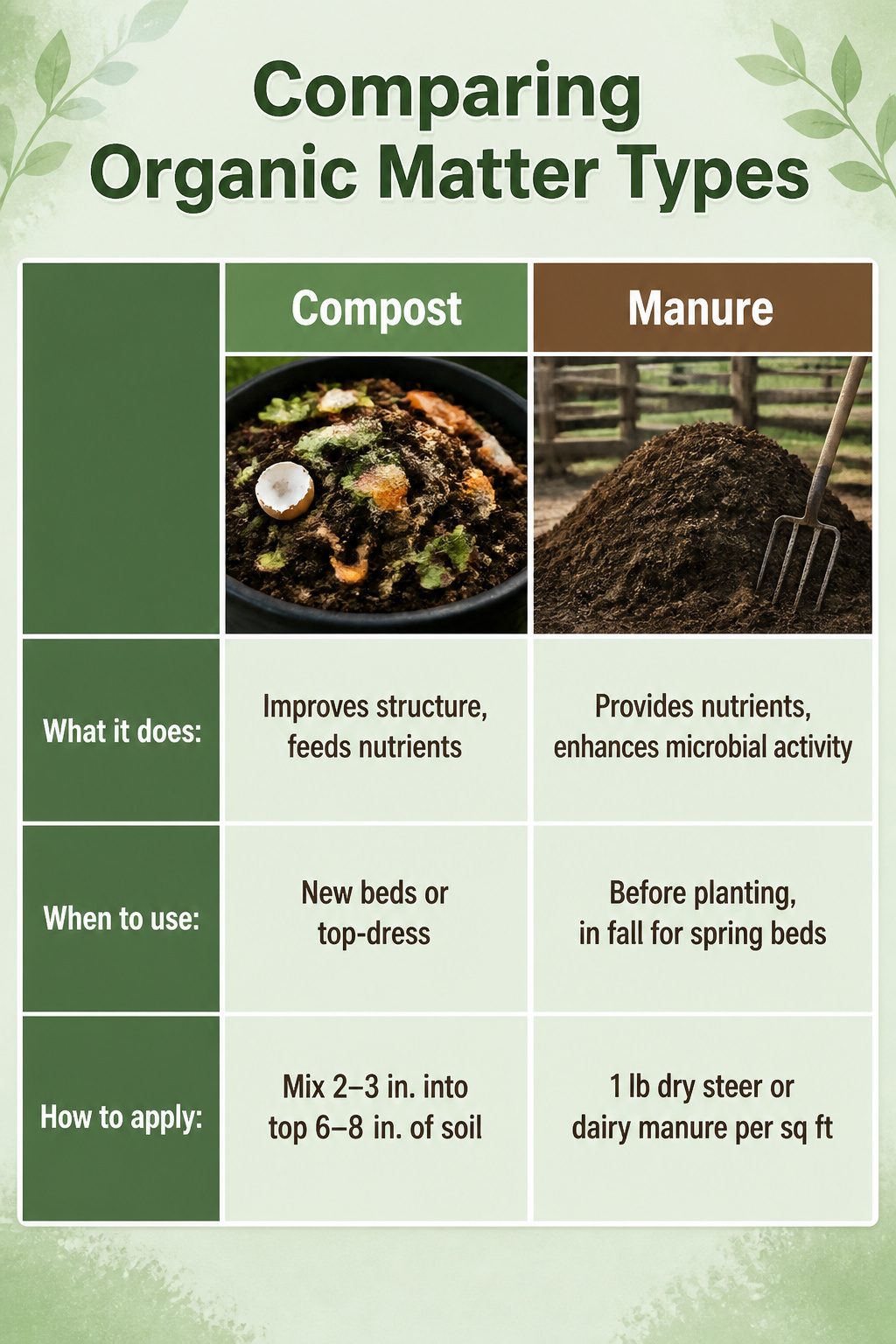
Compost, aged manure, and mulch each pull a different shift in the garden. Compost feeds the soil biology and opens up heavy dirt so roots can breathe. Manure brings nitrogen and other nutrients, but it needs to be composted first, fresh stuff will burn plants. Mulch sits on top, keeping moisture in place and slowly breaking down into organic matter over time.
For a new bed, I work two to three inches of compost into the top six to eight inches of soil. For established beds, I top-dress with one to two inches and let the worms carry it down. Manure goes down at about one pound of dry steer or dairy manure per square foot, worked into the ground rather than left on top. Mulch gets spread three to four inches deep, kept back from plant crowns and tree trunks where it can rot stems or invite pests.
| What it does | When to use | How to apply | |
|---|---|---|---|
| Compost | Improves structure, feeds nutrients, boosts microbial life | New beds or annual top-dress on established ones | Mix 2–3 in. into top 6–8 in. of soil; or top-dress 1–2 in. and let nature do the rest |
| Manure | Provides nutrients, enhances microbial activity | Before planting, in fall for spring beds | 1 lb dry steer or dairy manure per sq ft, worked into soil surface |
| Mulch | Retains moisture, adds organic matter as it decomposes | Around established plants, between rows | 3–4 in. layer, kept clear of stems and trunks |
Compost is my default, it does the most with the least risk. Manure wins when a soil test shows I need nitrogen. Mulch is non-negotiable in summer, it cuts watering in half and saves me from weeding every weekend.

【SHARP V-TIP FOR ROOT REMOVAL】 Penetrates up to 15cm deep into the soil to grab stubborn weeds by the roots. The dual-tip fork cuts through complex root systems with minimal effort, ensuring thorough cleaning without leaving broken roots behind to prevent regrowth.

GARDENING ESSENTIAL: Garden weeder ideal for a variety of gardening tasks like removing invasive weeds, maintaining your herb garden, uprooting dandelions and thistles, and more to encourage overall plant health and appearance

Portable Weeding Tools :Close-range precision weeding, gap cleaning, portable and labor-saving,13.3 inches Weeder tool,It is the perfect length for a gardening tools.Adopting stainless steel polishing process,The durable handle is more comfortable to hold
Soil Textures and Their Needs
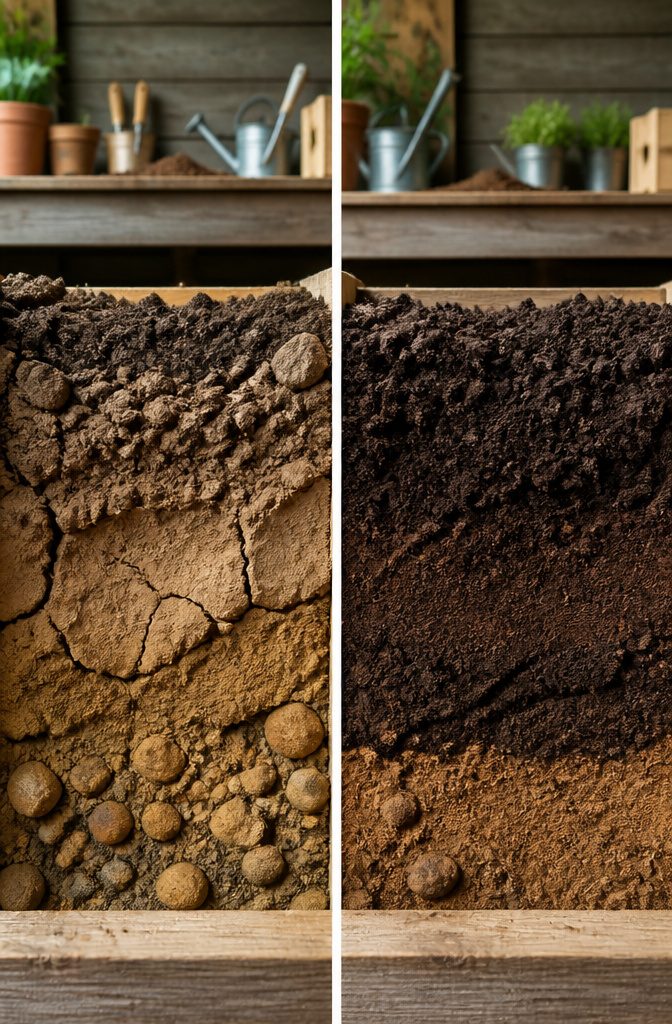
Most gardeners I know spend a season or two figuring out what they’re actually standing on. Soil comes in three basic textures: clay, sand, and silt. The gold standard is loam, a balanced mix of all three that holds moisture while draining well and crumbles easily after rain.
Sandy soil drains fast, too fast. Water runs right through, and nutrients go with it. The fix is adding organic matter, and plenty of it, to slow that drainage and give roots time to drink.
Clay soil is the opposite problem. It holds water too well, drains poorly, compacts underfoot, and cracks in dry heat. Nutrients may be present, but they’re locked up and unavailable. Here too, organic matter is the answer, plus fibrous materials like straw or shredded bark to loosen the structure. Skip the sand, though. Adding sand to clay makes matters worse, not better.
Loamy soil is what you’re aiming for: damp but not sticky, workable, forgiving. If your plot isn’t there yet, it gets closer every year you work in that inch or two of compost.

WHAT YOU GET - 1 * Stainless Steel Hand Fork. Our garden forks are made by traditional manual process and can be used for more than 10 years. The more the wooden handle and stainless steel will be used, the smoother it will be. Ideal for weeding, planting and farming on pots, beds and borders. In addition, it will become one of your favorite gardening tools and the best gift for your family or friends.

1. his is you most used tool in the garden! For lifting bulbs, double digging new beds, quick transplants, flipping compost.... The shorter handle makes it easy to get on top of, and since its a fork it takes a lot less effort to get into the soil vs a shovel.

Exceptional Strength: Crafted with solid forged carbon steel tines, this digging fork is designed to withstand tough soil conditions and heavy-duty use
Nutrient Sources
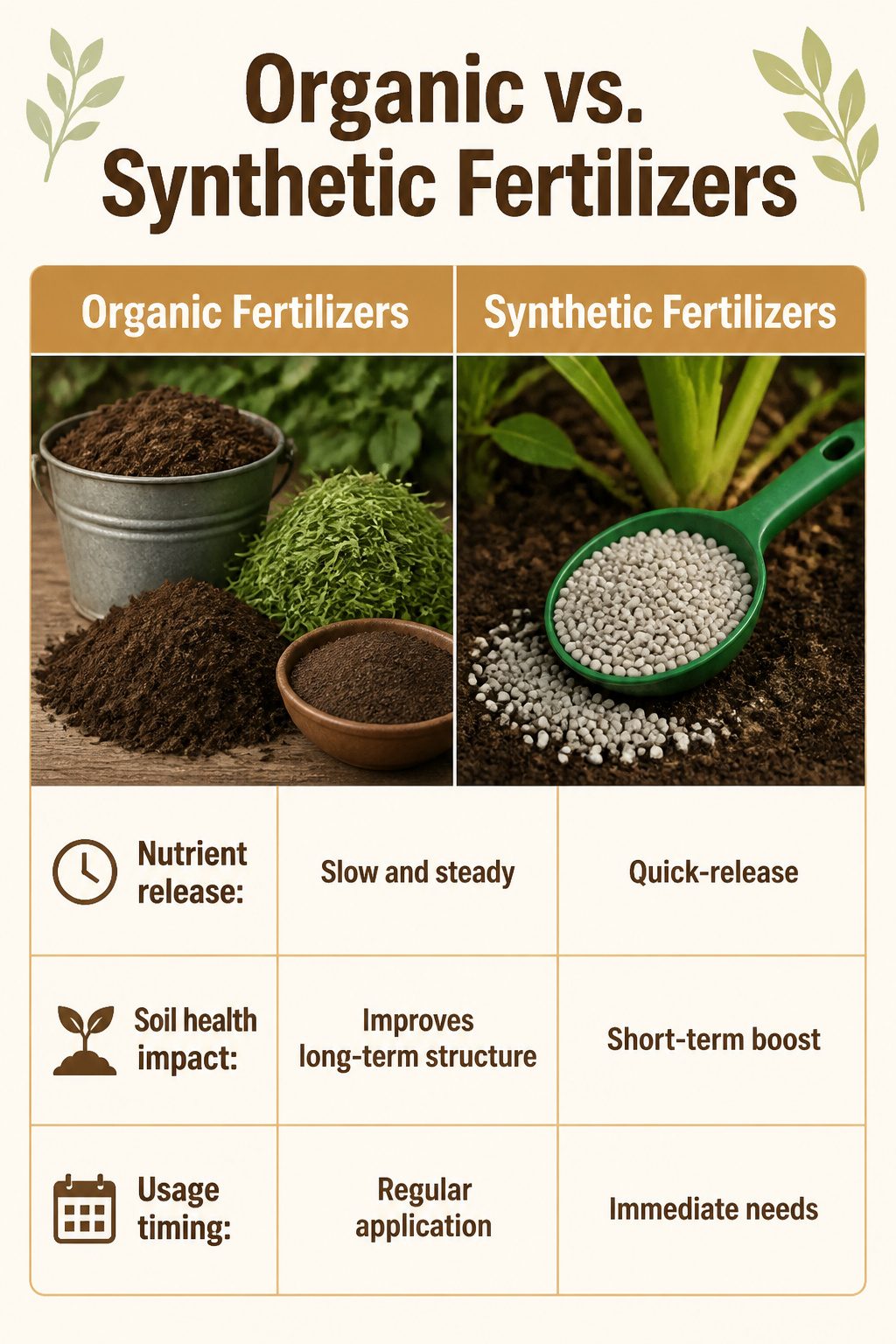
Organic fertilizers feed the soil itself, not just the plants. Composted manure, blood meal, and grass clippings break down slowly, and that slowness is the point: microbes have time to process them into nutrients your plants can actually use. The payoff is soil structure that holds water better and needs less help next season.
Synthetic fertilizers work faster, no question. A quick-release formula dumps nitrogen right when a hungry plant needs it, which can save a crop mid-season. But the effect is temporary, and the soil underneath stays basically the same. You’re feeding plants, not building dirt that feeds itself.
I’ve leaned on both. Early in a bed’s life, when the soil is basically construction fill and a tomato is already in the ground, a synthetic boost keeps things from starving. The rest of the time, organic matter does the heavier lifting. Composted manure adds lower nutrient levels than fresh, but it also won’t burn roots, and it improves your soil’s ability to hold onto nutrients from other sources. Legume cover crops like vetch or clover pull nitrogen straight from the air and work it into the ground while you wait.
The real choice isn’t organic versus synthetic. It’s whether you’re fixing a problem this weekend or building something that lasts past it.

Black Kow cow manure compost is organic and contains nutrients that are released slowly without burning tender roots.

Heirlom Roses Mint Compost: Provides moisture retention in sandy, dry soils, while also rich in natural humus to help break up hard clay soils

Organic and Natural: 100% organic composted cow manure, free from chemicals and additives.
What Healthy Soil Contains
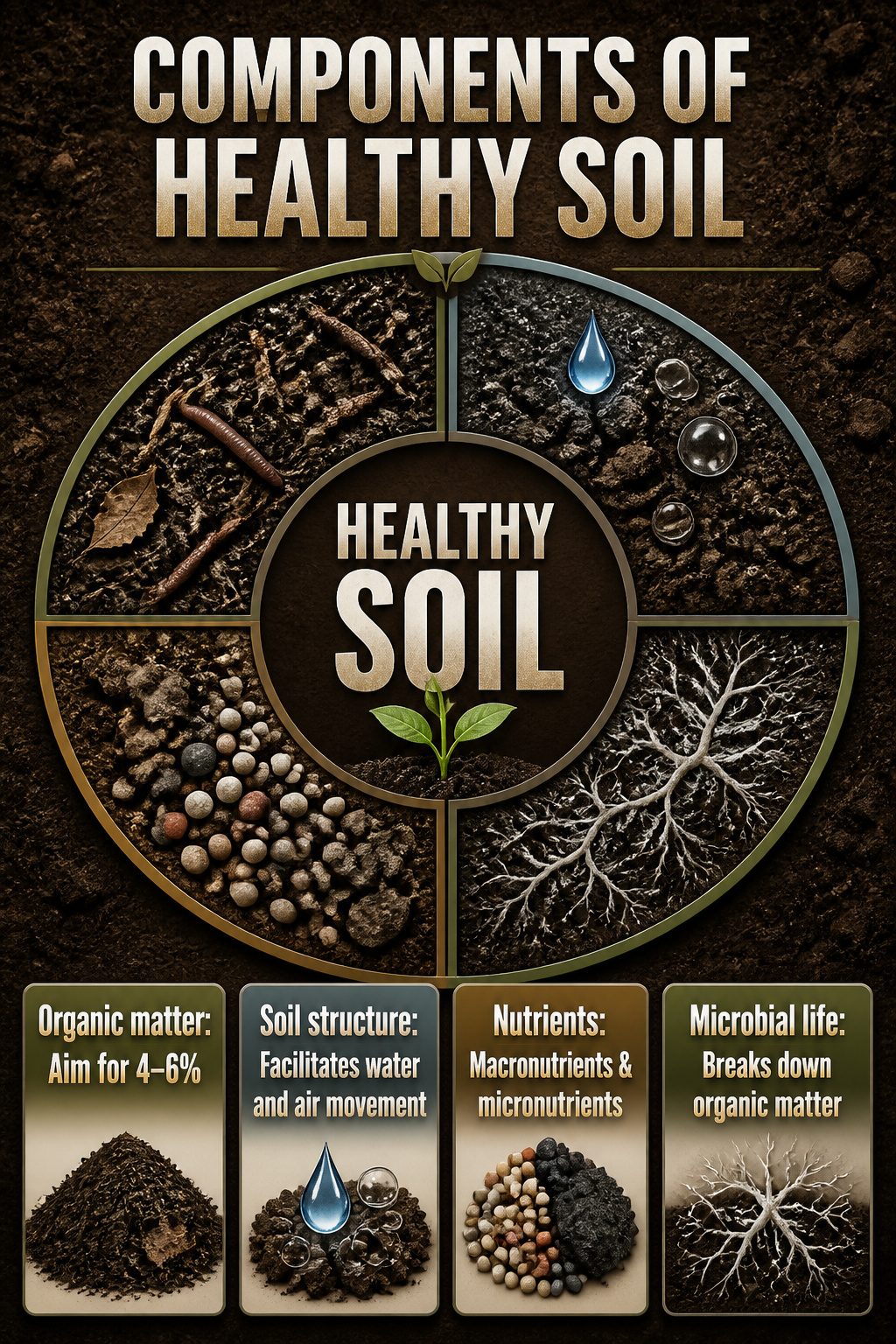
Healthy soil is a mix of four things, and getting the balance right matters more than chasing perfection.
- Organic matter (aim for 4–6%) is the big one. It comes from decomposing plant and animal residue, living roots, and the gluelike enzymes that soil organisms secrete to bind particles together. Highly decomposed material becomes humus, a stable nutrient reservoir that keeps plants fed over time.
- Soil structure determines how water and air move through your dirt. Clay-heavy soils drain poorly; sandy soils hold water too briefly. The right structure lets roots breathe and drink without drowning.
- Nutrients split into two camps. Macronutrients like nitrogen, phosphorus, and potassium come from fertilizer and organic matter; carbon, oxygen, and hydrogen arrive via air and water. Micronutrients (iron, manganese, boron, and others) are needed in smaller amounts. A soil test reveals what your particular patch lacks.
- Microbial life does the invisible work: bacteria and fungi break down organic matter, cycle nutrients, and even protect against pathogens. Feed them with compost, and they feed your plants in return.
Frequently Asked Questions
What is the best way to improve garden soil?
Regularly add organic matter, get your soil tested, and keep up with maintenance each year. Mix 1–2 inches of compost or aged manure into the top 6–8 inches of soil annually, test pH and nutrients once a year through your county extension office, and top-dress with mulch to hold moisture and suppress weeds.
How often should I test my soil?
Test at least once a year, early spring before planting anything. Also test when breaking ground on a new bed so you know what you’re starting with. The $15 or so for a county extension test pays for itself by telling you exactly what amendments to buy and how much.
What types of organic matter can I add to my soil?
Compost, well-rotted manure, and mulch are the main options. Compost improves structure and feeds microbes; manure adds nitrogen but must be aged first so it doesn’t burn plants; mulch sits on top to retain moisture and slowly breaks down into organic matter over time.
How do I know if my soil is healthy?
A soil test reveals the numbers that matter: pH between 6.0 and 7.0 for most vegetables, organic matter content around 4–6%, and balanced levels of nitrogen, phosphorus, potassium, and micronutrients. You can also squeeze a handful of soil from six inches deep; if it crumbles, it’s workable, but if it forms a sticky ball, it needs more time or more organic matter.
What are cover crops and how do they help?
Cover crops are plants like crimson clover, hairy vetch, annual rye, or field beans grown during the off-season to repair soil. Their roots prevent erosion, legumes fix nitrogen from the air into the ground, and deep-rooted crops like daikon radish break up compacted layers. You mow them down in spring and let the residue decompose on the surface, adding organic matter without hauling anything in.