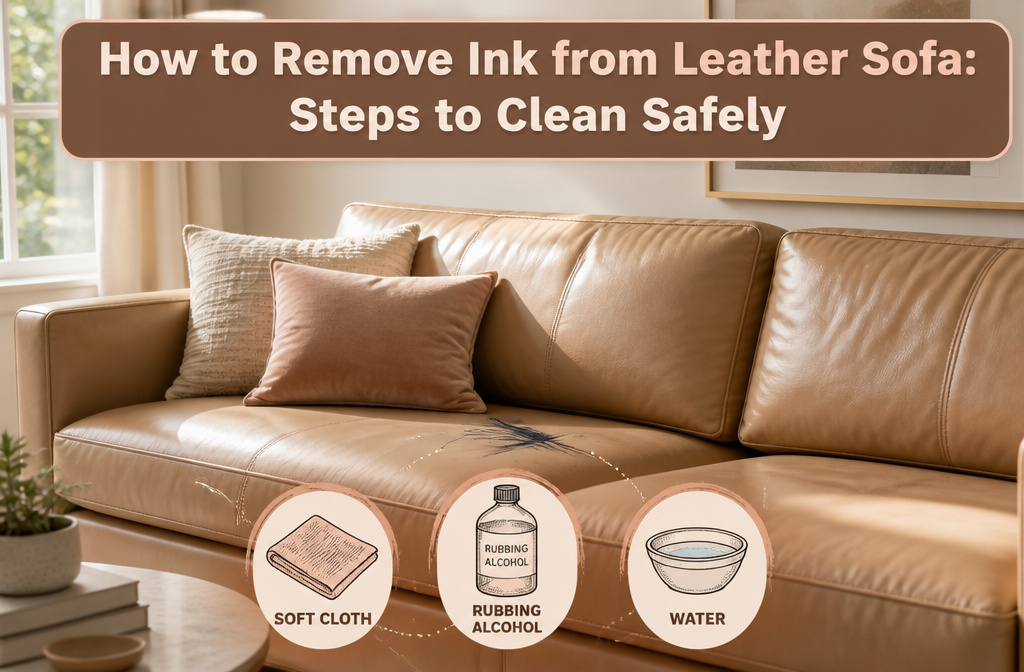

You can lift ink from a leather sofa in about twenty minutes with household supplies, but only if the leather has a protective topcoat. The moment people scrub instead of blot is the moment a dime-size mark becomes a palm-size problem, because rubbing pushes the dye deeper into the grain instead of pulling it upward. A soft, dry cloth pressed gently from the outside edges toward the center is what actually works while the ink is still wet.
1. Blot the Stain Immediately
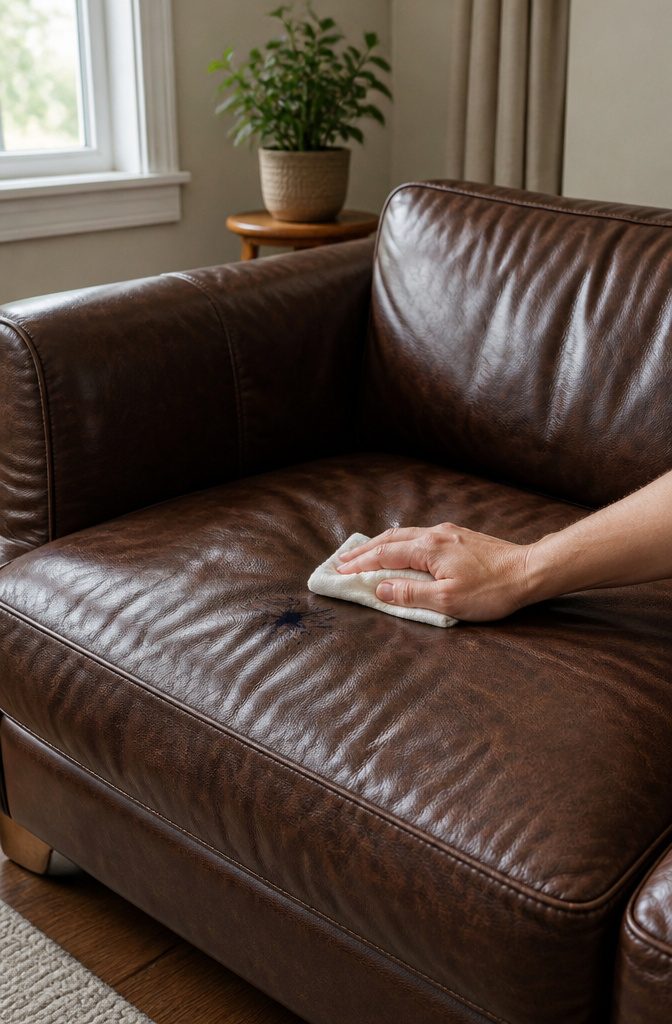
Fresh ink lifts out of leather almost like it landed on a napkin instead of a surface. That window closes fast, so your first move matters more than anything that comes after it.
Blot the stain with a soft, dry cloth, working from the outside edges toward the center so the spot stays contained. Rubbing or pressing hard will push the ink deeper into the grain and spread the color outward, which is exactly how a dime-size mark becomes a palm-size problem. Paper towels work in a pinch, but a white cloth is the safer call since dyes from colored fabric can bleed onto pale leather. Gentle pressure absorbs the excess without forcing pigment into the material, and eight separate guides all lead with this same step because nothing else is as effective when the stain is still wet. Once the surface stops yielding color, stop too. You have removed everything blotting can do, and anything left needs a cleaner, not more friction.
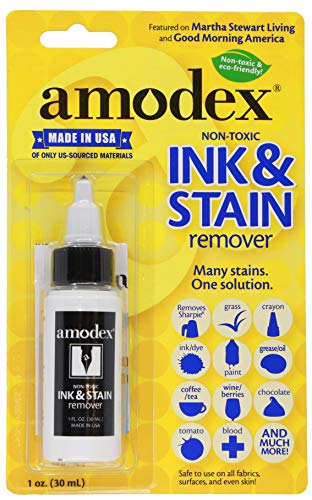
WORKS WELL: The ink and stain remover works on the toughest stains; from inks and ballpoint to gel, permanent marker, wine, grass, blood, grease, coffee, baby formula, food, and more.

WORKS WELL: The ink and stain remover works on the toughest stains; from inks and ballpoint to gel, permanent marker, wine, grass, blood, grease, coffee, baby formula, food, and more.

WORKS WELL: The ink and stain remover works on the toughest stains; from inks and ballpoint to gel, permanent marker, wine, grass, blood, grease, coffee, baby formula, food, and more.
2. Test Cleaning Solutions First
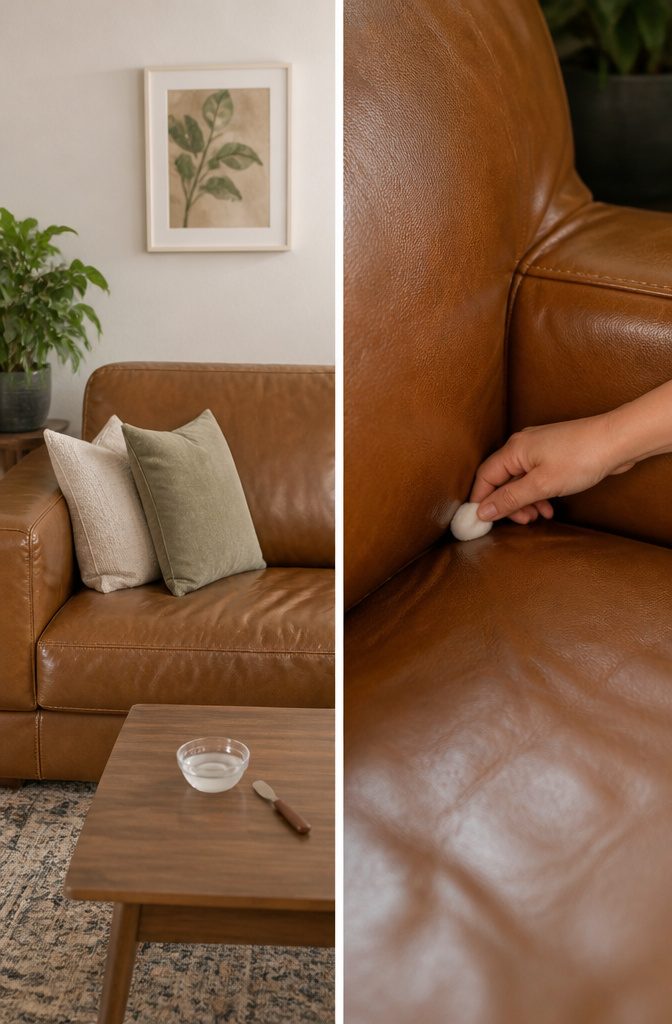
Before any cleaner goes near the visible stain, I rub a cotton ball dampened with my chosen solution on the back corner of the cushion or along the base where the frame meets the leather. This spot test is the step people skip, and it is the step that ruins sofas. I wait five minutes and look hard for four things: any color lifting or darkening, the surface turning stiff, the texture changing from smooth to tacky or rough, or the finish looking dull where it was glossy. Isopropyl alcohol can damage leather slightly even when it works, and dedicated ink removers carry their own risks on aniline or nubuck. If the solution seeps through immediately on that hidden patch, I am probably dealing with unfinished leather and need to stop there and call a cleaner. The fact that six out of every guide insists on this test tells me how many homeowners learned the hard way that their "safe" formula stripped the dye right off the armrest.

ERASES TOUGH INK & MAKEUP: Powerfully dissolves and lifts stubborn permanent marker, ballpoint pen ink, lipstick, dye transfer, and heavy cosmetic smudges off finished leather goods, fabric clothing, and water-safe shirts without damaging surface finishes.

THE ONLY LEATHER HONEY: For over 50 years, we have been making the best leather care products, including the beloved Leather Honey Leather Conditioner. Clean leather furniture, boots, jackets & more. Packaging may vary.

PREMIUM MICROFIBER CONSTRUCTION: Crafted from high-quality, ultra-soft microfiber, this cloth is safe for use on all leather types: boots, bags, jackets, furniture, and more. It provides a streak-free, lint-free application every time. Perfect for preserving the look and feel of your premium leather goods.
3. Mild Soap and Water
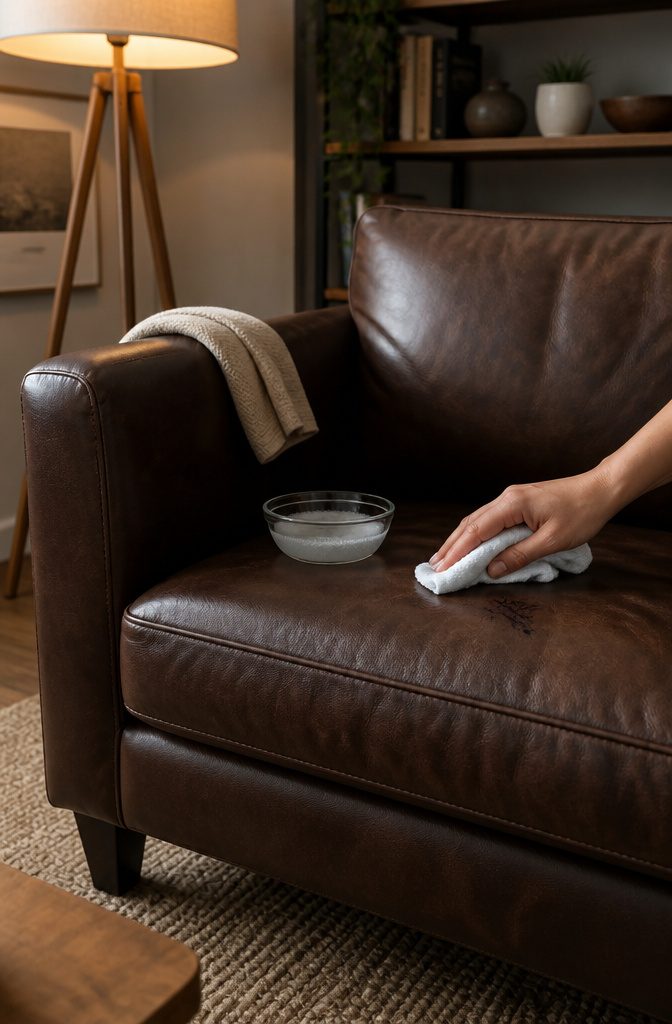
Warm water and a few drops of mild soap is where I start every time. The mix is simple: a small bowl, a couple drops of clear dish soap or saddle soap, and just enough water to work up a light lather. No need to measure.
The trick is the cloth itself. Dip it, then wring it out until it is barely damp, not wet. Leather drinks moisture it shouldn’t, and a soaked cloth is how you end up with a water stain on top of the ink. Work in gentle circles from the outer edge of the mark toward the center, rinsing the cloth or swapping to a clean section once it picks up ink. Stop before the leather starts to feel saturated.
This method has limits. It handles fresh or light stains well, particularly on leather with a protective coating, but a mark that’s had time to set will probably still be there when you finish. That is not failure; it is information. The soap and water pass tells you exactly how stubborn the stain is, and whether the next step up, something like rubbing alcohol, makes sense for your particular spot.

NON TOXIC, GENTLE CLEANER: Our proven, rejuvenating formula is a powerful, fragrance-free cleaner ideal for all your leather goods (except suede). EPA Safer Choice certified

✓ Ultimate 4-In-1 Leather Care Formula – Don't settle for just cleaning. EVEO Leather Wipes are expertly formulated to Clean, Condition, Protect, and Restore in one easy step. Leather Couch Cleaner - Our advanced solution lifts away stubborn dirt, soil, and grime while infusing the leather with premium conditioners. This process revitalizes old leather, restoring its natural shine and soft texture without leaving it greasy.
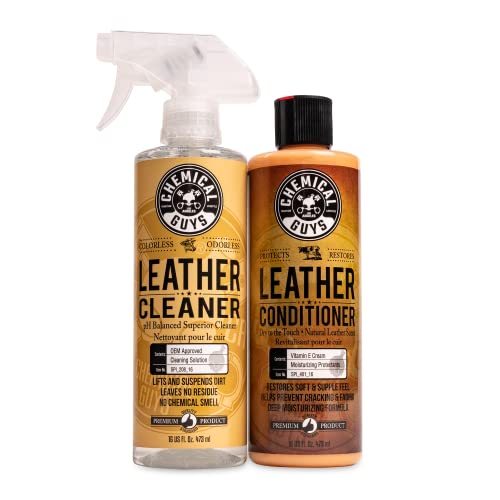
COMPLETE LEATHER CARE KIT (SPI_109_16) - This Chemical Guys kit includes Cleaner and Conditioner, two 16 oz bottles that work together to clean, restore, and protect leather in cars, homes, and more
4. Rubbing Alcohol
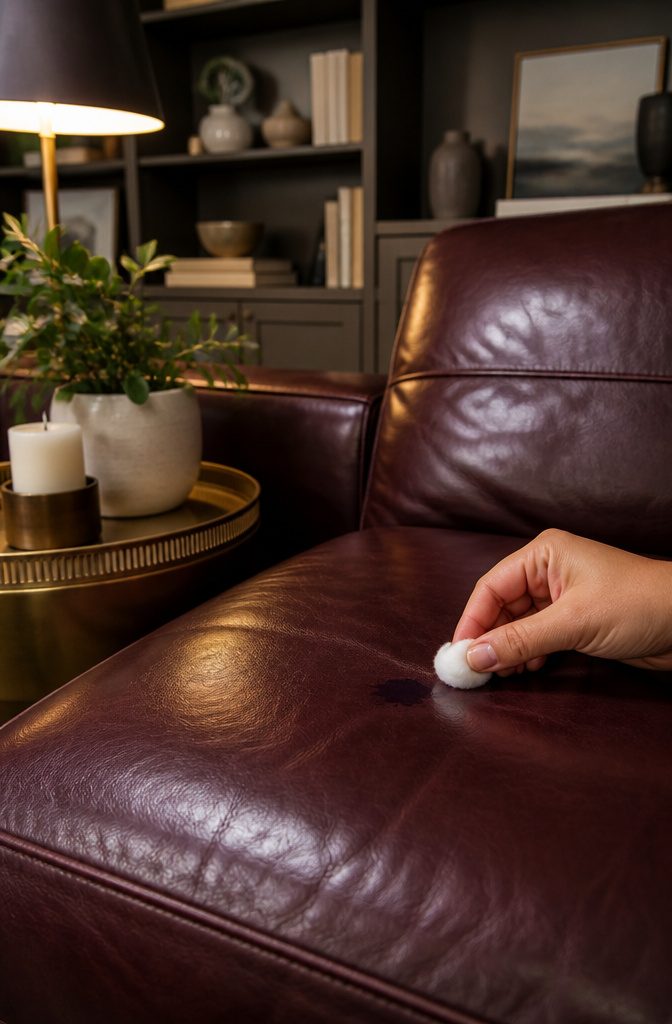
Ink needs a solvent to break down, and water-based soaps rarely cut it because they don’t dissolve the dyes and resins that make permanent ink stick. 70–90% isopropyl alcohol is the solvent most likely to pull ink out of leather without calling in a pro.
I keep a bottle in the cabinet for this exact reason: it lifts the stain instead of pushing it deeper. Dampen a cotton ball, not a soak, and dab with almost no pressure. The ink should transfer onto the cotton. Swap to a fresh piece as soon as you see color on it; rubbing the same dirty cotton back onto the leather just redeposits the problem.
The leather type matters here. Pigmented leather, with its protective topcoat, handles alcohol better; the finish blocks some of the drying effect. Aniline or semi-aniline leather soaks the alcohol right in, which risks a pale ring or stiff patch if you linger too long. On those softer, untreated hides I’d reach for soap first and save alcohol for backup.
Removing ink from leather can be difficult, but it’s not impossible. Try rubbing a bit of isopropyl alcohol on the ink stain to remove it but be mindful to dab carefully so that the stain doesn’t spread.
That "mindful to dab" line is the whole technique. Less moisture, less pressure, more patience. Condition after; alcohol strips oils whether it works on the ink or not.

LEATHER CLEANER: This all-in-one leather cleaner and conditioner paste is a must-have for restoring shine and extending the life of all of your leather goods.

Lubricates the fibers to prevent brittleness
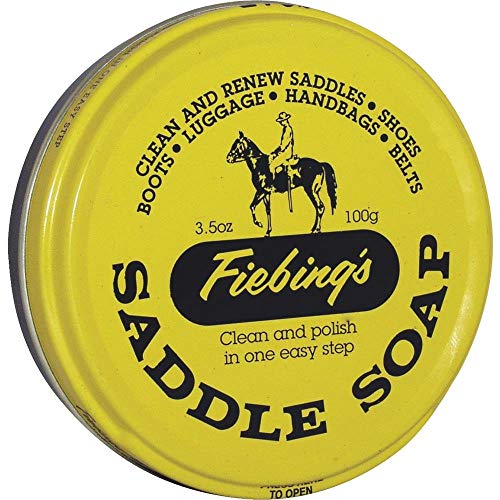
LEATHER CLEANER: This all-in-one leather cleaner and conditioner paste restores shine and extends the life of all of your leather goods.
5. Vinegar Solution
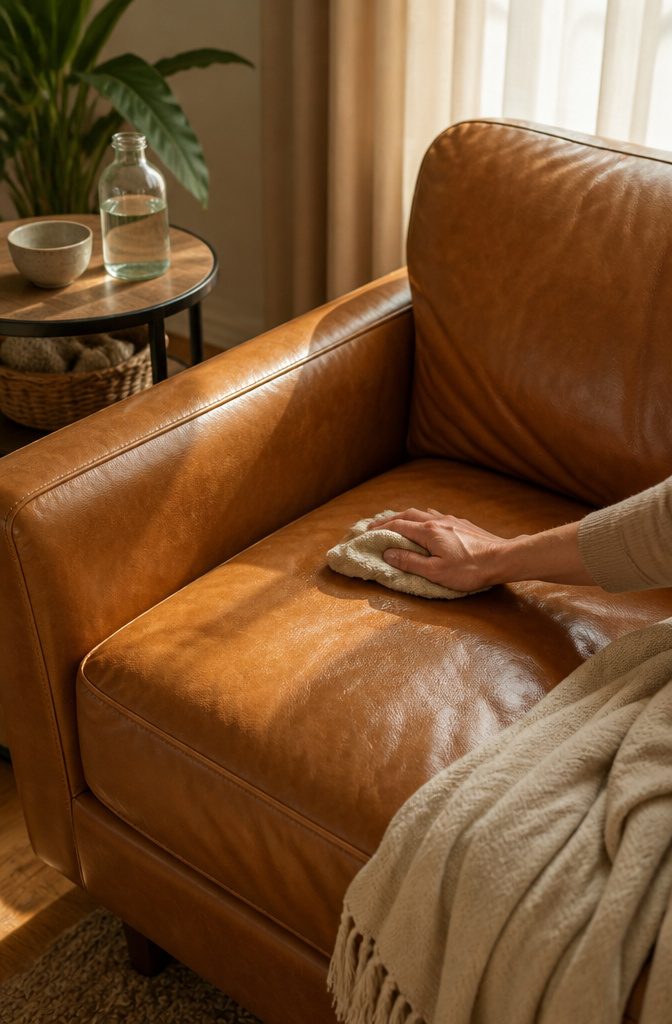
A 1:1 mix of white vinegar and water sits right between soap and alcohol in strength. The acetic acid breaks down ink without hitting the leather as hard as a solvent does.
I keep this in my back pocket for marks that soap won’t lift but that I don’t want to risk alcohol on. Dip a soft cloth into the solution, then work it over the stain in gentle circular motions rather than scrubbing straight across. That circular approach seems to lift more pigment out of the grain without pushing it deeper.
The tradeoff is patience. Vinegar usually needs more rounds than alcohol would, and it struggles more with older stains that’ve had time to set. On the plus side, it plays nicer with full-grain and other resistant leathers that might dry or discolor under harsher treatment.
Let the area air dry completely, then follow up with leather conditioner. The vinegar mix won’t strip oils the way acetone can, but any cleaning still leaves the surface wanting that protective layer back. Some sources suggest a quick wipe with mild soapy water afterward to clear any lingering vinegar smell; I skip that step if the leather already feels clean, since another wet pass just extends drying time.

Premium Leather Care by FRYE – Trusted for generations, our leather cleaner is formulated to gently yet effectively lift dirt and grime from leather without damaging finishes or drying out material.

DEEP PENETRATING CLEAN - Our soft leather cleaner contains a delicate detergent that penetrates the surface to clean while not altering the original properties of the leather or its finish. A great leather cleaner for car interior, furniture, purses, & more.

Deep Cleaning and Conditioning: Our formula safely eliminates dirt, grime and residue on leather surfaces. This leather cleaner and conditioner deeply nourishes and restores worn leather while effectively softening, strengthening and renewing its flexibility. Ideal for car seats, sofas, shoes and bags, our leather conditioner restores leather to its original color and texture
6. Baking Soda Paste
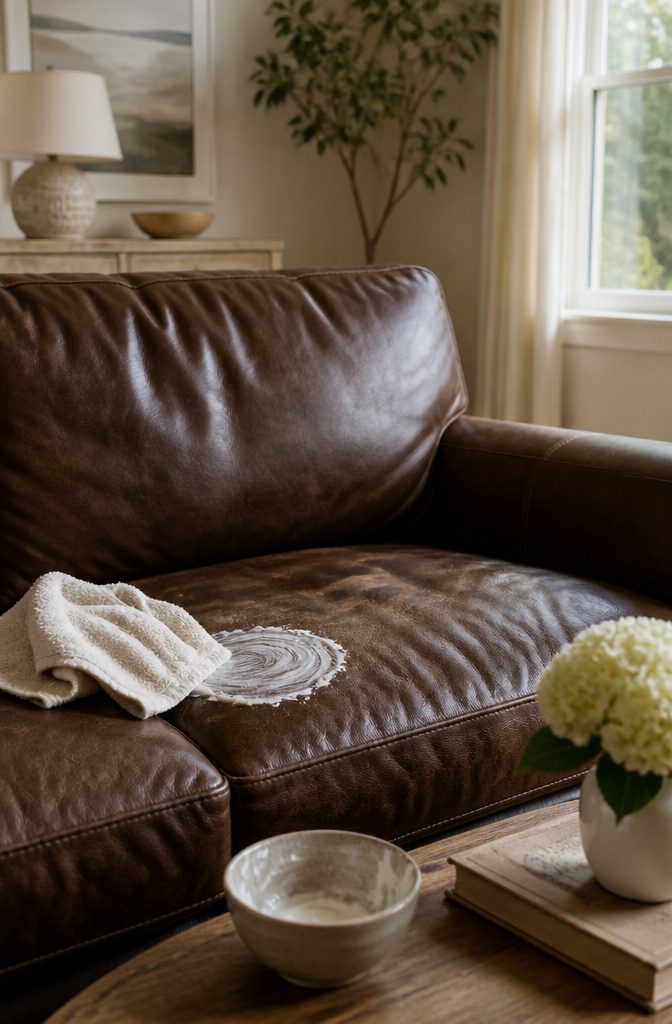
Baking soda works differently than a liquid cleaner because it pulls the stain out gradually instead of pushing it around. I mix a small amount of water into baking soda until it forms a thick paste, then spread it over the ink mark with a soft cloth. The paste needs a few minutes to sit so the baking soda can absorb what’s loose. Once it has had time to work, I wipe it away with a damp cloth and let the spot air dry. A leather conditioner afterward keeps the surface supple.
This method shines when the ink has dried slightly and the paste can draw it out without saturating the leather. On a fresh, wet stain, you’re better off blotting first and coming back to this once it sets.

TACKLE INK MARKS EASILY: The professional-strength Stain Devils #3 is specially formulated to take on ink stains more effectively than standard all-purpose sprays. Use this stain remover to treat ballpoint pen, rollerball ink, felt tip pen, pencil, and crayon marks, helping you keep school uniforms, workwear, and everyday outfits spotless
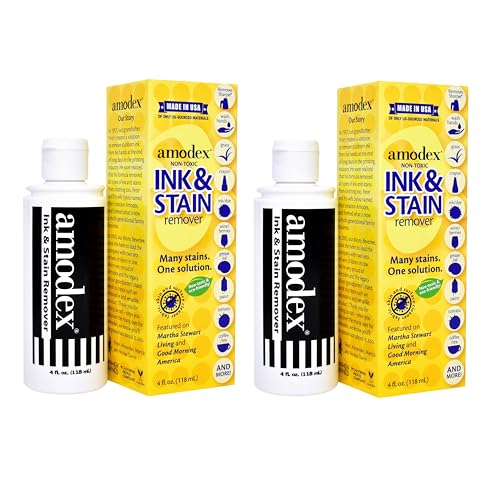
WORKS WELL: The ink and stain remover works on the toughest stains; from inks and ballpoint to gel, permanent marker, wine, grass, blood, grease, coffee, baby formula, food, and more.

7. Hairspray
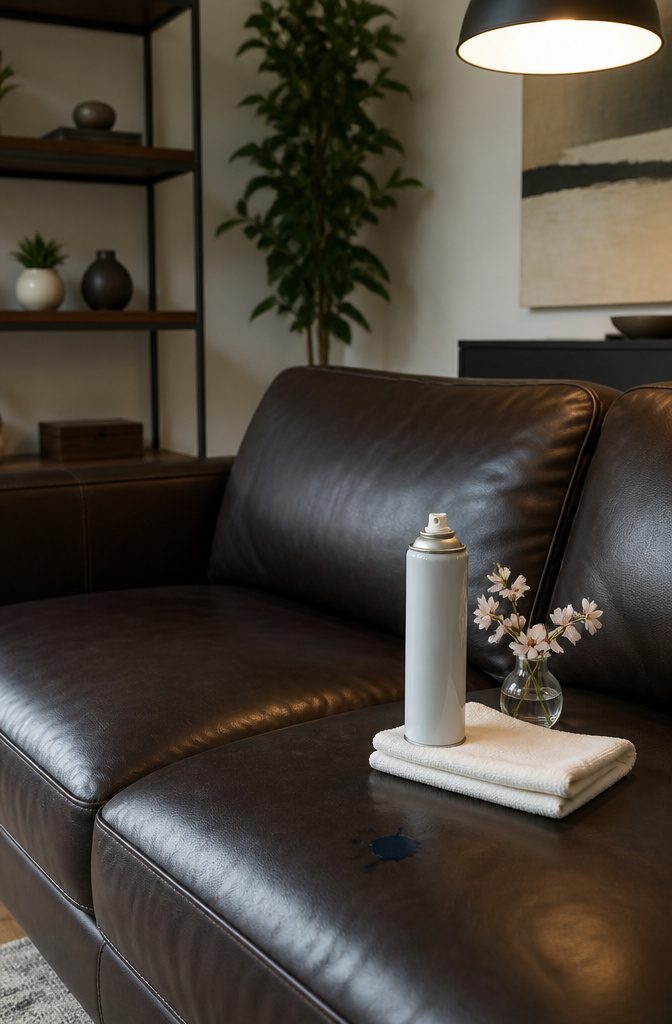
Hairspray works on ink because the alcohol in it breaks down the dye, not because it is fancy. Let it sit for only three to five minutes so the alcohol can do its job without drying out or gumming up the leather finish.
Spray a small amount directly onto the stain, or onto a clean cloth first if you are nervous about overspray. After the brief wait, blot with a dry section of cloth to lift the ink. Do not rub; you will push the stain deeper into the grain.
The same polymers that hold a hairstyle in place can leave a sticky film behind on leather, so this is best treated as an emergency fix when rubbing alcohol is not in the house. A pass with leather cleaner afterward helps remove any residue the hairspray leaves.

10 Pre-Cut Blotter Paper Refills

Package and Size-- You will get 20pcs white rectangle blotting paper sheets, size about 30mm wide, 100mm long, 0.8mm thick for removing excess liquids
8. Call a Professional Cleaner

Pigmented leather handles home treatment better than other types, so the threshold for calling a specialist varies quite a bit. Most sofas people actually own fall into this category: they have that protective top coat added during manufacturing, which keeps the stain sitting on the surface rather than seeping deep into the fibers. Aniline leather, sometimes called "naked" leather, has no such coating, and ink goes straight in. That kind almost always needs a professional, since the strong solutions that claim to lift it will strip the color right along with the stain. You’ve basically got to repaint the leather, which is beyond what a weekend project should attempt.
Stubborn stains that resist a couple of careful tries, large areas where the ink has spread, or any expensive sofa you’re not willing to gamble on are the other stop signs. The longer ink sits on leather, the harder it becomes to dislodge, because the dyes bond with the natural fibers. Leather is porous; it absorbs and holds onto liquids in a way fabric simply does not. A dry paper towel on a fresh spill is your window. Once that closes, a leather specialist has tools and products designed for exactly this kind of seeped-in damage.

BRING YOUR LEATHER BACK TO LIFE: Safely remove dirt, soil & residue to soften, strengthen & moisturize neglected leather.

BRING LEATHER TO LIFE: Improve the look and feel of your leather by safely removing dirt, soil and residue. Weiman softens and moisturizes finished leather to revitalize your favorite furniture and accessories.
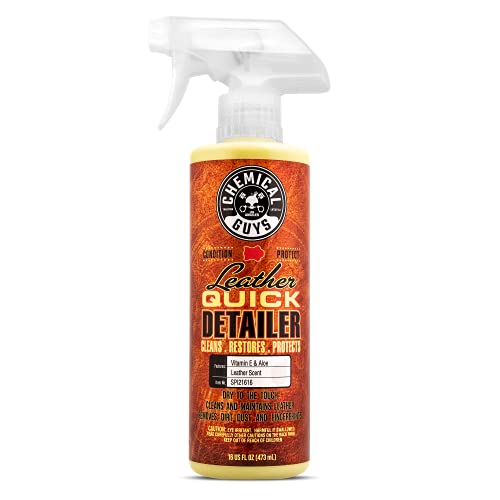
Quick Leather Detailing (SPI21616) - Chemical guys quick detailer spray instantly cleans, conditions, and protects leather surfaces including car seats, furniture, apparel, and footwear in one easy step
Leather Types and What Changes
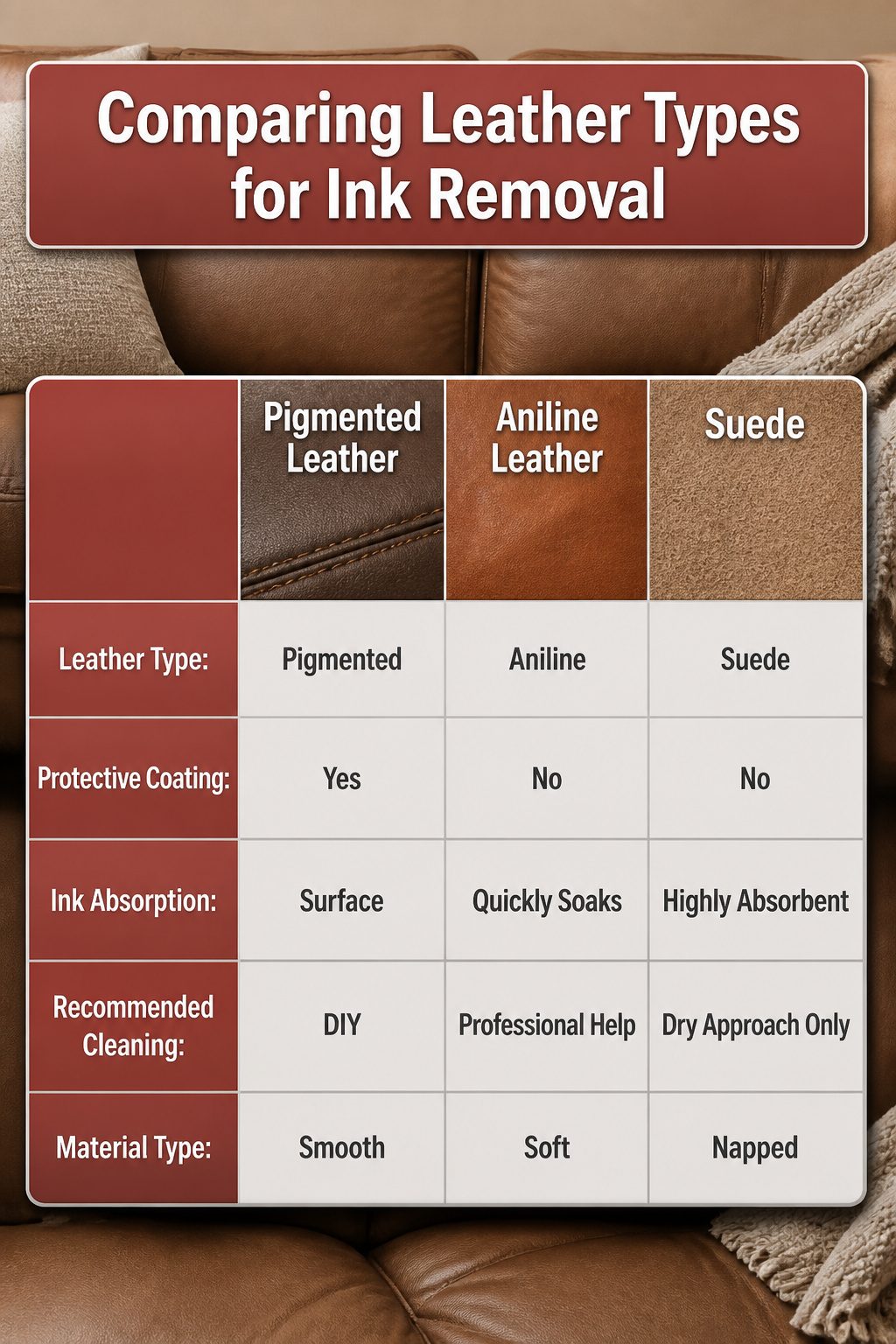
Not all leather takes ink the same way, and that difference decides what you can safely try at home. Pigmented leather, the kind on most sofas, carries a protective topcoat that keeps ink sitting near the surface instead of soaking straight through. That coating buys you time and makes the cleaning steps ahead actually workable.
Aniline leather has no such coating. Ink seeps directly in, binds fast, and home cleaners strong enough to pull it out will strip the color right along with it. You are past DIY territory here; a professional leather repair service is the only safe move.
Suede is its own animal entirely. The nap is highly absorbent, and liquid cleaners will mat or discolor it permanently. A dry approach, a suede brush or suede eraser, is all you should attempt.
If you are unsure what you own, check the care tag under the cushions or ring the manufacturer before you touch a thing. Guessing wrong costs more than the stain itself.
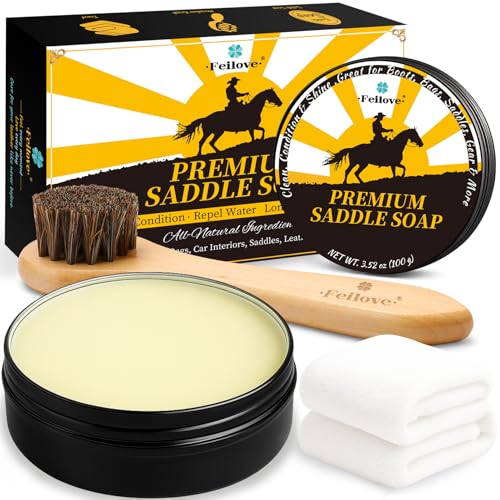
DEEP CLEAN & MAINTAIN: Restore and refresh your leather with the Feilove 3-in-1 saddle soap kit—complete with saddle soap, a horsehair brush, and a soft cloth. It deeply cleans while helping maintain leather's natural flexibility and softness. Ideal for boots, saddles, bags, and car interiors. After use, it forms a light barrier that helps repel moisture and reduce everyday wear.

Leather Cleaner and Conditioner: This complete leather boot care kit combines saddle soap for leather cleaning and mink oil for leather boots condition. It restores faded leather, reduces dry cracking and keeps your boots supple with a long-lasting protection.

POWERFUL DEEP CLEANING: Saddle soap not only has a strong cleaning ability to quickly remove dirt, dust, and stains on leather like mud stains on saddles, daily dust on handbags, or stubborn marks on leather shoes but also can penetrate deep into the interior of leather to provide deep nourishment, effectively preventing leather from drying and cracking, maintaining the softness and elasticity of leather
What to Do and What to Skip
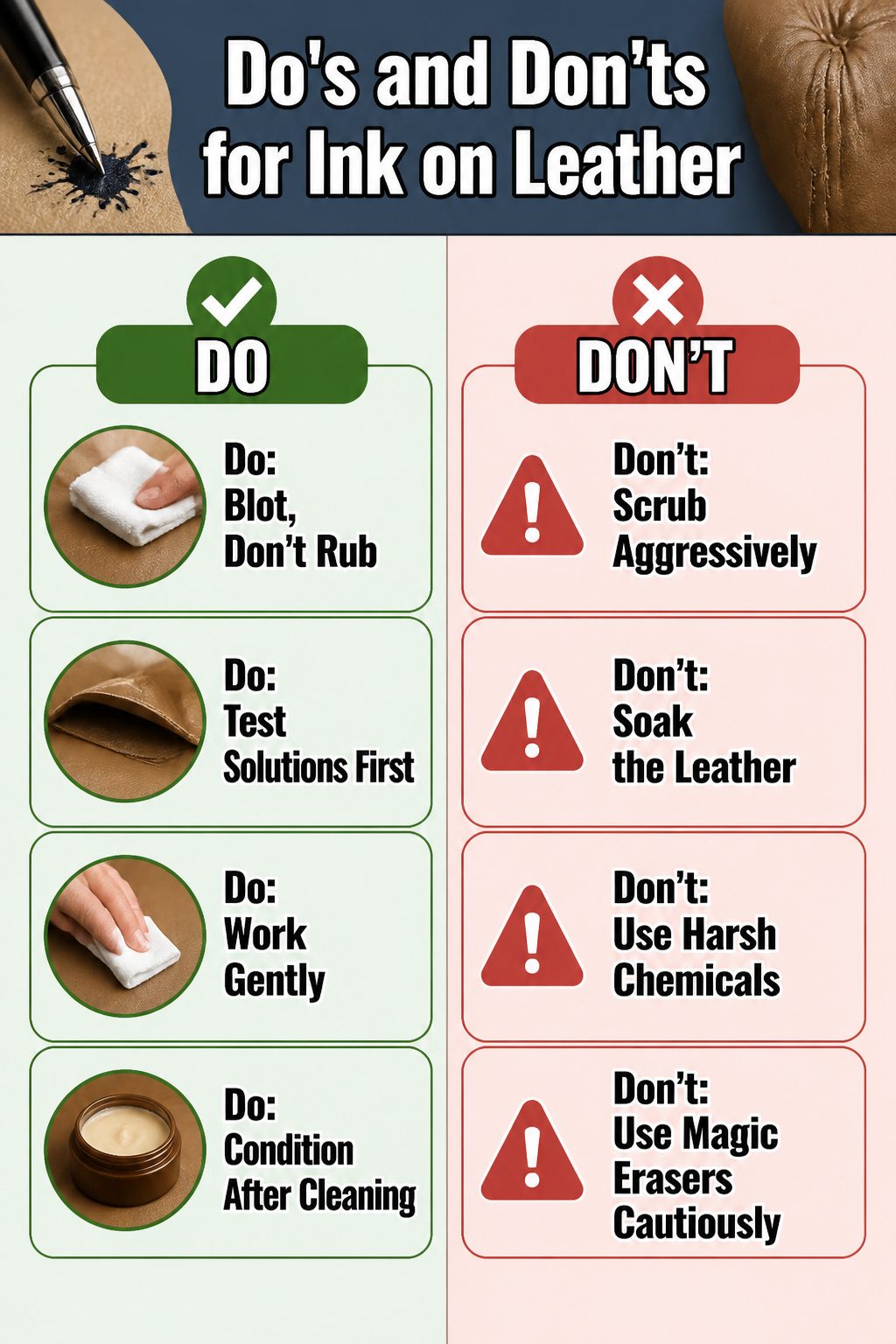
Ink on leather is unforgiving, and the wrong move sets the stain deeper rather than lifting it. Here’s what keeps a small spot from becoming a ruined cushion, and what turns a cleaning attempt into a bigger repair bill.
Do:
- Blot, don’t rub. Pressure spreads the dye into the grain; a clean, dry cloth pressed straight down pulls ink upward without pushing it sideways.
- Test every solution on a hidden patch first. The back flap or the underside of the seat cushion shows you whether your cleaner strips finish before the front of the sofa does.
- Work gently, in small sections. Leather gives you one or two passes before abrasion shows; patience costs nothing, resurfacing does.
- Condition after any cleaning. Soap, alcohol, and even water pull oils from the hide, so a leather conditioner applied once the spot is dry prevents the cracking that shows up two weeks later.
Don’t:
- Scrub aggressively. The grain cracks, the ink sinks into the cracks, and the texture never sits right again.
- Reach for bleach, ammonia-based sprays, or acetone nail polish remover. Household cleaners this strong discolor the leather or strip its protective coating outright.
- Soak the leather. A damp cloth is the max; excess water stiffens the hide and leaves water spots that read as new stains.
- Grab a Magic Eraser or non-acetone nail polish remover without knowing the risk. The melamine foam in Magic Erasers is abrasive enough to destroy leather’s protective coating, and even acetone-free removers can pull finish or cause discoloration on certain leathers. If you’re desperate enough to try either, the spot test is non-negotiable, and you stop the instant color shifts on the cloth.

MAKE GRASS & MAKEUP STAINS DISAPPEAR: The professional-strength Stain Devils #6 is specially formulated to tackle grass streaks, dirt smudges, and makeup marks more effectively than standard all-purpose sprays. This targeted stain remover helps treat stains quickly, so you can keep clothes looking fresh and ready for school, work, travel, and everyday life

SIMPLE TO USE: With a unique cleaning action this tough stain remover easily removes the most stubborn stains from all items of leather products.

CLEANS AND CONDITIONS IN ONE STEP: Leather CPR lifts dirt, body oils and grime while replenishing essential moisture. One 18oz bottle handles what other brands split into two. Built for real leather on furniture, car seats, jackets, handbags, and boots.
Condition After Cleaning
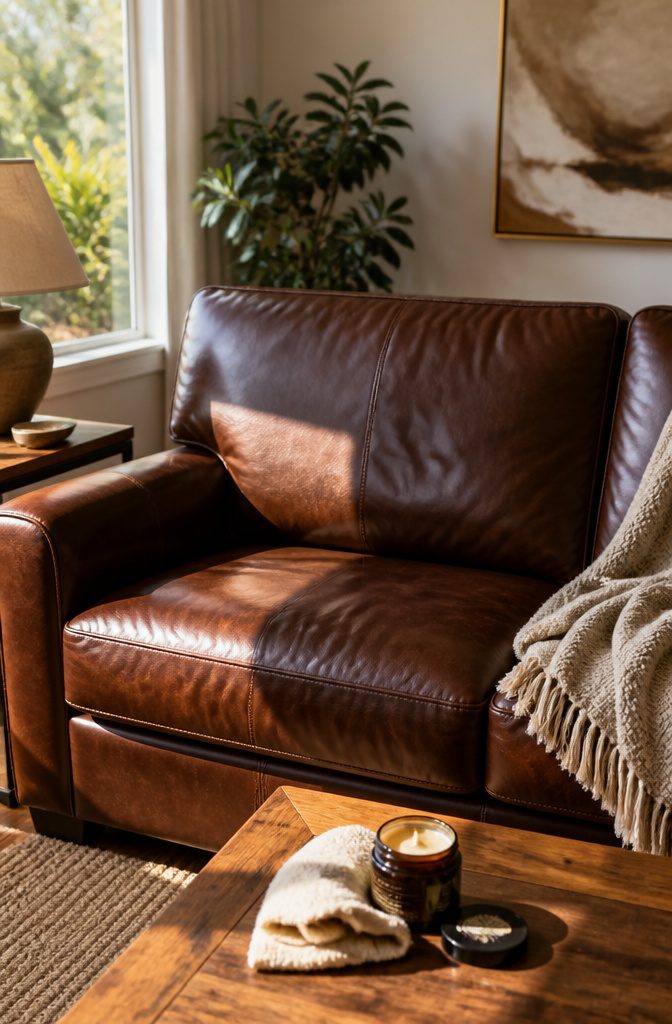
Cleaning strips more than the ink. It pulls out the oils and moisture that keep leather soft, and if you stop there the surface turns stiff and starts cracking within weeks. Most guides bury this step near the end, but I think that is where ruined sofas come from.
A quality leather conditioner puts those oils back. Work it in with a clean cloth the same way you worked in the cleaner, covering the whole spot plus an inch past where the ink was. Let it absorb for 10–15 minutes before you buff away any excess with another dry cloth. The leather should feel supple again, not slick.
I always do a second thin pass if the area still feels dry, especially after rubbing alcohol, since that is a drying agent by nature. Conditioner also leaves a light protective layer that makes the next stain easier to lift before it sets.
Commercial Products That Work
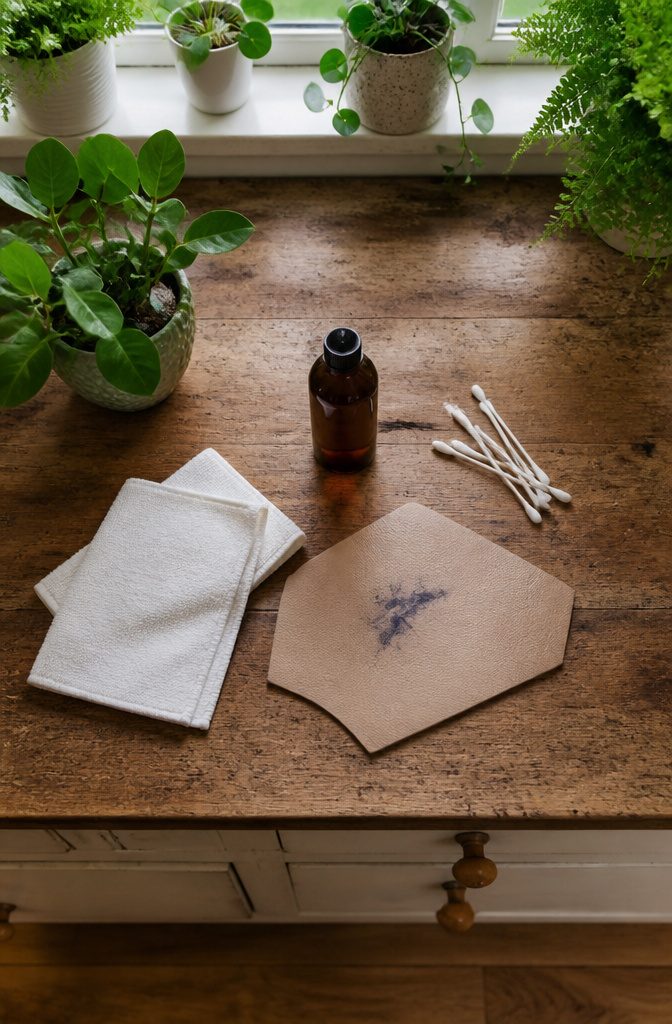
Some stains sit stubborn enough that pantry fixes feel like guesswork. Commercial leather ink removers are built for exactly that moment. Dr. Beasley’s Ink Remover Kit comes as a complete package: the solution itself plus cotton swabs, a microfiber towel, and a leather finishing cream to close the job. Leather Honey and Guardsman Leather Cleaner are two other names that turn up consistently in discussions of ink on leather. They’re formulated for the material, which means less risk of the finish dulling or cracking than with all-purpose cleaners. That matters when you’re working on a sofa you actually use, not a showroom piece.
These products cost more than rubbing alcohol from the medicine cabinet, but the kit format saves you from hunting down the right cloth or worrying about what comes after the stain lifts. I’ve noticed they tend to earn their keep on larger or older marks that have had time to settle into the grain. Always test in a hidden spot first. The label instructions are worth following to the letter, including the dwell time and how much pressure to apply. Let the leather air dry completely before you sit.
Frequently Asked Questions
How do I get ink out of full-grain leather?
Blot the ink immediately with a dry cloth, working from the outside edges toward the center. Then try a gentle cleaner such as mild soap and water or rubbing alcohol, and always follow up with a leather conditioner to restore moisture. Full-grain leather is tough but vulnerable to deep stains, so acting fast matters more than which cleaner you choose.
Can ink stains be removed from aniline leather?
Professional cleaning is usually the only safe option for aniline leather. This type has no protective coating, so ink seeps straight in and binds fast. Home cleaners strong enough to pull the ink out will strip the color right along with it, essentially forcing you to repaint the leather.
What products can I use to remove ink from leather?
Specialized options include Dr. Beasley’s Ink Remover Kit, Leather Honey, and Guardsman Leather Cleaner. These are formulated specifically for leather, which means less risk of dulling or cracking the finish than with all-purpose cleaners. For a pantry approach, 70–90% isopropyl alcohol or a 1:1 white vinegar and water solution also work on many stains.
Does vinegar remove ink from leather?
Yes, a 1:1 mixture of white vinegar and water can break down ink stains. The acetic acid lifts pigment without hitting the leather as hard as alcohol or acetone would. It typically needs more rounds than alcohol and struggles more with older stains, but it plays nicer with sensitive leathers that might dry or discolor under harsher treatment.