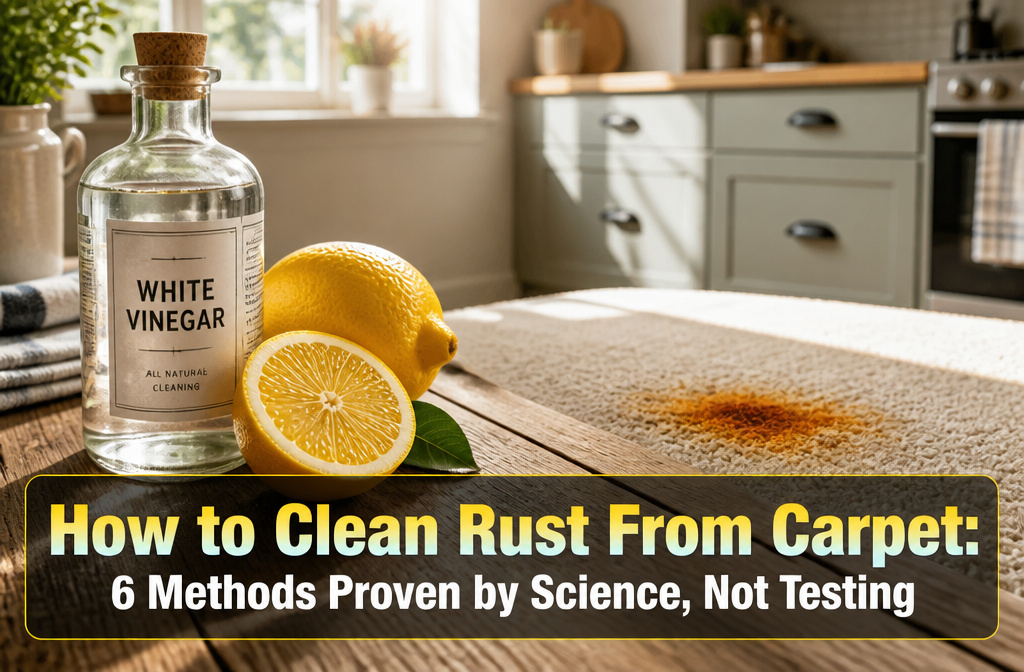

You can lift rust from carpet in one afternoon using ingredients already in your kitchen, but only if you stop after blotting dry. Rubbing drives the iron oxide deeper and turns a surface mark into a permanent shadow. The acid that actually breaks the rust down, whether lemon juice or vinegar, needs that dry surface to reach the stain instead of spreading it.
1. Blot the Stain Dry
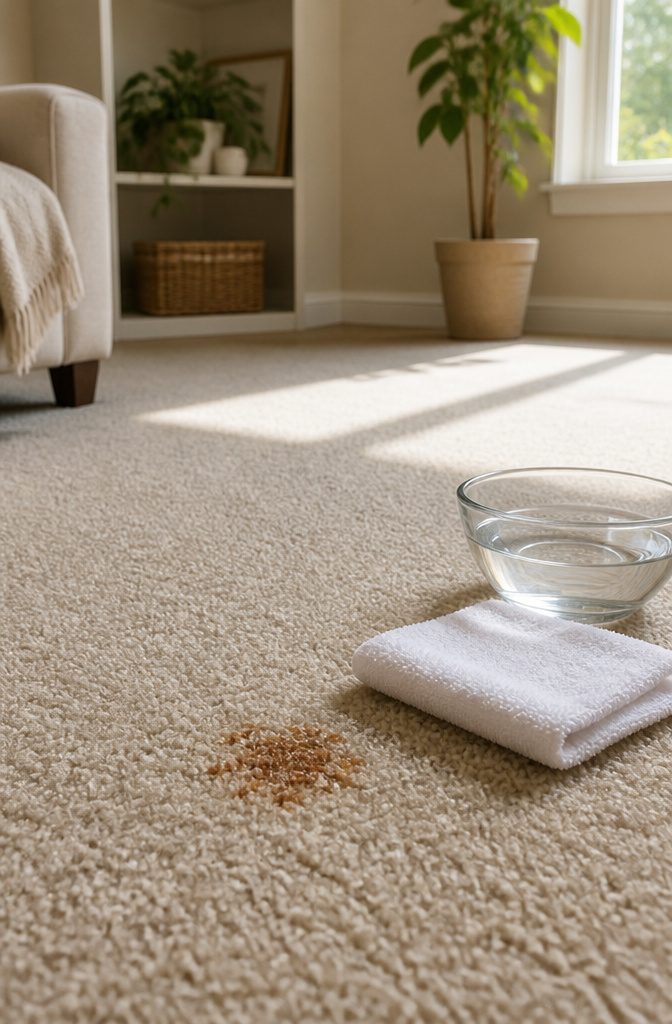
A clean, dry cloth does the work here, and the material matters more than you might think. Terry cloth or microfiber grabs loose rust particles without pressing them into the pile the way a paper towel would. Do not rub; that motion drives the rust deeper into the fibers and turns a surface stain into a permanent shadow. I learned that distinction the hard way on an old apartment carpet, thinking friction would speed things up. Blot straight down, lift straight up, and move to a fresh section of cloth each time so you are not re-depositing what you just lifted. If the stain is already dry, the same cloth technique still wins, though you may need slightly more pressure to catch the brittle flakes before they break apart. Once the loose material is gone and the cloth comes away clean rather than orange, you are ready for liquid.

TOUGH ON THE TOUGHEST RUST STAINS: Easy to use to remove iron & rust stains on white sinks, toilet bowls, colorfast fabrics and carpets

Goodbye Rust: Remove rust stains around the home with a heavy-duty rust removal product trusted for over 60 years. The unique cleaner gel clings to dissolve rust stains on contact for difficult-to-reach places.

TOUGH ON THE TOUGHEST RUST STAINS: Easy to use to remove iron & rust stains on white sinks, toilet bowls, colorfast fabrics and carpets
2. Apply an Acidic Solution
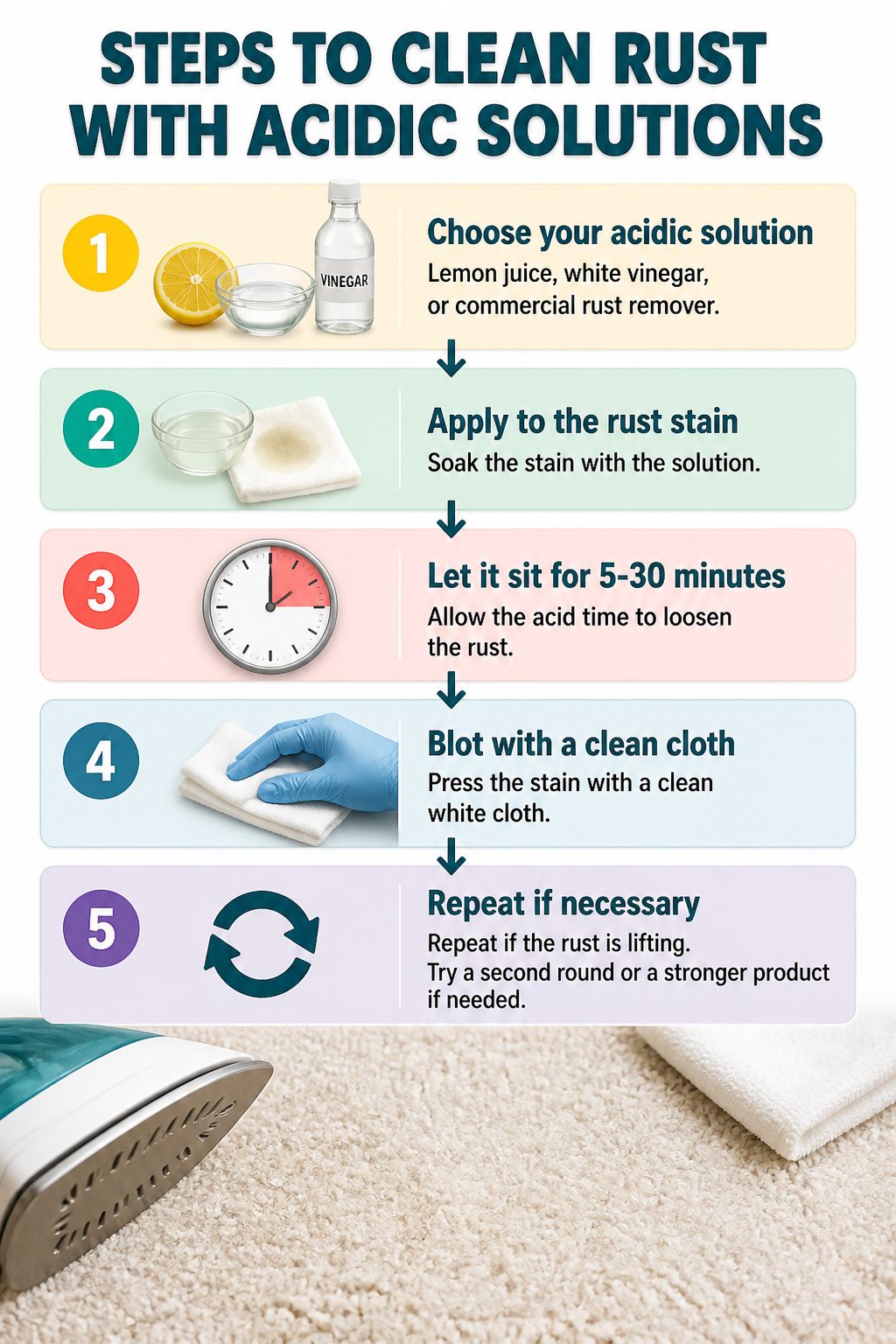
An acidic solution breaks rust down at the molecular level, which is why it sits at the core of every proven method. Lemon juice, white vinegar, and commercial rust removers all work through the same chemistry: let it sit long enough for the acid to loosen the iron oxide before you blot.
Lemon juice is the gentlest option. Fresh juice works best, and you can sprinkle a little table salt on top if you want mild abrasion. Five minutes on the stain is the minimum, though some sources suggest up to thirty for lighter rugs where you are worried about harsher products. White vinegar gets mixed half-and-half with warm water and left for several minutes, closer to that upper end. Commercial removers with oxalic acid sit in the same window, up to thirty minutes, but read their label because concentration varies.
The waiting is what actually does the work. Blotting too early just pushes rust deeper into fibers. Give the acid time, then press with a clean white cloth and check whether the orange is lifting. If it is, repeat. If it is not, the stain may need a second round or a stronger product.


🛠️ Powerful Cleaner: GuardH Oxalic Acid features 99.6% pure industrial-grade powder, effectively removing rust, stains, and tarnish from multiple surfaces.

OXALIC ACID 99.6% PURE (Dihydrate)
3. Scrub Gently With Paste
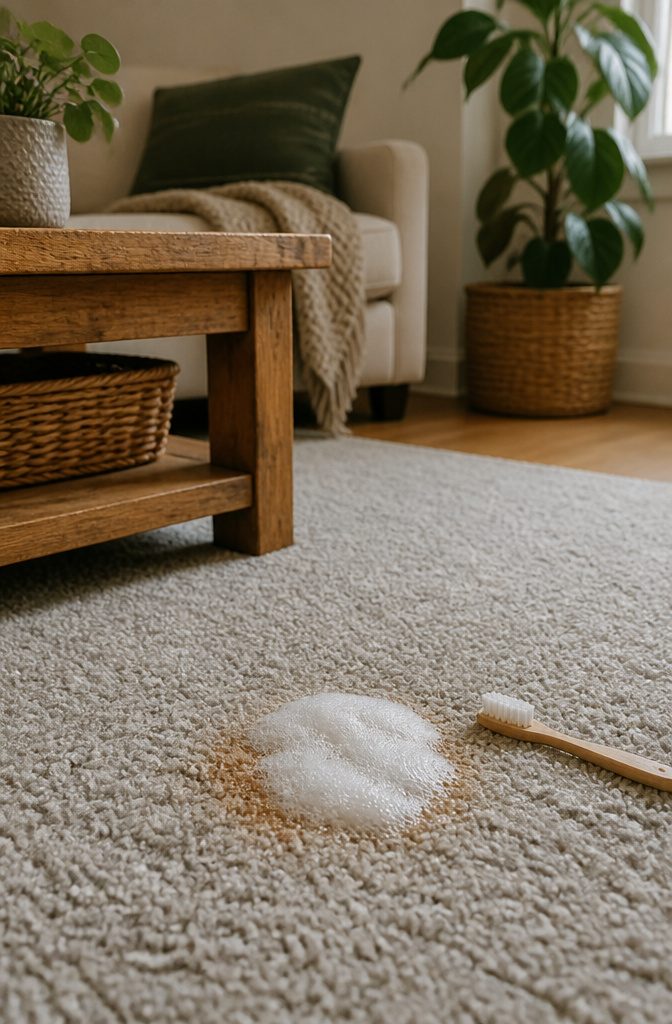
A thick baking soda and vinegar paste works best on set-in rust that liquid cleaners haven’t touched. Mix baking soda with just enough water to form a spreadable consistency, then coat the stain completely. The fizzing starts once white vinegar hits the paste, and that reaction is what breaks the rust down rather than brute force. Let it sit for 15–20 minutes before you blot, not scrub hard. The lift comes from the chemistry, not elbow grease, so pressing too hard risks fraying carpet fibers without helping the stain. I keep a soft toothbrush for this kind of spot work, using it in circles light enough that the bristles bend slightly. Rinse with cold water afterward and blot dry. If the rust is still visible, the same patch gets another round, but this method is slow by design, particularly on wool or silk rugs where harsher scrubbing would leave damage bigger than the stain. Lemon juice can step in as the acid instead of vinegar for a second attempt, though the basic paste approach stays the same. What doesn’t work is skipping the paste and pouring liquid vinegar straight onto the carpet; the fizz needs that thick bed of baking soda to sit against the rust long enough to matter.

Aunt Fannie's Extra Strength All Purpose Cleaning Vinegar: Contains distilled white vinegar specifically formulated for cleaning with 6% acidity; No added scents, dyes, or...
4. Rinse the Area Clean
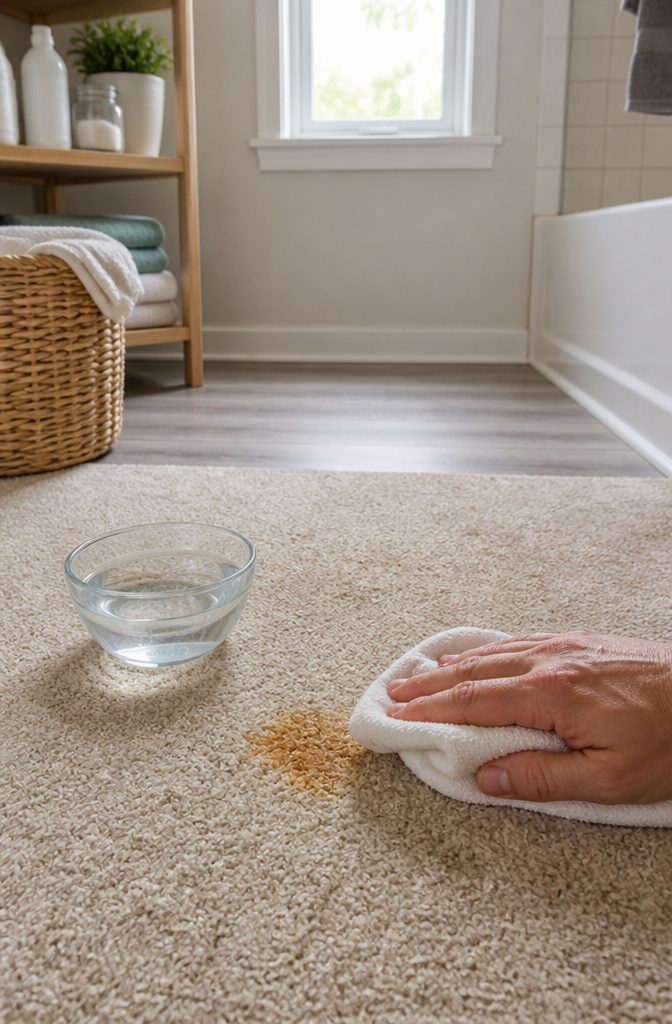
Any leftover acid from your rust treatment will keep working, and not in the way you want. I rinse the spot with a damp cloth, pressing and lifting rather than scrubbing, until the cloth comes back clean. Leftover residue attracts dirt and can damage carpet fibers over time.
A dry cloth or stack of paper towels absorbs what’s left; I walk on the towels with clean shoes if the carpet is thick and holds water. Air-drying finishes the job, with a floor fan speeding it up if humidity is high or the room gets little airflow. Mold and mildew grow in fibers that stay wet too long, so the carpet needs to feel dry to the touch before furniture goes back or anyone walks on it barefoot.

For Baking, Cleaning, and Deodorizing

Premium Food-Grade Quality – Safe for baking bread, cookies, cakes, and other baked goods.

GranAroma Baking Soda in a convenient shaker jar
5. Dry the Carpet Completely
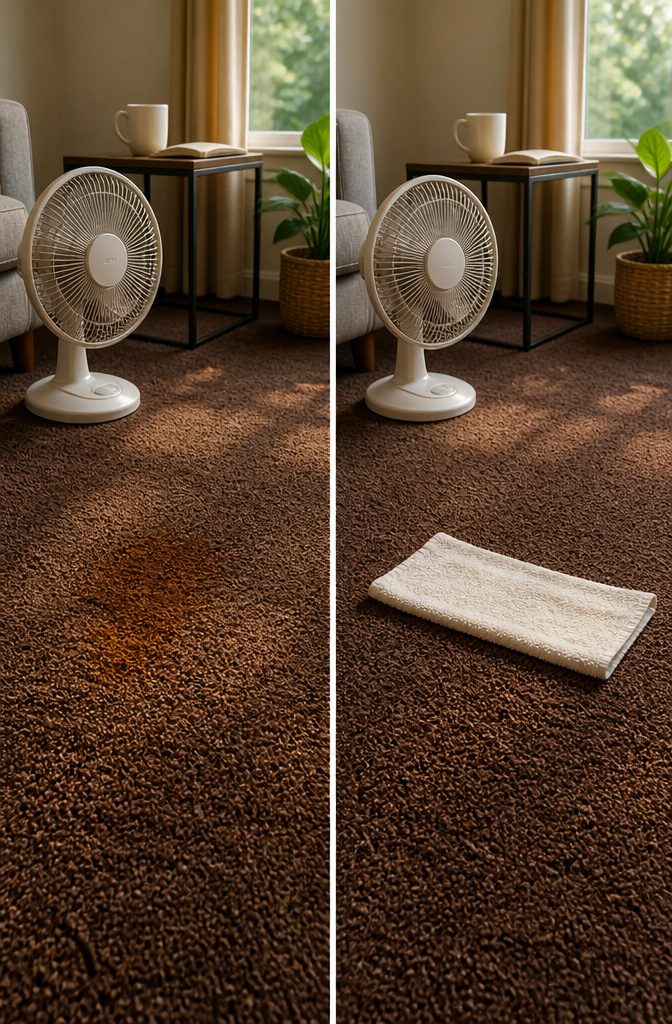
Blotting the carpet with a clean, dry cloth pulls the last of the moisture up from the surface, but the real risk sits deeper. Padding that stays damp can grow mold in as little as 24 to 48 hours, or it can rust metal furniture legs all over again if you set that table back too soon. Air drying works fine for most carpets; a fan speeds things up if you are in a hurry. Wool and silk need gentler treatment, so skip the fan and keep the heat low. I have learned to press a dry hand towel flat against the back of the spot after the top feels dry, just to catch what the surface hides.

HIGHLY ABSORBENT DUSTING: Need to make the dust disappear? Grab these highly absorbent dusting cloths and the dust will be gone in no time! (3 Pack)


Microfiber Towels Set: the package contains 20 pieces microfiber cleaning cloths for house of in 3 different colors, including red, green and blue, and the sufficient quantity can satisfy your needs for daily use, replacement and sharing
6. Repeat or Call a Professional
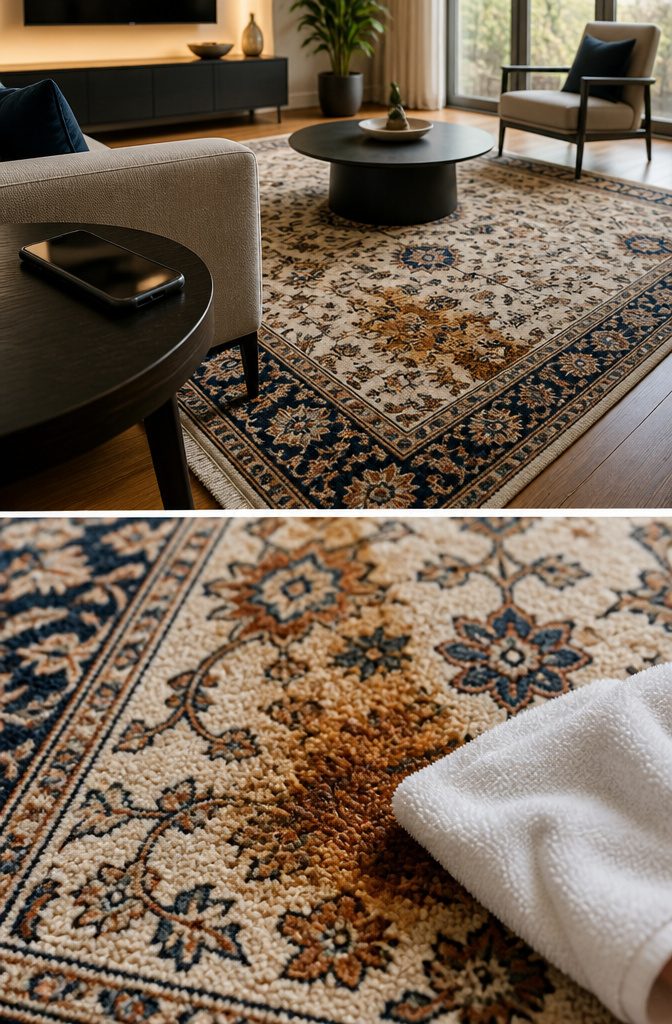
Sometimes one pass is not enough. Old rust has had months or years to bond with carpet fibers, and the chemistry that lifts fresh stains may only fade set-in ones. Run your chosen method a second time before you give up, but let the carpet dry completely between attempts.
Know when to call it. If the stain has survived two rounds, or if the rug is wool, silk, hand-knotted, or anything you would not casually replace, professional cleaning is the smarter move. They bring specialized reducers and neutralizers that do not sit on retail shelves, and they understand how to flush residue out without leaving the carpet stiff or attracting soil later. For a $50 hallway runner, a third DIY try costs you an afternoon. For a rug that cost real money, a pro’s bill is insurance against a bigger loss.

The End of All Stains - Save your rug, carpet, clothes, mattress, upholstery from permanent stain damage - Incredible! Stain Remover is here to save the day, Our powerful formula eliminates various stains and odors - from coffee, red wine, oil, dog and cat urine, grease and more.

ADVANCED FORMULA: Specially designed to dissolve corrosion stains caused by sprinklers, metal hardware, nuts, bolts, and other marine fittings, providing superior, easy cleaning

REMOVES RUST STAINS IN SECONDS: Fast-acting formula is designed to dissolve tough rust stains quickly on a variety of surfaces
7. Lemon Juice and Salt
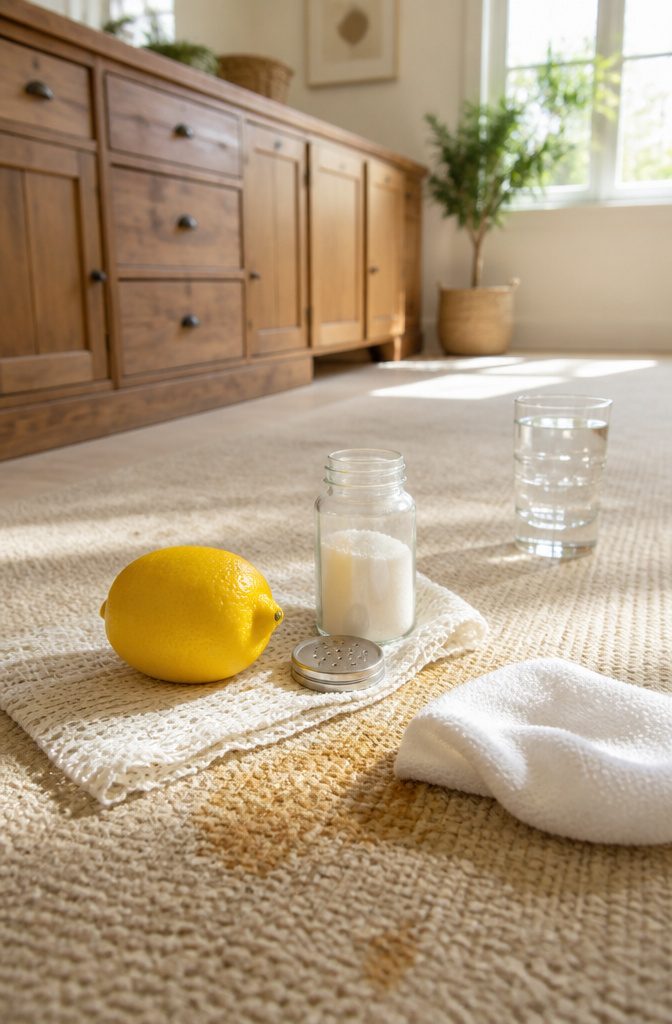
Fresh lemon juice carries citric acid that dissolves the iron oxide bonds in rust. I squeeze it straight onto the stain, working from the edges inward so the mark doesn’t spread. Five to ten minutes is the window that matters; much longer and you risk lightening the carpet dye along with the rust. A pinch of table salt sprinkled on top adds gentle abrasion without the scratch of a stiff brush. Some people prefer mixing the two into a paste first, dabbing it on with a white cloth and pressing firmly so the juice saturates down to the base of the fibers. Either approach works, though the direct-pour method saves a bowl. White rugs handle this best, since the lemon’s natural bleaching action brightens rather than alarms. Rinse with cold water afterward, blot with a dry cloth, and the rust should lift in one or two passes. If the sun is strong that day, letting the damp spot sit in direct light speeds things up, but only on pale fibers where fading isn’t a worry.

OXALIC ACID 99.6% PURE (Dihydrate)

OXALIC ACID 99.6% PURE (Dihydrate)

OXALIC ACID 99.6% PURE (Dihydrate)
8. Baking Soda and Vinegar Paste
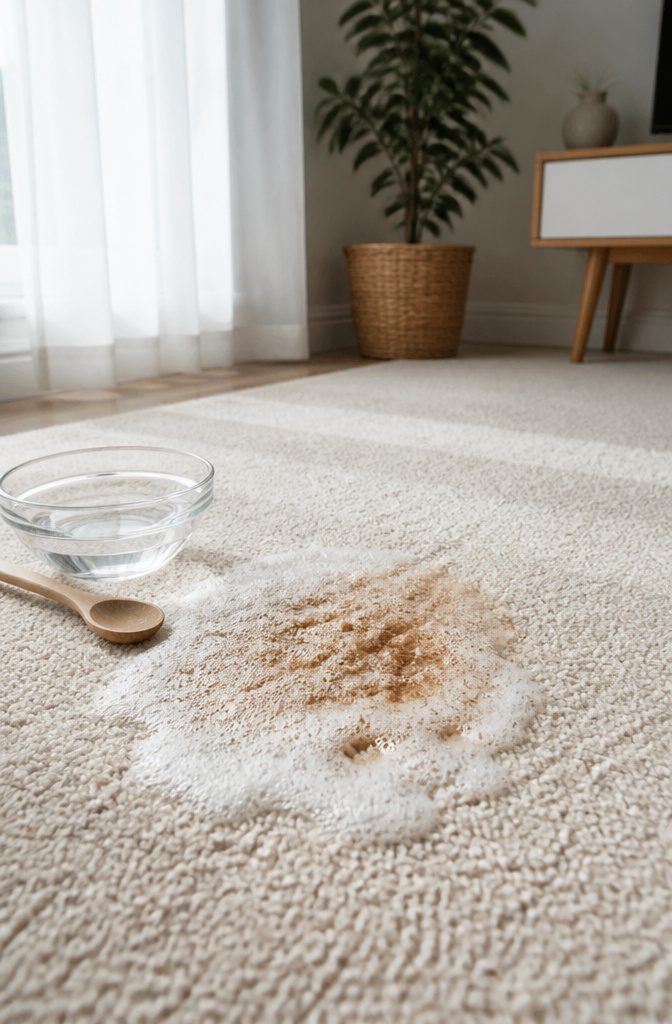
Baking soda and vinegar bring more chemistry than muscle to rust stains. The paste works because the fizzing reaction actually breaks down the iron oxide, lifting it from the fibers rather than grinding it deeper. I start with a thick paste of baking soda and just enough water to hold it together, then add a small pour of white vinegar on top after it is on the stain. That fizz is the reaction doing its job, not just for show.
Let it sit for 15 to 20 minutes. The timing matters; too short and the reaction has not finished, too long and you are just letting damp baking soda dry into the carpet. Blot with a clean cloth, rinse with cold water, and blot again. The method is safe for wool and cotton, though I would still test a hidden corner first. Discoloration is rare, but a back corner of the closet is cheaper than a front-and-center mistake.
9. White Vinegar Solution
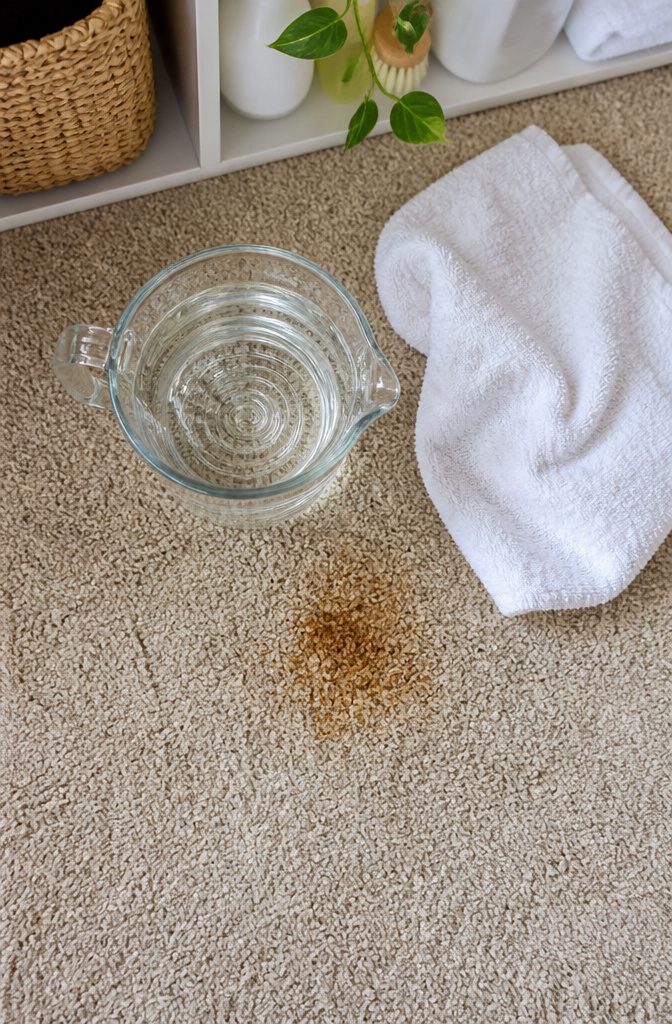
Straight vinegar can chew through some carpet fibers faster than it lifts the rust, which is why the 1/2 cup white vinegar to 1 cup warm water ratio matters. I have read enough carpet-care guides to notice that every single source making this claim also starts with the same warning: test it somewhere the couch already hides. Blot the stain first with a dry towel to pull up whatever is loose, then switch to the diluted mixture and a clean terry cloth. The warm water keeps the acid gentle on delicate fibers while still breaking down the iron oxide that rust is made of. Let it sit for several minutes, blot again with a dry cloth, and repeat if the orange shadow is still there. What I would skip here is going straight to oxalic acid unless the vinegar mix still leaves a mark after two or three tries; the harsher acid works, but it is not where I’d start on a rental carpet I might have to answer for later.
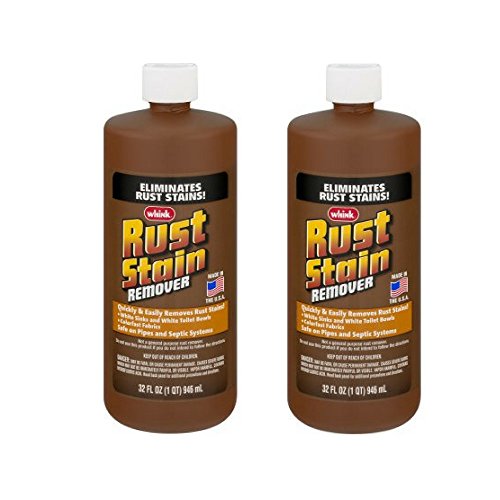
Whink Rust Stain Remover 32 Ounce - 2 Pack

The information below is per-pack only

Baking: Baking soda also known as bicarbonate of soda is a leavening agent, which means that it reacts with an acid to produce carbon dioxide gas. This gas causes baked goods to rise and become light and fluffy. Baking soda is commonly used in recipes for breads, cakes, muffins, and cookies.
10. Commercial Rust Removers
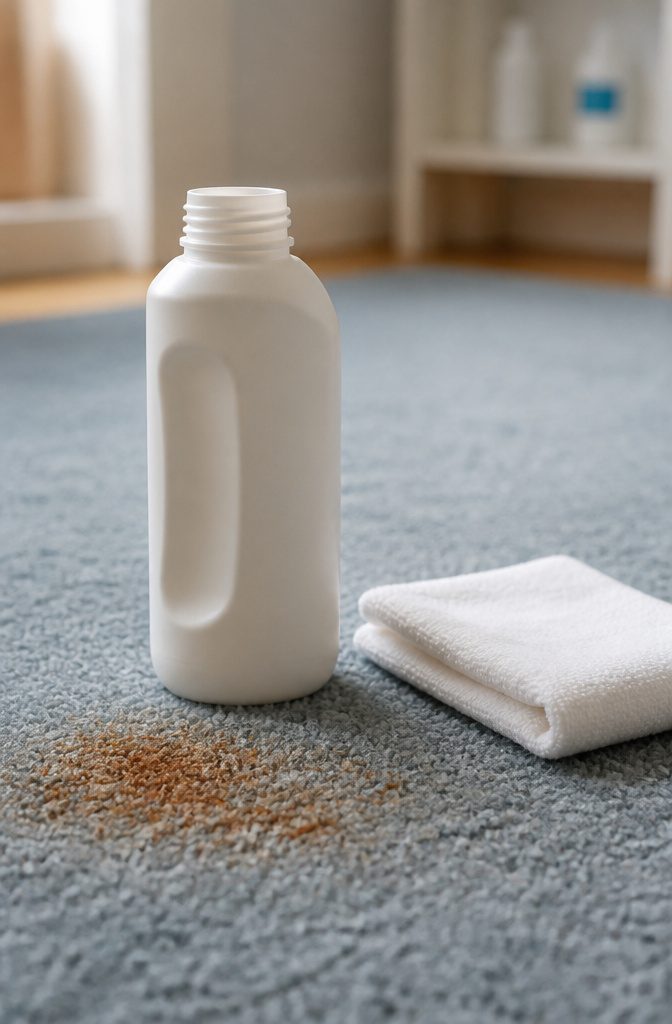
Whink and Magica are the two names you’ll see over and over when you look into commercial rust removers made for this exact job. They’re stronger than anything you mix up in your kitchen, which is the point: rust that has had weeks to set in, the kind you find under a file cabinet or metal chair feet after a wet season, usually needs that extra pull.
I keep a bottle of Magica on hand because I’ve learned that stains left unnoticed under furniture are the ones that laugh at vinegar. The product was literally built for rust, not adapted from an all-purpose cleaner. That specificity matters.
Test it on a hidden corner first, especially if your carpet is anything other than off-white synthetic. Colored carpets can fade under these formulas, and no rust stain is worth a bleached patch the size of a coffee mug. Read the label for fiber compatibility too; some products are not suitable for natural fibers like wool or silk, and the ones that work on cotton may still punish a hand-knotted piece.
Apply sparingly and blot rather than rub. Rinse thoroughly afterward and keep the area ventilated while it dries.


Professional-Strength Formula: Penetrates carpet fibers and upholstery to remove pet stains, food and beverage spills, grease, oil, and tracked-in dirt.

Soft and Quality: made of microfiber material, these glass cleaning cloths can wipe more dirt and dust with a nice decontamination performance, can absorb more moisture and dry fast, have a comfortable touch and will not hurt things' surface when cleaning
11. Dish Soap and Water
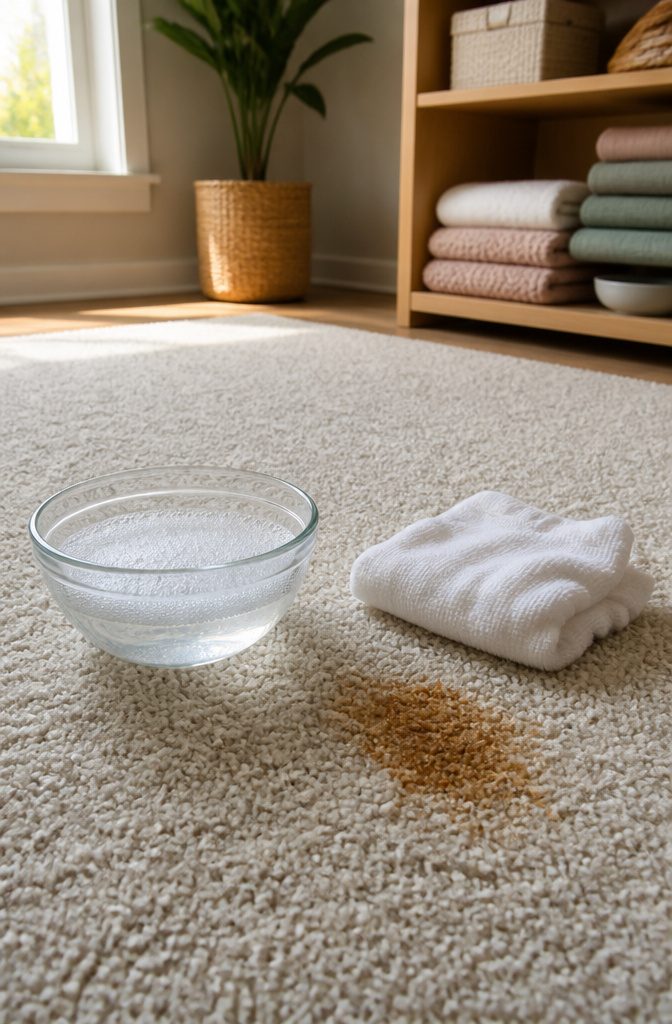
Rust stains that just landed on your carpet respond better to gentle treatment than to strong chemistry. A wash of dish soap and warm water is where I start when the spot still looks fresh and hasn’t settled into a shadow.
Scrape any loose rust off the surface with a butter knife, working with the nap so you don’t fray the fibers, then vacuum the flakes away. Wet a white cloth, add a small amount of dish soap, and dab the stain until the area gets sudsy. Let it sit for ten minutes. Some technicians suggest five, but I’ve seen the longer wait win out on lighter marks.
Press a dry white cloth or paper towel straight down onto the damp spot to draw the rust up. Move to a clean part of the cloth each time, repeating until the towel comes away clean. Finish with a damp cloth to lift any soap residue, then let the carpet air dry. If the outline stays, you have not ruined the rug; you’ve just learned this stain needs the next step up.
What Rust Is and Why It Sticks
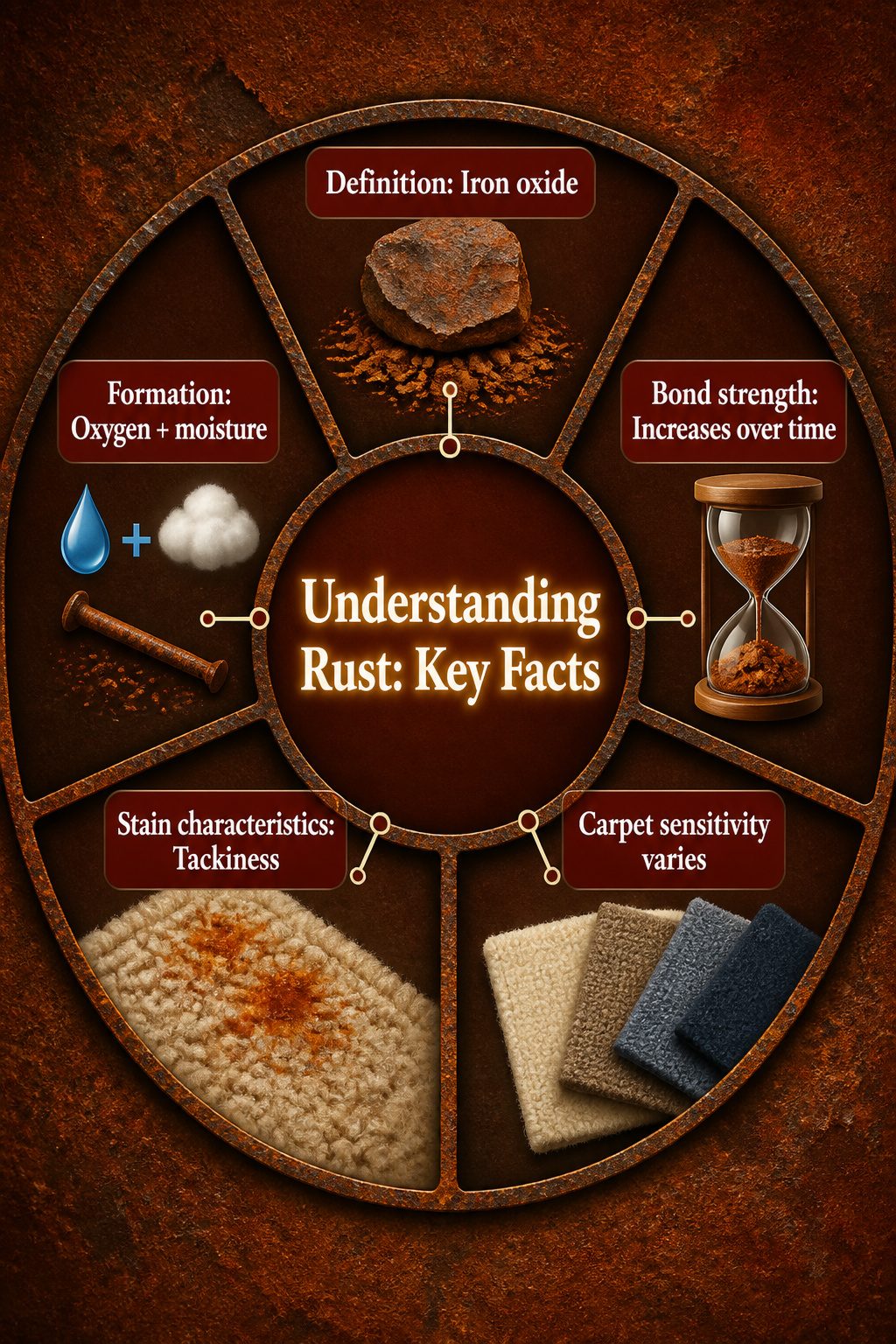
Rust is iron oxide, plain and simple: iron or steel meets moisture and oxygen, and the reddish-brown flecks that flake off bond tight to carpet fibers. That bond gets stronger with time, which is why fresh rust lifts easier than rust that’s had hours to set.
The stain you see isn’t just color. Rust particles carry a slight tackiness that lets them grip fiber and leave behind residue, even after the orange fades. Acid breaks that bond, but not all carpets handle acid the same way. Wool and silk need a gentler touch than synthetics, which can take stronger solutions without losing dye or texture. A hidden corner test isn’t extra credit; it’s the step that keeps a stain removal from becoming a bleach spot.
Address a fresh mark by blotting, not rubbing, to lift loose particles before they embed deeper. A set-in stain demands more patience and often a second round, because the iron oxide has worked its way down the fiber shaft rather than sitting on top.
Sources of rust vary. Furniture legs, appliance feet, leaky pipes, or that toolbox you set down after rain all leave the same mark, but the fix starts with the same read of your carpet type and the stain’s age.
Act Fast
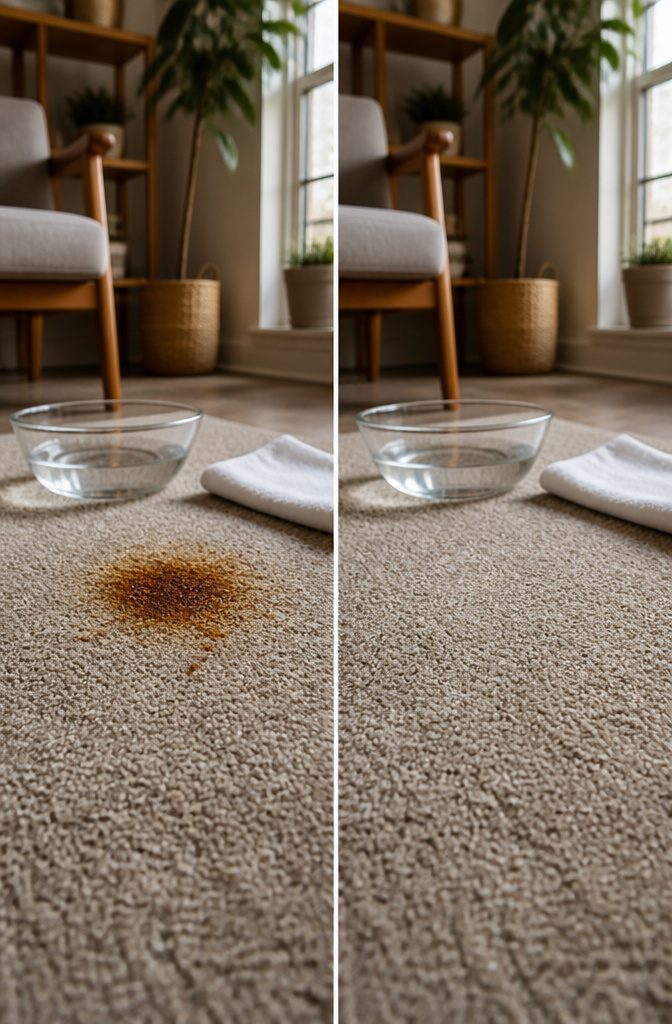
Rust sits on the surface for a moment before it starts eating downward, which is the only window you’ve got. Blot, don’t rub, with a dry cloth the second you see that orange mark. Rubbing drives rust into the fibers and spreads the stain wider, and once it is embedded, you are looking at acids and repeat treatments instead of a quick lift. A clean, white terry cloth works best because you can actually see how much rust is transferring, and that tells you whether you got it all or the spot needs another pass. If the stain is still damp from whatever caused it, a wet cloth after the dry blot loosens the residue that hasn’t set yet.
Prevent Future Rust Stains
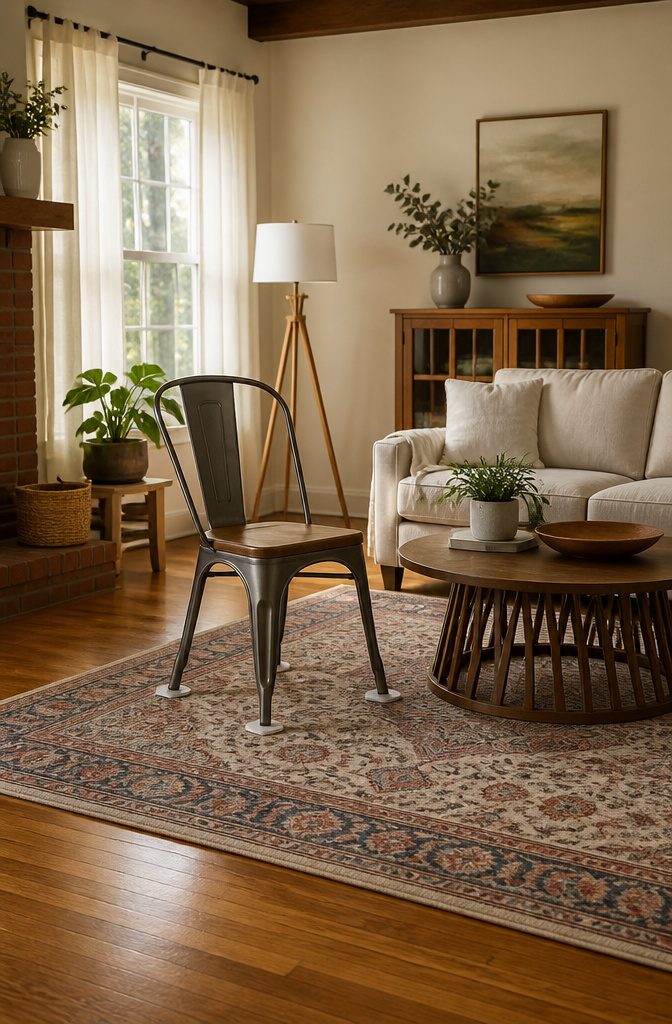
Once a rust stain is gone, keeping it gone is cheaper than another Saturday with a brush and a bowl of vinegar. I’ve landed on three habits that actually hold up:
- Stick protective pads under any metal furniture leg touching carpet. Plastic caps or furniture coasters create a barrier so oxidation never reaches the fibers in the first place.
- Clean every spill the moment you spot it, even when it doesn’t look like rust yet. Water from a planter or a damp basement tool can carry iron particles you won’t notice until they’ve set.
- Keep humidity low in basements and damp rooms. Vacuum rugs in these spaces regularly to pull out airborne iron before it finds moisture and a place to stain.
These three cover the usual culprits. The pads cost a few dollars, the rest costs attention.
Natural vs. Commercial
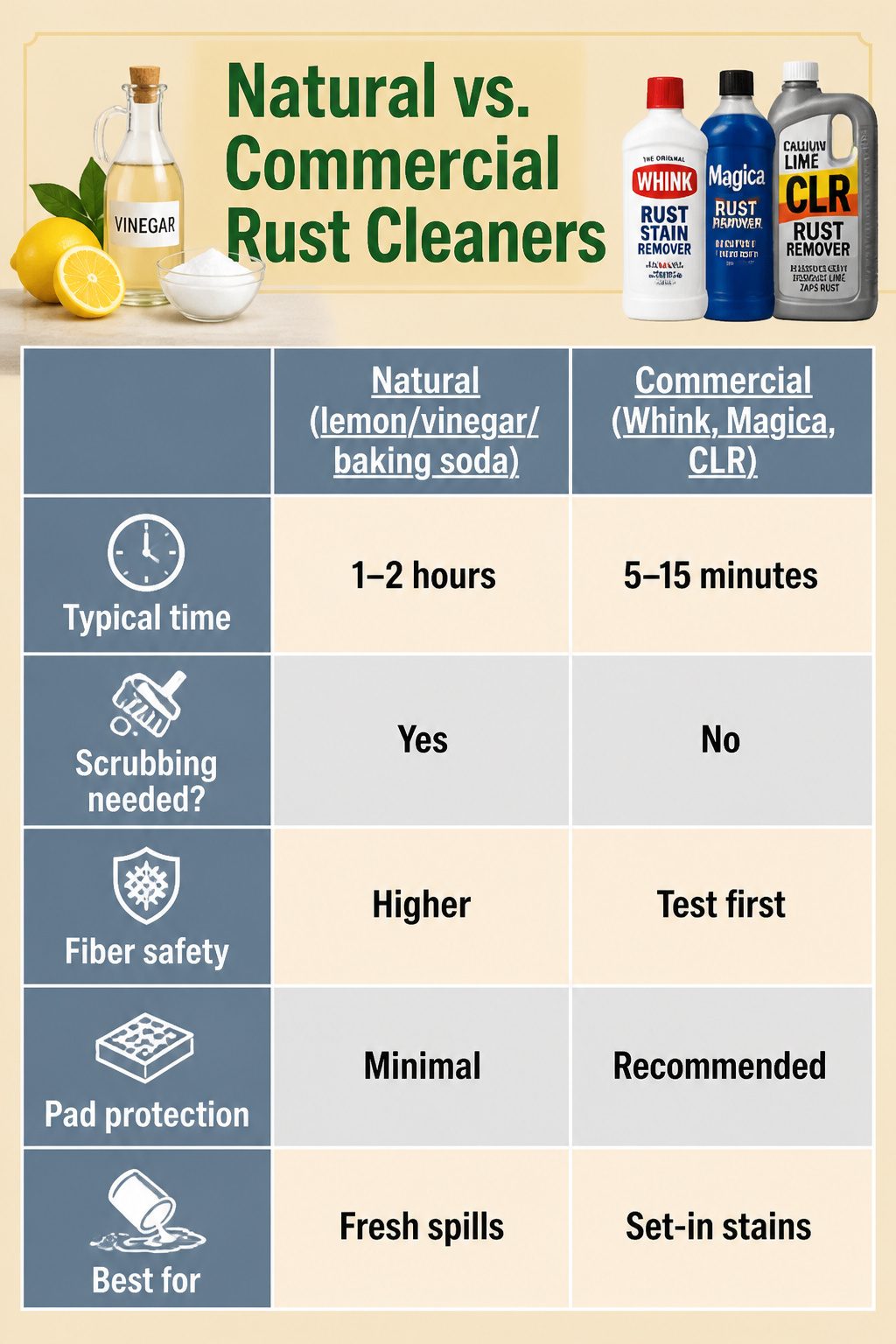
Natural cleaners sit in most kitchen cabinets already, which makes them tempting for a sudden rust spot. Lemon, white vinegar, and baking soda all break down rust through mild acid reactions, though the chemistry moves slowly and often needs an hour of dwell time plus a repeat. I have watched a lemon-and-salt paste lift a three-day-old stain on a sunroom sisal, but it took two rounds and the carpet stayed damp most of the afternoon.
Commercial removers flip that trade. Products like Whink and Magica use stronger acids that convert iron oxide in minutes rather than hours, and the rust store’s own demos show set-in furniture stains disappearing with a light spray and no scrubbing. The speed comes with strings. CLR and LimeAway carry phosphoric acid that can bleach carpet dyes, so a hidden spot test is not optional. Gloves matter too, and you will want a plastic bag under the carpet to shield the pad from anything that seeps through.
| Natural (lemon/vinegar/baking soda) | Commercial (Whink, Magica, CLR) | |
|---|---|---|
| Typical time | 1–2 hours, often repeated | 5–15 minutes |
| Scrubbing needed? | Usually yes | Usually no |
| Fiber safety | Higher; rare dye damage | Test first; some dyes bleach |
| Pad protection | Minimal risk | Bag underneath recommended |
| Best for | Fresh spills, light surface rust | Set-in stains, furniture transfers |
For a weekend project with a few hundred dollars in the balance, I would start with what is in the kitchen drawer. If the stain has sat under a file cabinet leg long enough to darken, the commercial bottle saves an afternoon, just do not skip the patch test behind a door or under the sofa.
Vitamin C and Oxalic Acid
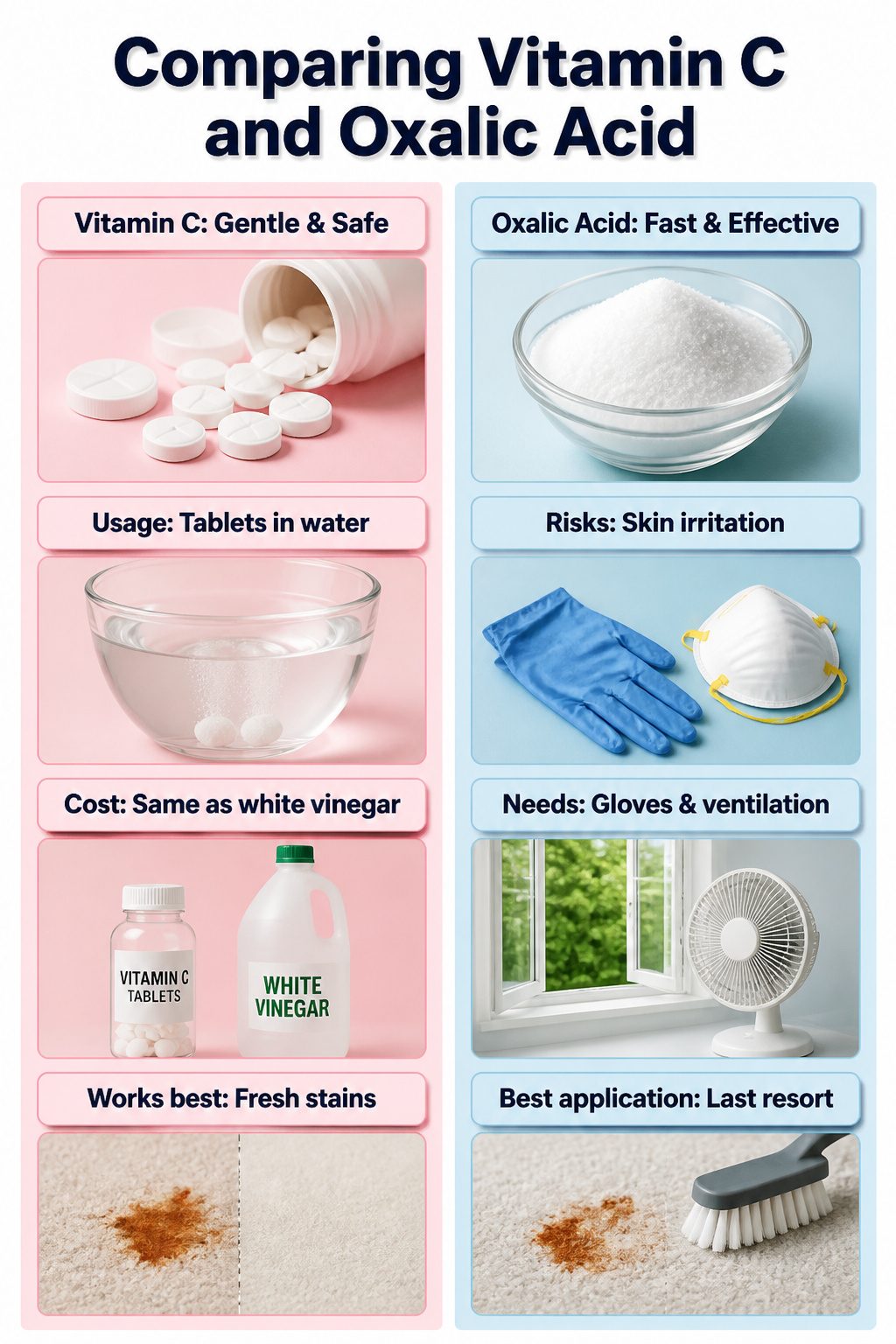
Dissolved vitamin C tablets break down rust through the same chemistry as lemon juice, just in a form most people already keep in the bathroom cabinet. Two or three tablets in warm water create an acidic bath that works best on fresh stains before oxidization sets deep into fibers. The downside is the cost: a bottle of generic tablets runs about the same as a jug of white vinegar, and you will use most of it on one spot.
Oxalic acid sits at the stronger end of what is sold for home rust removal. It lifts stains that weaker acids leave behind, but the trade is real. The powder irritates skin and lungs, so gloves and ventilation are non-negotiable, and it can bleach darker carpets if you let it sit past a minute. I would reserve this for the last attempt before calling a service, not the first thing I reach for.
What convinced me, reading through how these two compare, is that vitamin C gets left out of most lists because it is expensive, not because it fails. Oxalic acid gets included because it works fast, with the safety warnings buried in fine print. For a weekend project on a rental deposit, the milder option usually costs less than your security deposit.
Frequently Asked Questions
What is the easiest way to remove rust from carpet?
Act fast with a dry cloth, then apply an acidic solution like lemon juice or white vinegar and let it sit before blotting. The acid breaks down iron oxide at the molecular level, so the waiting does the real work, not elbow grease. Fresh rust lifts in one pass; set-in stains need a second round or a commercial product.
Can I use lemon juice for white rugs?
Yes, lemon juice works especially well on white rugs because its natural bleaching action brightens rather than harms pale fibers. Apply fresh juice from the edges inward, let it sit five to ten minutes, and rinse with cold water afterward. Direct sunlight speeds drying on light-colored carpets where fading is not a concern.
How do I remove rust marks from carpet without damaging delicate fibers?
Use gentle acids like lemon juice or a baking soda paste, and always test a hidden corner first. Avoid rubbing; blot straight down and lift straight up to keep from driving rust deeper or fraying wool and silk. The baking soda and vinegar paste sits for 15–20 minutes so the chemistry works without scrubbing pressure.
When should I call a professional cleaner for rust stains?
Call a pro if the stain survives two full treatment rounds, or if the rug is wool, silk, hand-knotted, or too valuable to replace. Professionals use specialized reducers and neutralizers not sold retail, and they know how to flush residue without stiffening fibers or attracting future soil. For a cheap runner, a third DIY try costs an afternoon; for a rug that cost real money, the service fee is insurance.