
Getting dressed feels easier when your closet holds only the clothes you actually wear.
The difference between a closet that works and one that does not comes down to whether you can see everything you own and whether most of it fits your real routine, not the version of your life you imagined when you bought it.
1. Favorite Go-To Clothes
Pull out the clothes you reach for most often and pay attention to why you pick them.
If something sits unworn while you cycle through the same few shirts, that tells you what works for your day and what does not.
I keep pieces I wear until they need a wash, and I let go of things I pass over every single time I get dressed.
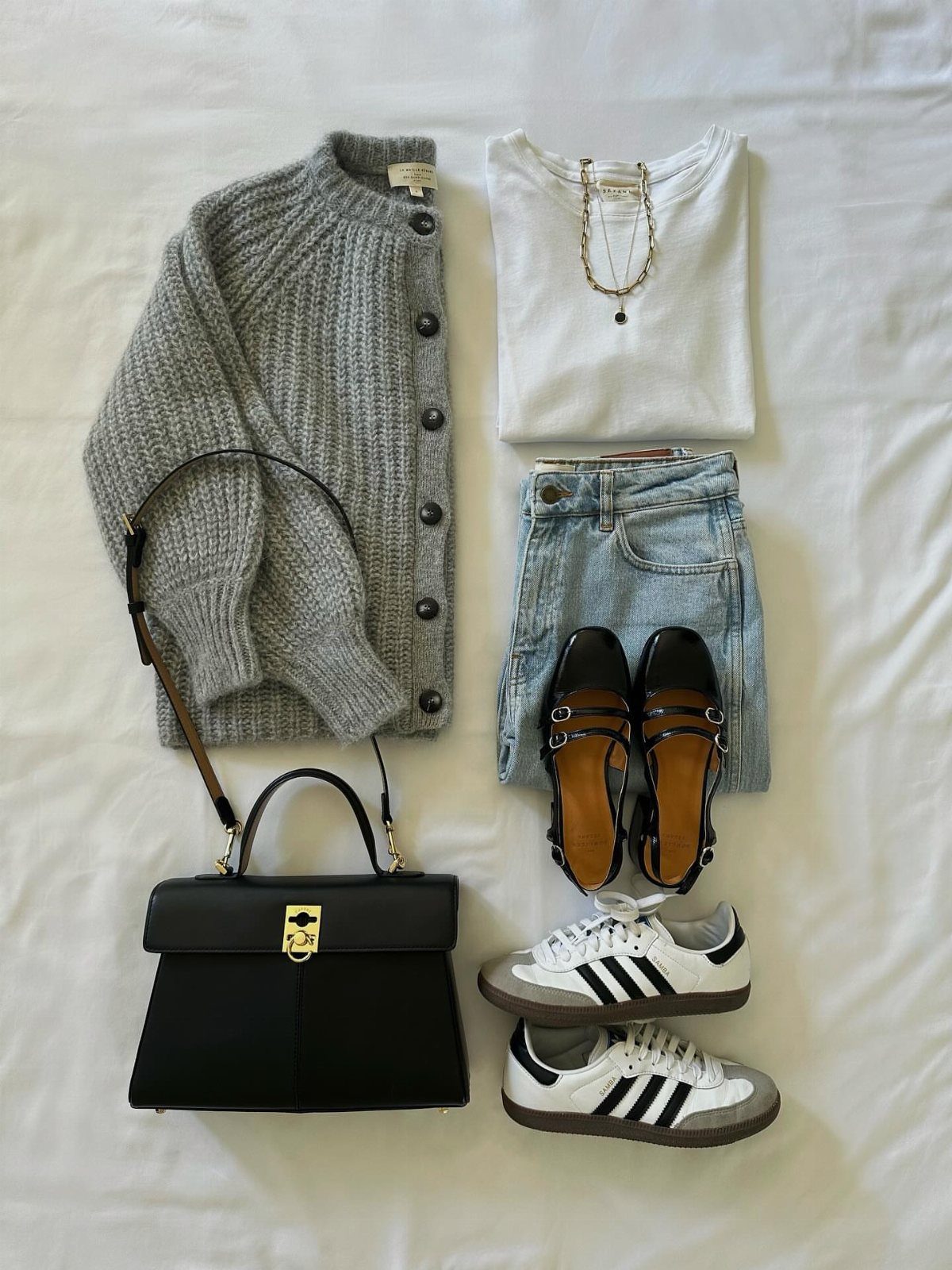
The cardigan, jeans and white tee above are the kind of reliable pieces that get worn constantly because they fit well, feel comfortable and go with everything.
When most of your closet looks like that, getting dressed takes less time and you stop holding onto clothes you never put on.
2. Stained and Torn Clothes
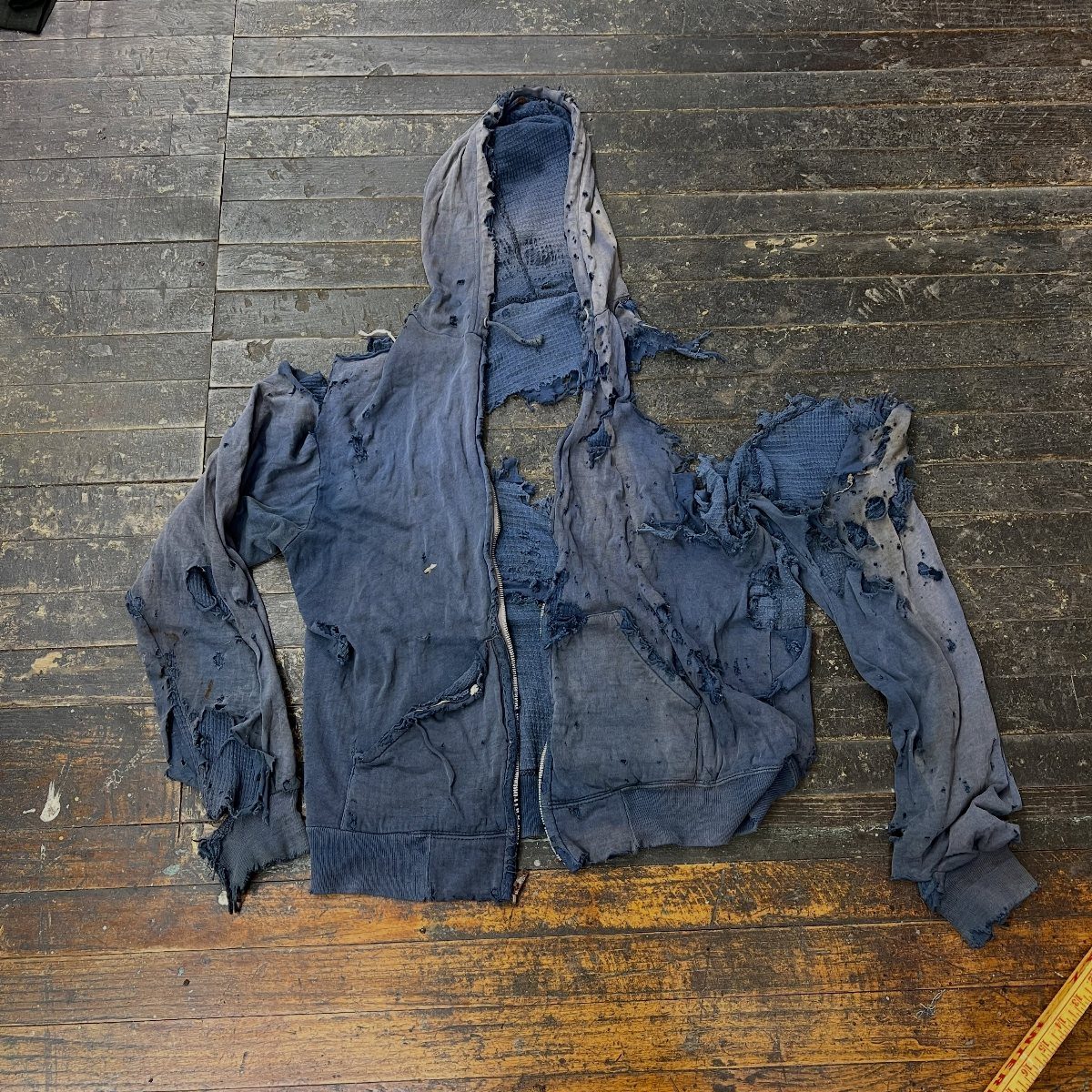
Anything with permanent stains, holes, stretched-out fabric or broken zippers goes straight out.
I know it feels wasteful, but a hoodie with tears this size is not something you will repair, and keeping it only takes up space you need for clothes you actually wear.
If the damage is small and fixable, fix it now or let it go.
Torn items can be cut into cleaning rags if the fabric is still usable. Otherwise, toss them and move on.
3. Folded T-Shirts in Drawers
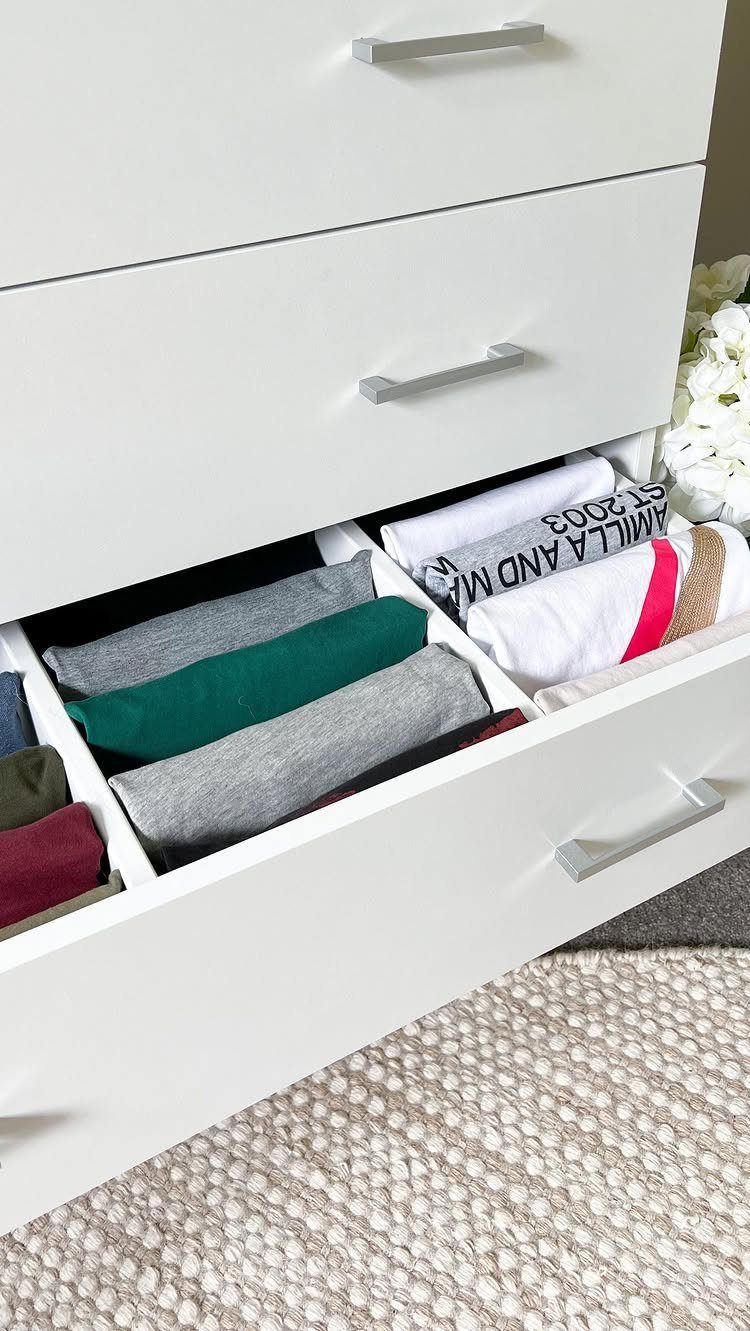
Fold your t-shirts and file them upright in a drawer so you can see every one without lifting a stack.
When shirts sit in piles, you only wear what is on top, and the rest stay buried until you dump the whole drawer out.
Filing them on their edge means you can pull one without disturbing the others, and you will actually remember what you own.
I fold mine in thirds lengthwise, then in half, and stand them side by side. It takes the same amount of space as stacking but makes everything visible at once.
4. Seasonal Clothes in Storage Bins
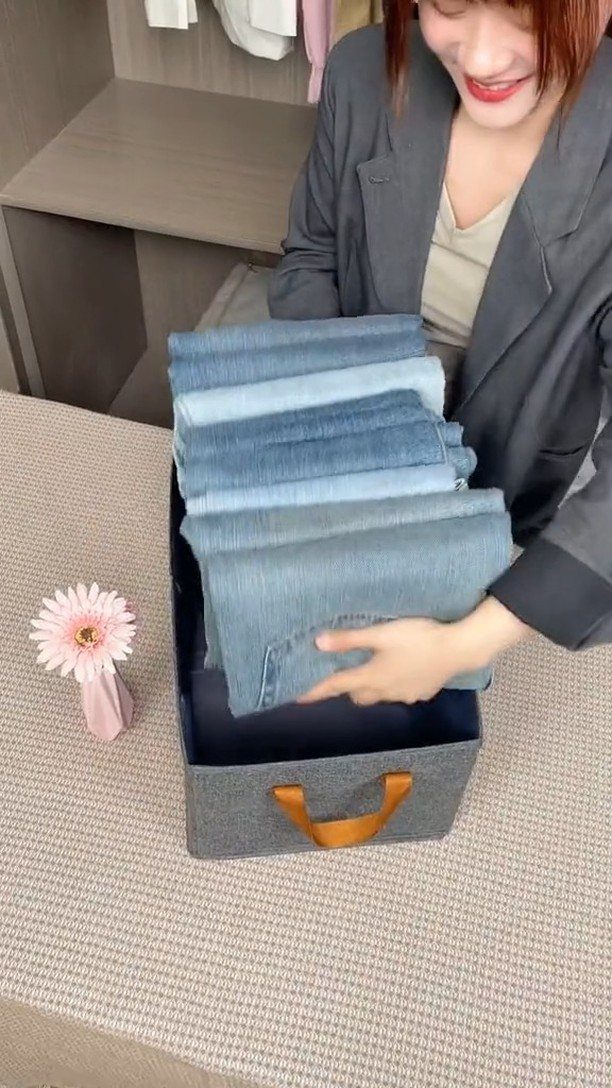
Pack away clothes you will not wear for a while and store them somewhere other than your closet.
If you live somewhere with real seasons, winter coats and summer shorts do not need to sit in your closet year-round.
I move them into bins when the weather changes, and it opens up enough space to actually see what I need right now.
Use bins that close completely so dust stays out, and label them if you have more than one. Store them under the bed, on a shelf, or in a hall closet.
5. Closet Storage Layout
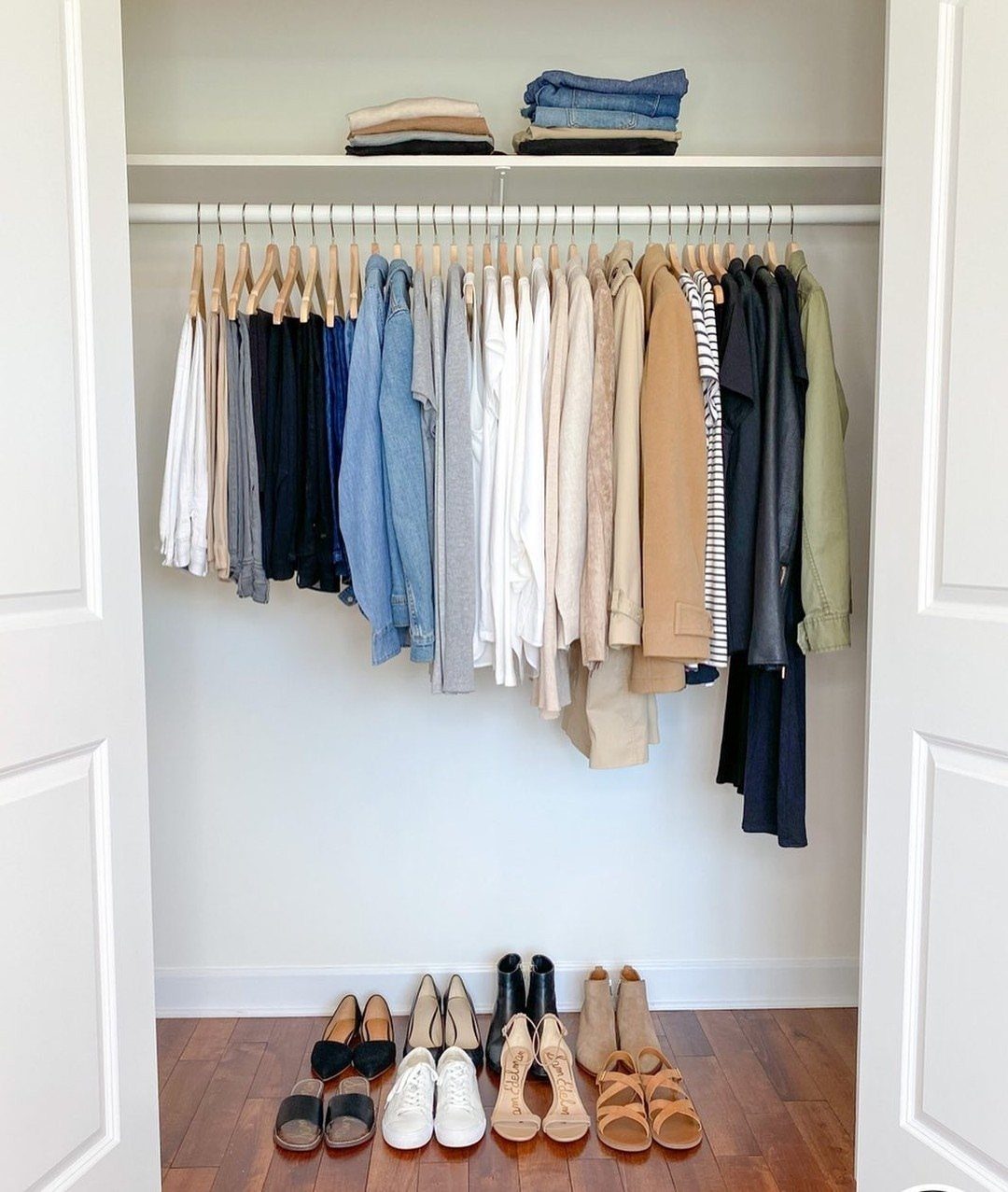
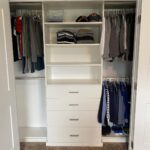
Arrange your closet so the clothes you wear most often are at eye level and easy to grab.
Hanging clothes by type and color makes it faster to find what you need, and keeping shoes lined up on the floor instead of tossed in a pile means you can actually see every pair.
I hang pants together, shirts together, and dresses together, and I put anything I rarely wear at the ends.
If your closet feels cramped, take out anything you have not worn recently and decide whether you will ever put it on again.
Benefits of a Decluttered Closet
A closet you can actually use takes less mental effort every morning. When you can see what you own and everything fits, getting dressed stops feeling like a decision you need to make and starts feeling automatic.
Clothes you do not wear sit there reminding you that you spent money on something that does not work, and that feeling does not go away until the item does.
I got rid of things I felt guilty about ignoring, and the guilt left with them.
The space itself matters too. A closet that is not jammed full lets you put things back without fighting the hangers, and you can find what you need without pulling half of it onto the floor first.
Next time you want something new, first make 3 outfits from what you already own. Most gaps turn out to be pairings you had not thought of yet.
Frequently Asked Questions
Does it fit right now?
Keep clothes that fit your body today, not the body you hope to have later. If you have to suck in, pull at a seam, or shift it after you put it on, it does not fit.
Have I worn it in the last twelve months?
12 months gives every season and every event a turn.
Does it pair with at least three other pieces in my closet?
Clothes that only work with one specific outfit take up space without adding options. If a piece does not pair with several things you already own, it is not versatile enough to keep.
Would I buy it again today?
Forget what you paid or what brand it is. Walk past it in a store today at what it cost new and you would not buy it, so it already served its purpose.
Does the quality still hold up?
Pilling, fading, stretched seams, and limp fabric mean the piece is done.
Will I repair it?
Set a deadline of one week or one month to finish repairs. If the deadline passes and the item is still sitting there, toss it instead of letting it take up space.